ship’s log 36: crossing the North Sea
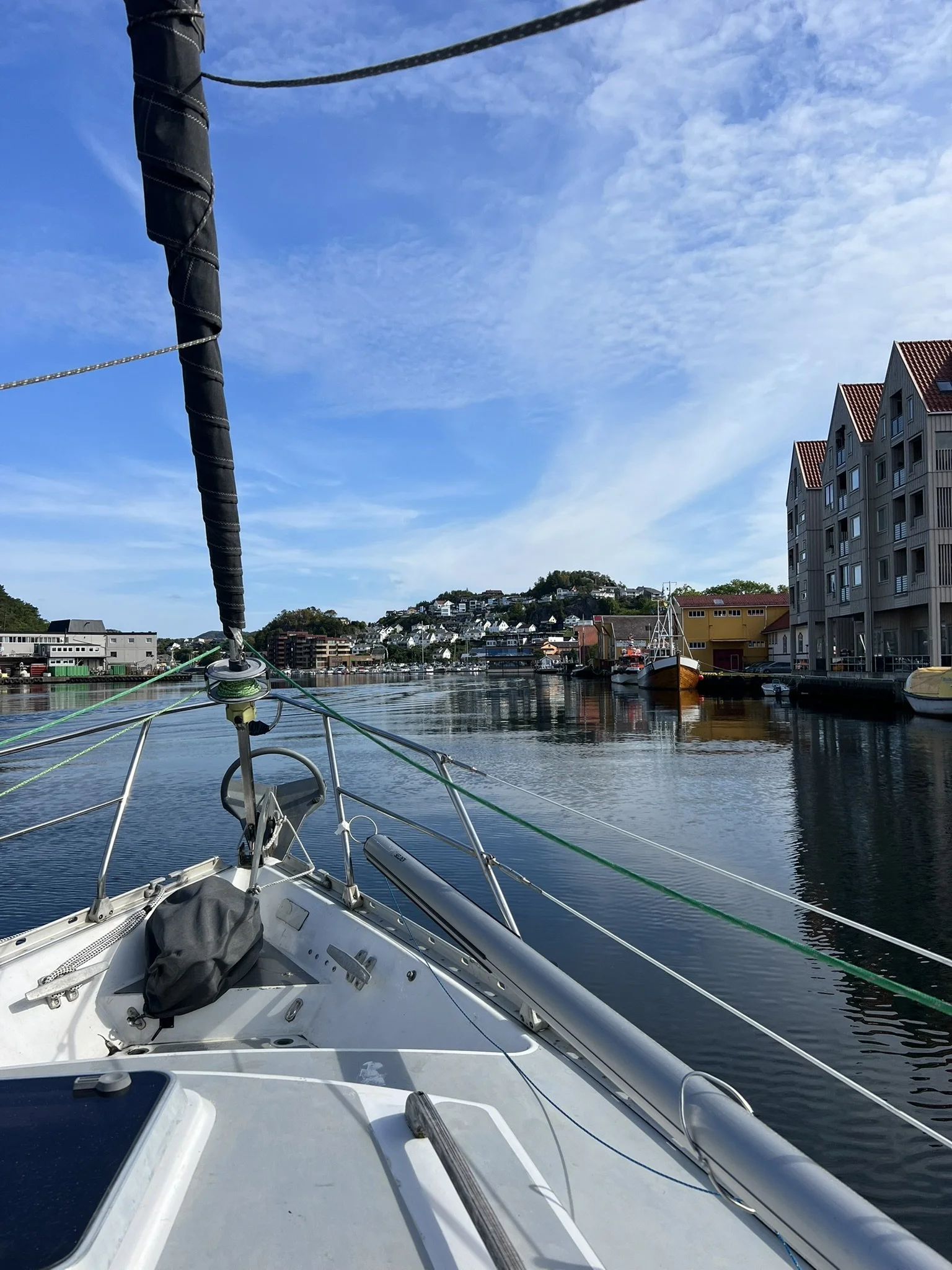
After a quiet, calm night at anchor, it was finally time to put on our big girl & big boy pants and get ready for our longest passage yet.
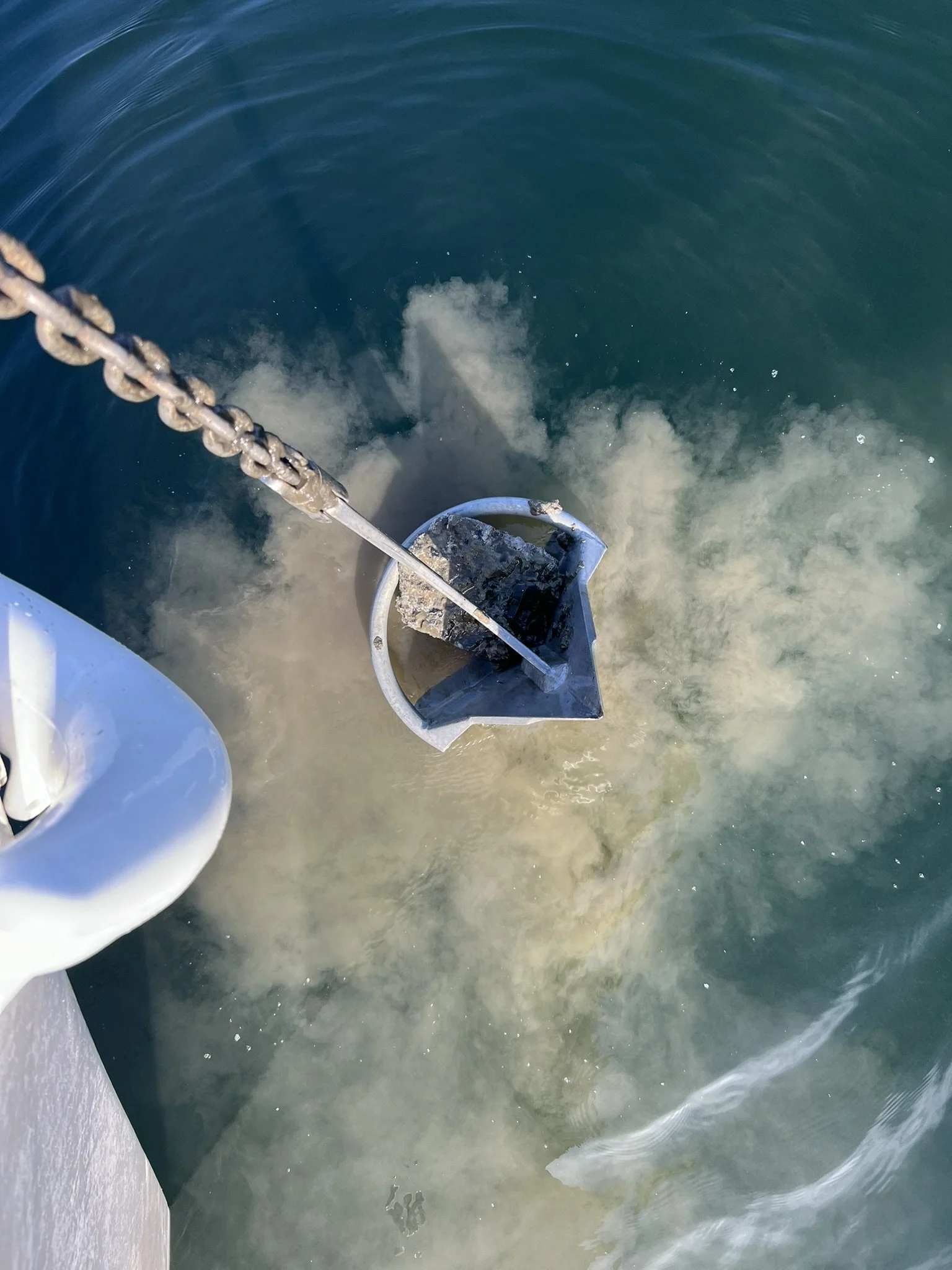
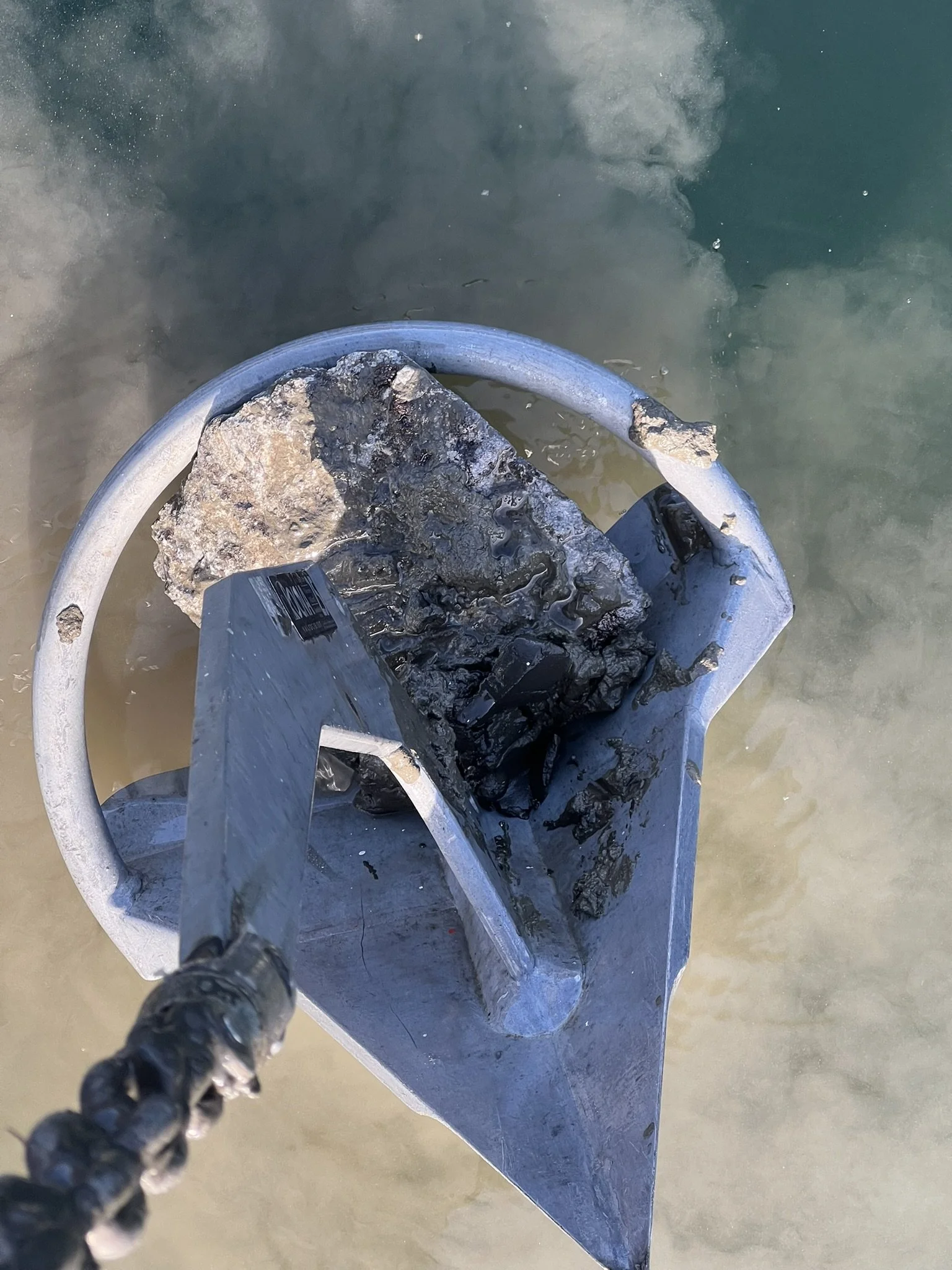
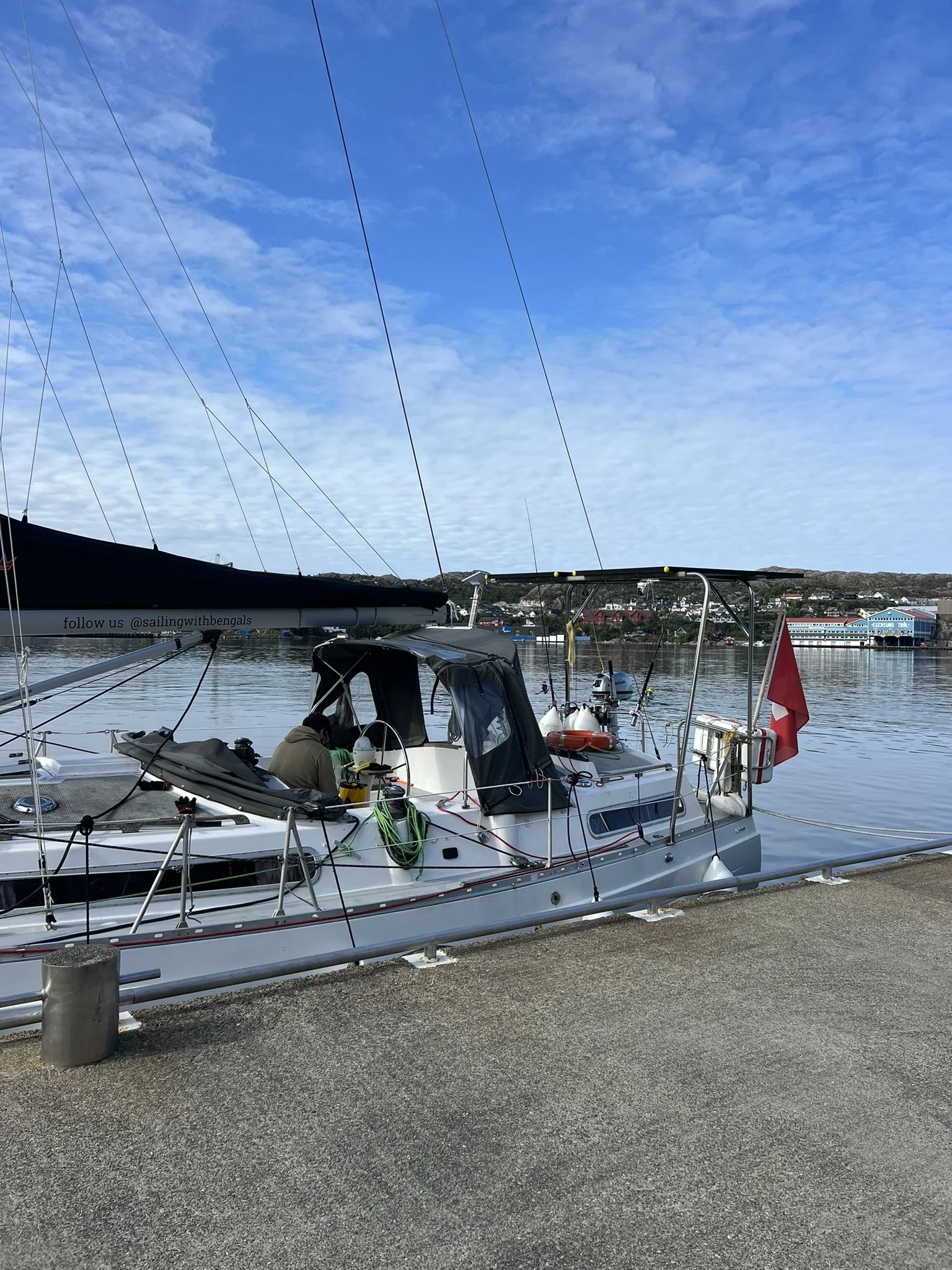
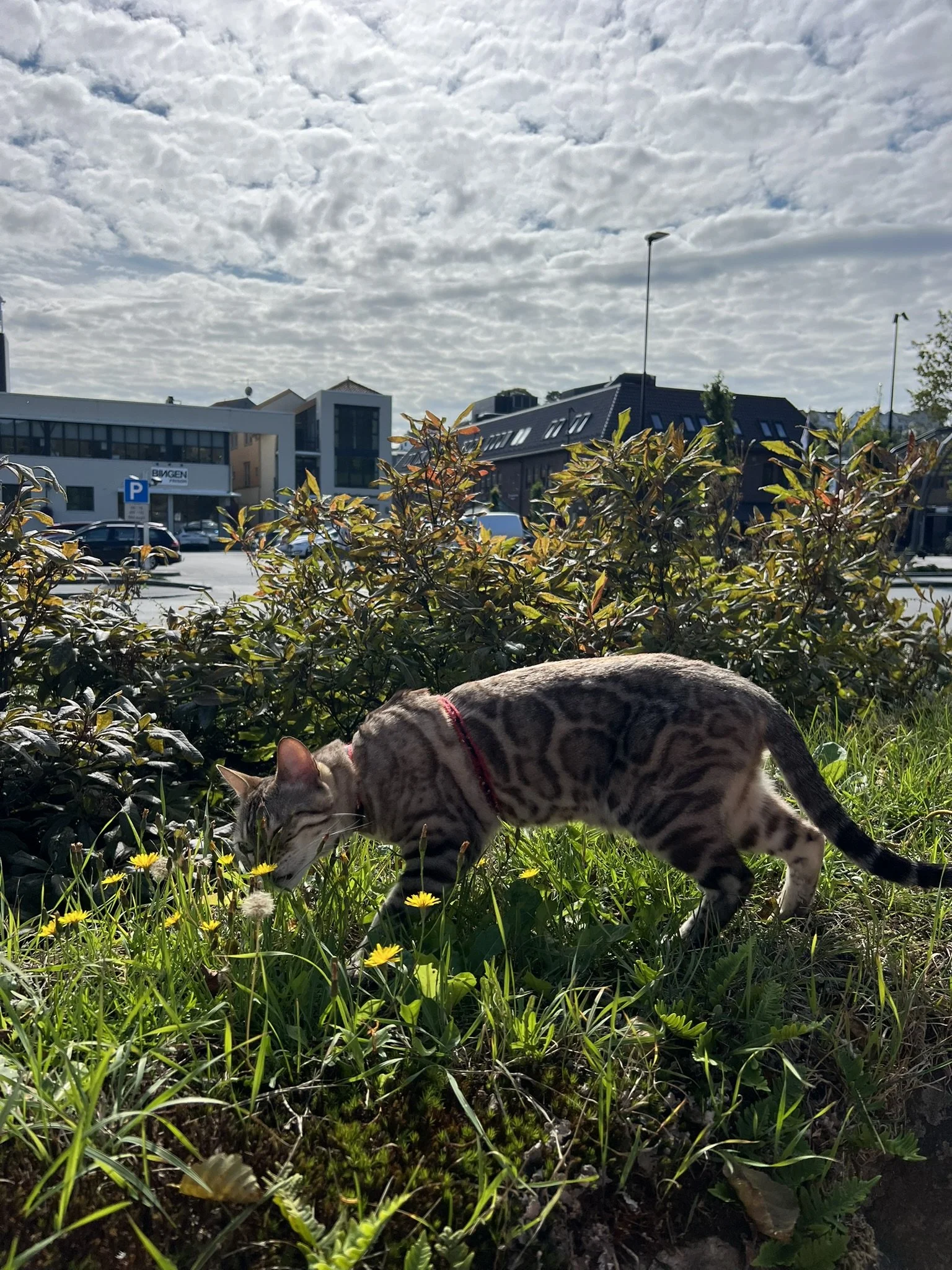
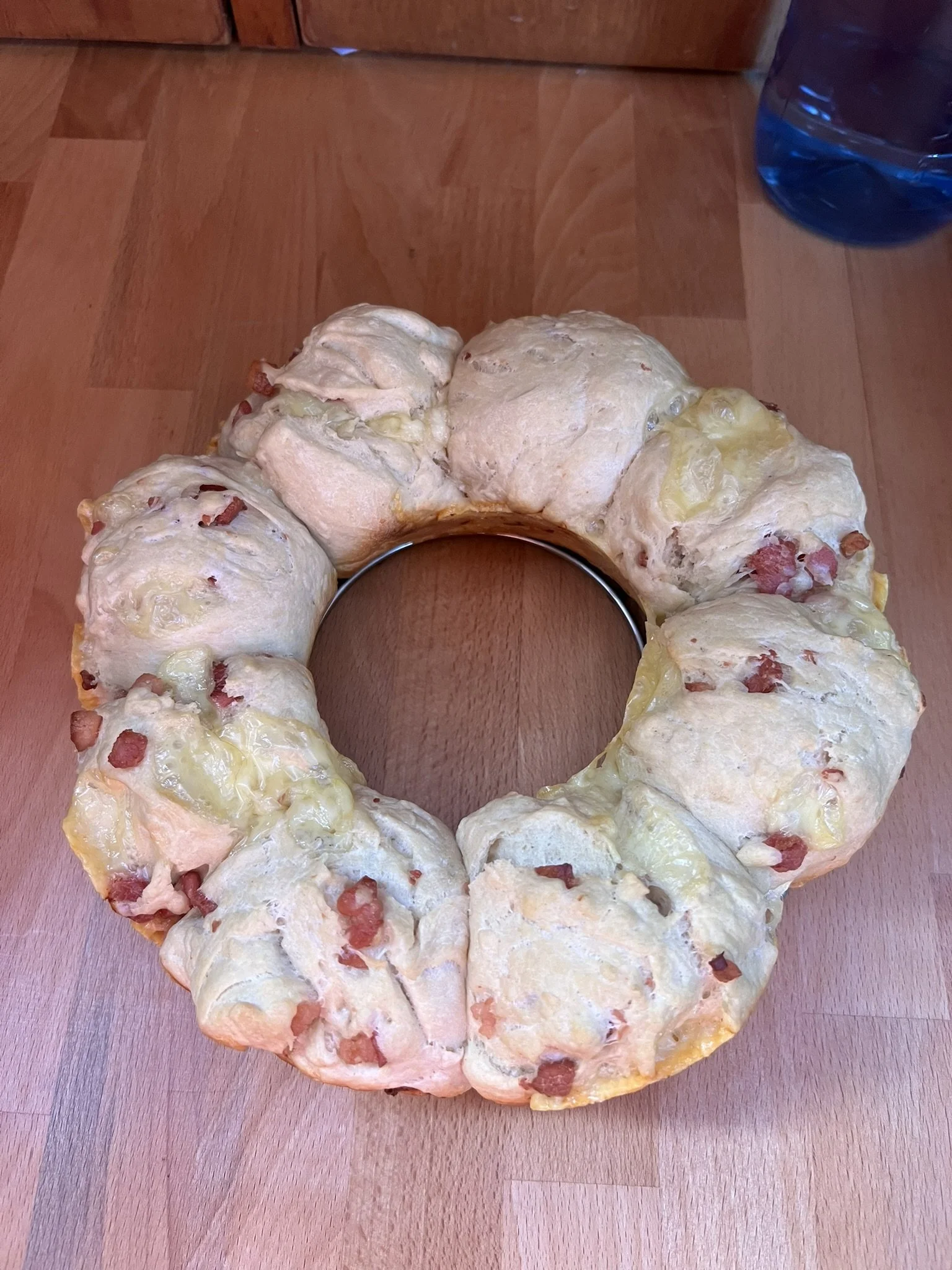
Before we were ready to leave Norway, we had to fill up our diesel tanks, get some snacks for the journey and go on a long walk with the cats. We were anchored near Egersund, so it was only a short way to go into the harbour where we could get everything done. I also baked a cheese-and-bacon bread for the crossing, which turned out to be a lifesaver!
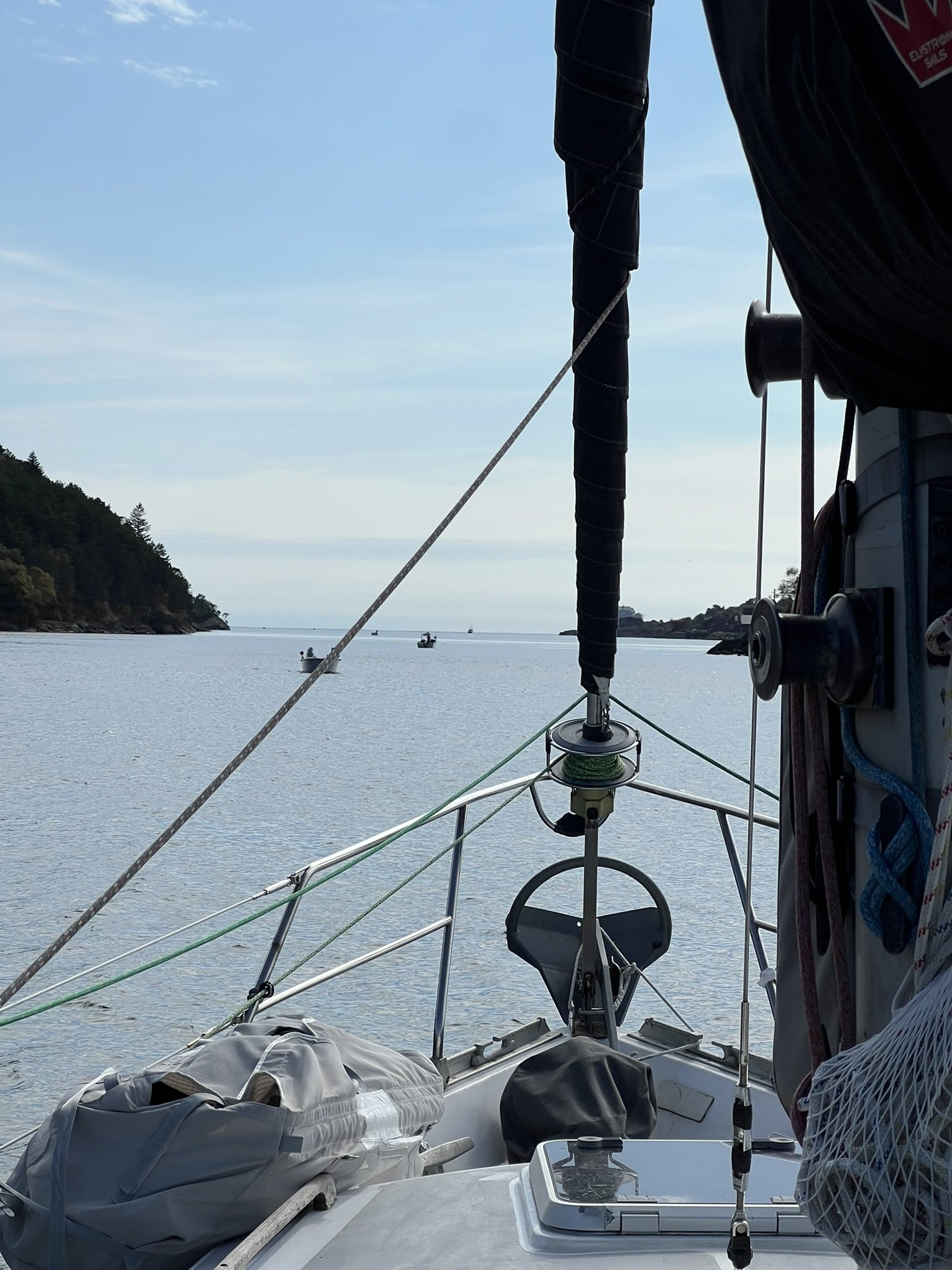
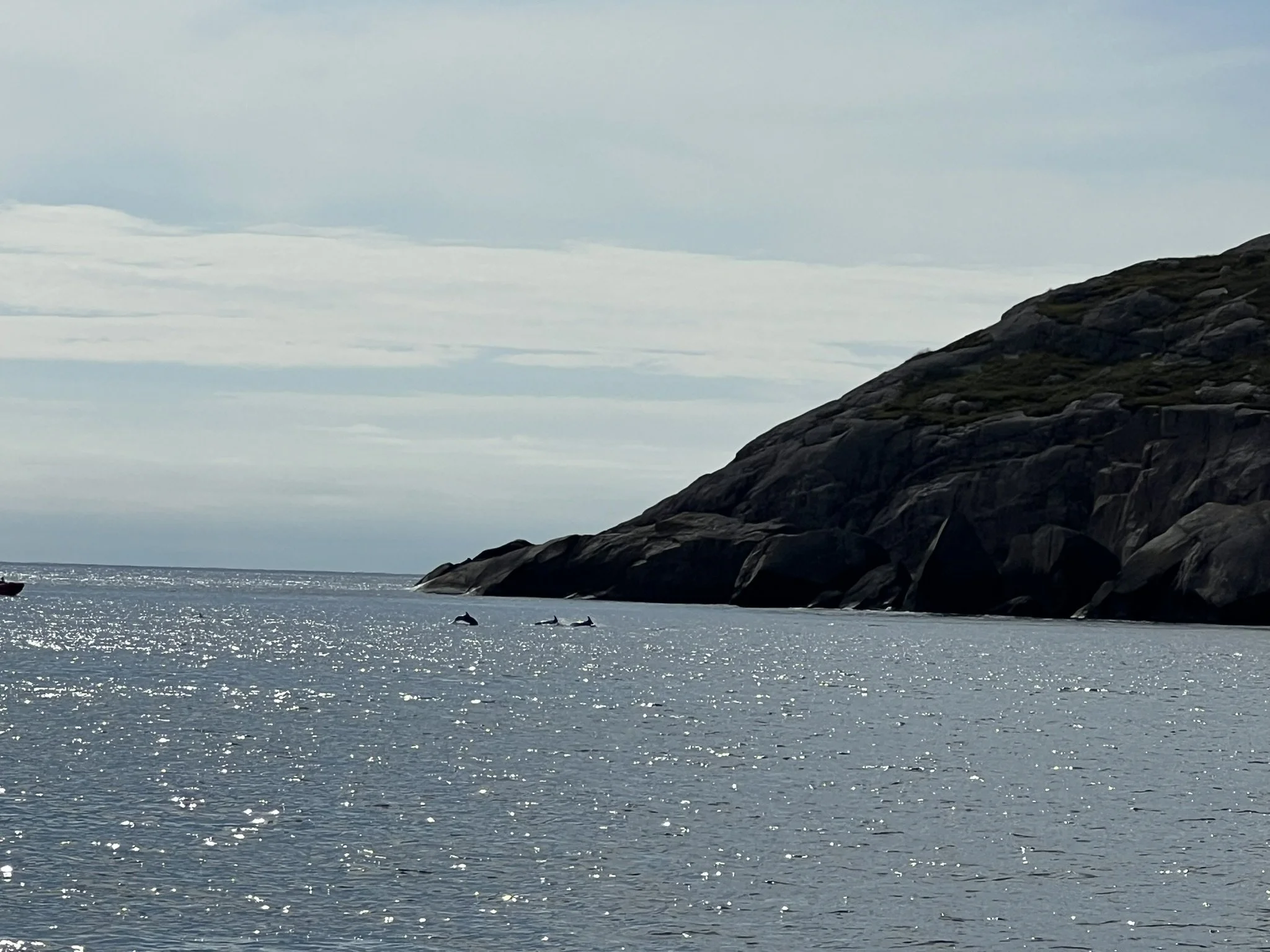
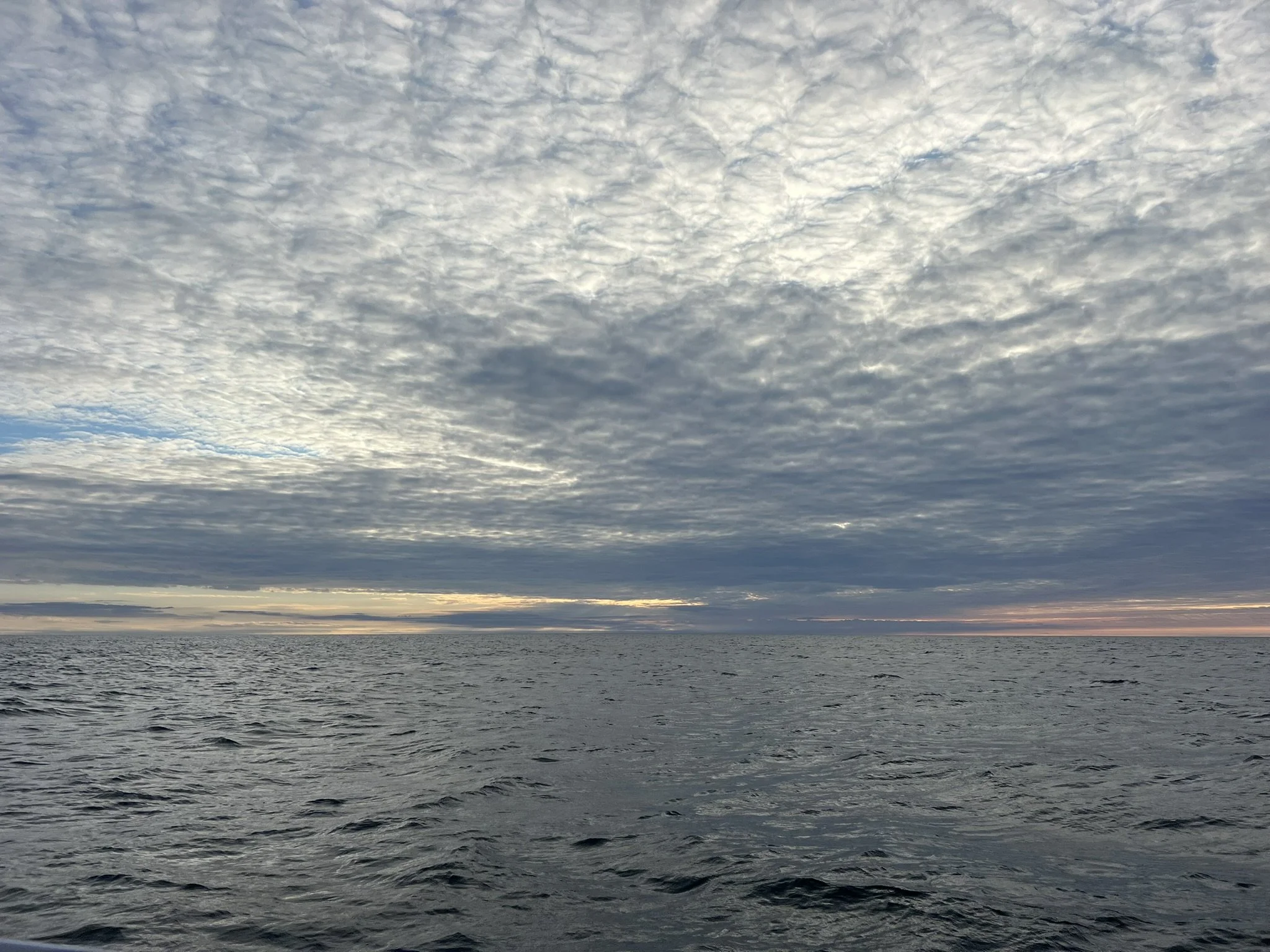
We left Egersund at 2pm so that we would hit the perfect weather window to start our journey. Just as we left the last bit of land behind us, we were greeted in the open ocean by dolphins! If this isn’t a good sign, I don’t know what is!
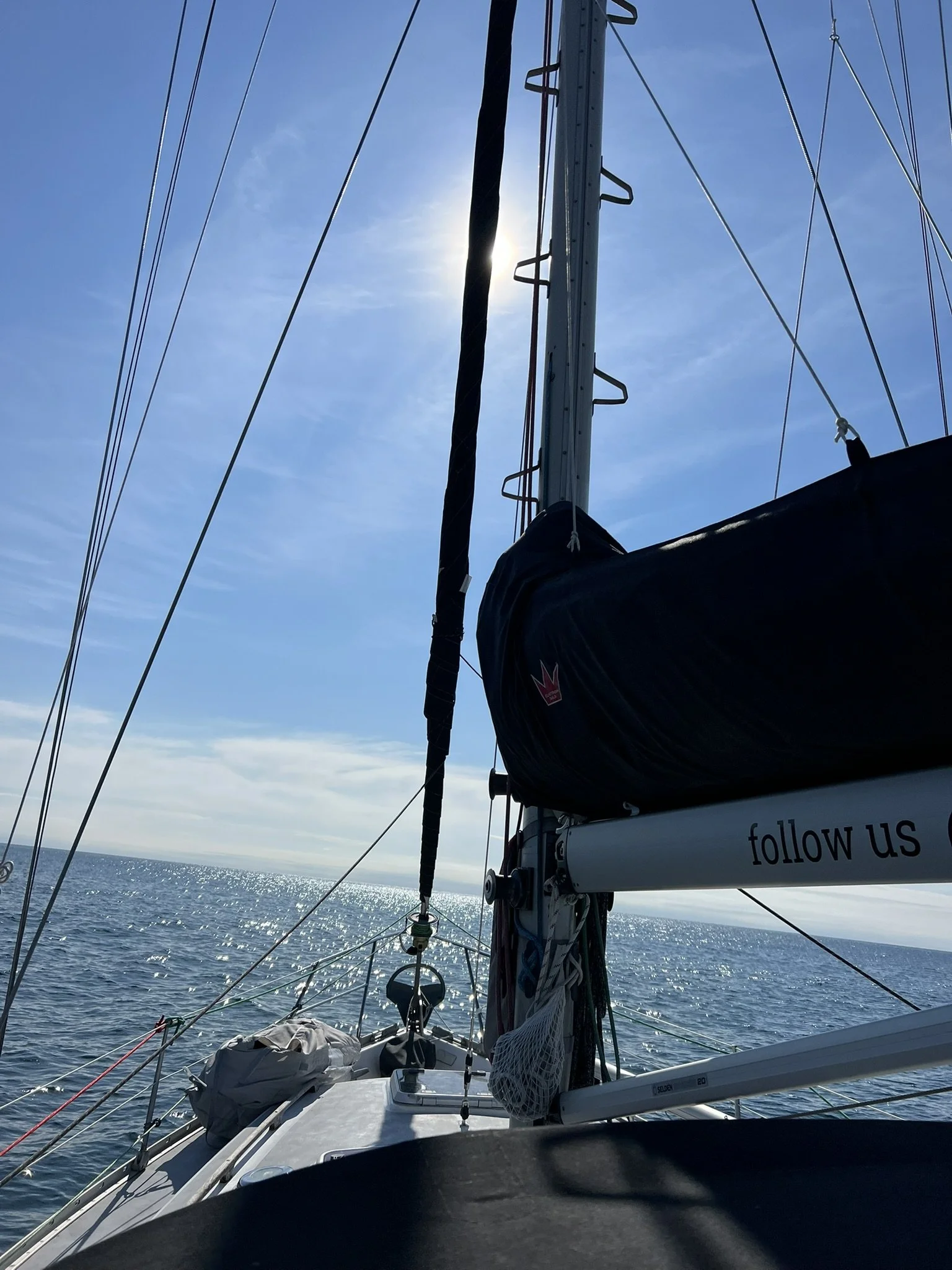
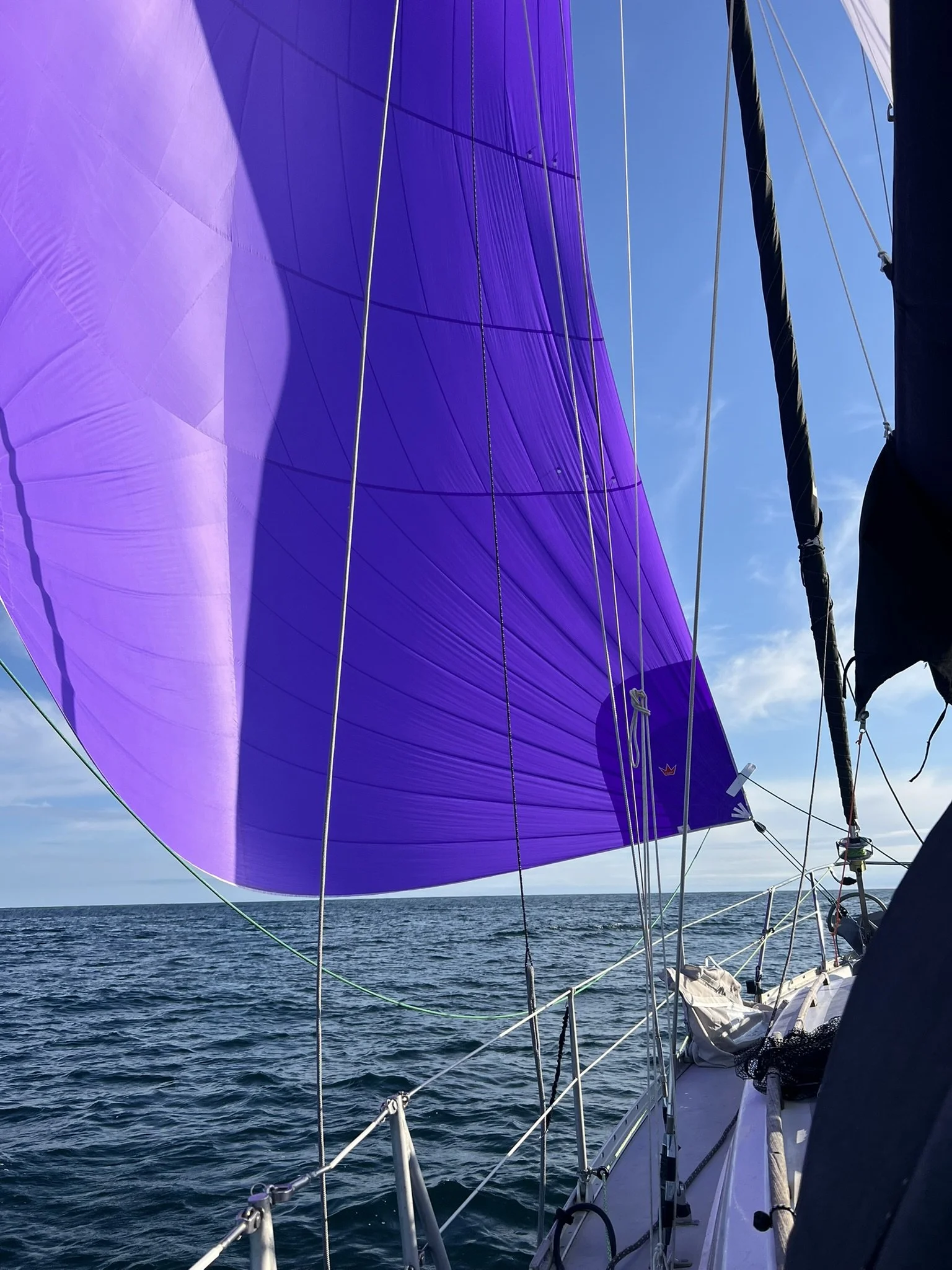
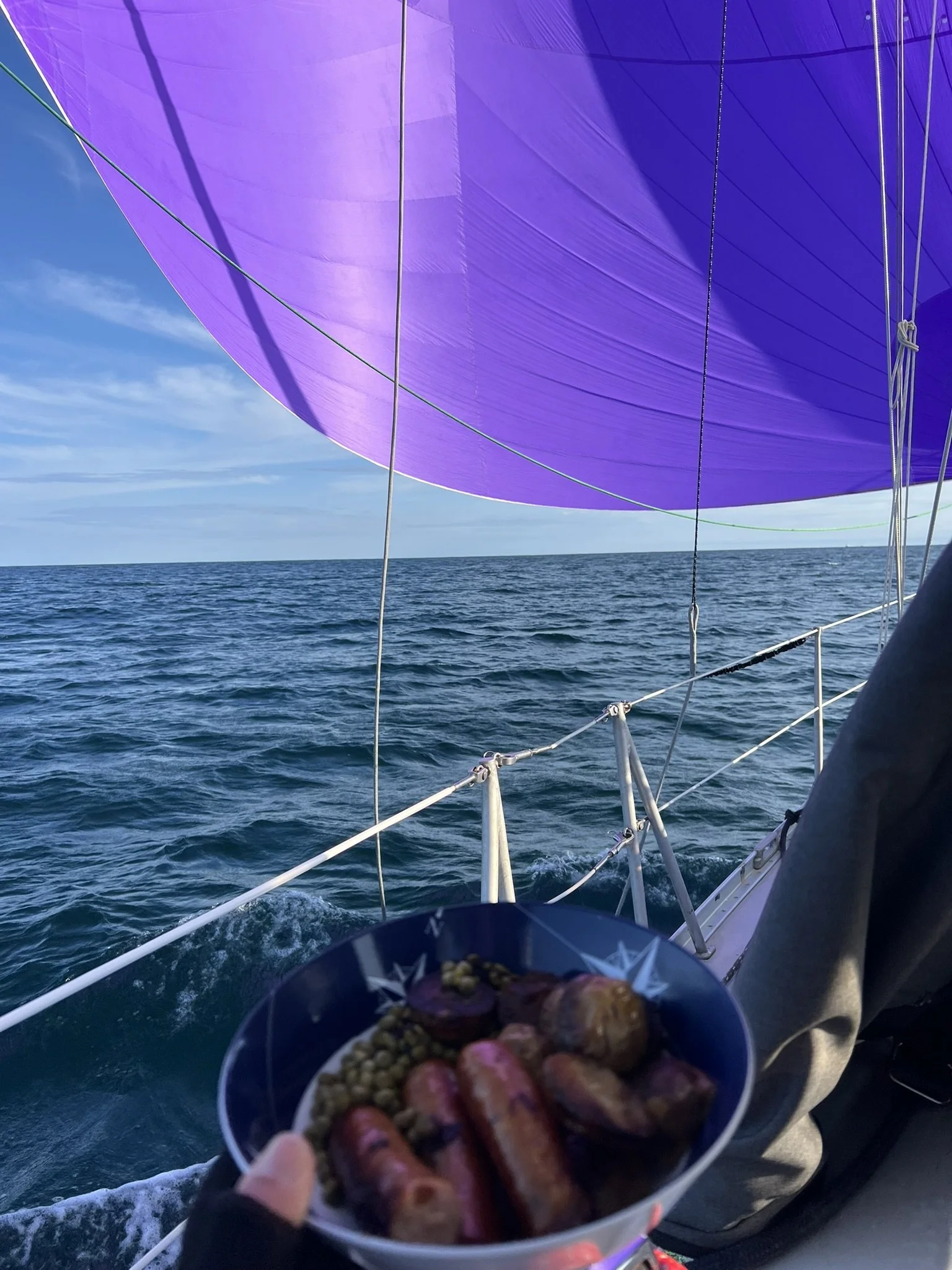
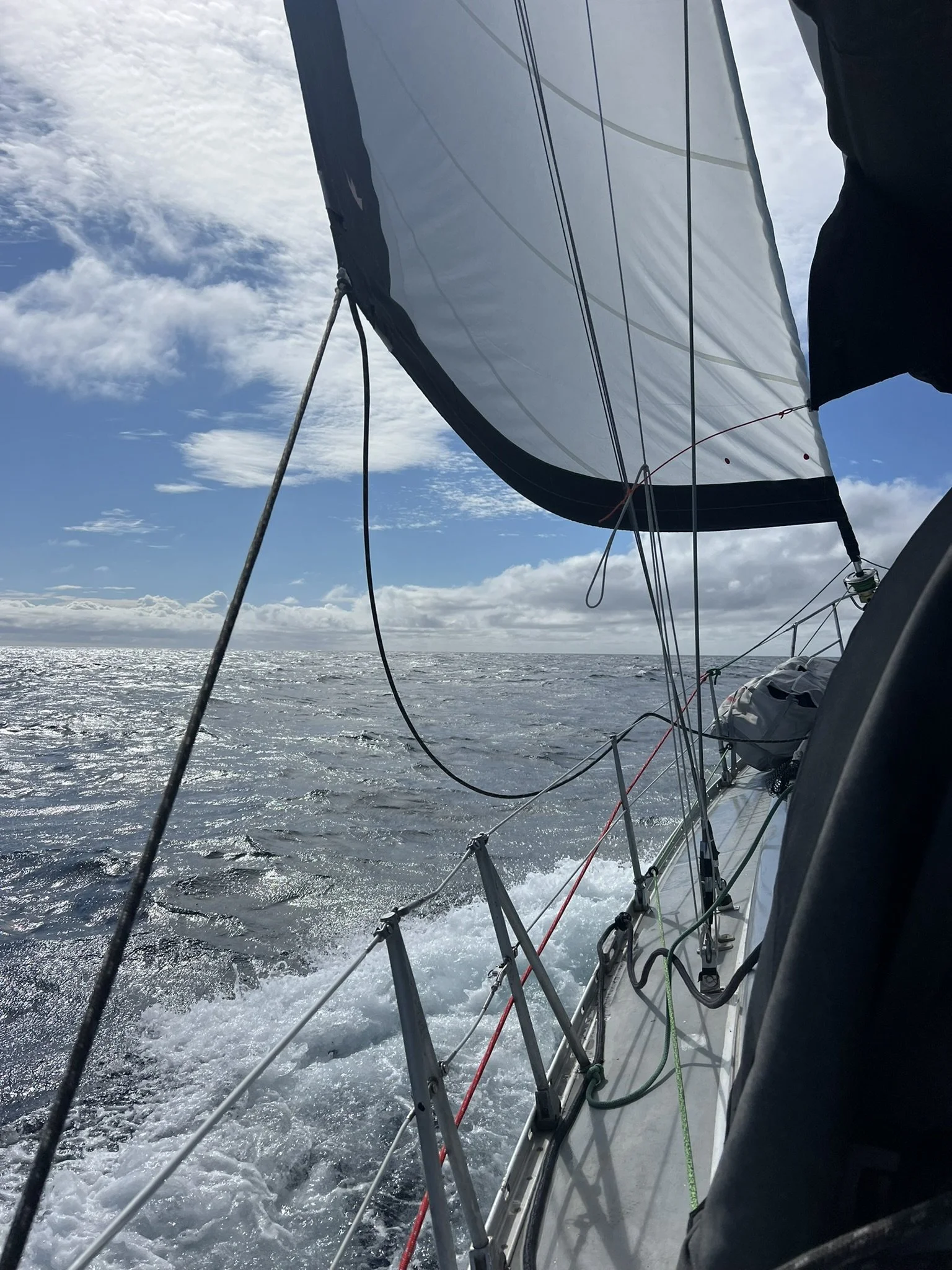
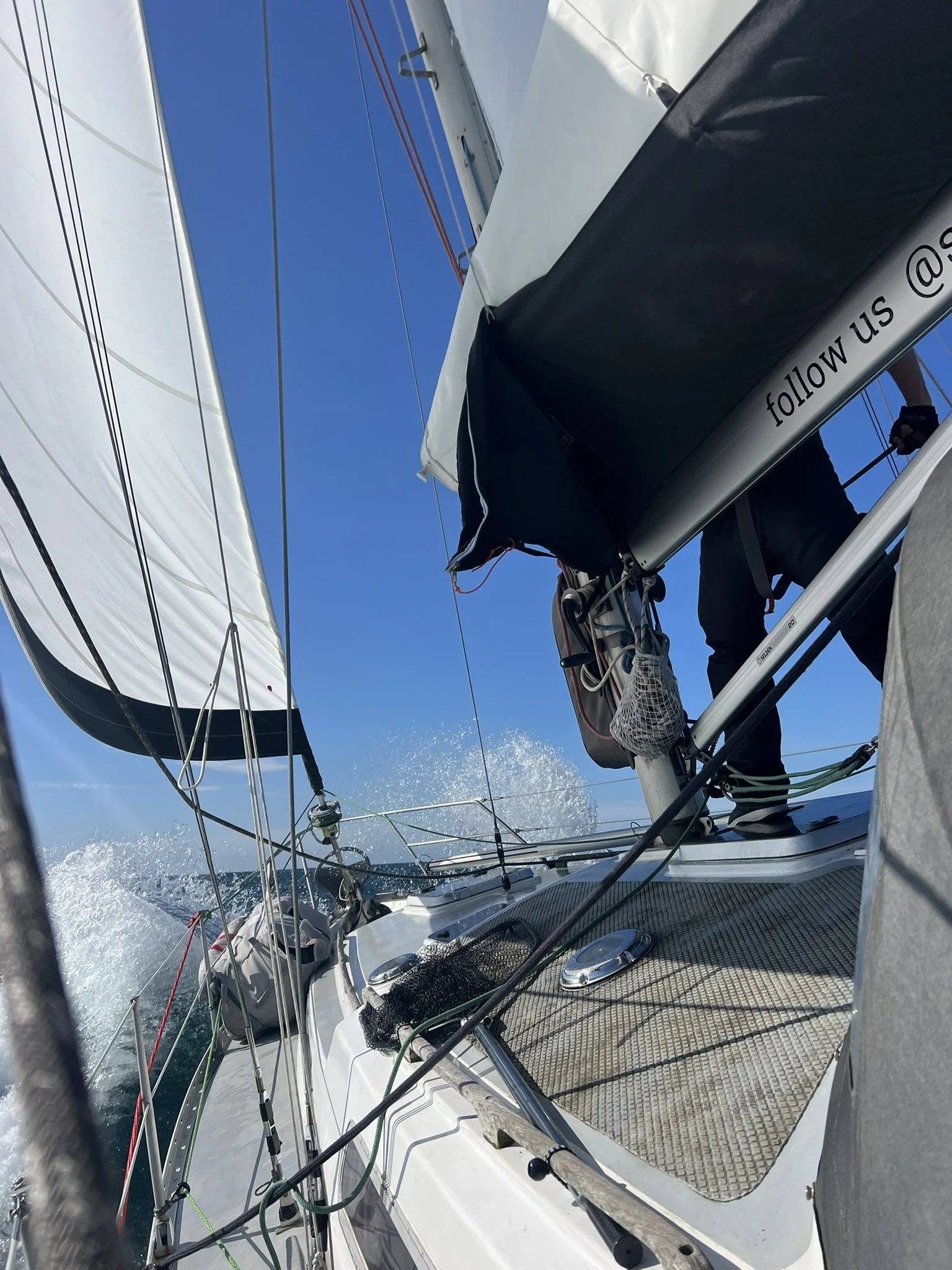
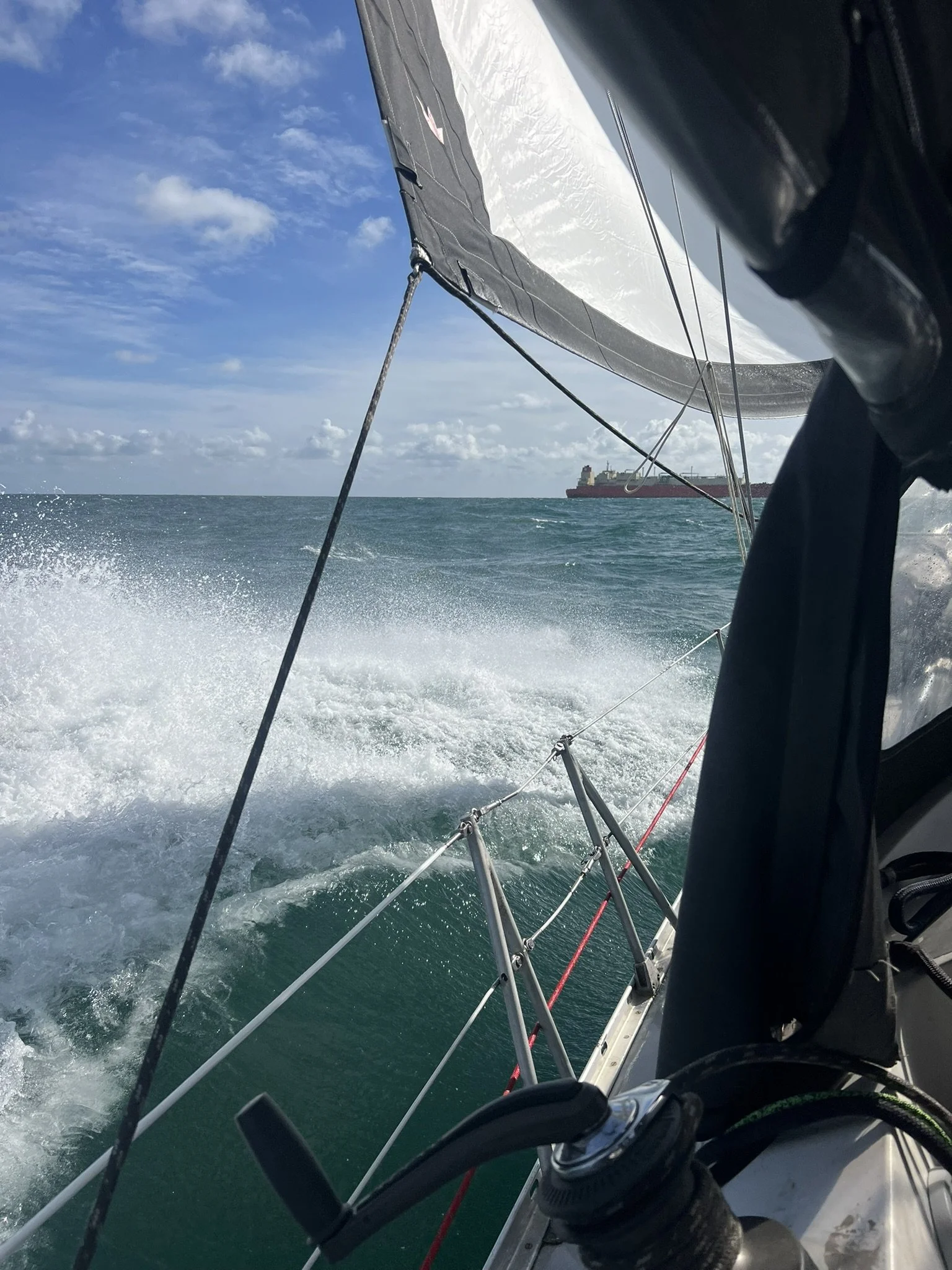
We were able to fly the gennaker right away, and the first afternoon and night were the most comfortable we had ever had! Reto was able to cook dinner down below while I was out on my shift, and we both got some good sleep. We decided to take down the Gennaker before the night, because it’s a sail that requiers a lot of attention and visibility to sail. so we exchanged it for the Genoa instead.
Just as I went to bed at 3am, Reto got surprised by three dolphins — again! Of course, he told me, and I couldn’t resist getting up again to say hi to them! They accompanied us for almost an hour, playing around in the bow waves of Lív.
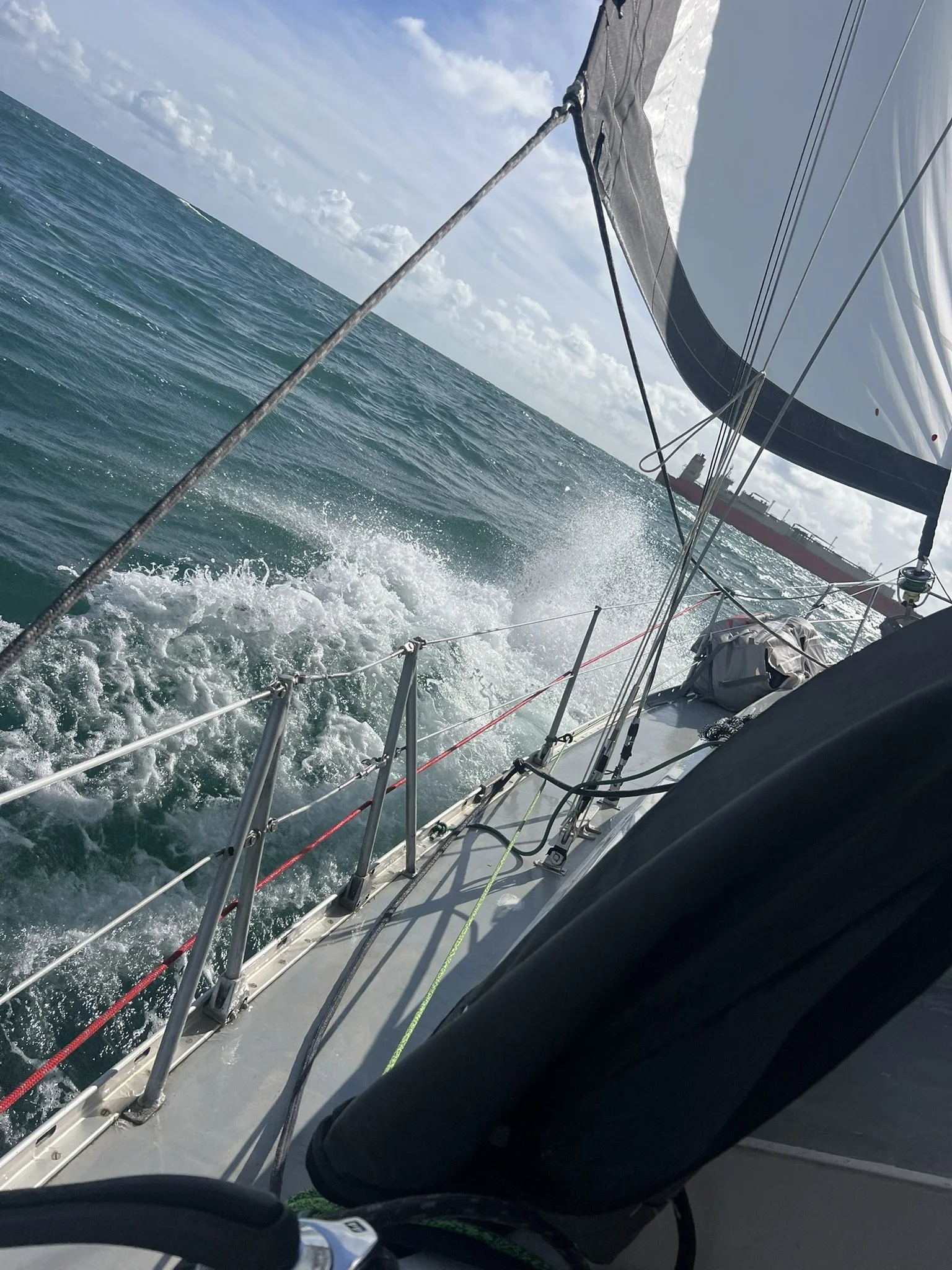
The next day, the wind increased, and we sailed with the first reef in the genoa and mainsail for the whole day before putting in the third reef for the night. The reef reduces the sail area, which is crucial in higher winds. It’s also much easier to do that in daylight and together than at night or alone.
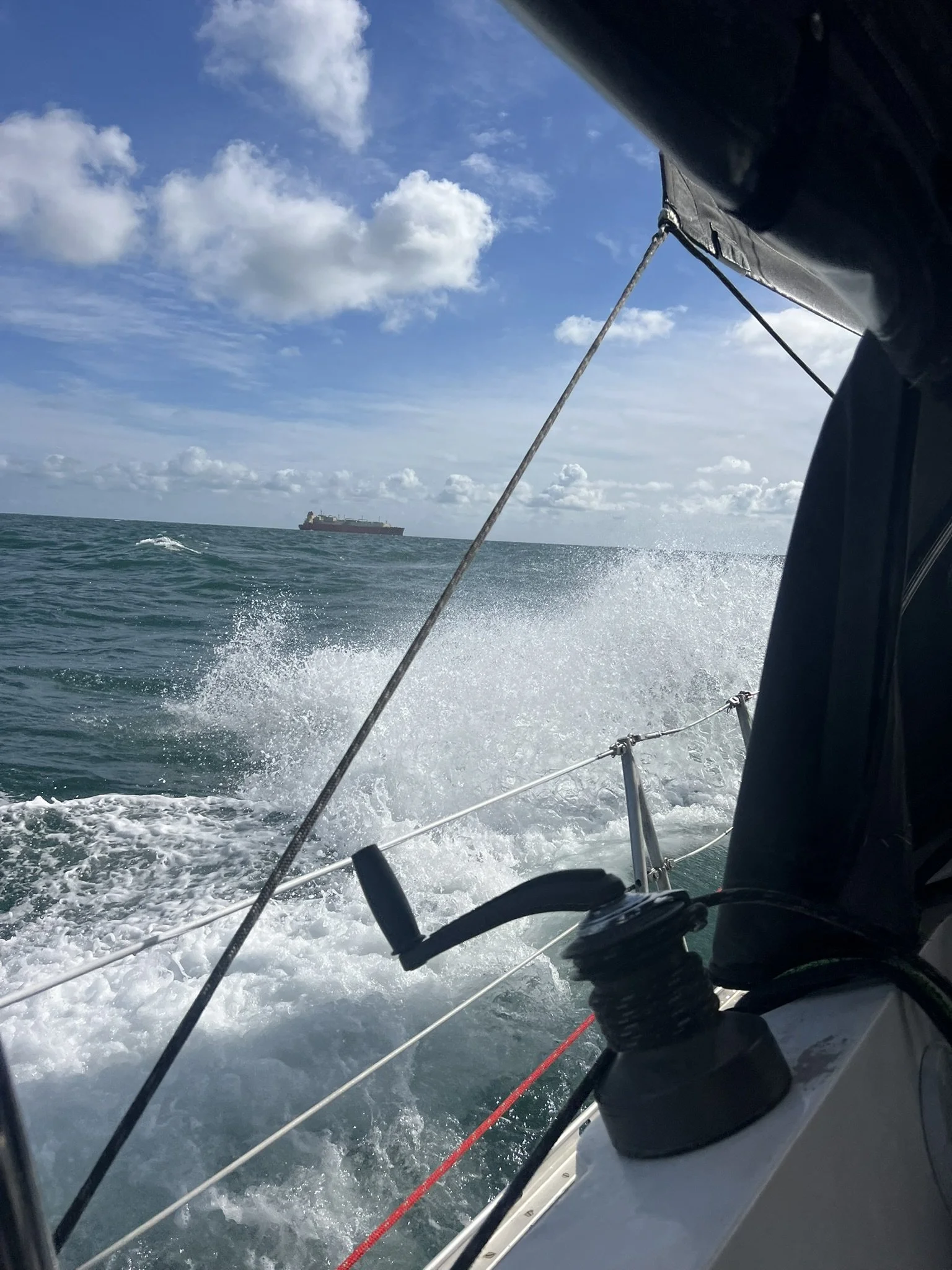
The second night turned out to be pretty uncomfortable because with the stronger wind the waves also got bigger. At this point, we didn’t cook fresh meals anymore. We pretty much survived on the said “lifesaving bread”, cereal and chocolate bars.
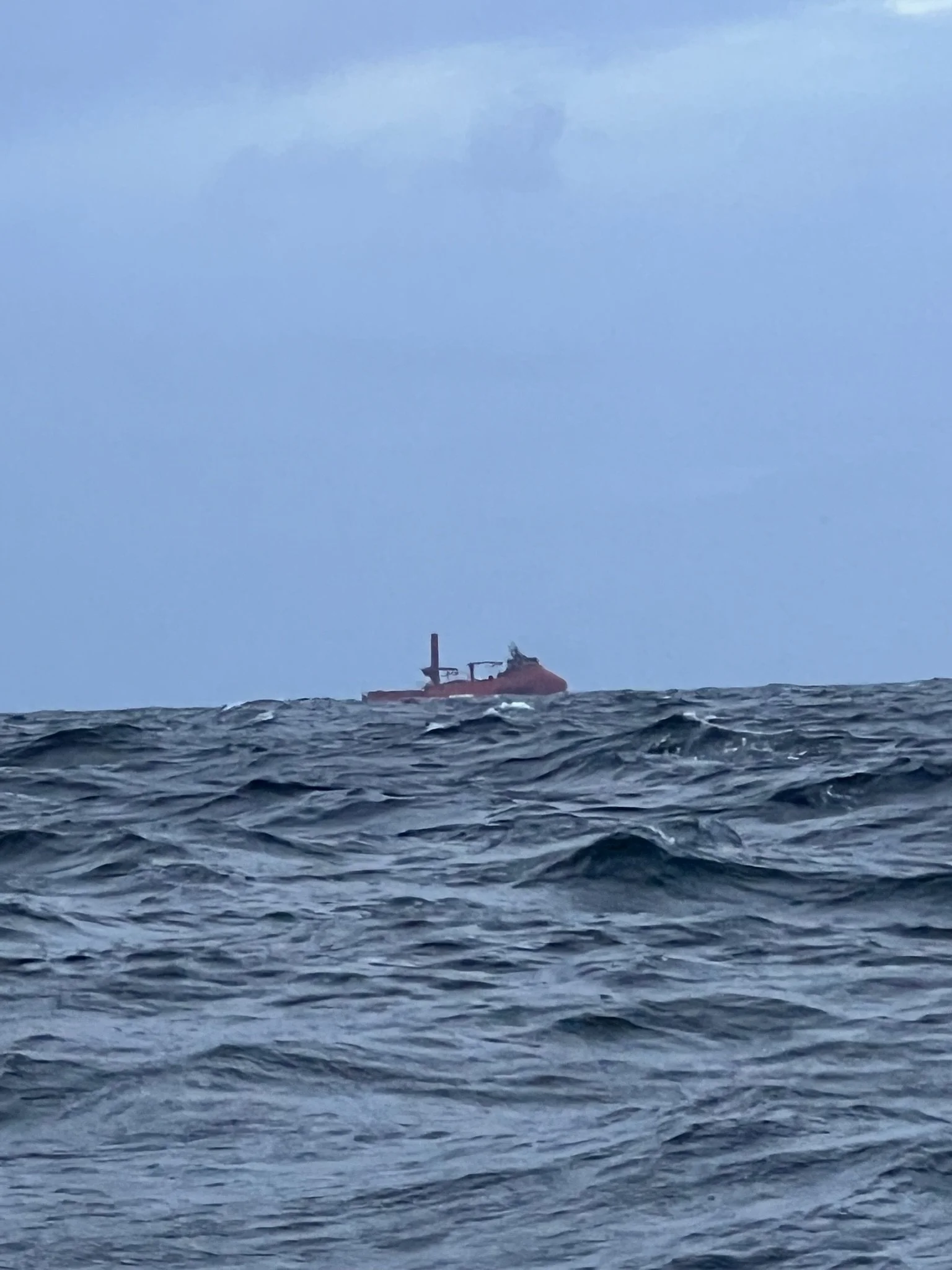
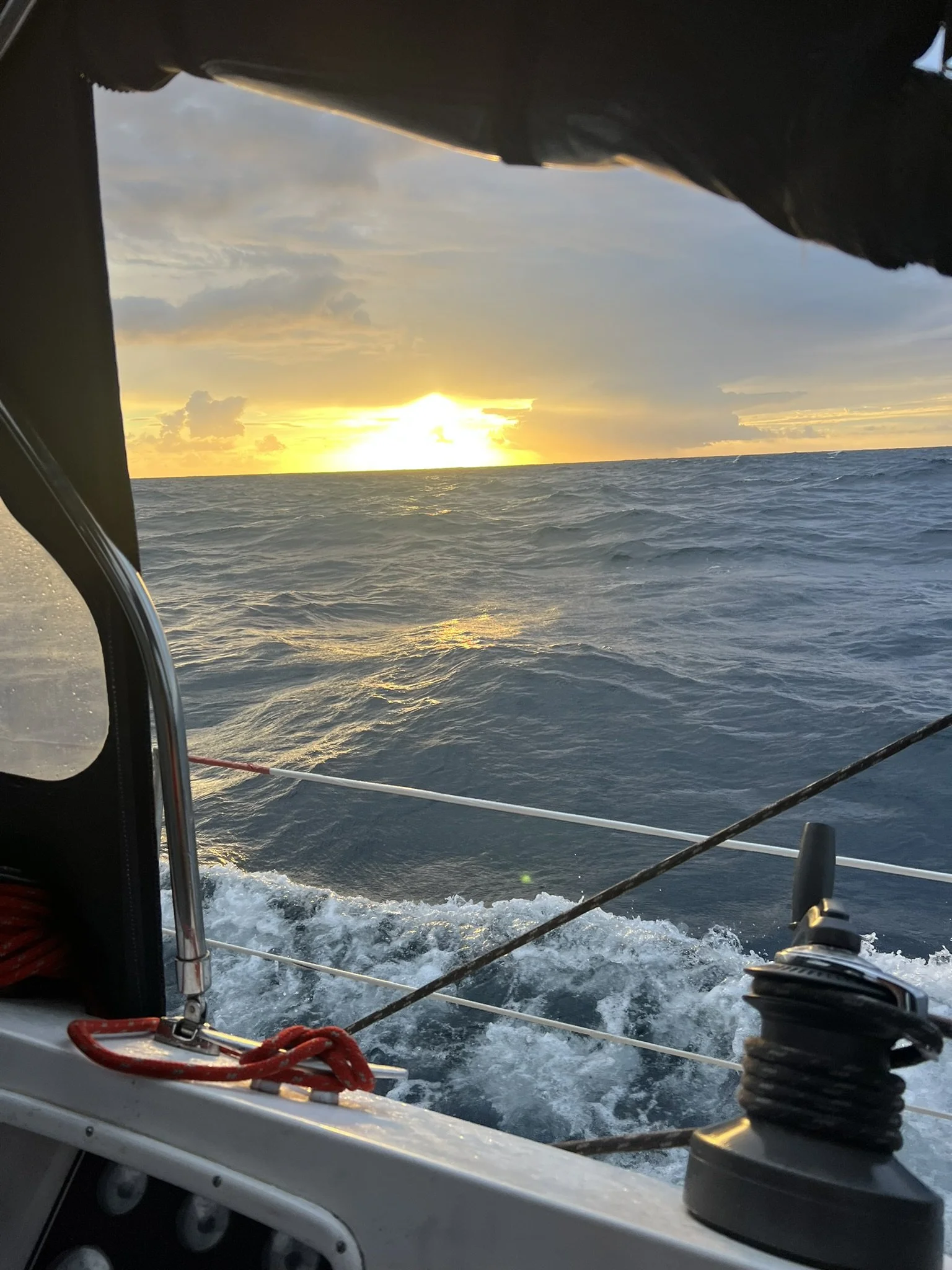
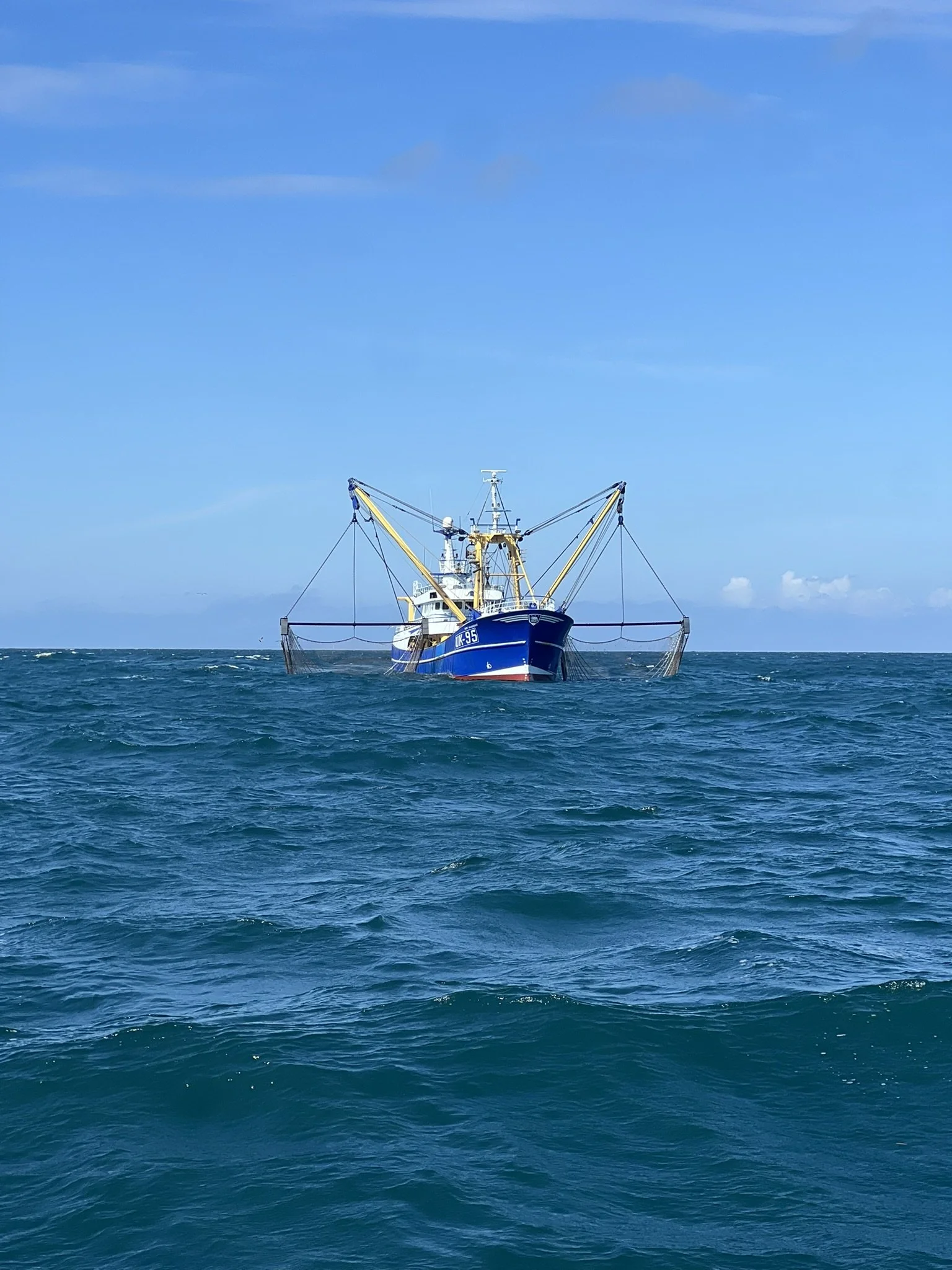
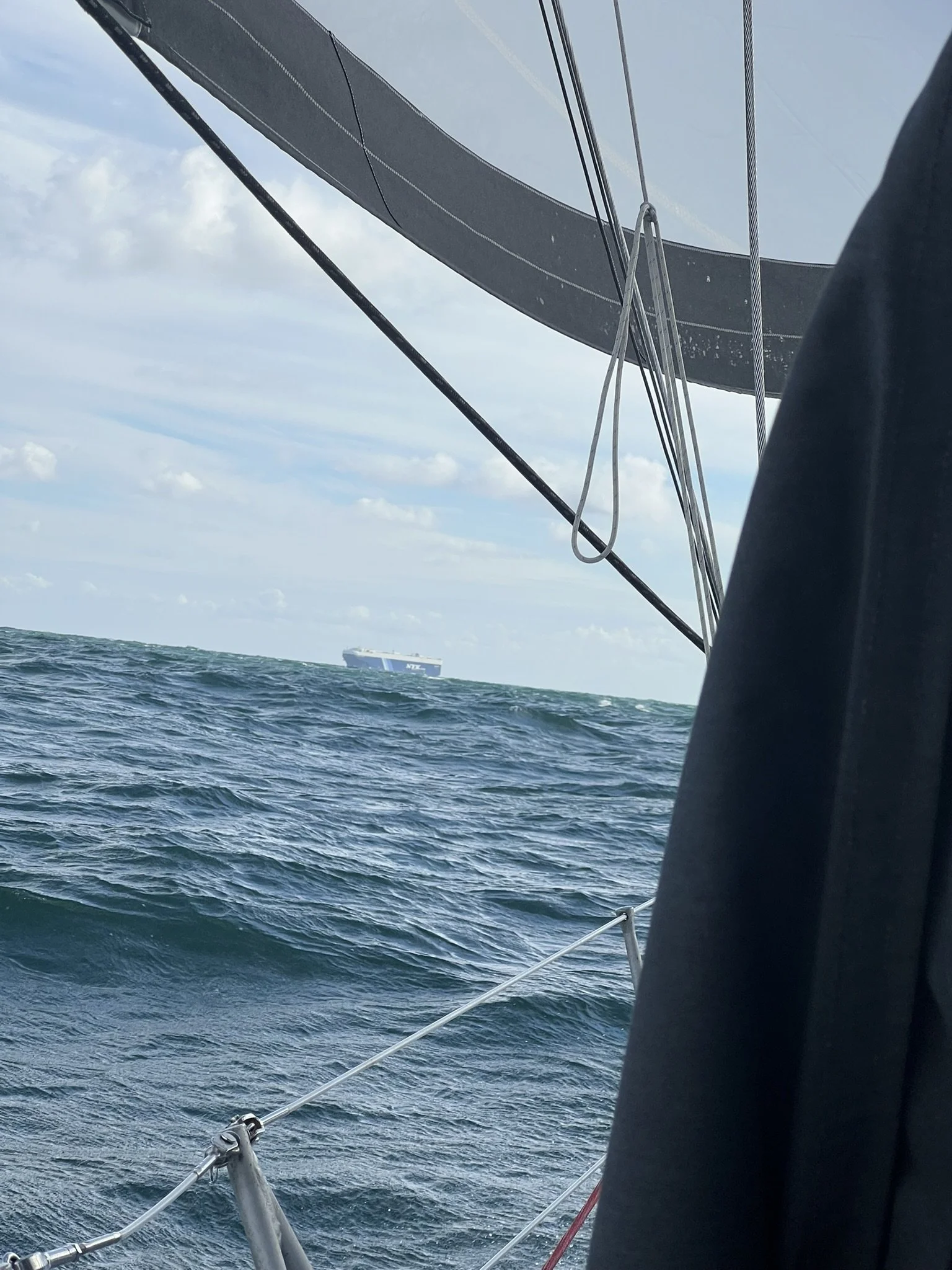
The third day the comfort on board was a bit better again. The sun came out and made a huge difference to our spirits. We saw the first signs of the Netherlands when one of their unique fishing boats called us on the radio to tell us that we should pass in front of them because they would now slow down their speed to take up the net.
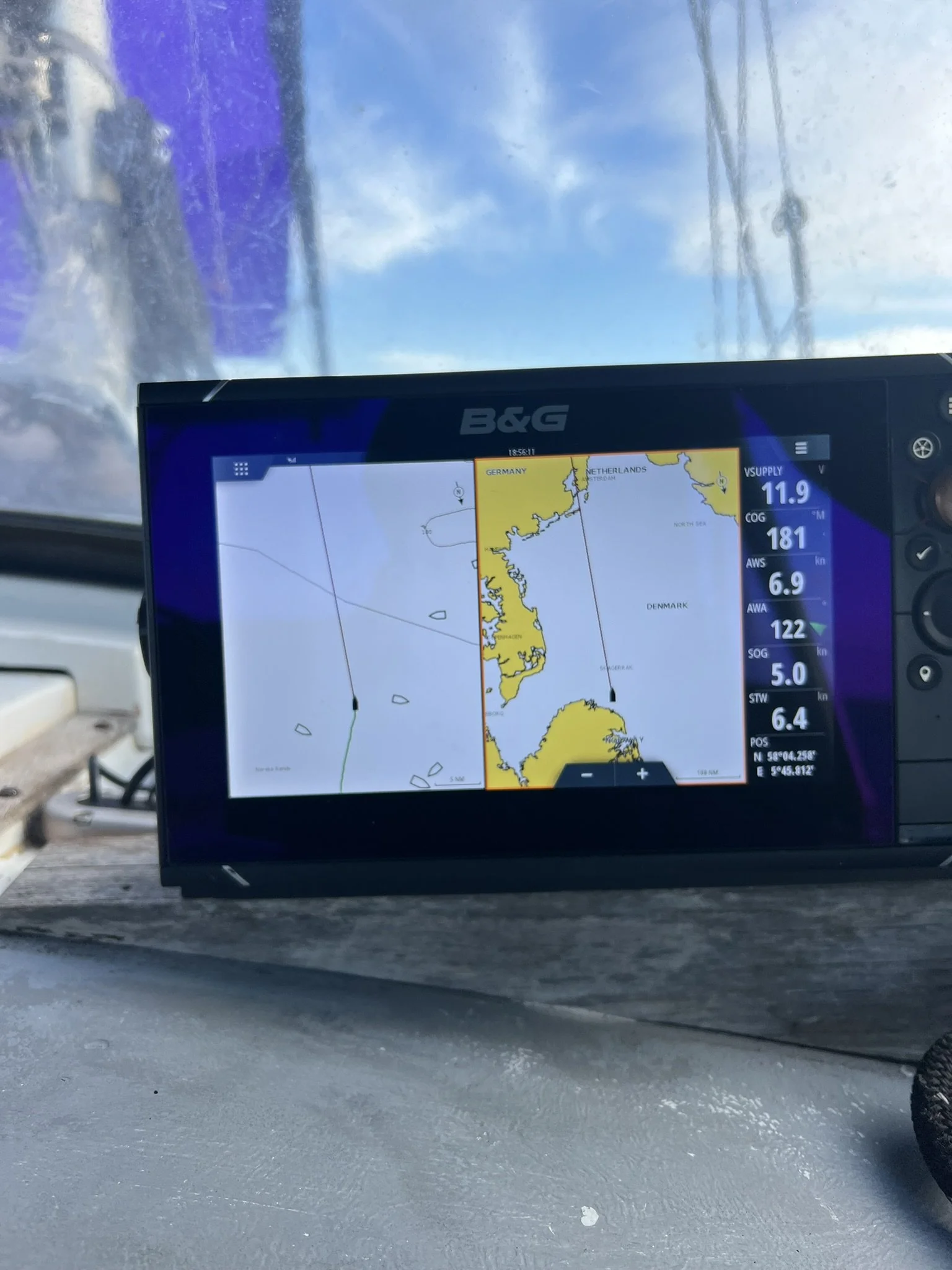
Overall, everything was going pretty well on this passage. The biggest issue we were facing was that the wind did not come from the exact direction that had been predicted. This meant that we had to sail close to the wind, and we would still end up too far east.
The problem with that was that we then had to fight against both the current and the wind in the darkness of the night to reach the shipping channel that would take us behind the island of Terschelling.
These were probably the worst three hours that we experienced.
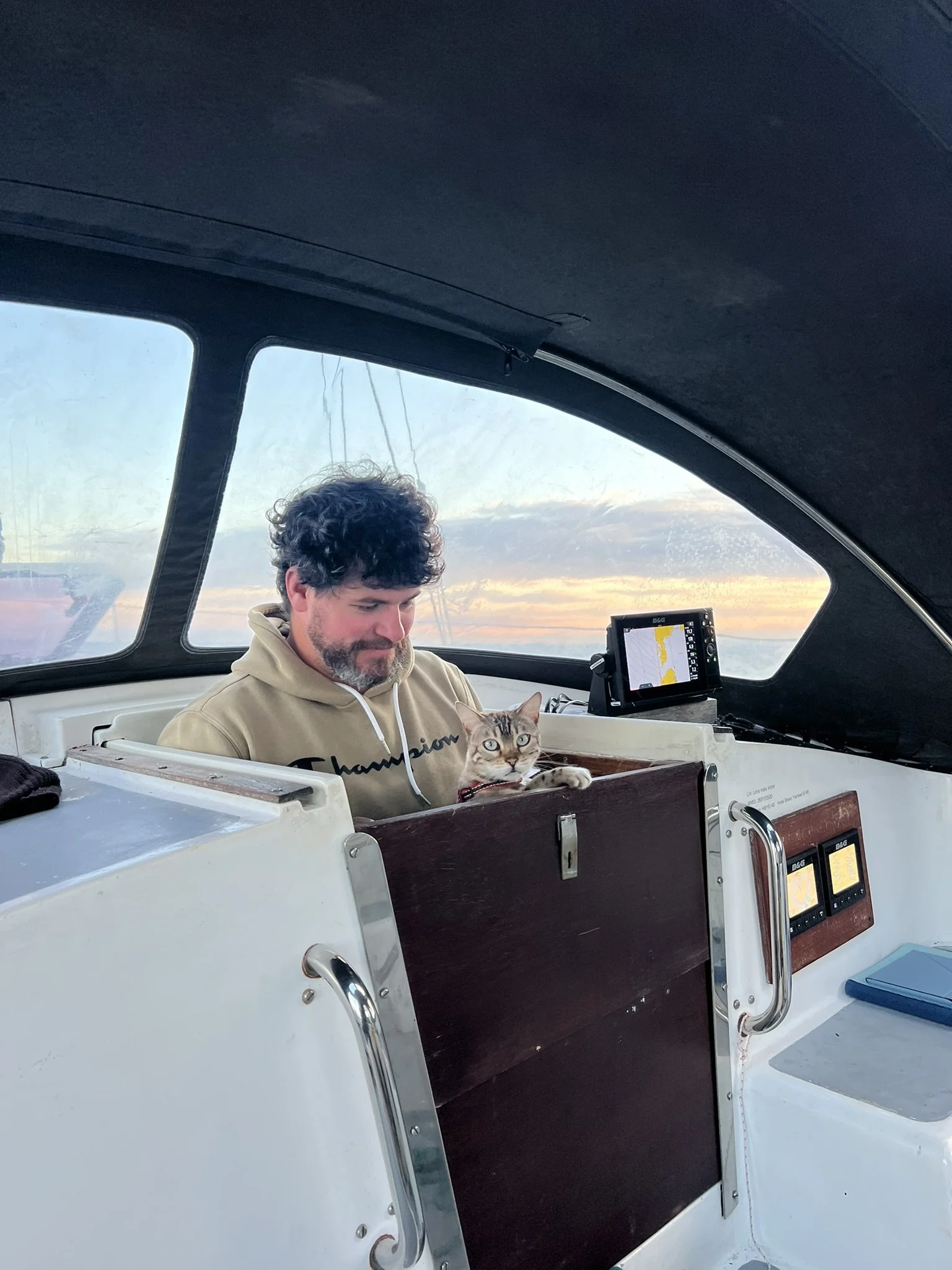
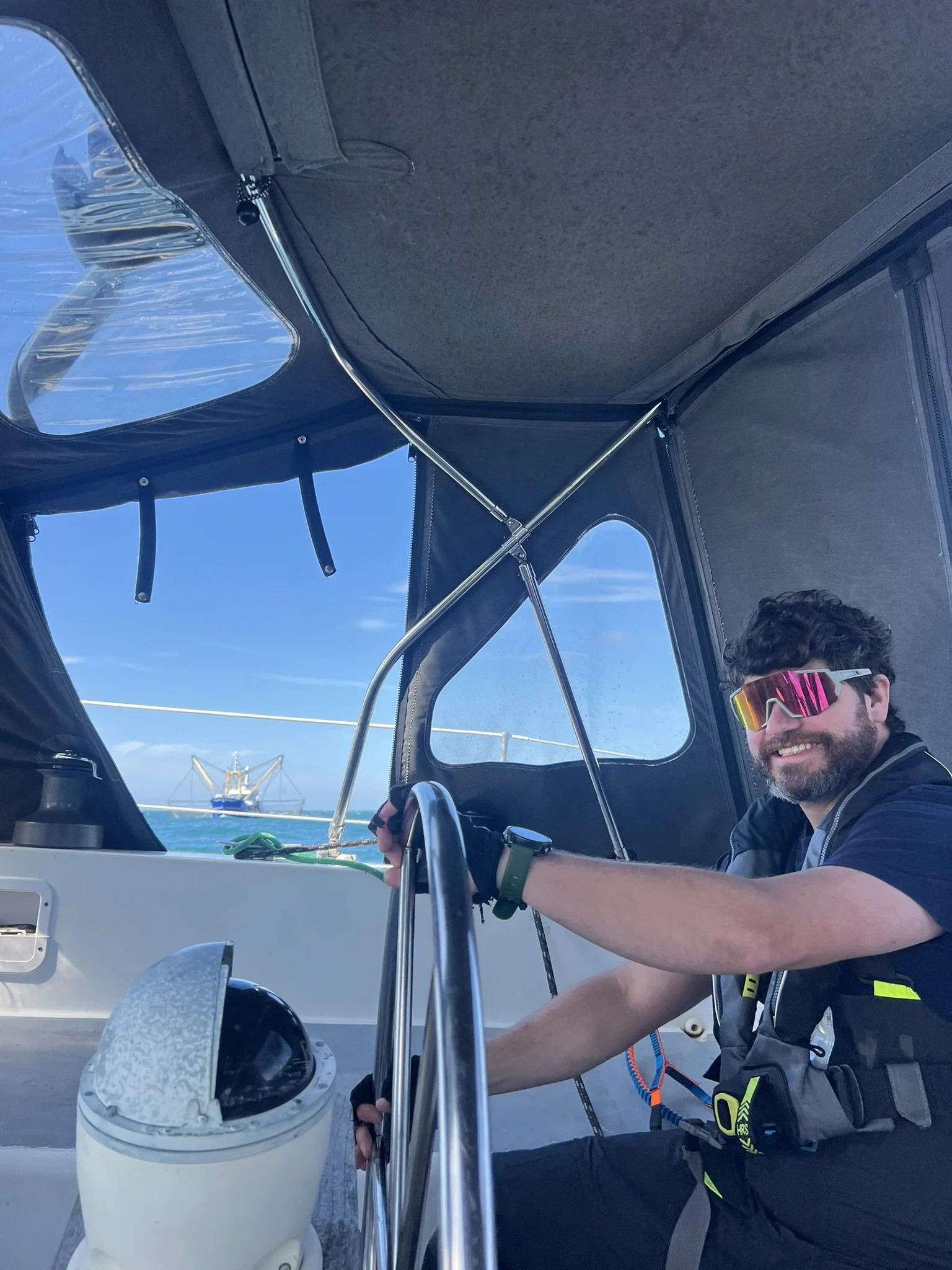
I was down below, trying to calm myself and the cats down, whilst Reto was steering the boat, pushing it to the limit so that it would be over as soon as possible and making it a tiny bit more comfortable by trying to catch the waves as softly as possible, without being able to see them because it was 11pm at night.
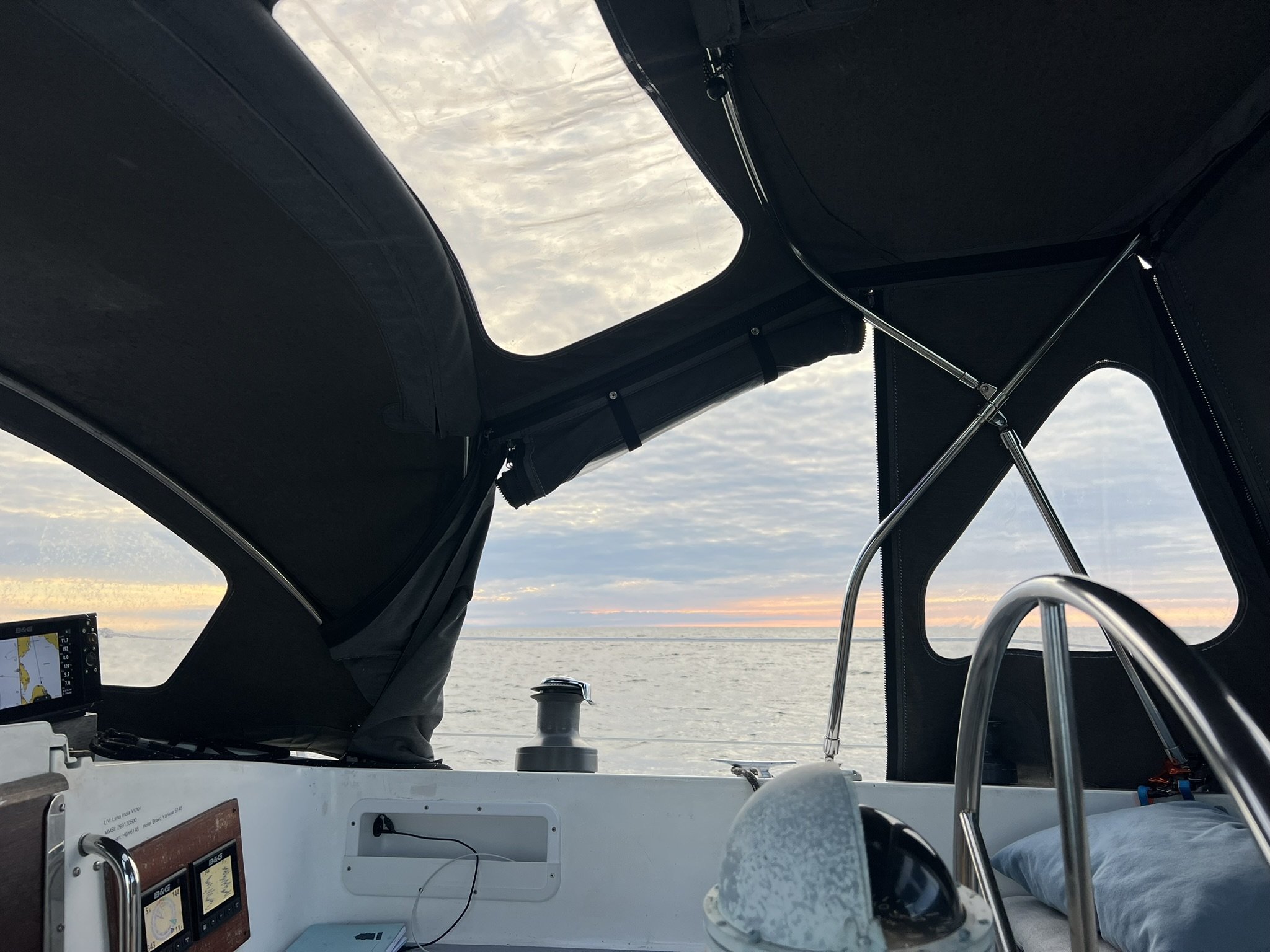
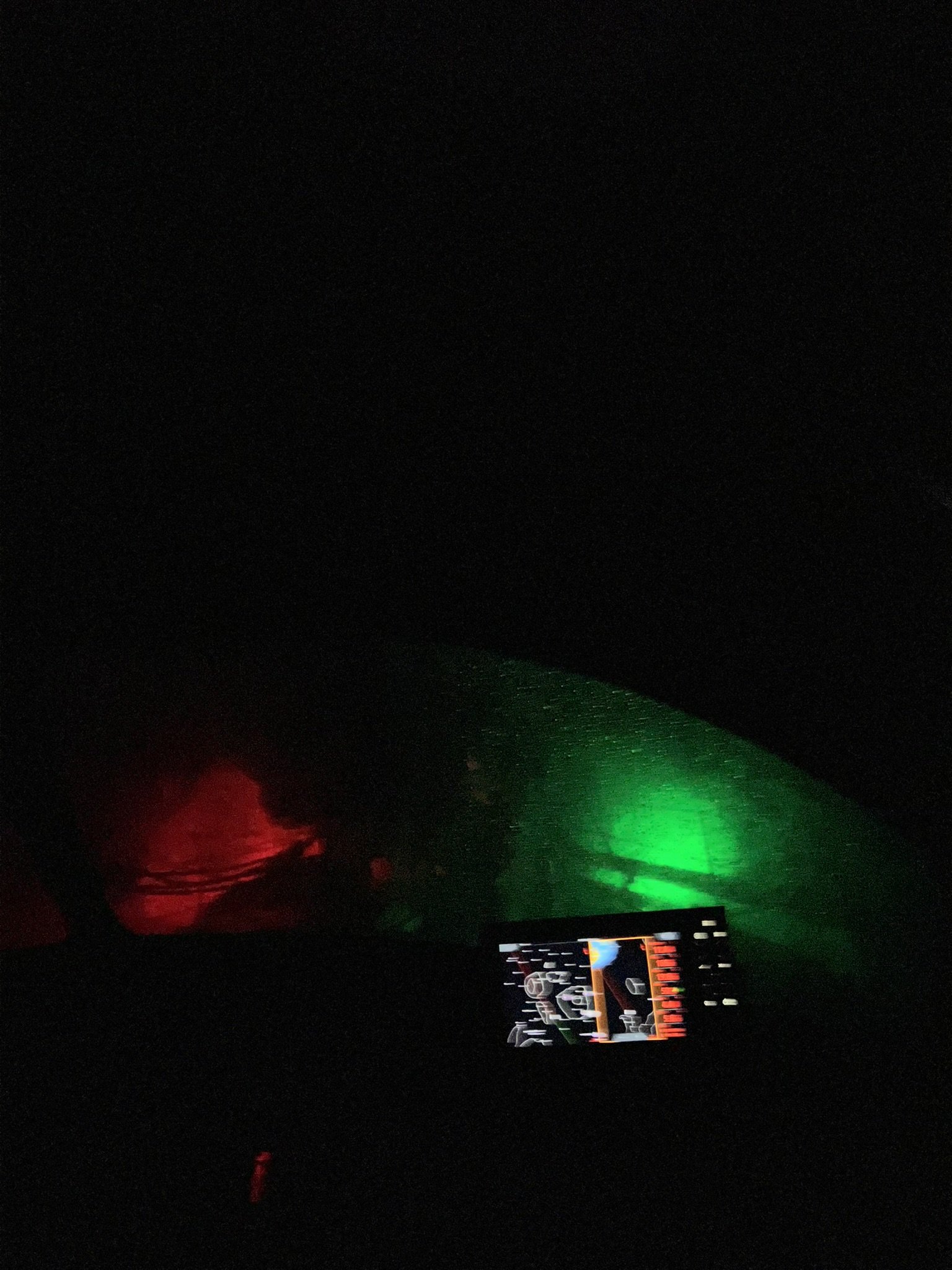
When we finally made it to the entrance of the channel, I put on my bad-weather gear and joined Reto in the cockpit. We had to navigate through the channel using the flashing lights of the red and green buoys.
By day you just see the buoys and you can tell which one is the closest one. At night, they have flashing lights with different rythms (2 seconds, 4 seconds, 5 seconds, 8 seconds, …).
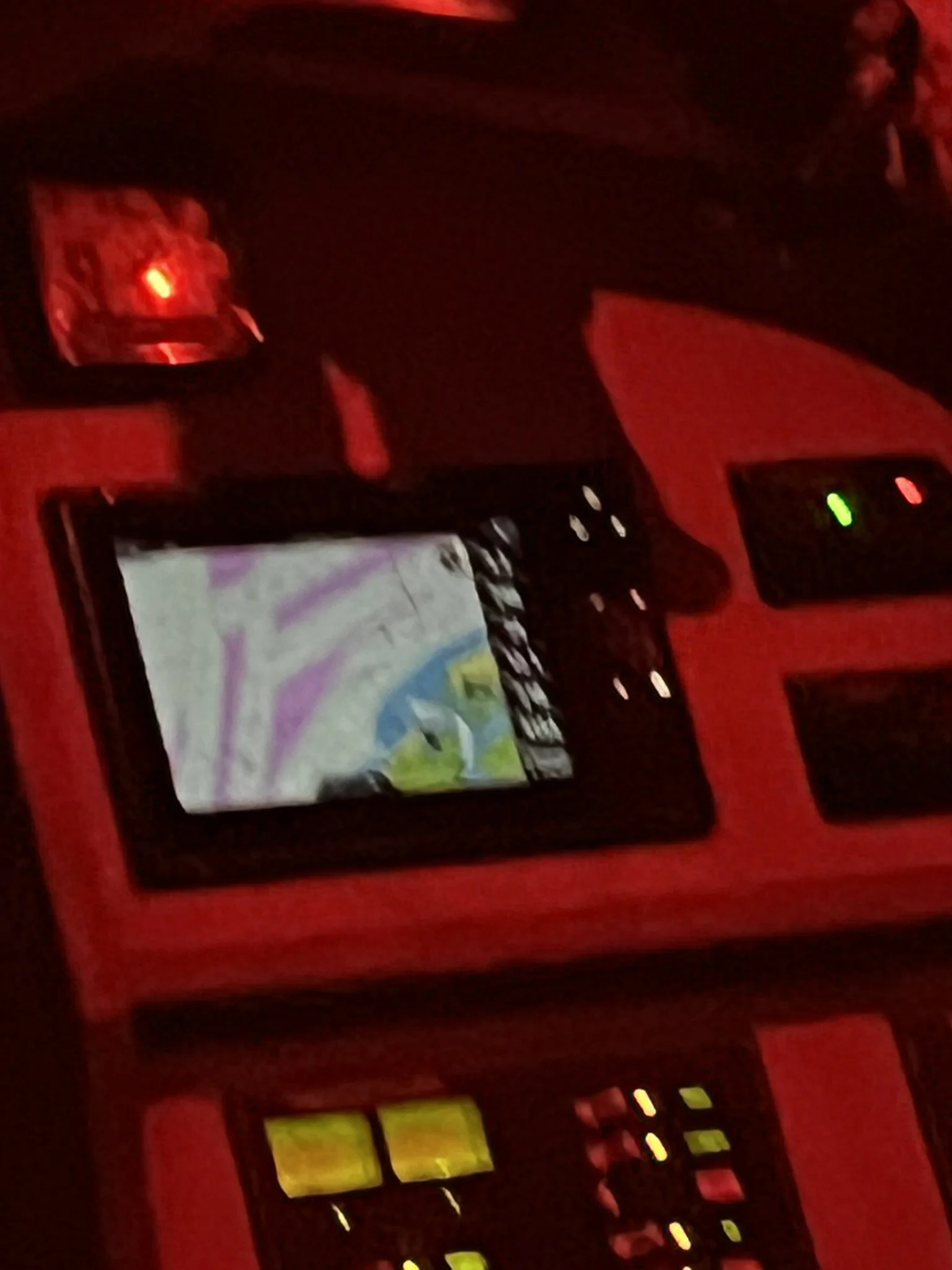
I was in charge of looking at the chartplotter and telling Reto which light he needed to sail towards next, whilst he steered the boat. At least we now had the wind from behind and the current pushing us in the right direction.
After 1.5 hours of navigating, we made it through the main channel. The only thing left to do now was navigate through the entrance channel of the harbour, take down the mainsail and find a spot in the harbour.
When we started looking for the entrance channel of the harbour, we realised that those buoys that we see on the chart are not lit up at night. Not only could we not see where we were supposed to sail through, but we also had to look out for the buoys so we wouldn’t hit them.
Thirty minutes later, trusting only the chart and what we could see in the dark, we made it in to the entrance of the harbour. But our hope that the harbour itself would be lit up with good lights was crushed when we found that it had almost no lights or anything to guide us.
Thanks to the chart, our hand torch and the knowledge we had from our last time in this harbour, we were able to find our way in and find a spot on the pontoon where we where able to tie Lív up.
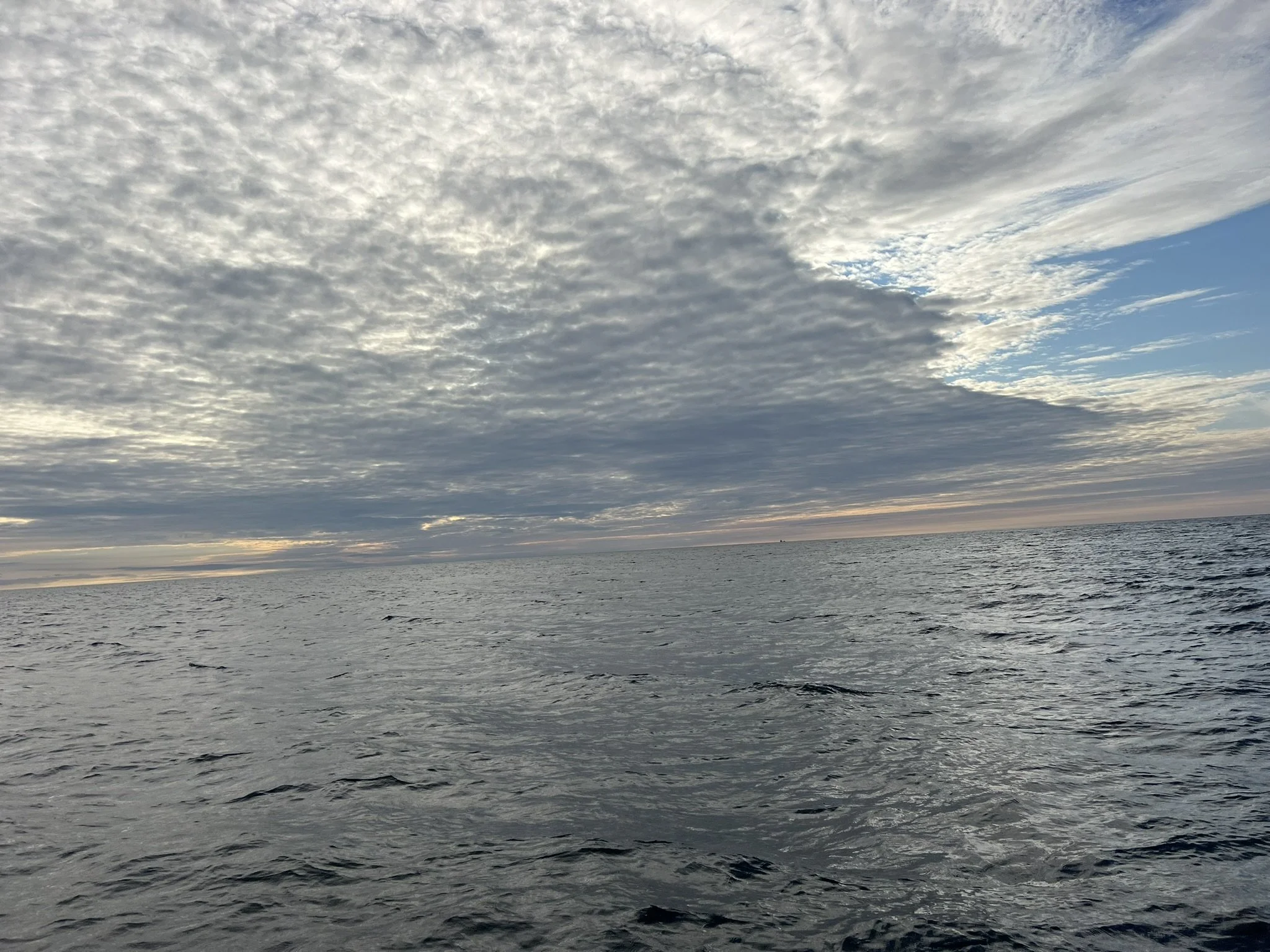
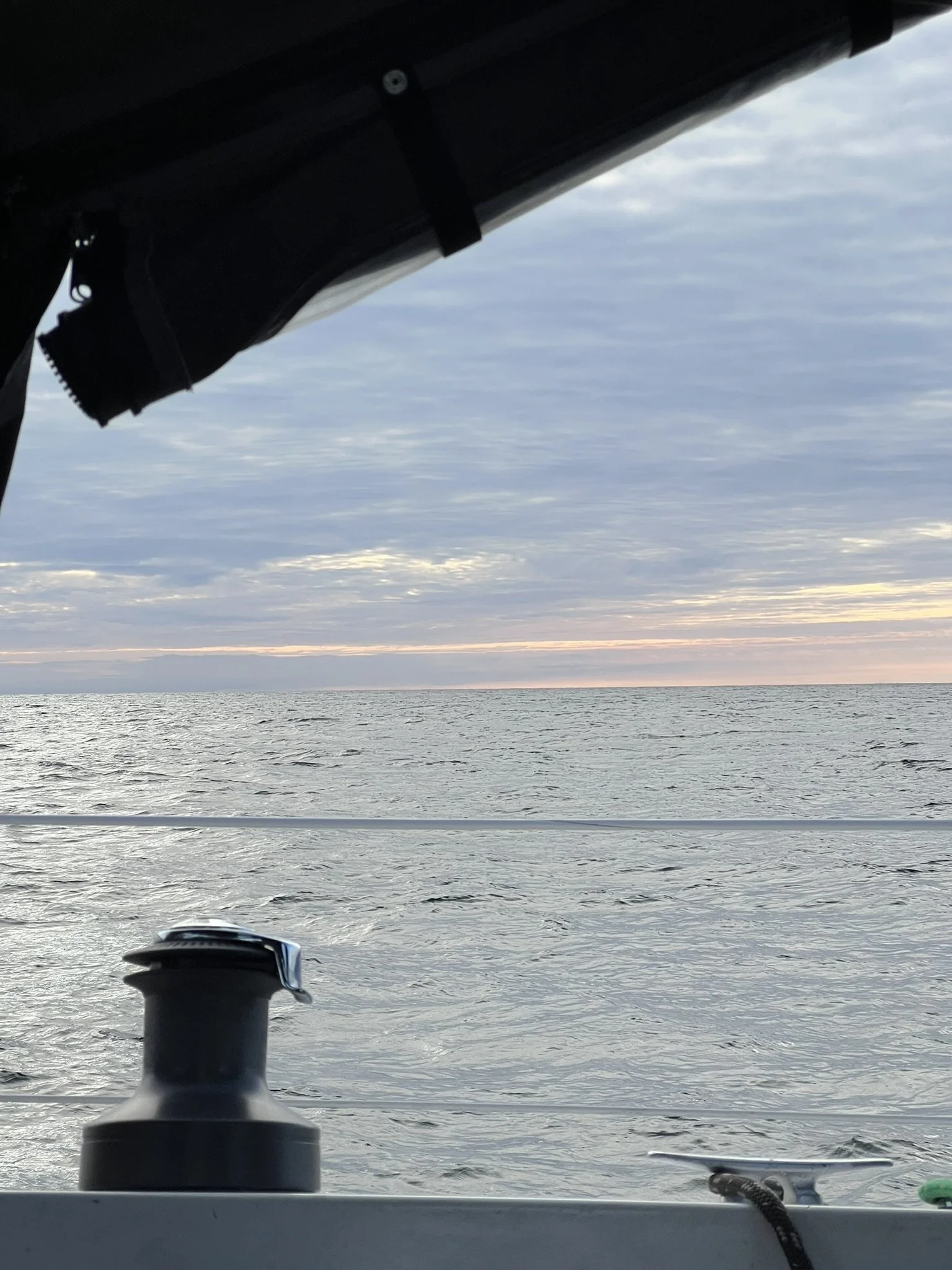
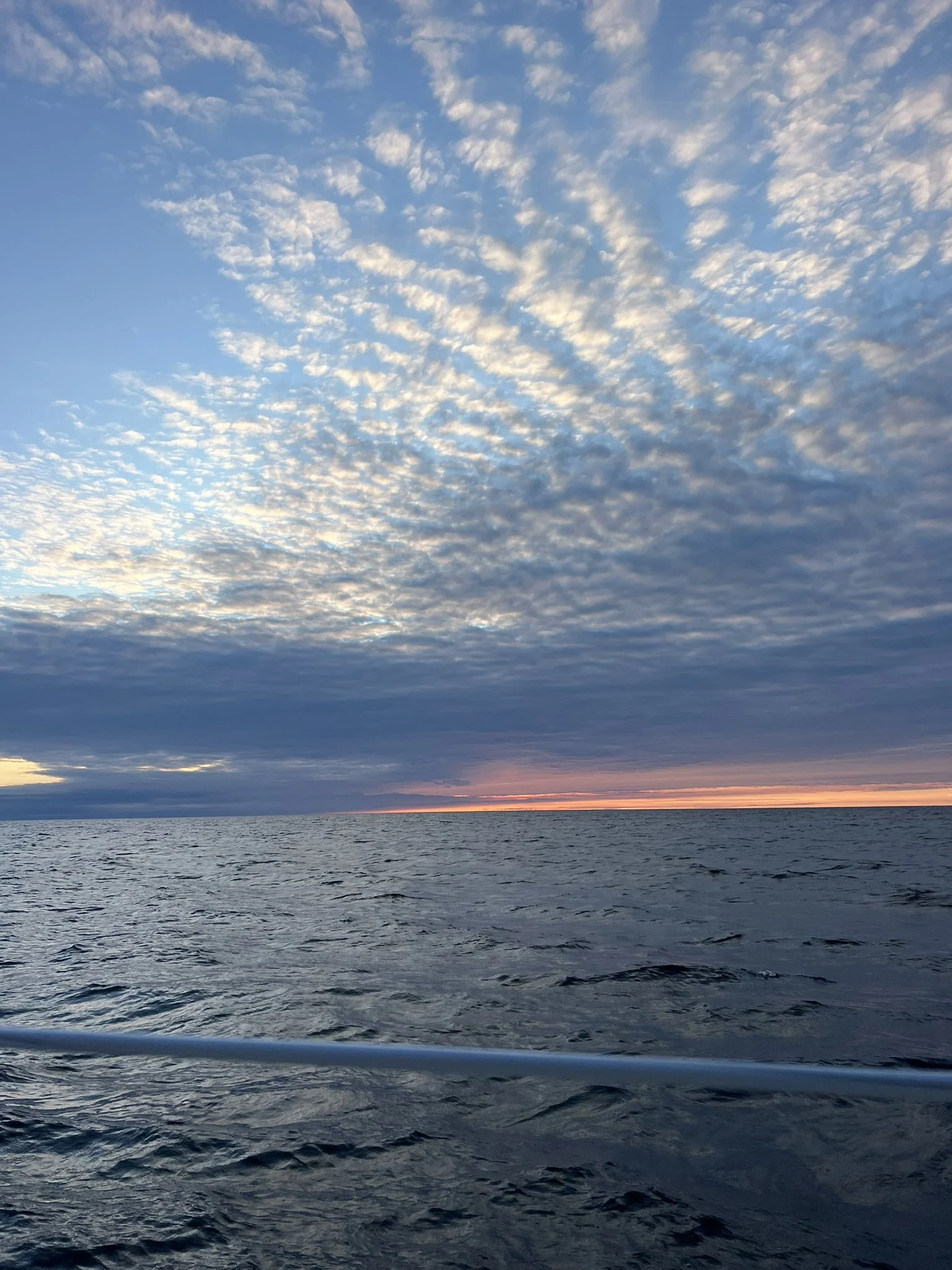
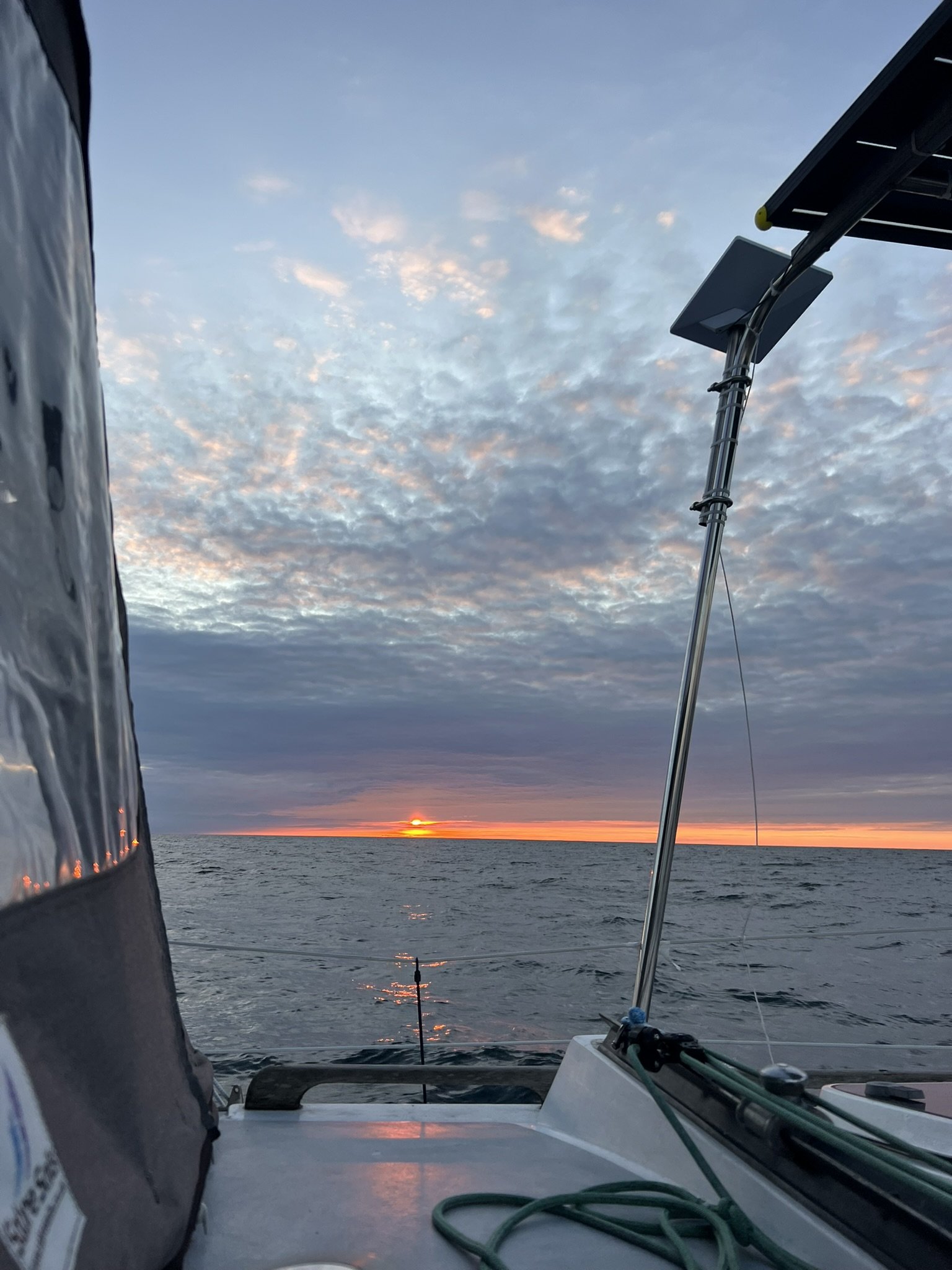
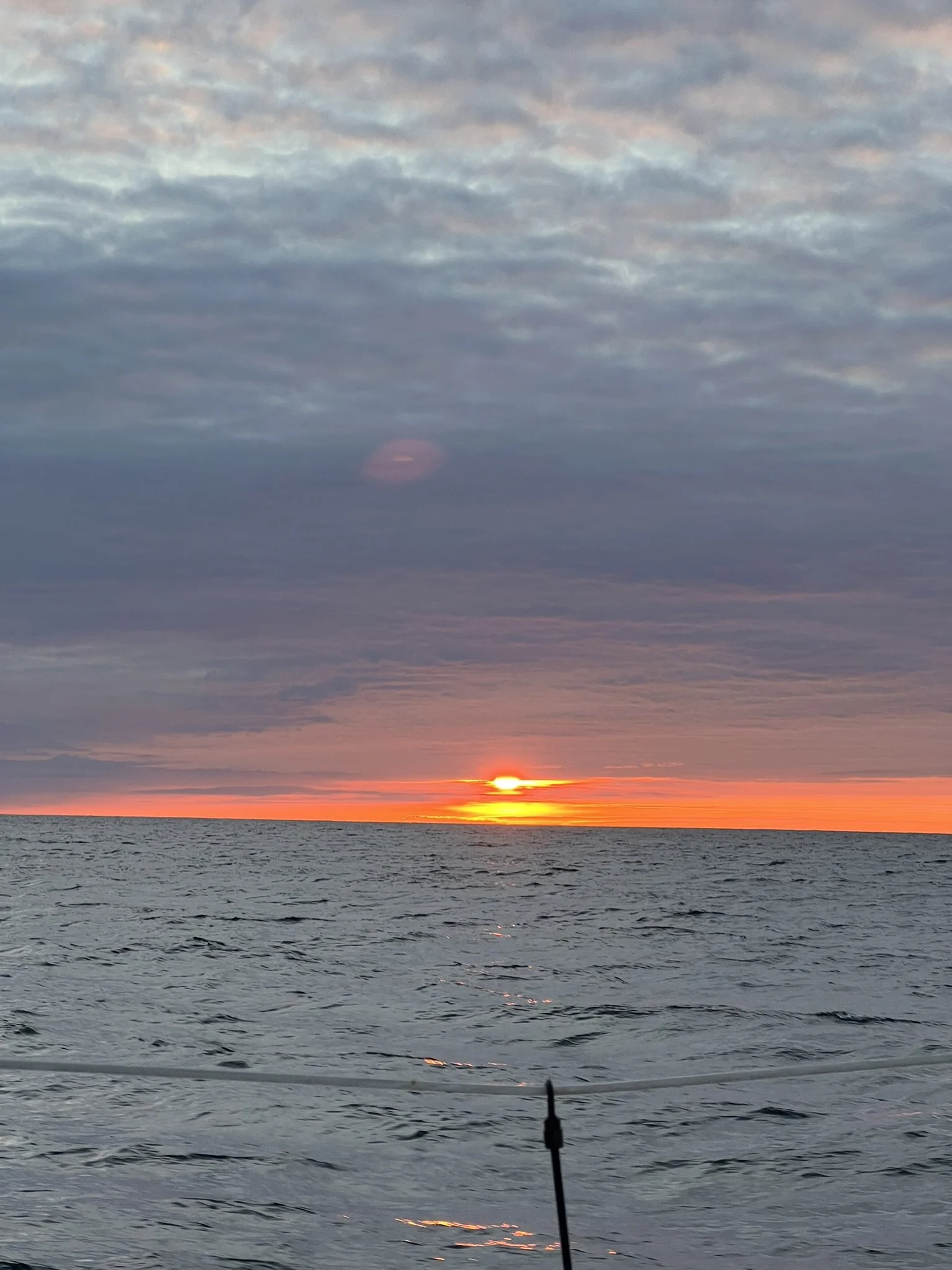
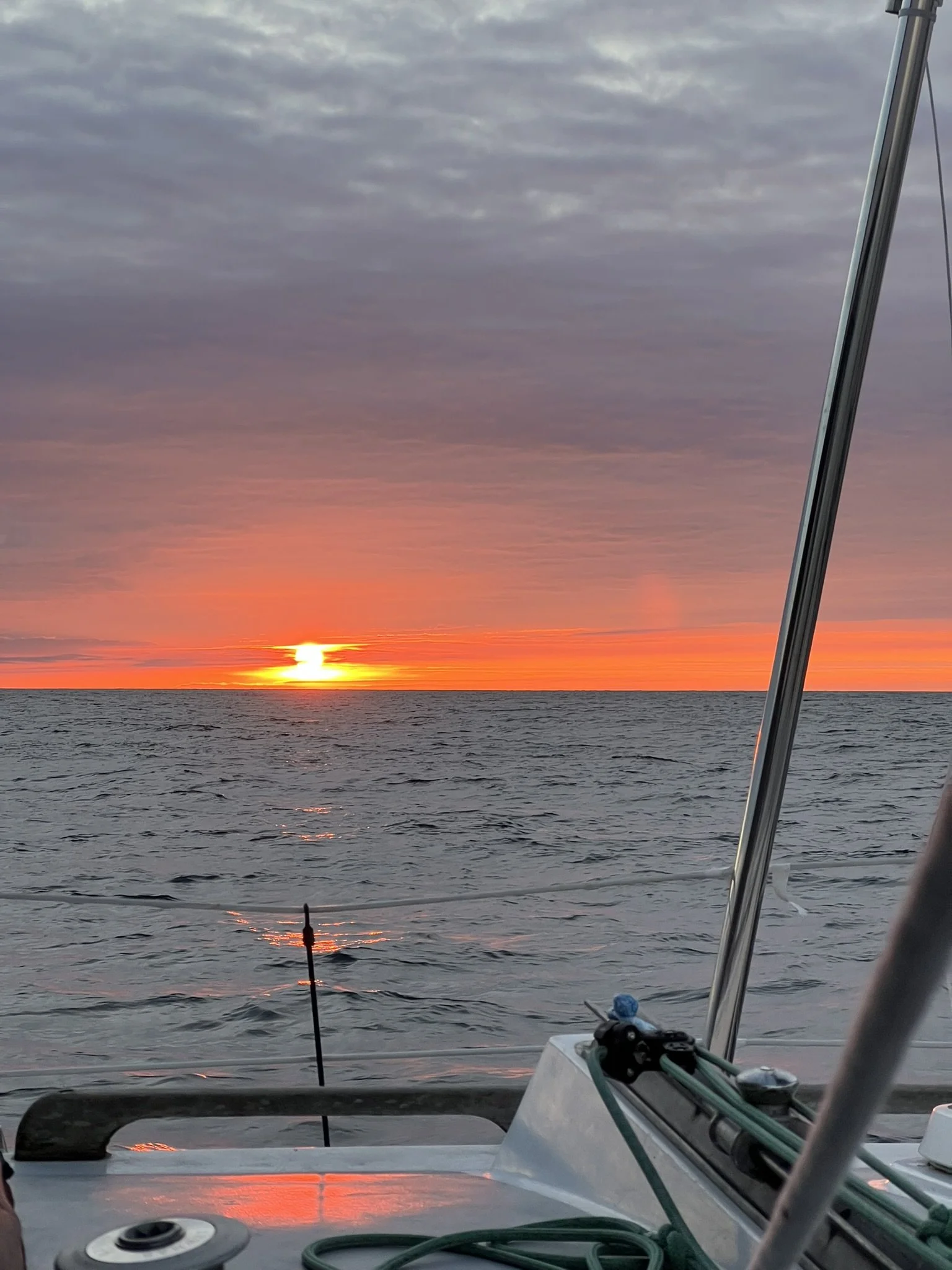
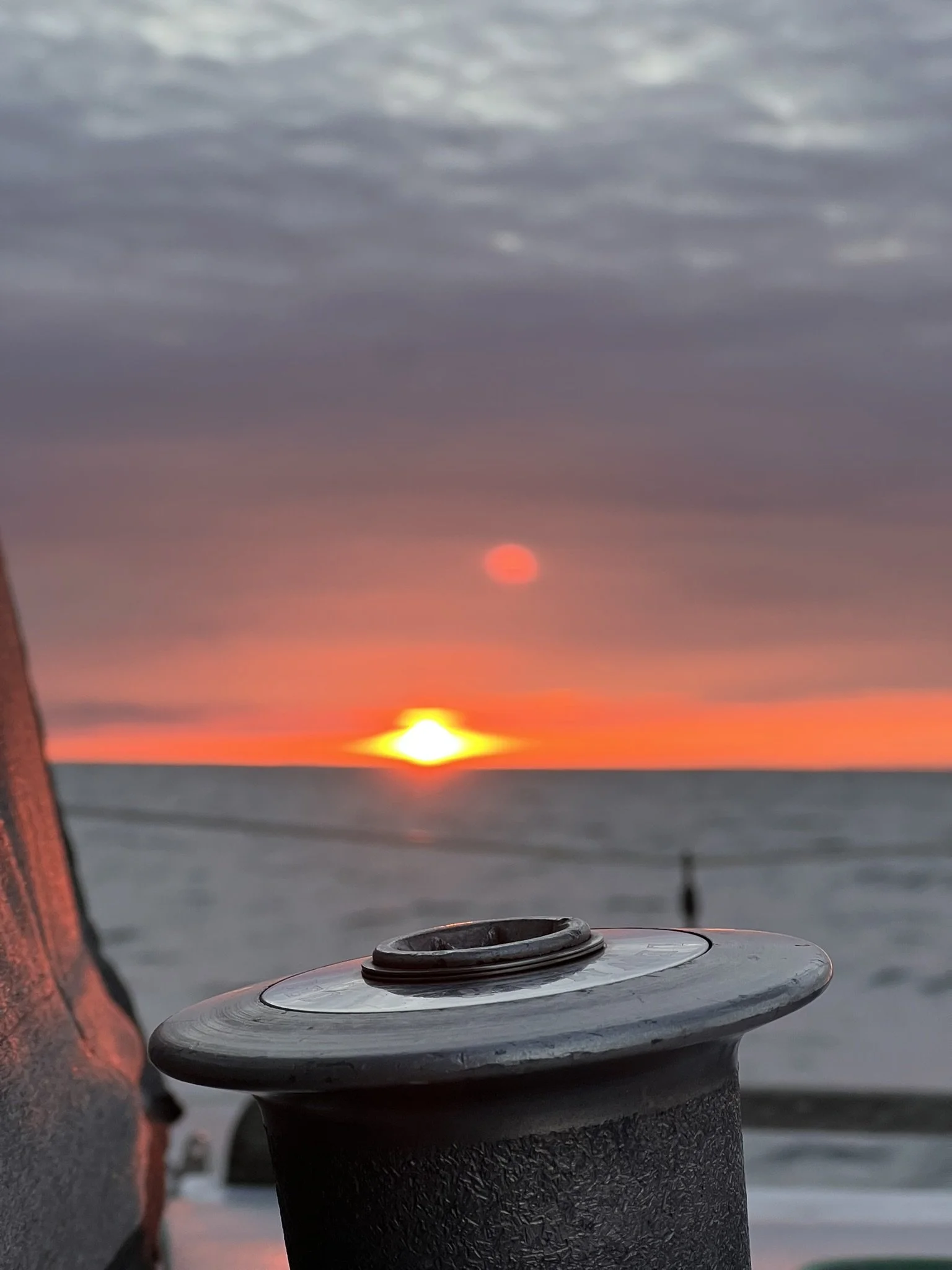
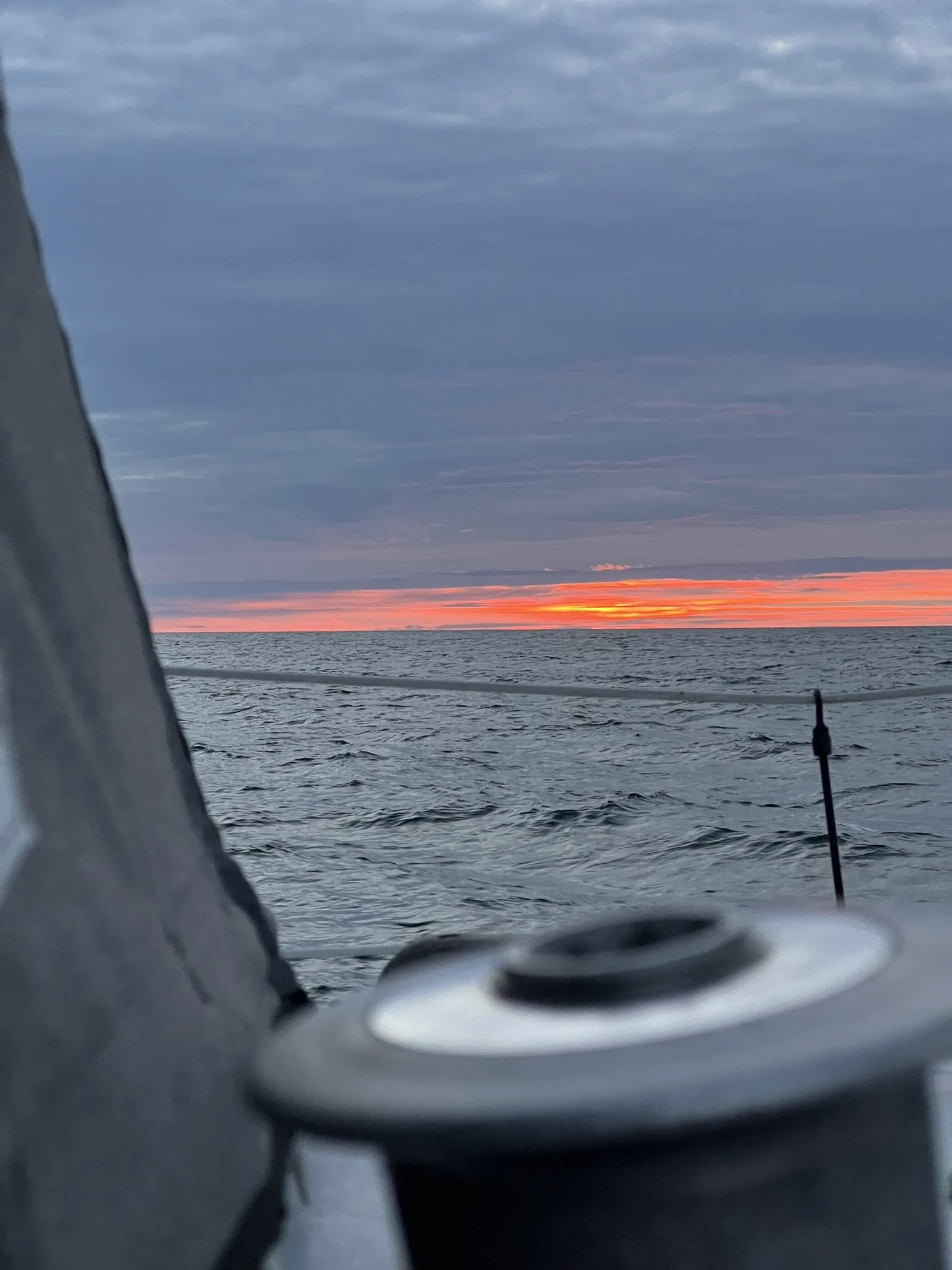
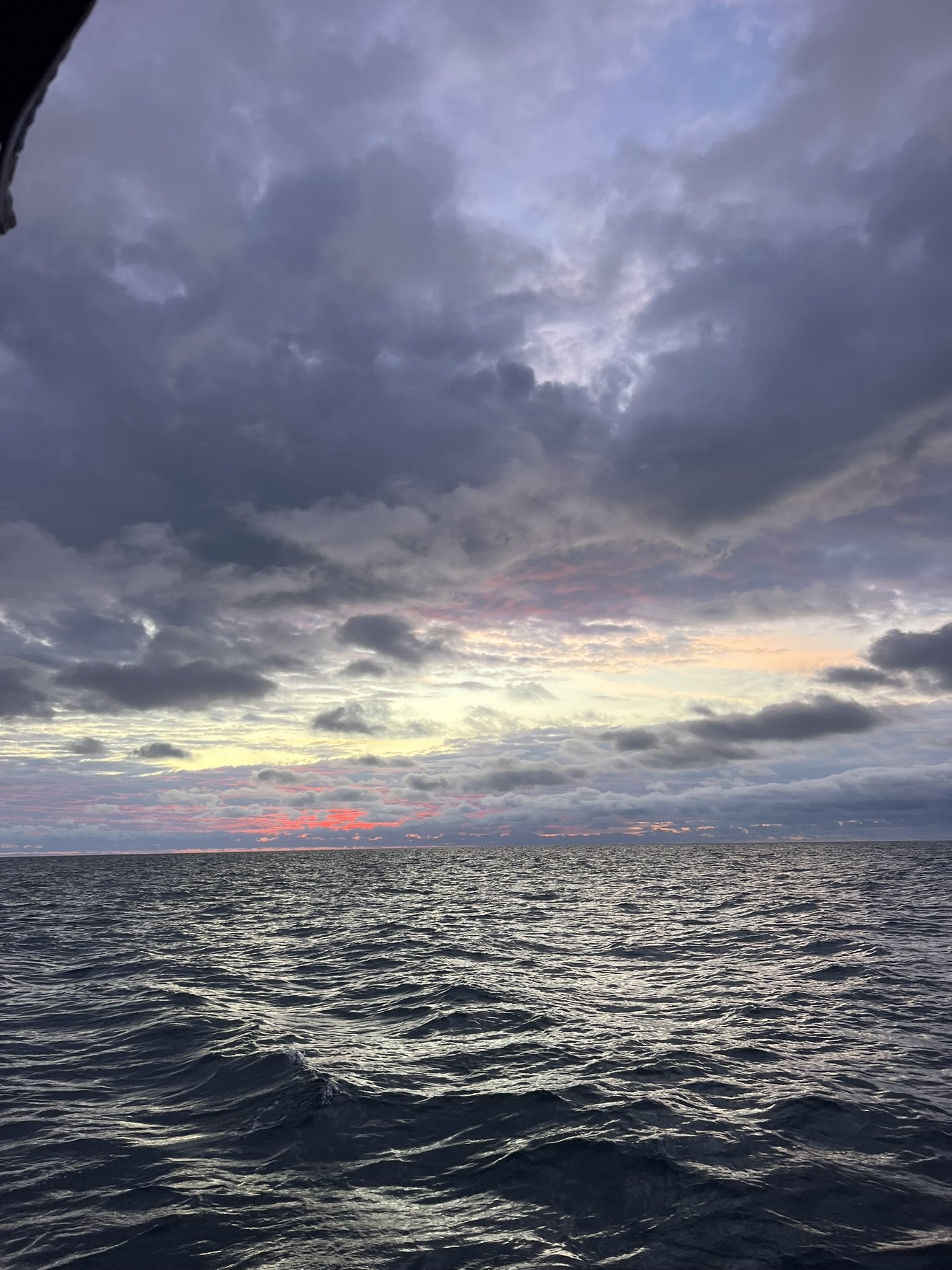
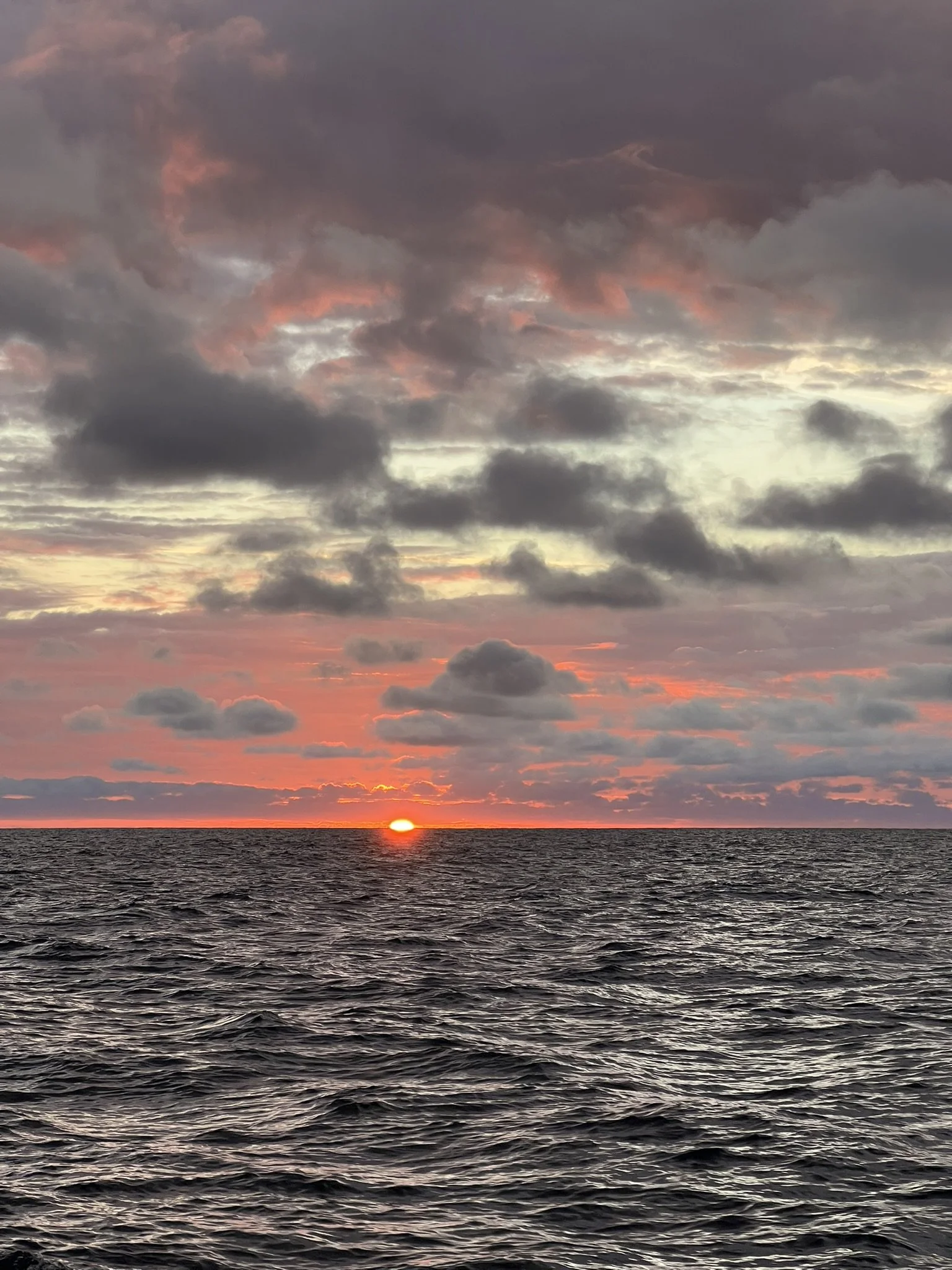
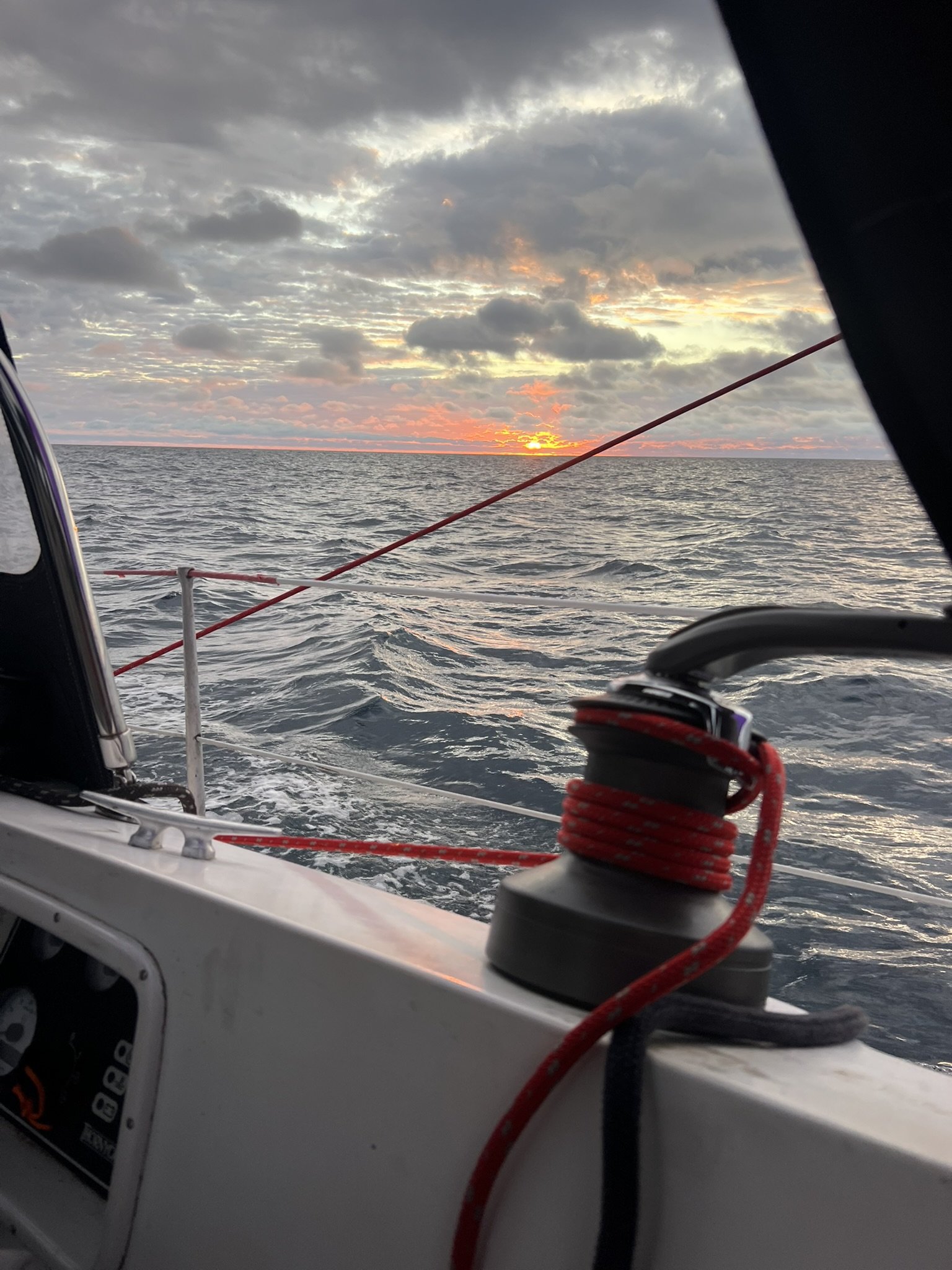
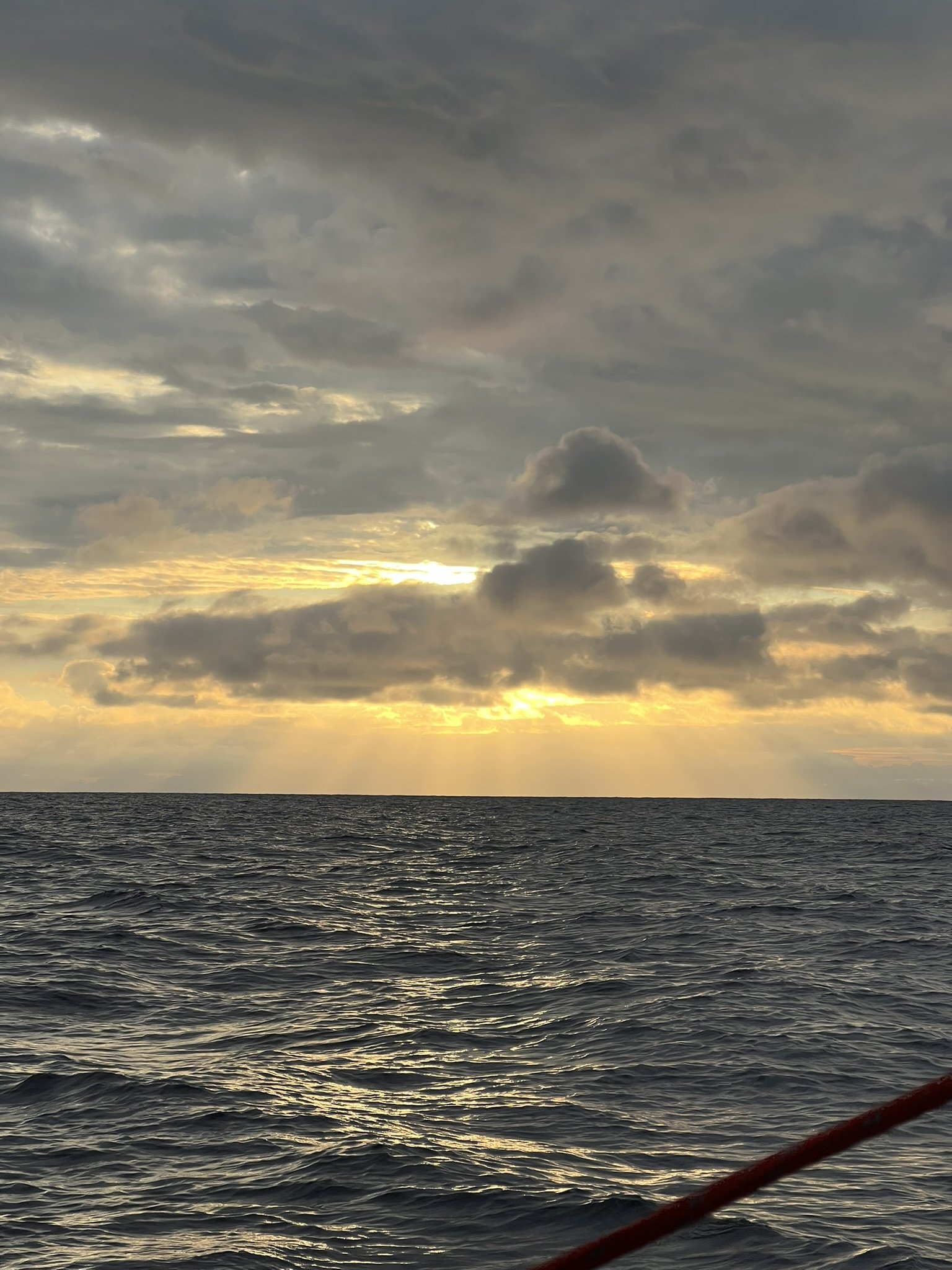
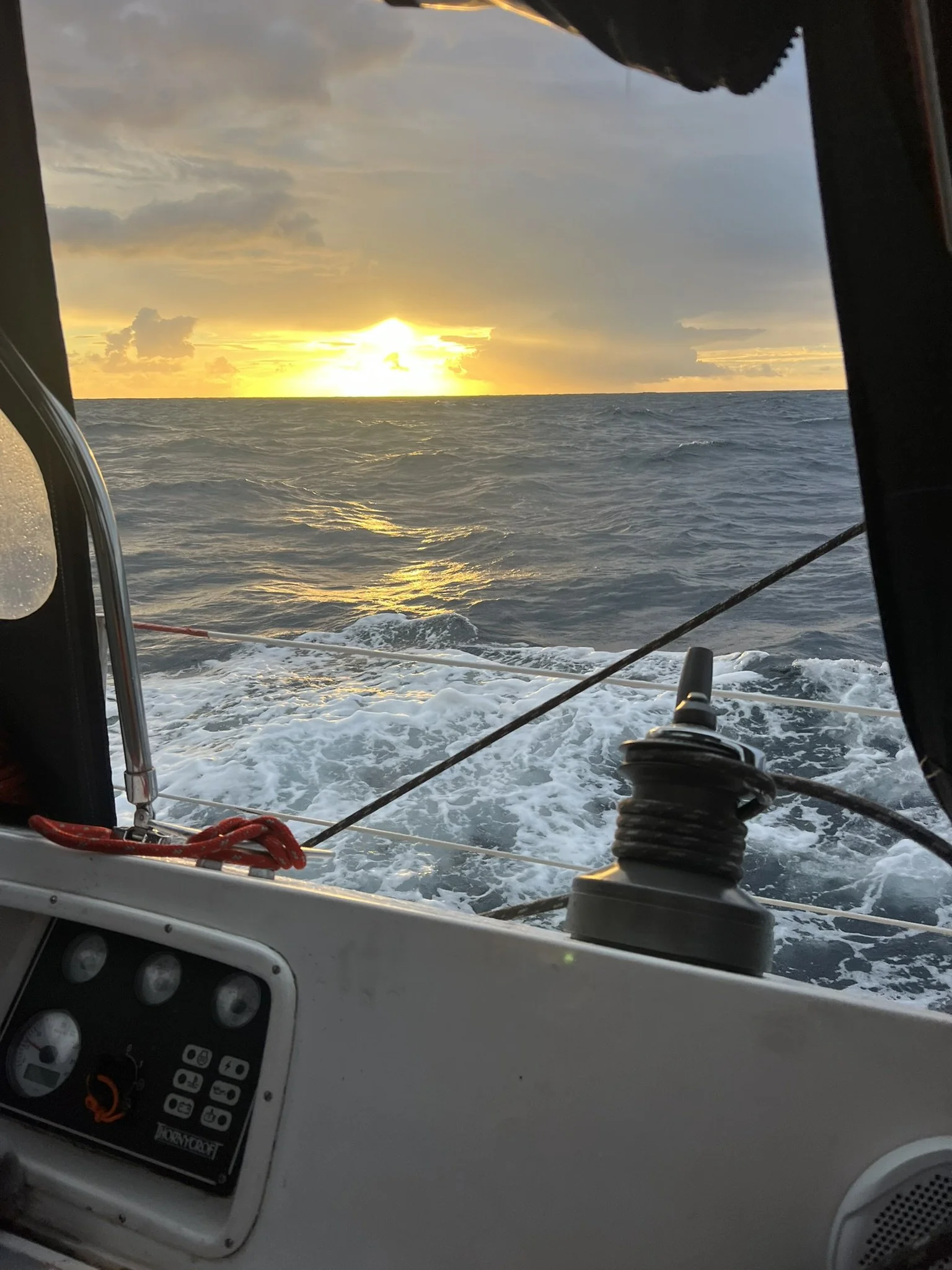
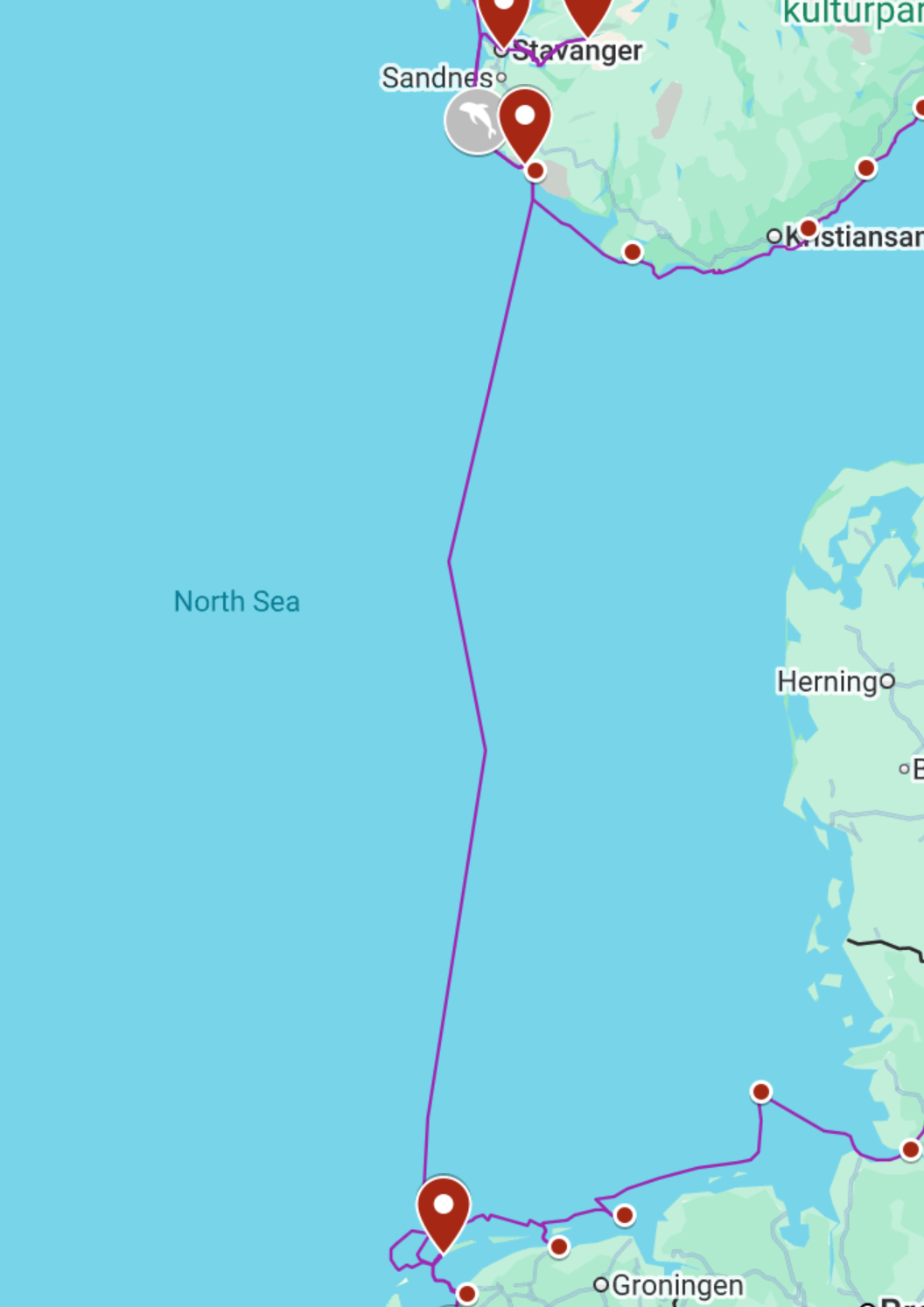
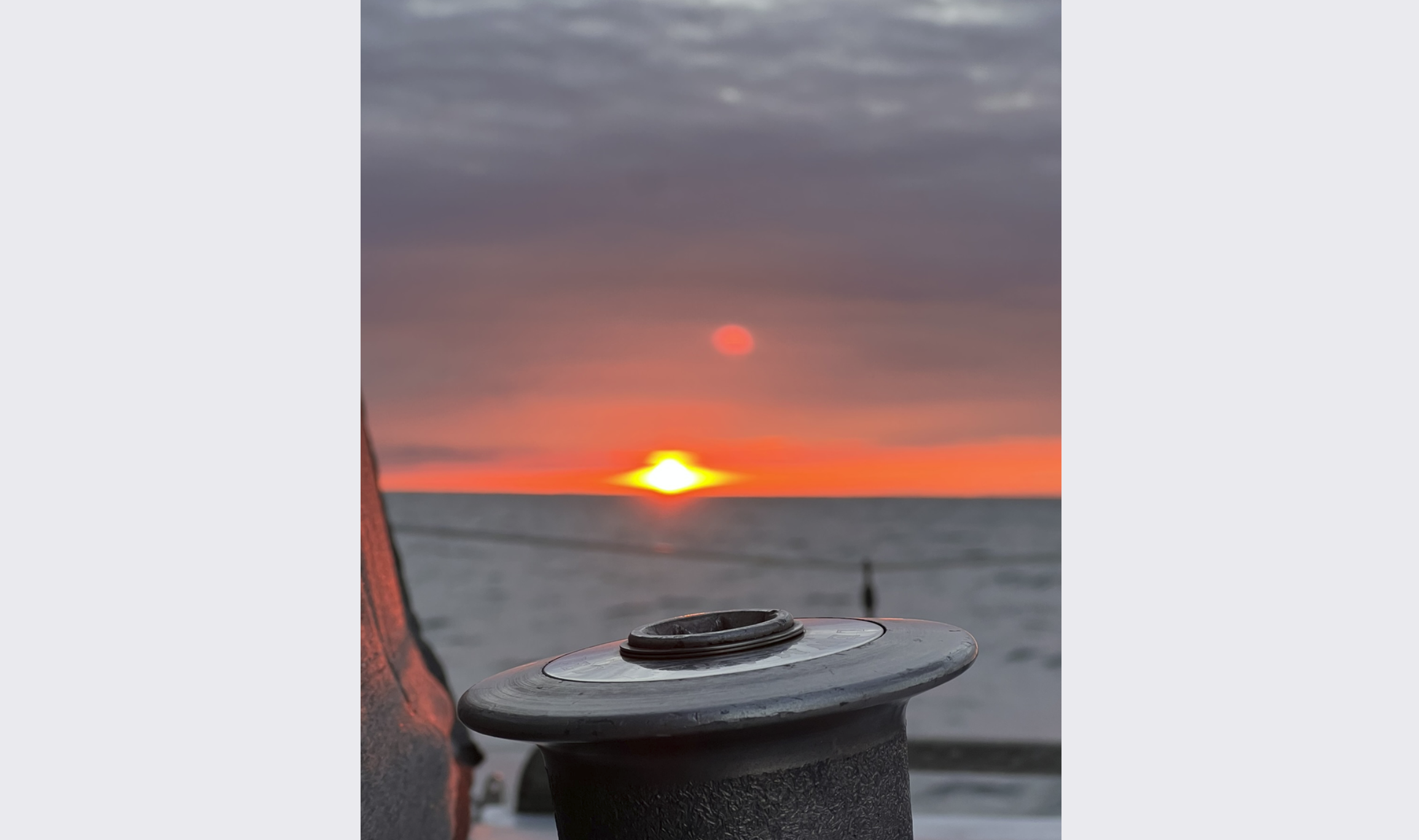
Reliefed and very tired, at 3:10am, after 52 hours, three sunsets and two sunrises at sea and 340 nautical miles, we made it safely all the way from Norway to the Netherlands.
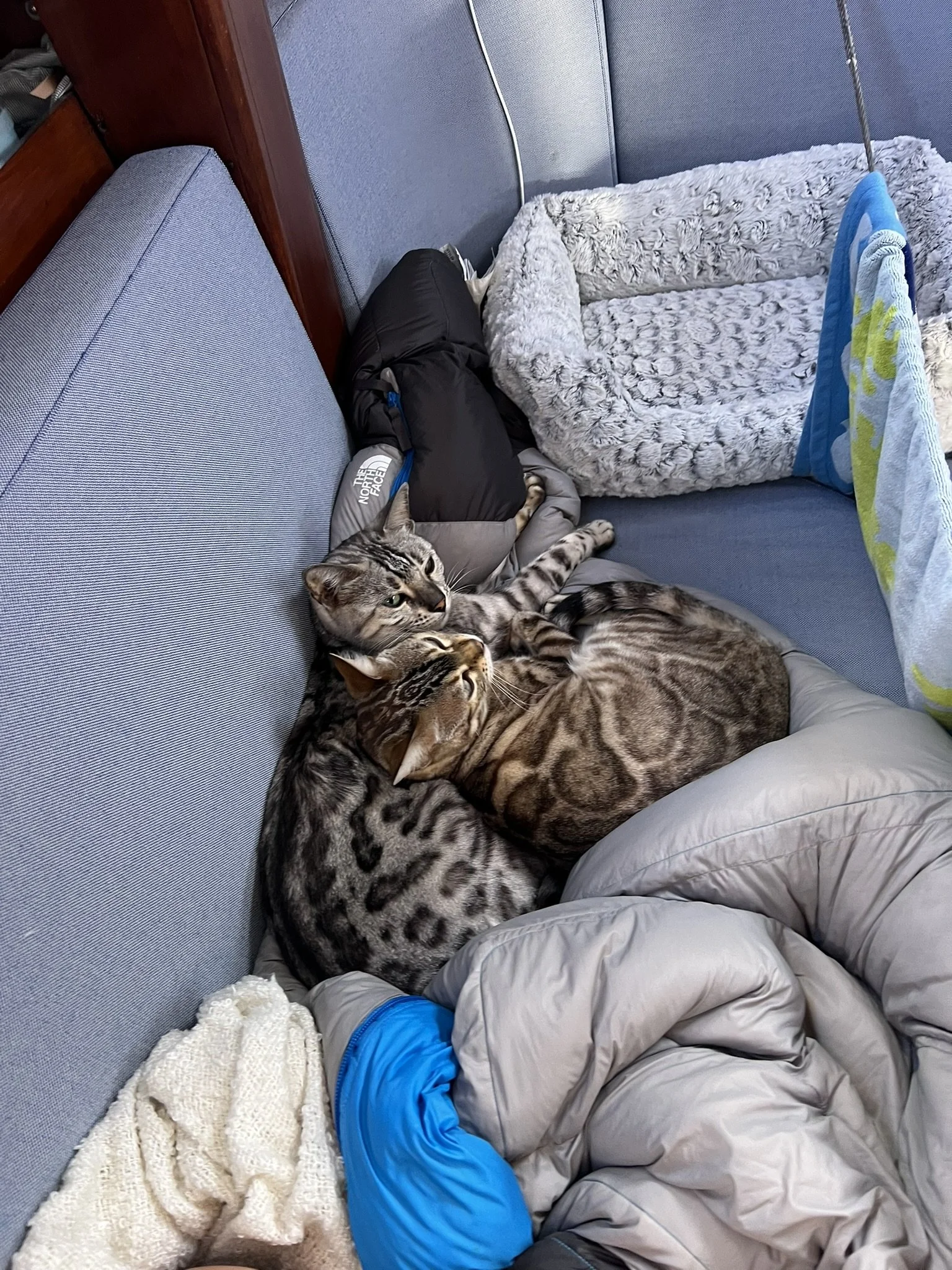
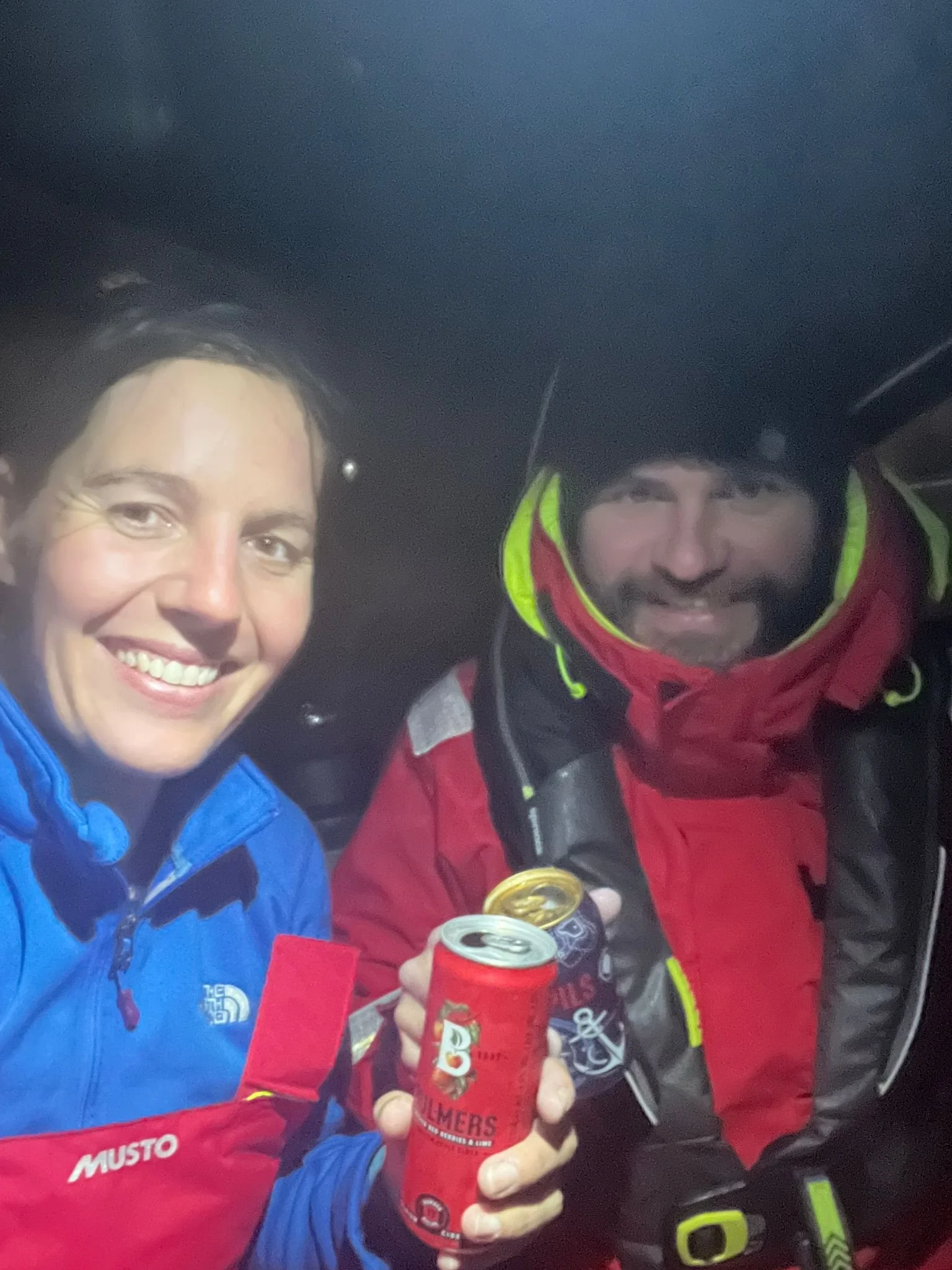
Of course this was celebrated by a drink for us and a treat for the cats before we headed to bed.
Come back and travel around the Netherlands with us once again.
Day 136 - 139: Norway - Netherlands