ship’s log 31: exploring the Lofoten by sailboat
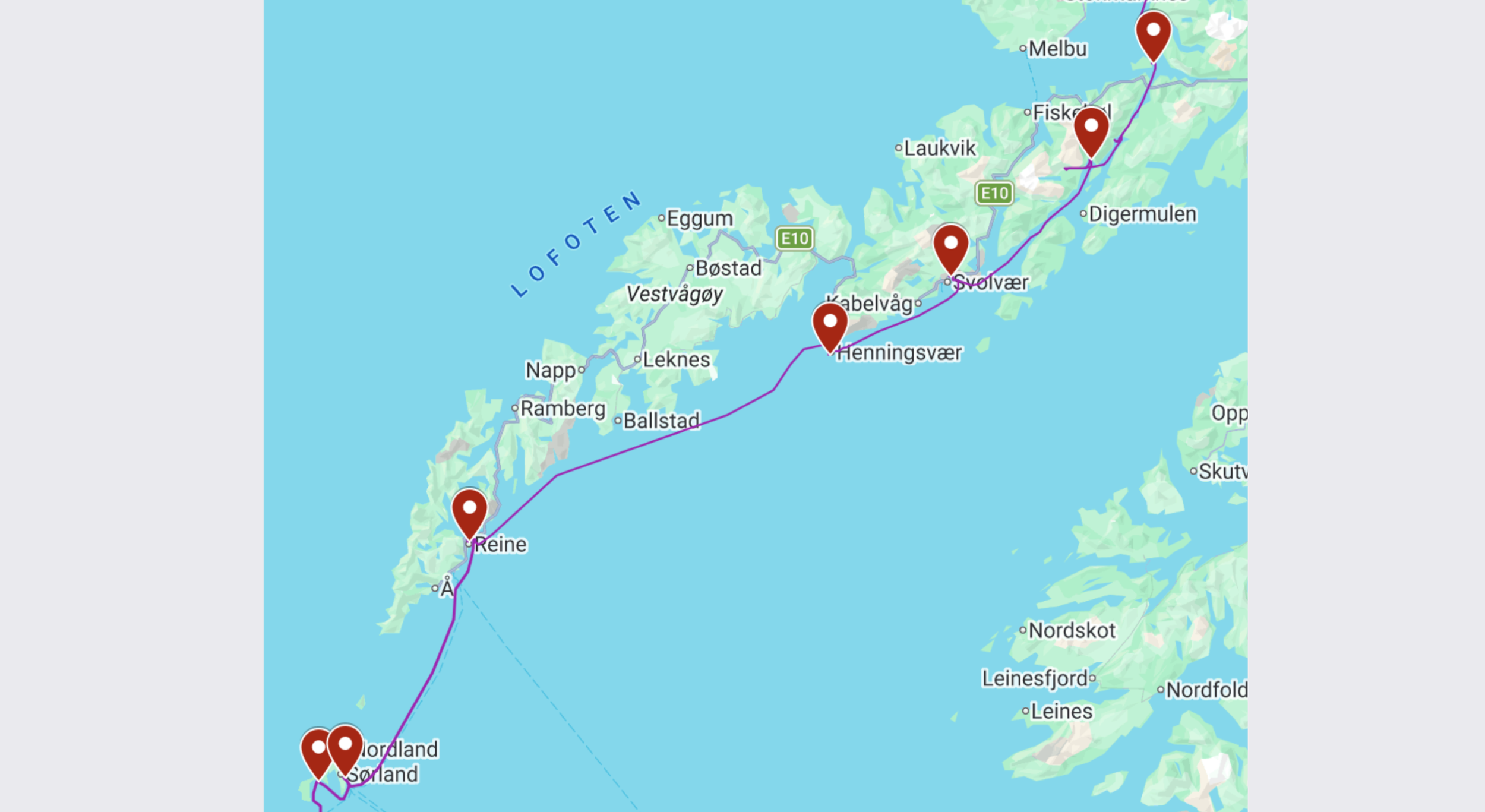
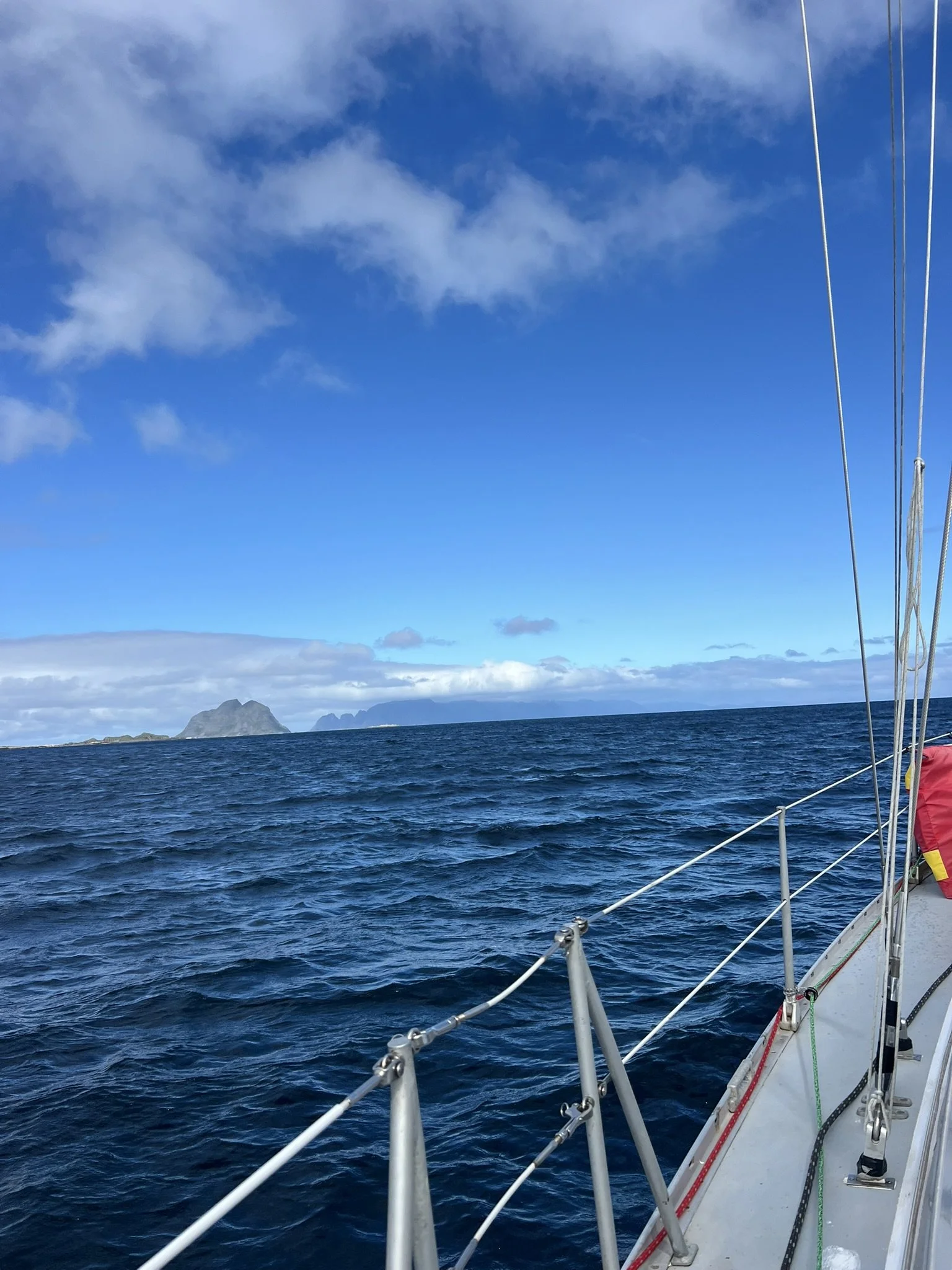
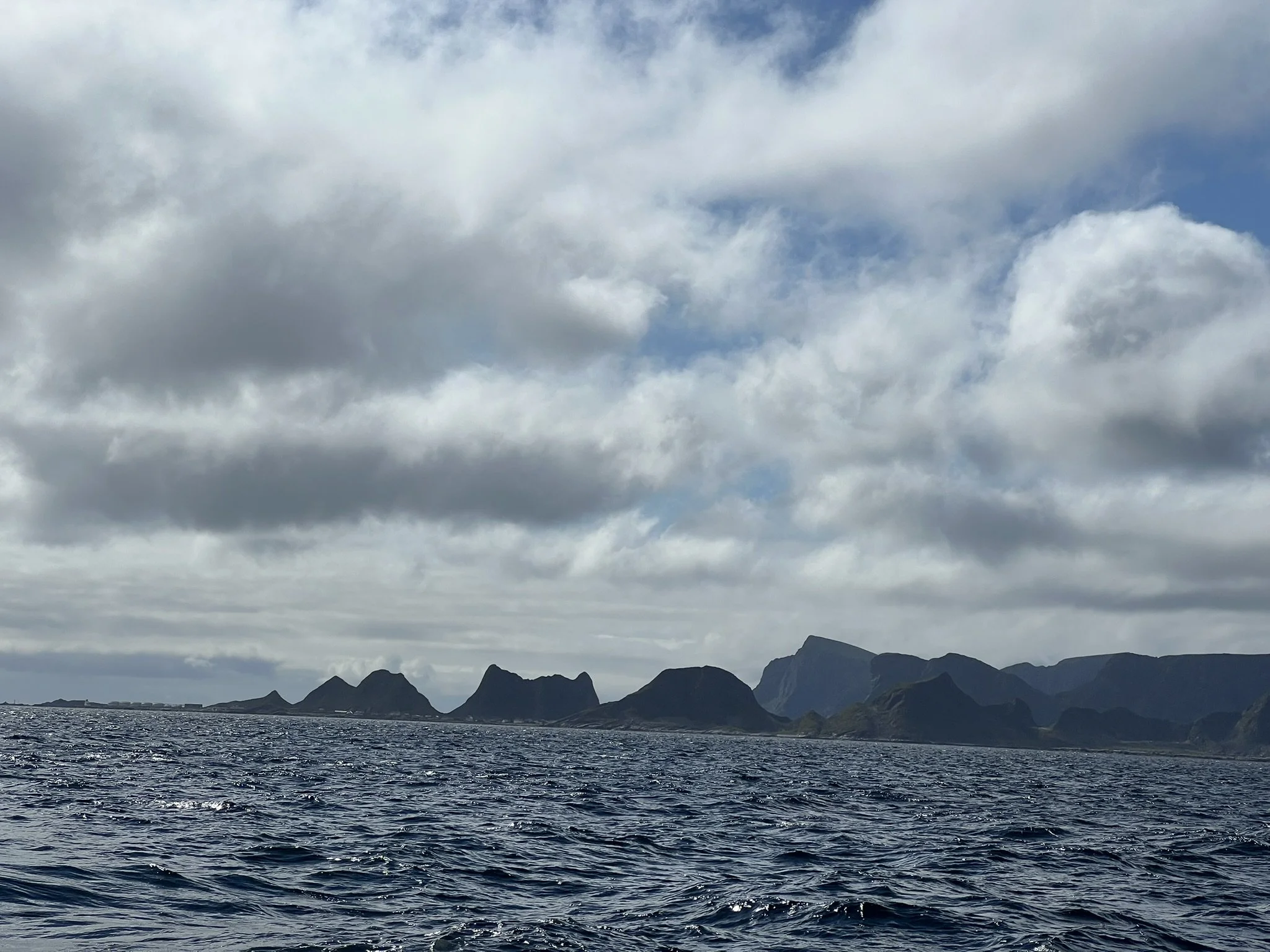
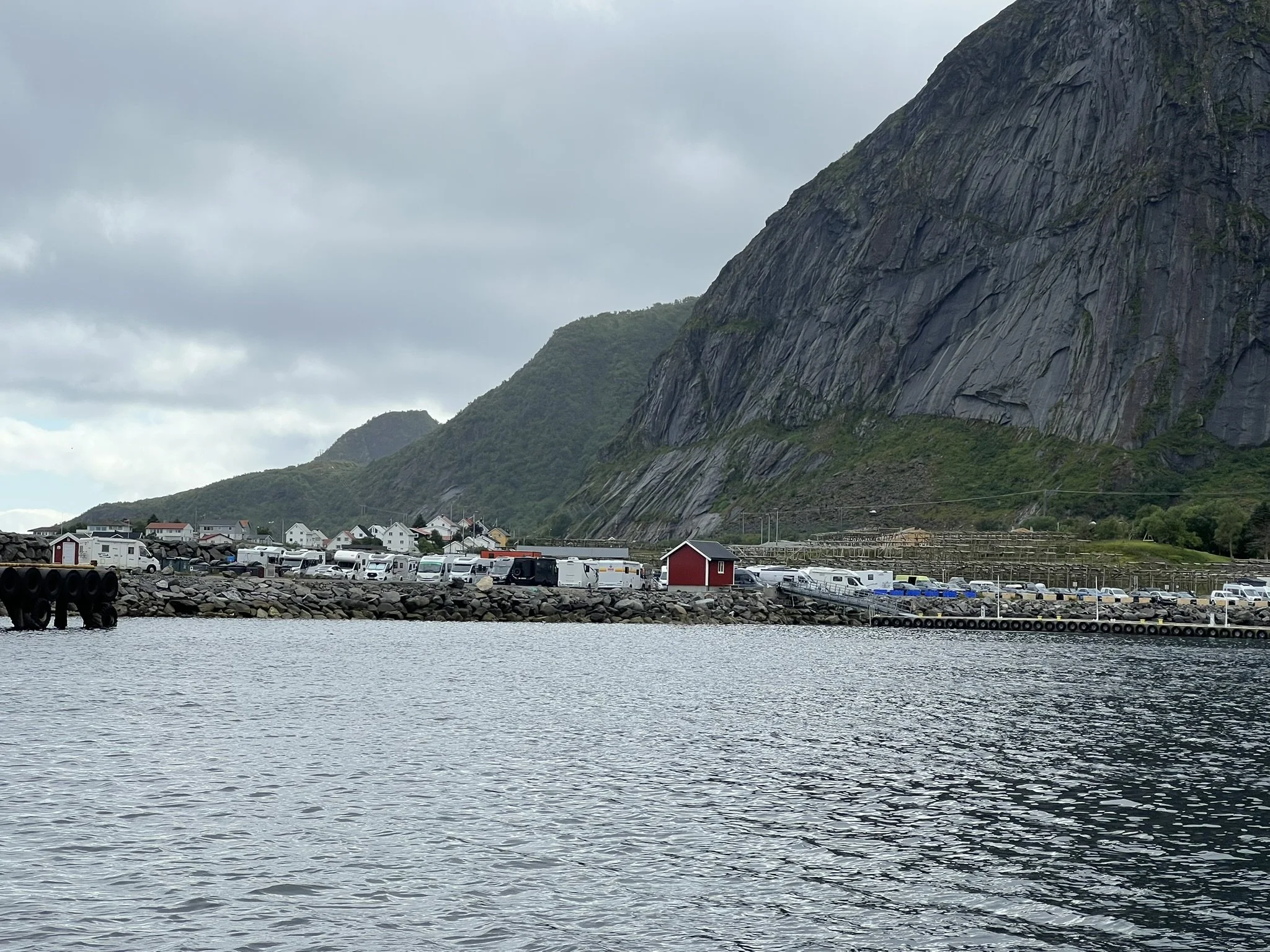
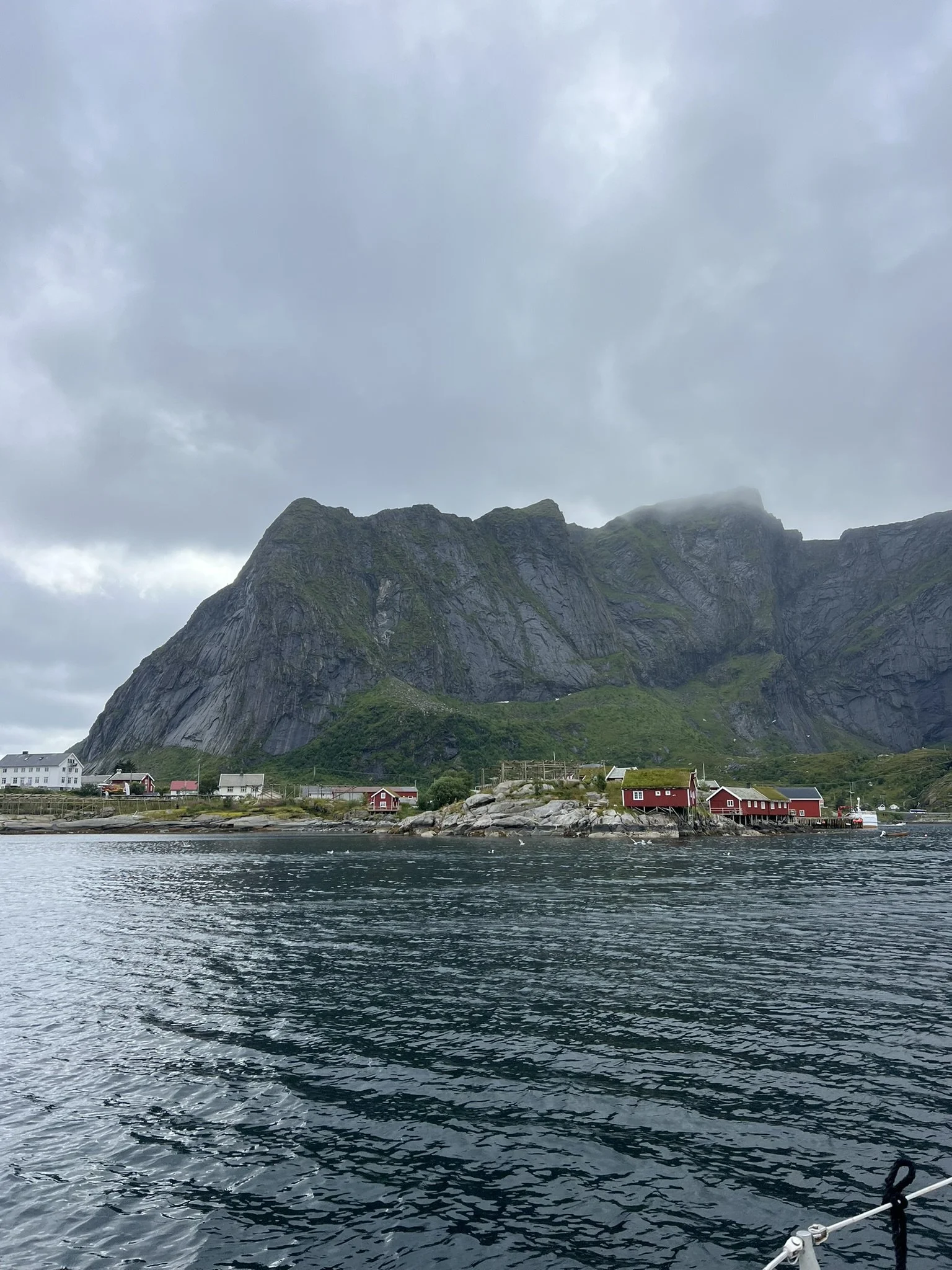
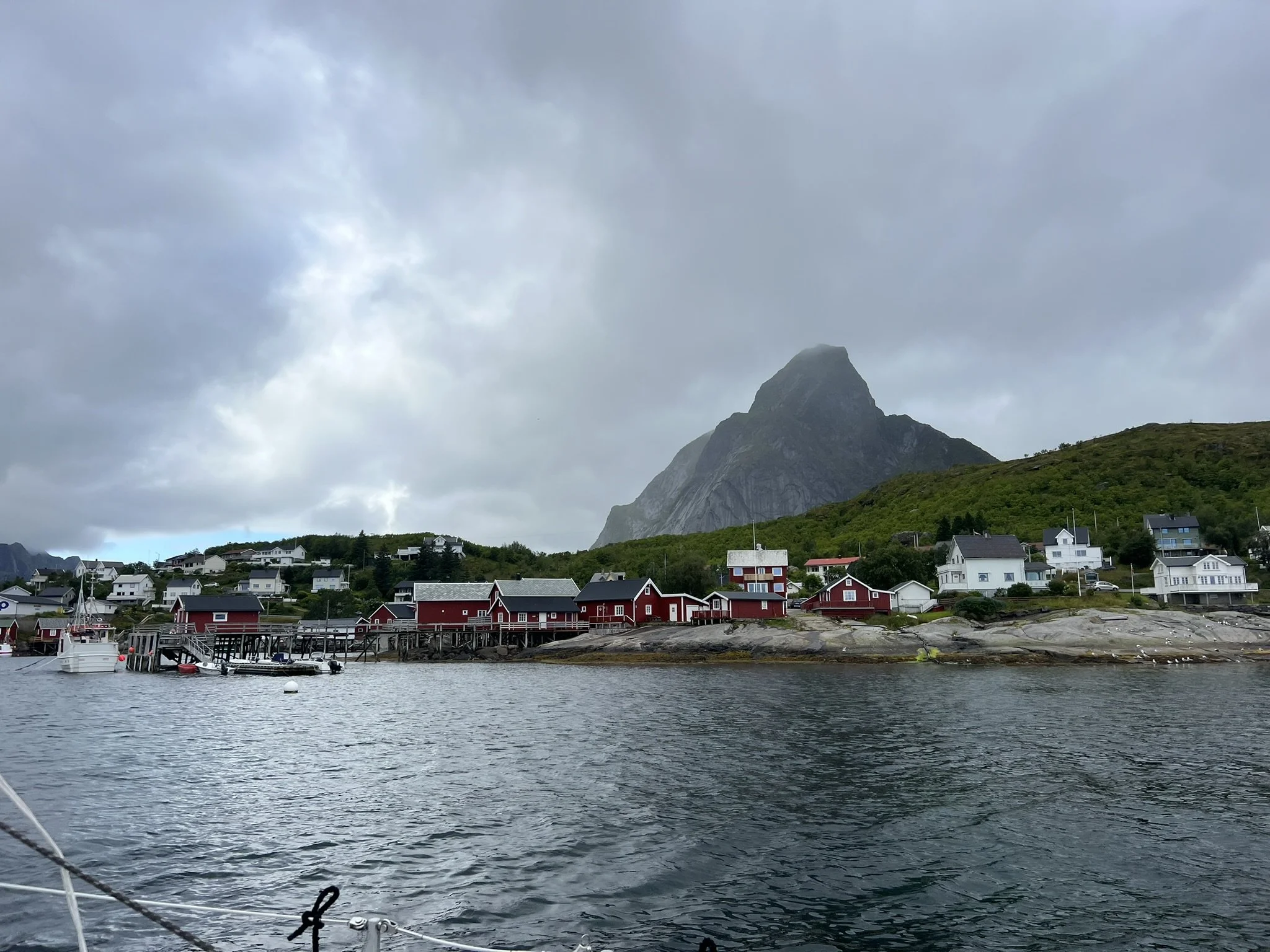
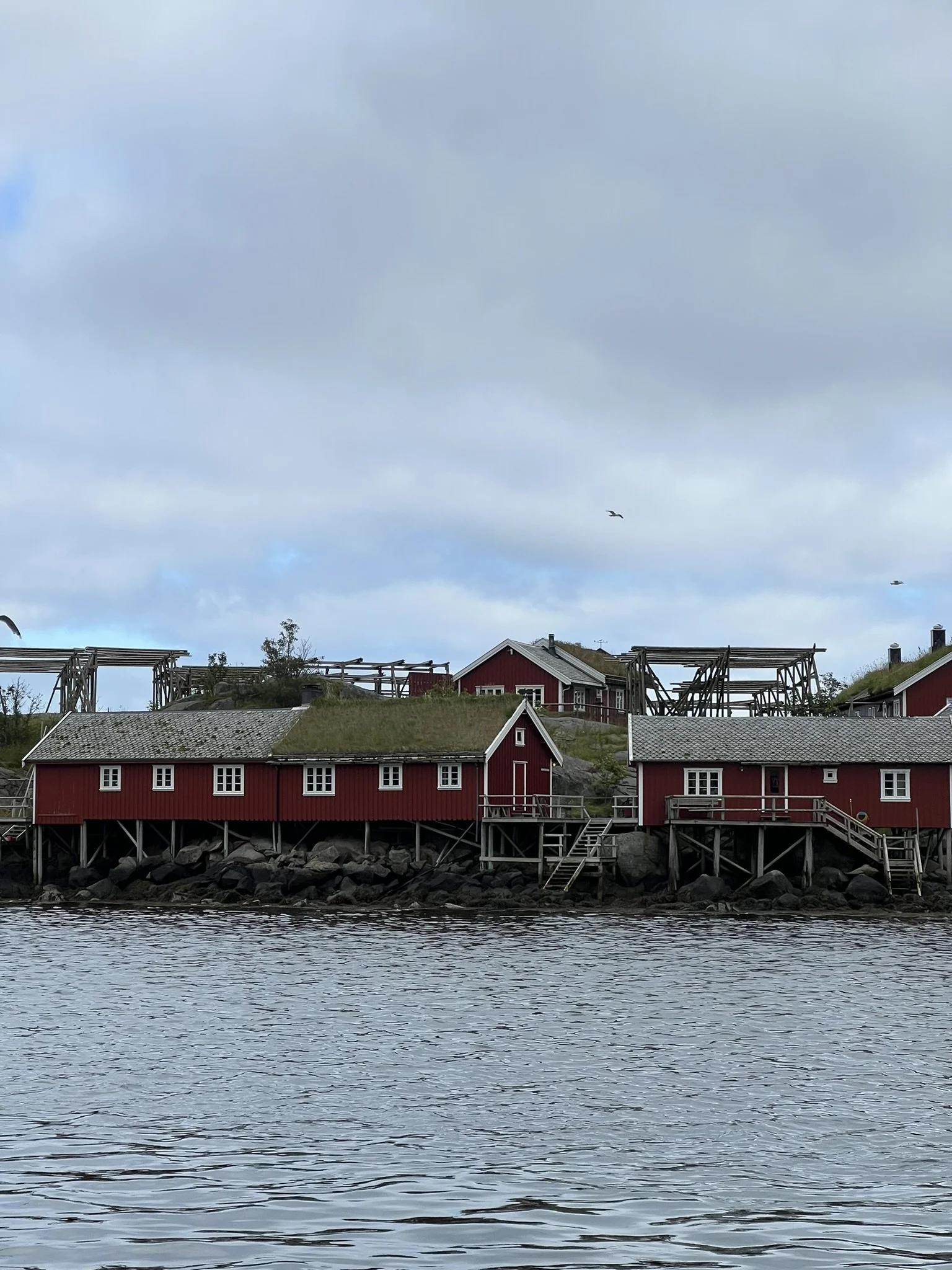
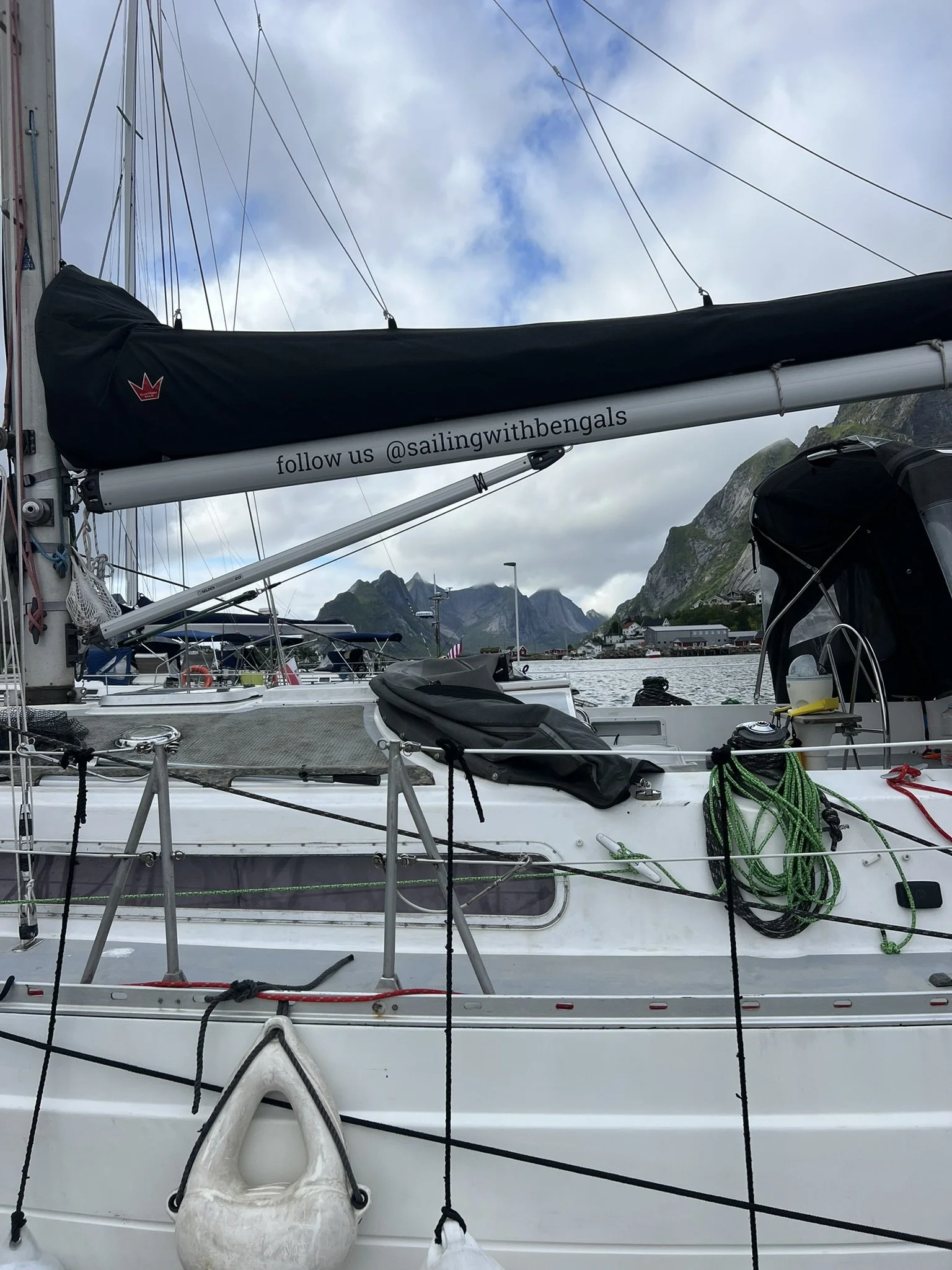
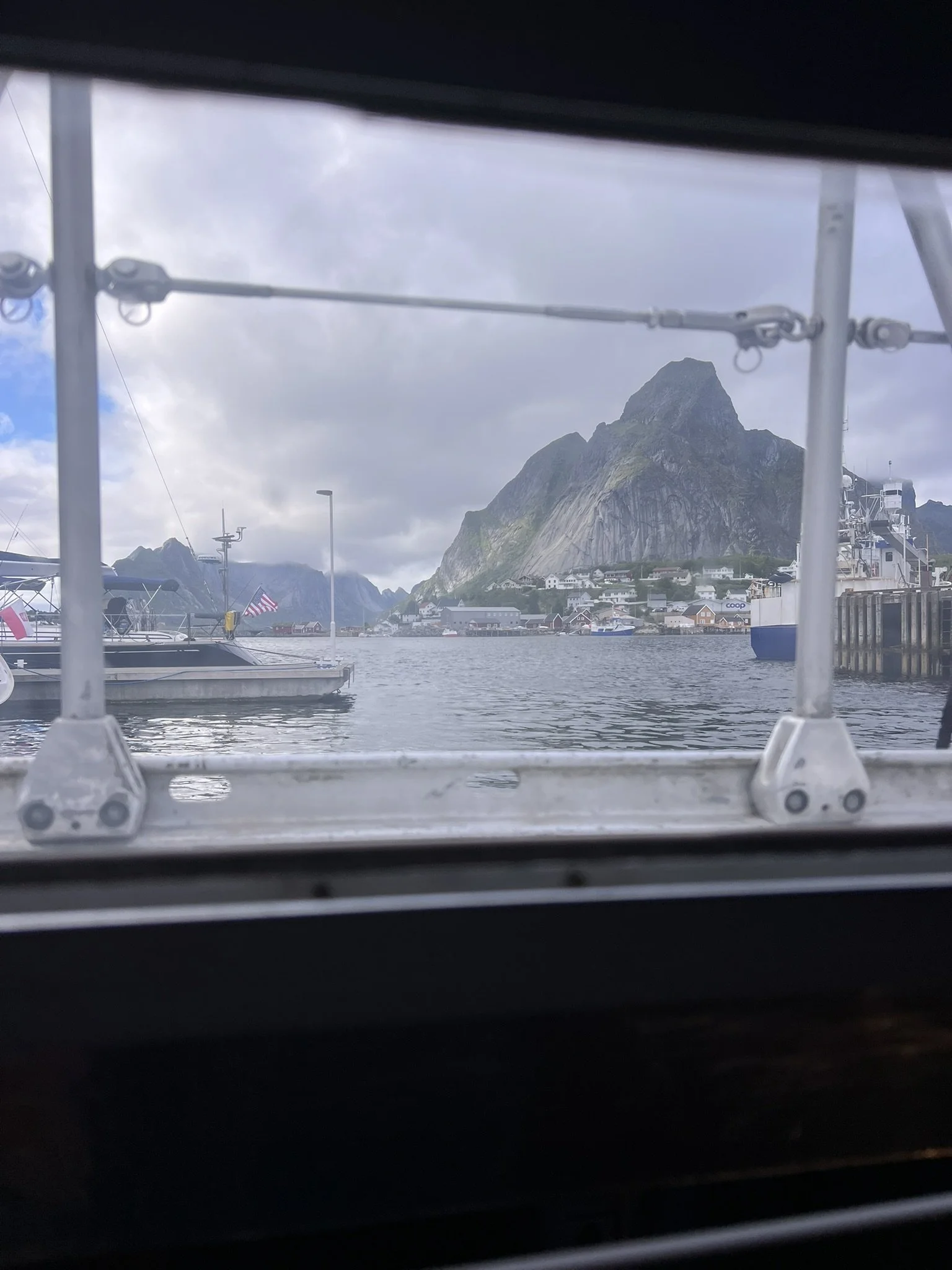
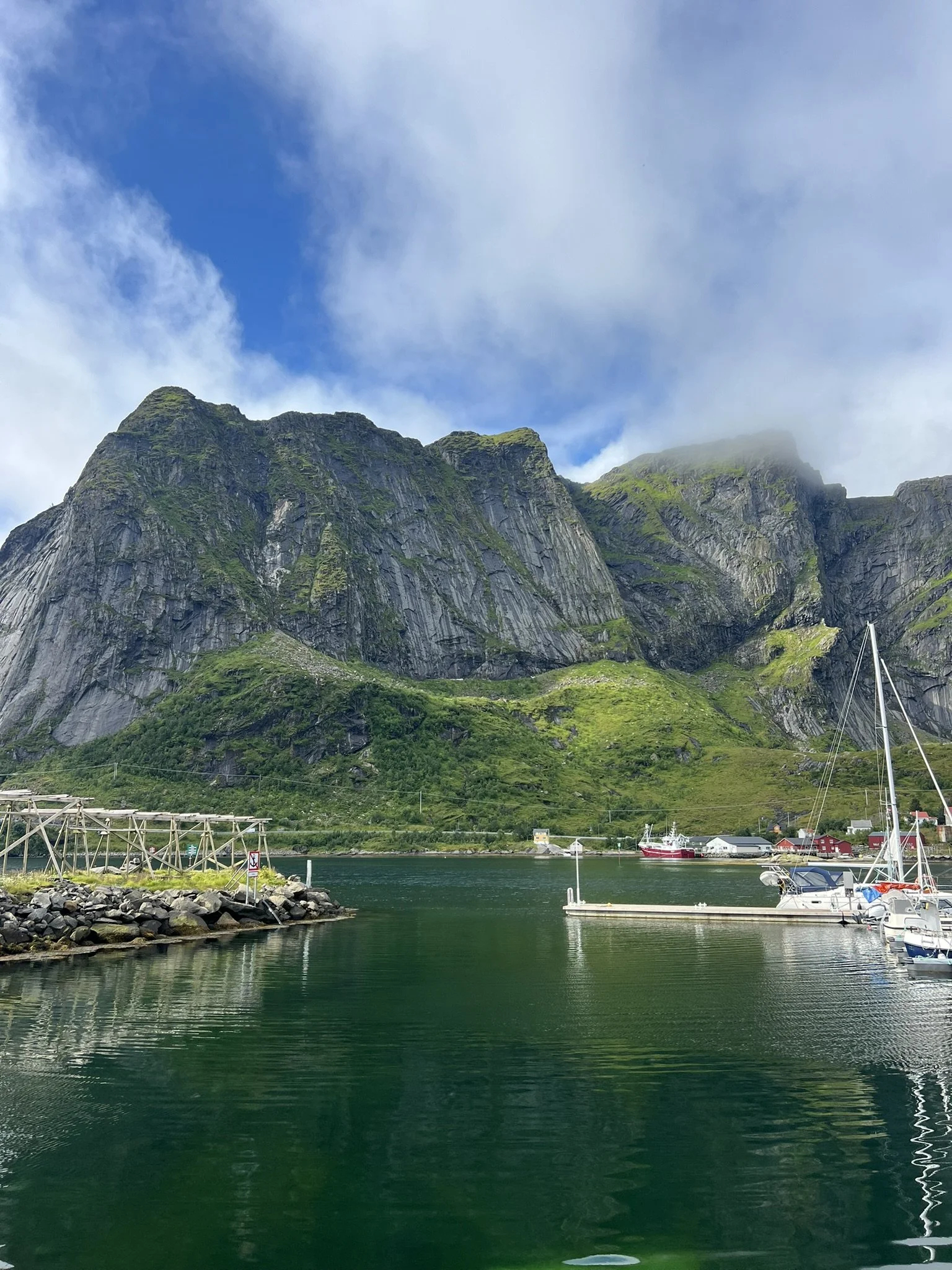
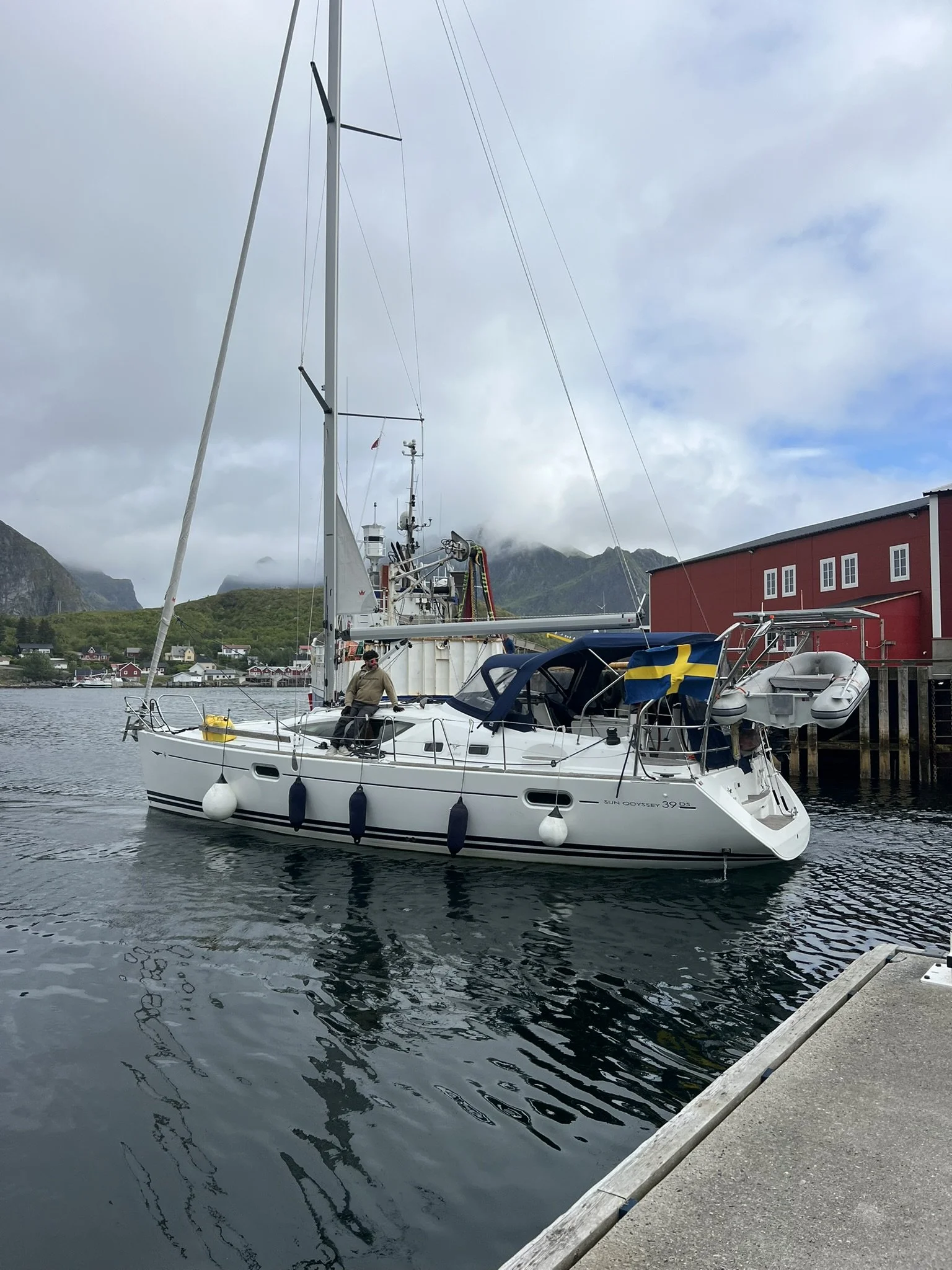
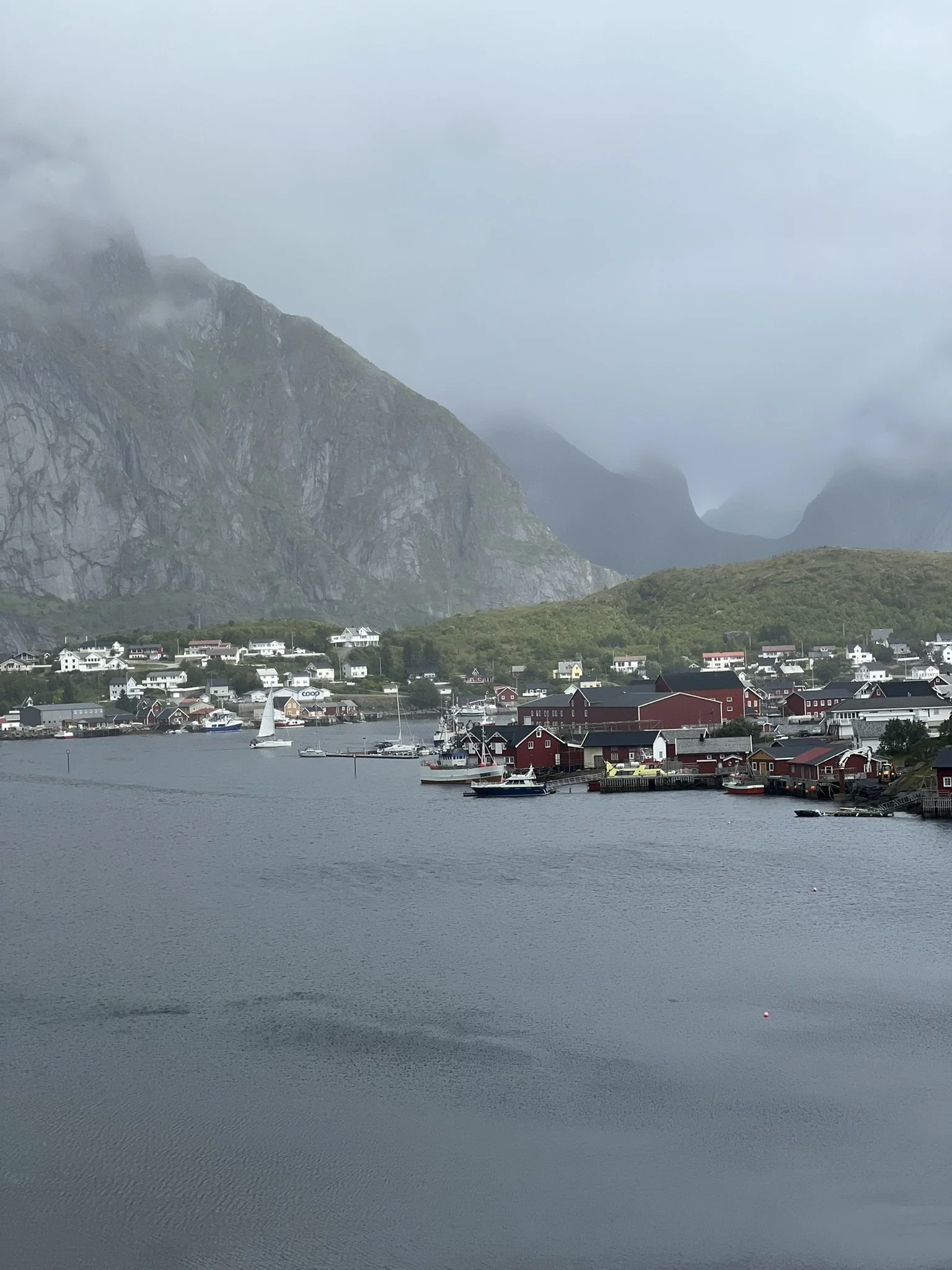
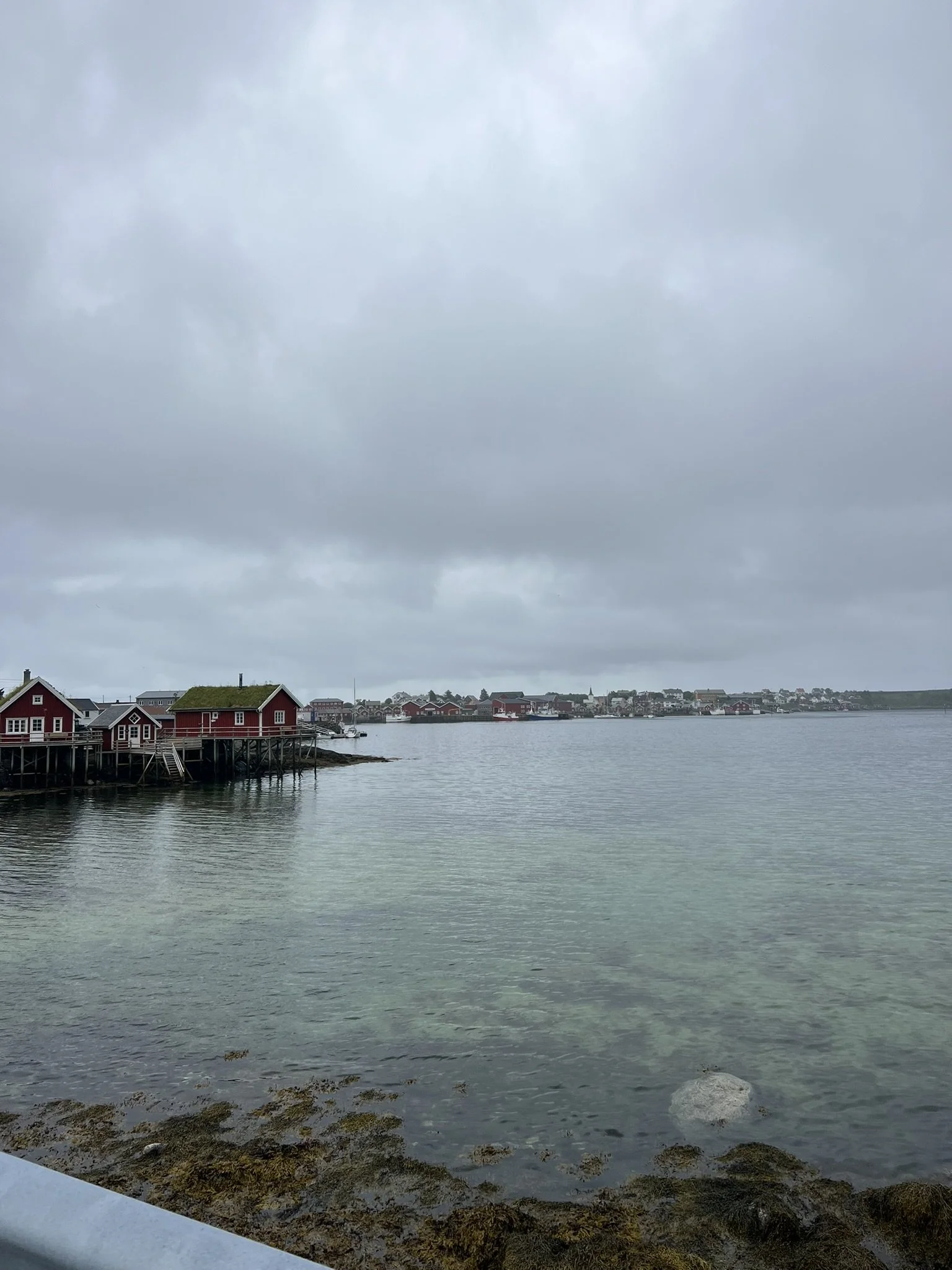
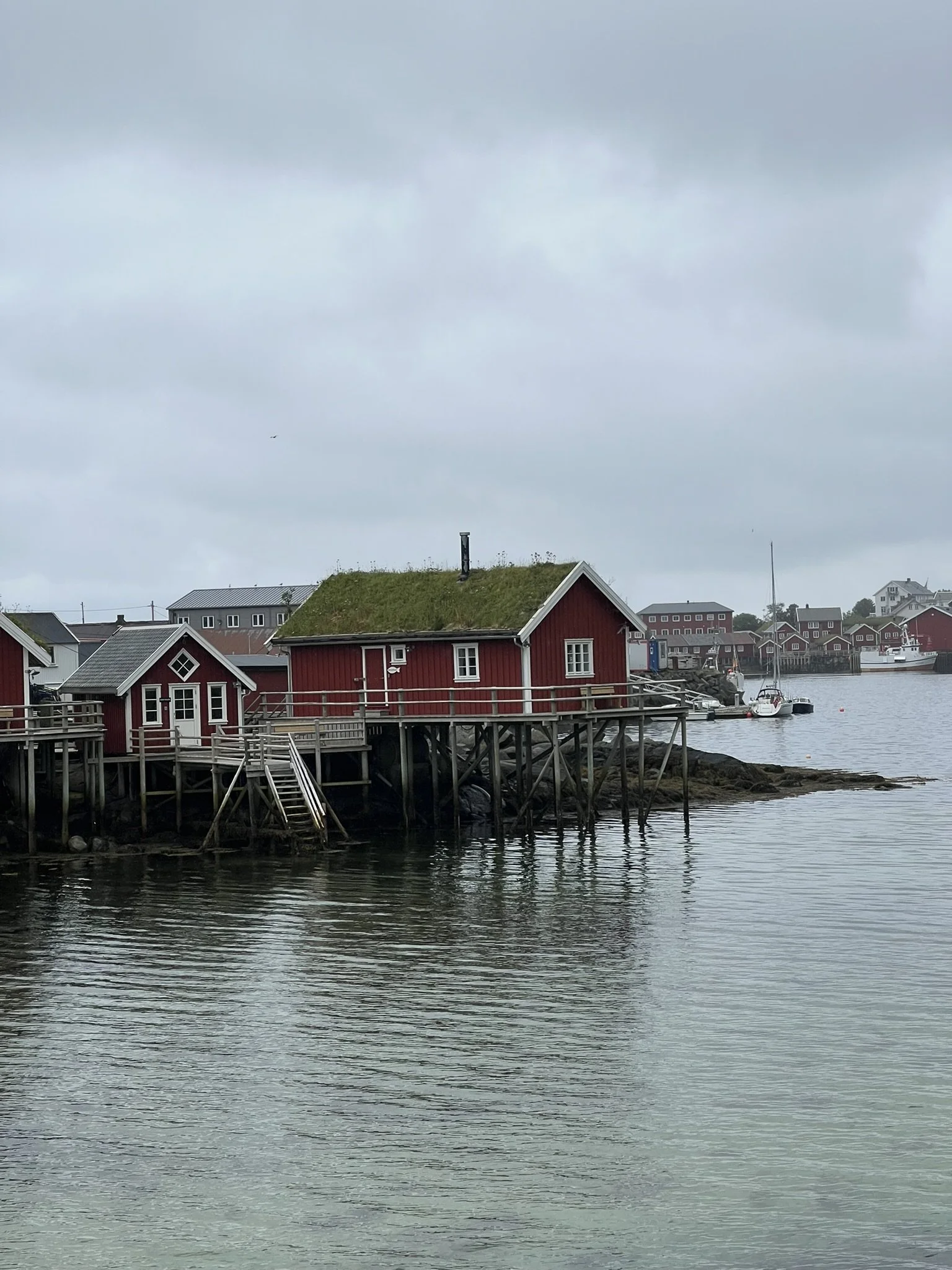
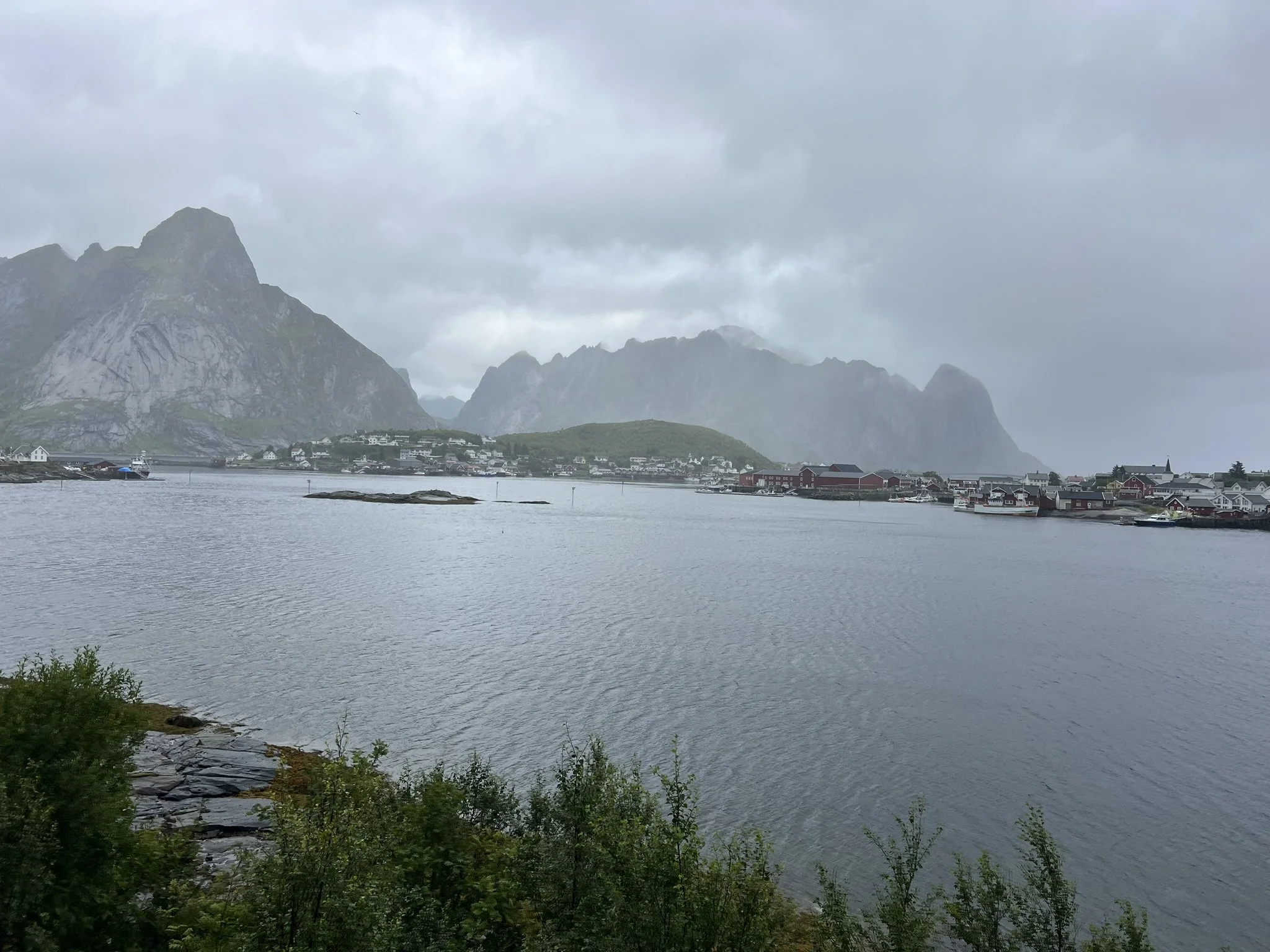
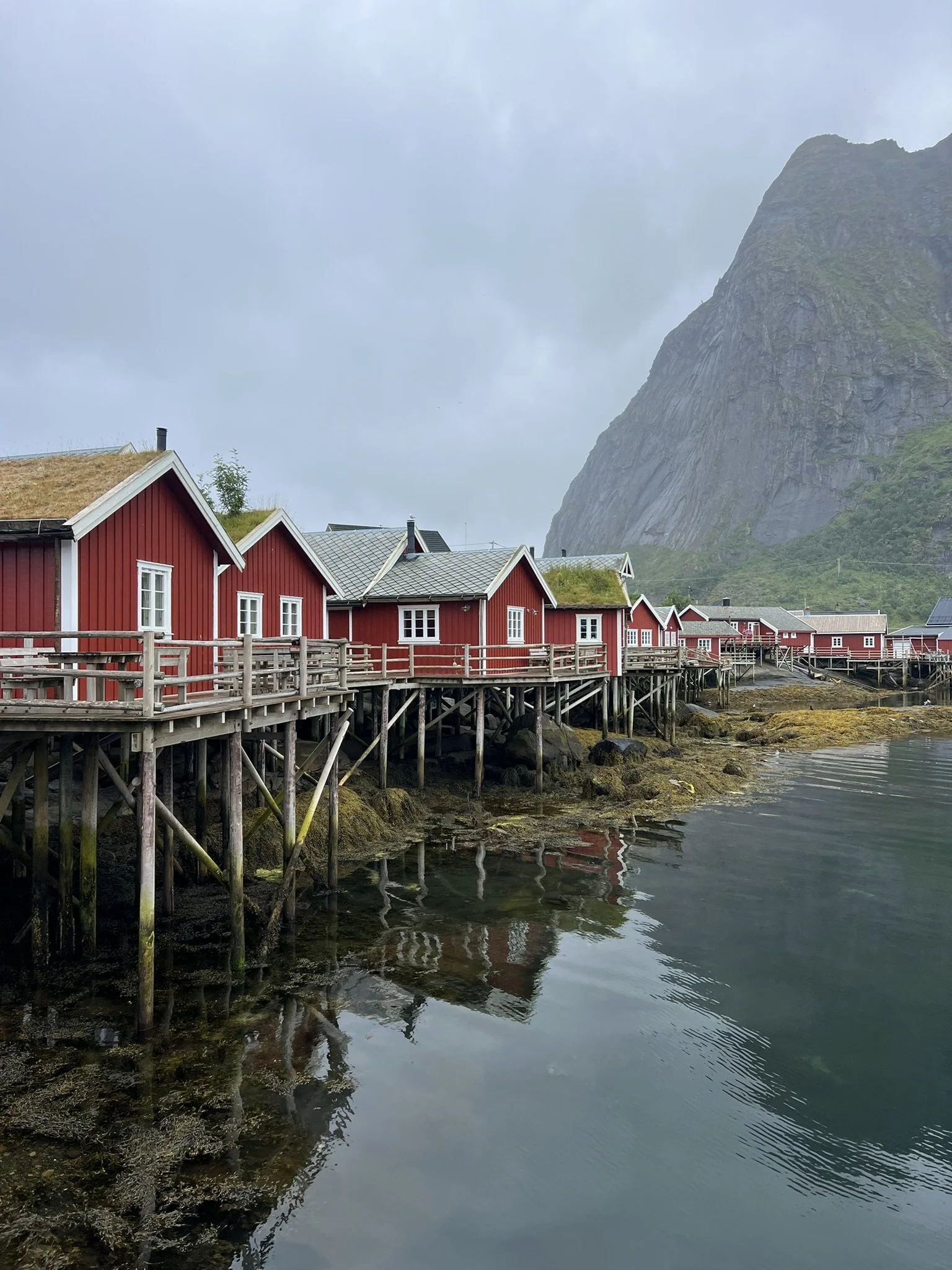
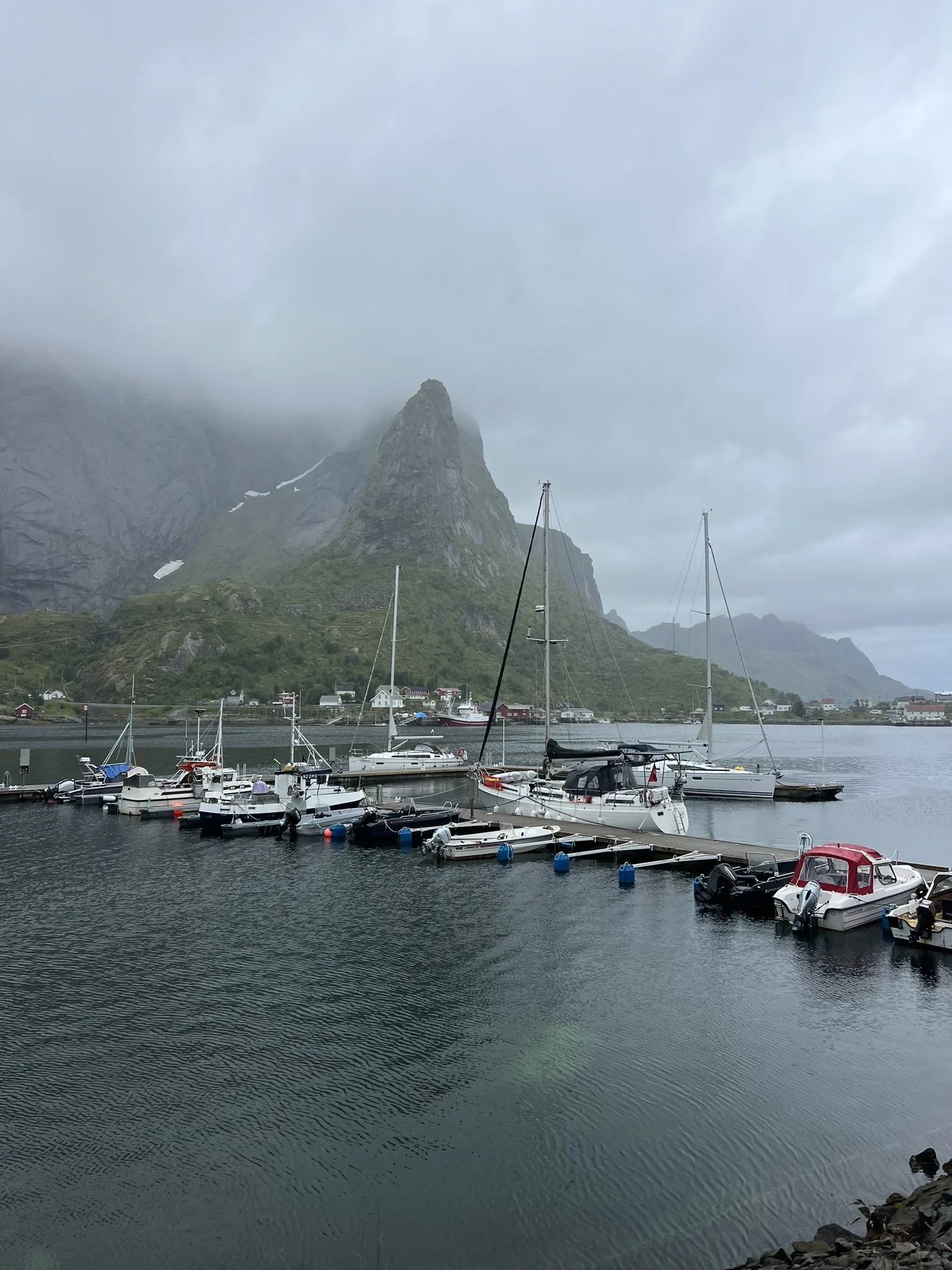
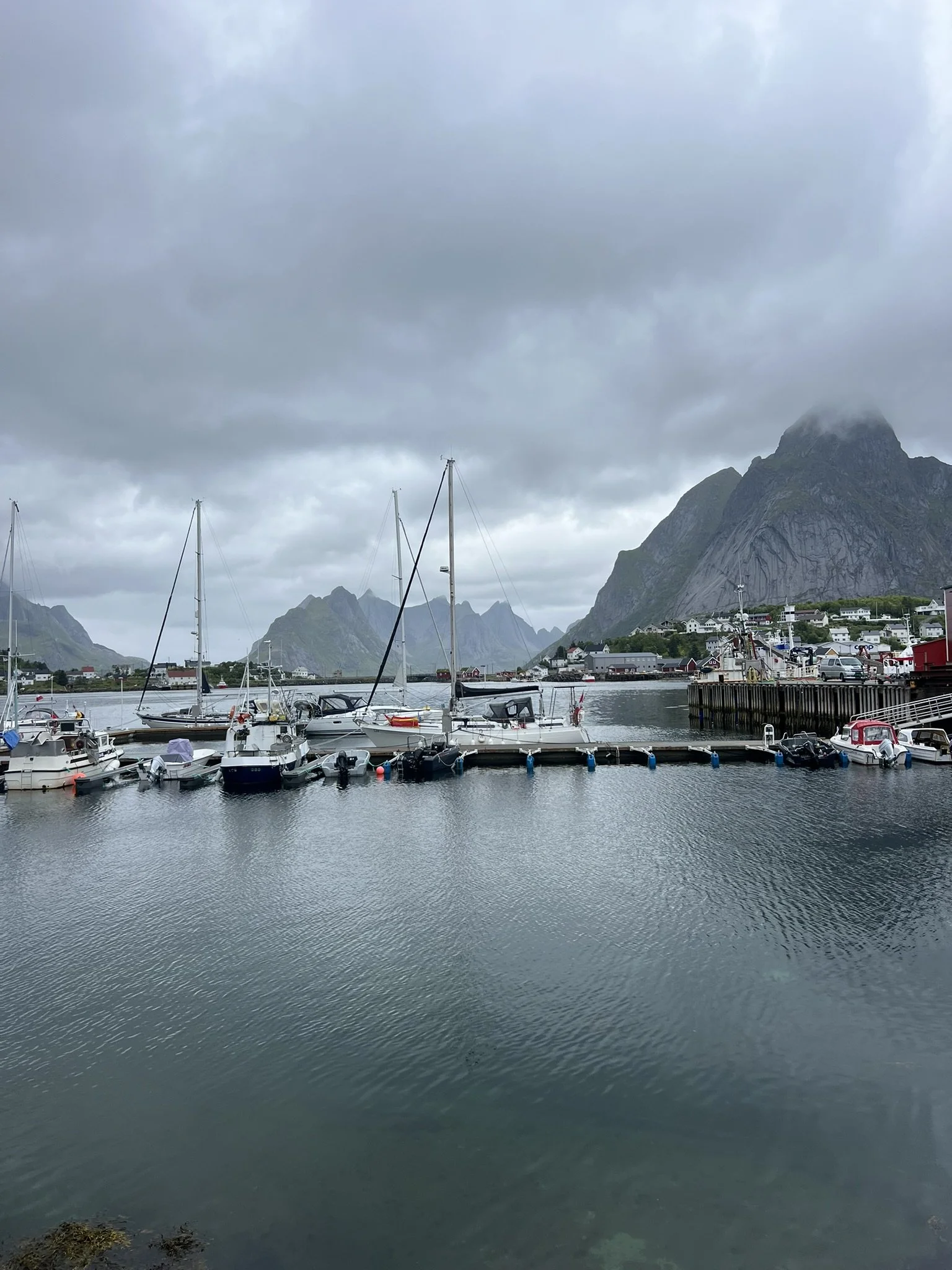
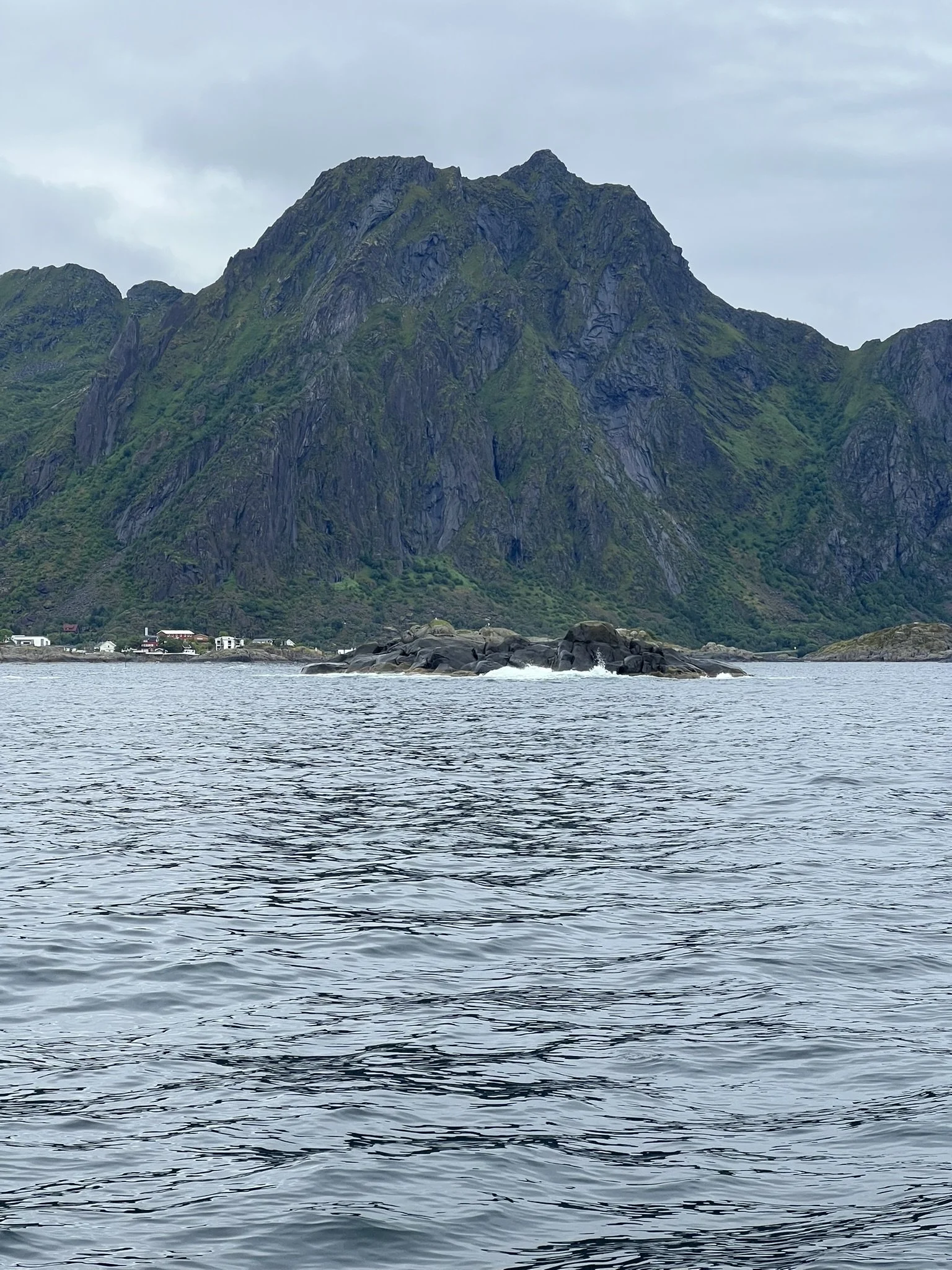
After the worst of the weather had passed, we took the chance to set sail for our first stop in the Lofoten Islands: Reine.
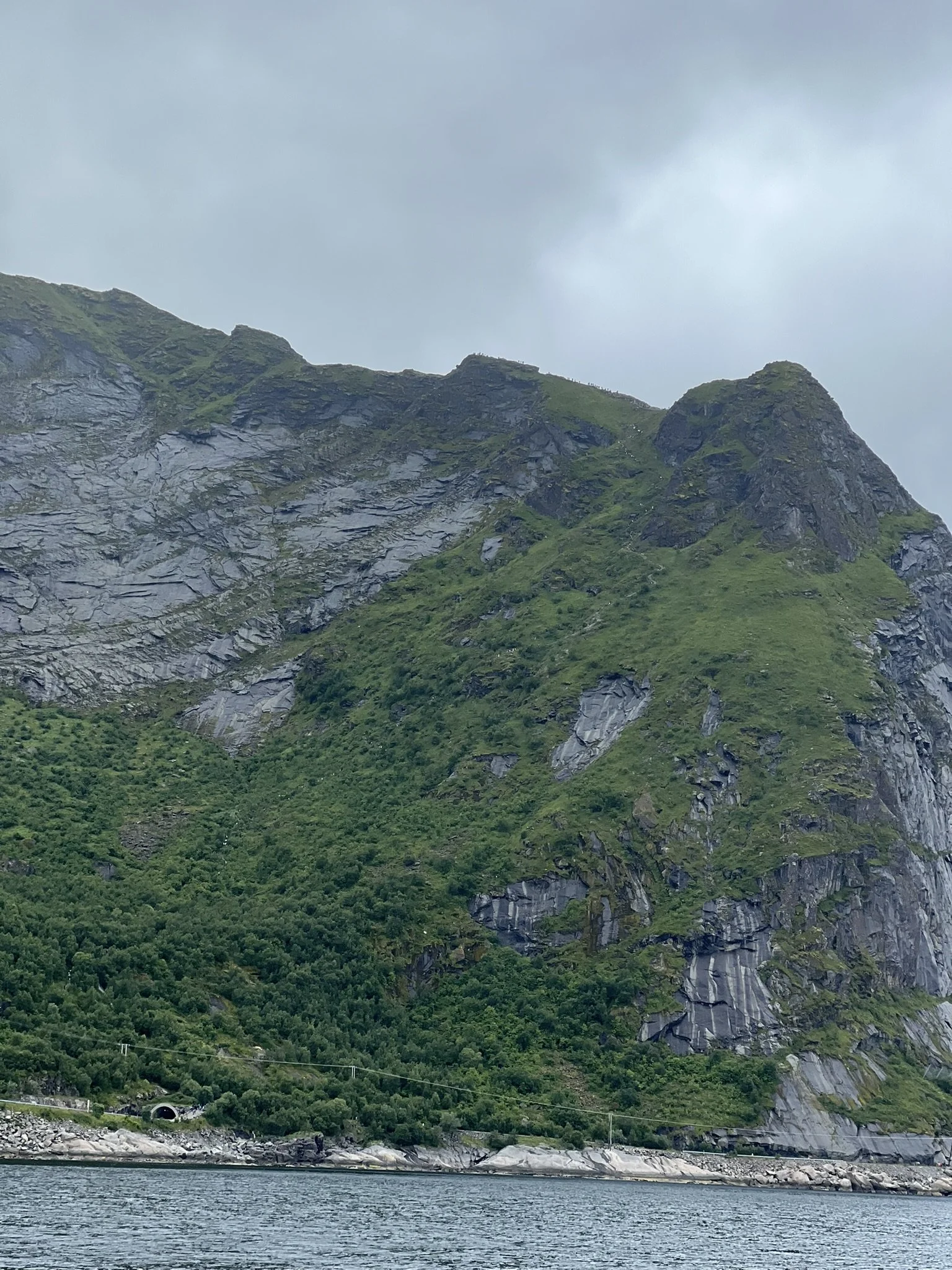
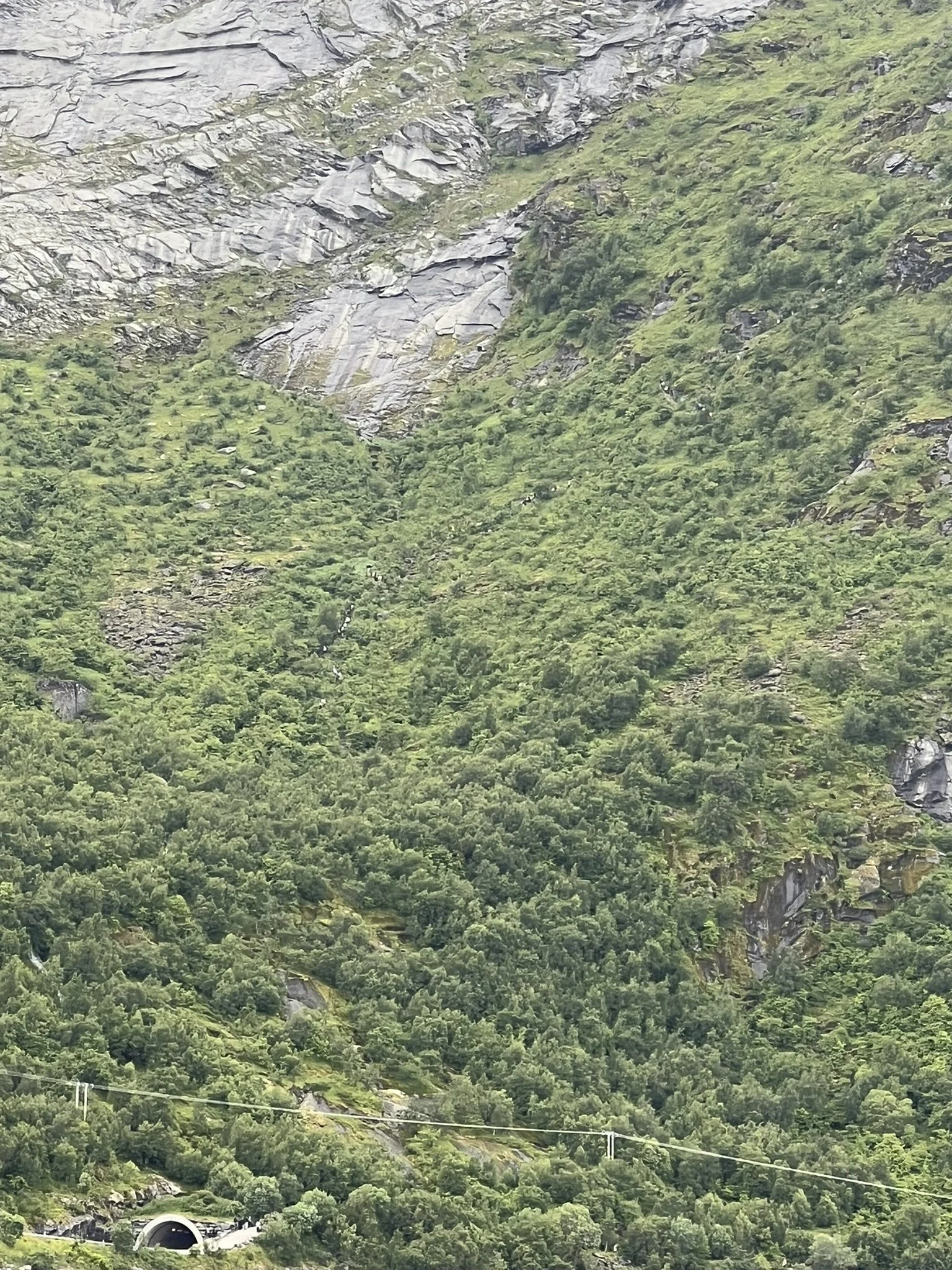
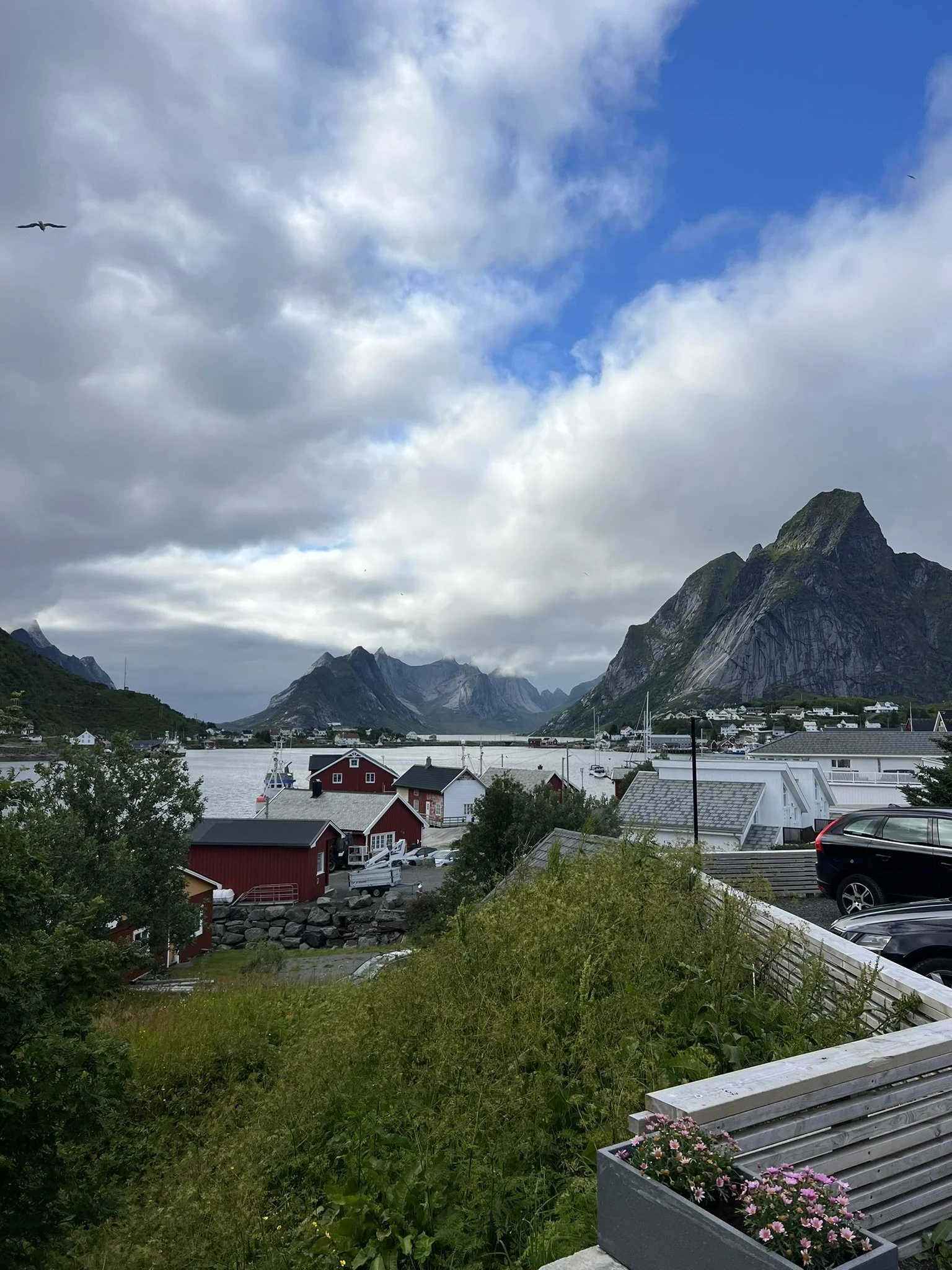
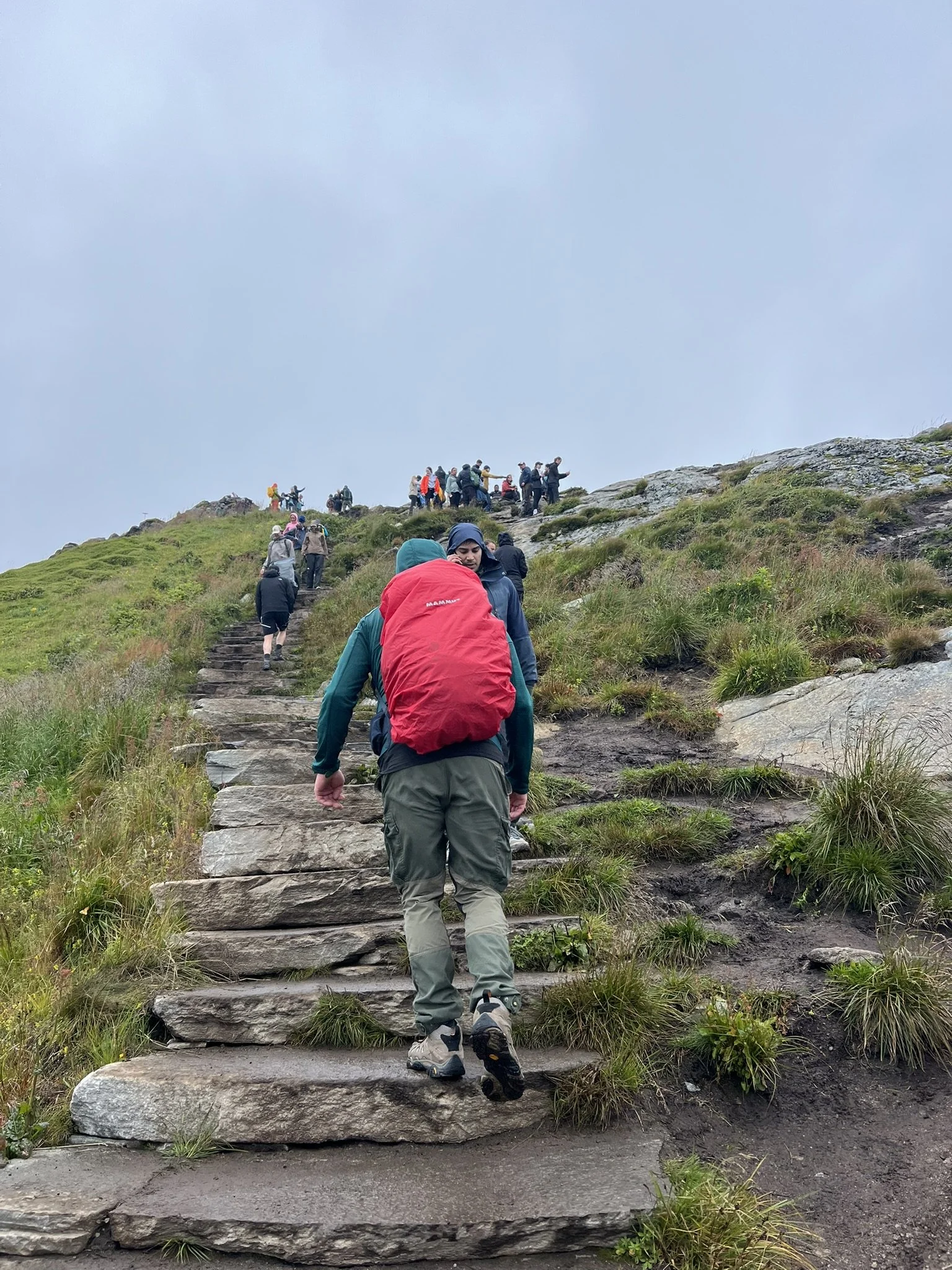
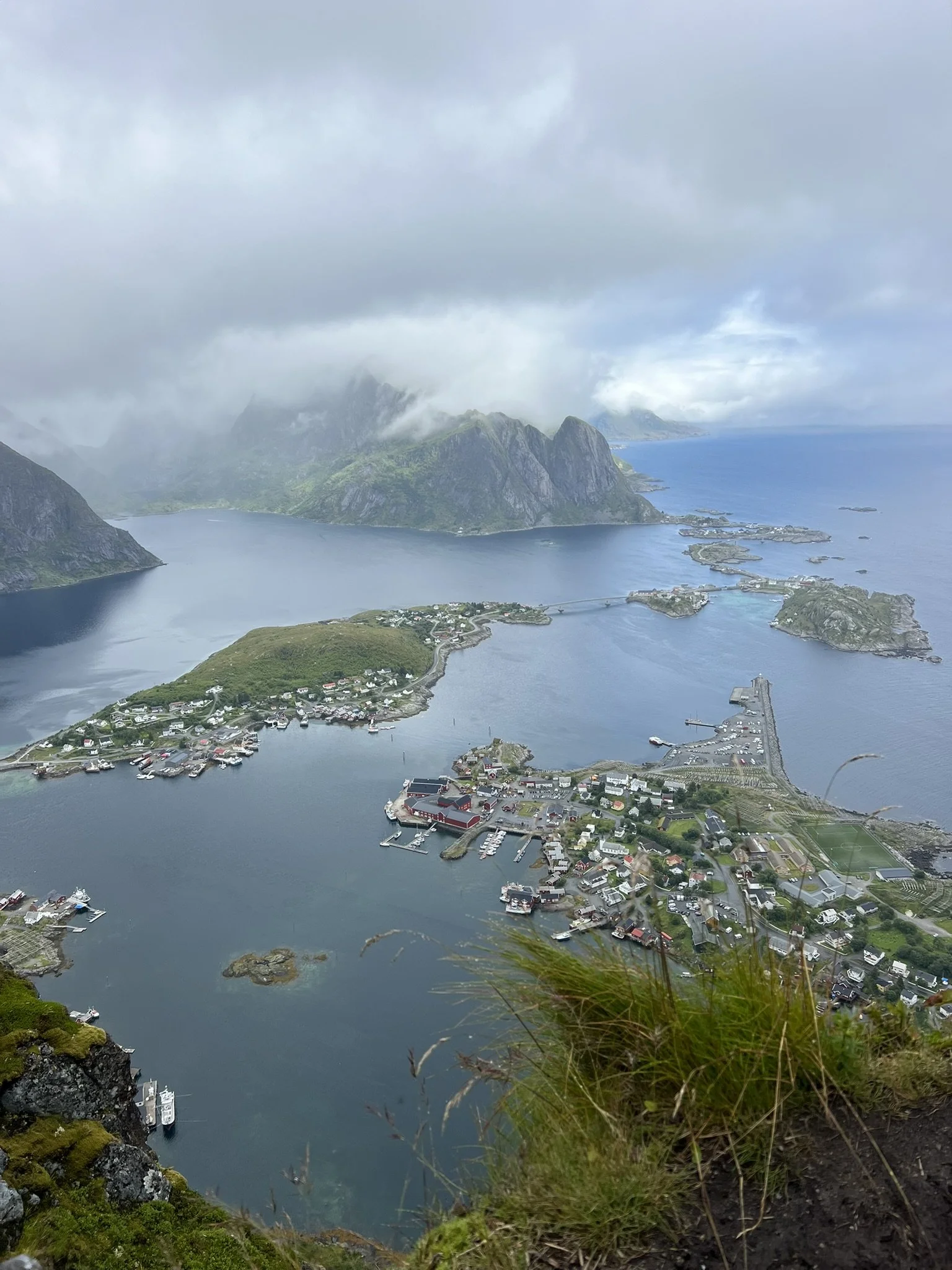
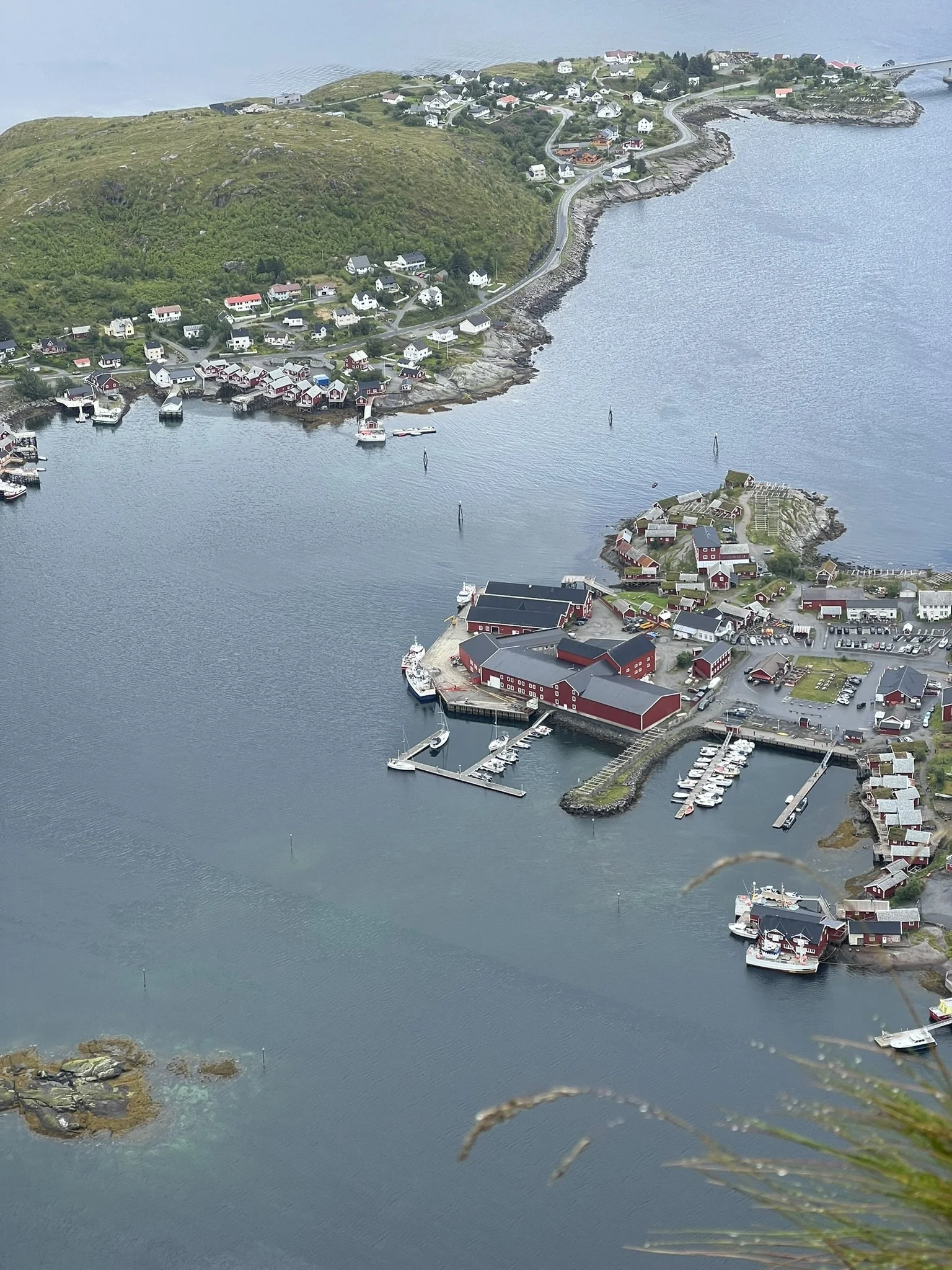
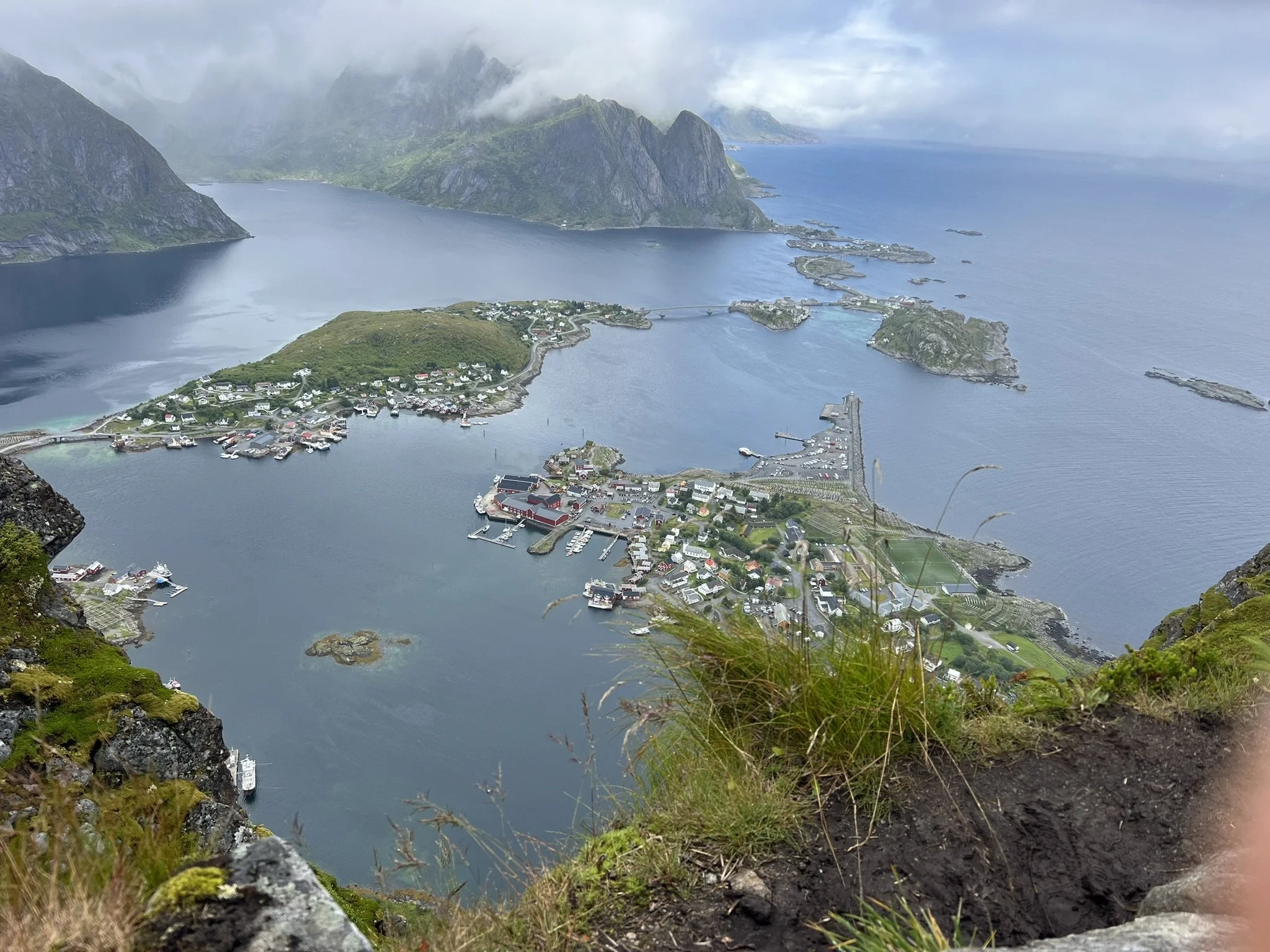
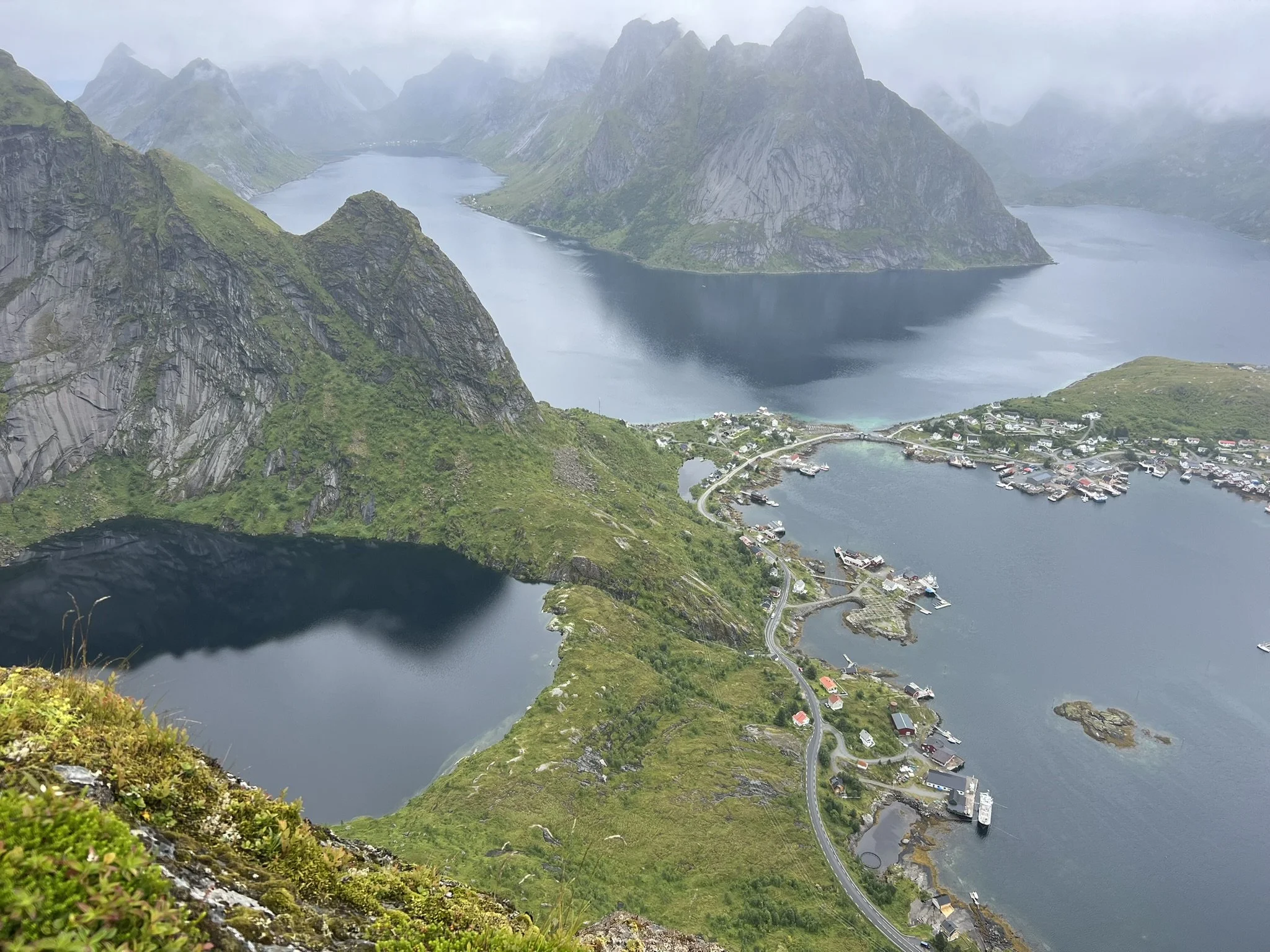
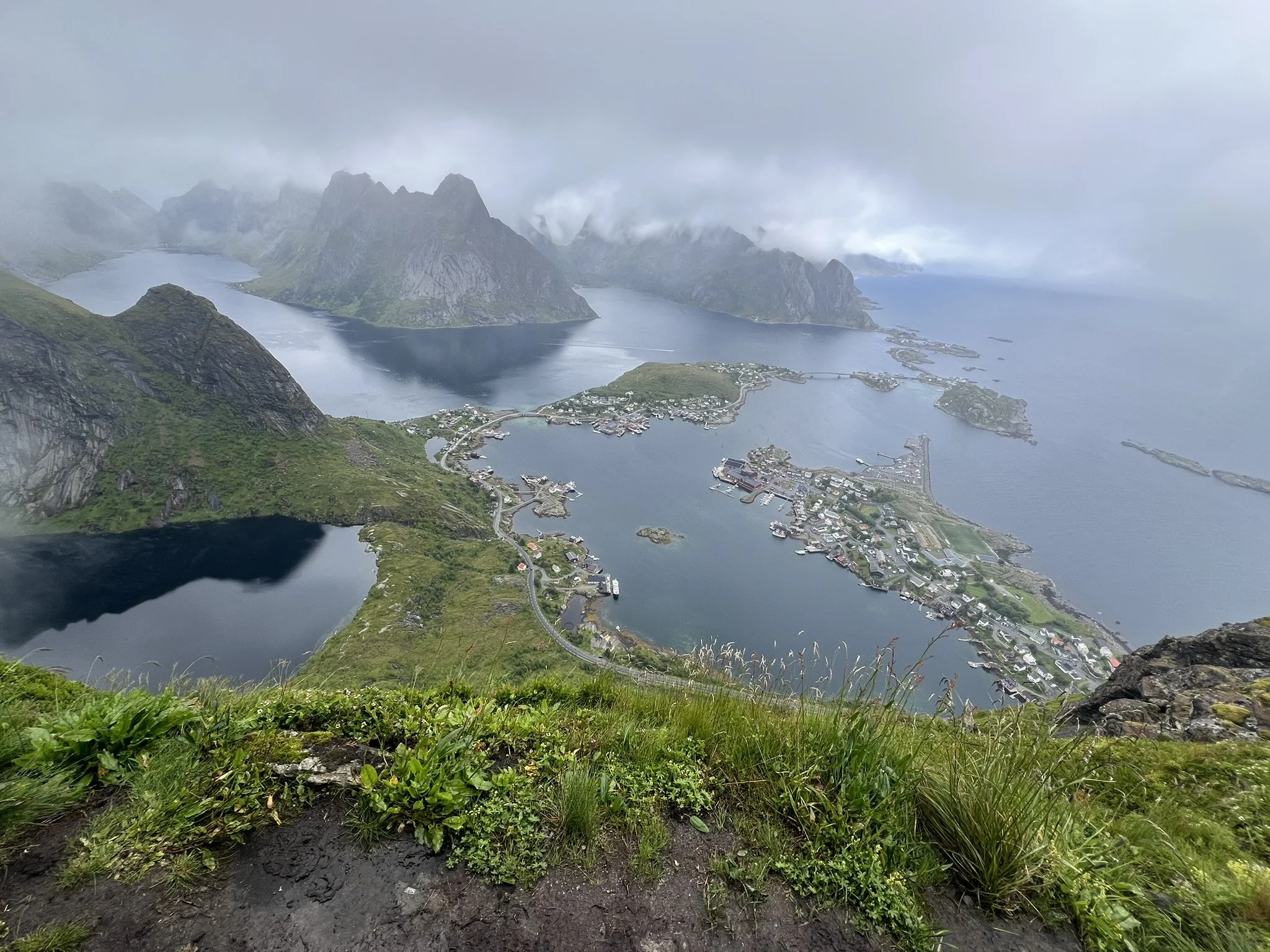
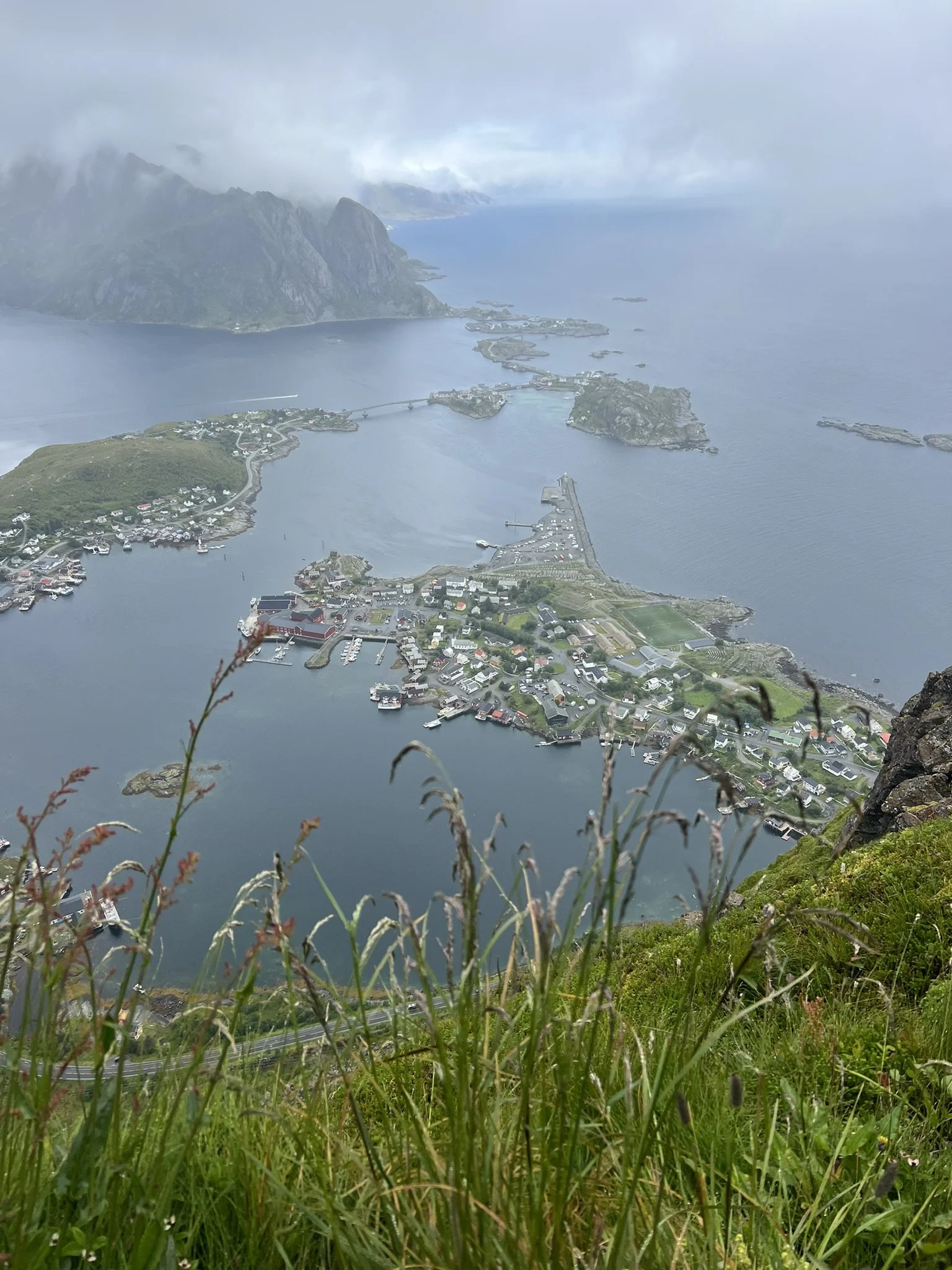
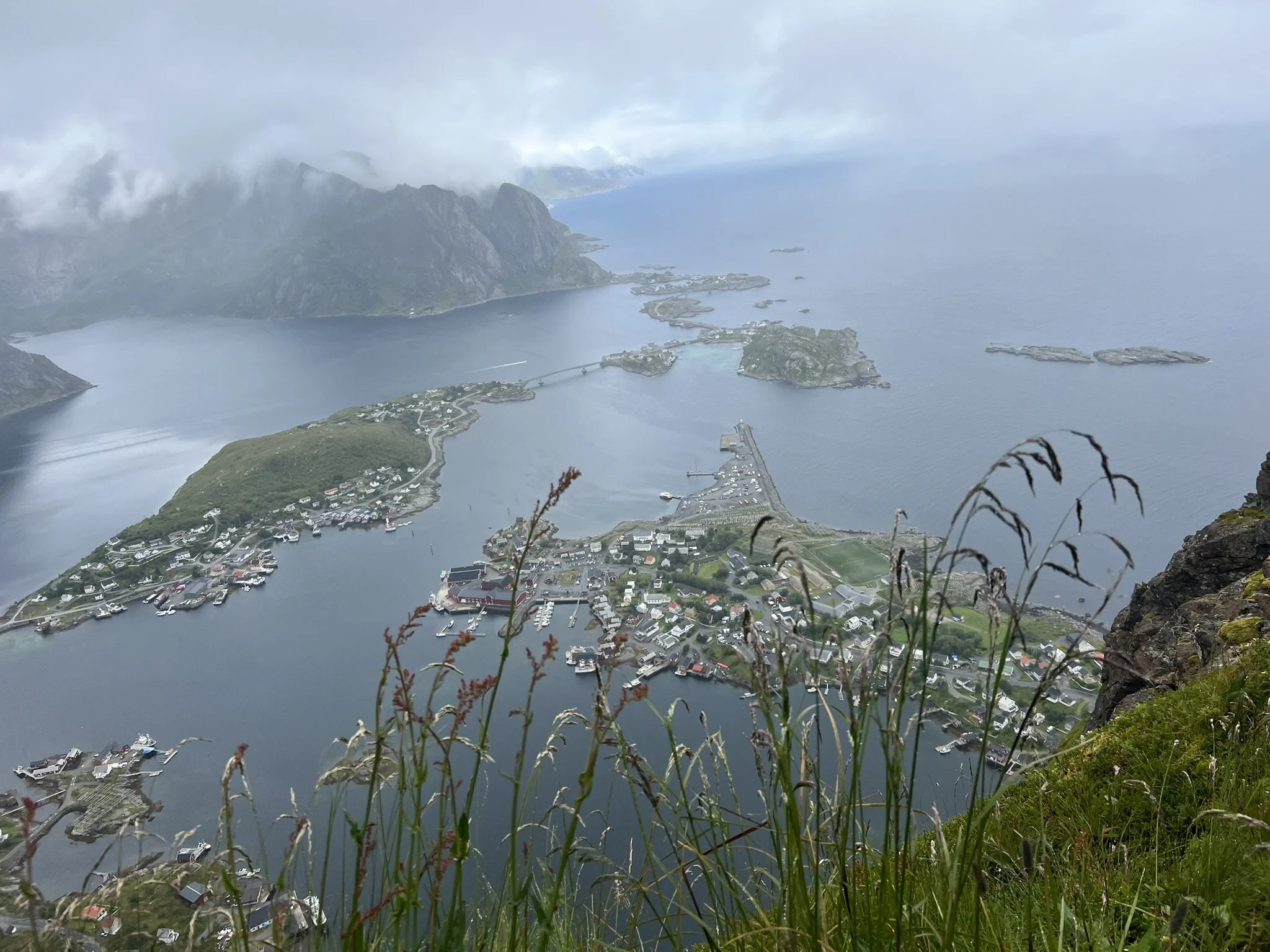
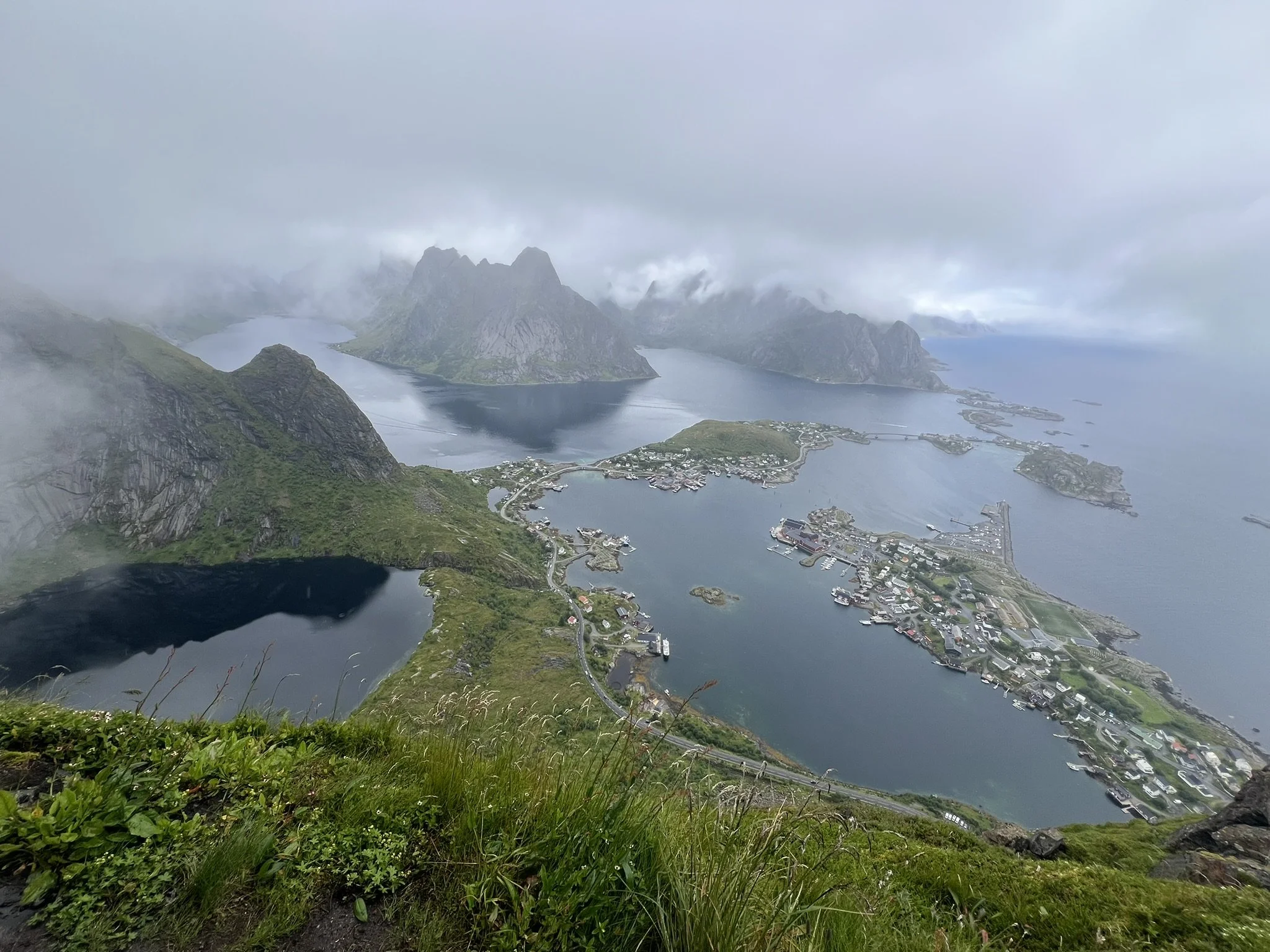
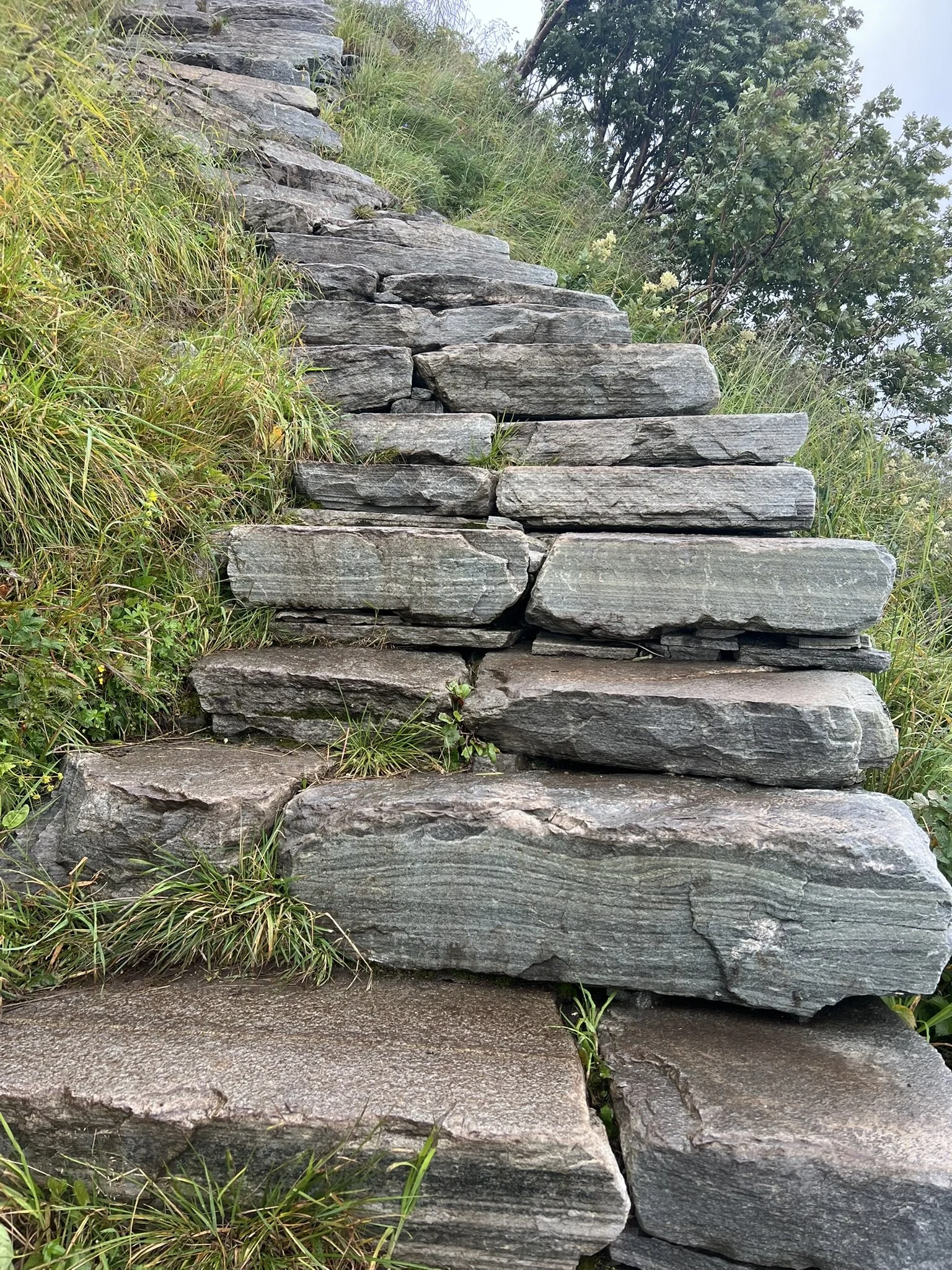
Reine is especially famous for Reinebringen, one of the most popular hikes in Lofoten. The trail climbs 484 metres above sea level and consists mostly of steep Sherpa steps — almost 2,000 of them - at this point this seems to be the Norwegian standard for hiking trails. From the water, we could already see all the people making their way up and standing at the top. From a distance, they looked like little ants crawling around their anthill.
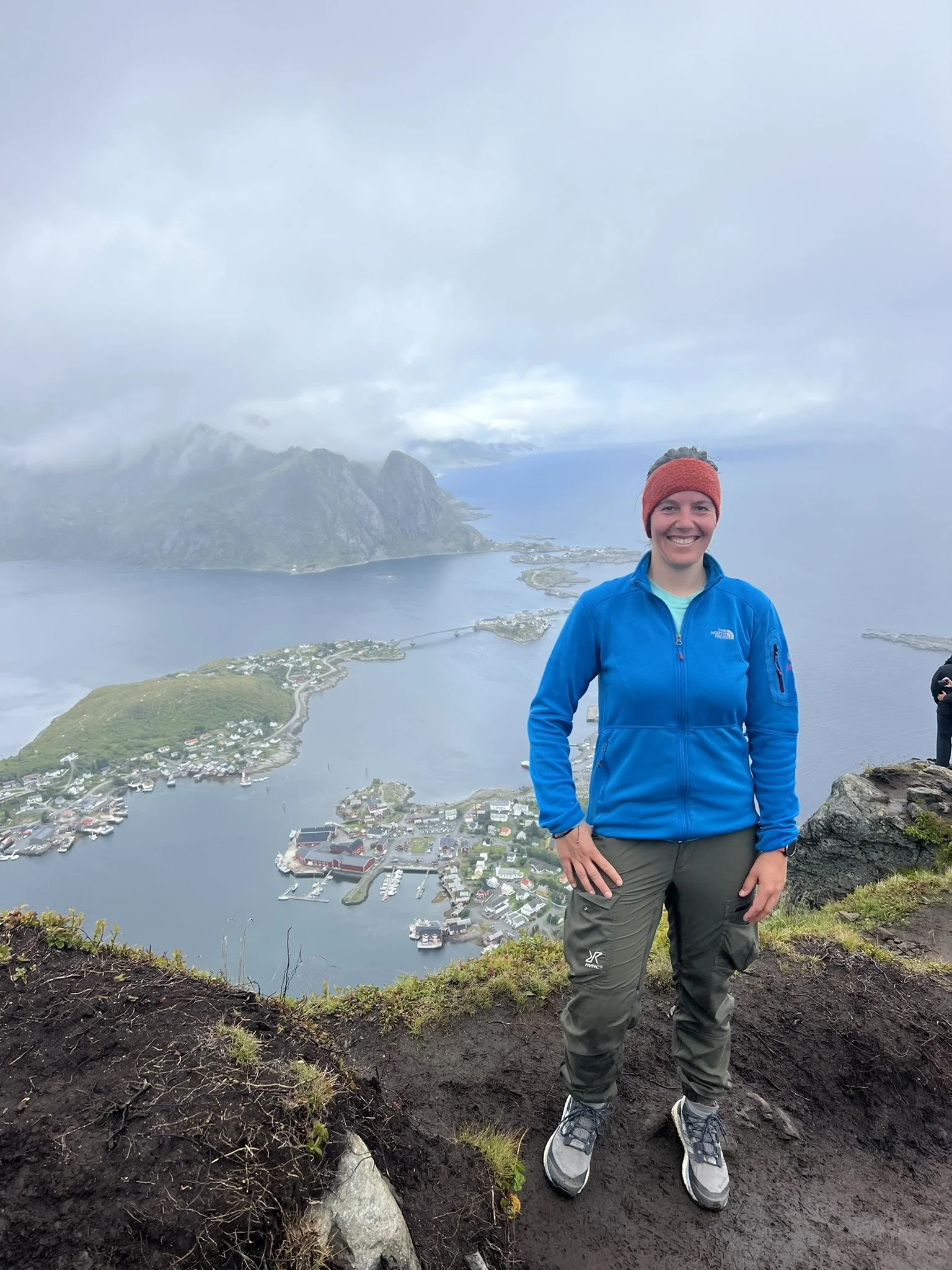
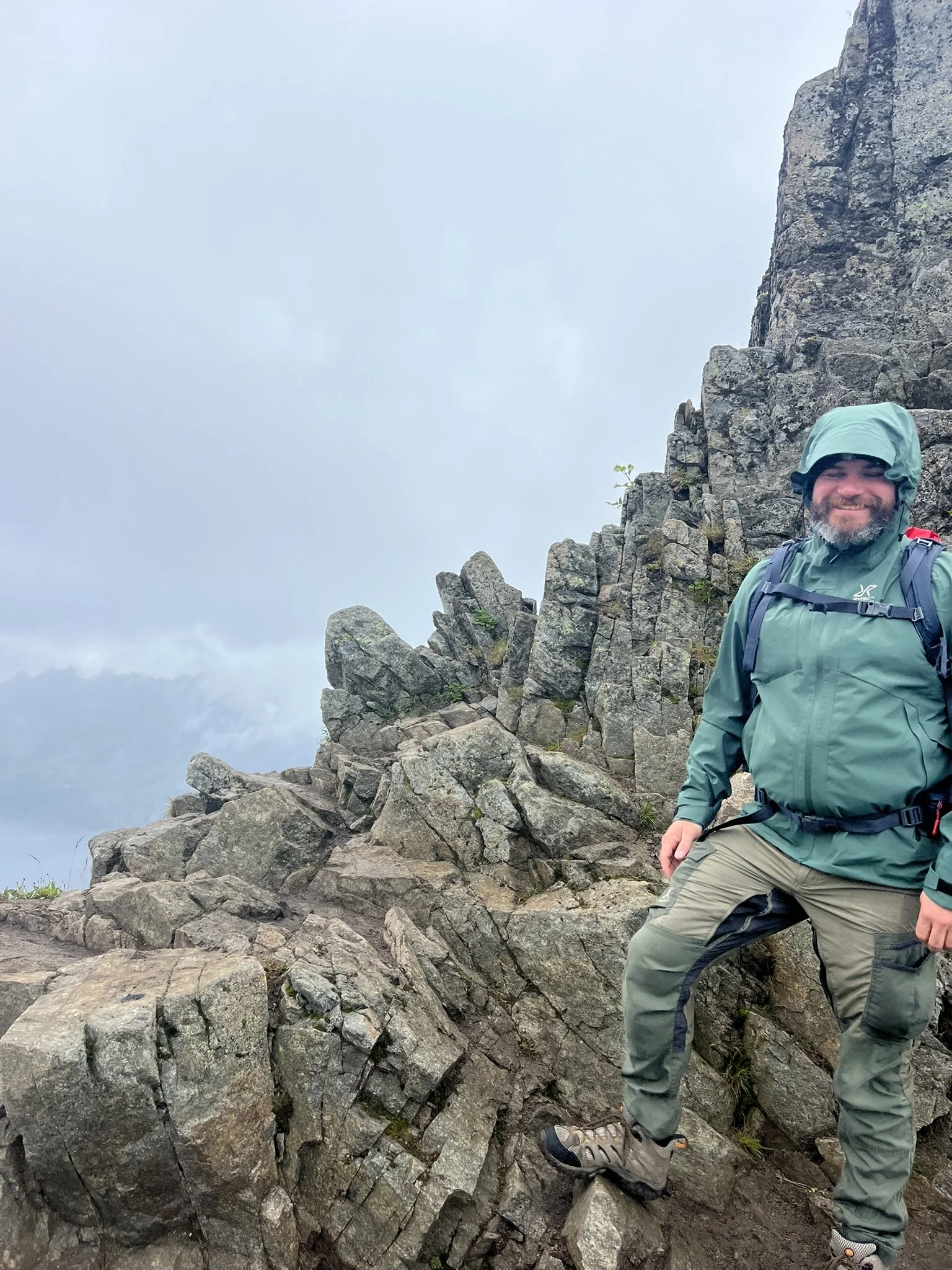
Nevertheless, we wanted to walk up there too. We don't usually love very touristy hikes because you can't really walk at your own pace, but this time we decided to give it a try. It just happened to be a pretty rainy day, which, on the bright side, meant there probably were a few fewer people on the trail than usual.
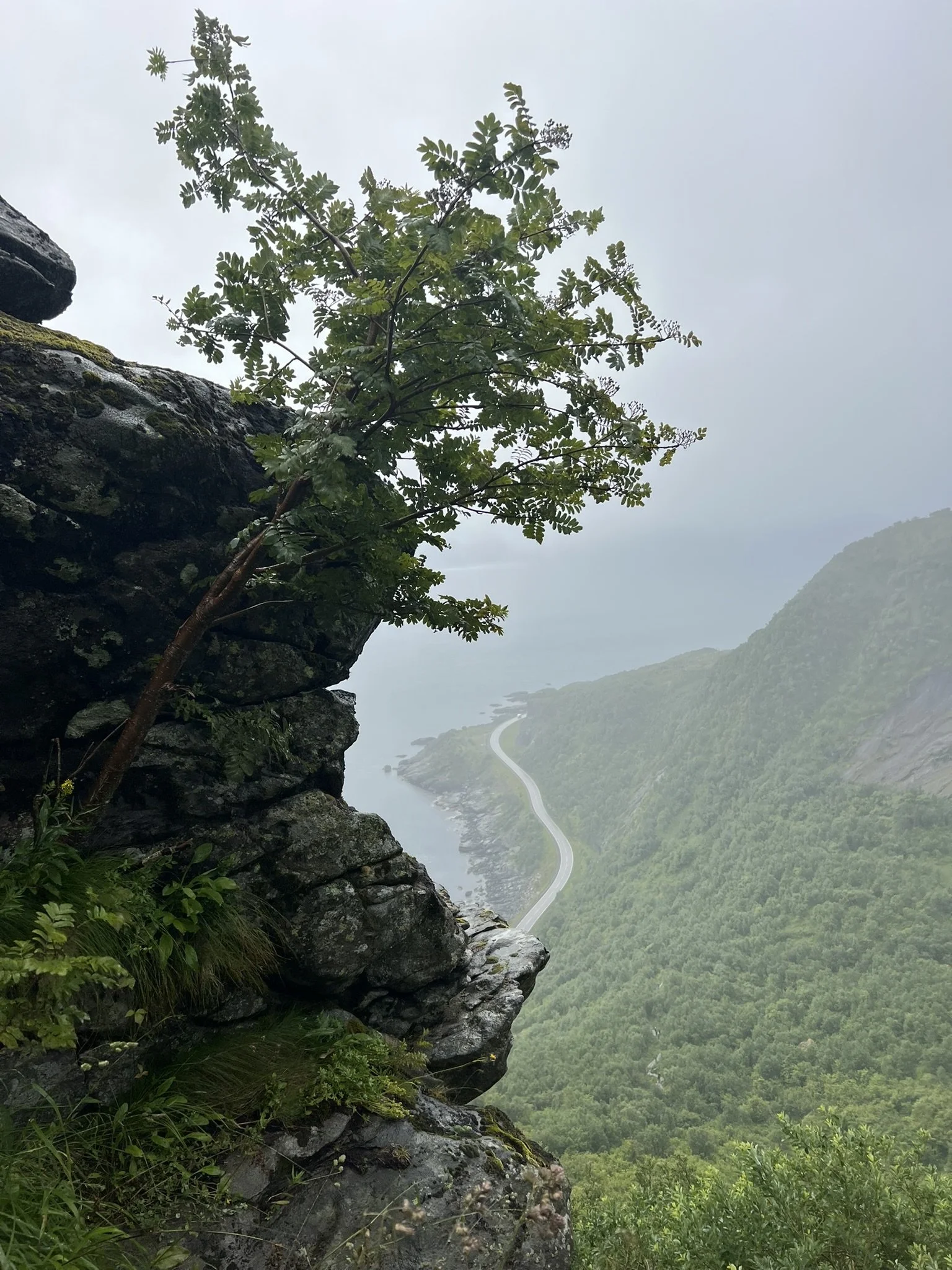
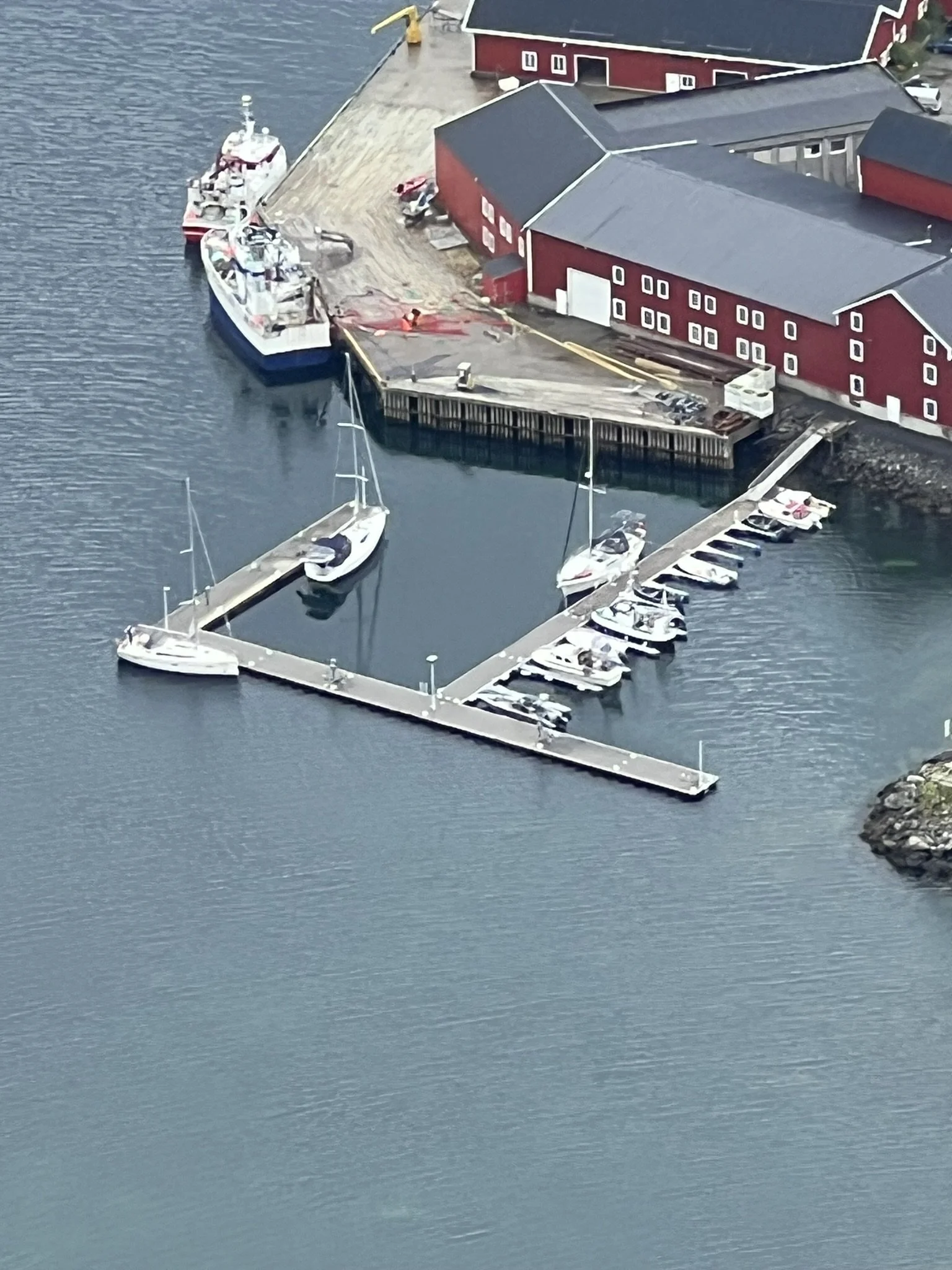
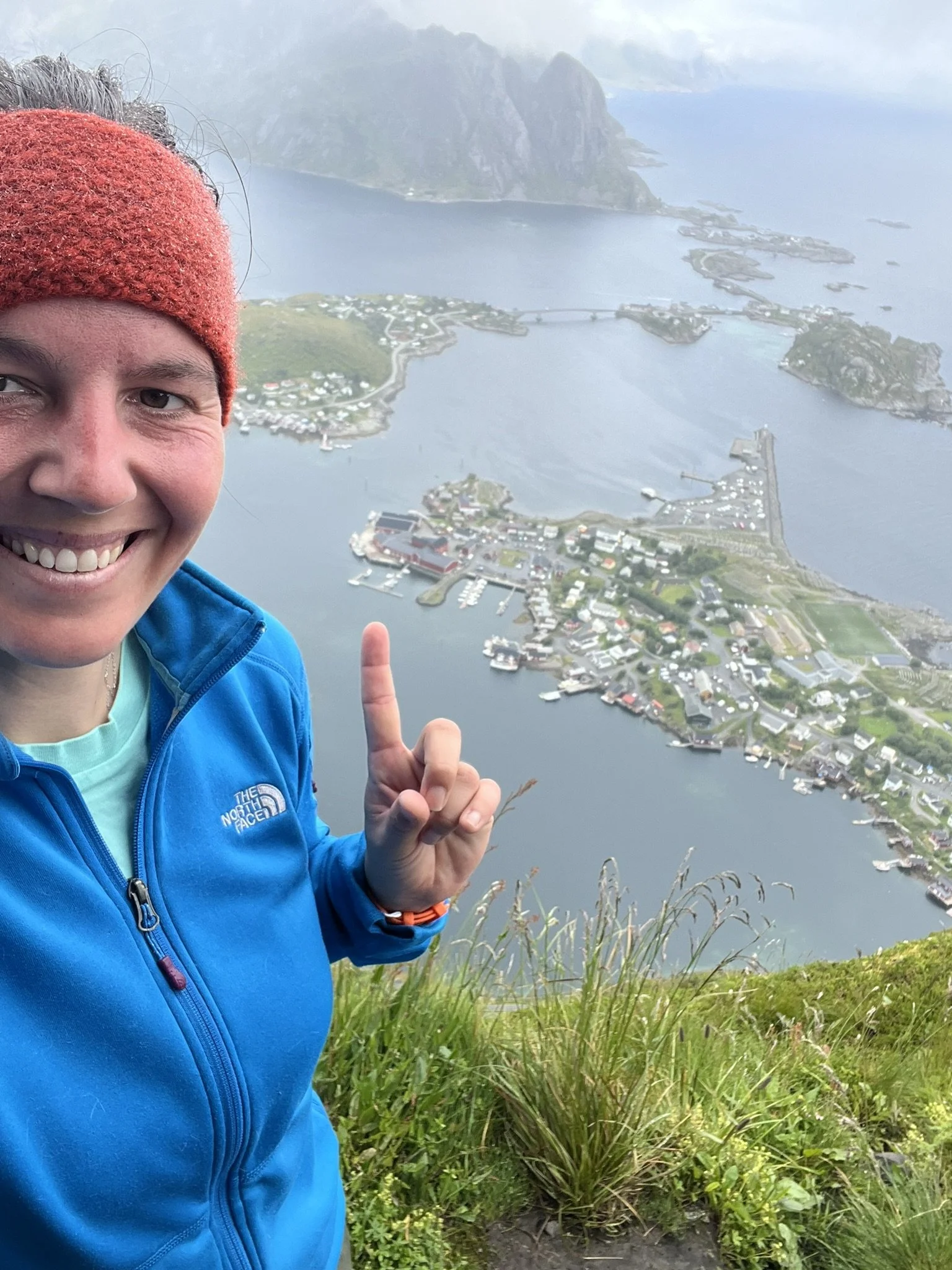
When we reached the top, we were lucky enough to get a short weather window with good visibility, allowing us to enjoy the incredible view over Reine, the harbour, the surrounding mountains and the sea. Shortly afterwards, the clouds closed in again and visibility became poor again.
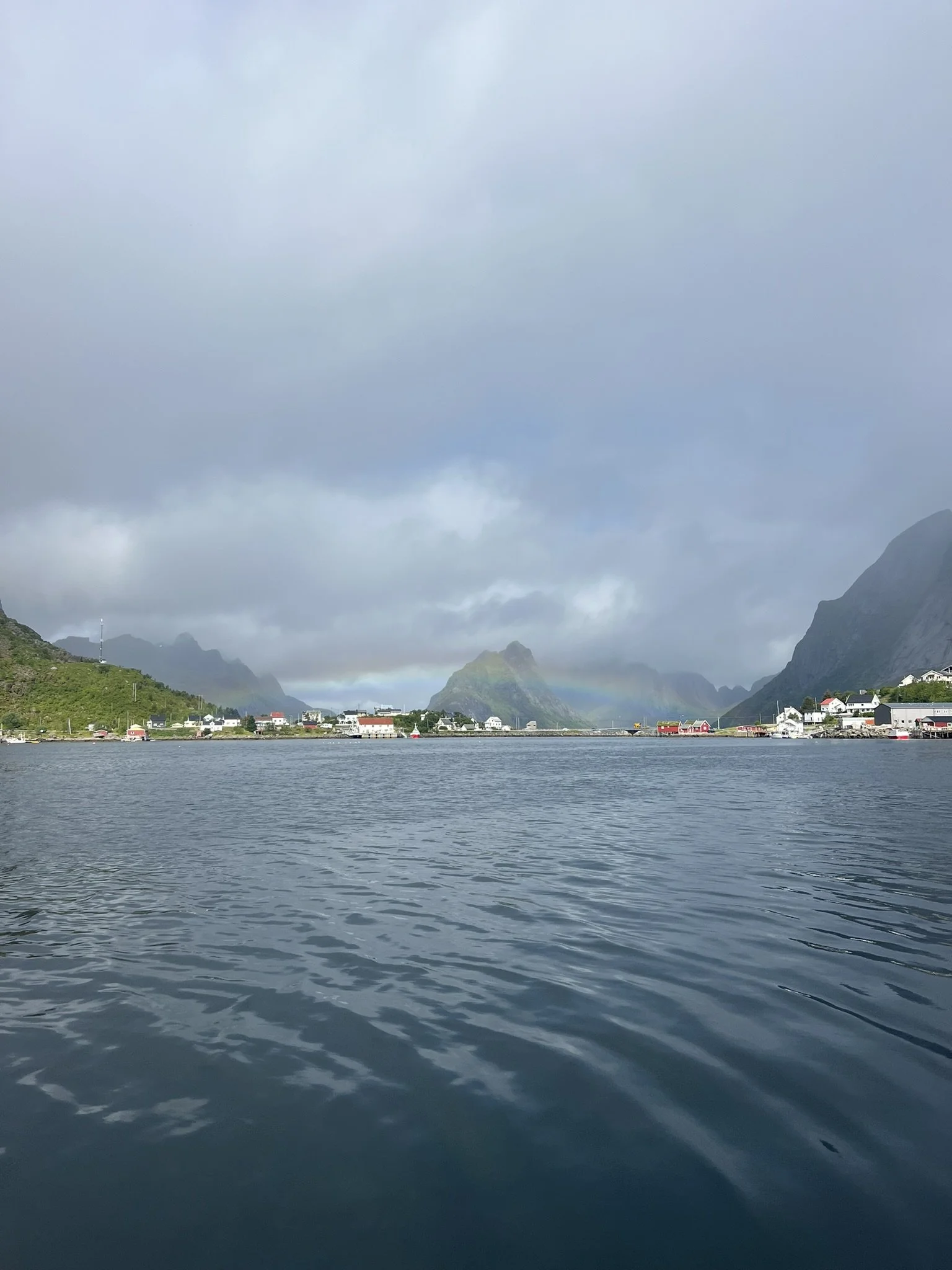
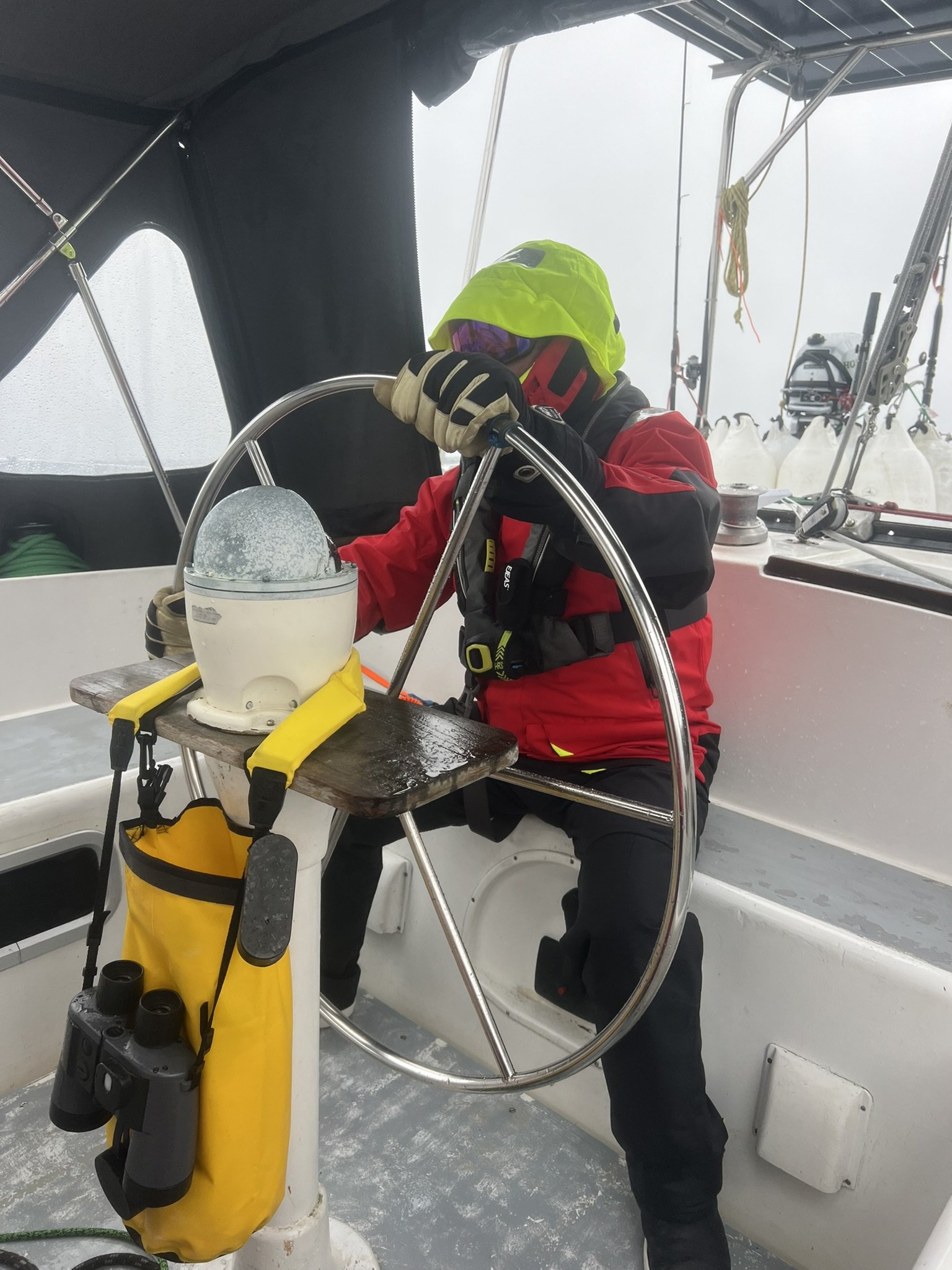
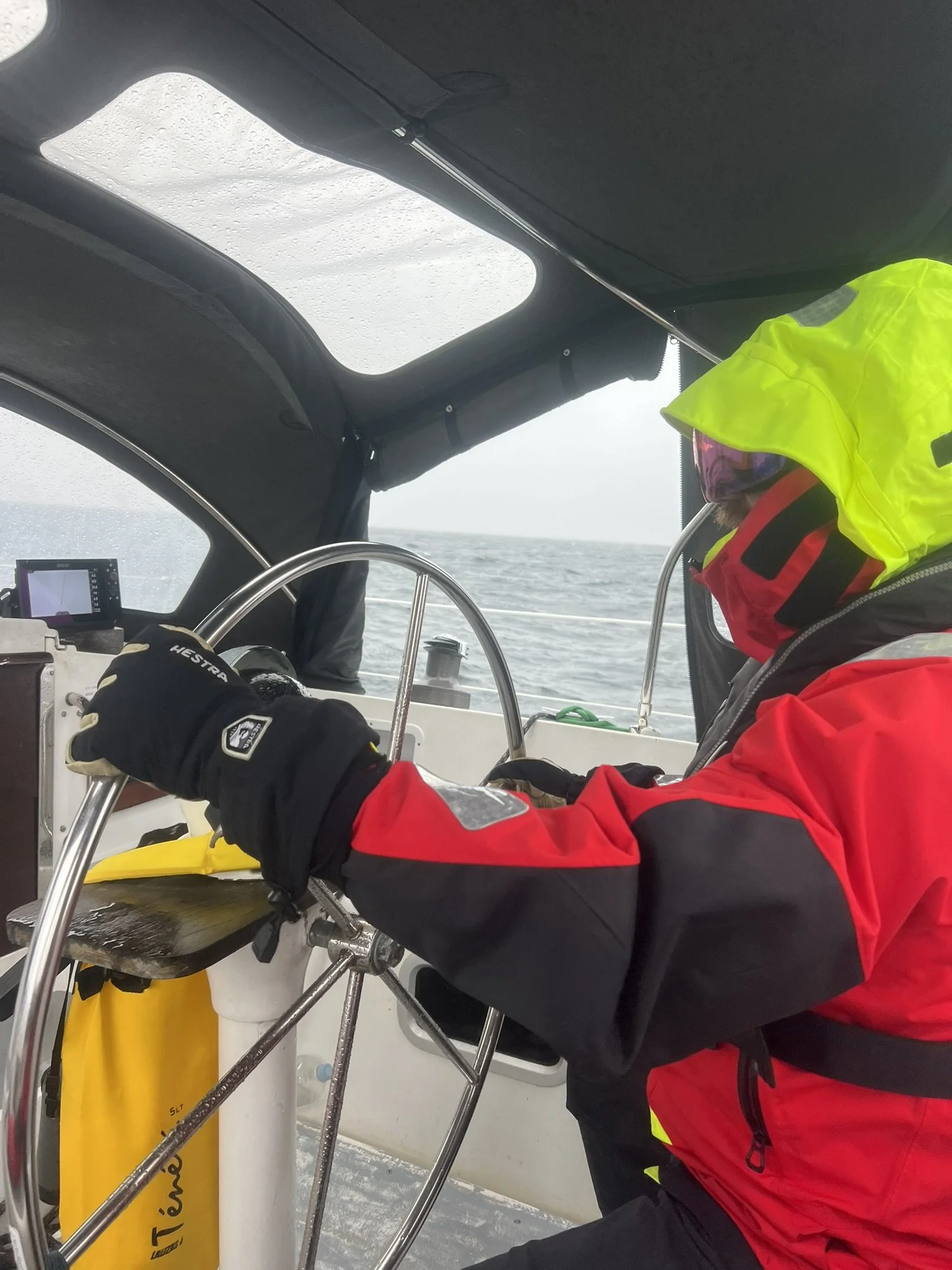
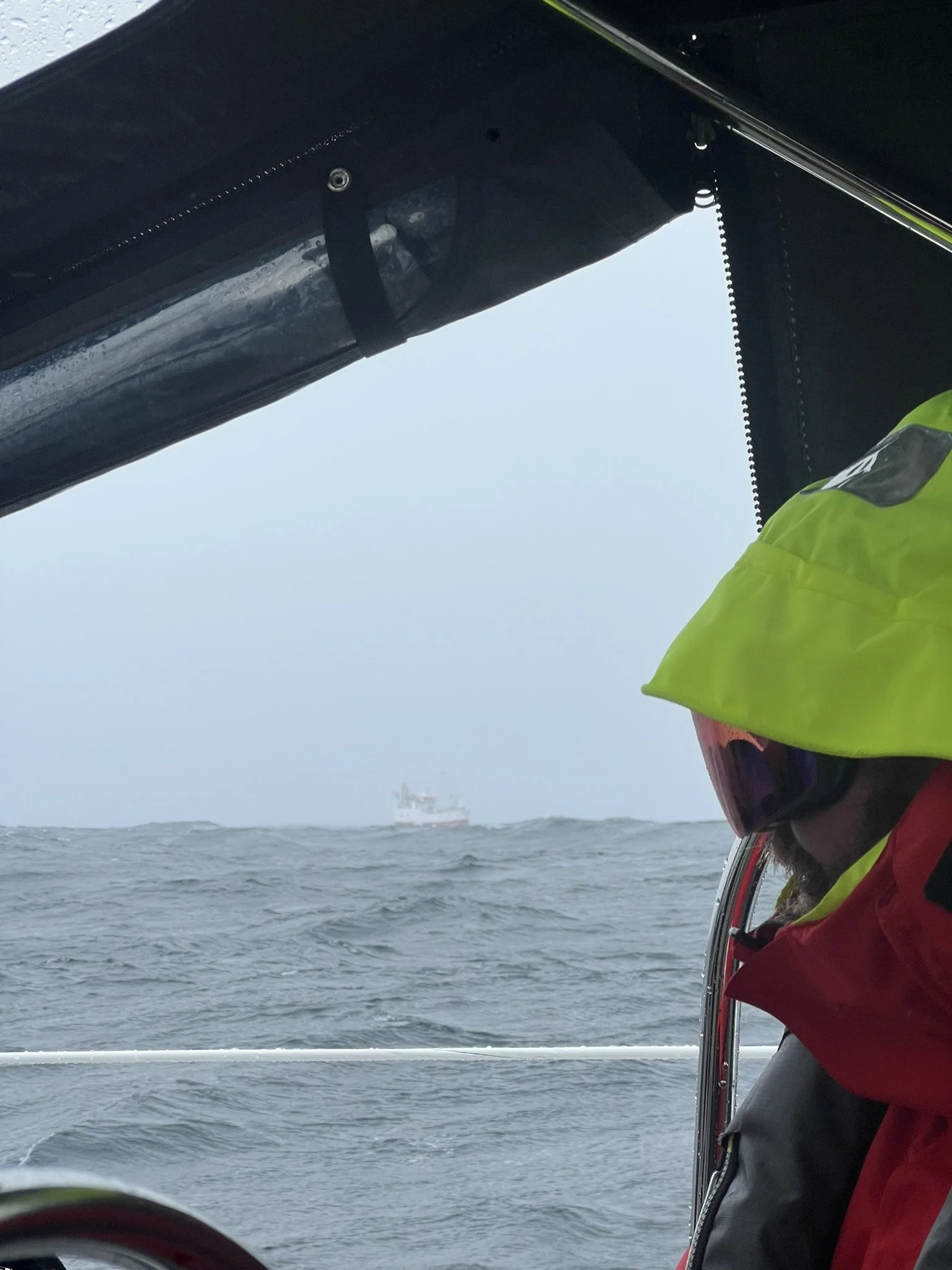
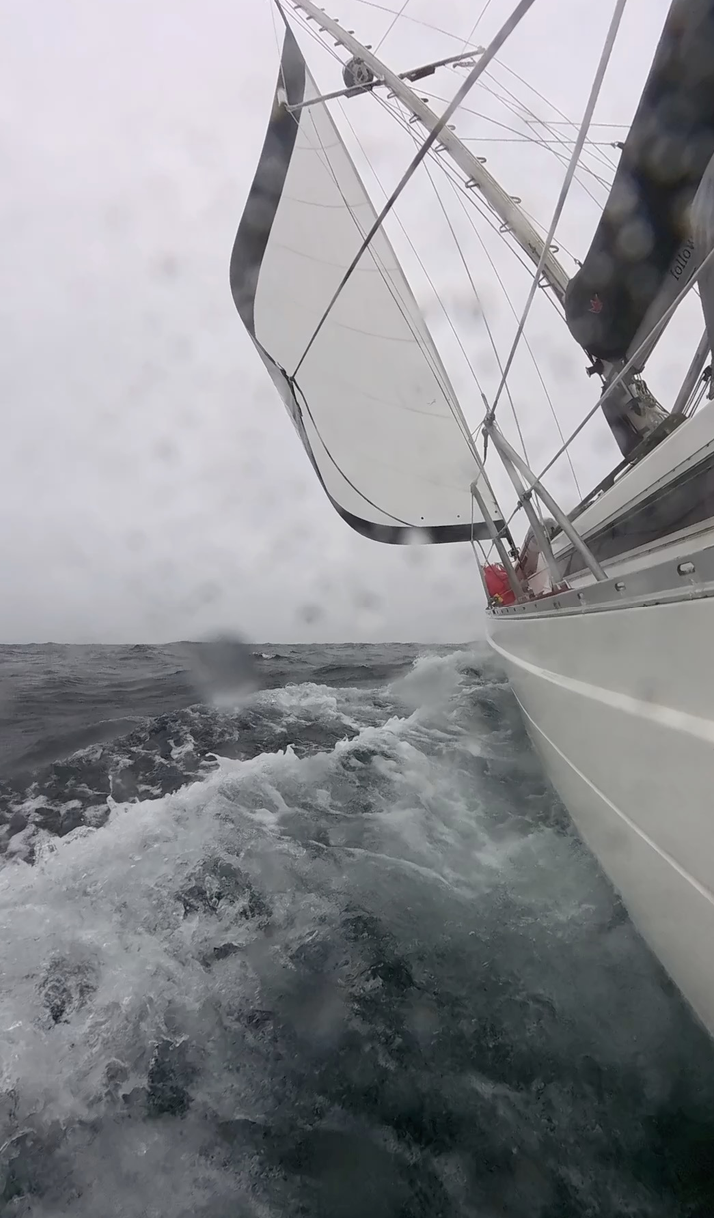
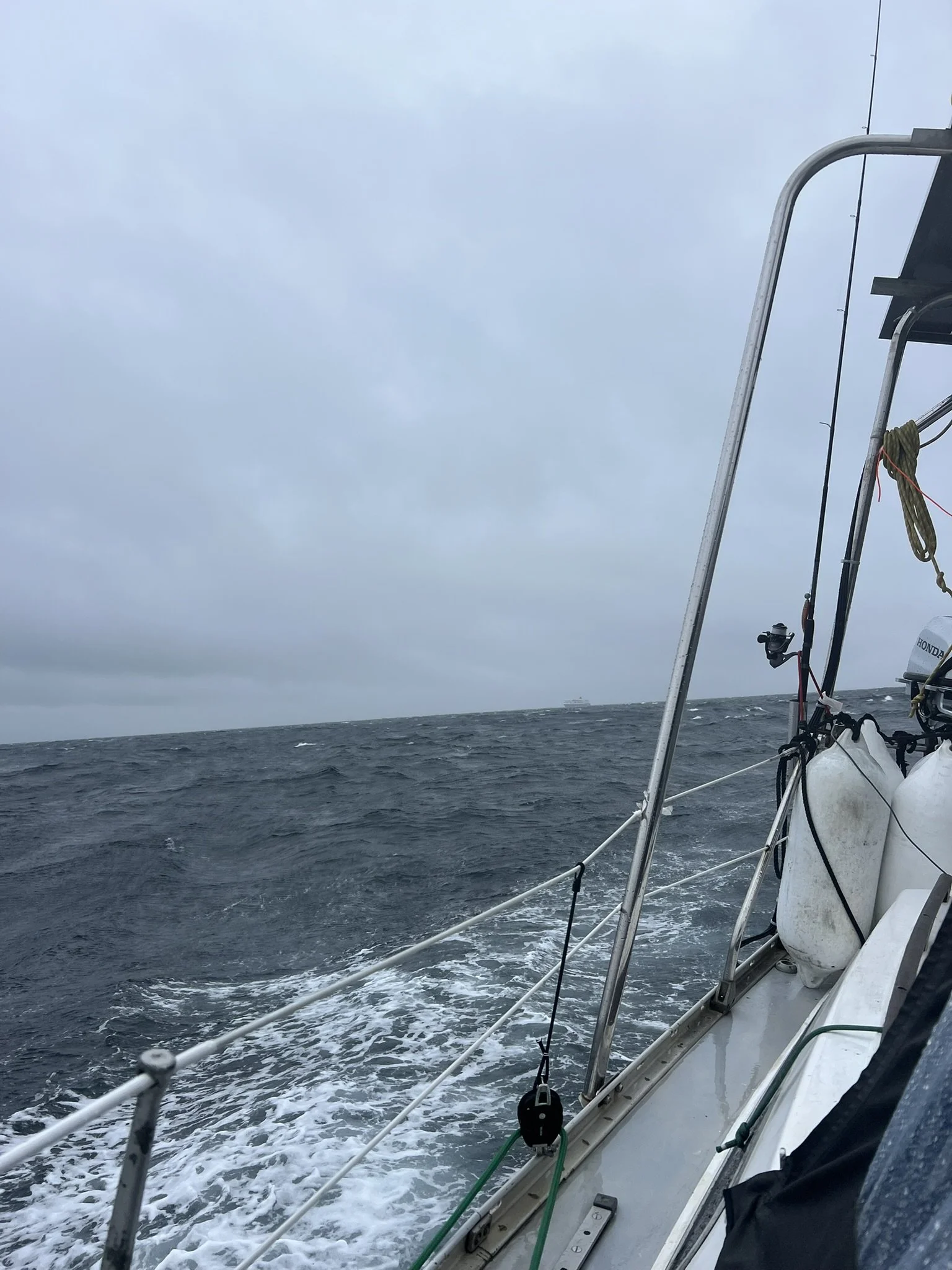
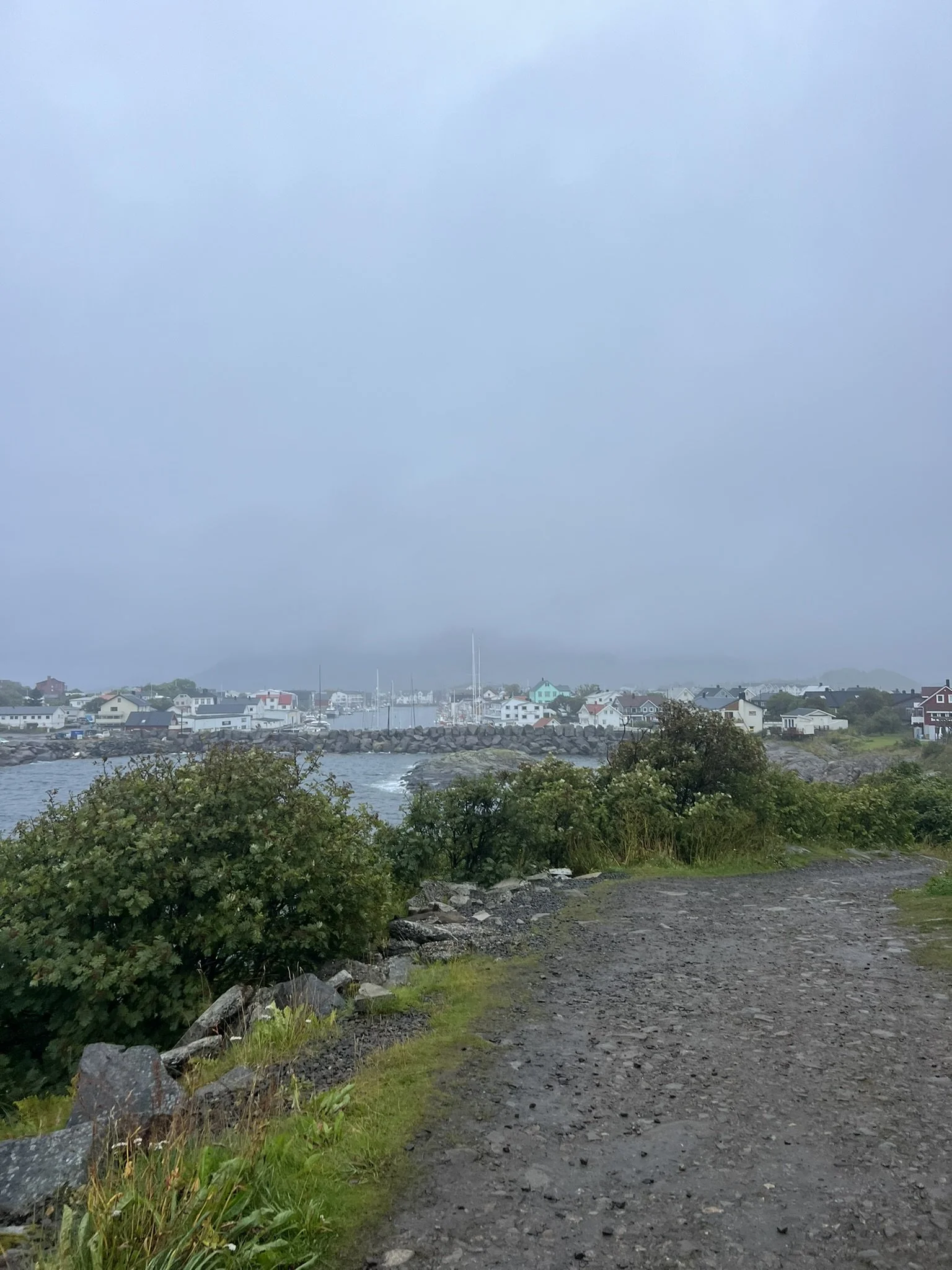
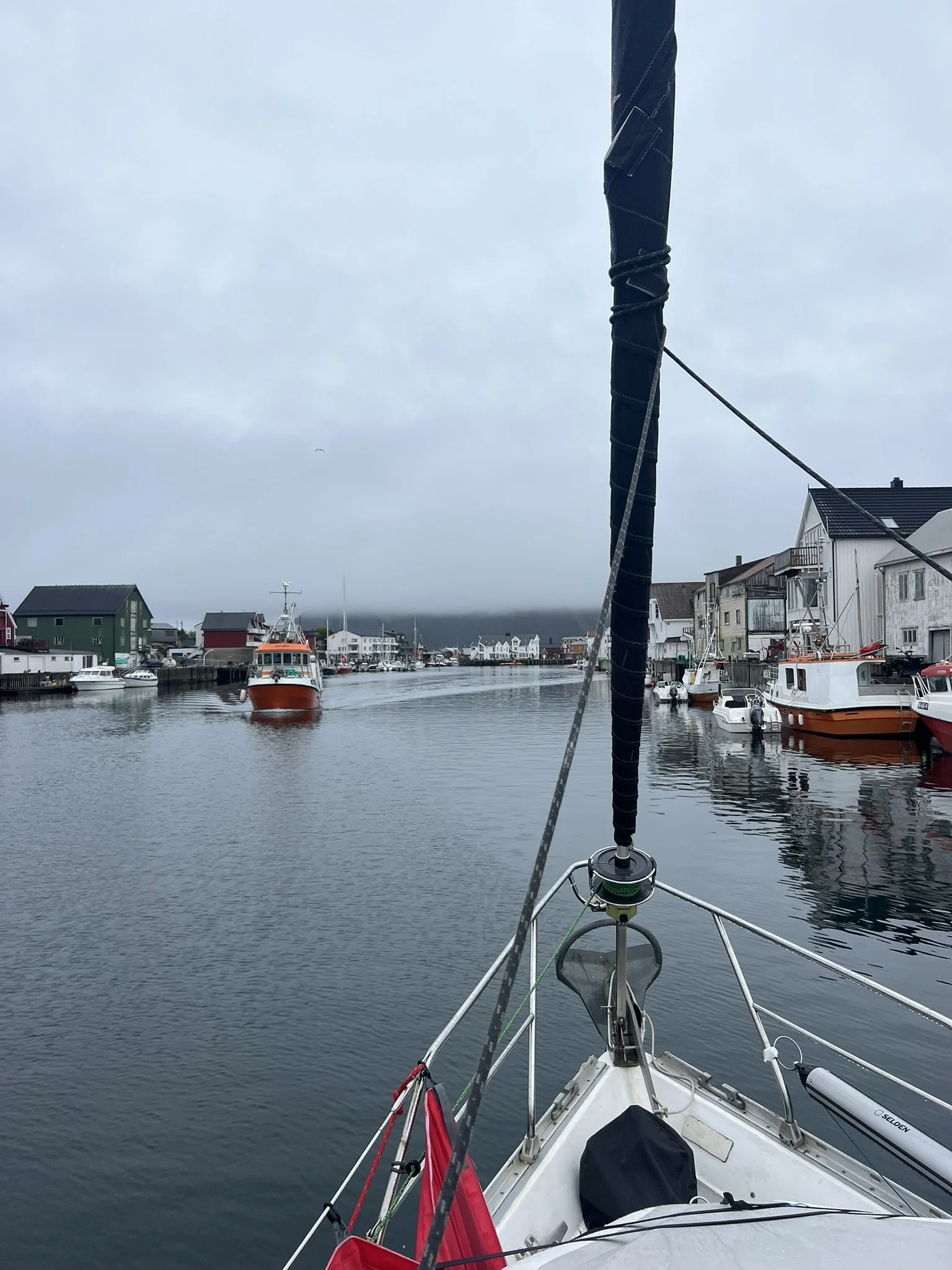
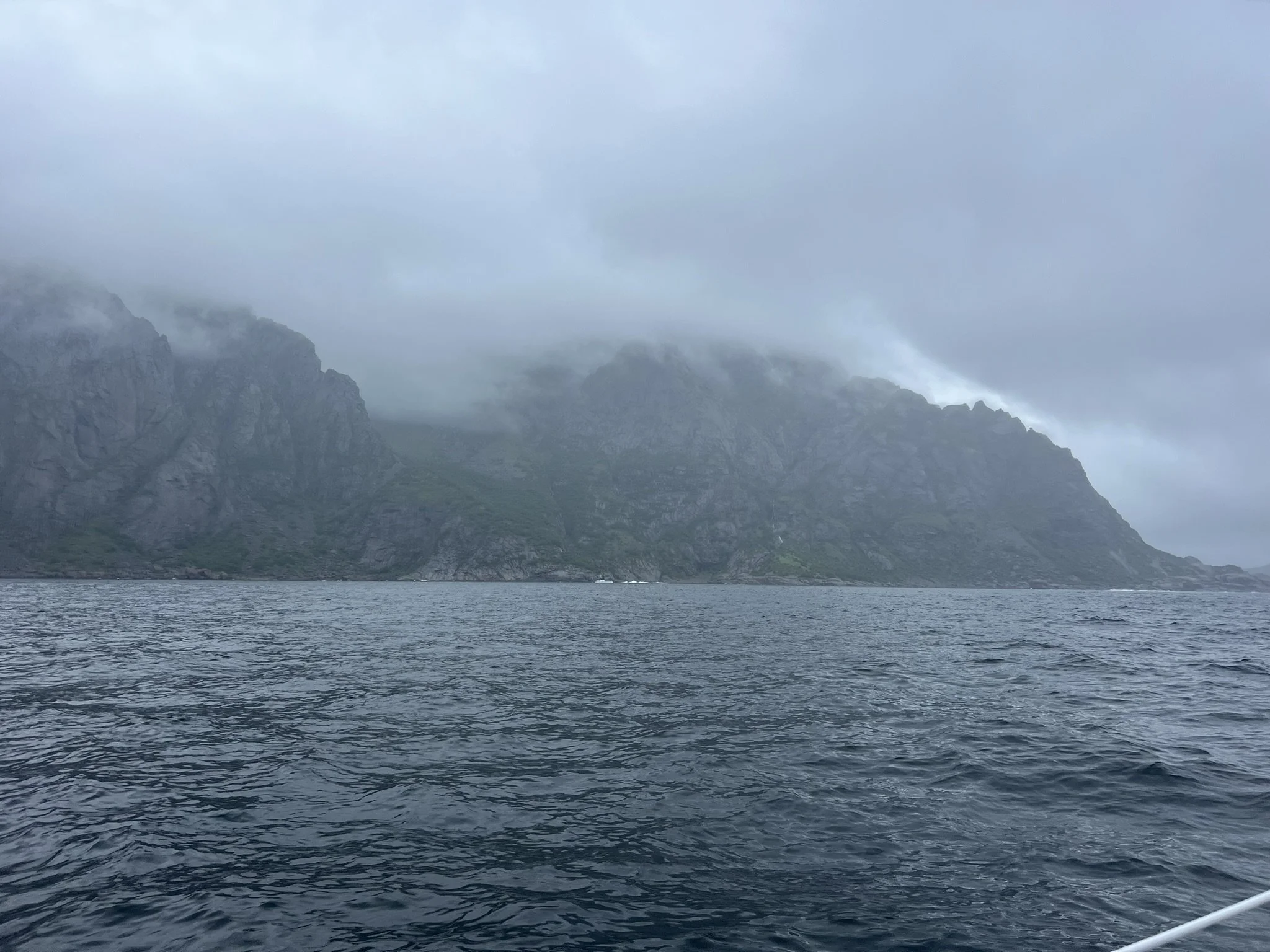
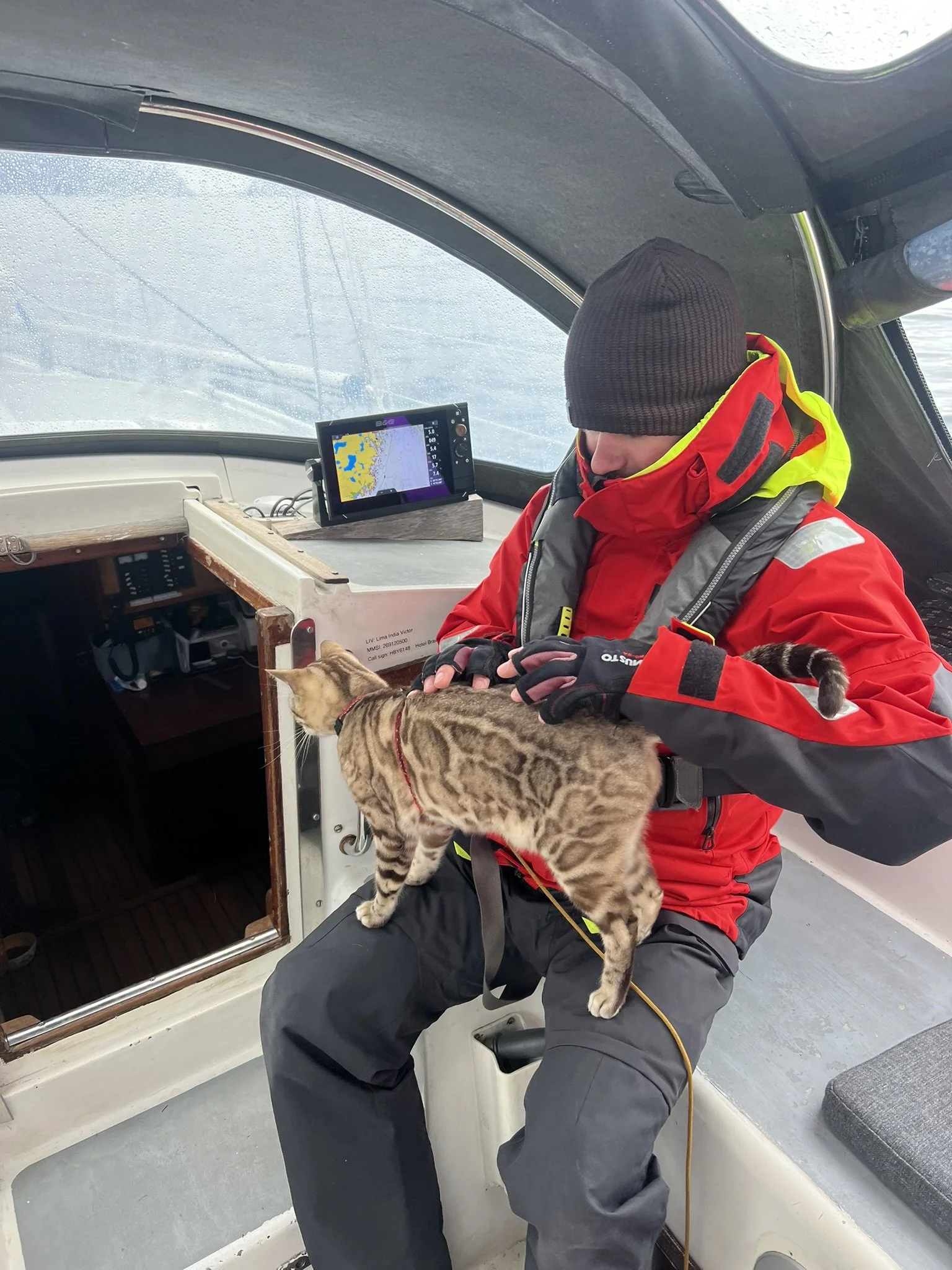
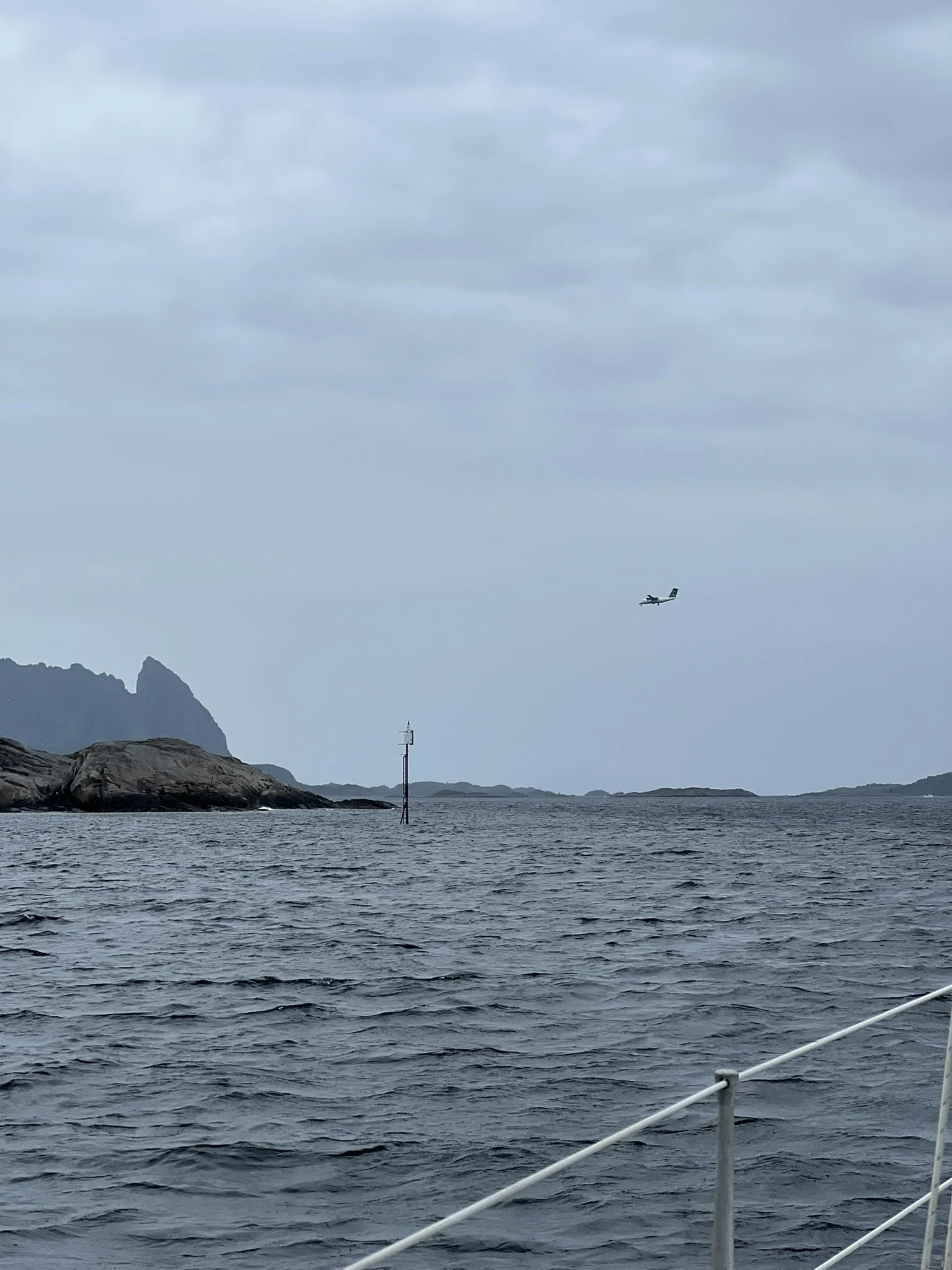
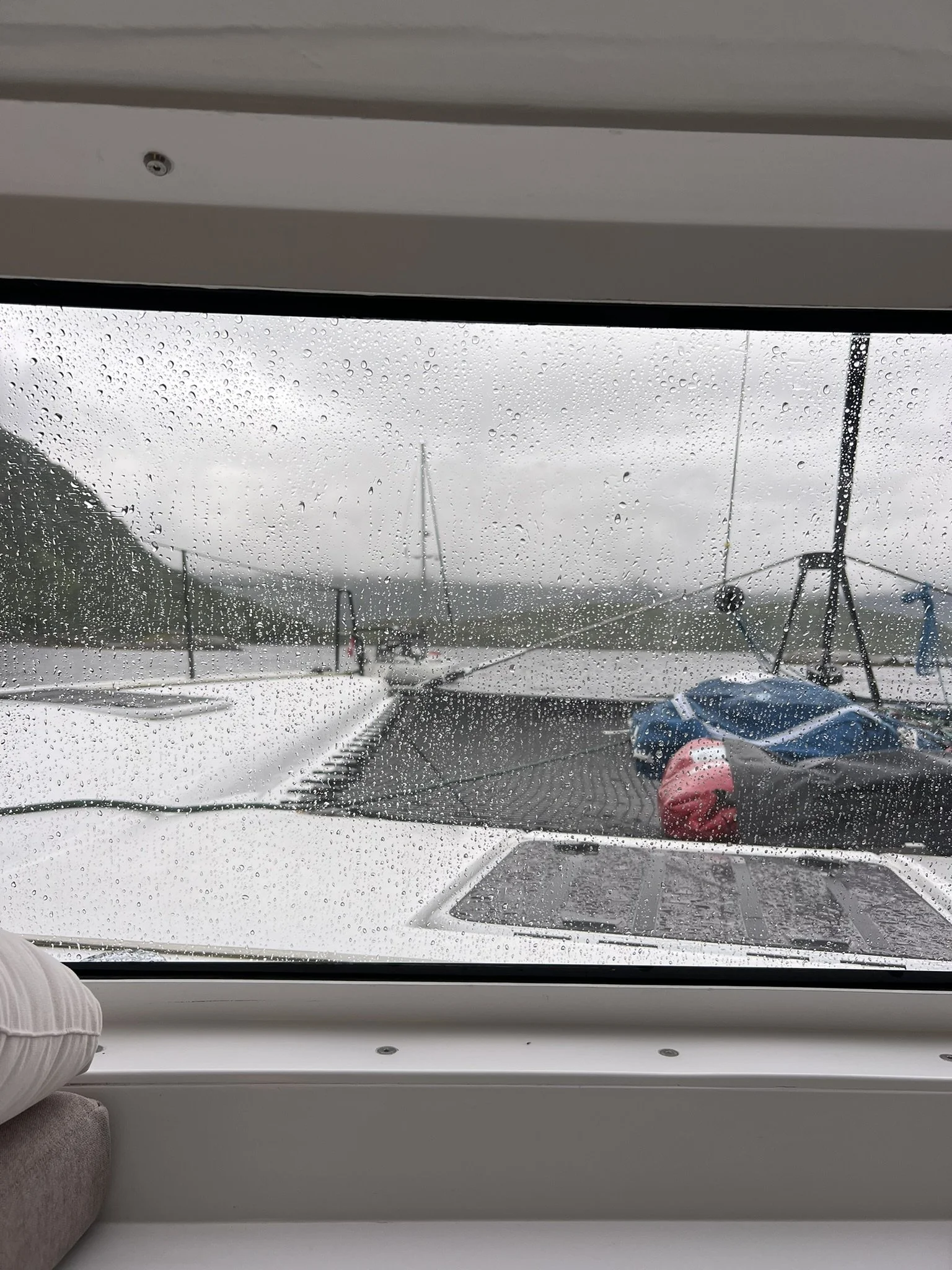
Since we are completely dependent on the weather, we had to take advantage of the weather window and continue sailing as far as Henningsvær. We had strong winds, heavy rain and plenty of fog. Unfortunately, our radar was still not working, so we had to rely on the chartplotter and whatever we could see with our own eyes.
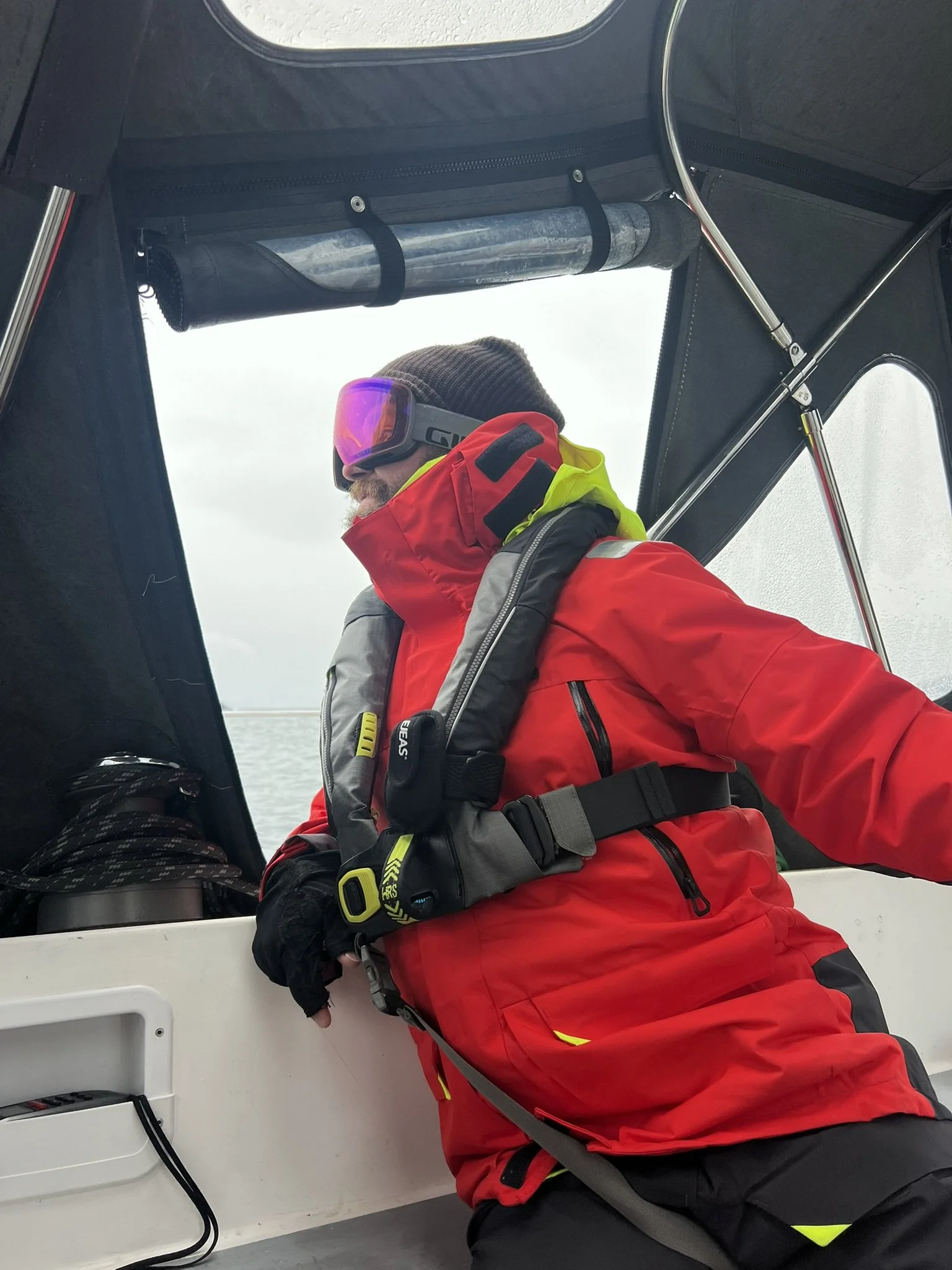
The rain and cold wind were so intense that Reto even chose to wear his ski goggles so he could stick his head out of the cockpit tent without getting completely soaked.
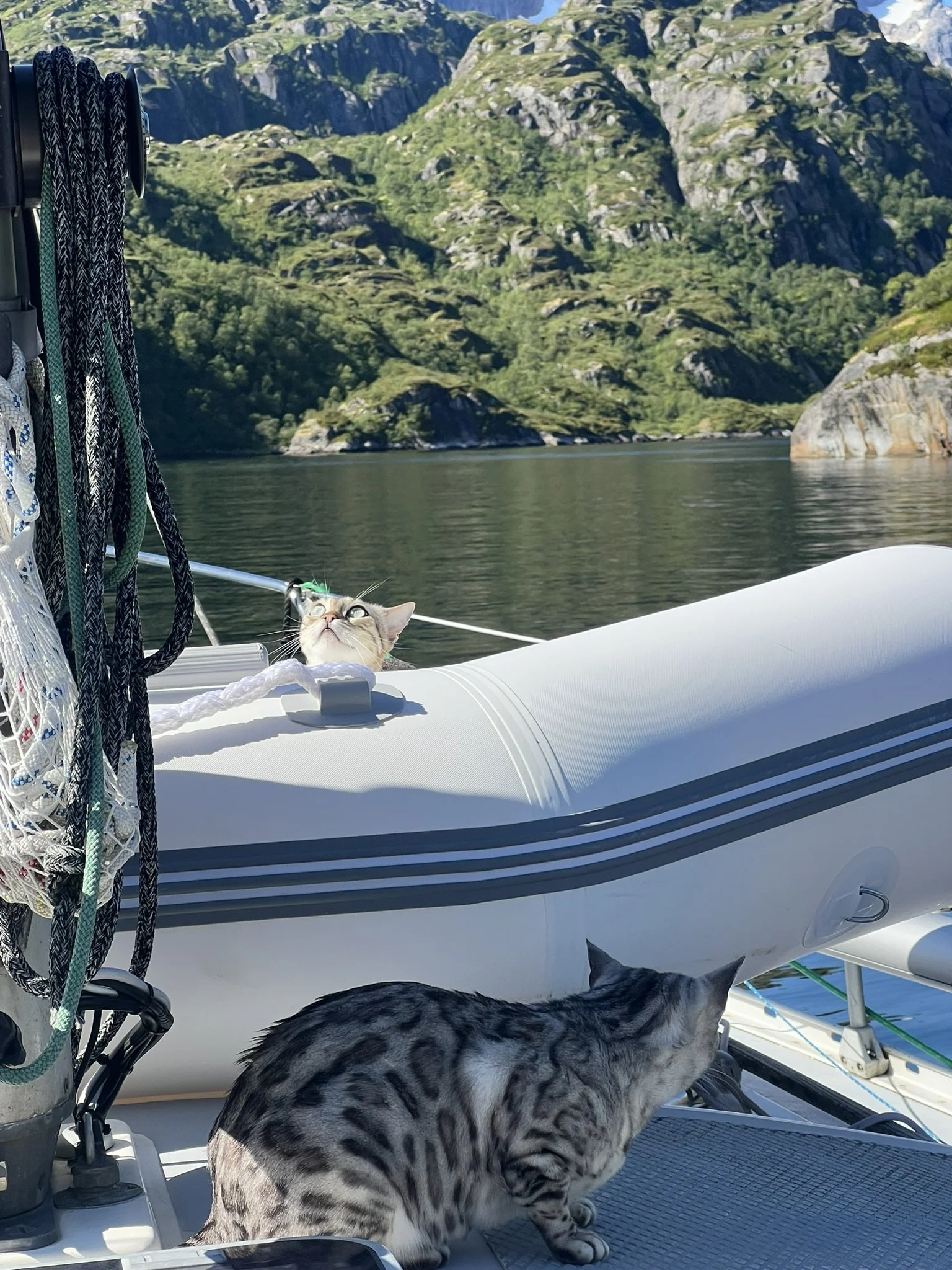
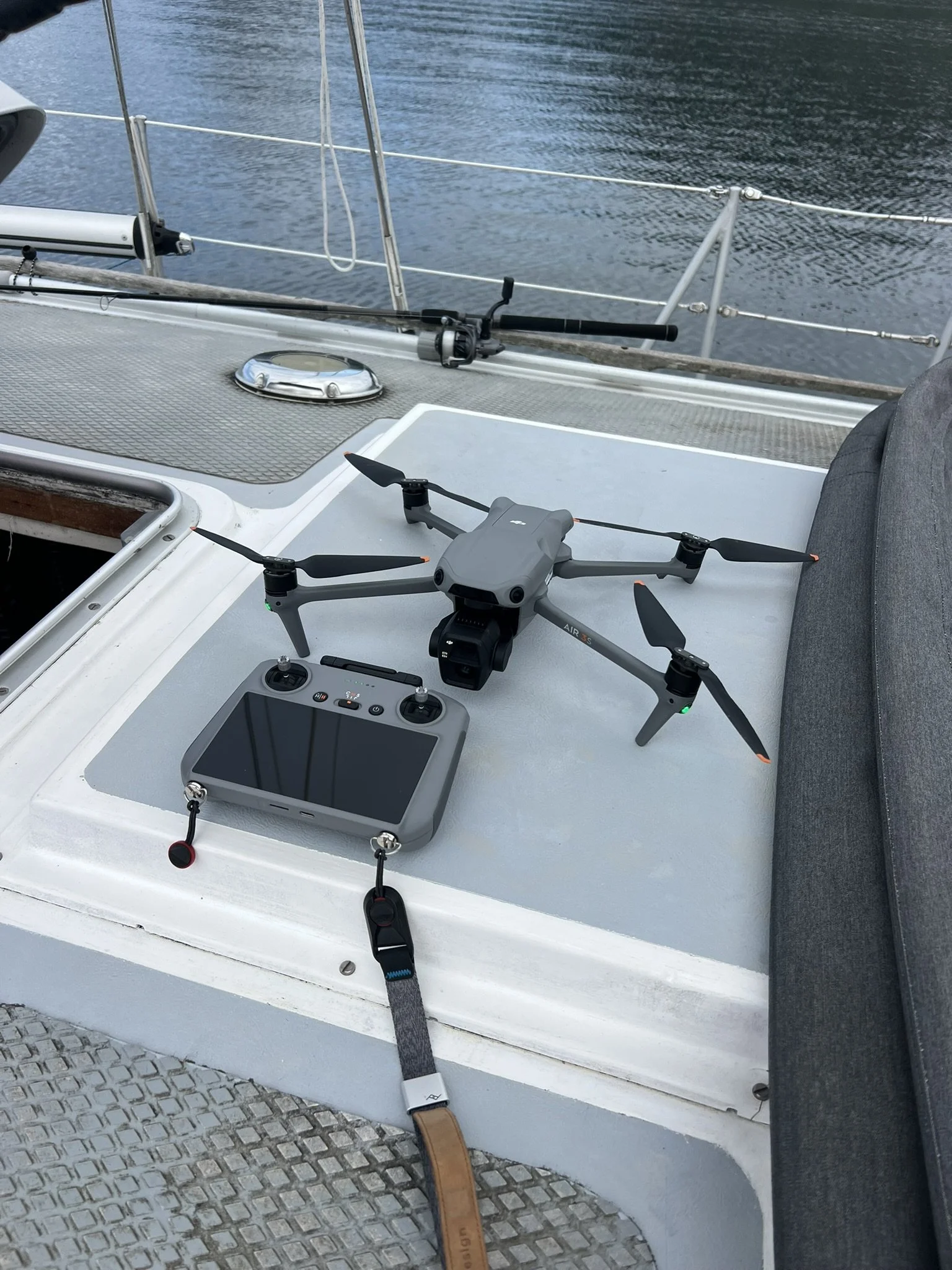
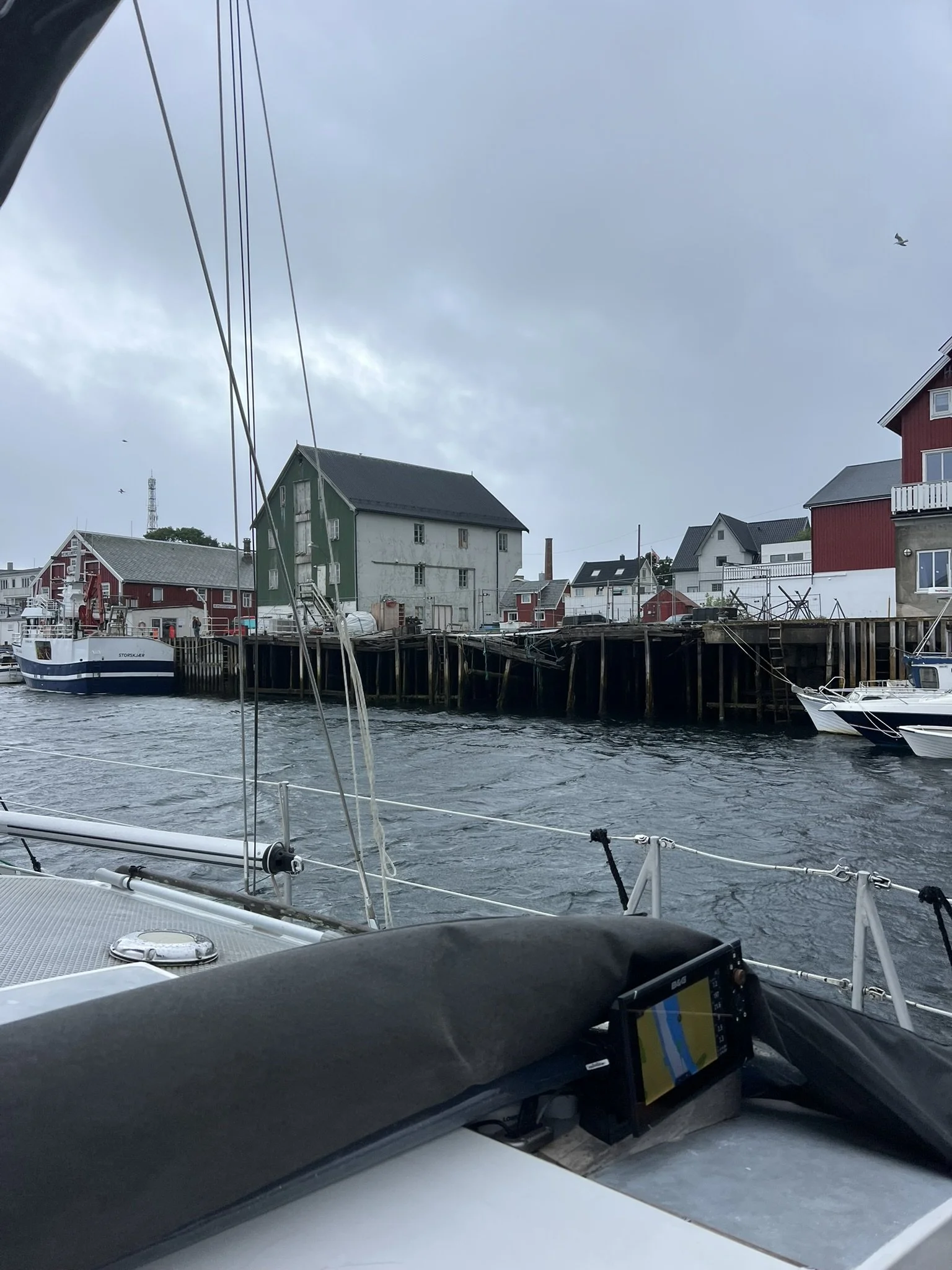
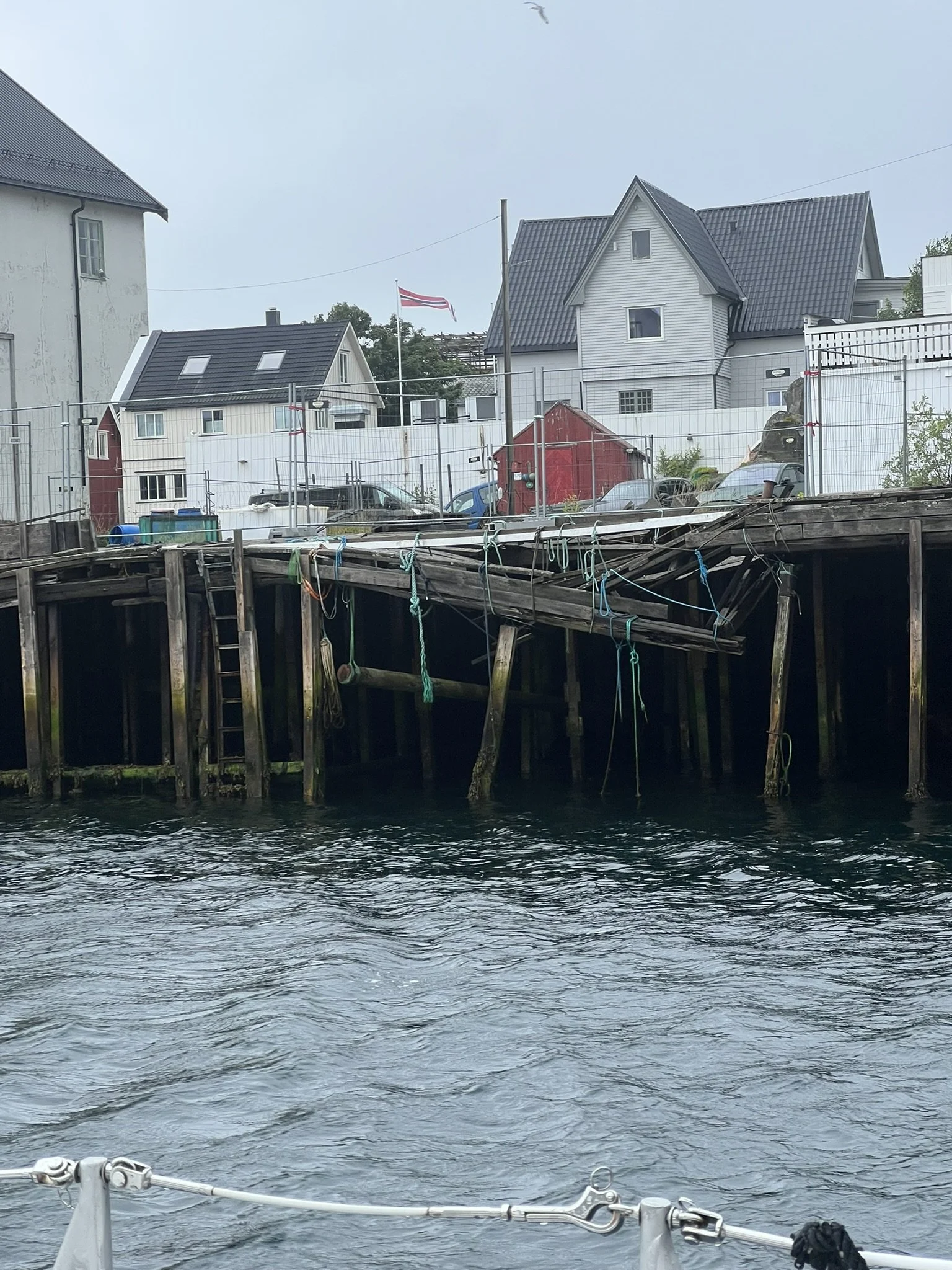
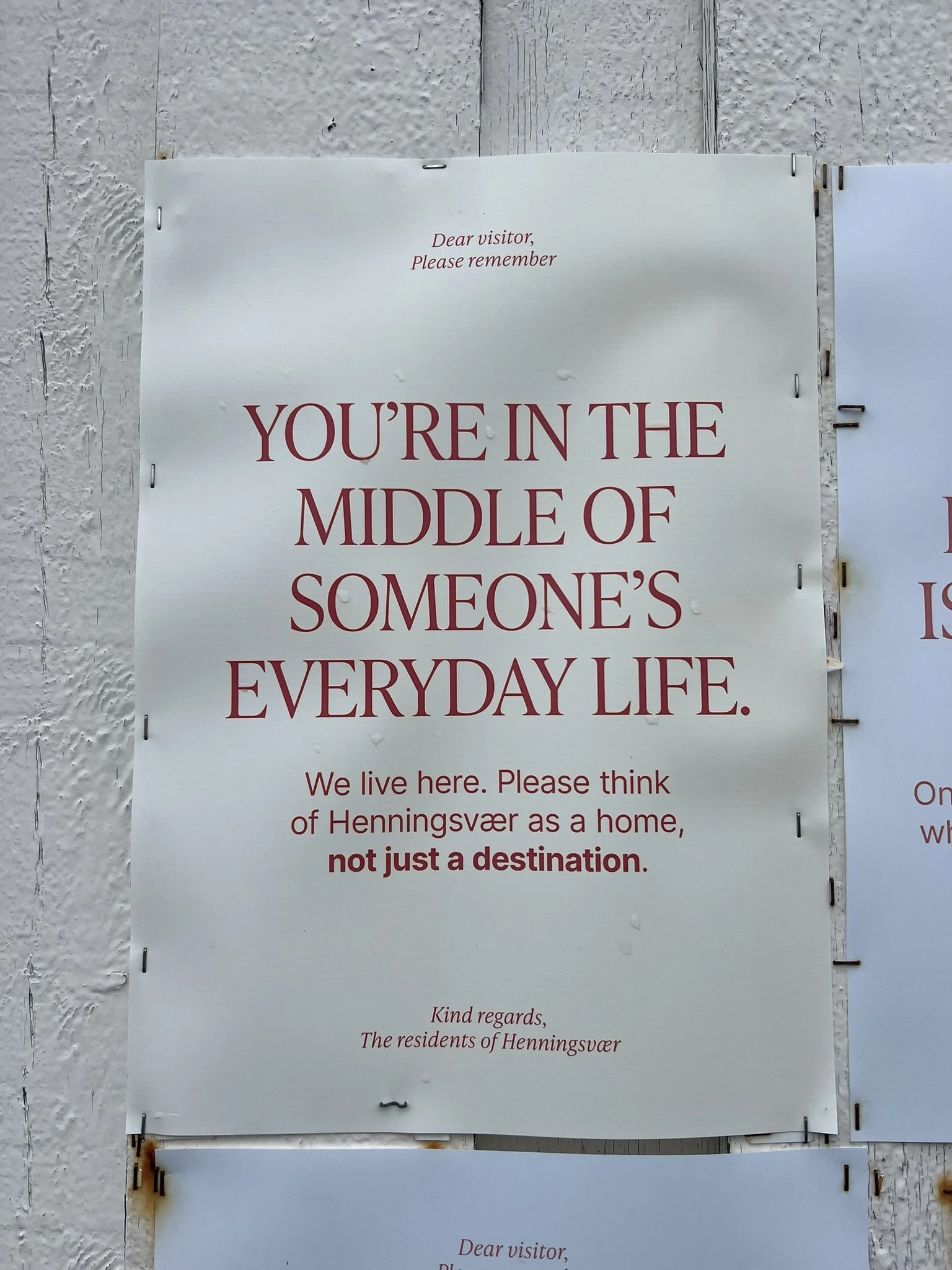
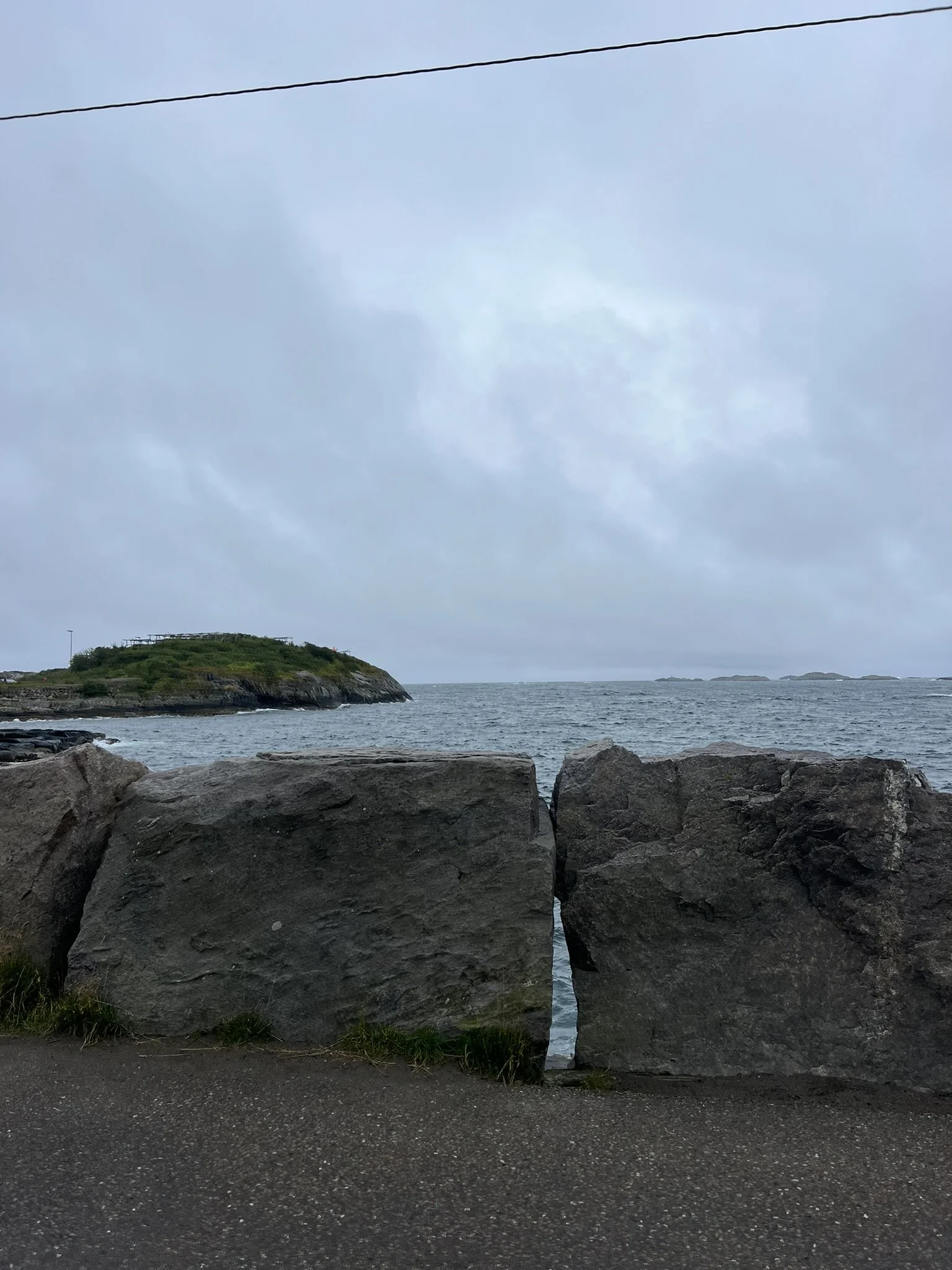
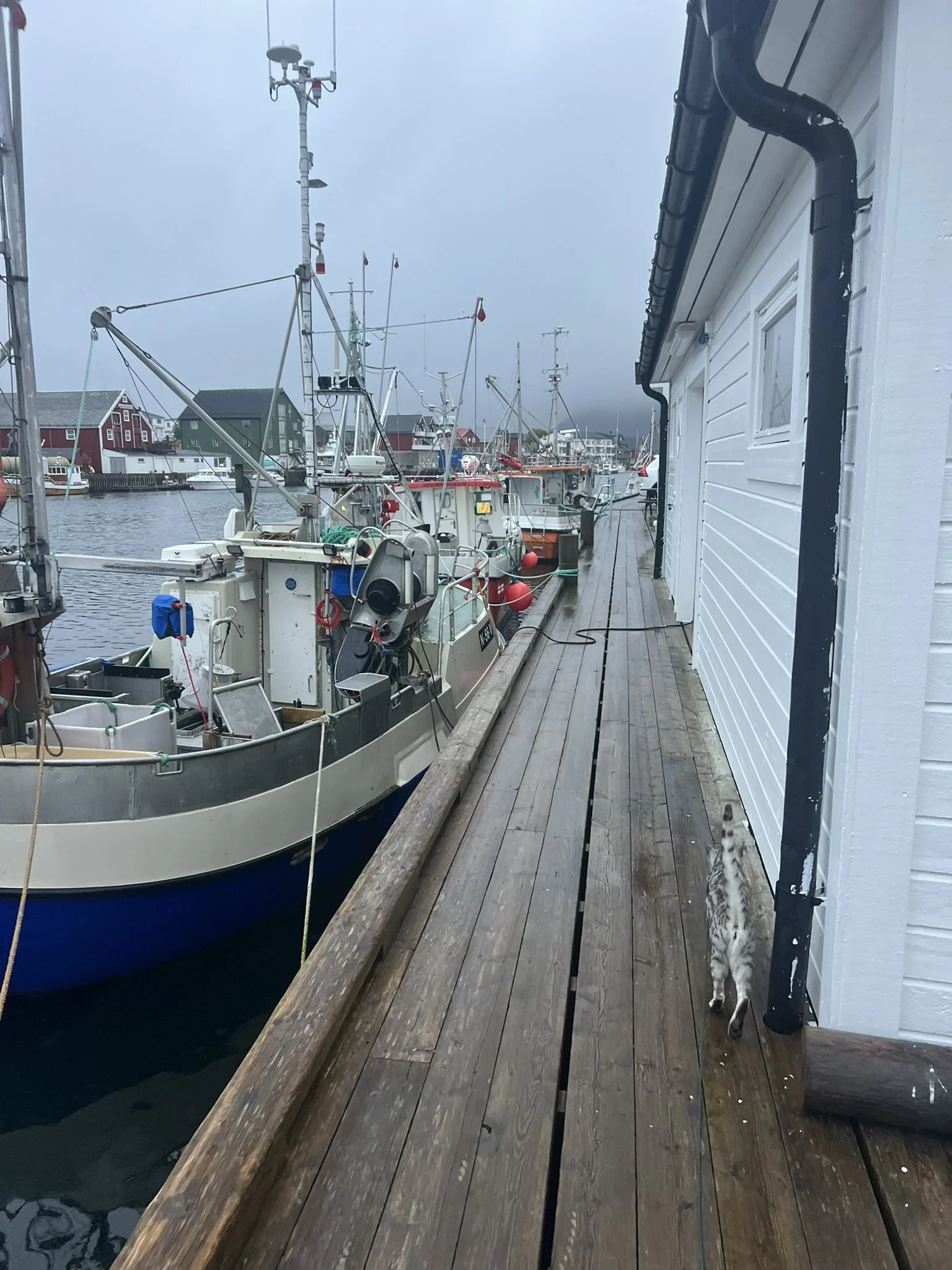
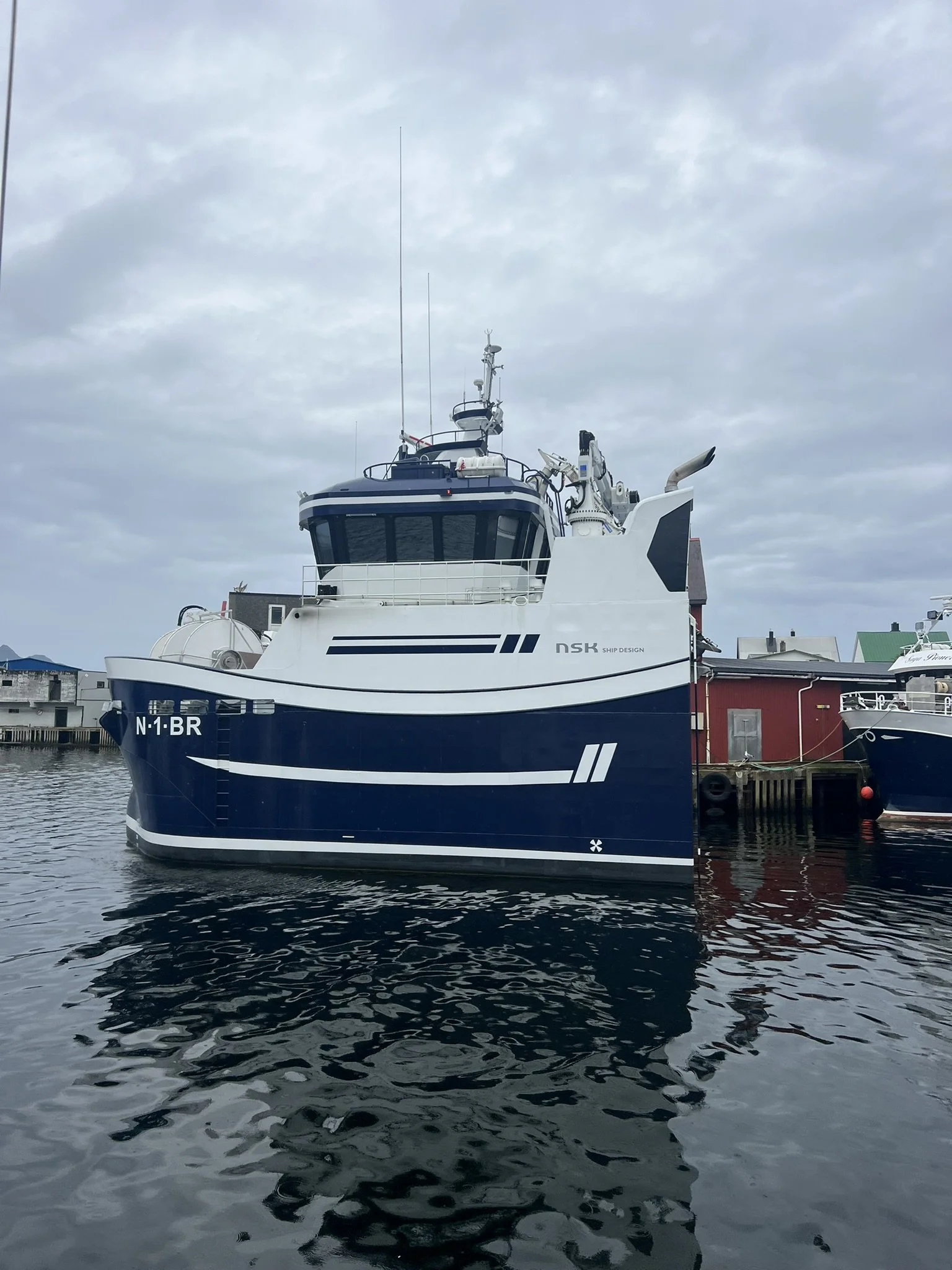
Henningsvær is famous for its football field, which sits on a tiny island surrounded by the sea and has become particularly famous through aerial photographs. Since visibility was still terrible, we decided not to fly the drone. Instead, we simply walked to the football field with the cats. It was a peaceful little walk and a nice way to end what had been a very intense day of sailing.
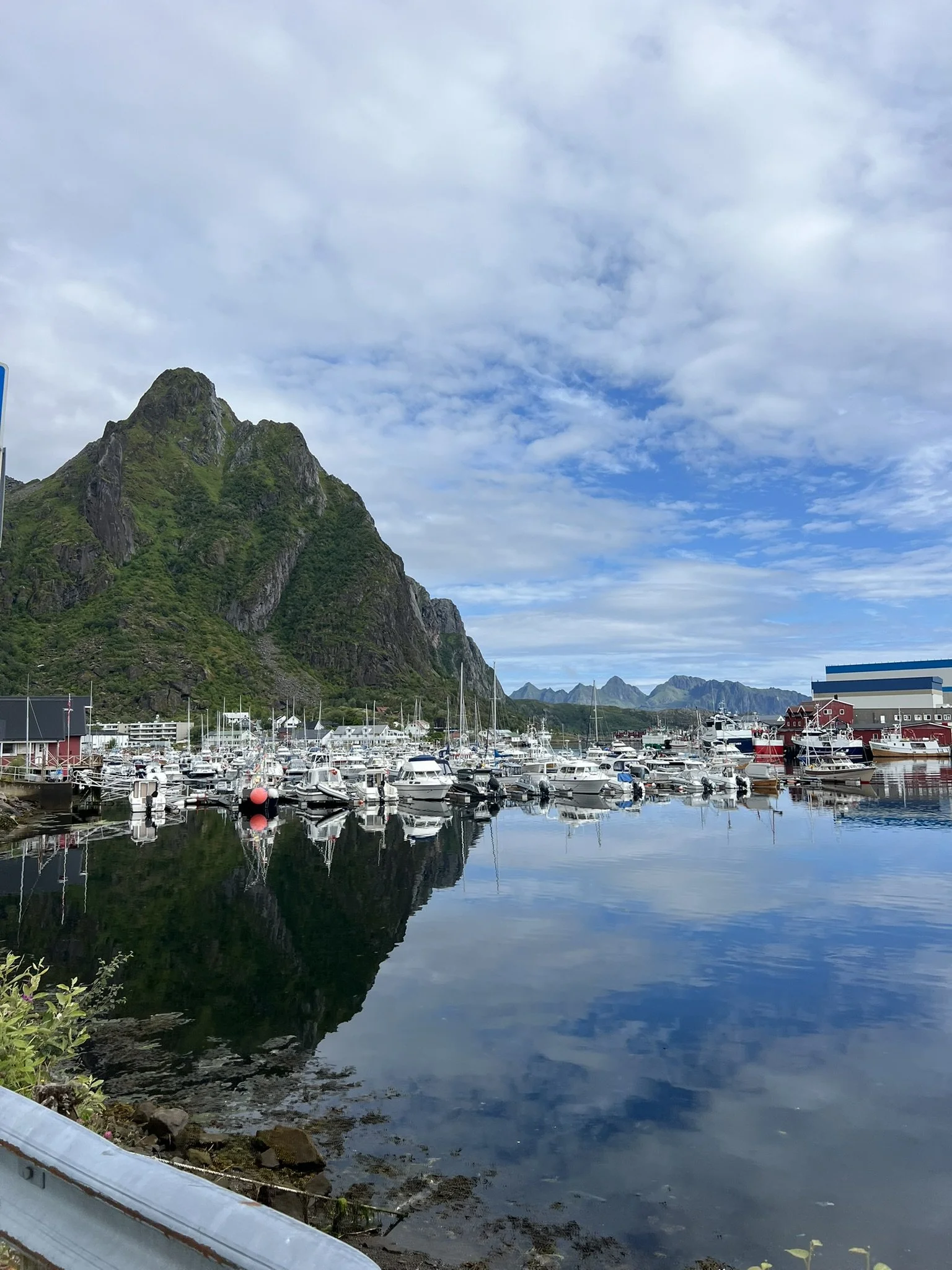
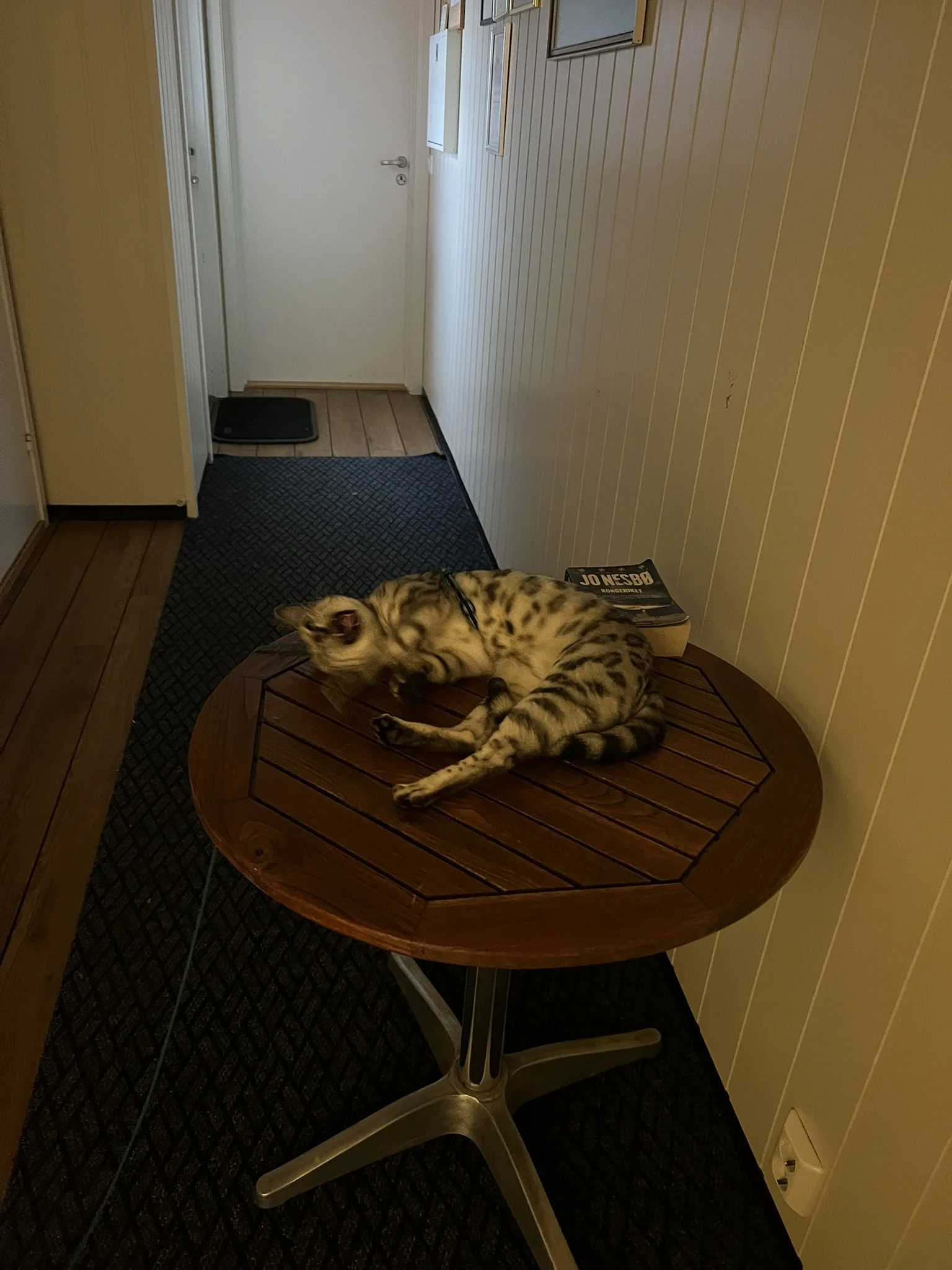
Our next stop was Svolvær, where we finally had the chance to do some laundry again. There was just one problem: the washing machine seemed to be in use every single time I went to check on it. In the end, we kept doing laundry until 2 am before finally going to bed. Luckily, we were able to sleep in a little the next morning before heading towards our next destination: the famous Trollfjord.
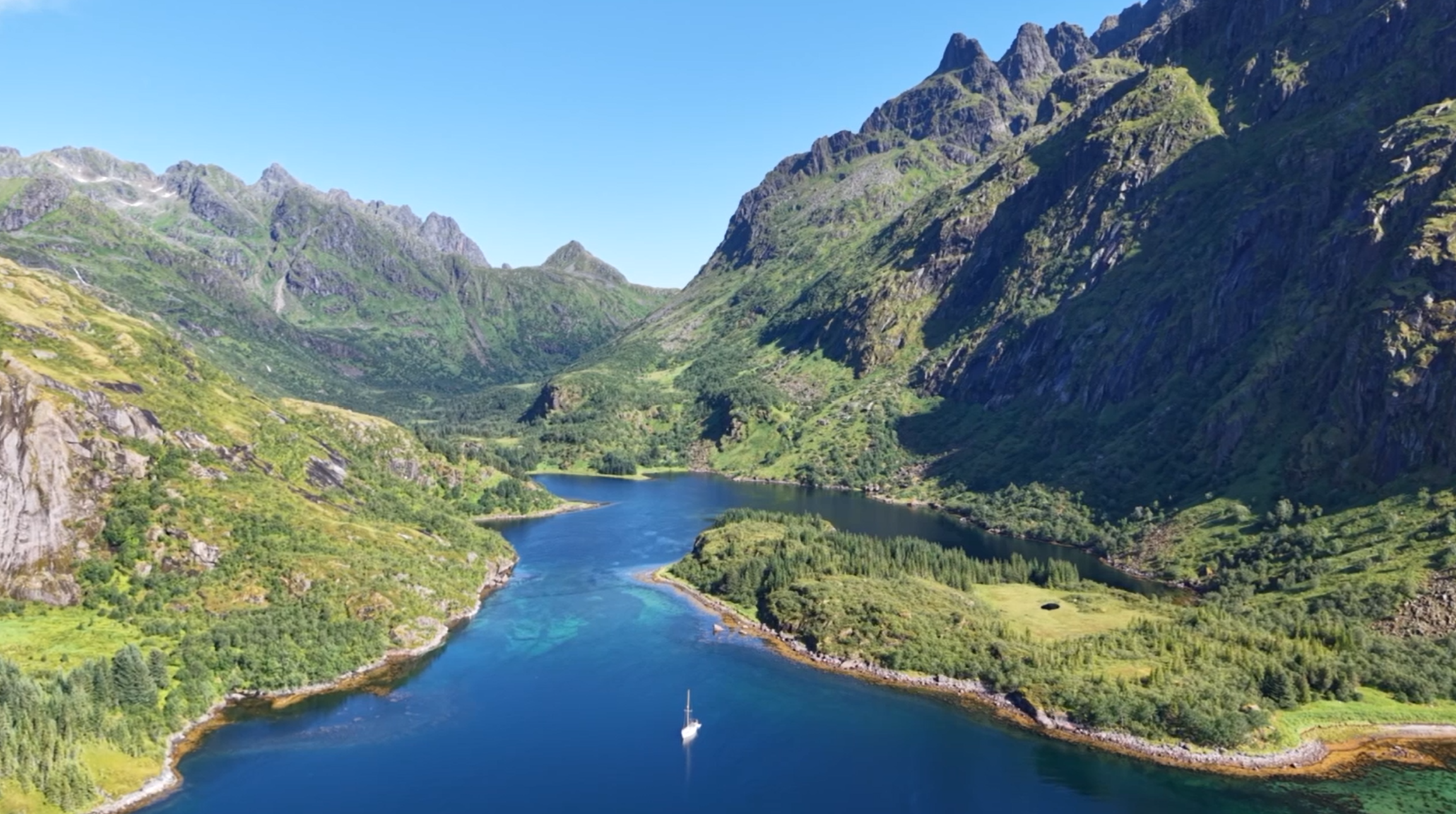
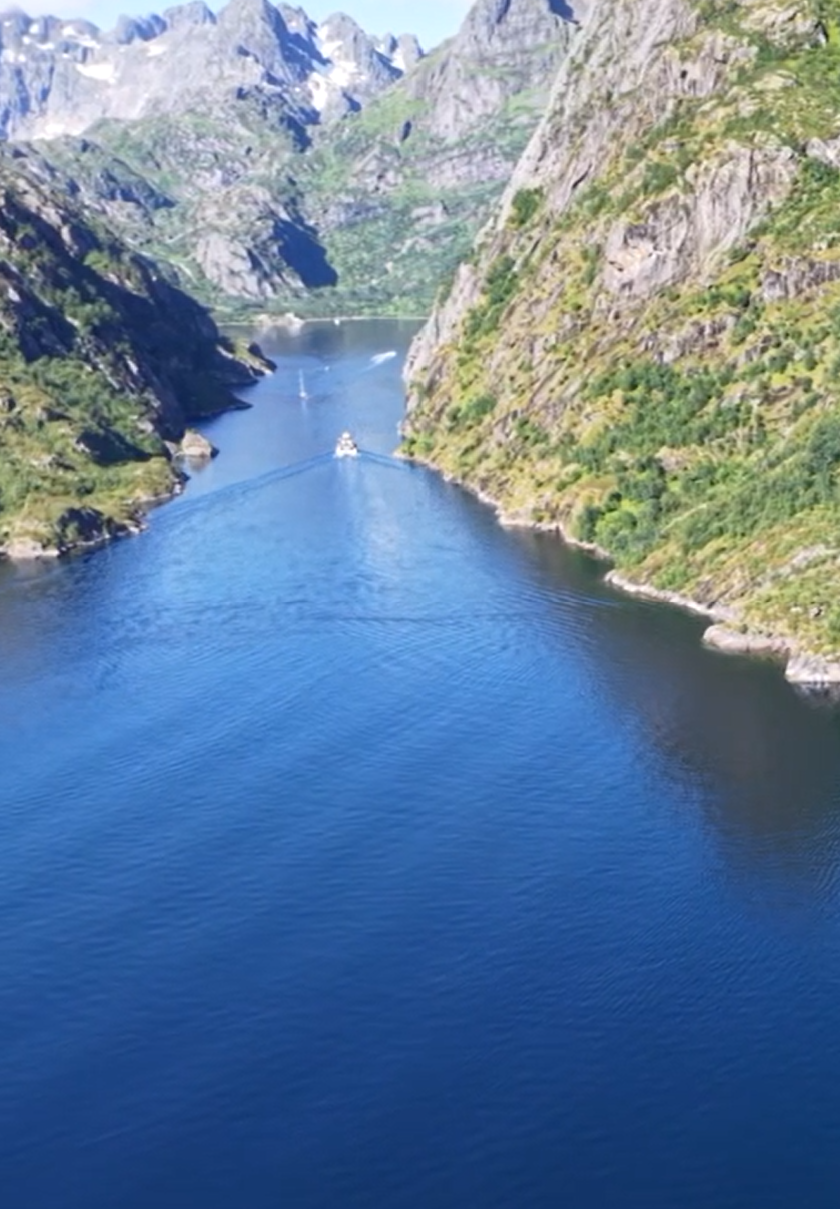
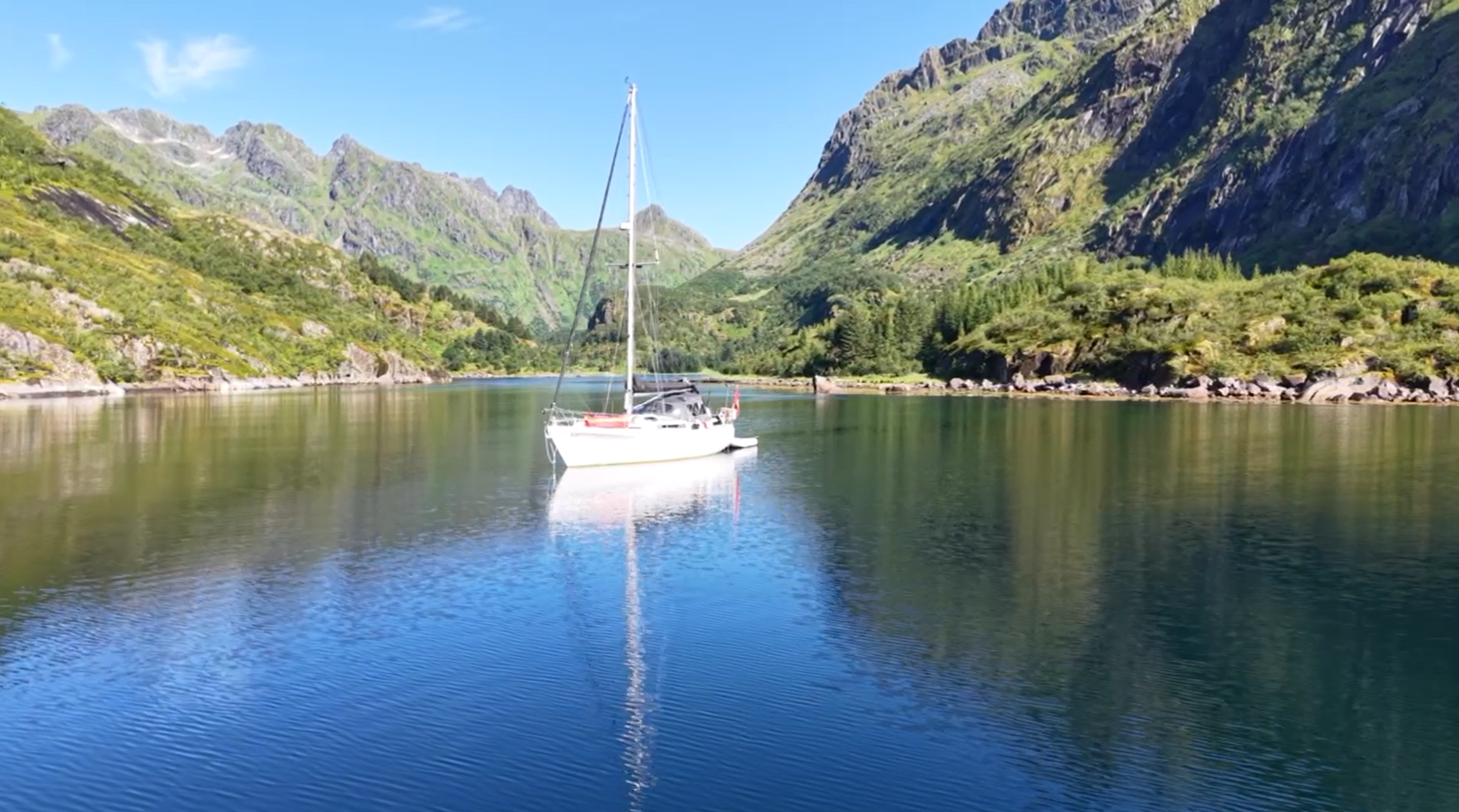
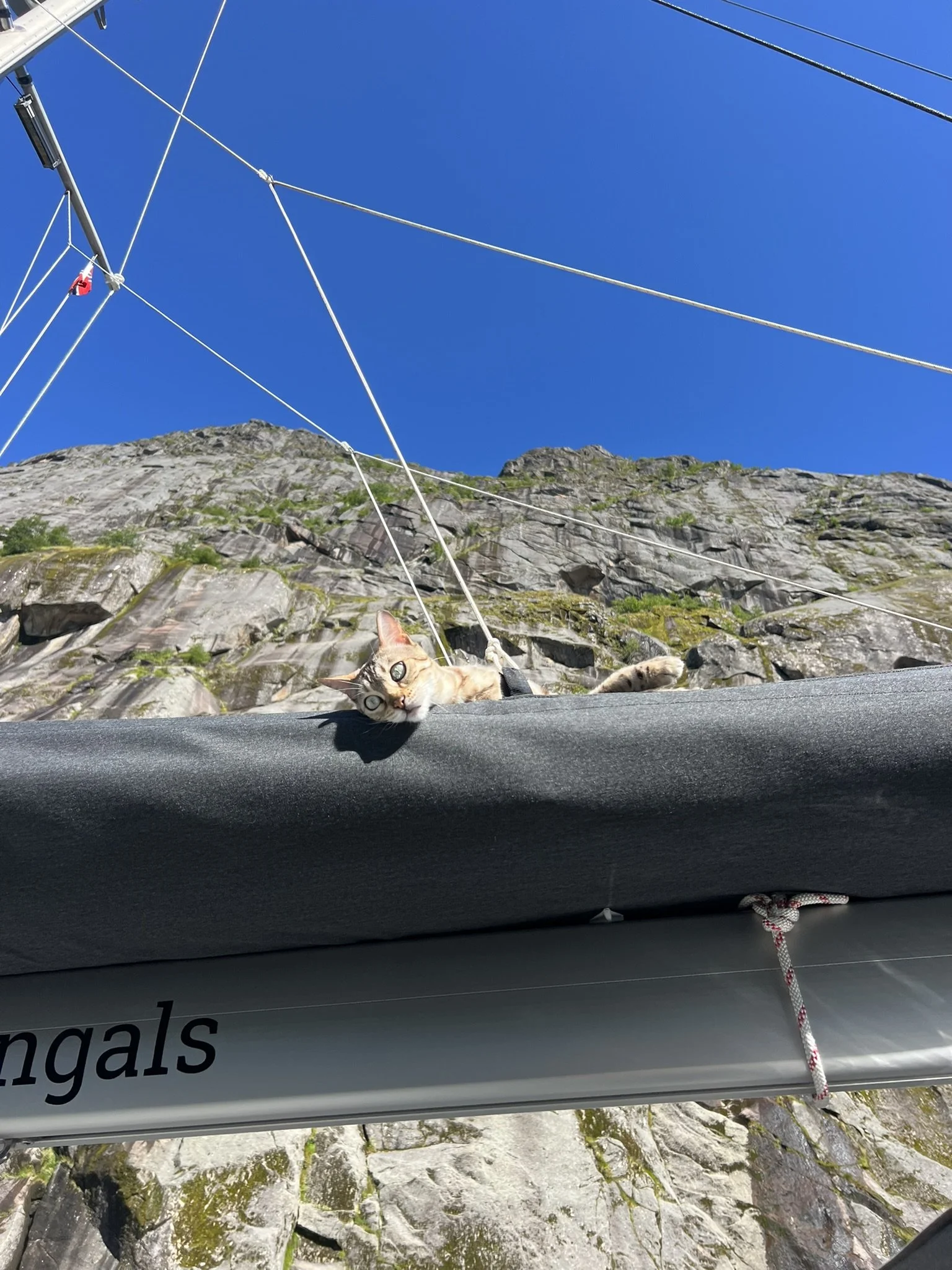
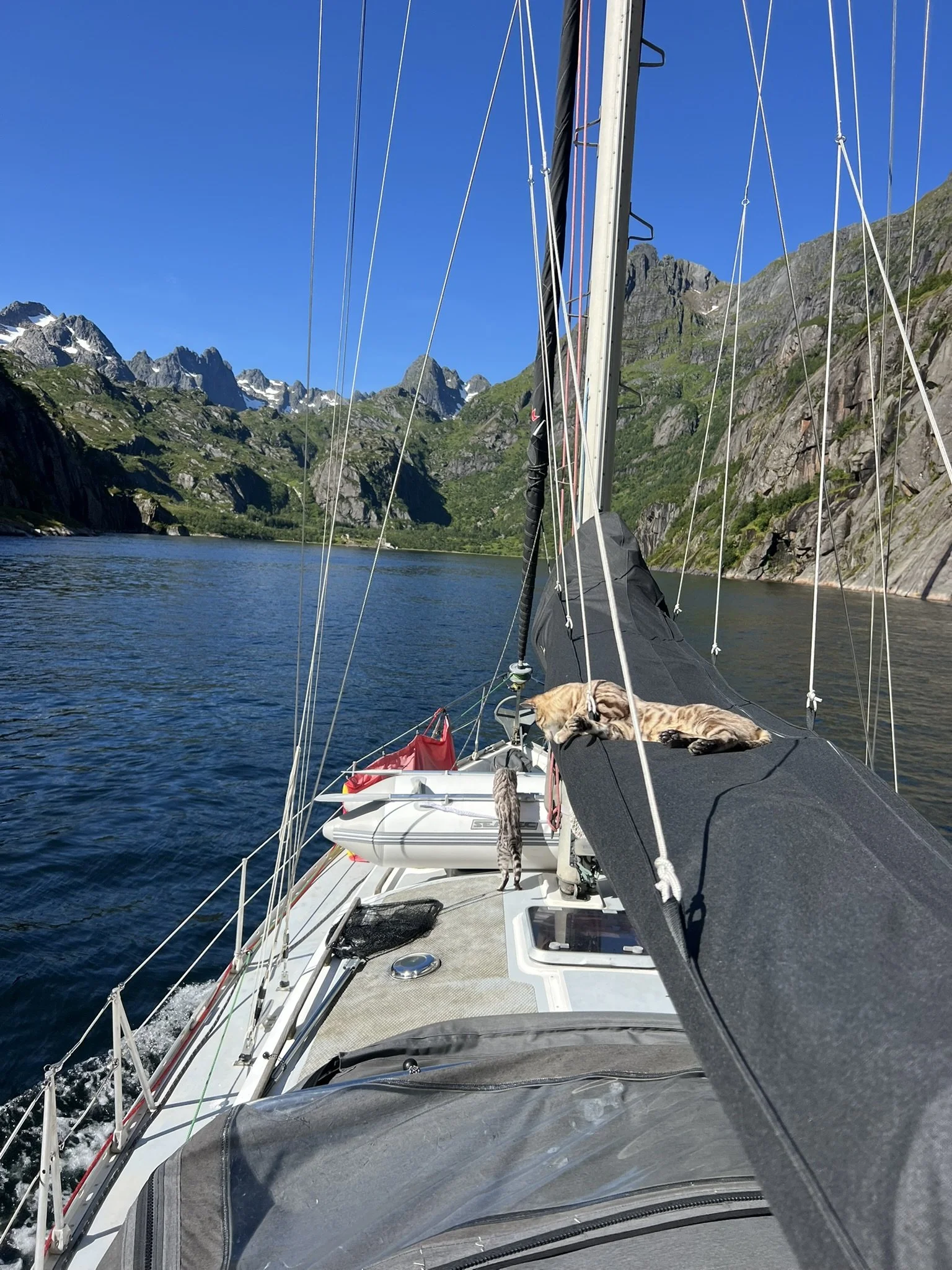
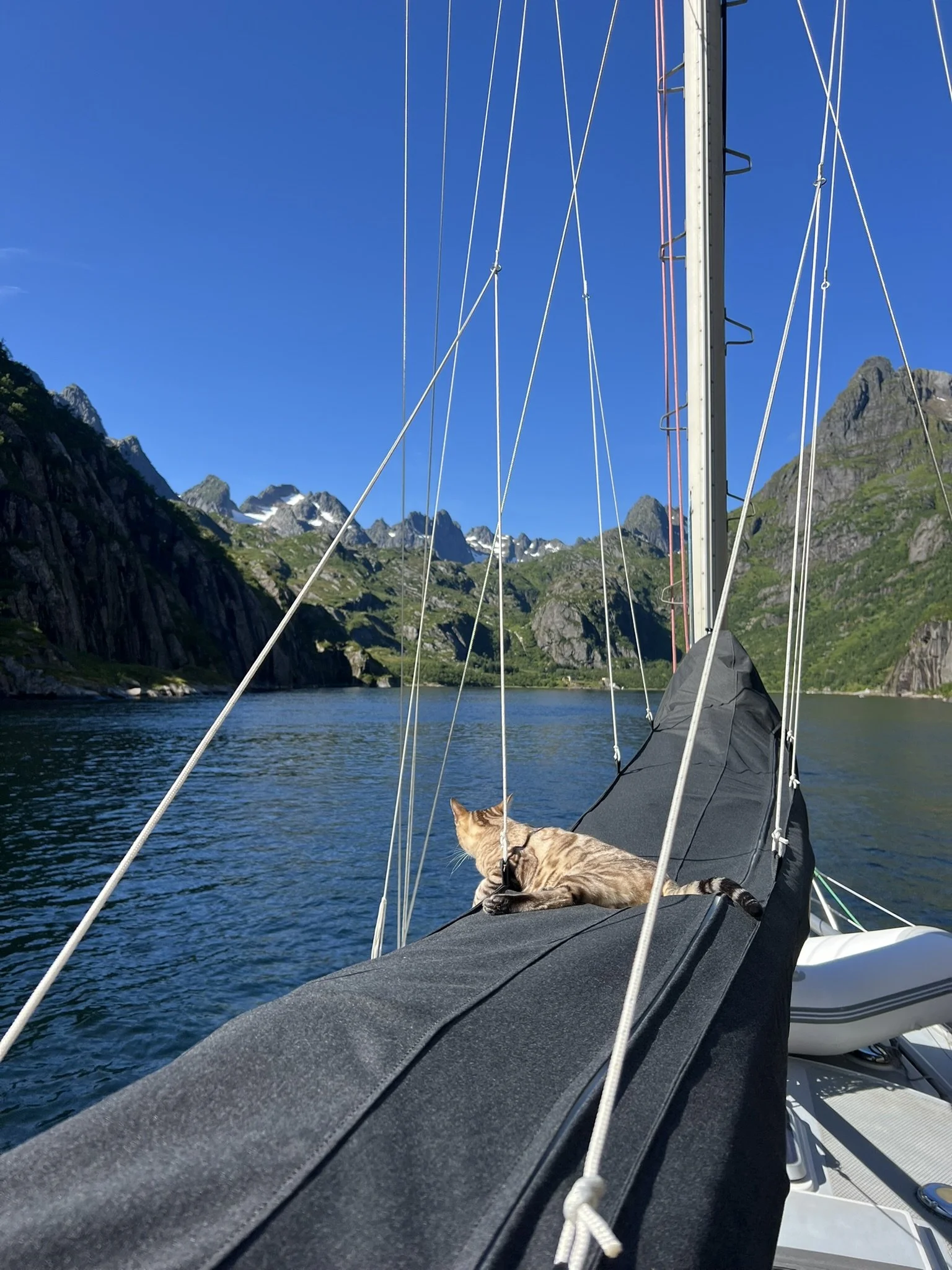
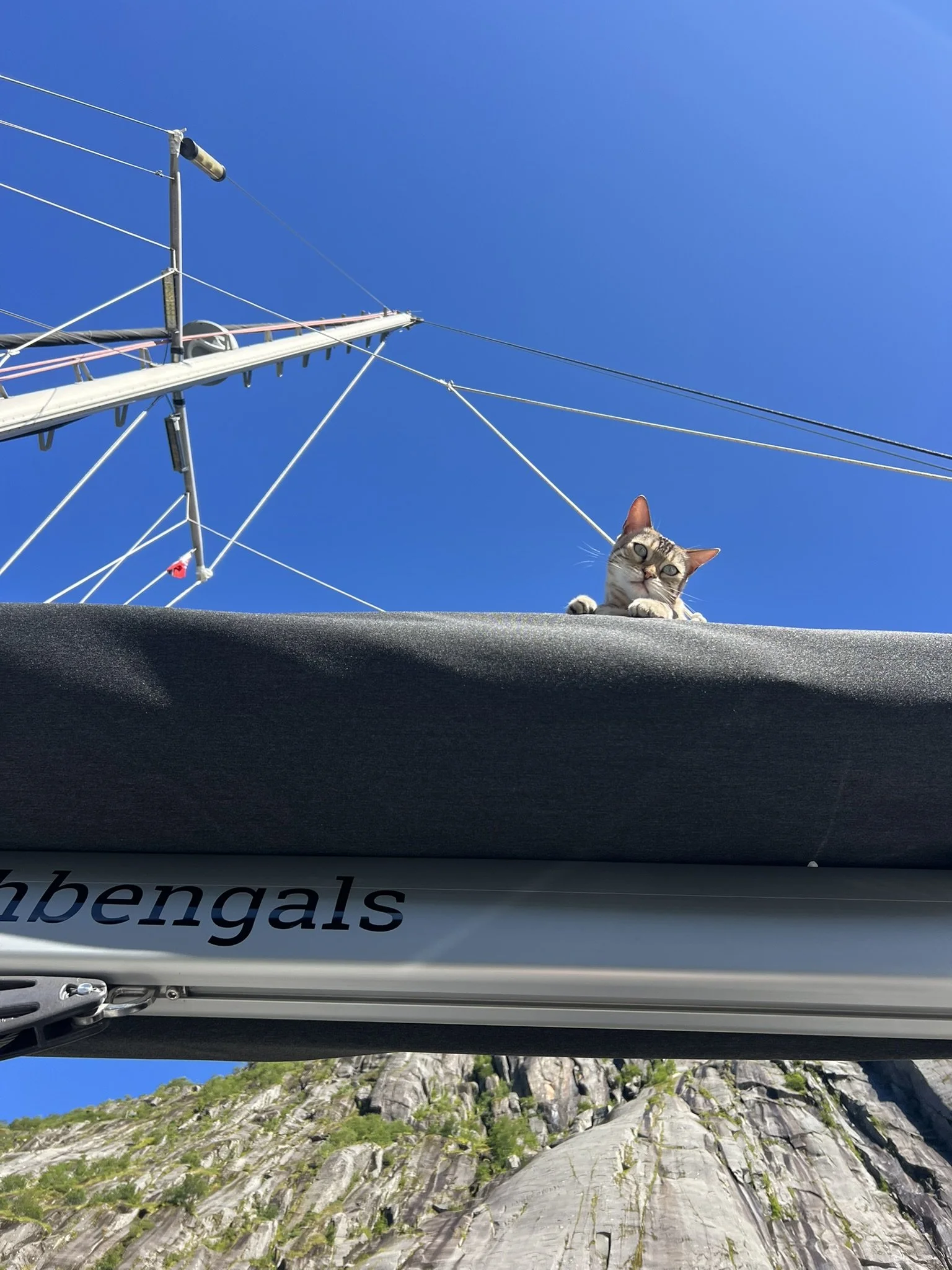
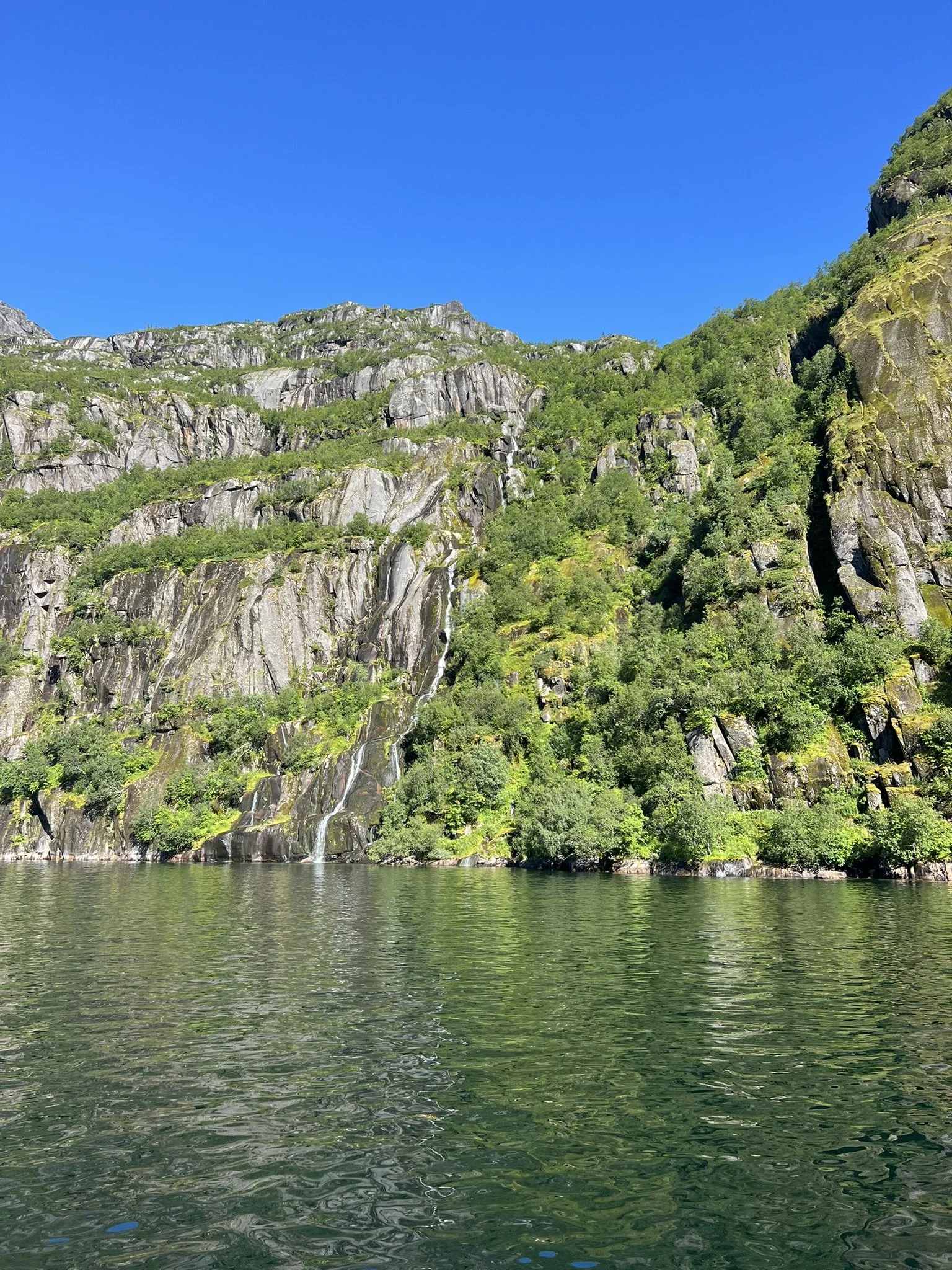
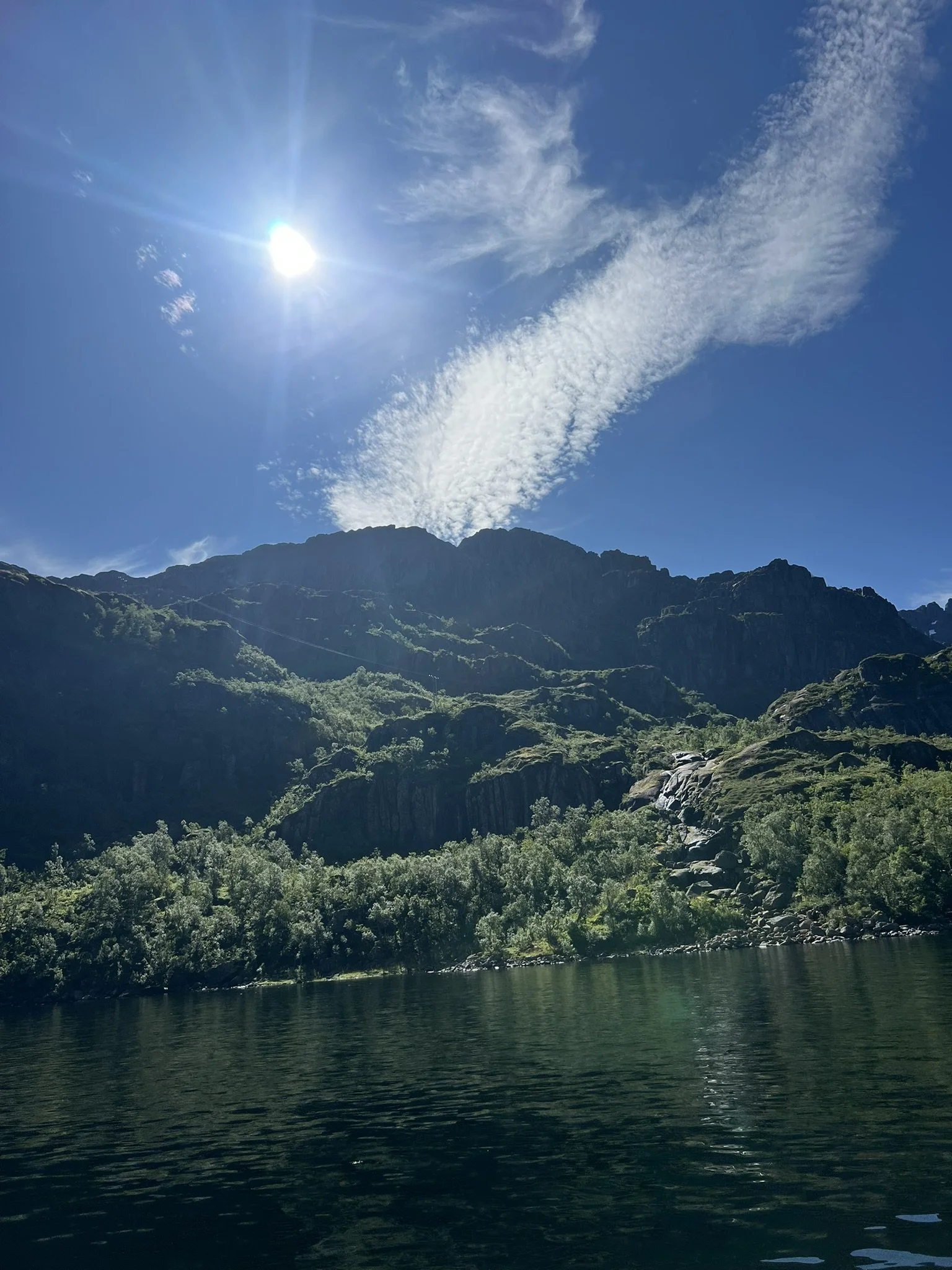
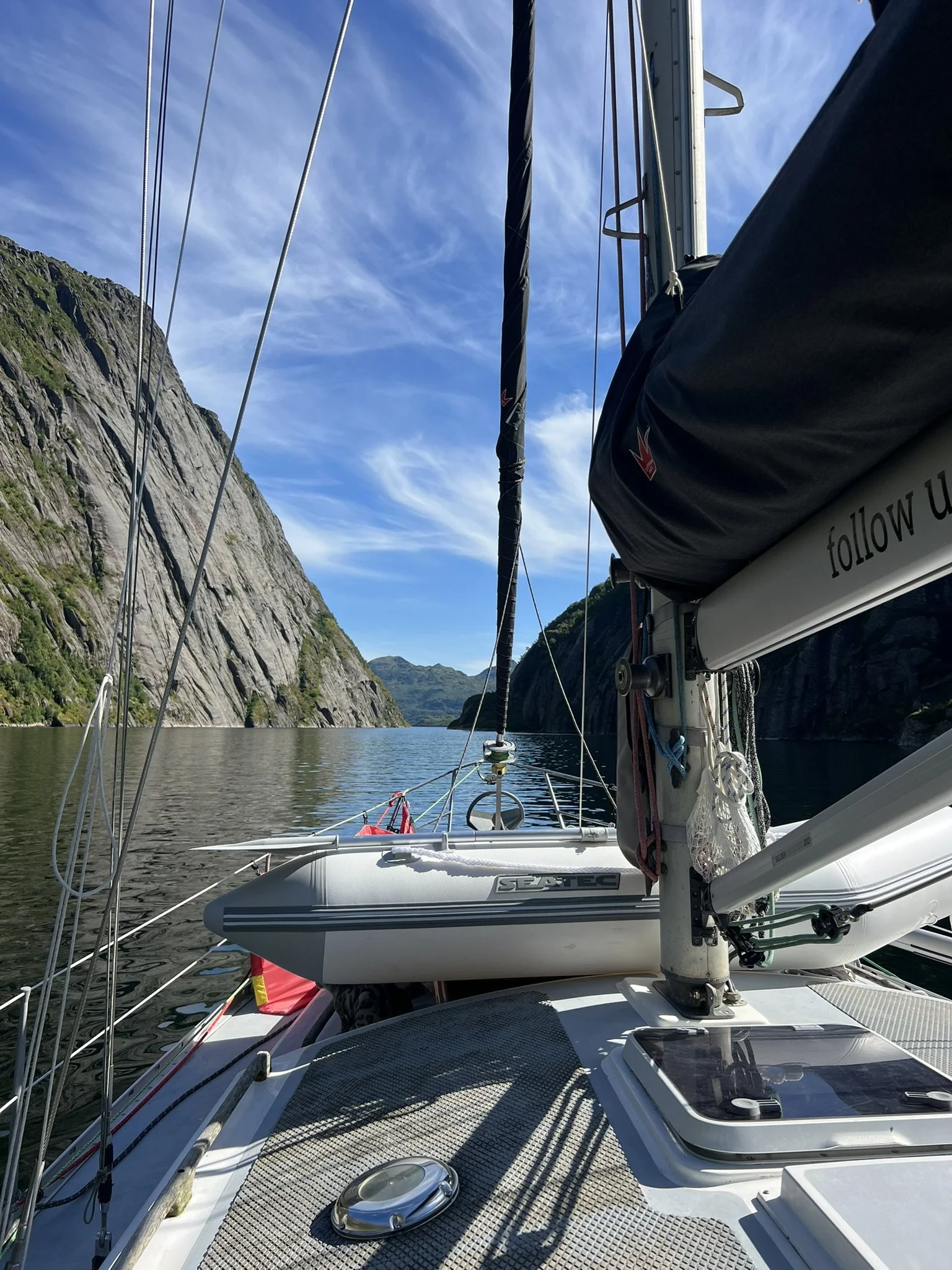
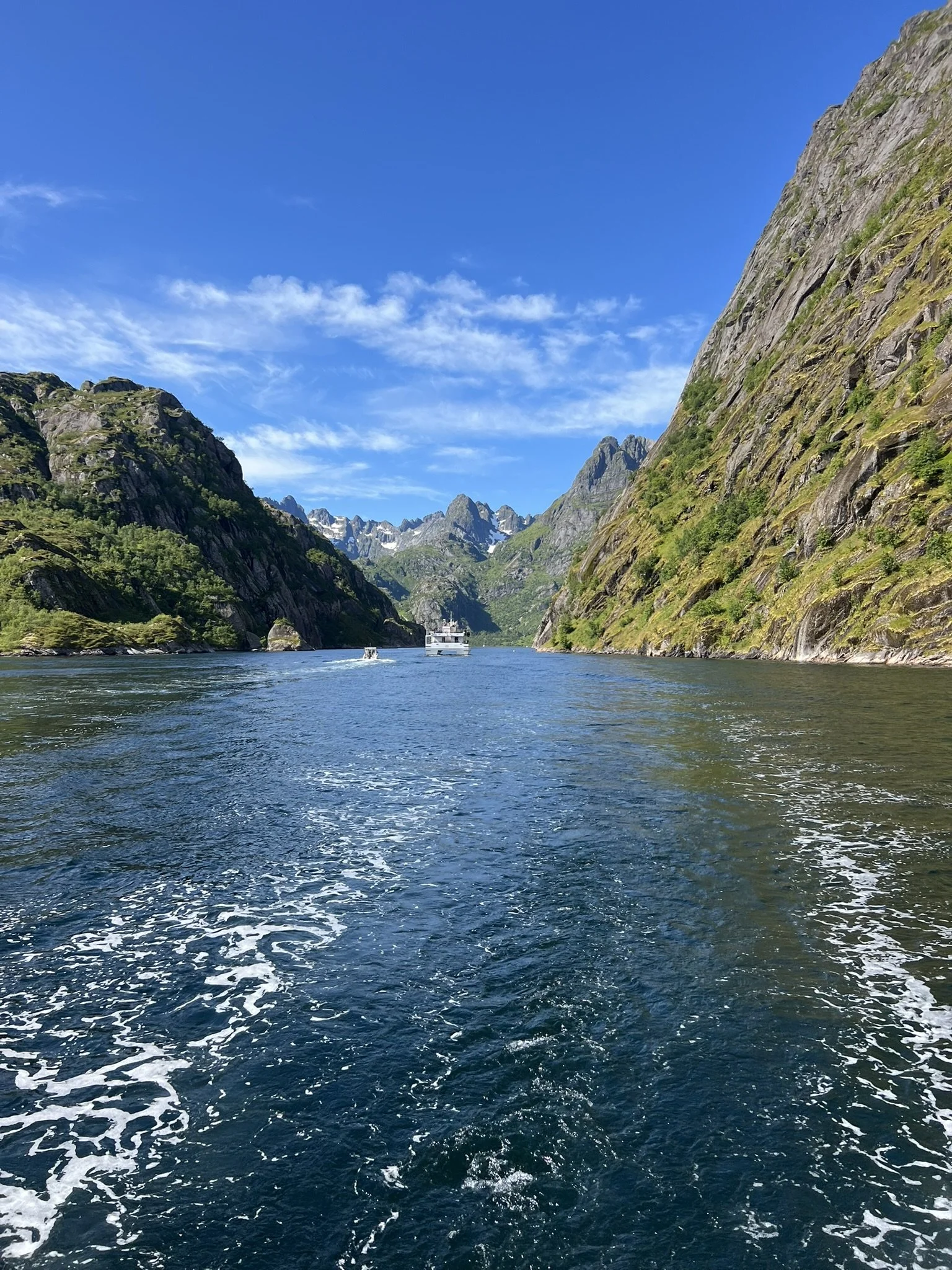
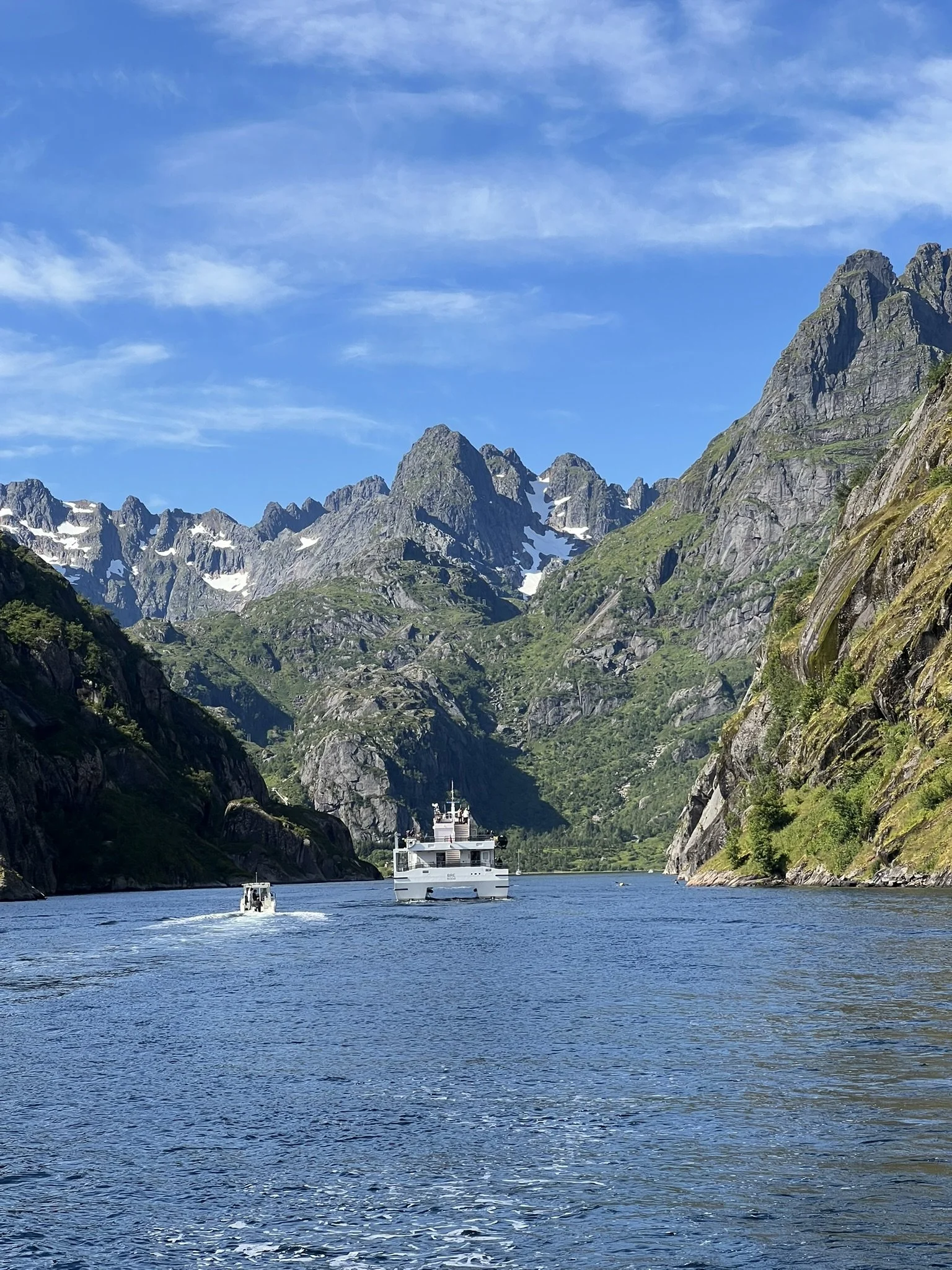
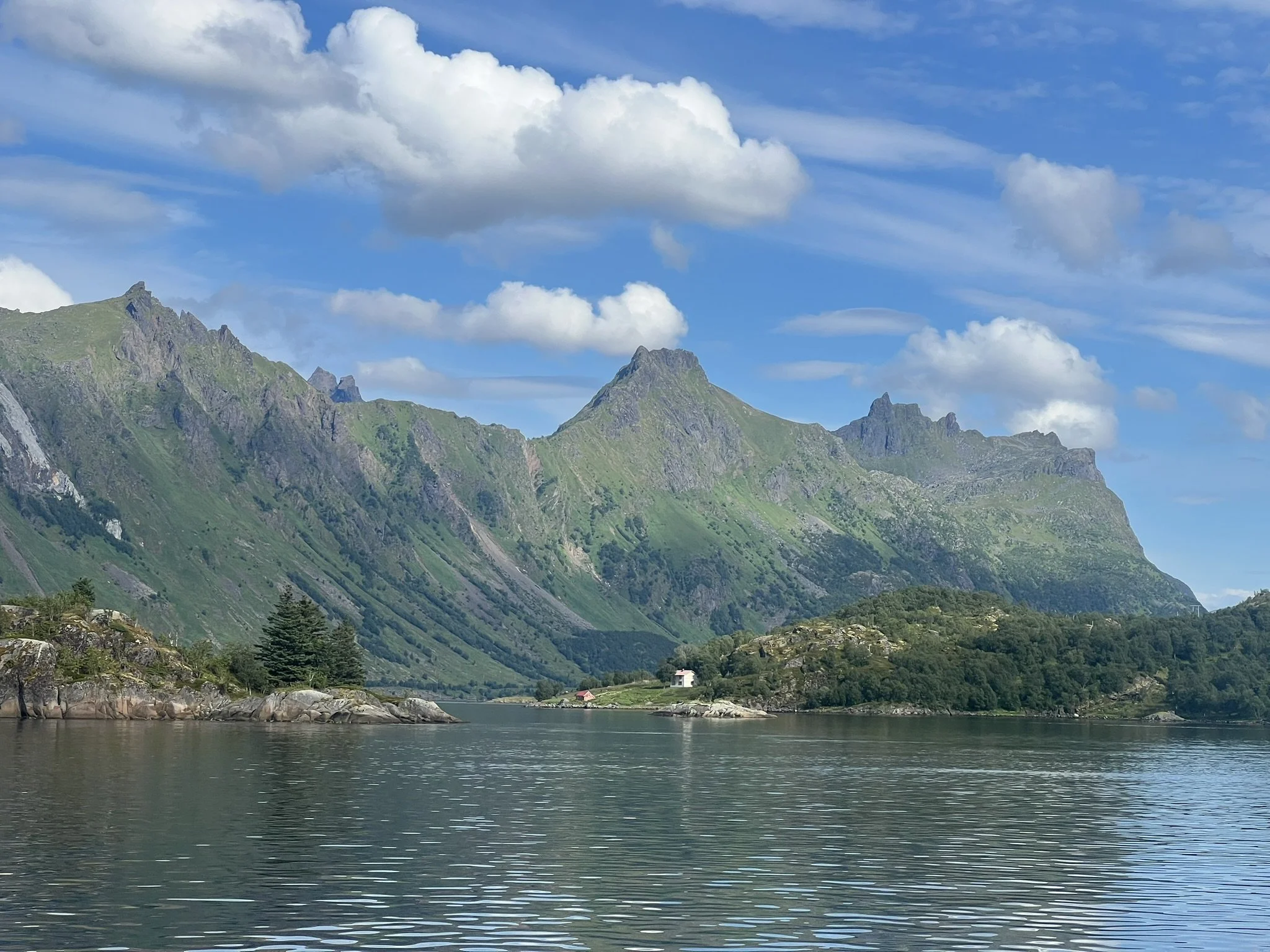
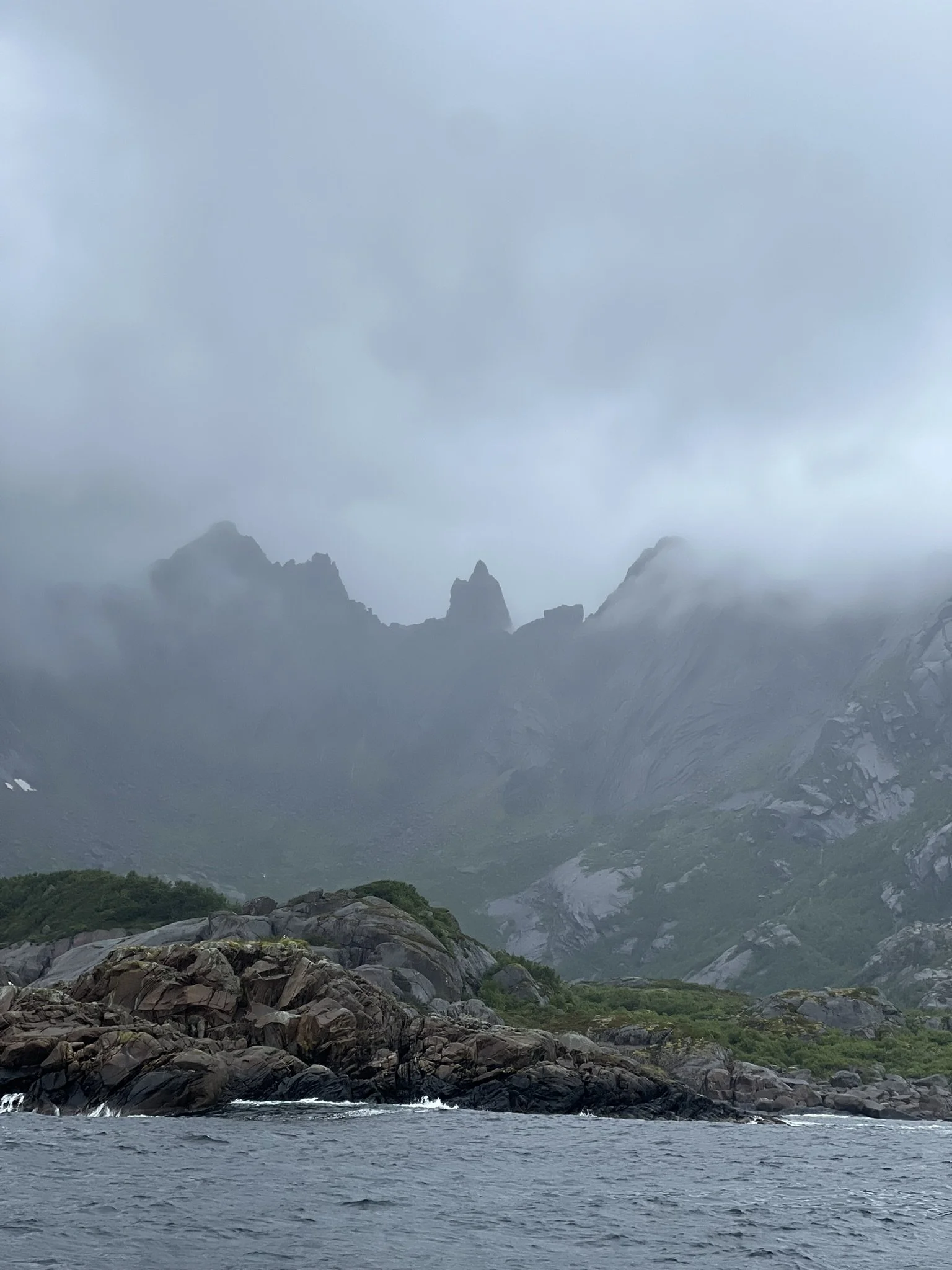
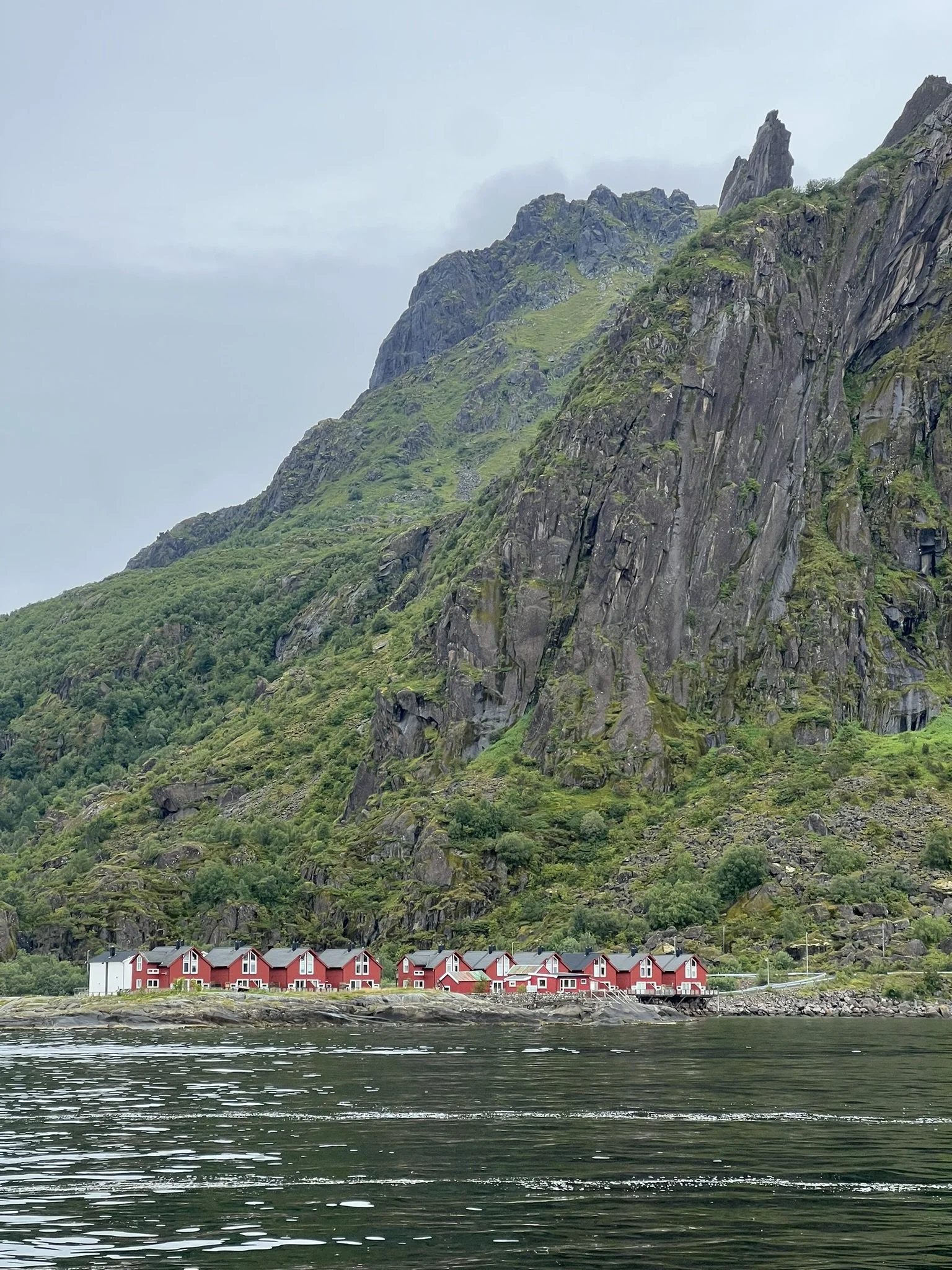
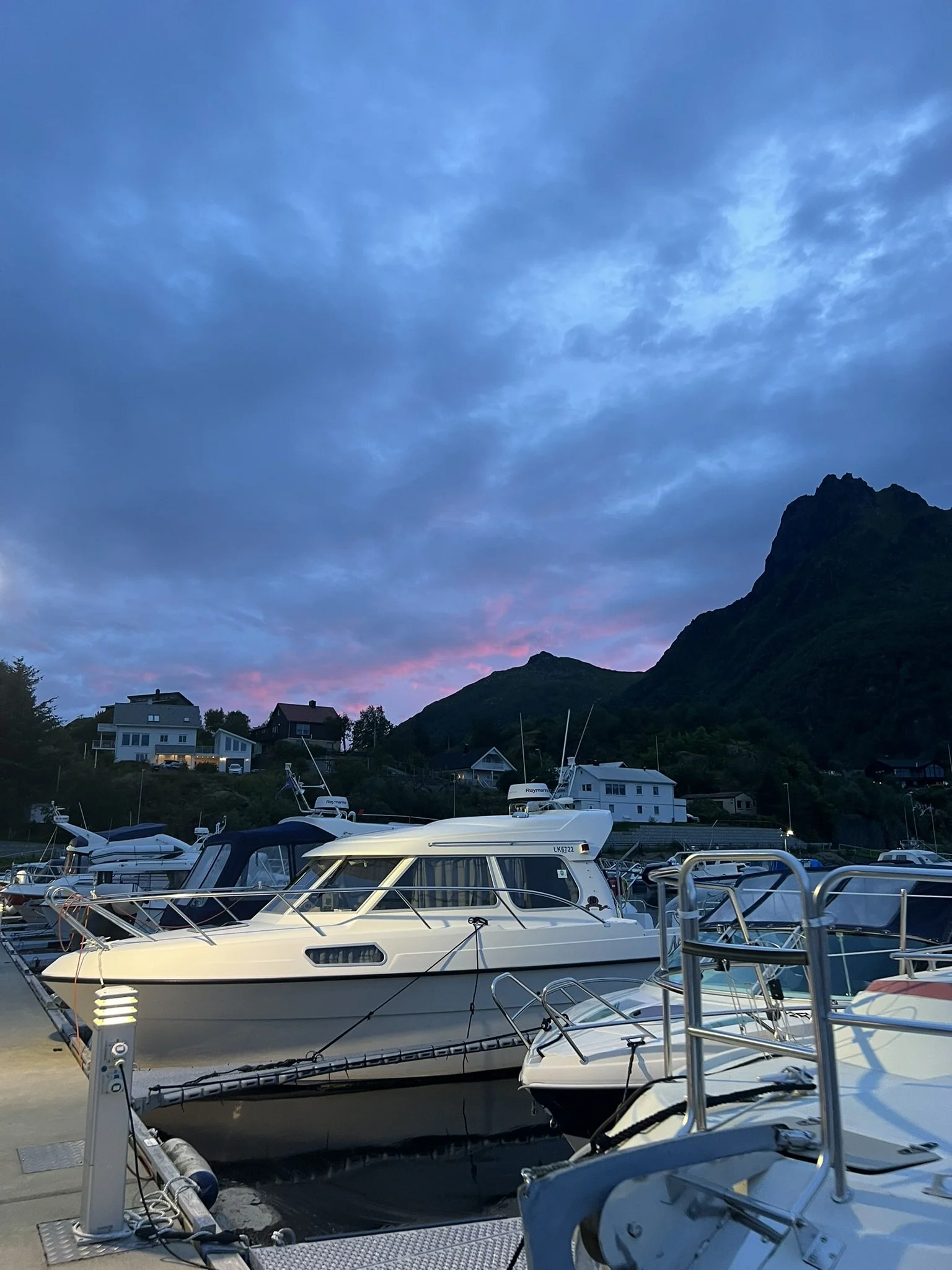
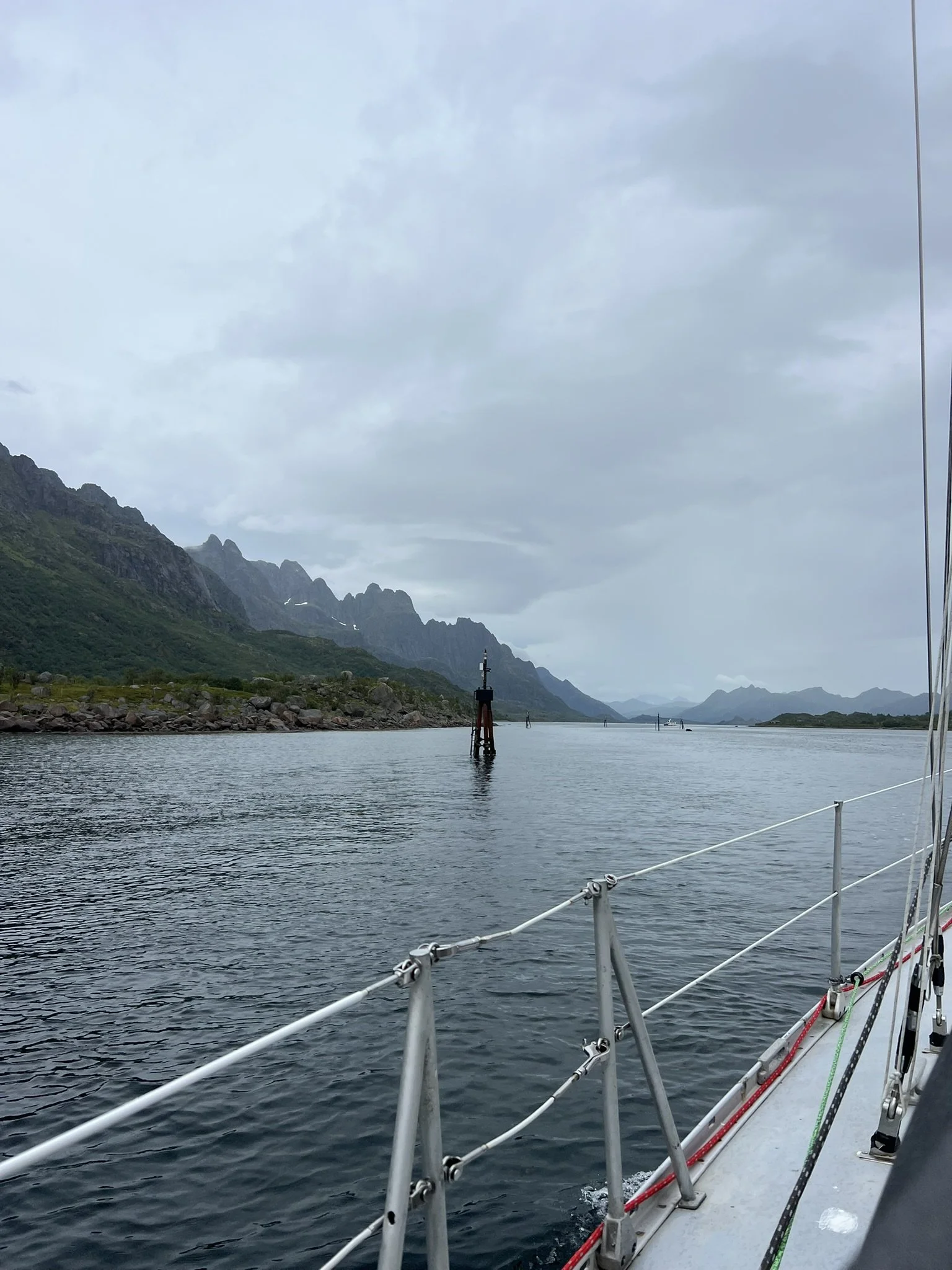
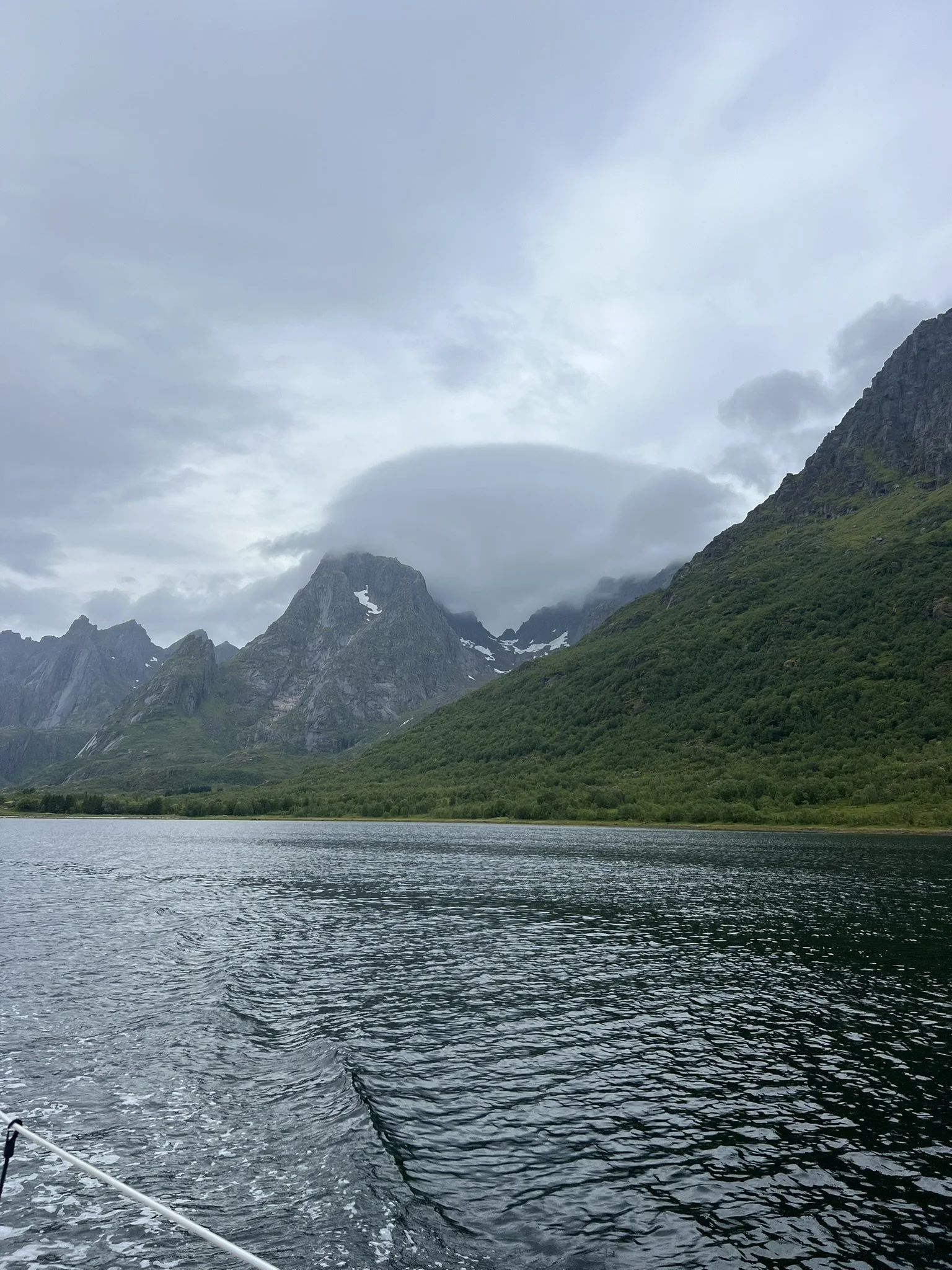
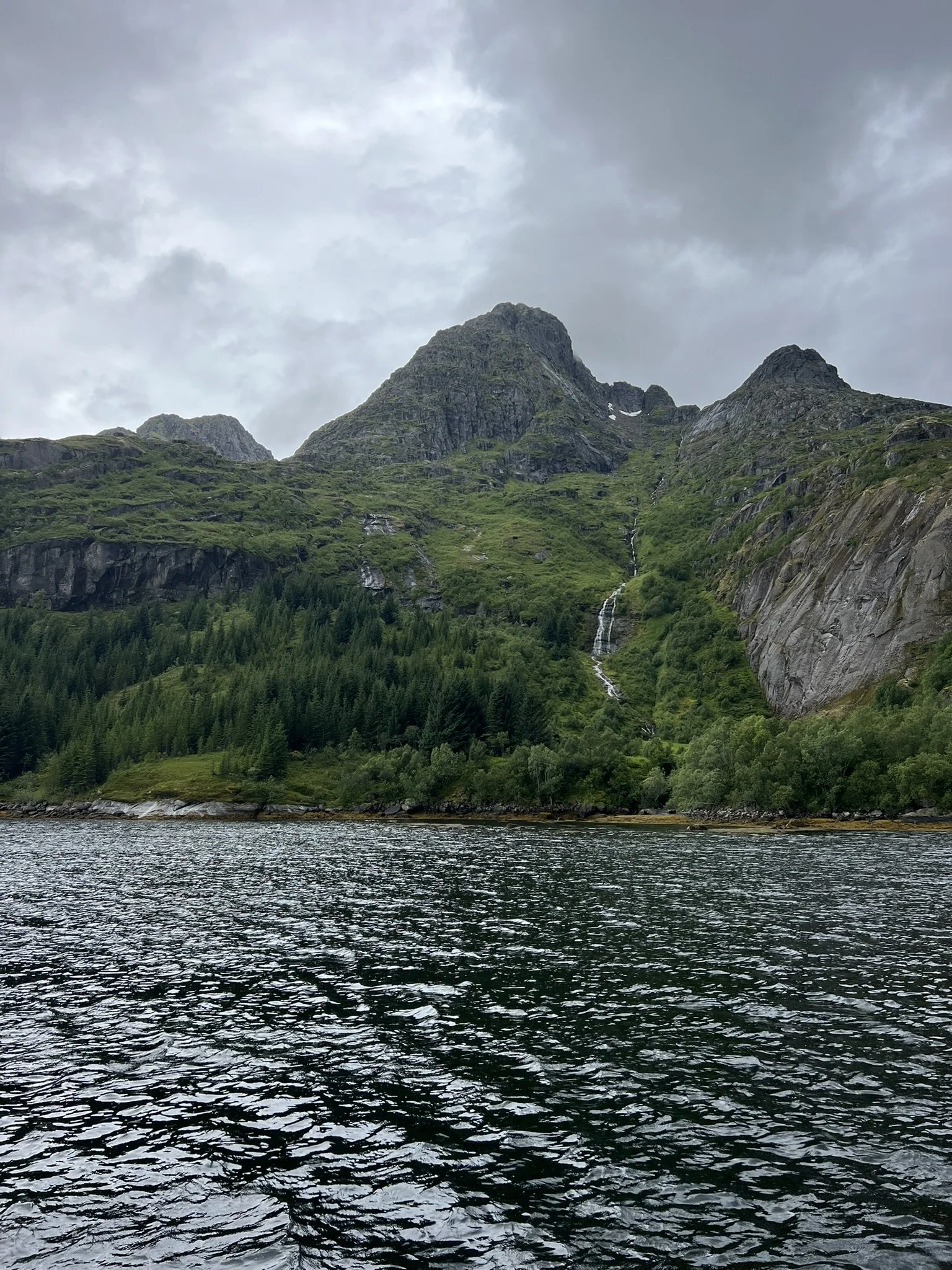
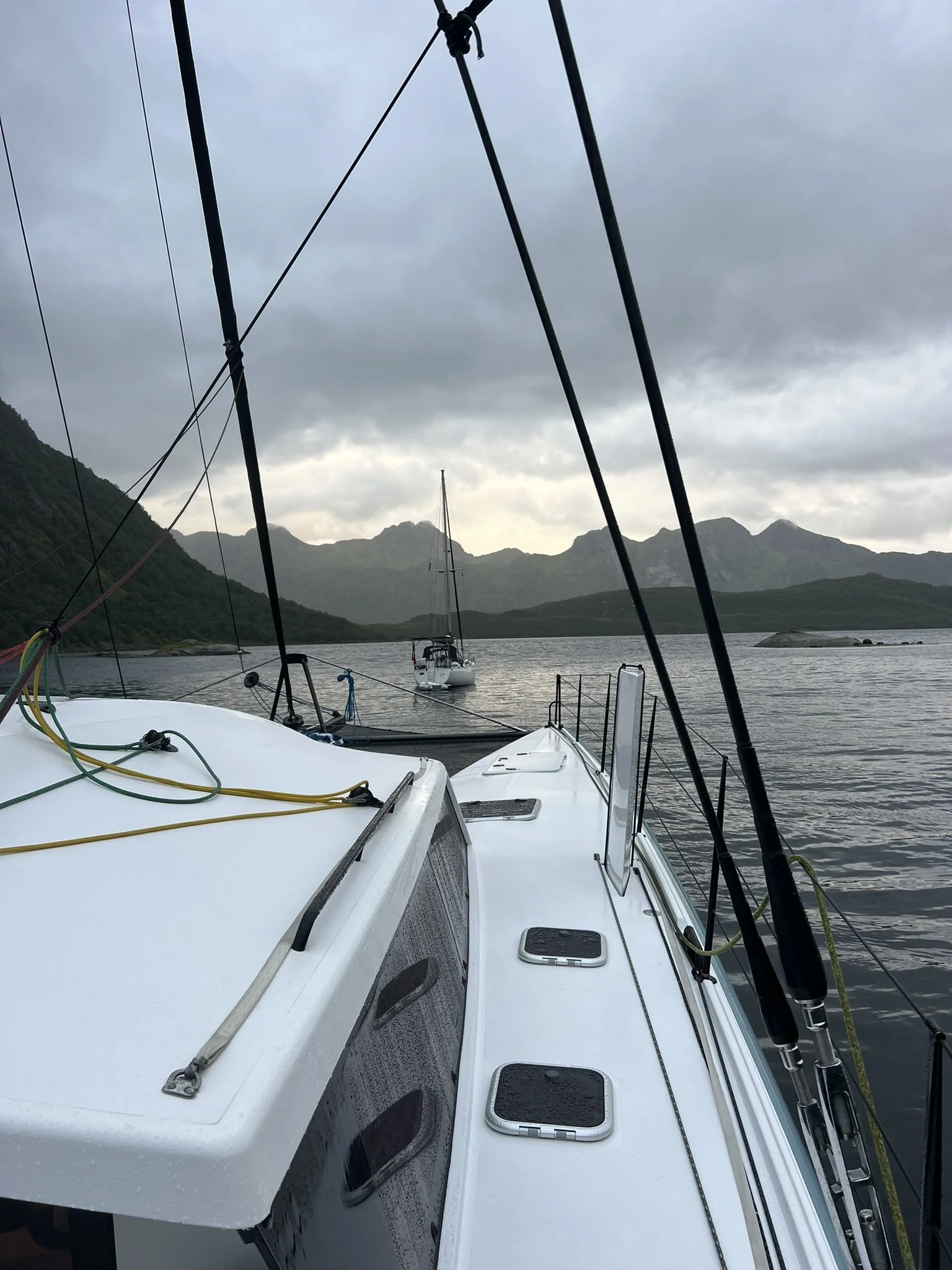
We found a great anchoring spot just outside the entrance to the fjord and were even invited on board a big, brand new catamaran for dinner by a group of French sailors. The next morning, we sailed into Trollfjord to explore it. The fjord is only about 2.5 km long and just around 100 metres wide at its entrance, surrounded by steep mountains rising dramatically from the water - especially on your own little sailboat.
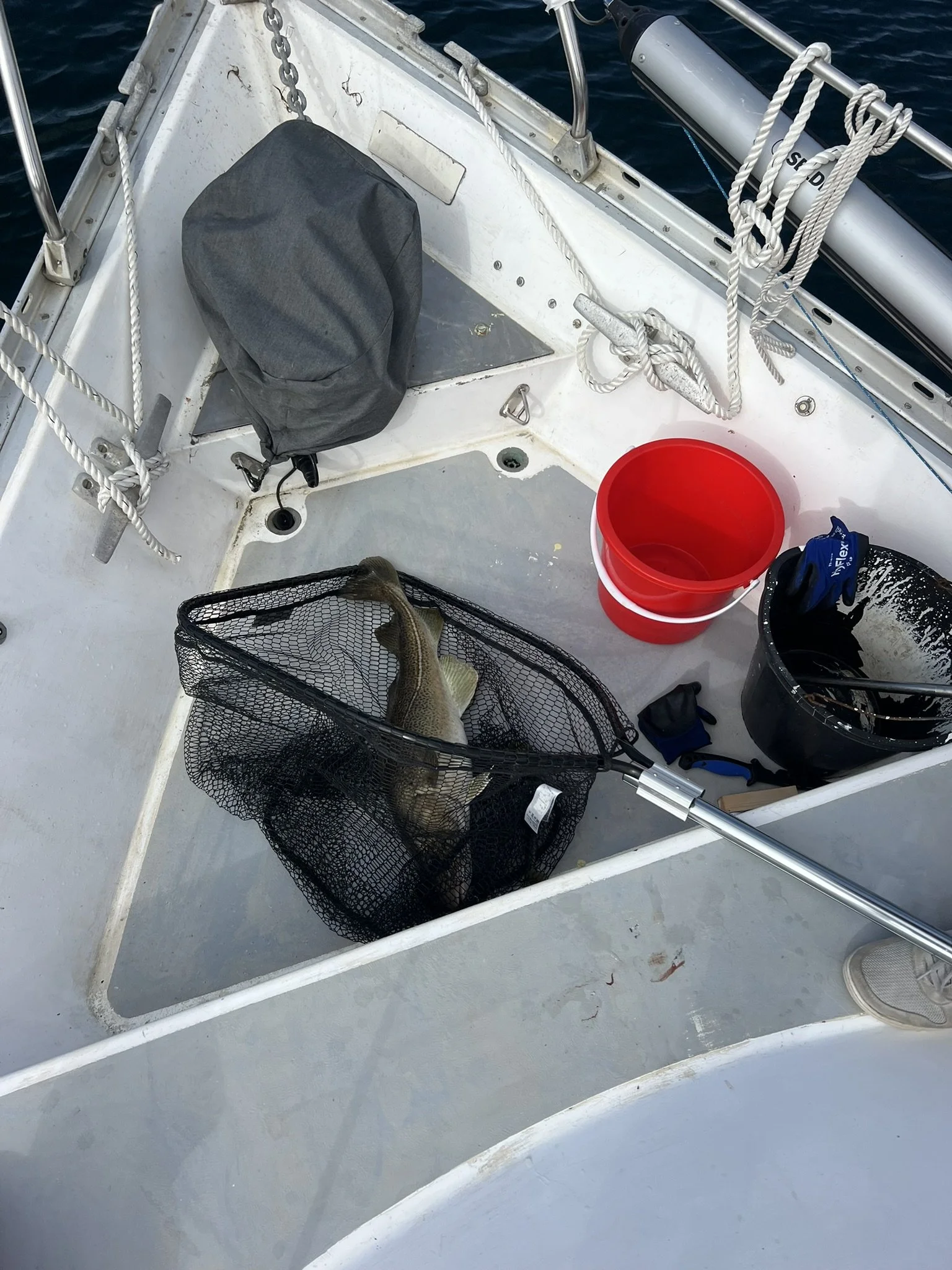
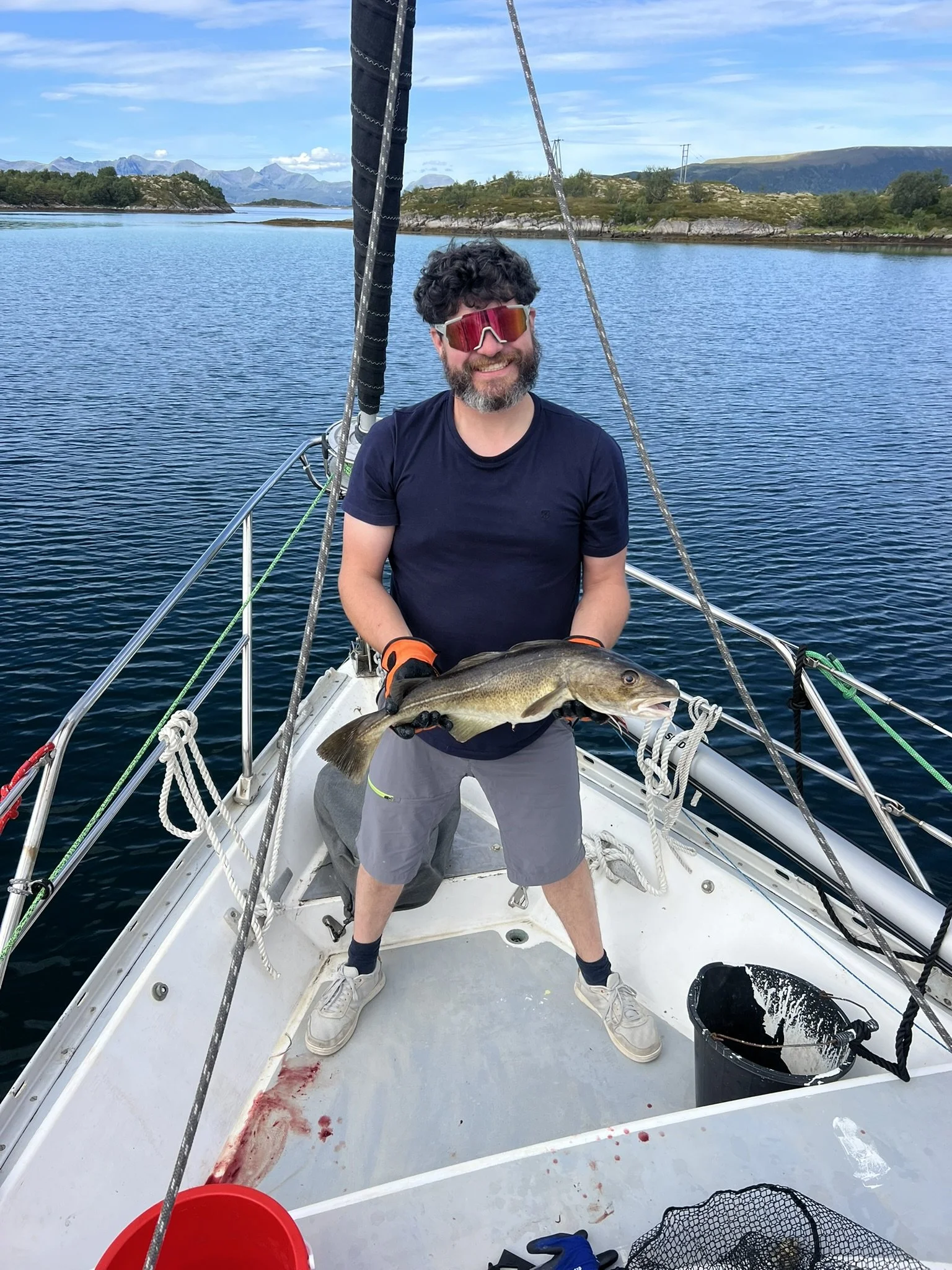
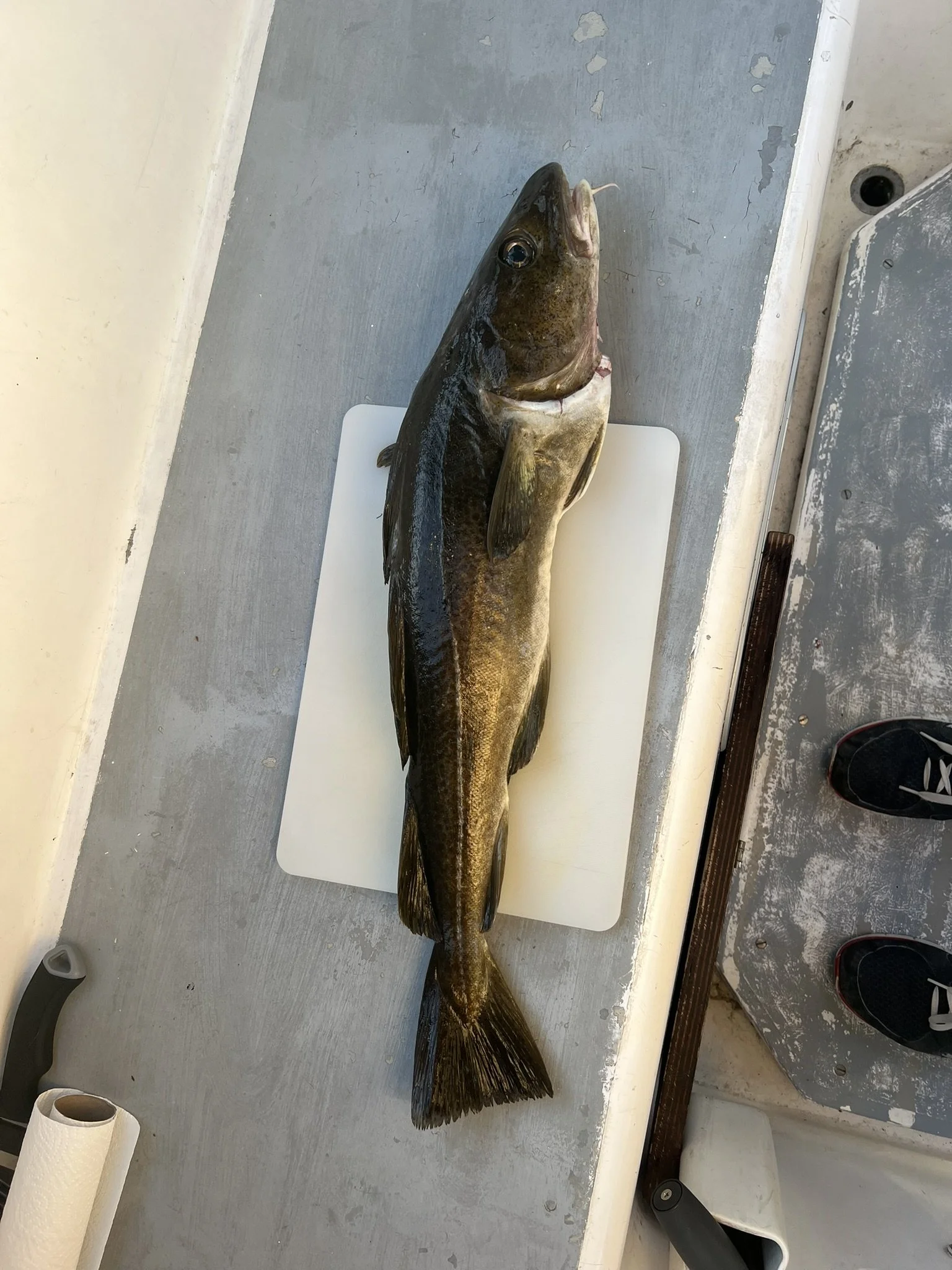
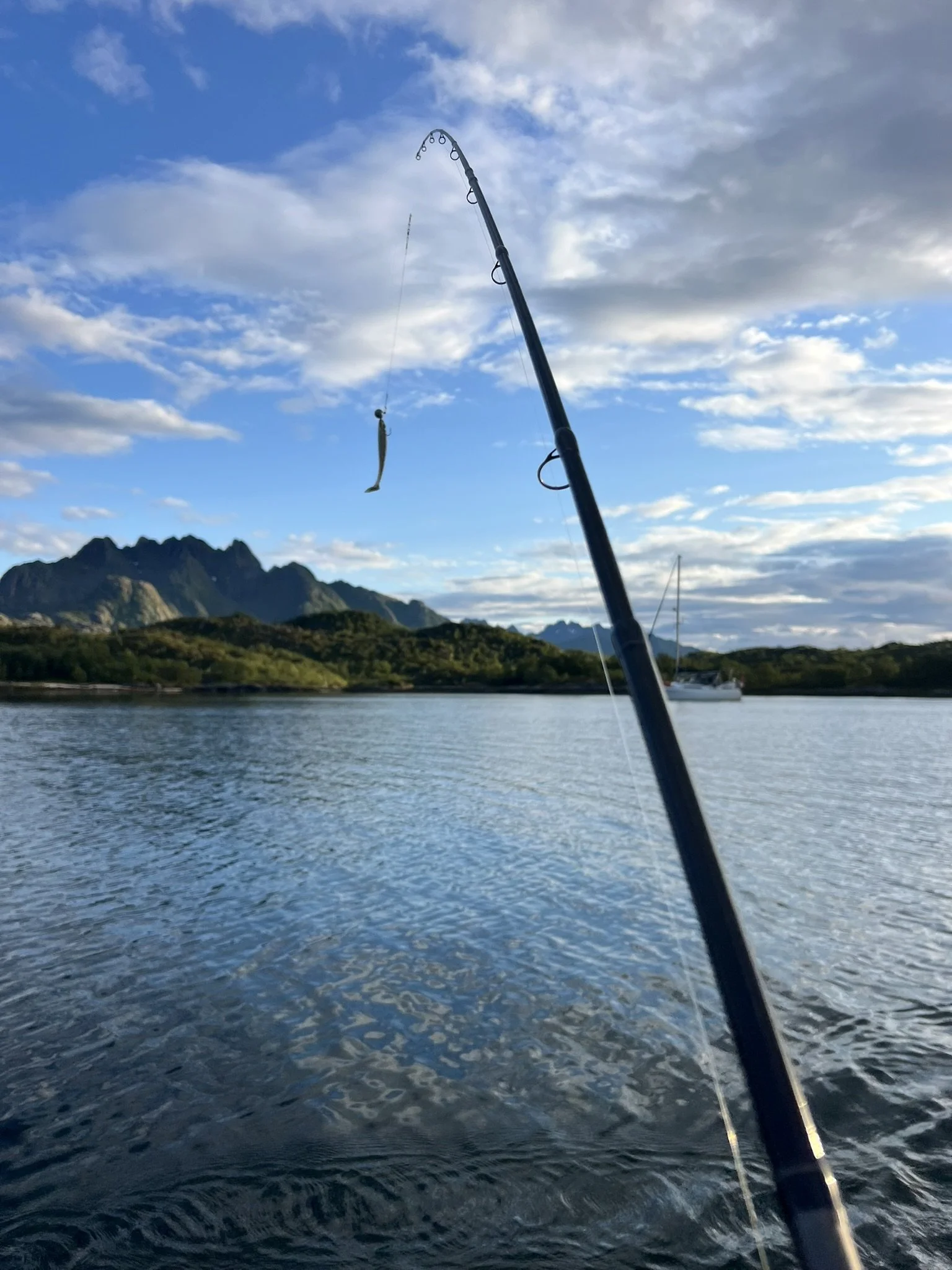
And as if the fjord itself wasn't enough of a highlight, Karin even caught a fish!
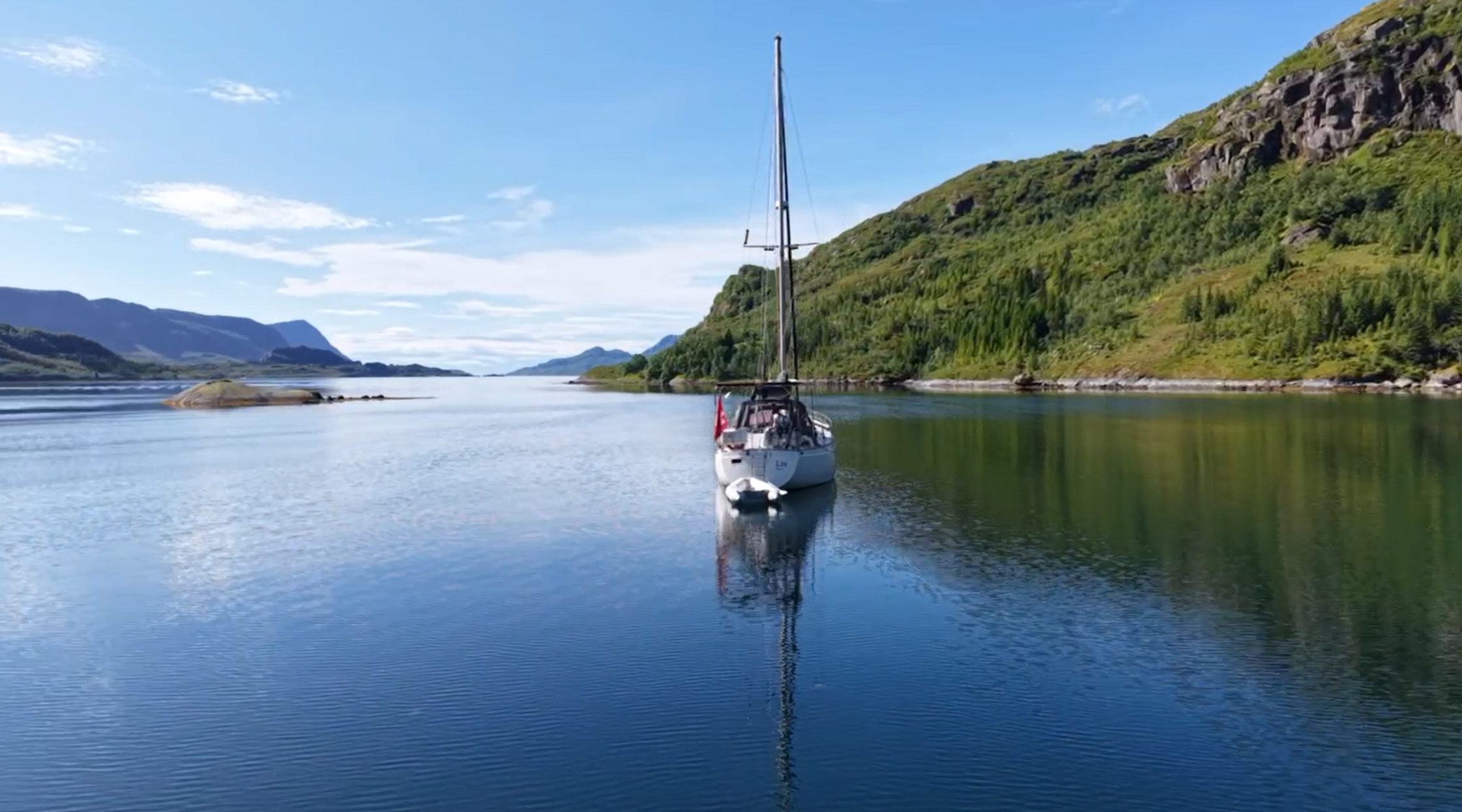
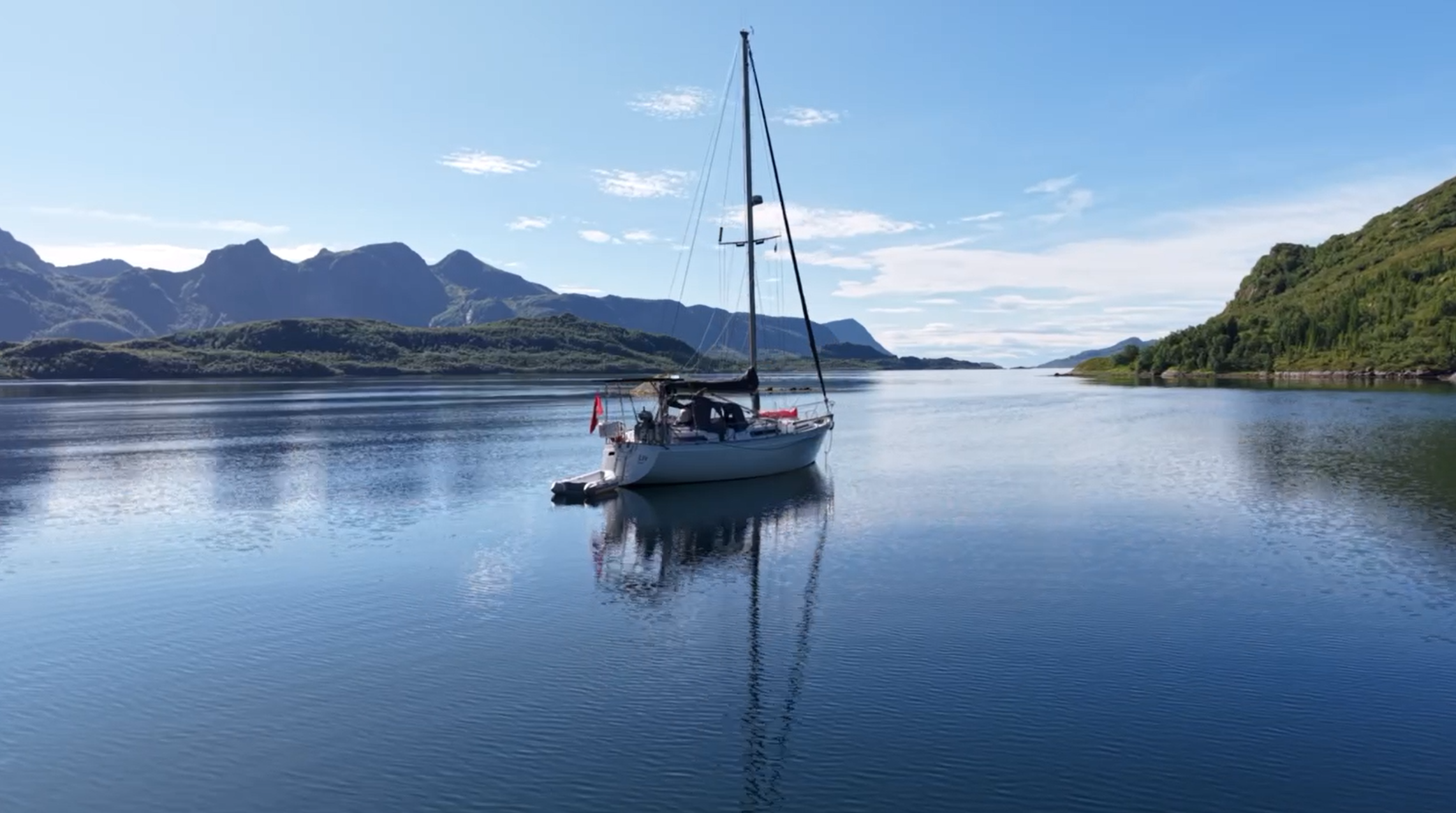
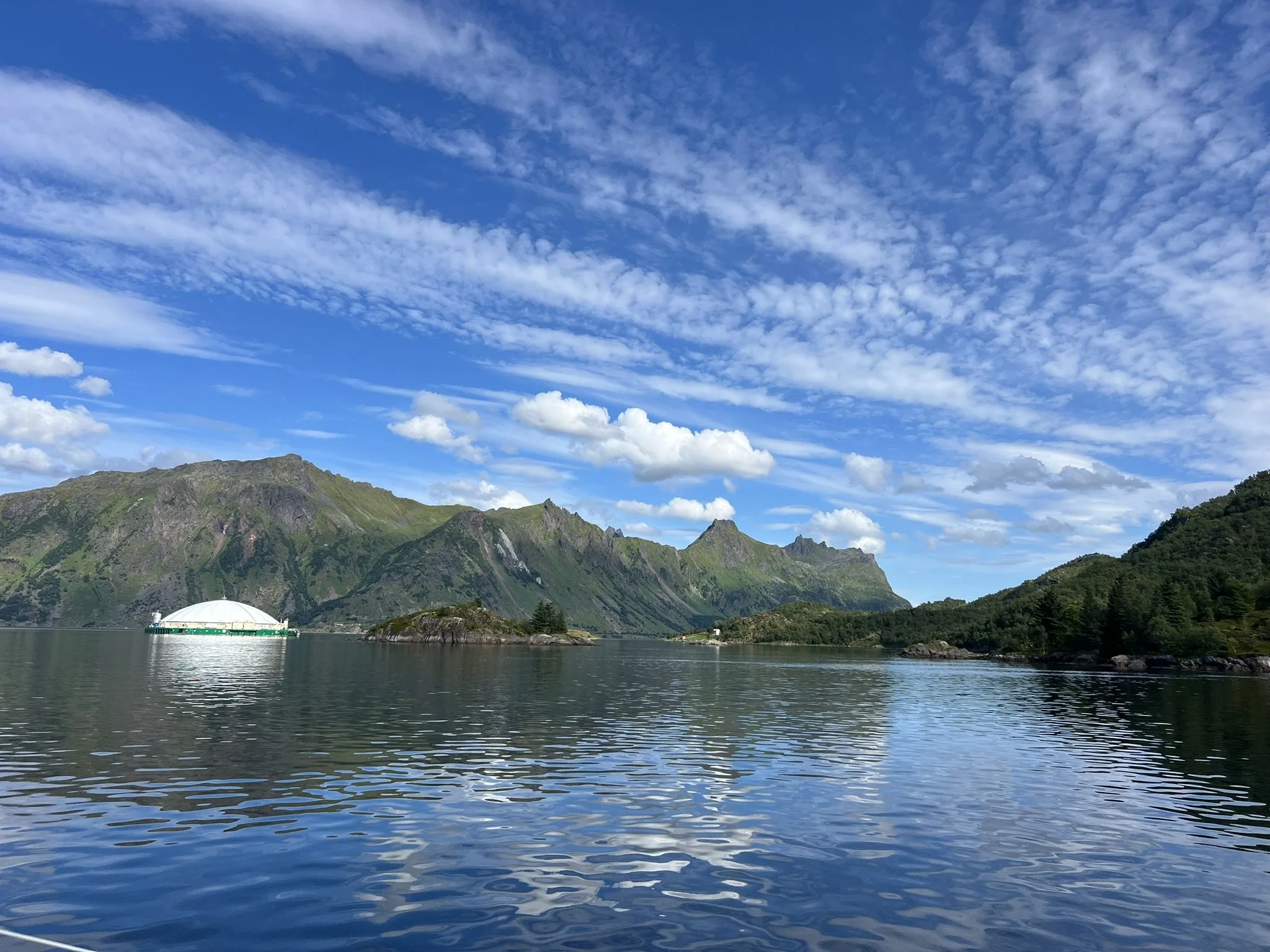
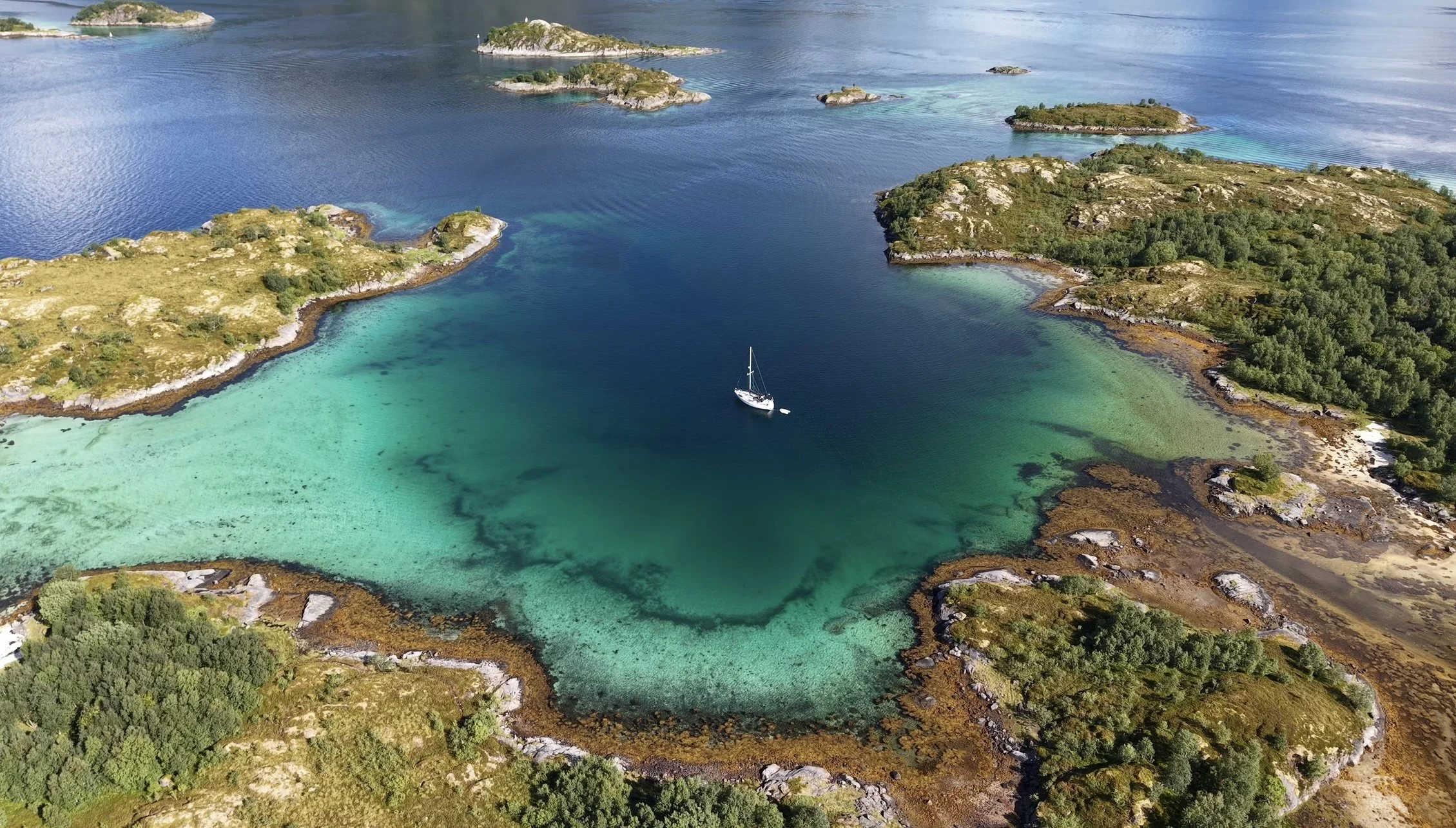
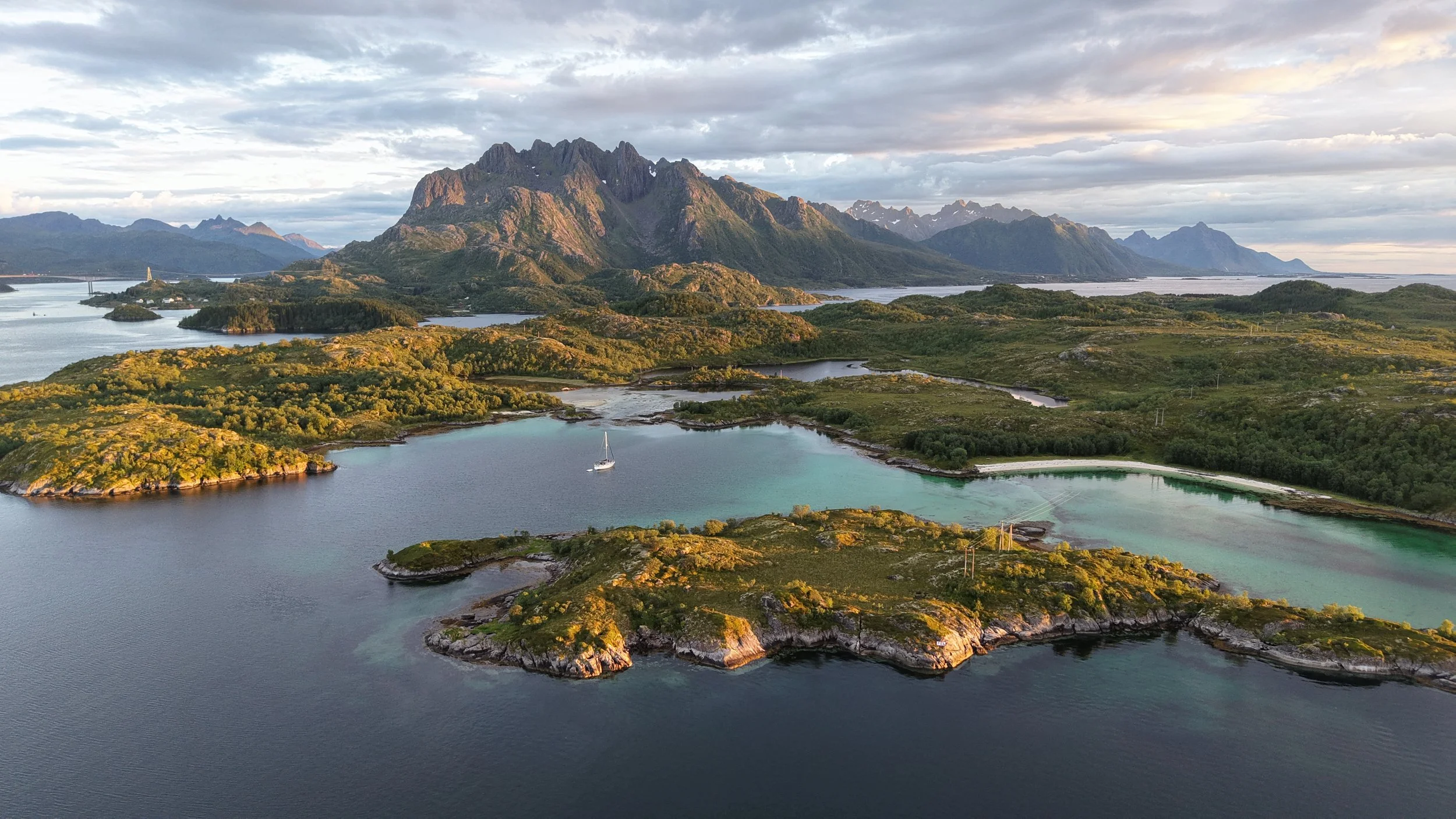
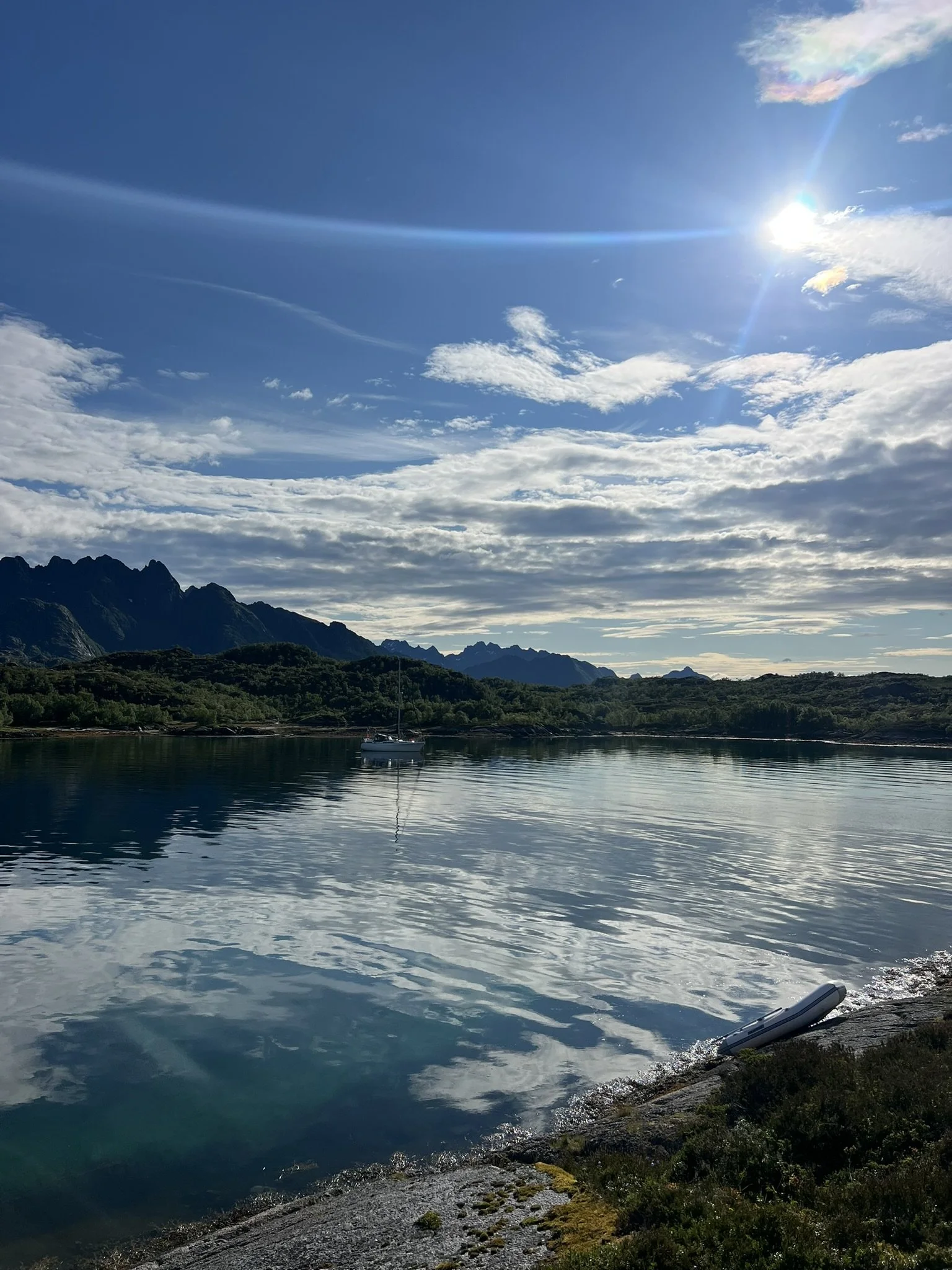
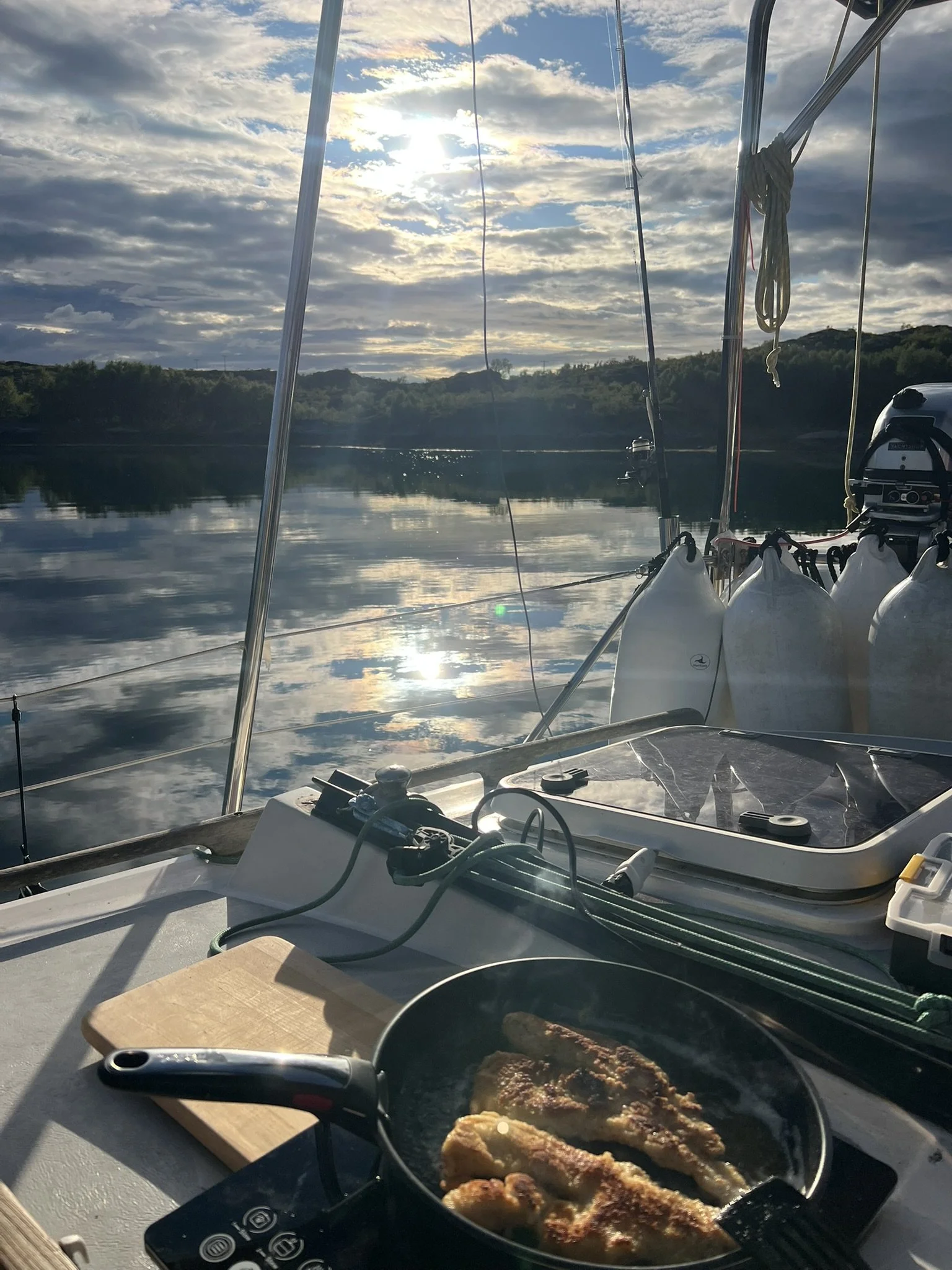
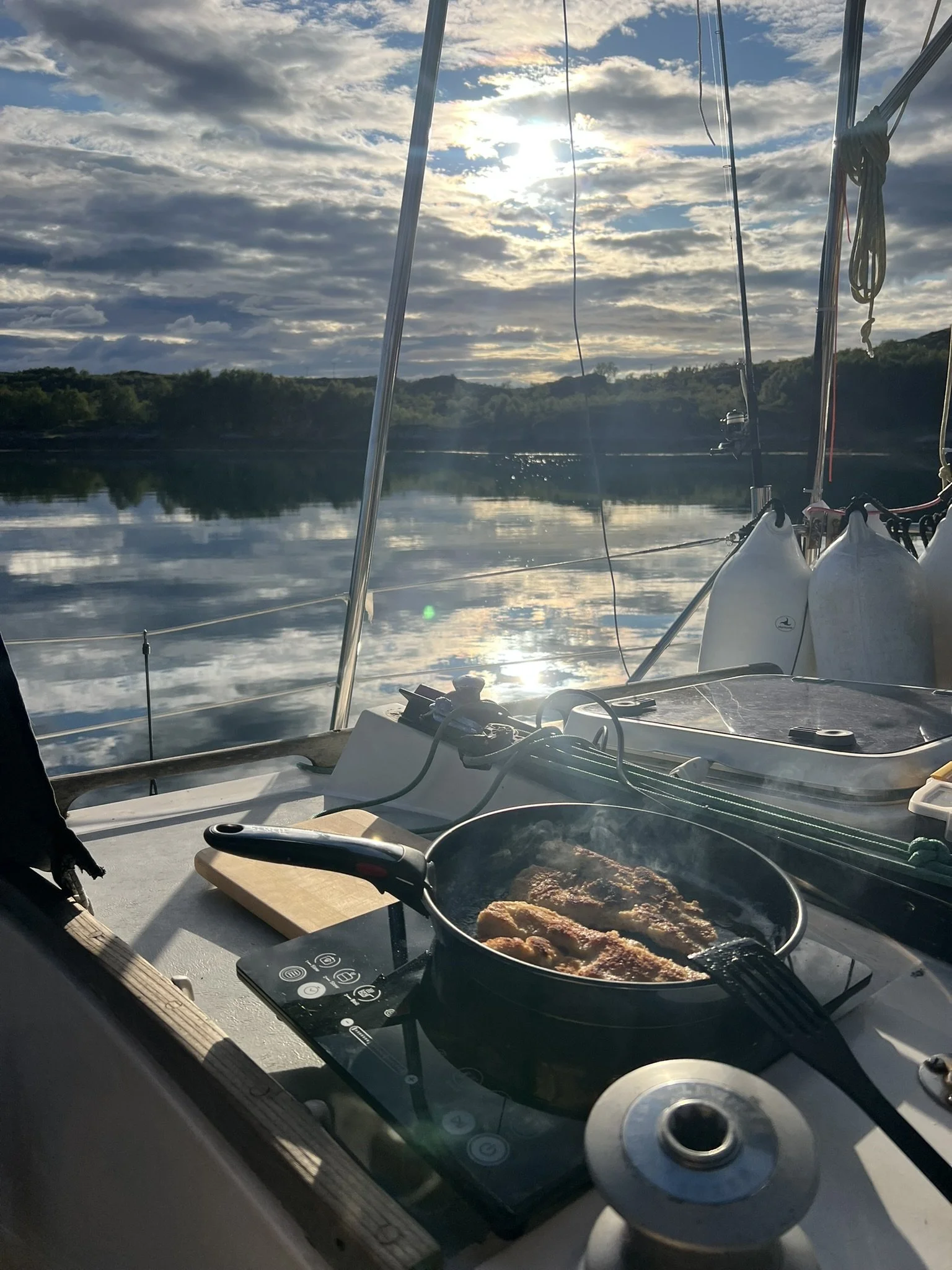
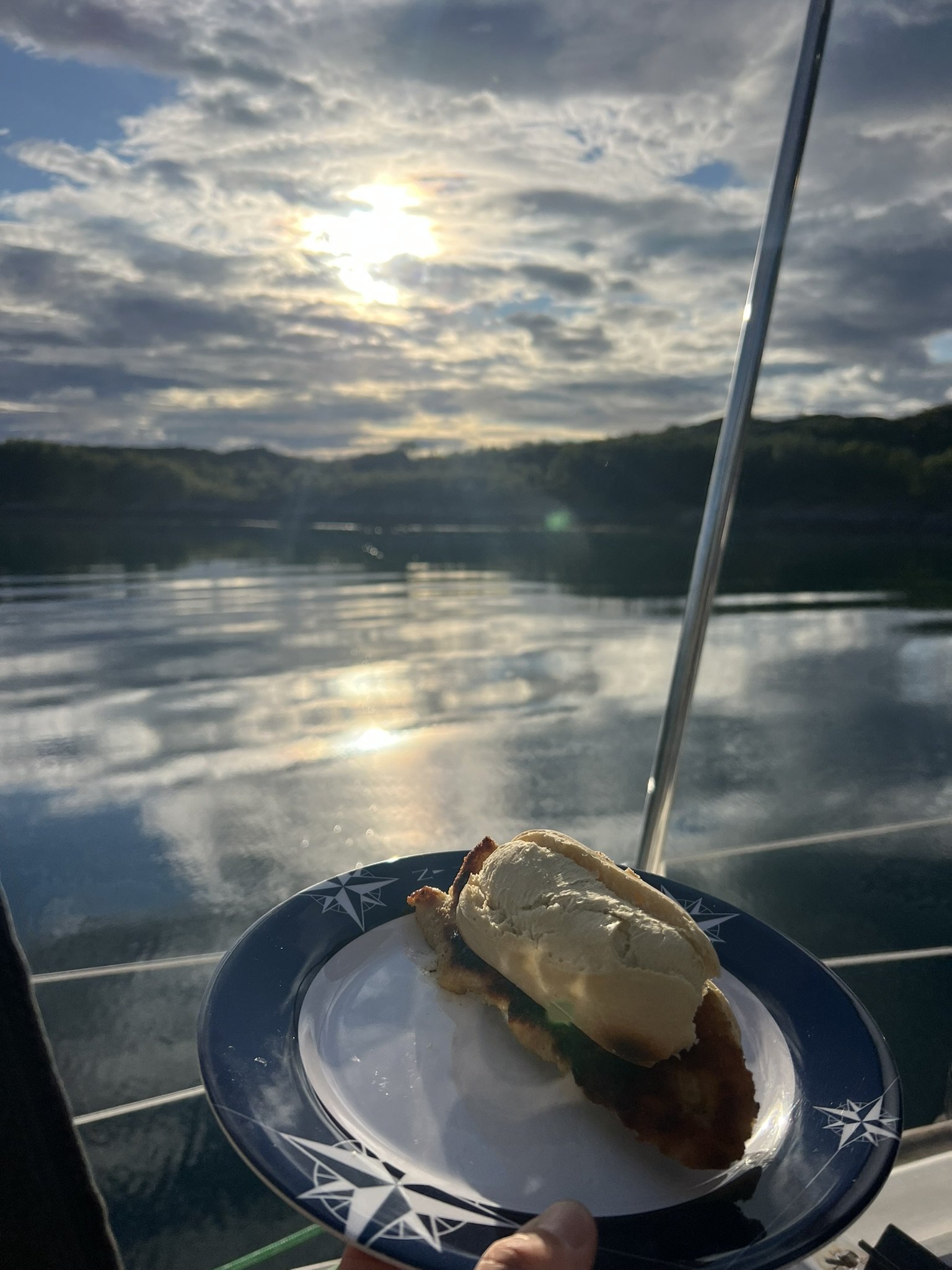
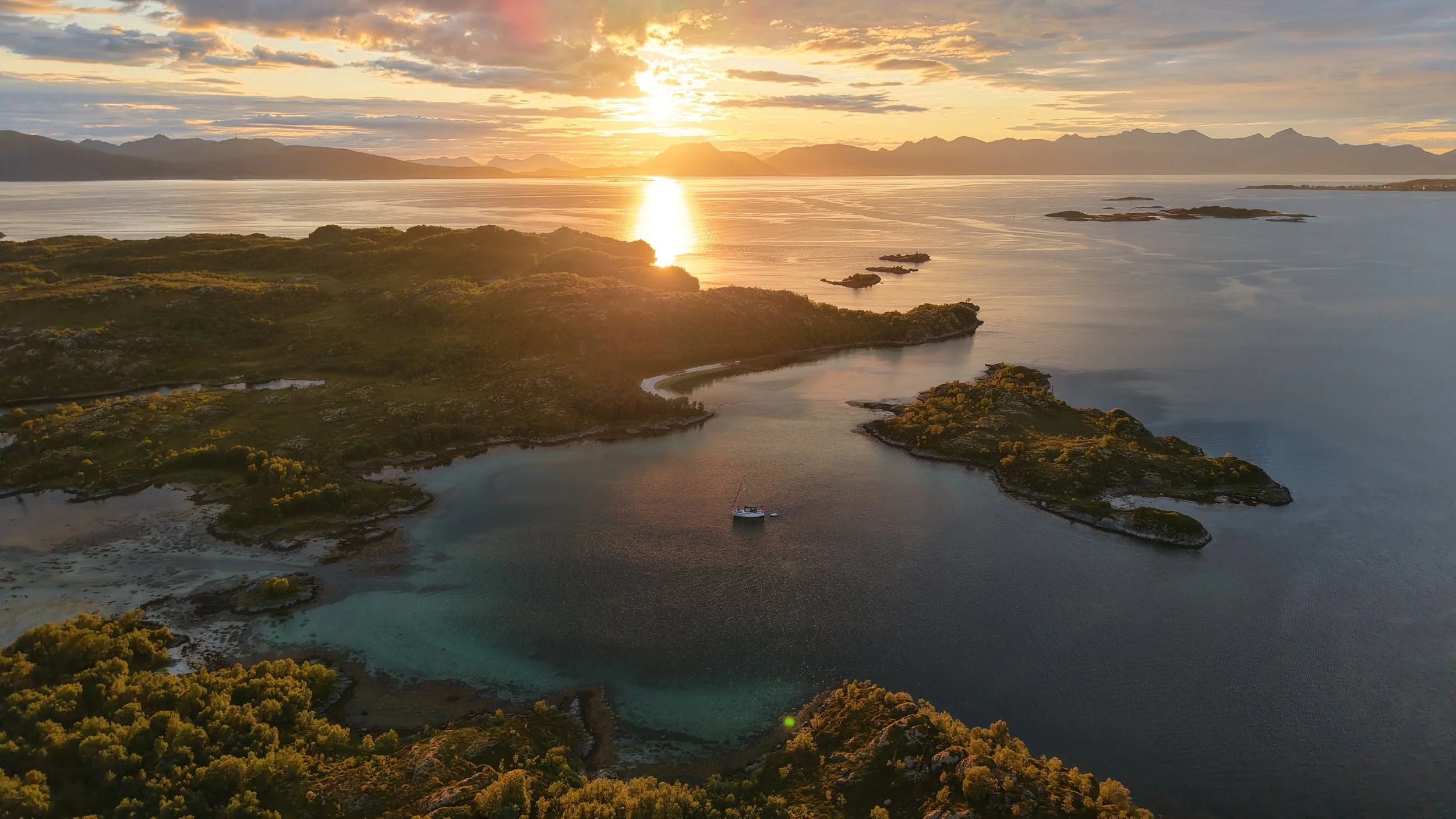
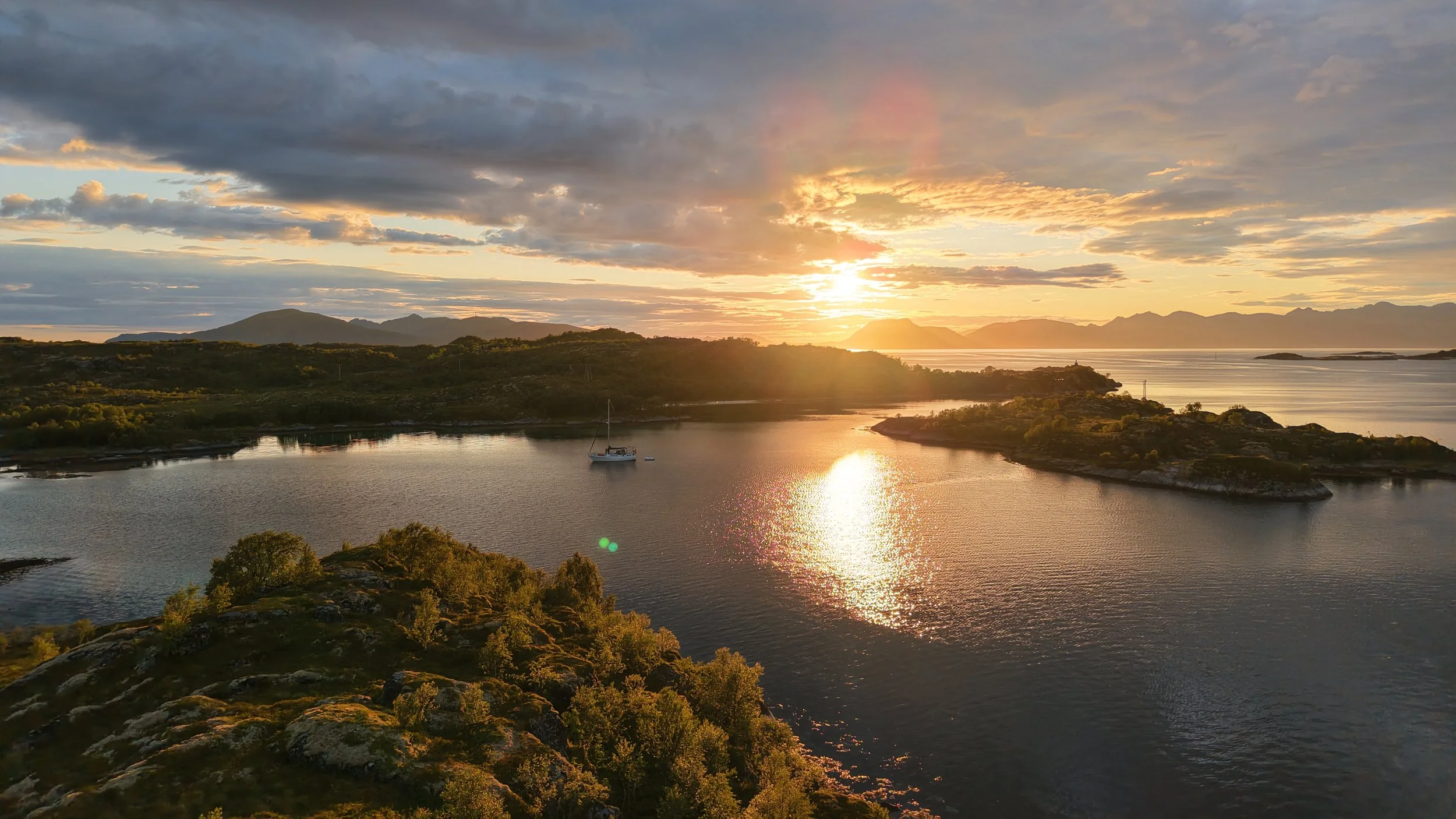
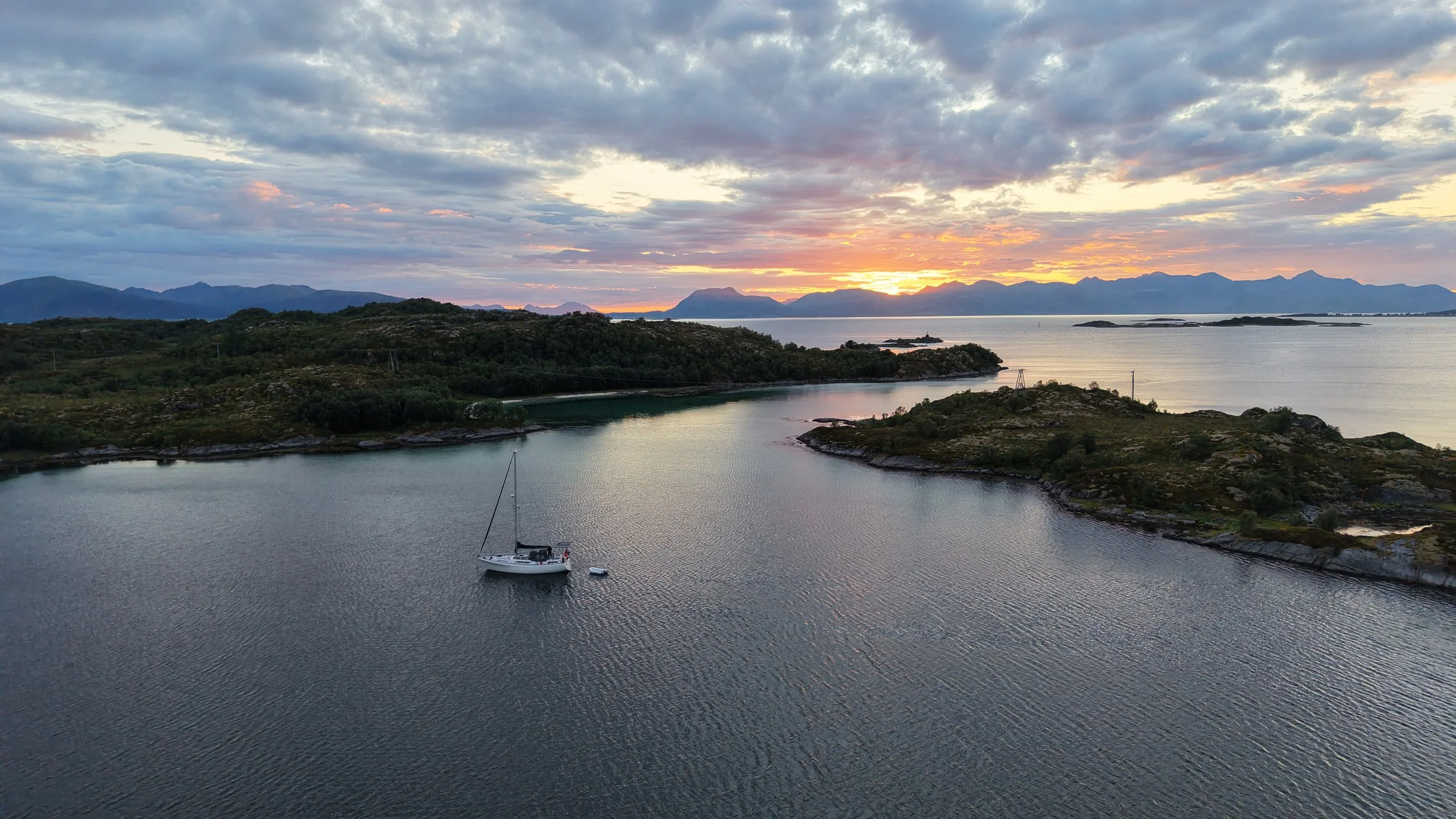
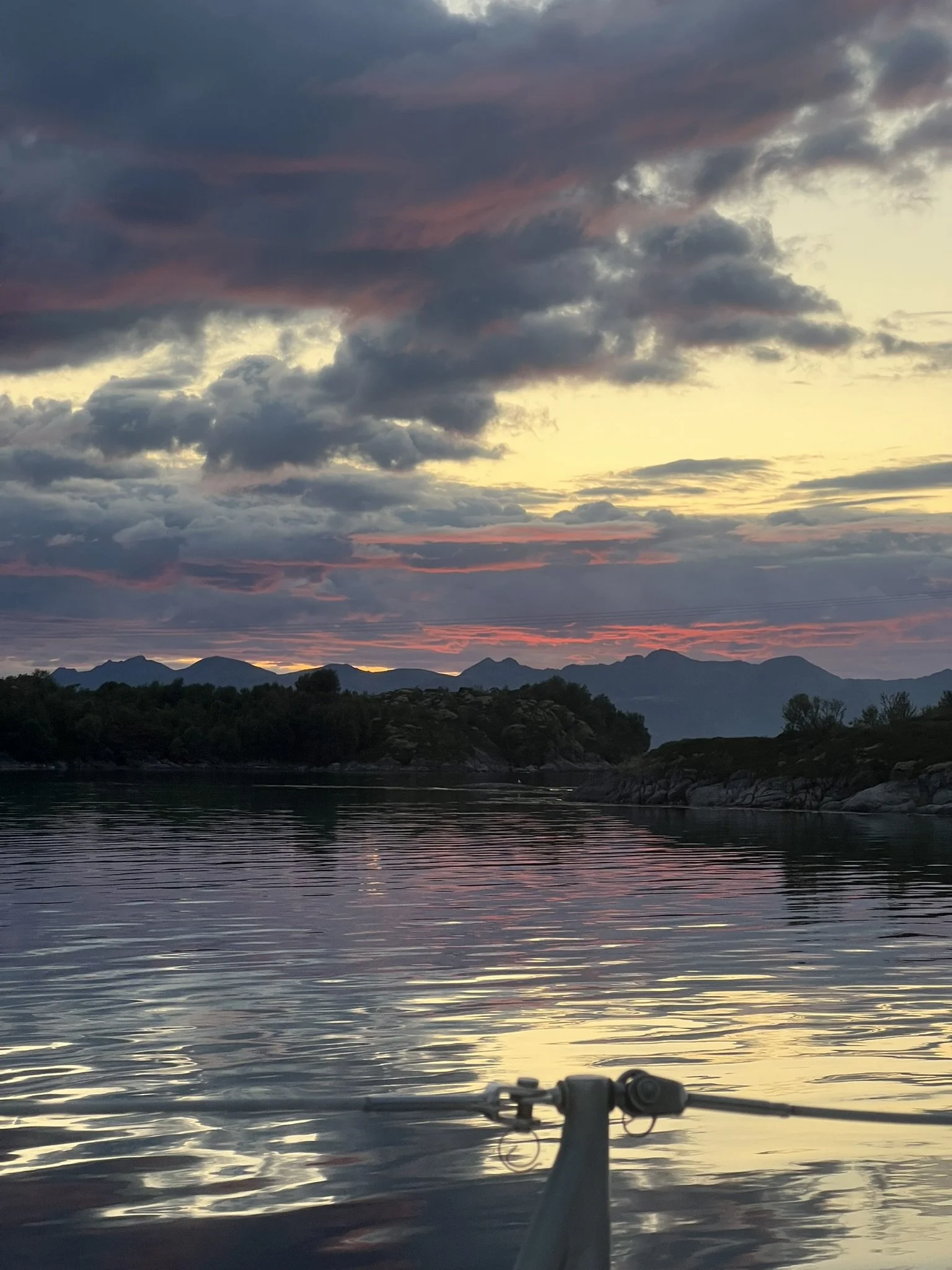
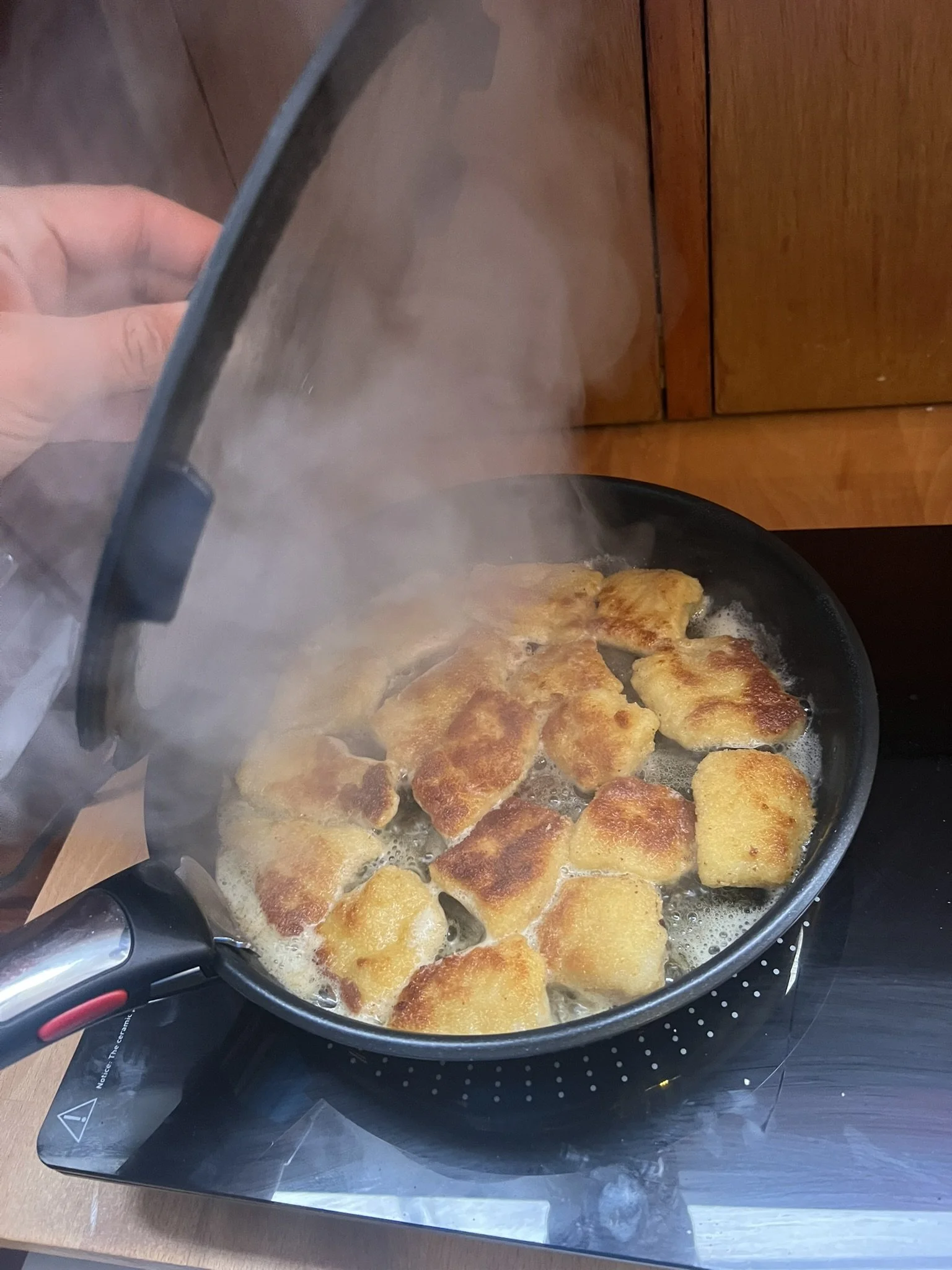
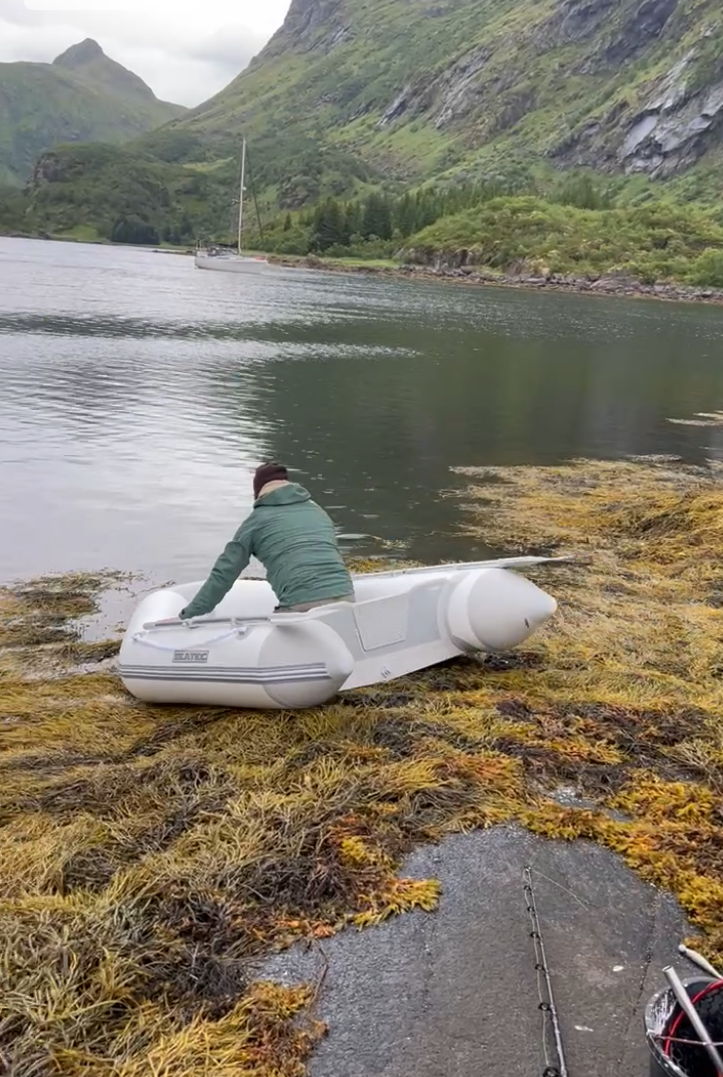
For the night, we found a picture-perfect anchorage north of Trollfjord. Besides catching some more fish, we cooked a great dinner and enjoyed a beautiful sunset.
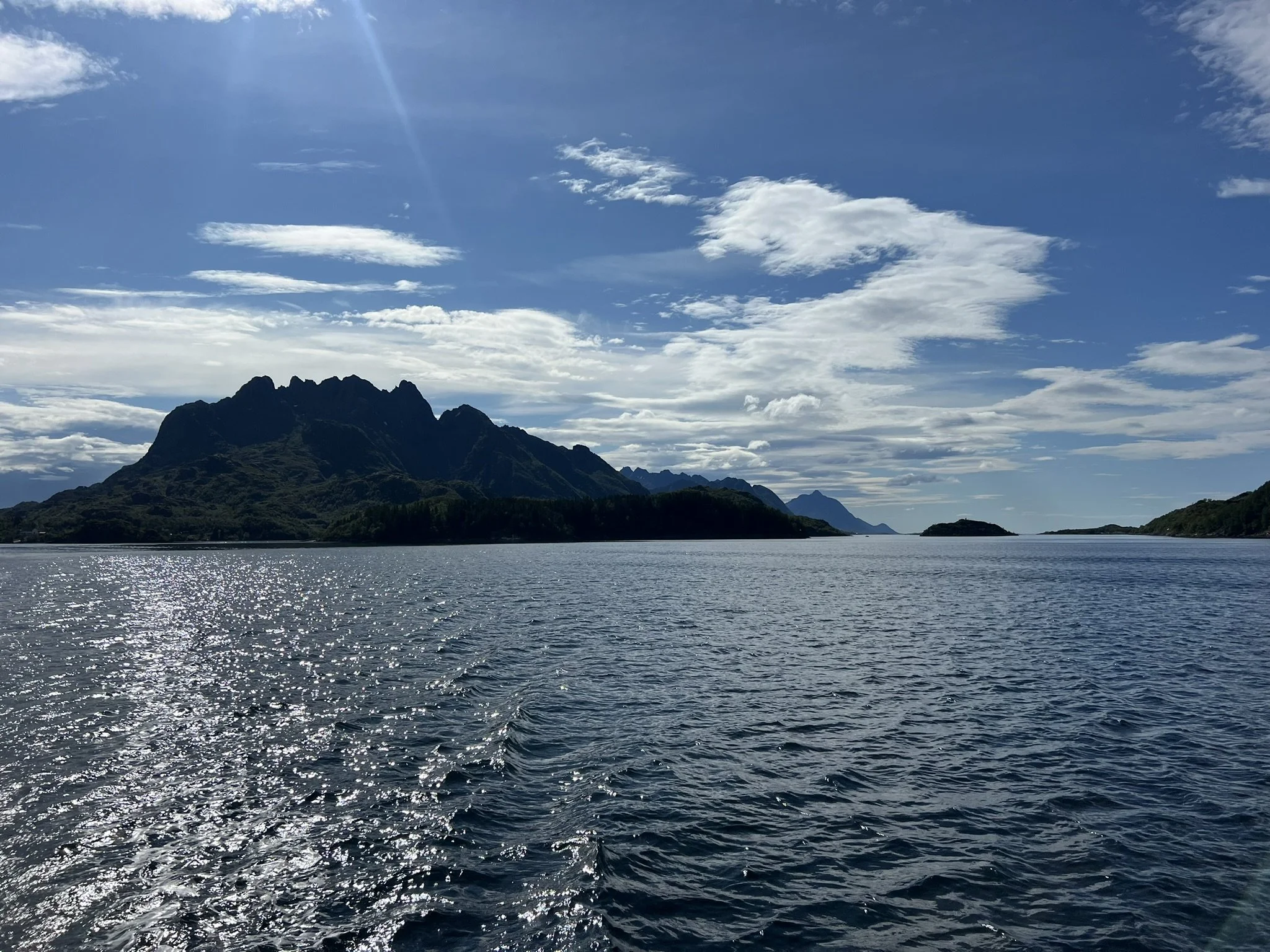
After sailing through the Lofoten Islands, our biggest takeaway is that they are beautiful when they are beautiful. And they really are! But sailing between all these spectacular islands while being unable to see the mountains and landscapes because of rain, fog and low clouds is kind of sad.
Looking back, we probably would have taken a little more time to visit more places and wait for better weather. But that's the reality of travelling by sailboat: your plans will always depend on the weather, and sometimes you simply have to keep moving.
Join us on our next blog to see how far north we will go!
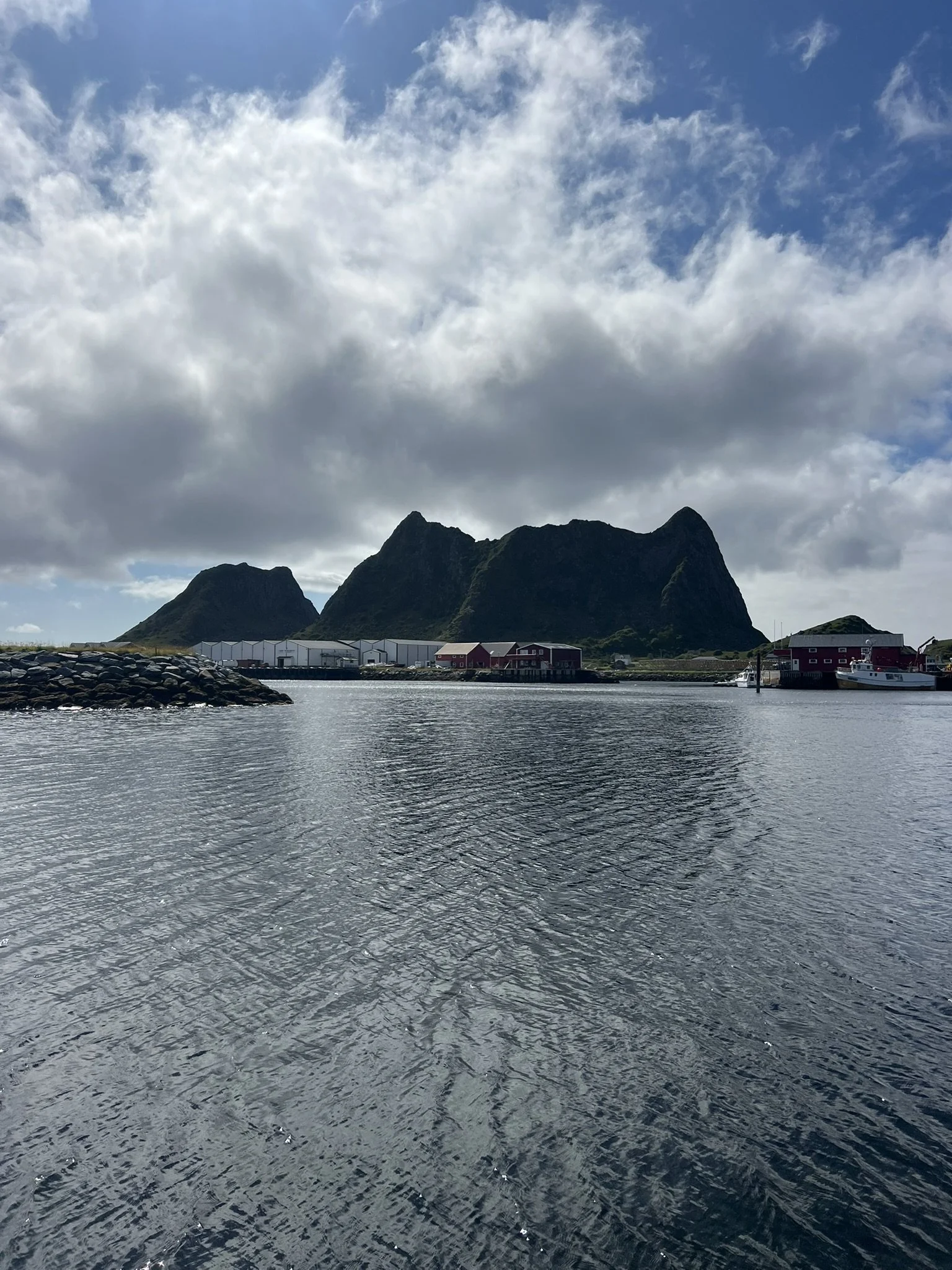
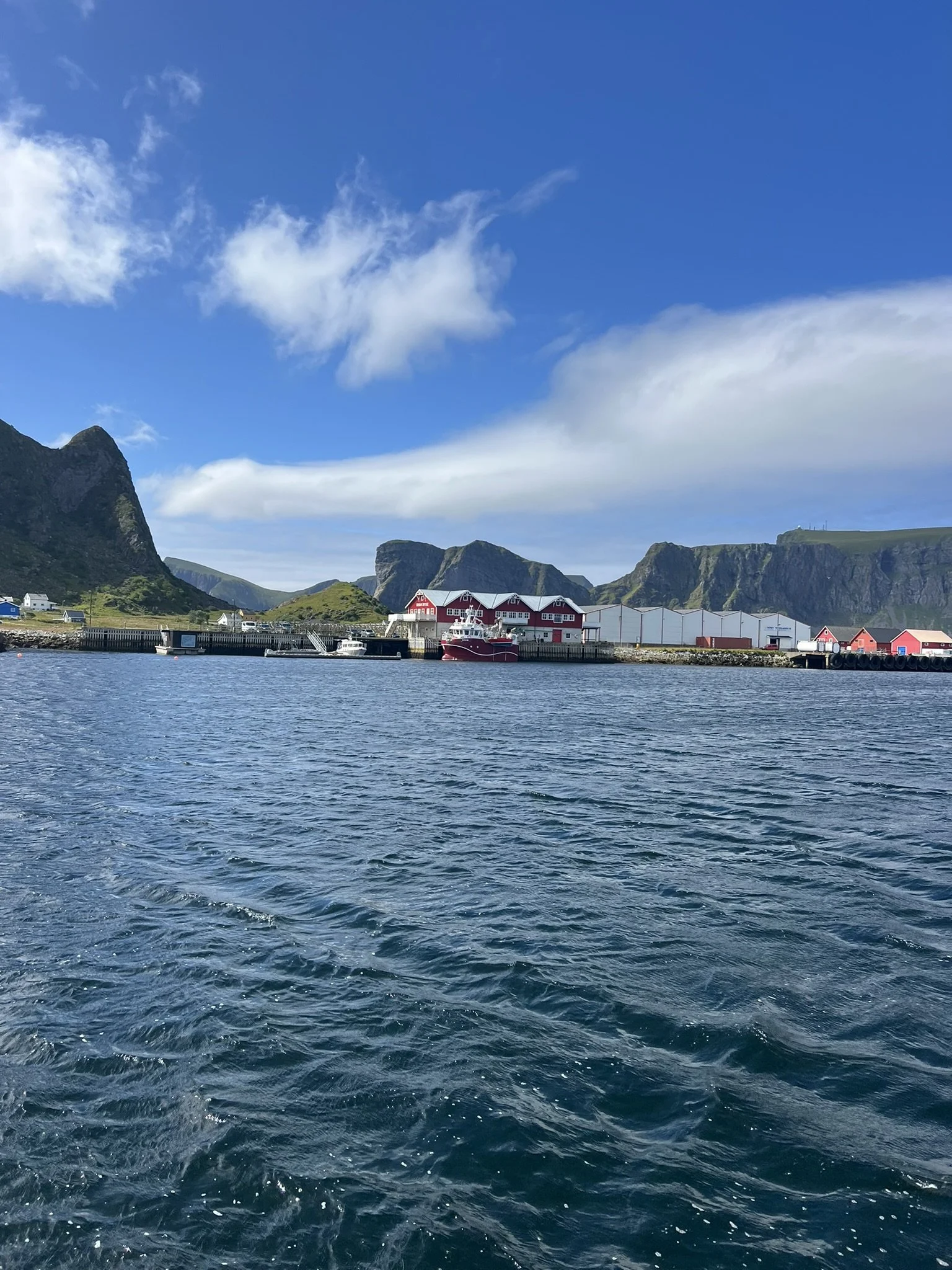
Day 101: Vaerøy NO - Reine NO

Day 102: Reine NO
Day 103: Reine NO - Henningsvær NO
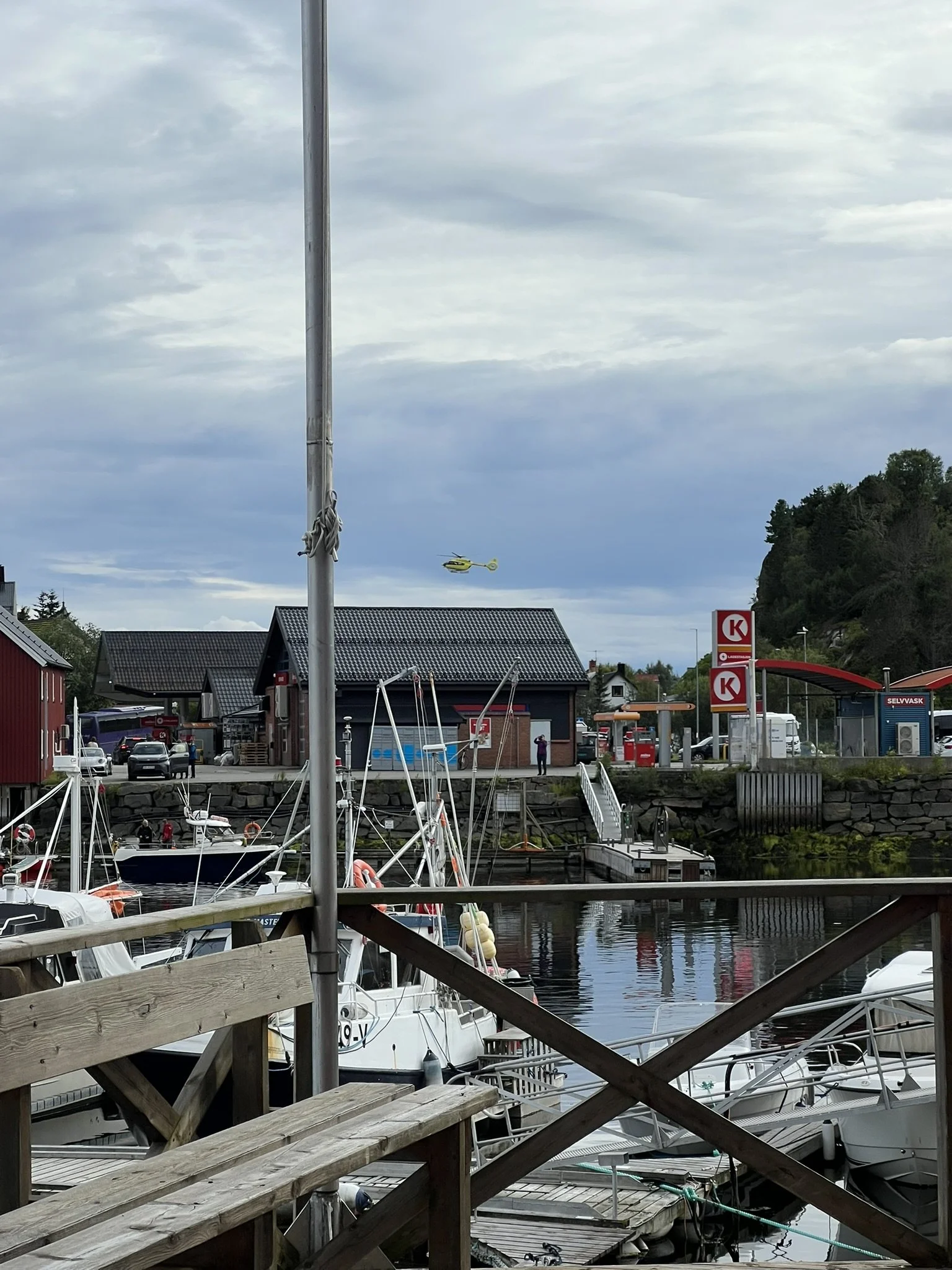
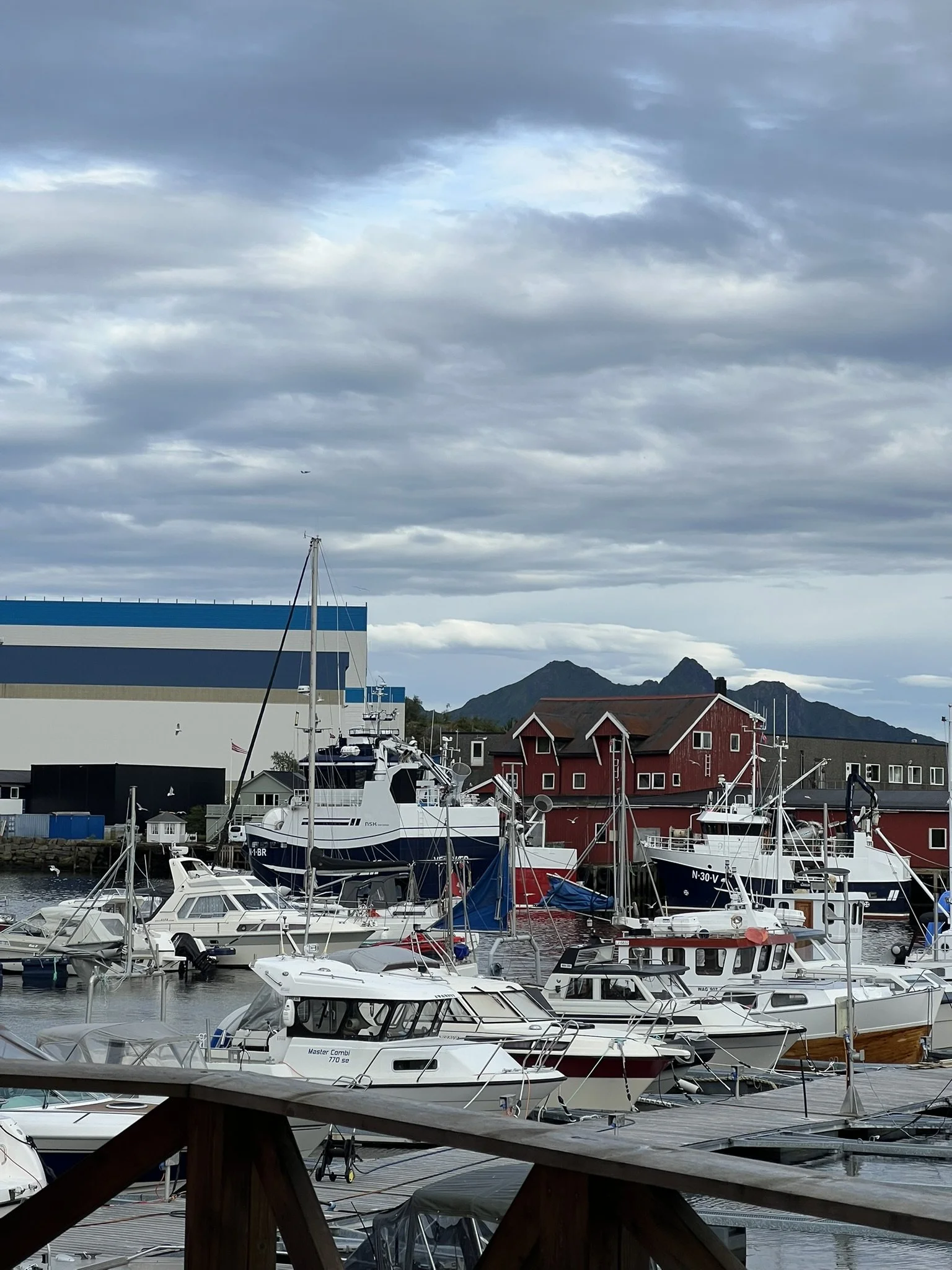
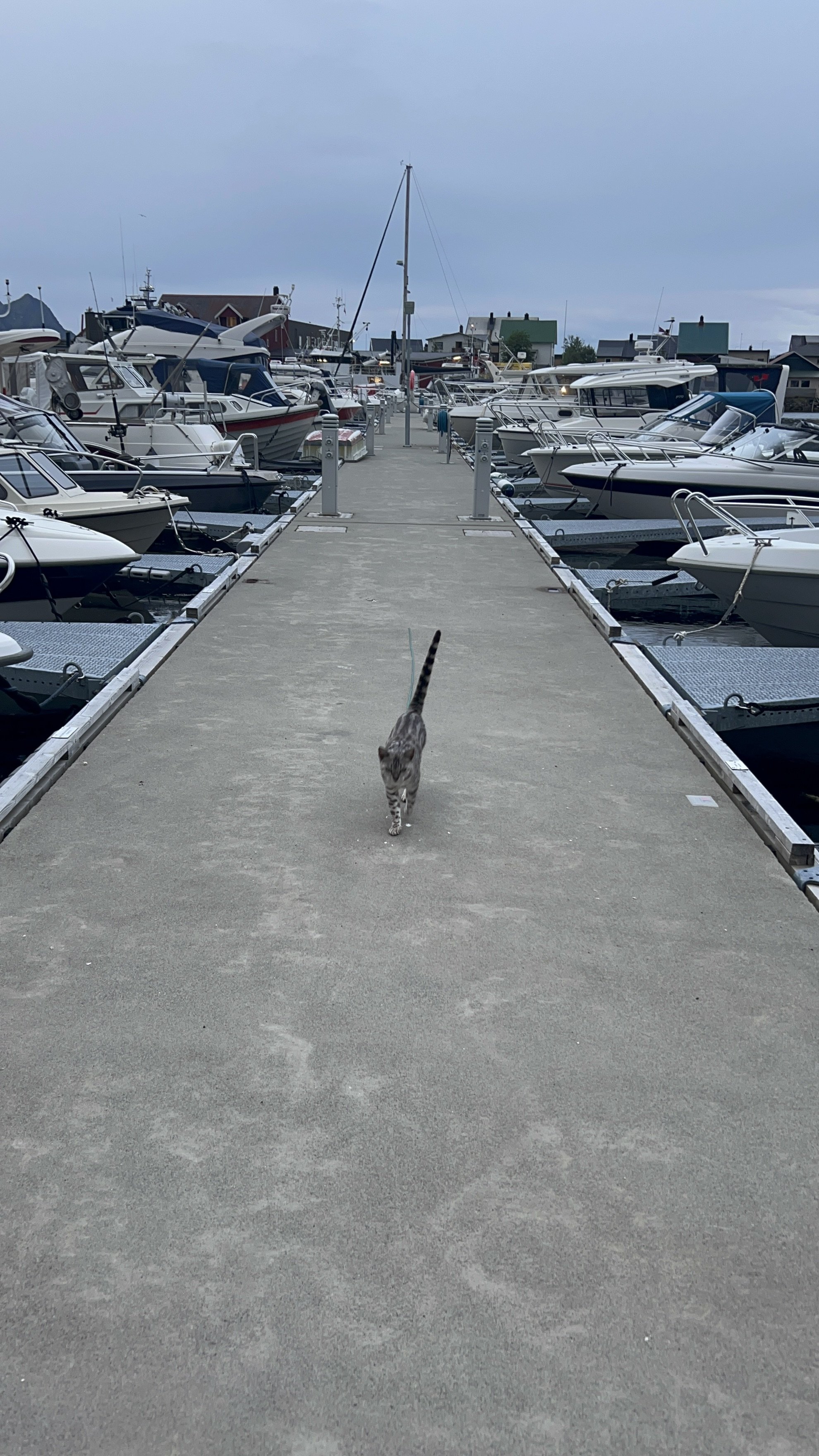
Day 104: Henningsvær NO - Svolvær NO
Day 105: Svolvær NO - Trollfjord NO
Day 106: Trollfjord NO - Brottøya NO