ship’s log 28: picking up an important package
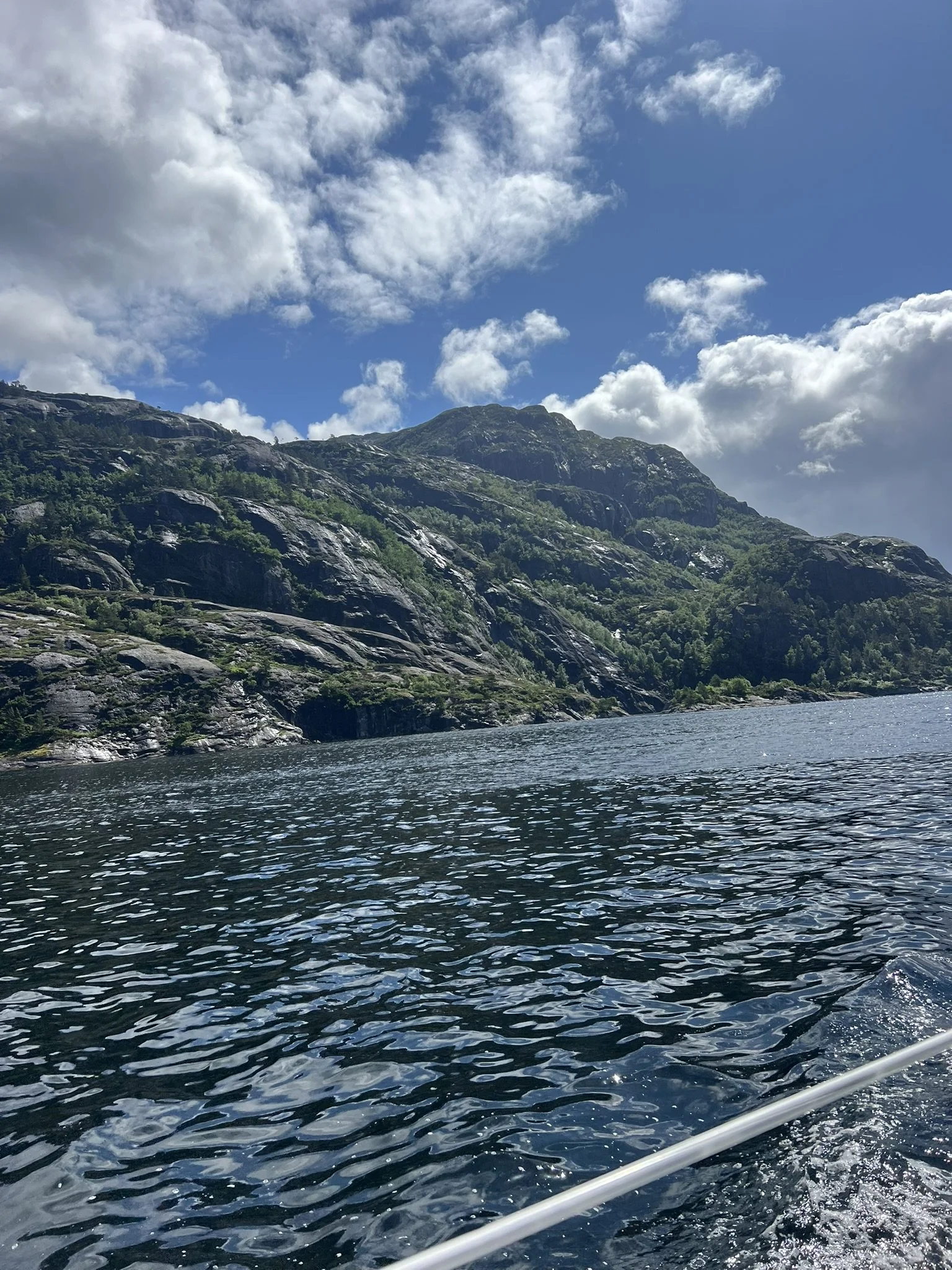
We really enjoyed not having big waves around us for a change when we sailed through the Sognefjord, but we definitely missed having good winds for sailing. So, after a few days of calm water, we were ready to trade the small waves for bigger ones and, hopefully, some good wind.
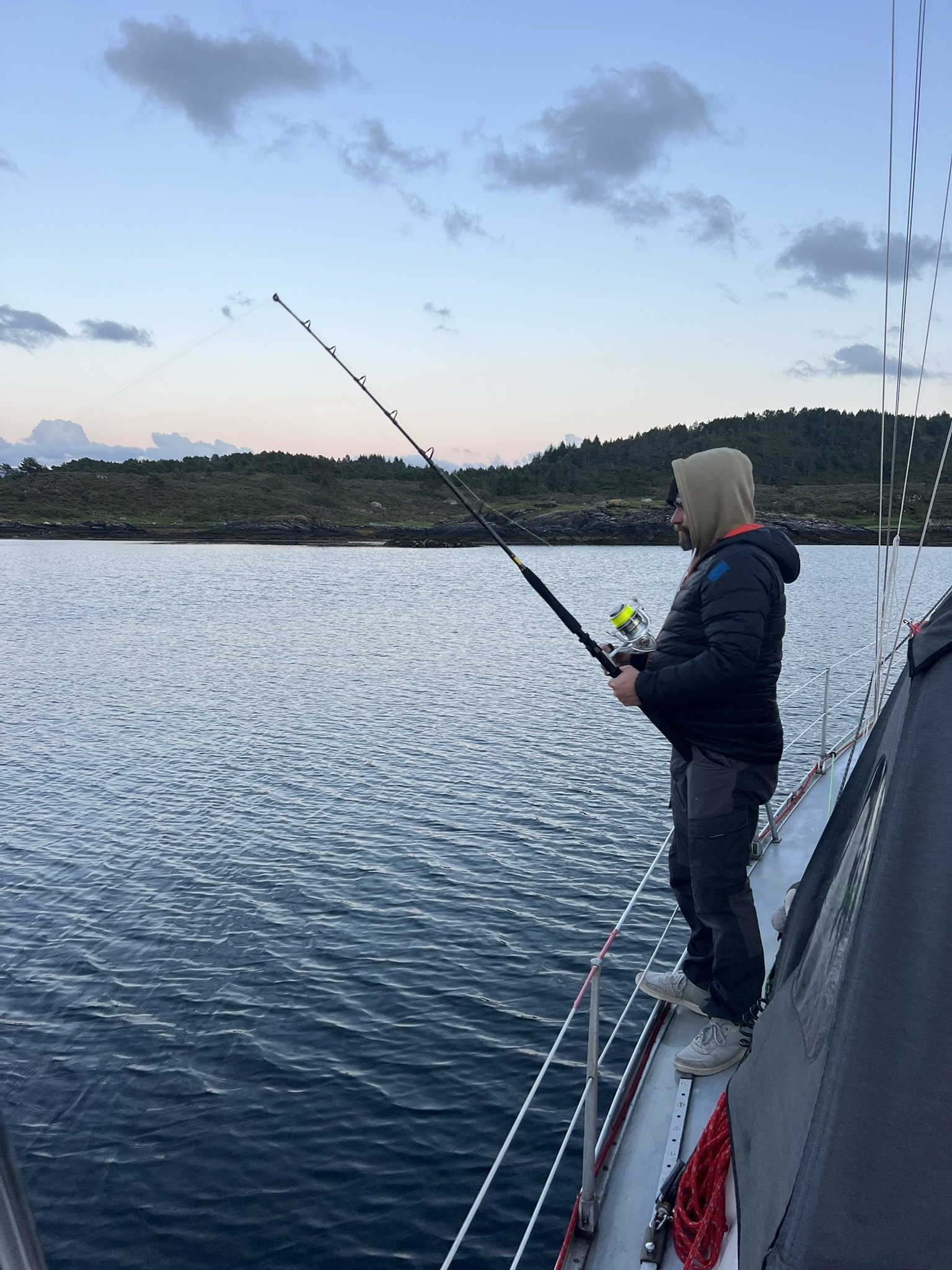
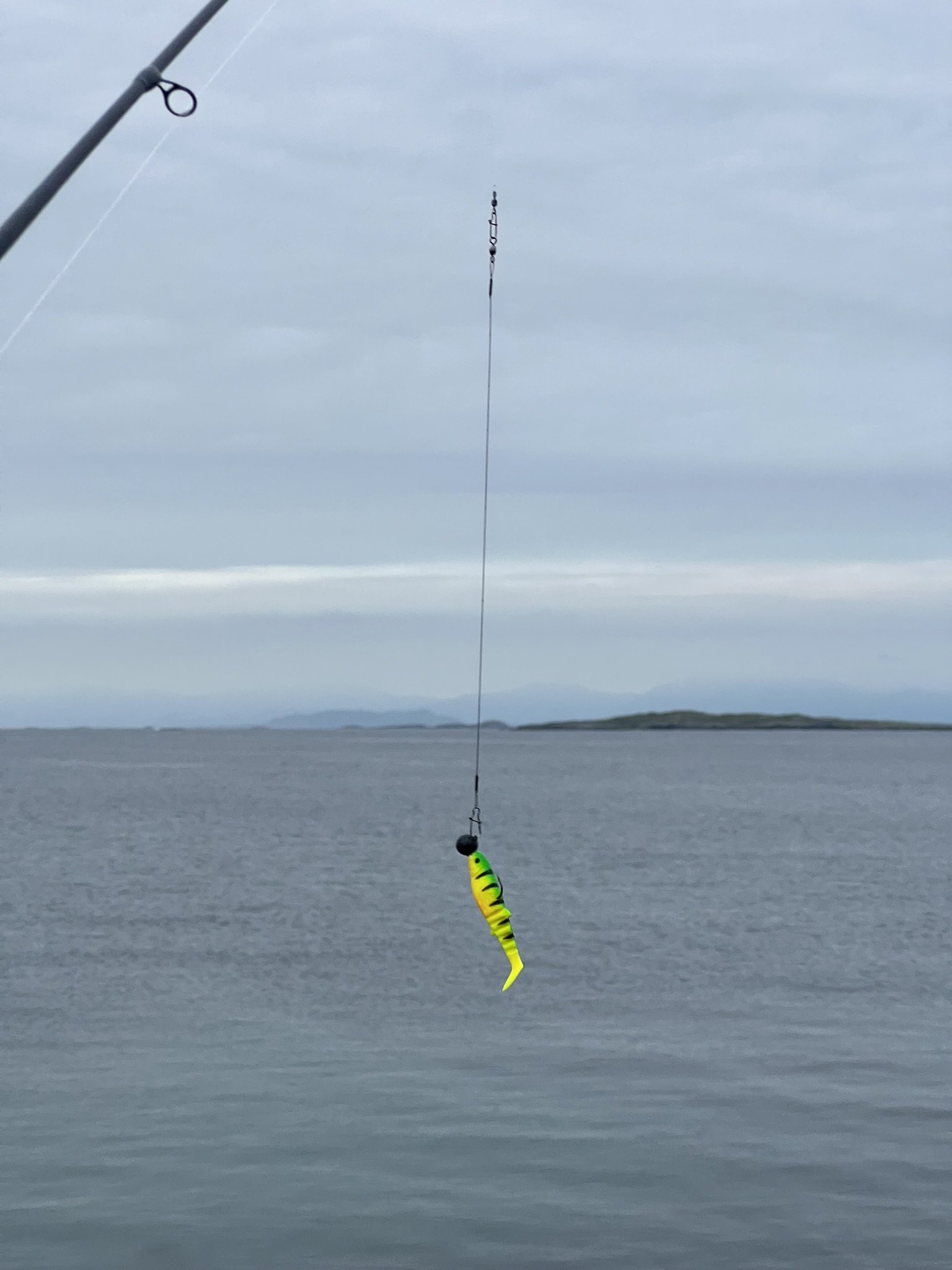
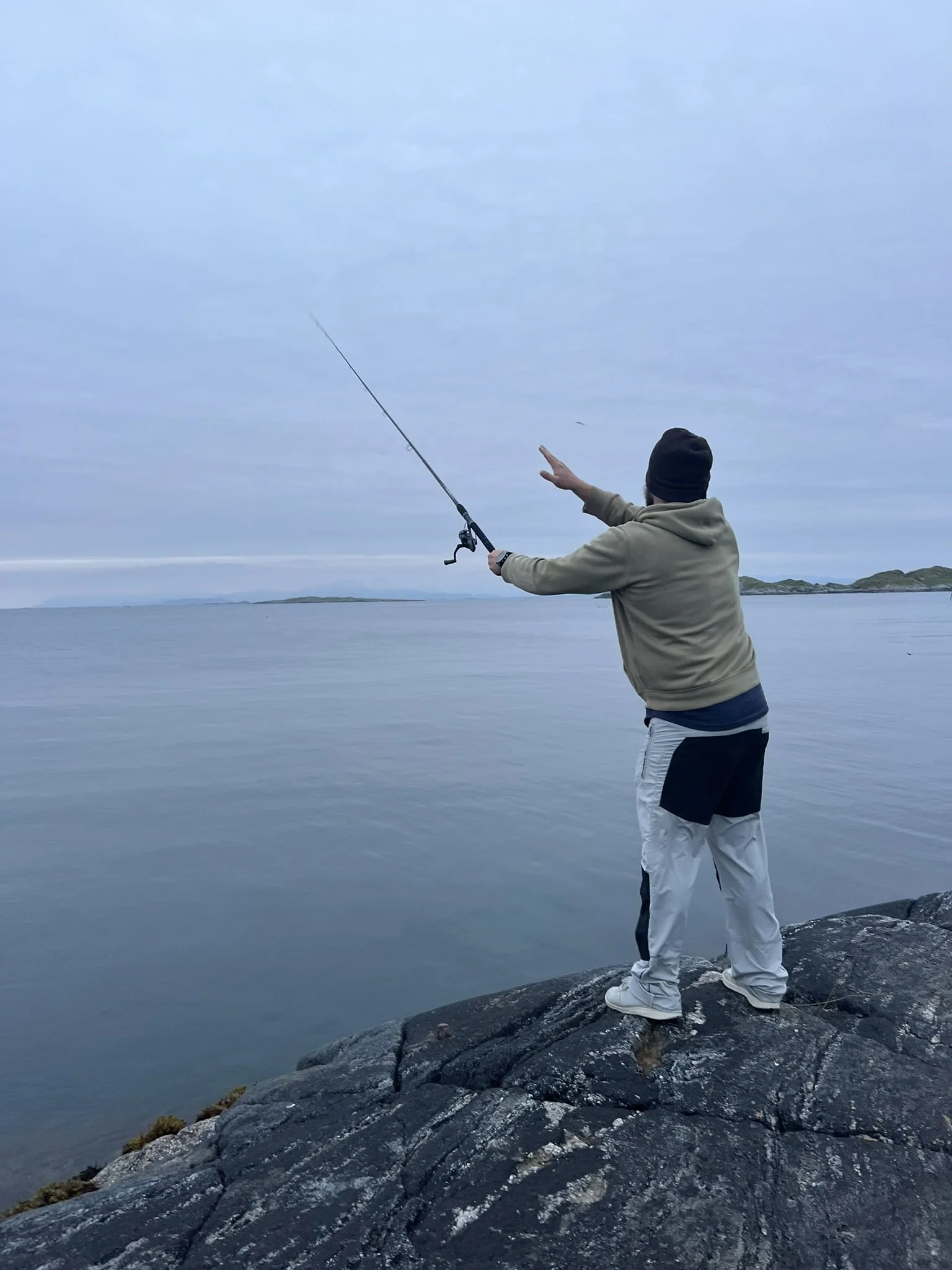
When we arrived at our first anchorage, we once again threw out our fishing rod, hoping that this time we might finally catch something.
And then it happened!
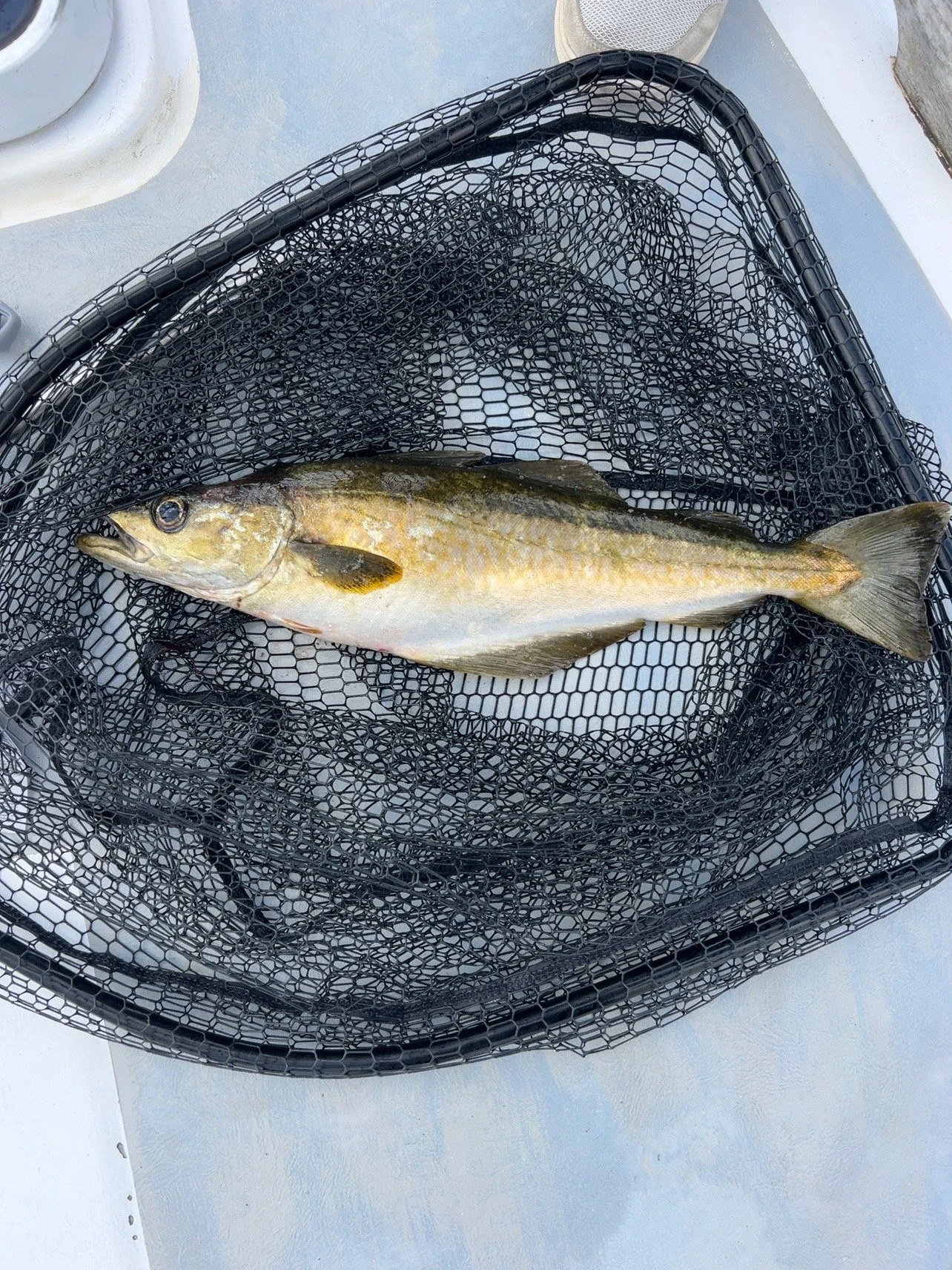
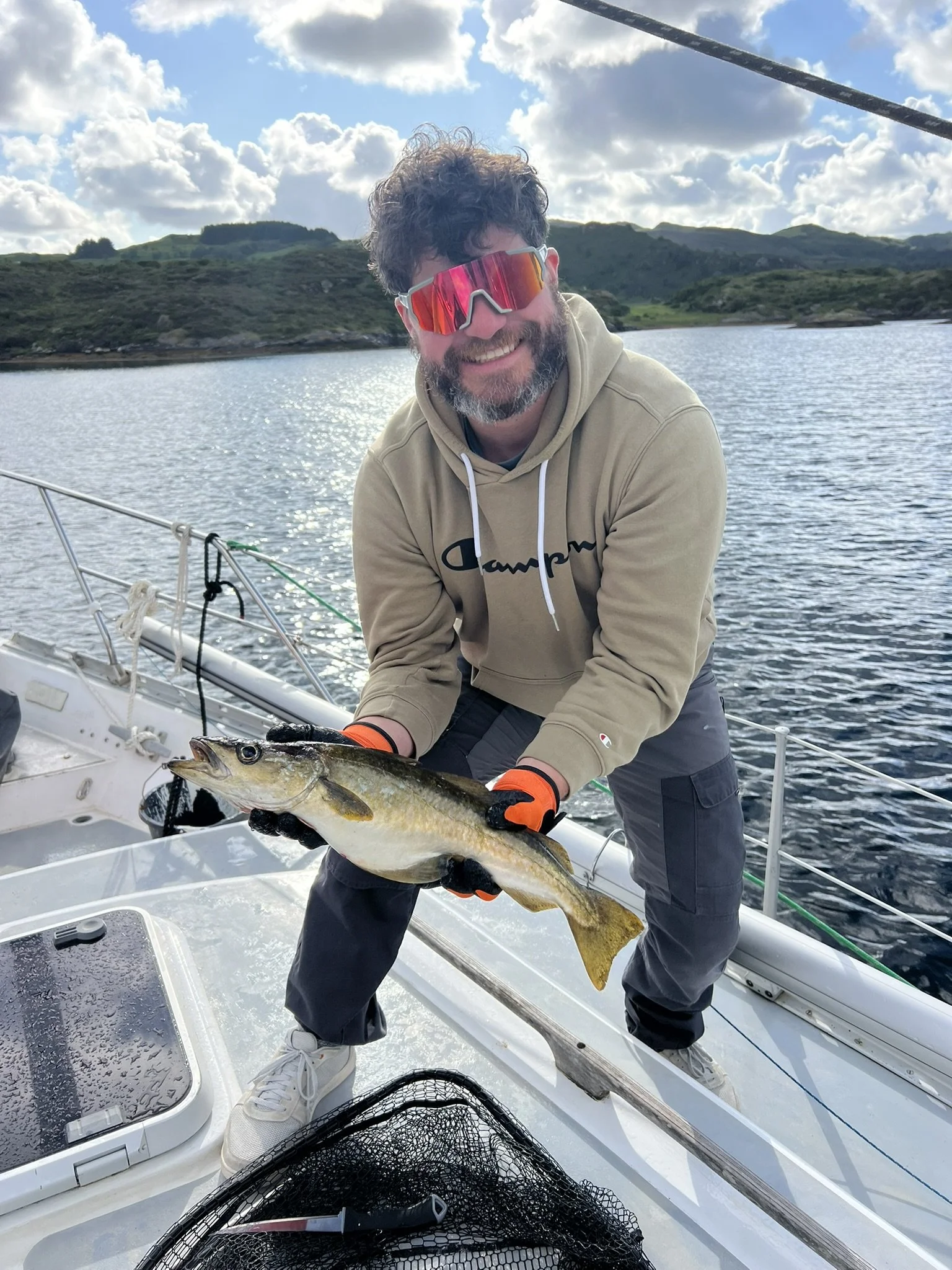
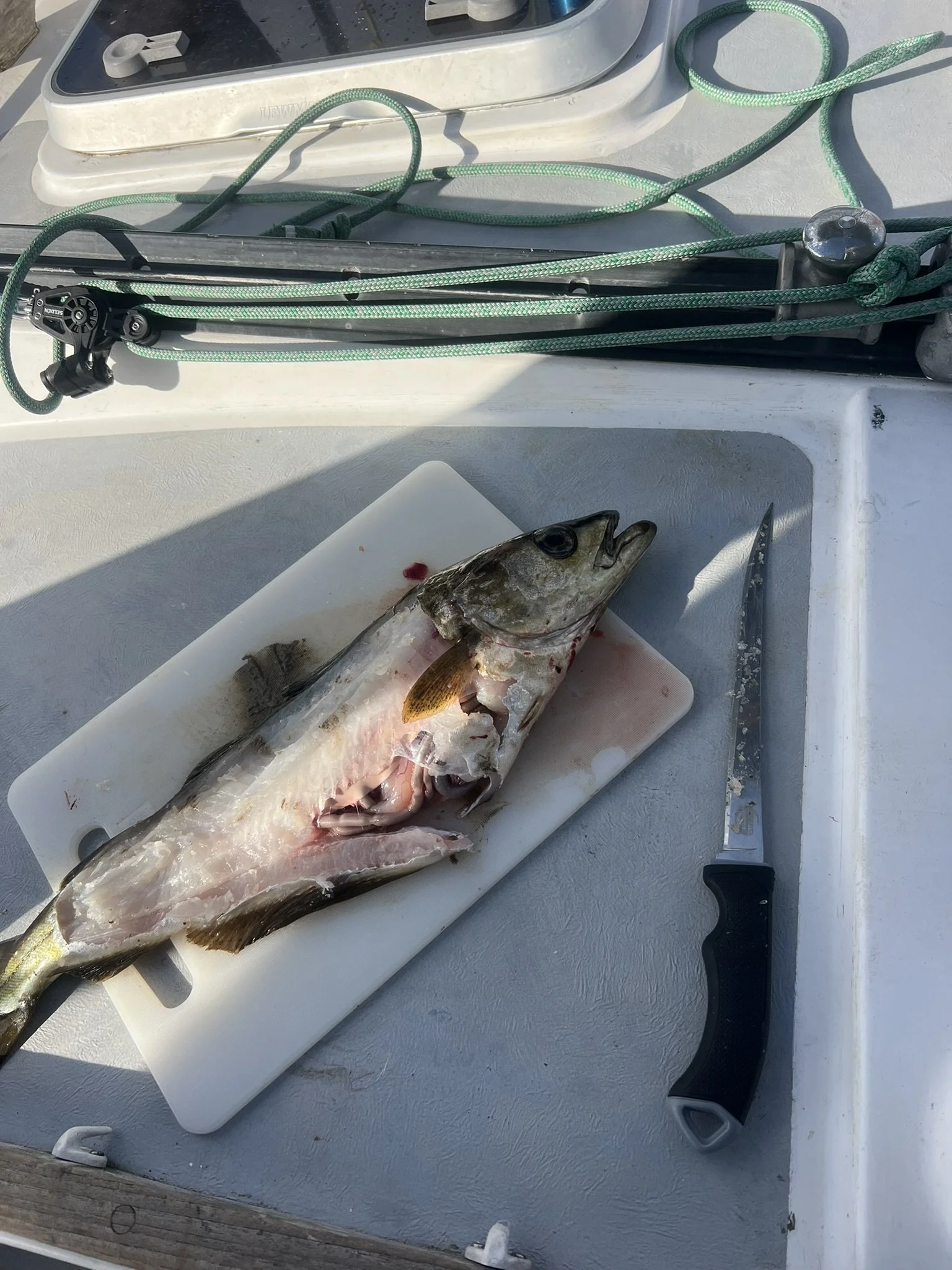
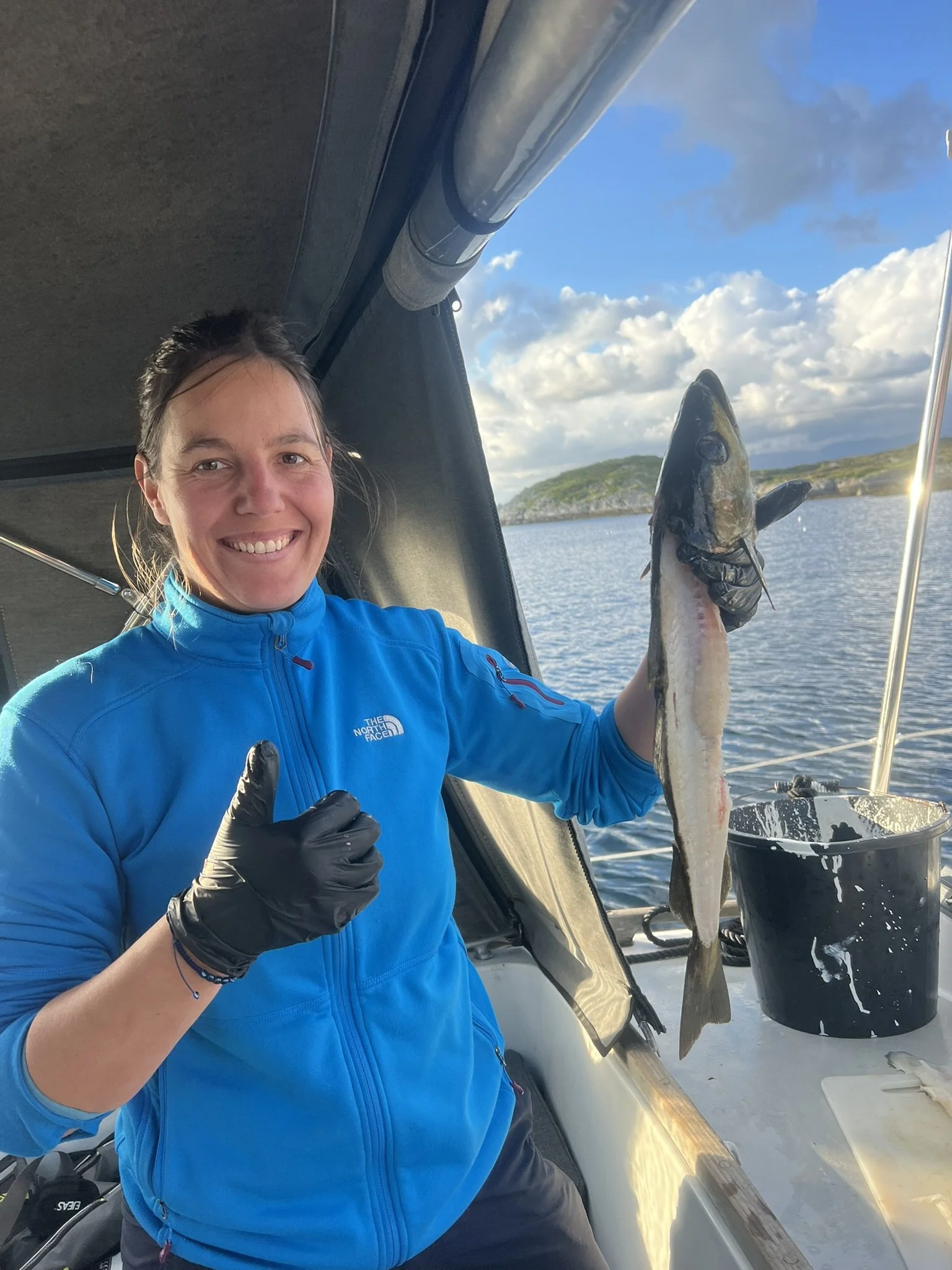
Reto caught our very first fish!
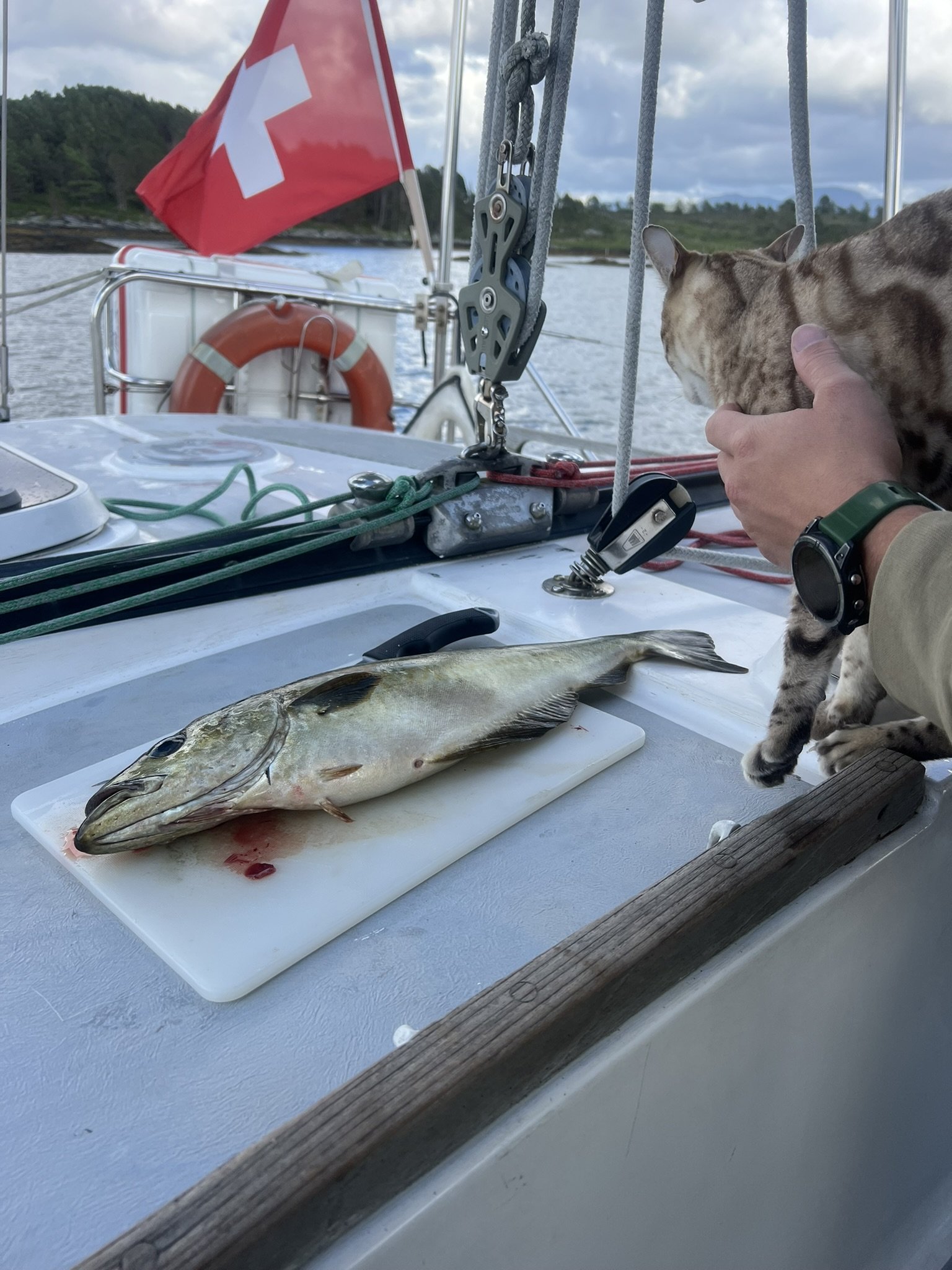
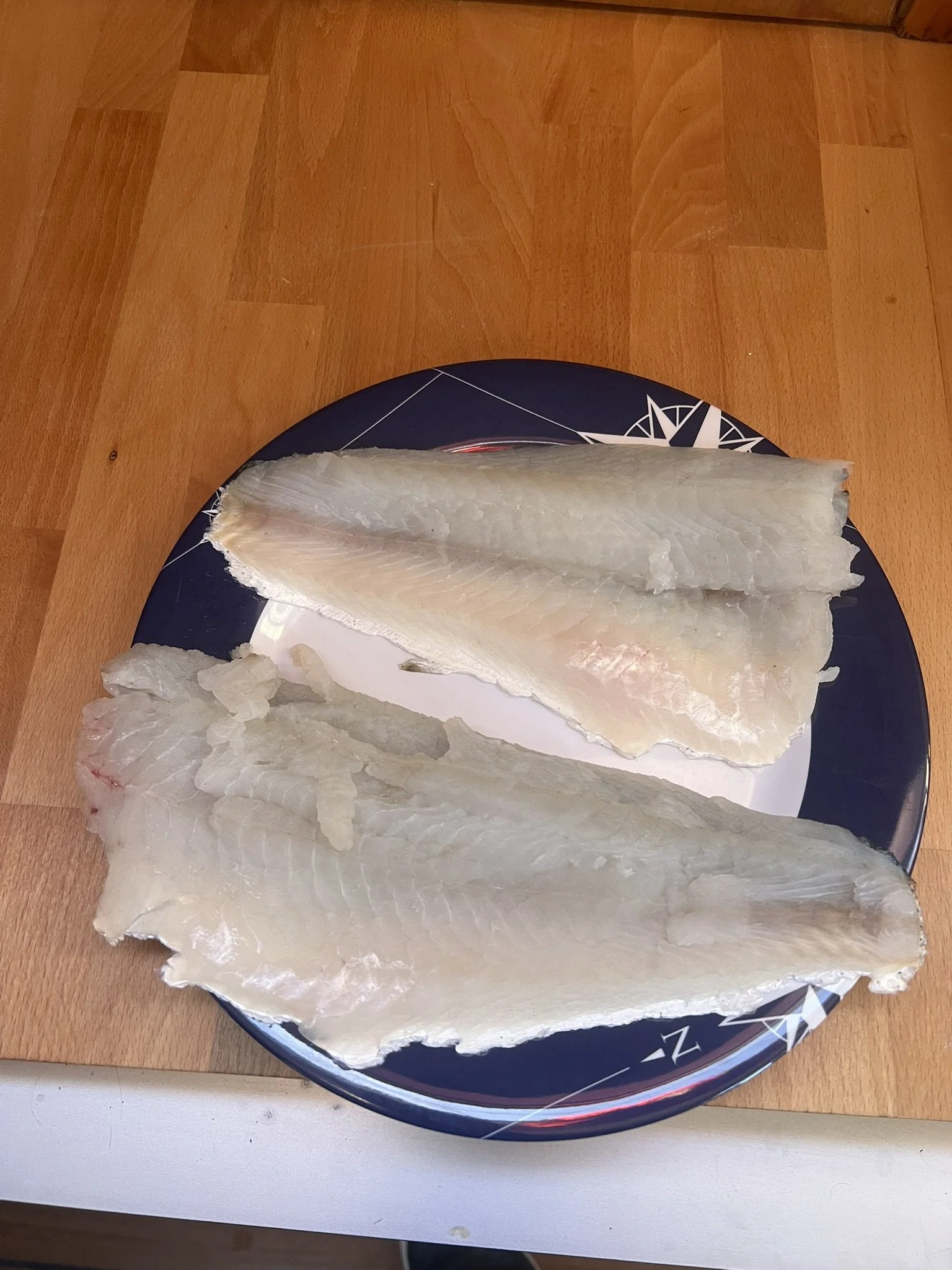
For the first few moments, we were a bit clueless about what to do. We had honestly not expected to actually catch one, so we hadn't really thought that far ahead. After a few deep breaths, I remembered how to kill and gut a fish, and with a little help from YouTube, I managed to fillet it as well.
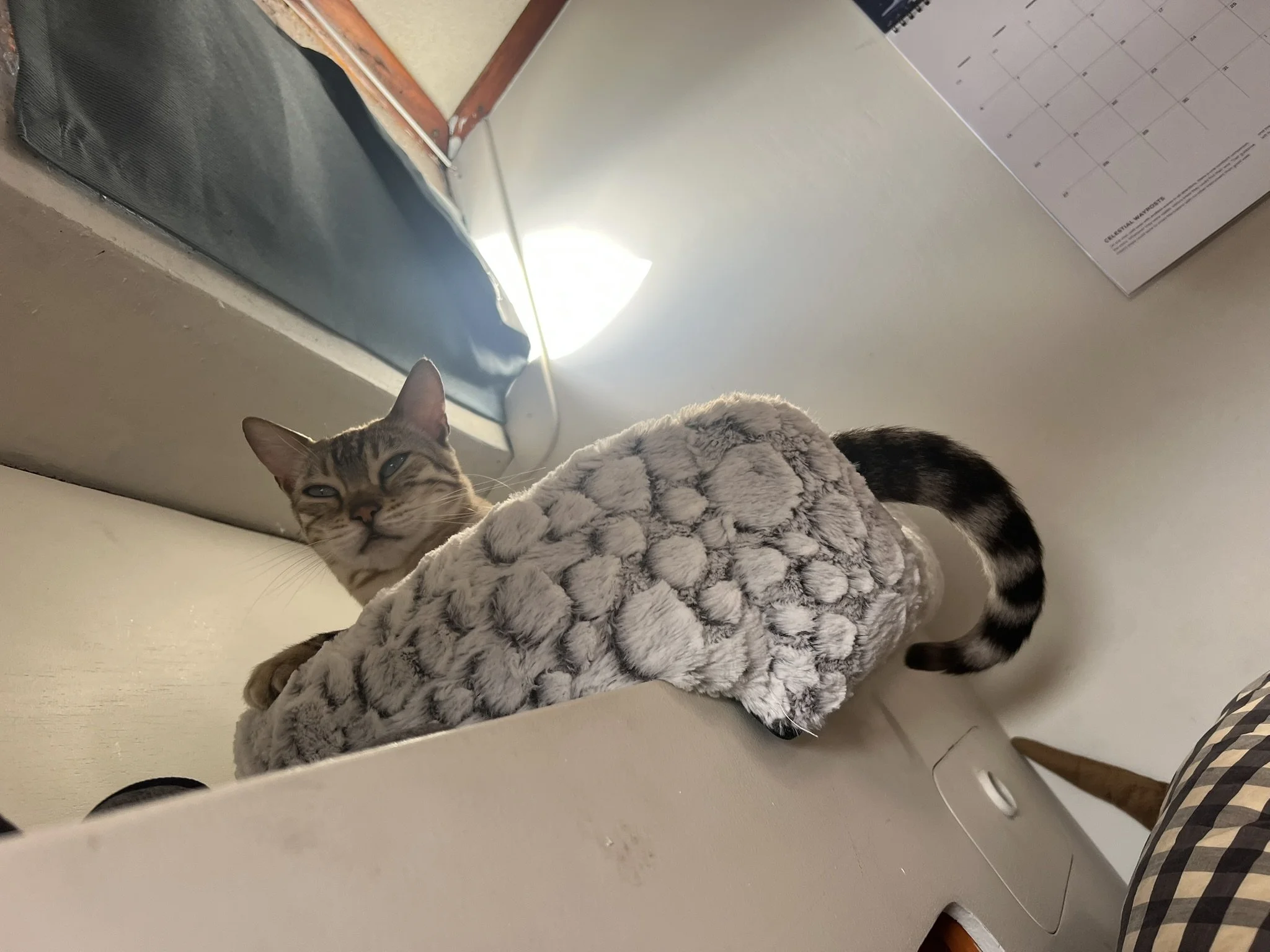
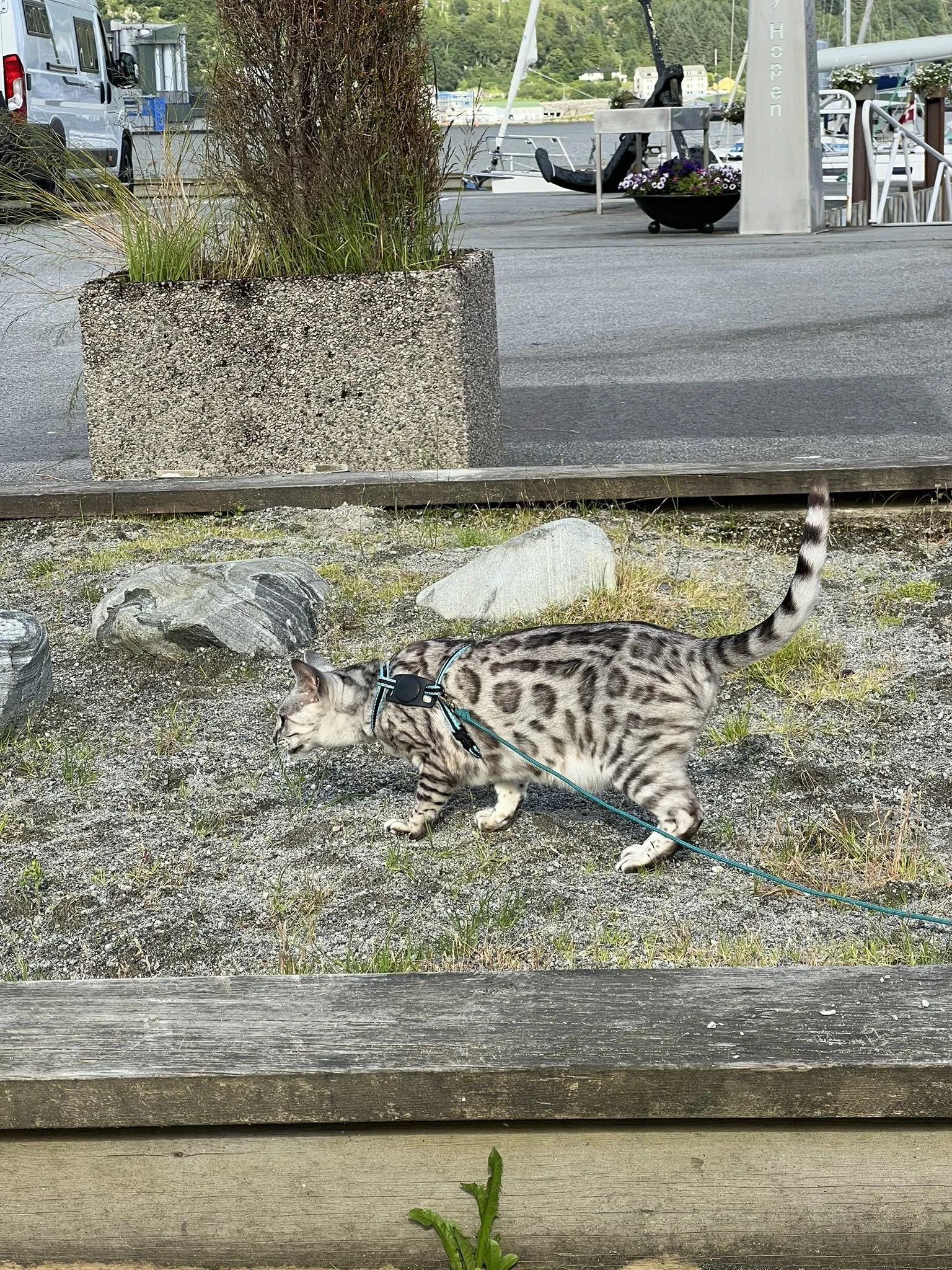
To our great surprise, the cats didn't care about the fresh fish at all. They came over for a very quick sniff and then went straight back to doing their usual cat things.
While I was still busy preparing the first fish, Reto had already caught a second one!
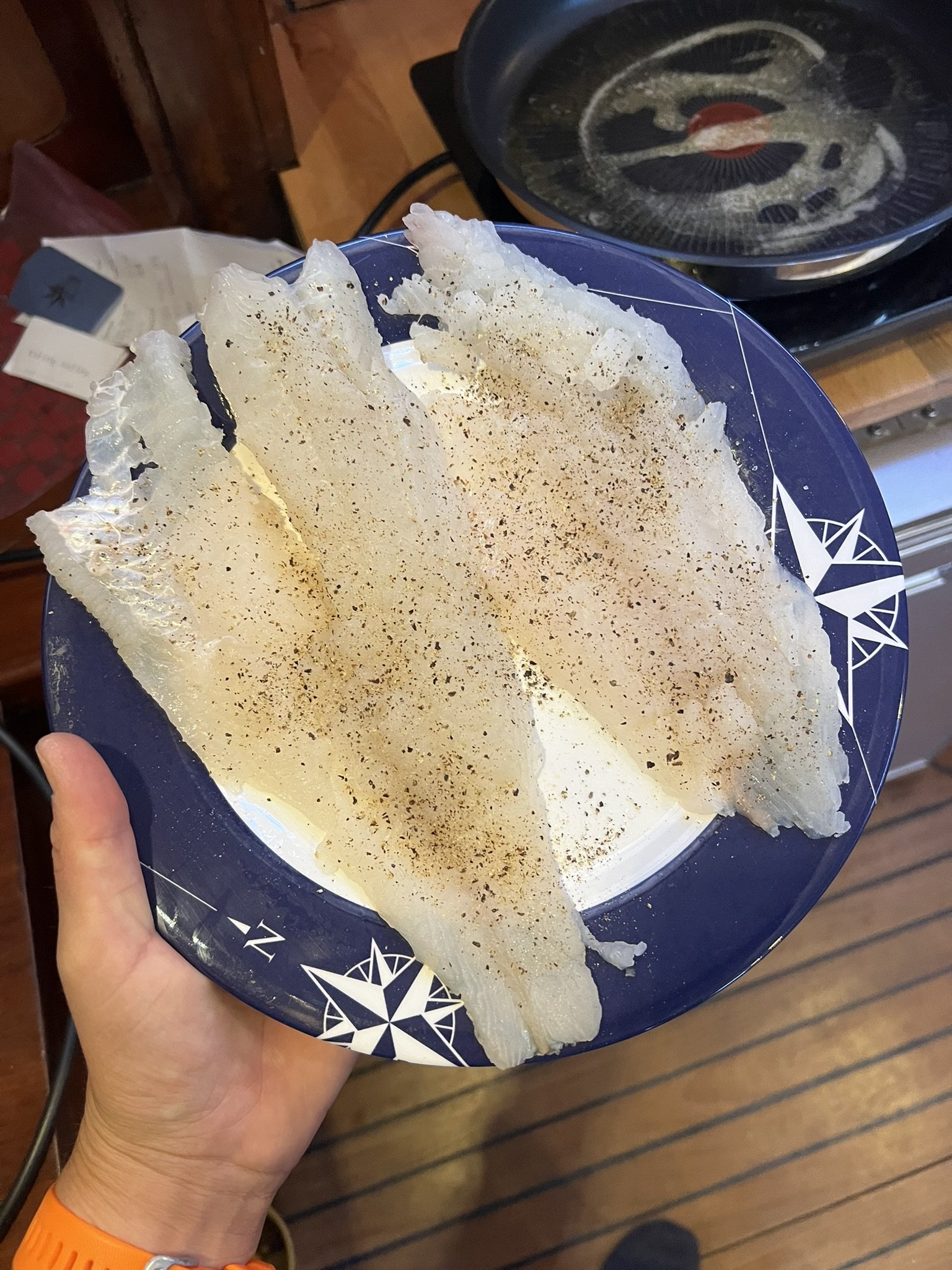
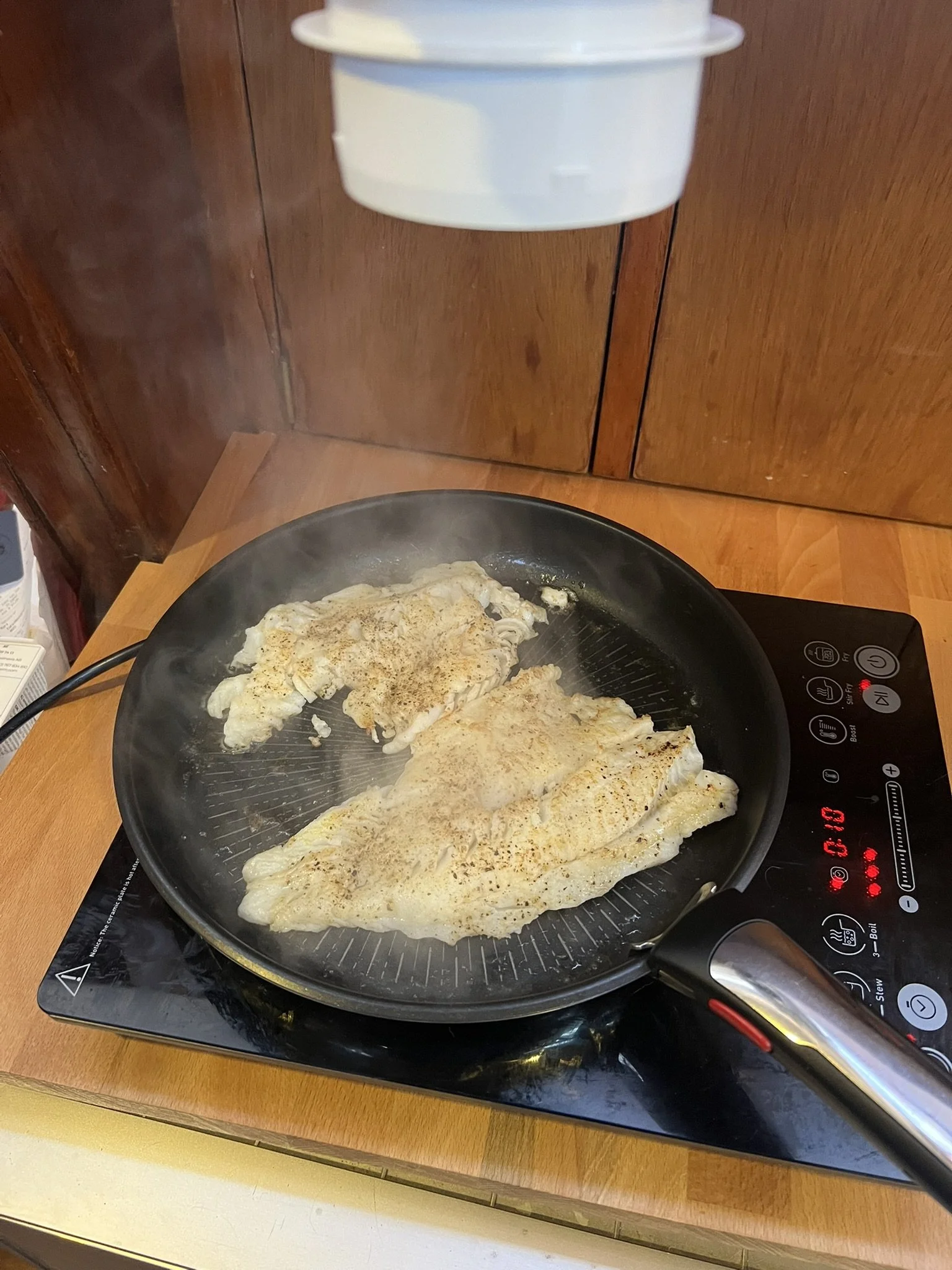
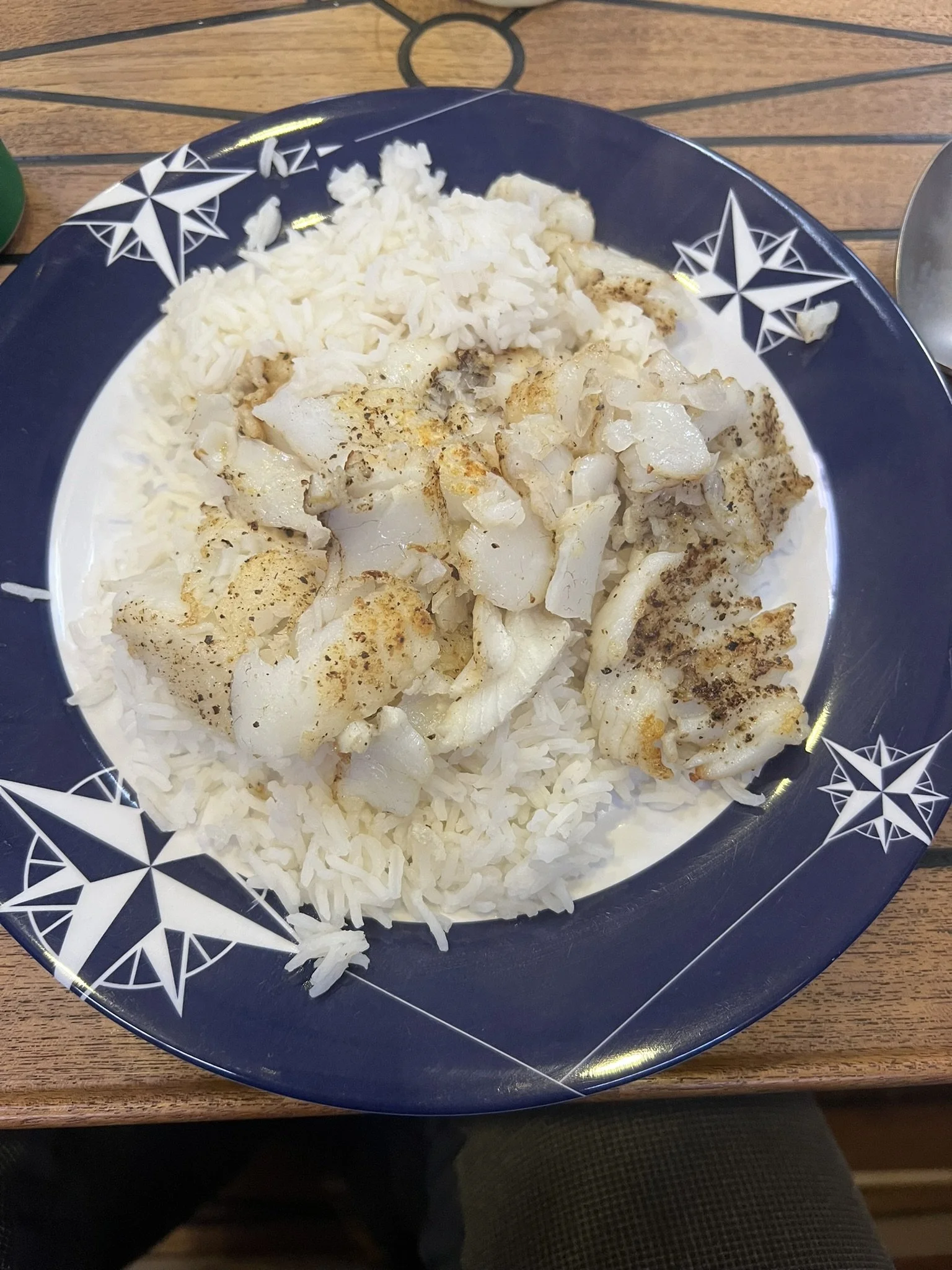
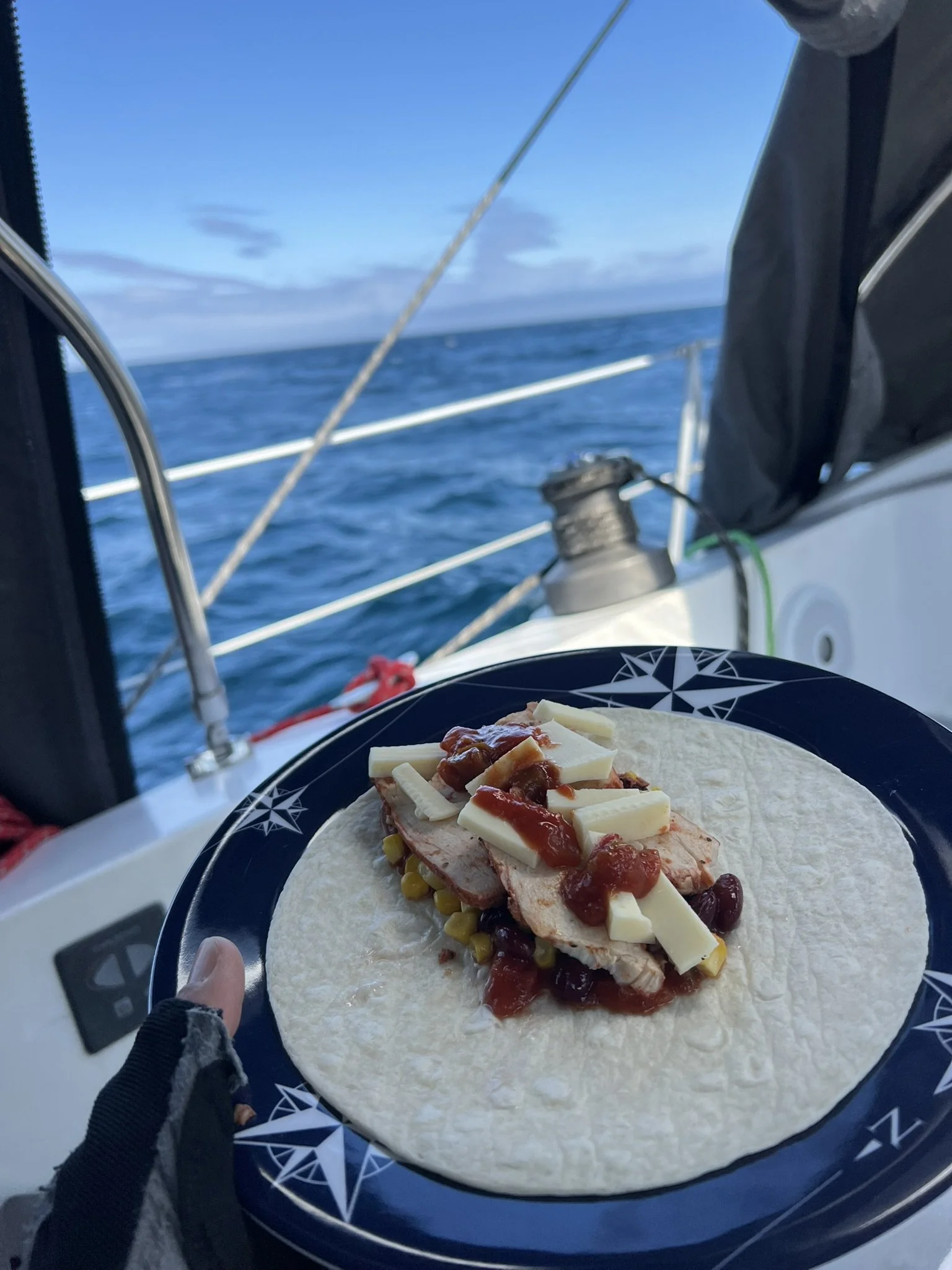
Since these were our very first fish, we wanted to cook them without any fancy spices or sauces so we could really taste the fish itself. We simply cooked them in a pan and served them with plain rice.
And it was delicious!
Definitely something we could get used to.
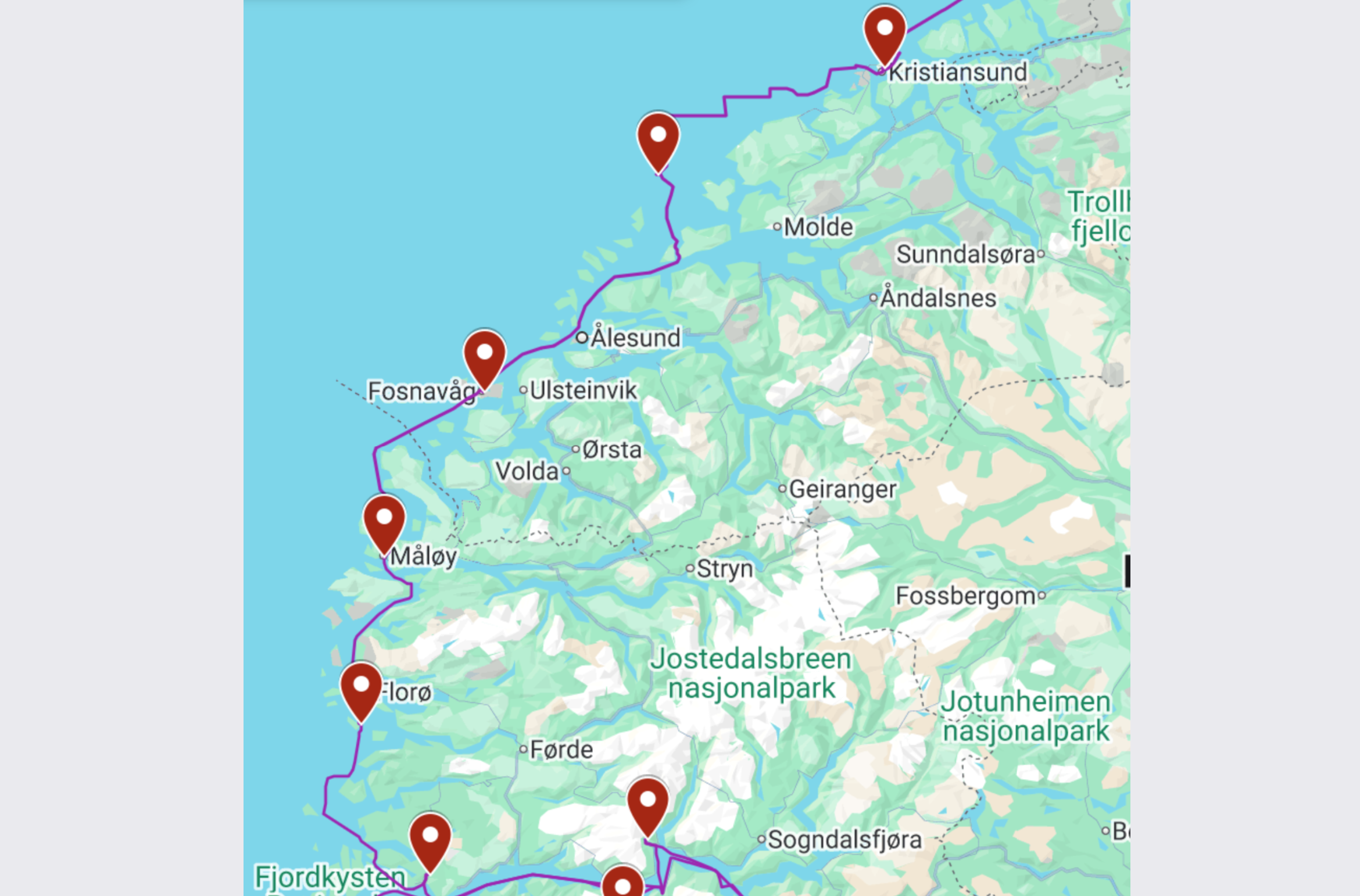
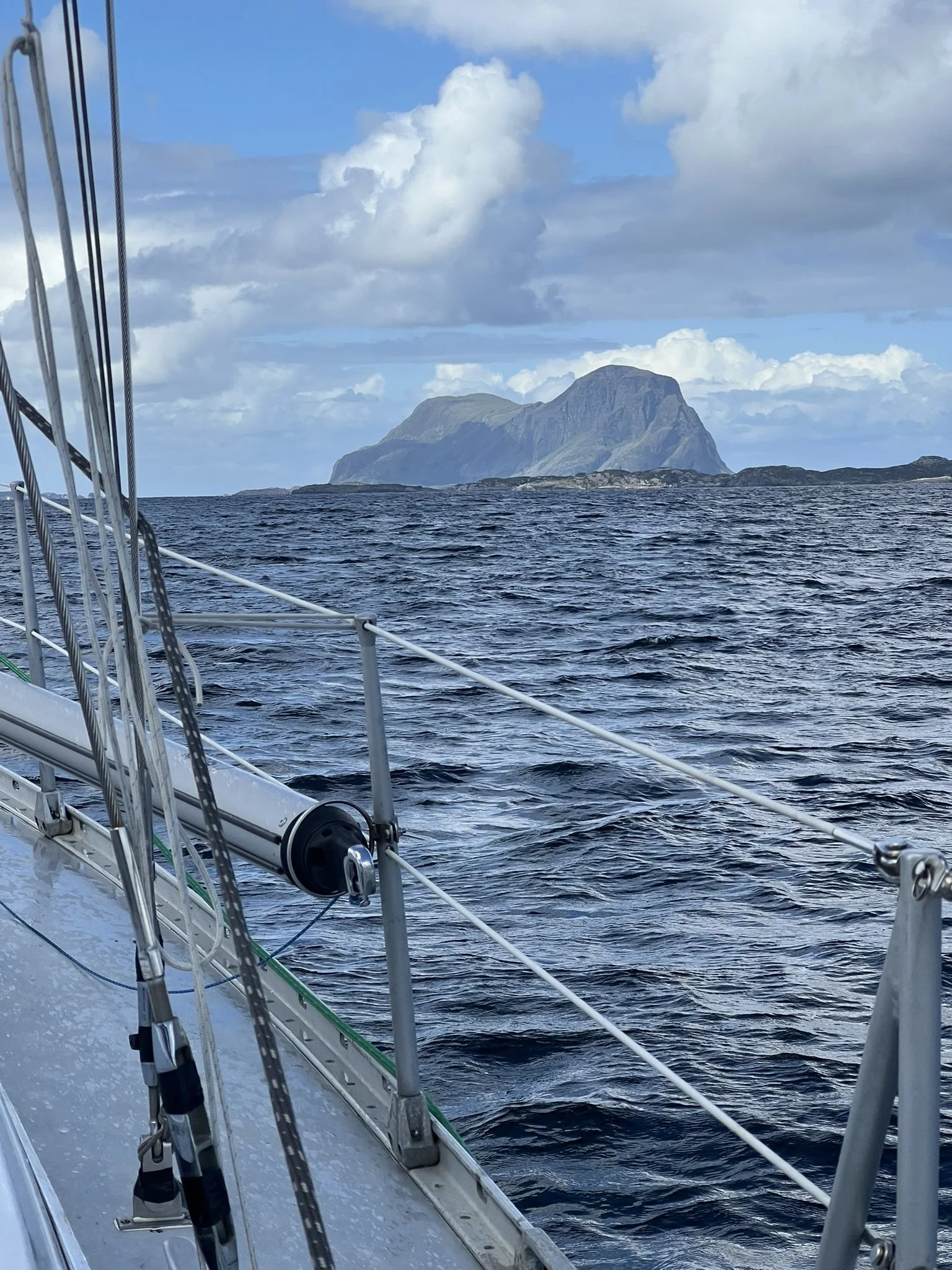
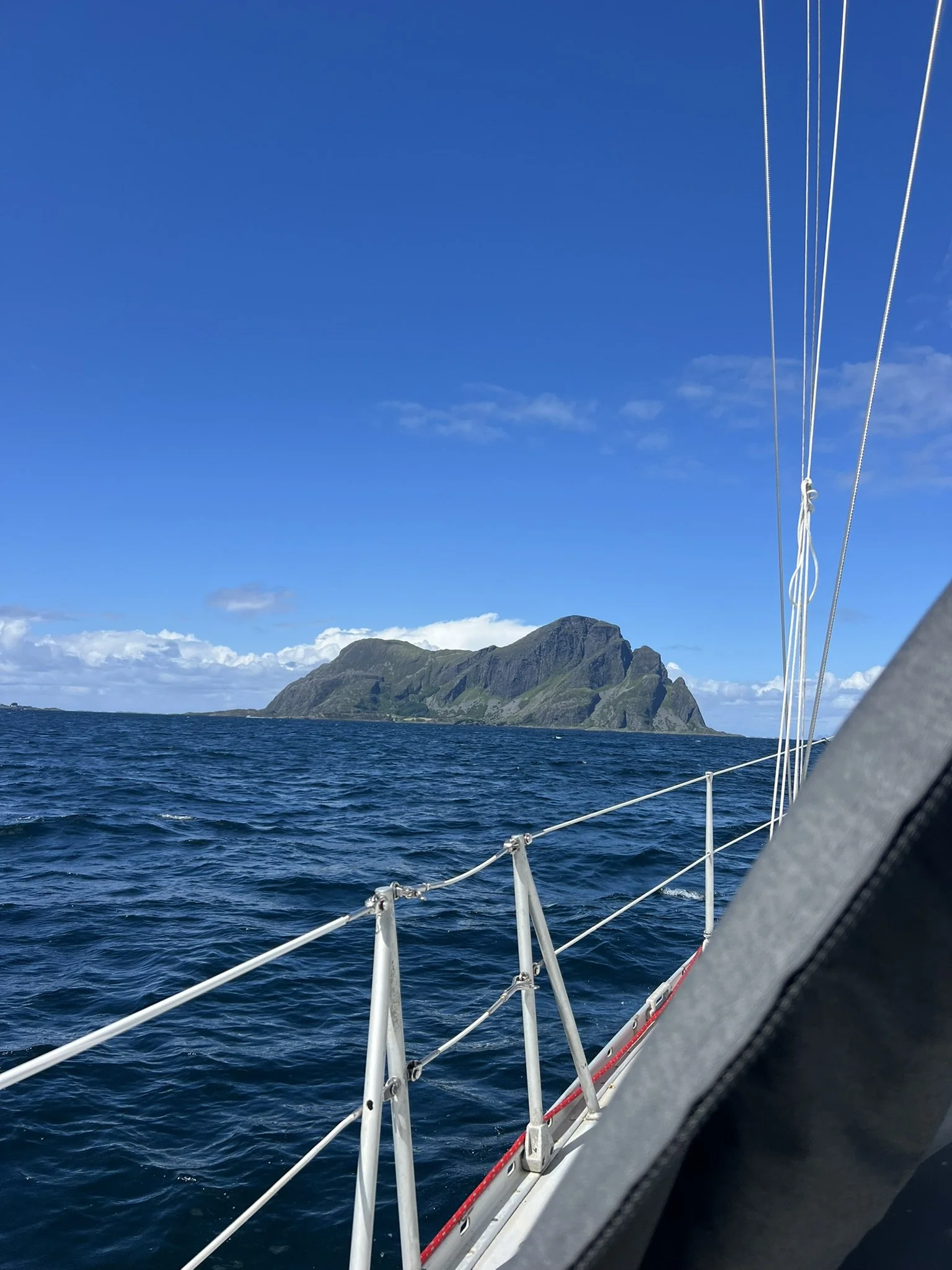
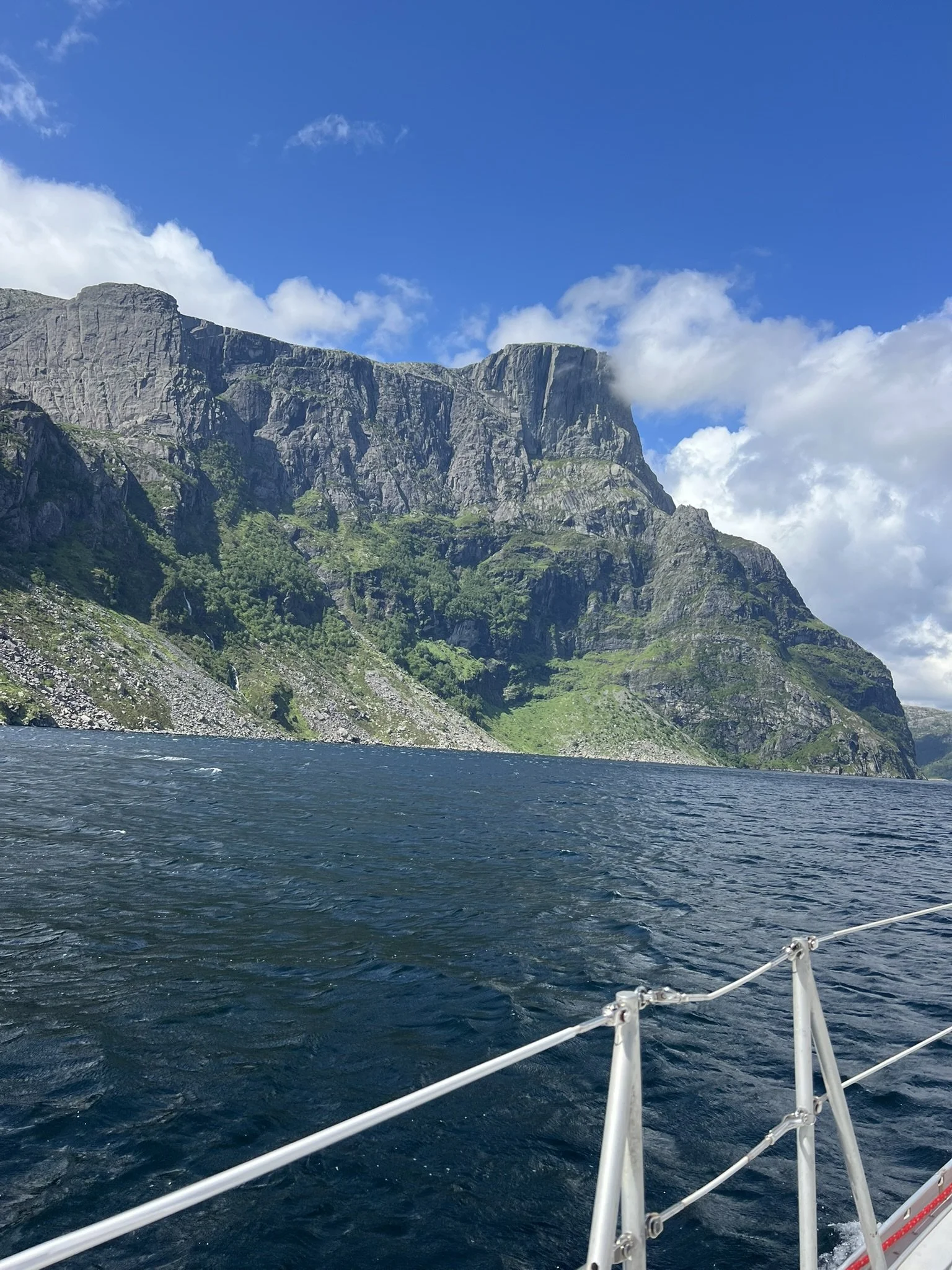
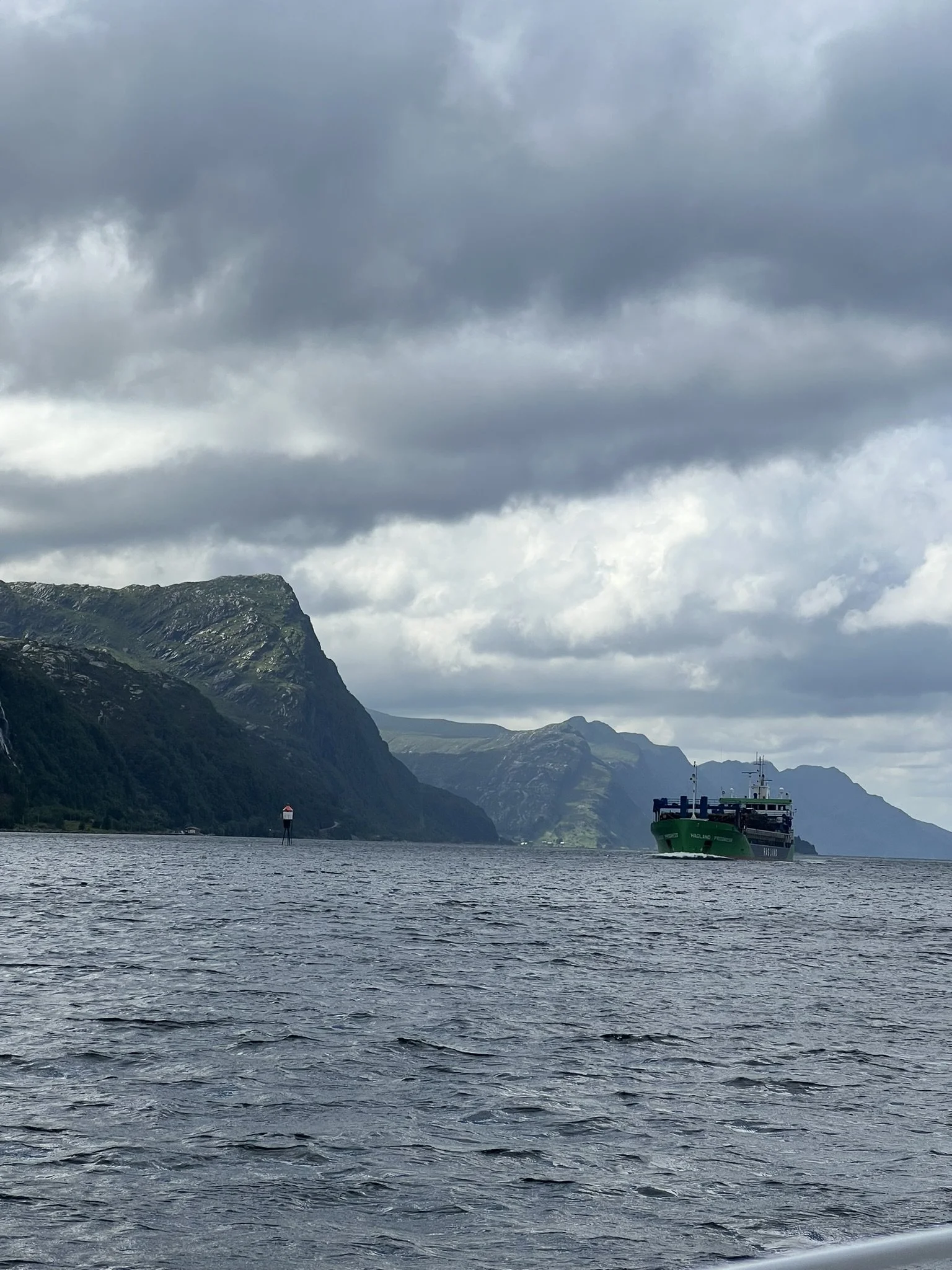
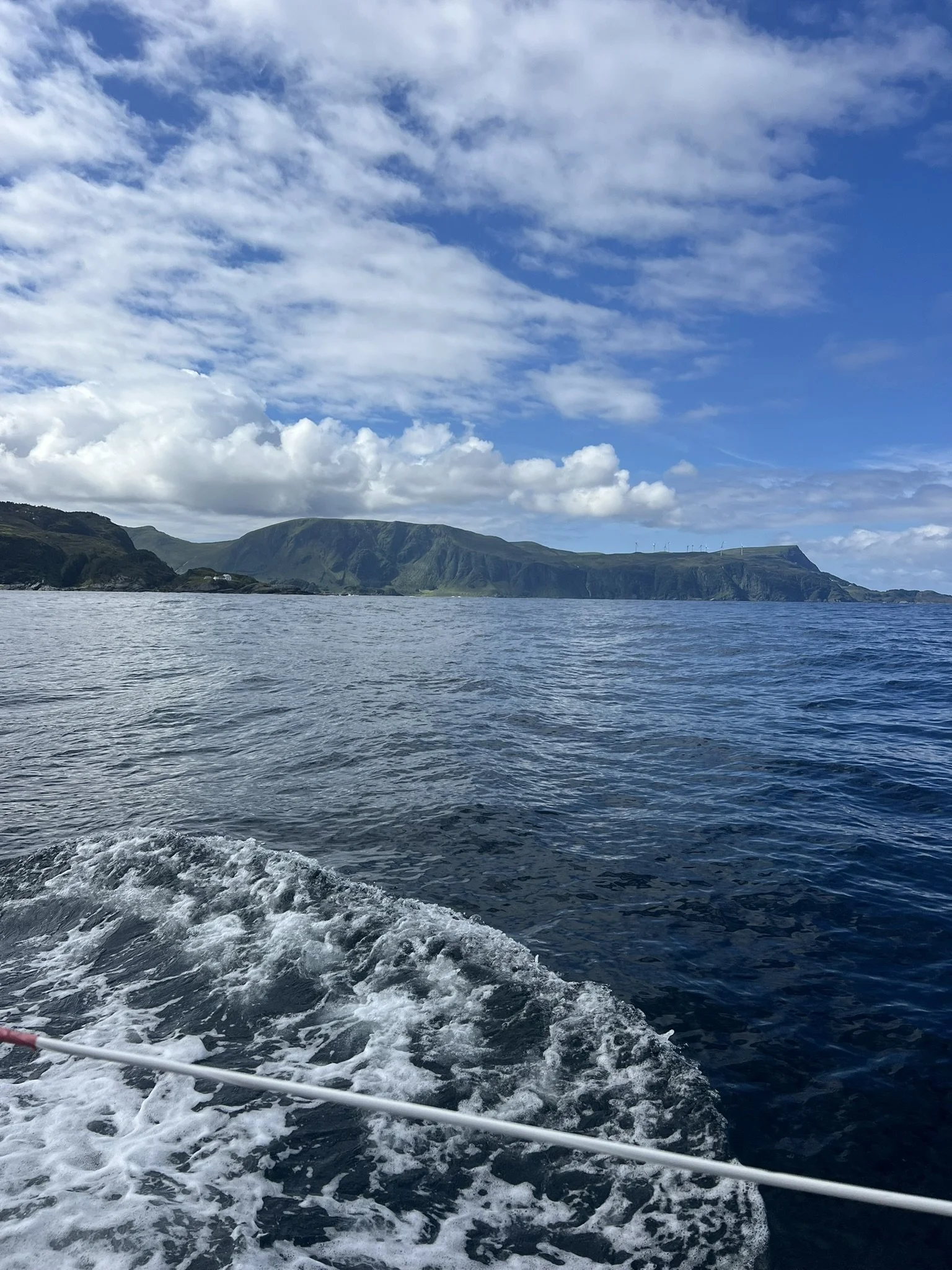
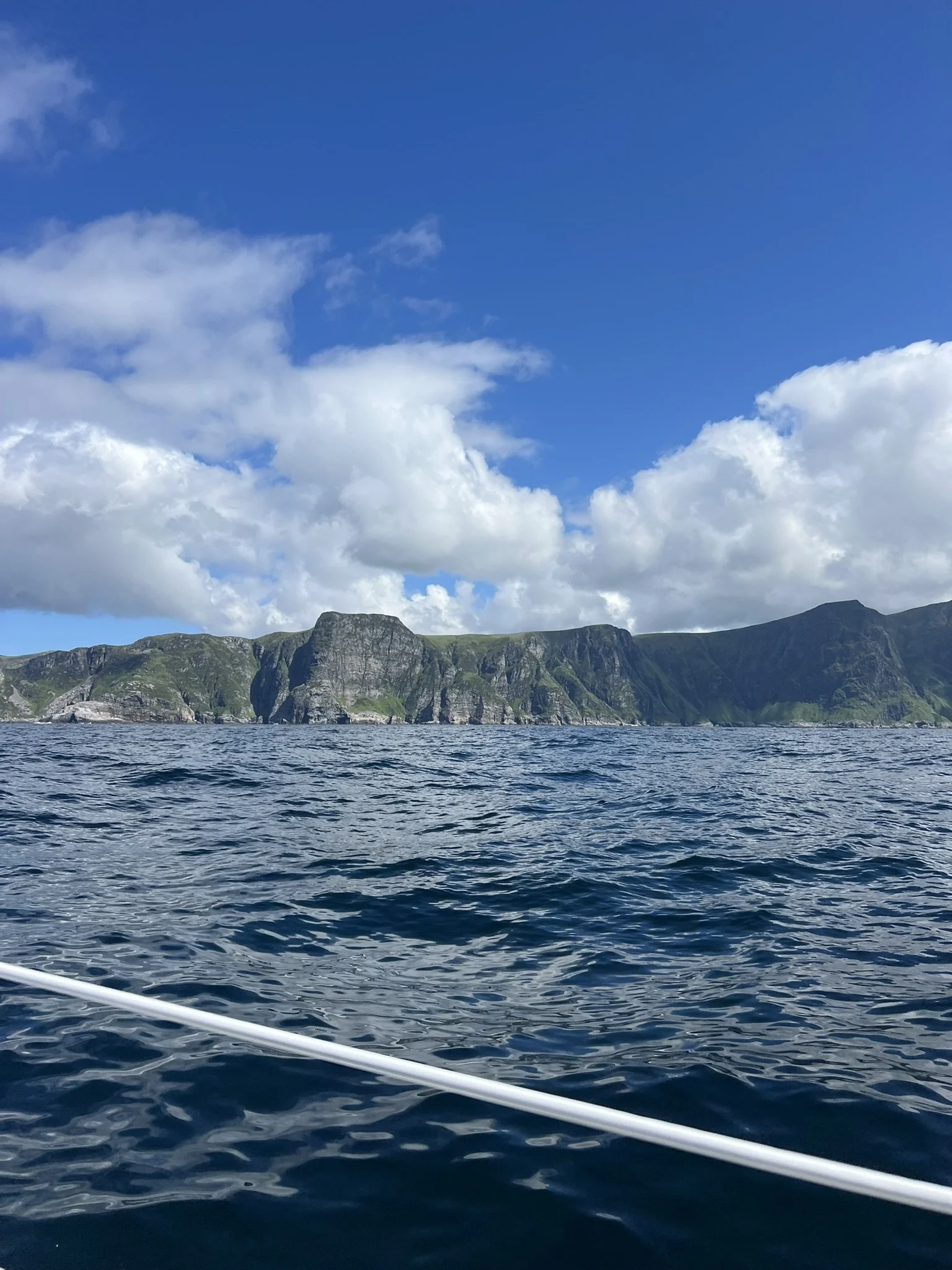
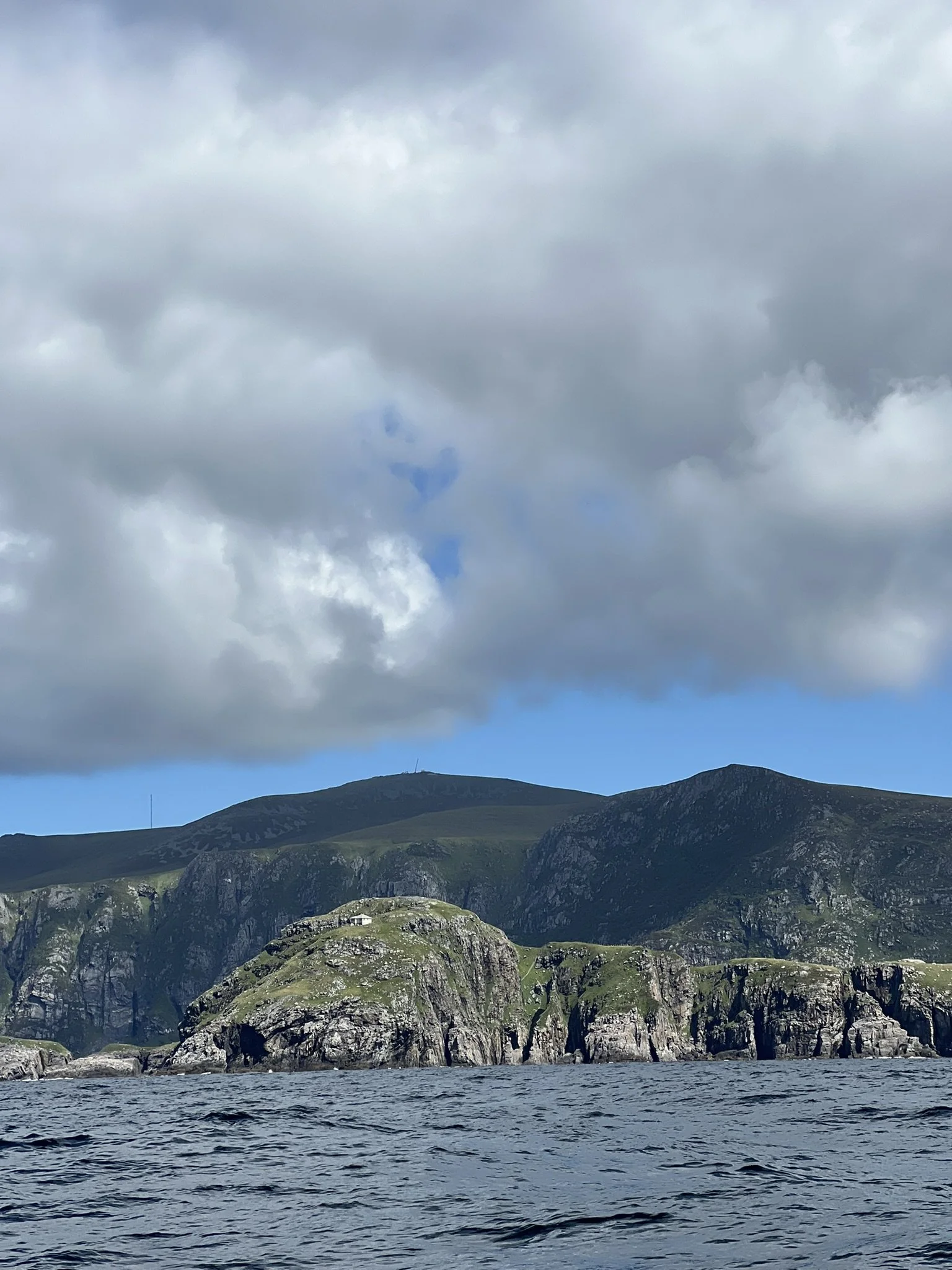
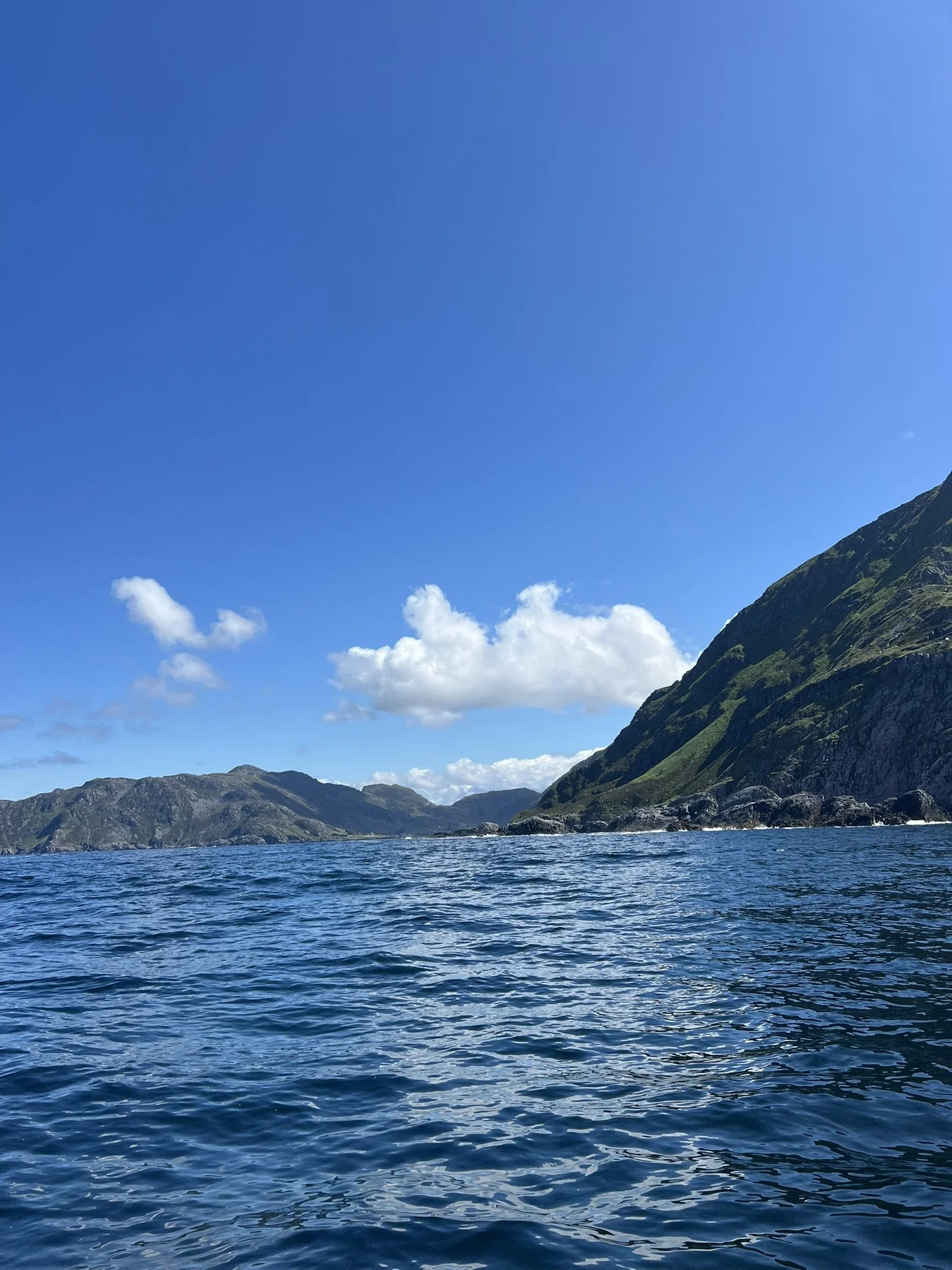
To get from Måløy to Fosnavåg, we had to get around the dreaded Stad Peninsula. Stad is one of the most challenging stretches of the Norwegian coast, with strong weather exposure and difficult wave conditions caused by the combination of currents, the seabed, and the open sea. Even the Vikings were daunted by this passage, so much so that they sometimes preferred to drag their boats across the land instead of sailing around the peninsula.
And even for modern ships, it’s a major challenge to sail around Stad. Norway is now building the world’s first full-scale ship tunnel right through the mountain, allowing vessels from smaller pleasure boats like Lív, all the way up to the size of the coastal-route ships and Hurtigruten to avoid the exposed waters around the peninsula. The tunnel will be 1.7 kilometres long, 50 metres high and 36 metres wide.
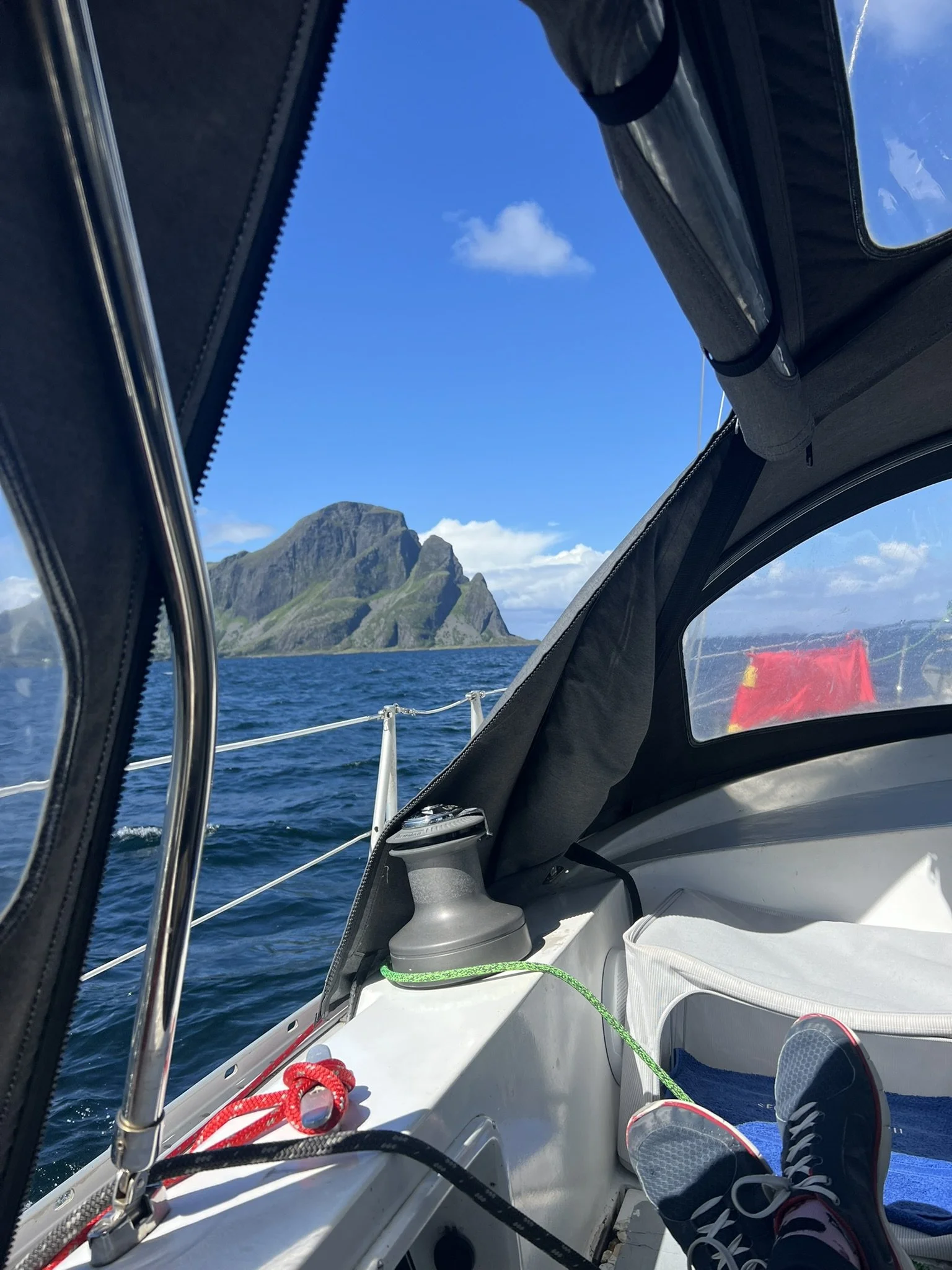
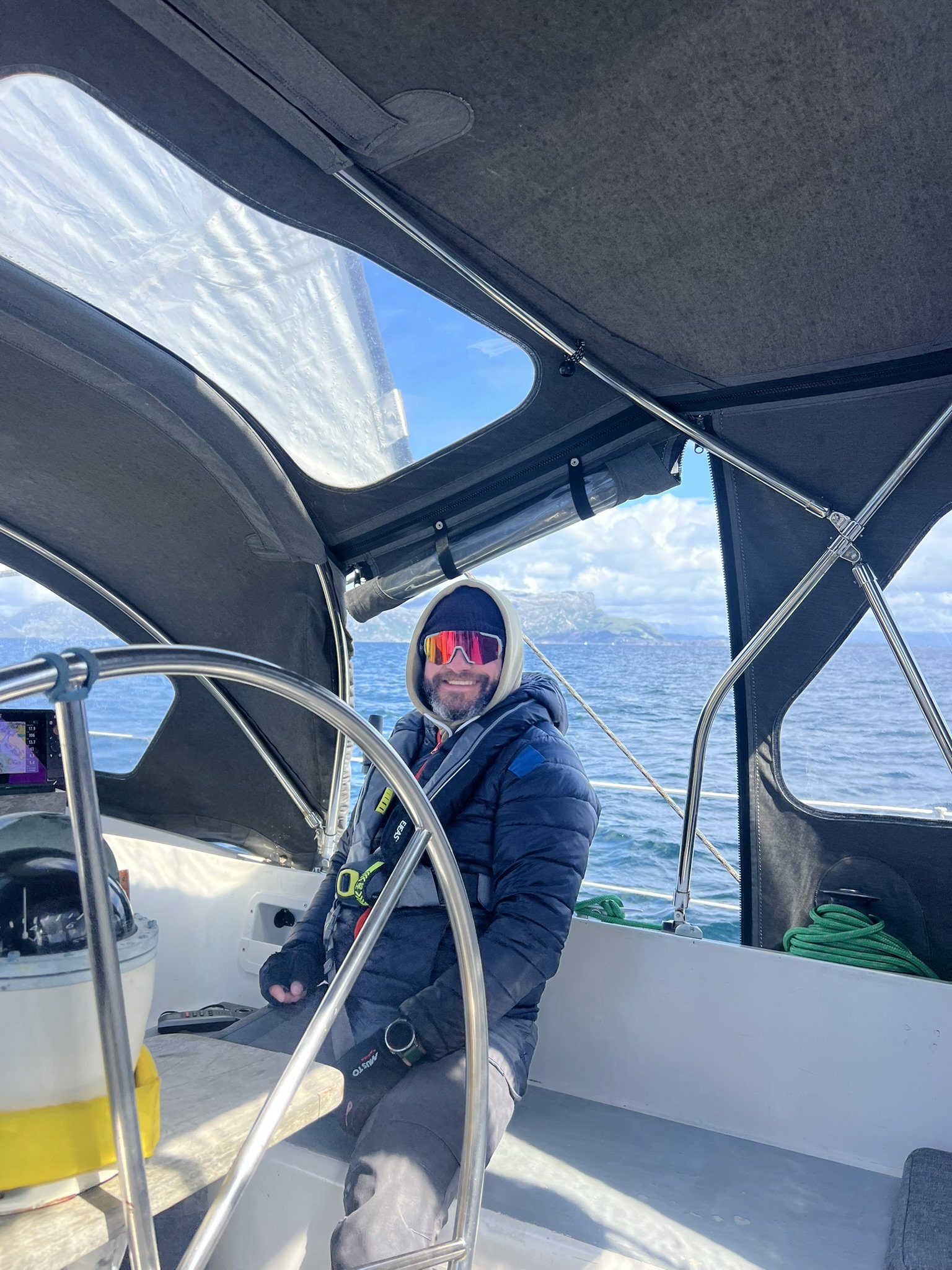
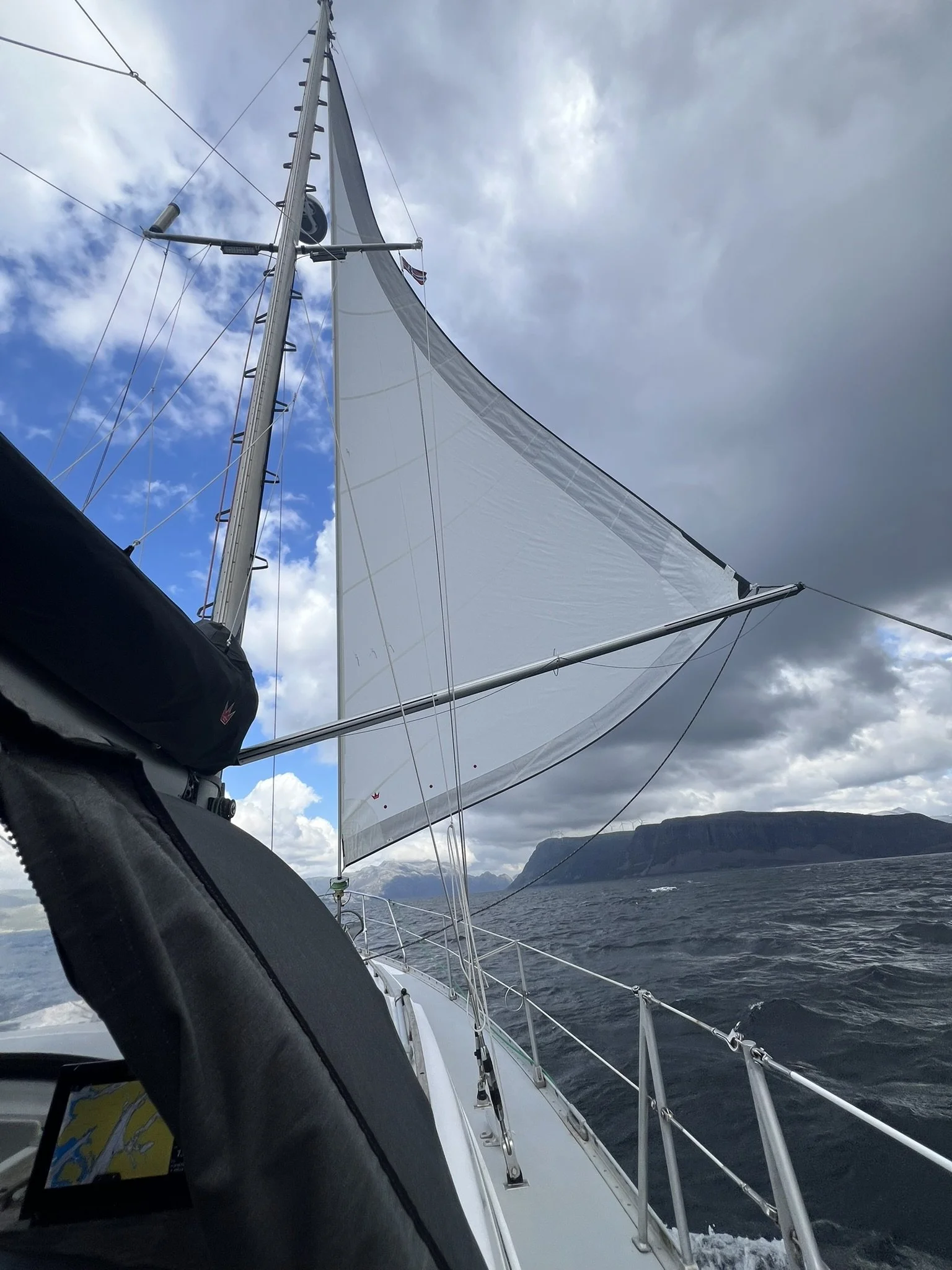
Luckily, we had a good weather window with very little wind the following day, so we didn't have to wait long to get it over with. The wind was just as calm as predicted, and we were definitely not the only boat taking advantage of the weather window.
The waves, on the other hand, were pretty wild.
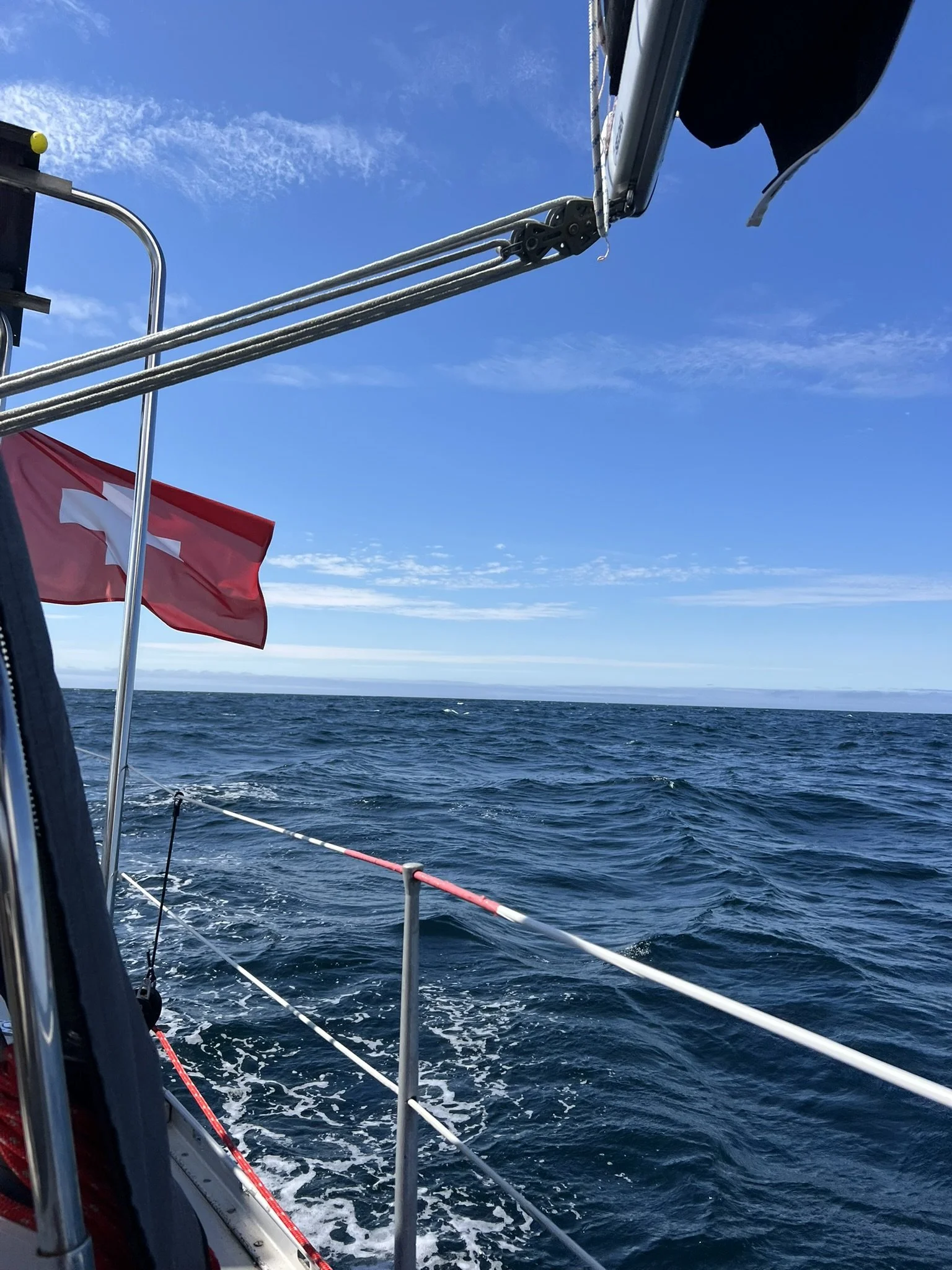
We were thrown around quite a lot, and the following three hours were anything but comfortable. We were very glad when we finally made it past Stad and could sail through calmer waters again.
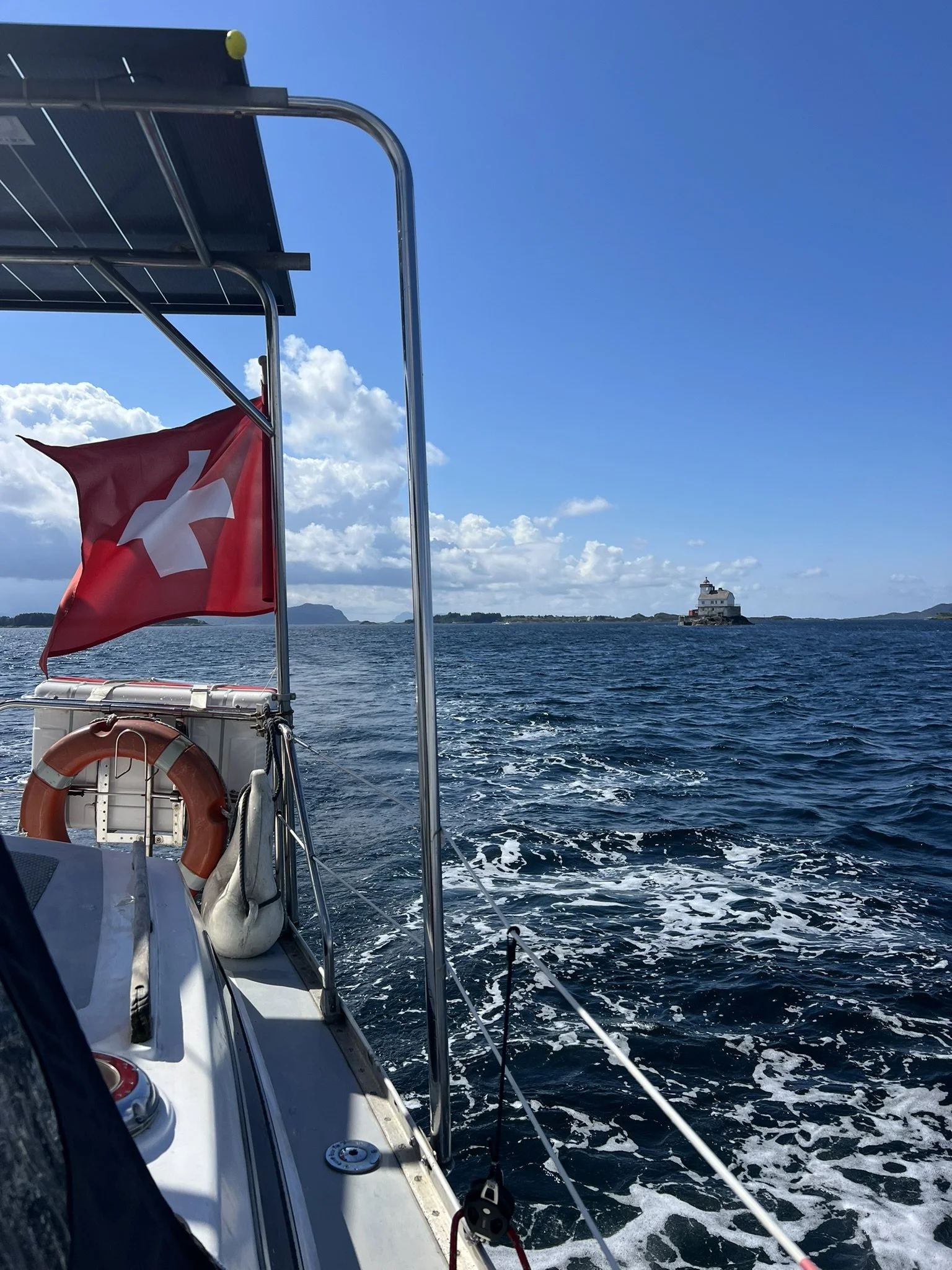
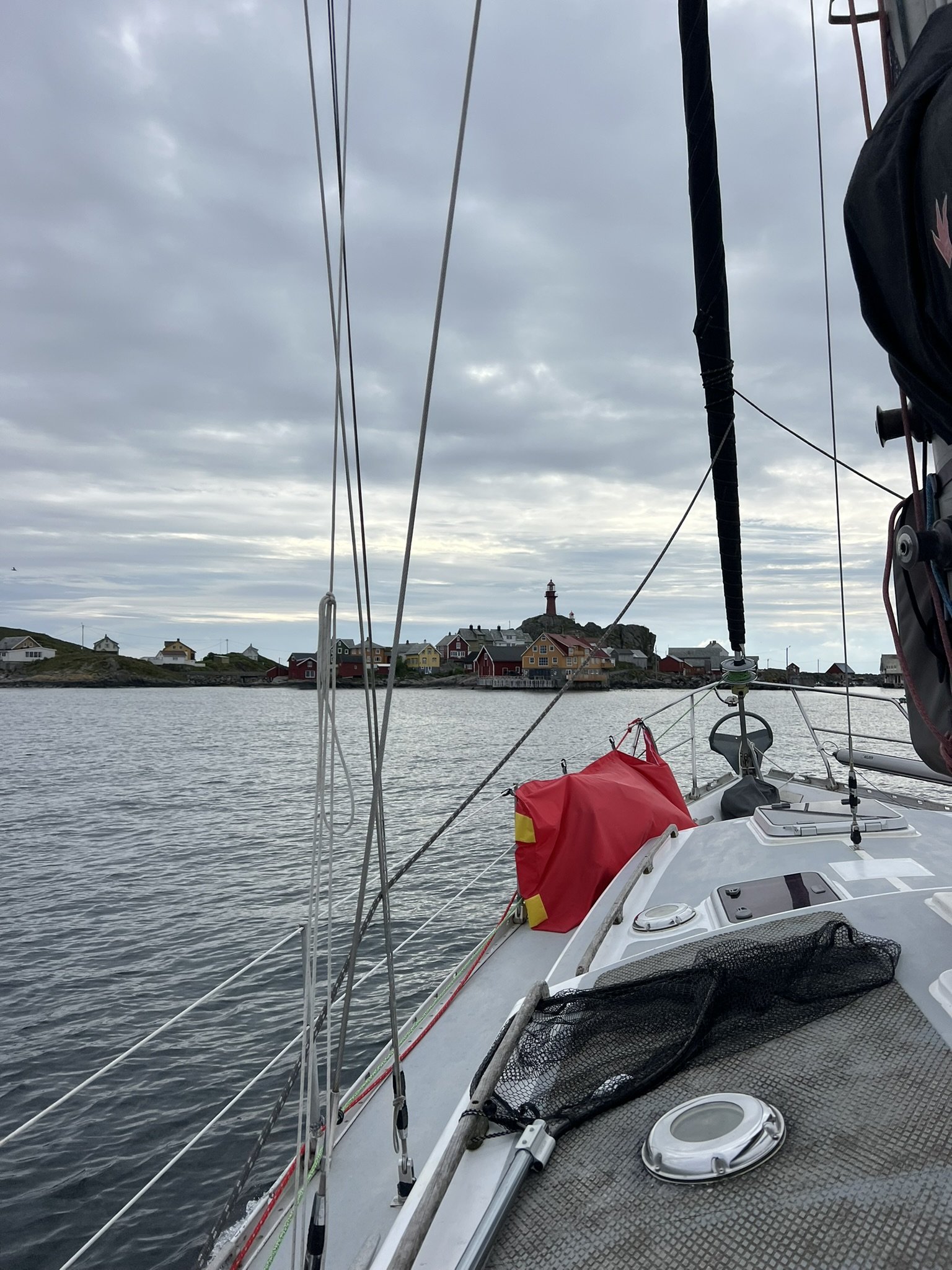
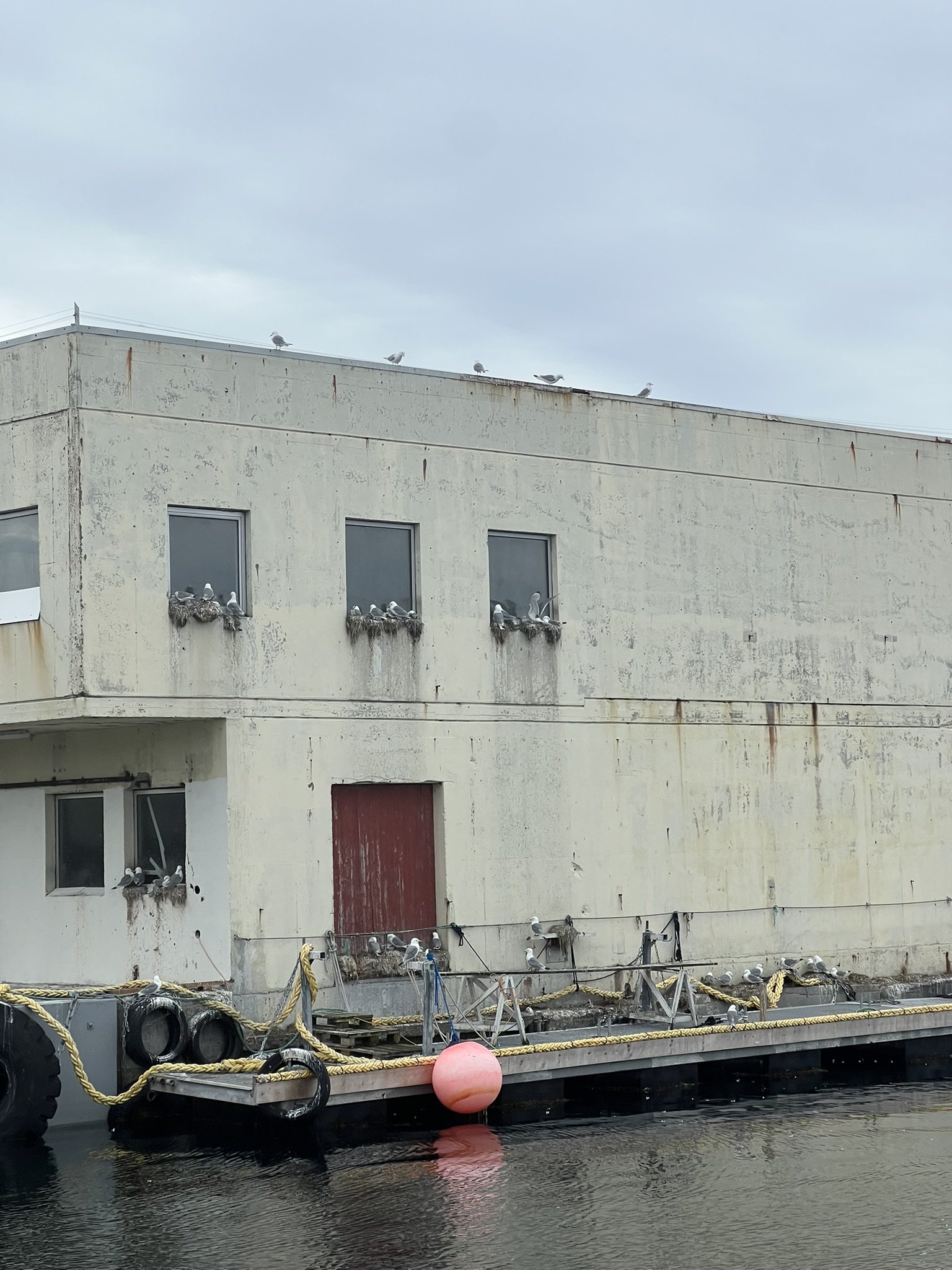
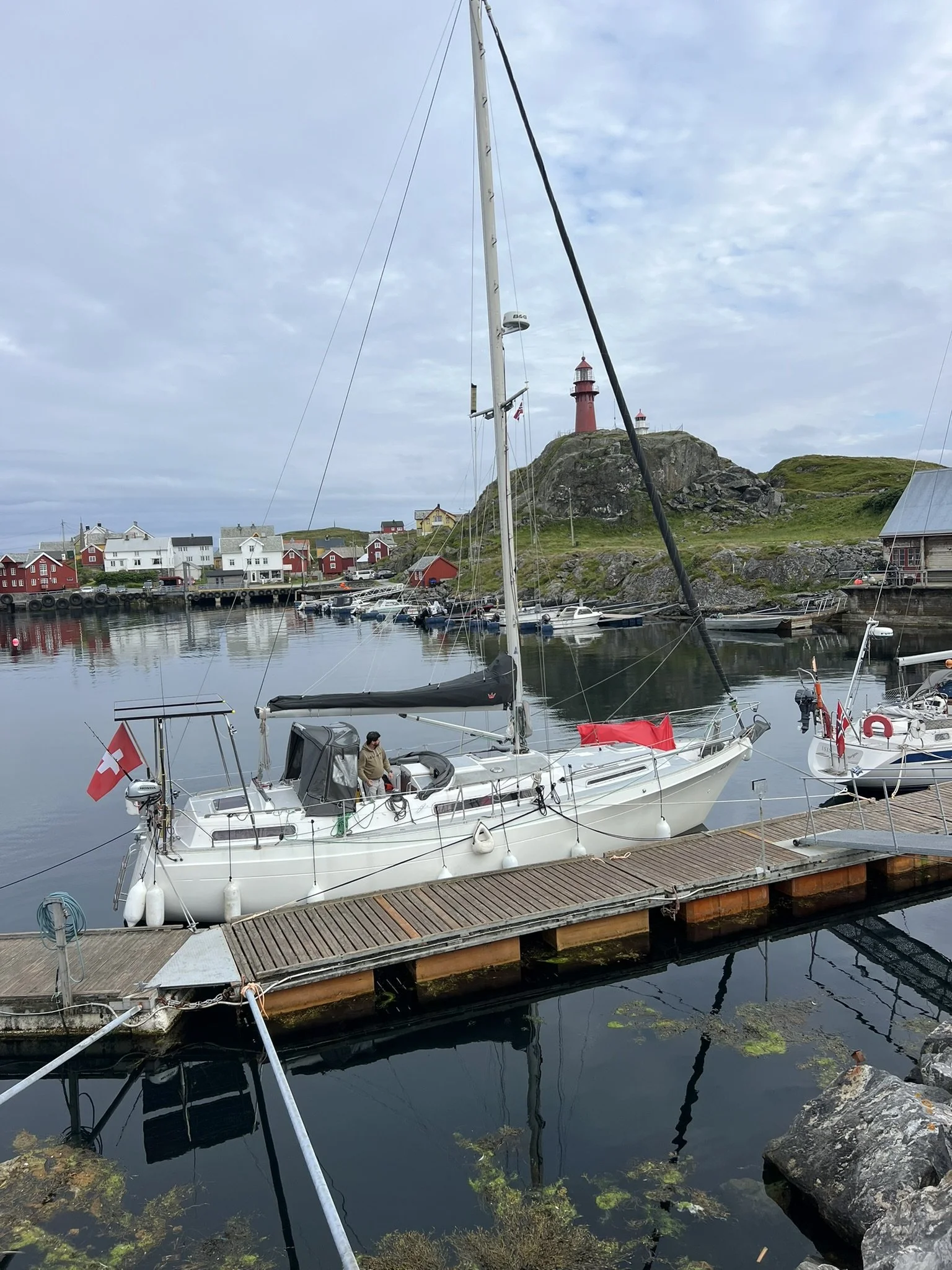
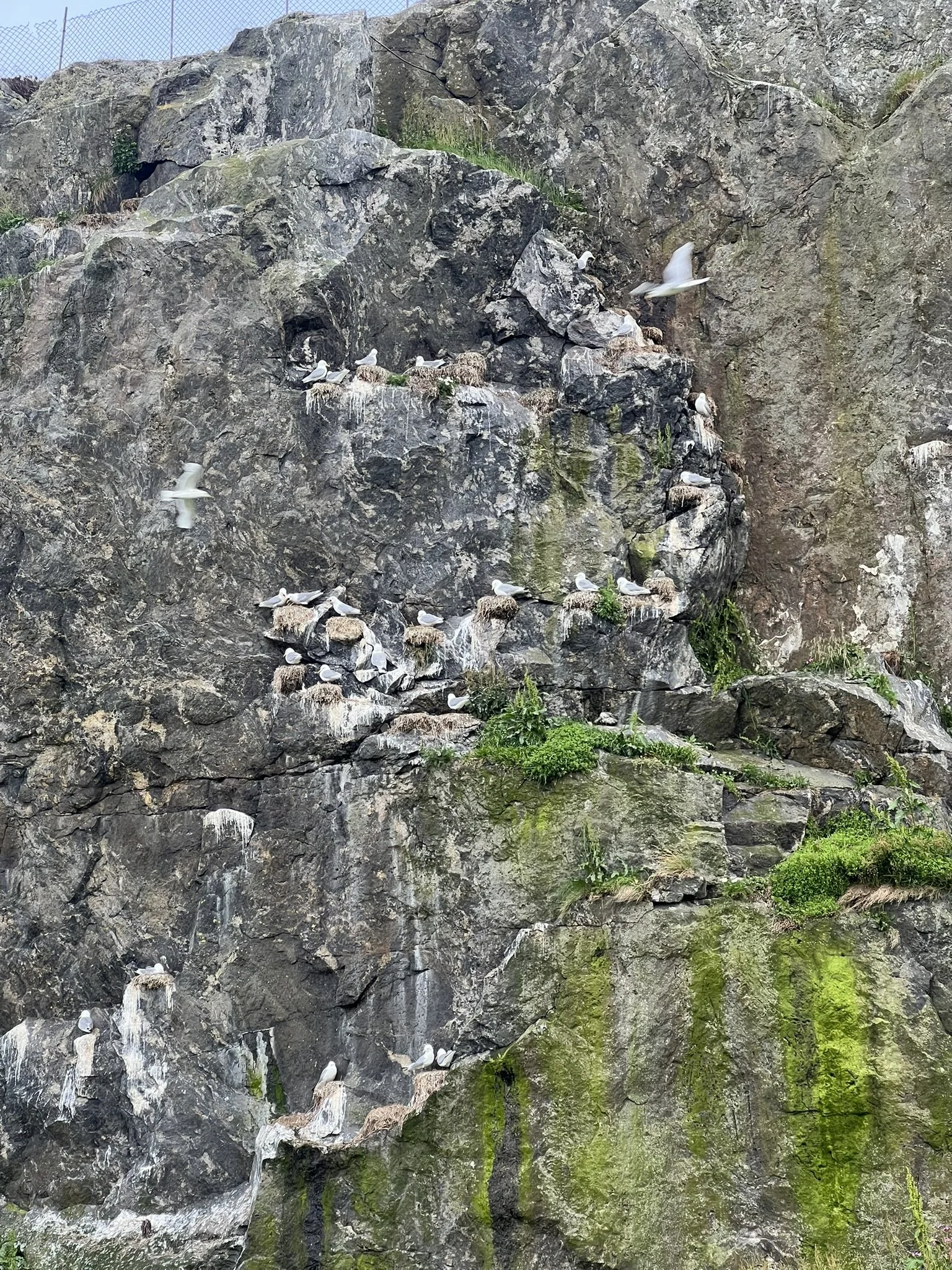
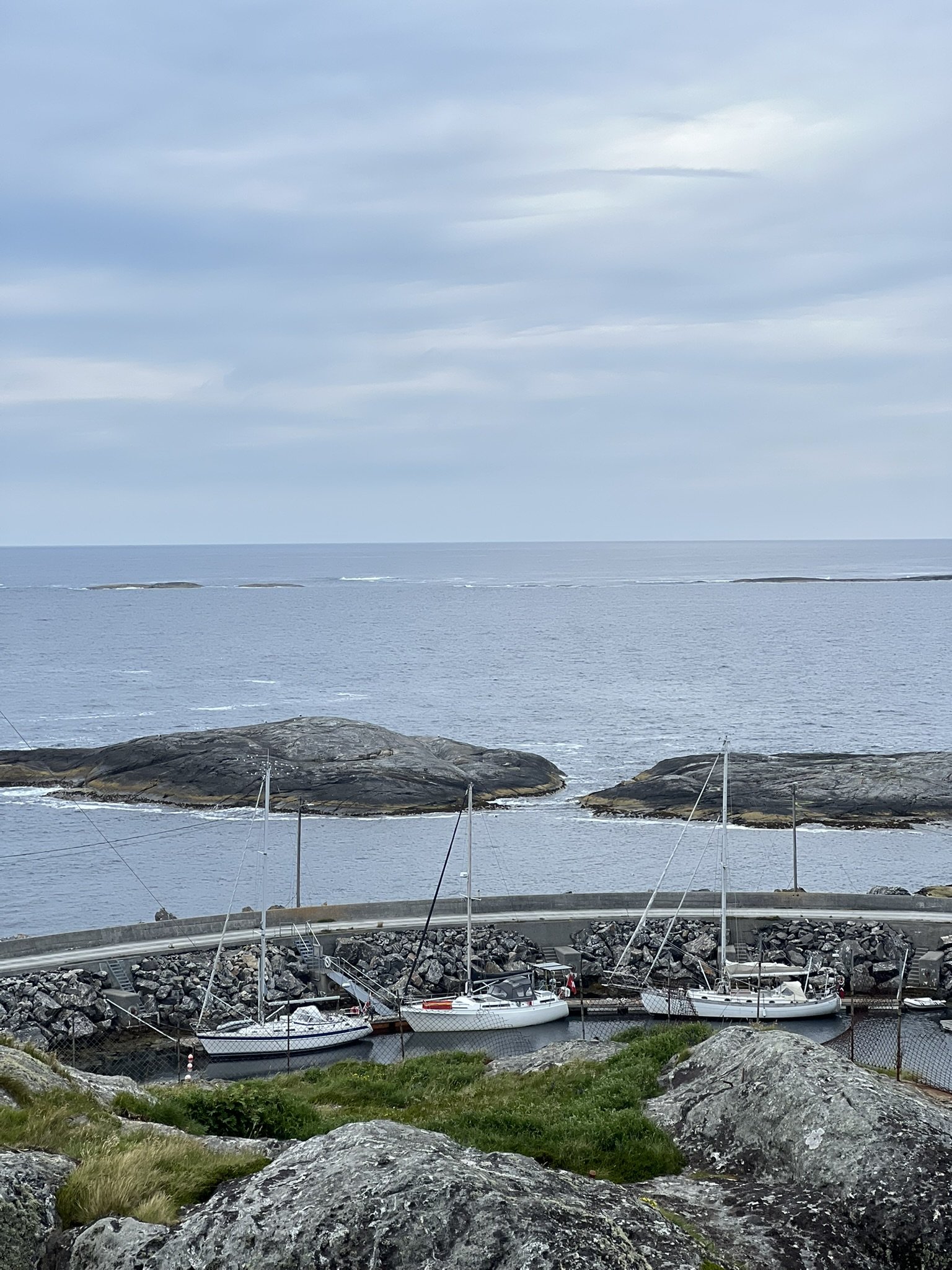
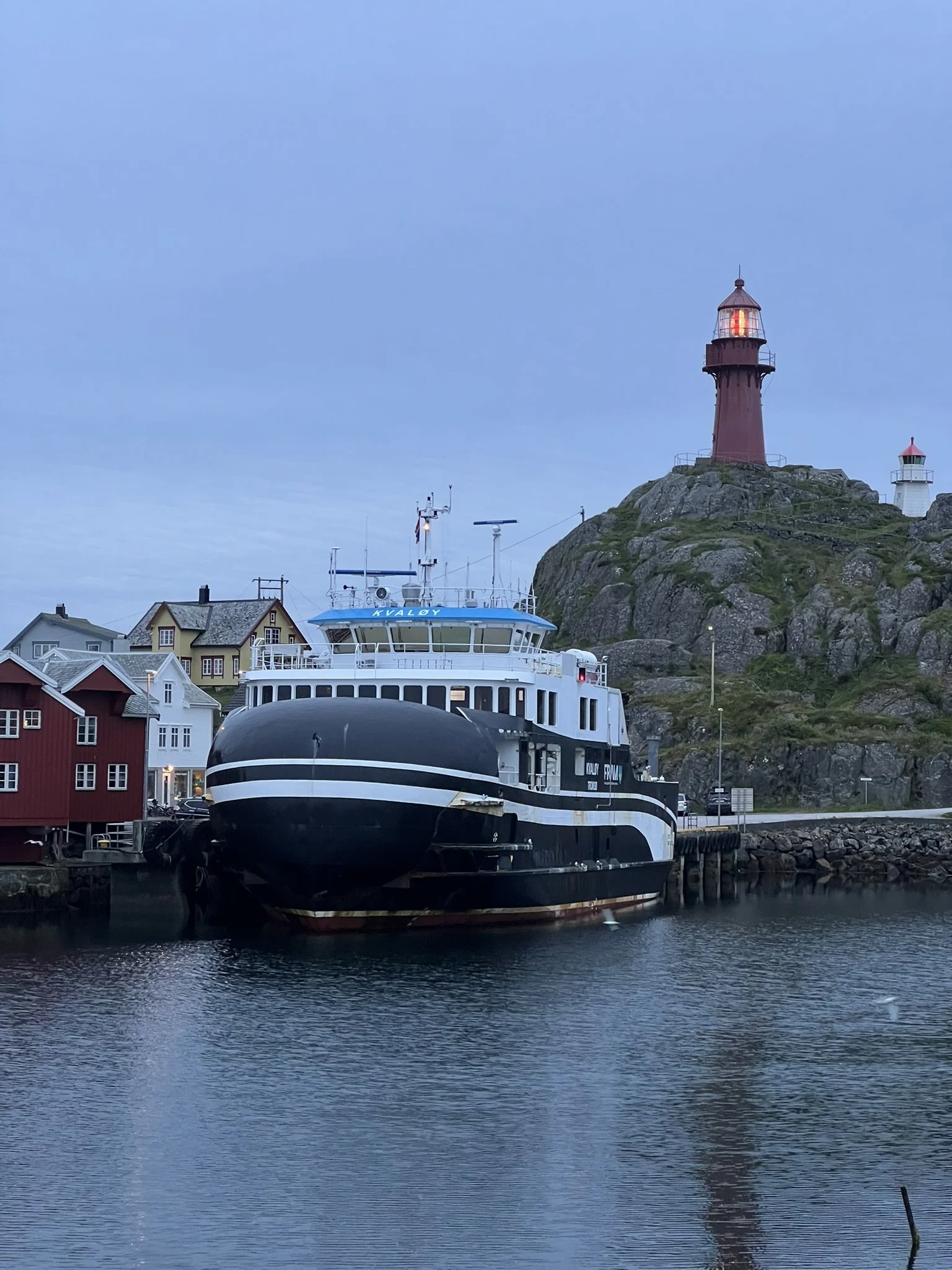
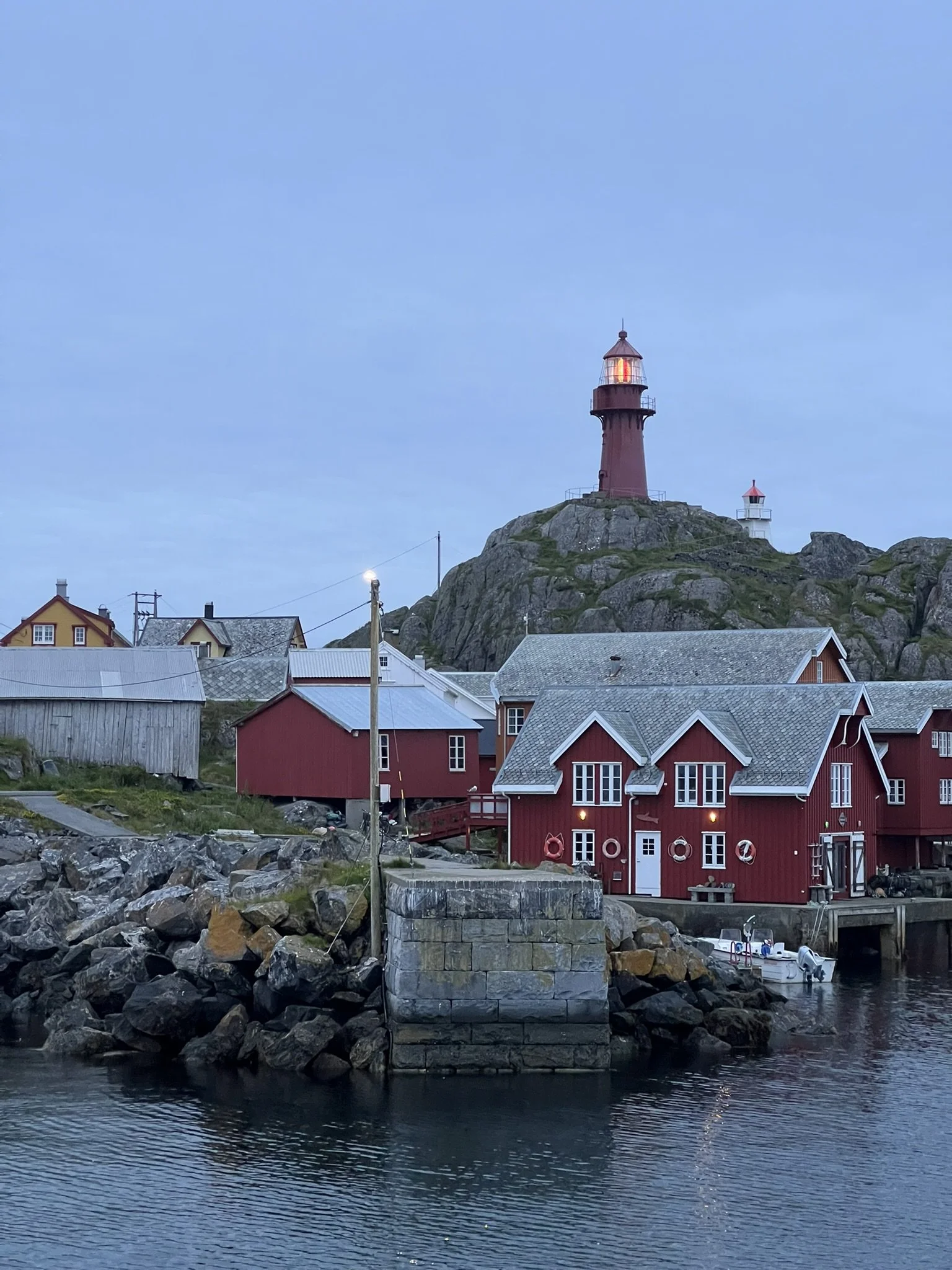
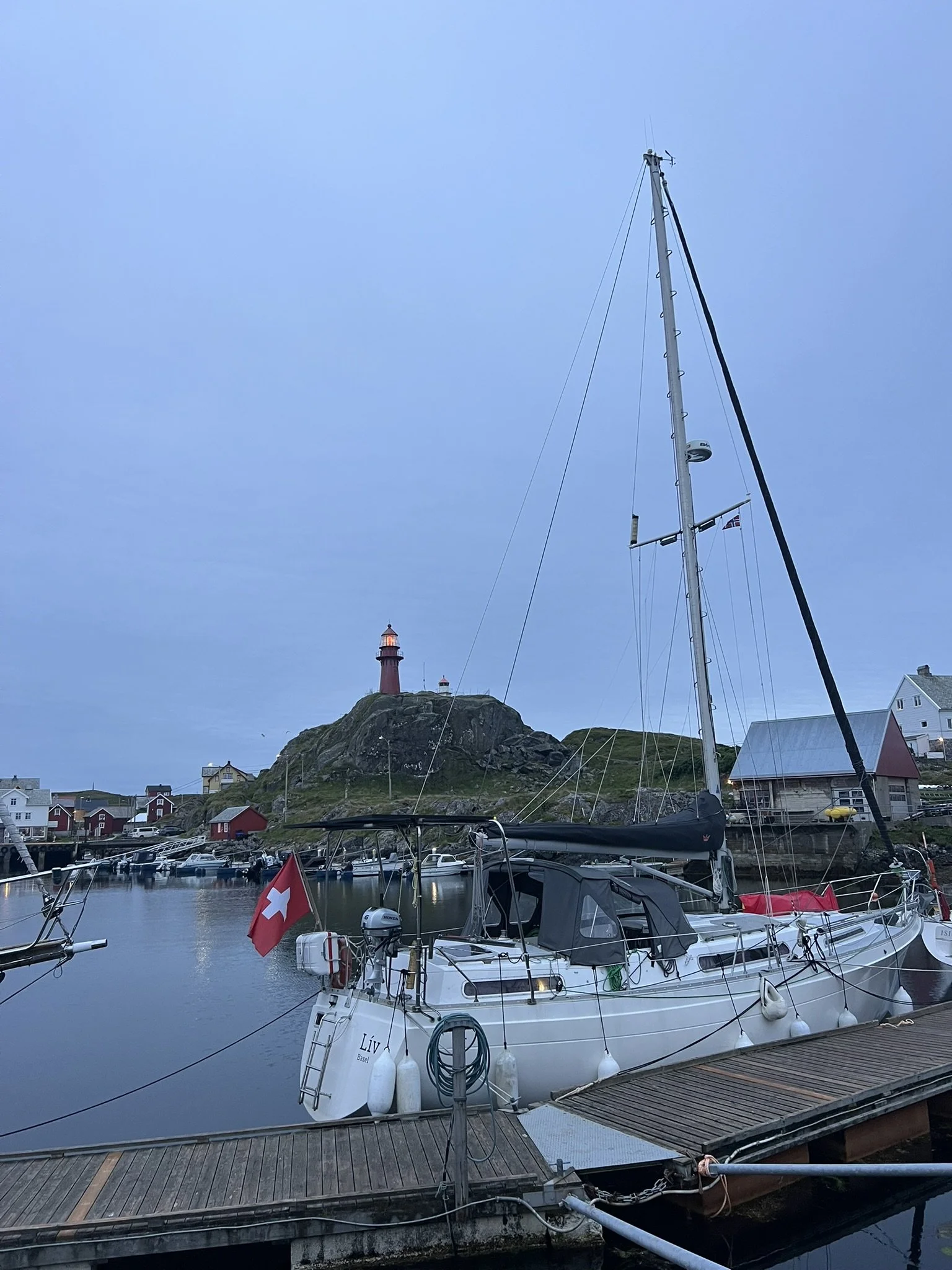
After recovering from this leg, we sailed out to Ona, a tiny island outside Ålesund. We squeezed Lív between two other sailboats and quickly realised that there were probably more seagulls living here than people!
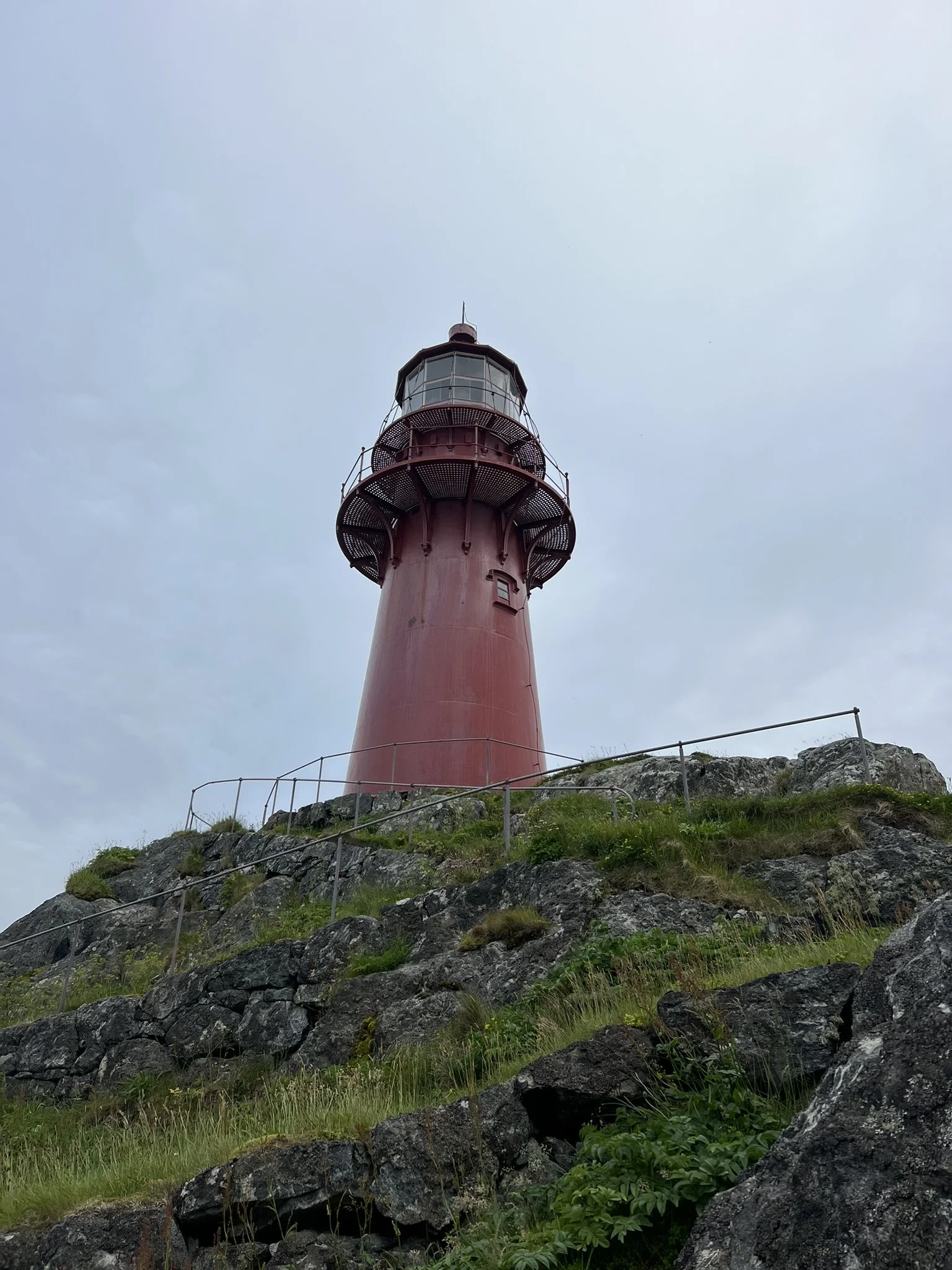
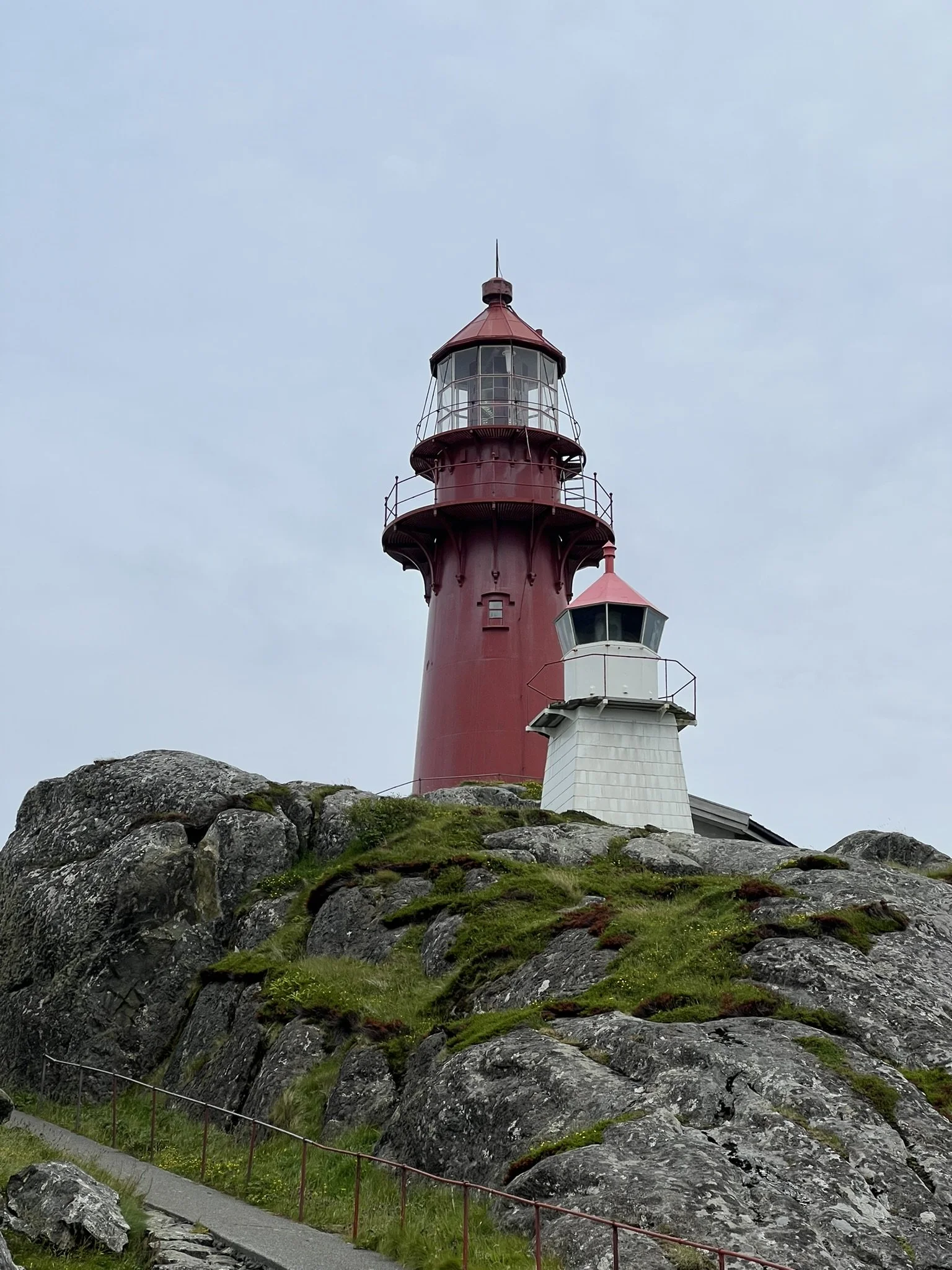
Almost every building seemed to be covered in seagulls, nests, and/or poop. Despite that, it was still a beautiful place. We enjoyed a walk to the lighthouse and a beer at the little pub on the waterfront.
Ona has been a fishing community for centuries, and its famous lighthouse was built in 1867. Today, only a small number of people live on the island year-round, making it feel like a very different world from the busy coastal towns further inland.
From Ona, we had to get to Kristiansund, where two packages were already waiting for us.
Ordering things online and getting packages delivered is much harder when you're constantly travelling. You not only need to know exactly when and where you will be, but you also need an address where you can have the package delivered and where it can potentially sit for a few days in case you're not there yet.
Depending on the delivery company, you may also need someone to accept the package from the delivery driver, which makes things even more complicated. And if it doesn't arrive on time, you might end up being stuck in one place until it finally does.
That said, we were pretty lucky this time.
We called the harbourmaster before placing the order to ask if we could have something delivered to the marina's address. One of the packages arrived at the harbourmaster without any problems.
The other one, however, gave us a bit more frustration.
We received a message saying that it couldn't be delivered, and when we tried to contact the delivery company, they couldn't really help us either. After some back and forth, we finally managed to redirect the delivery and were somewhat optimistic that it would work.
Then, just before we arrived in Kristiansund, we got the exciting news: the package apparently had been delivered to the post office inside the local supermarket!
So the first thing we did after arriving at almost 8 pm was grab our scooters and rush to the supermarket before it closed.
And sure enough, our package was there!
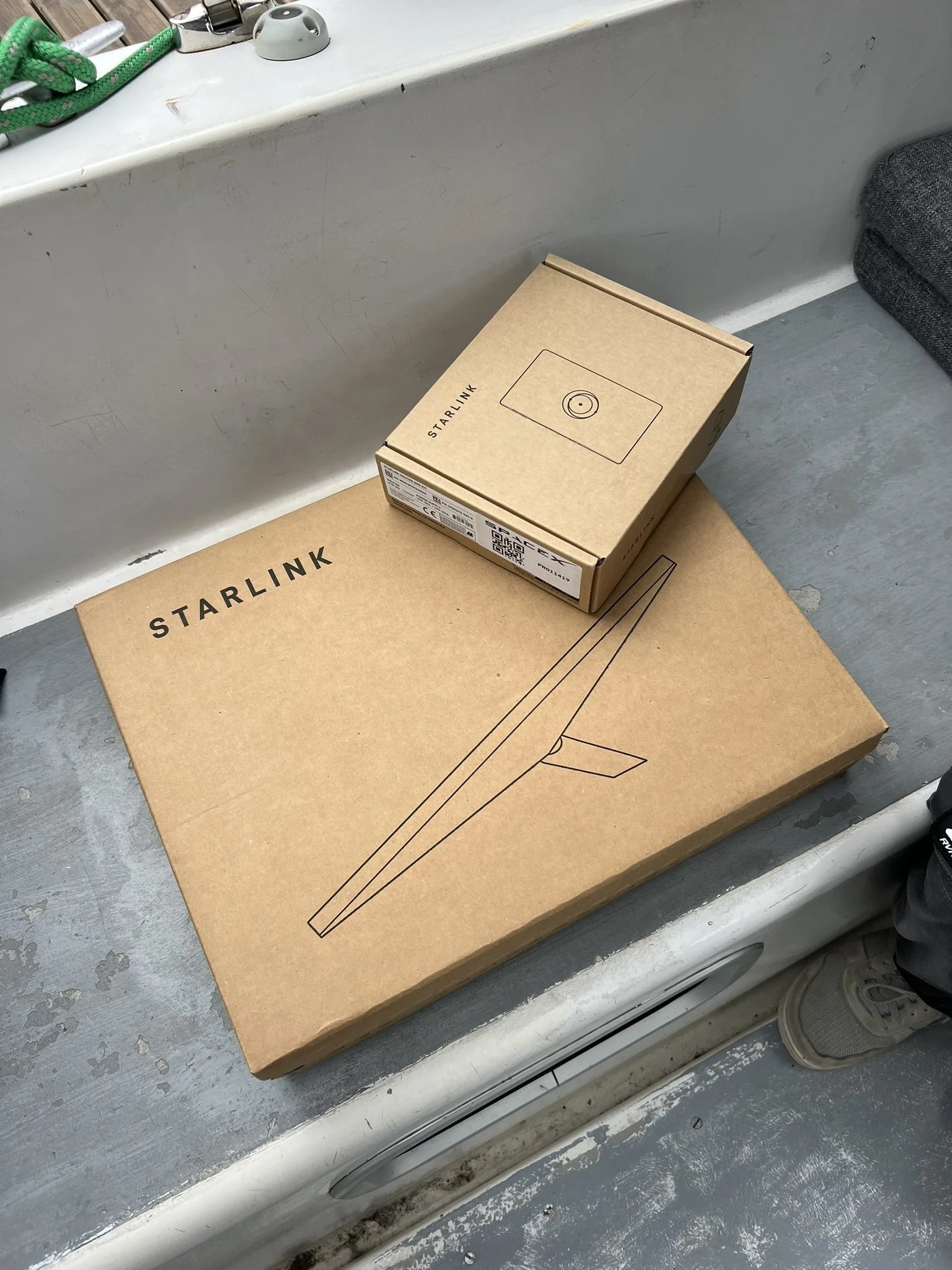
Back on the boat, we finally got to unbox it. As you might have already seen in the pictures, it was our brand-new Starlink!
After trying to make it without one, we eventually had to give in. We had used up our entire mobile data allowance multiple times, even though we had really tried to avoid it.
And yes, we know that people living aboard a few years ago managed without it. But the reality is that we rely on a lot of different apps for sailing, and then there is Instagram, Polarsteps, writing these blog posts, and uploading all the photos and videos. All of that uses quite a bit of data.
For me, the biggest problem was that I couldn't upload all my photos to iCloud anymore. That meant that if I lost my phone or, even worse, dropped it into the ocean, we could potentially lose all our pictures.
We had tried going to cafés with Wi-Fi, but that simply wasn't practical. We'd have to take all our devices with us and remember to do all the updates, backups, and uploads while we were there — and most of the time, the internet was pretty slow in those places.
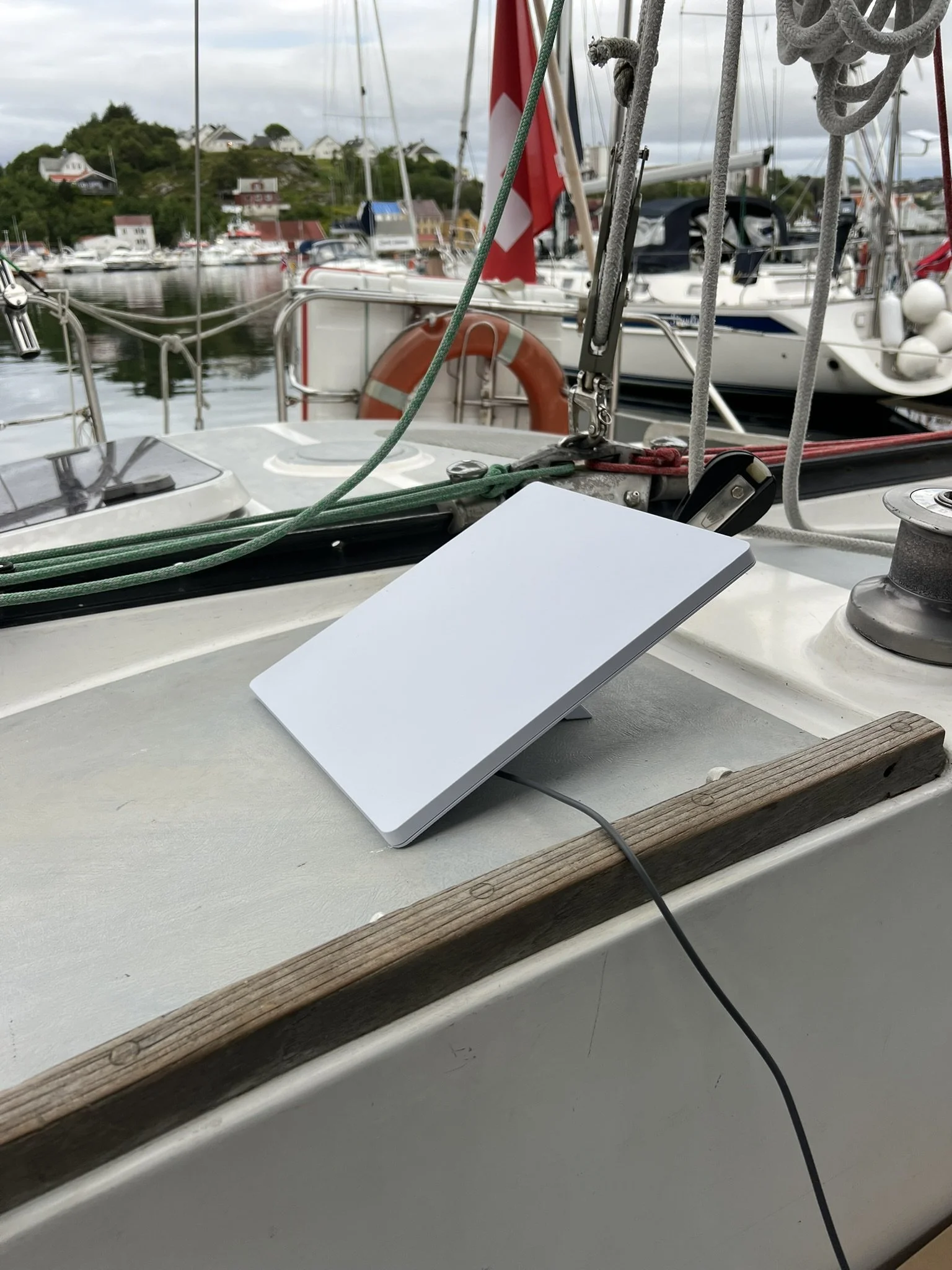
So we decided to invest in Starlink to make our lives a little easier. Reto managed to get it up and running on the same day, and we were very happy about it.
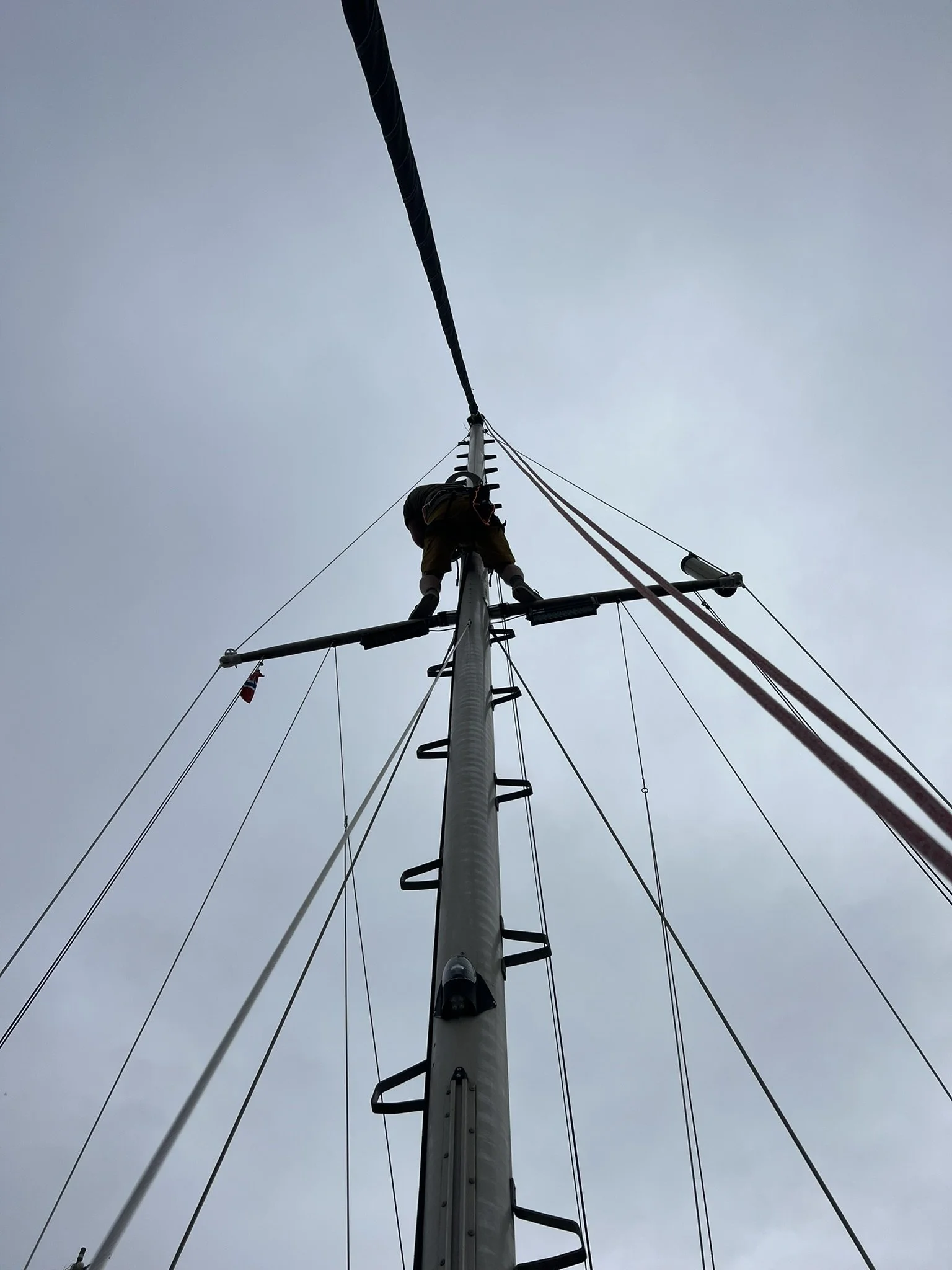
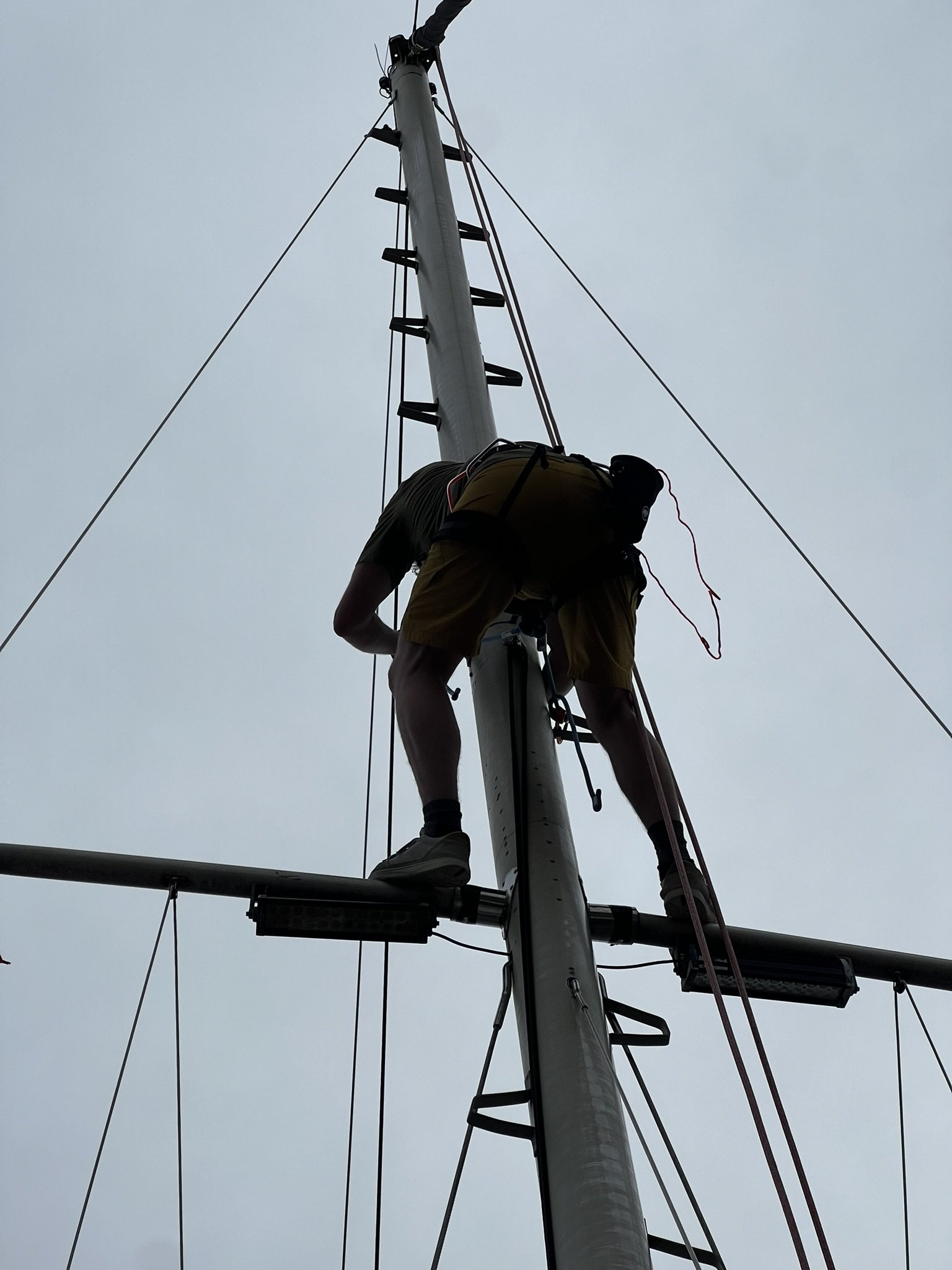
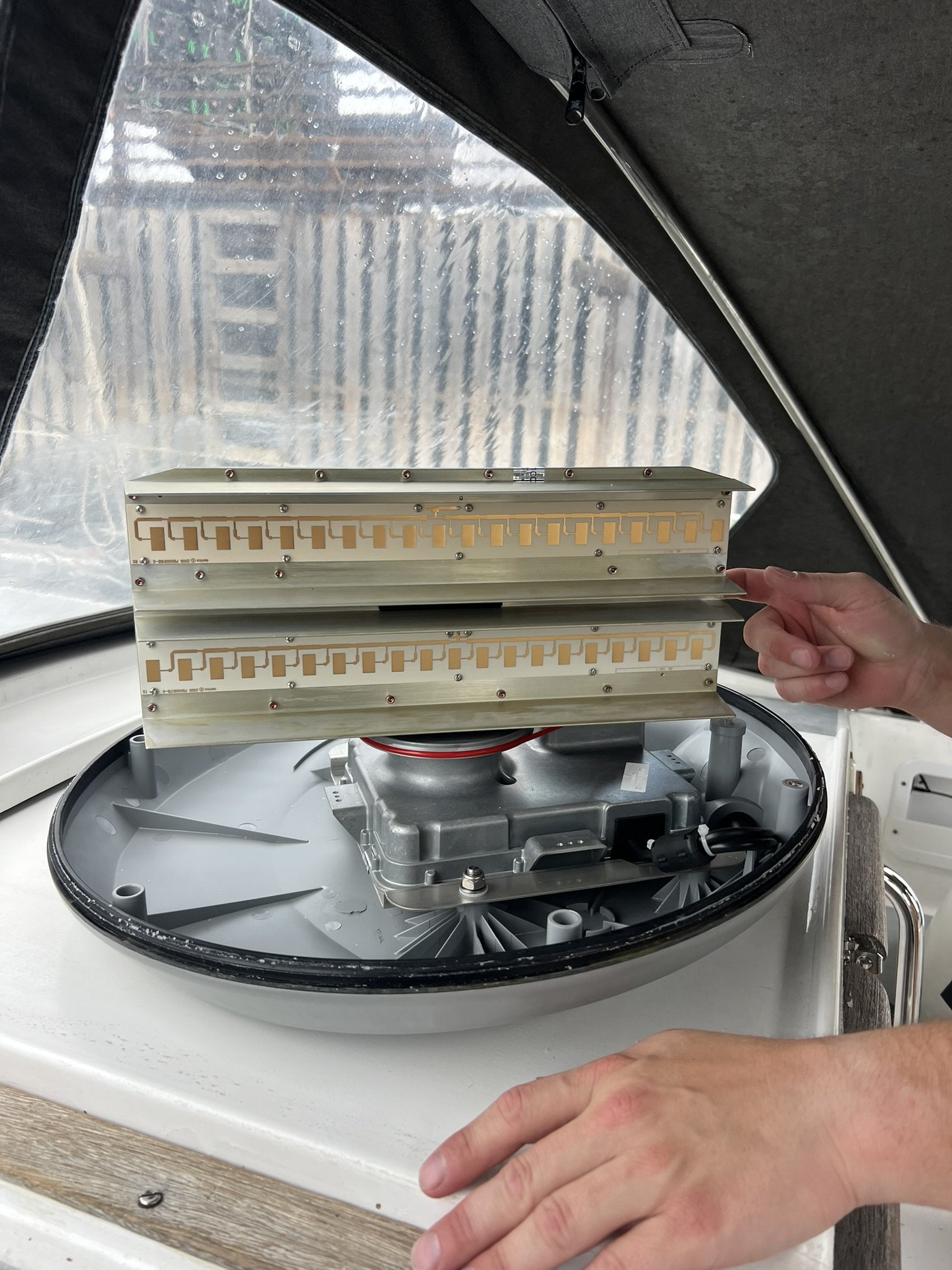
Over the next two days, we worked on some boat projects, tried to find the right parts for mounting the Starlink, and attempted to fix our radar, which had — out of the blue — decided to give up on us a few days earlier.
Unfortunately, we weren't able to fix the radar or mount the Starlink properly yet. But it was still a good and much-needed break from constantly travelling from one place to the next, and we checked off some other projects instead.
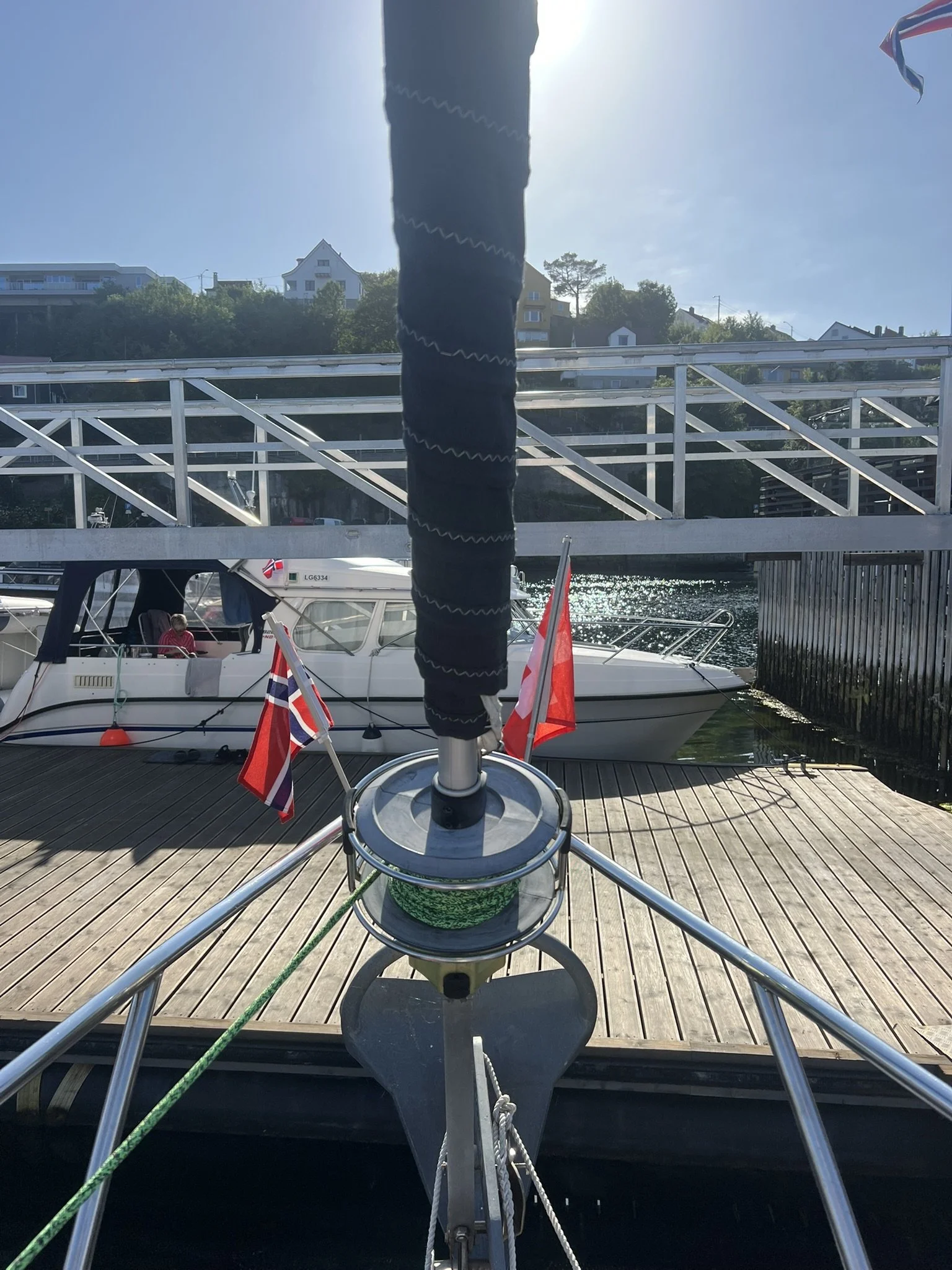
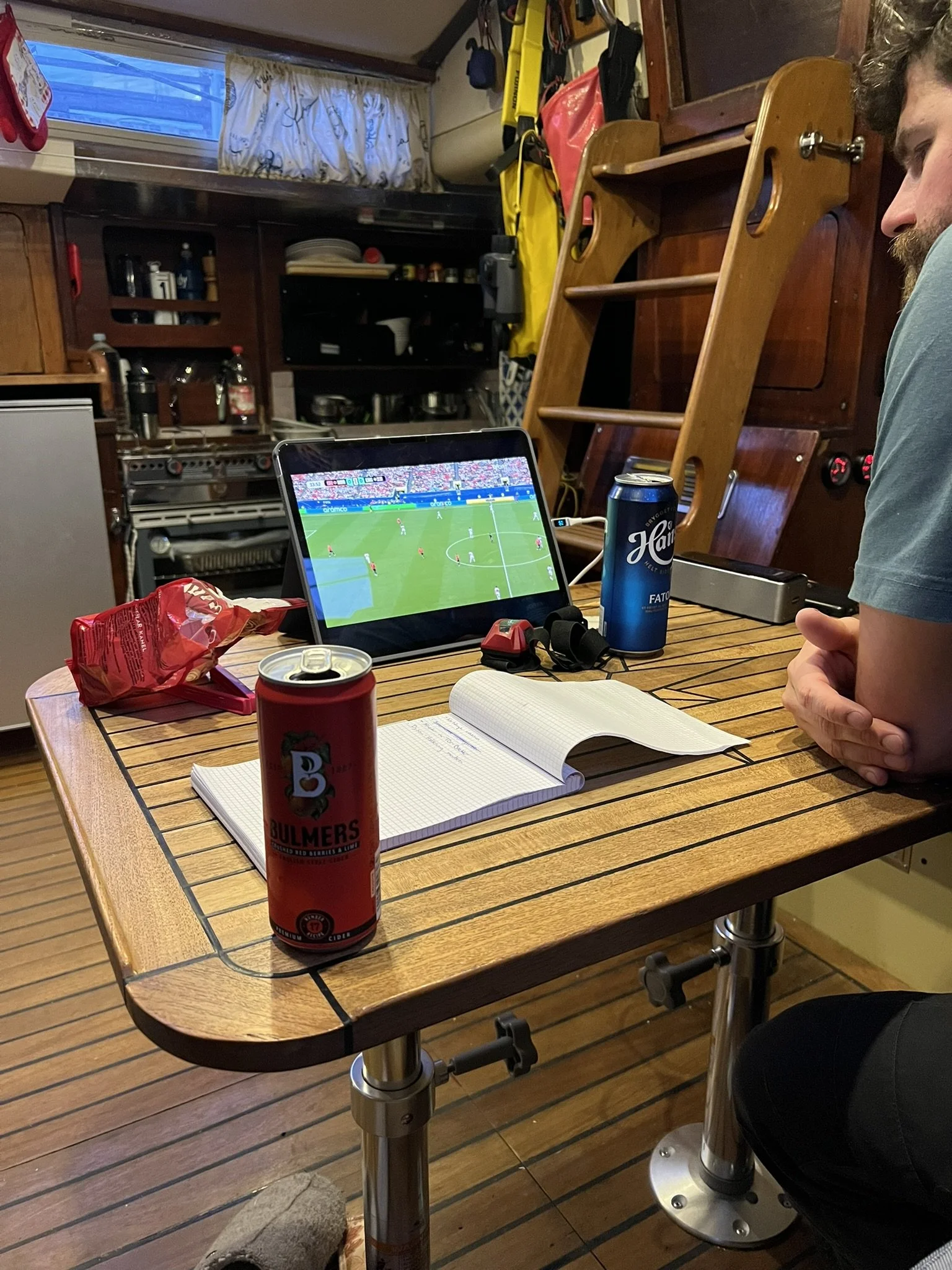
On our last evening in Kristiansund, we watched the two football games involving Norway and Switzerland. Sadly, they both lost, meaning both teams were out of the World Cup.
Stay with us to find out what’s waiting for us further north.
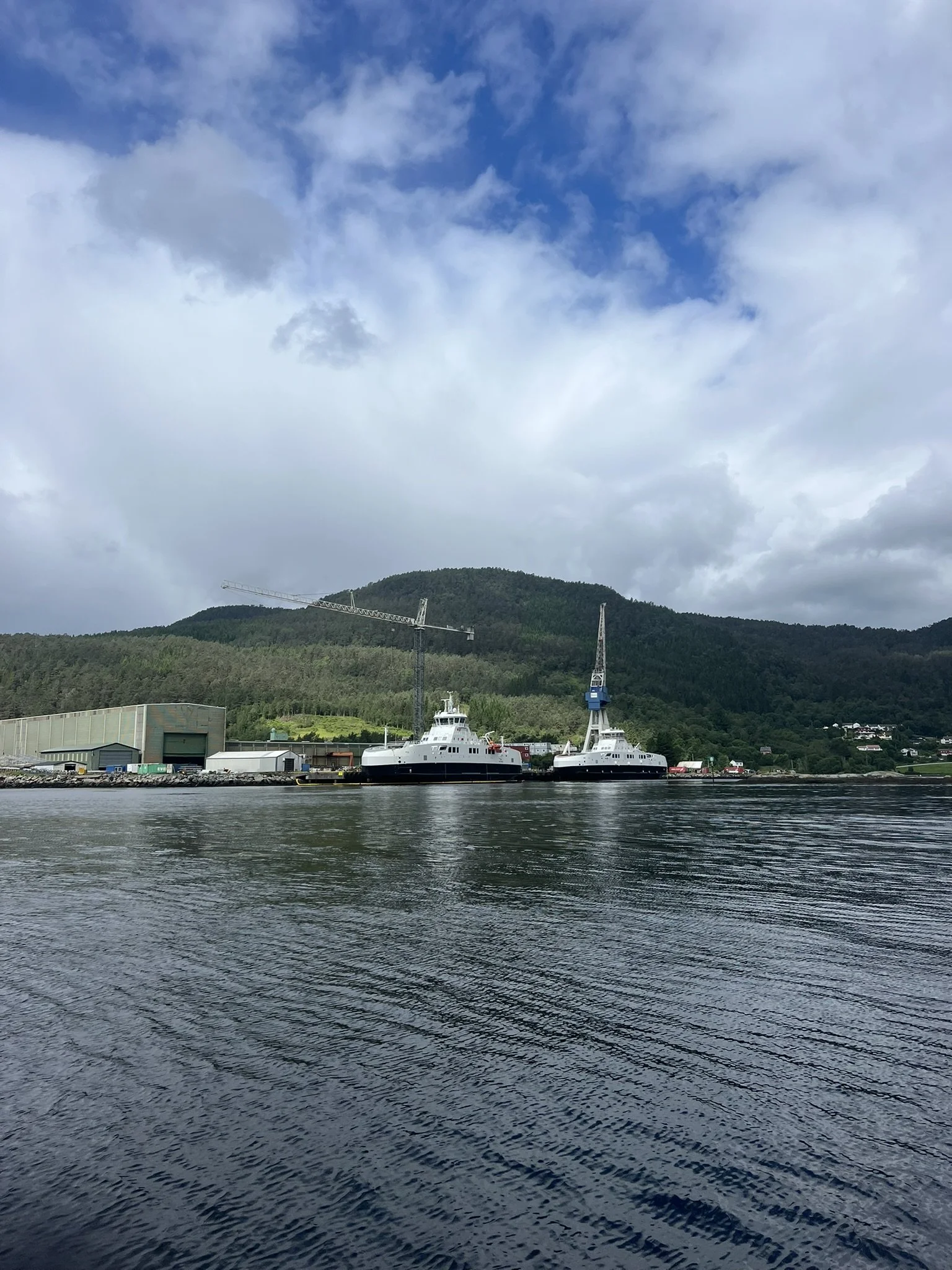
Day 84: Leirvik NO - Askrova NO
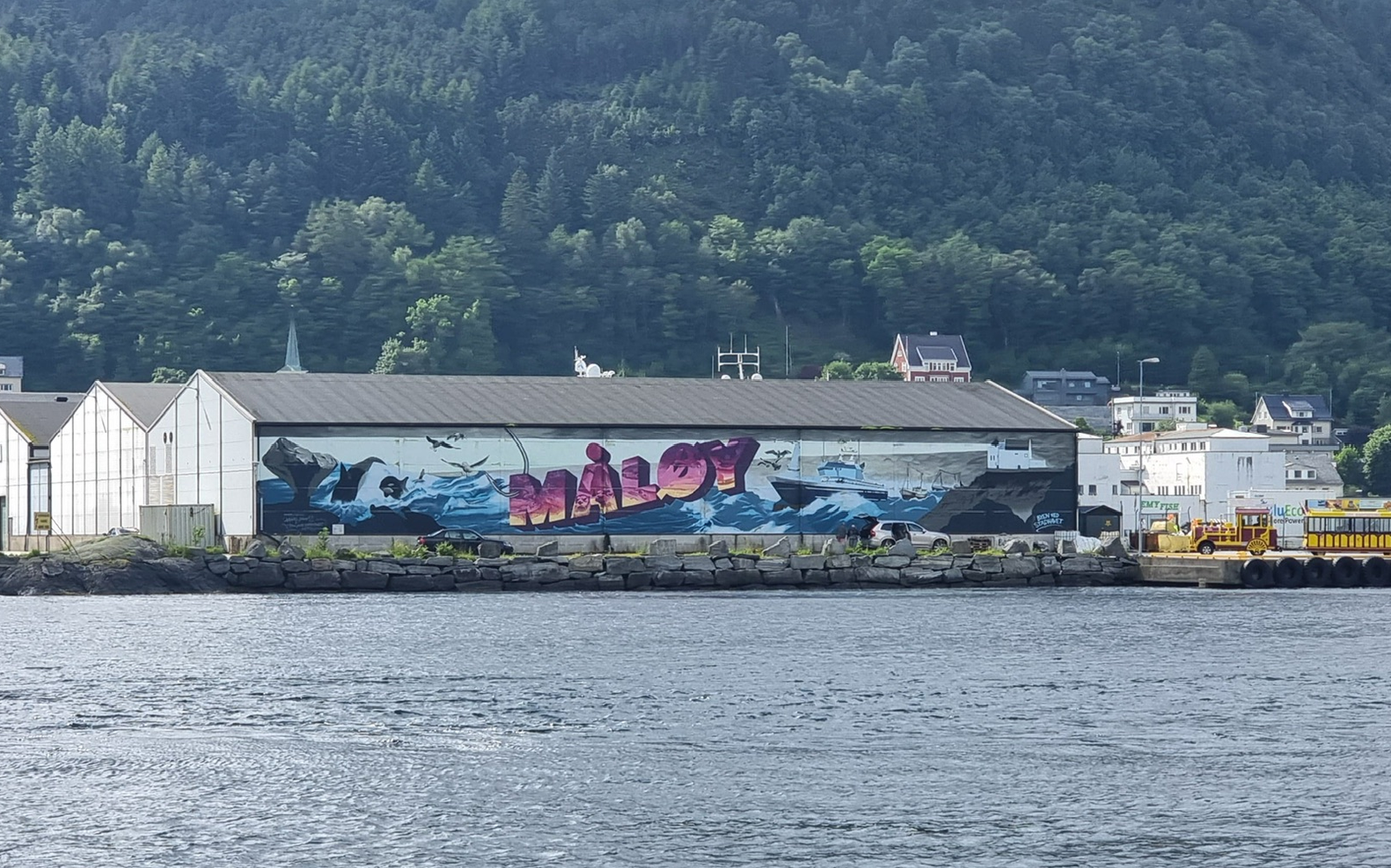
Day 85: Askrova NO - Måløy NO
Day 86: Måløy NO - Fosnavåg NO
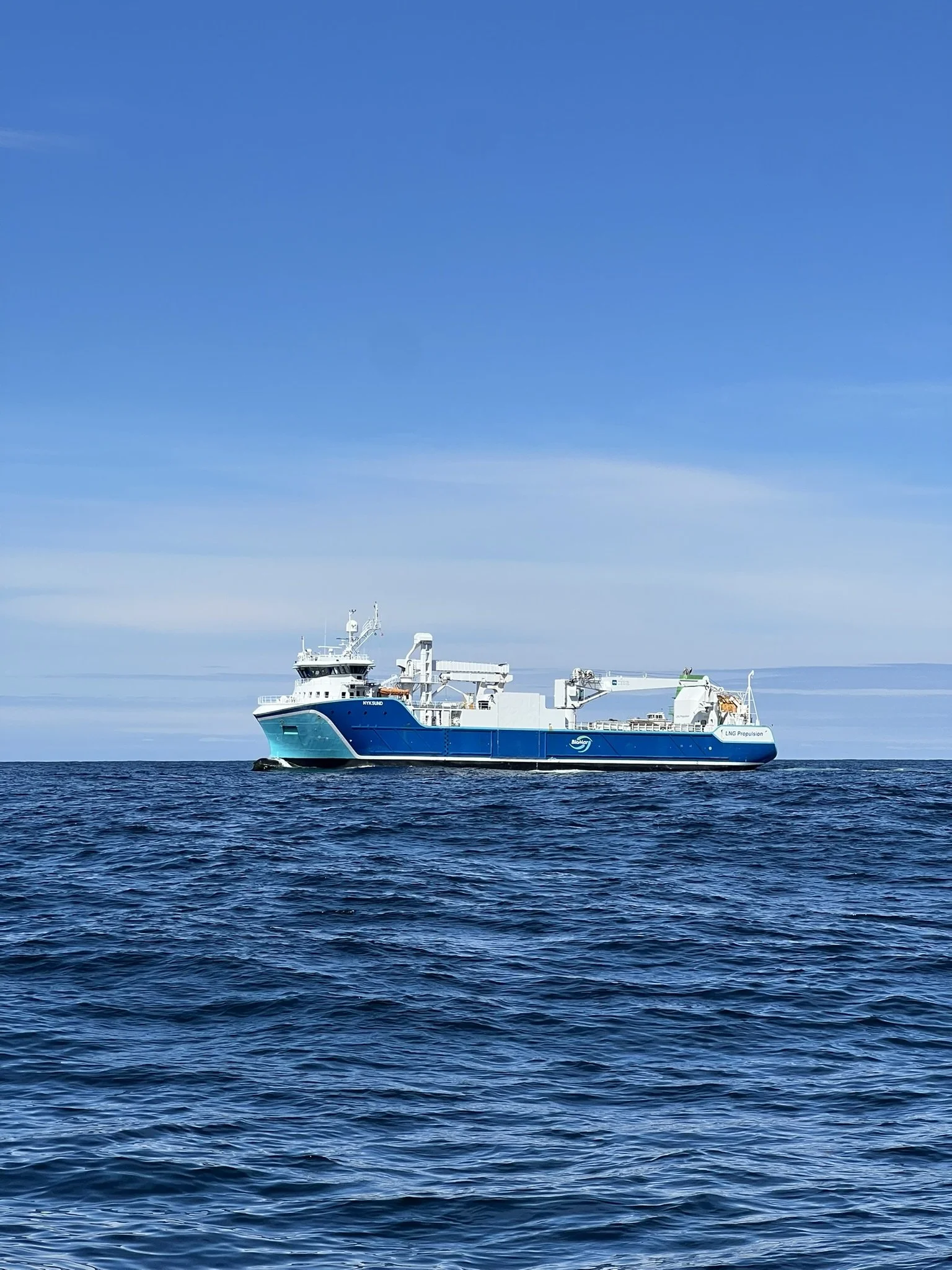
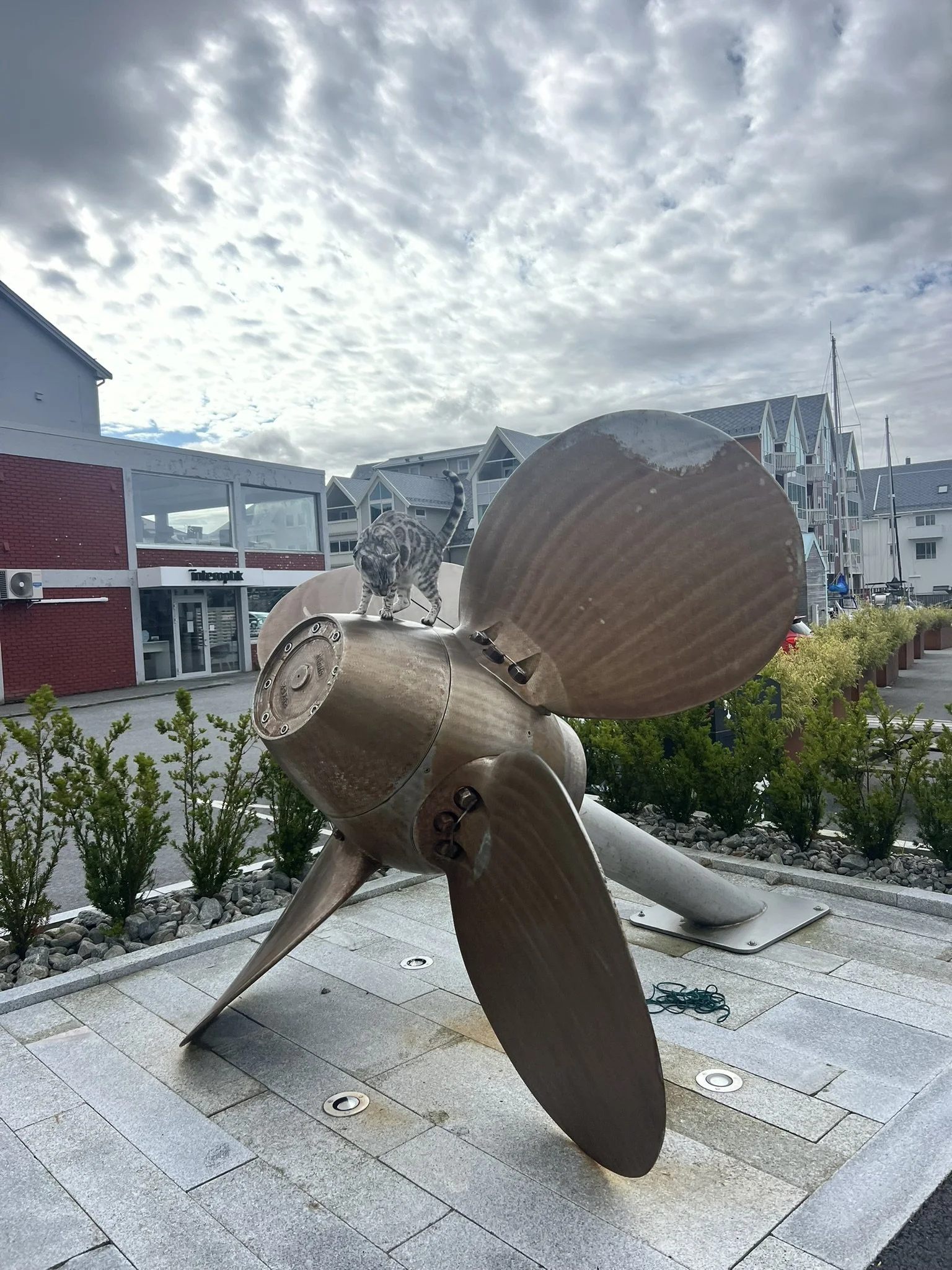
Day 87: Fosnavåg NO - Ona NO
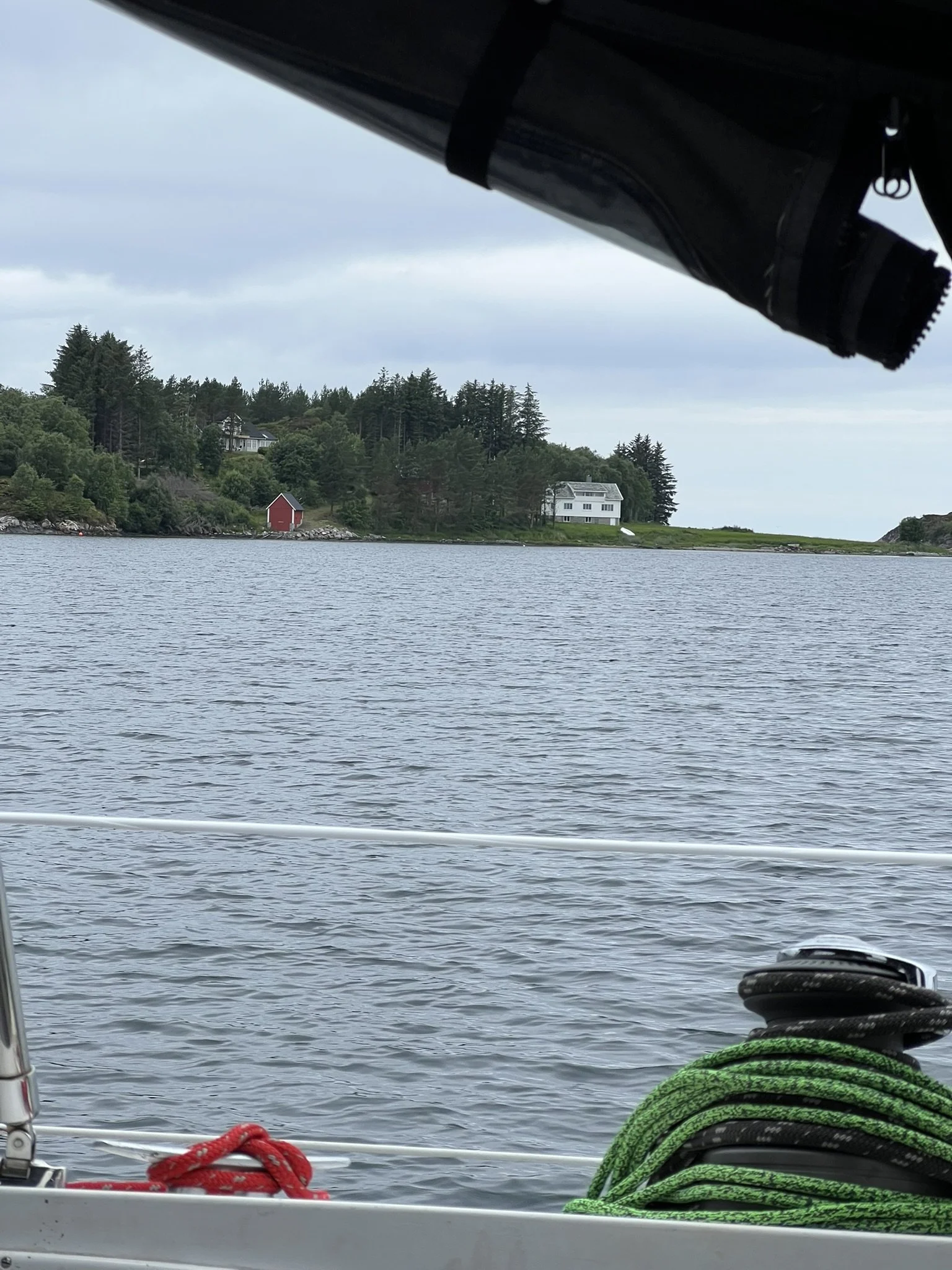
Day 88: Ona NO - Kristiansund NO
Day 89-90: Kristiansund NO