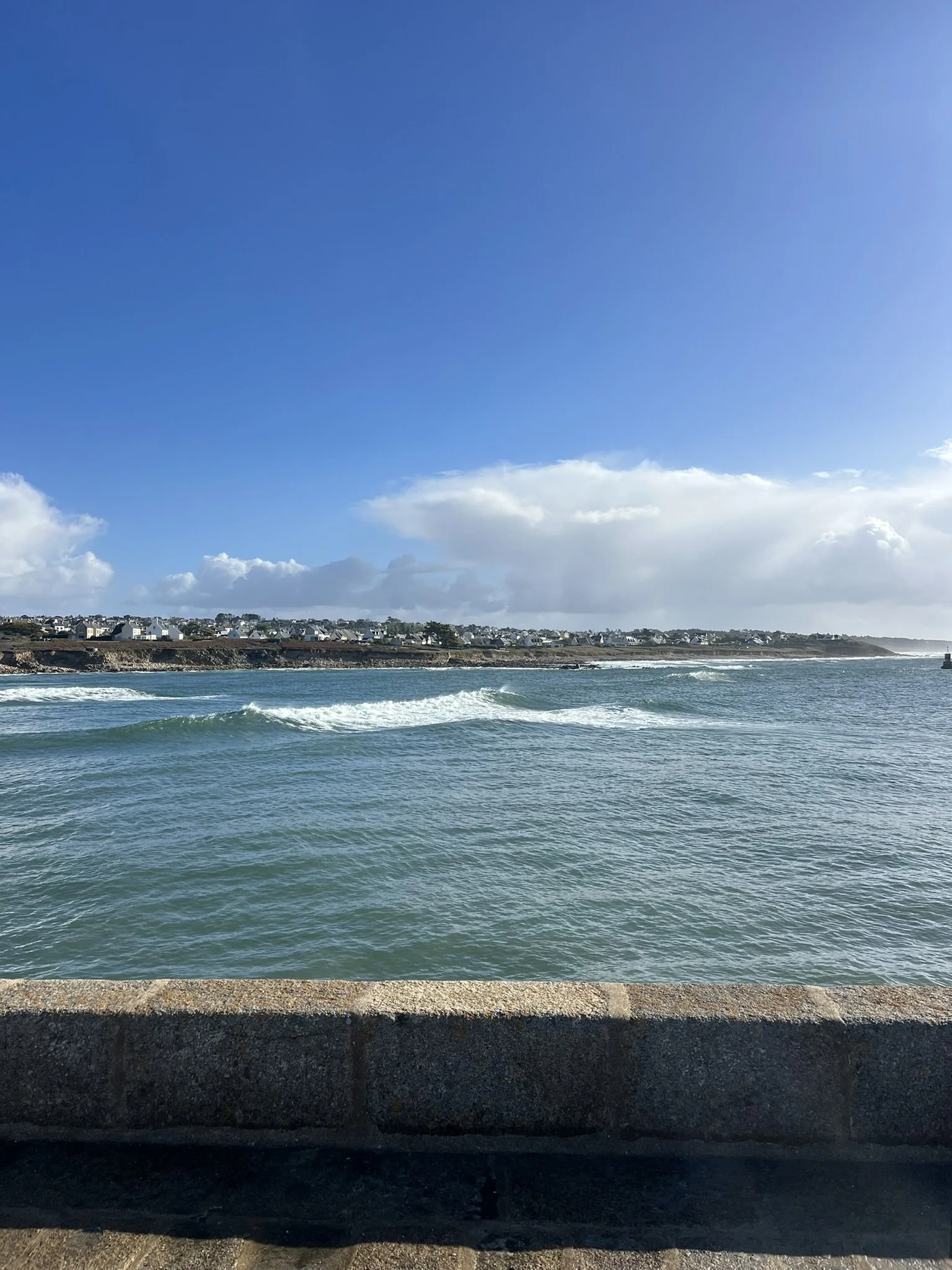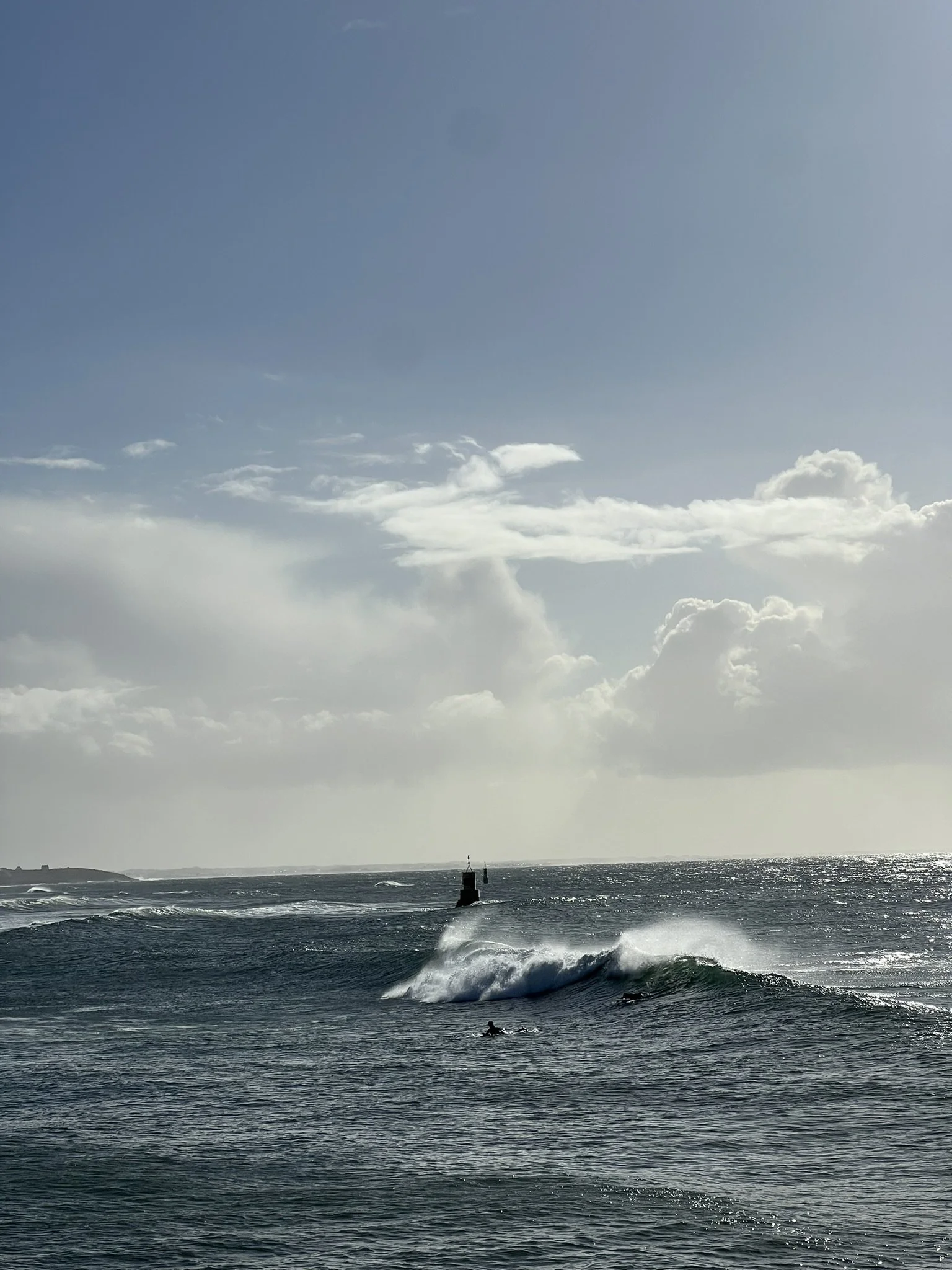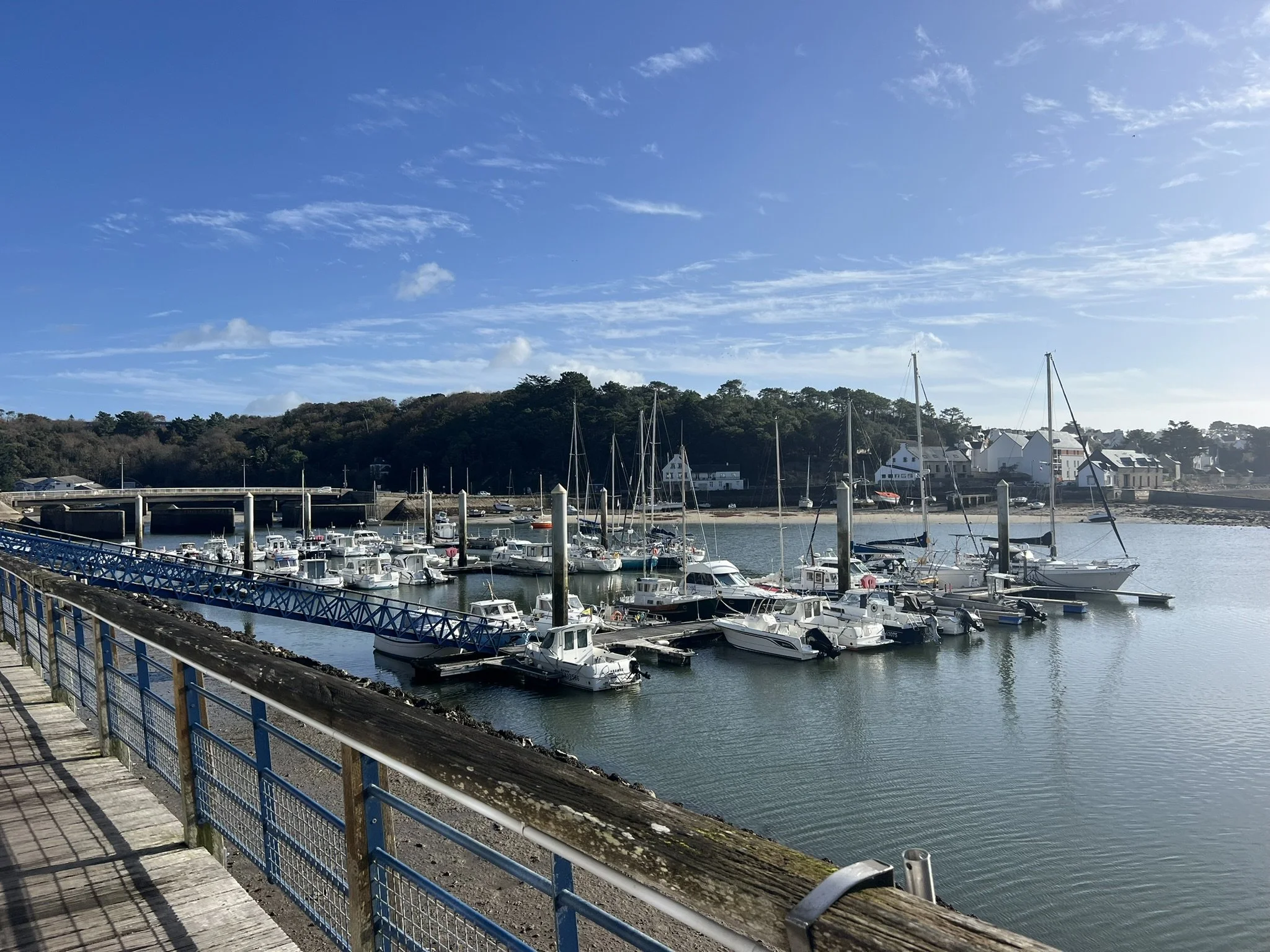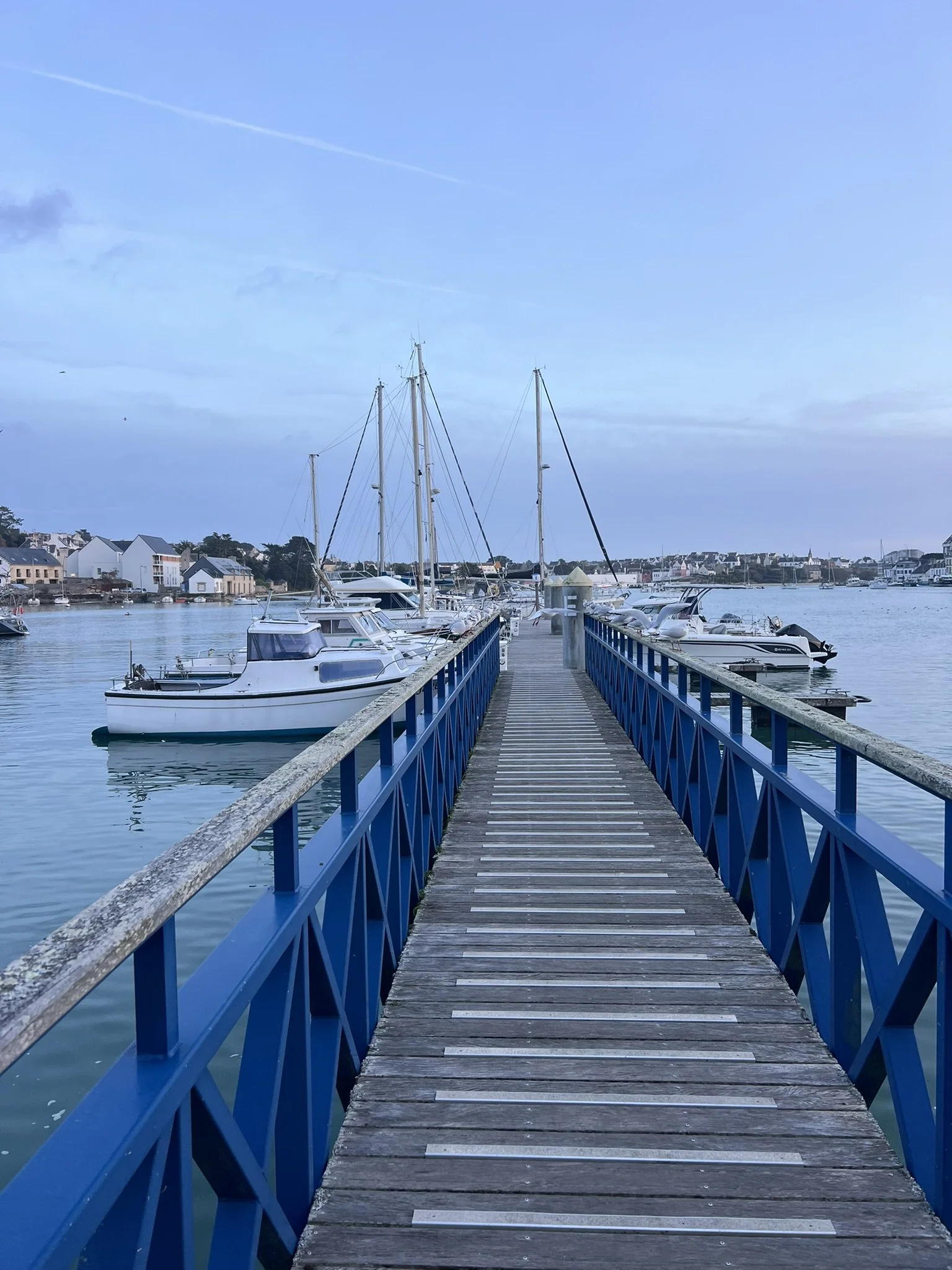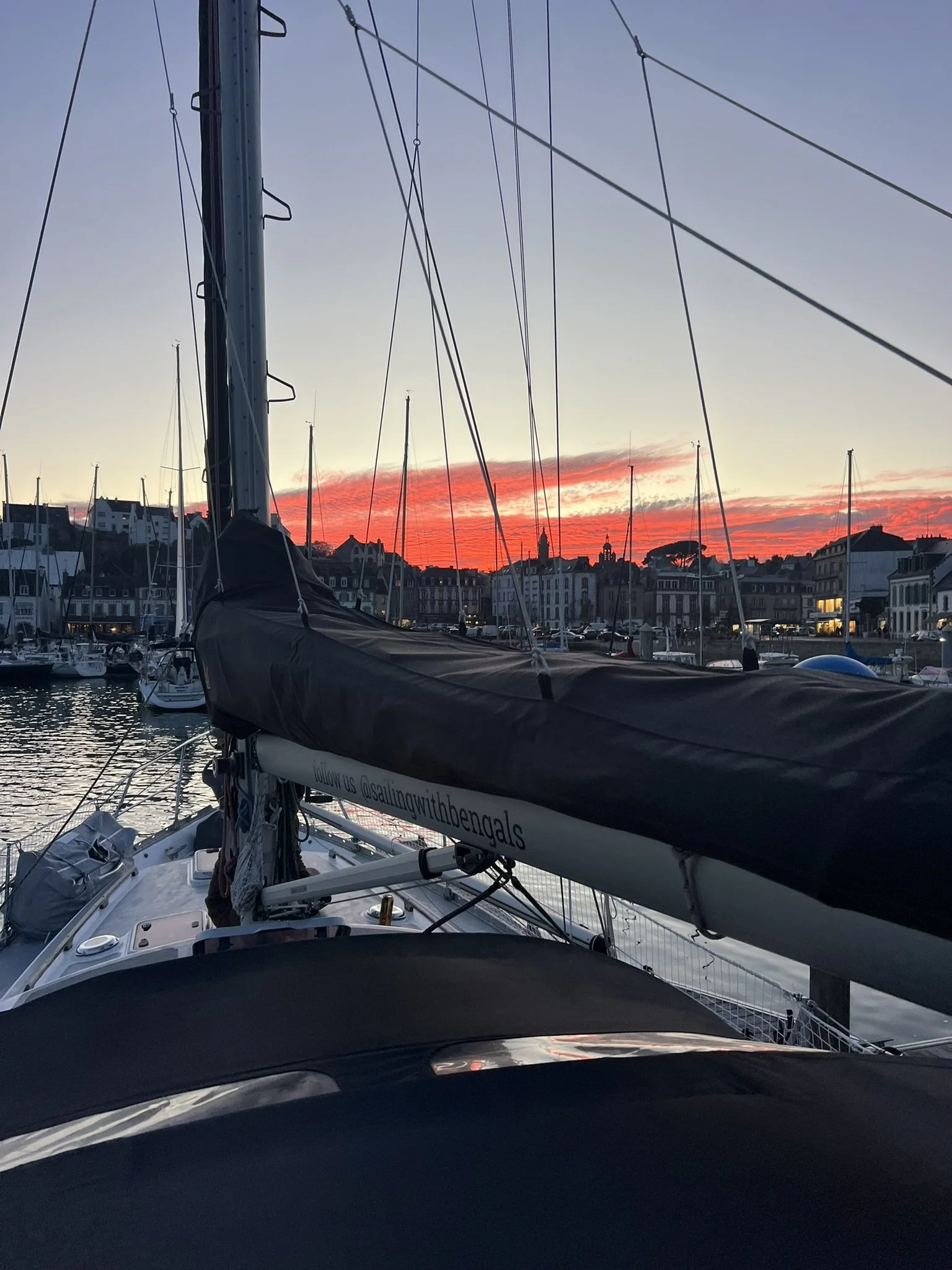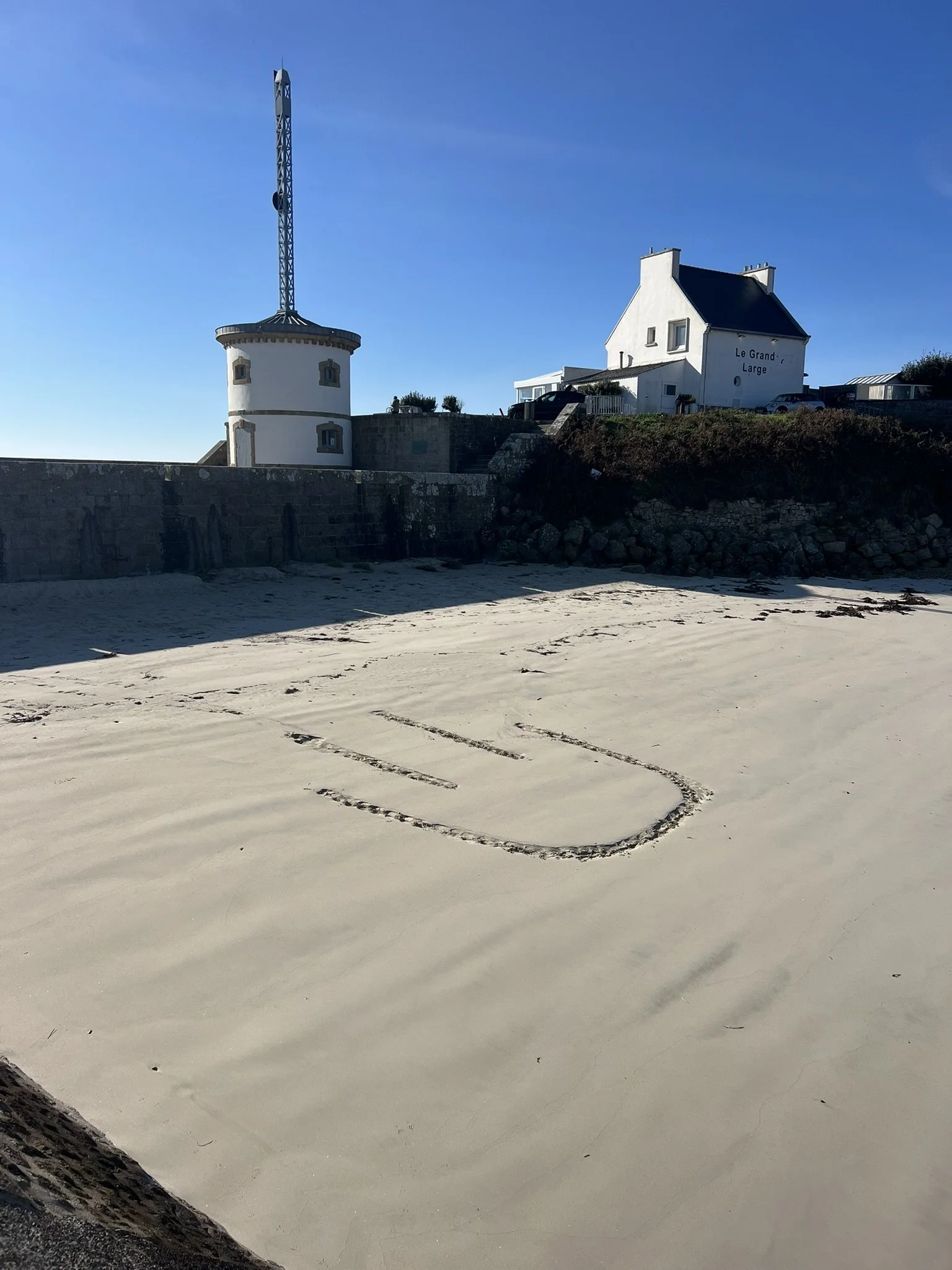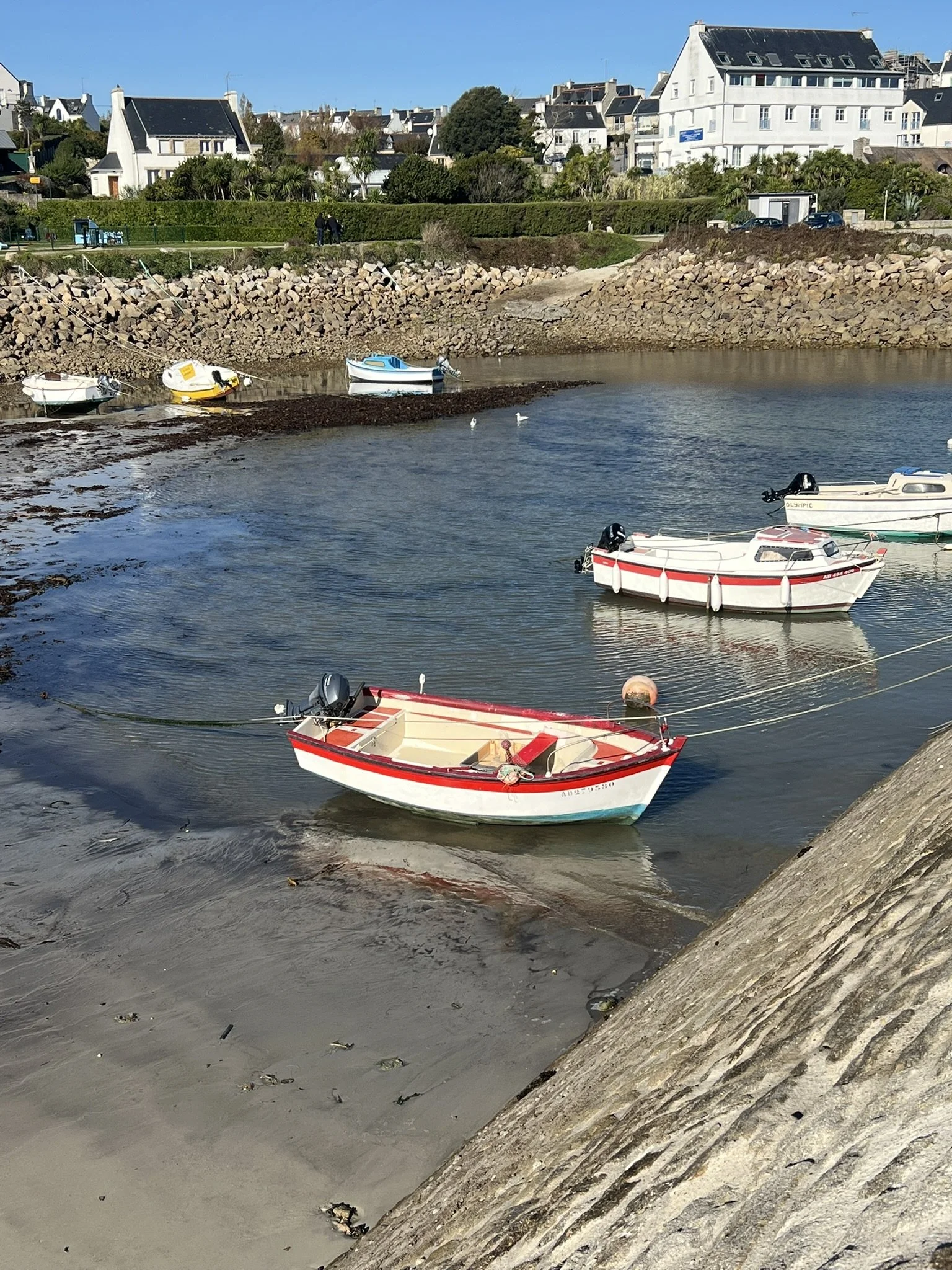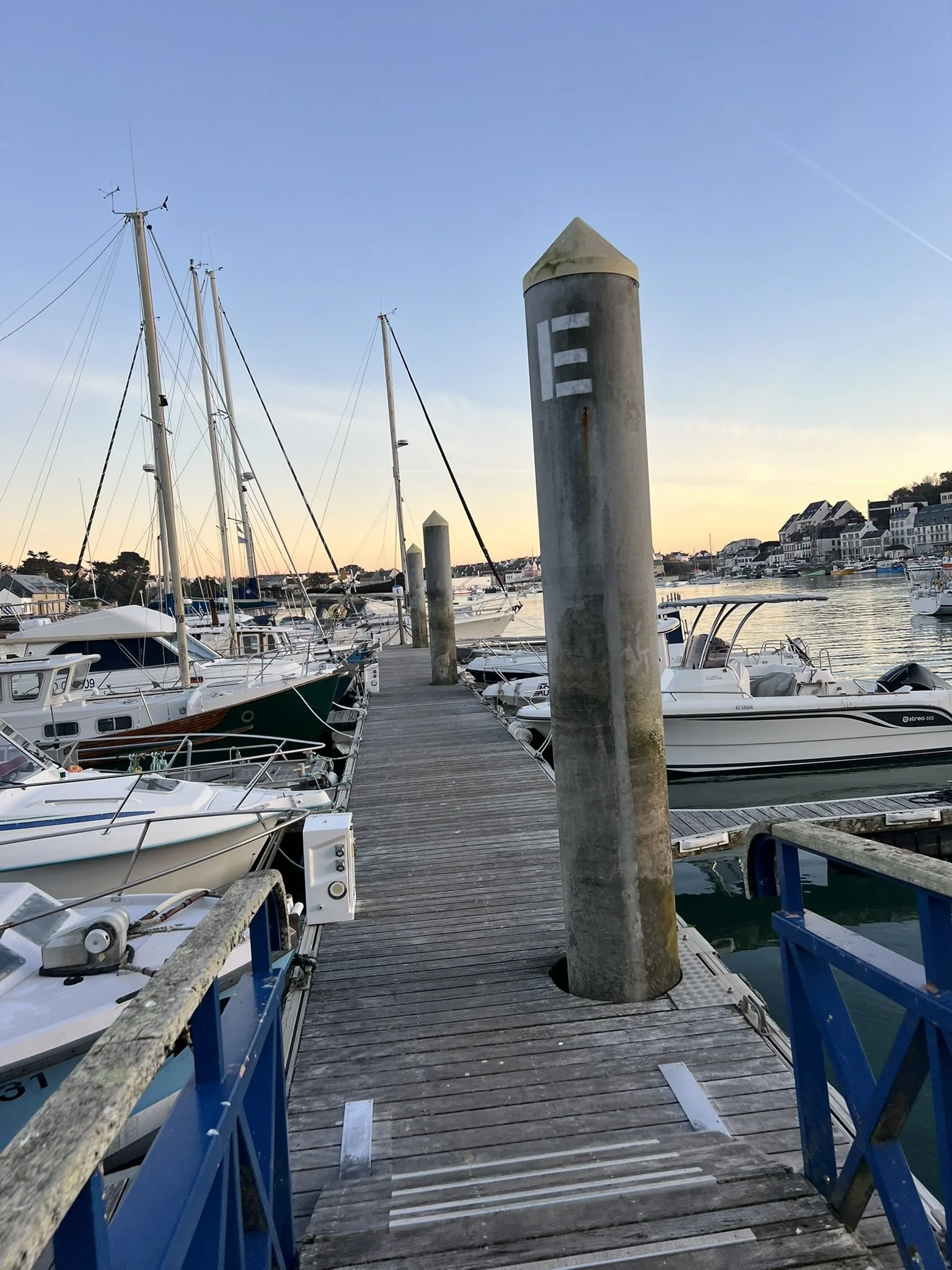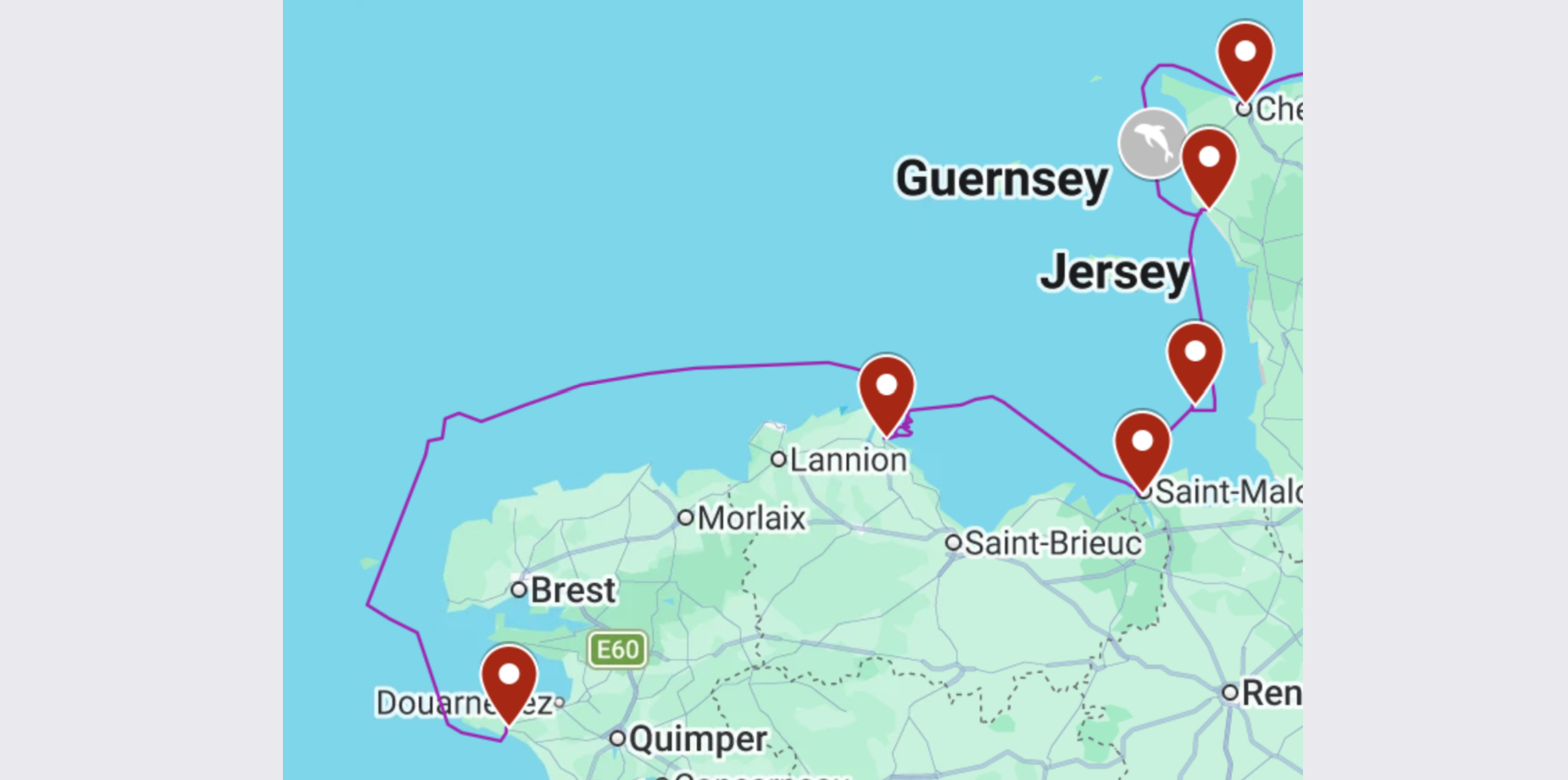
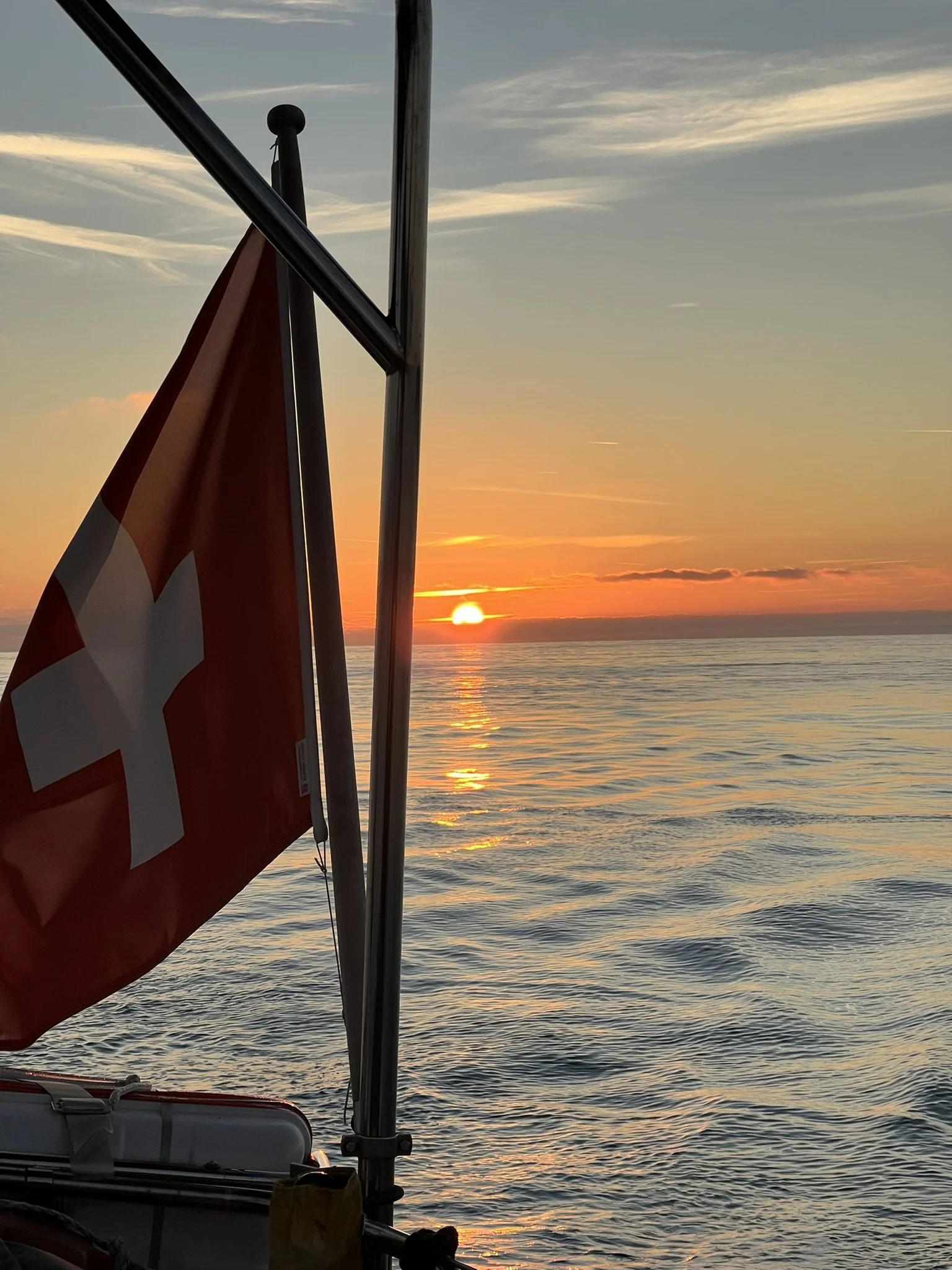
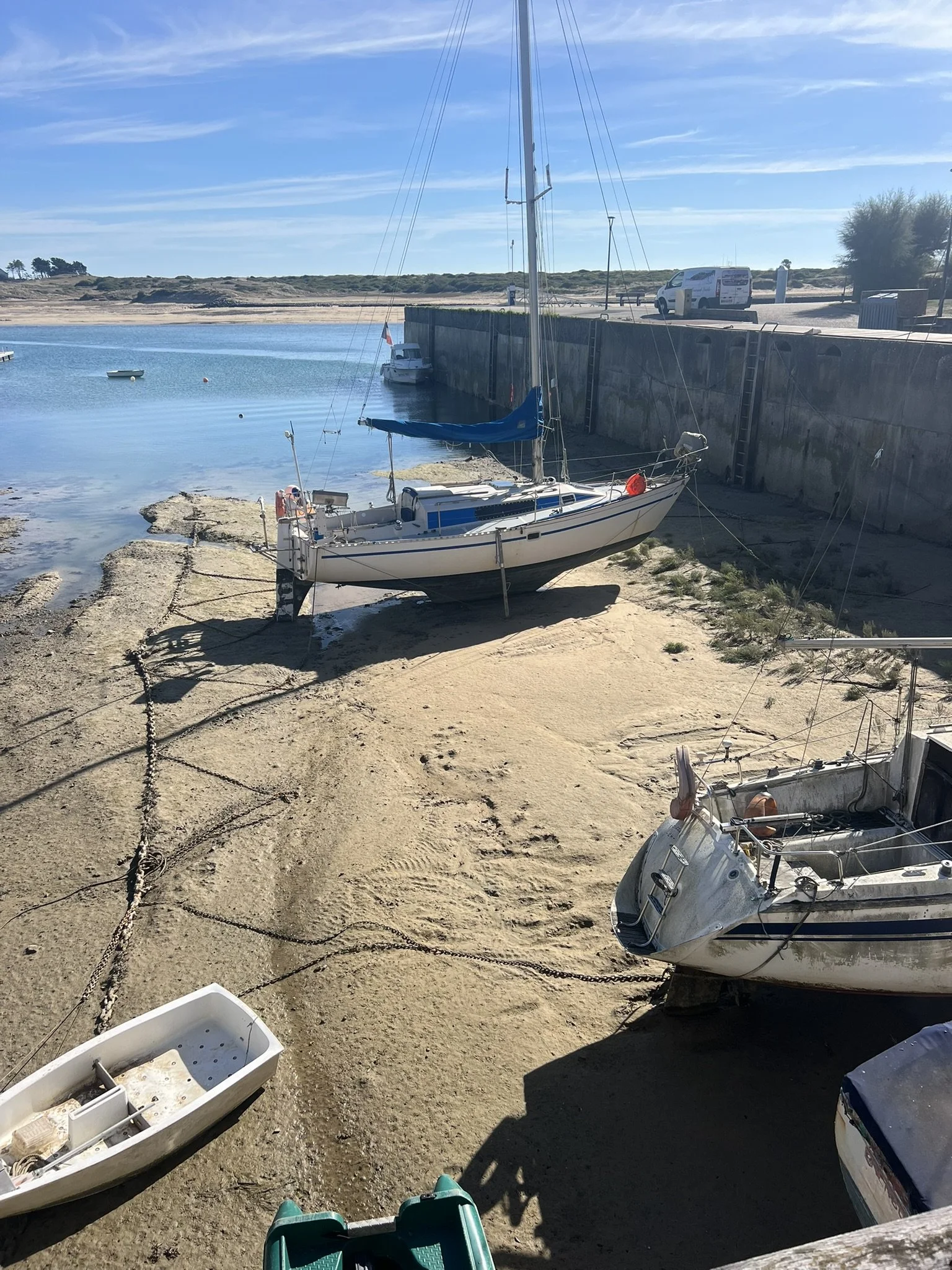
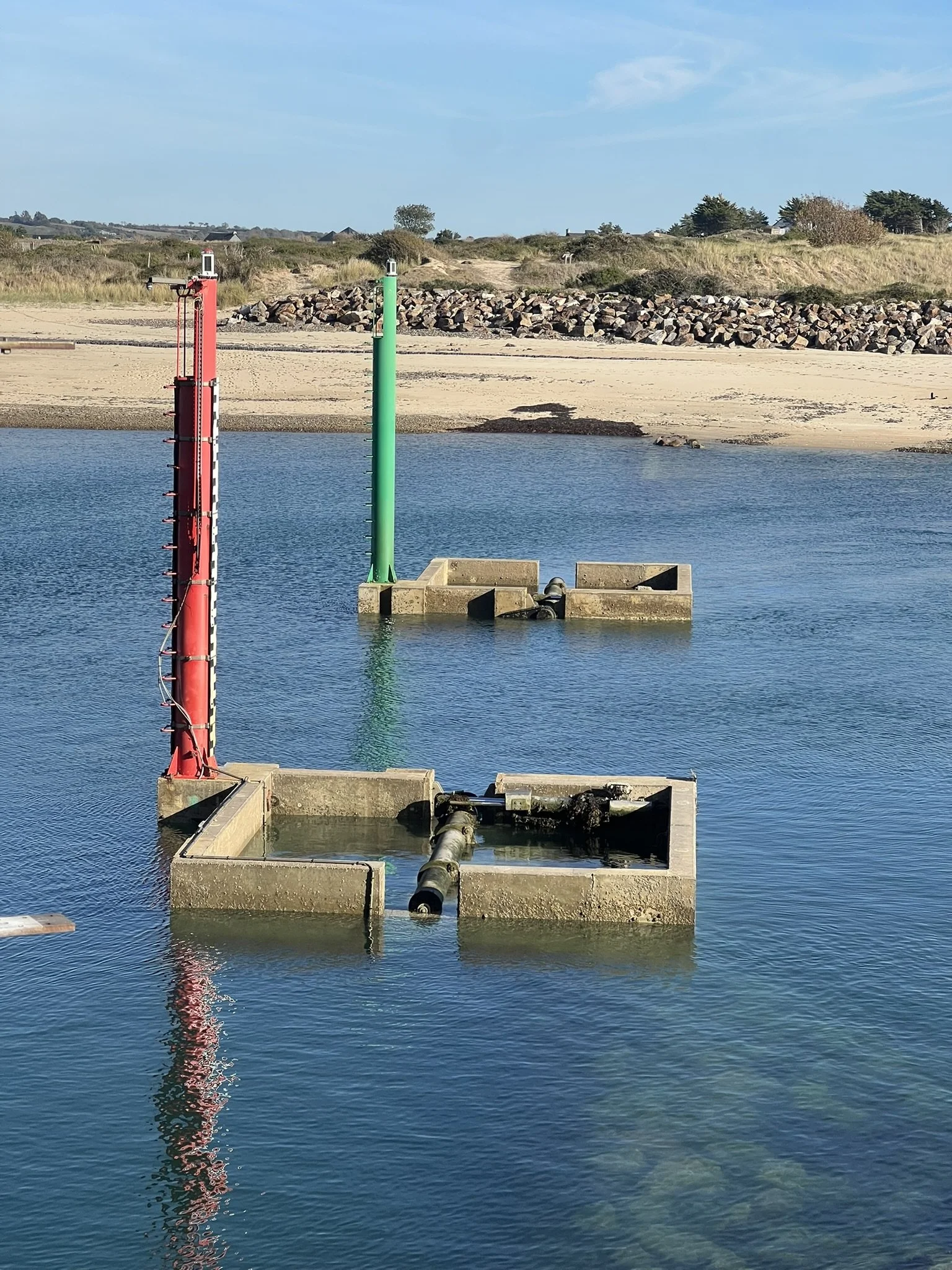
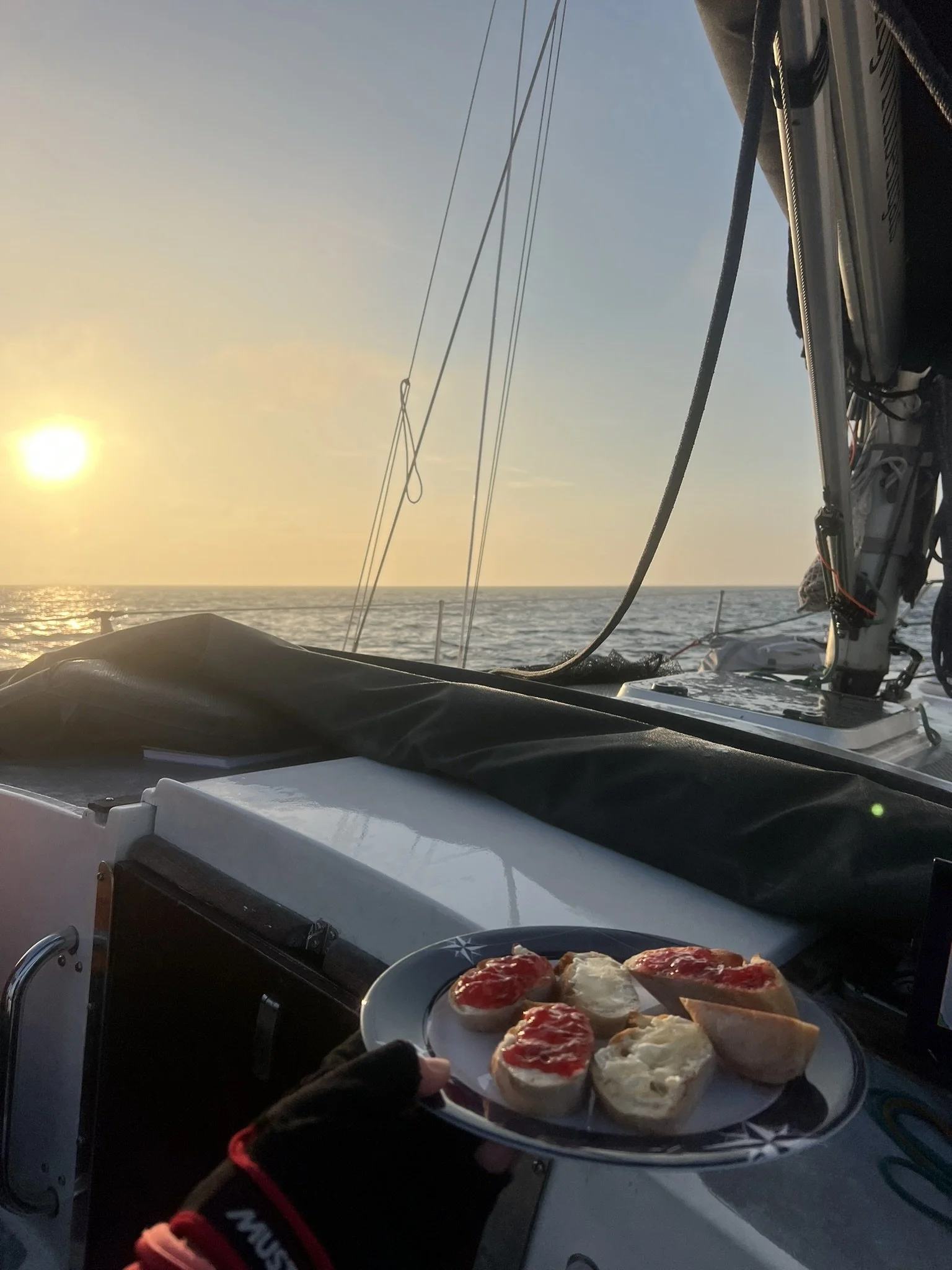
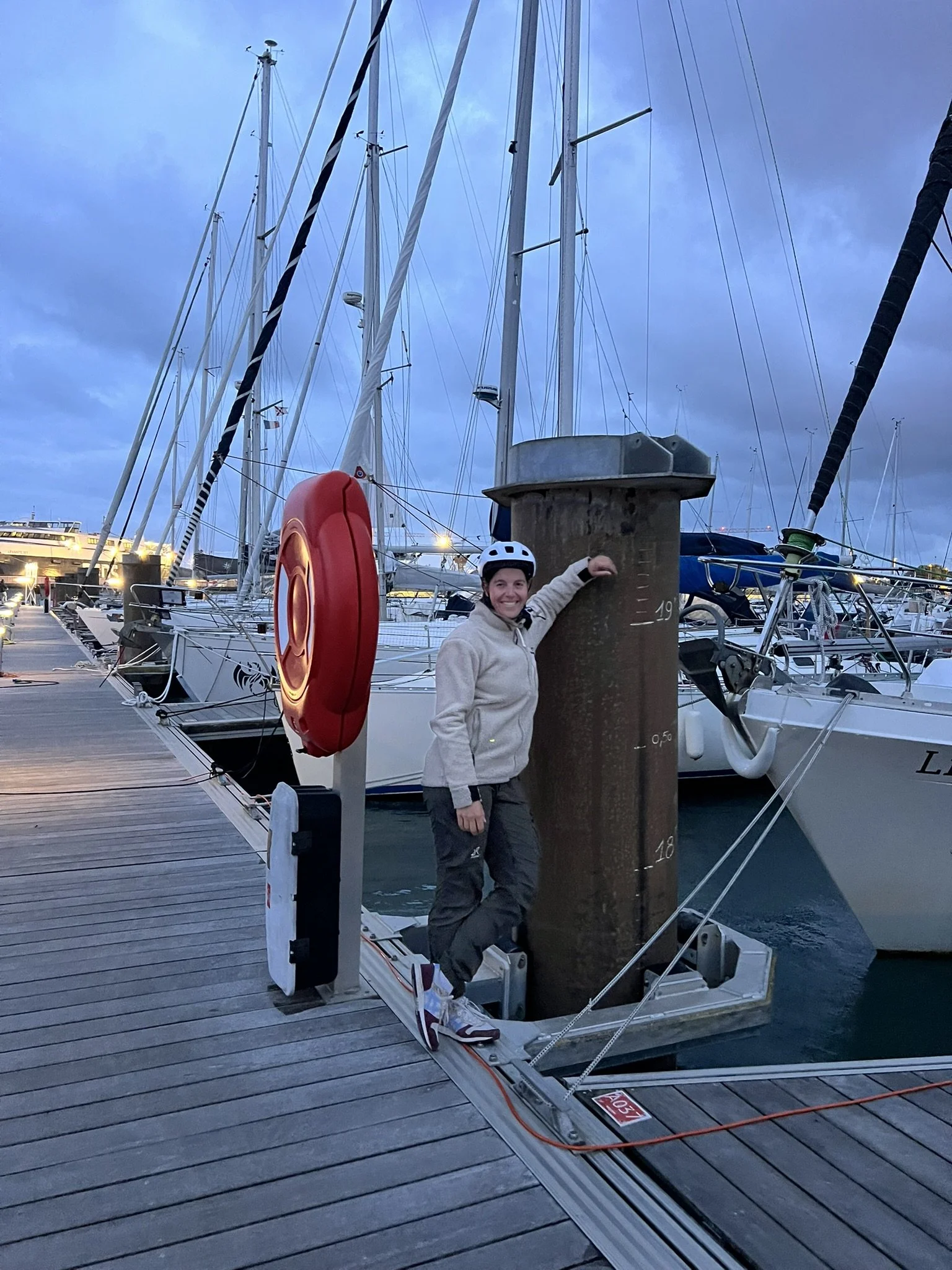
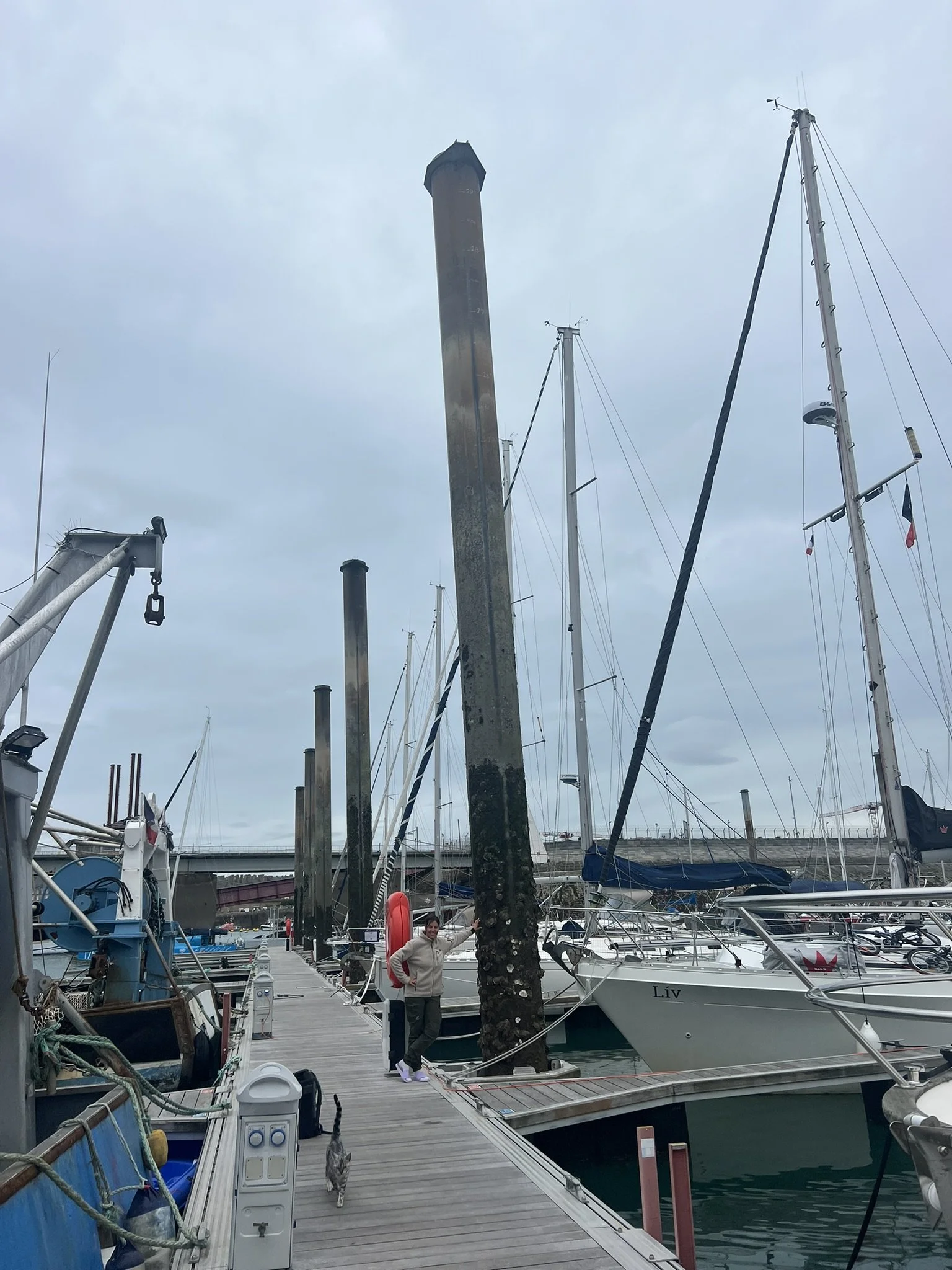
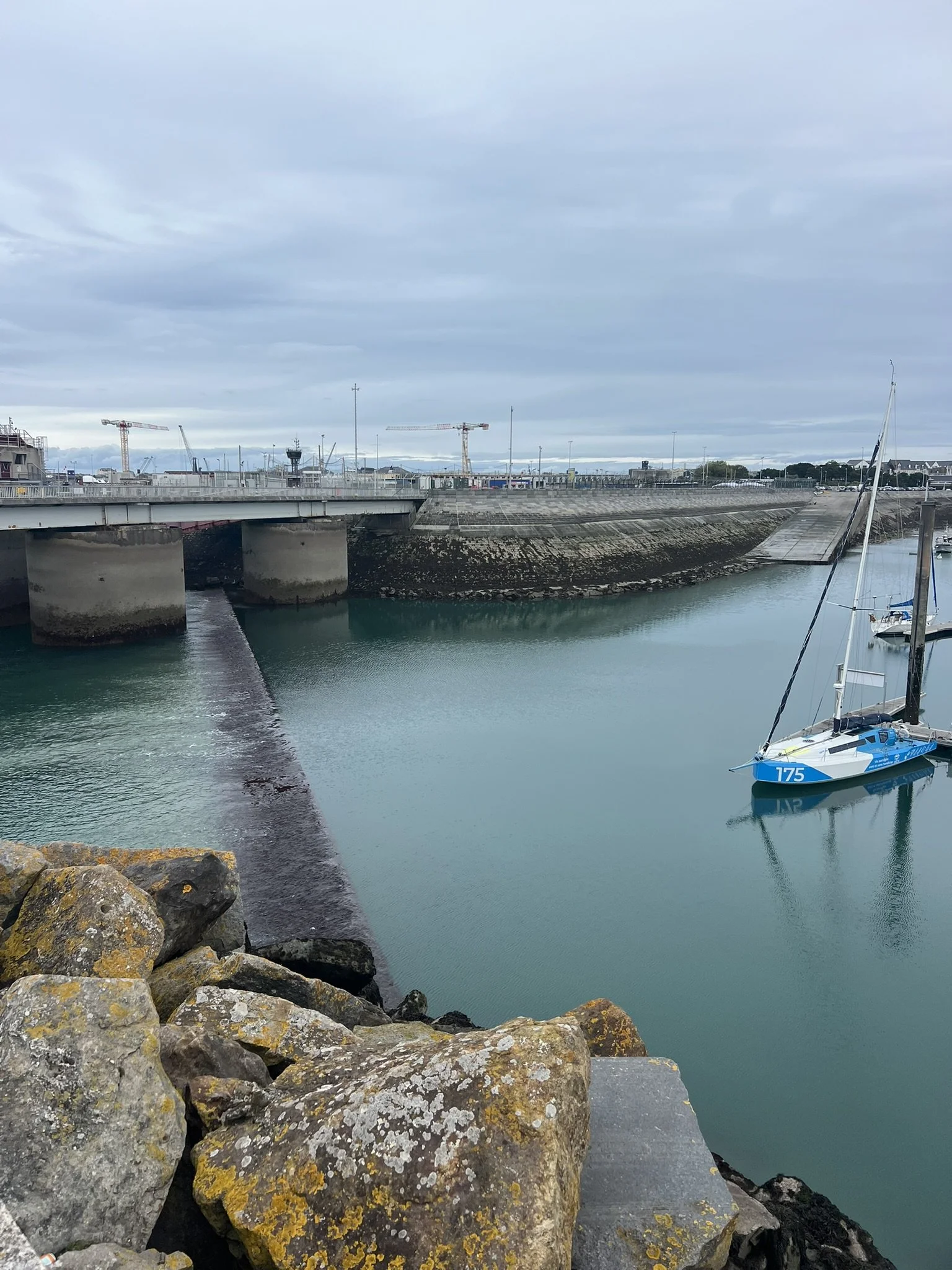
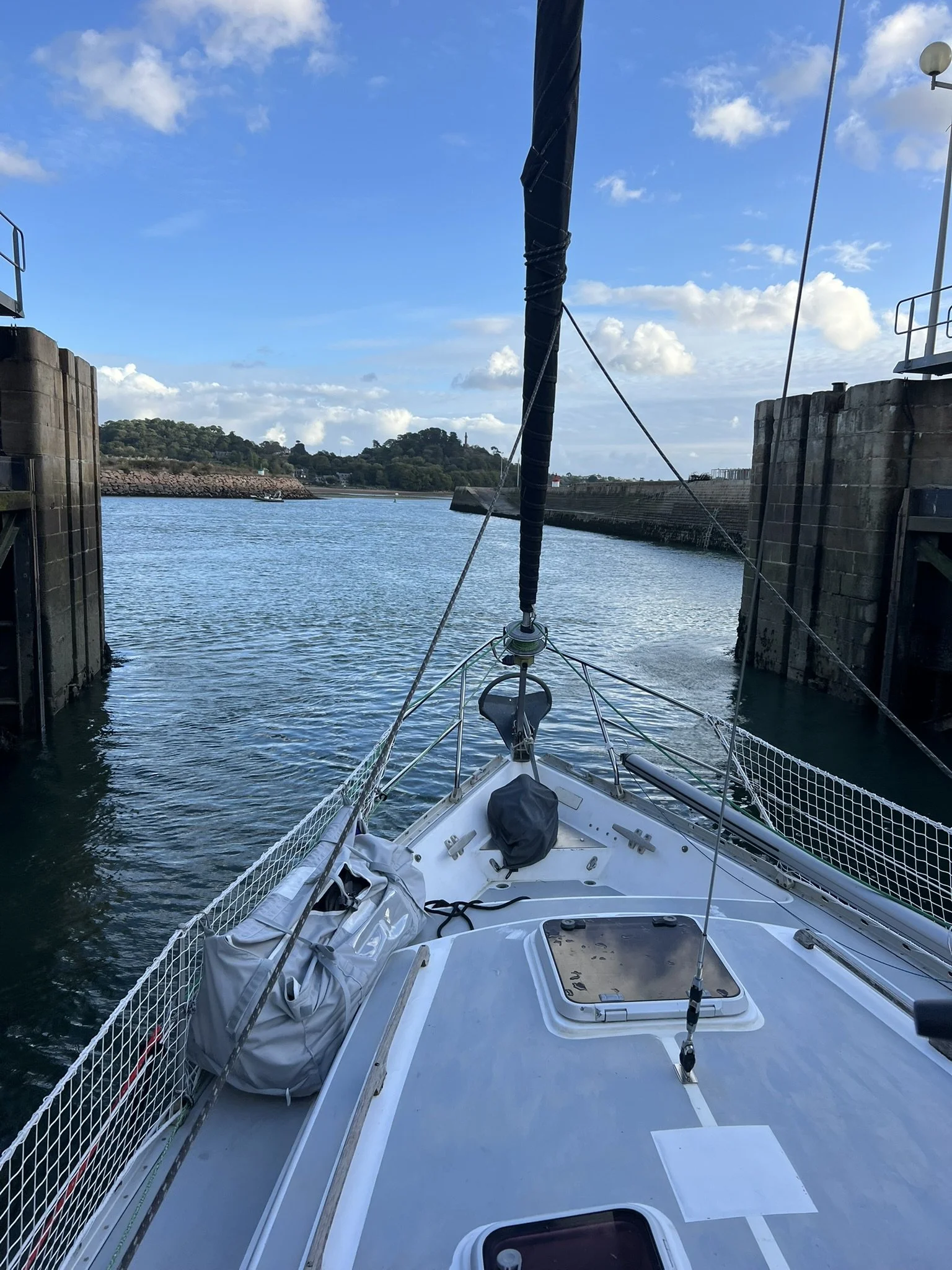
After picking up my parents in Cherbourg, we had a few early mornings ahead of us to catch the tides. Our first trip took us to Carteret, a small fishing town with a well-protected harbour behind a gate. Since we arrived too early, we had to anchor outside the harbour and wait for the lock to open.
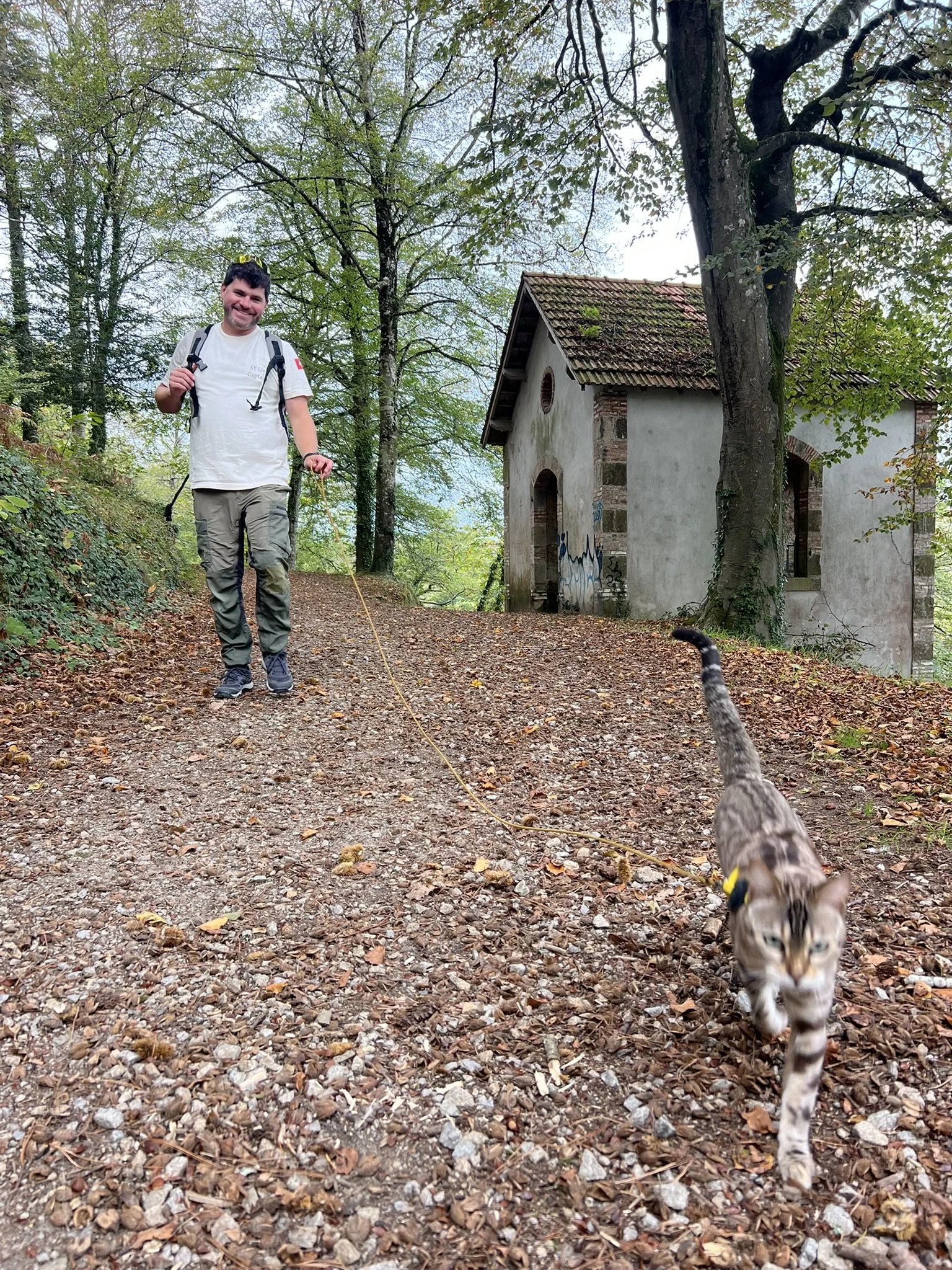
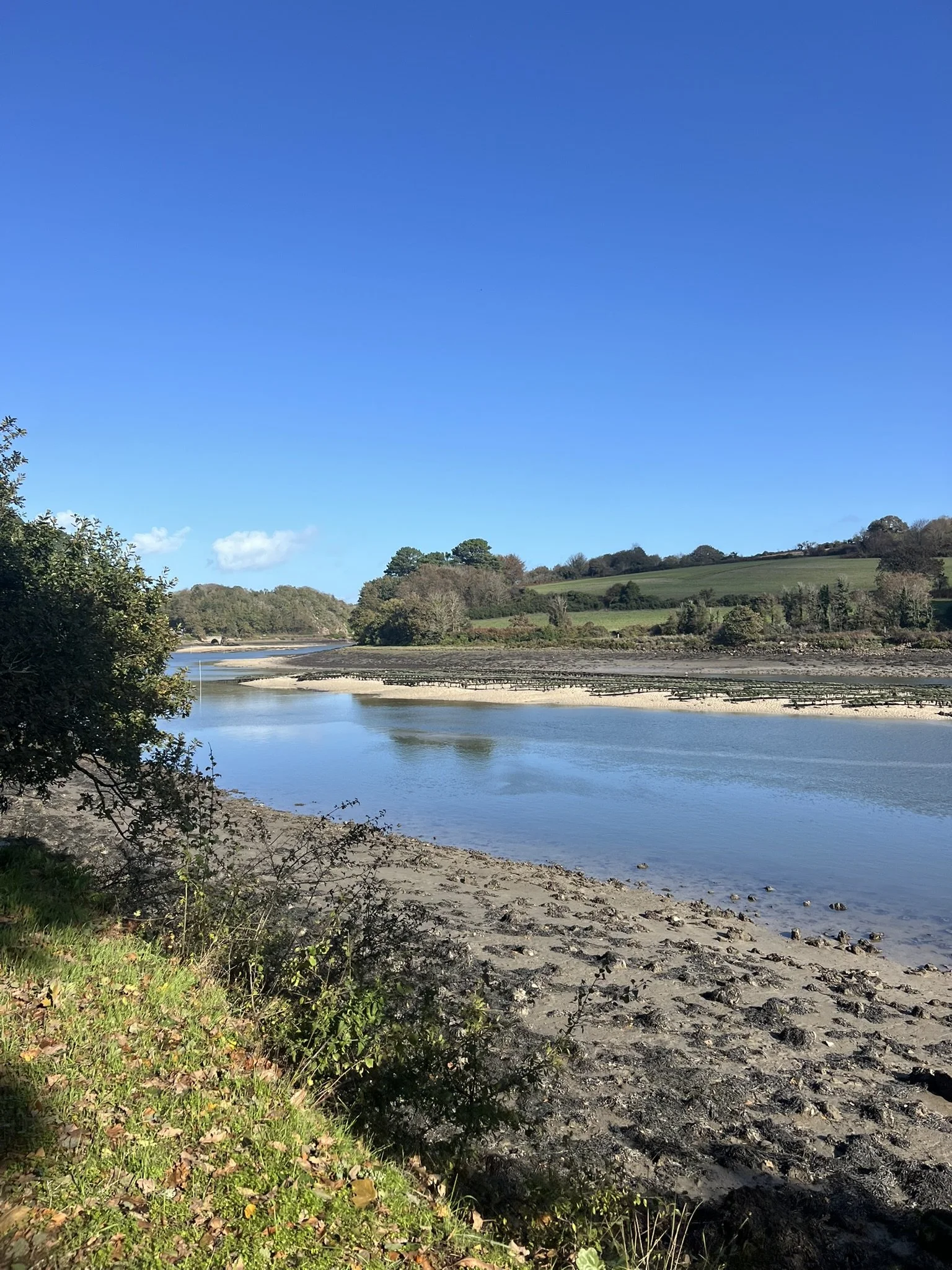
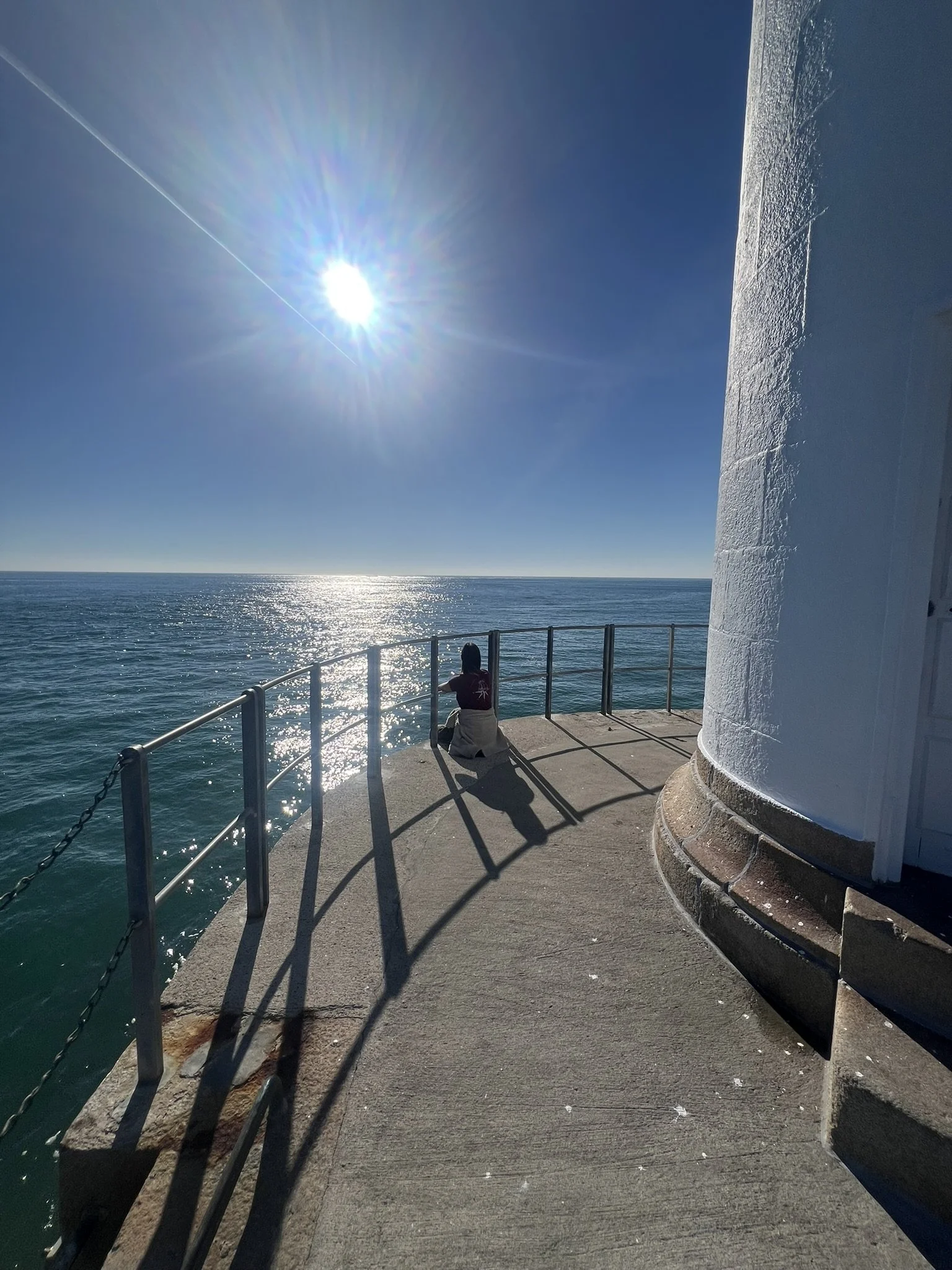
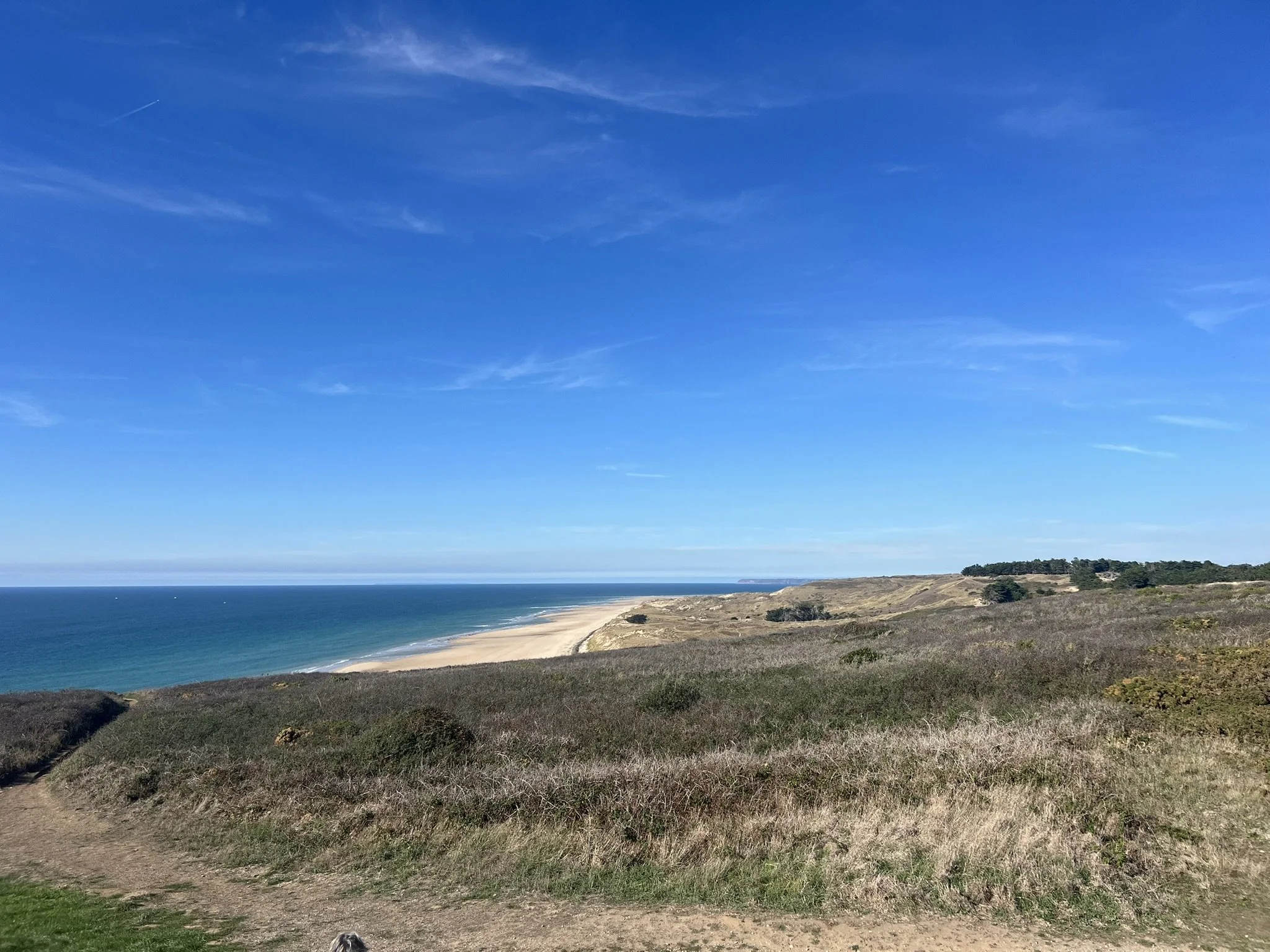
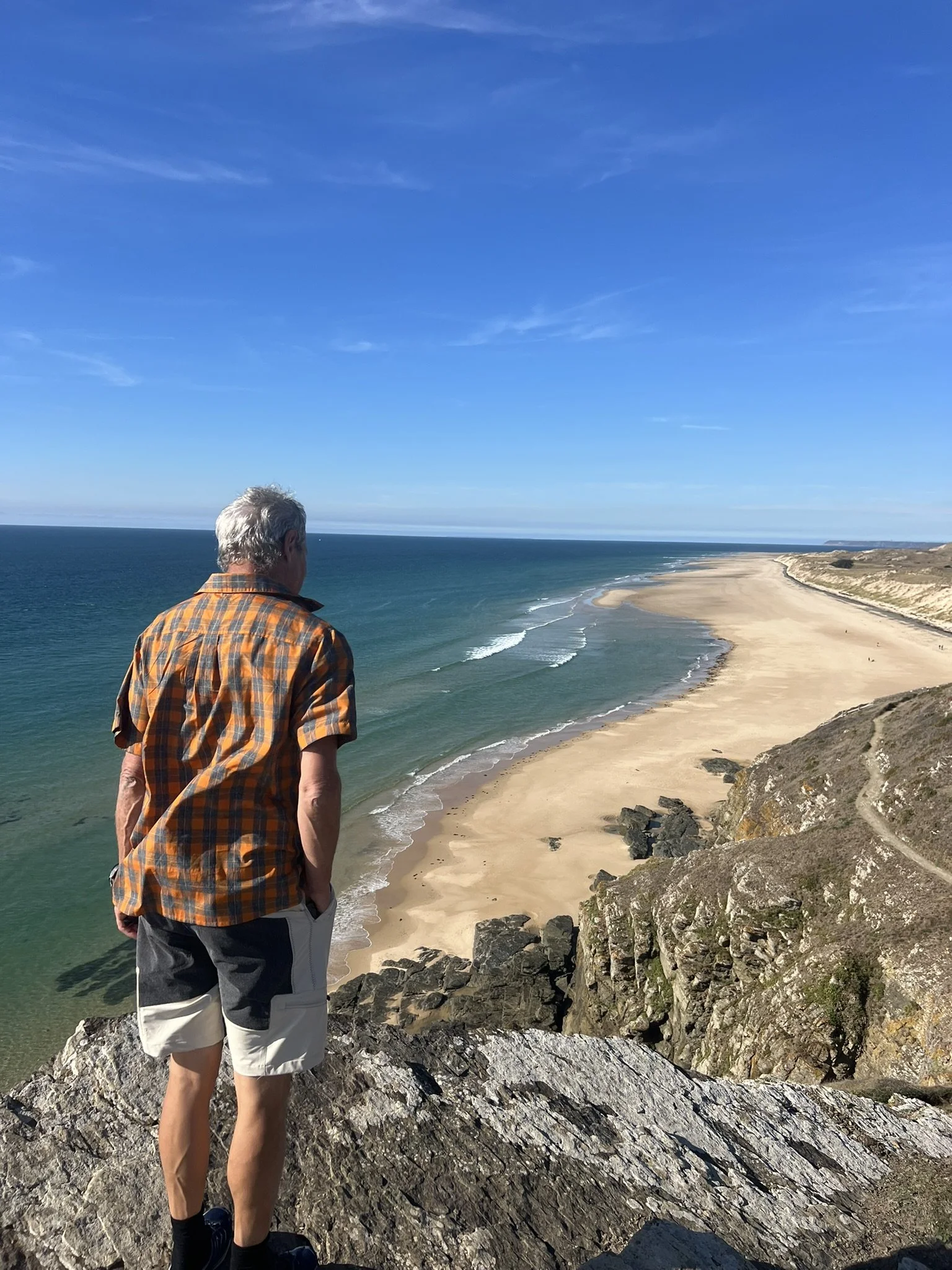
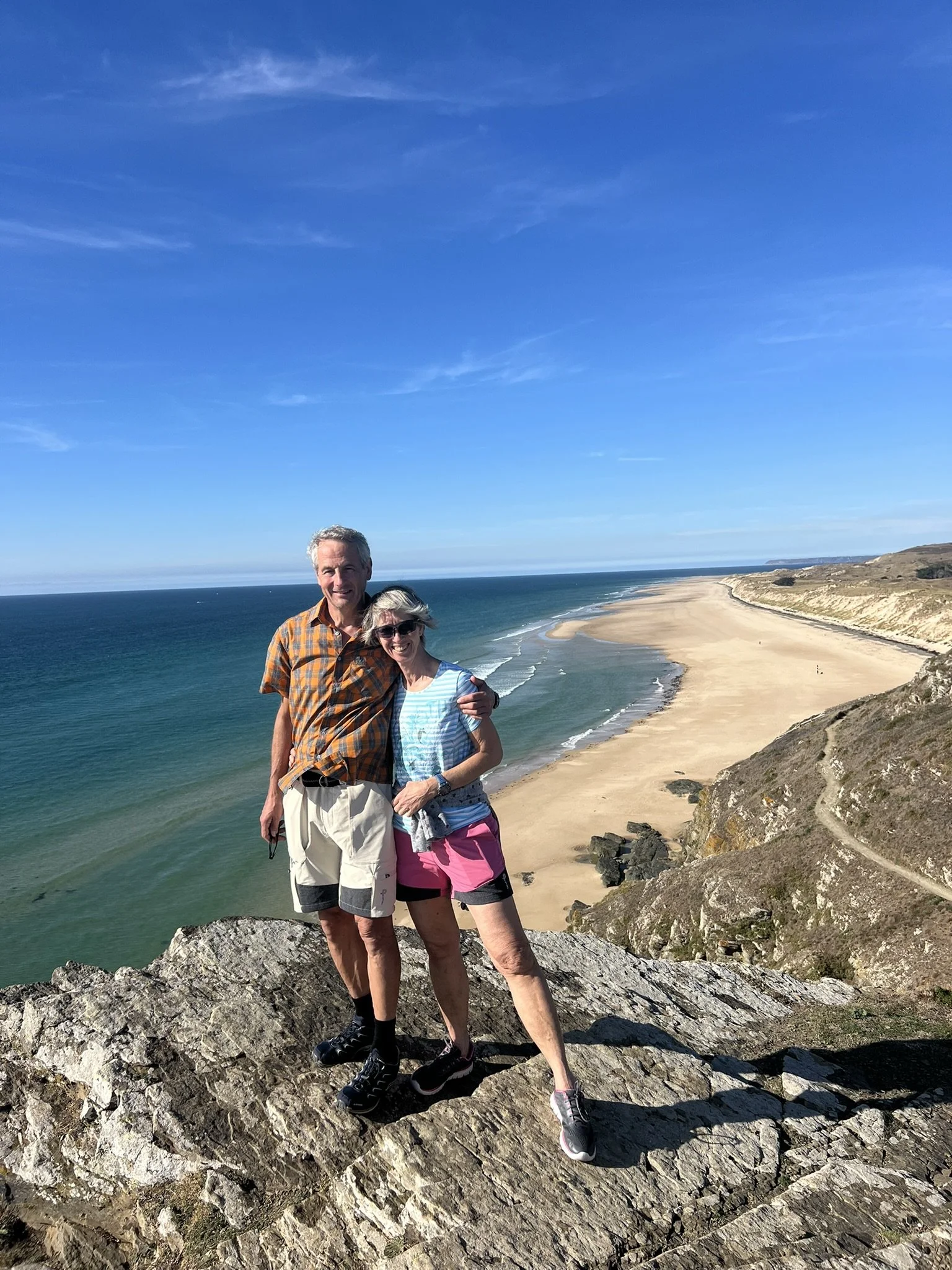
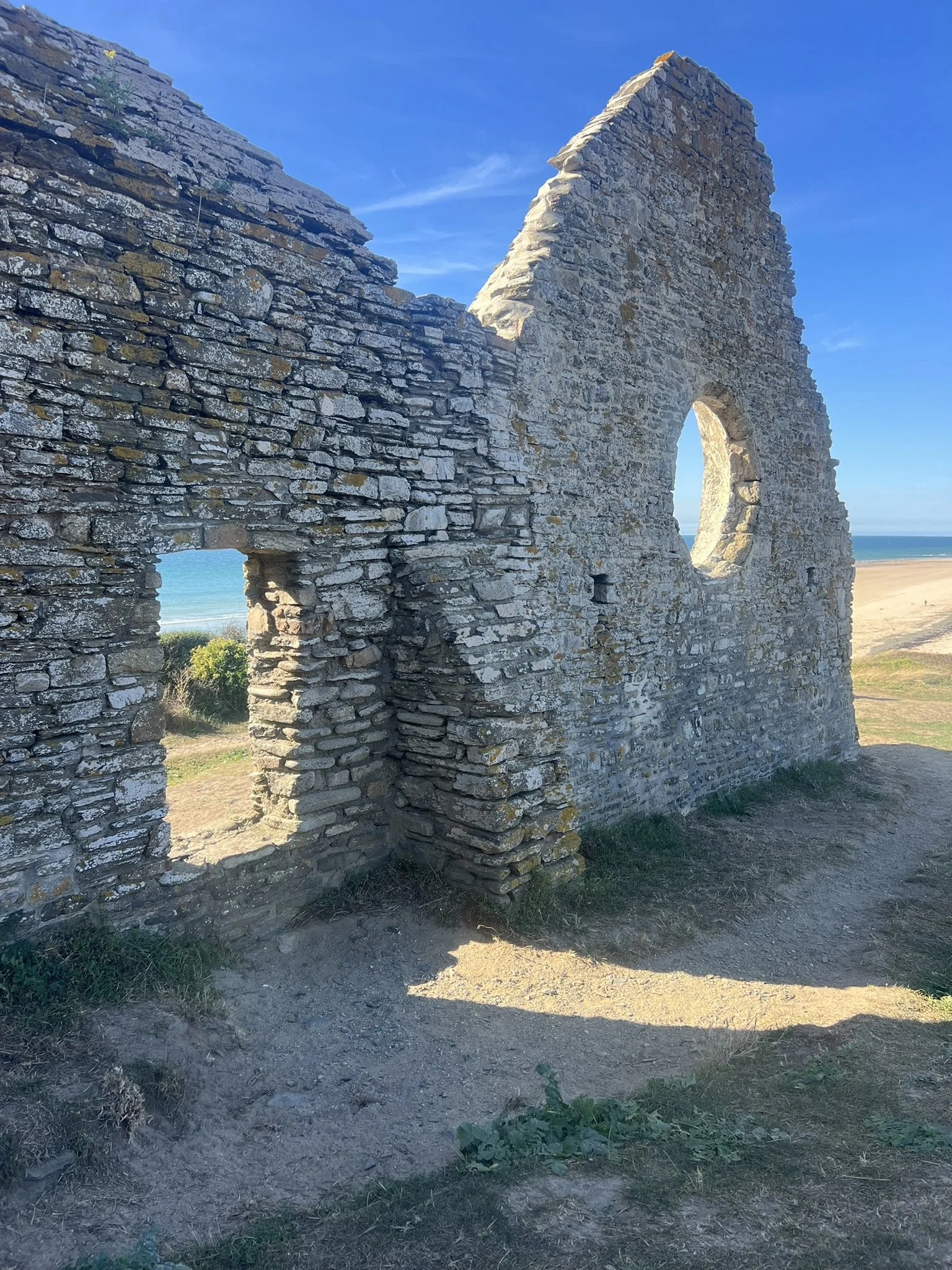
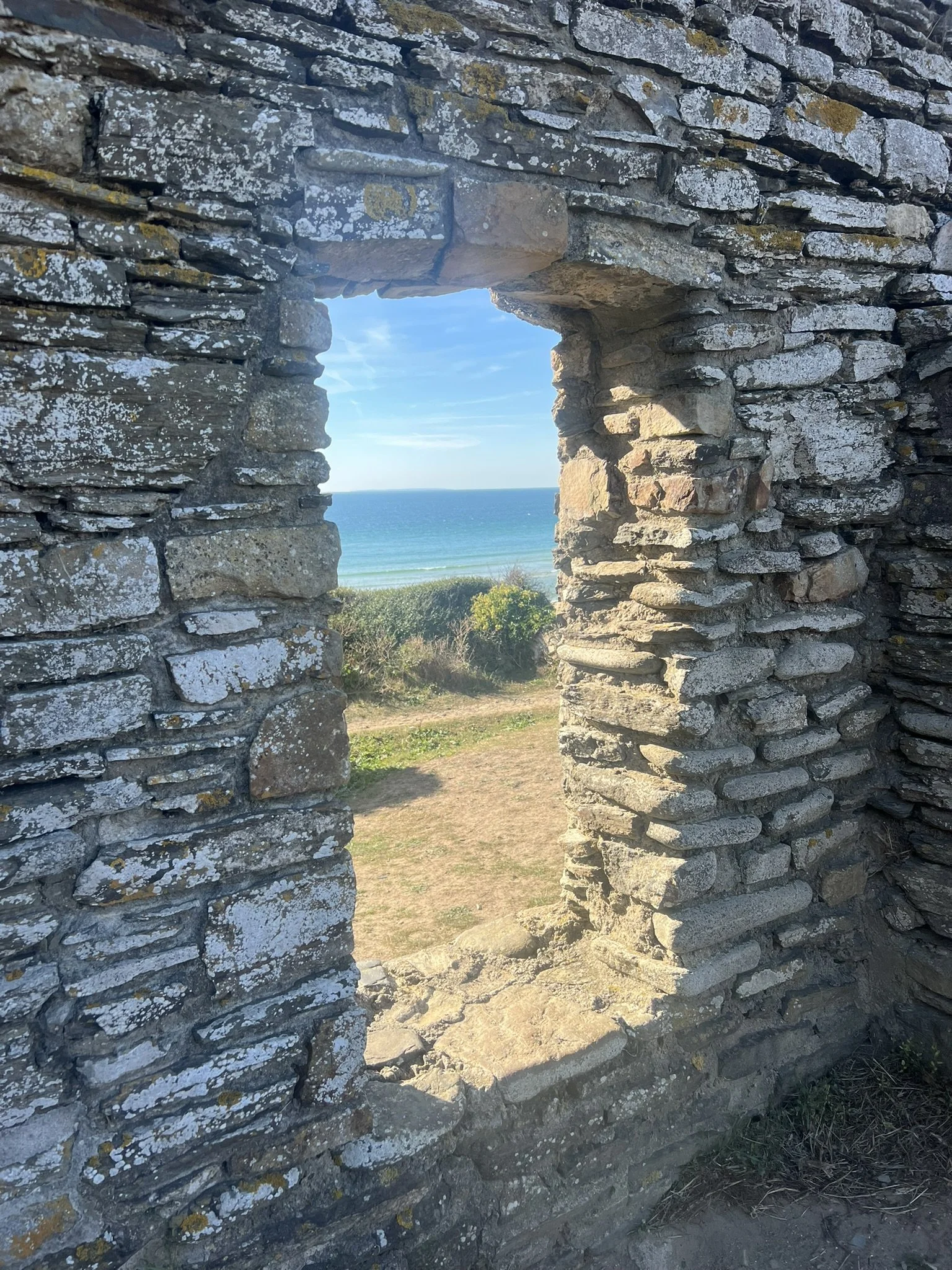
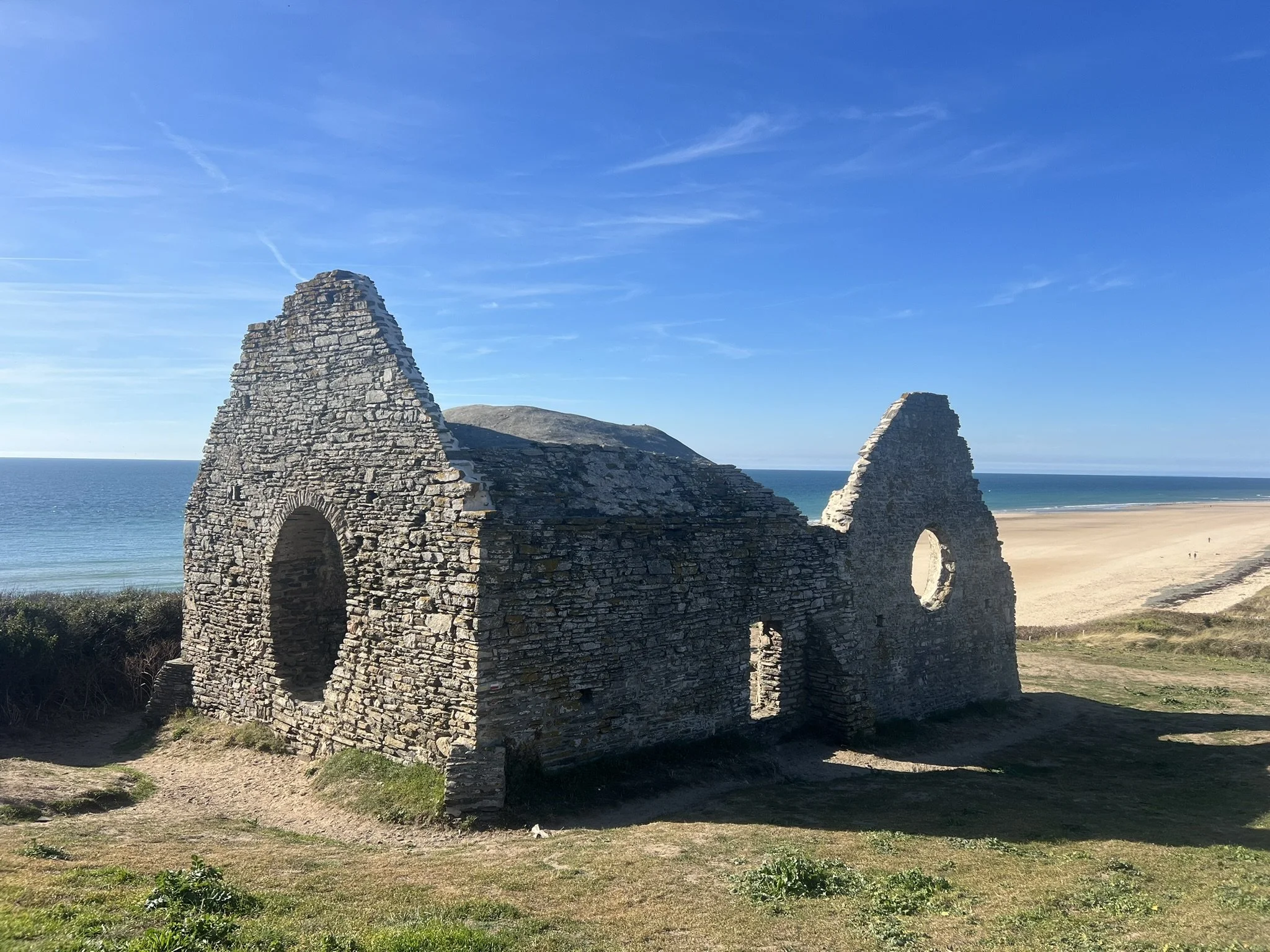
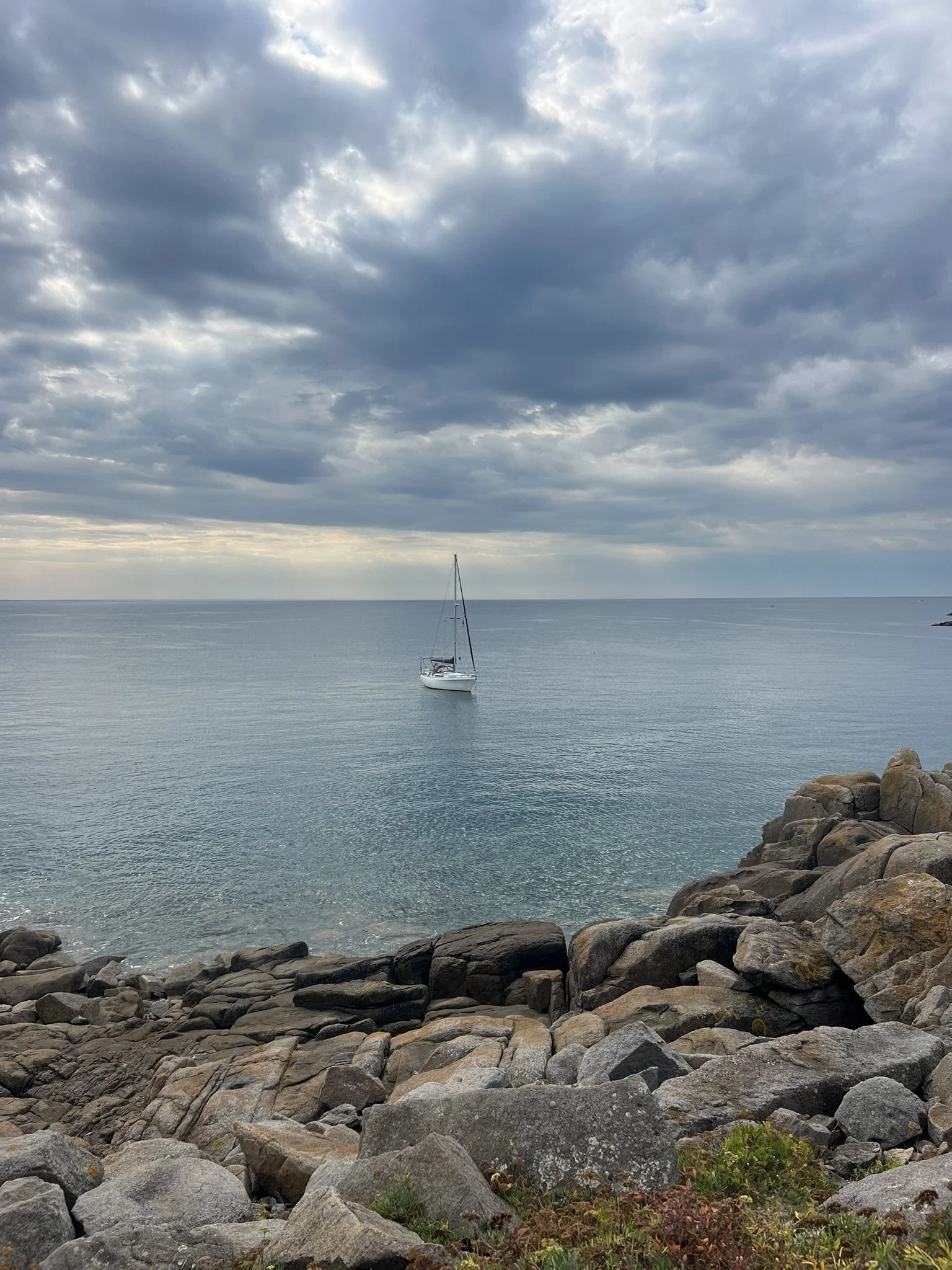
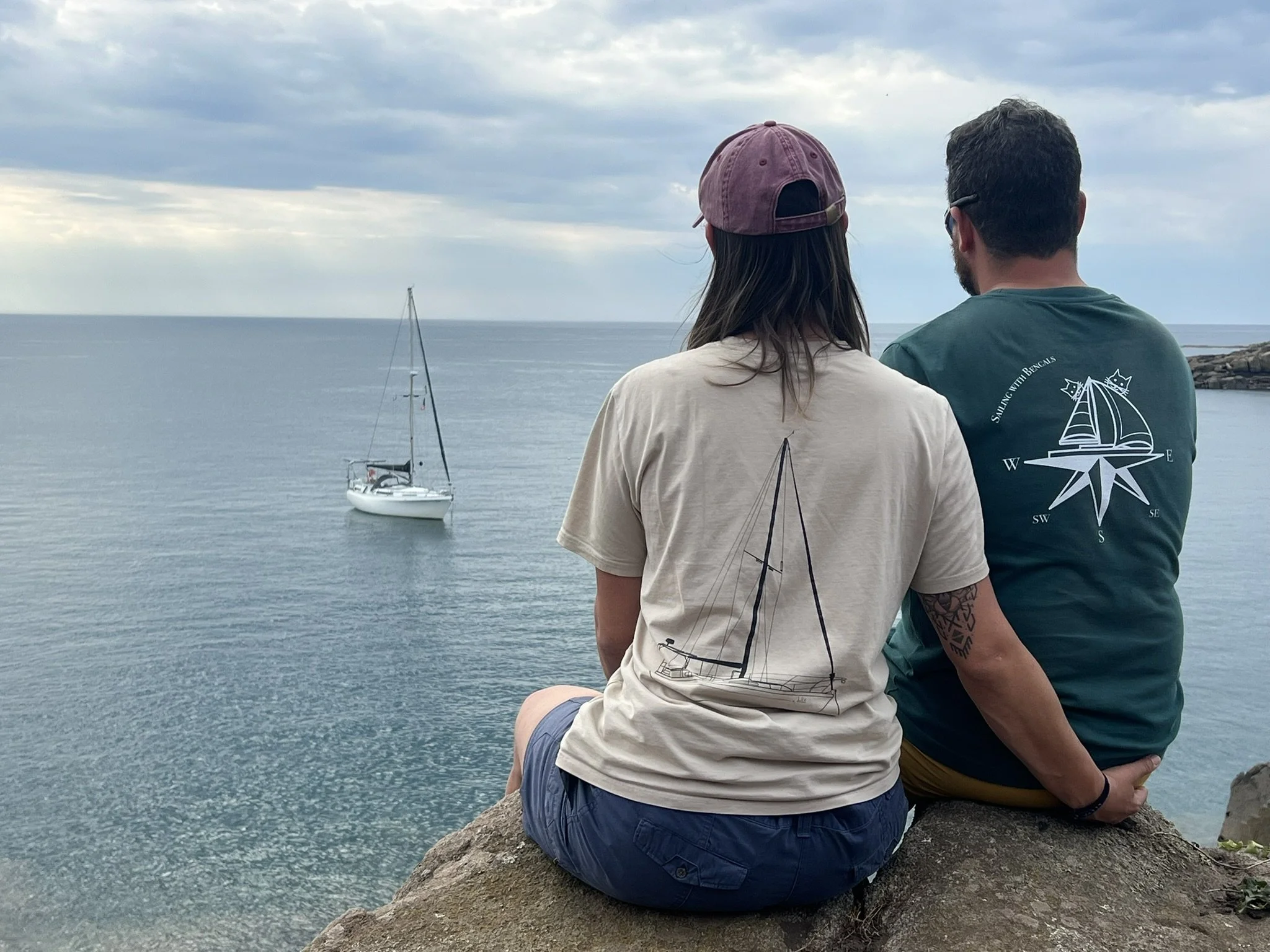
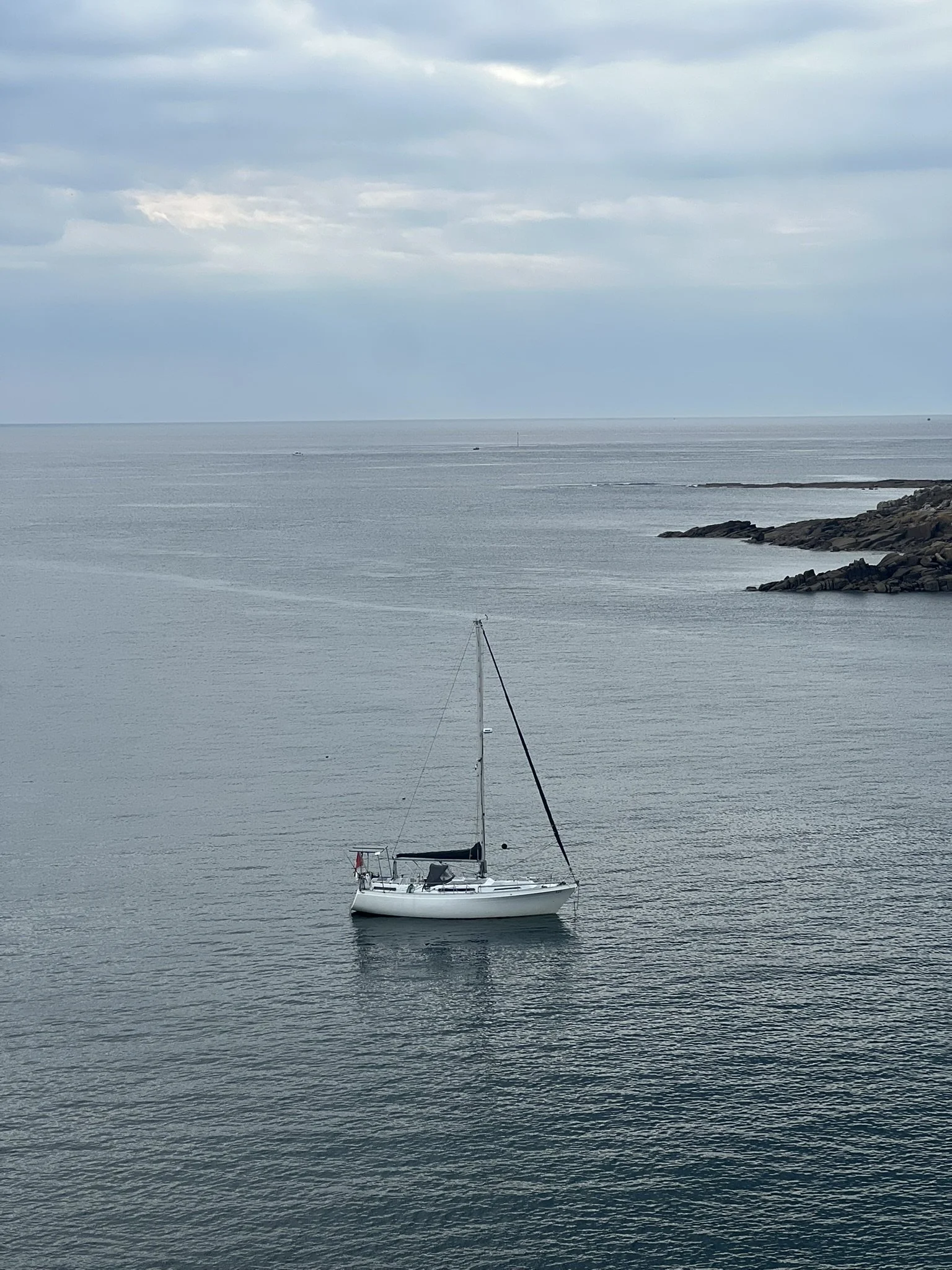
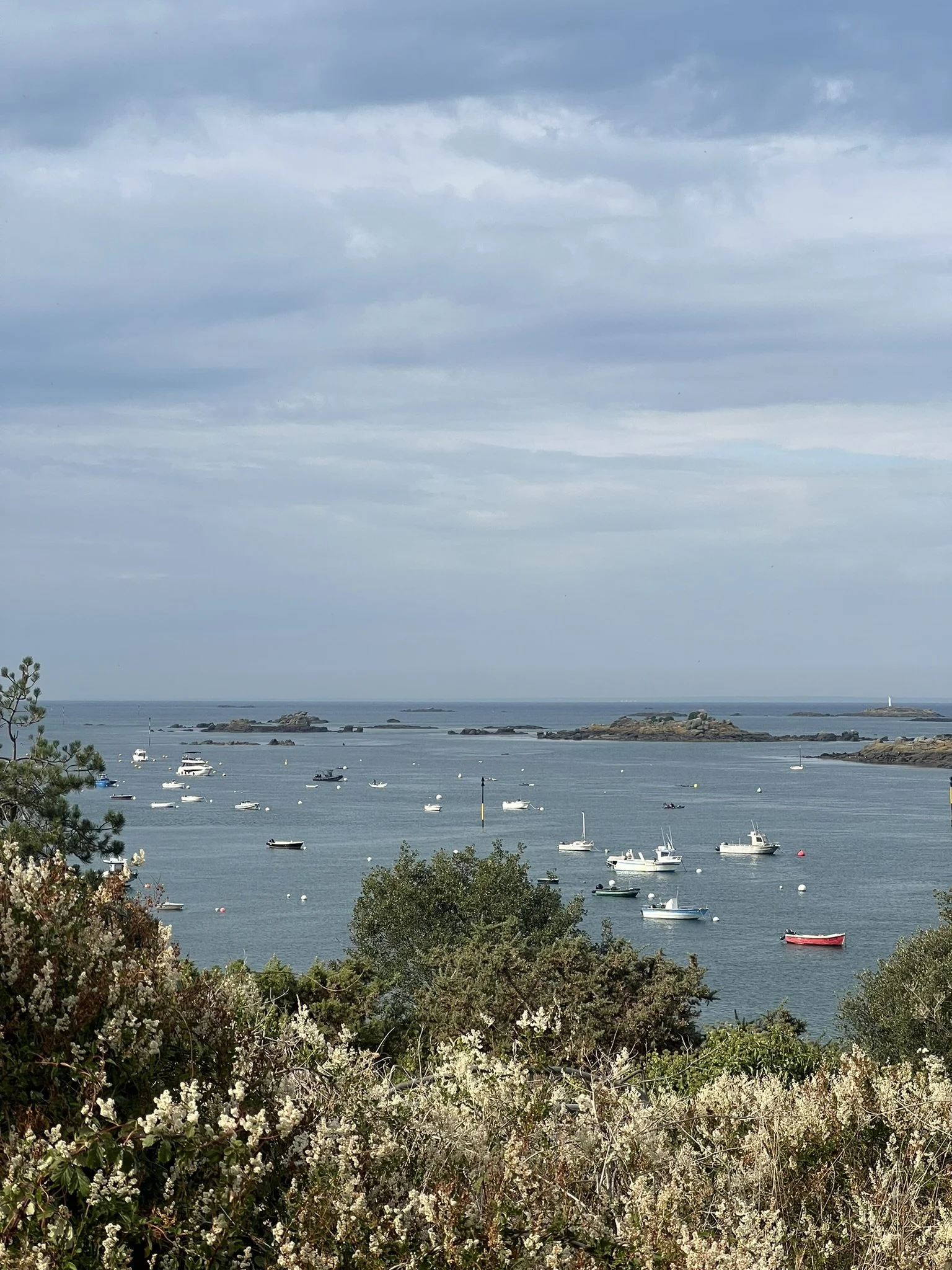
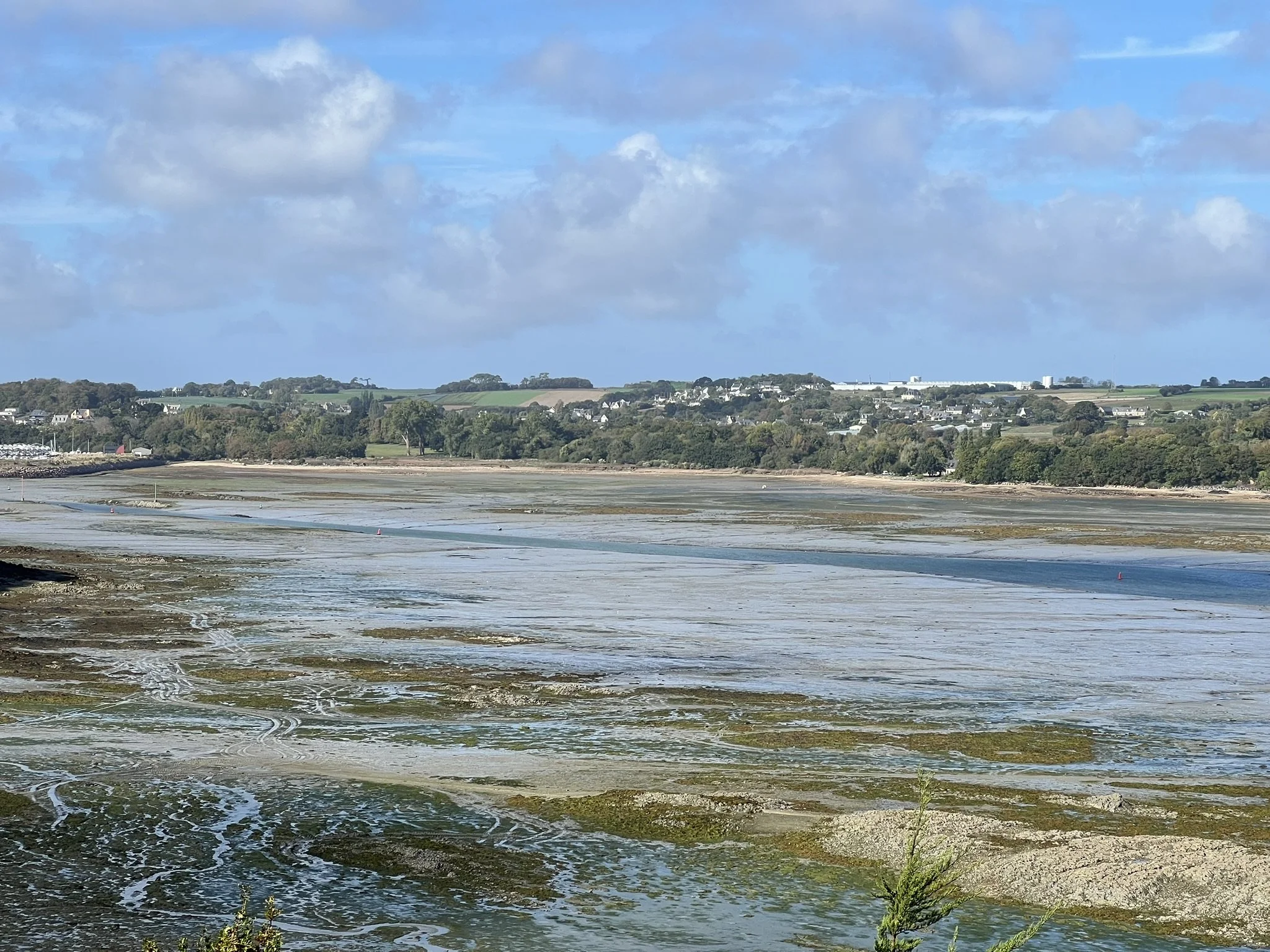
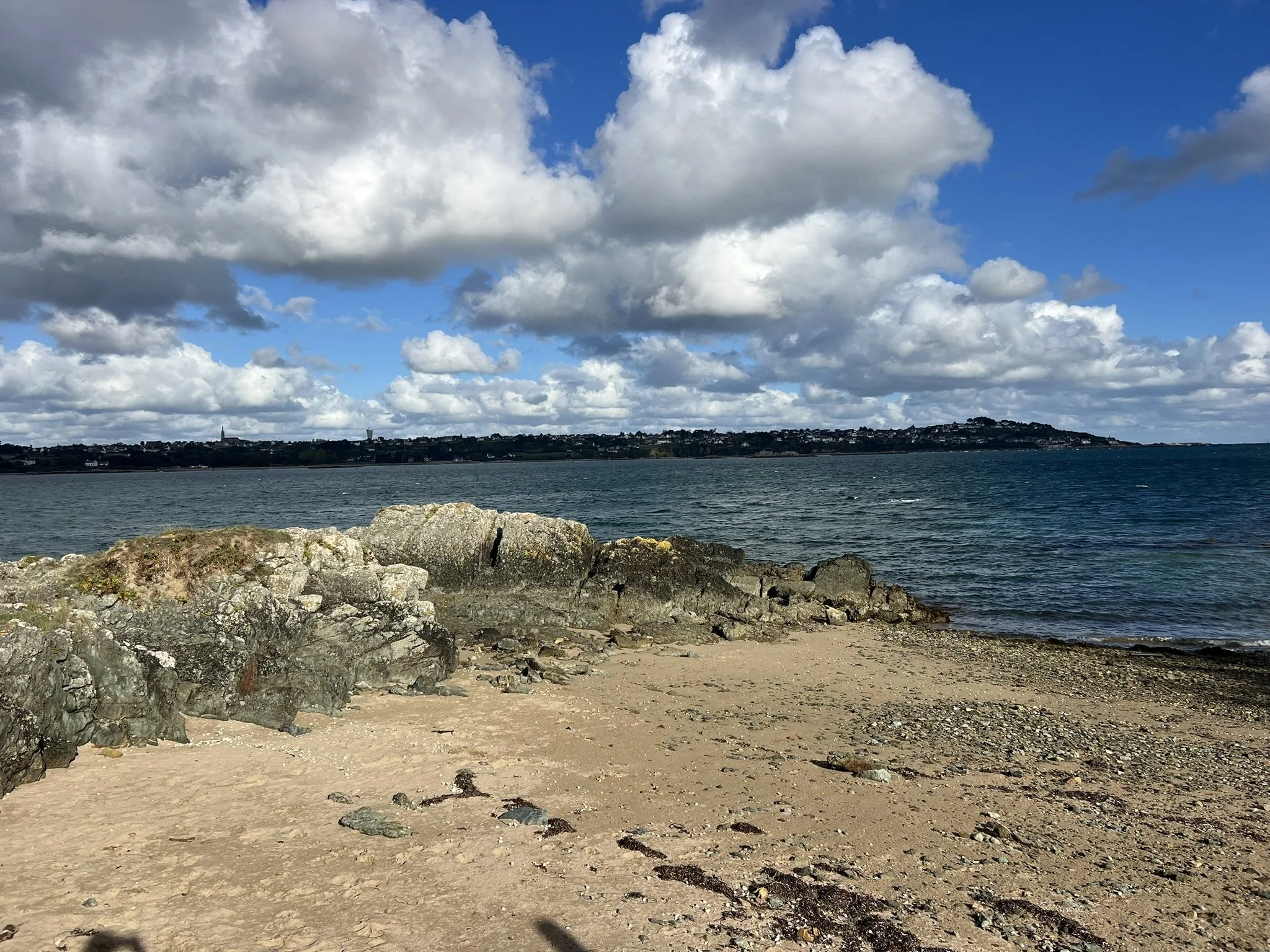
The upside of early mornings is that you usually have plenty of time left to explore the new places you've sailed to. So, after getting settled, we went for a lovely walk up to a magnificent viewpoint, where we were rewarded with the most beautiful view.
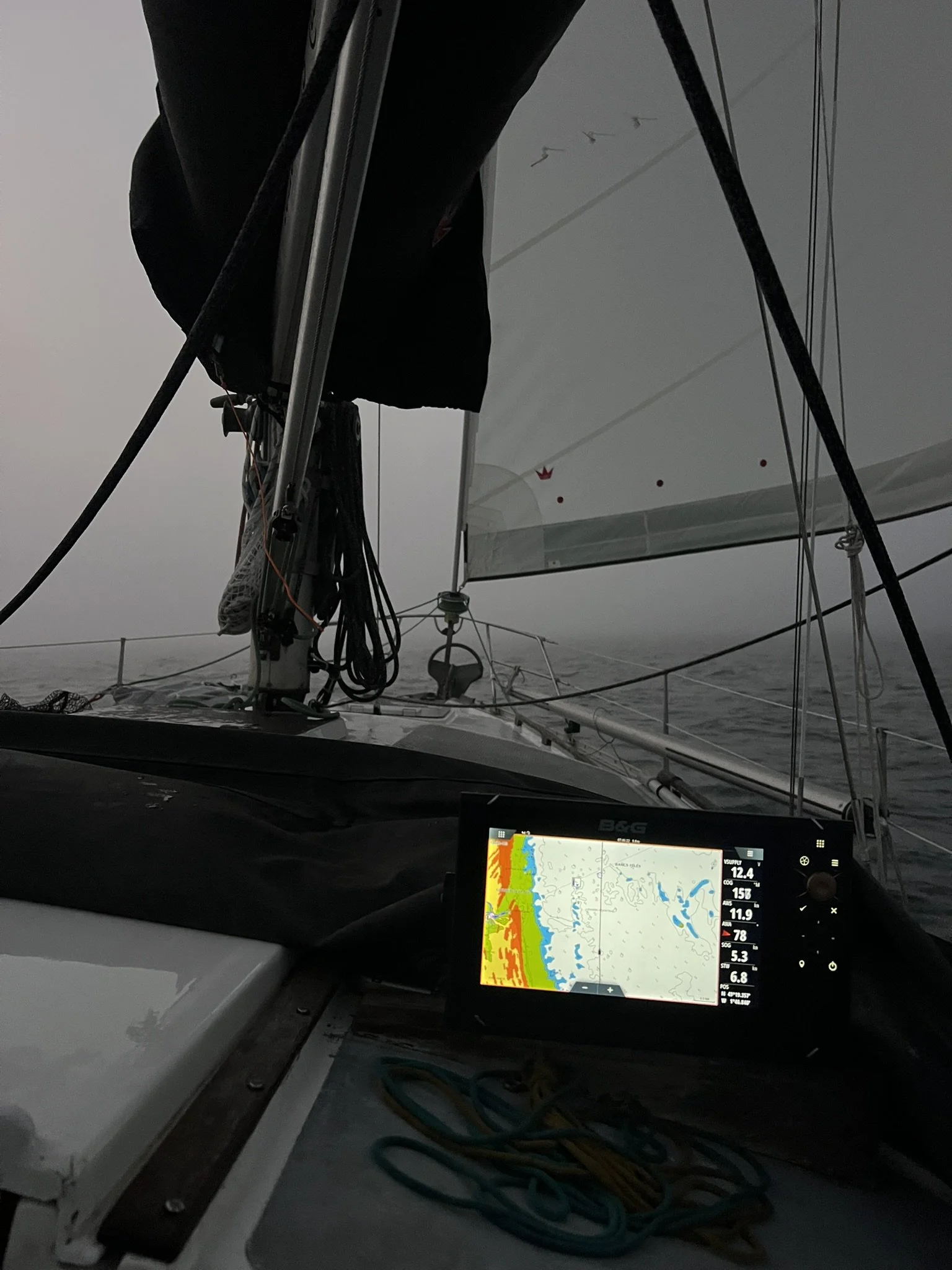
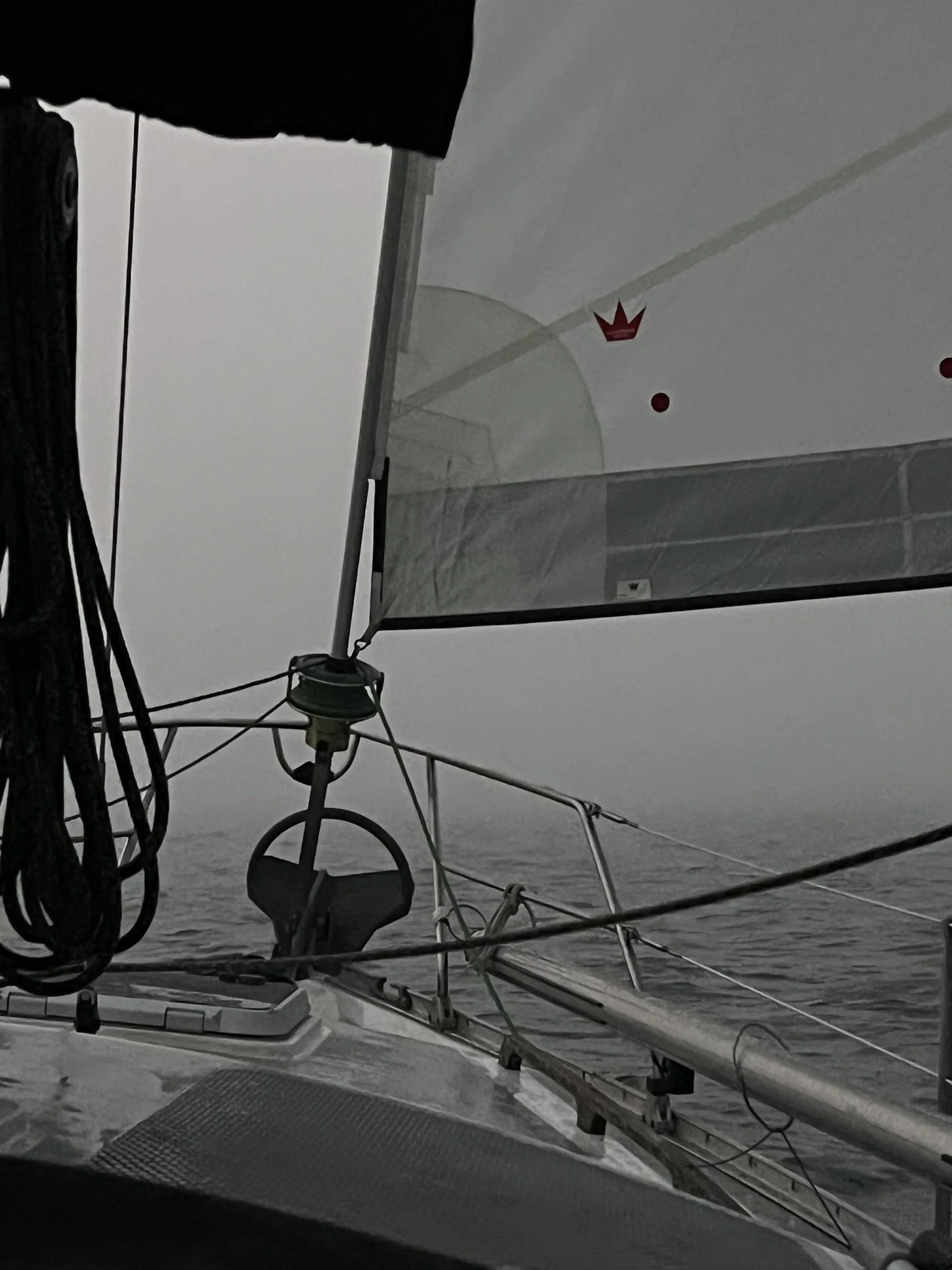
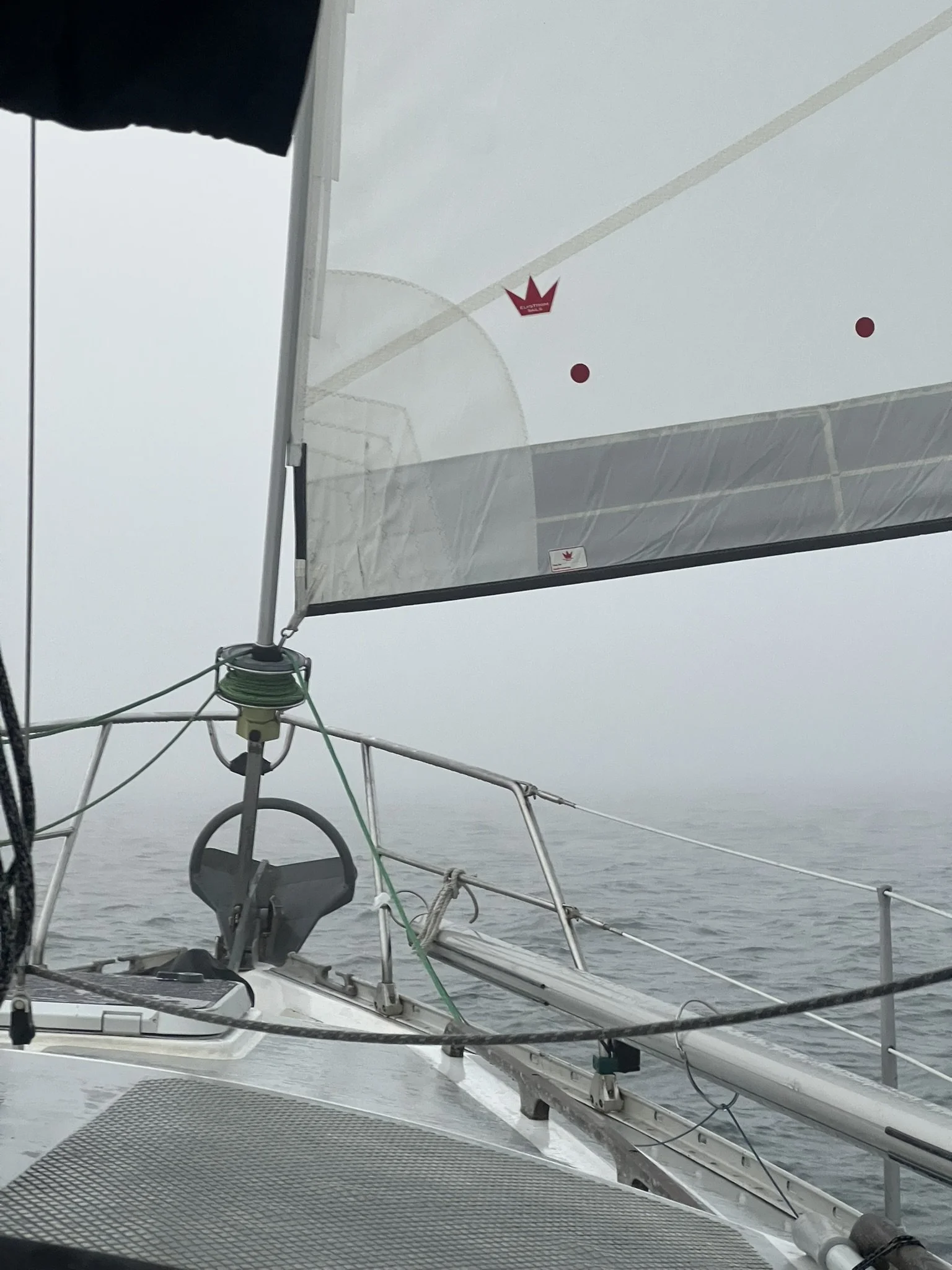
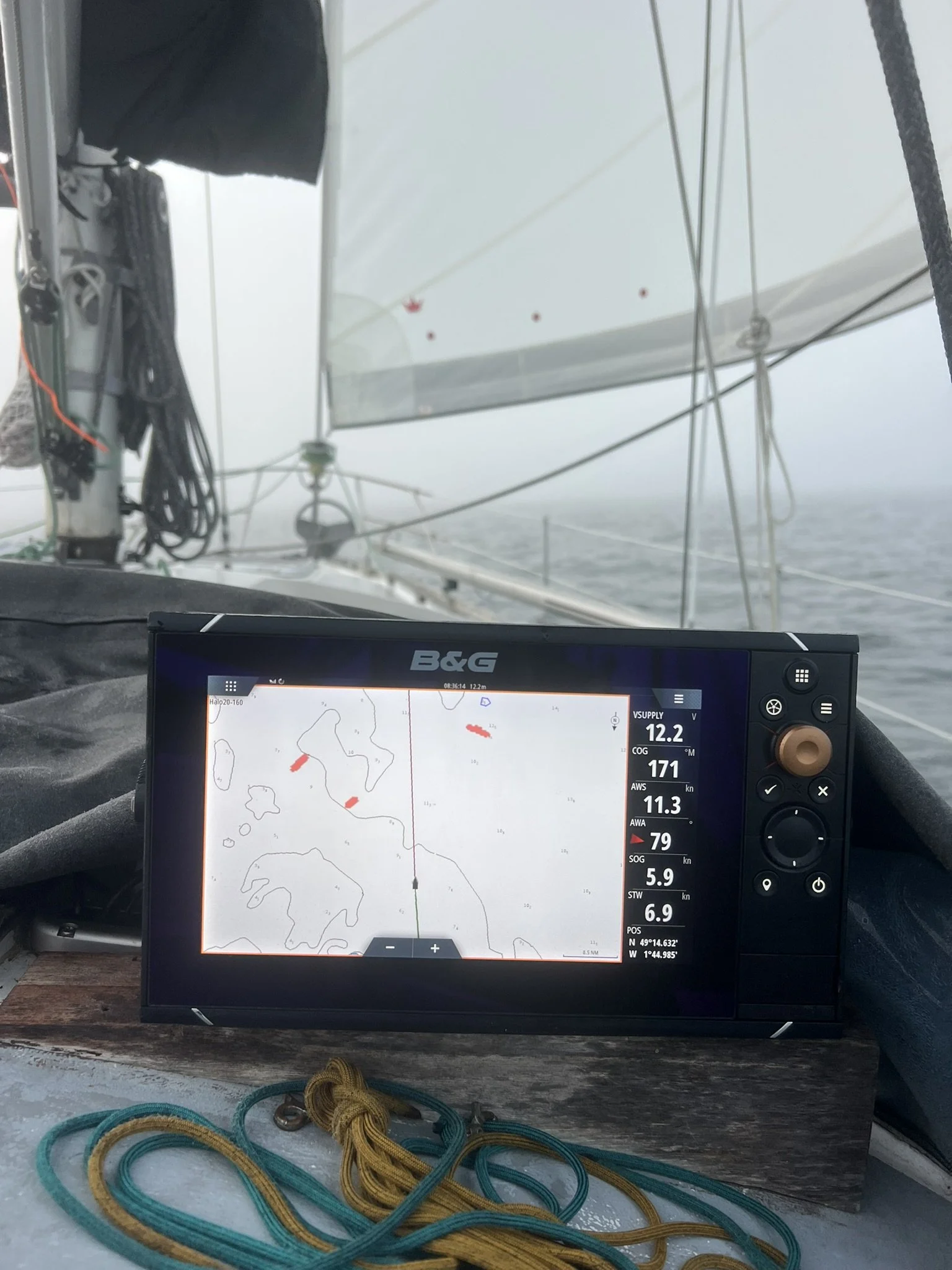
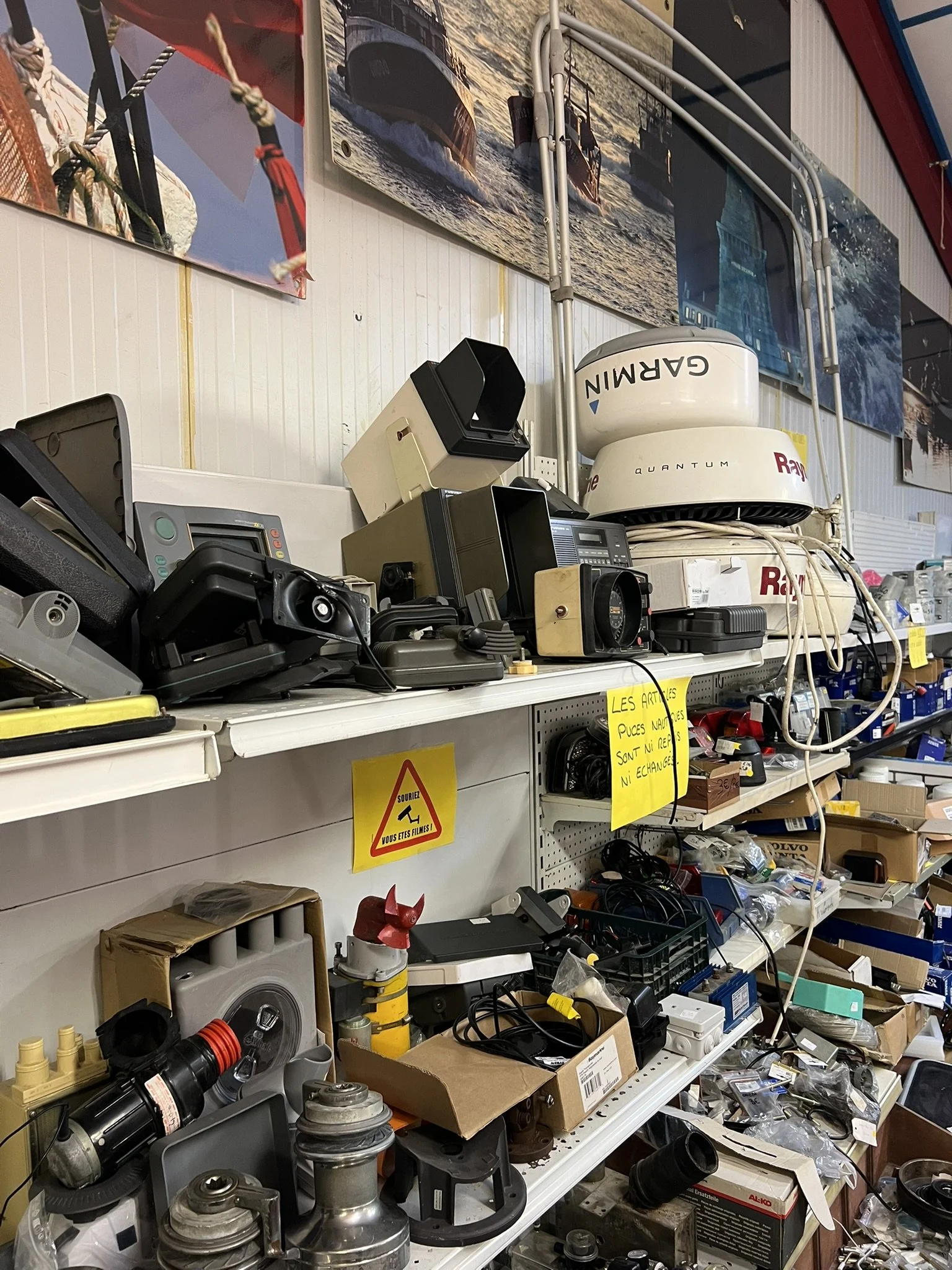
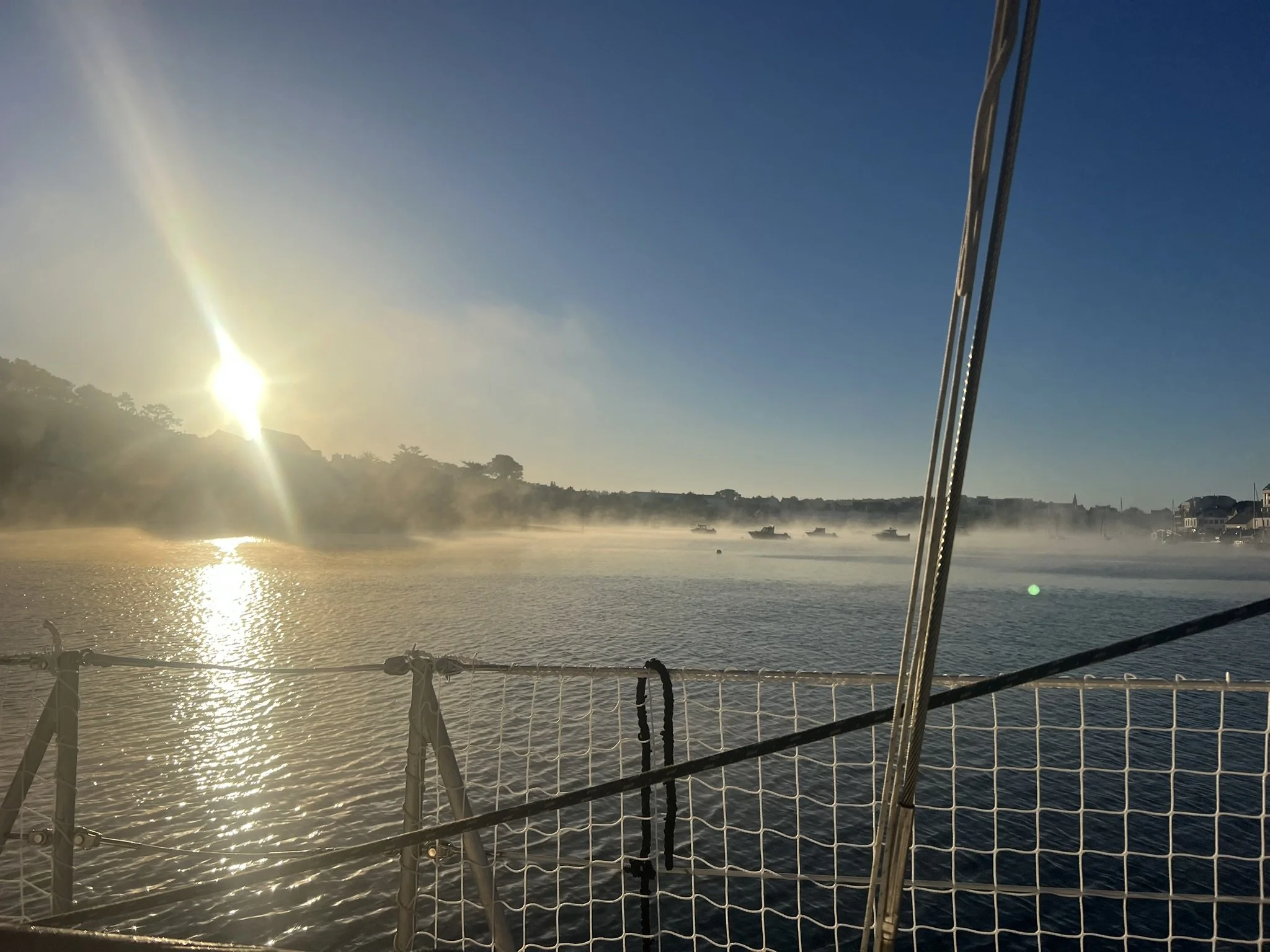
The following day, we were very glad that we had replaced our broken radar with a new one. Shortly after leaving the harbour, the fog became incredibly dense, and visibility dropped to perhaps 10 metres. Our radar can detect objects up to 24 nautical miles (44.5 km) away and displays them directly on our chartplotter, helping us navigate safely even when visibility is poor. It was a good reminder of just how valuable this piece of equipment can be!
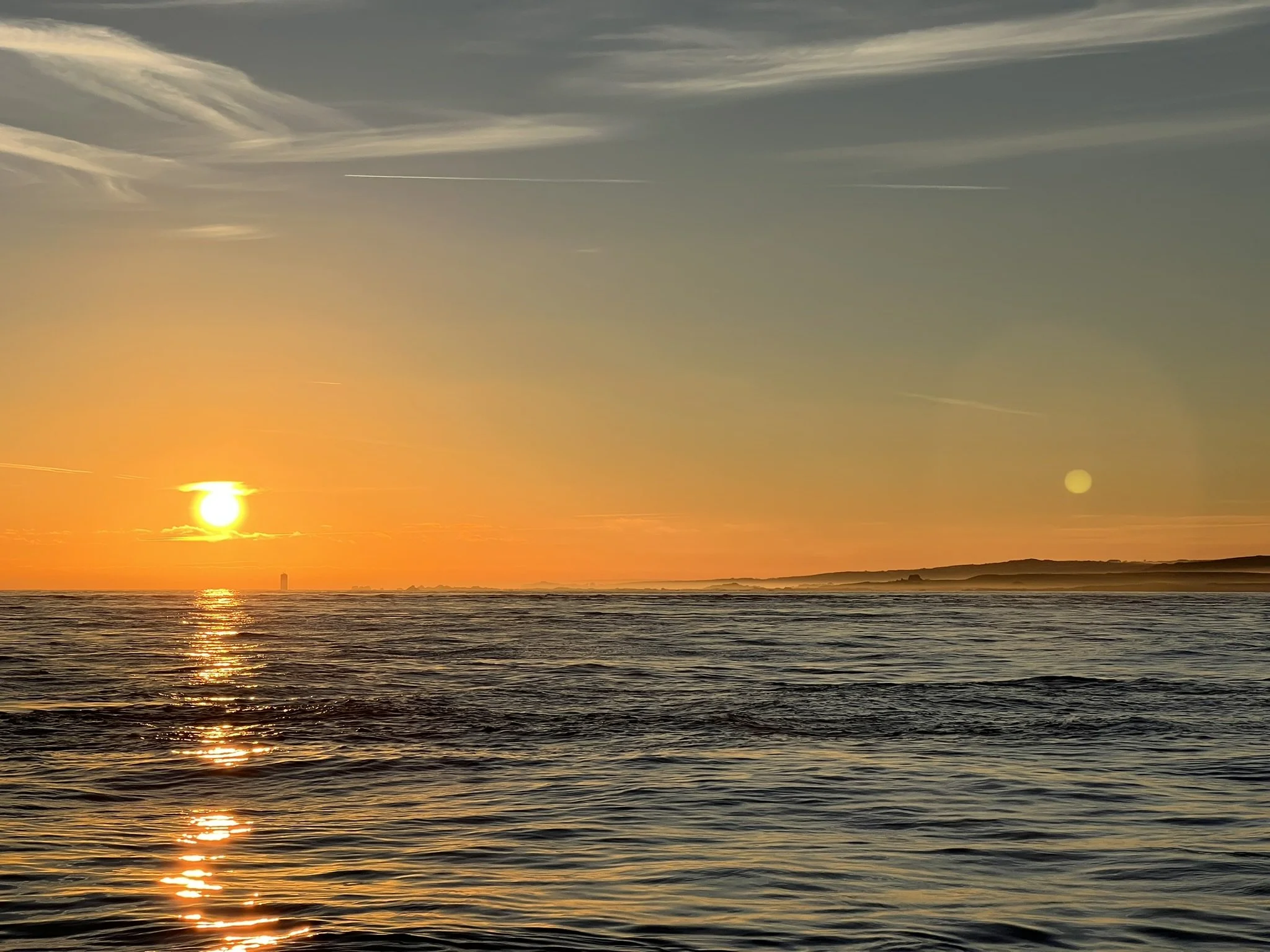
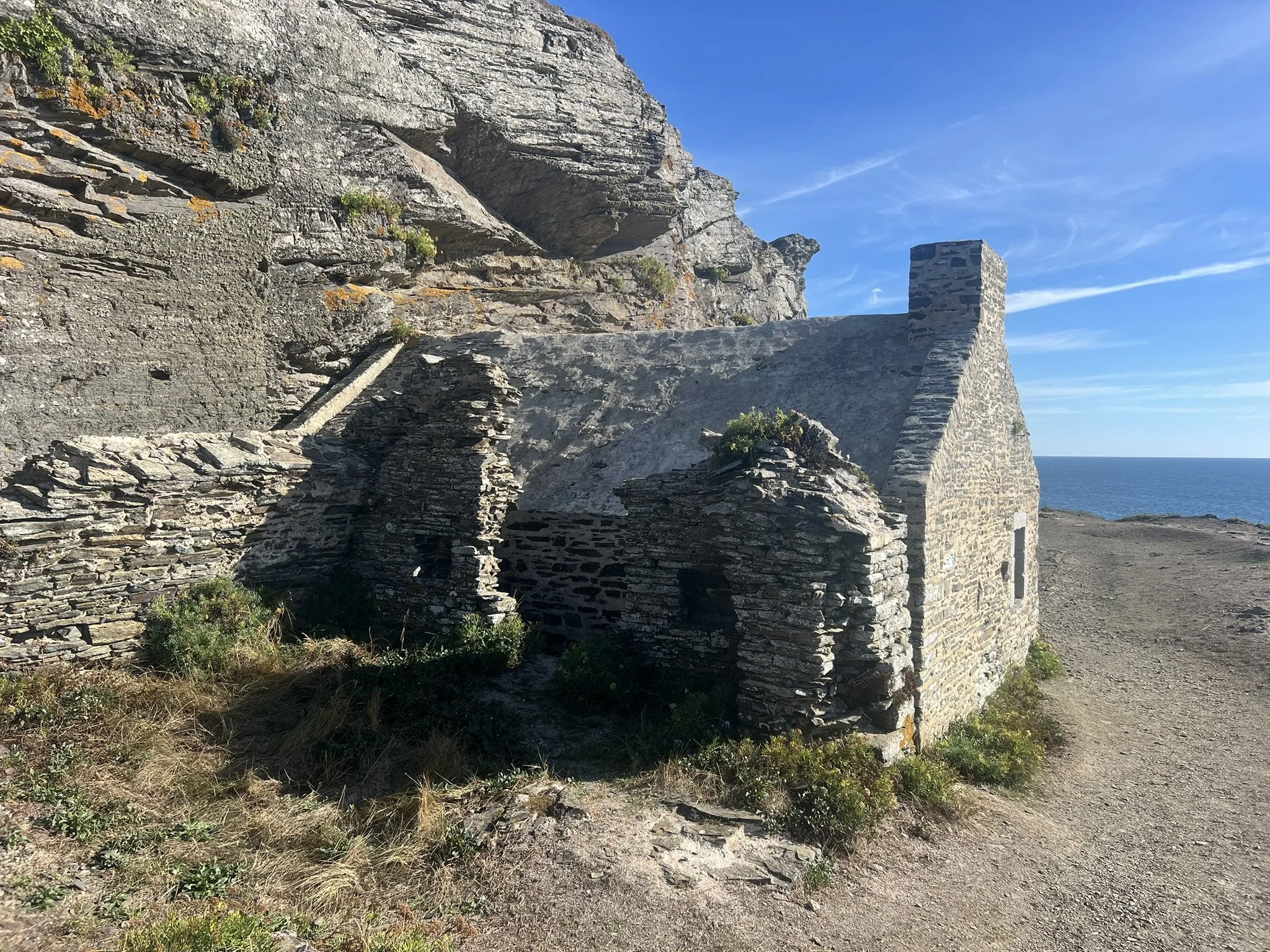
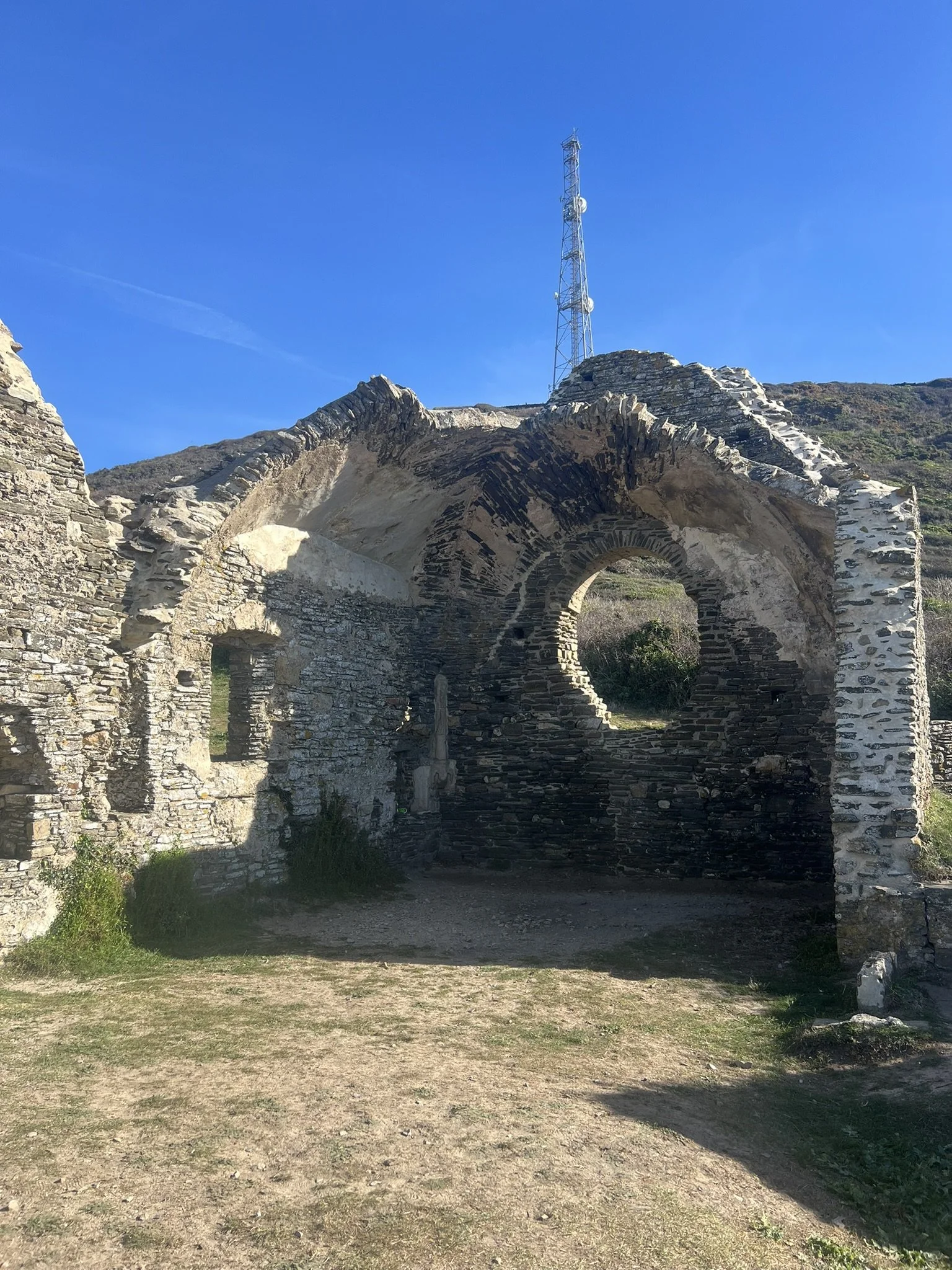
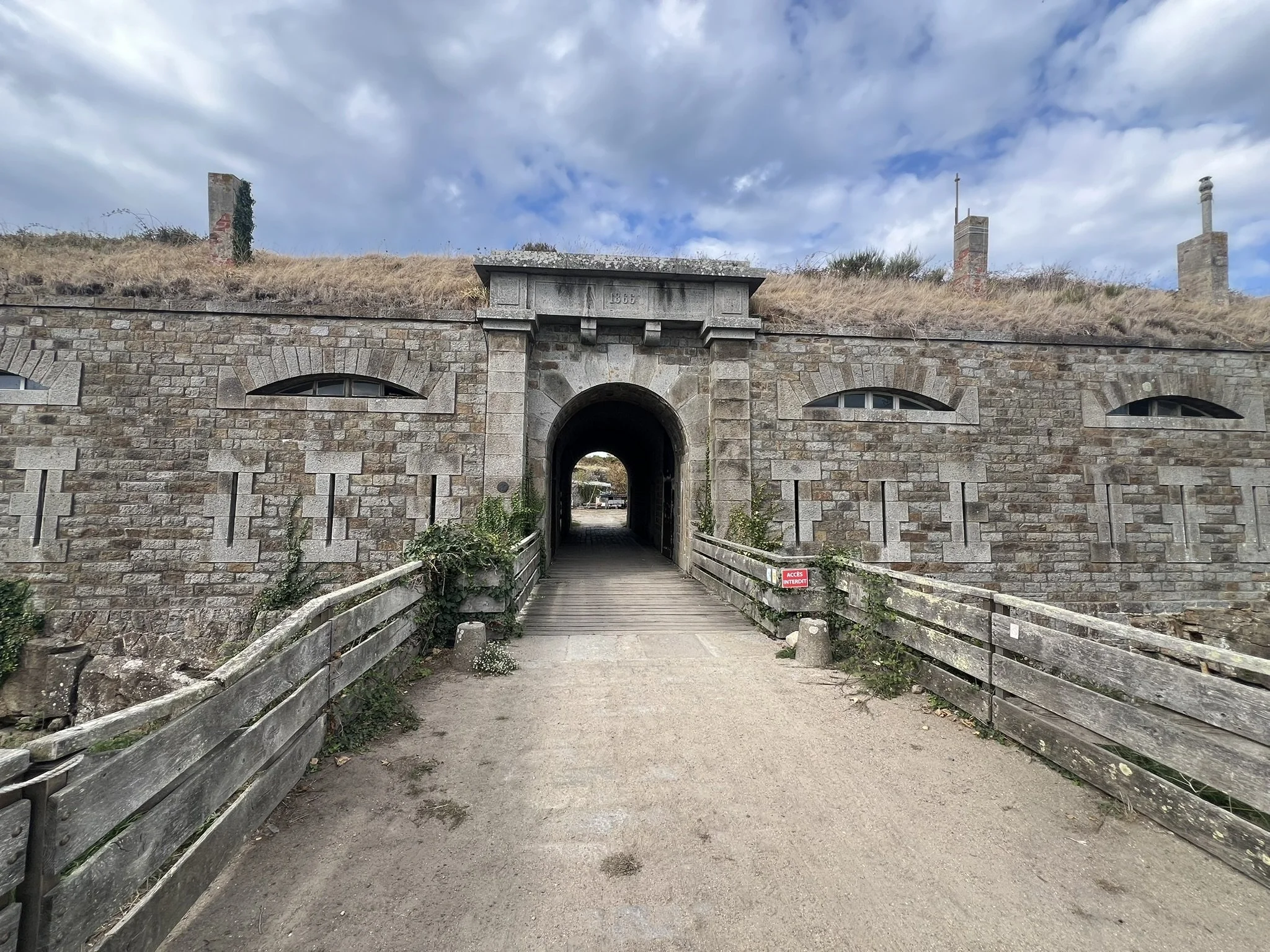
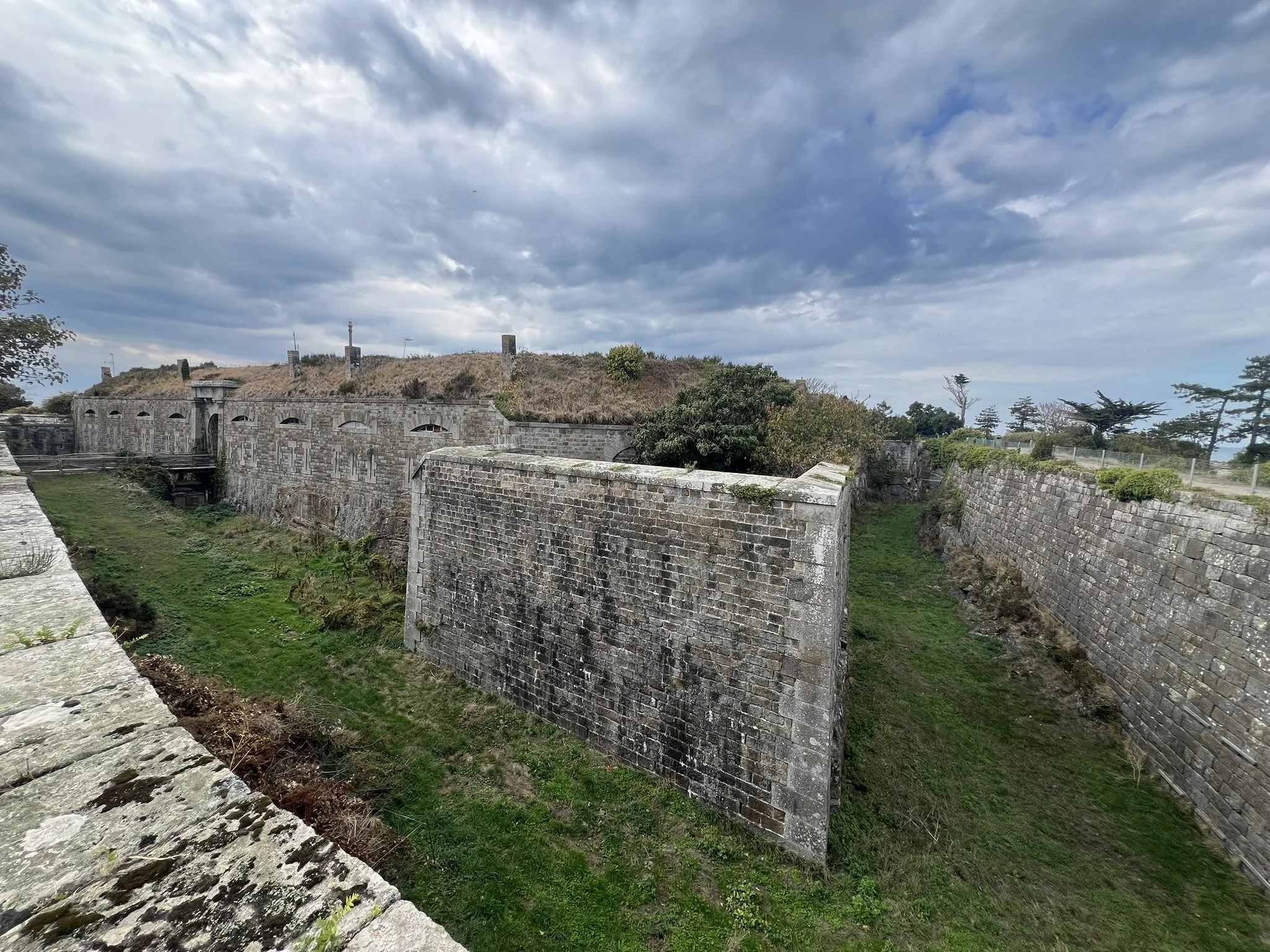
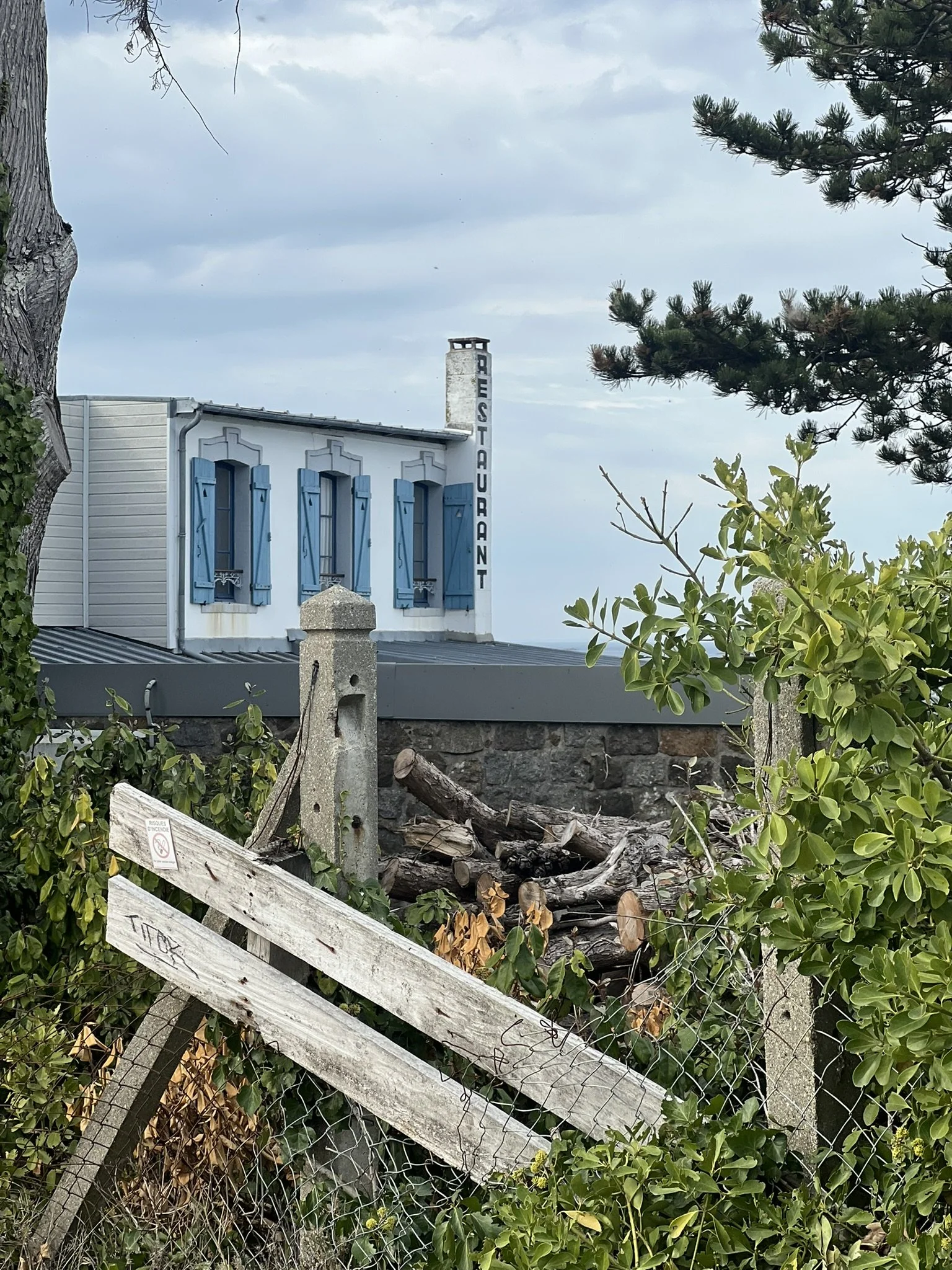
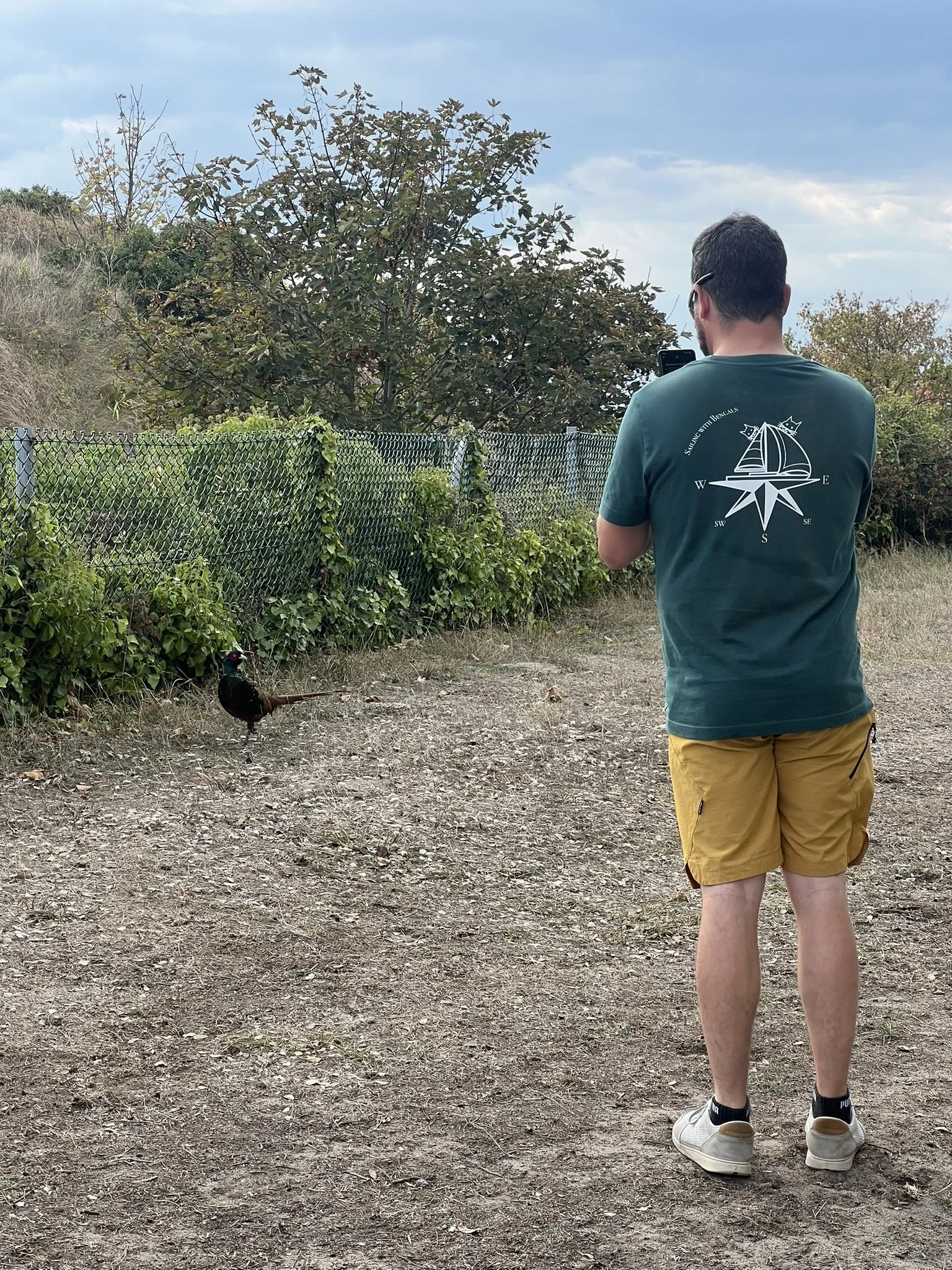
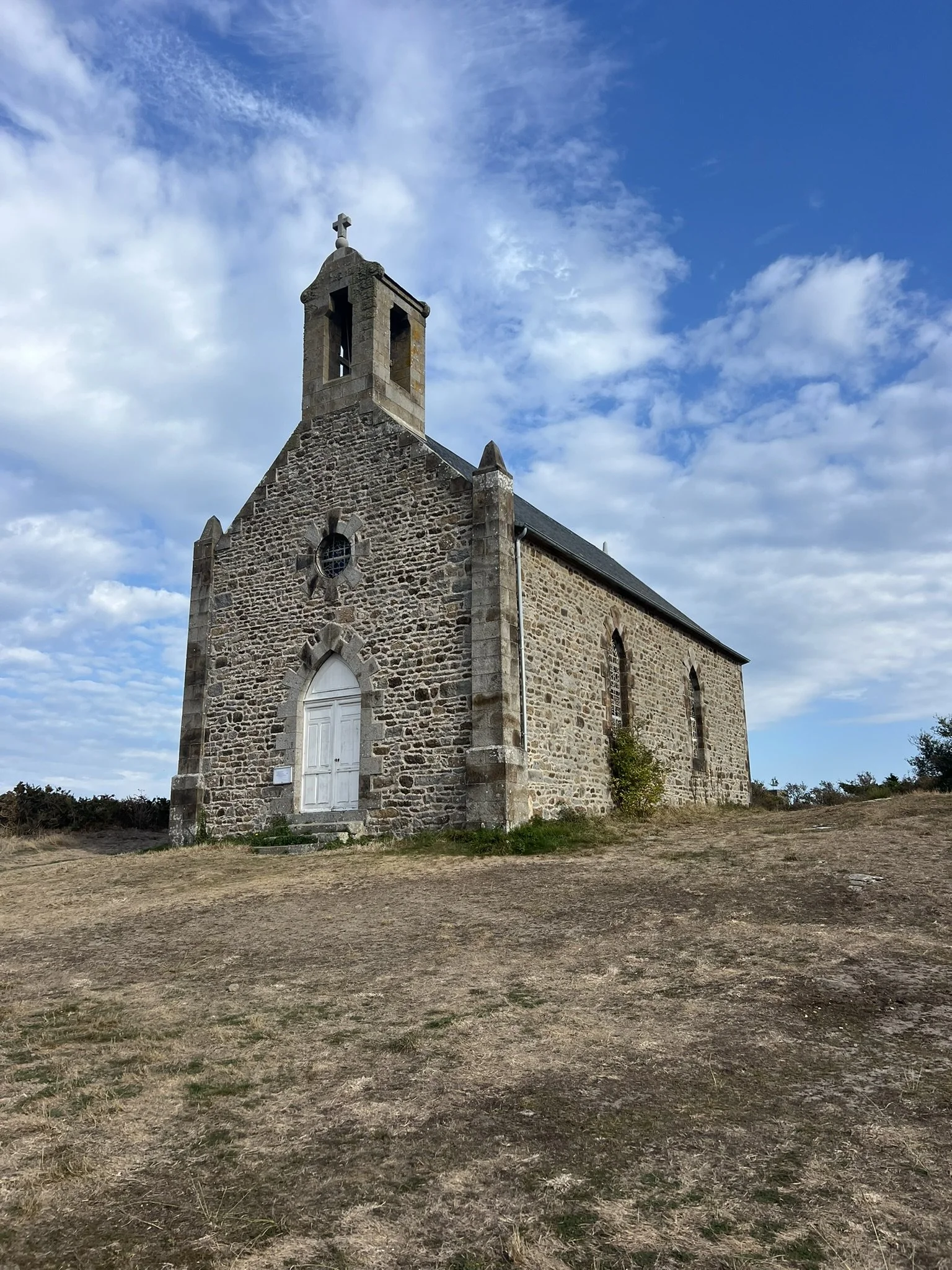
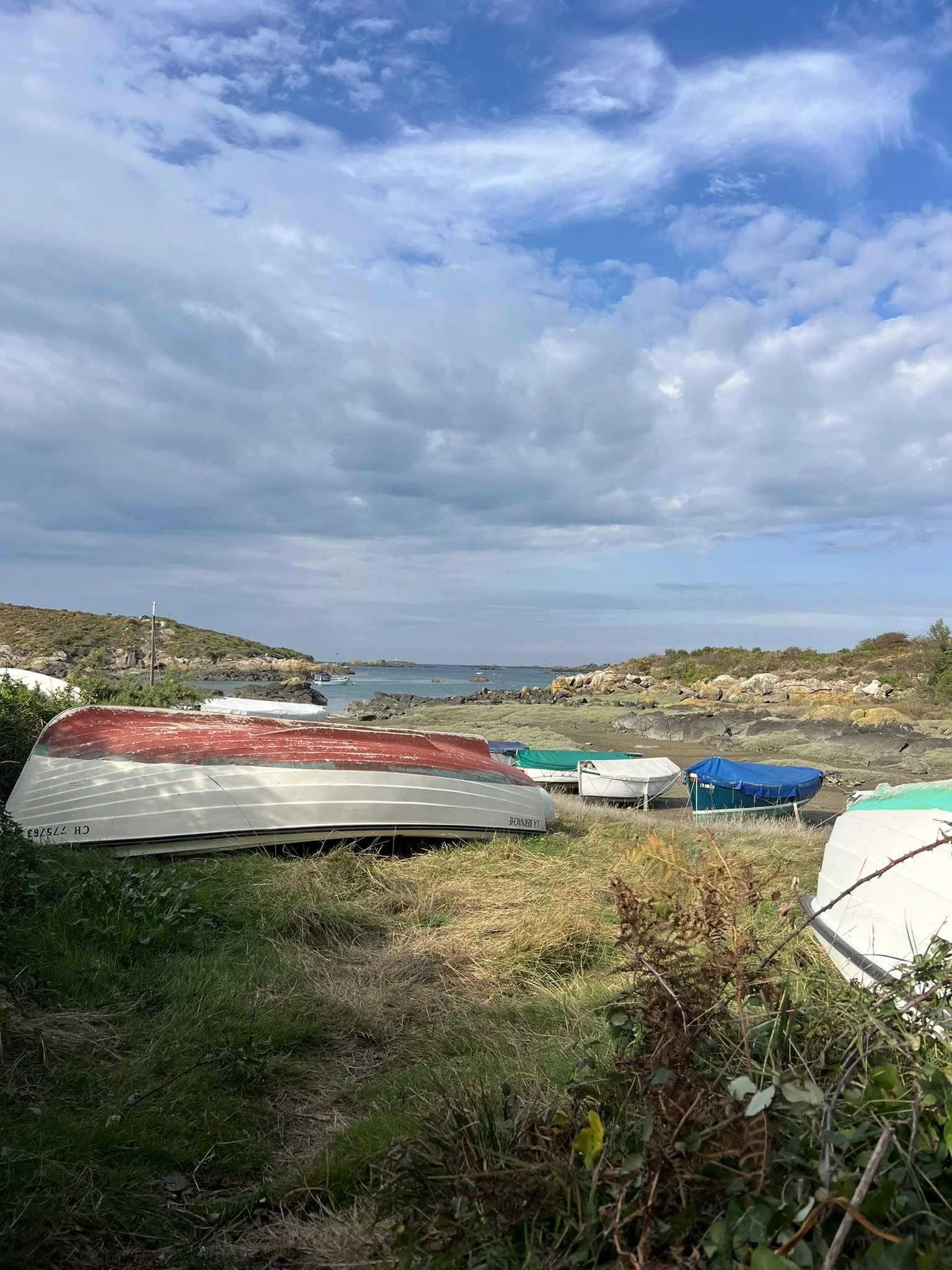
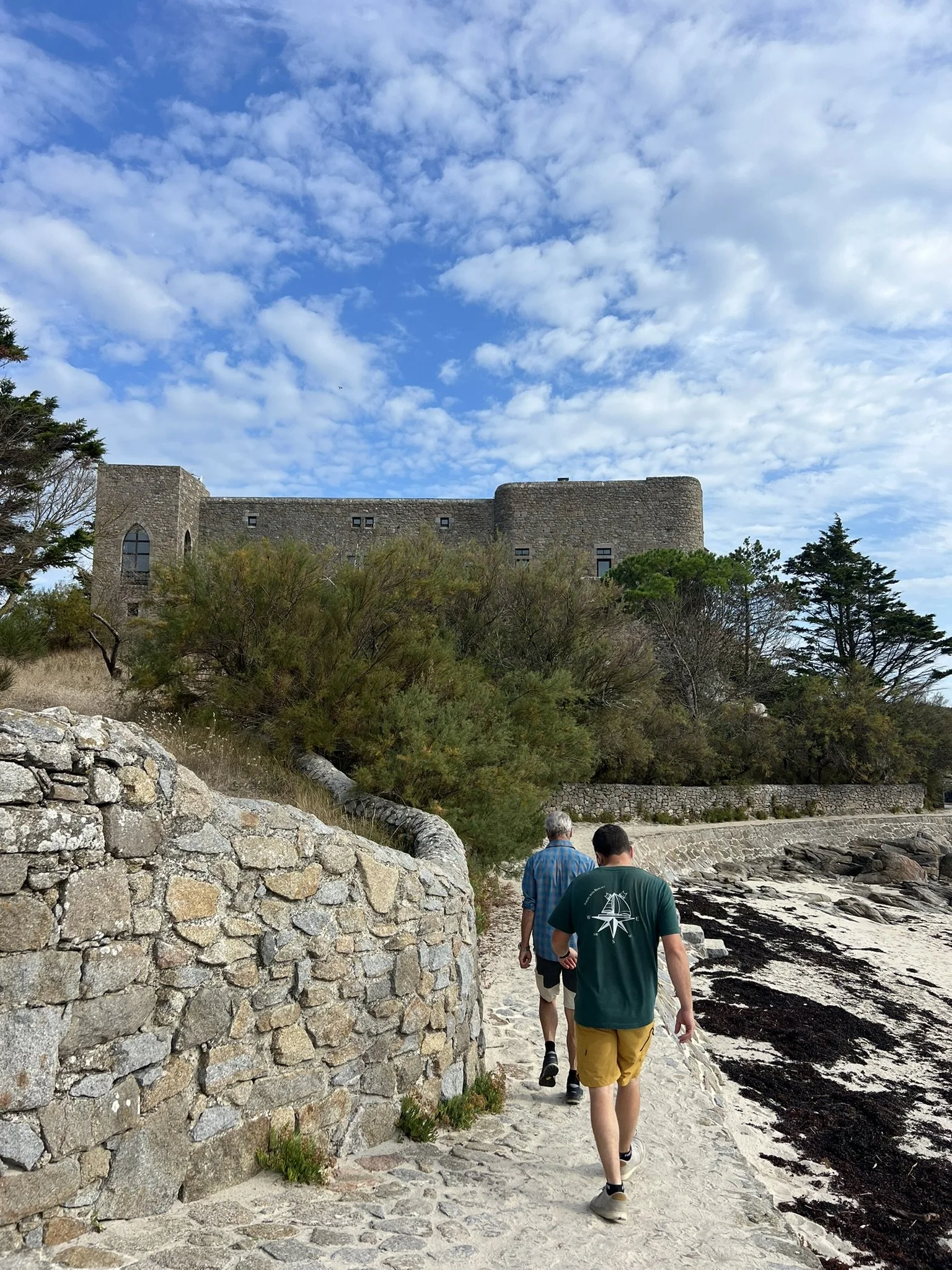
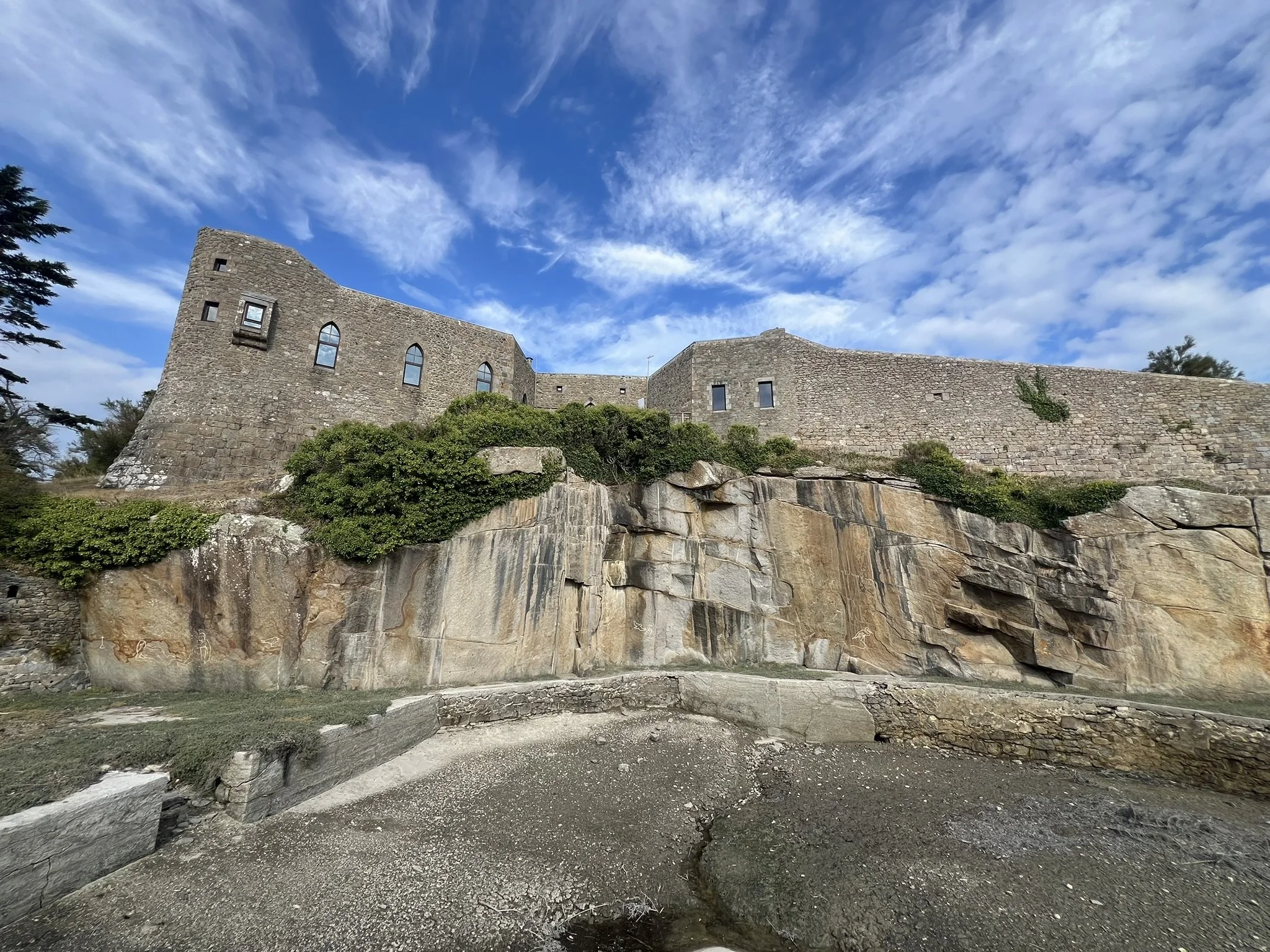
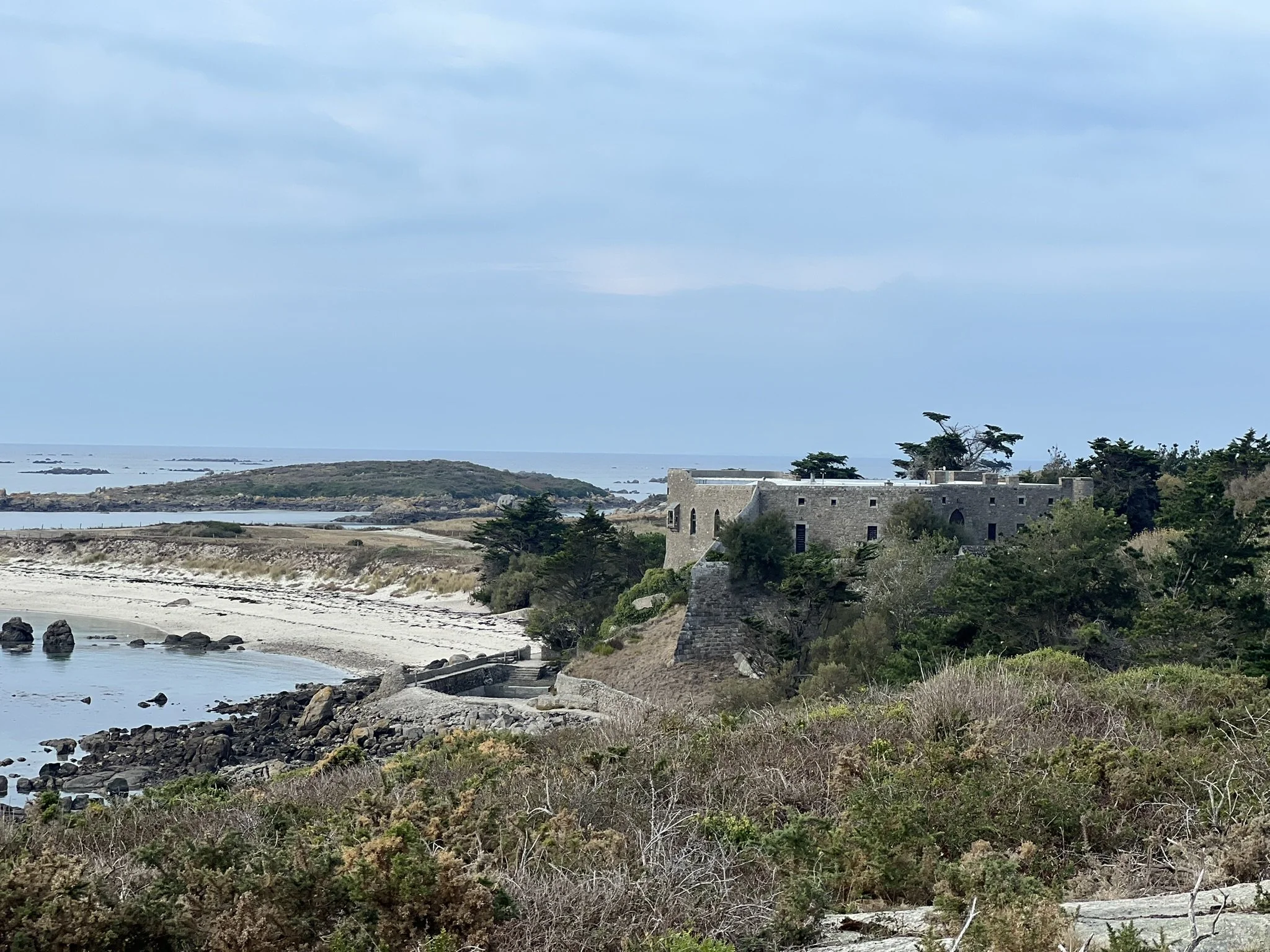
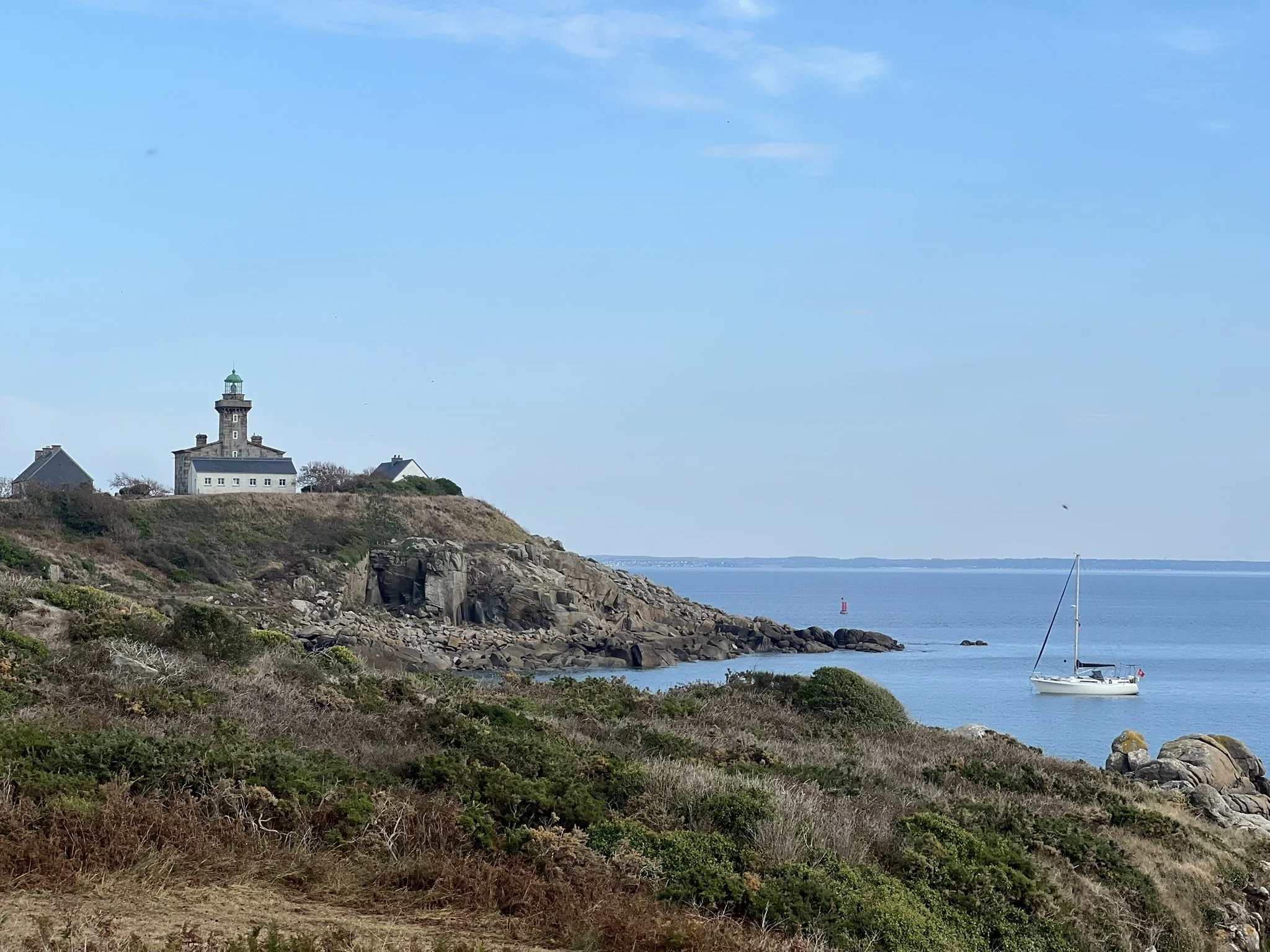
Our destination for the day was an anchorage near a small island just off Granville. We hadn't expected to see many people there, so we were all the more surprised to discover that people actually live on the island – some of them all year round! We enjoyed a lovely walk around the island and made a few interesting discoveries along the way. One of them was that a US Navy pilot had crashed his plane on this very island during WWII, and the island's inhabitants had helped him hide from the Germans.
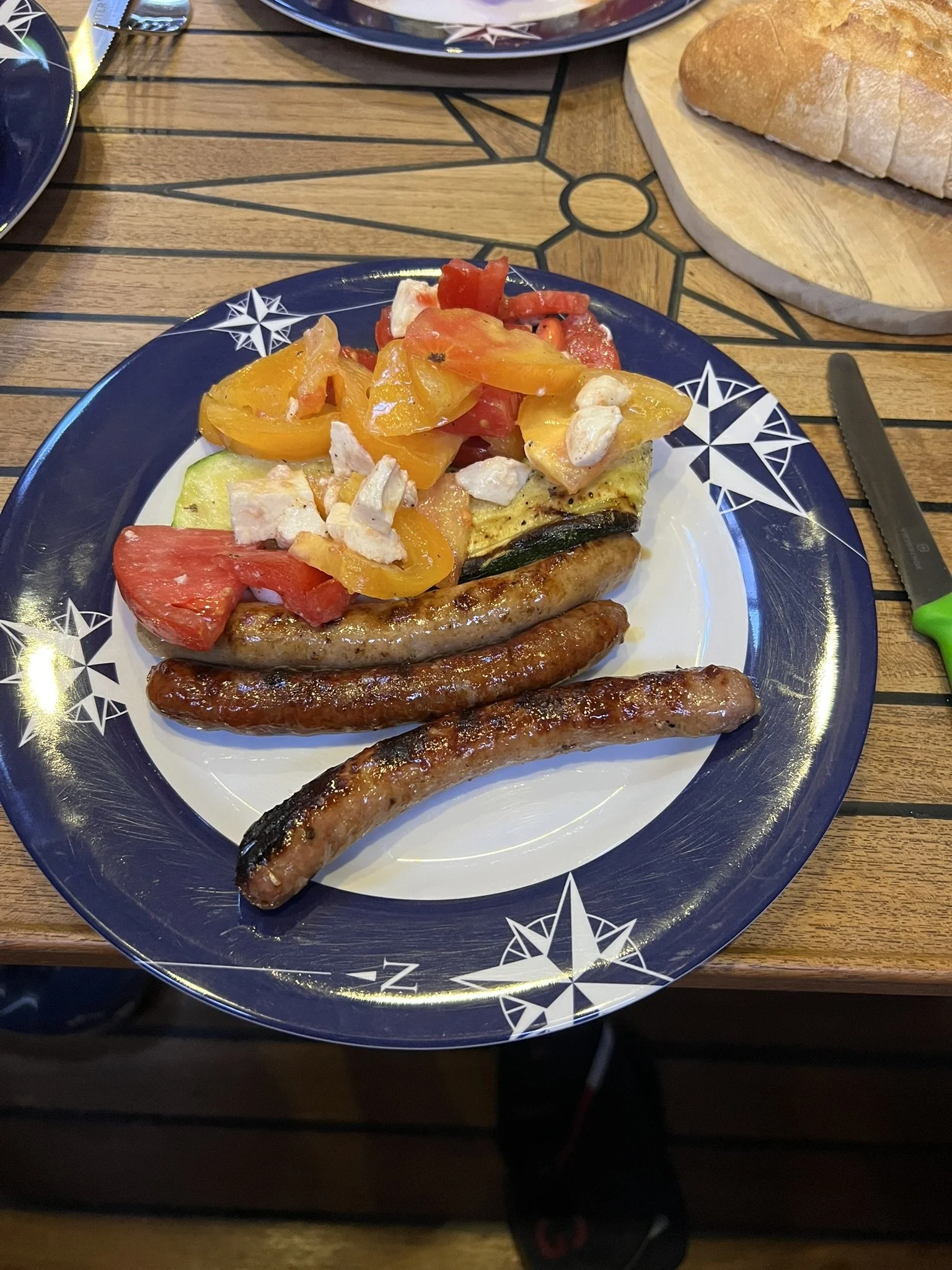
In the evening, we enjoyed a lovely BBQ before settling in for a very rolly night at anchor.
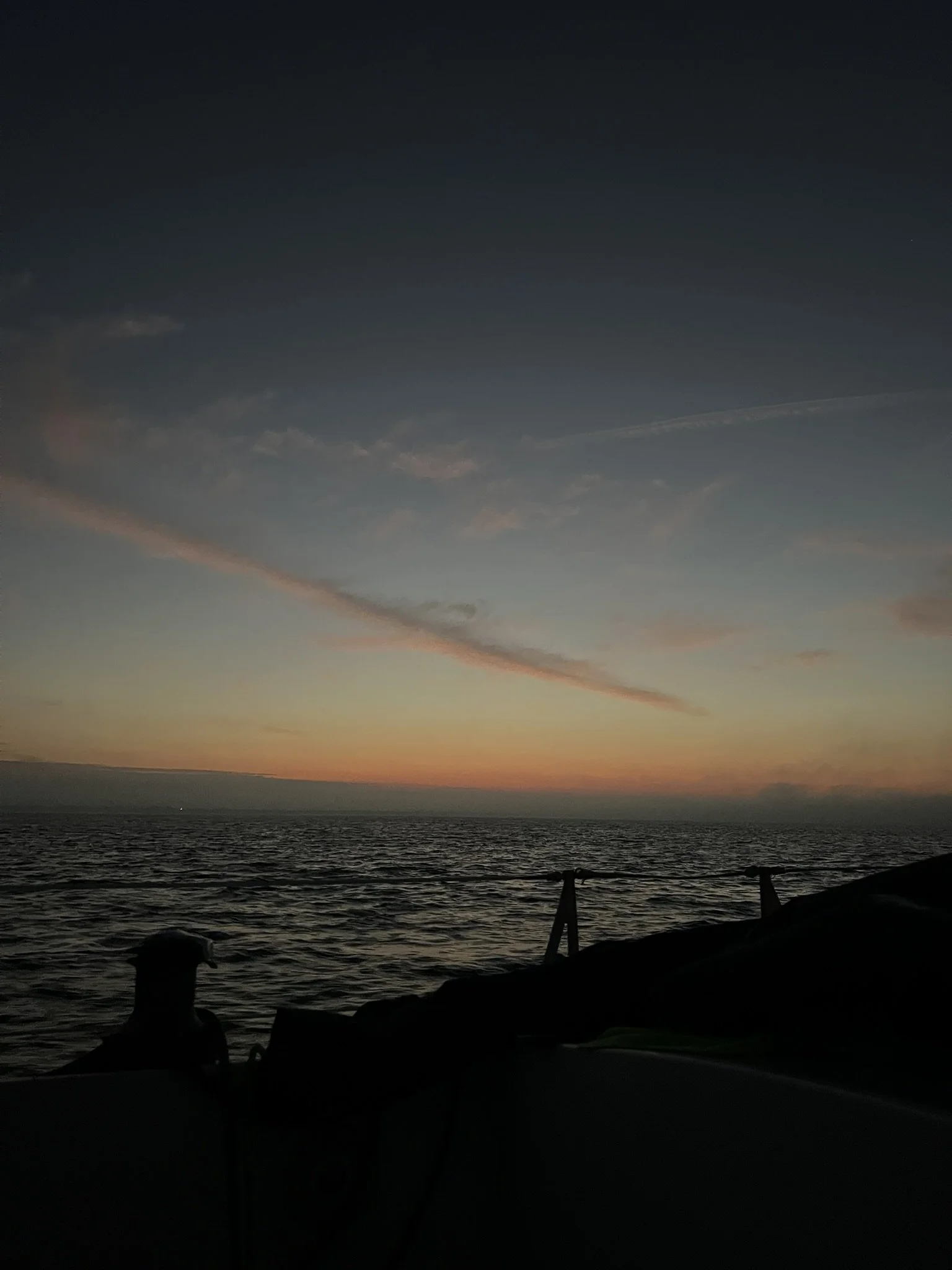
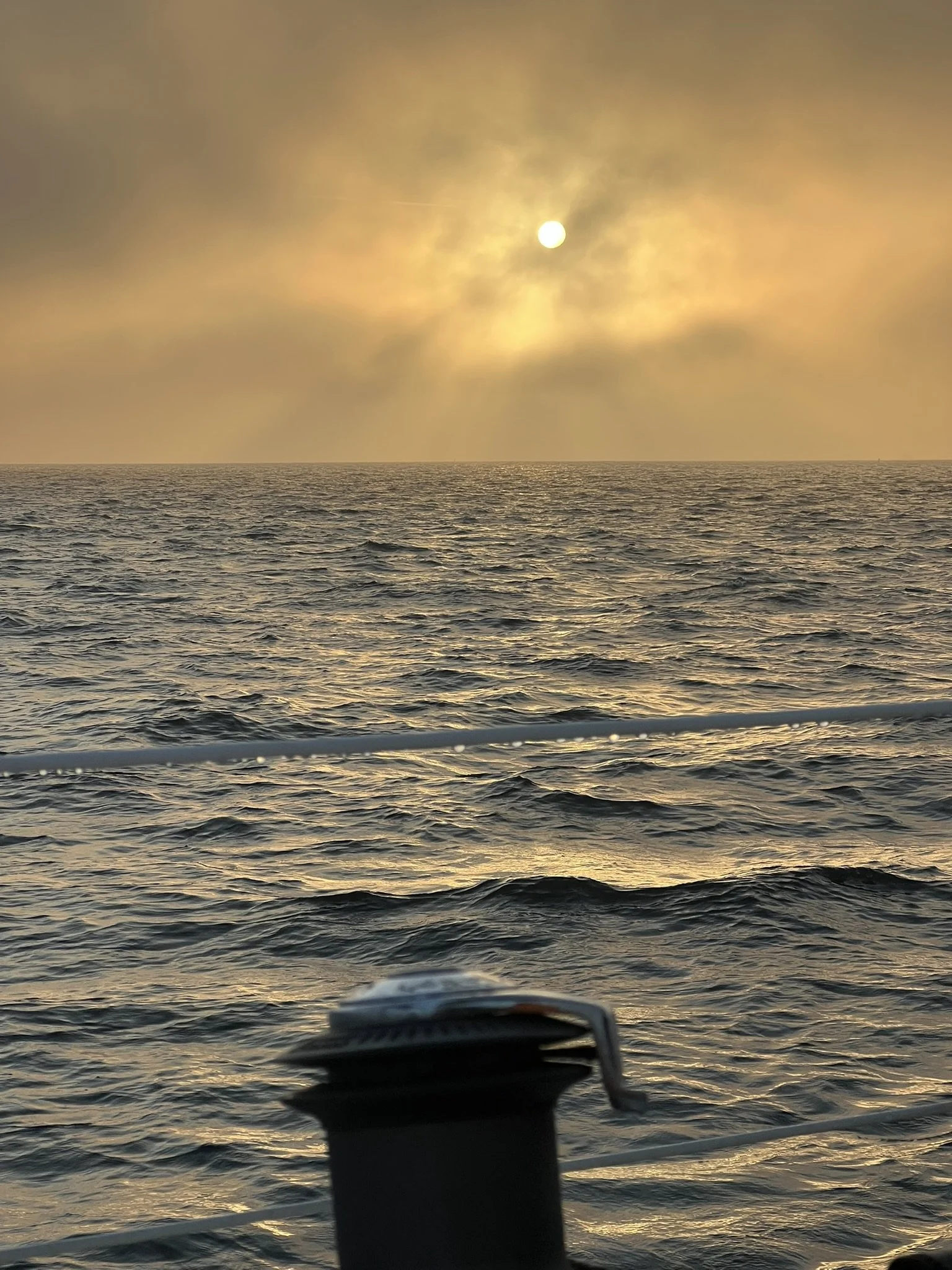
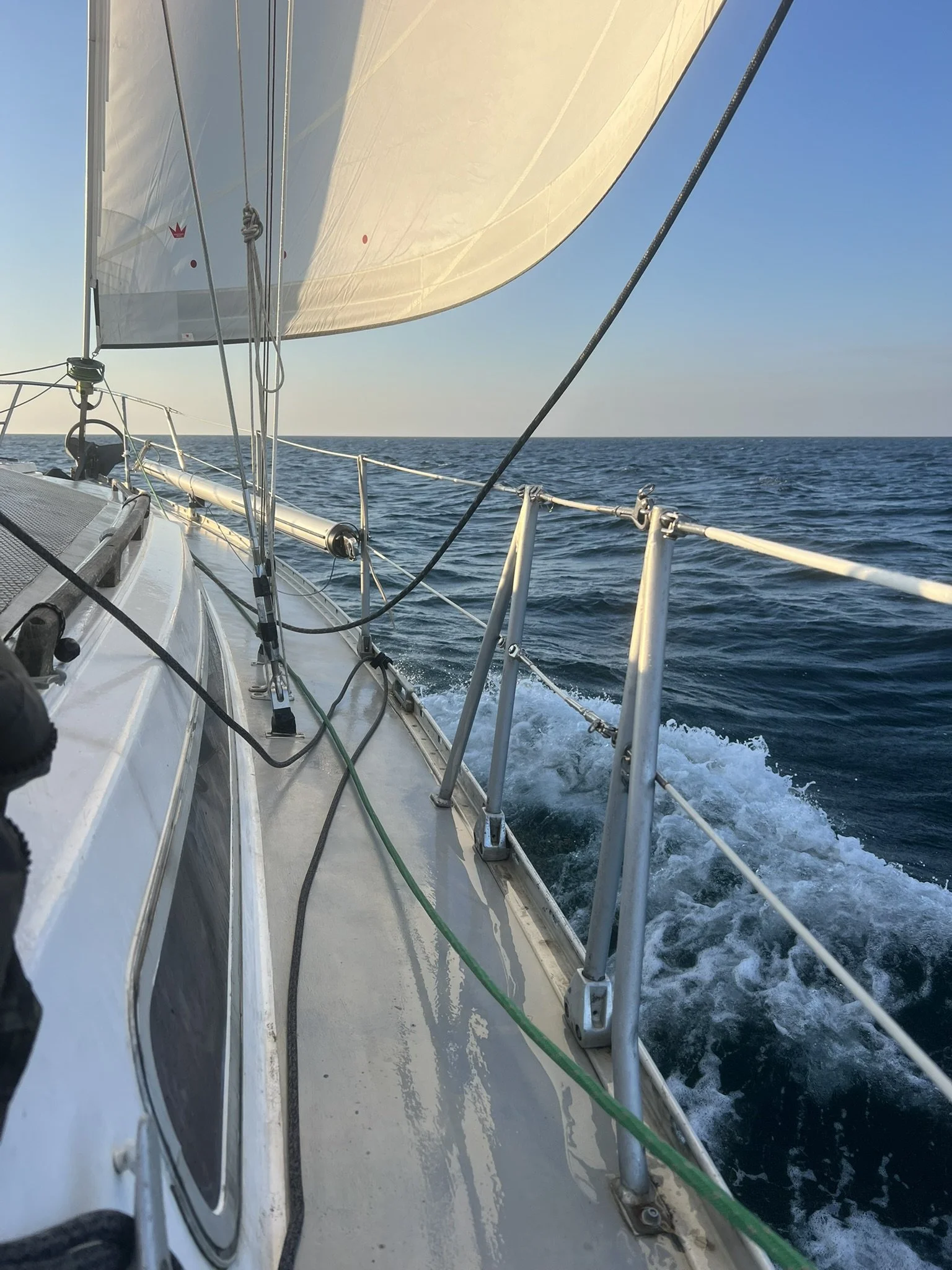
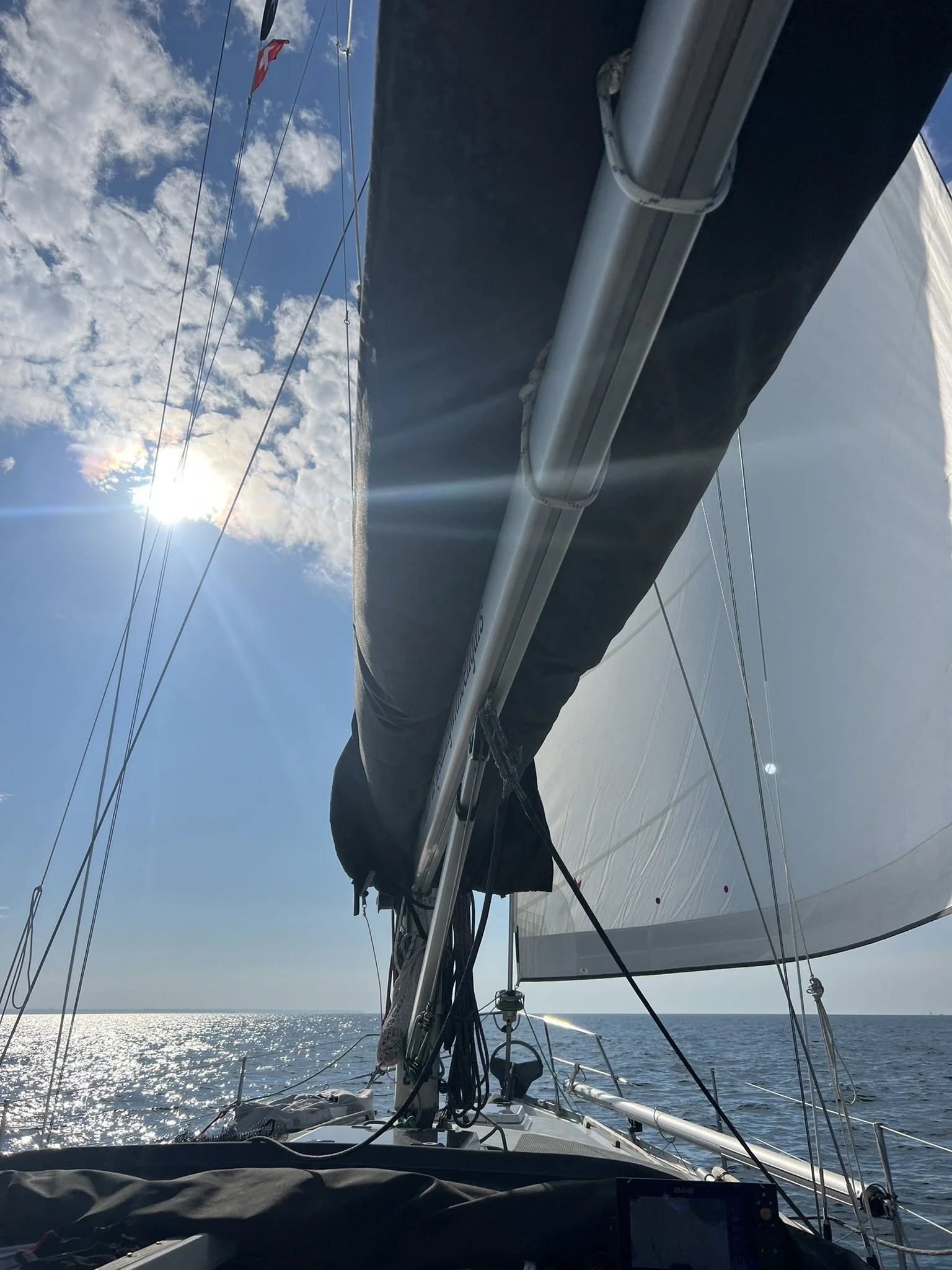
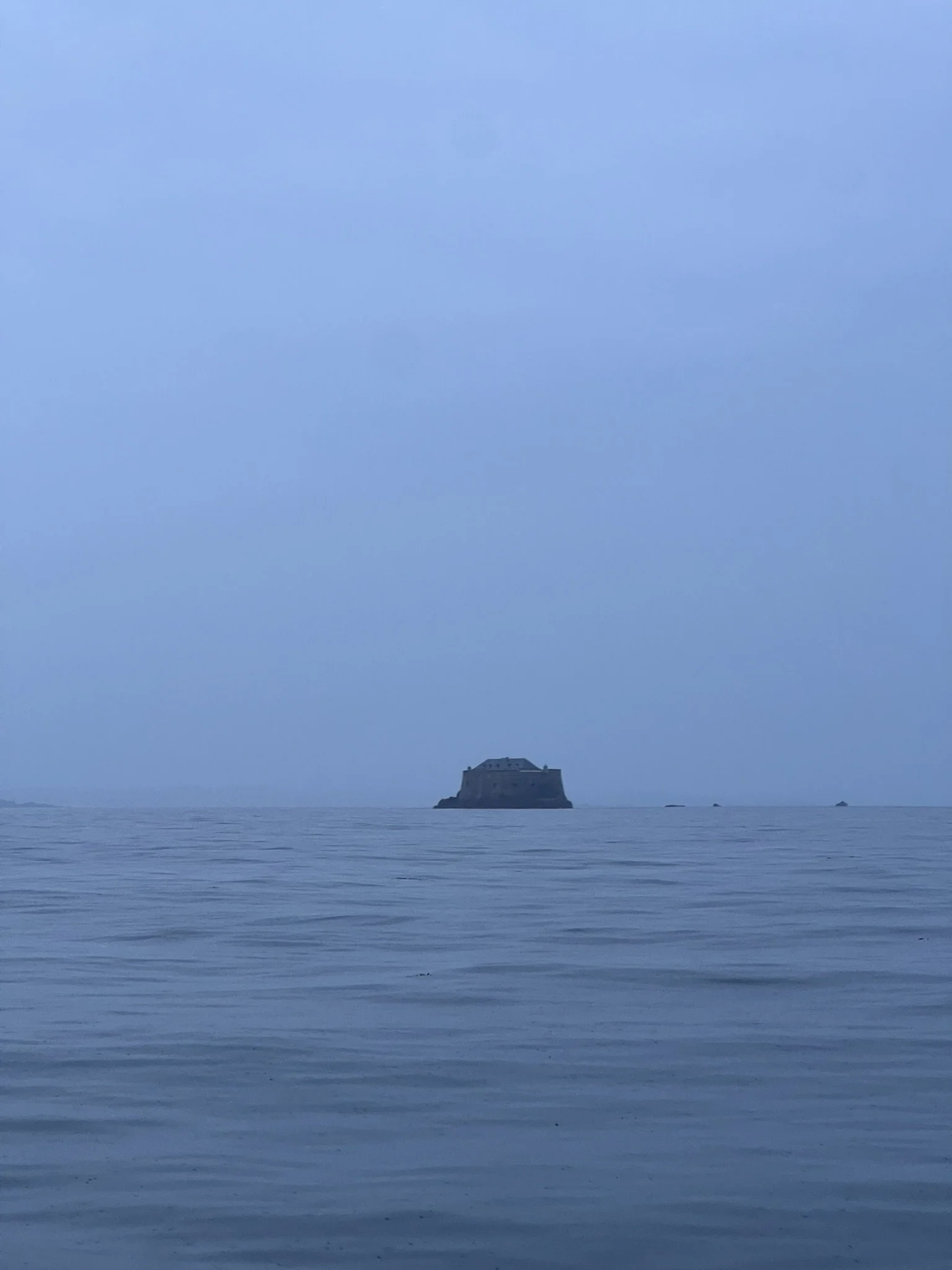
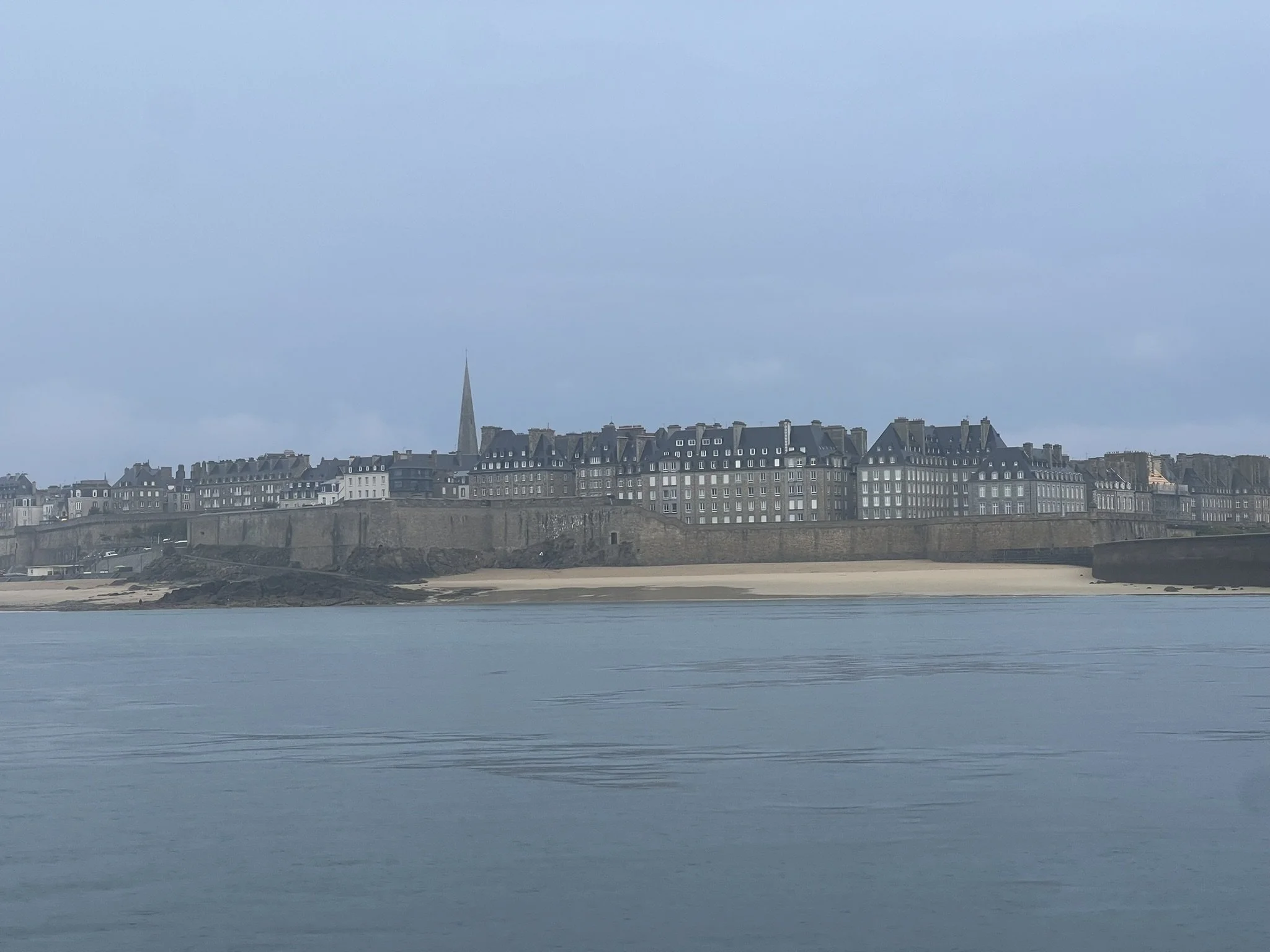
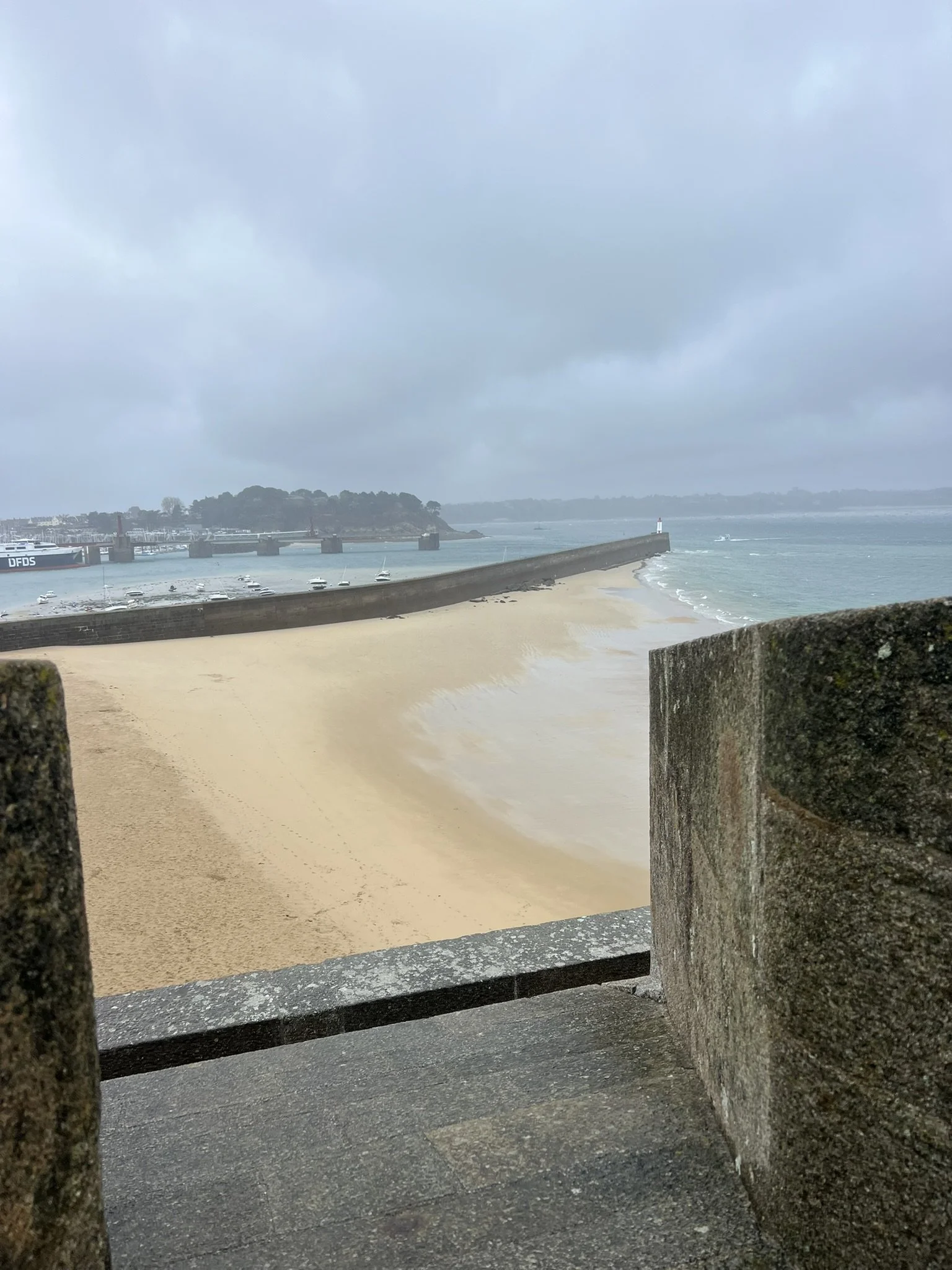
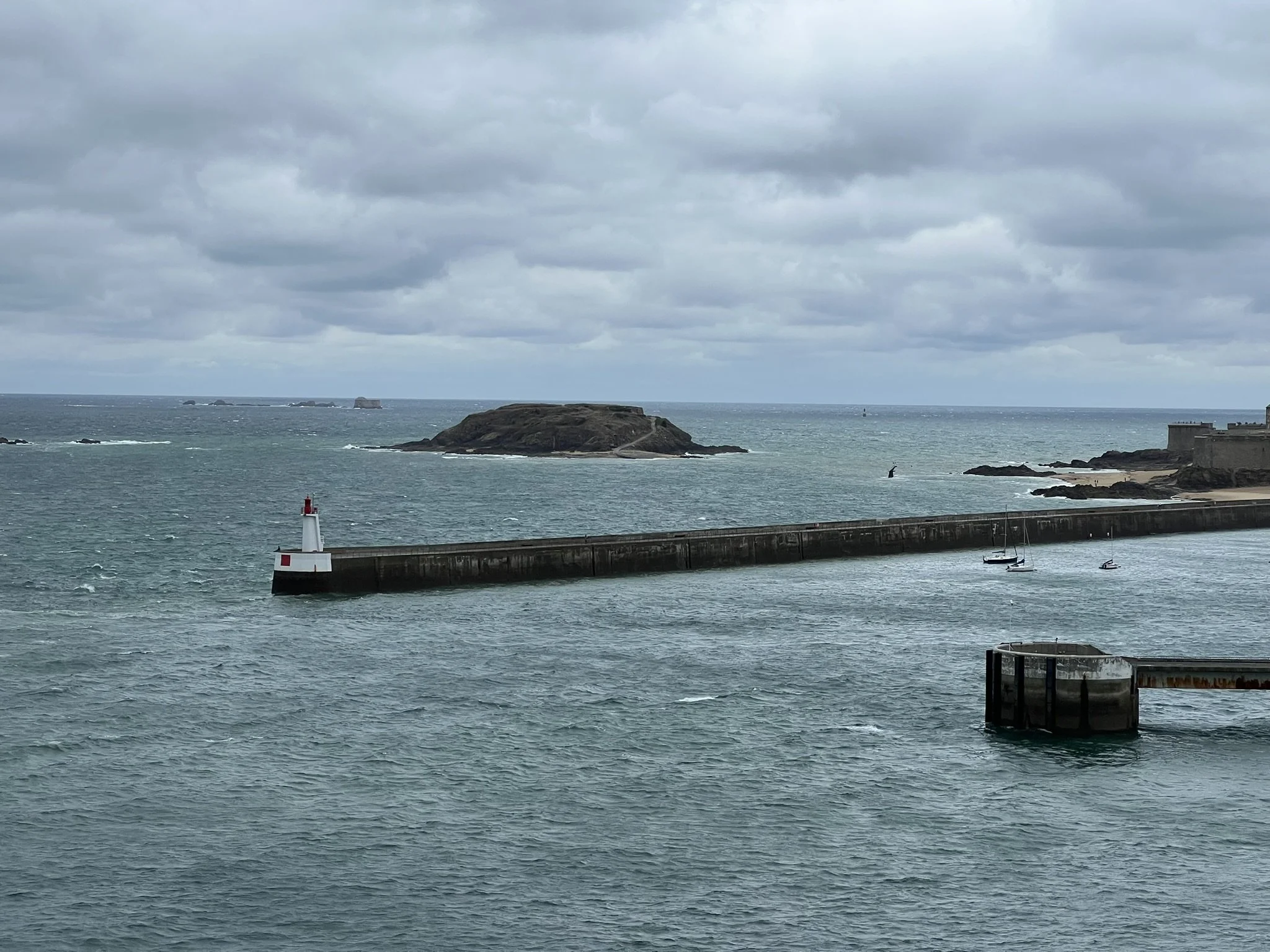
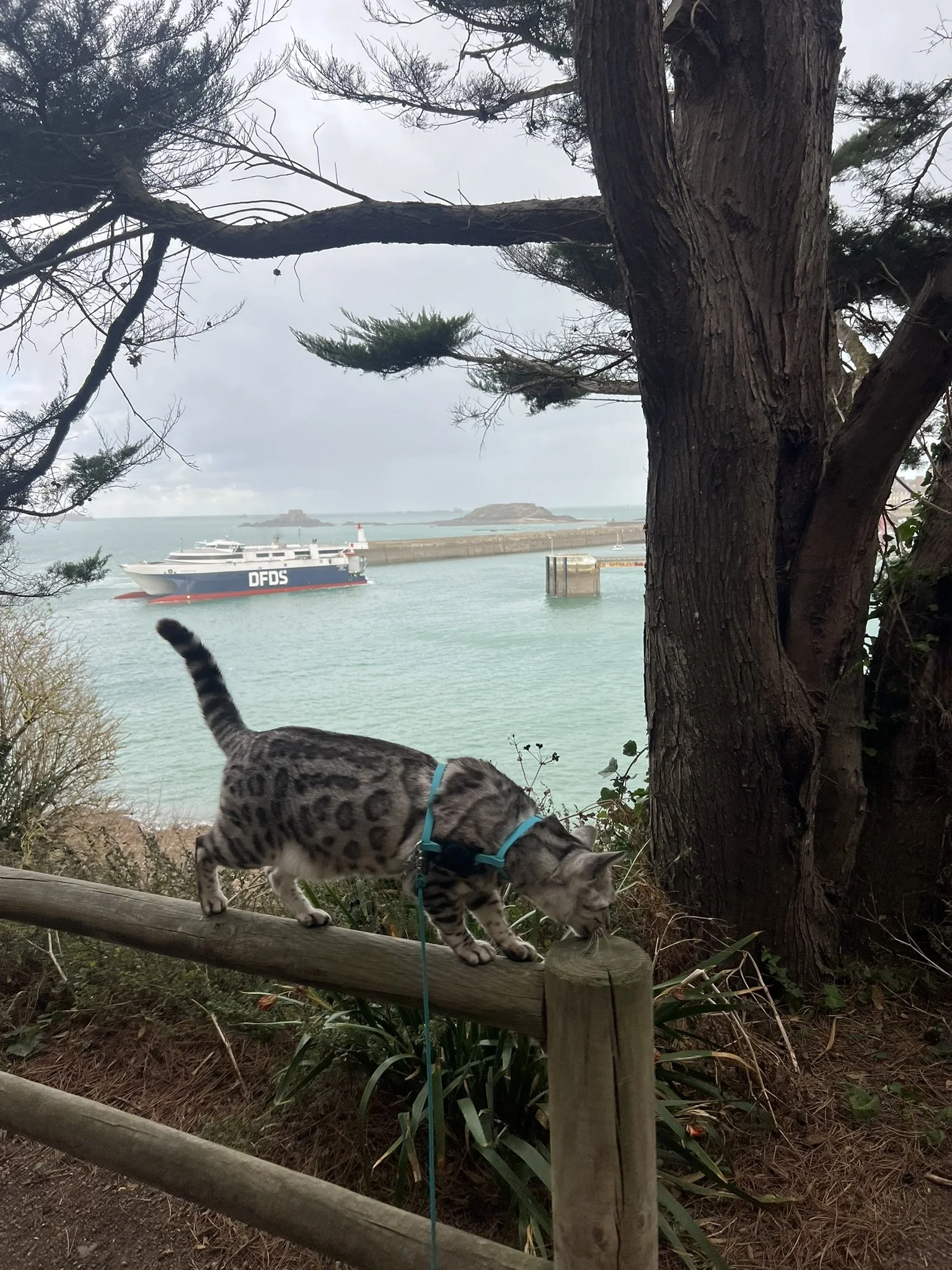
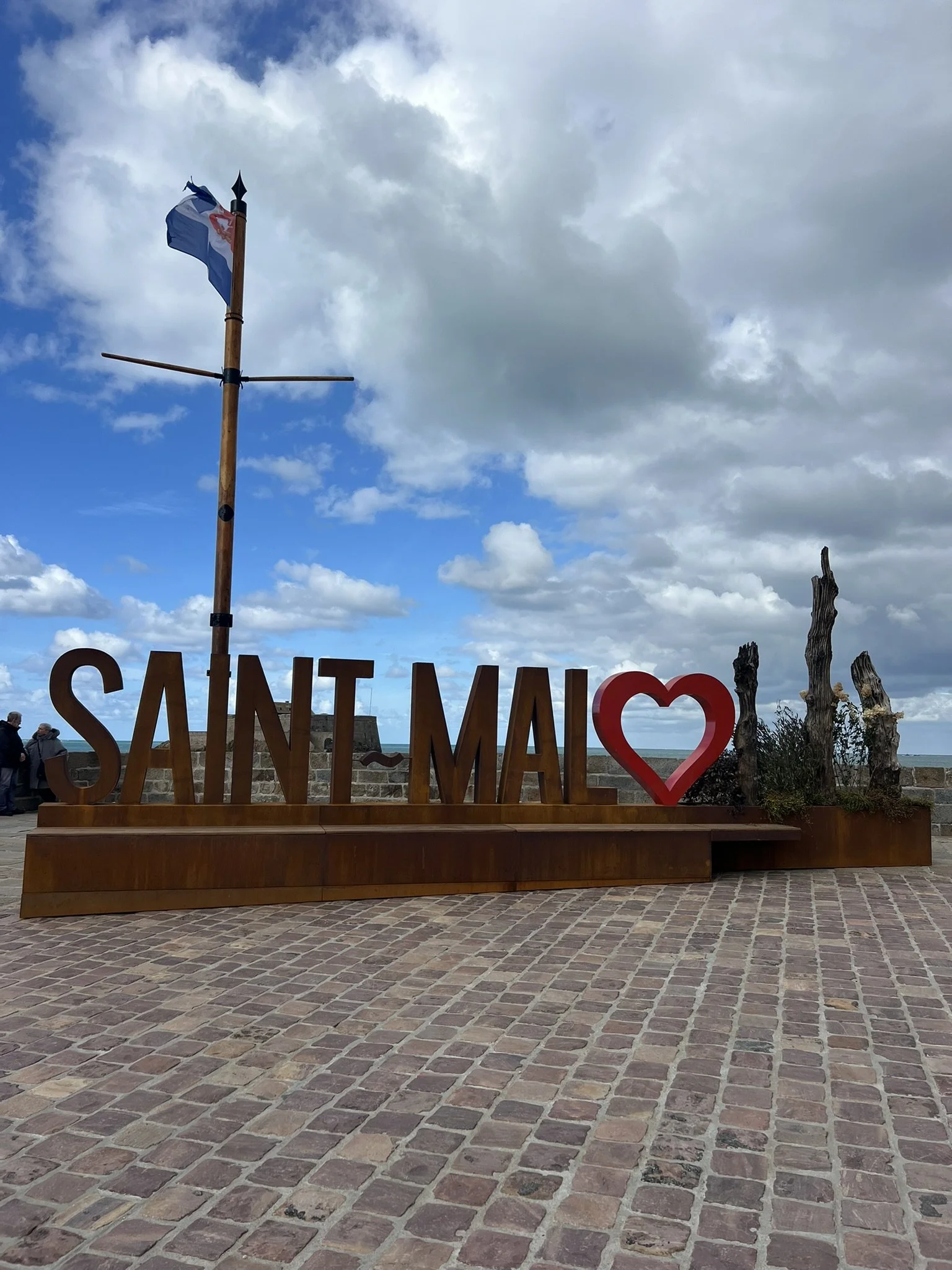
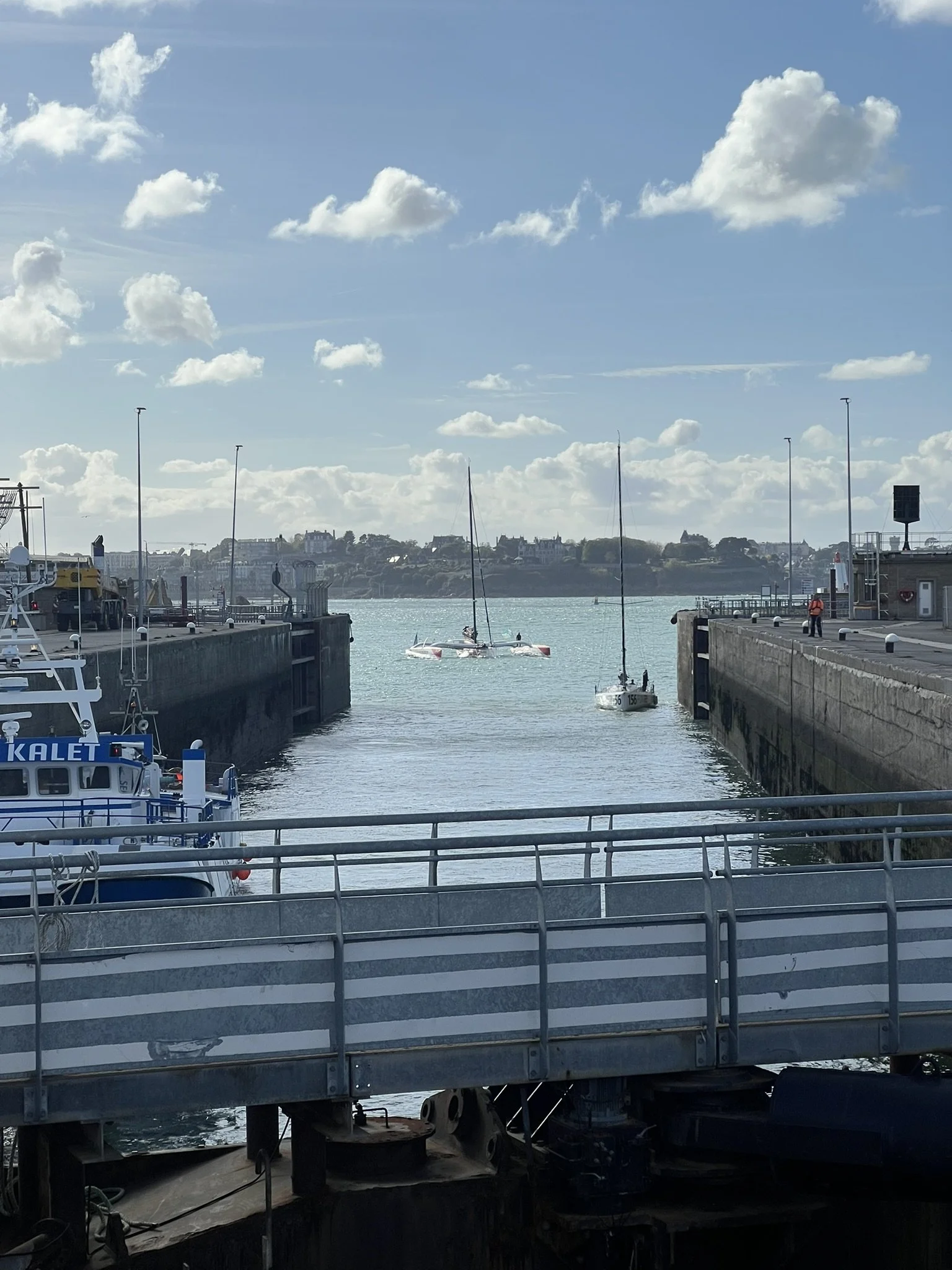
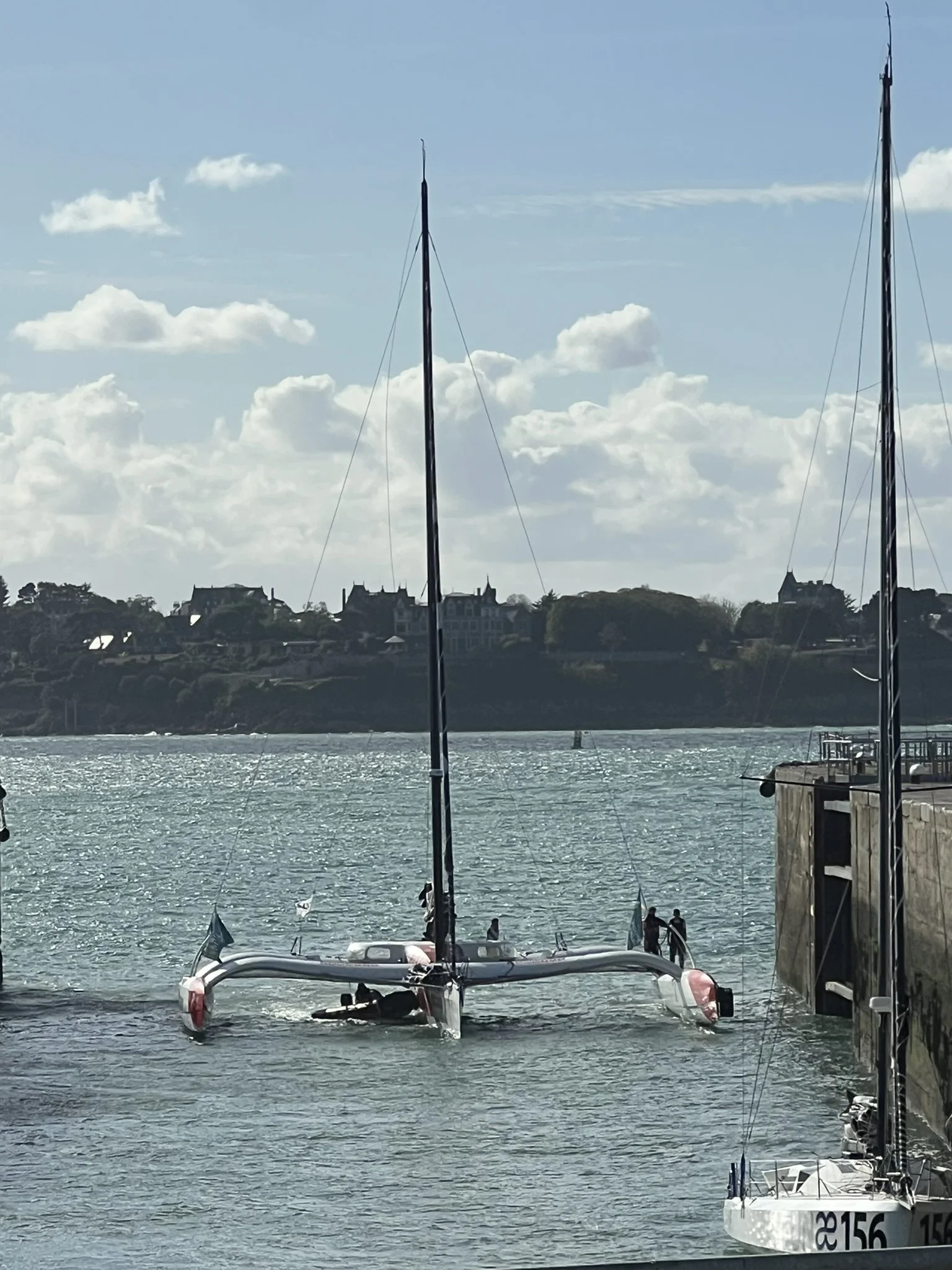
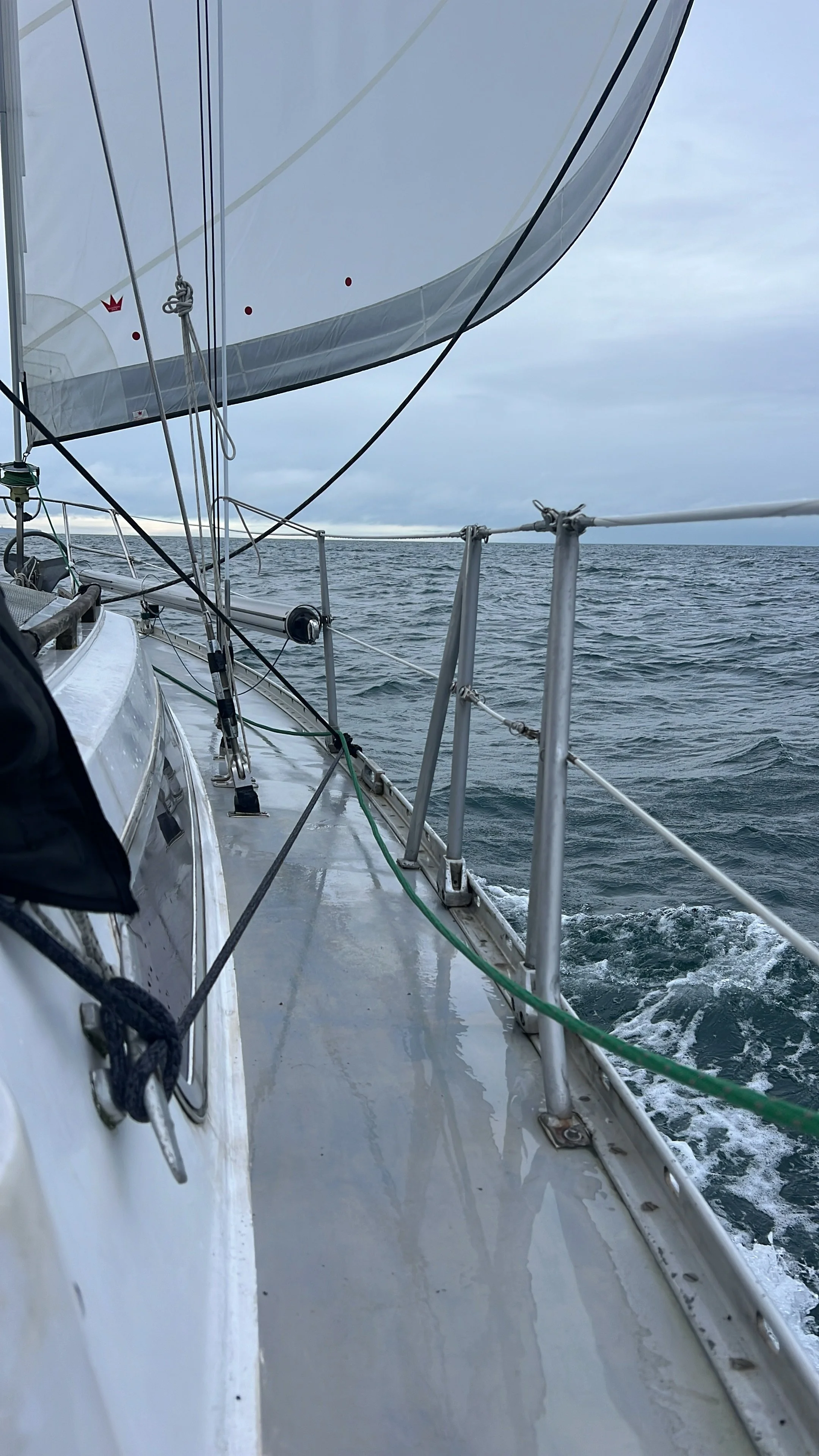
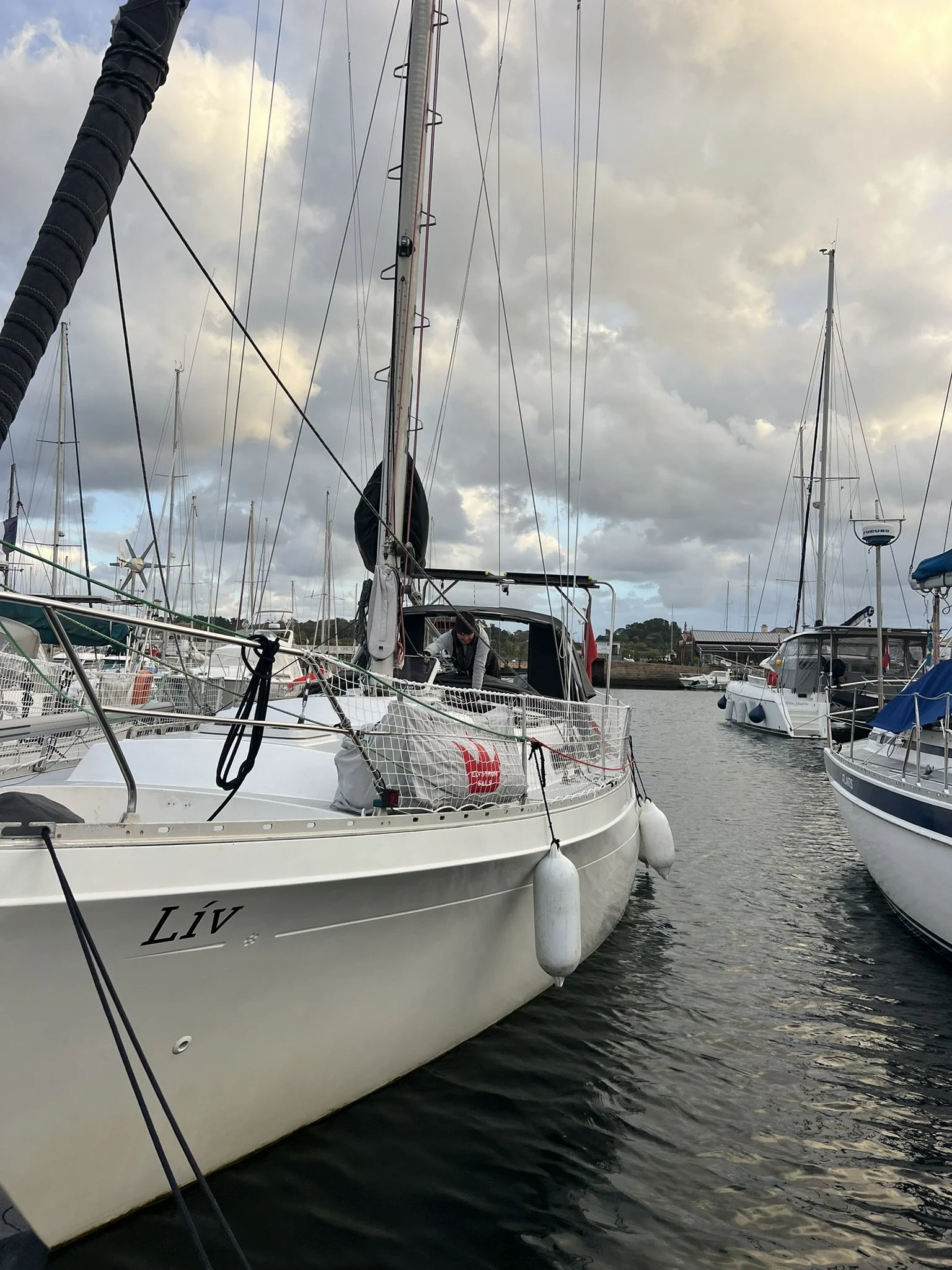
With a storm approaching, we decided it was time to head for Saint-Malo, where we would hopefully find better protection. The sail there wasn't particularly pleasant, but the town more than made up for it. We had barely finished securing Lív in the harbour when the storm hit. We were certainly glad to have made it in time!
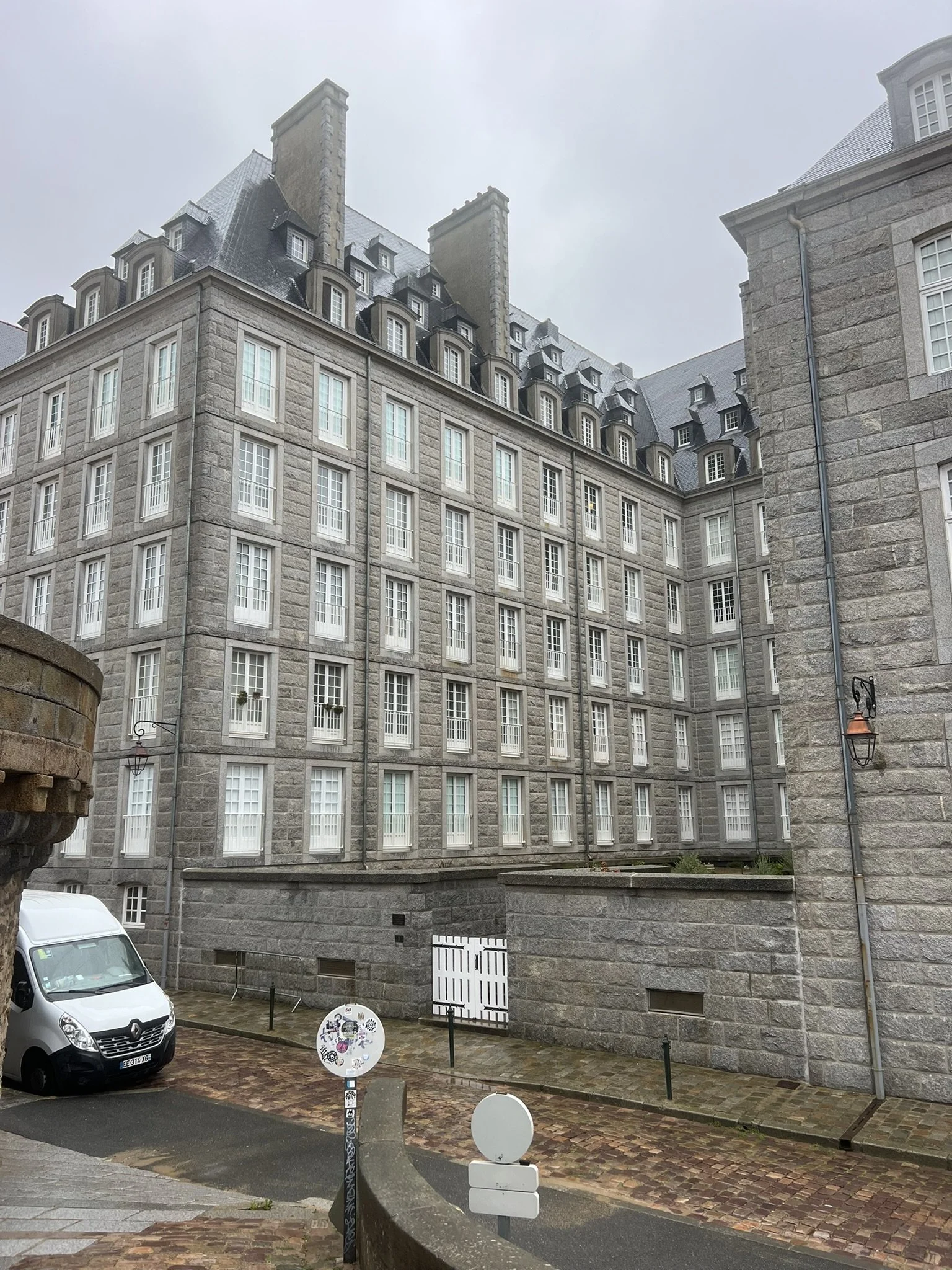
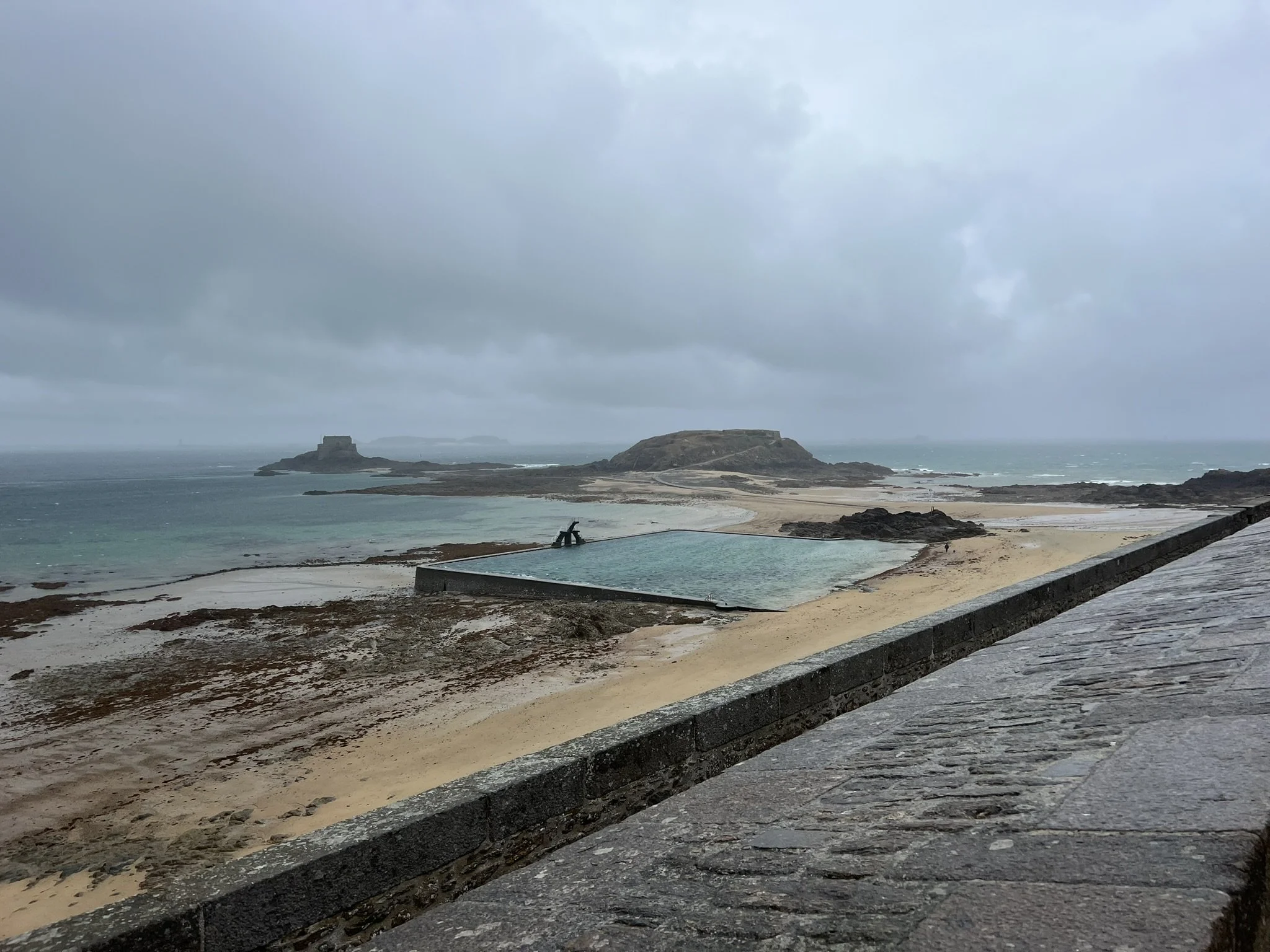
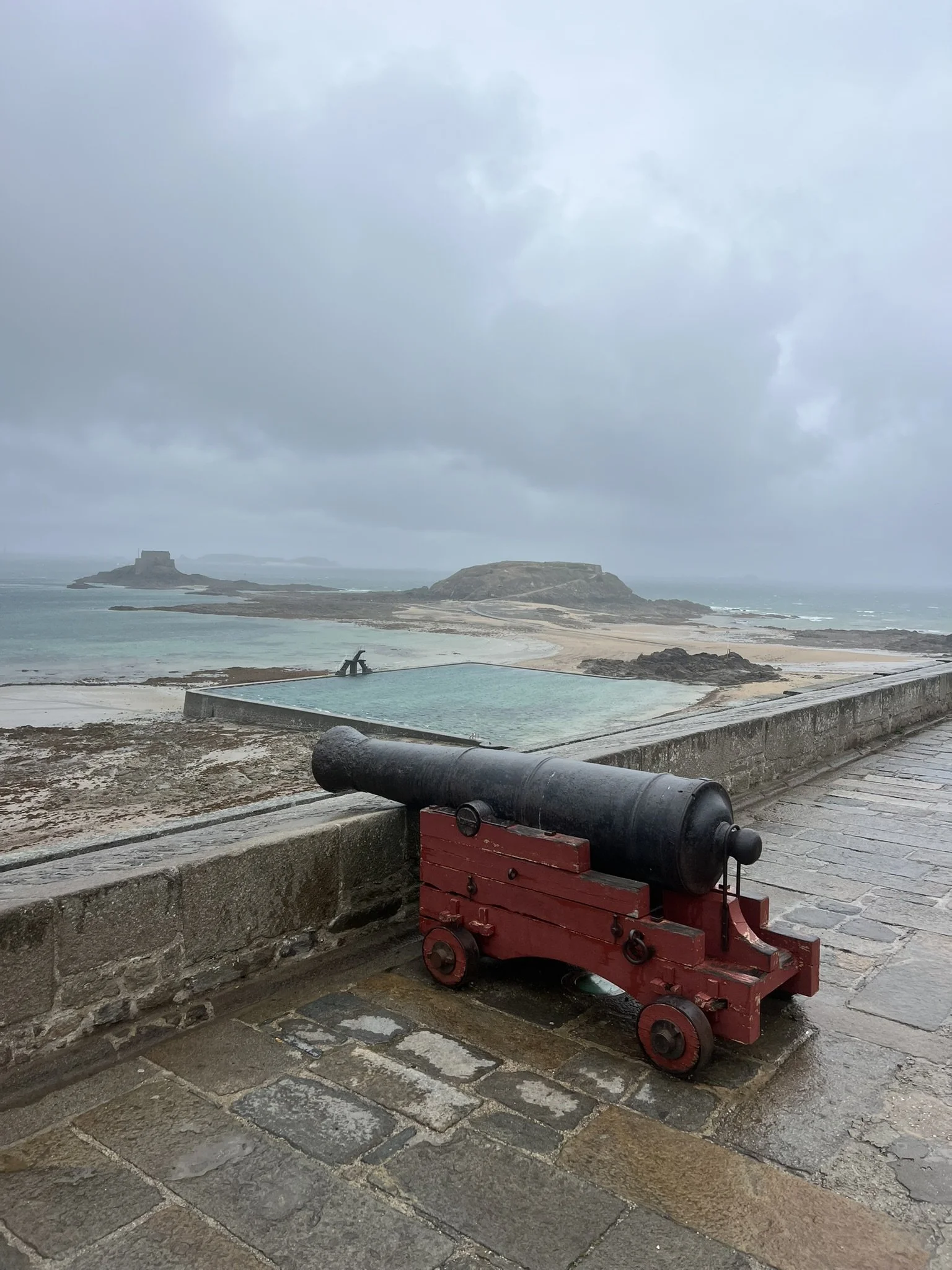
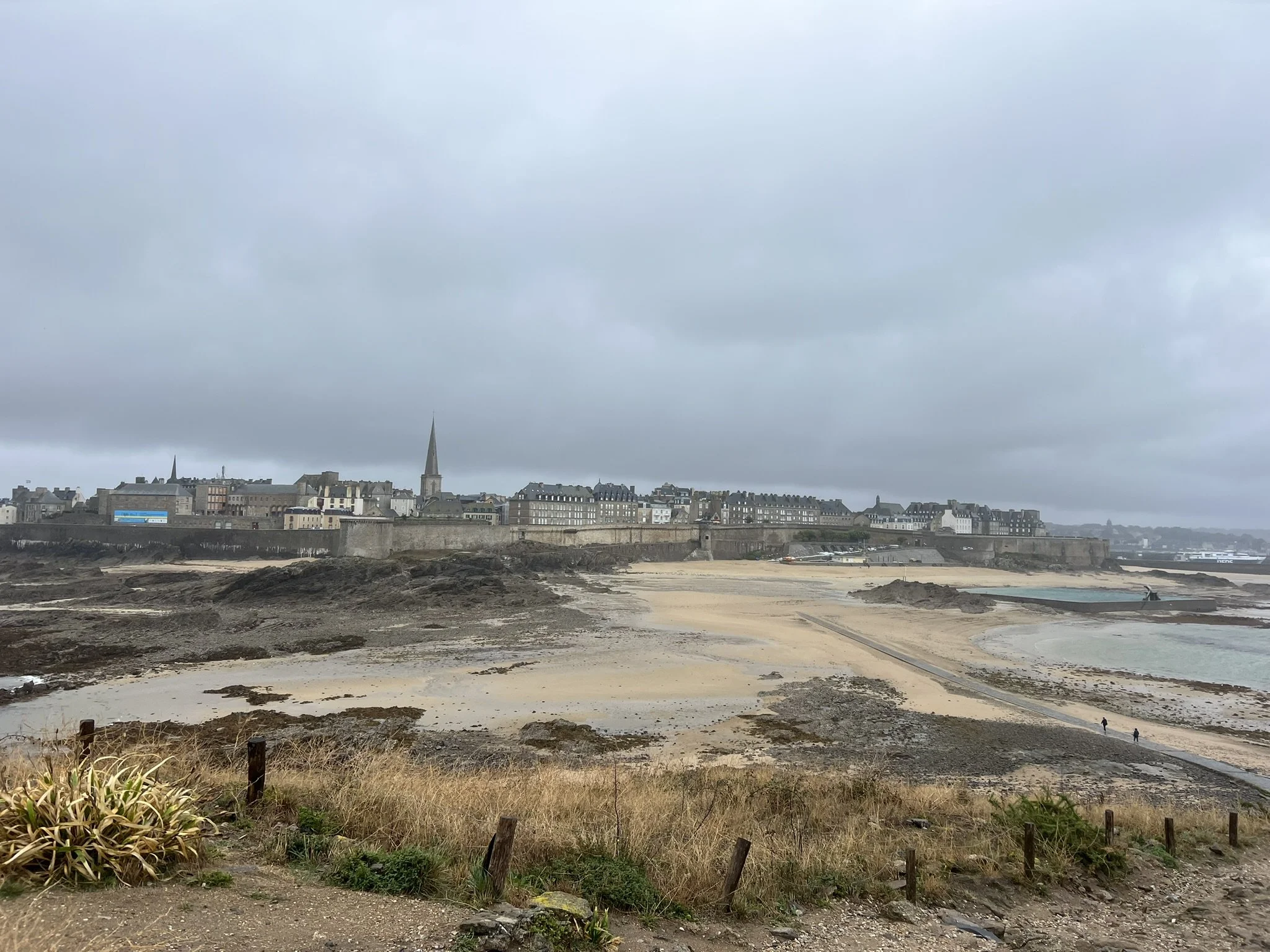
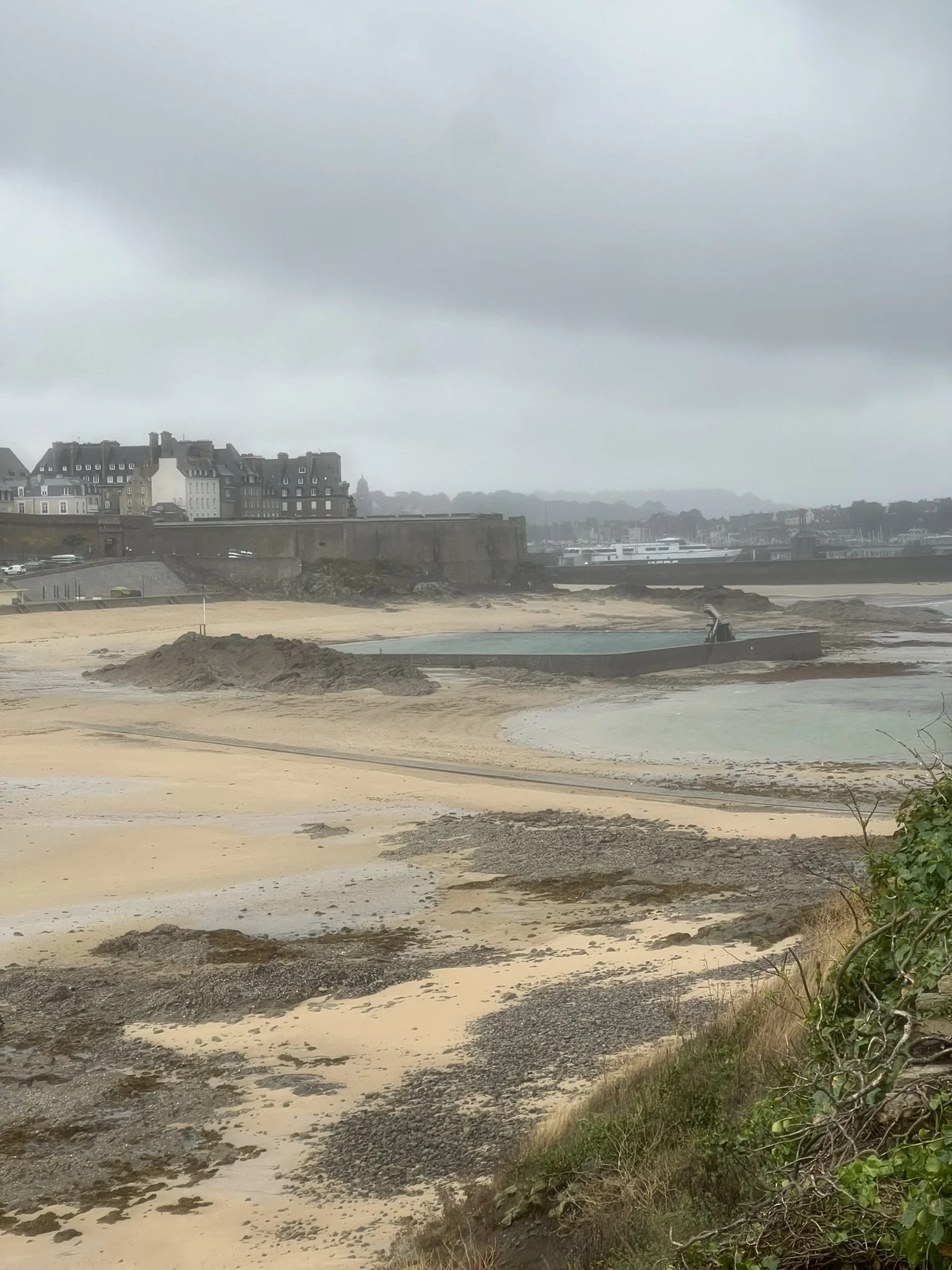
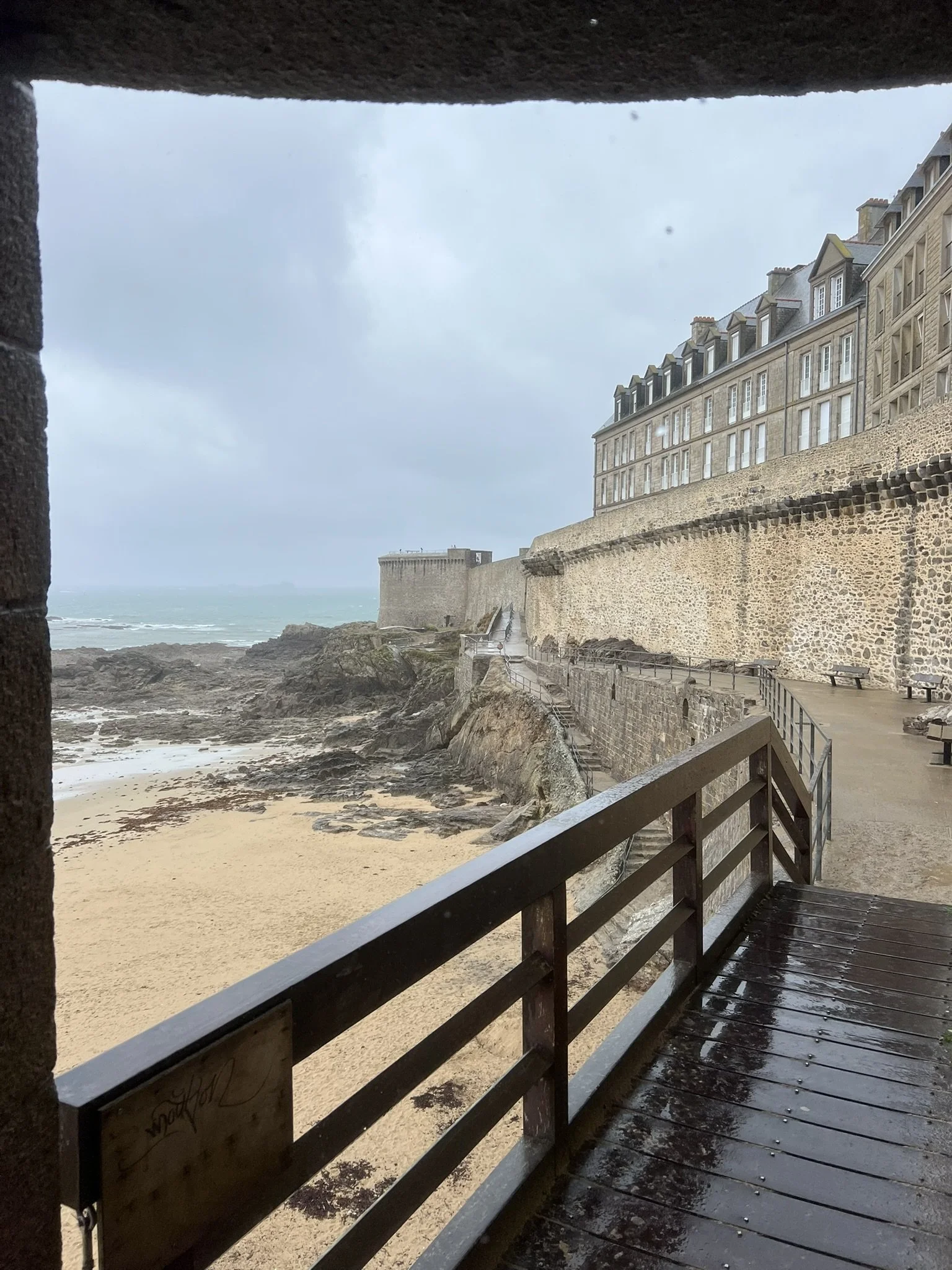
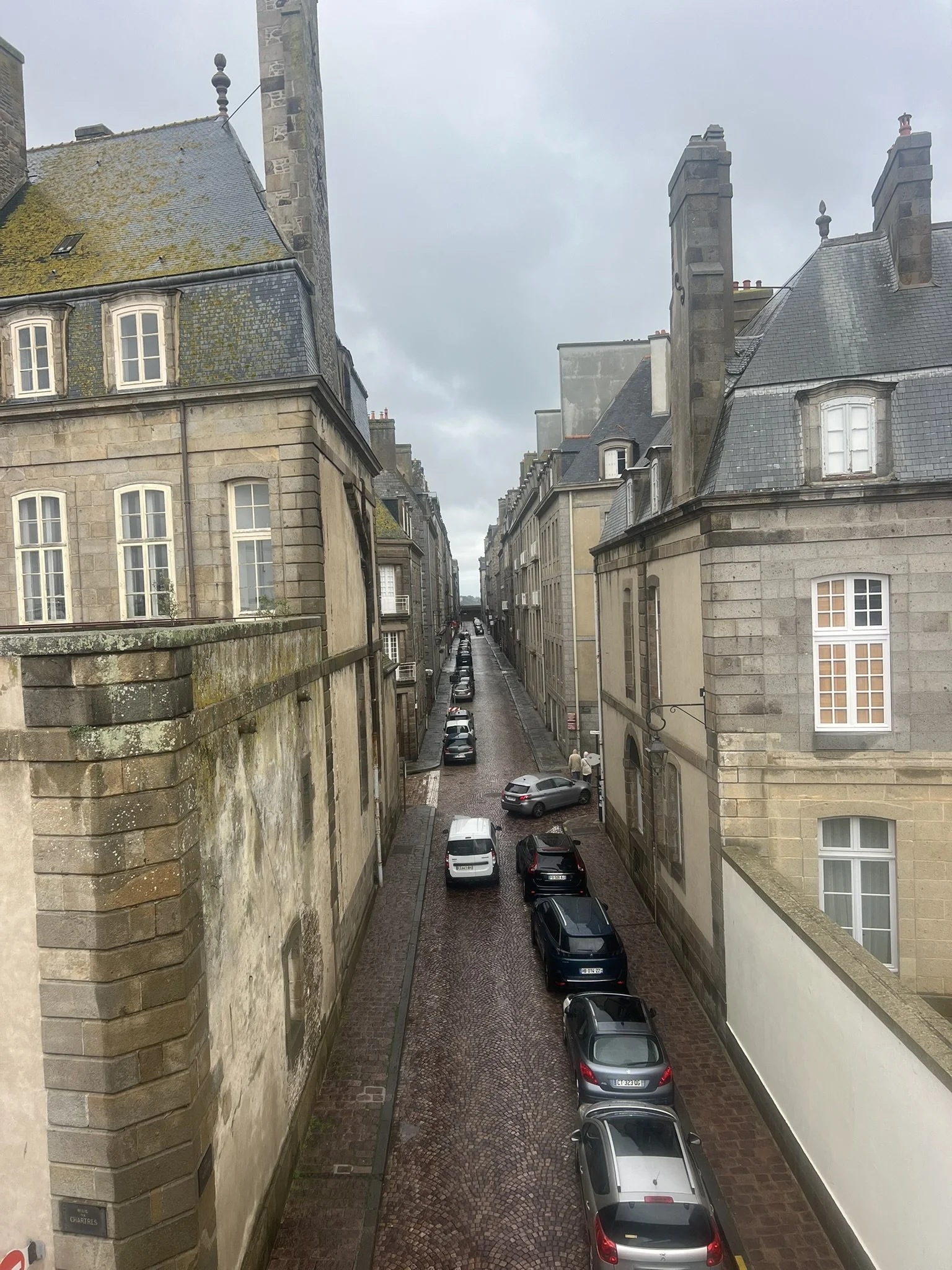
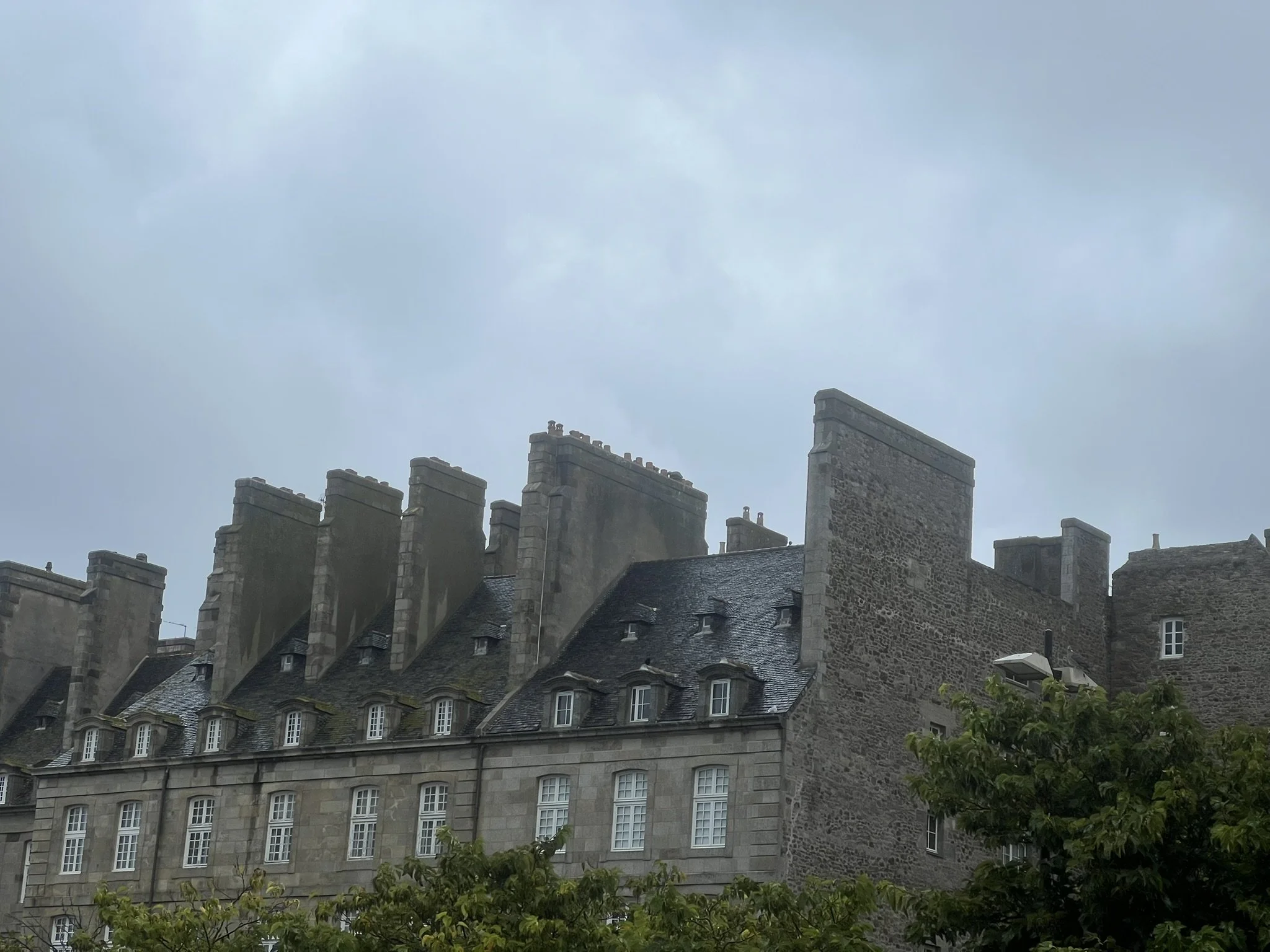
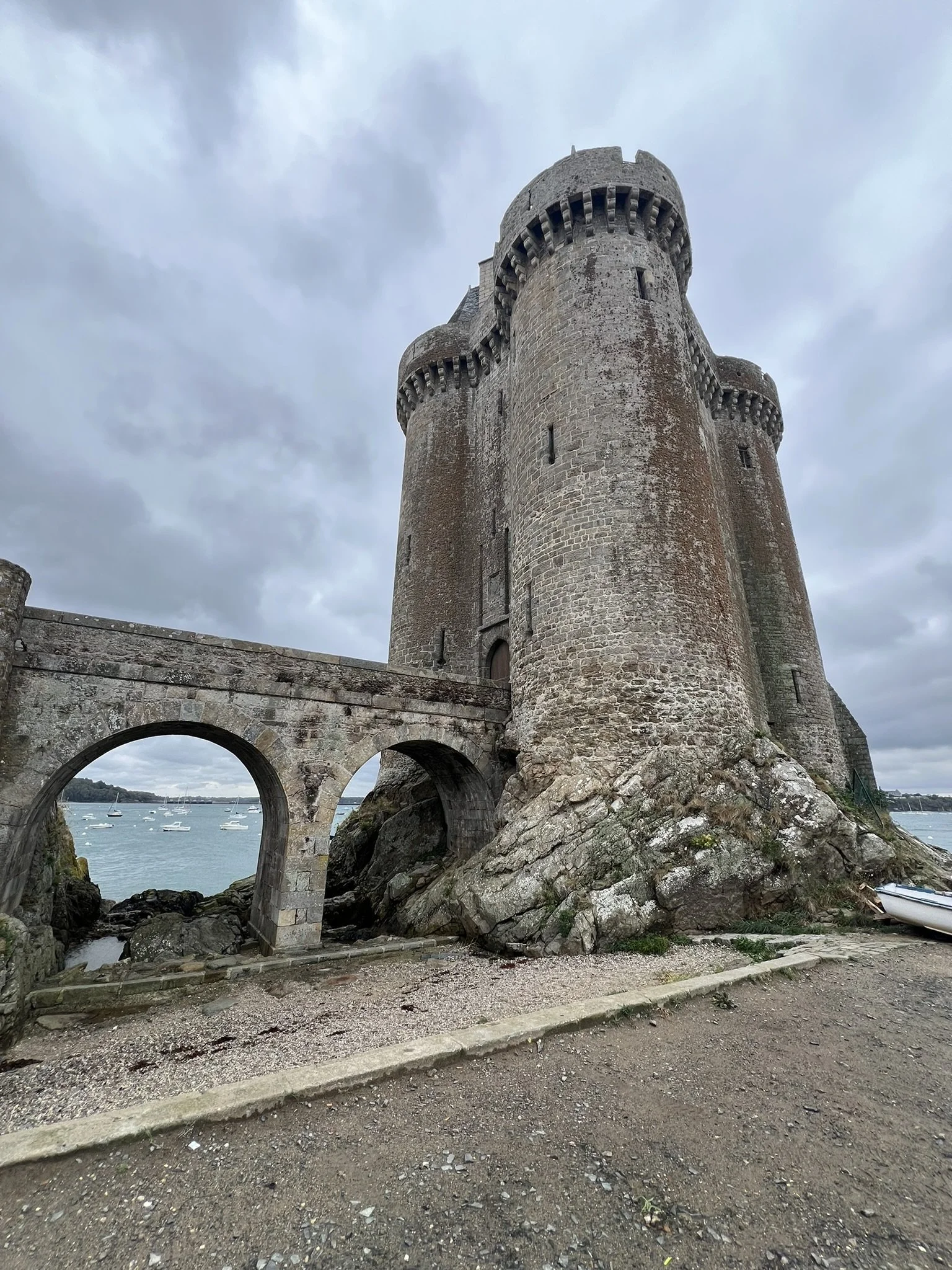
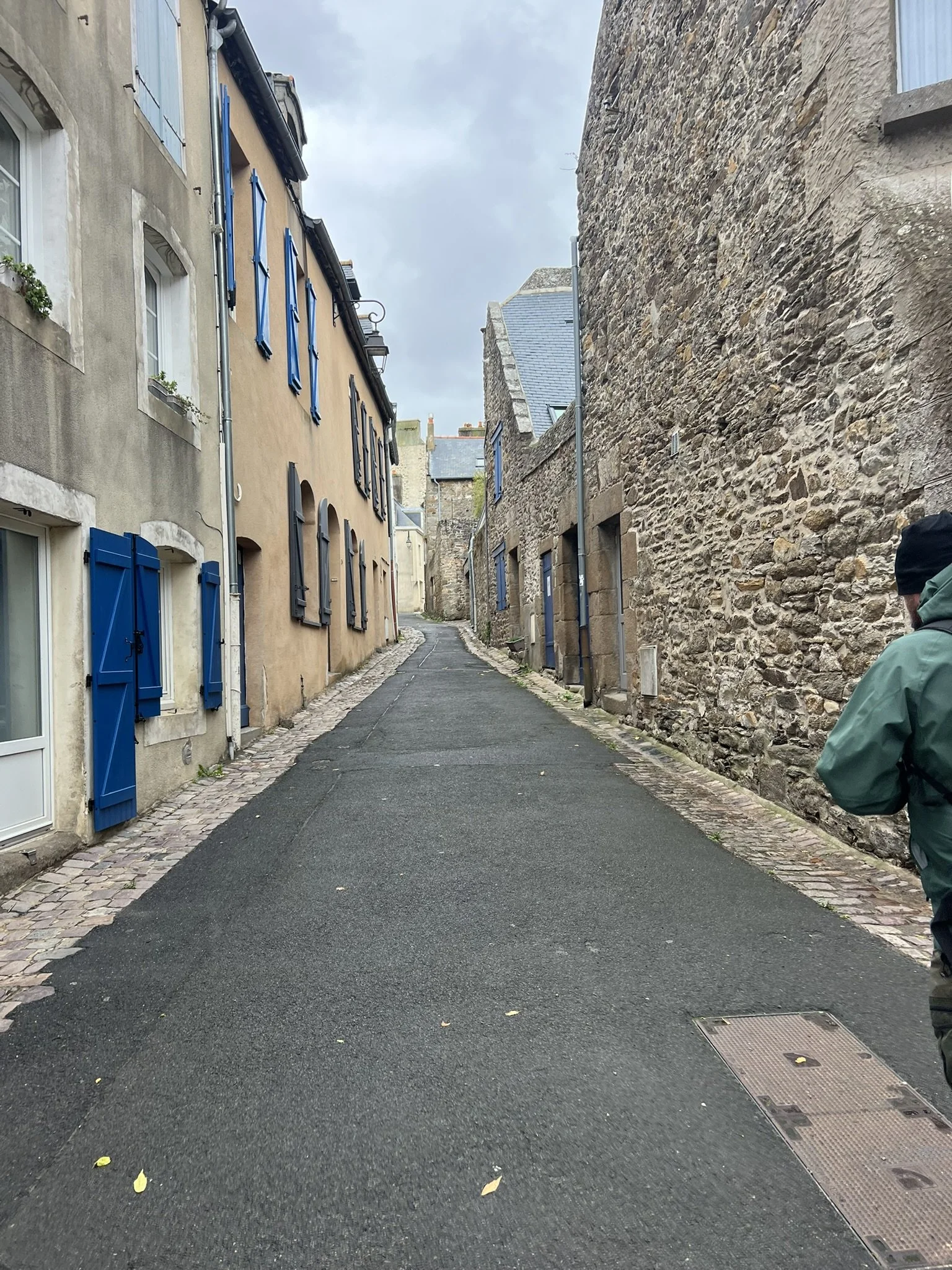
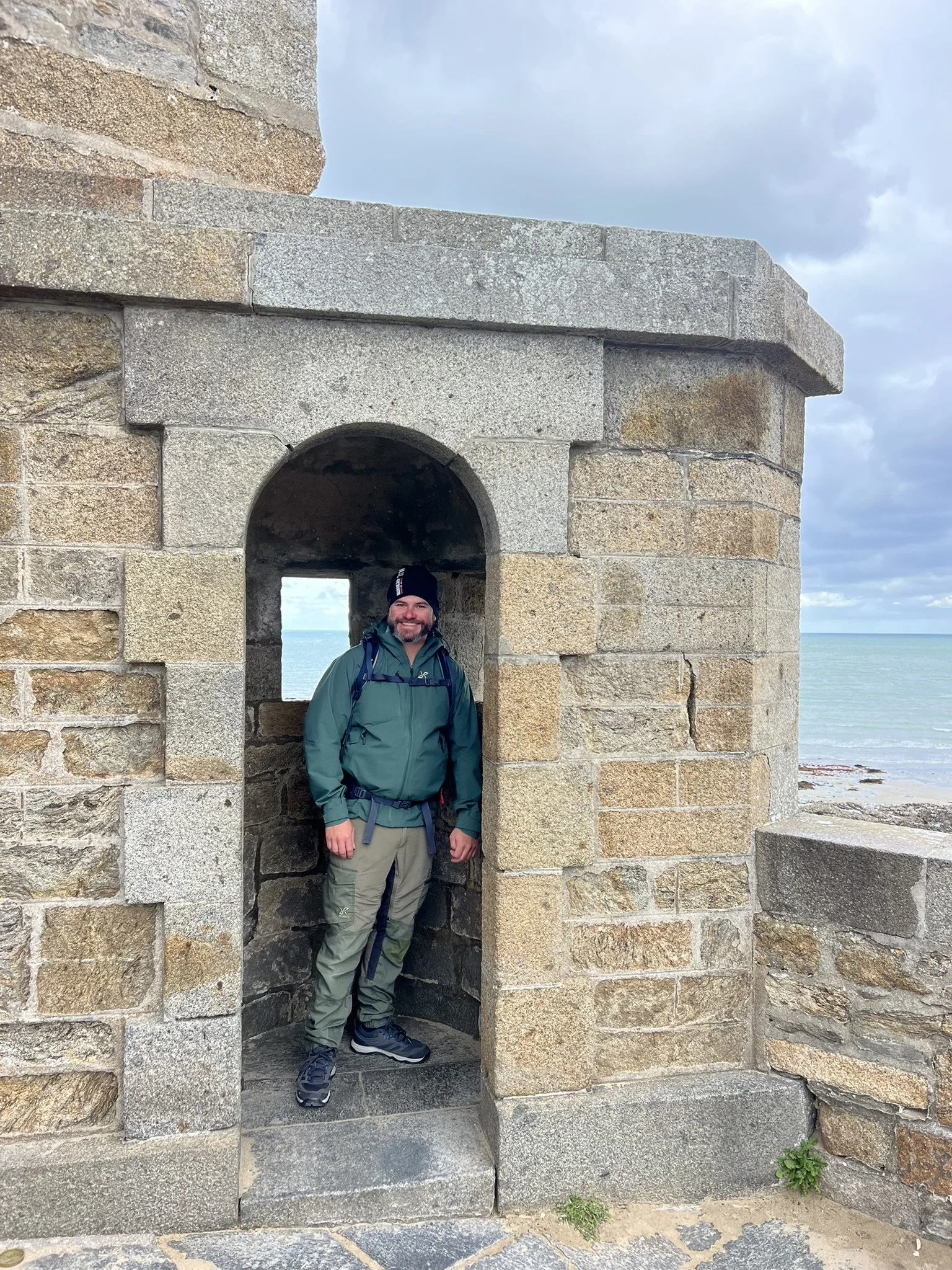
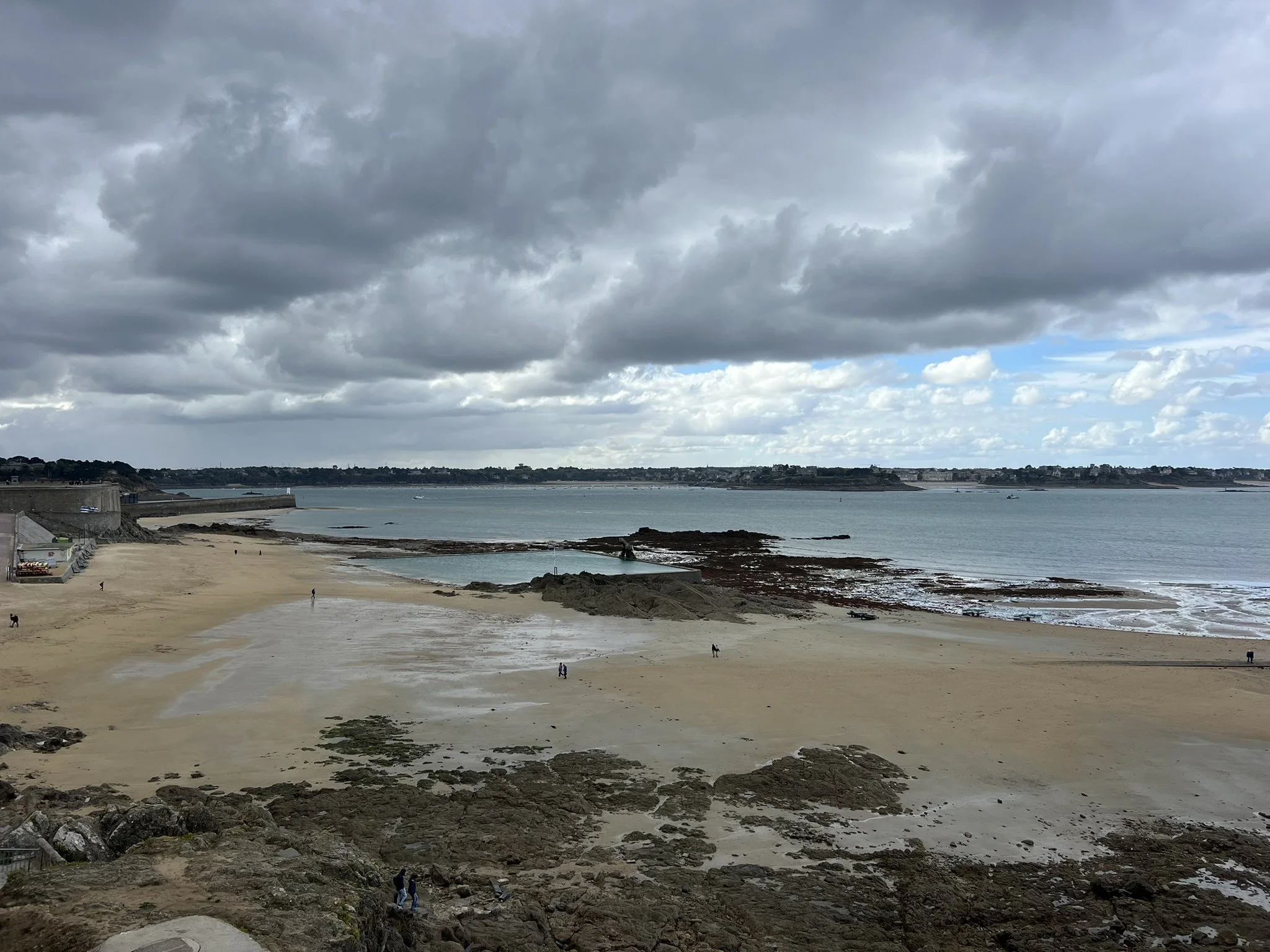
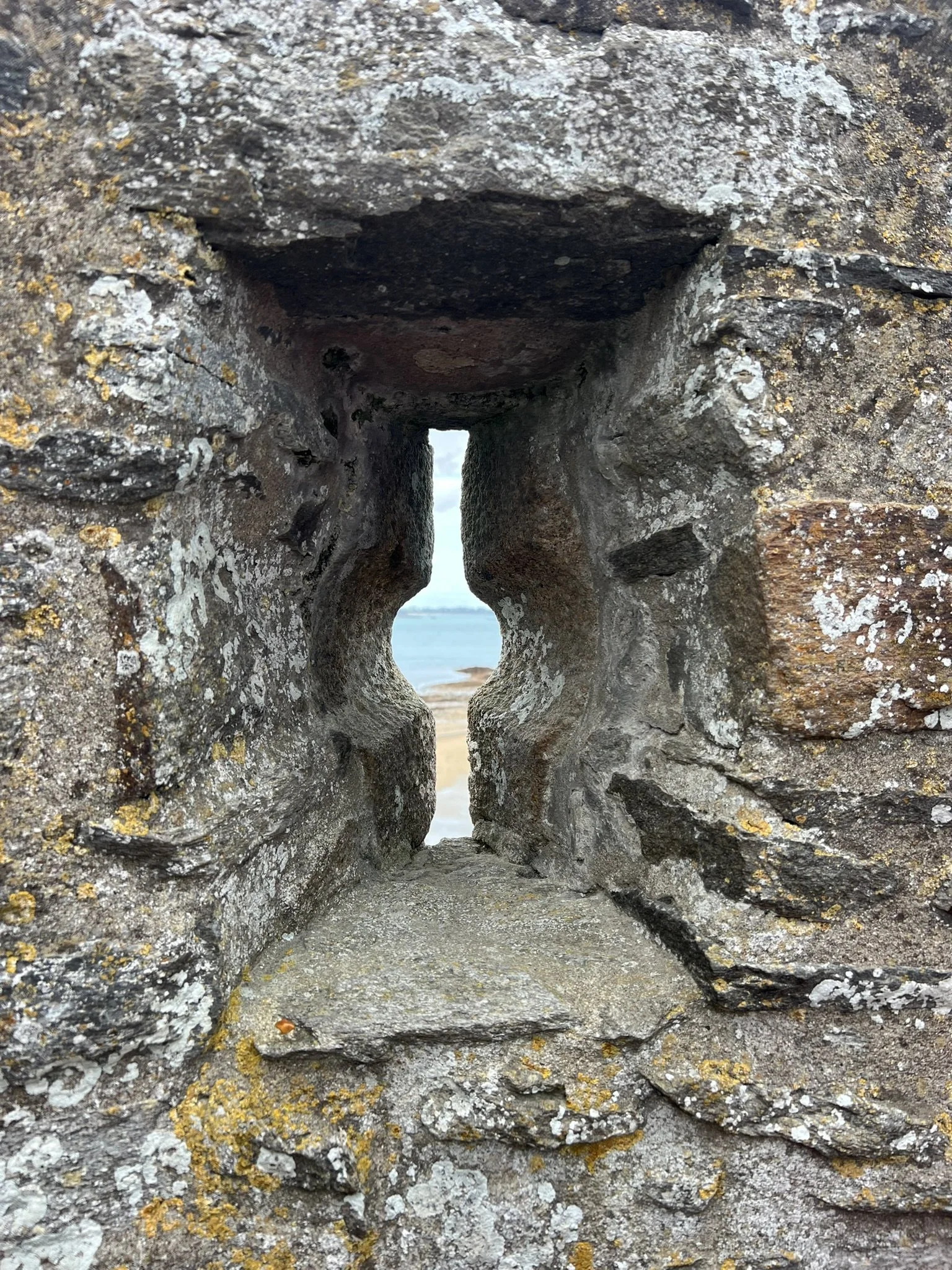
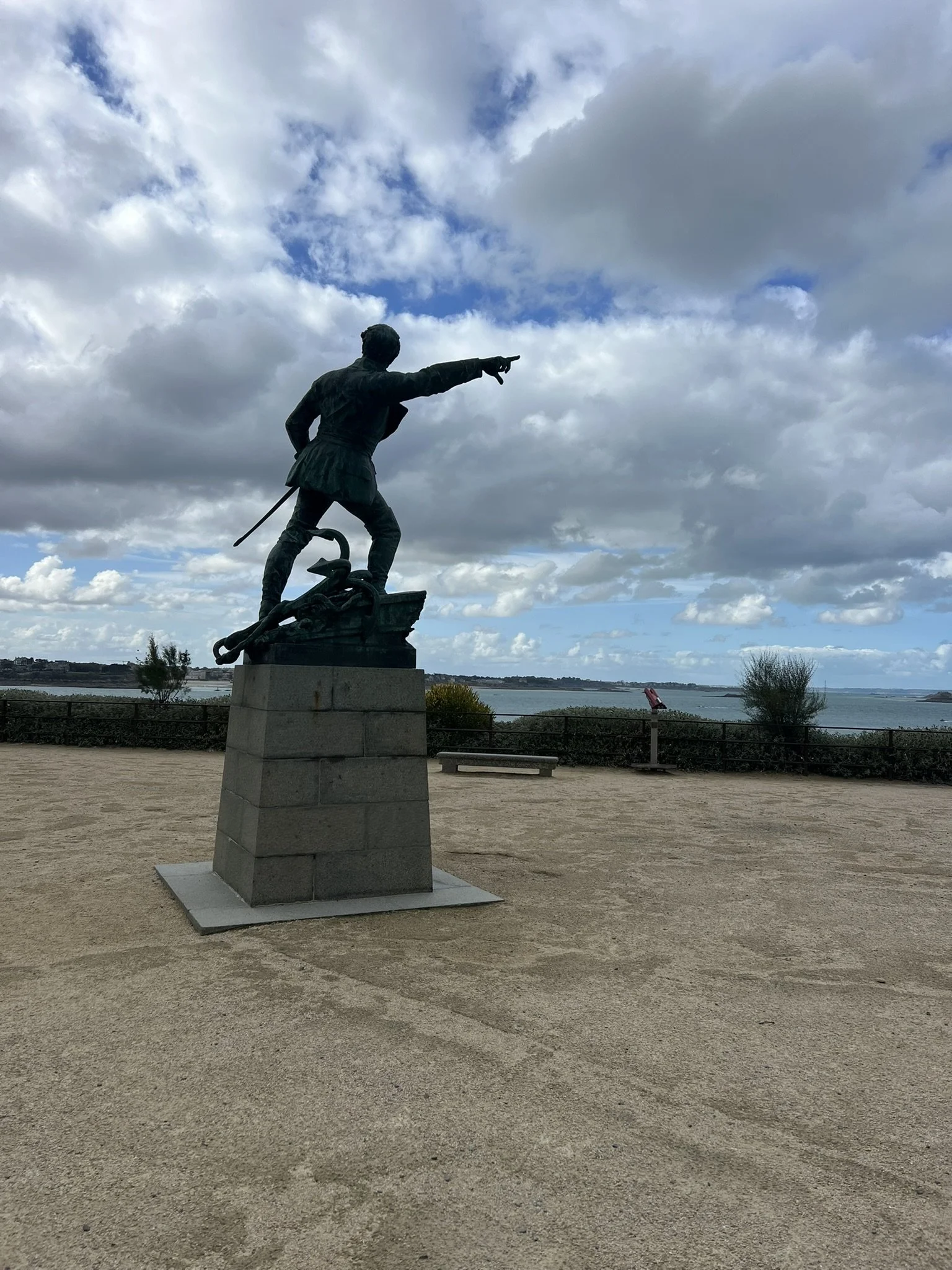
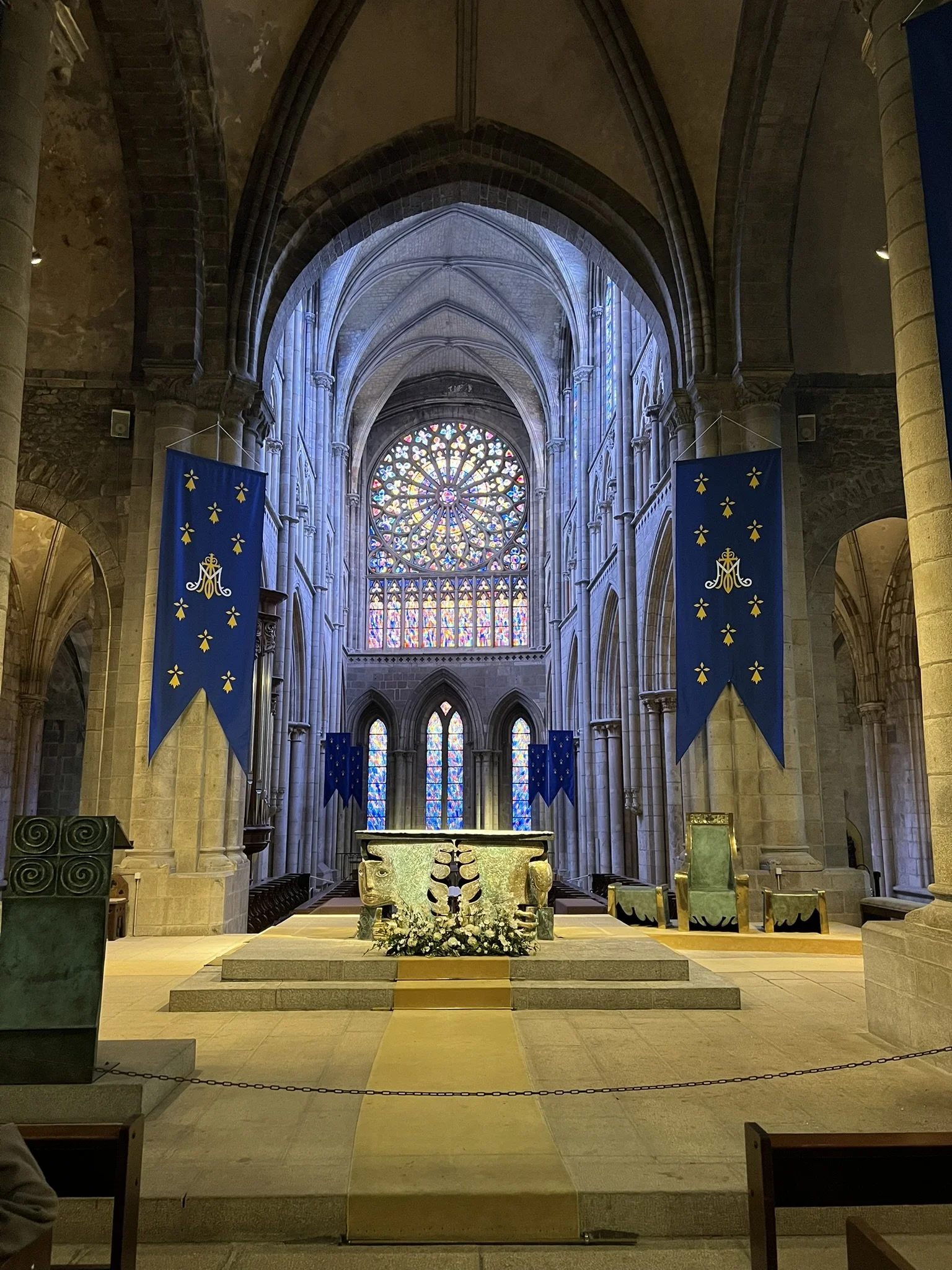
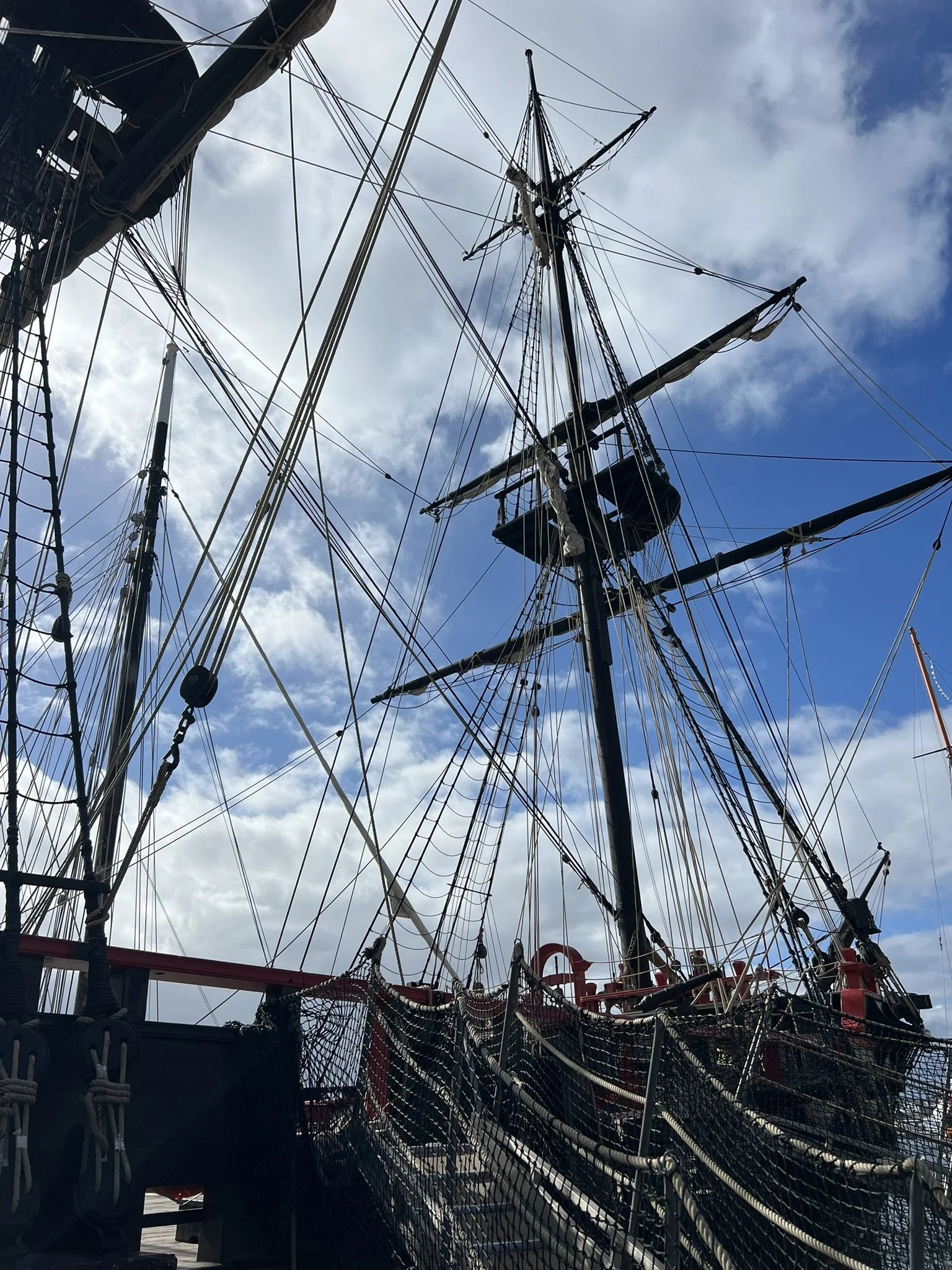
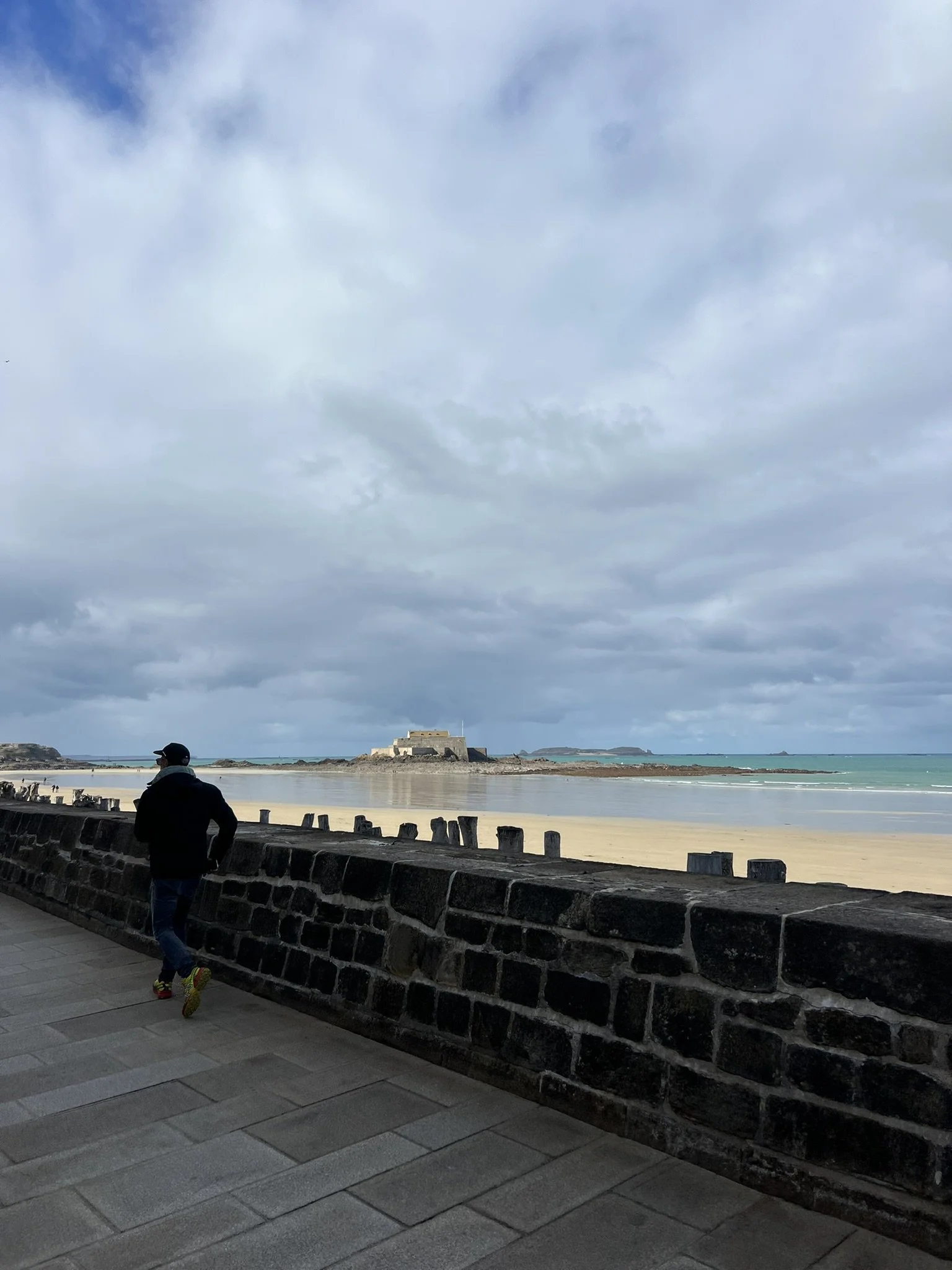
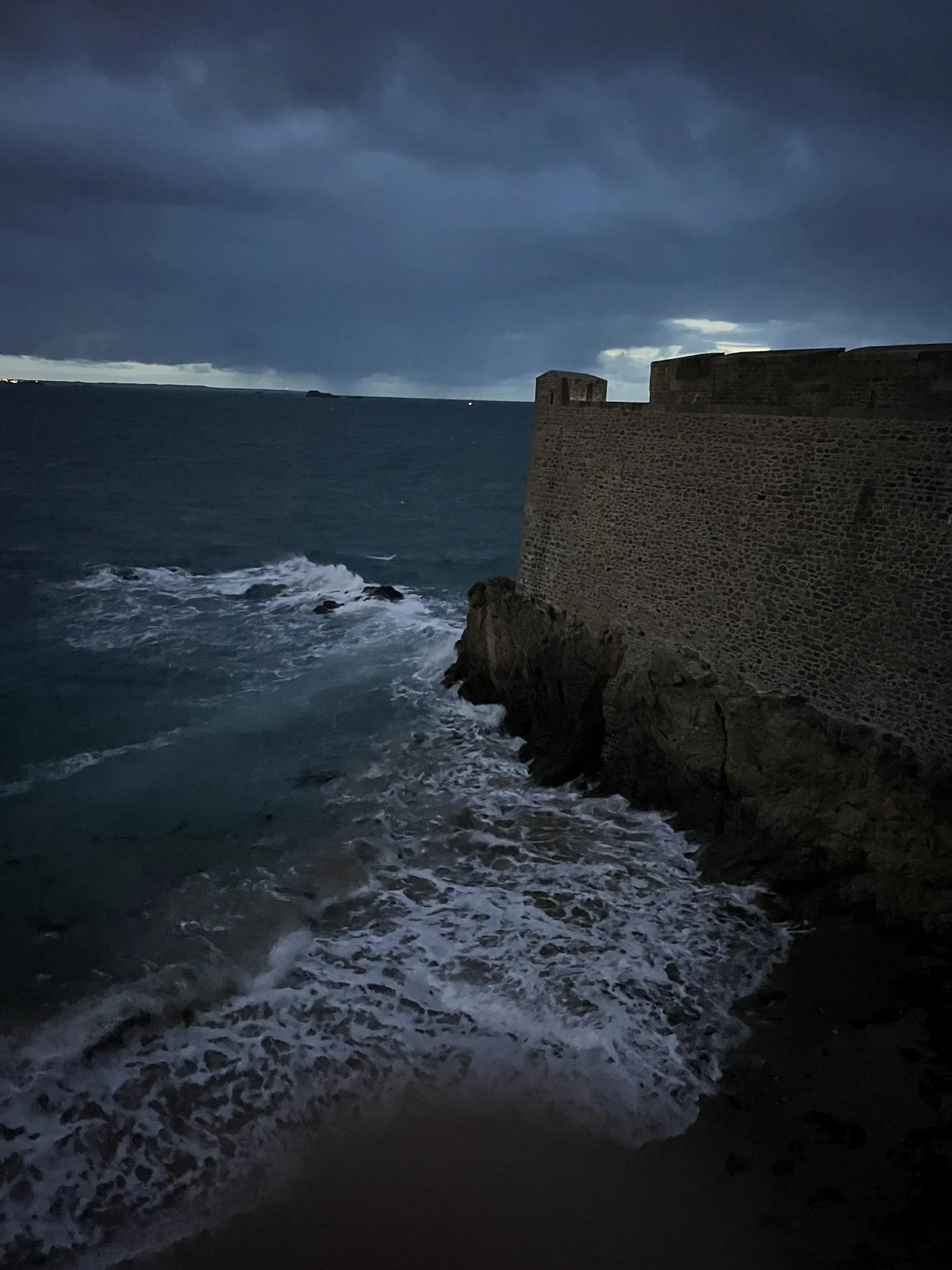
Saint-Malo has a fascinating maritime history and is often called the Cité Corsaire, or Corsair City. Its origins date back to the Middle Ages, and over the centuries it grew into one of France's most important ports for trade and privateering. Unlike pirates, corsairs were private sailors authorised by the French Crown to attack enemy ships and bring back their valuable cargo. It’s impressive stone ramparts and fortifications were built and extended over several centuries to protect the city from attacks by sea and land. During WWII, Saint-Malo was heavily damaged in the fighting of August 1944, with around 80% of the old town destroyed. It was carefully rebuilt after the war, preserving much of its historic appearance – which is why walking through its narrow streets today feels a little like stepping back in time.
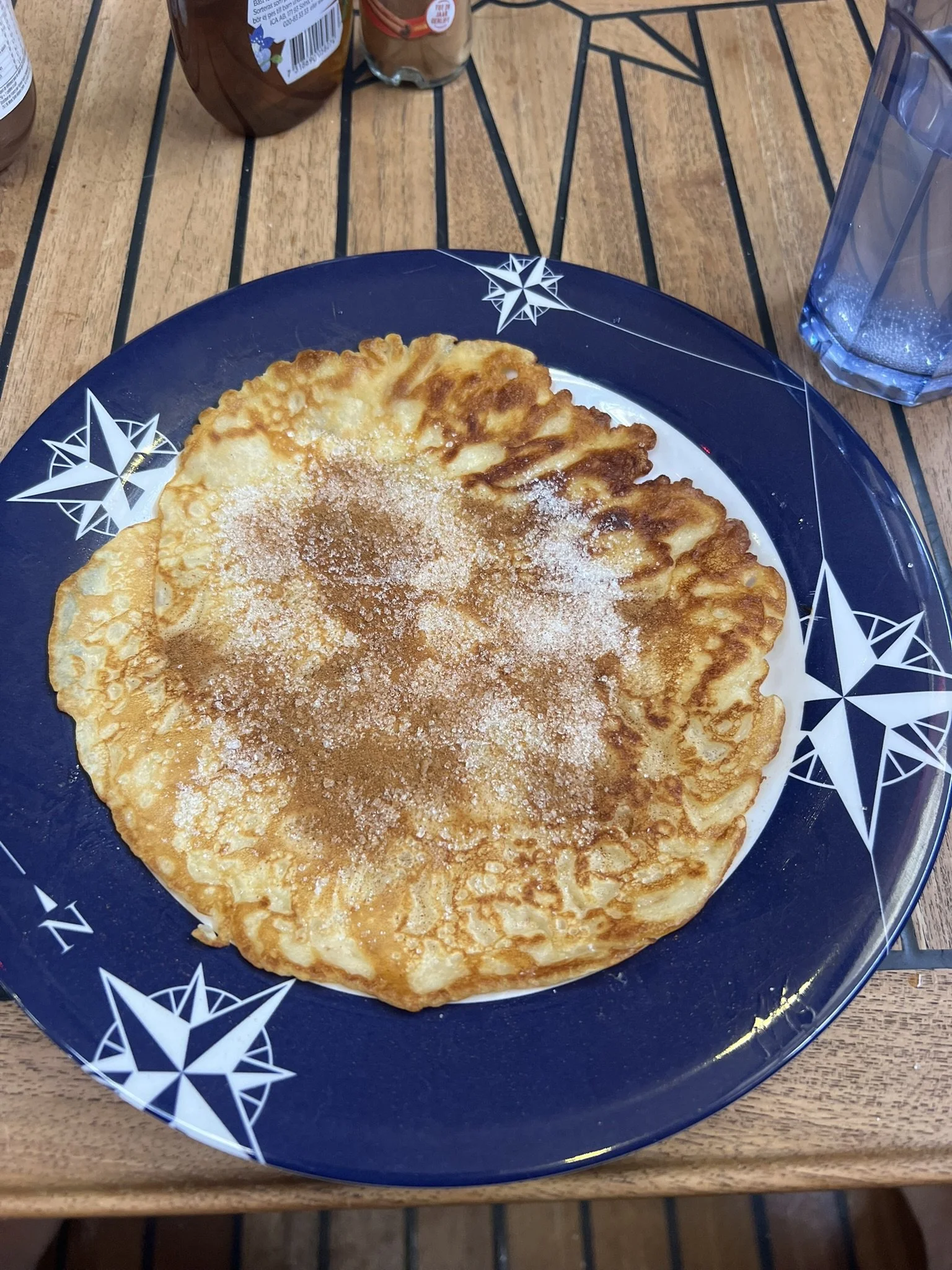
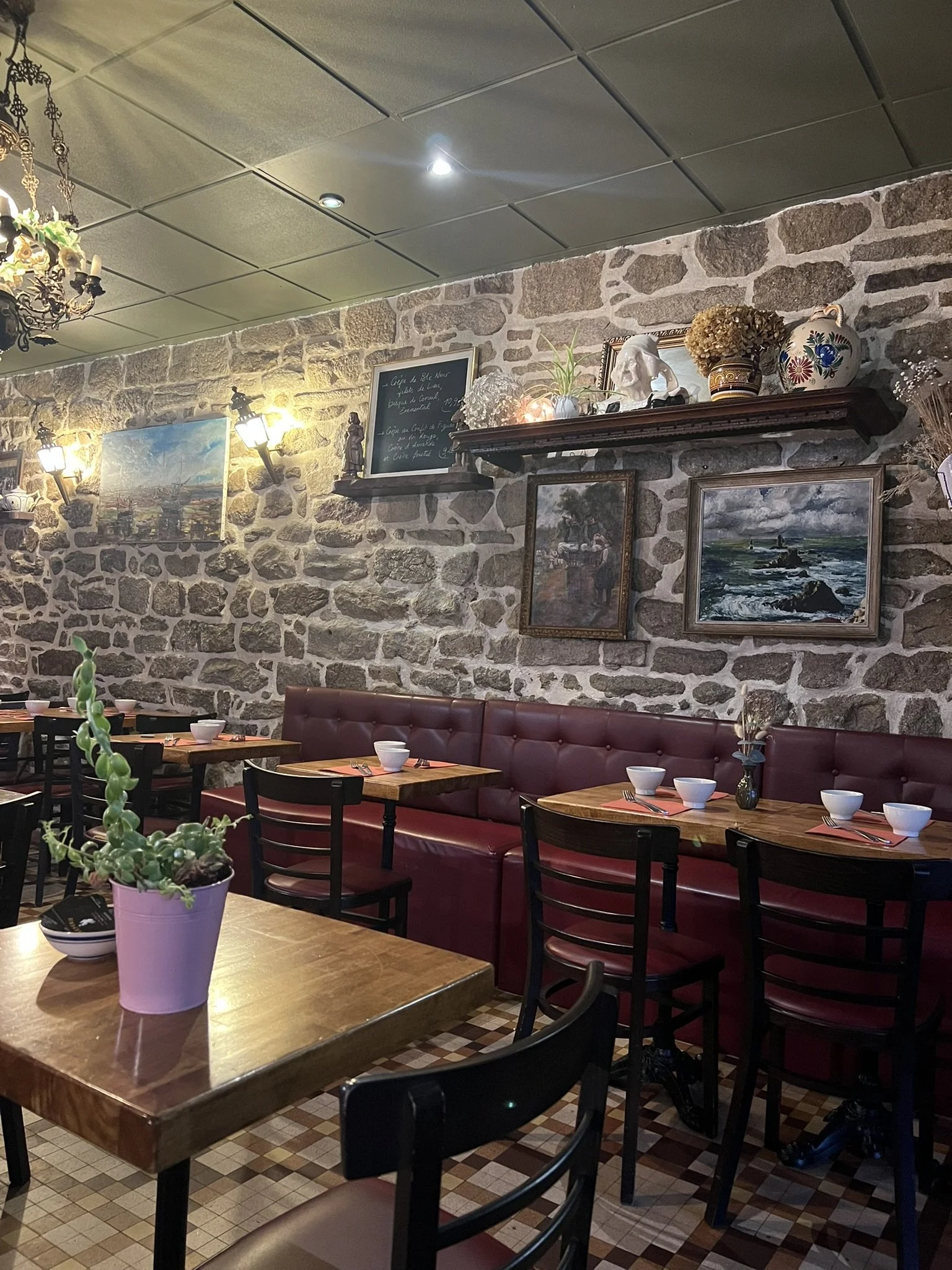
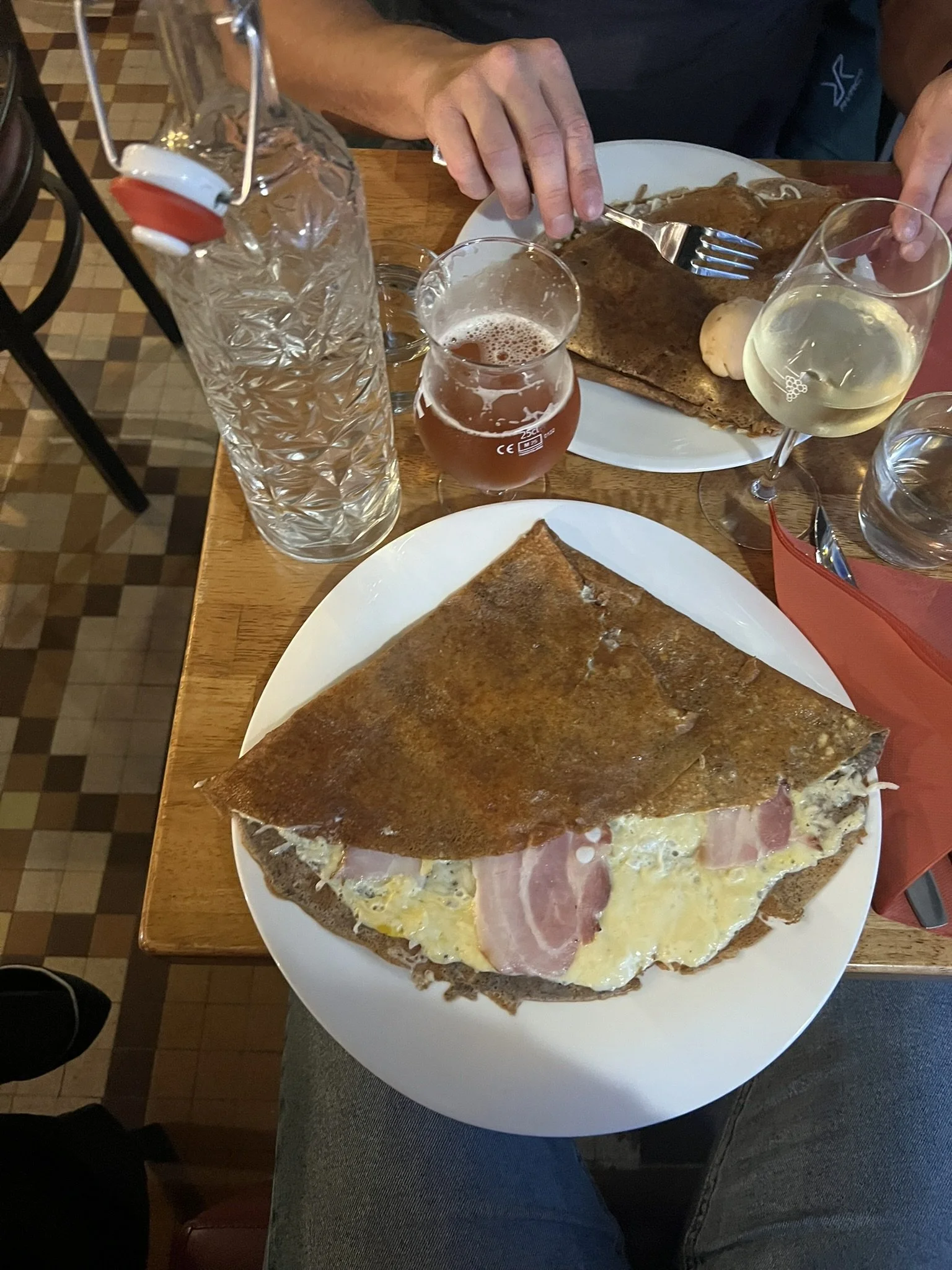
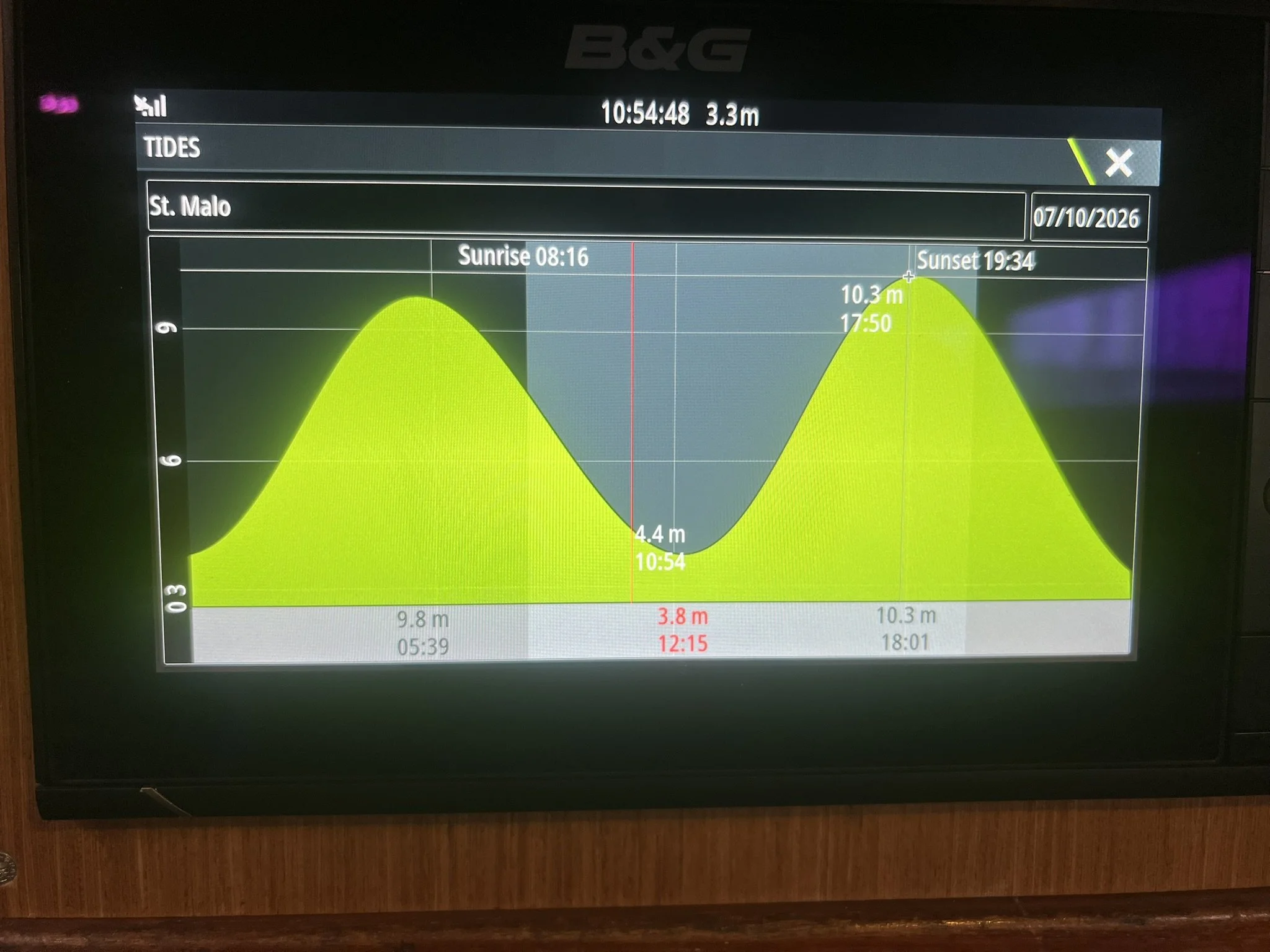
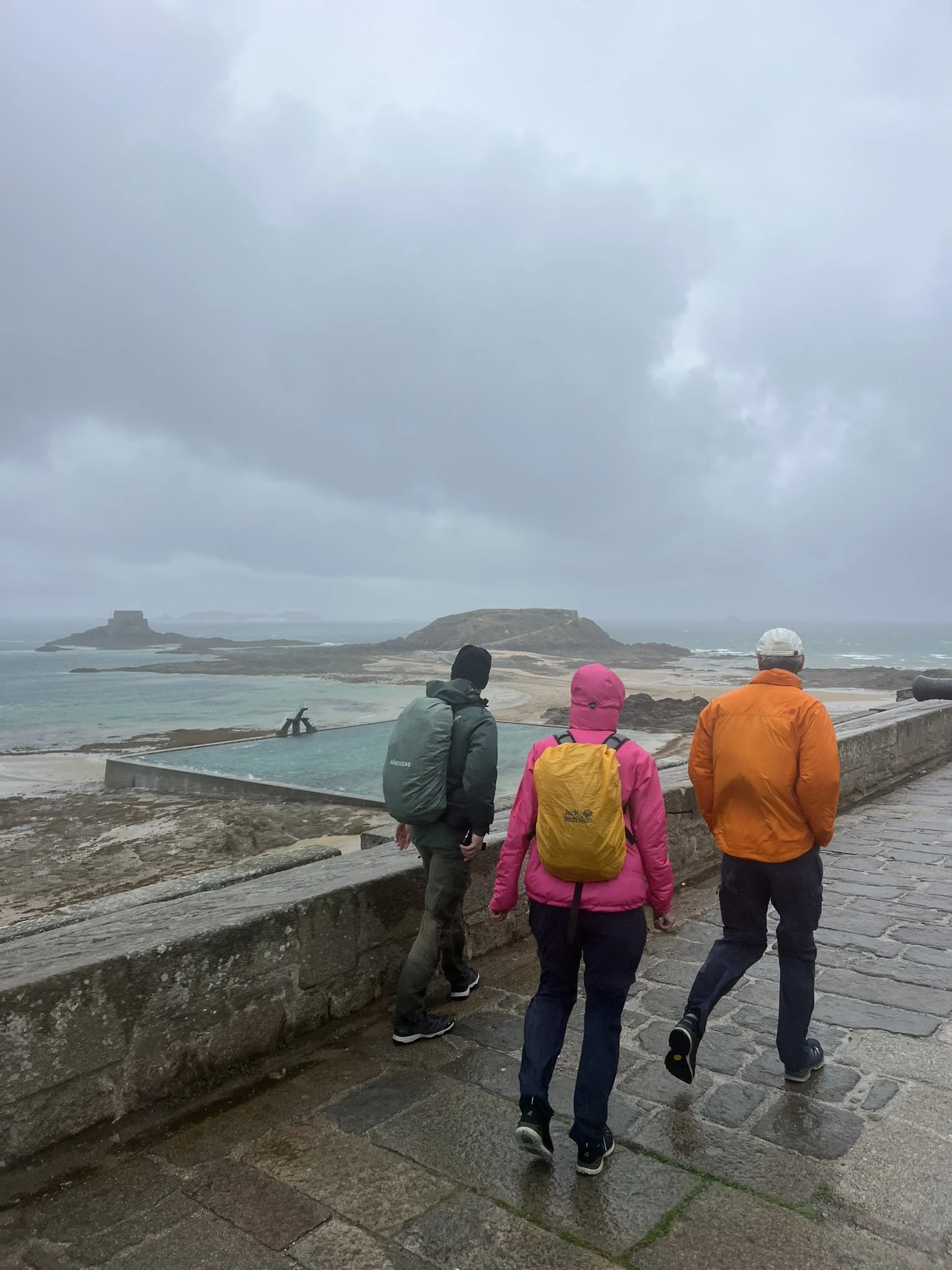
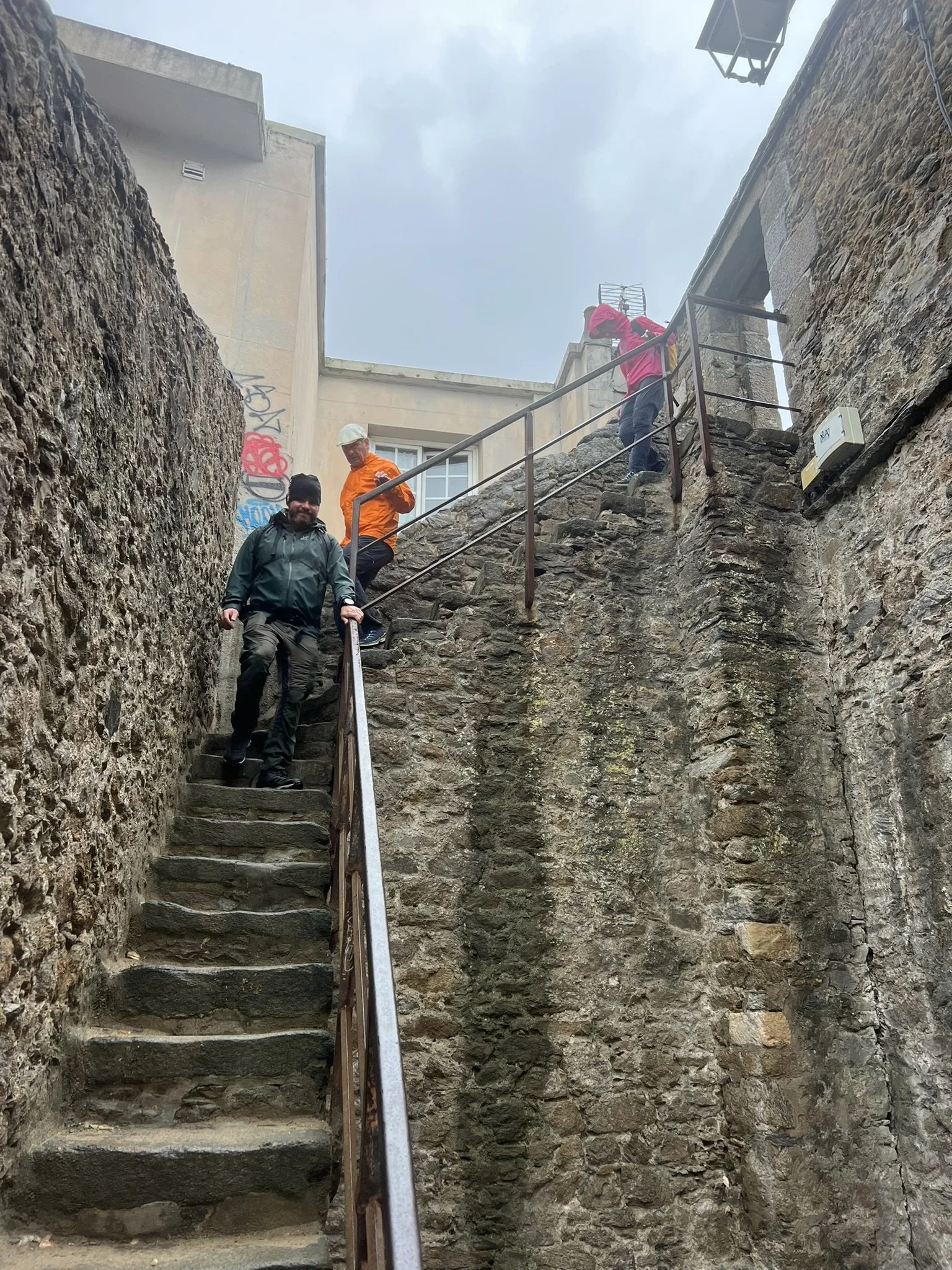
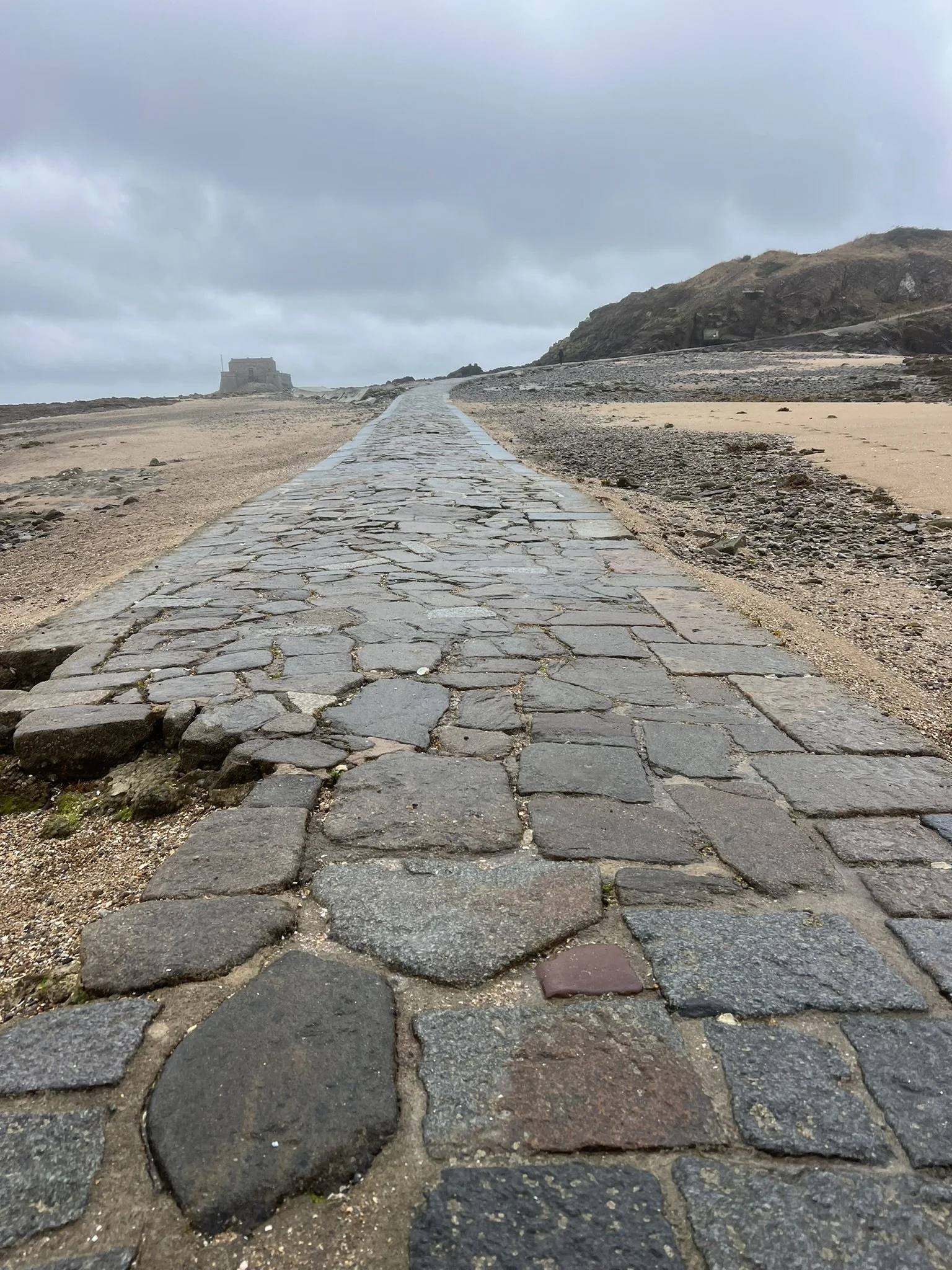
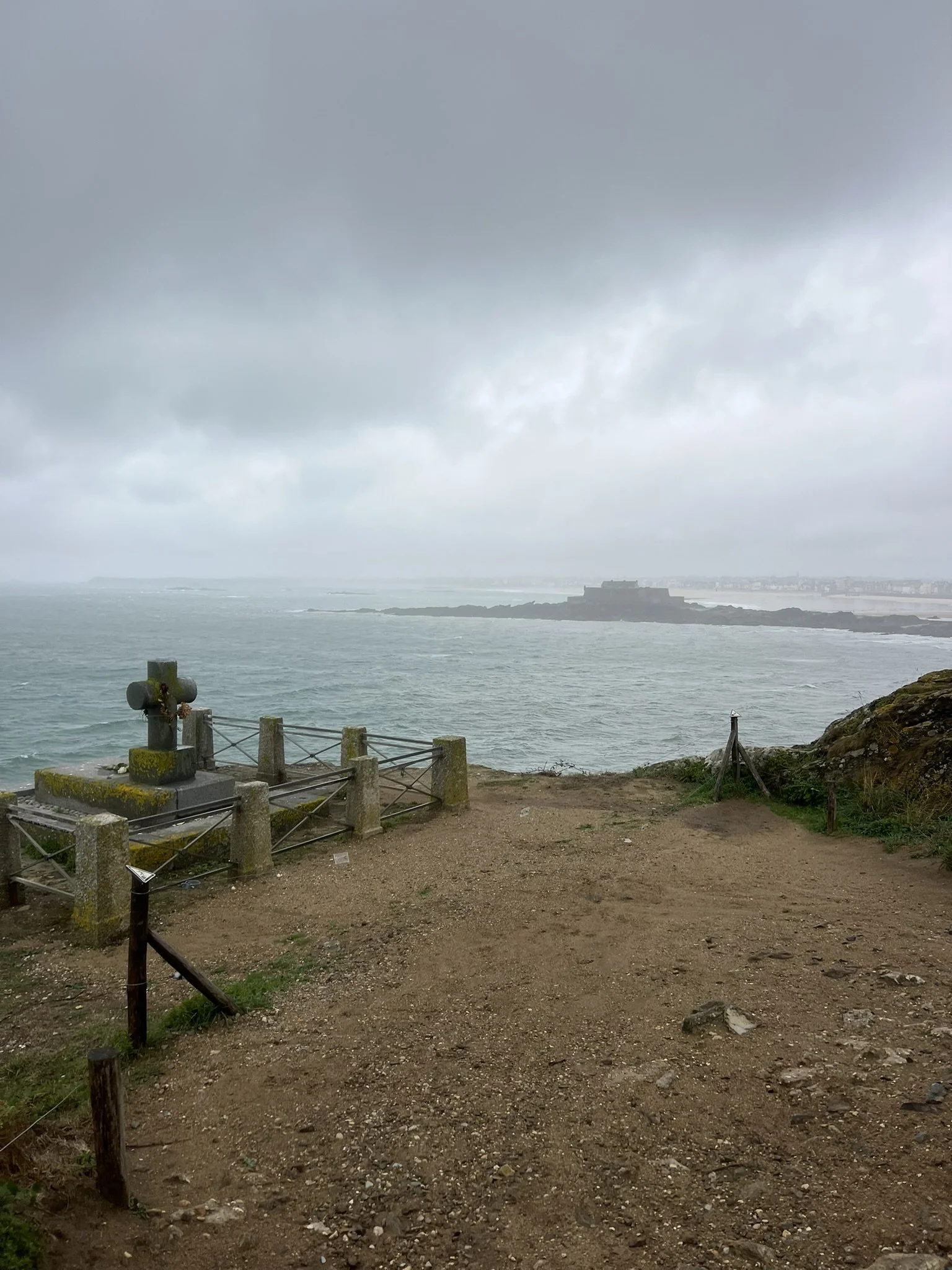
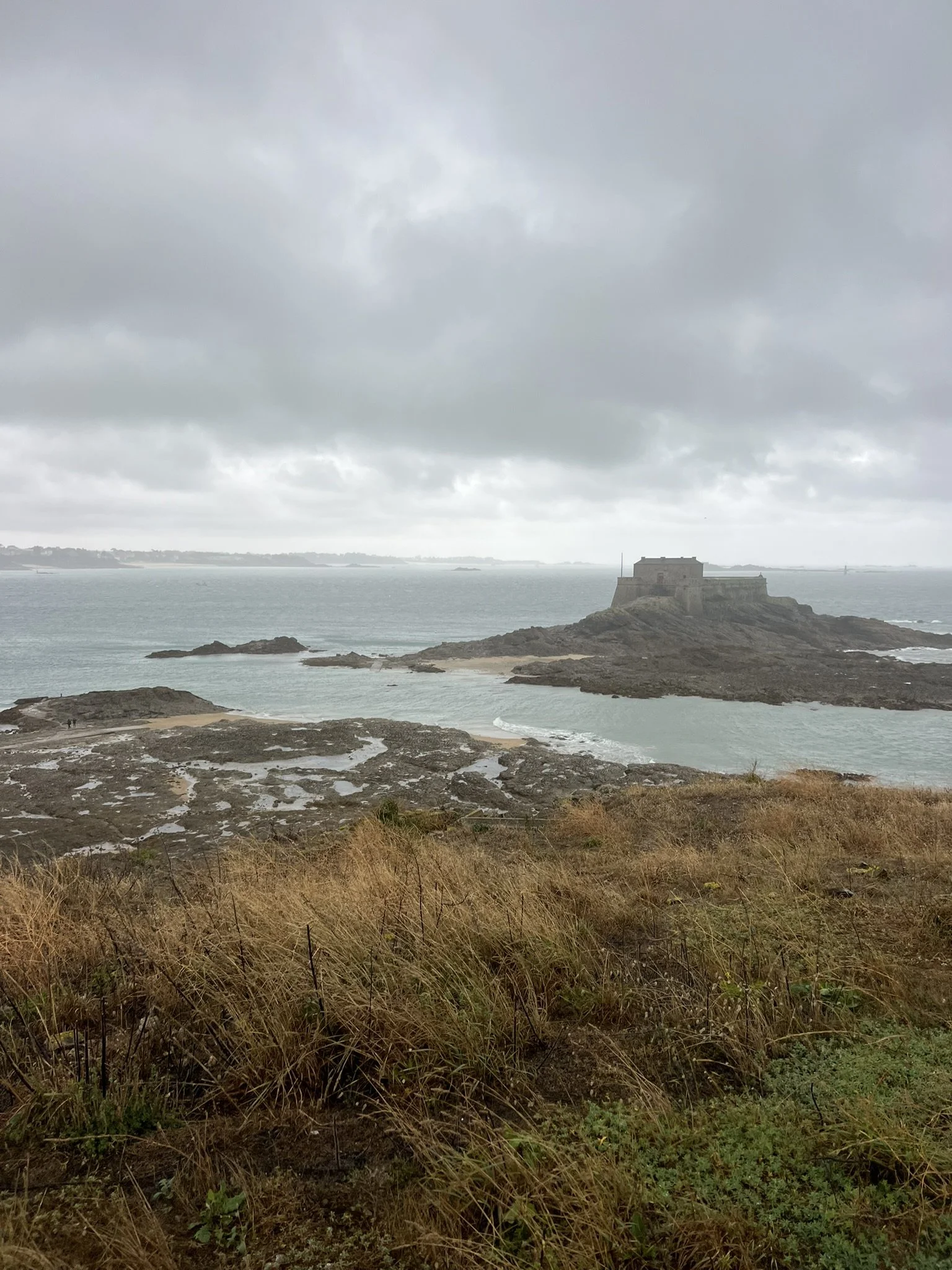
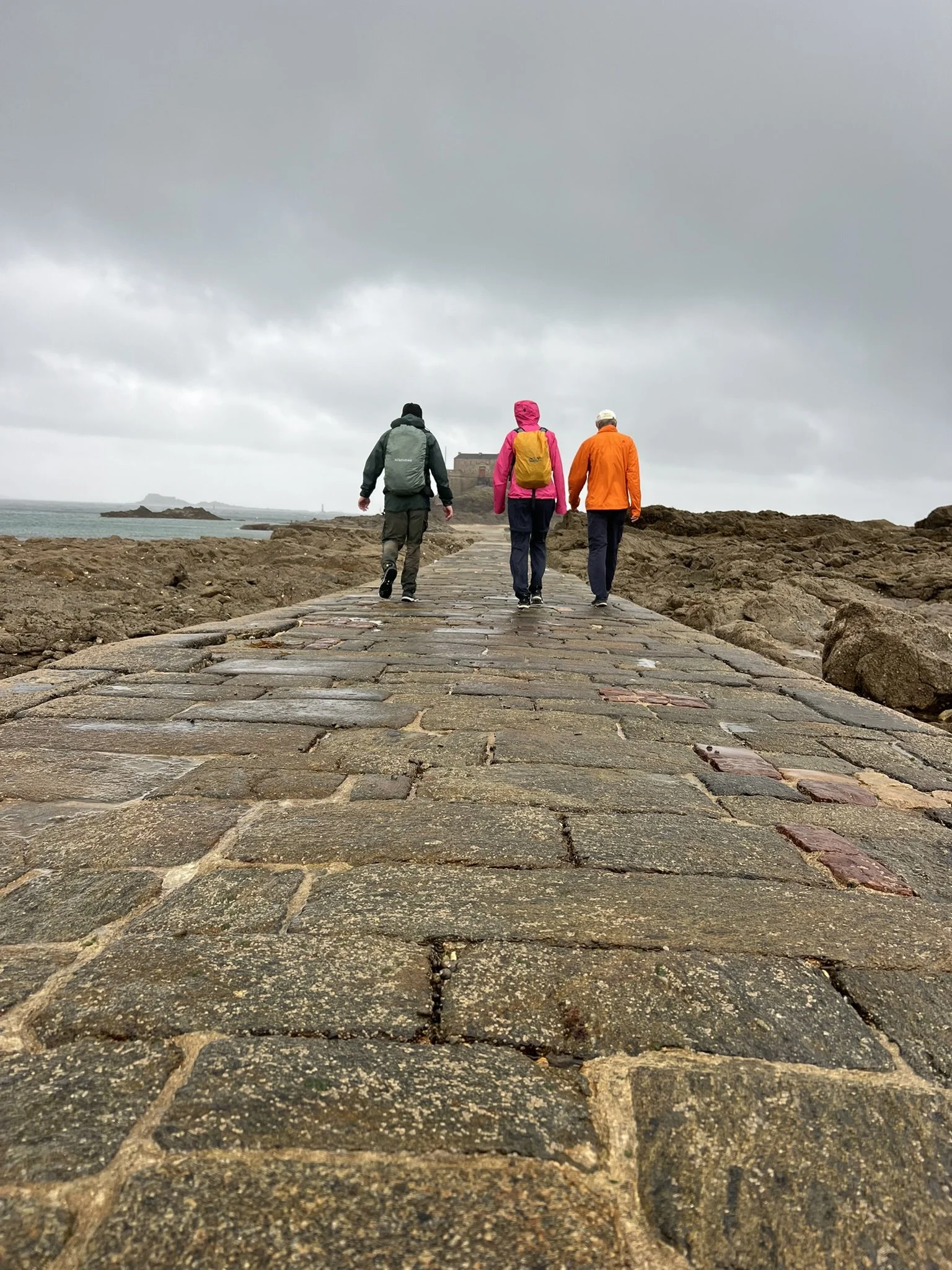
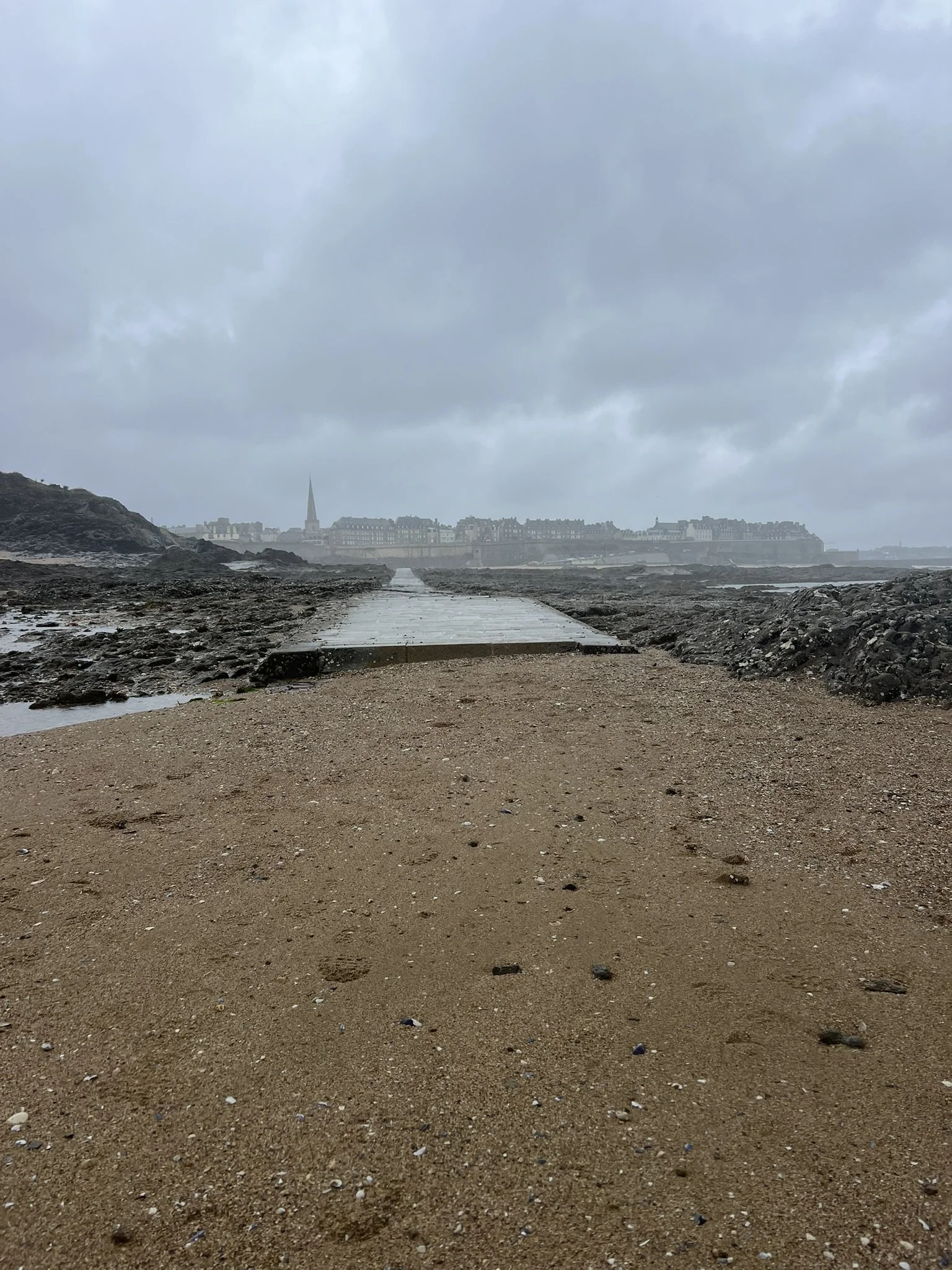
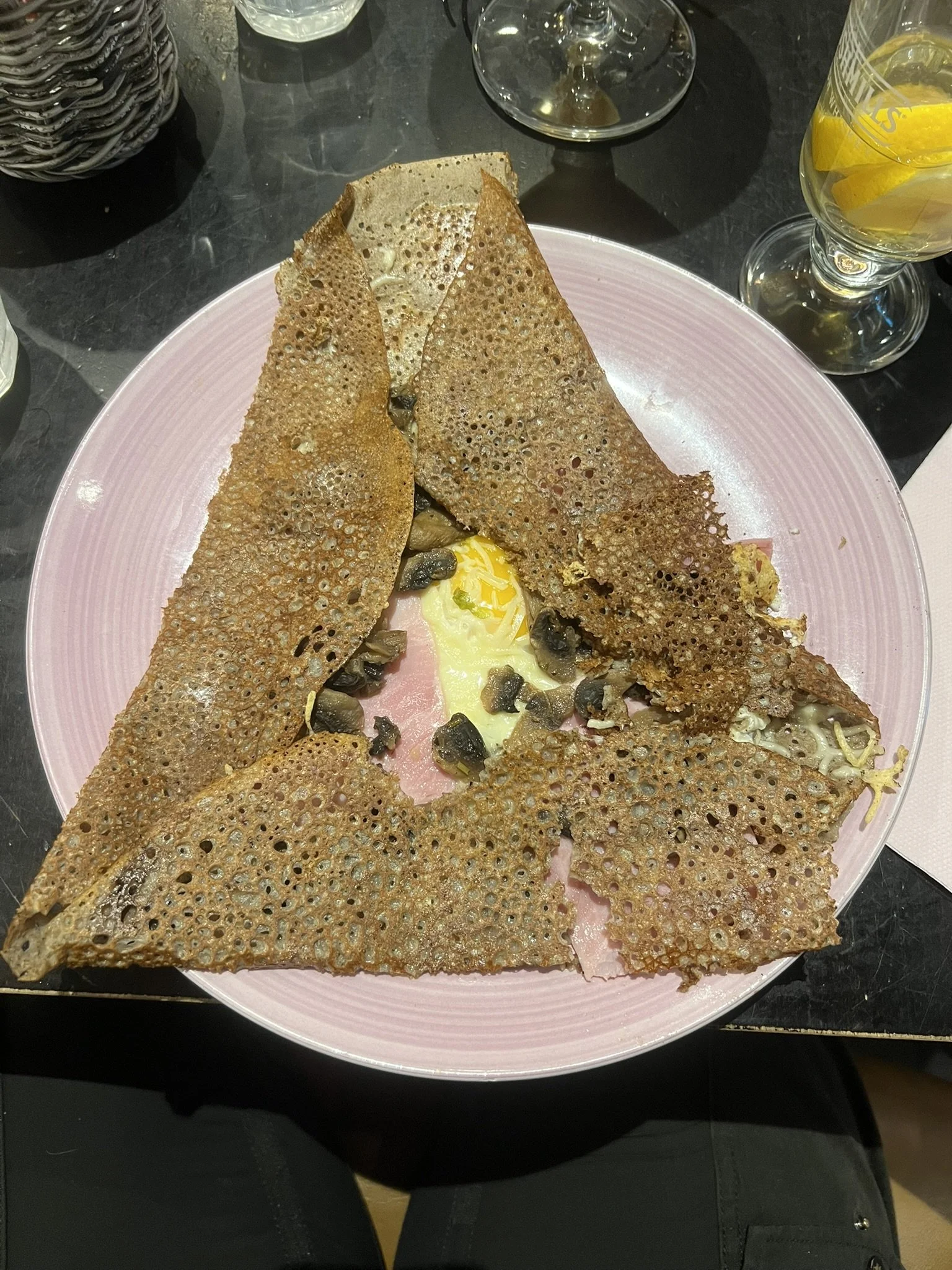
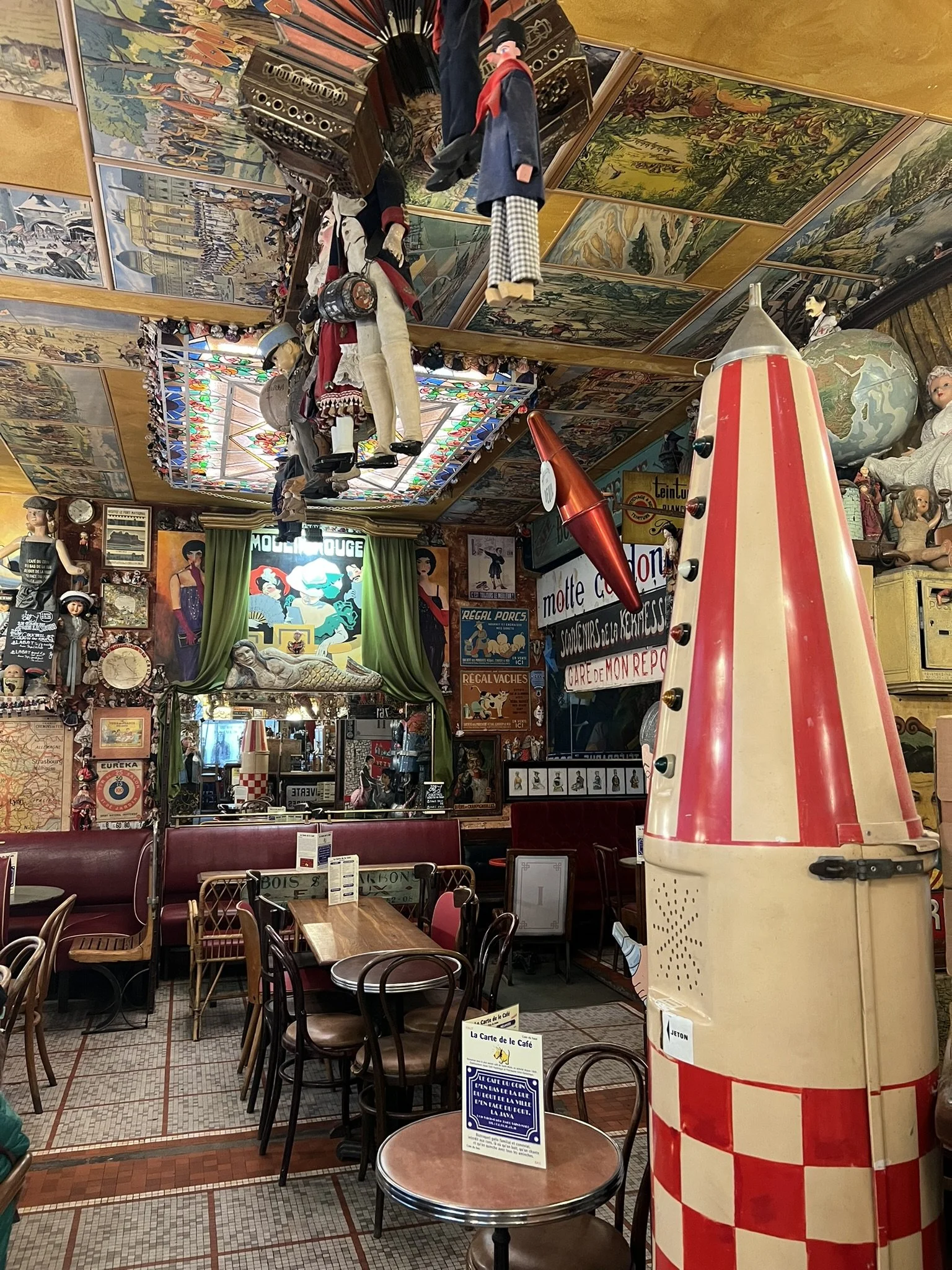
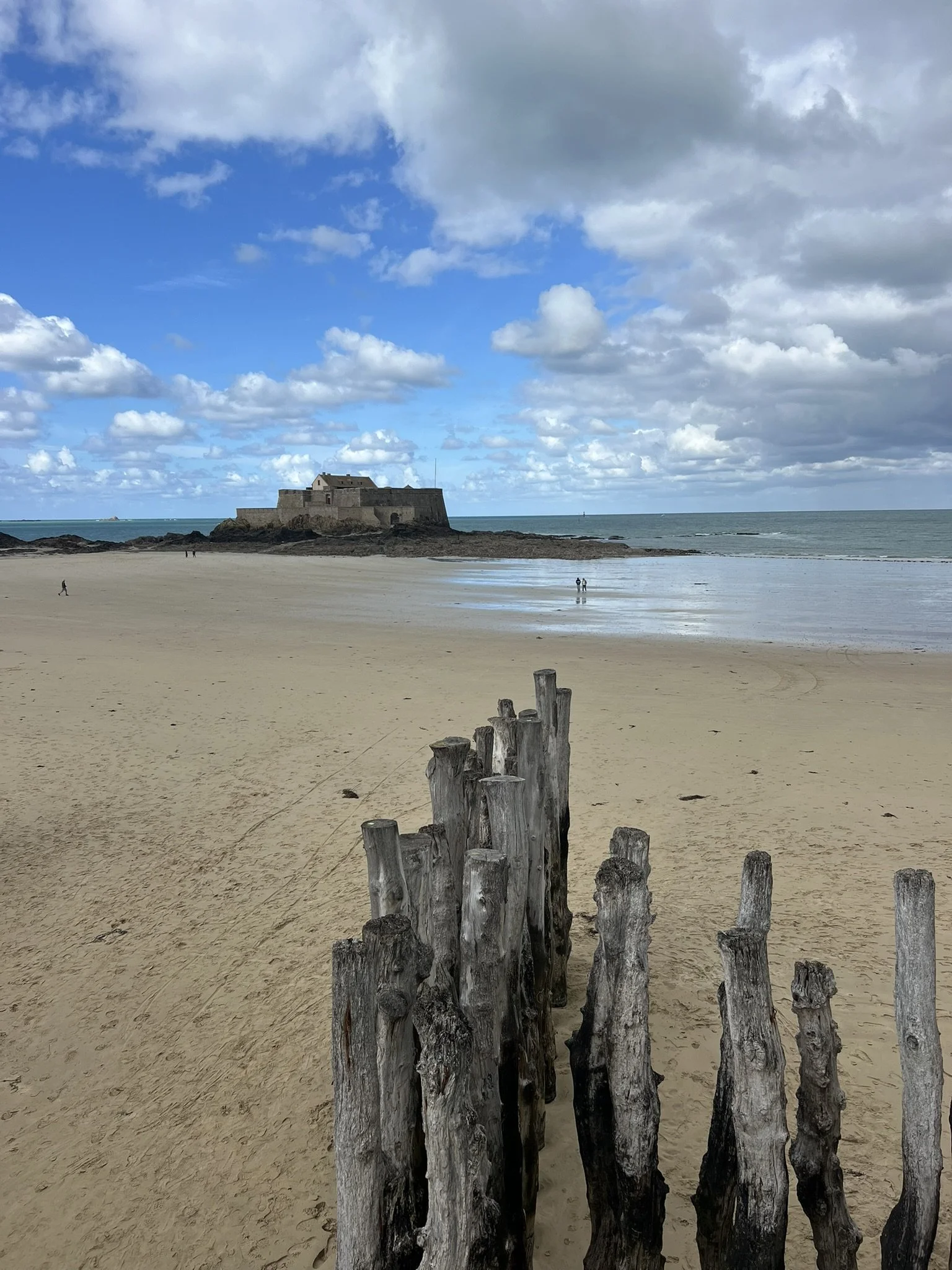
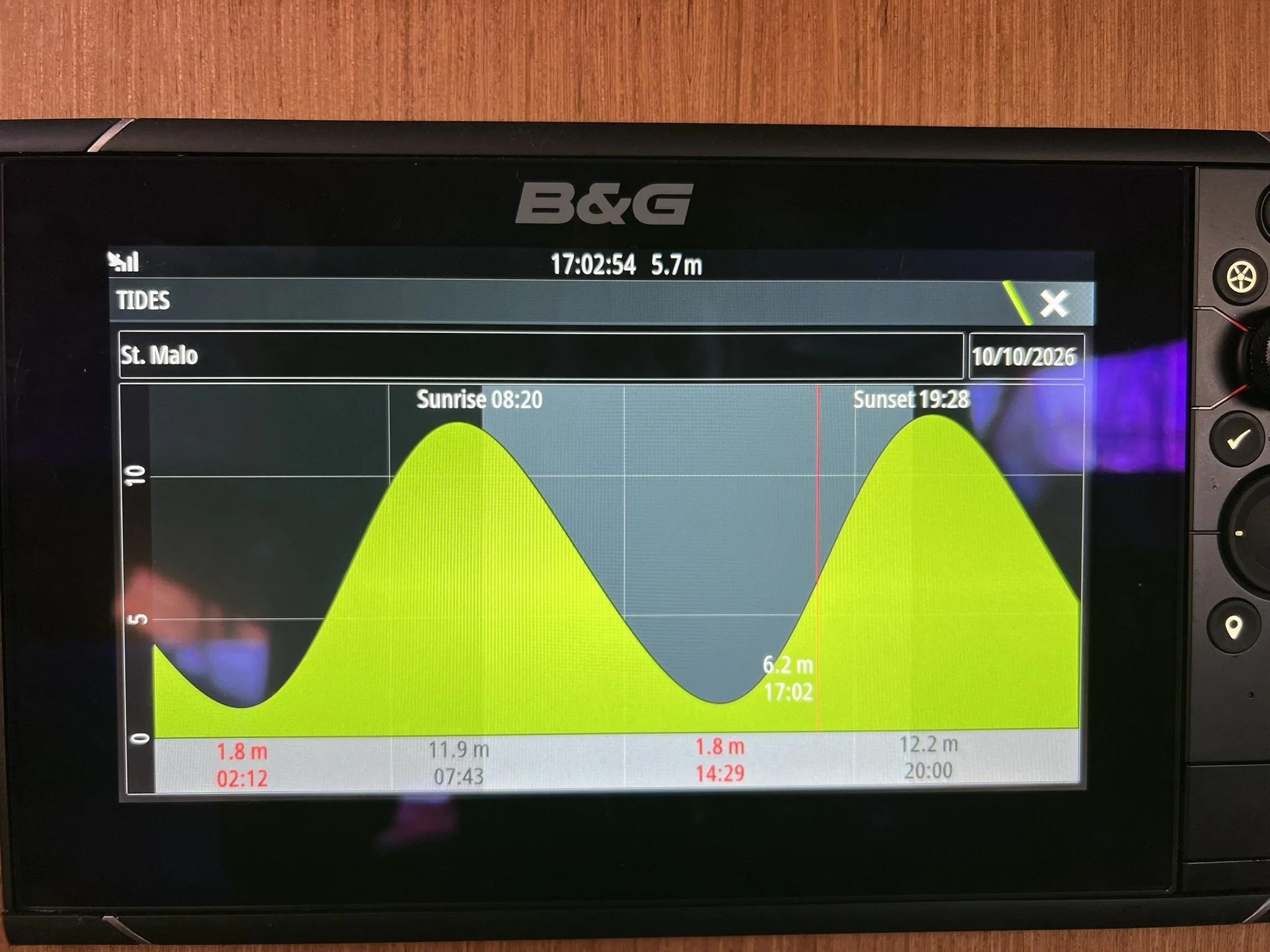
Despite the weather, we still had plenty of daylight left, so we put on our rain jackets and headed into town to visit the tidal islands. These can only be reached on foot for roughly two hours either side of low tide. By the time we found our way into a crêperie, we were soaking wet and freezing cold. A warm meal and hot bewerage was exactly what we needed to warm both our bellies and our hands!
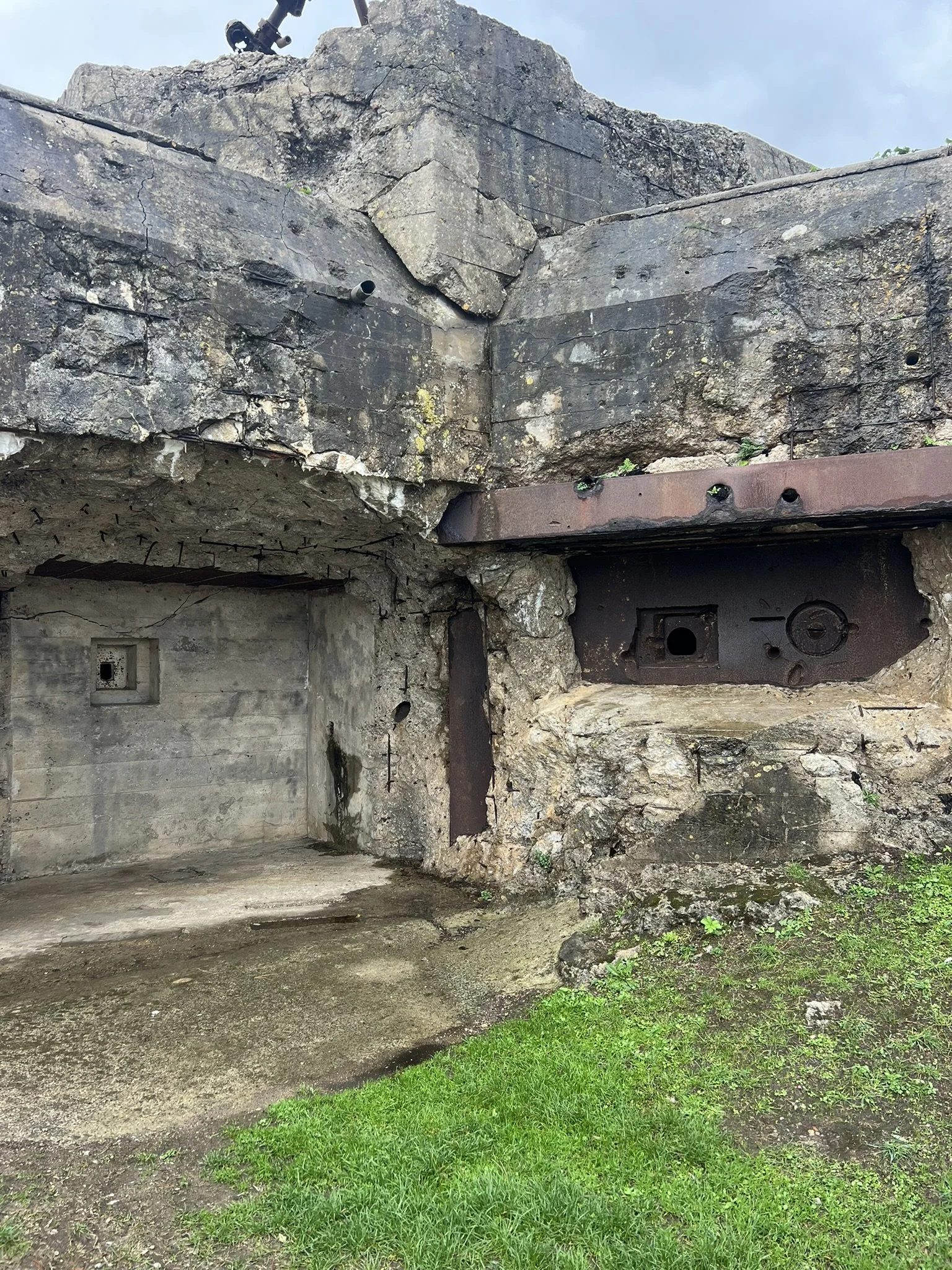
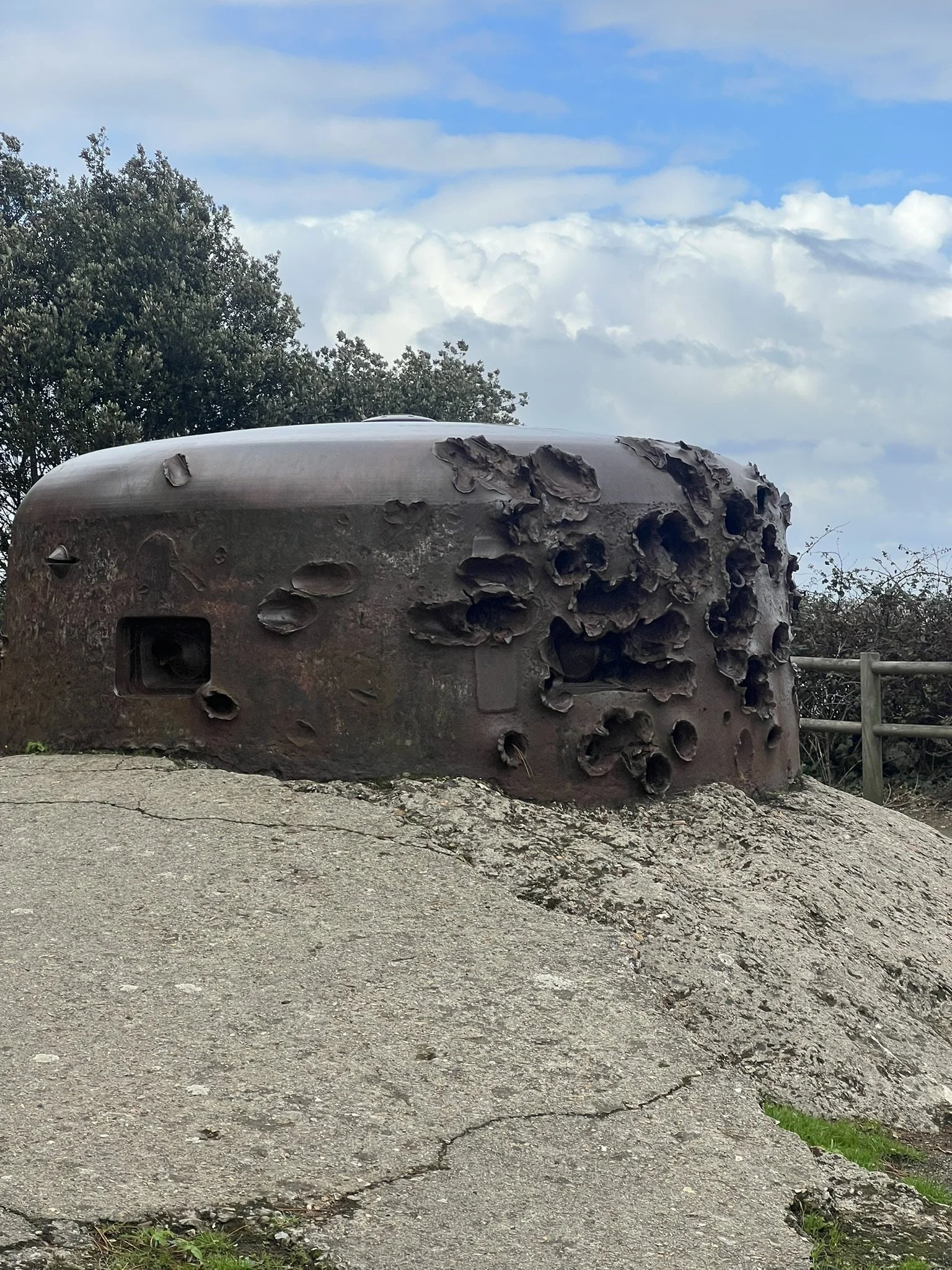
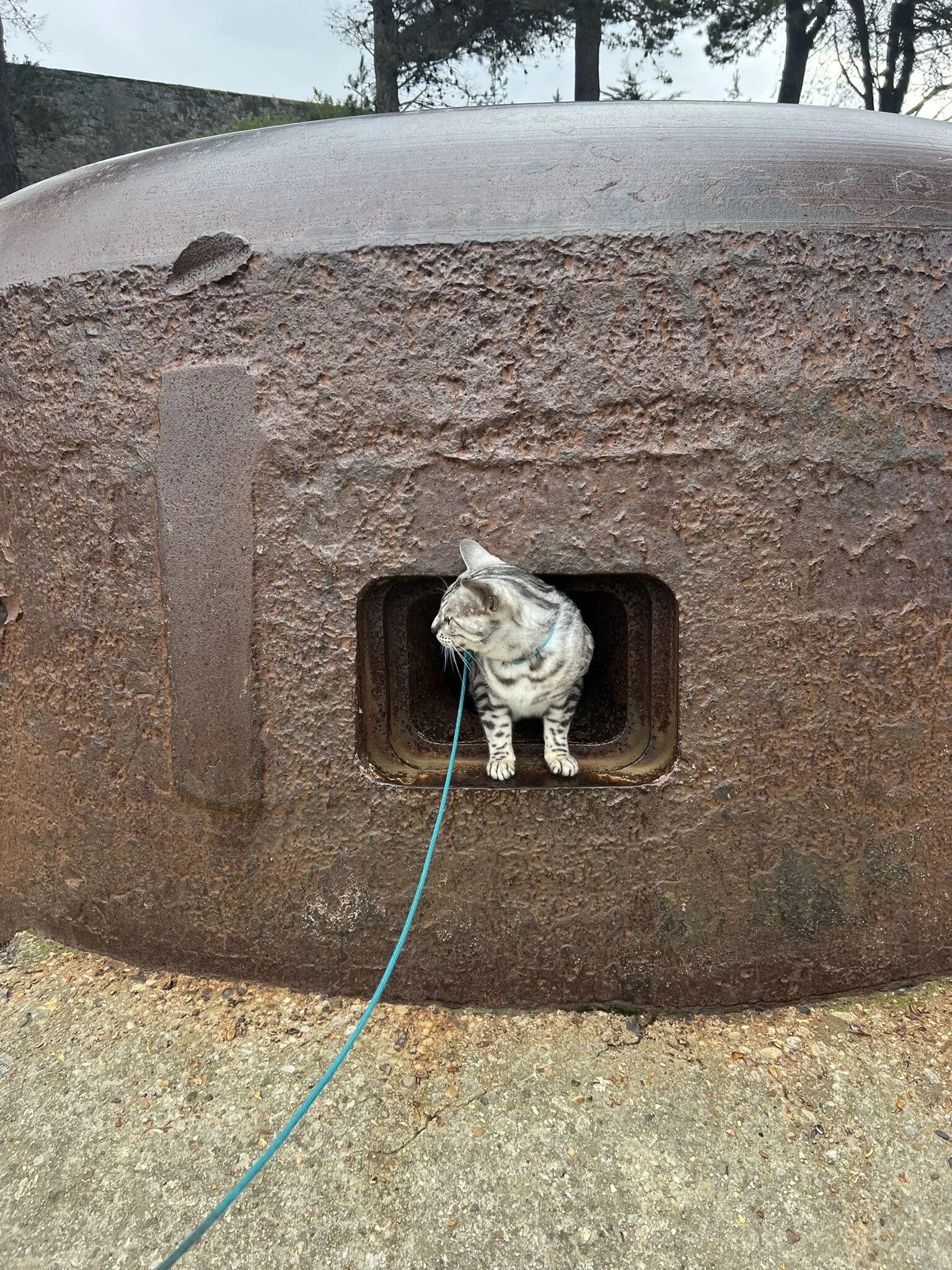
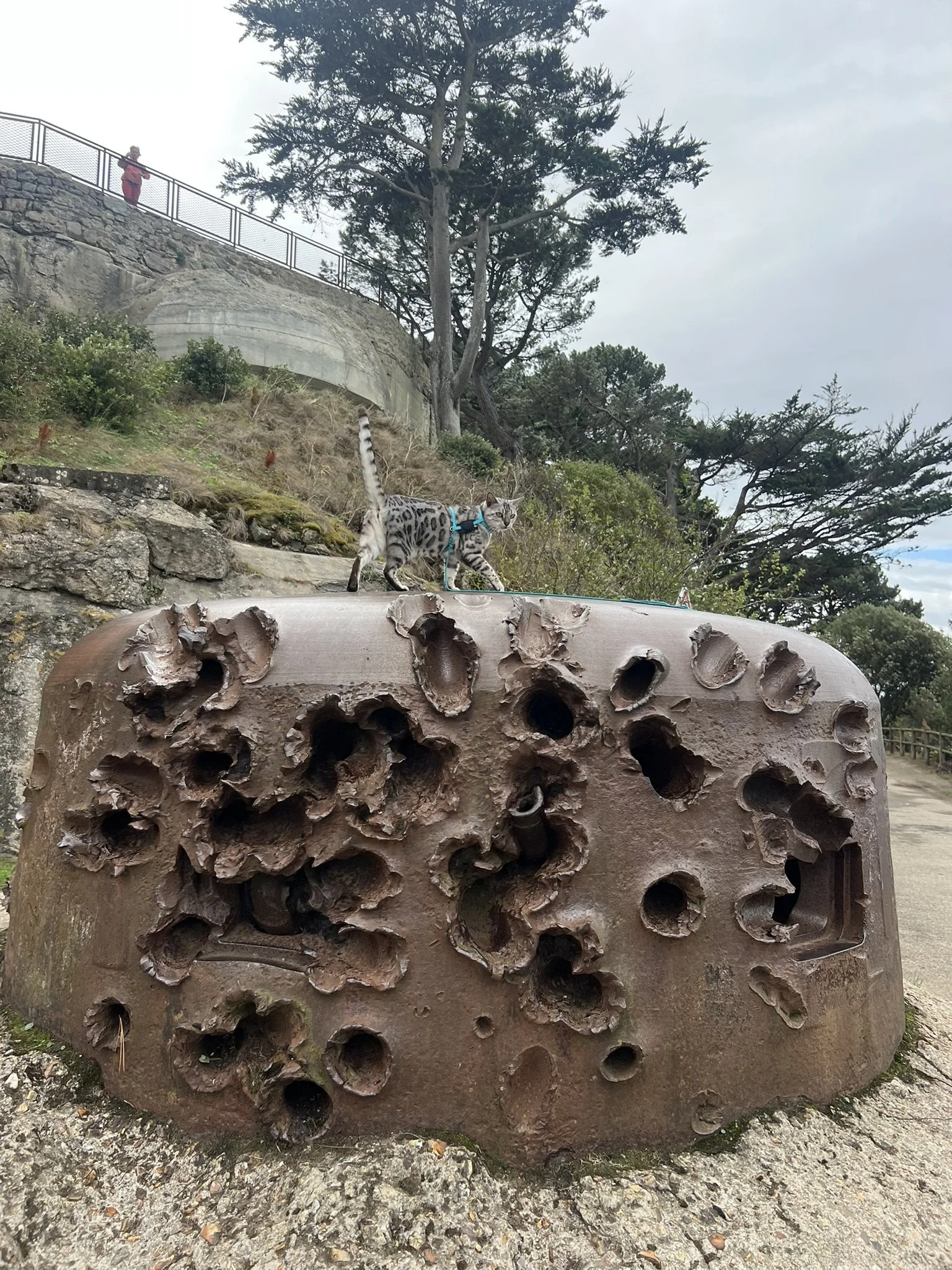
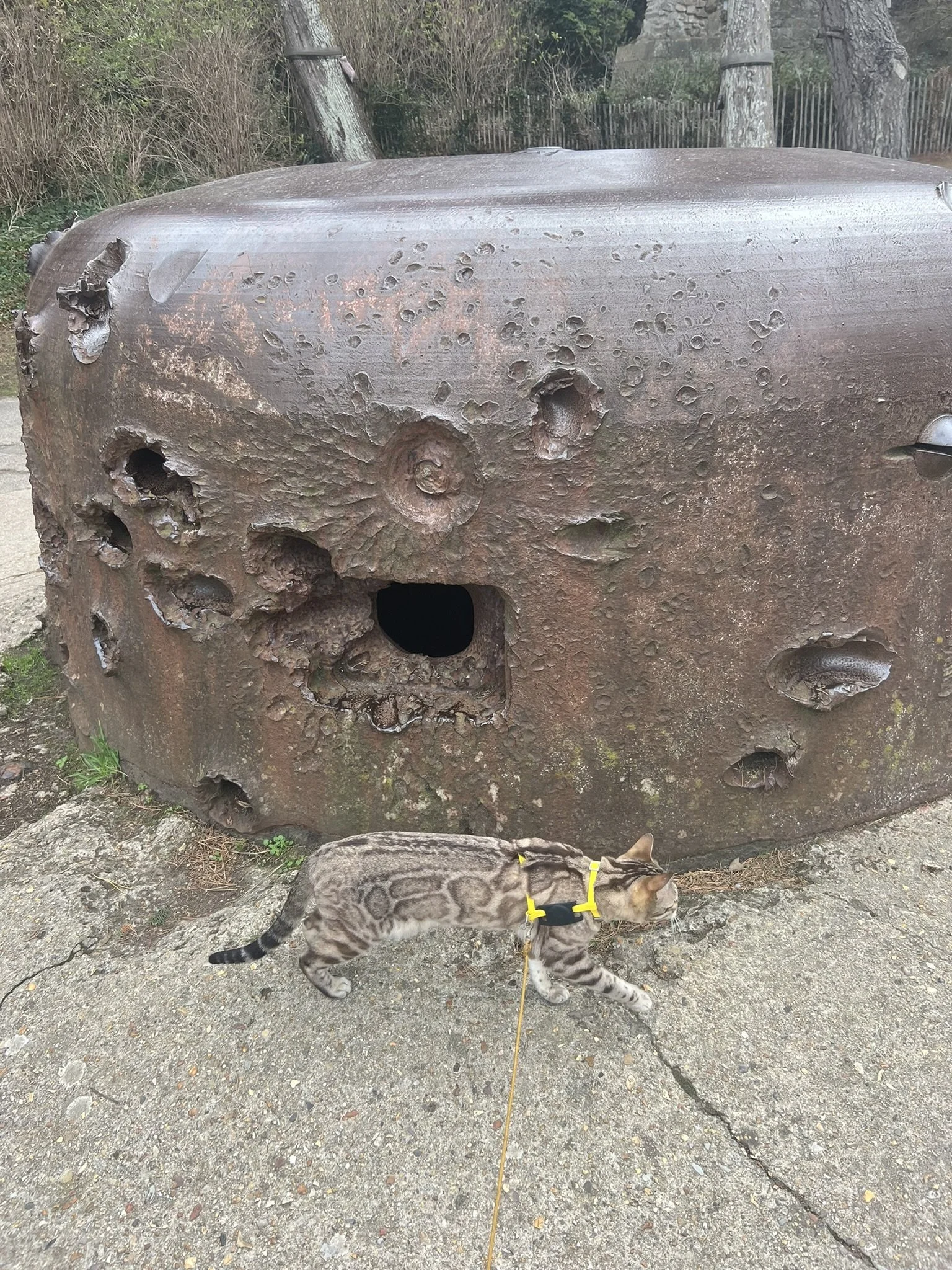
Unfortunately, the weather didn't improve over the following days. We made the most of the slower pace, exploring the surrounding area and visiting the WWII bunkers located just above the marina.
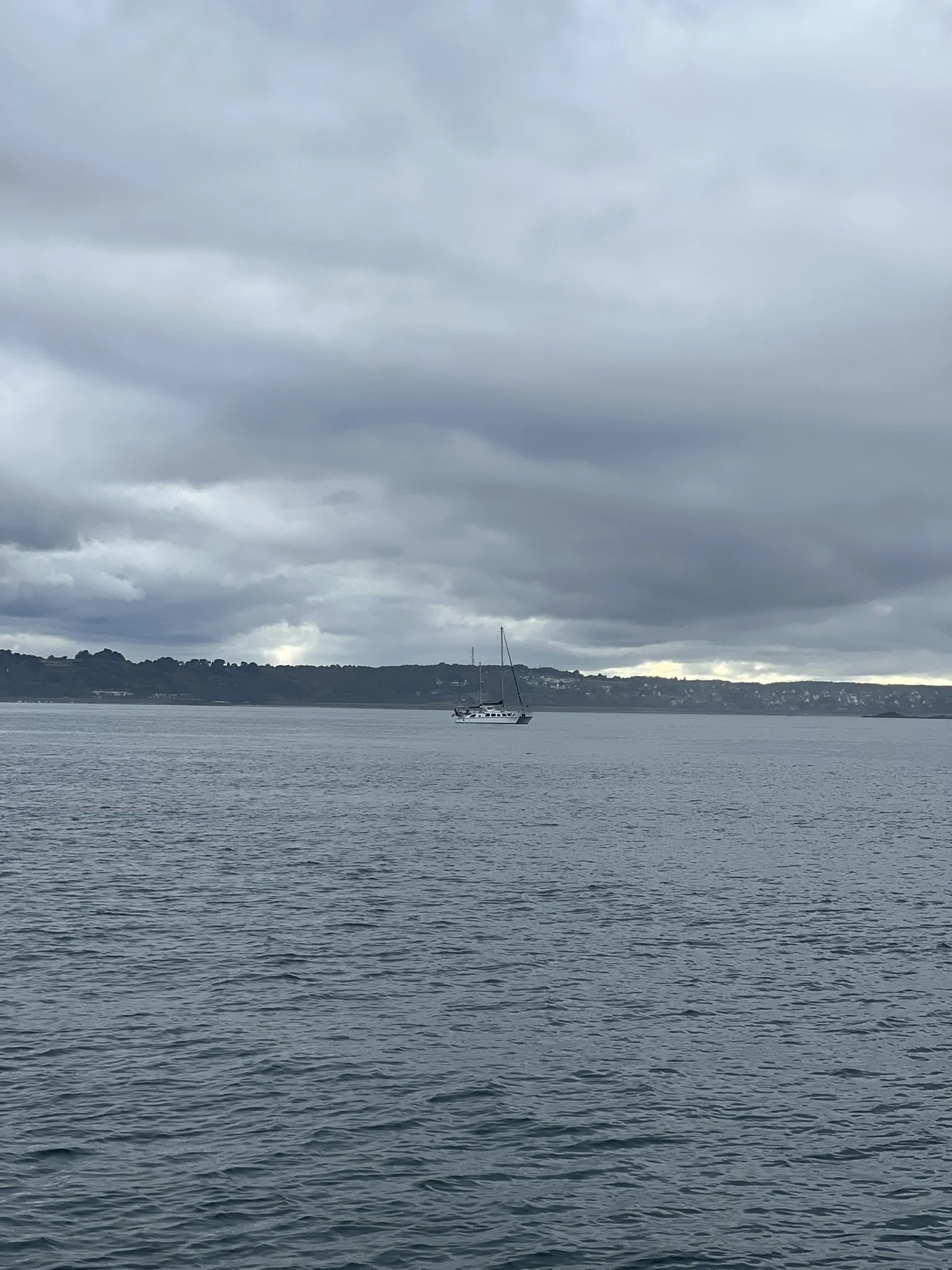
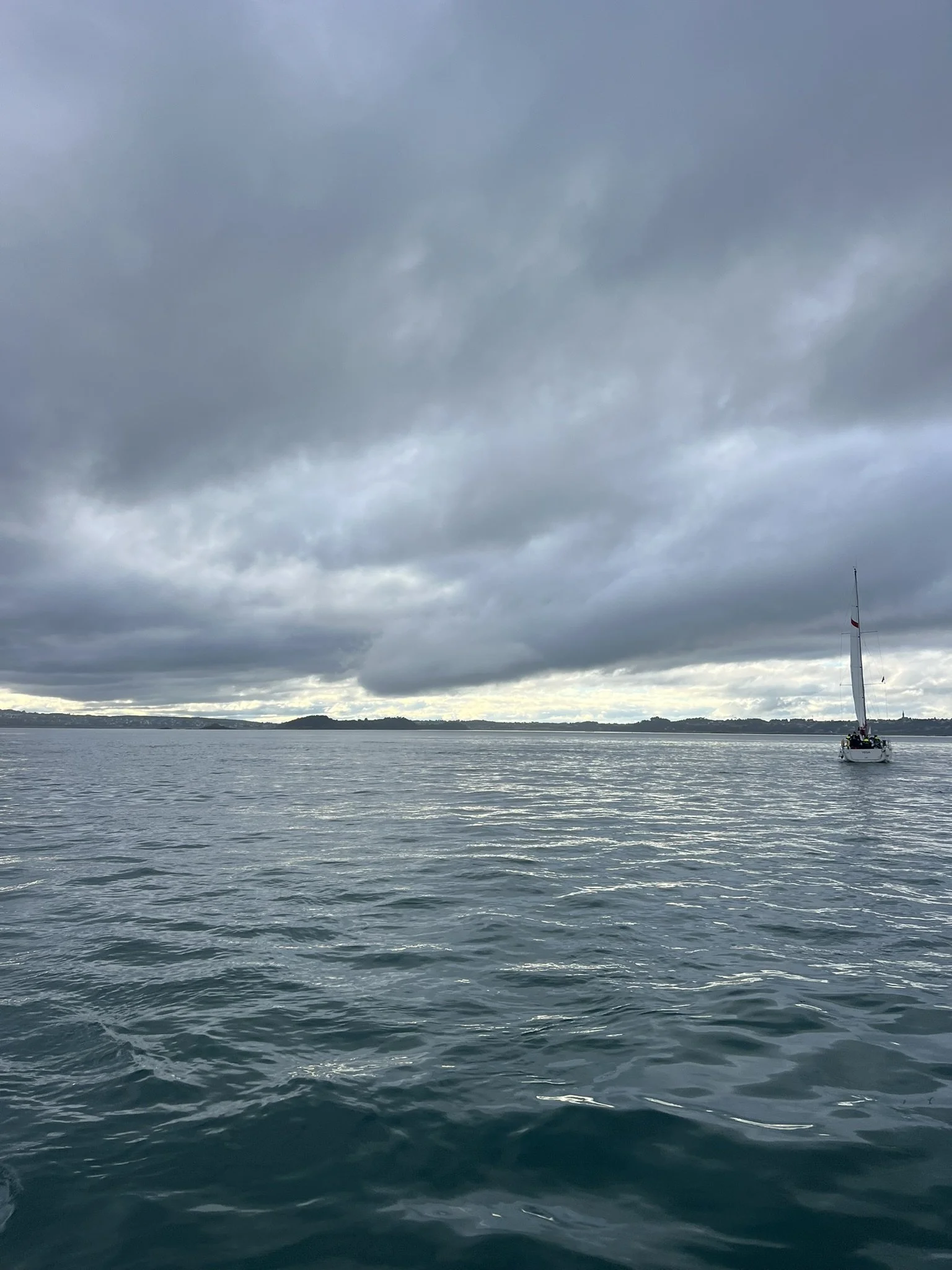
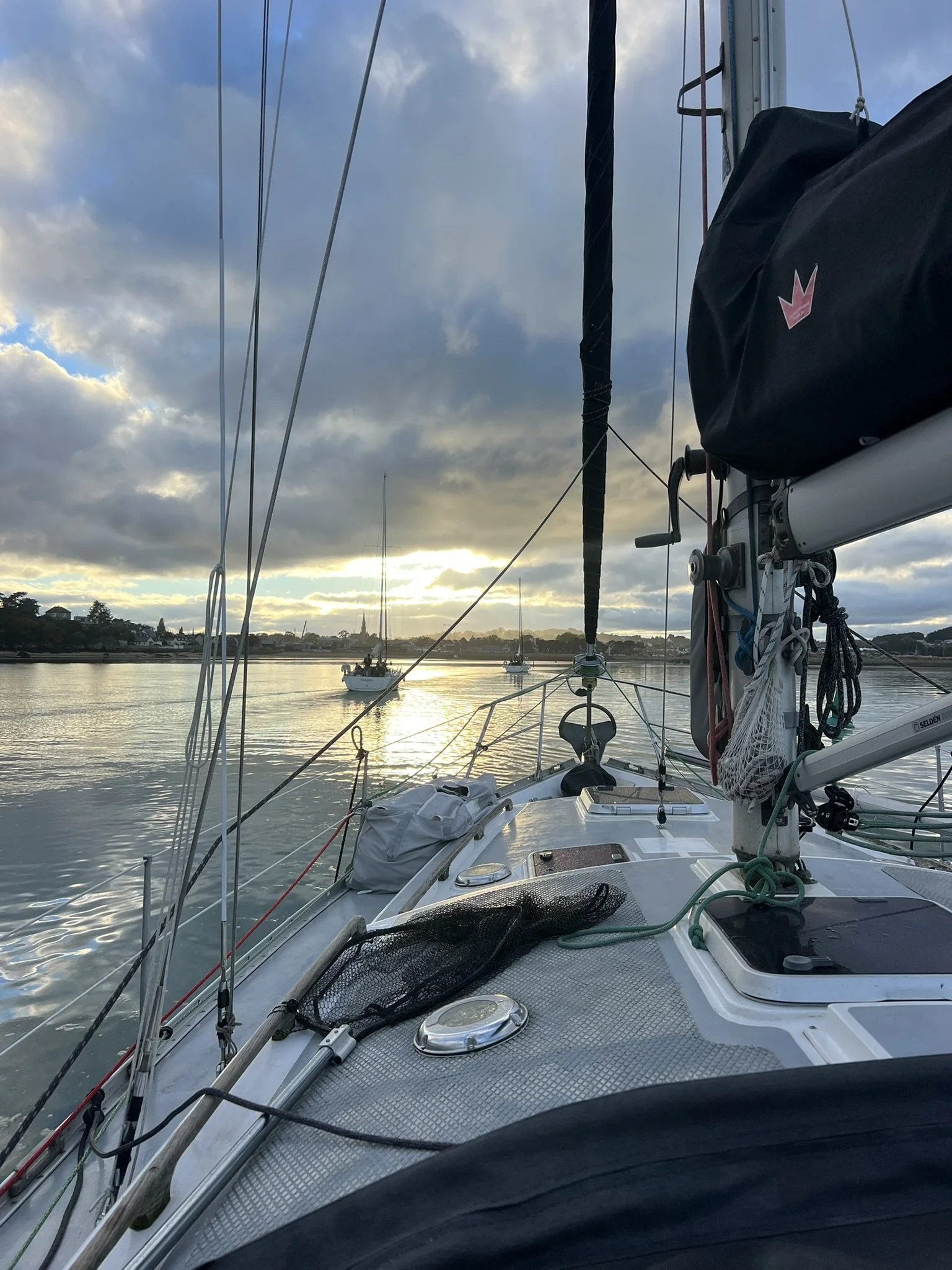
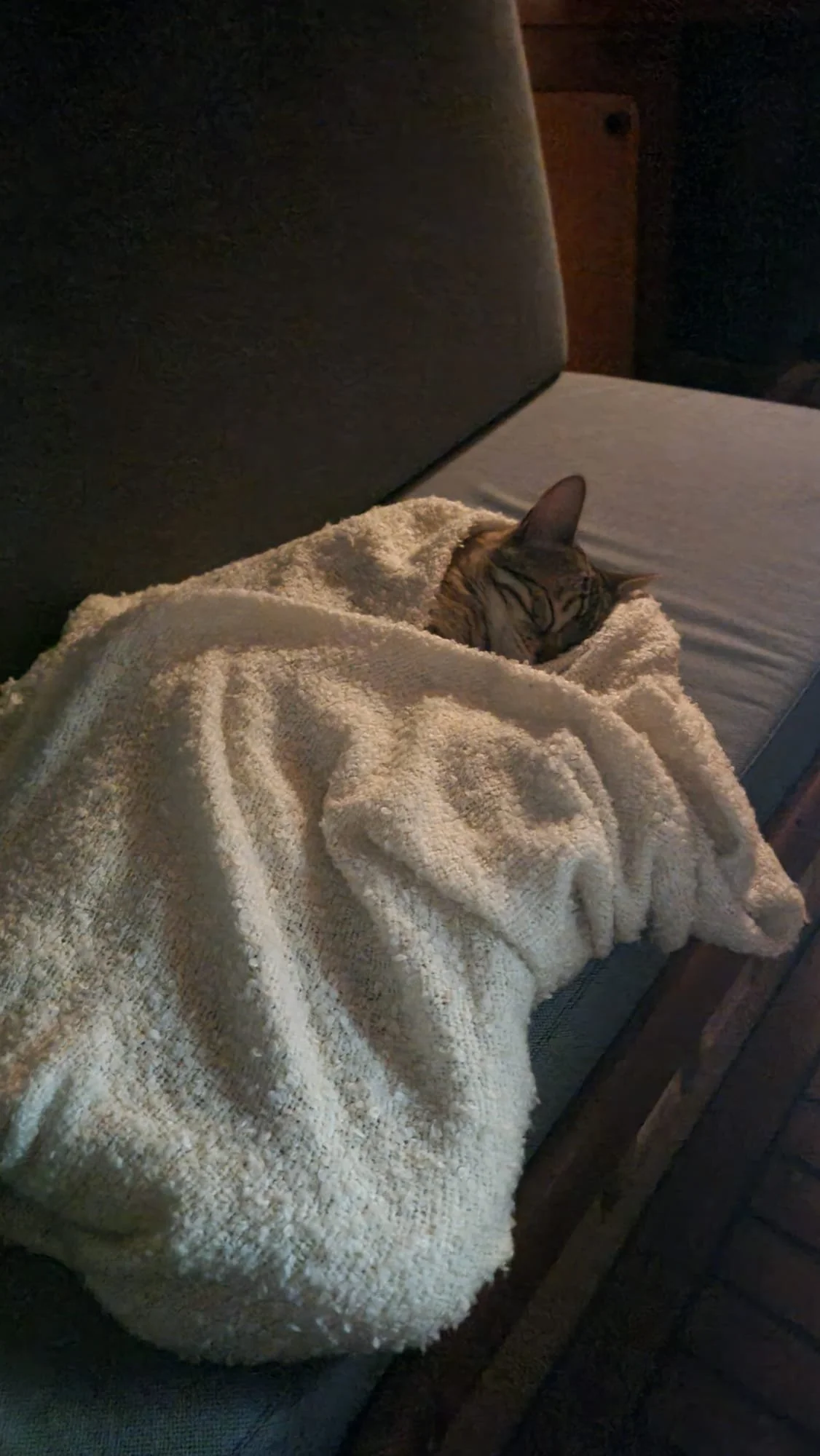
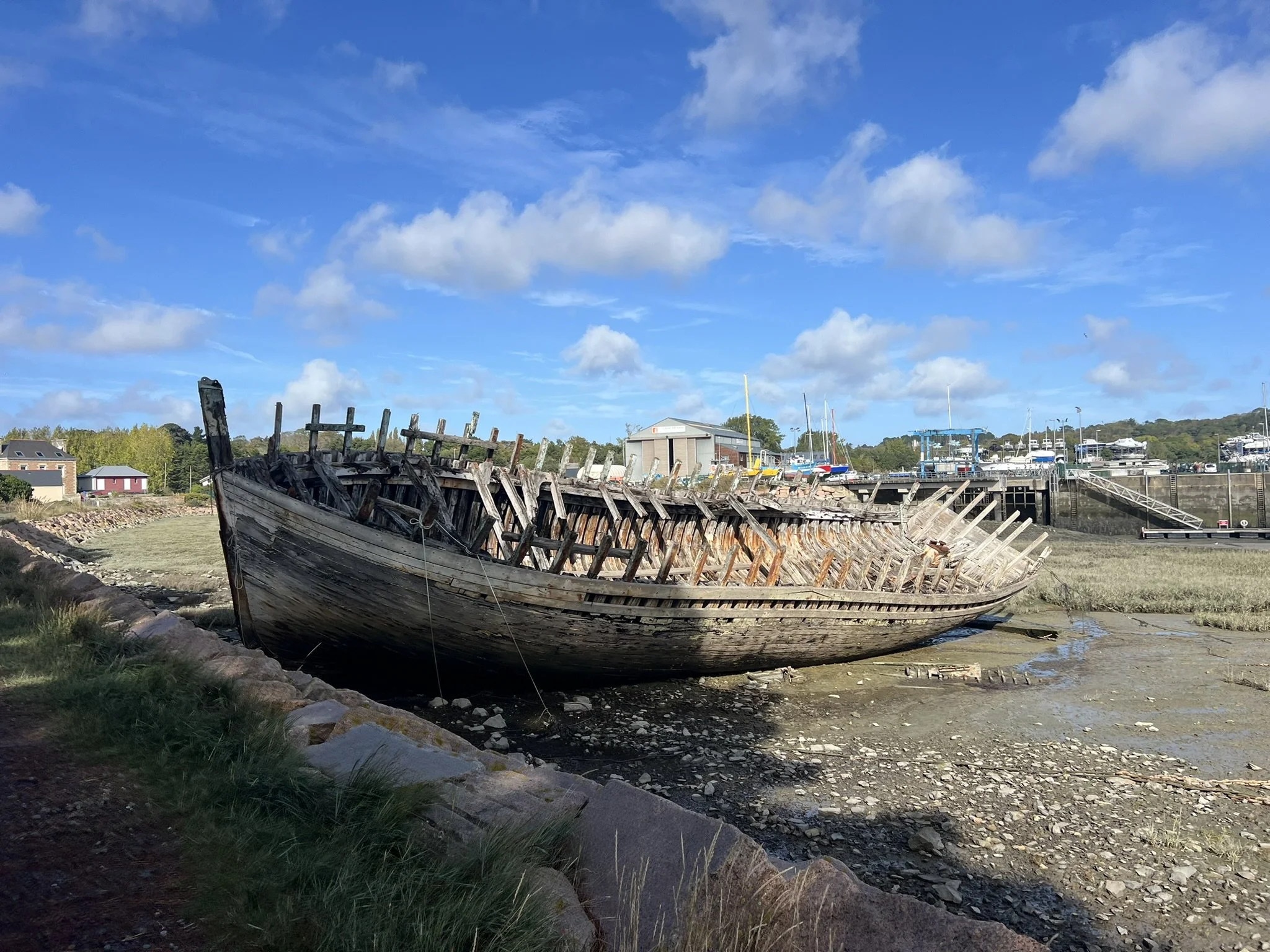
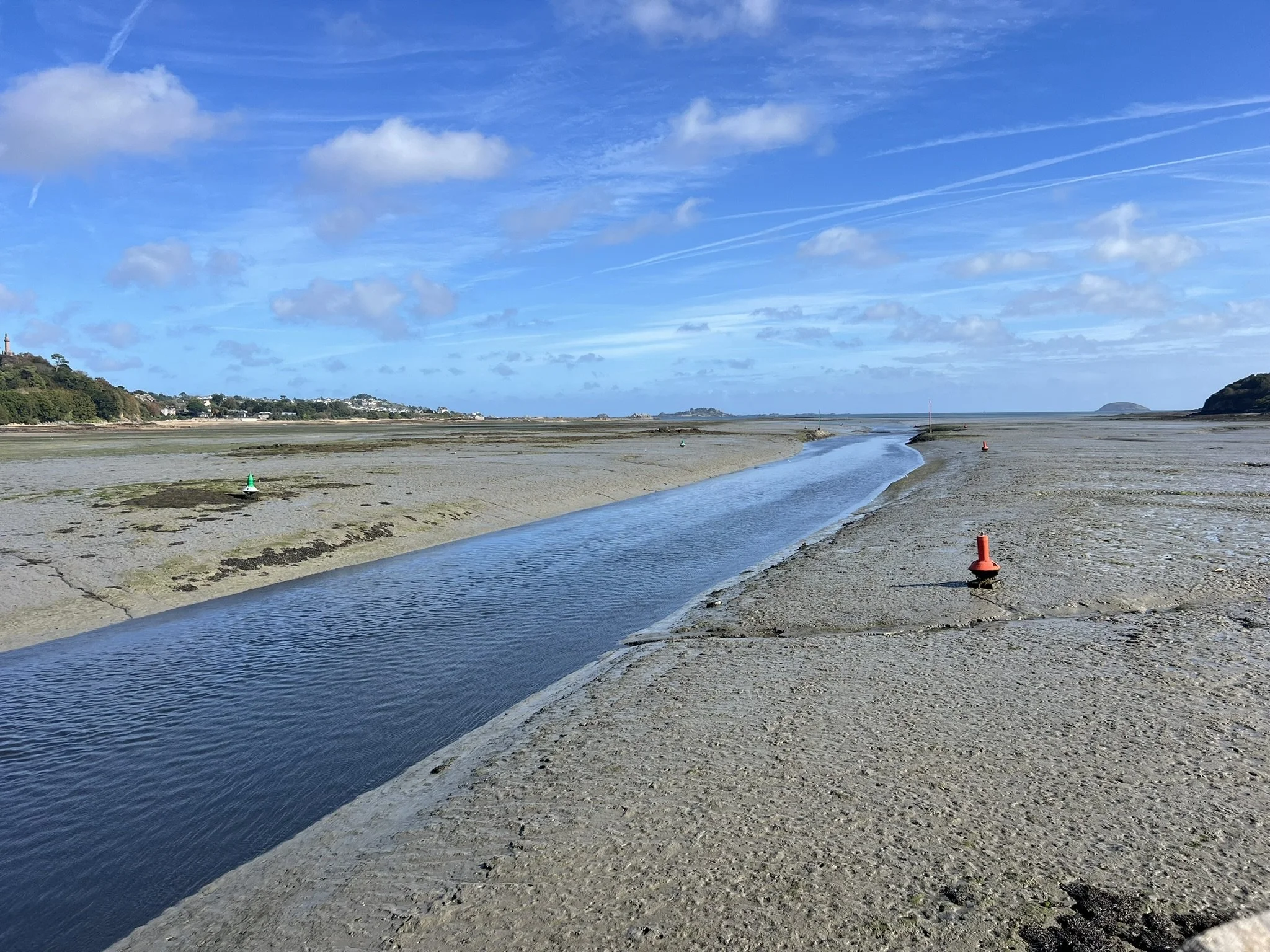
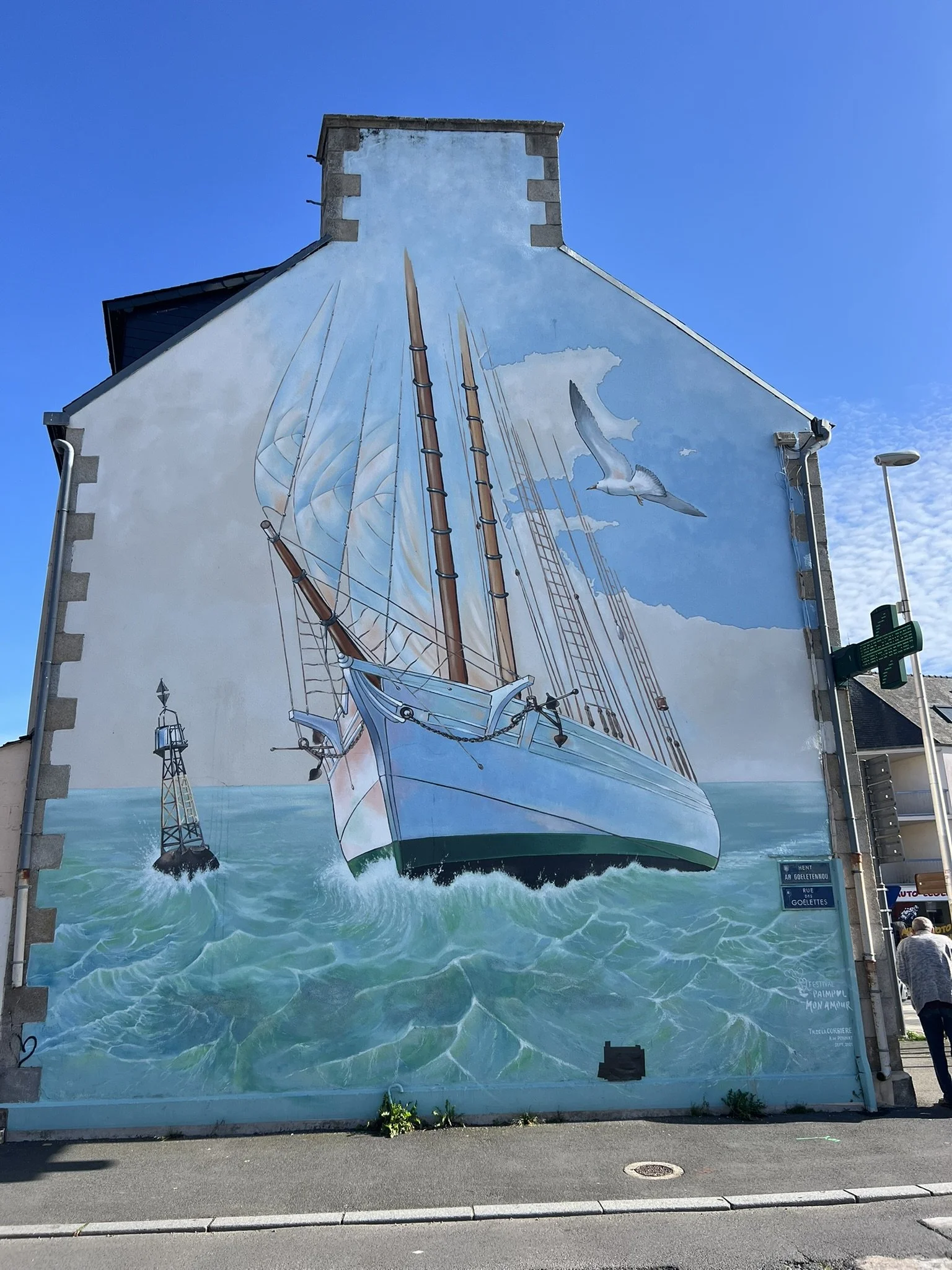
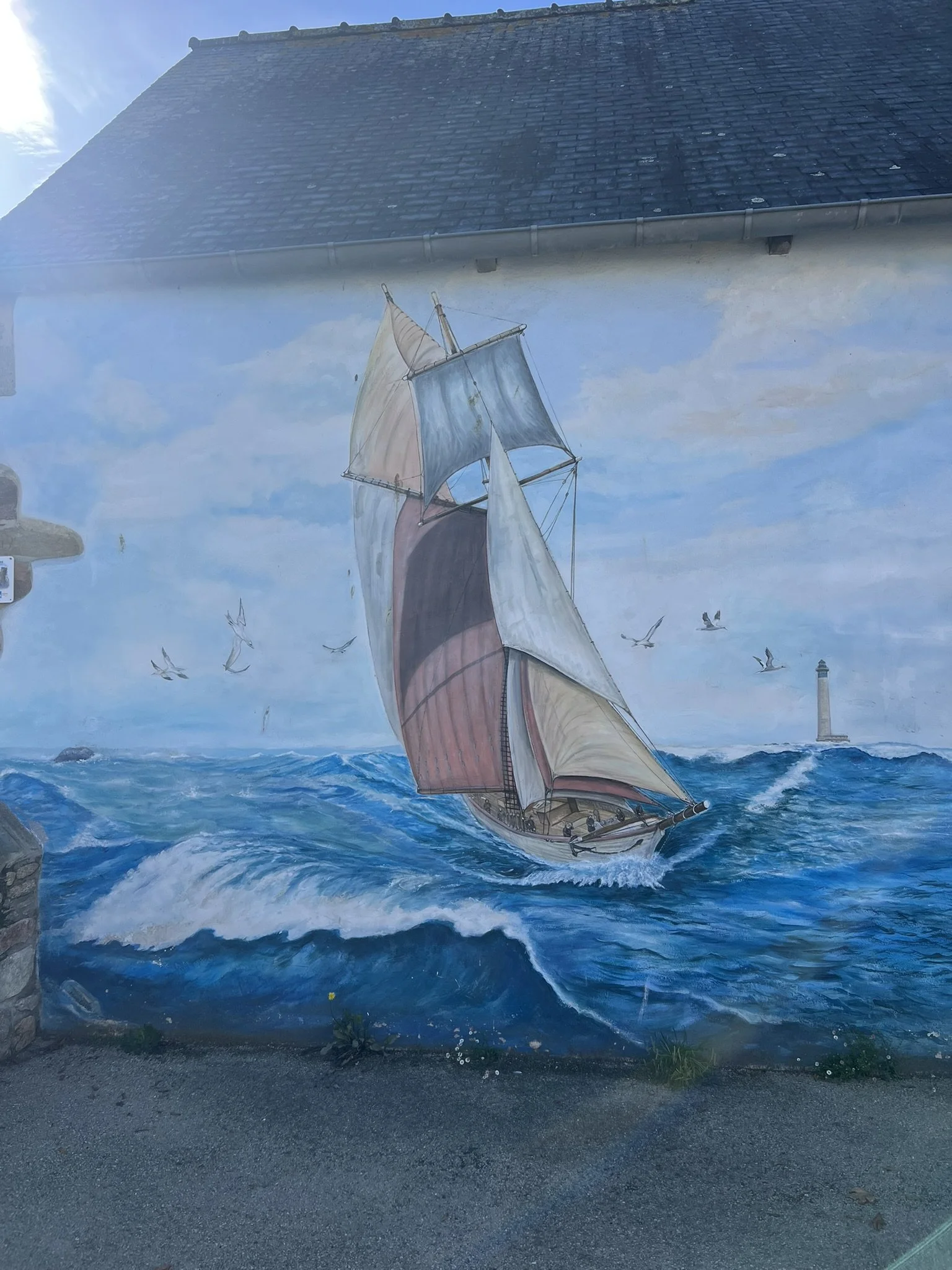
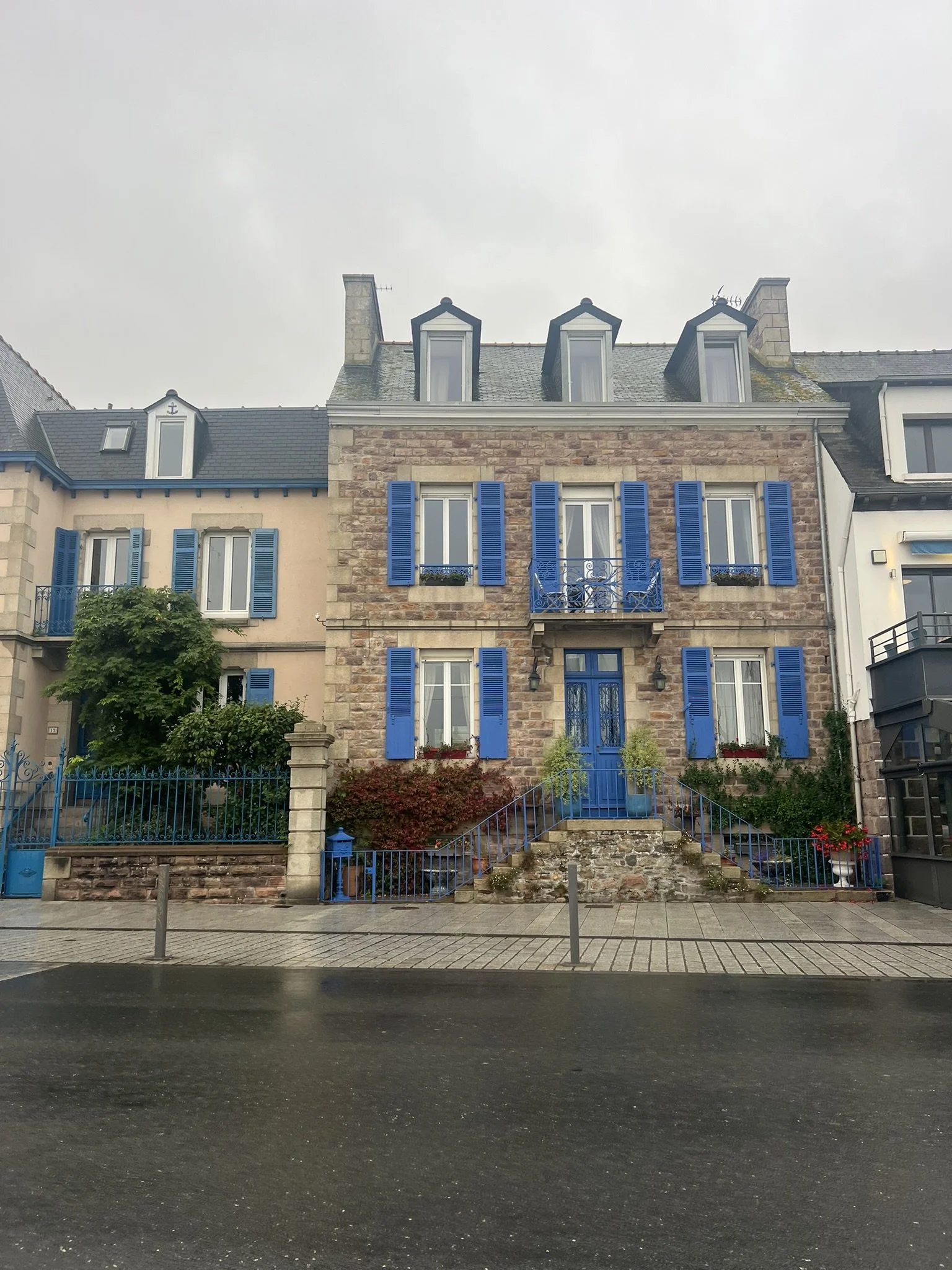
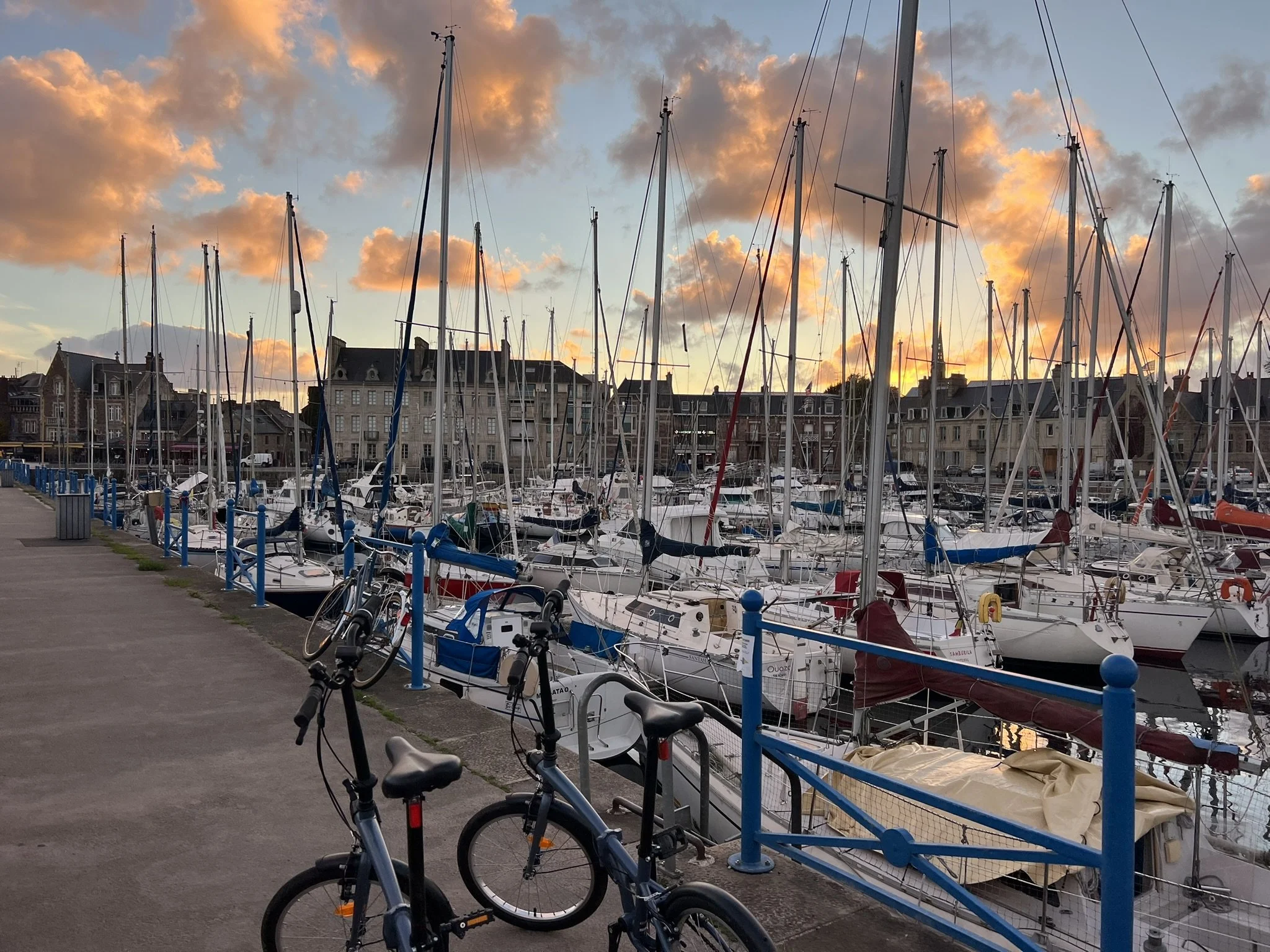
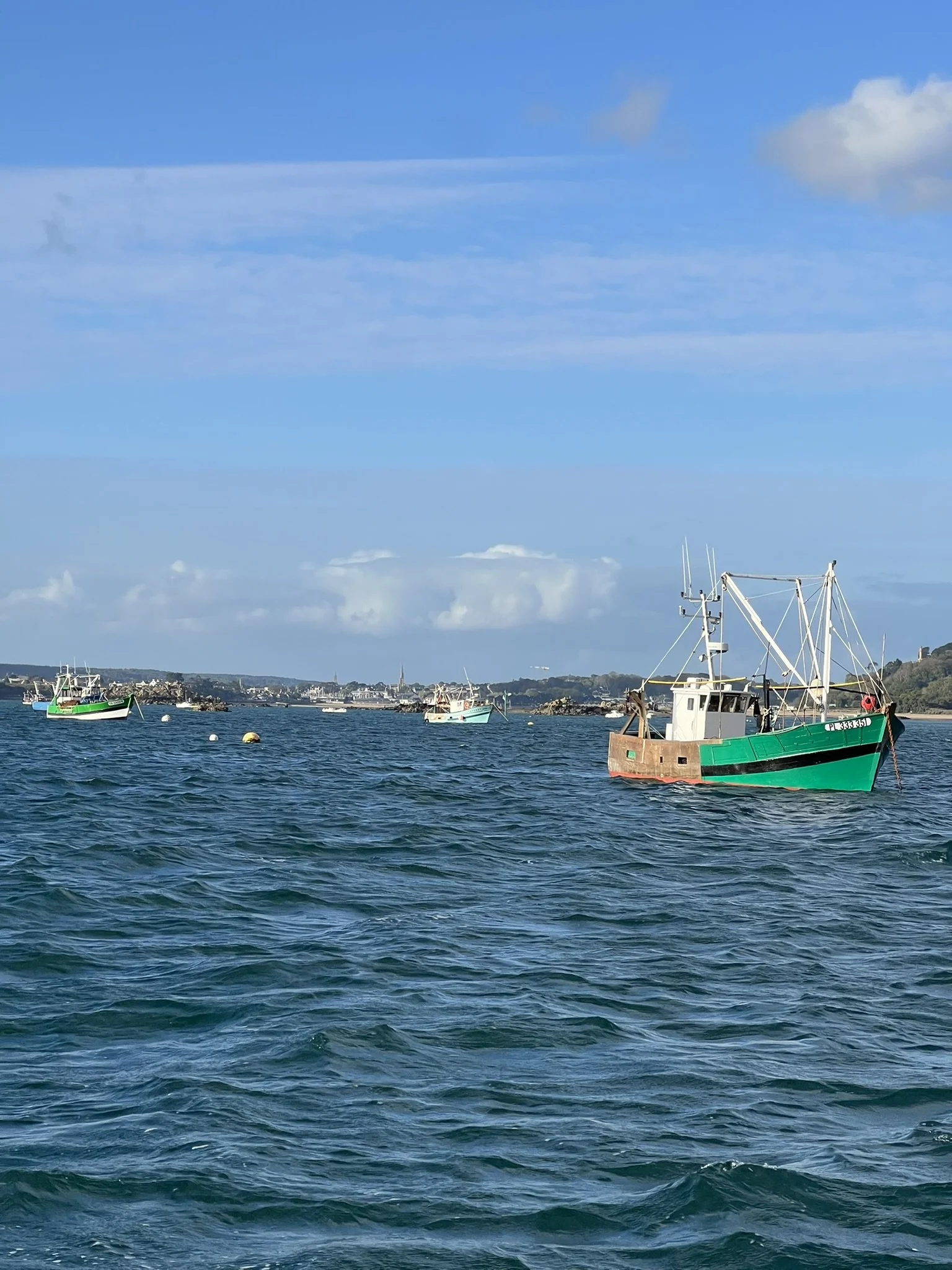
Sadly, it was then time to say goodbye to my parents and continue our journey westwards. Somehow, the stormy weather seemed to be following us wherever we went, and we soon found ourselves stuck in another beautiful little town: Paimpol. It turned out to be a lovely place to slow down and relax for a while before setting off on a longer overnight passage to Audierne.
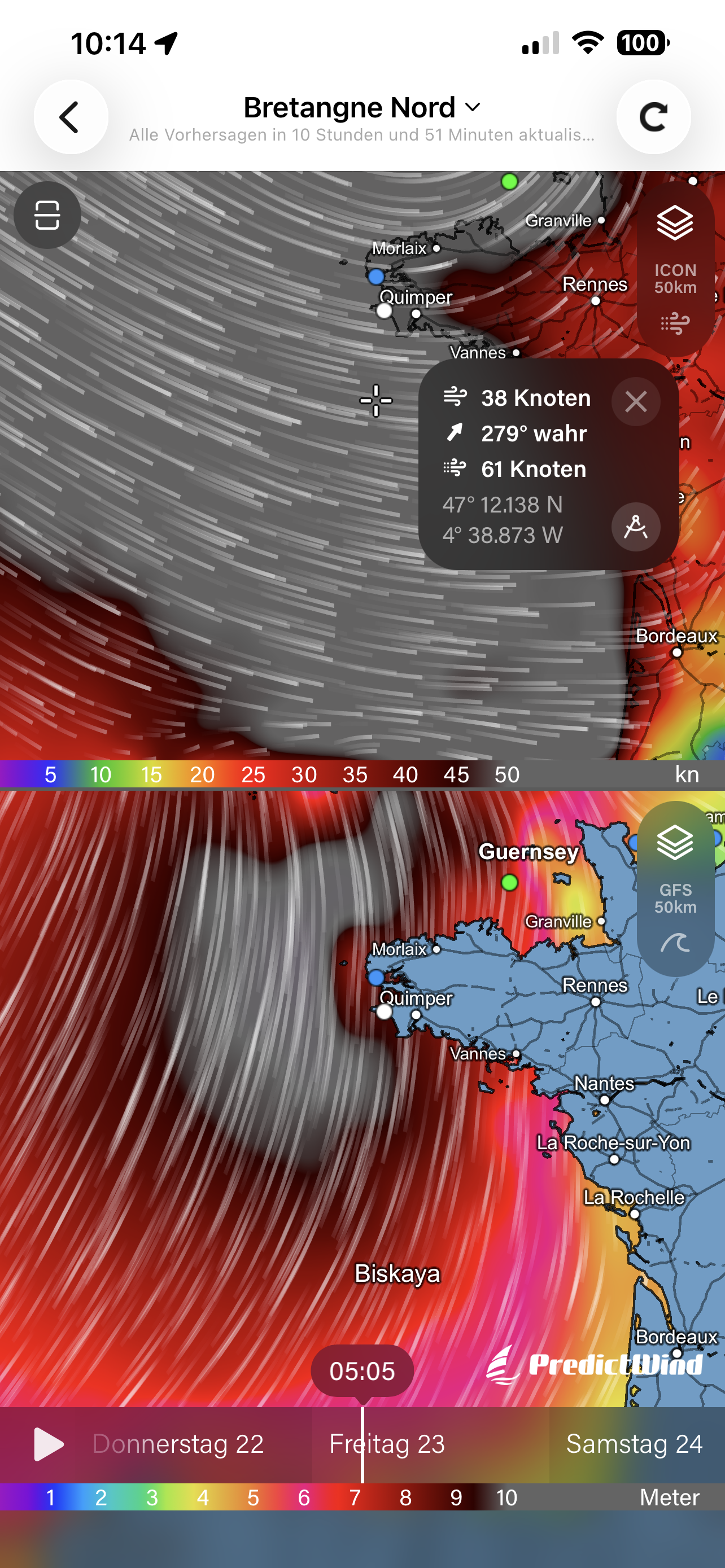
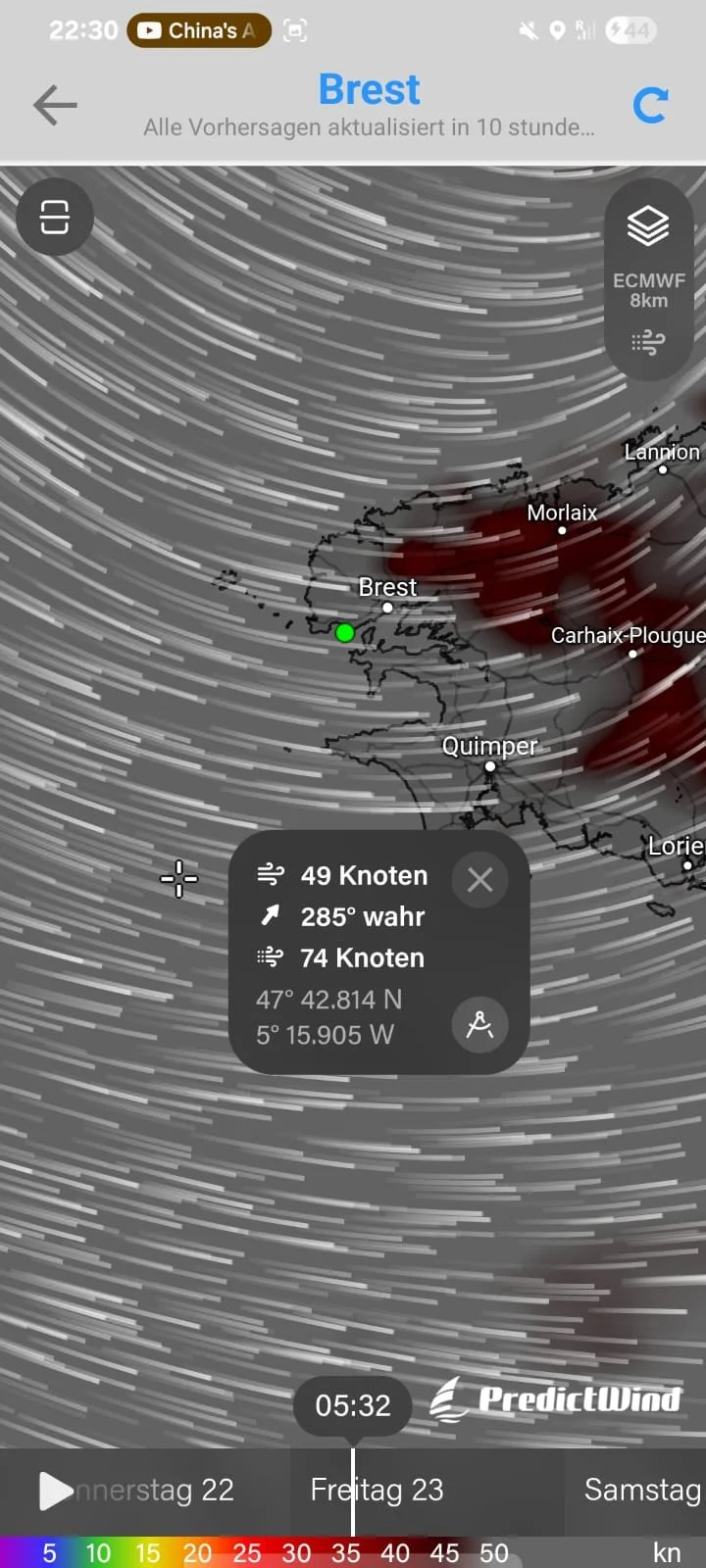
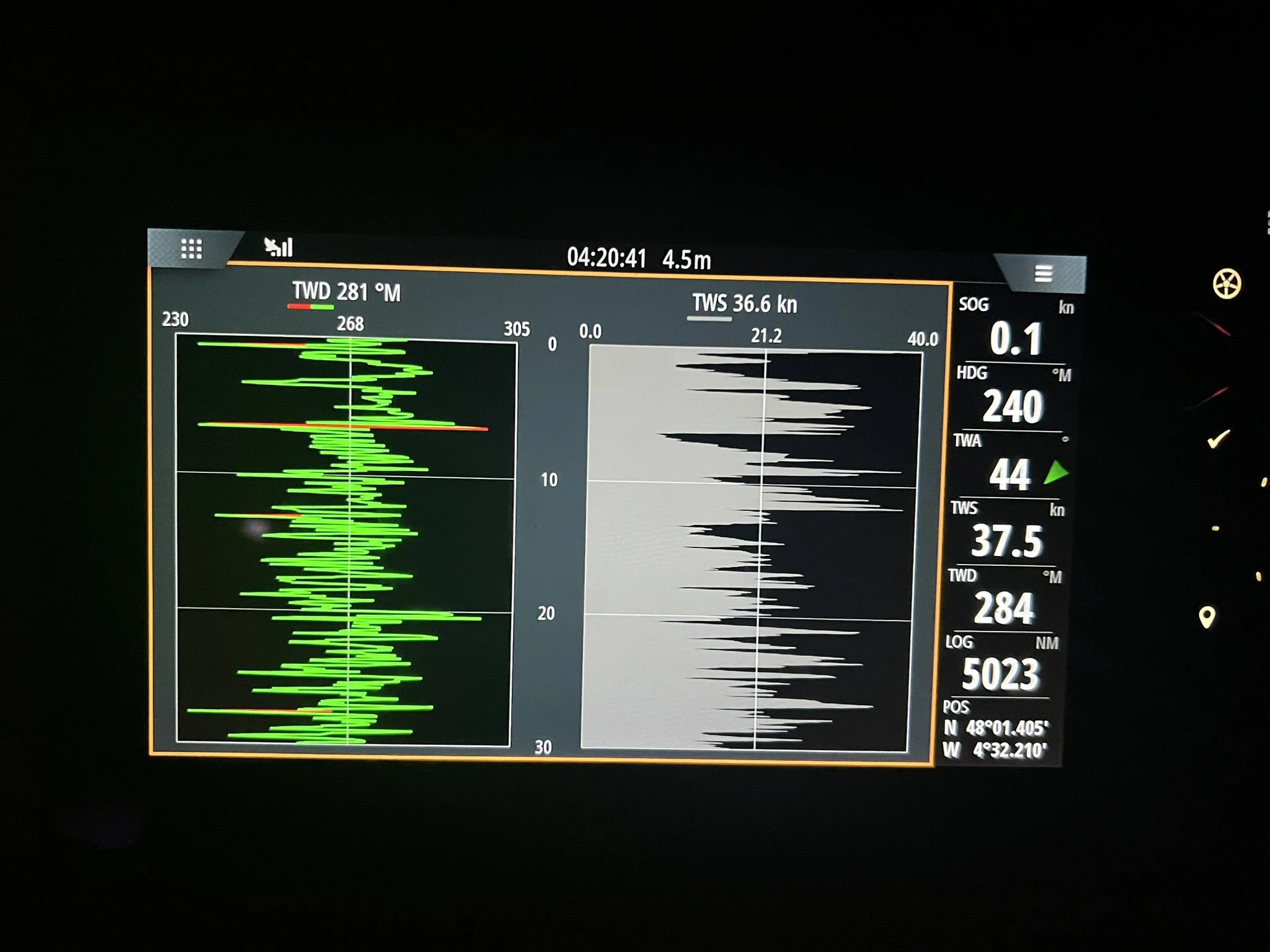
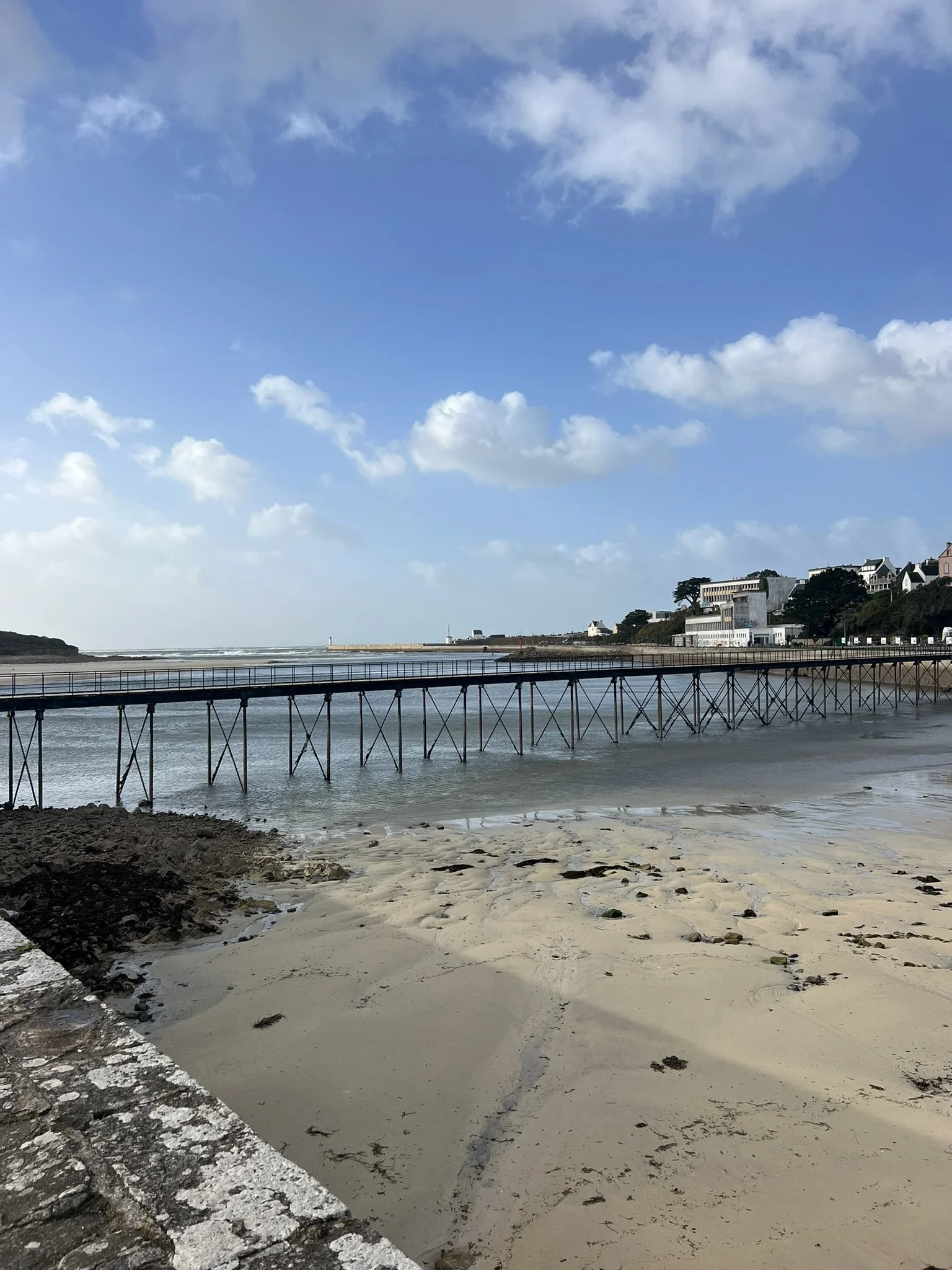
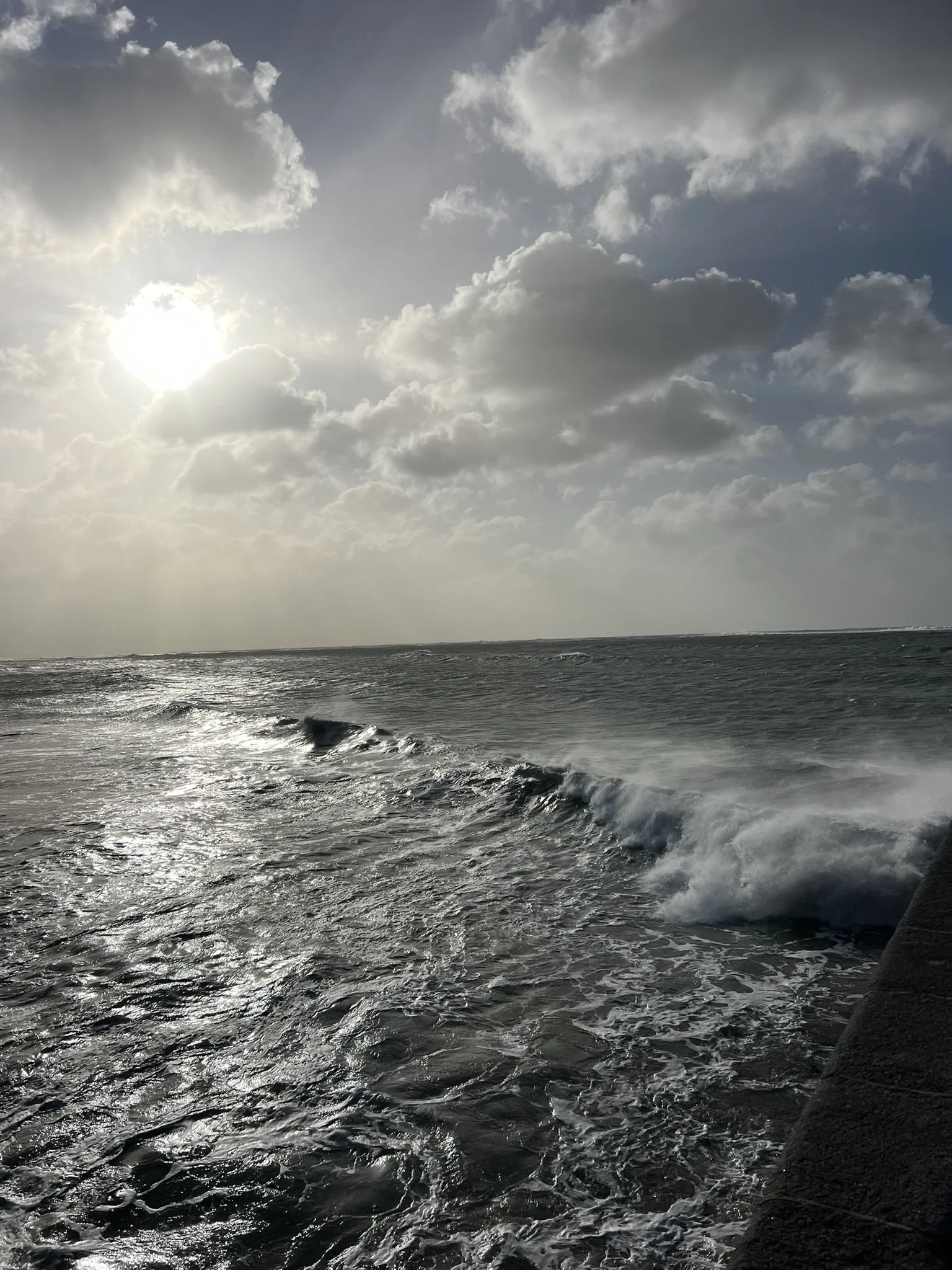
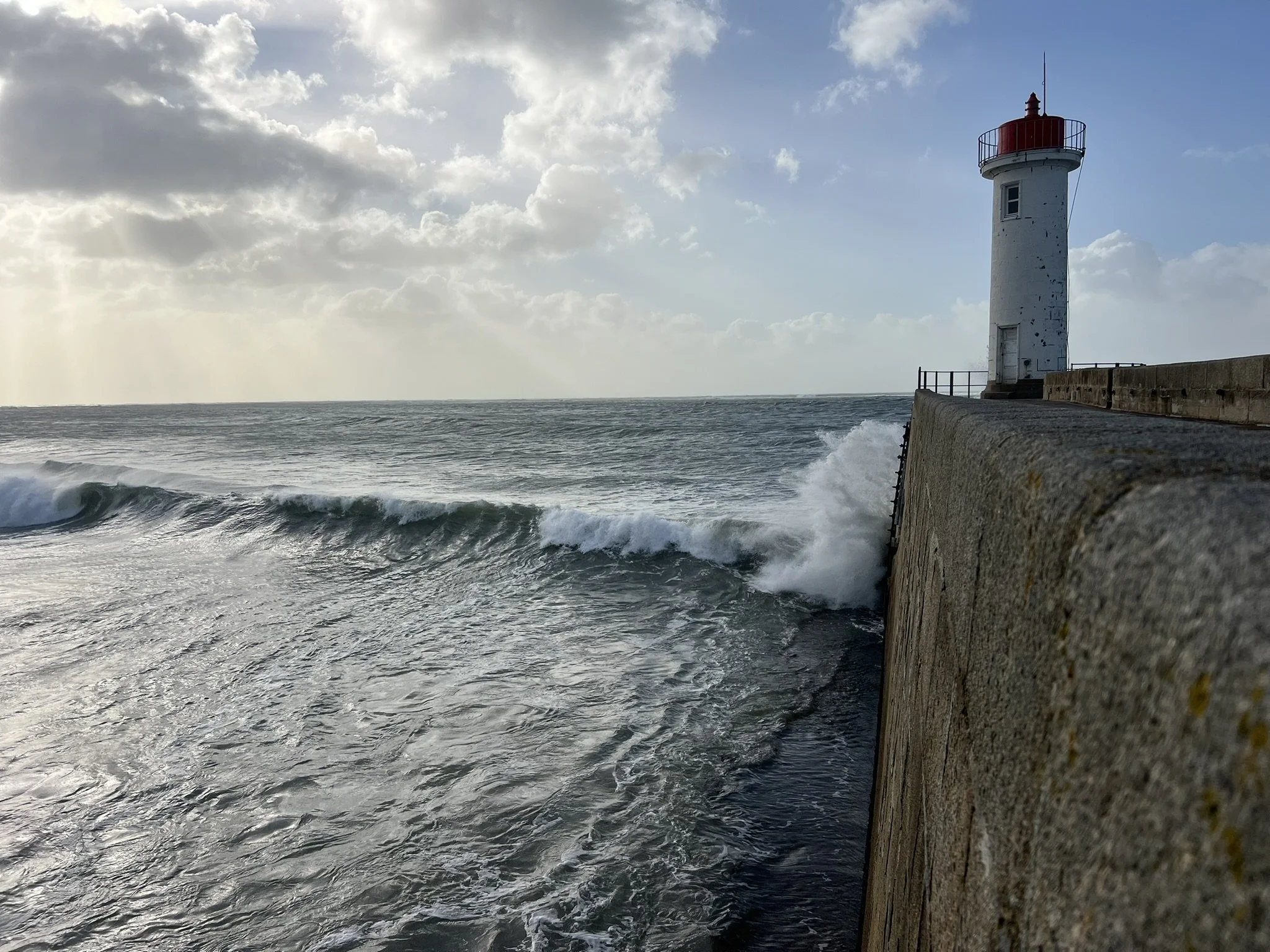
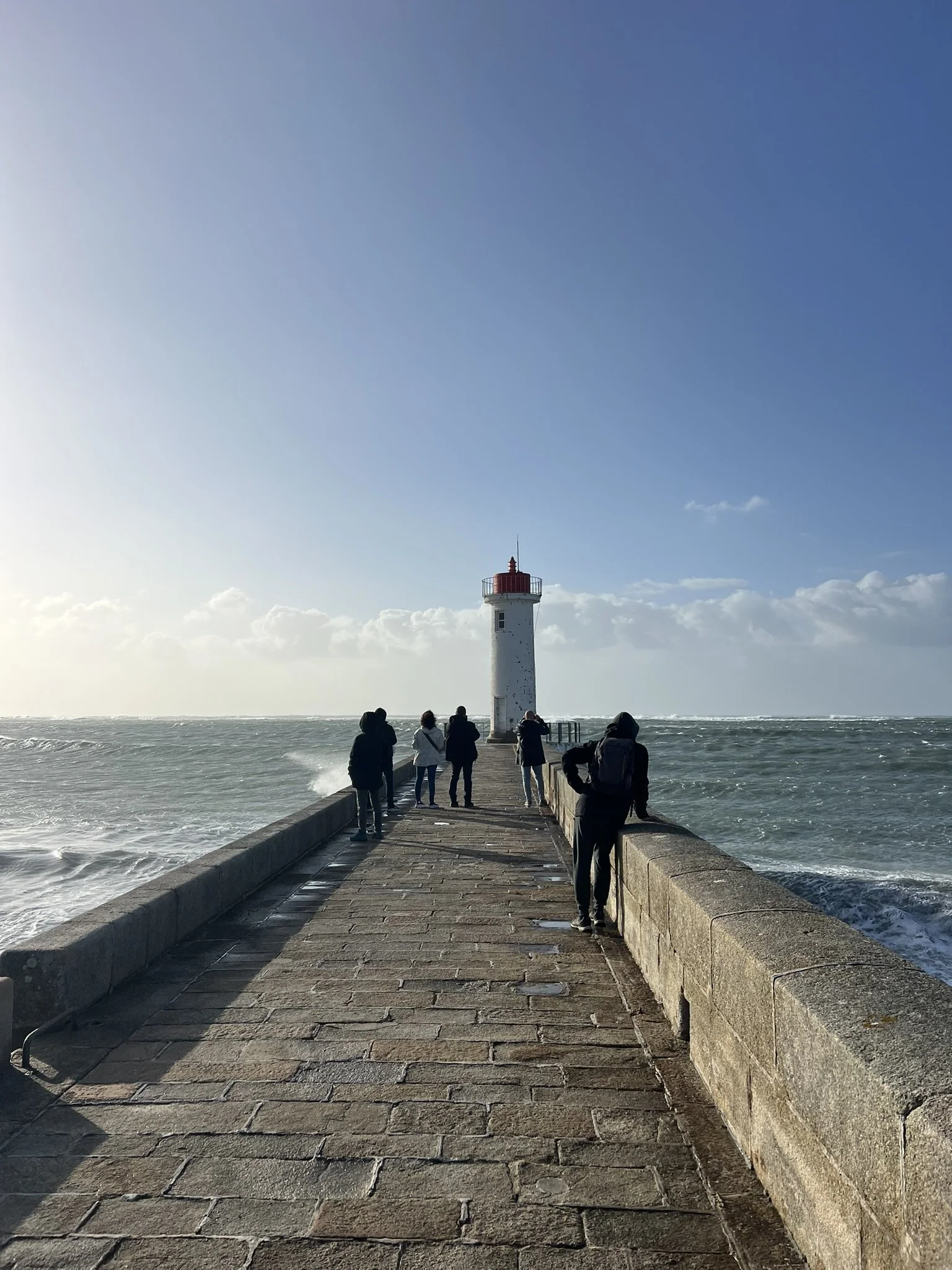
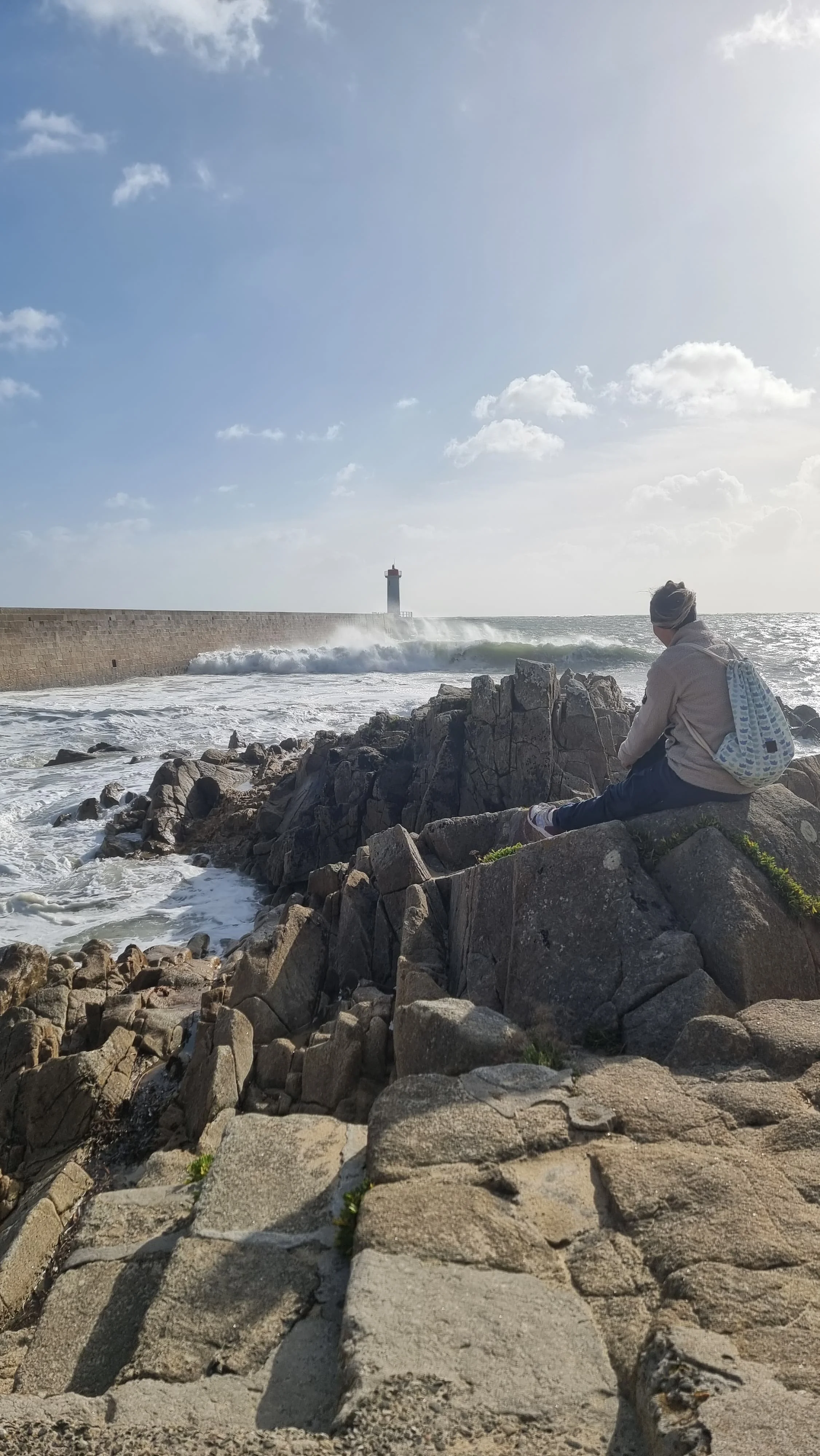
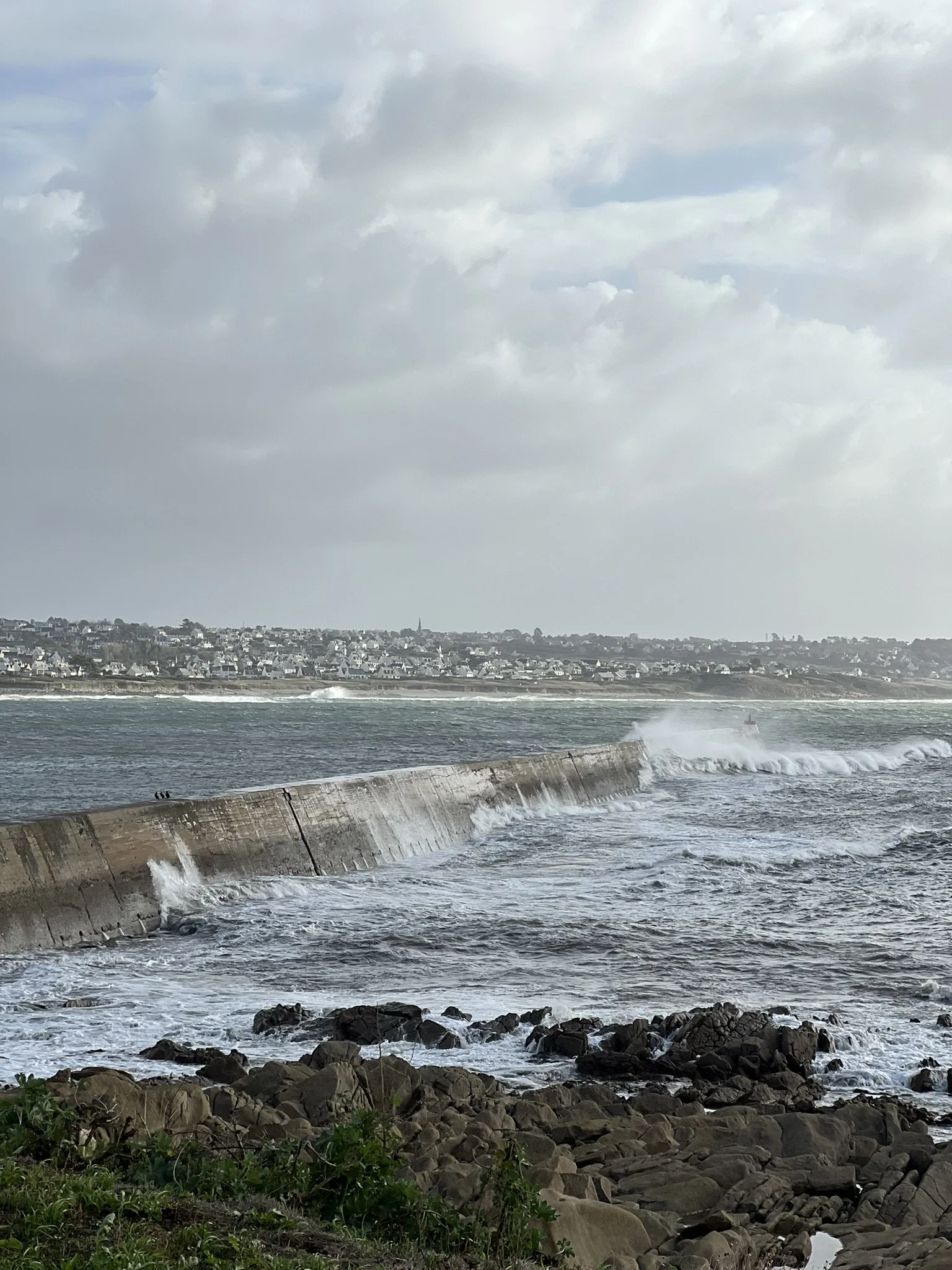
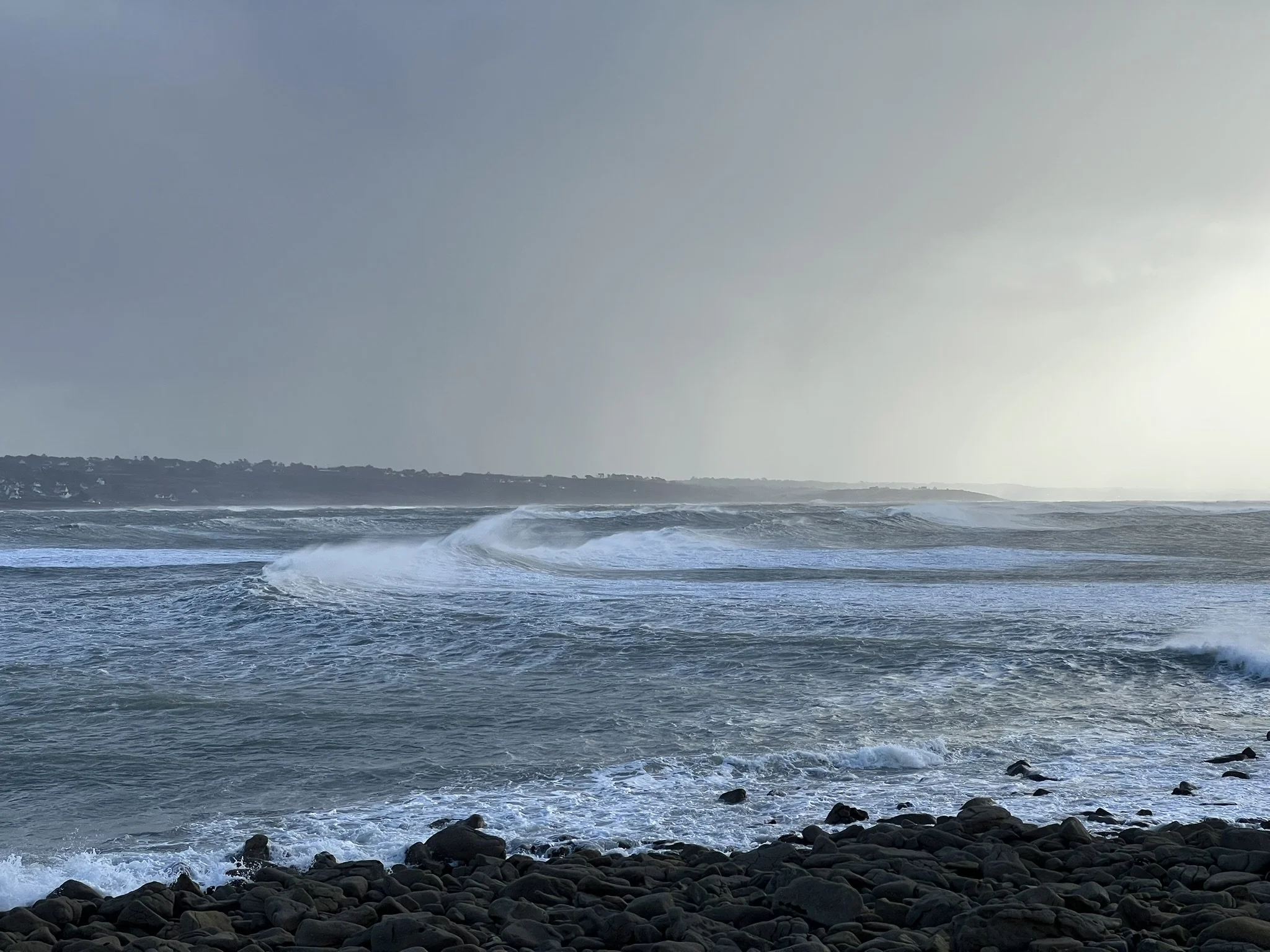
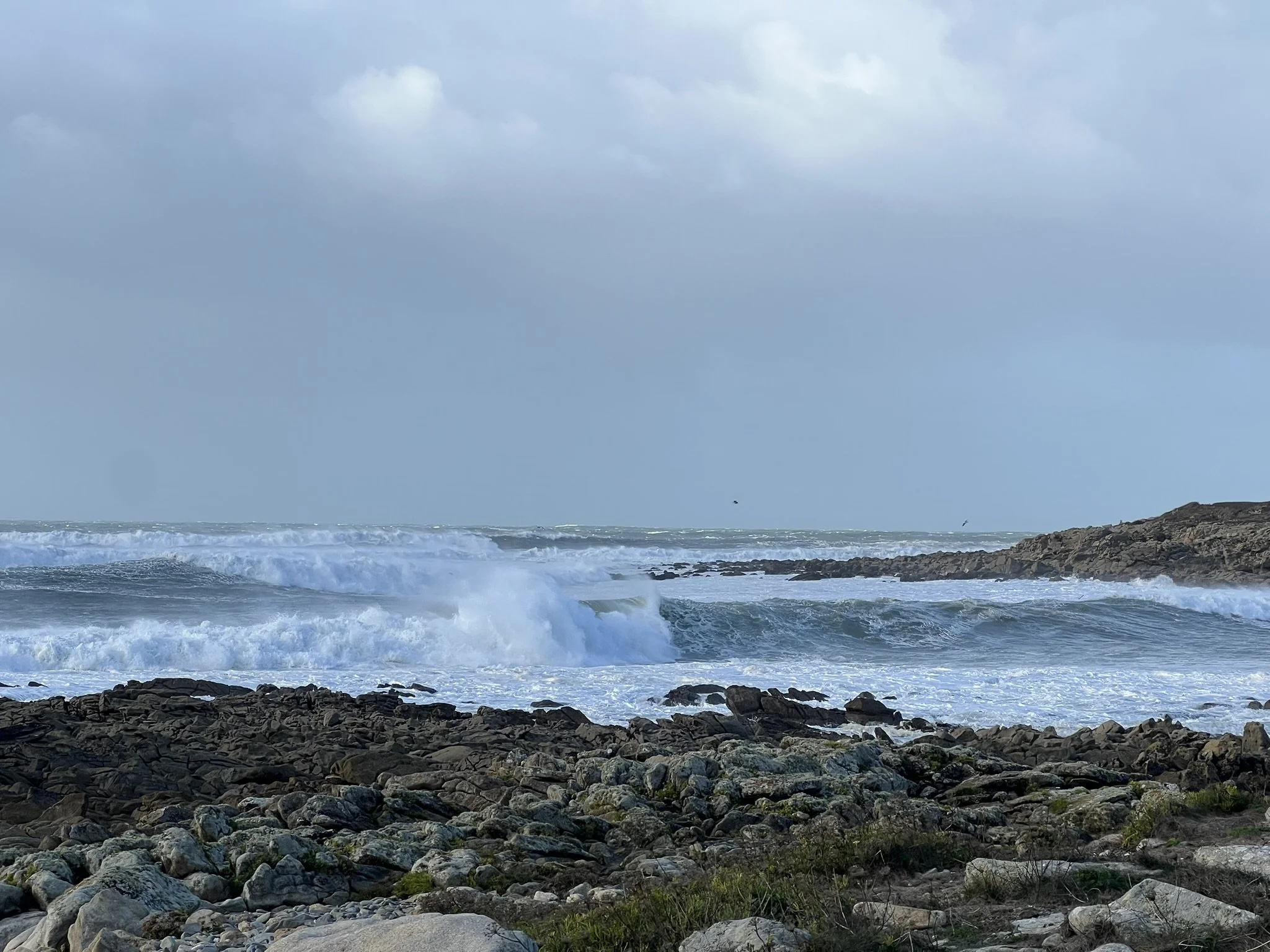
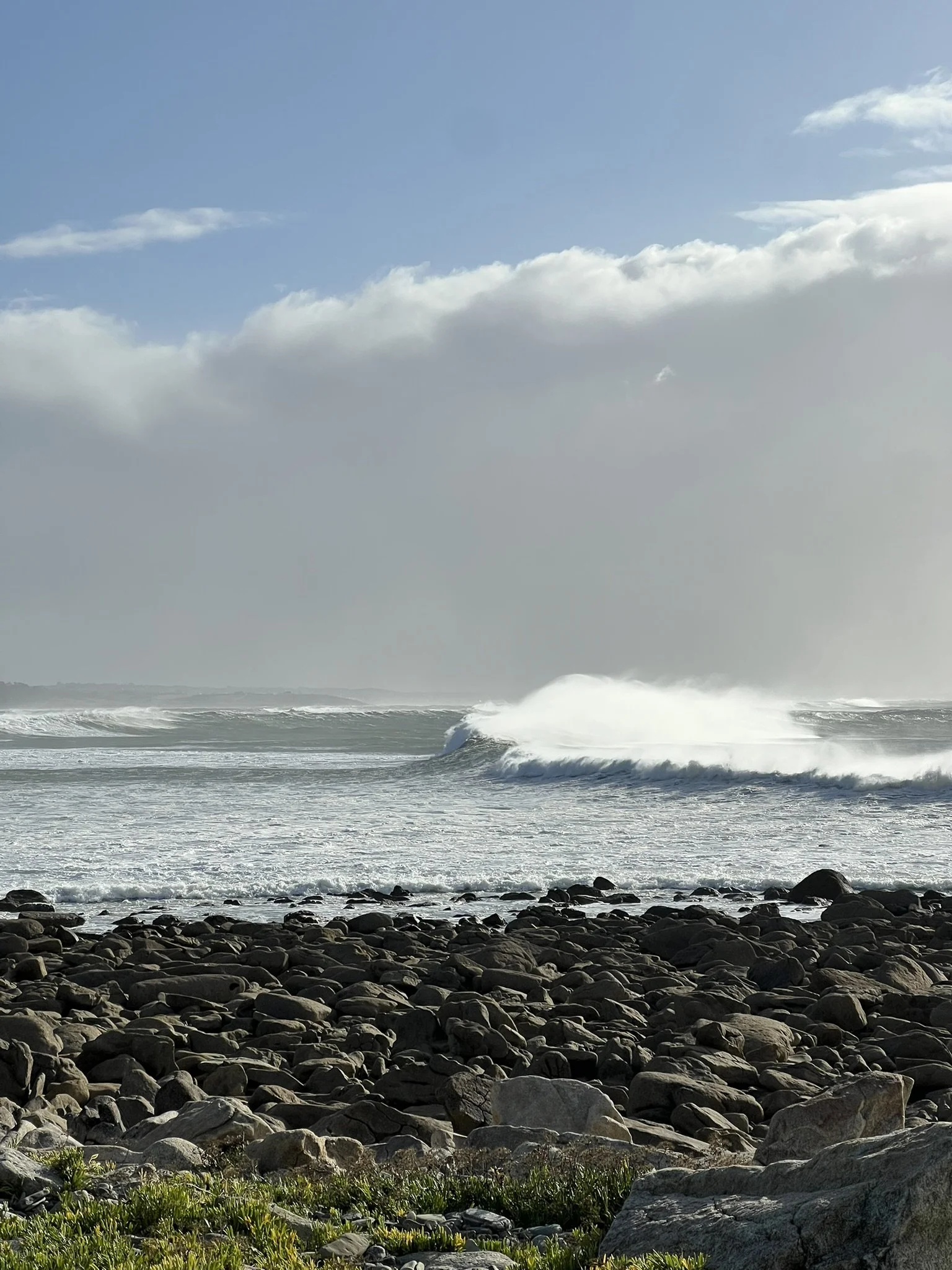
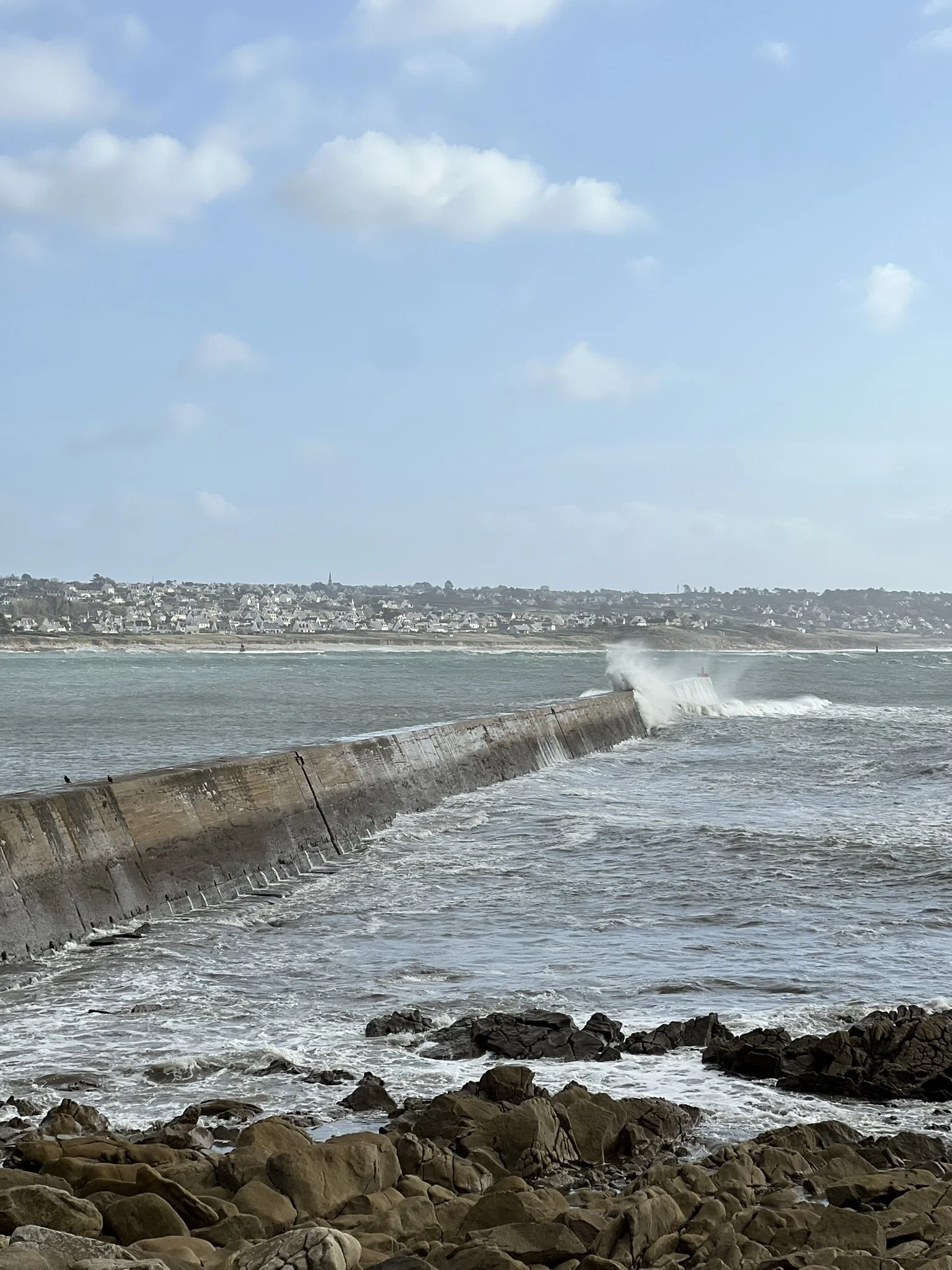
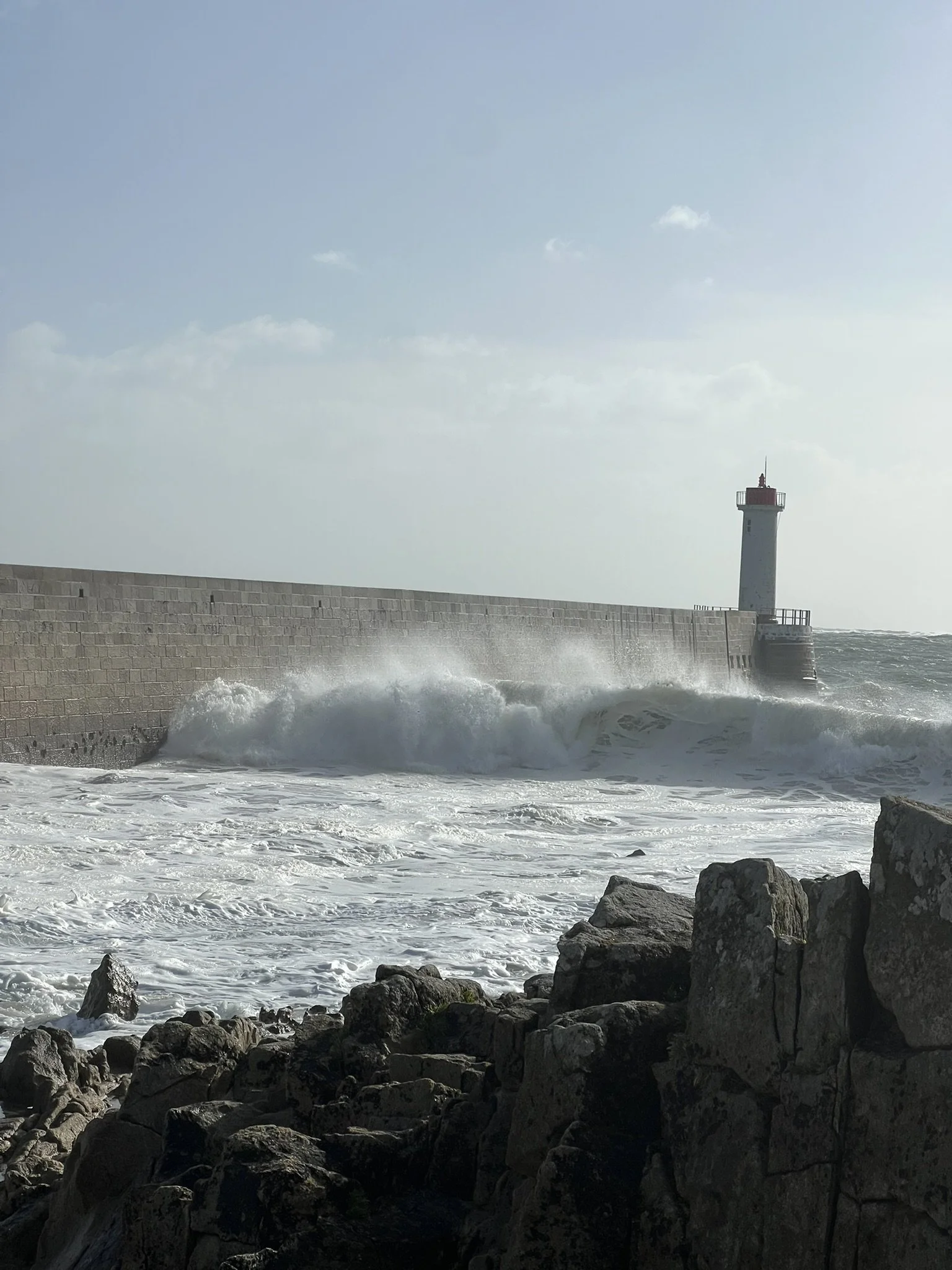
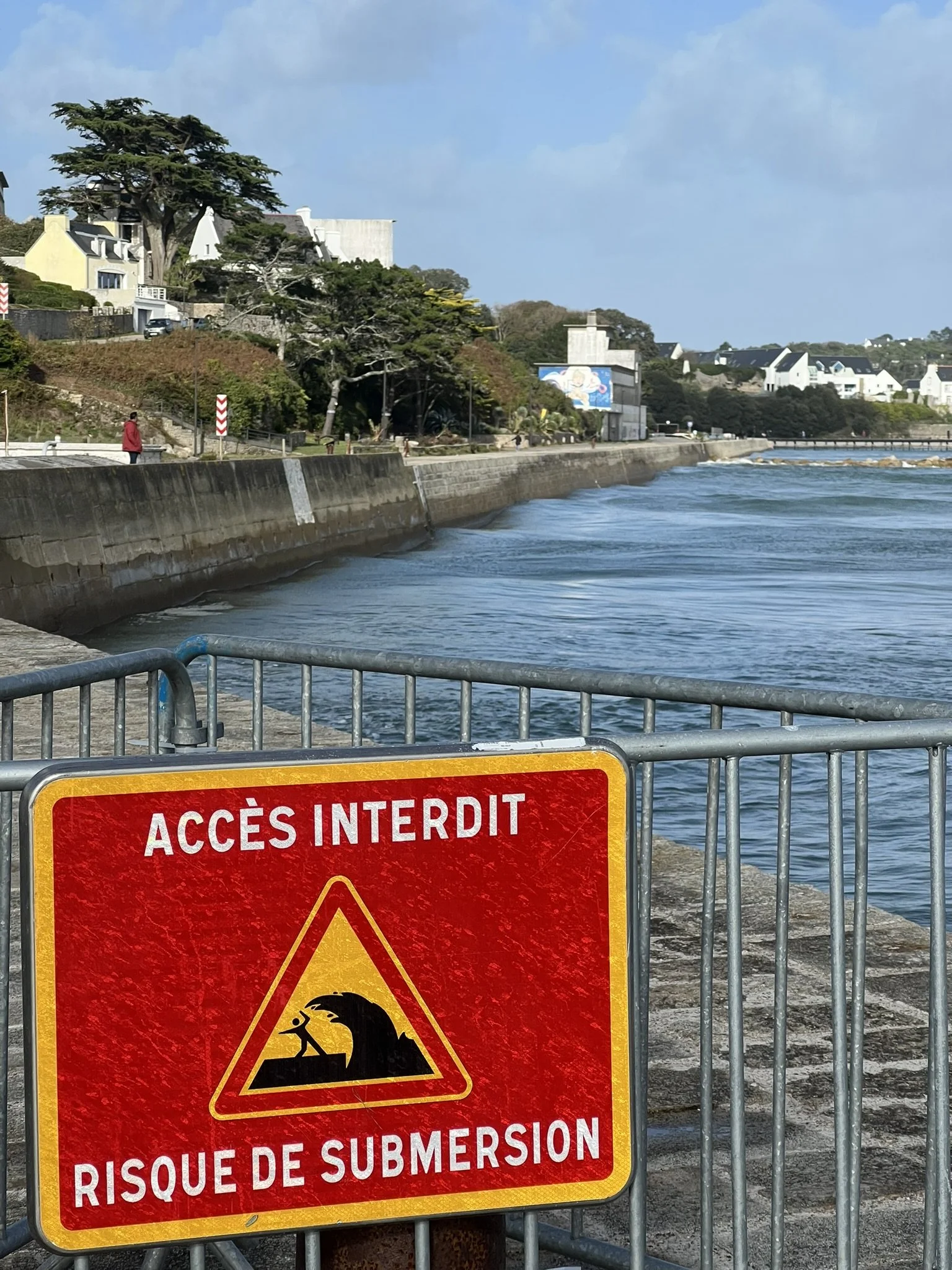
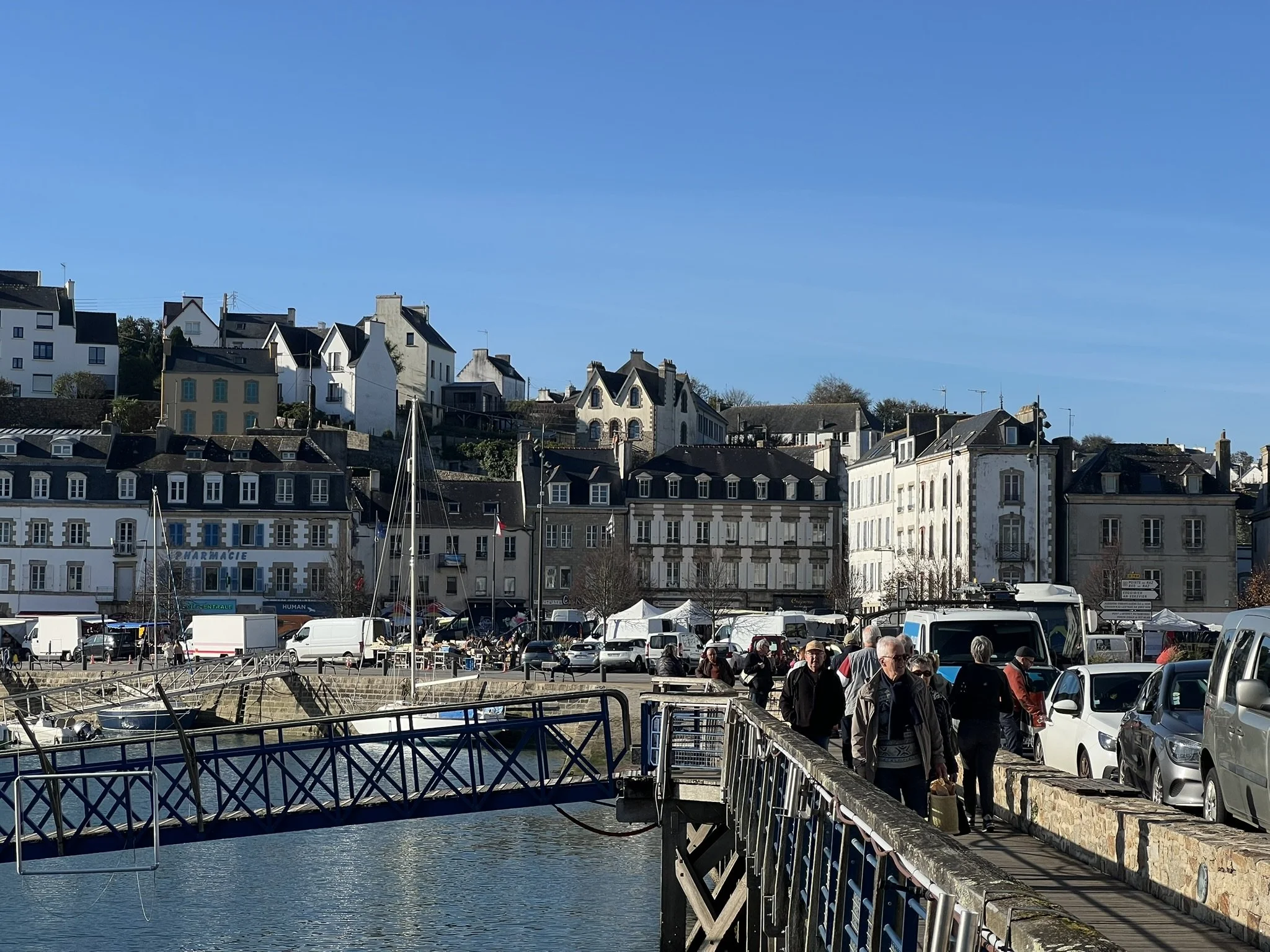
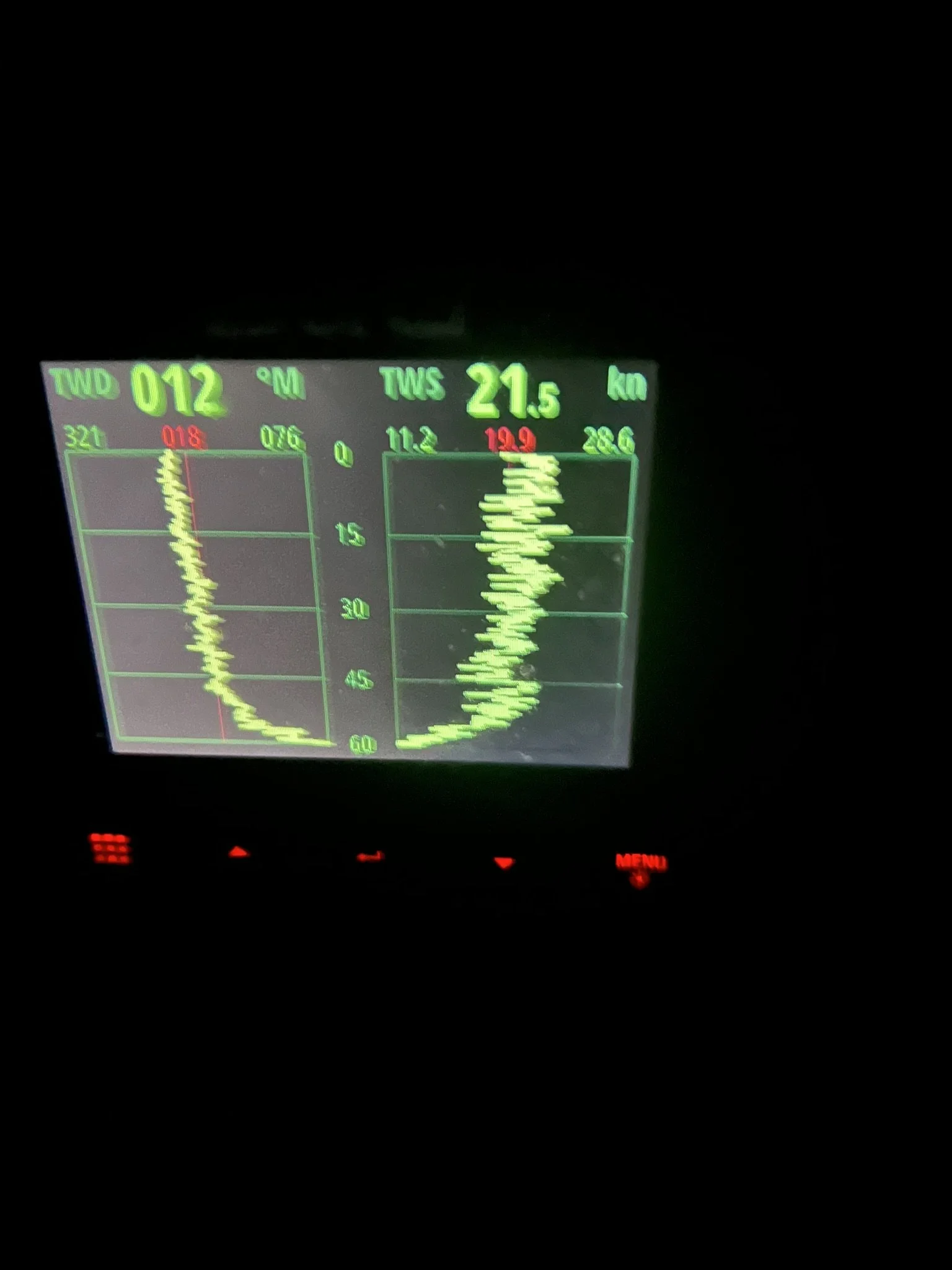
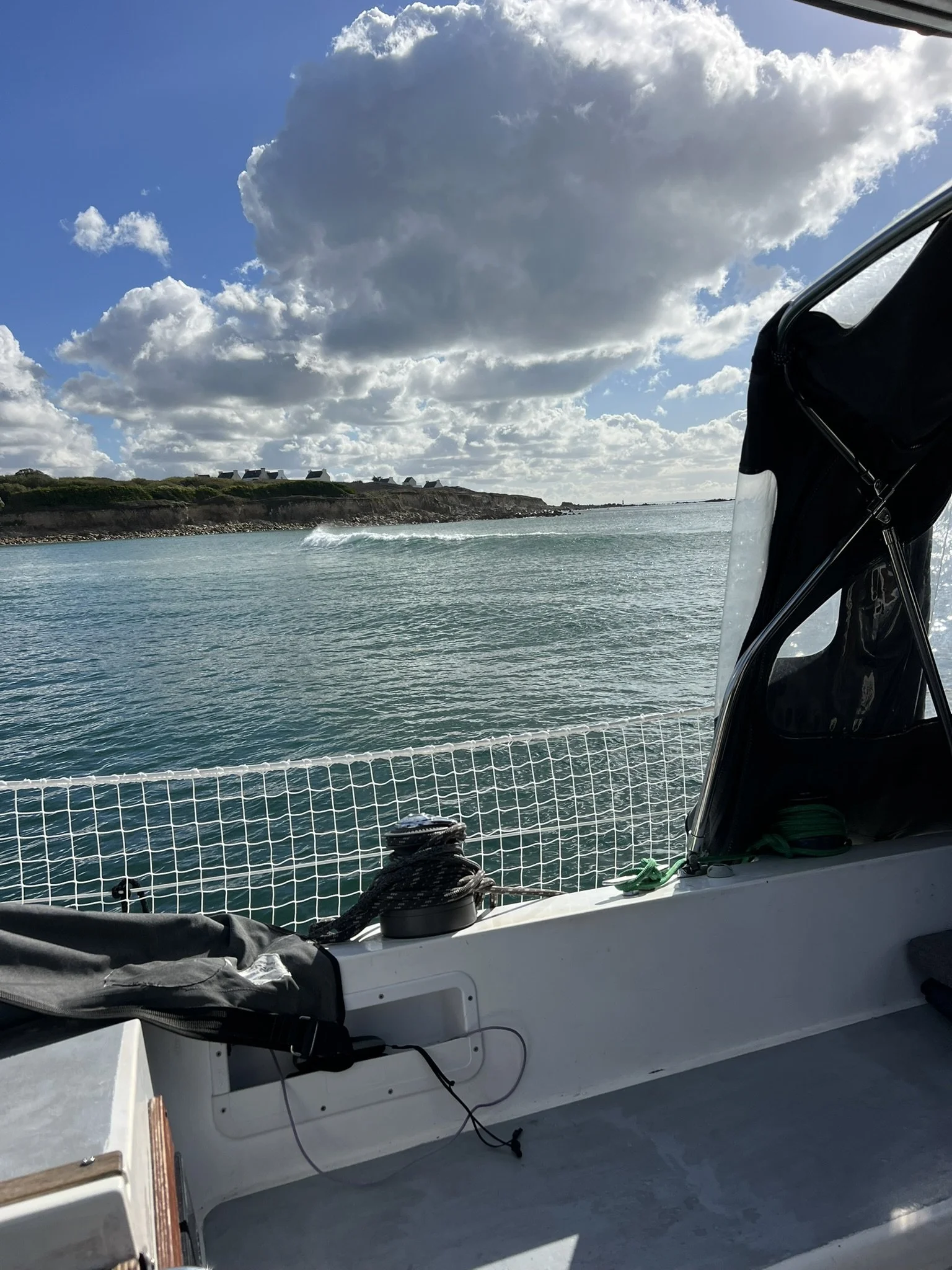
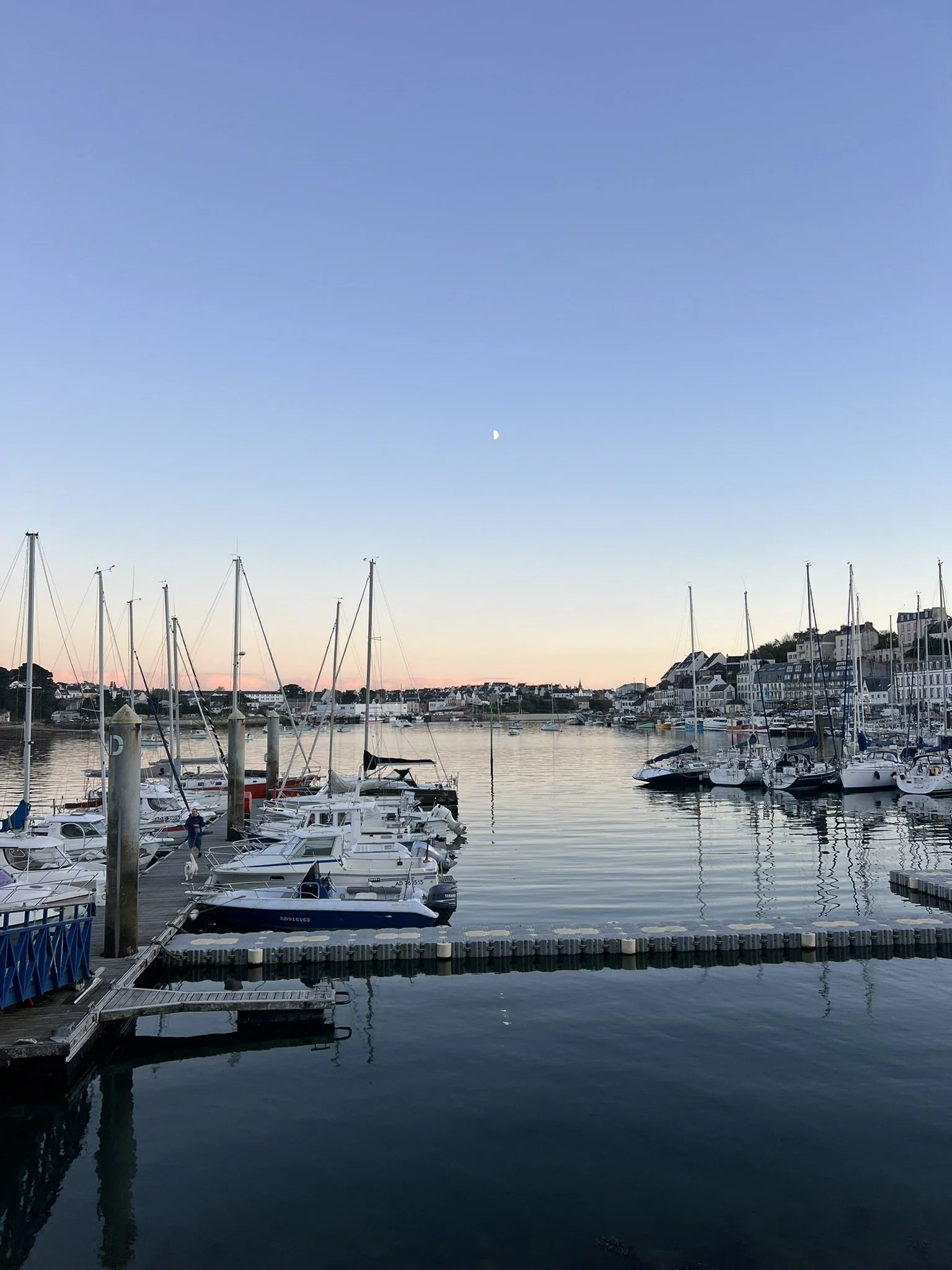
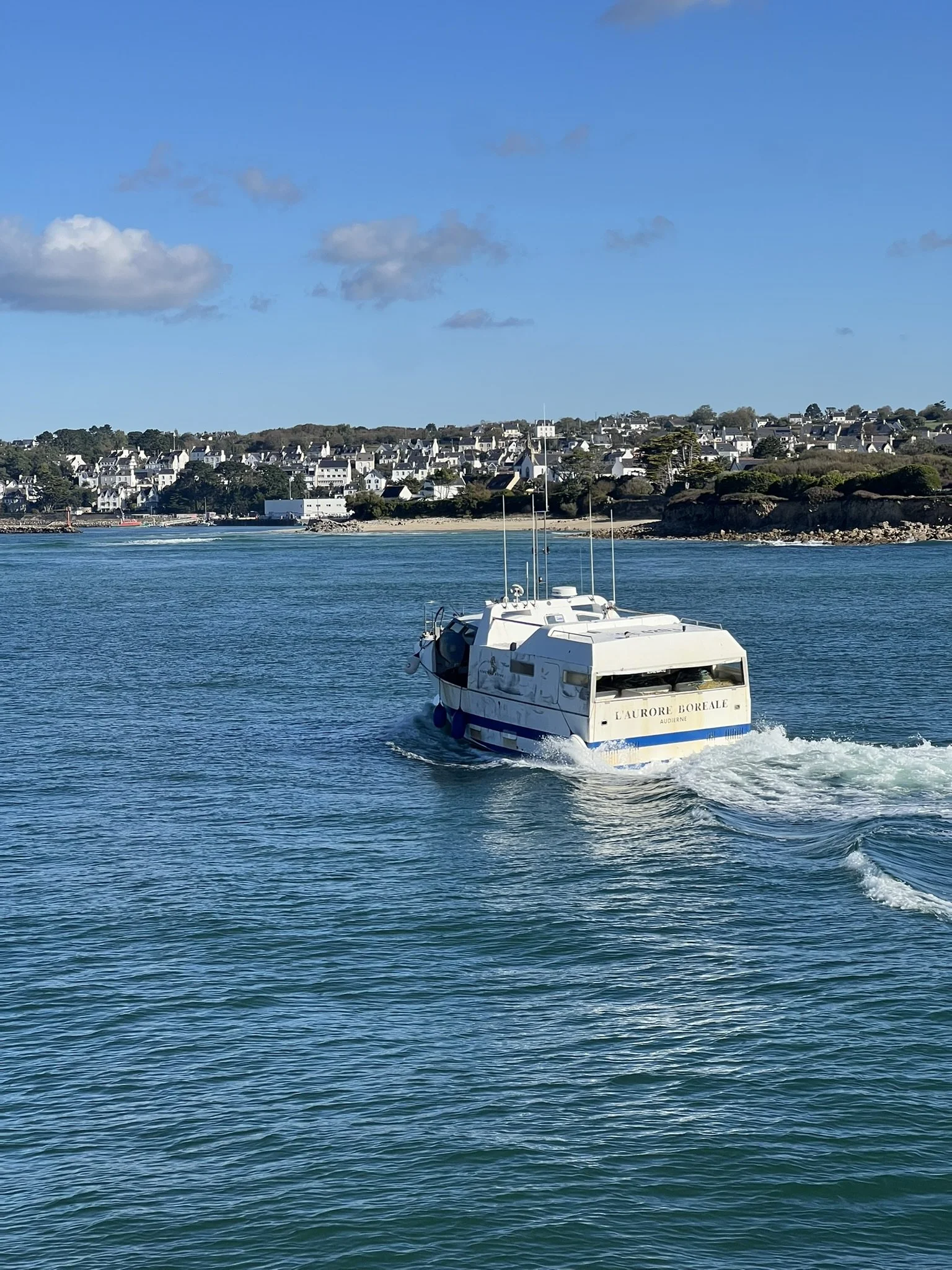
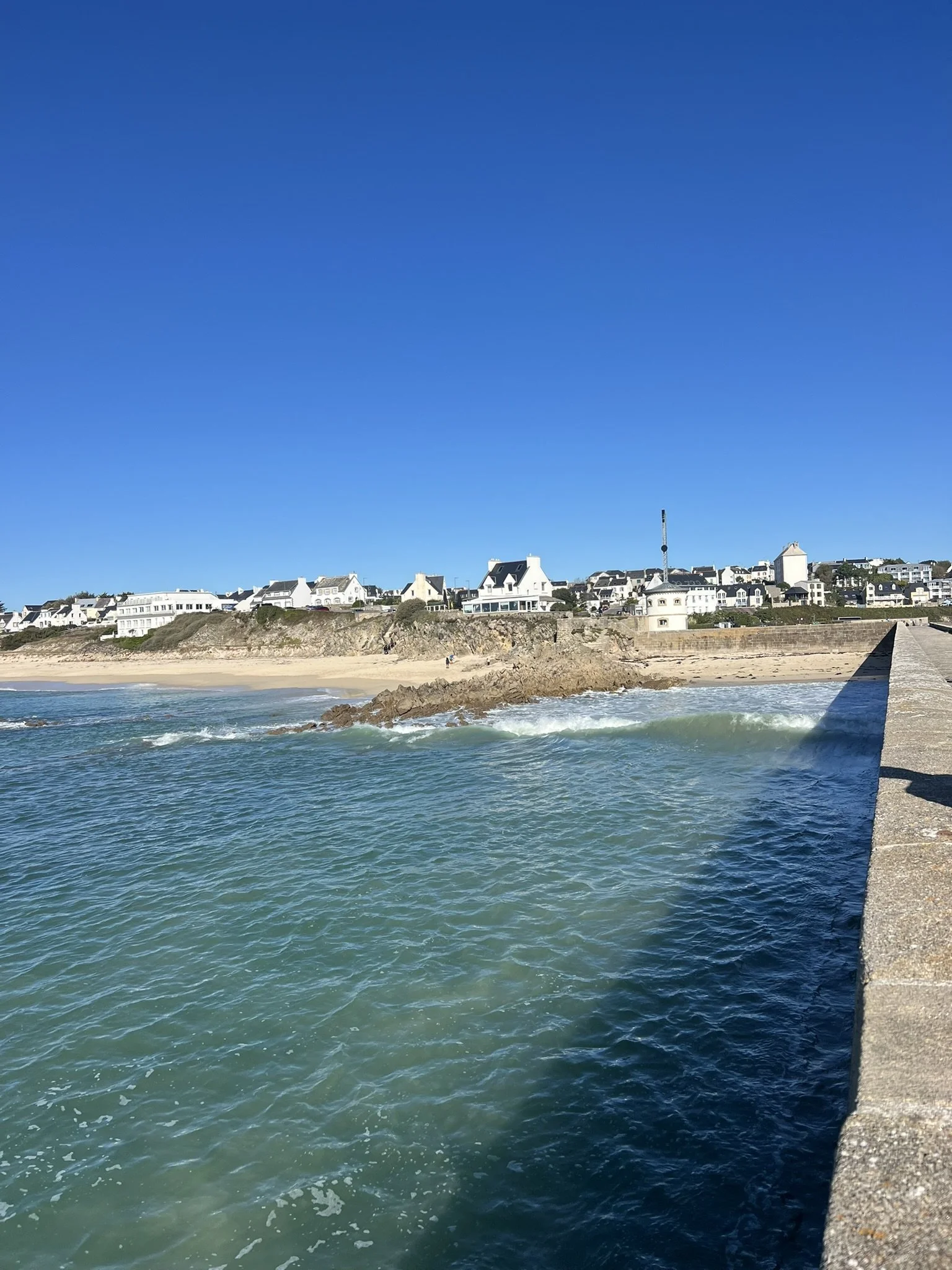
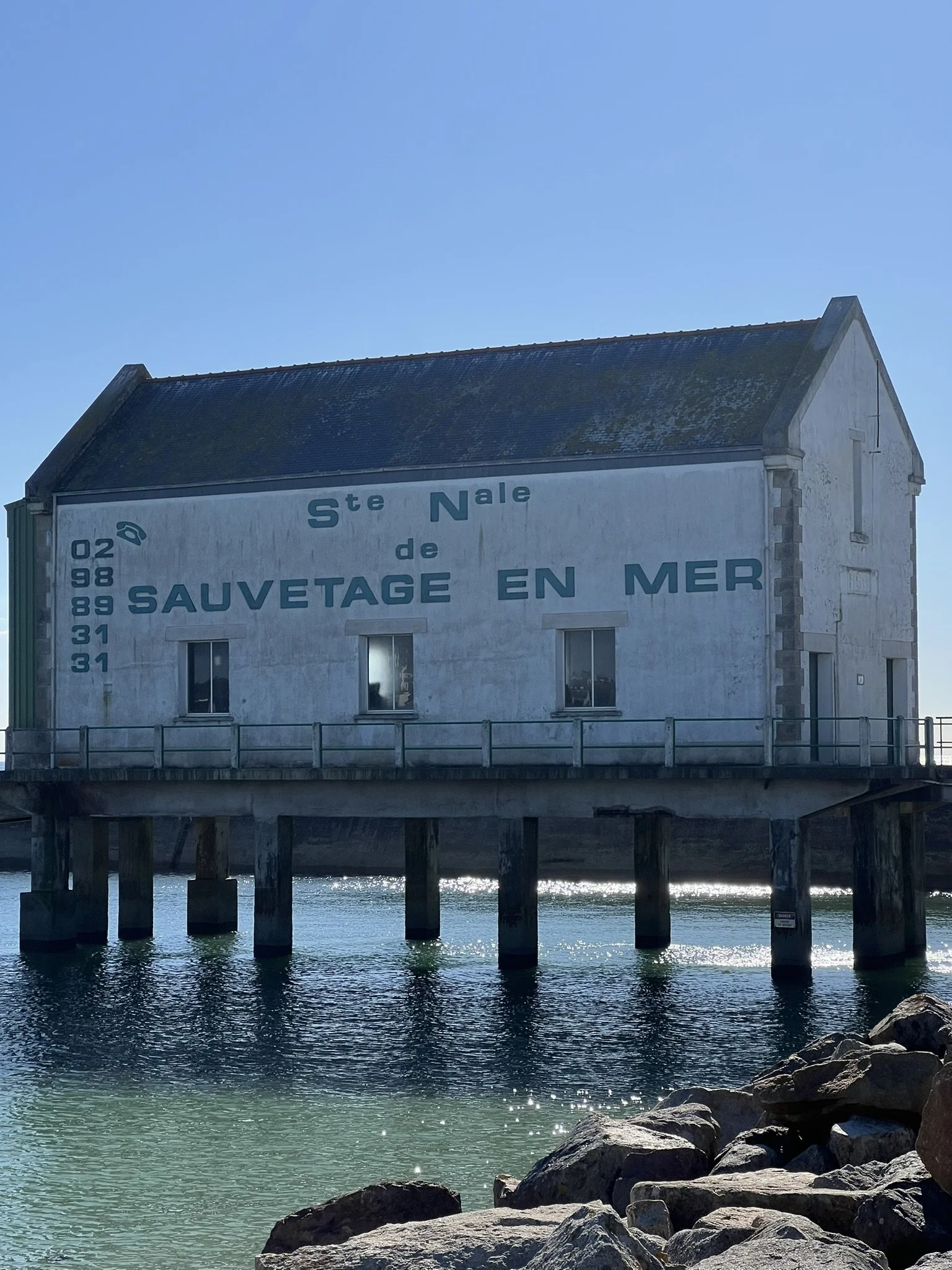
Arriving in Audierne, once again, we found ourselves waiting for a storm to pass – but this time, it was a big one. Storm Austen hit Brittany particularly hard, causing damage in several places across the region. Thankfully, Audierne is very well protected, and we experienced "only" 40 knots of wind in the harbour, while gusts of up to 70 knots (130 km/h) were reported out at sea.
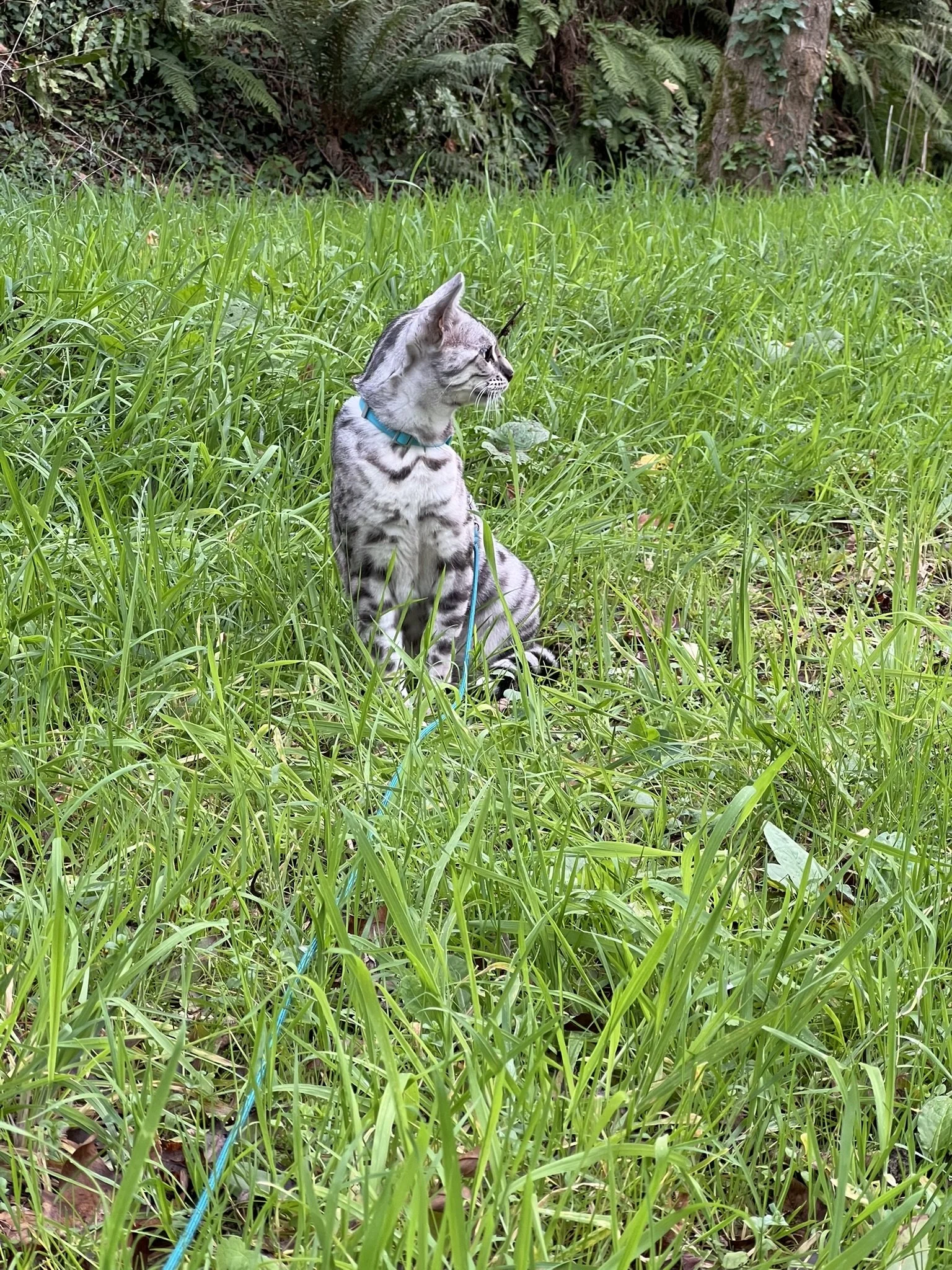
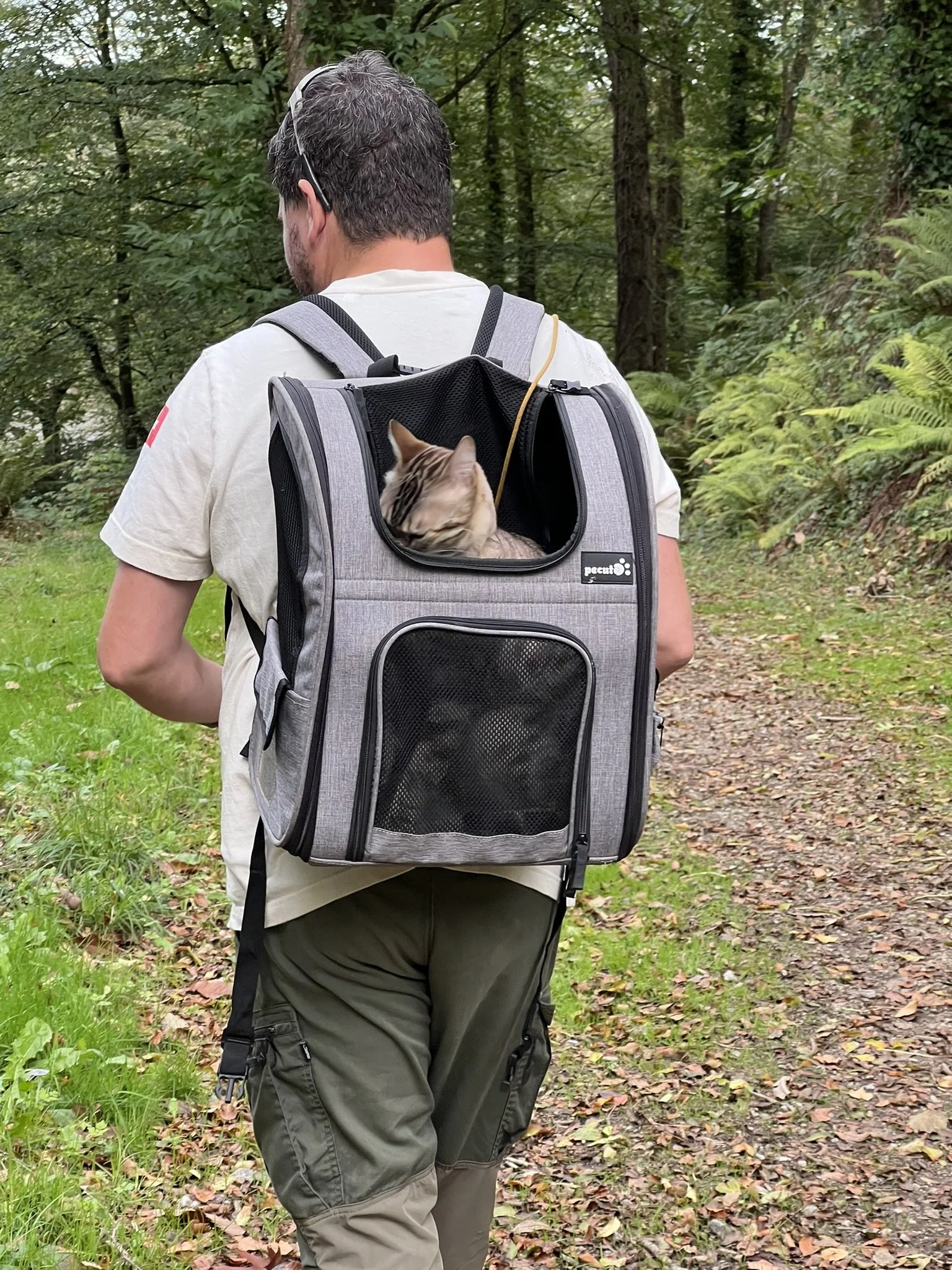
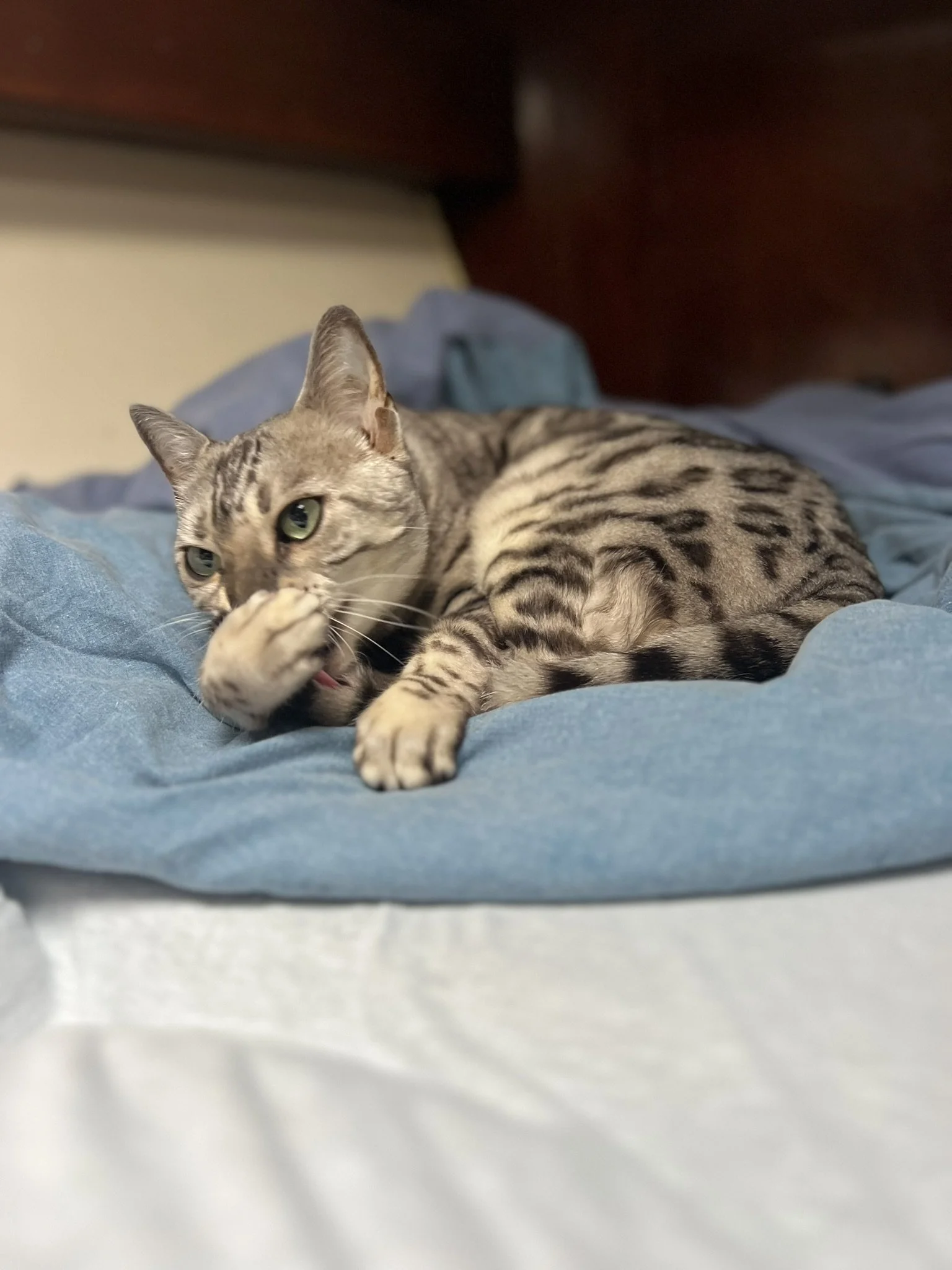
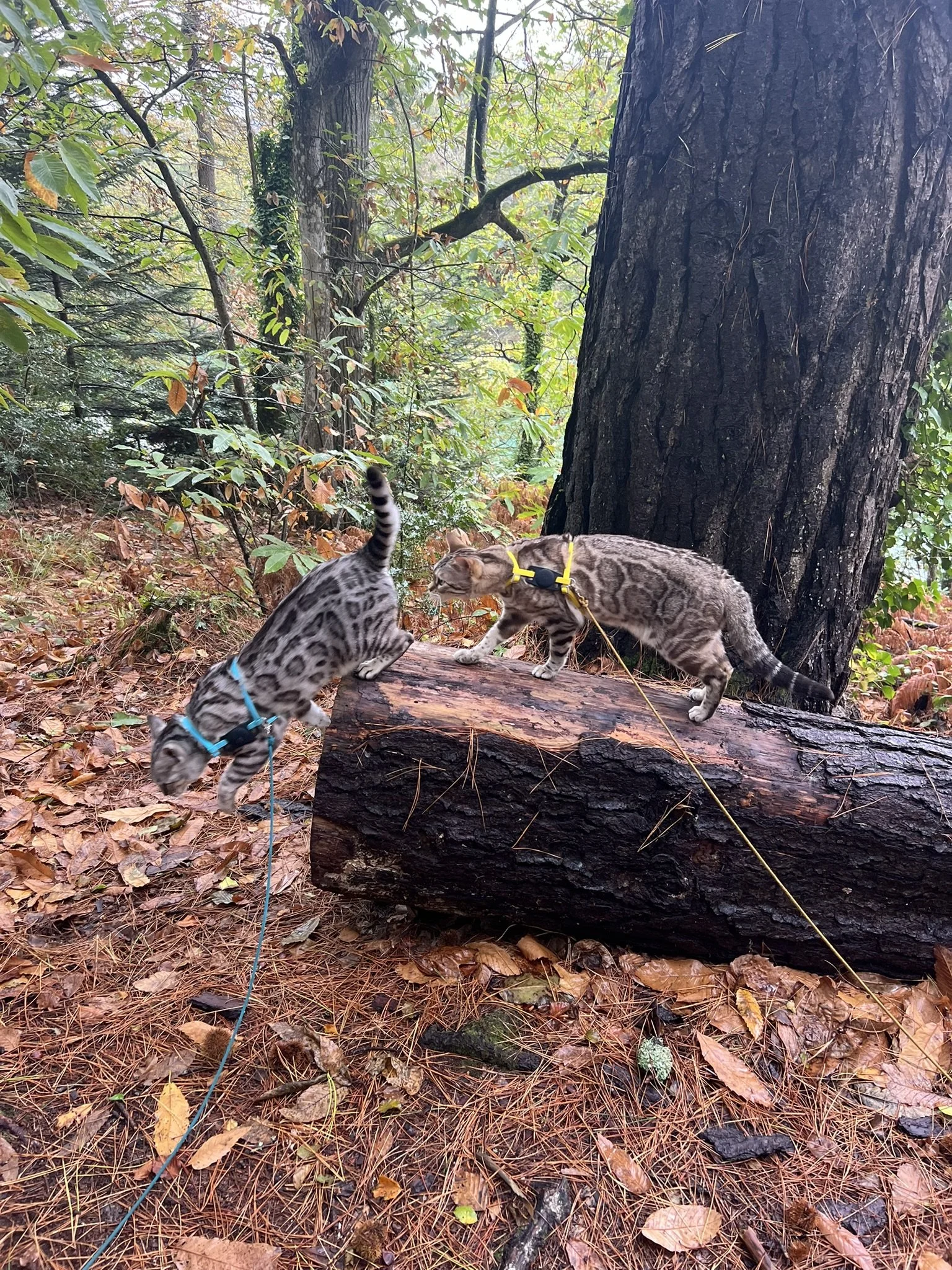
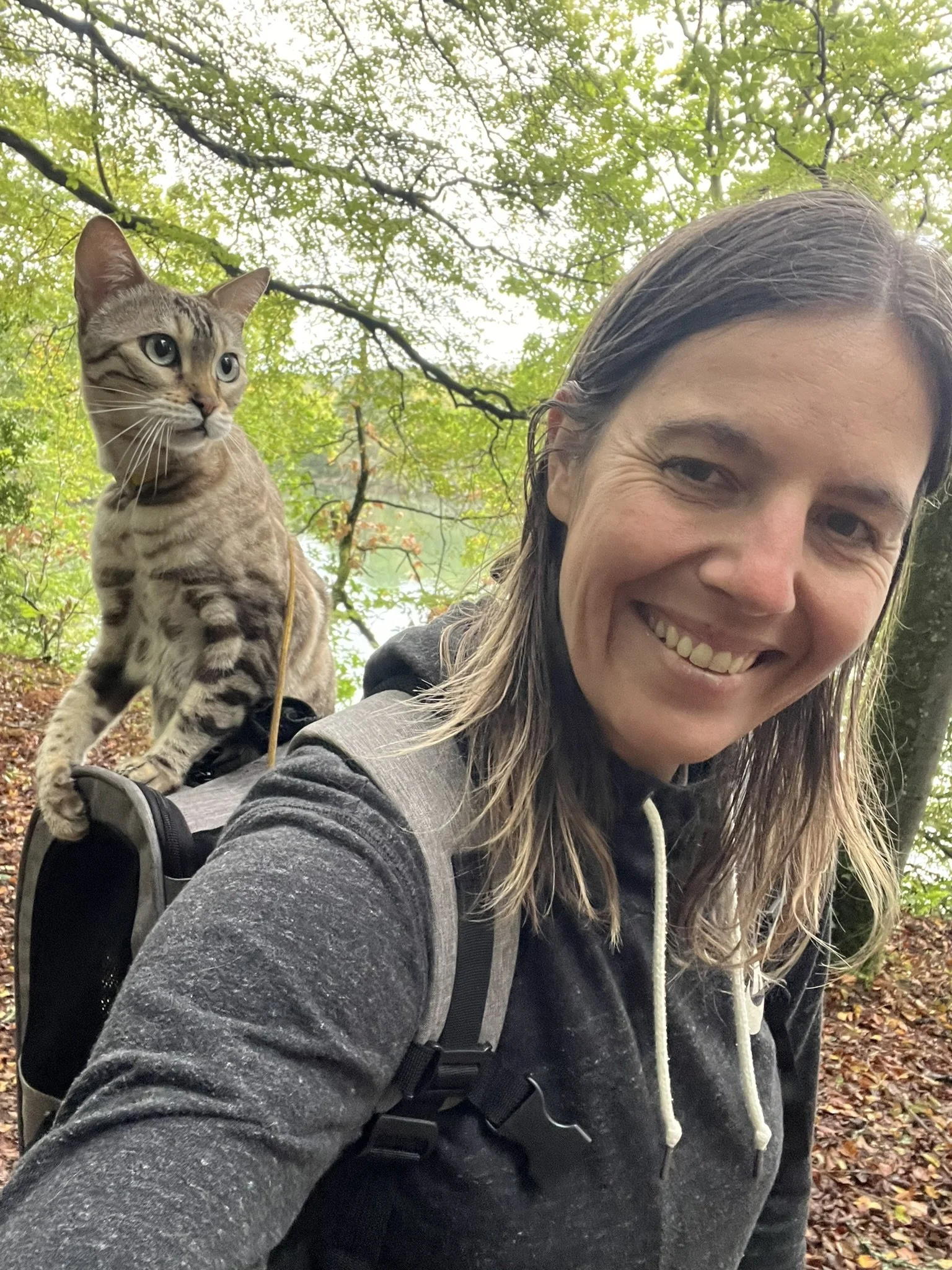
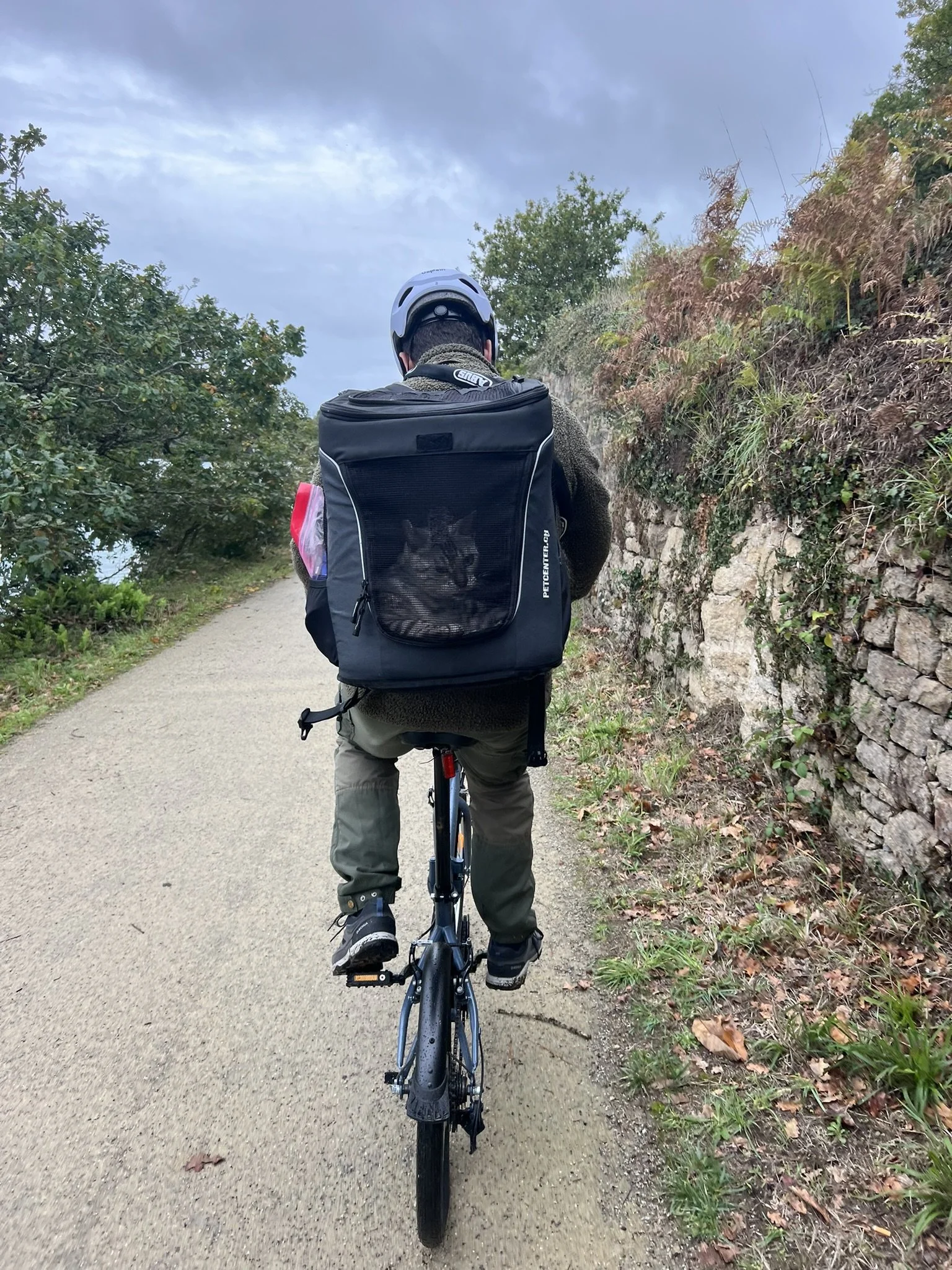
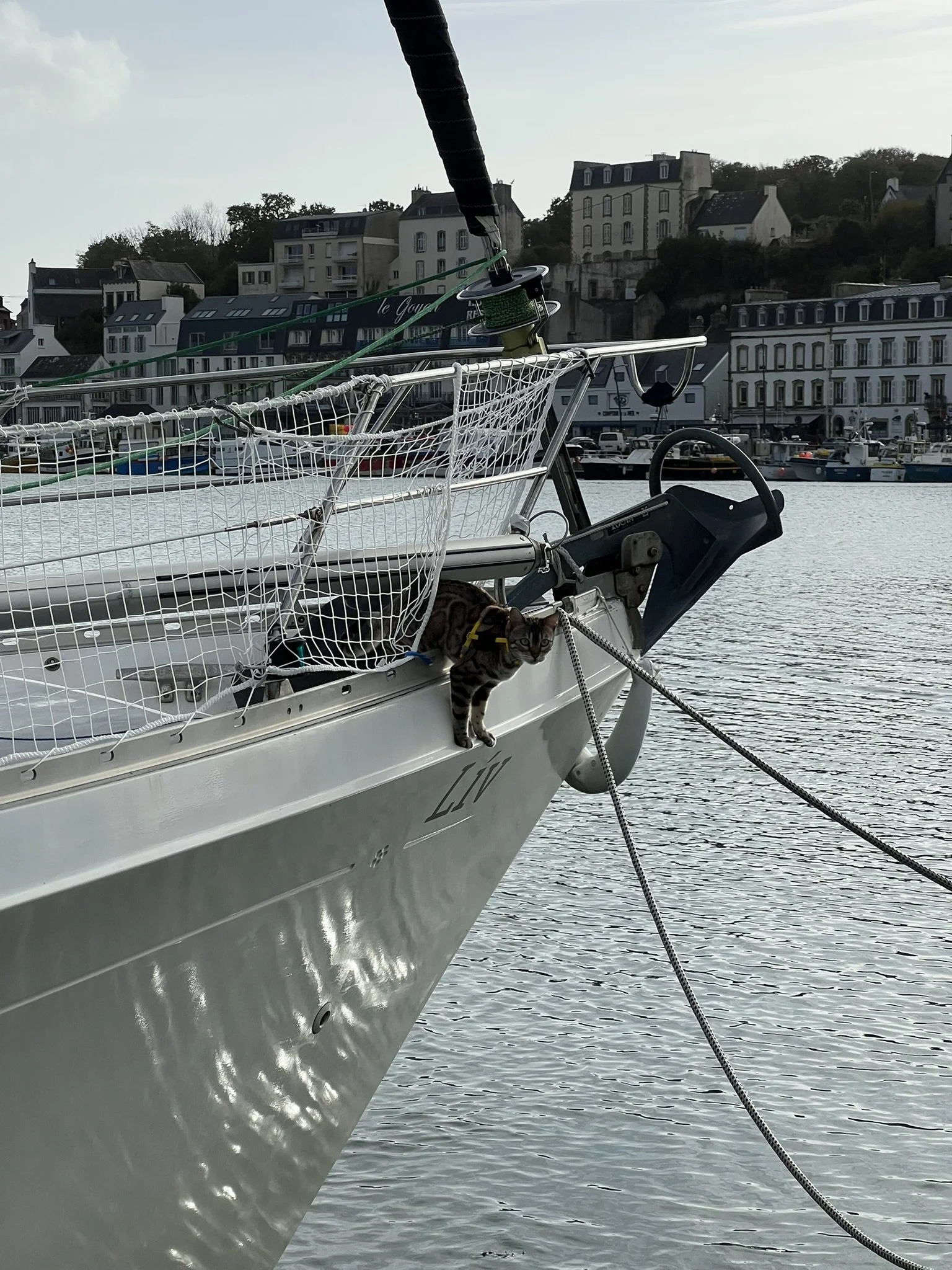
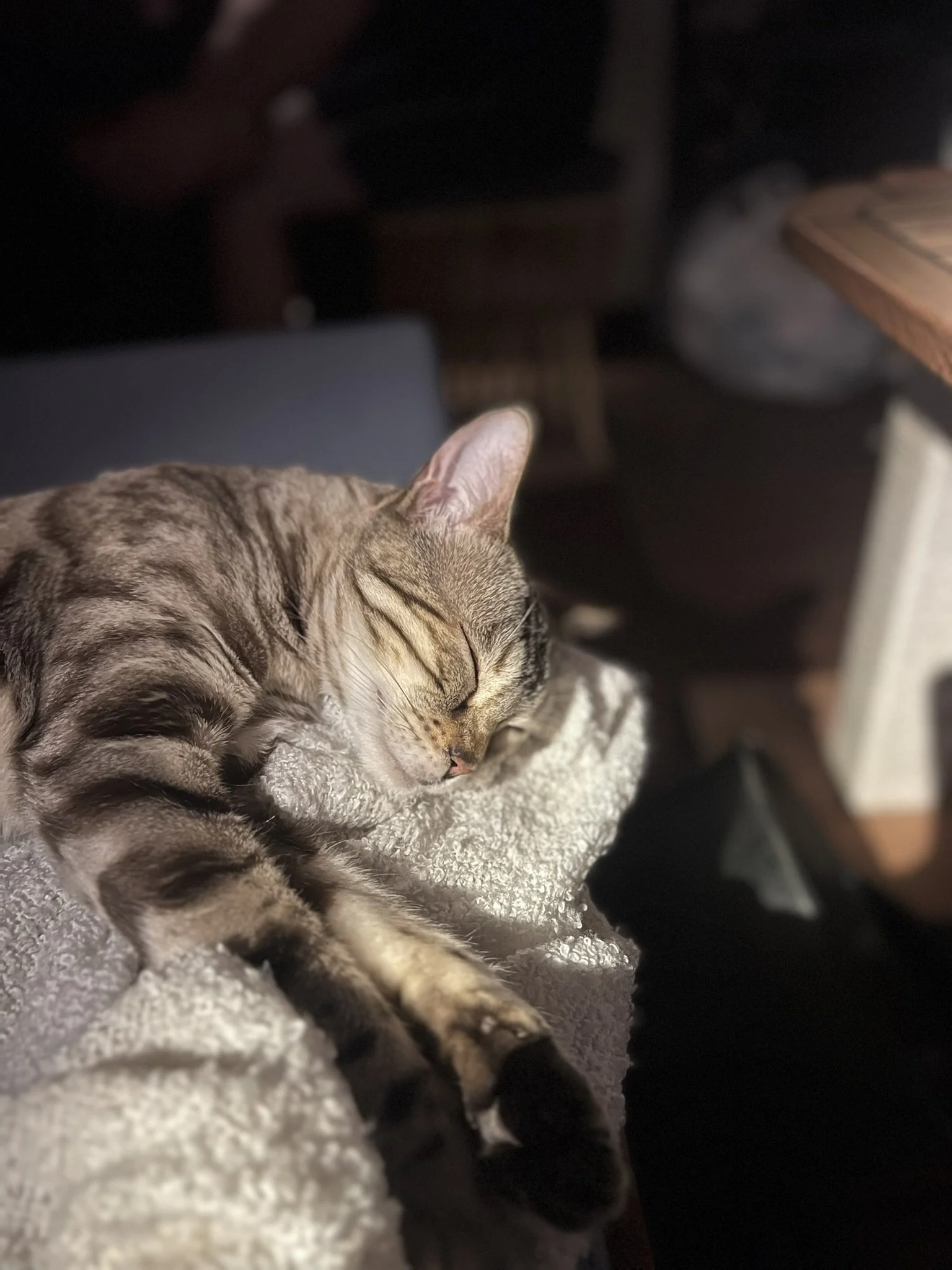
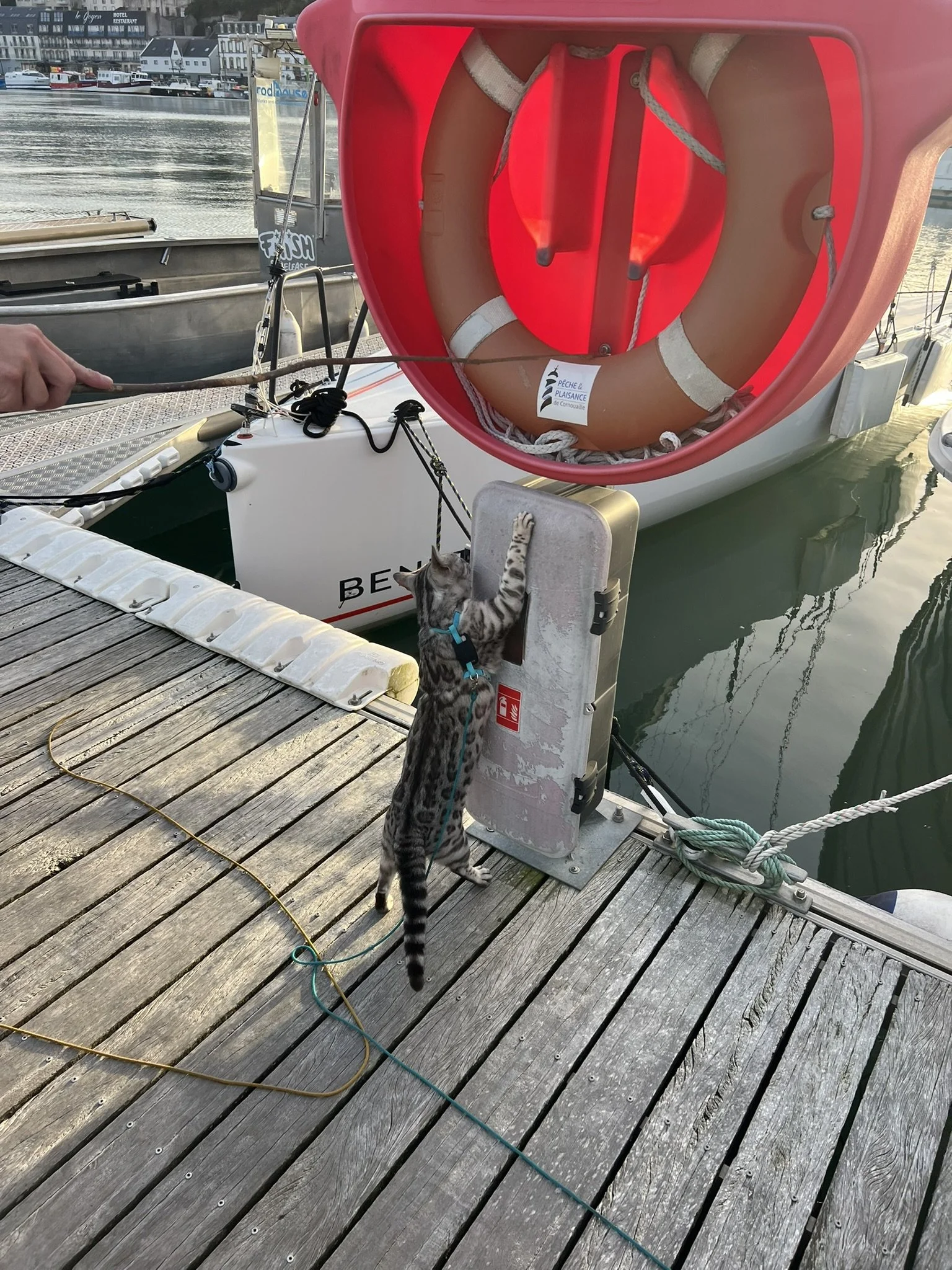
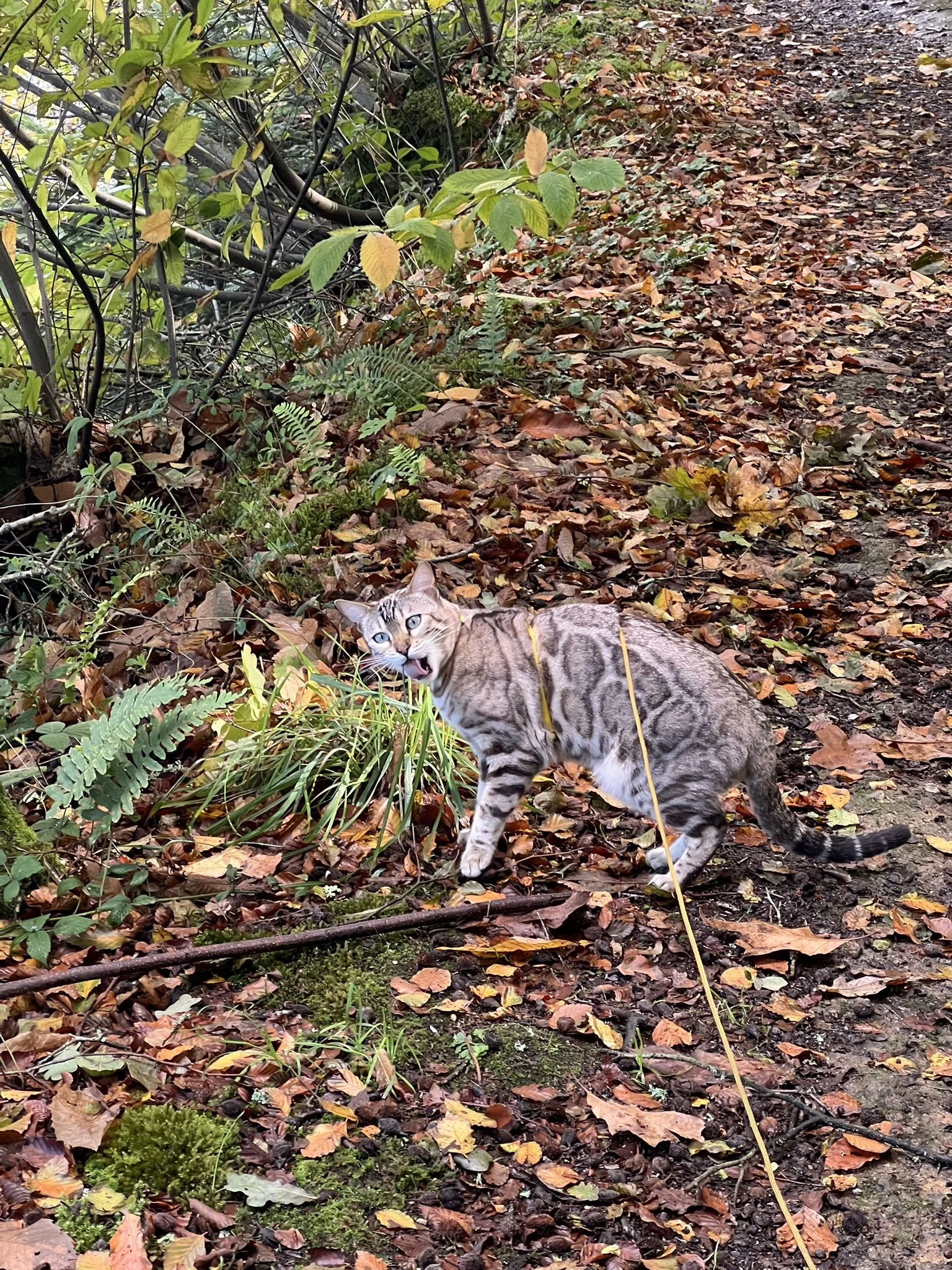
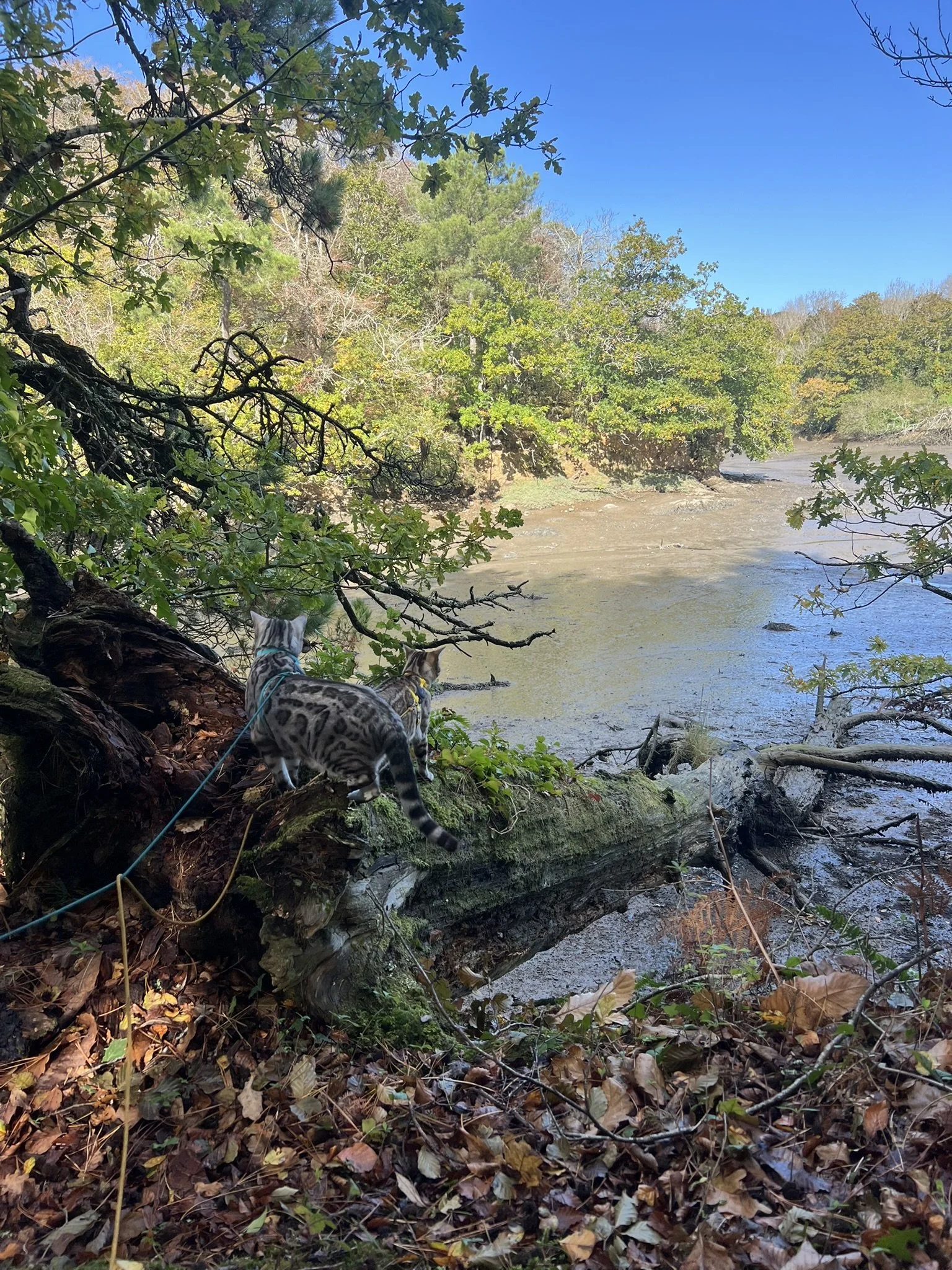
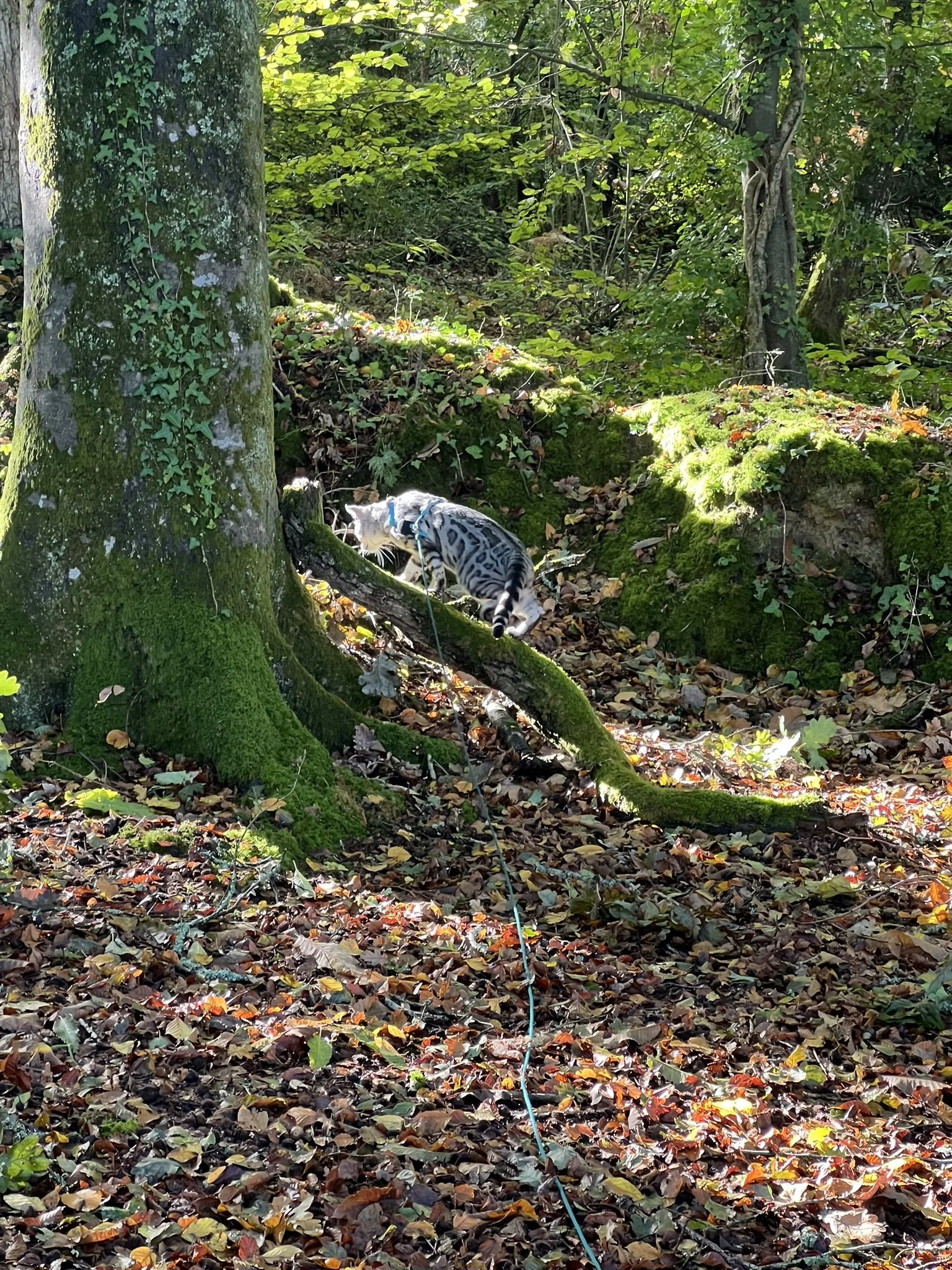
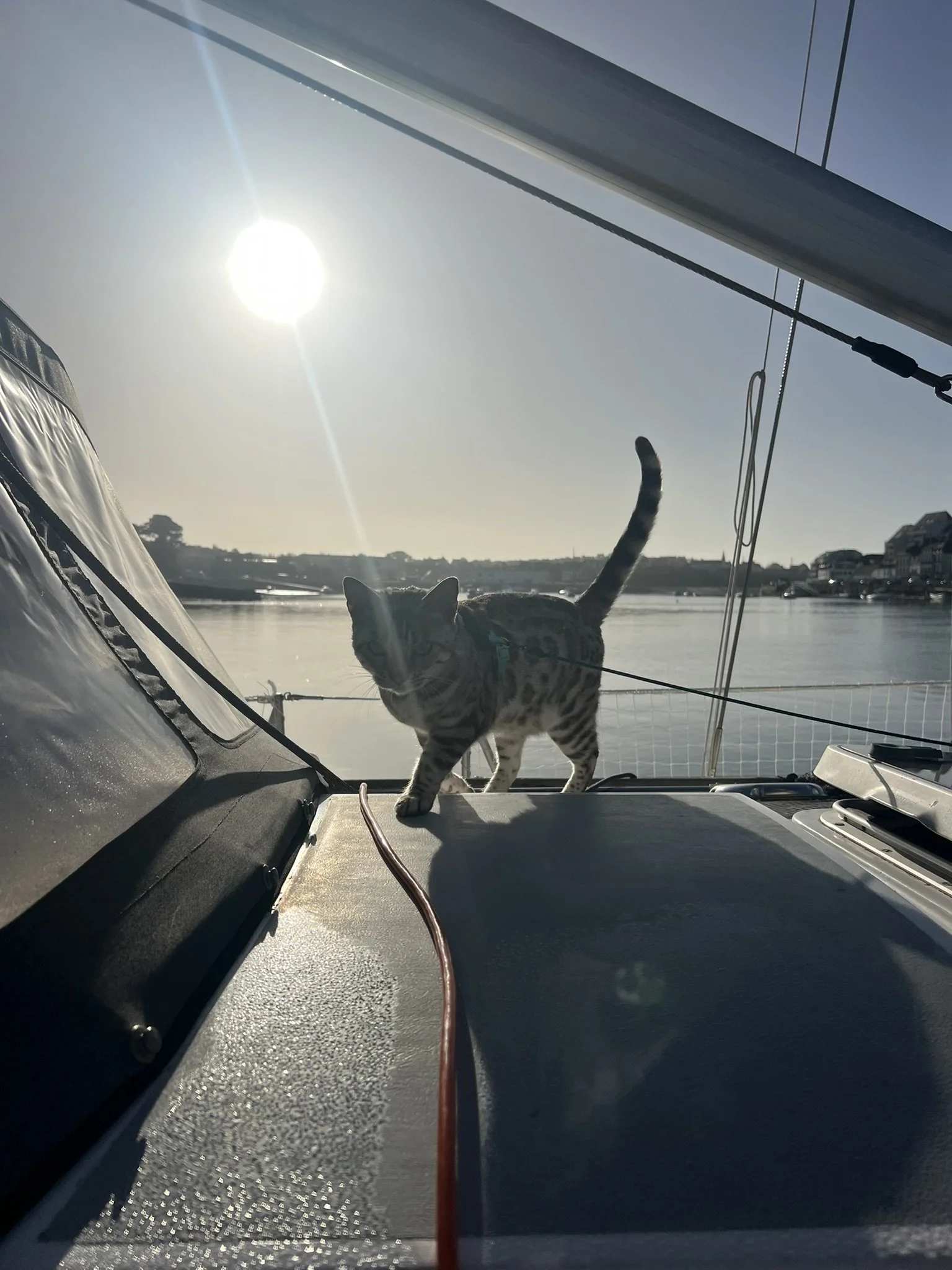
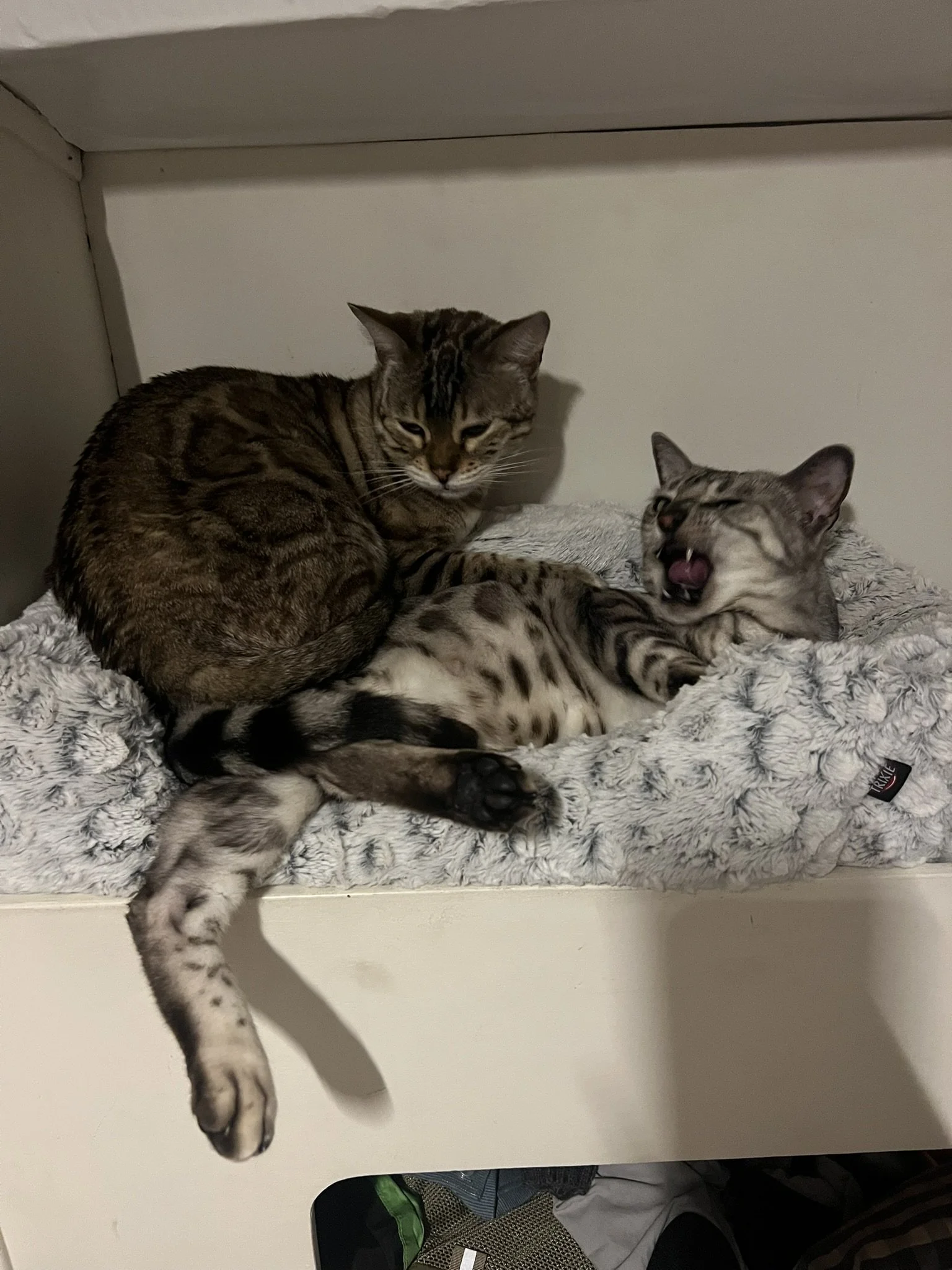
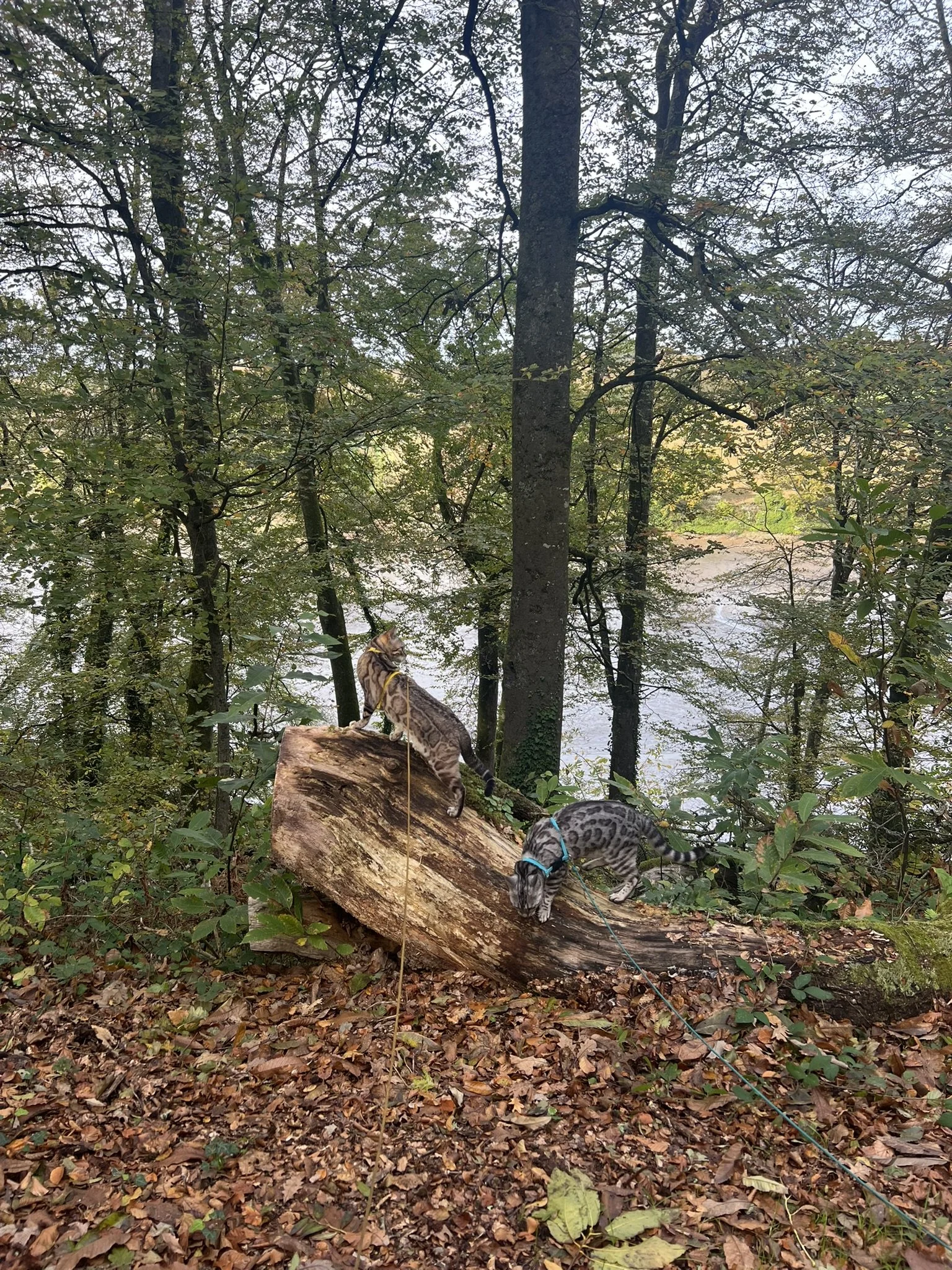
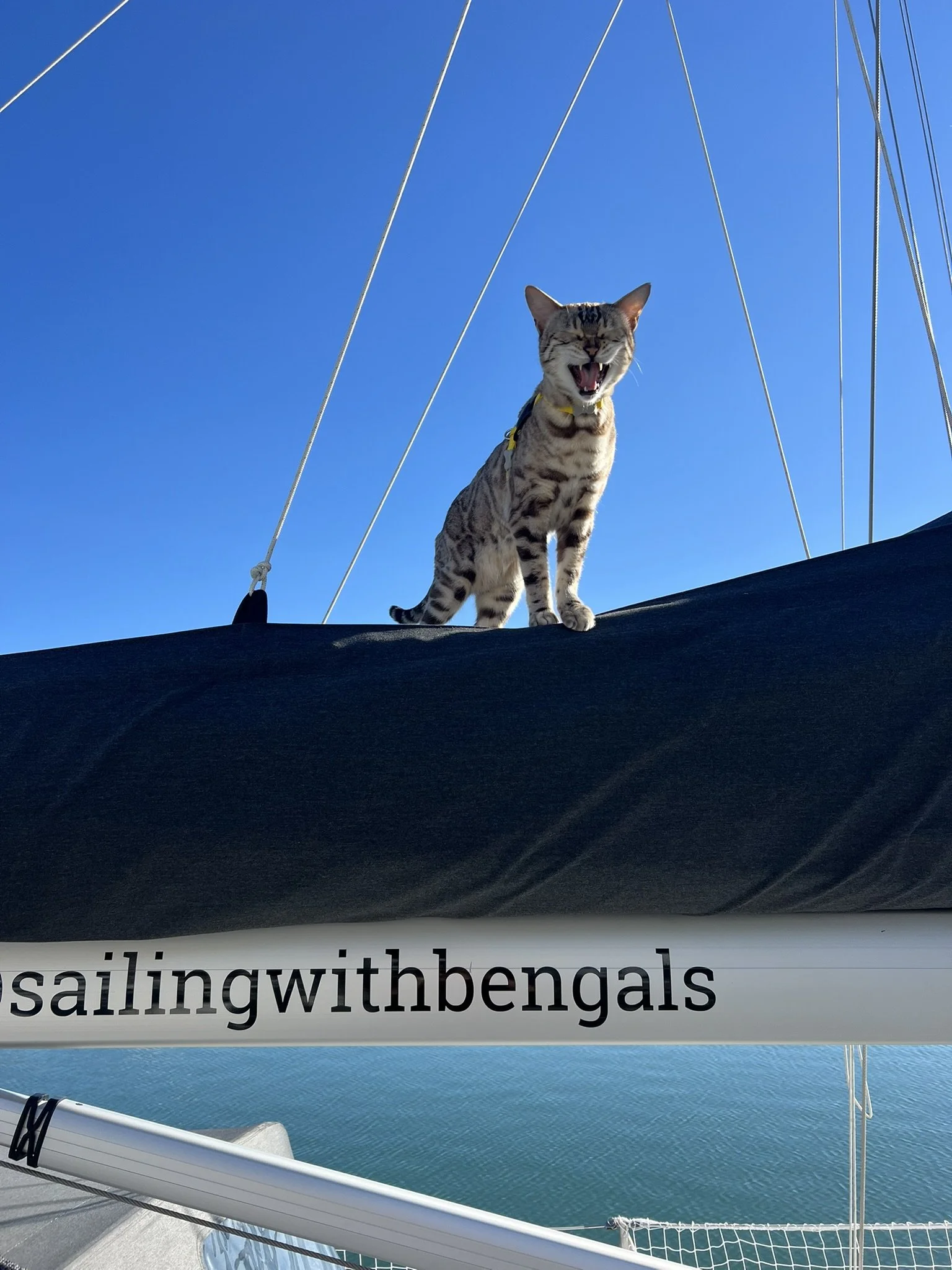
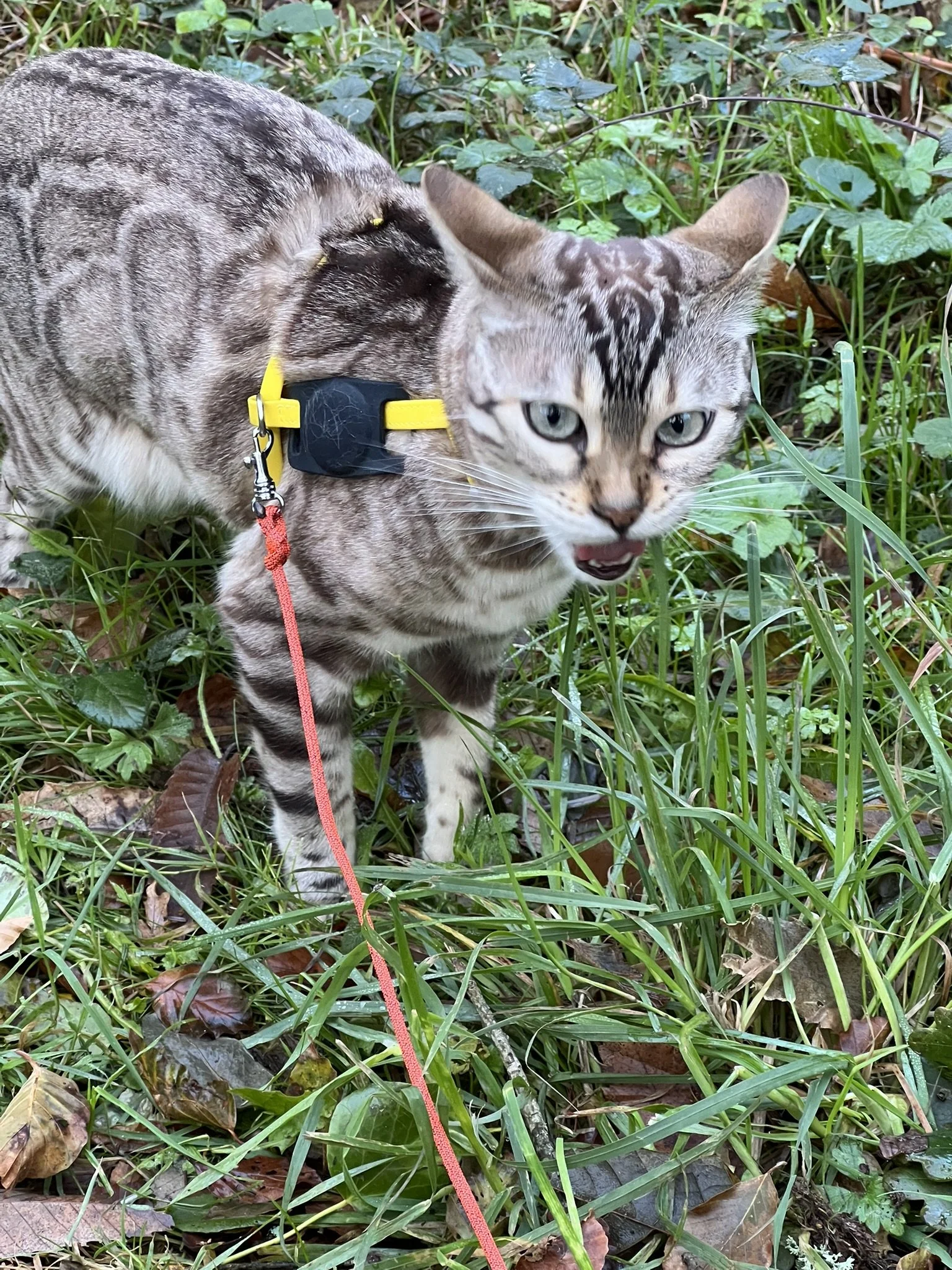
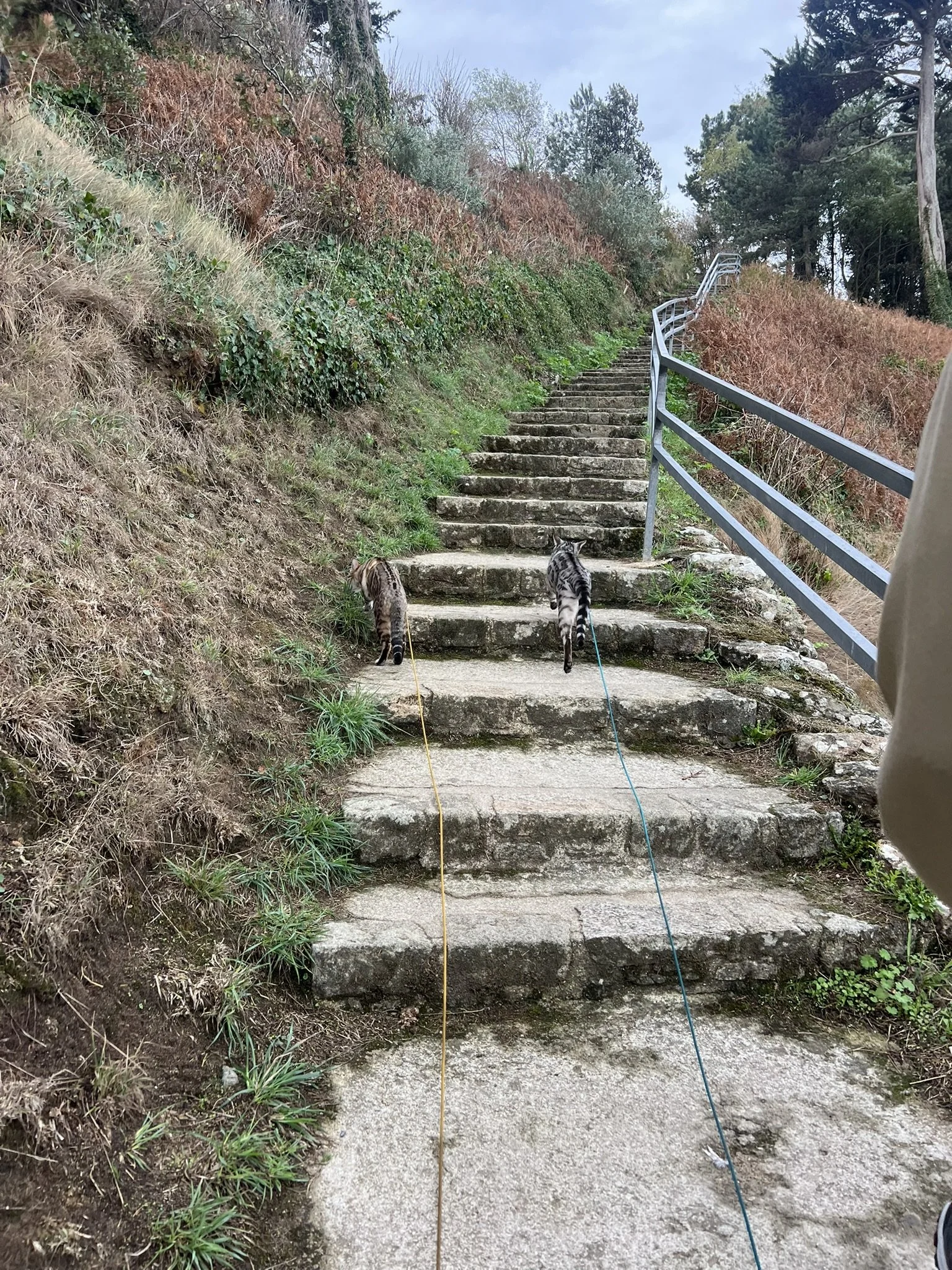
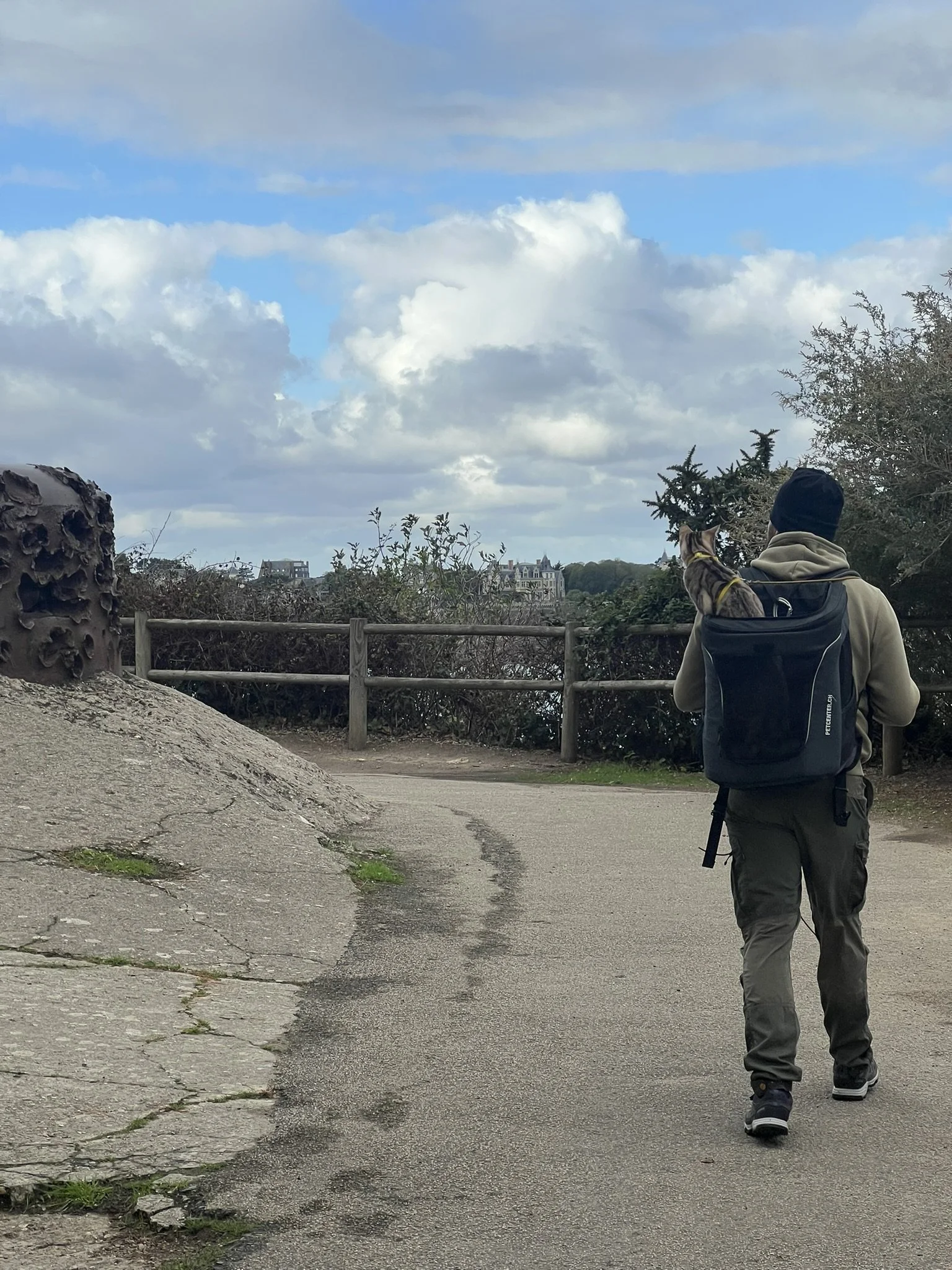
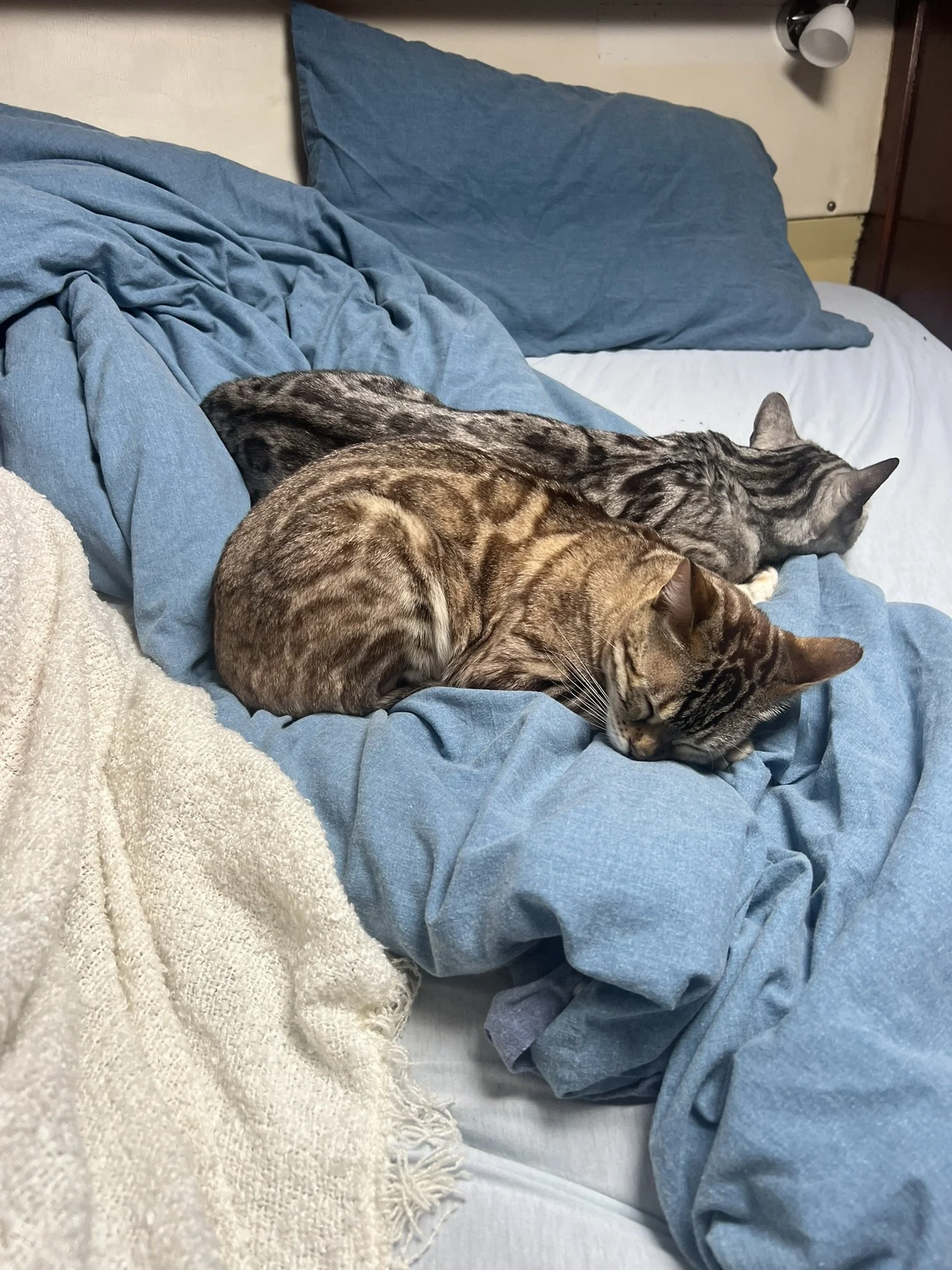
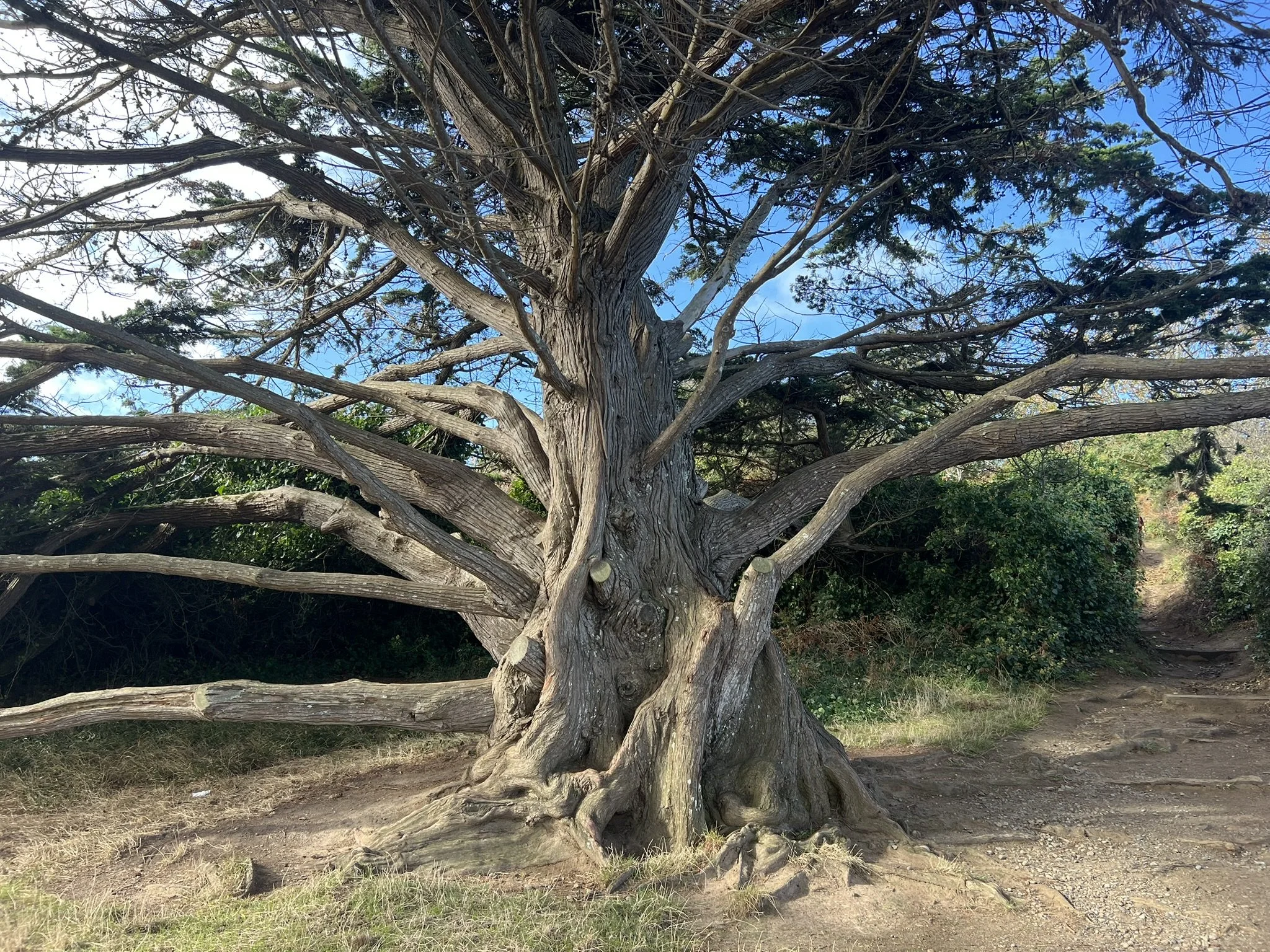
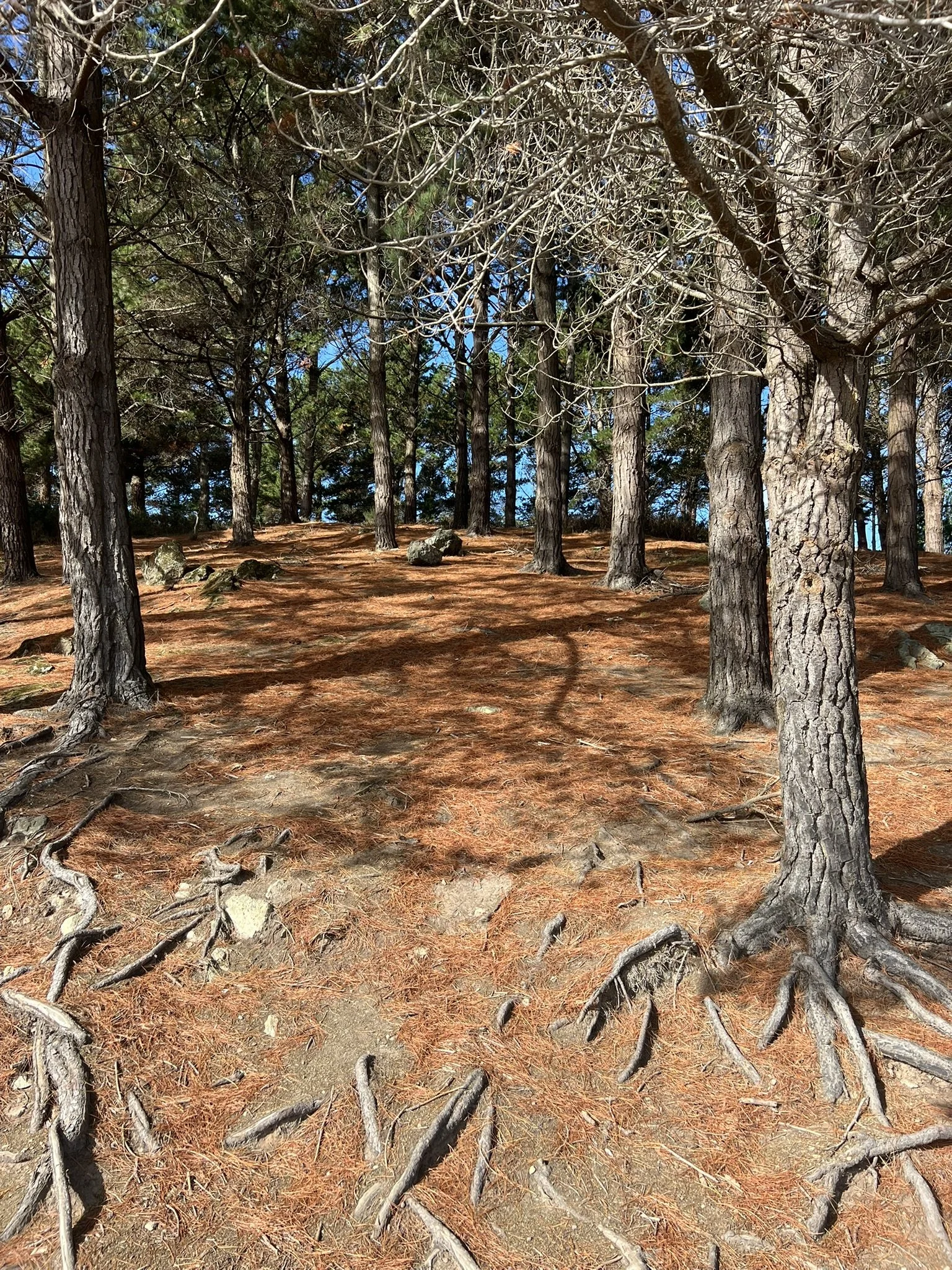
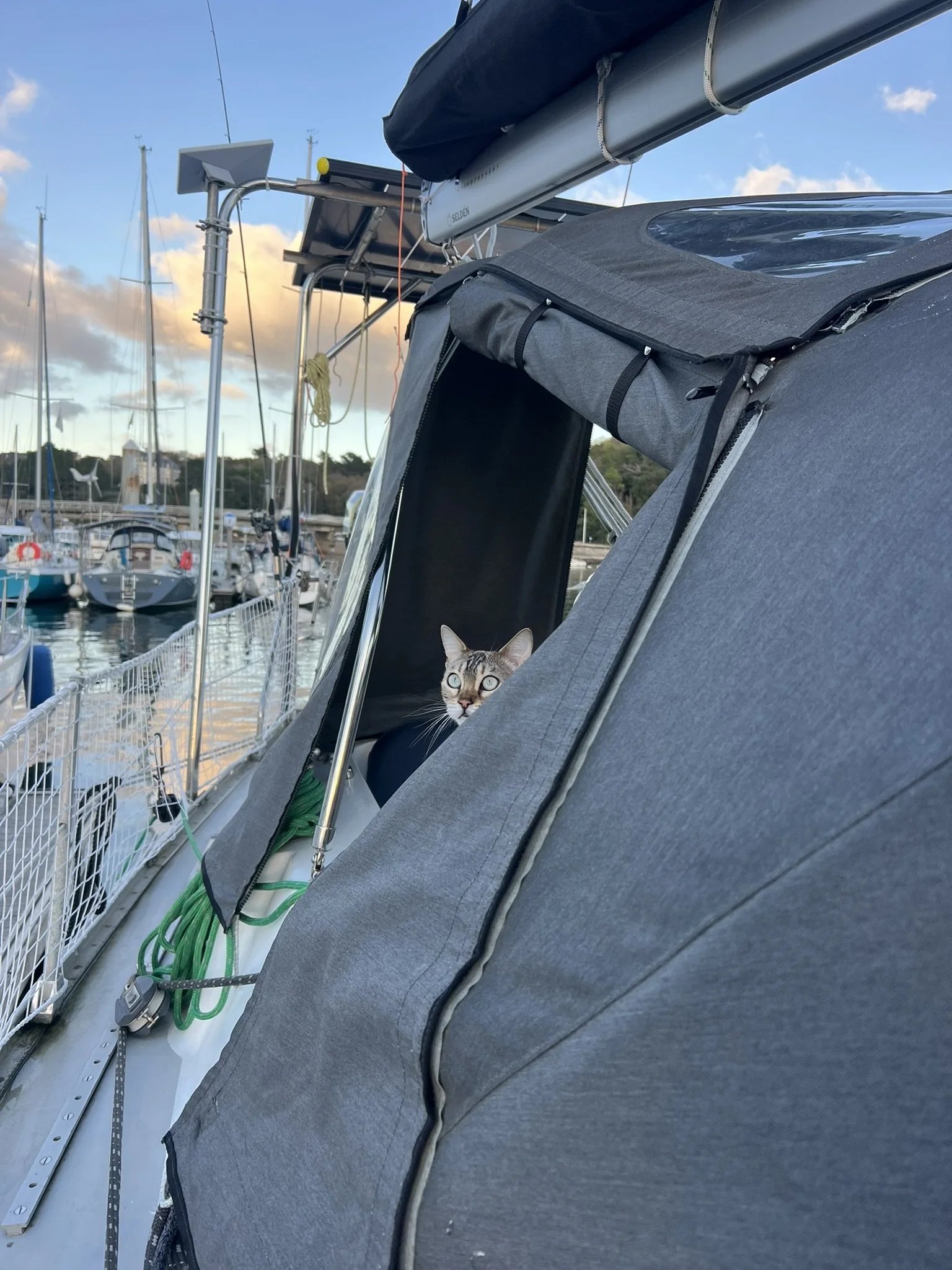
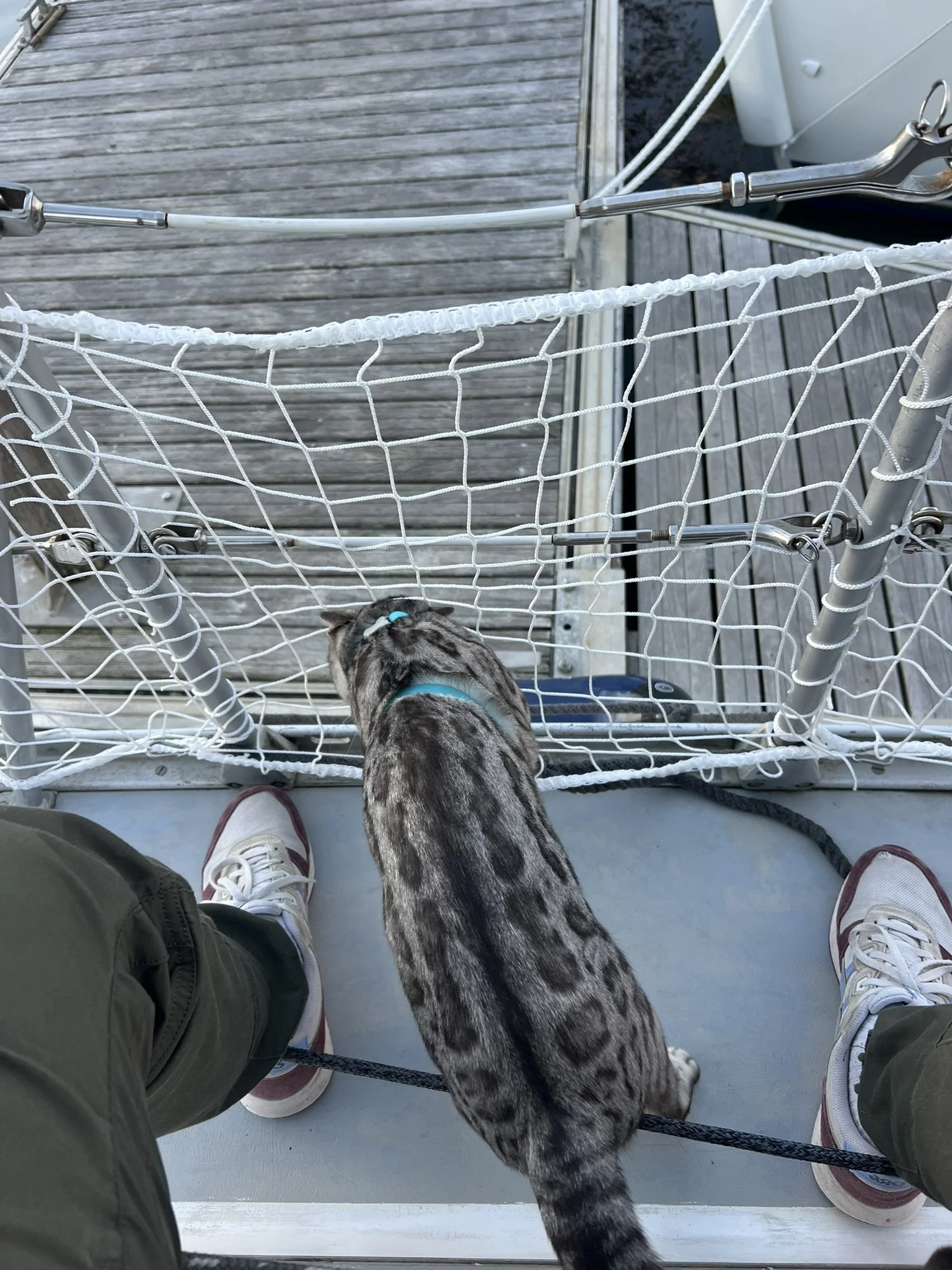
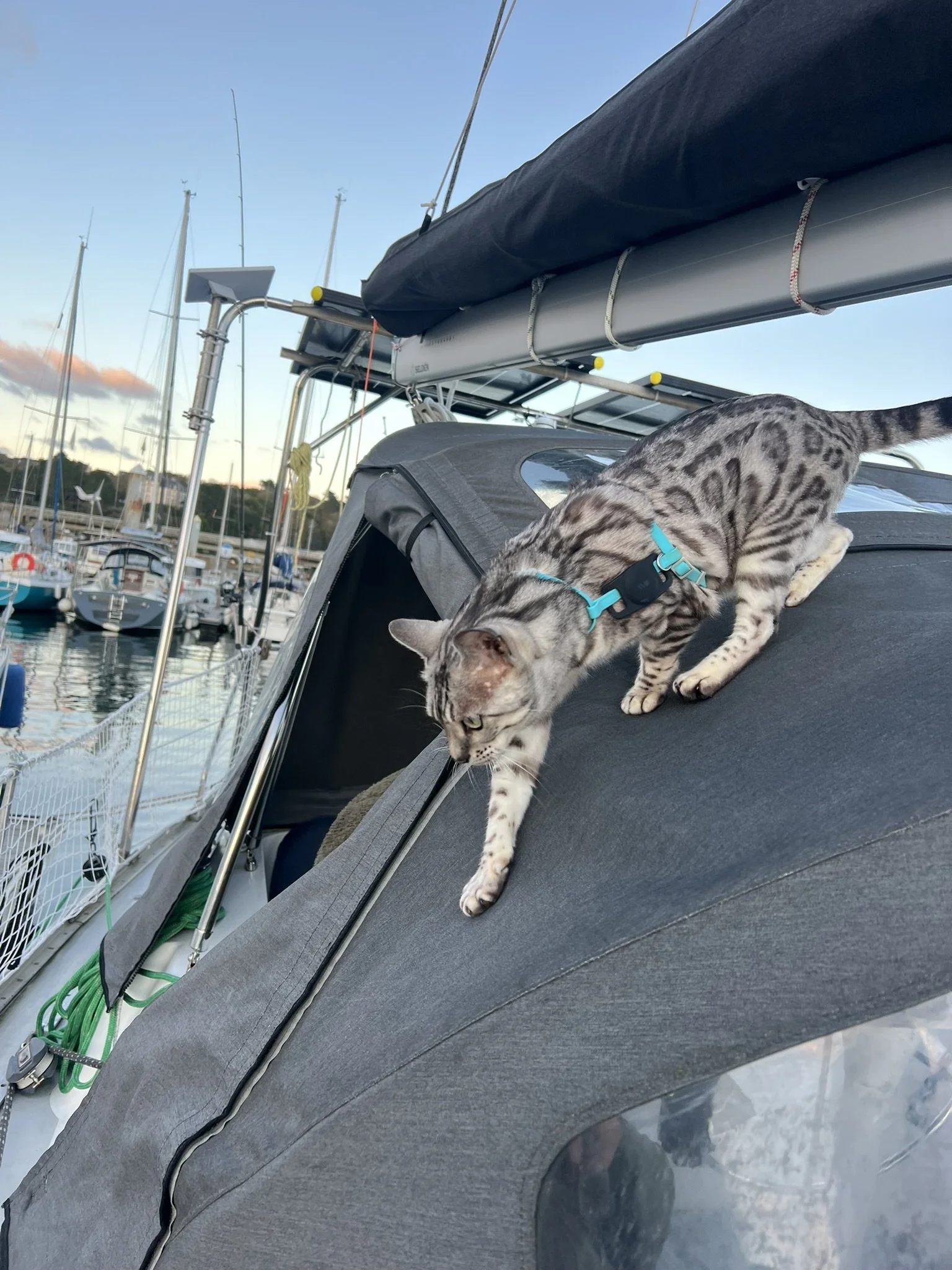
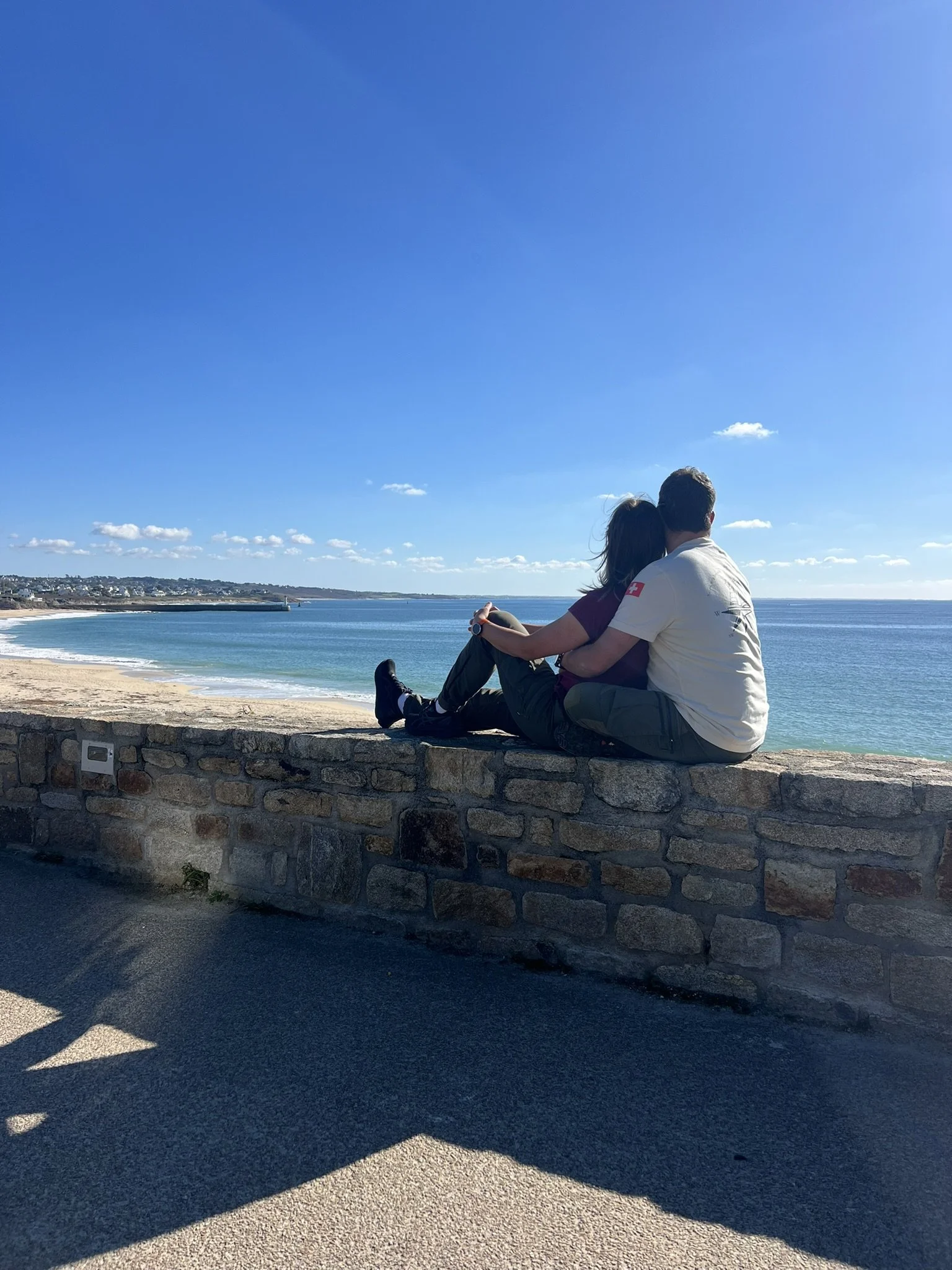
Even after the storm had passed, we still had to wait quite a while for a suitable weather window to cross the Bay of Biscay. We made the most of our time in Audierne, enjoying the slower days and, in particular, the nearby forest. It was the perfect place to take the cats for walks and let them burn off some energy.
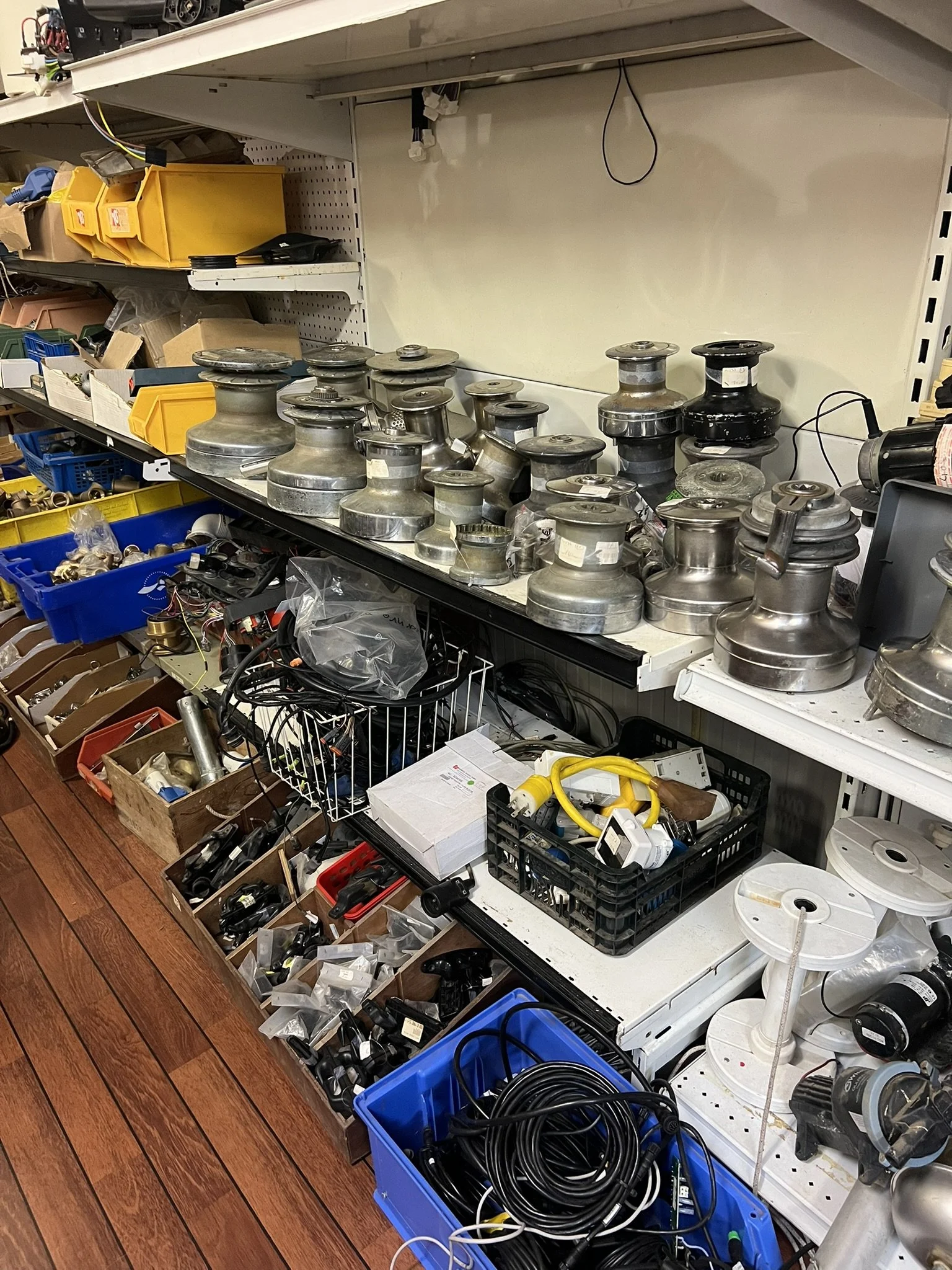
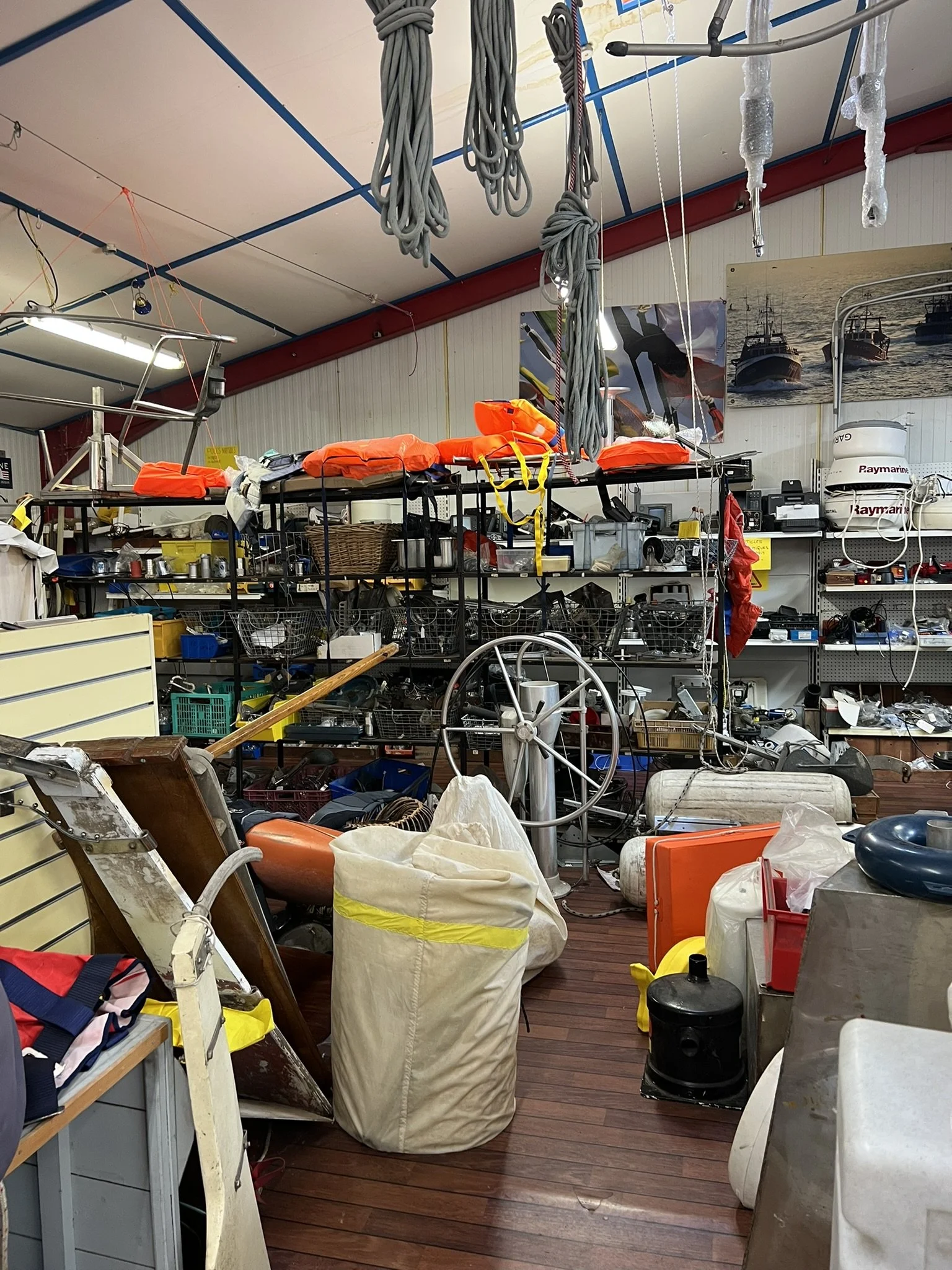
There was just one thing that kept annoying us: we had ordered a package containing boat parts for our planned battery wiring upgrade, but UPS had managed to lose it. Not exactly what you want when you're waiting to get ready for a longer passage!
After almost two weeks, it was finally time to prepare for the crossing of the Bay of Biscay. The bay is famous for its rough winter conditions, but we were also entering an area where another concern had been making headlines in recent years: since 2020, a group of orcas has been interacting with sailboats, often targeting their rudders.
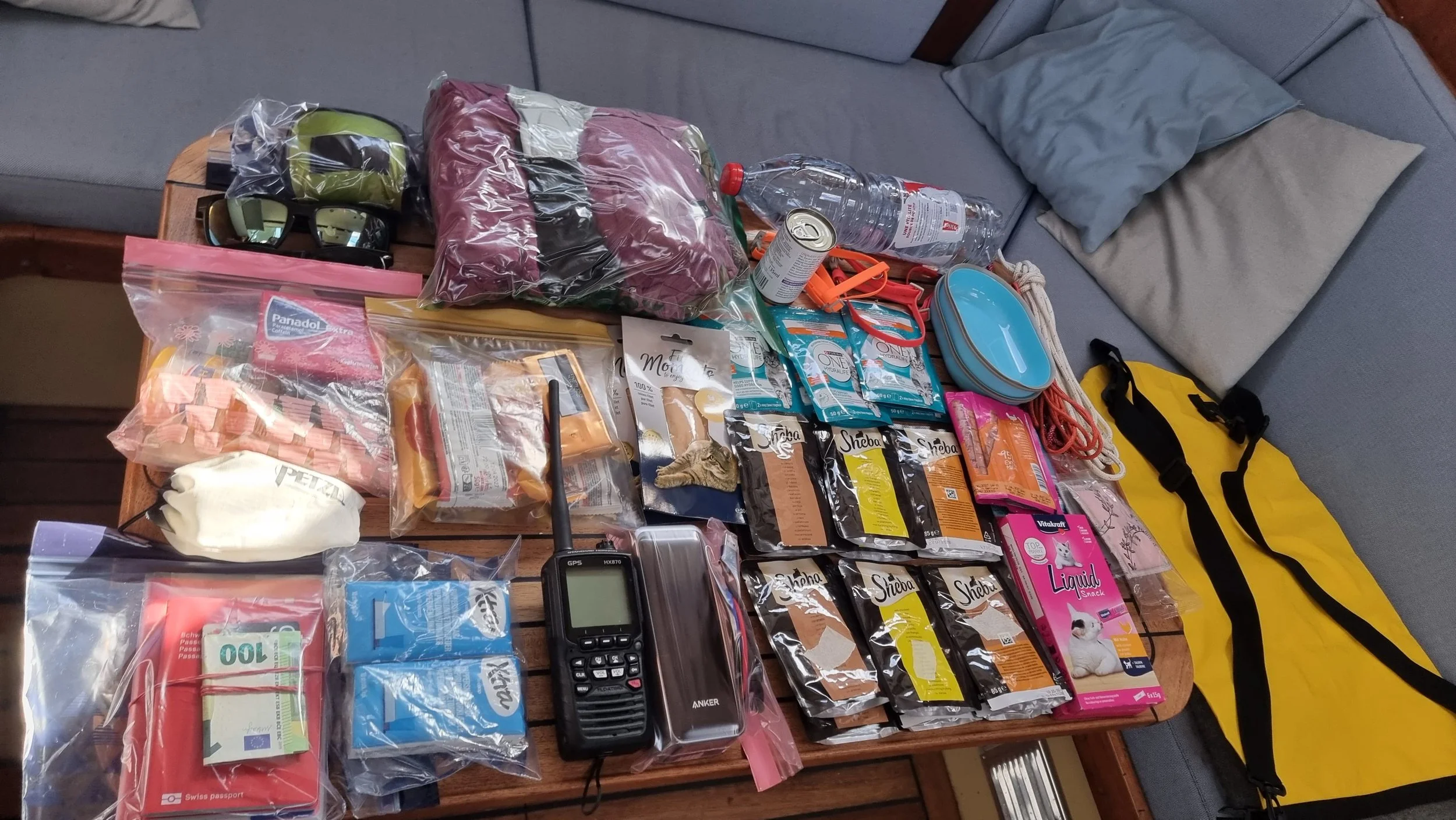
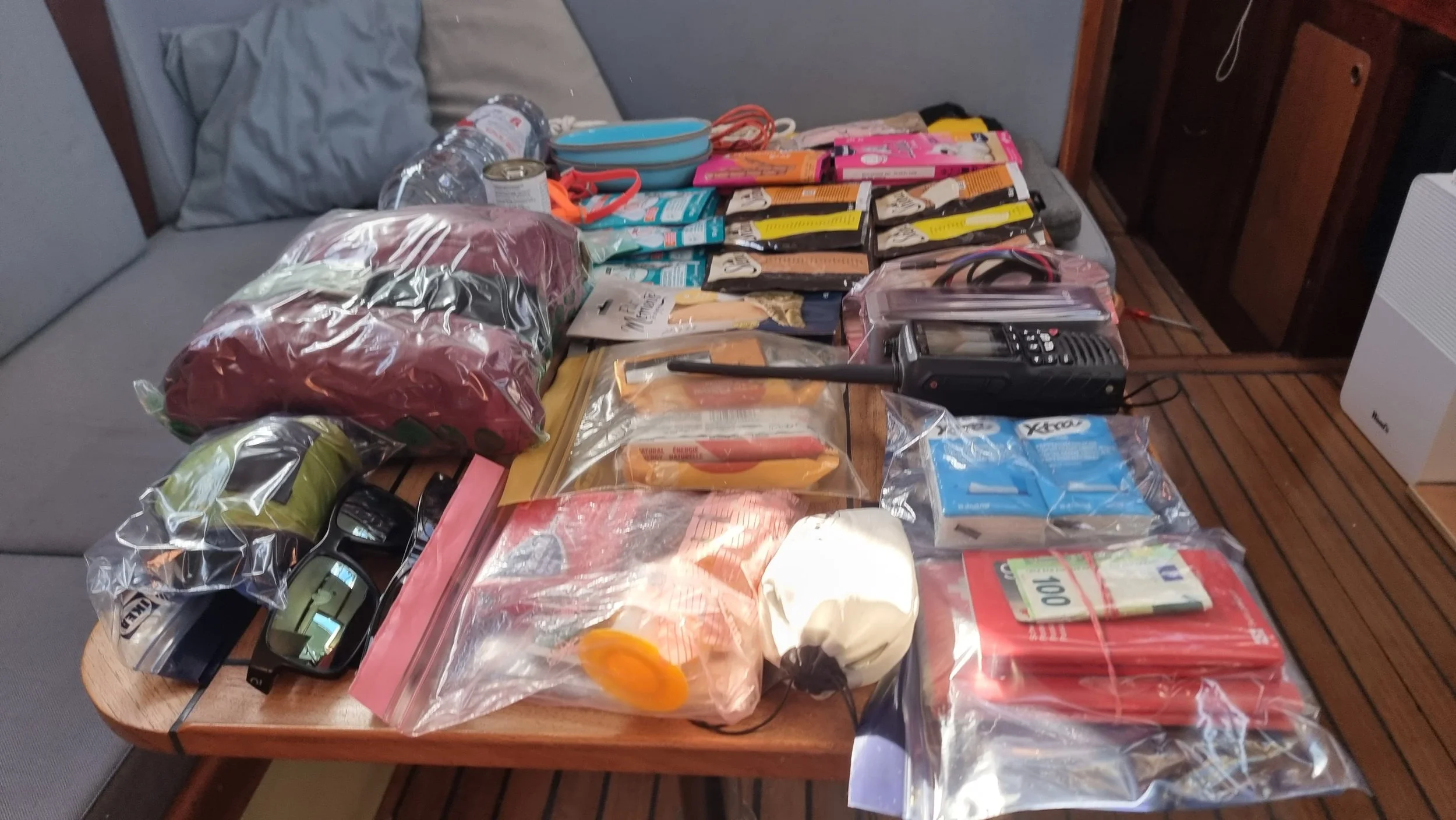
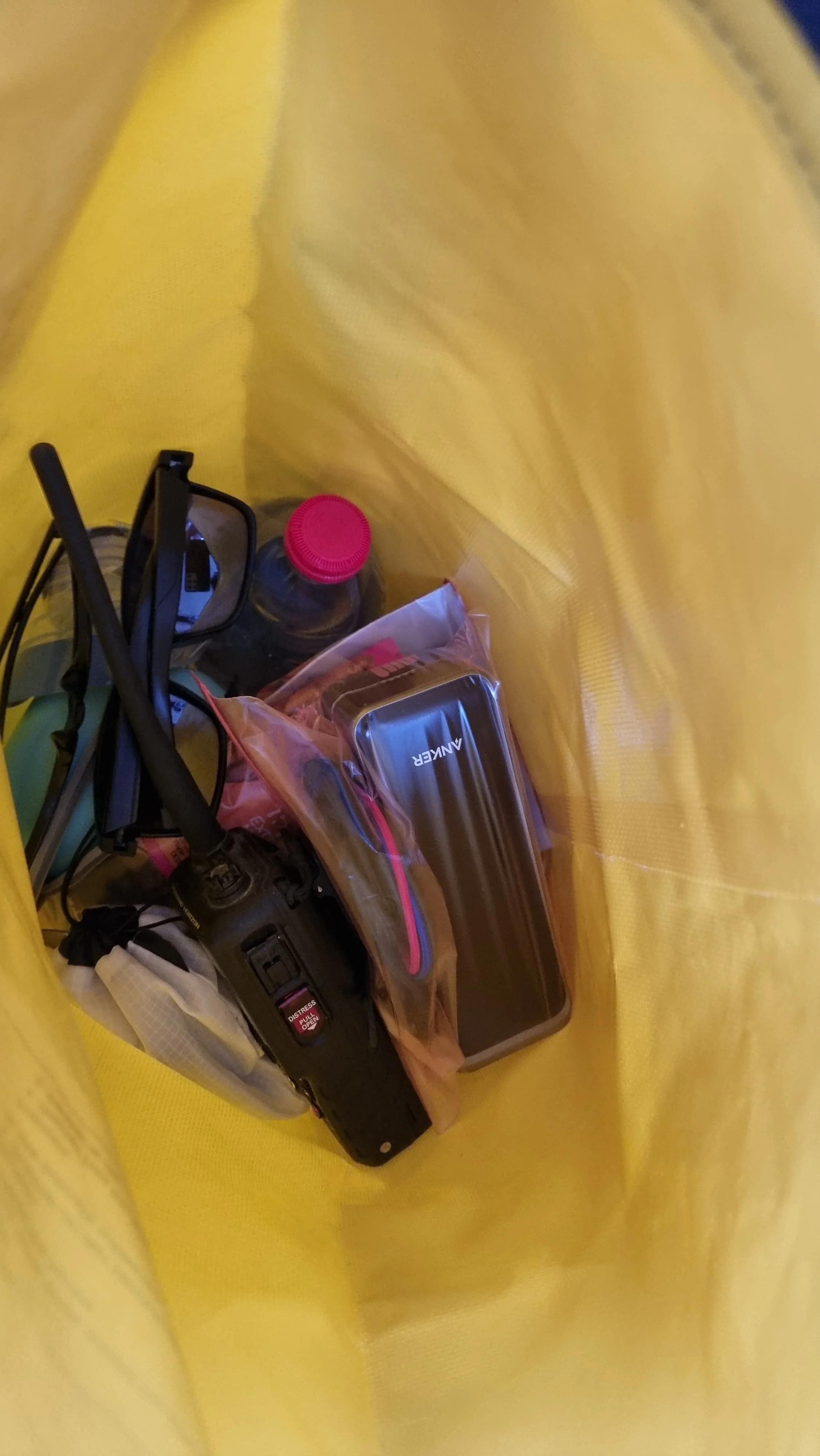
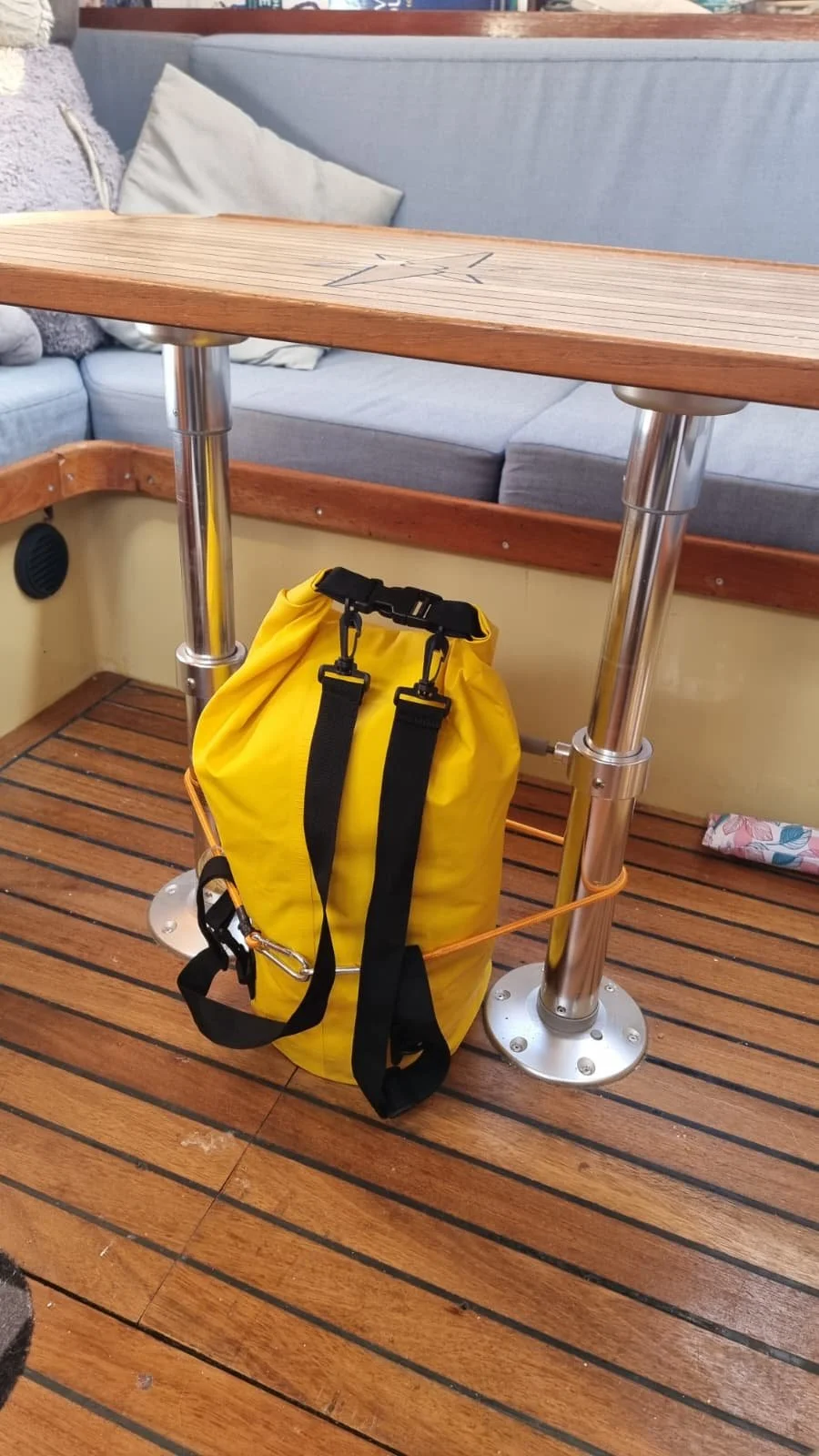
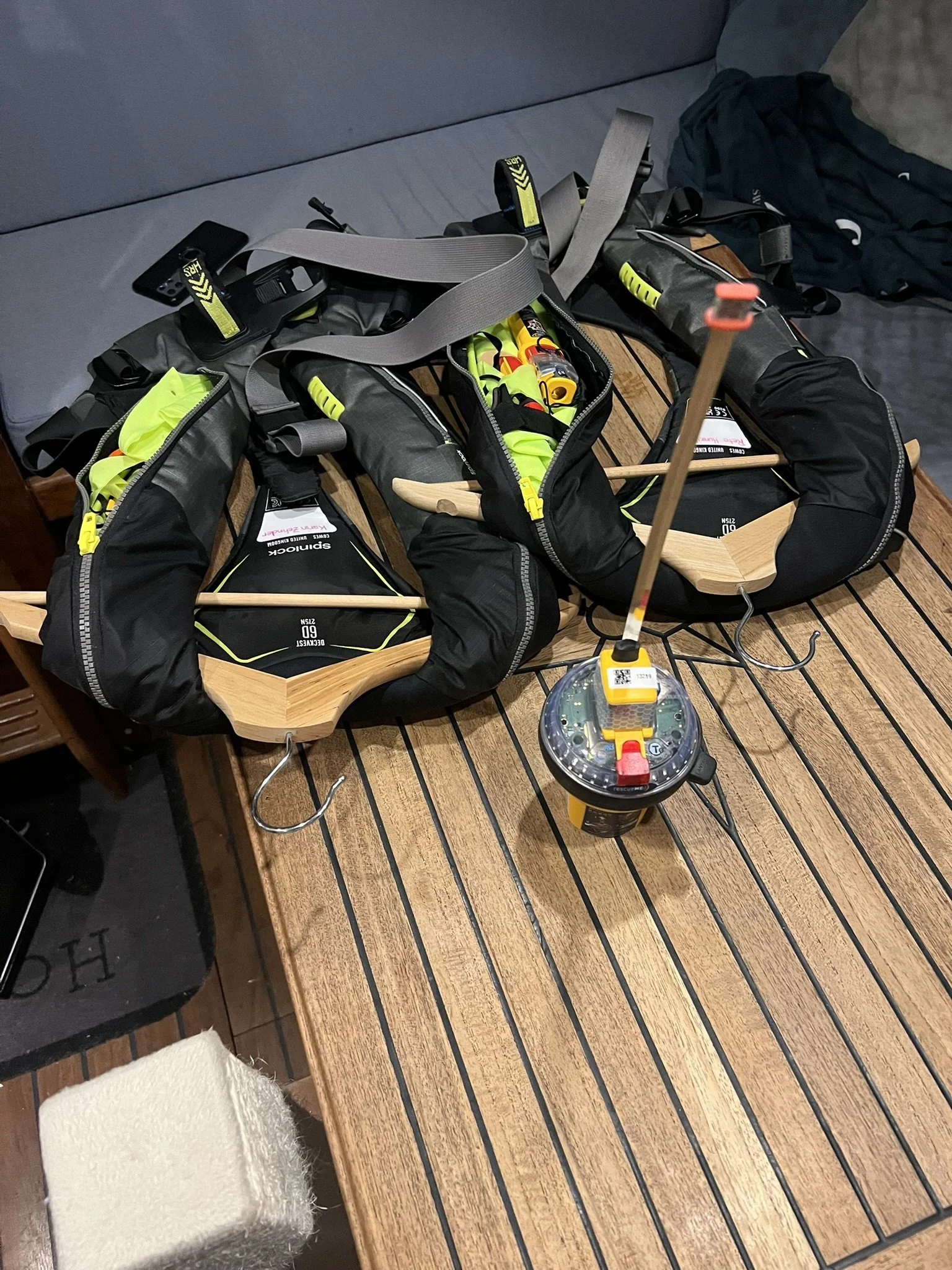
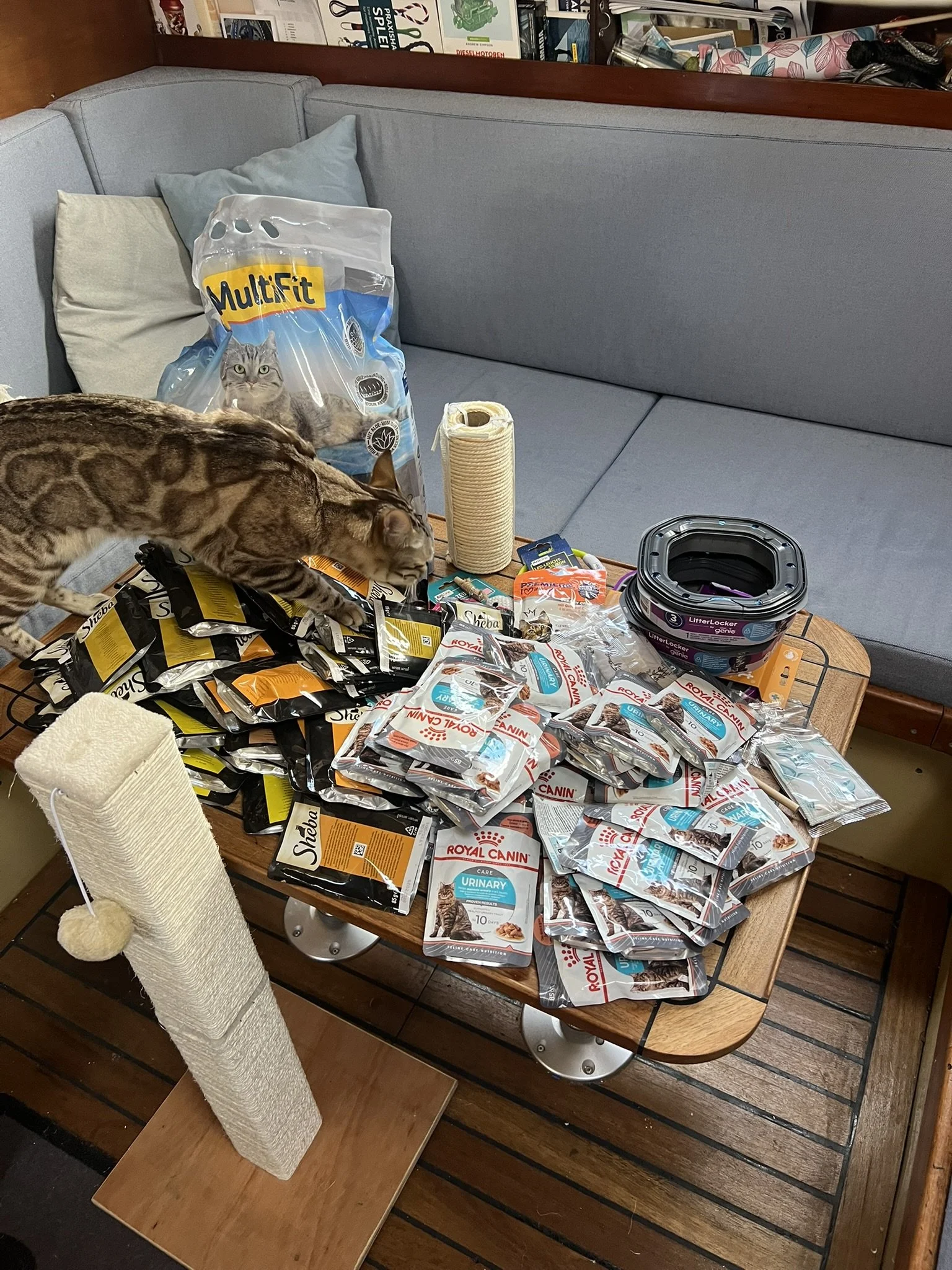
Just in case we found ourselves in an emergency situation, we prepared a grab bag containing all the essentials we might need if we had to abandon the boat. The idea is simple: if we ever need to leave Lív in a hurry, we can grab the bag and have the most important things with us to get through a few days.
Our grab bag includes cat food and treats, snacks for ourselves, our passports, a handheld VHF radio, sunglasses and a few other essentials. But let's hope we'll never actually have to use it!
Don’t miss the blog post about our crossing of the Bay of Biscay!
Day 170: Cherbourg FR - Carteret FR
Day 171: Carteret FR - Iles Chausey FR
Day 172: Iles Chausey FR - Saint Malo FR
Day 173 - 176: Saint Malo FR
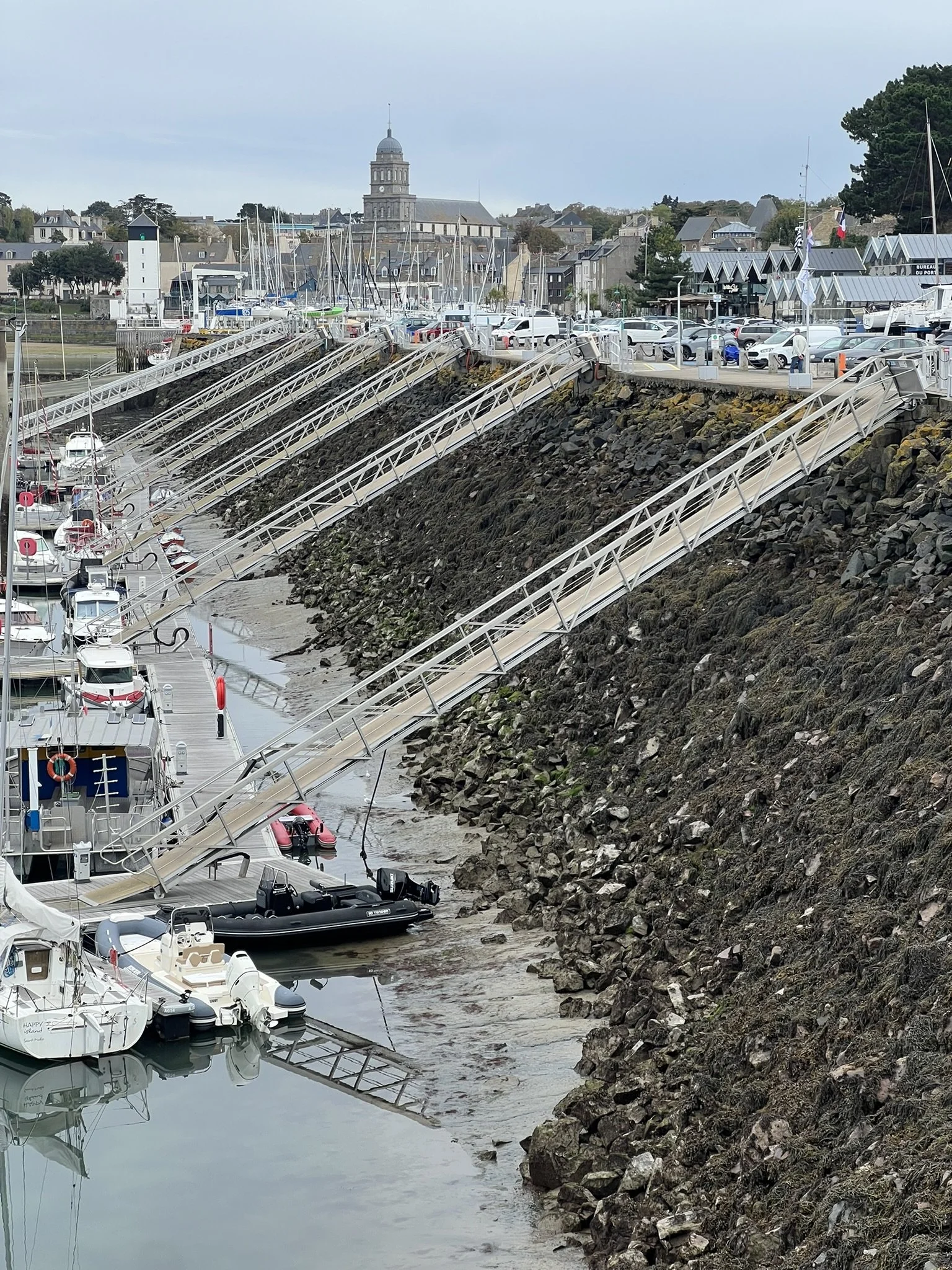
Day 177: Saint Malo FR - Paimpol FR
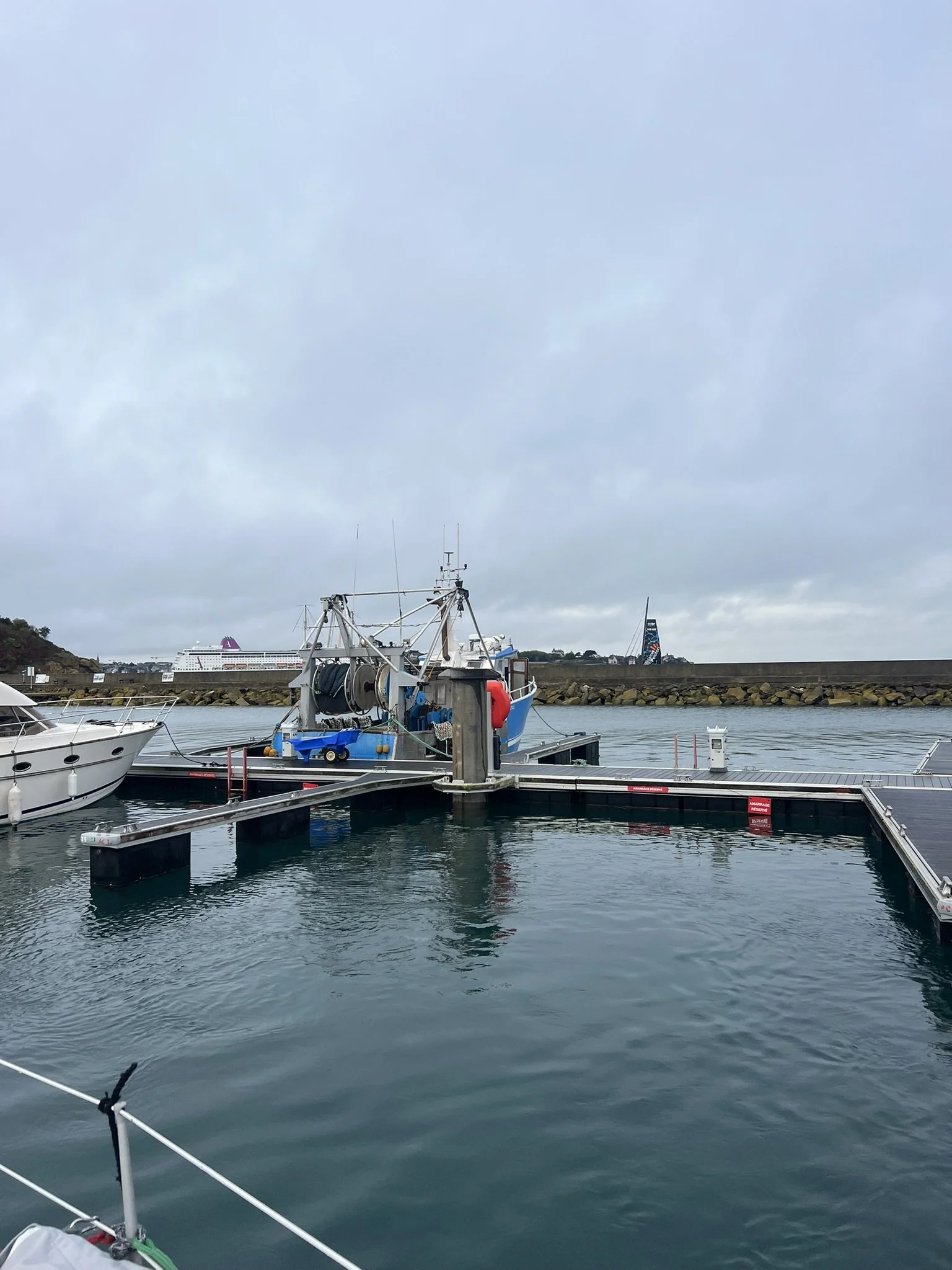
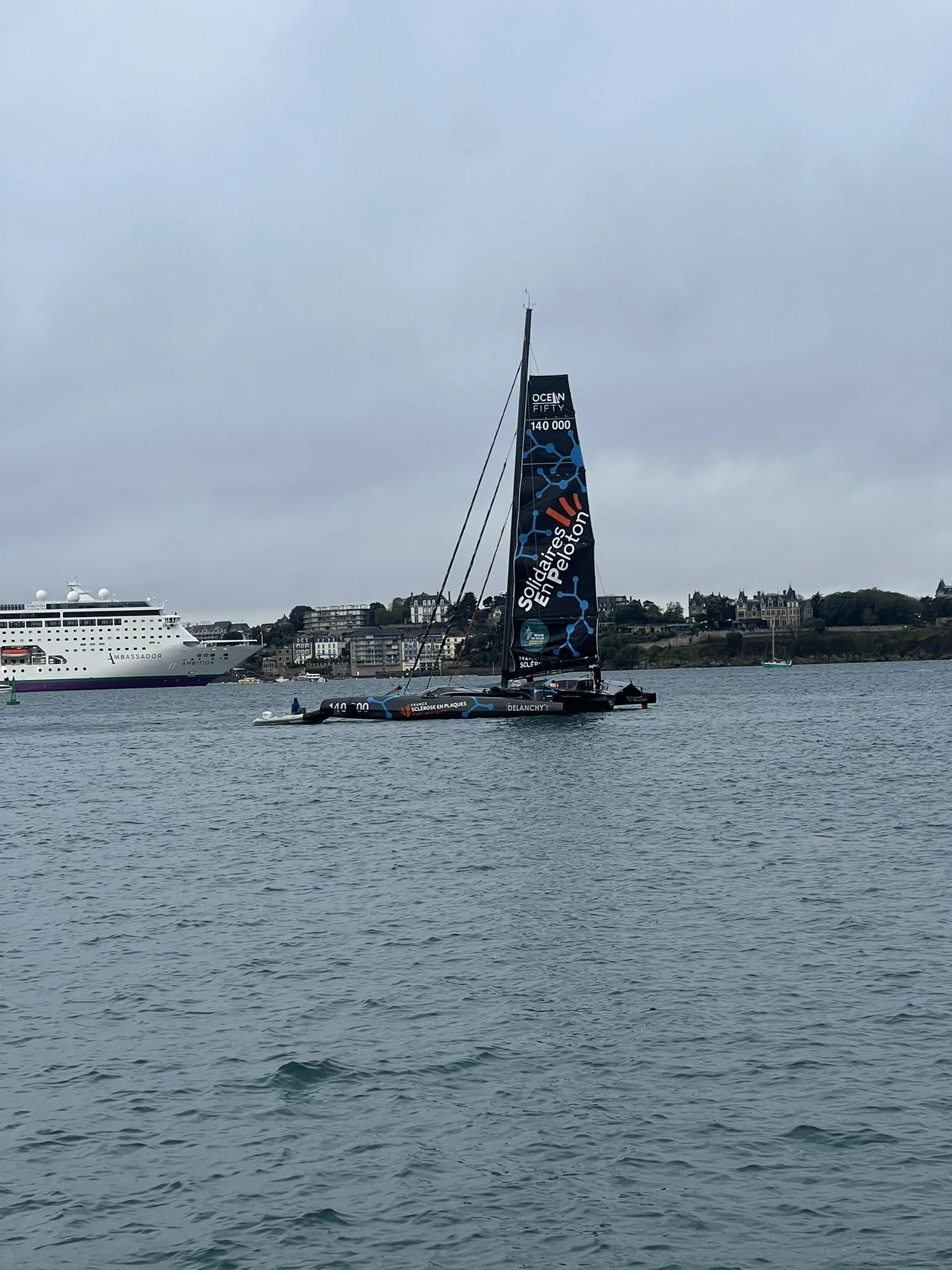
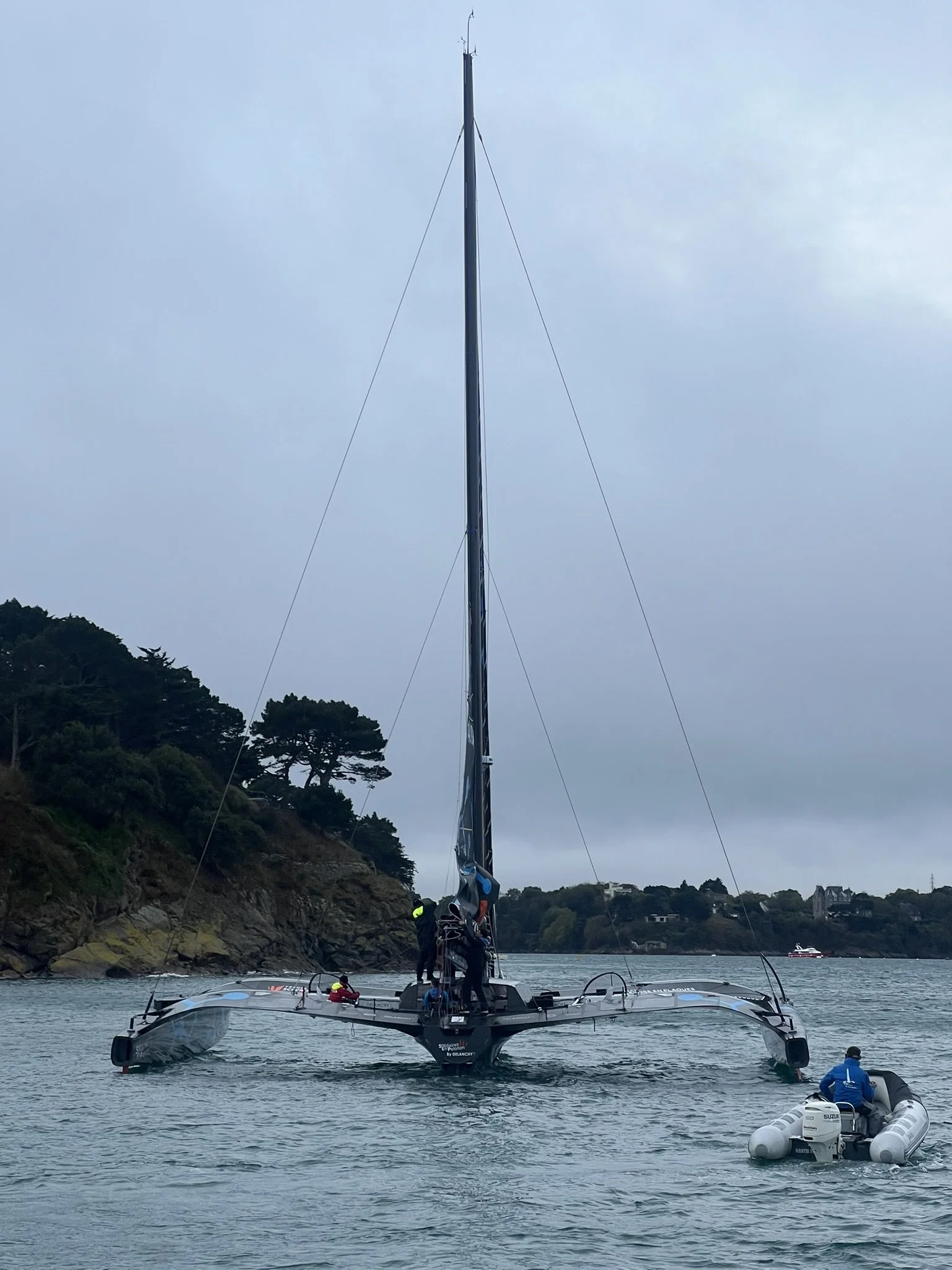
Day 178 - 182: Paimpol FR
Day 183 - 184: Paimpol FR - Audierne FR
Day 185 - 196: Audierne FR