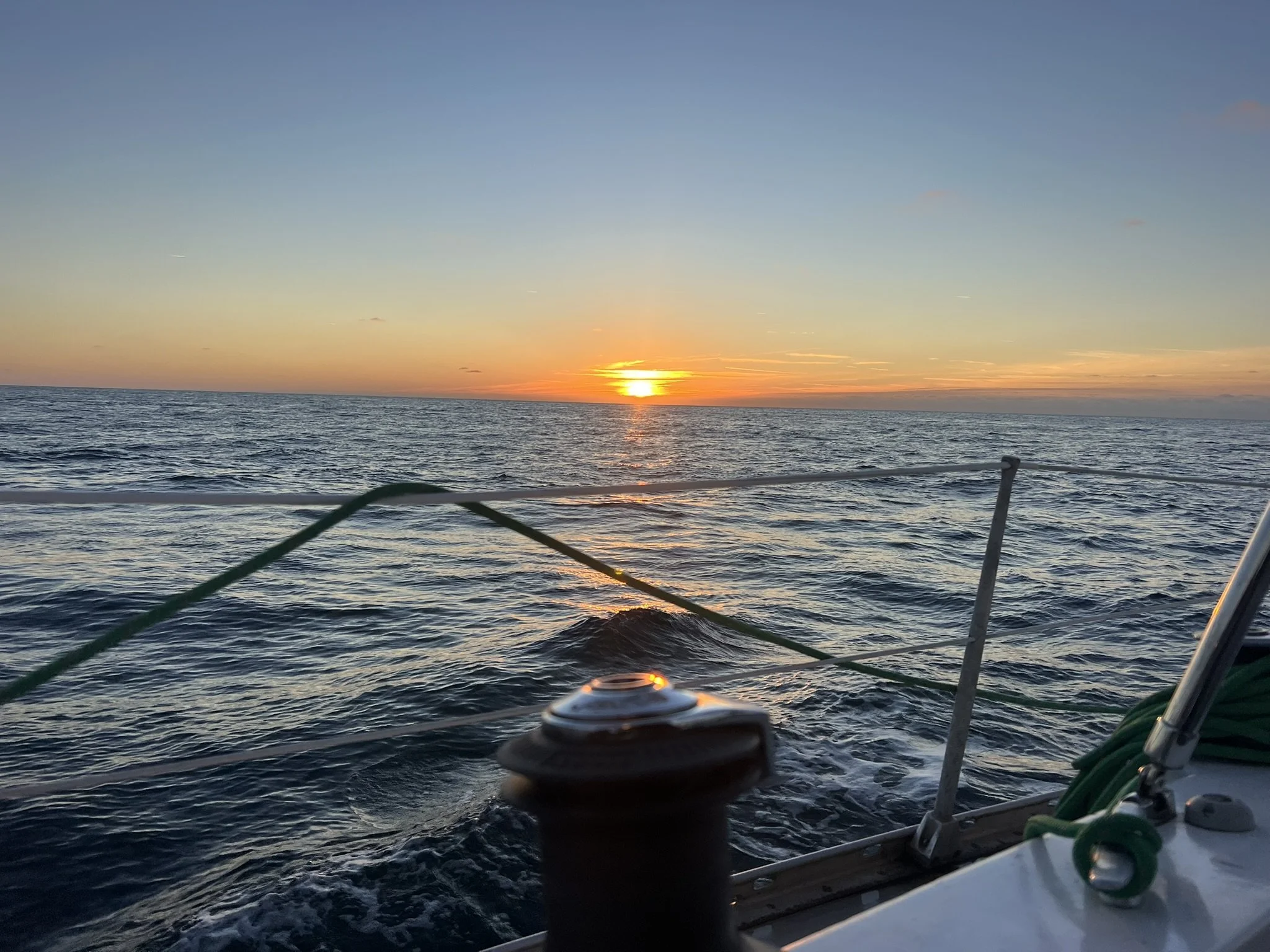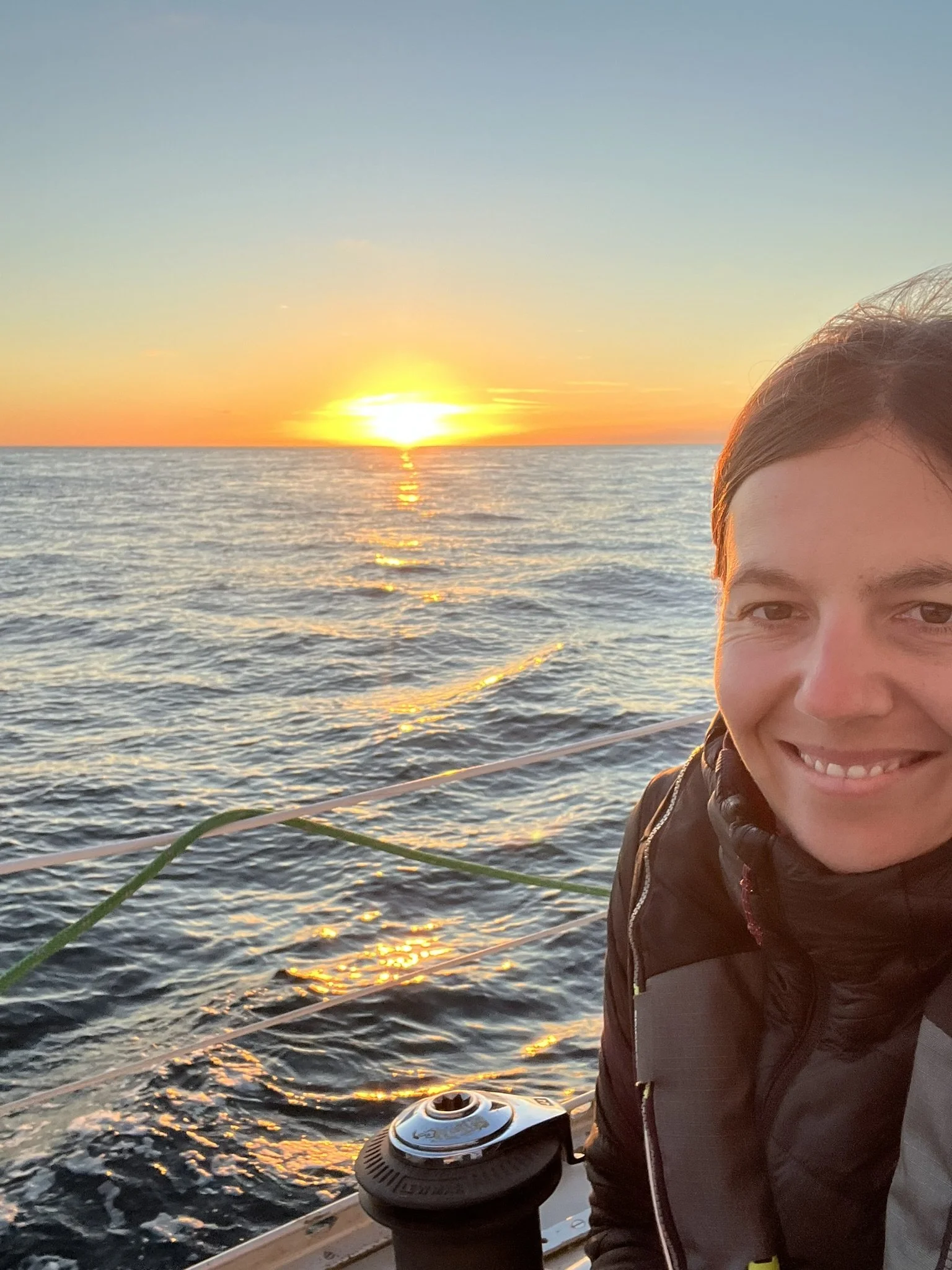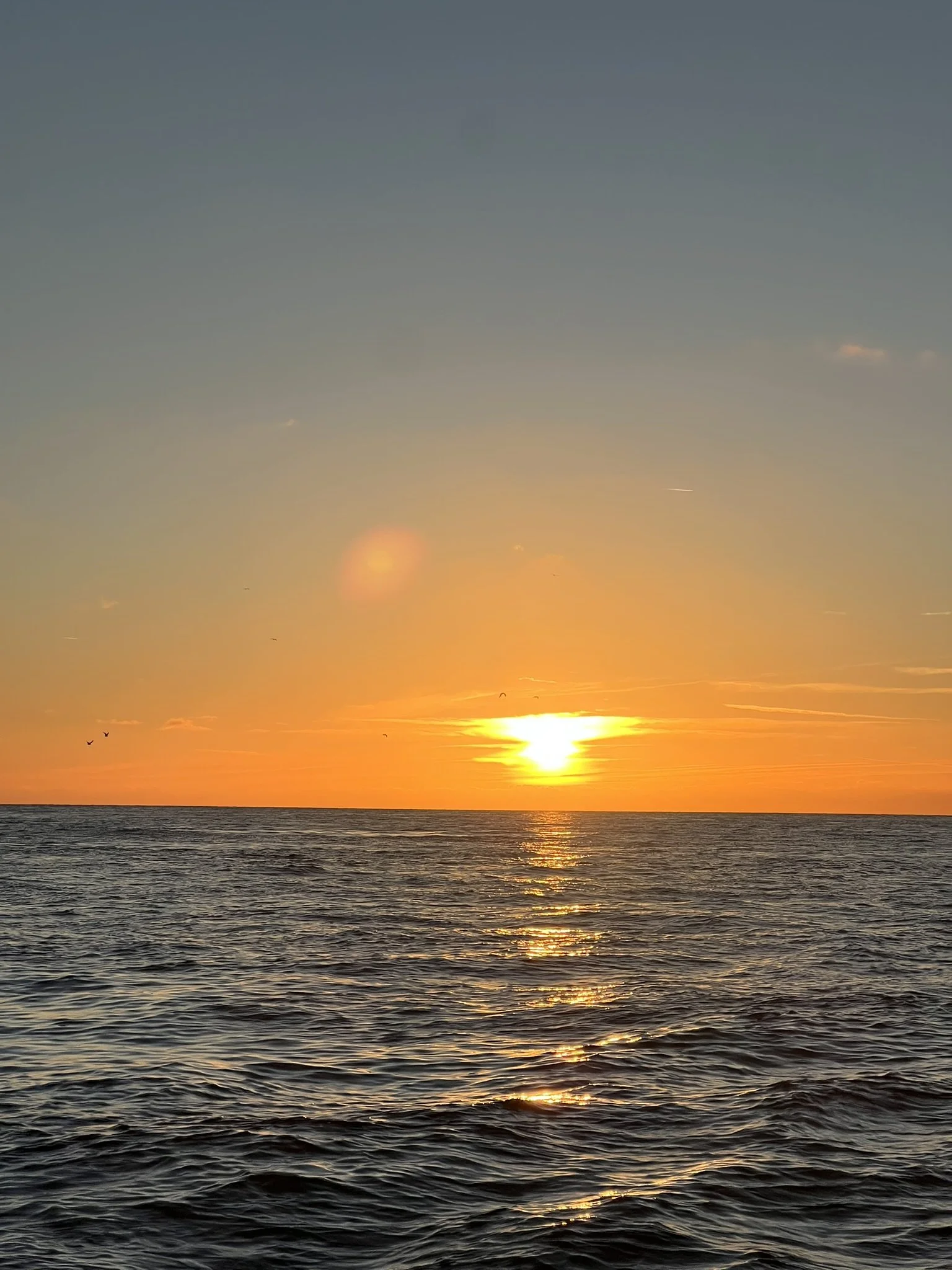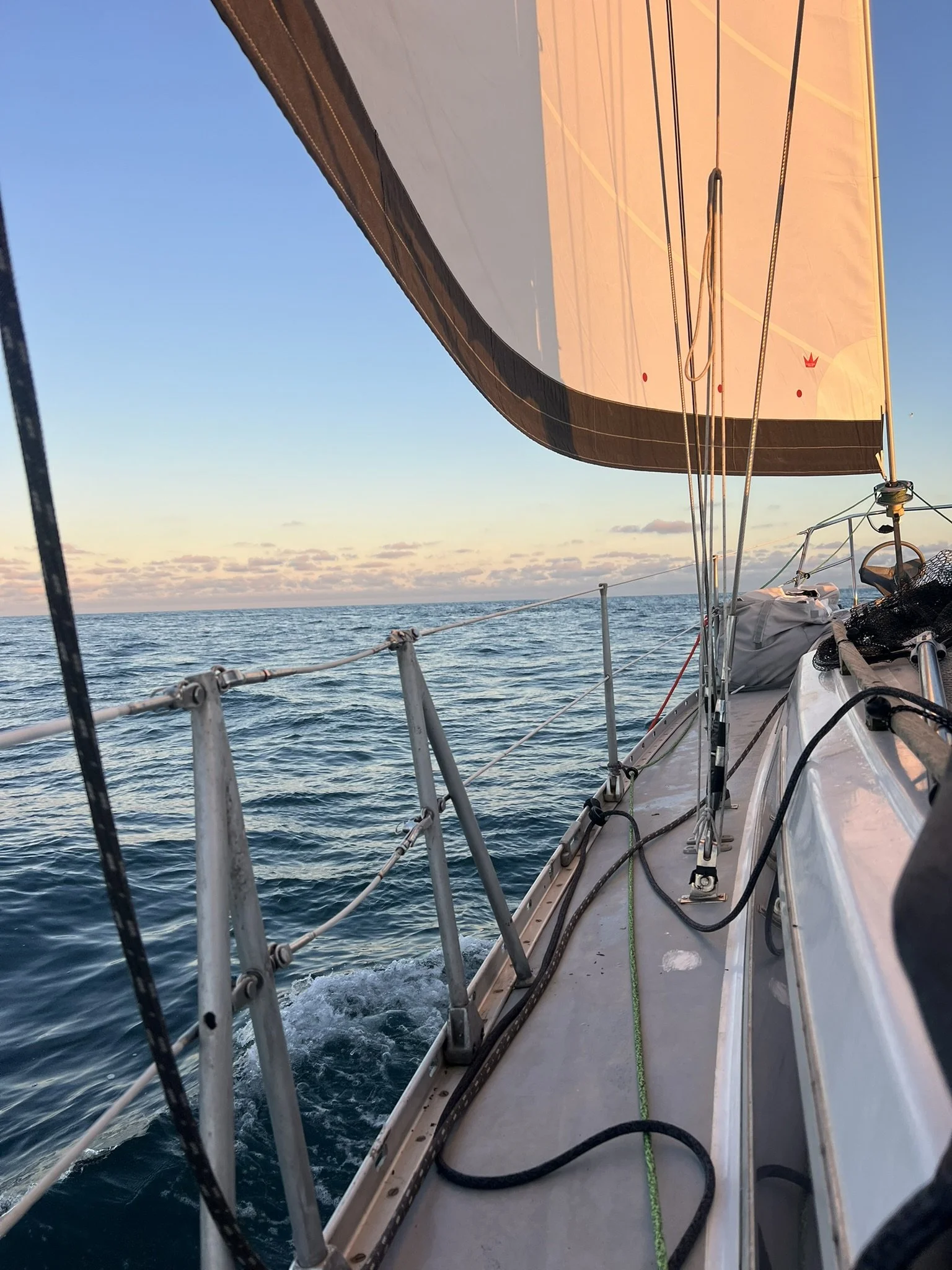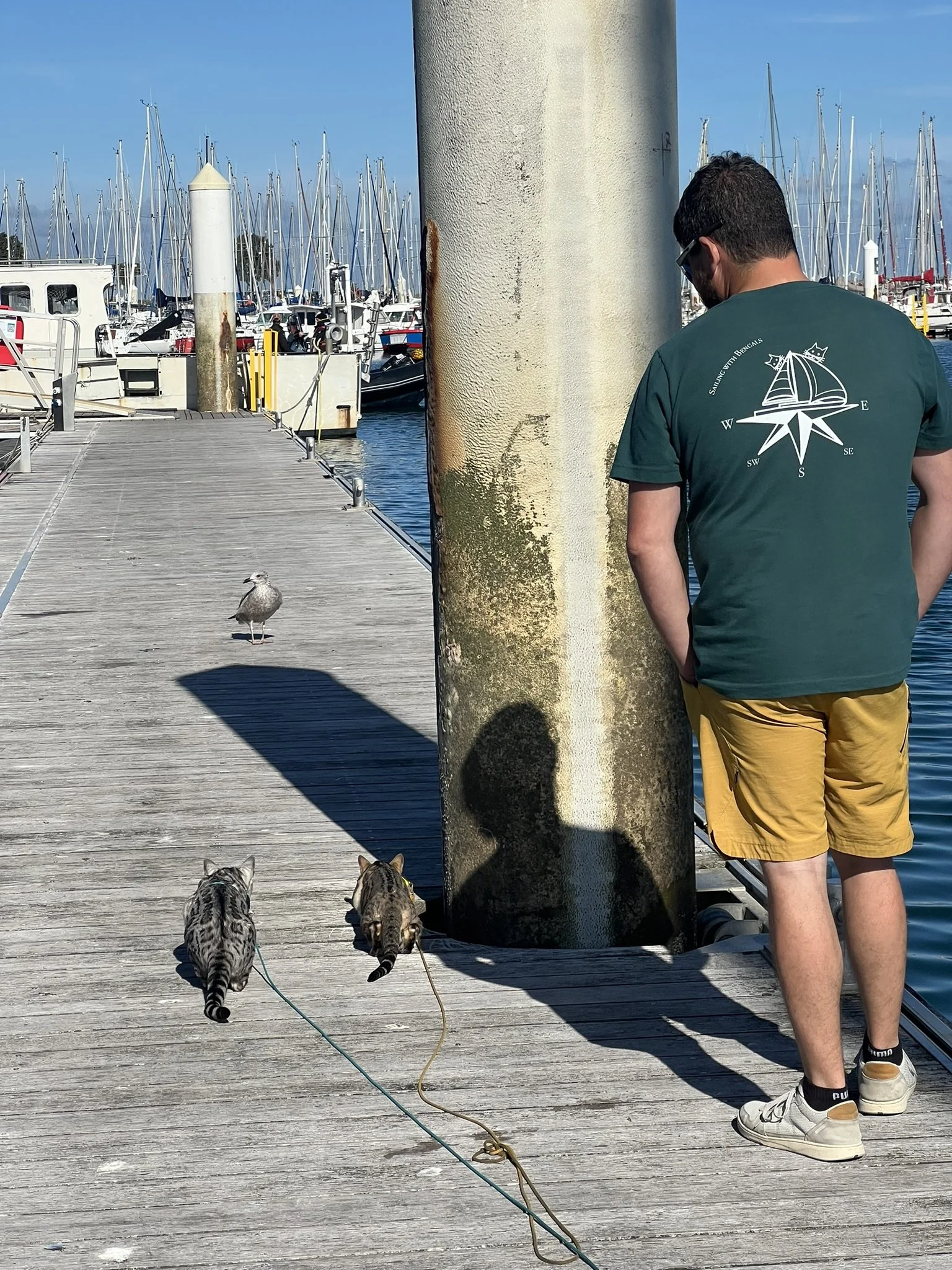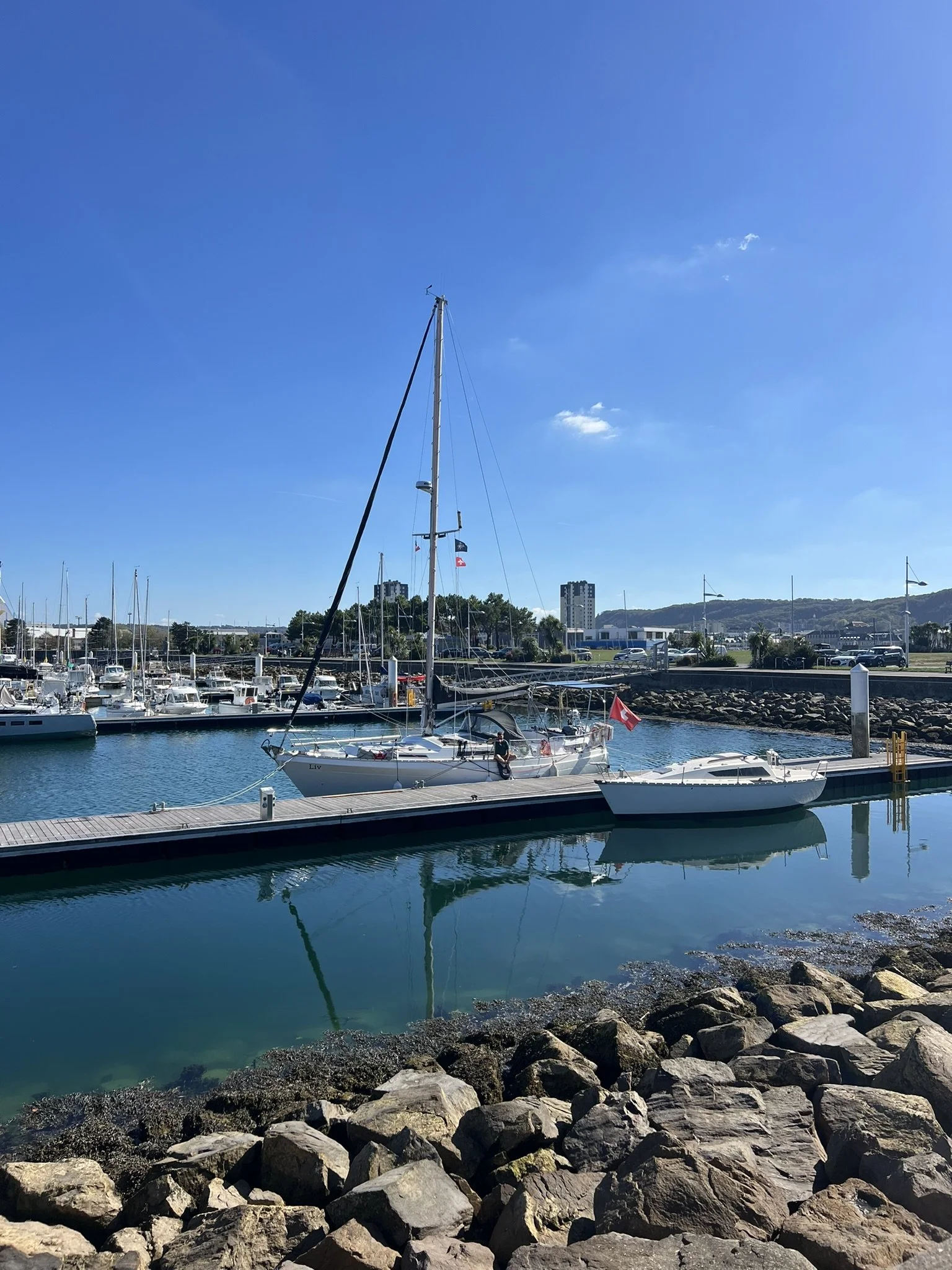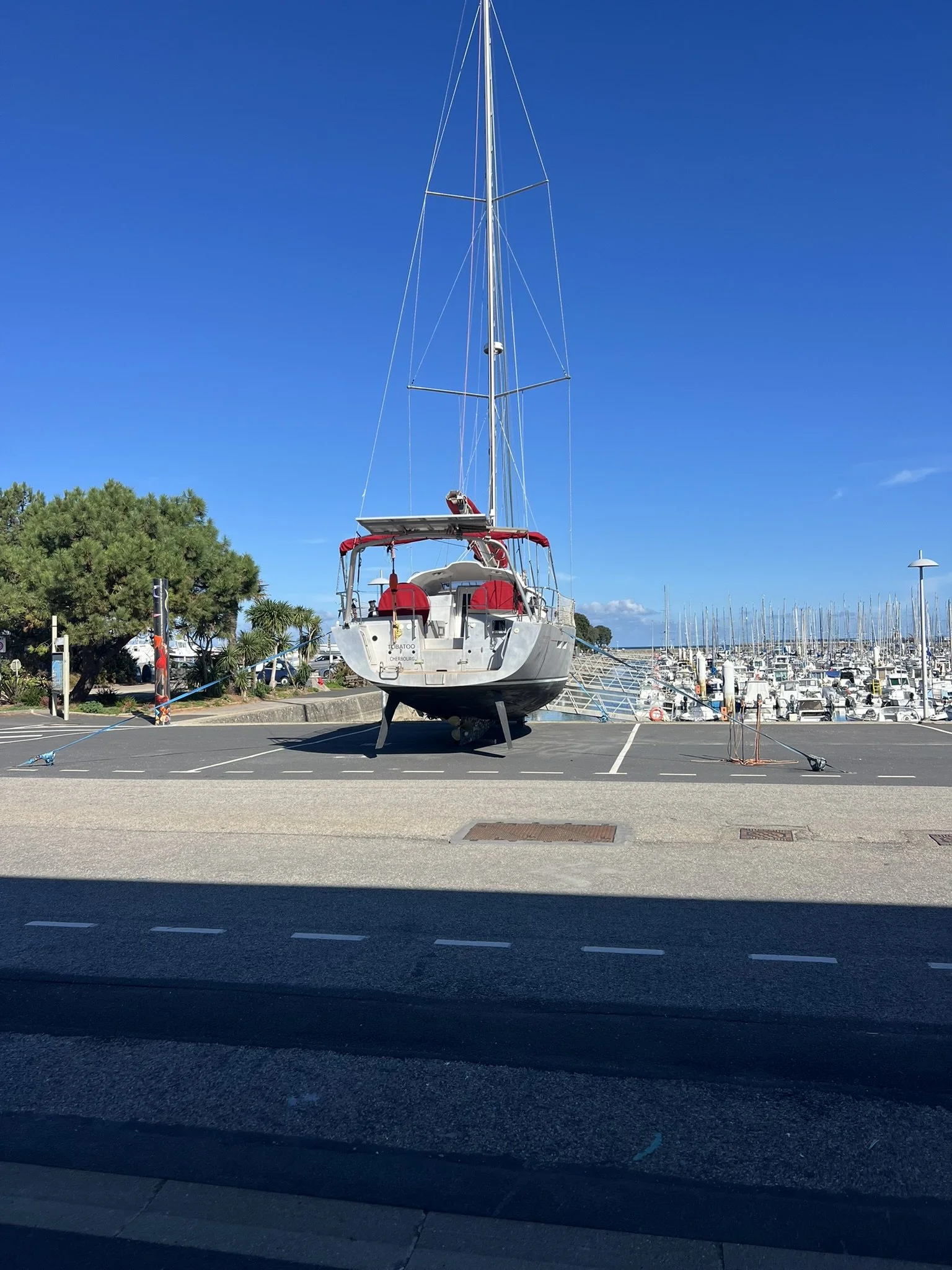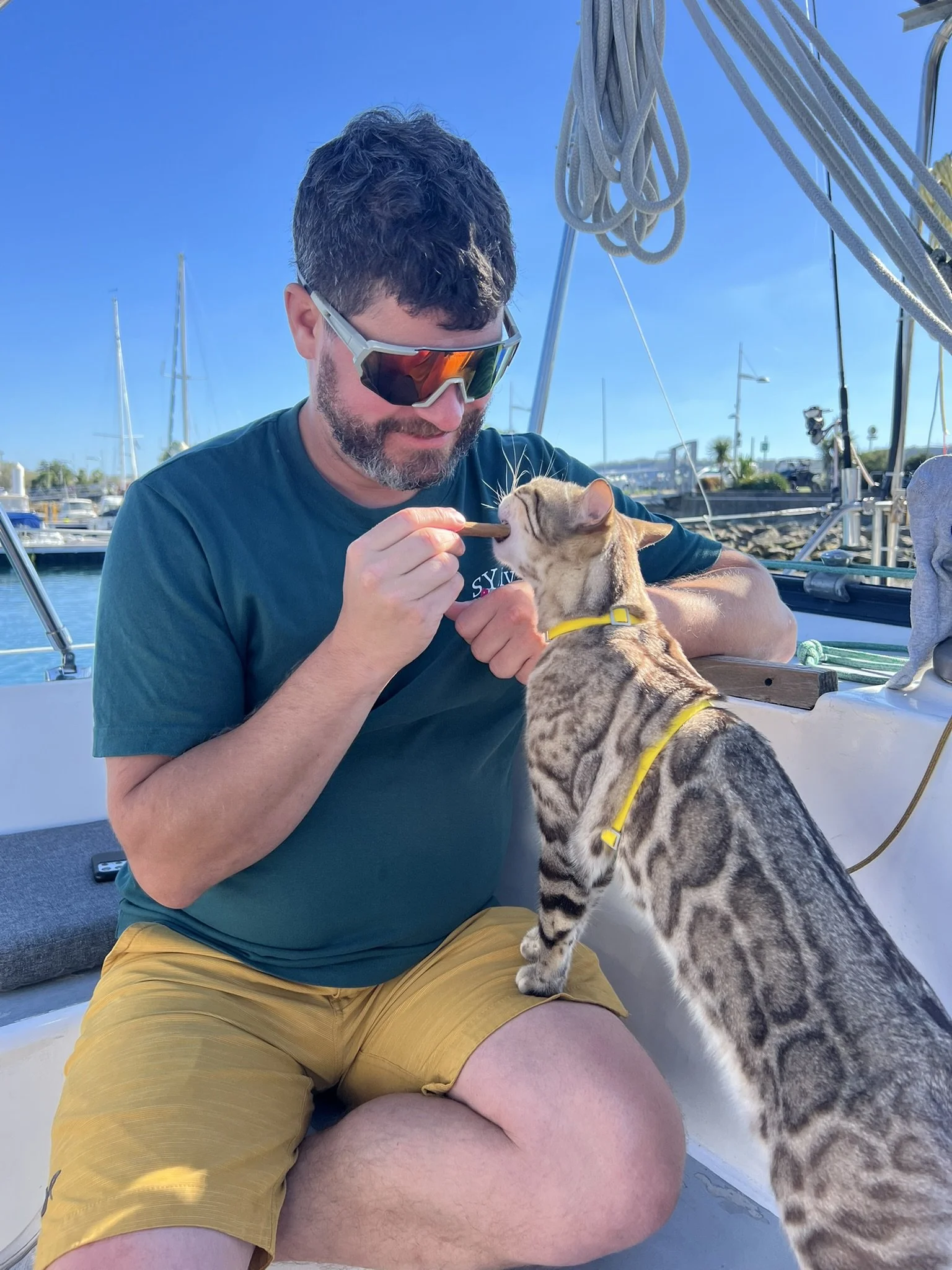
It's finally time to explore new places again!
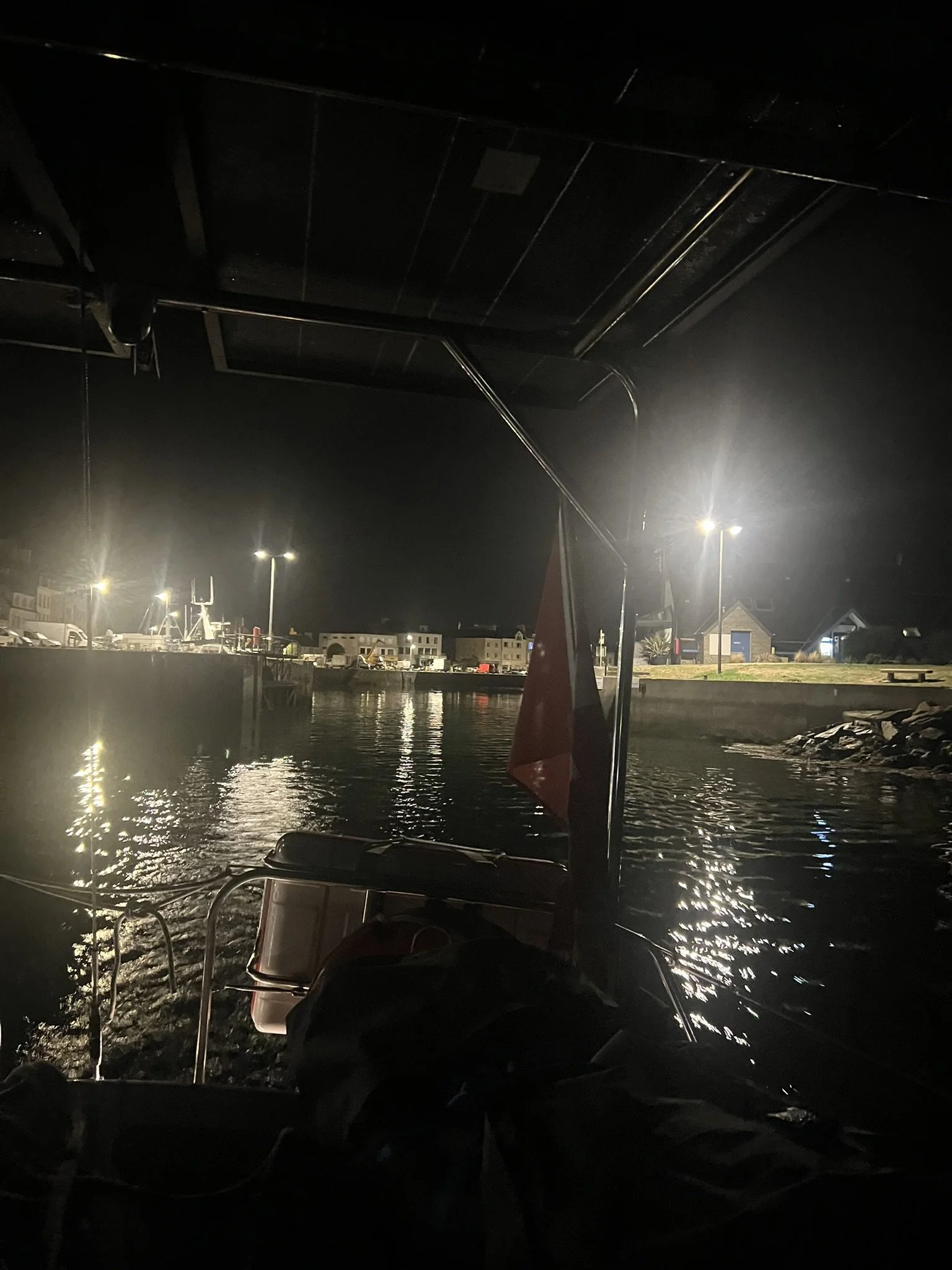
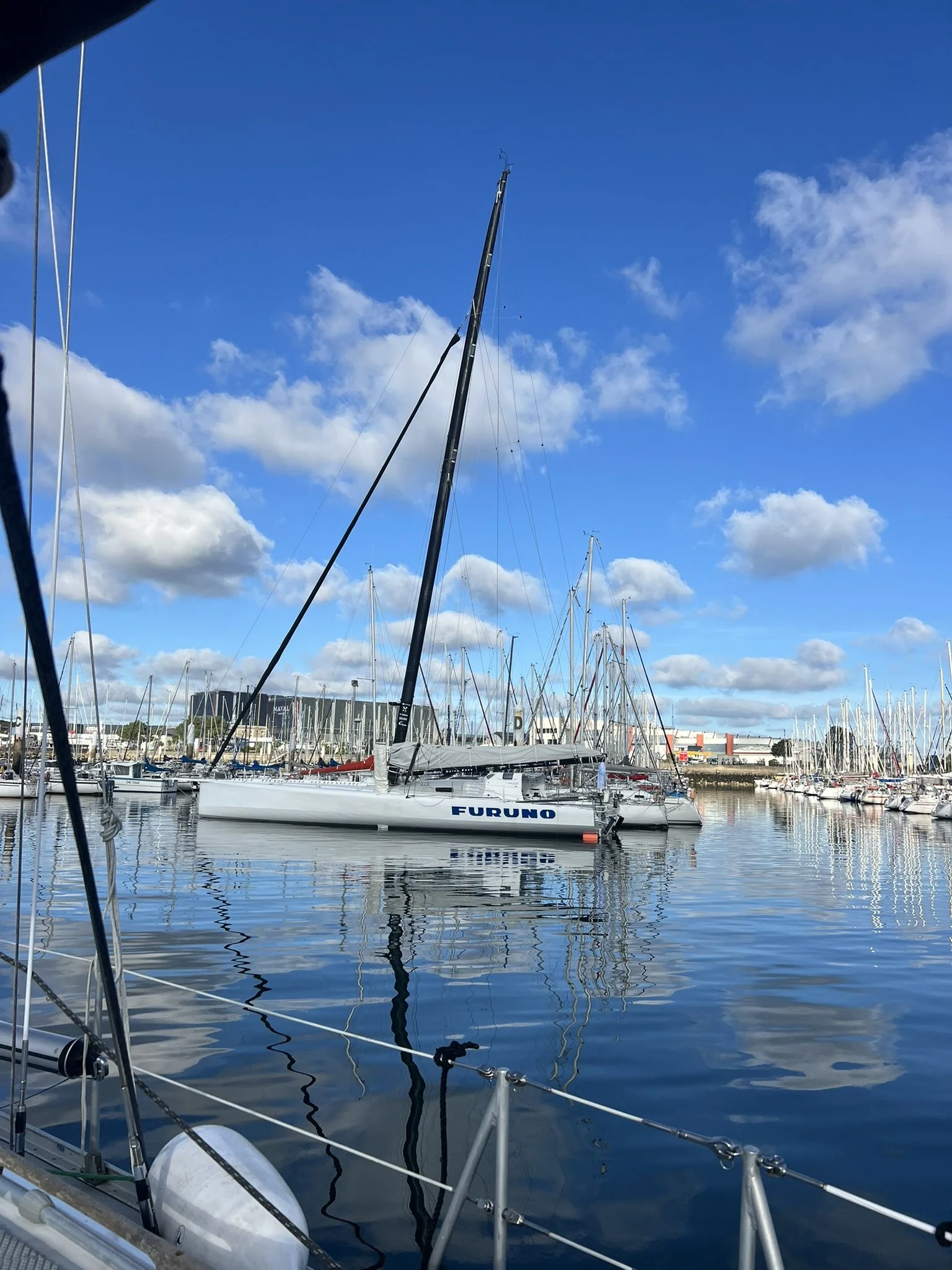
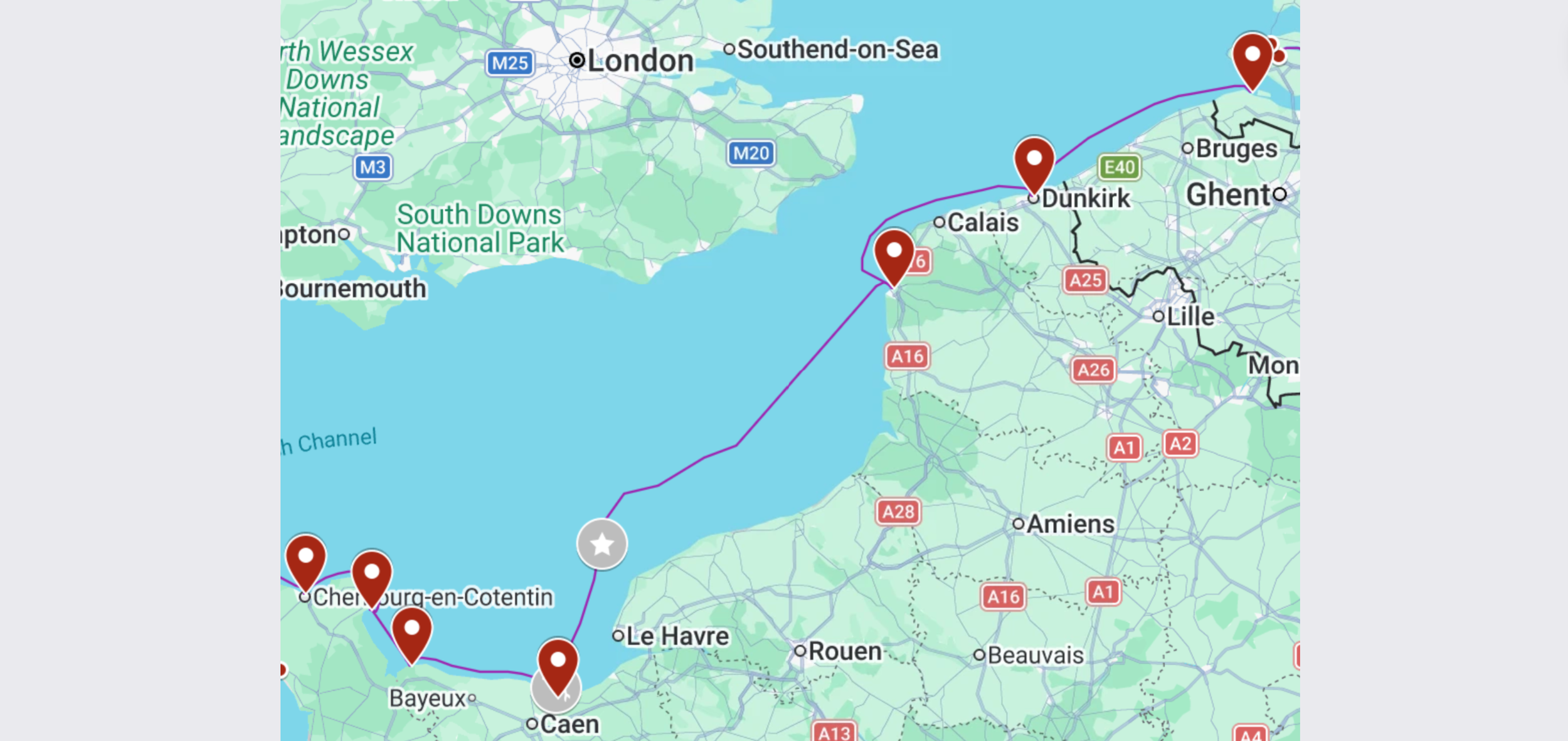
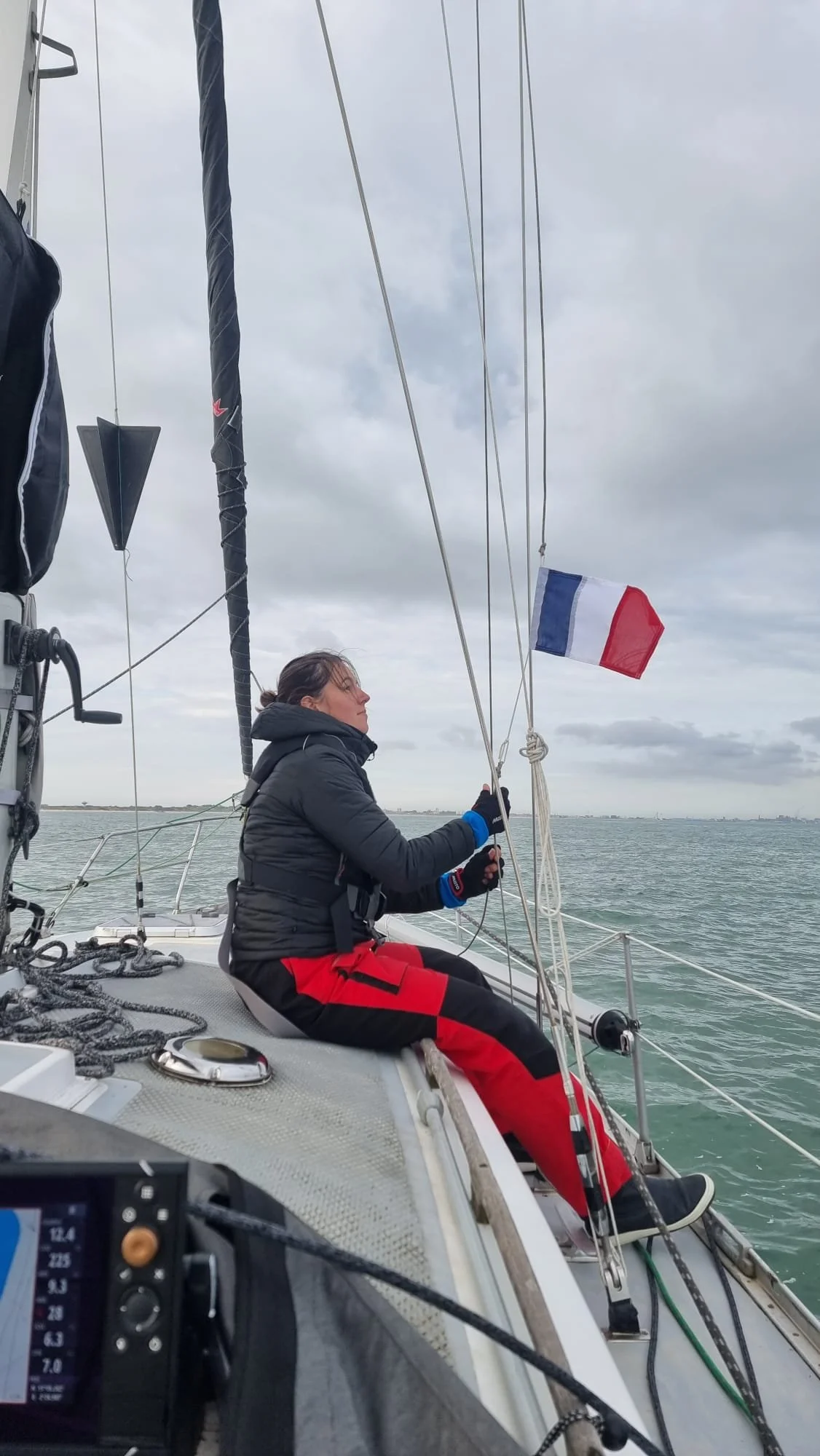
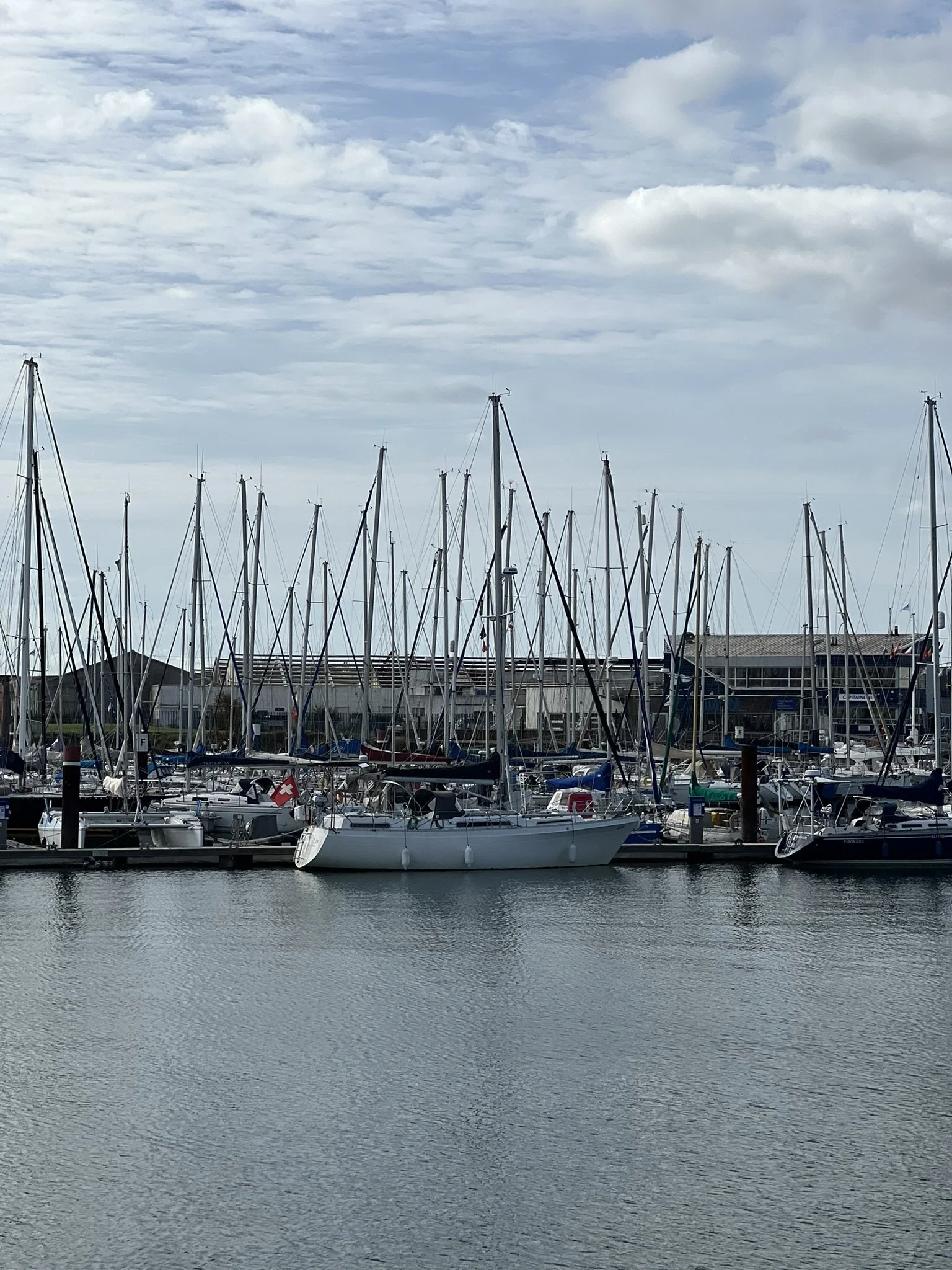
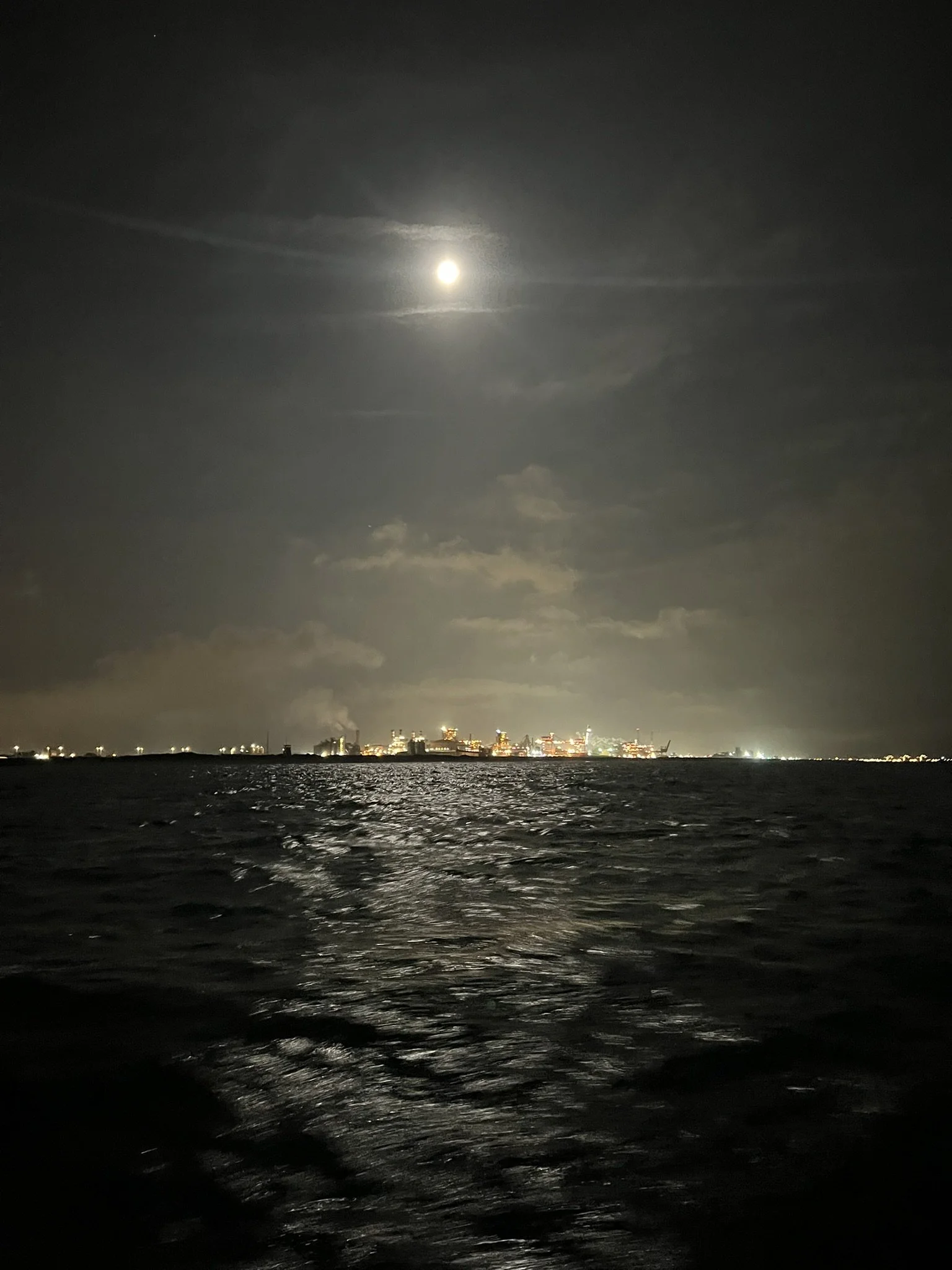
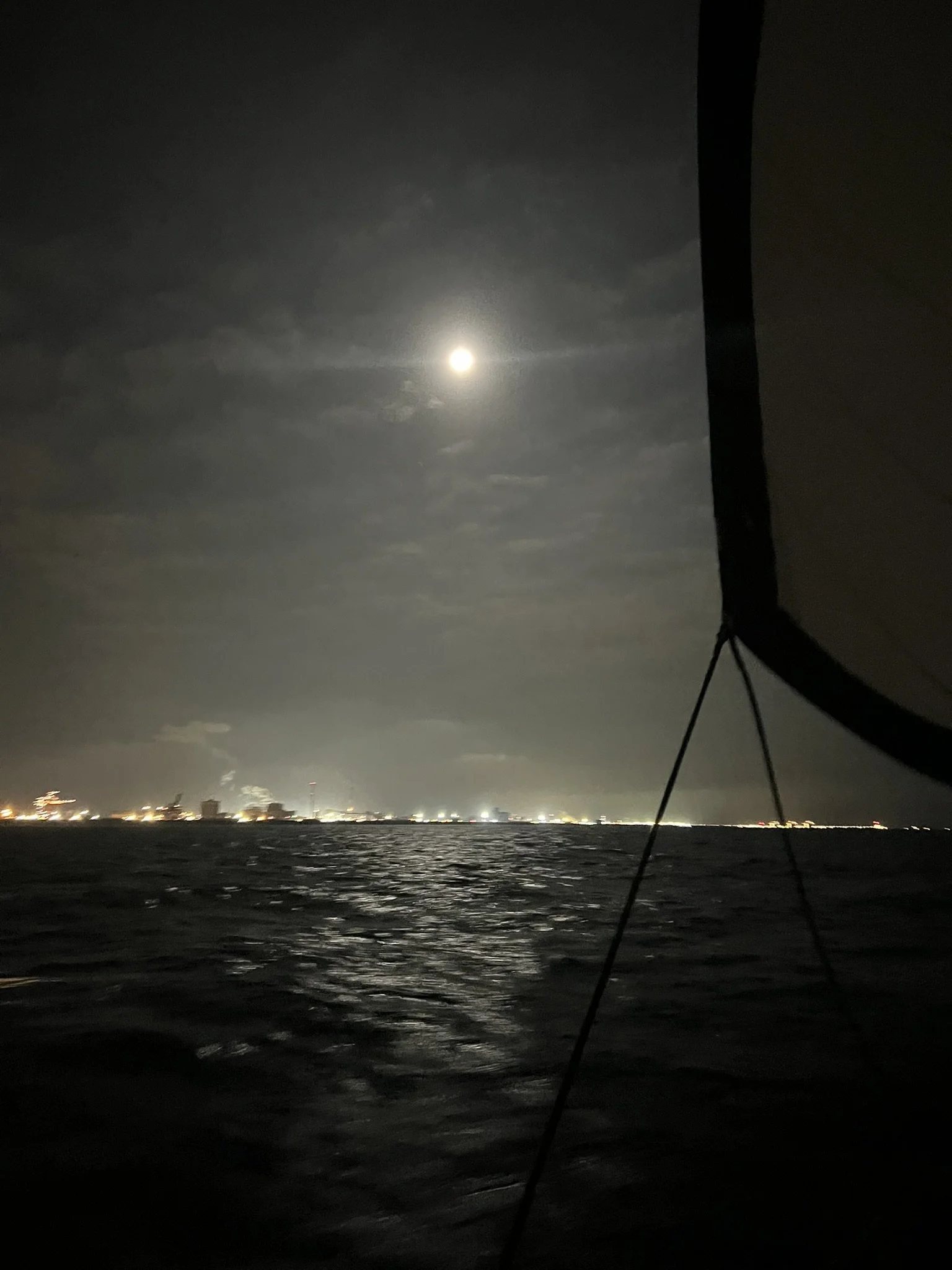
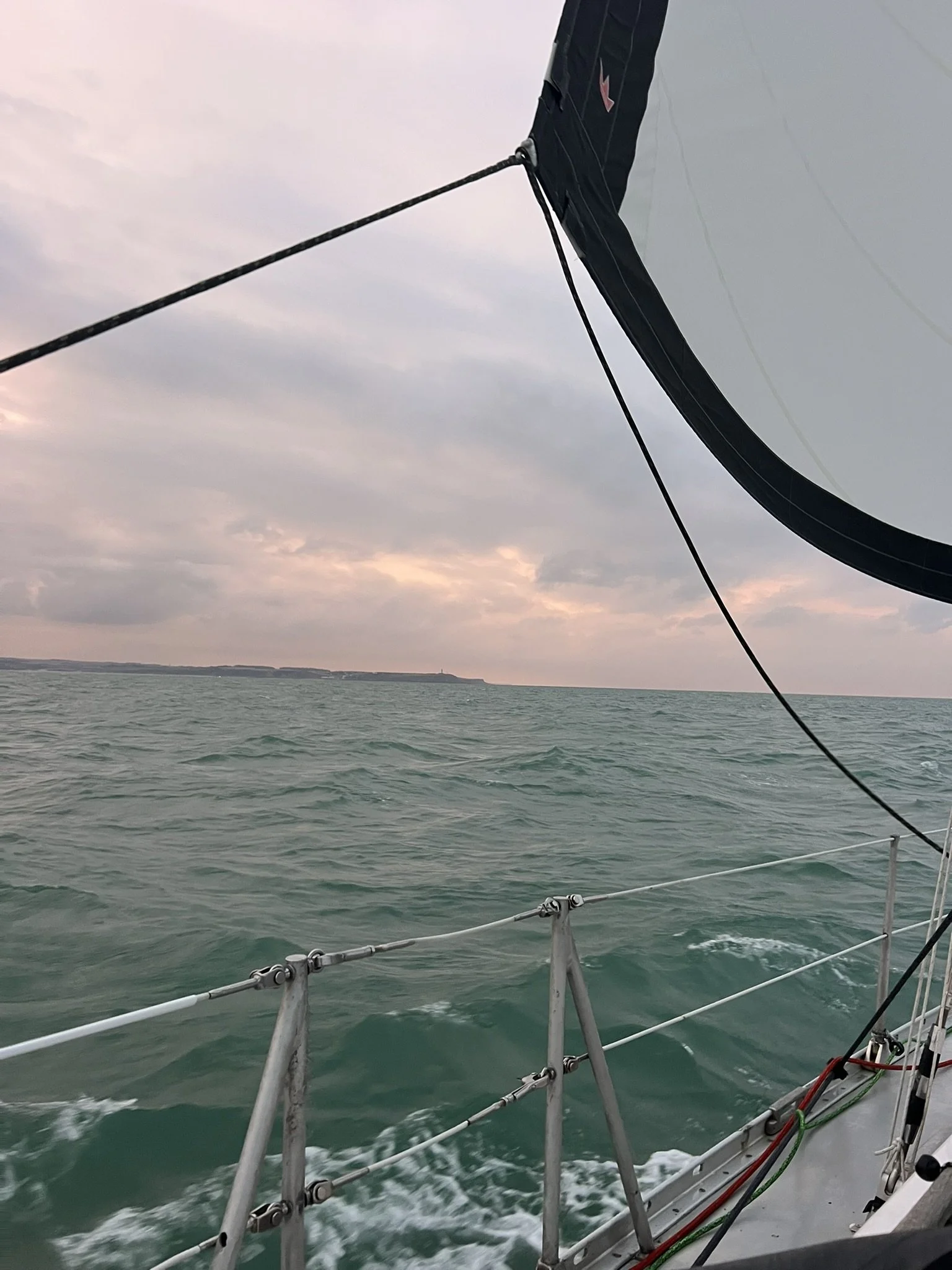
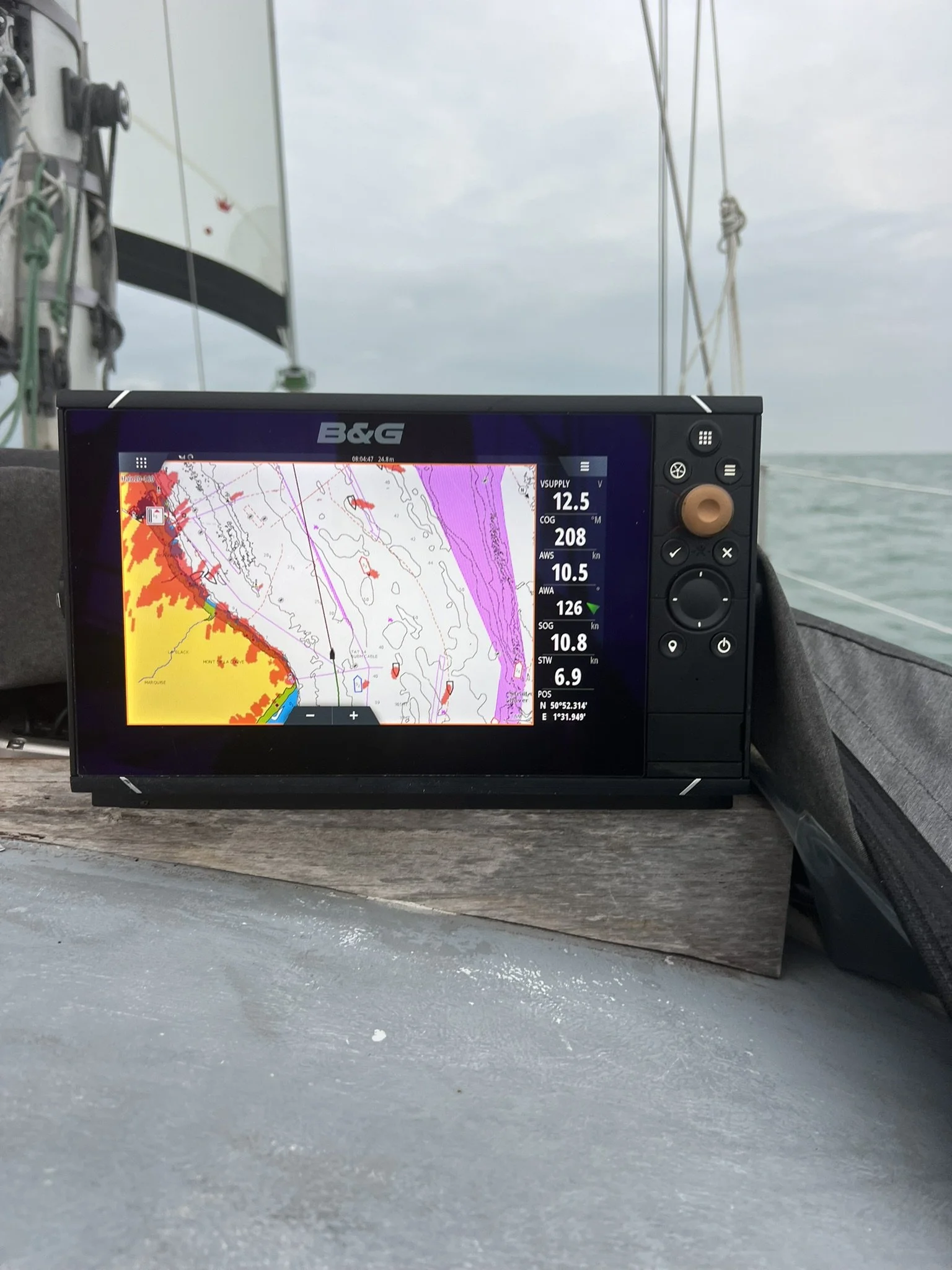
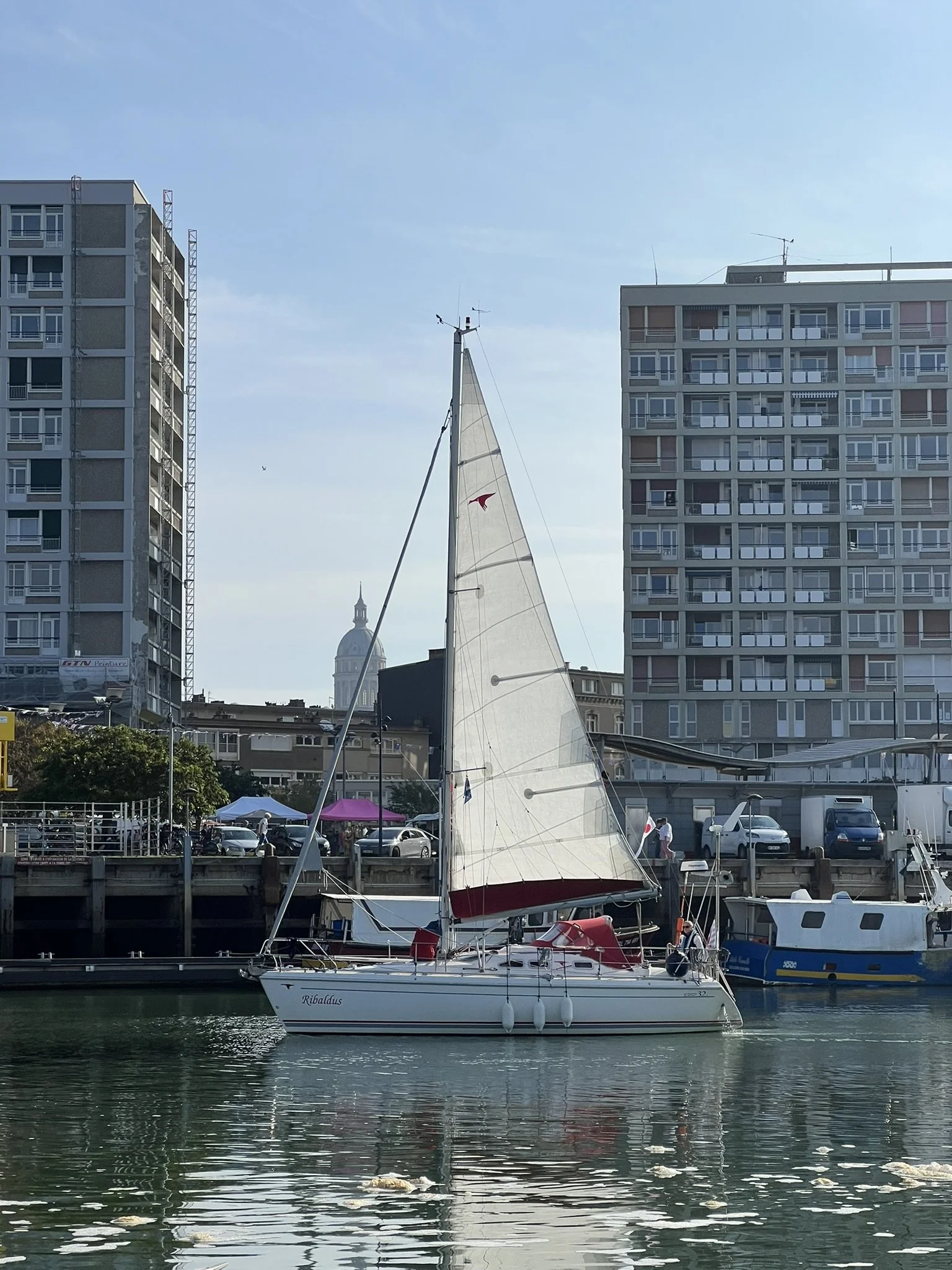
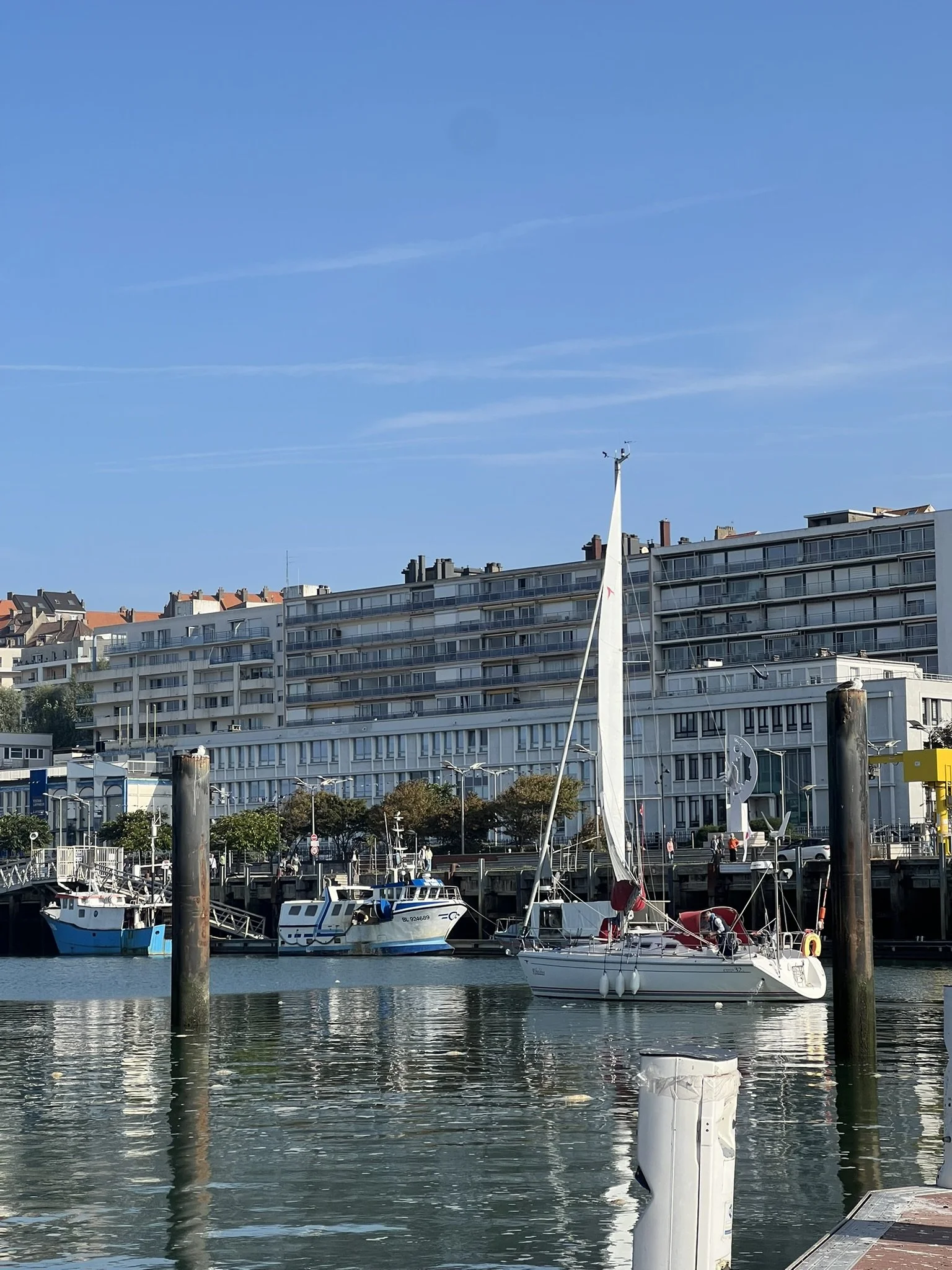
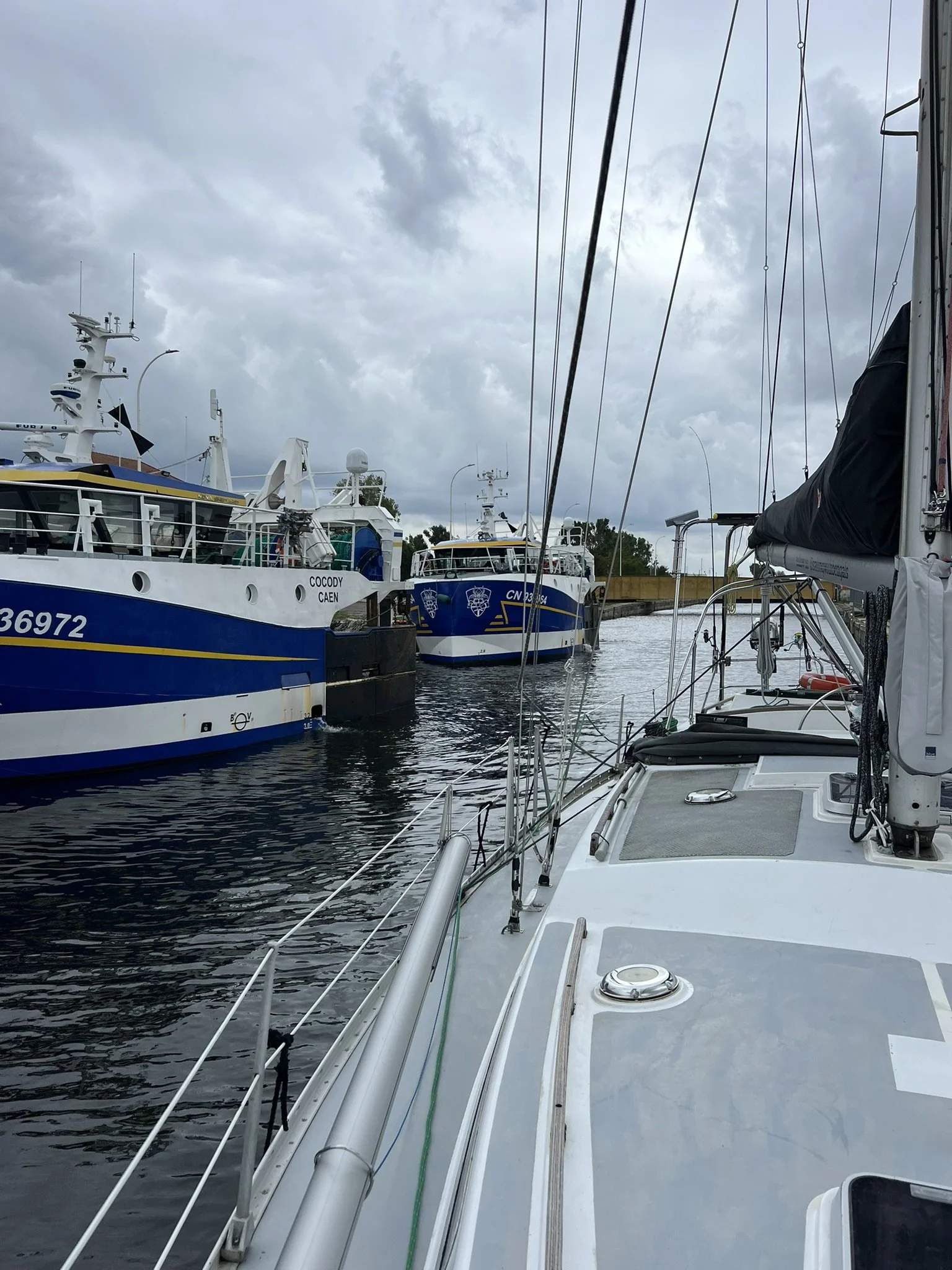
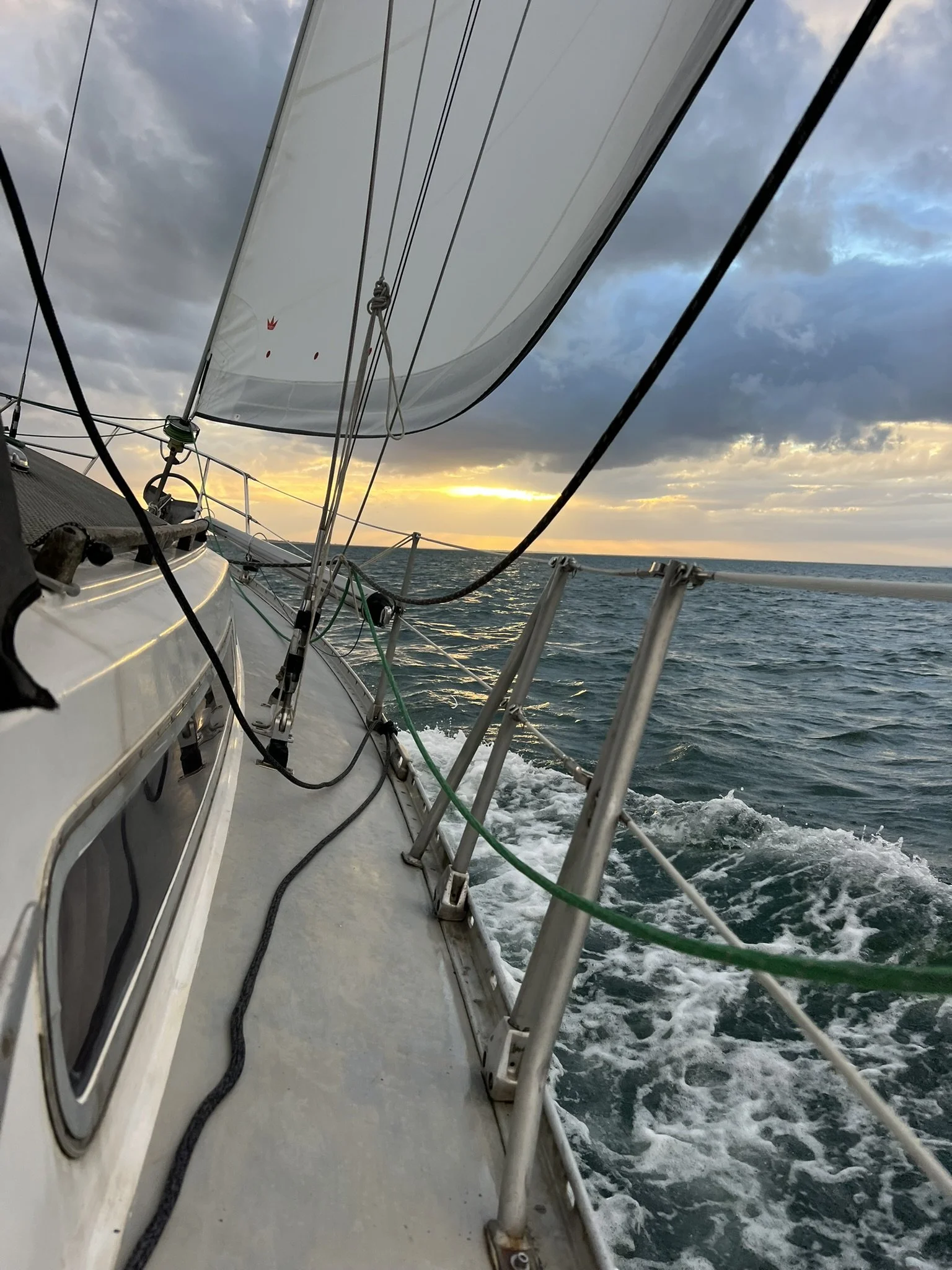
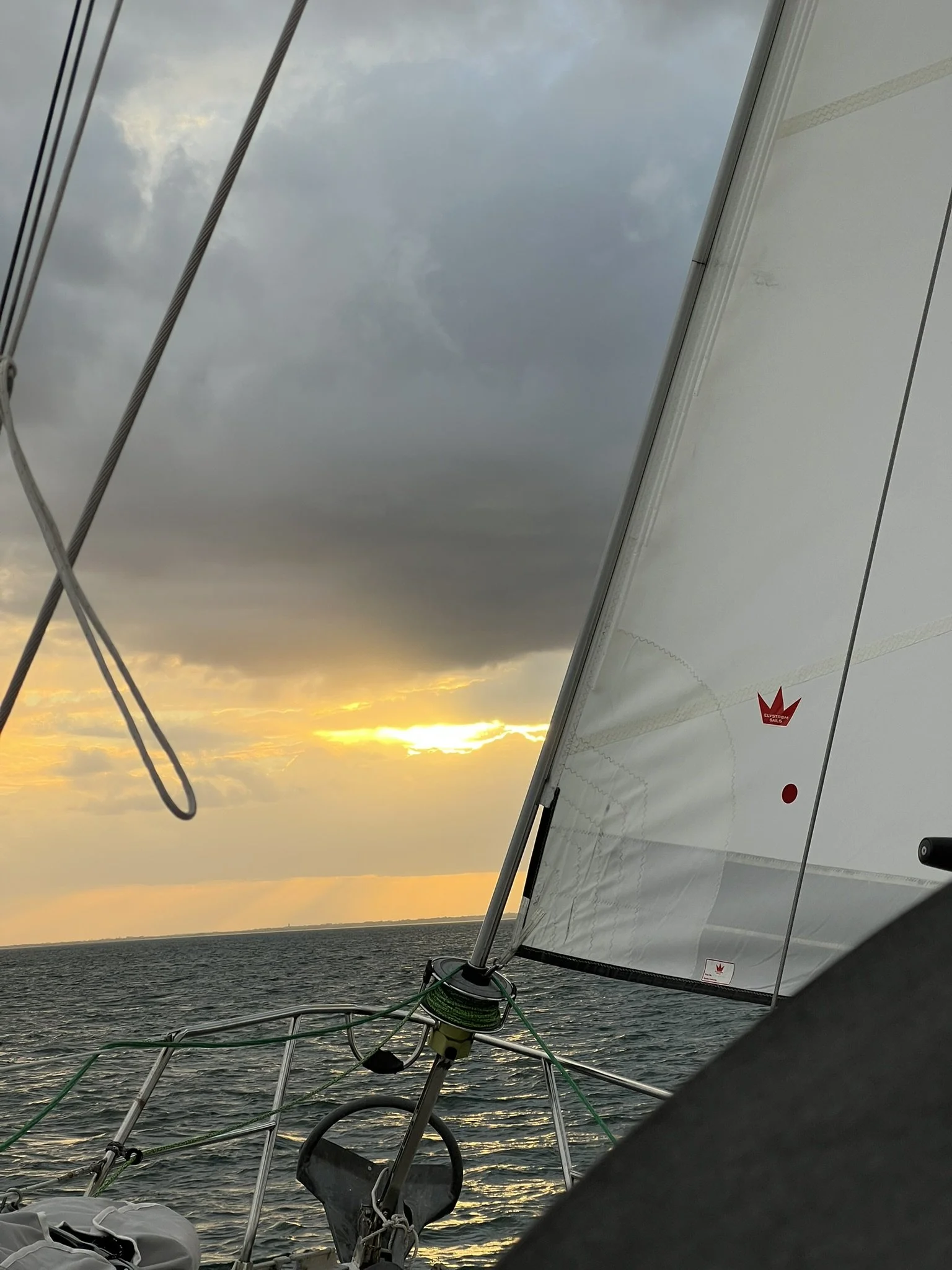
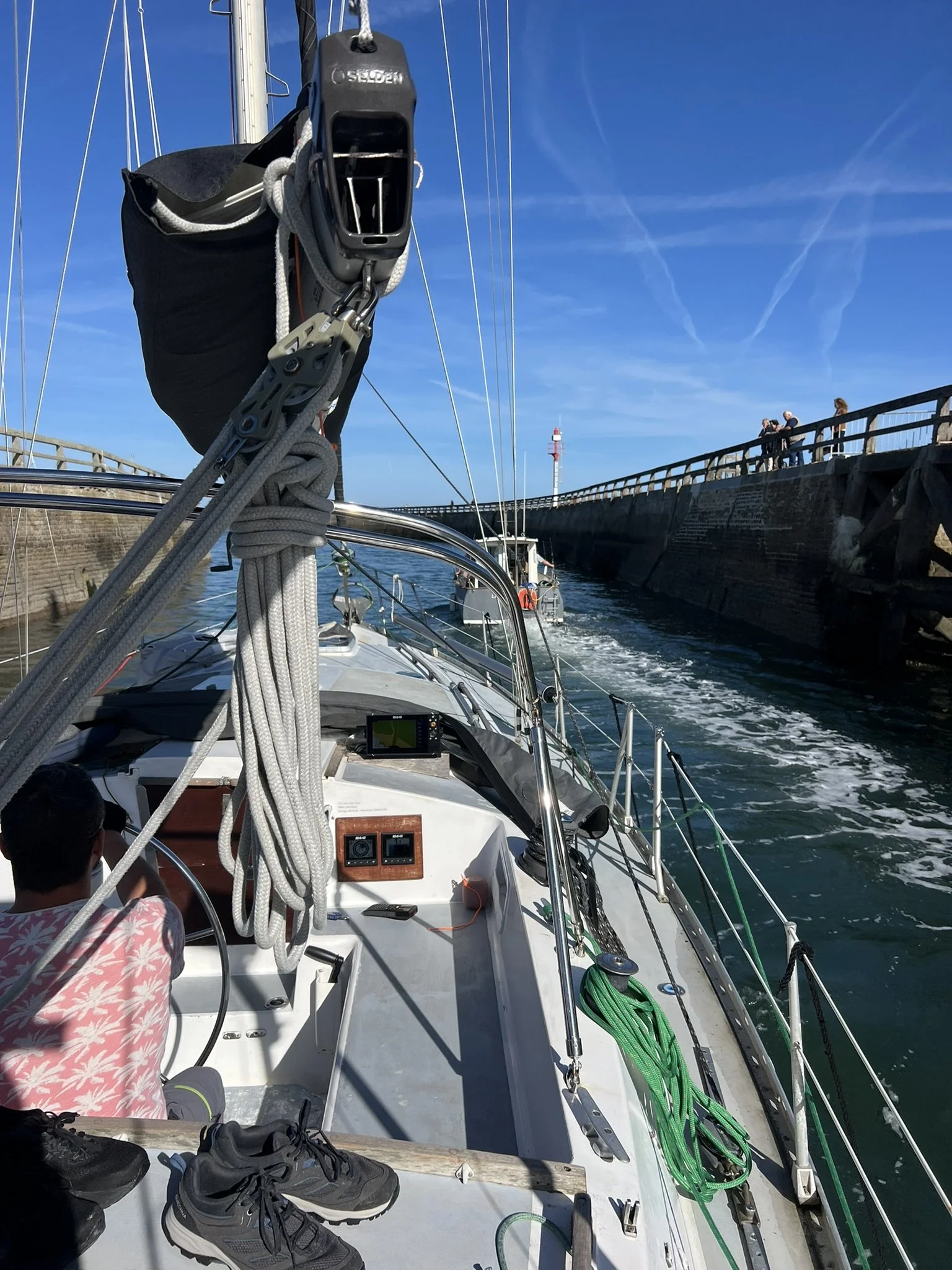
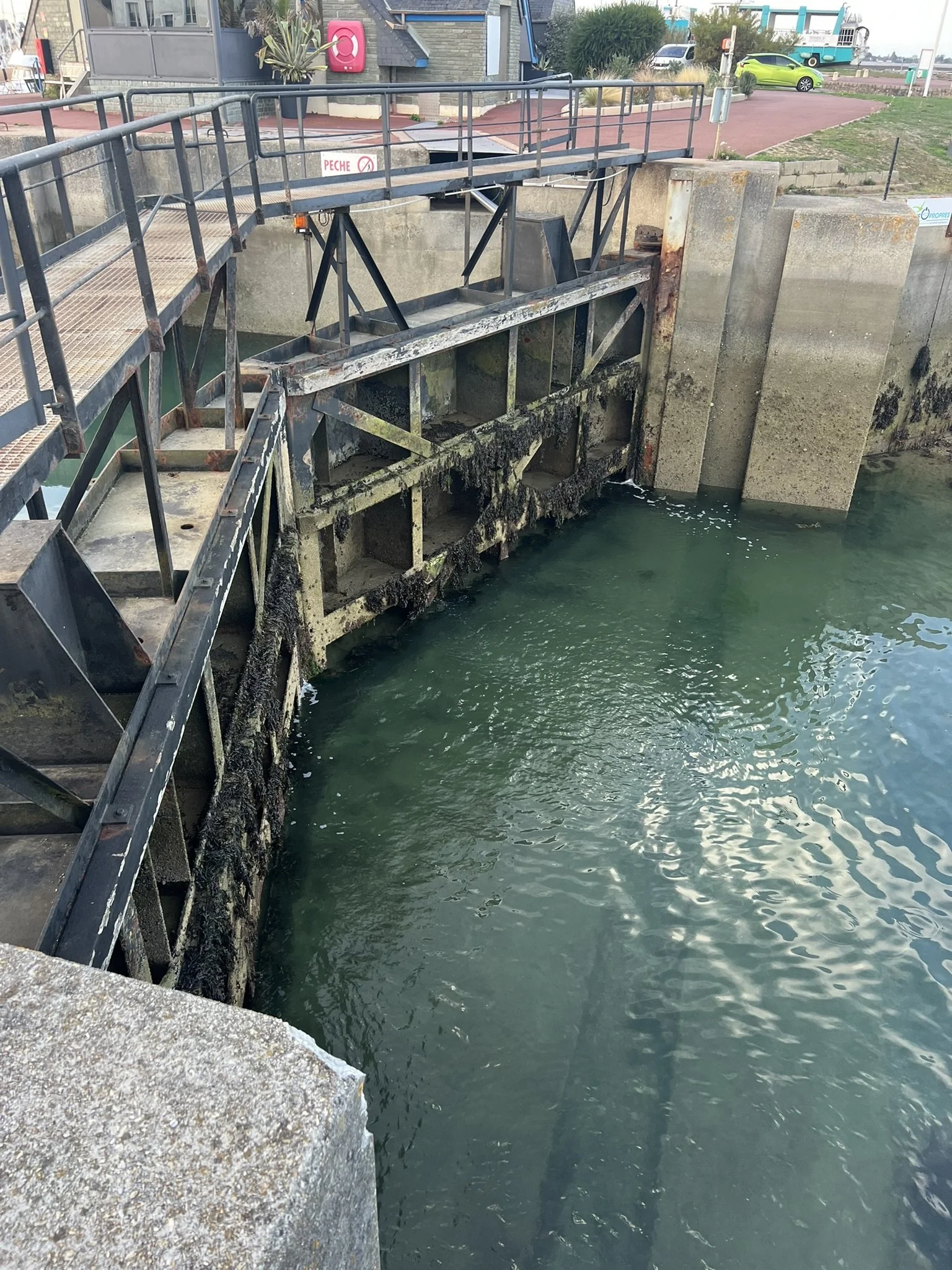
After sailing through the Netherlands for the second time, we are now excited to explore France! Being back in the North Sea also means getting back to tidal and current calculations. Every passage needs to be carefully planned, from leaving the marina to entering the next one. Along the northern French coast, many marinas can only be entered around high tide, either because they have a lock that keeps the water inside the harbour during low tide or because the entrance is simply too shallow at low tide.
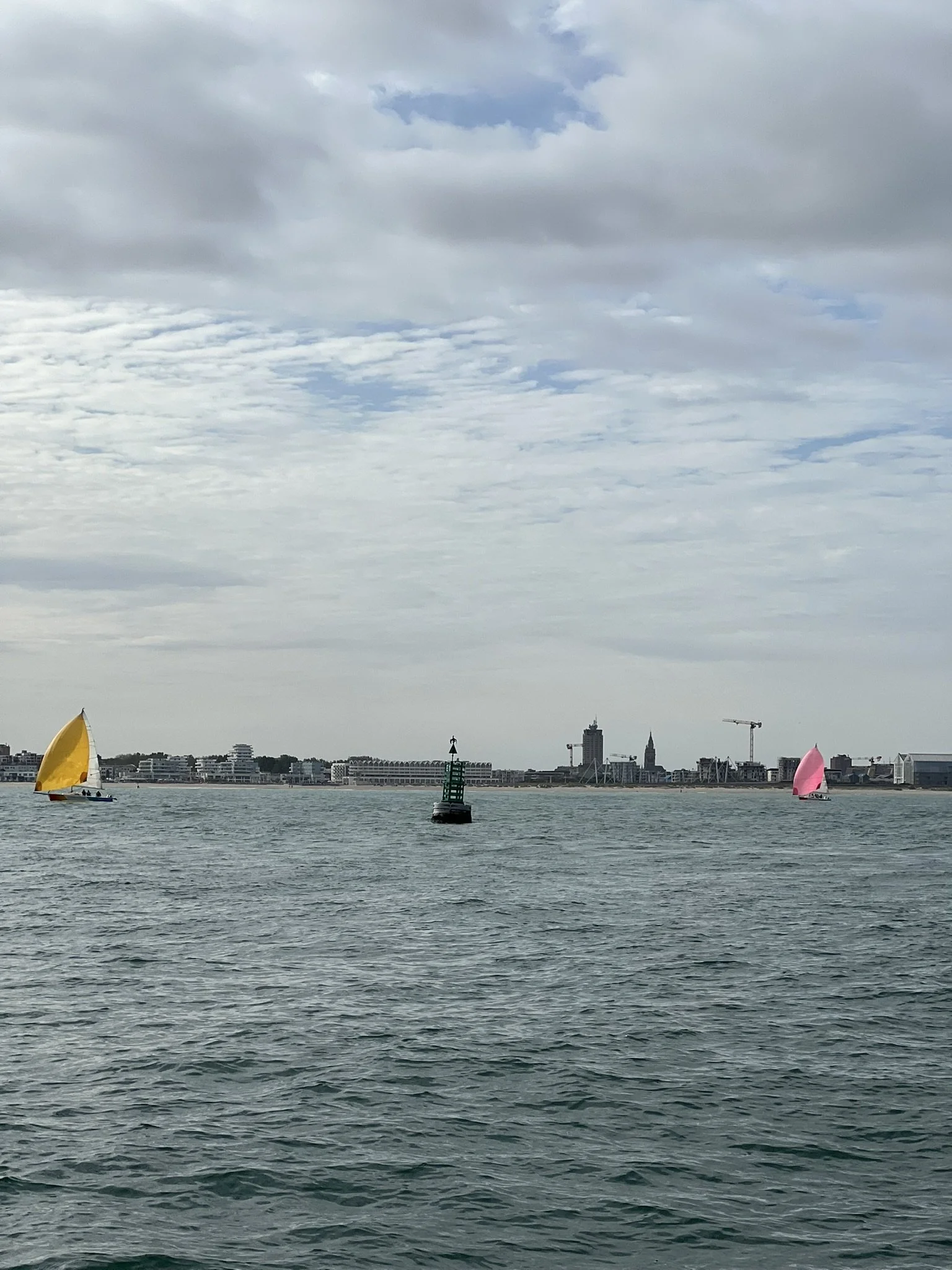
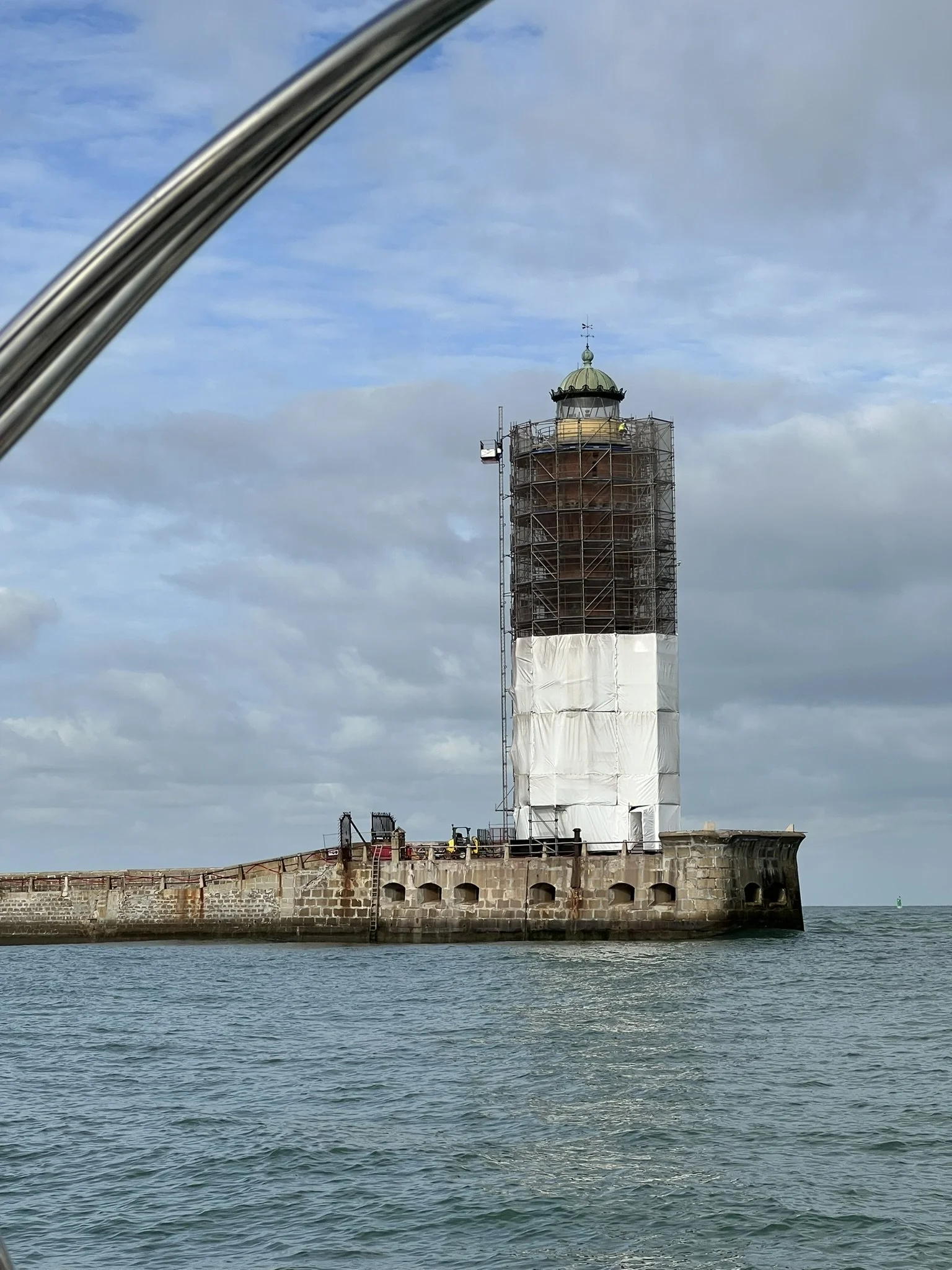
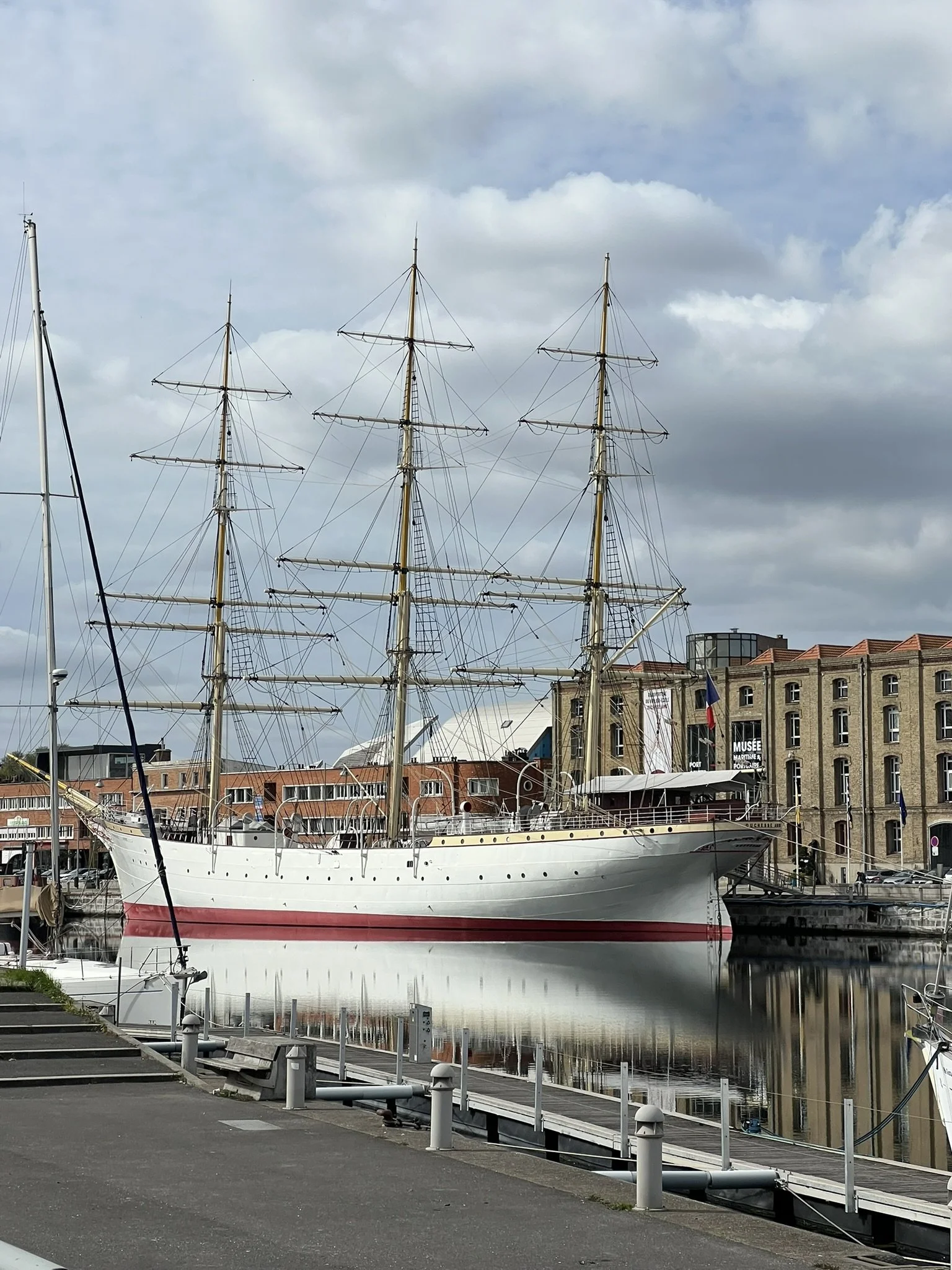
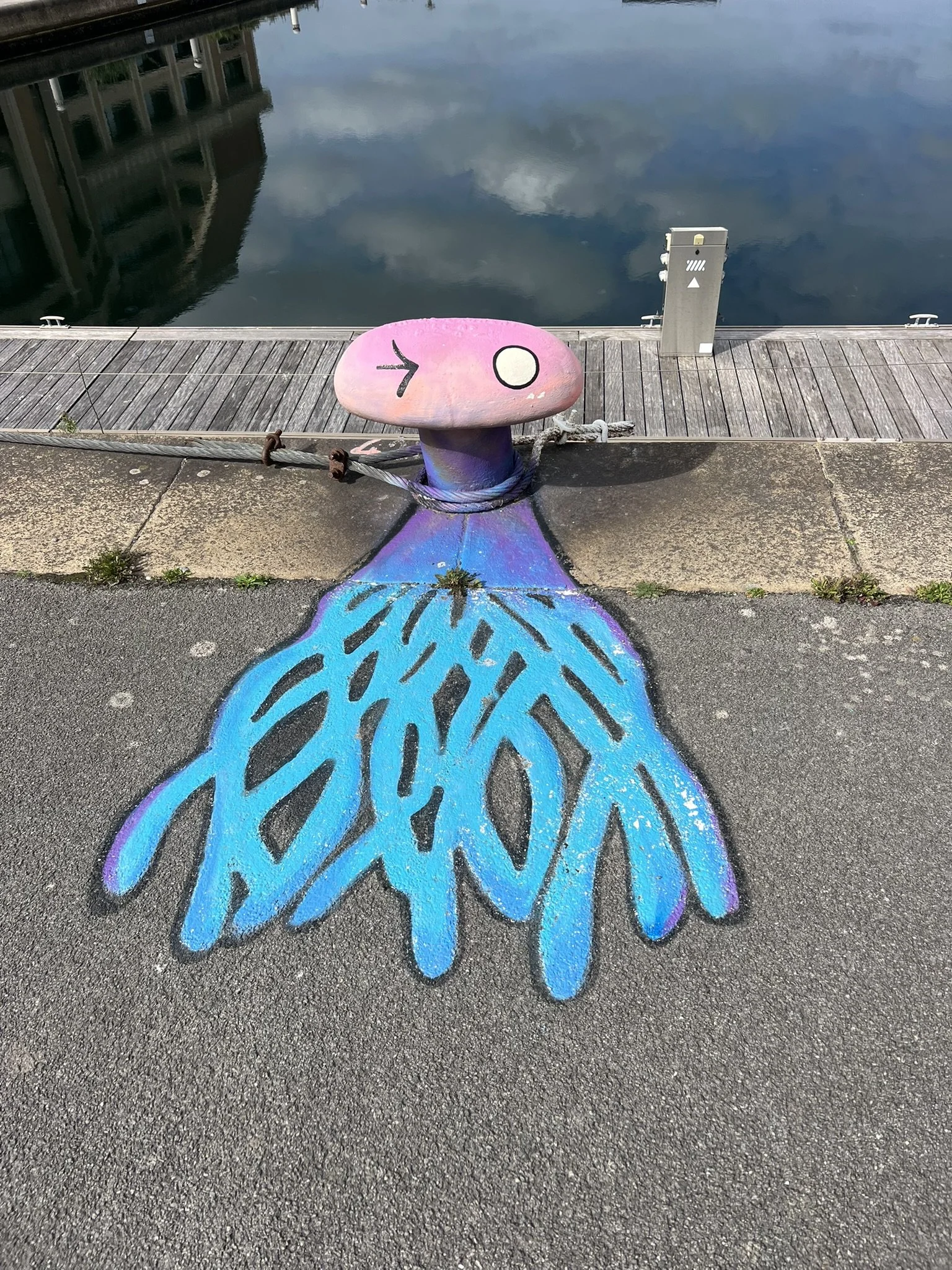
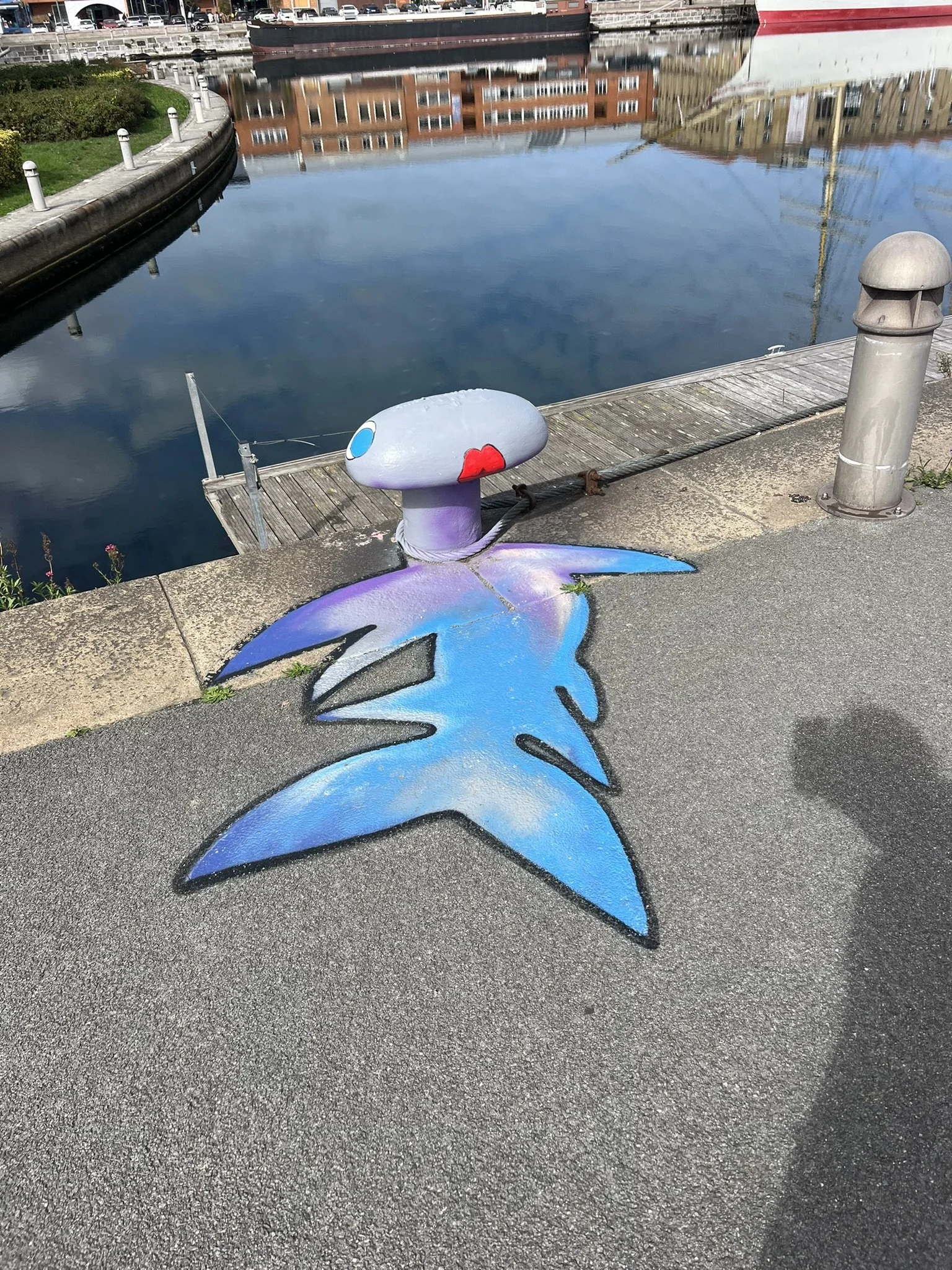
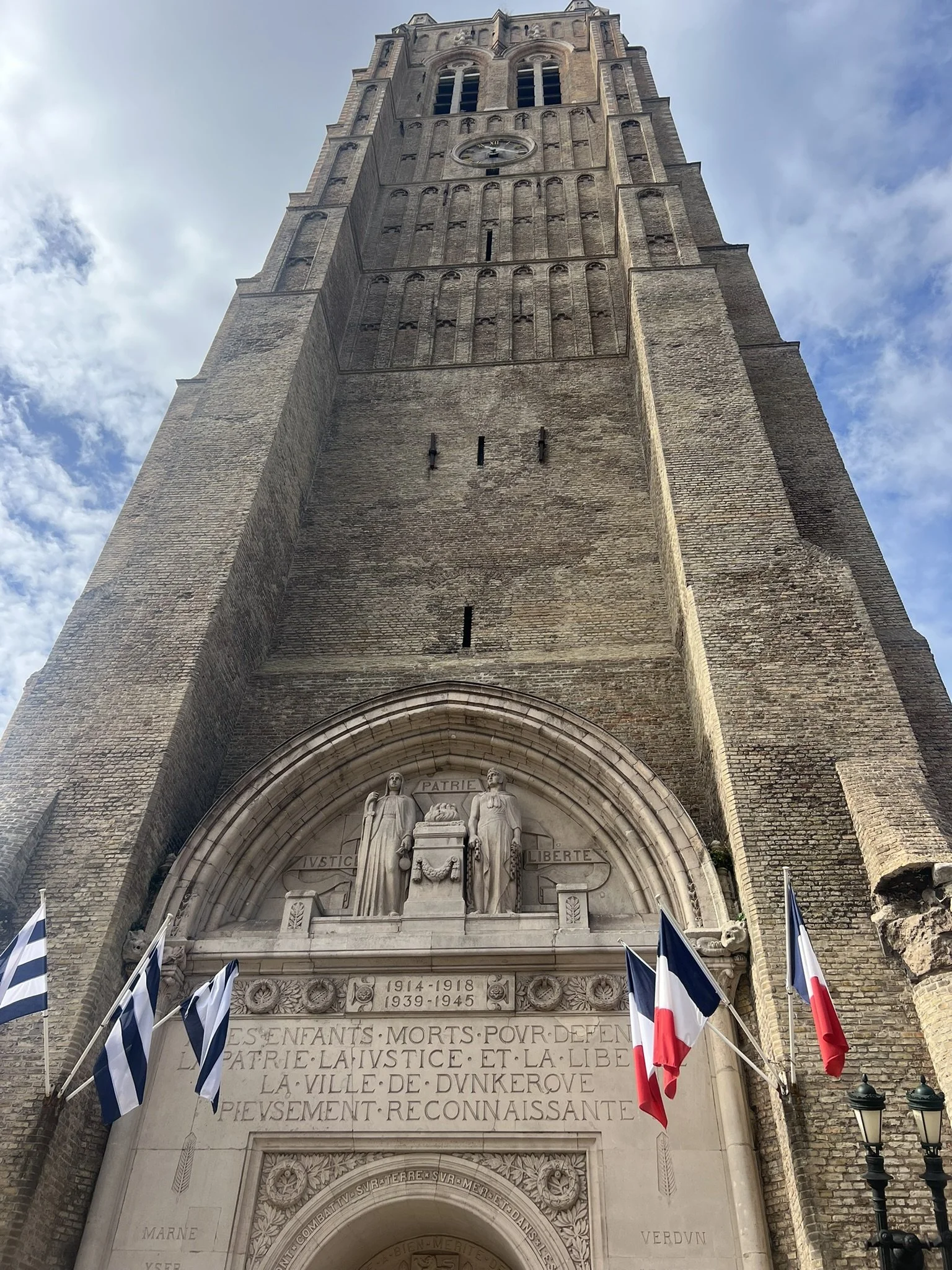
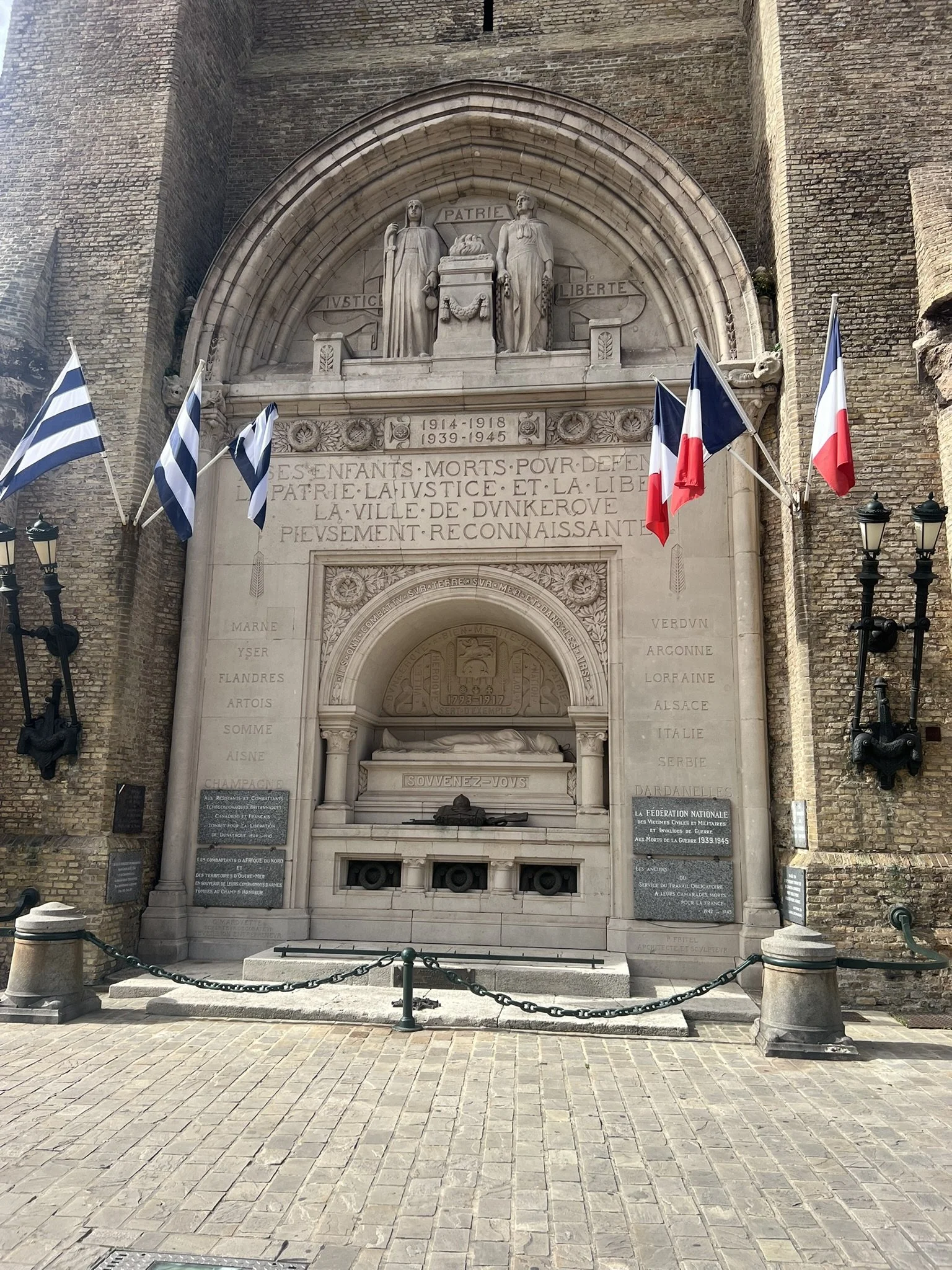
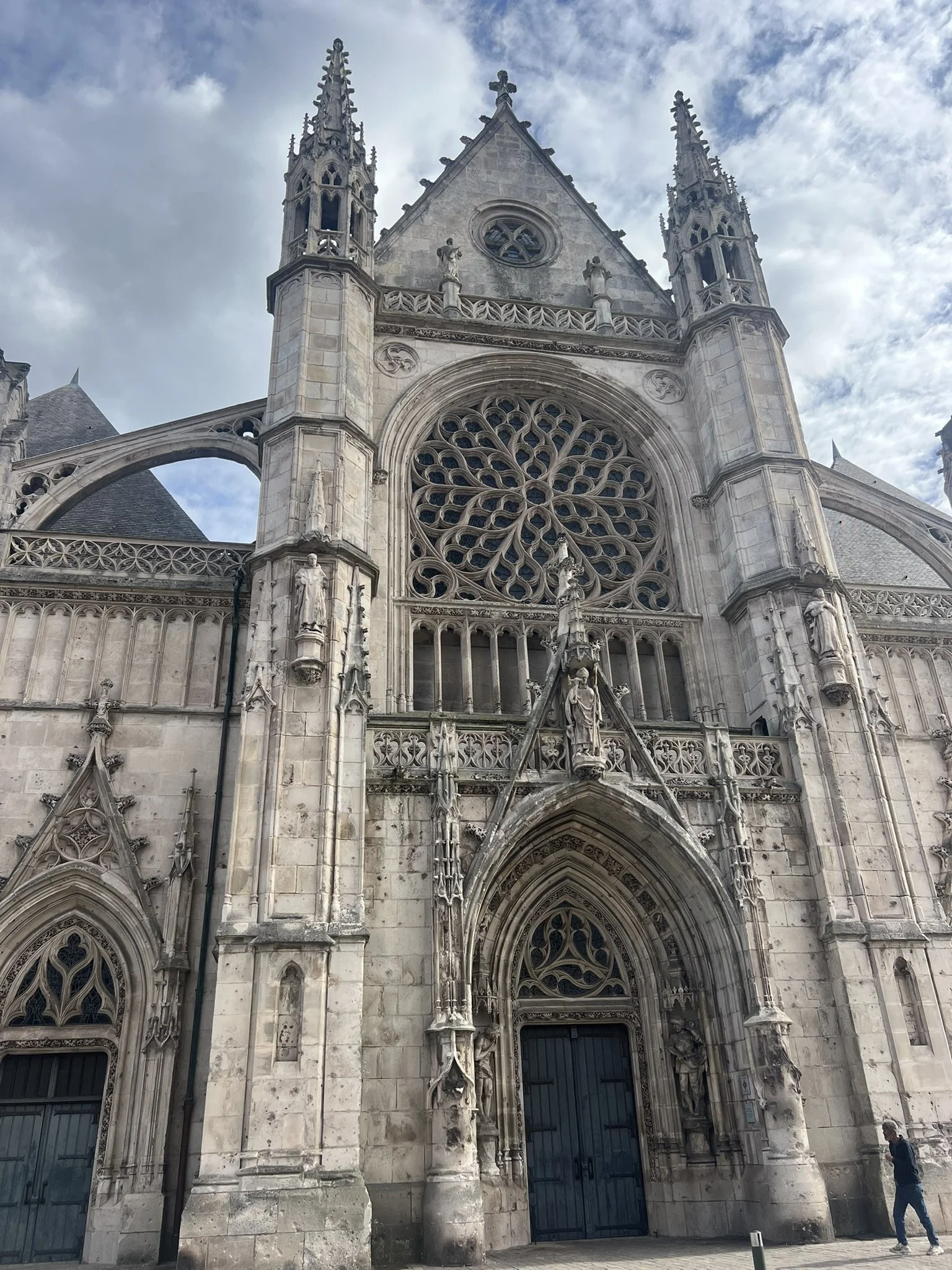
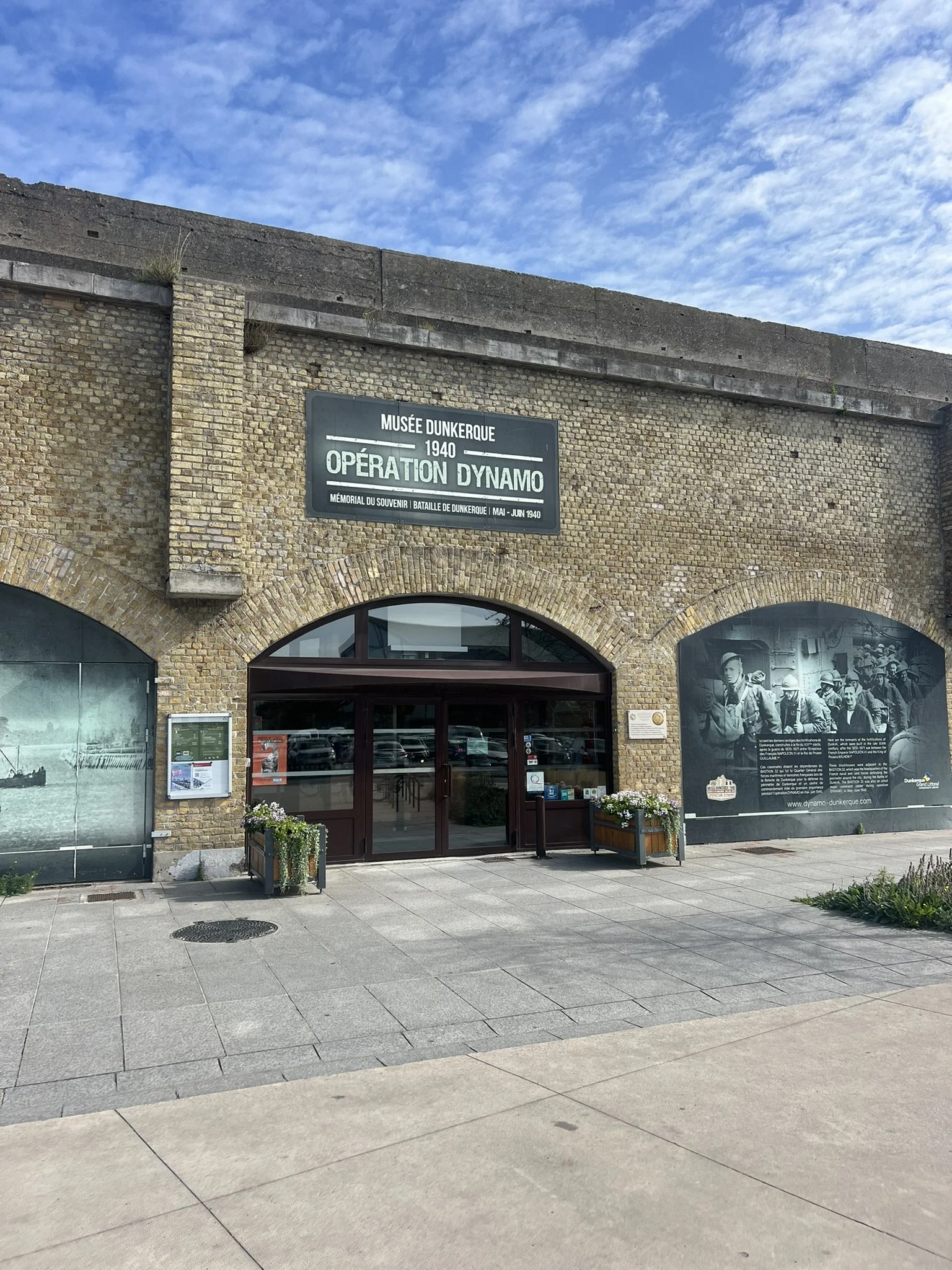
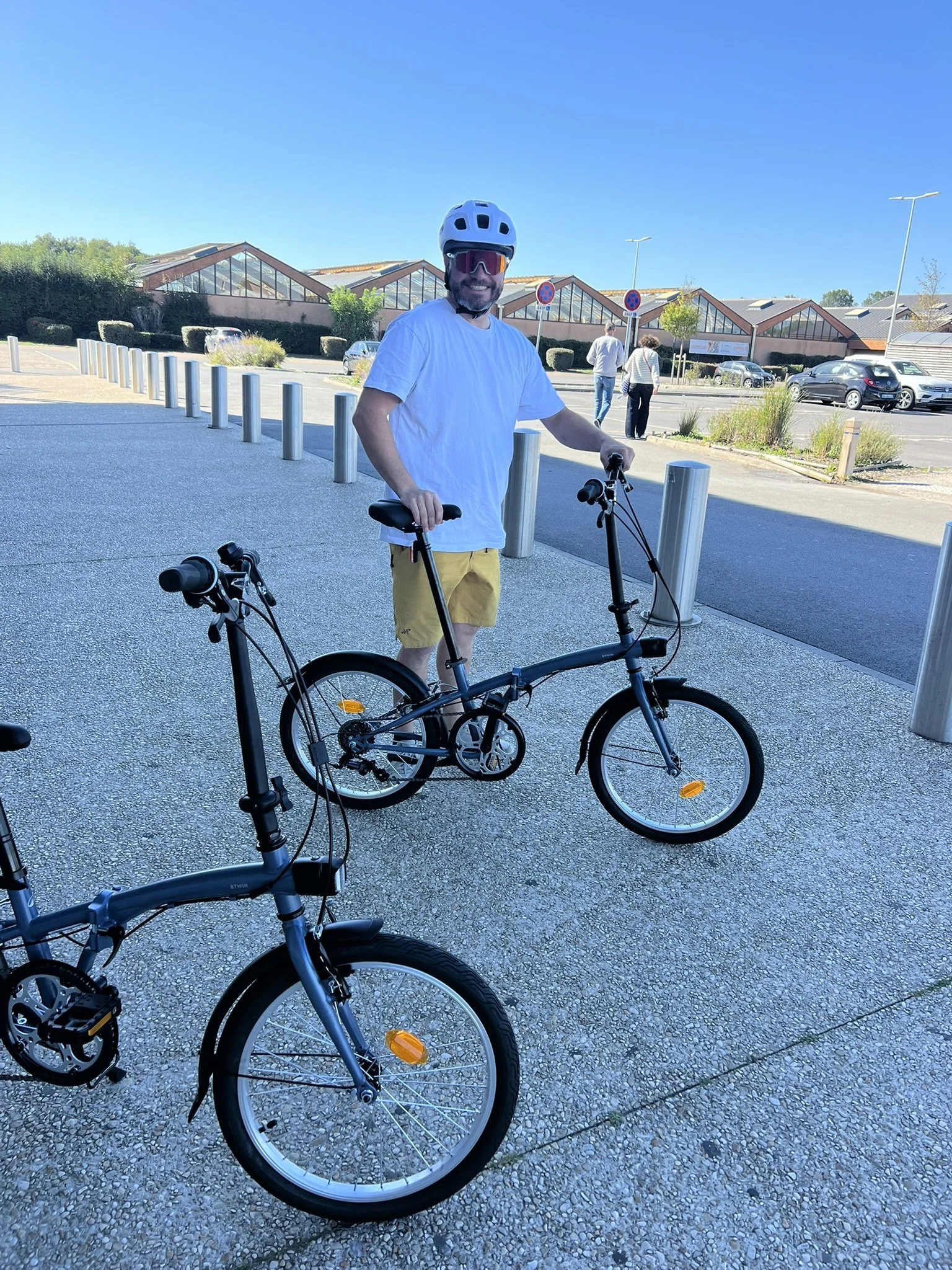
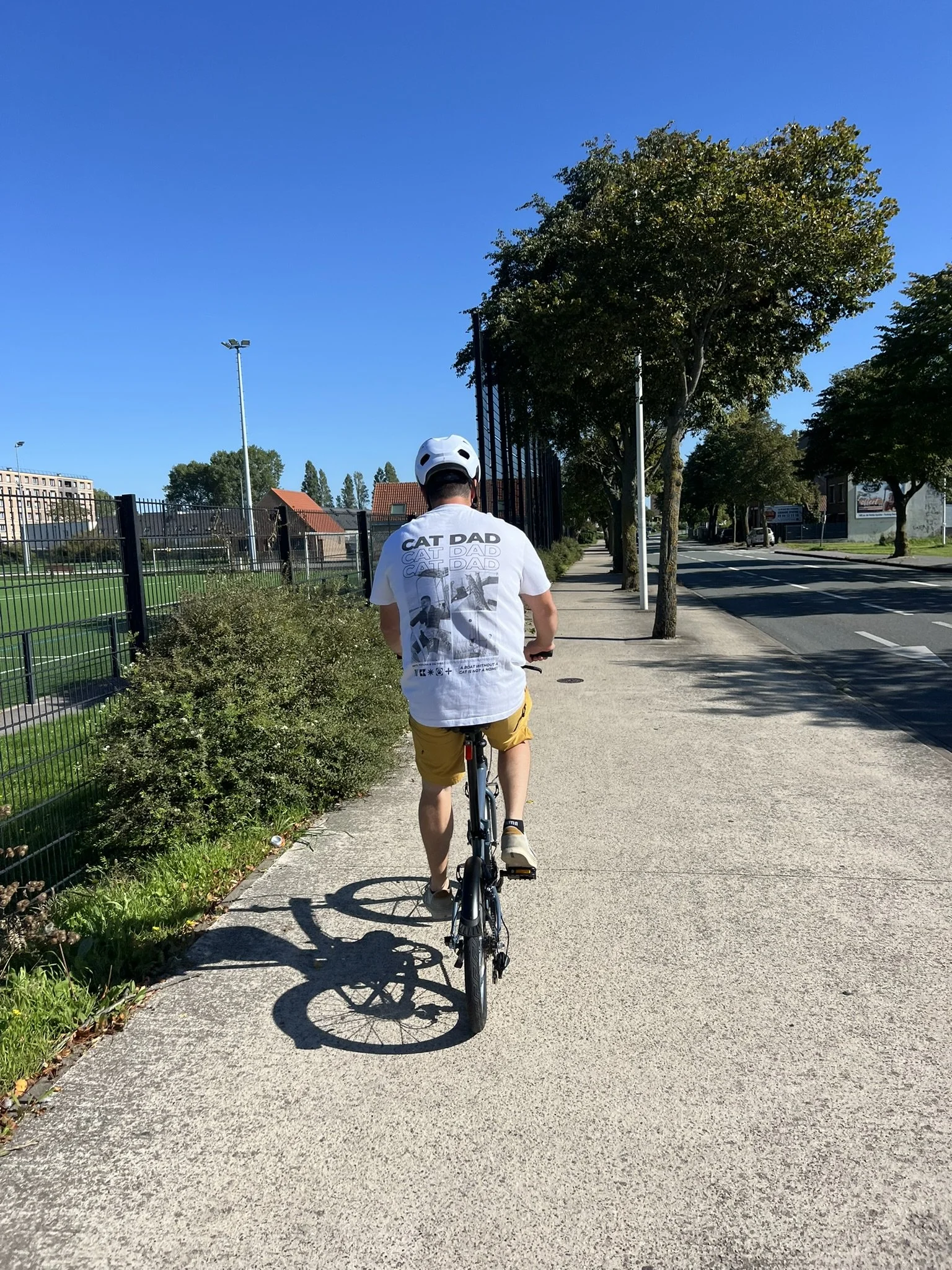
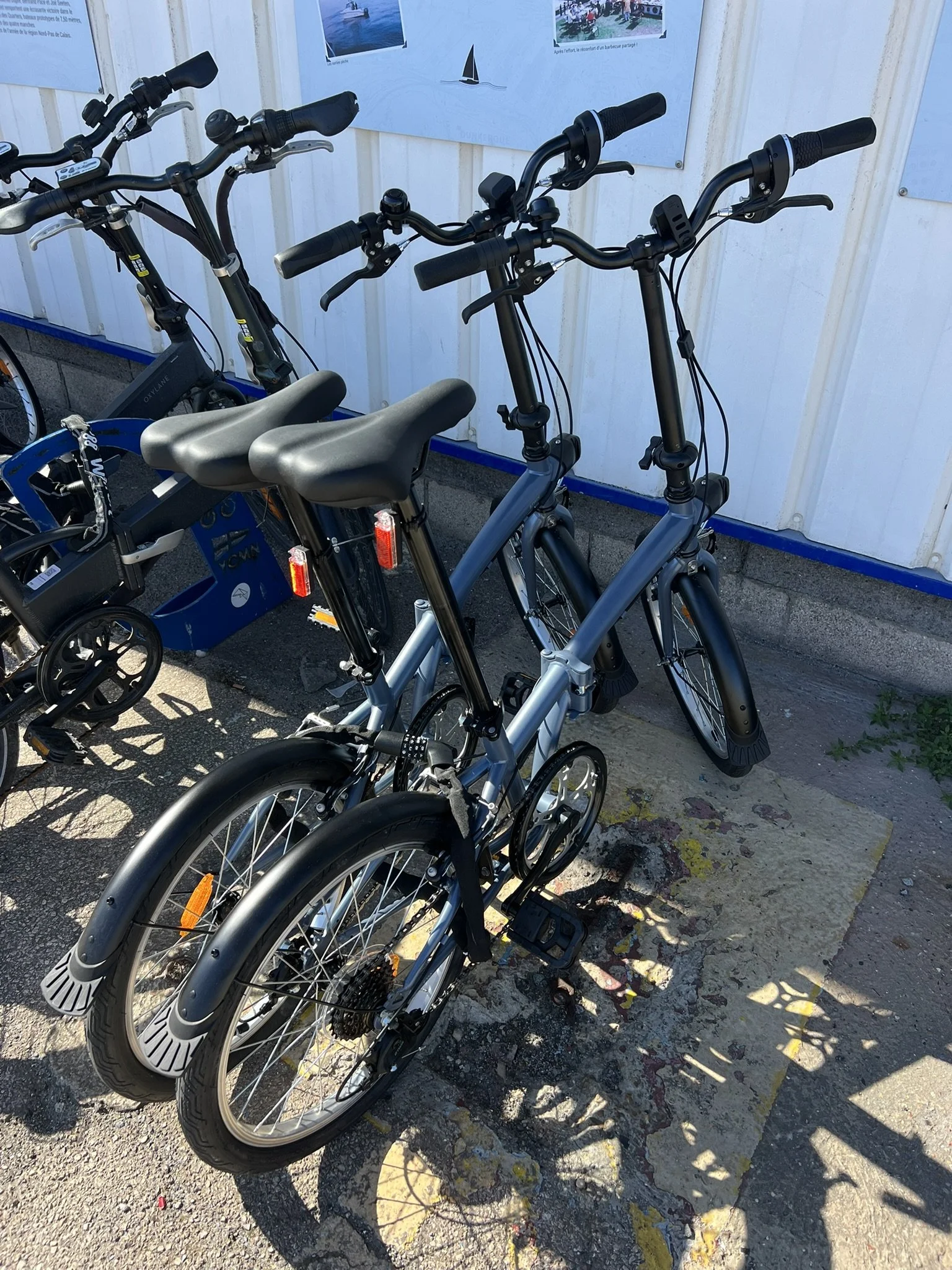
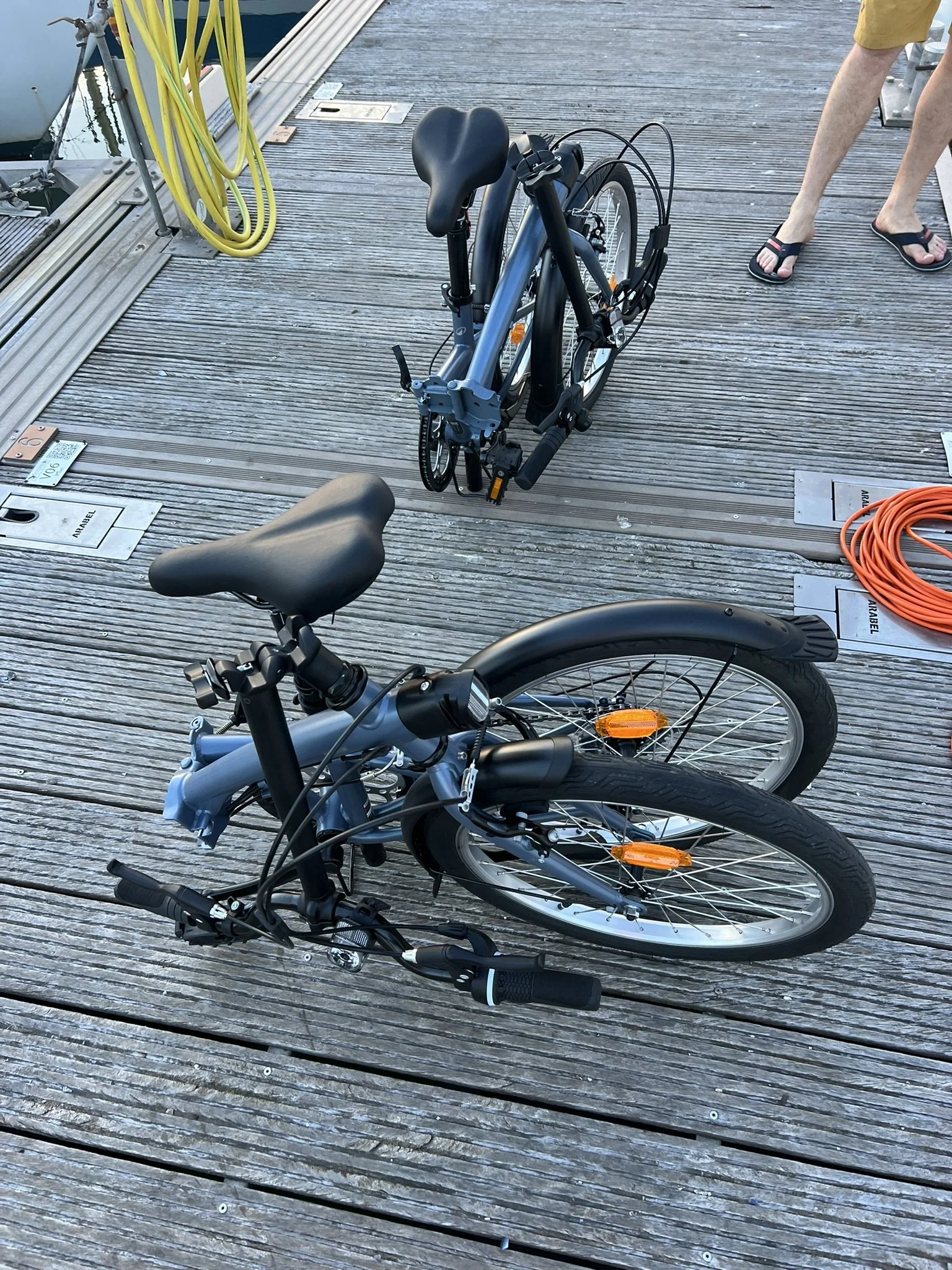
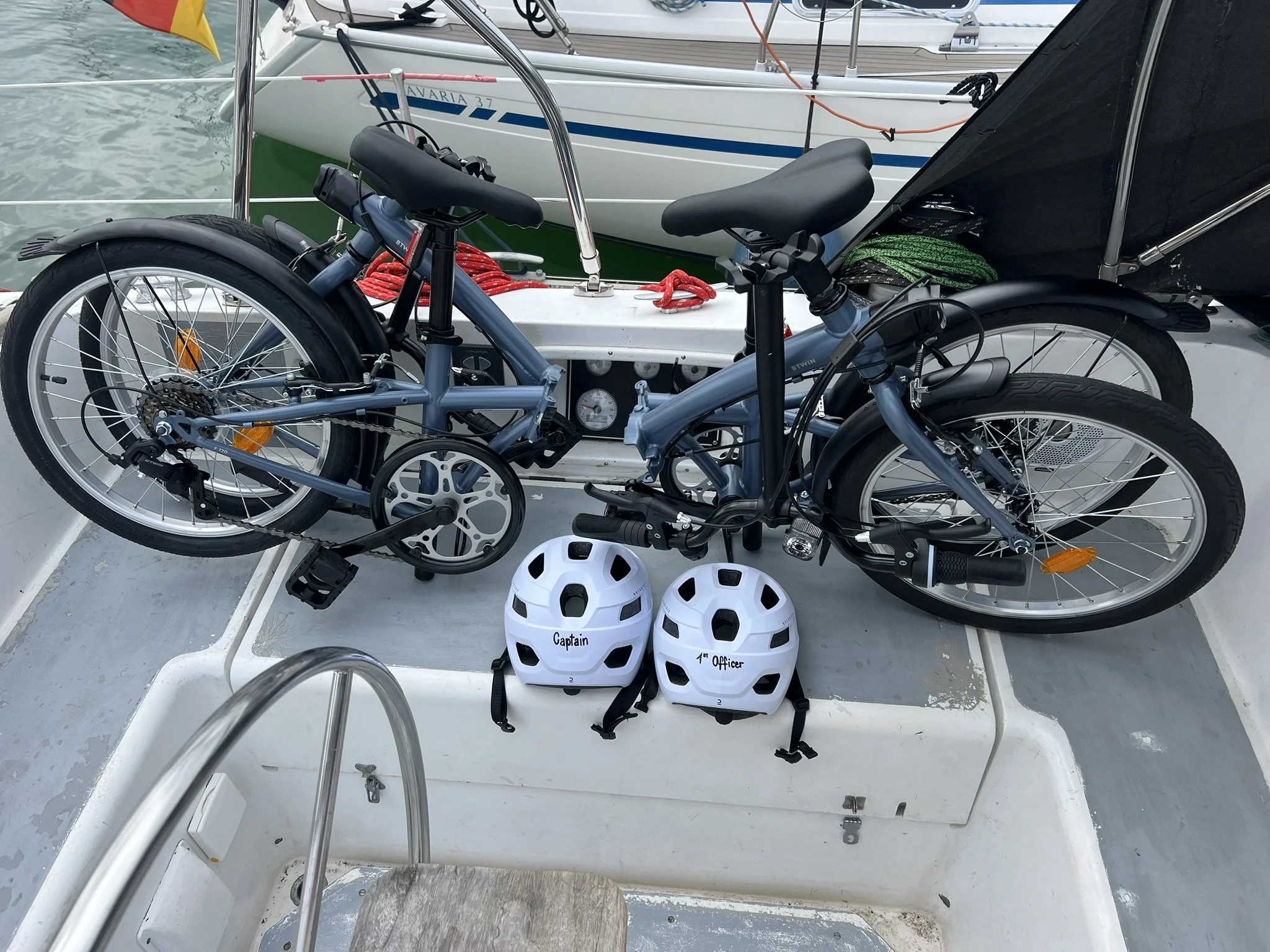
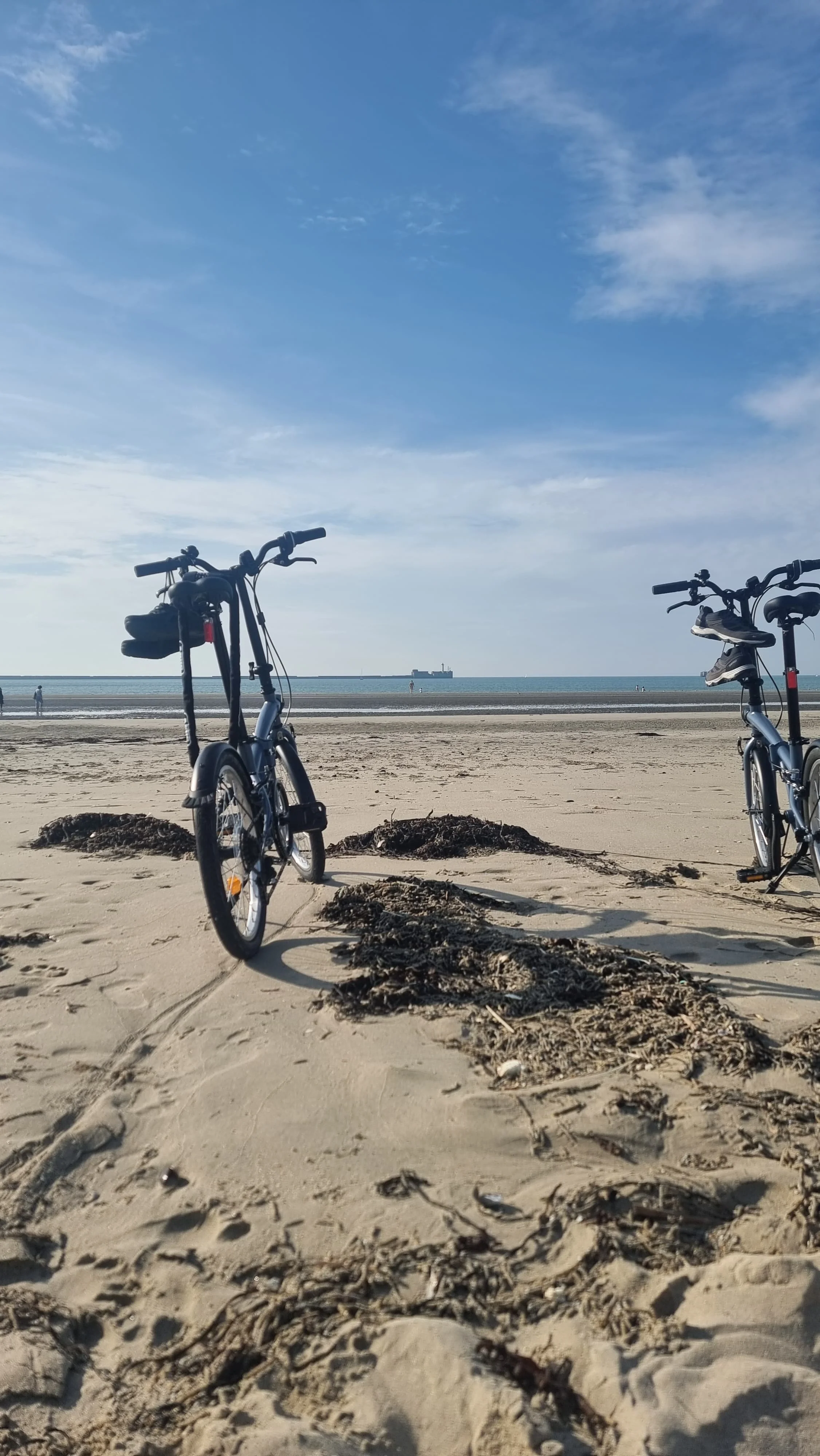
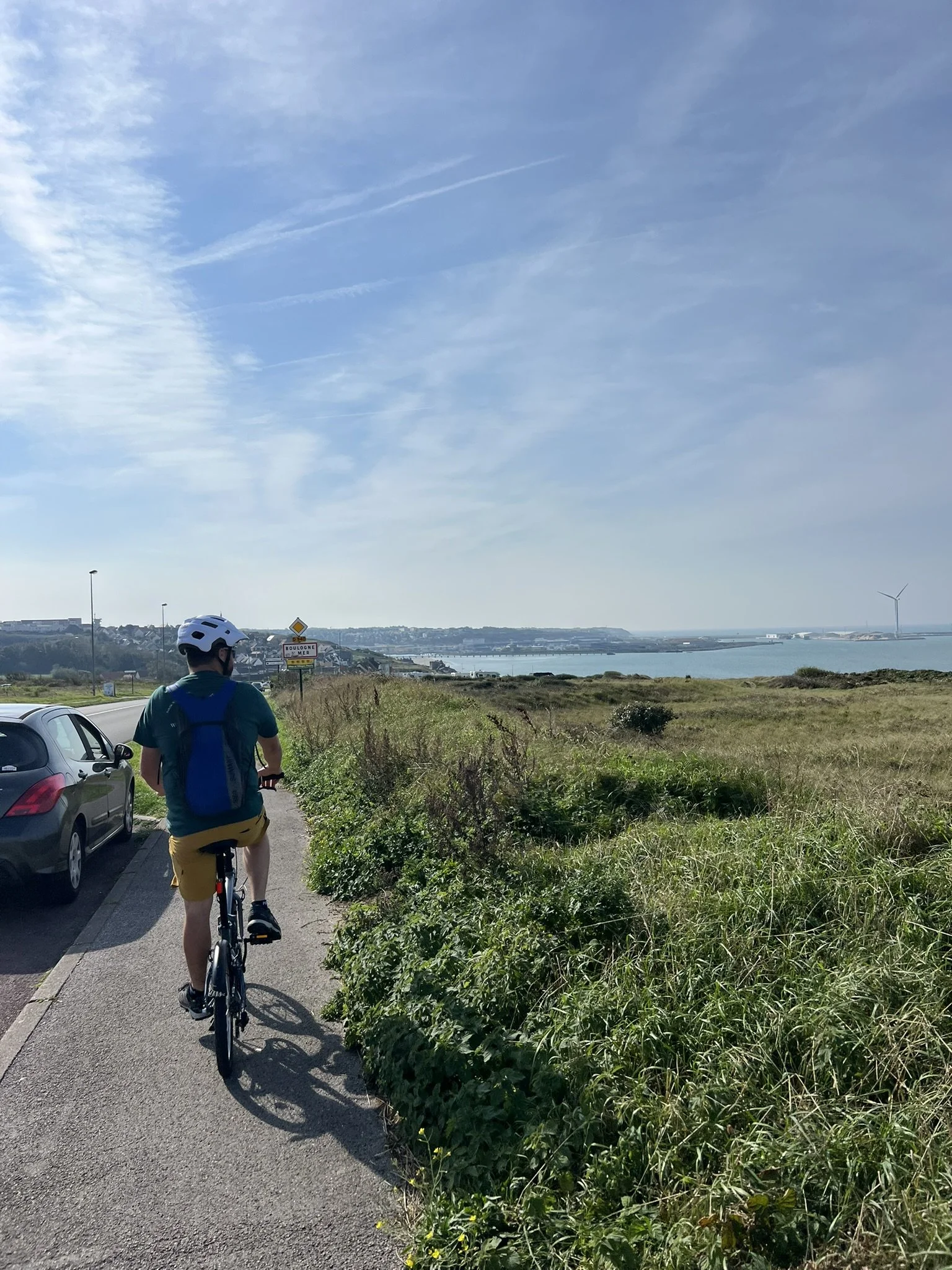
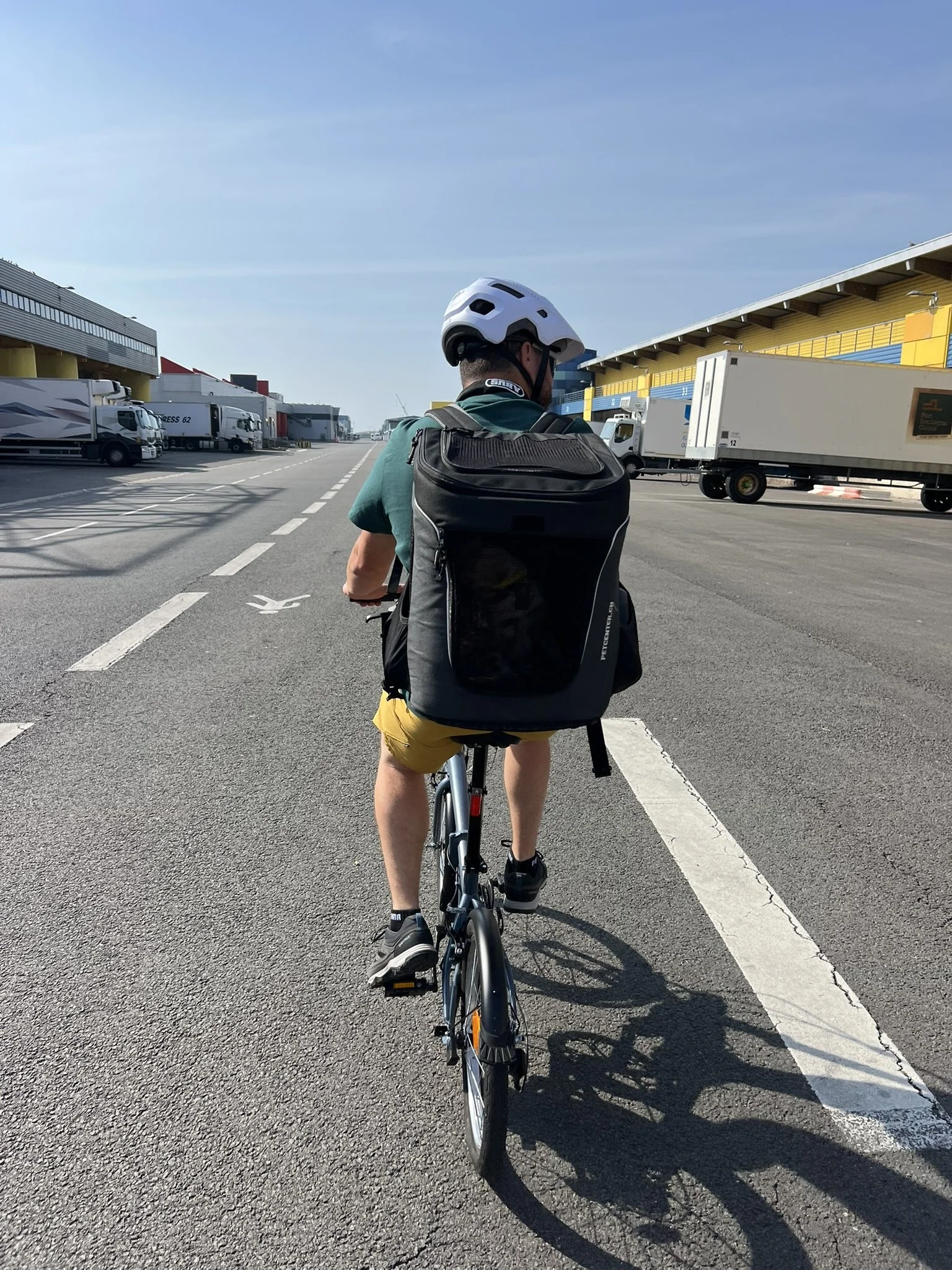
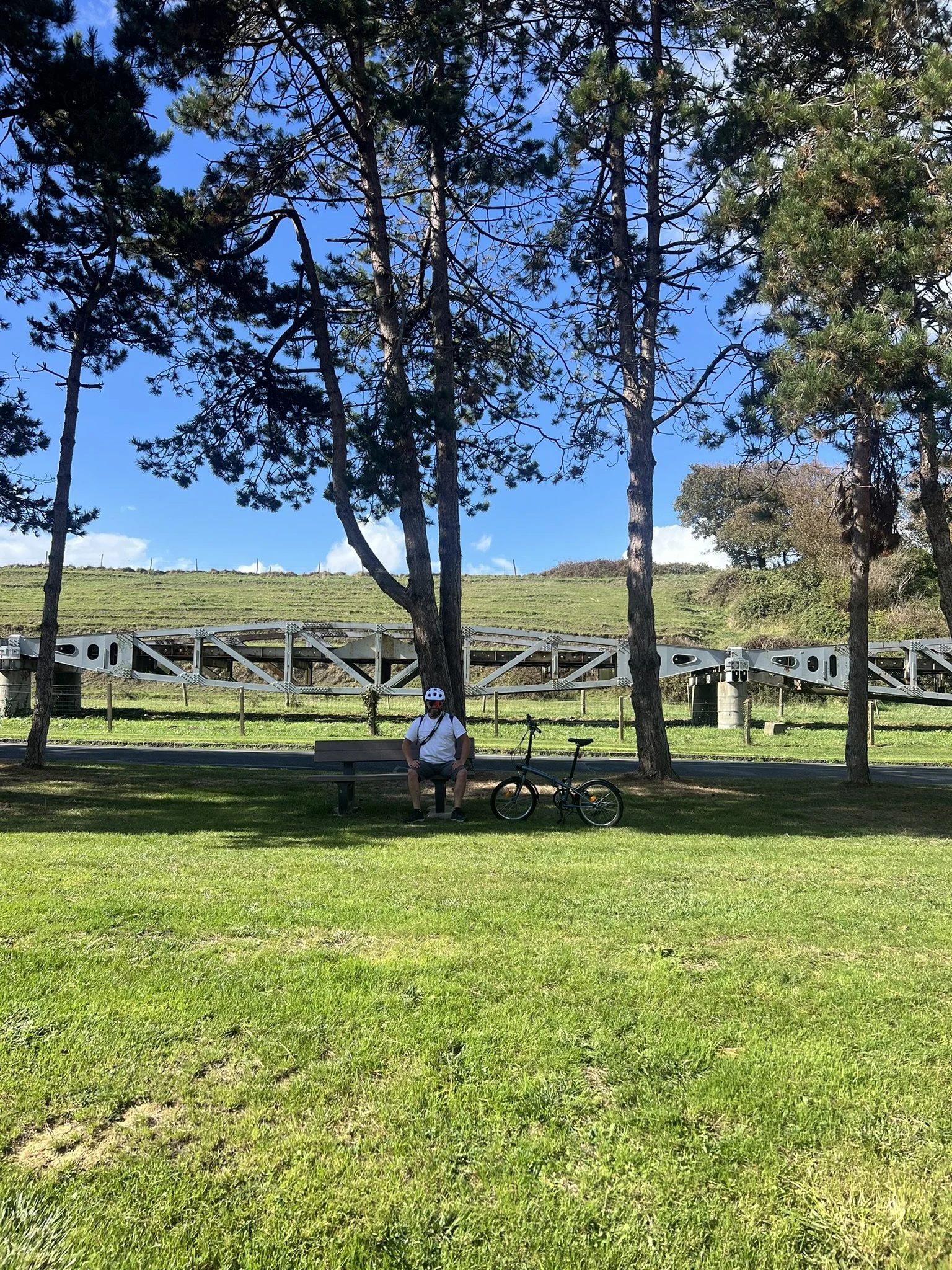
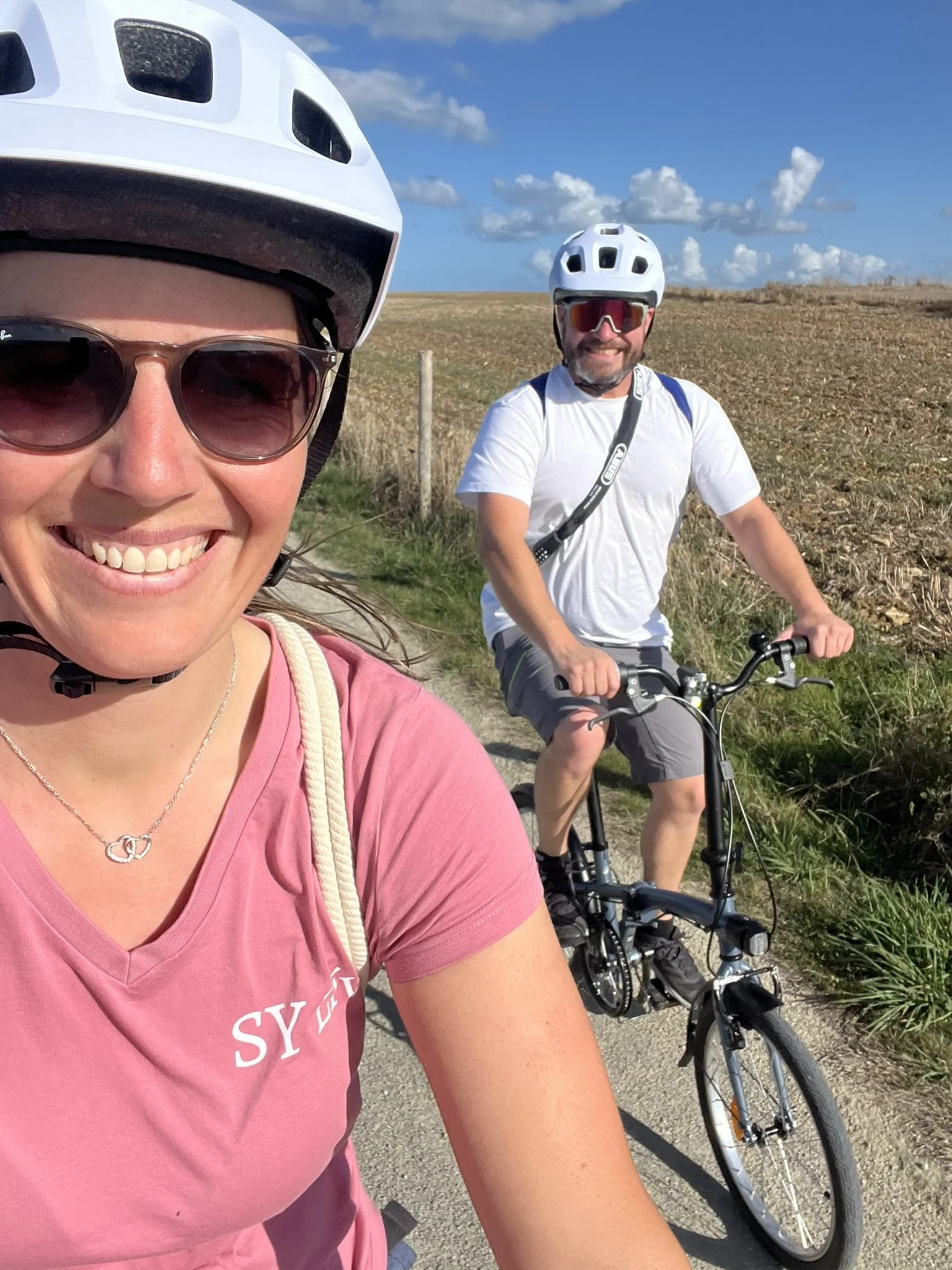
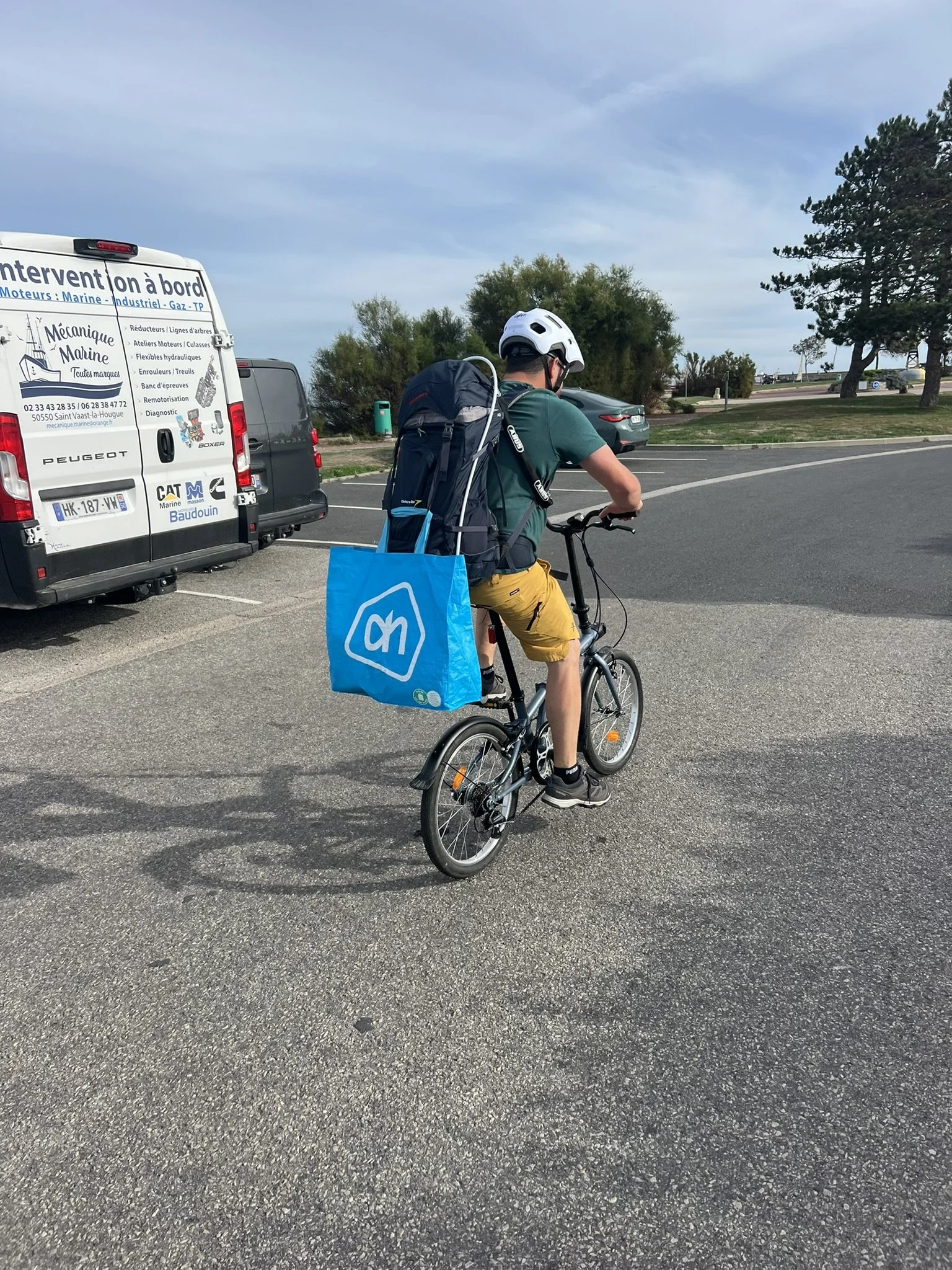
That said, our first stop was Dunkirk, and thankfully, this is a large harbour that we could enter regardless of the tide. One of the first things we did there was finally buy folding bikes, so we could get around more easily and quickly than with our scooters. And I have to say, they were a game changer and a very good investment!
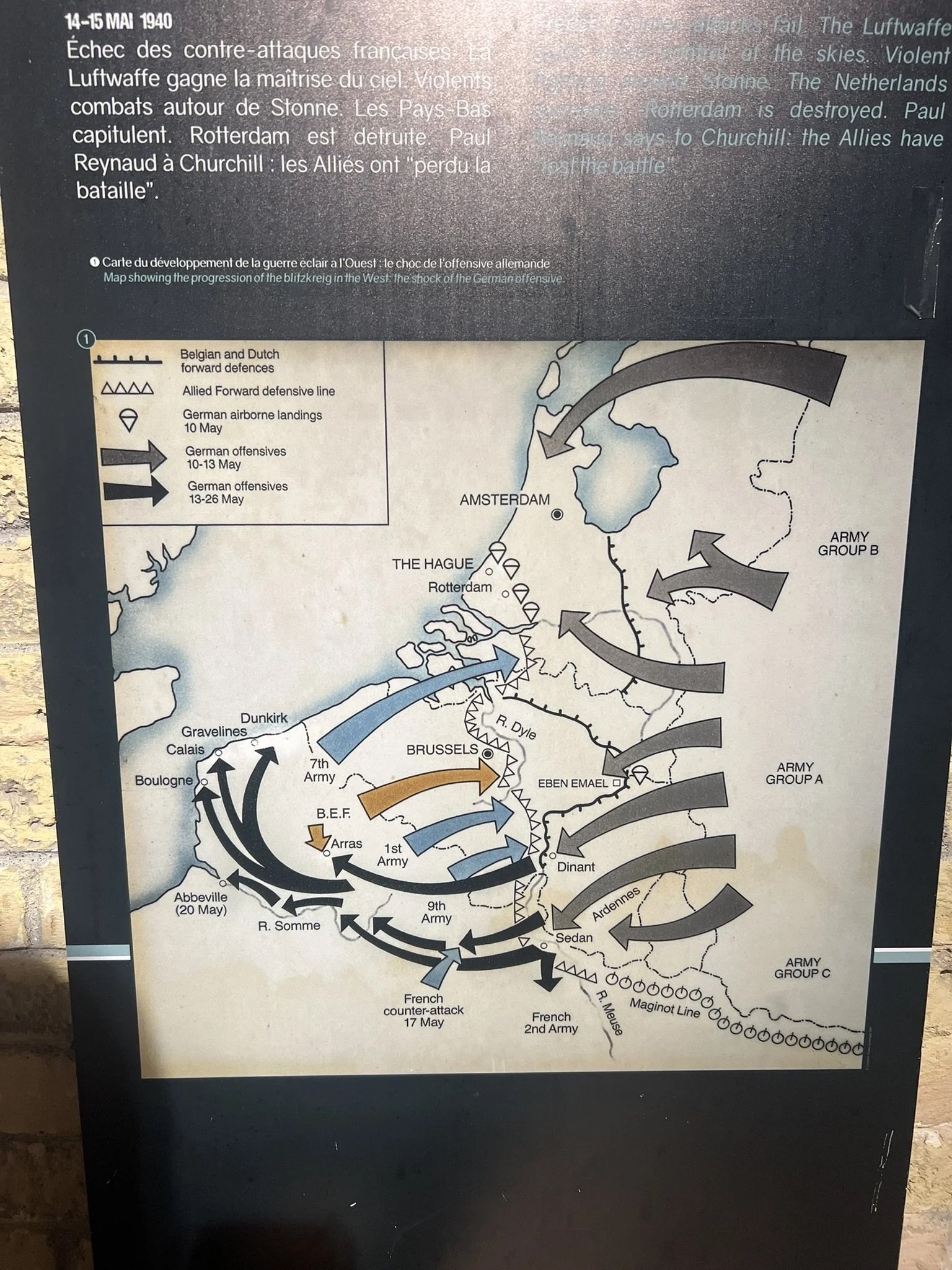
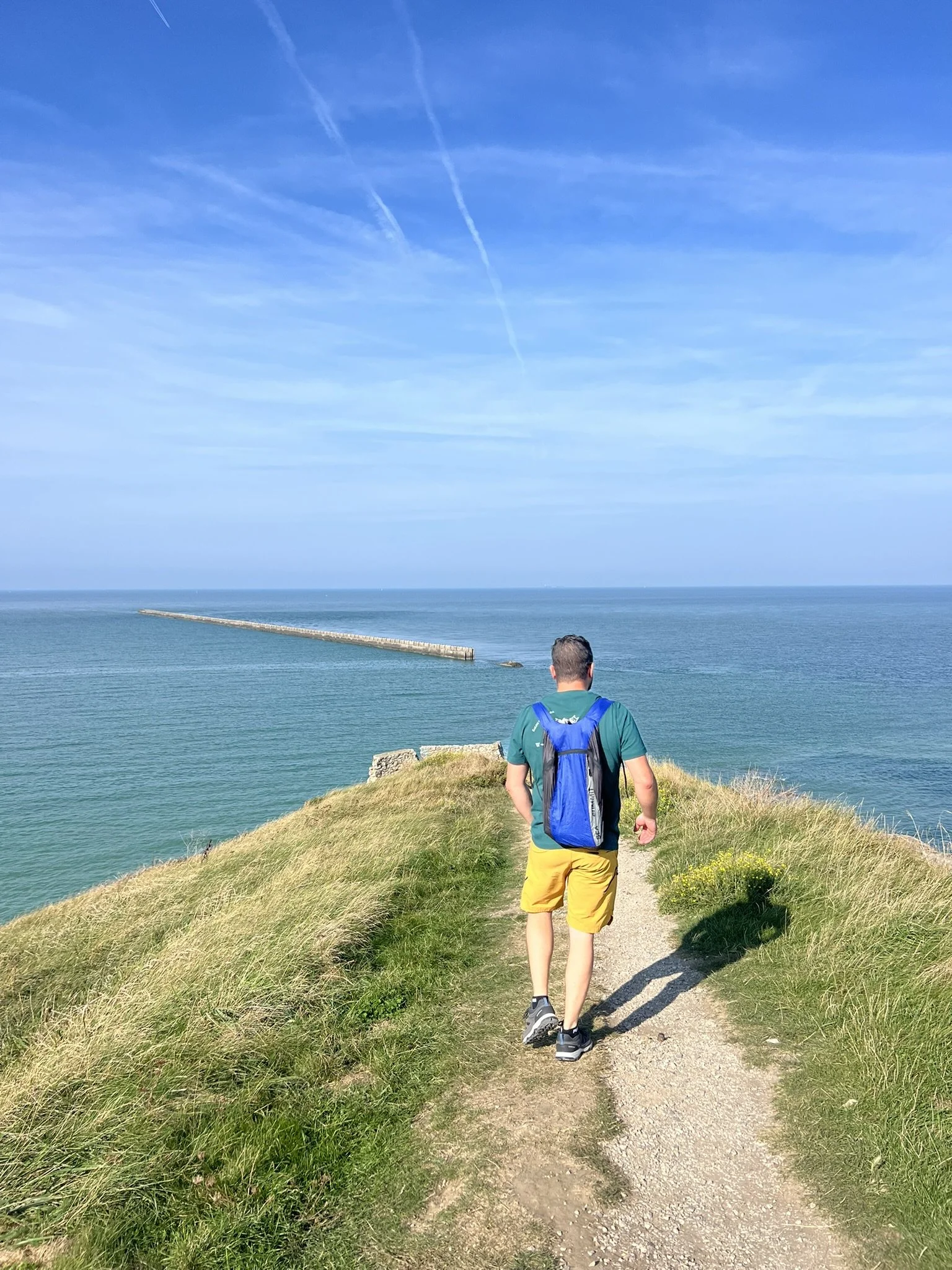
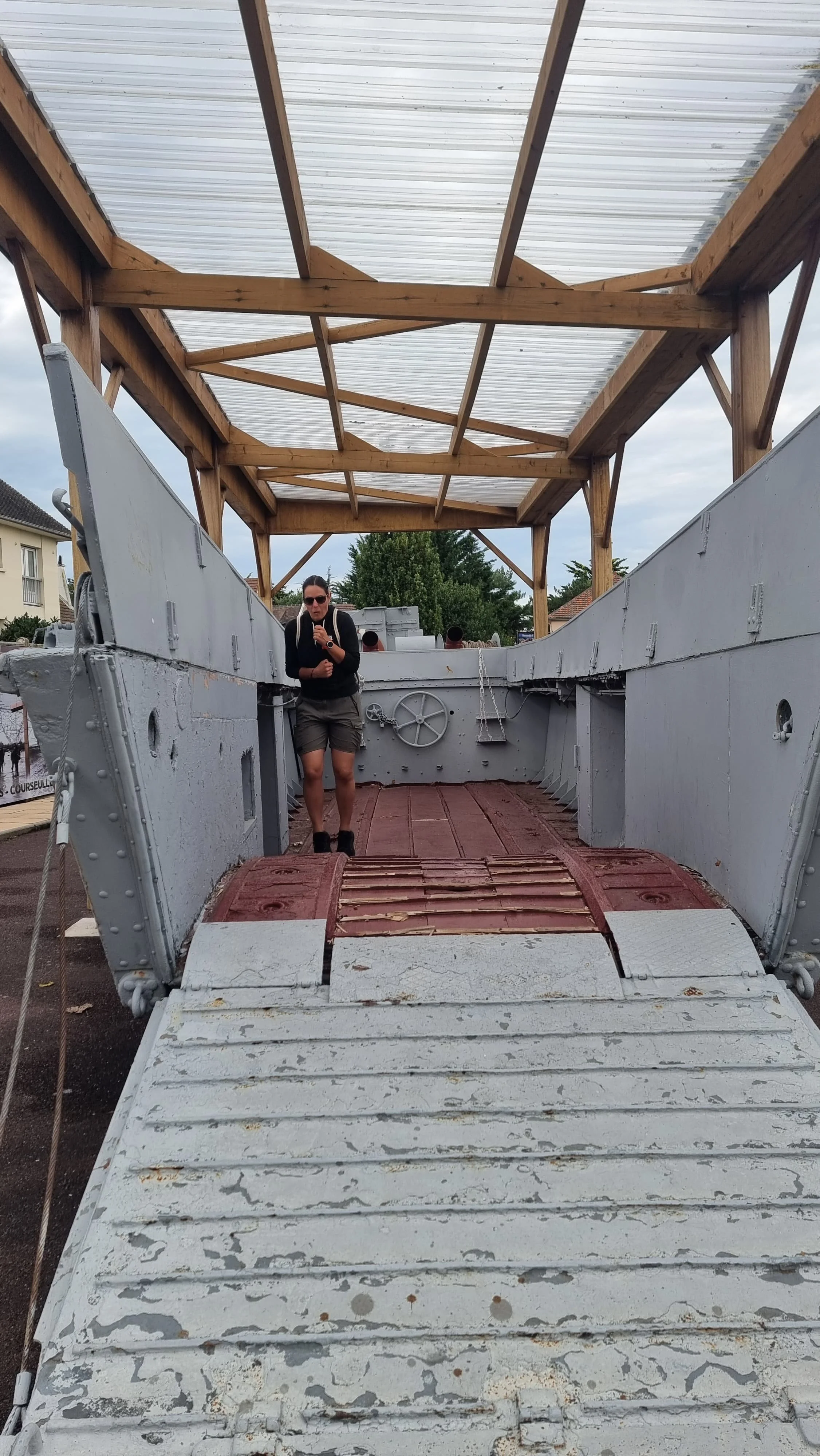
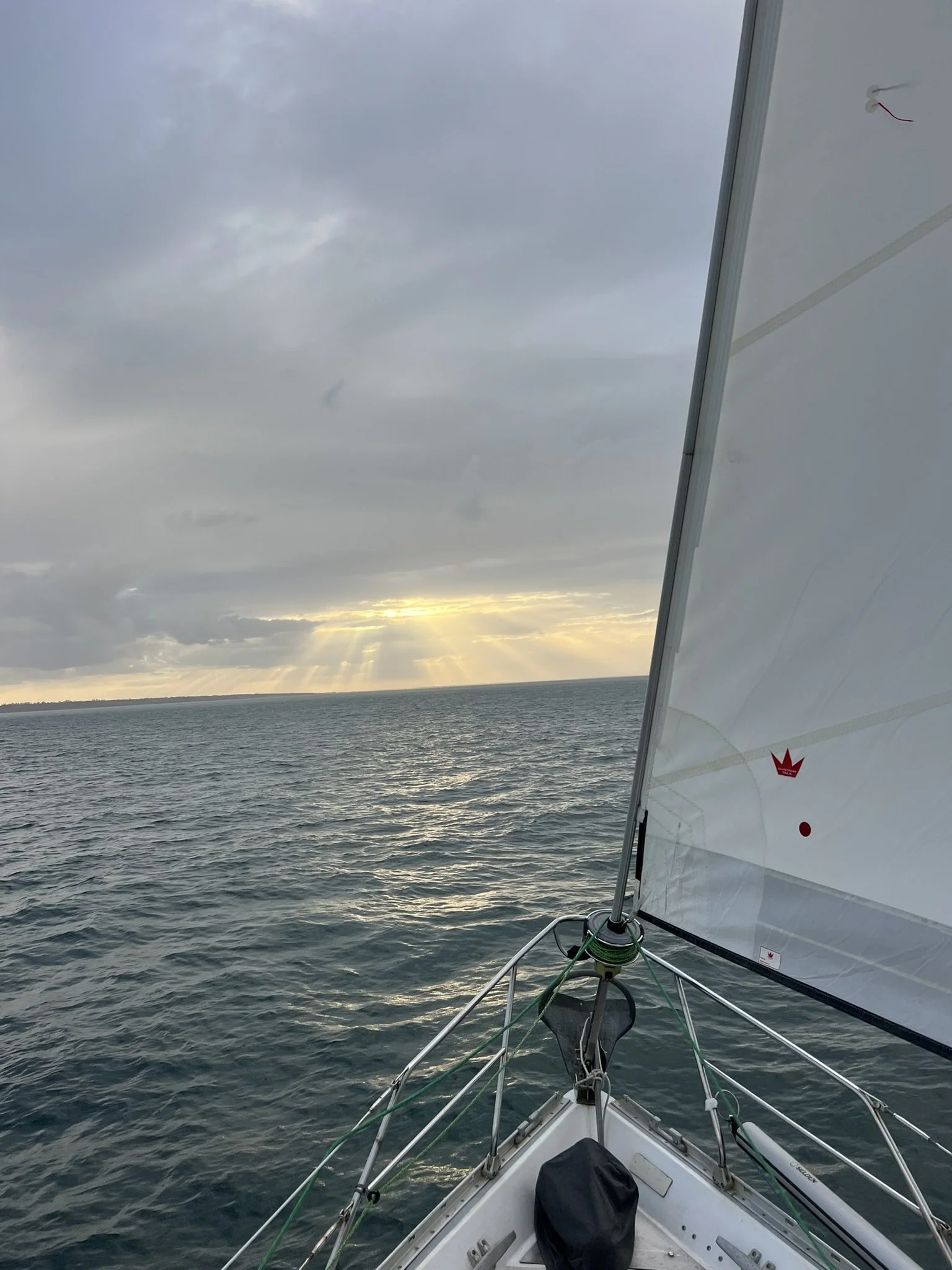
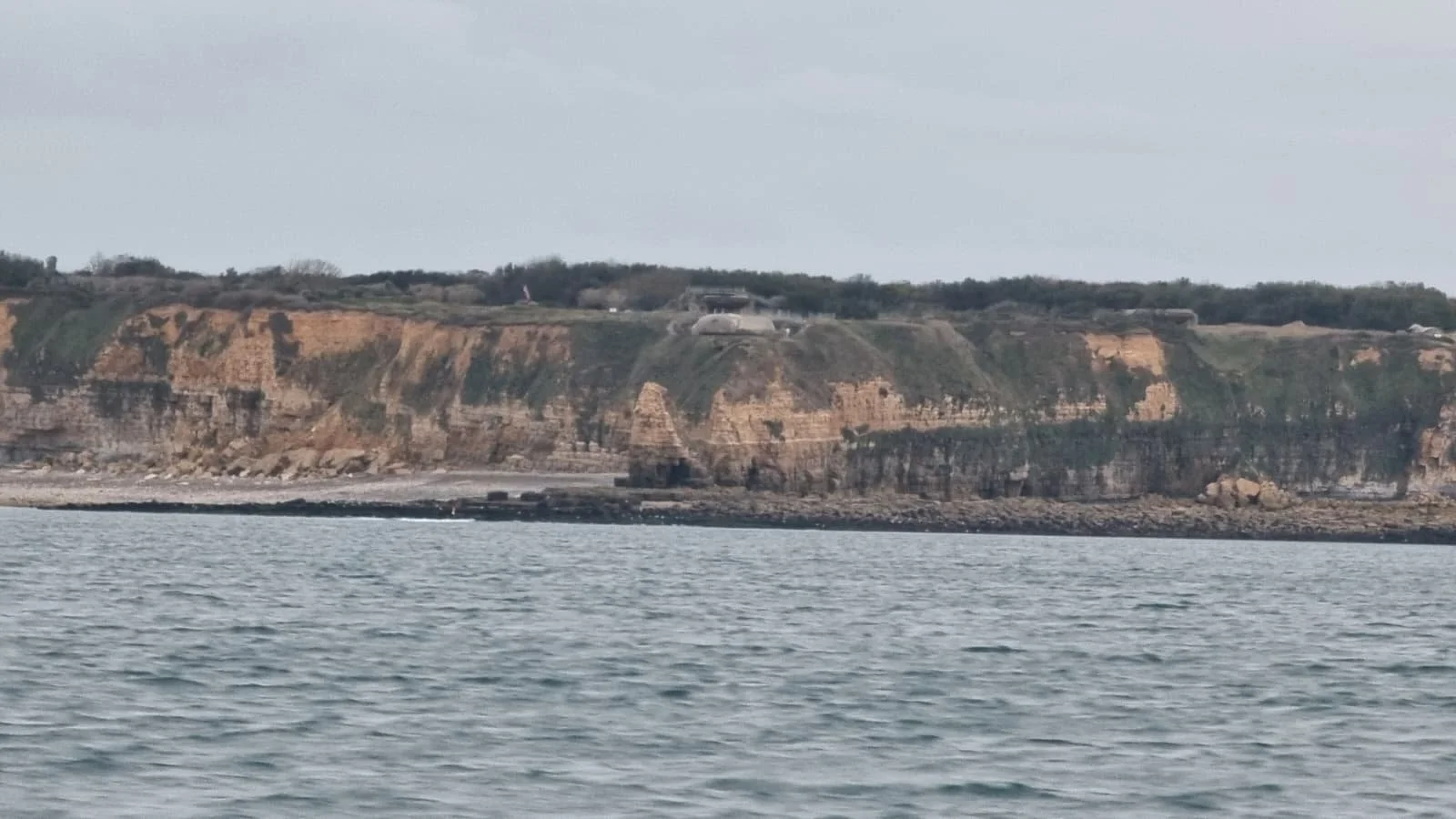
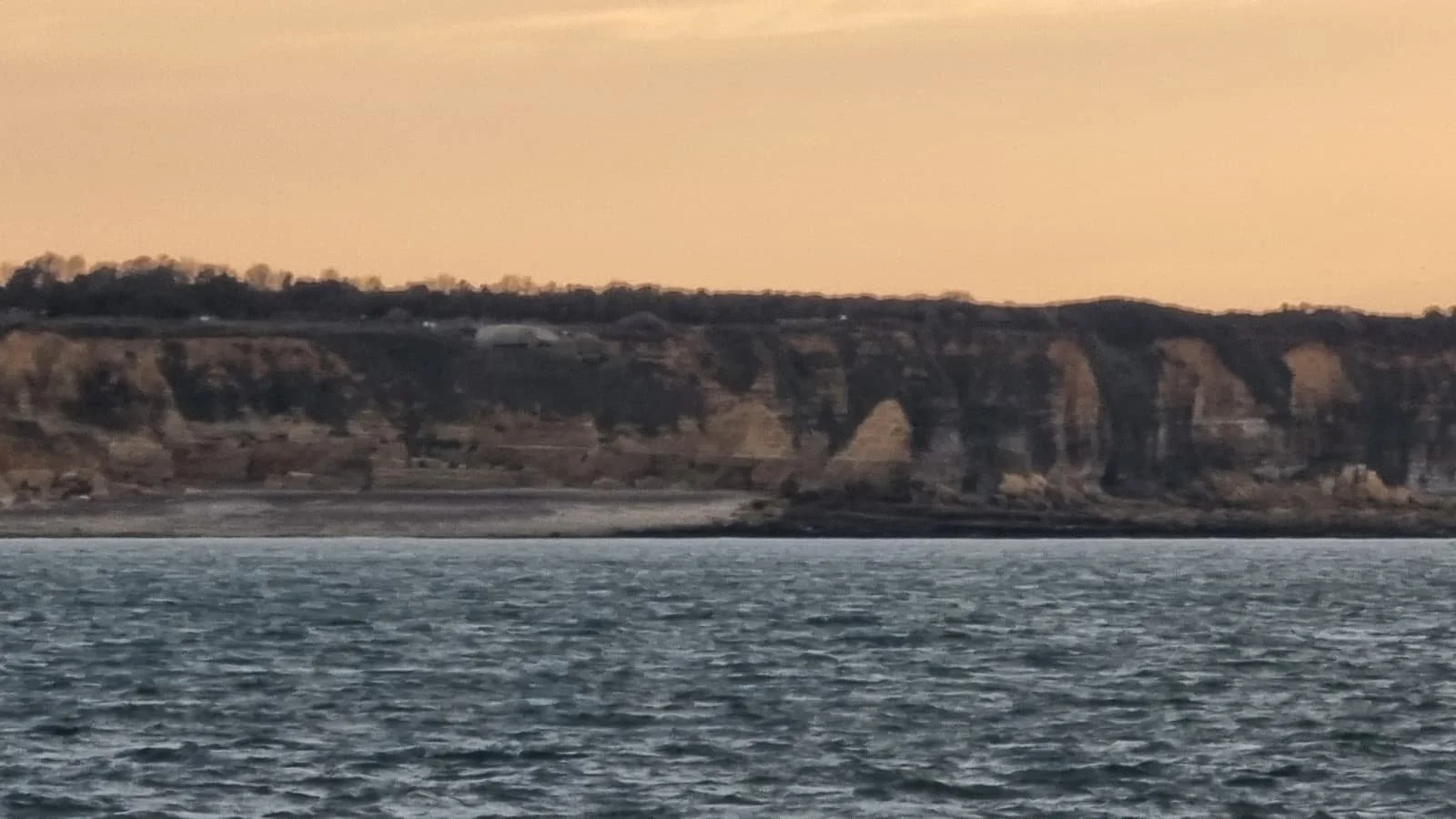
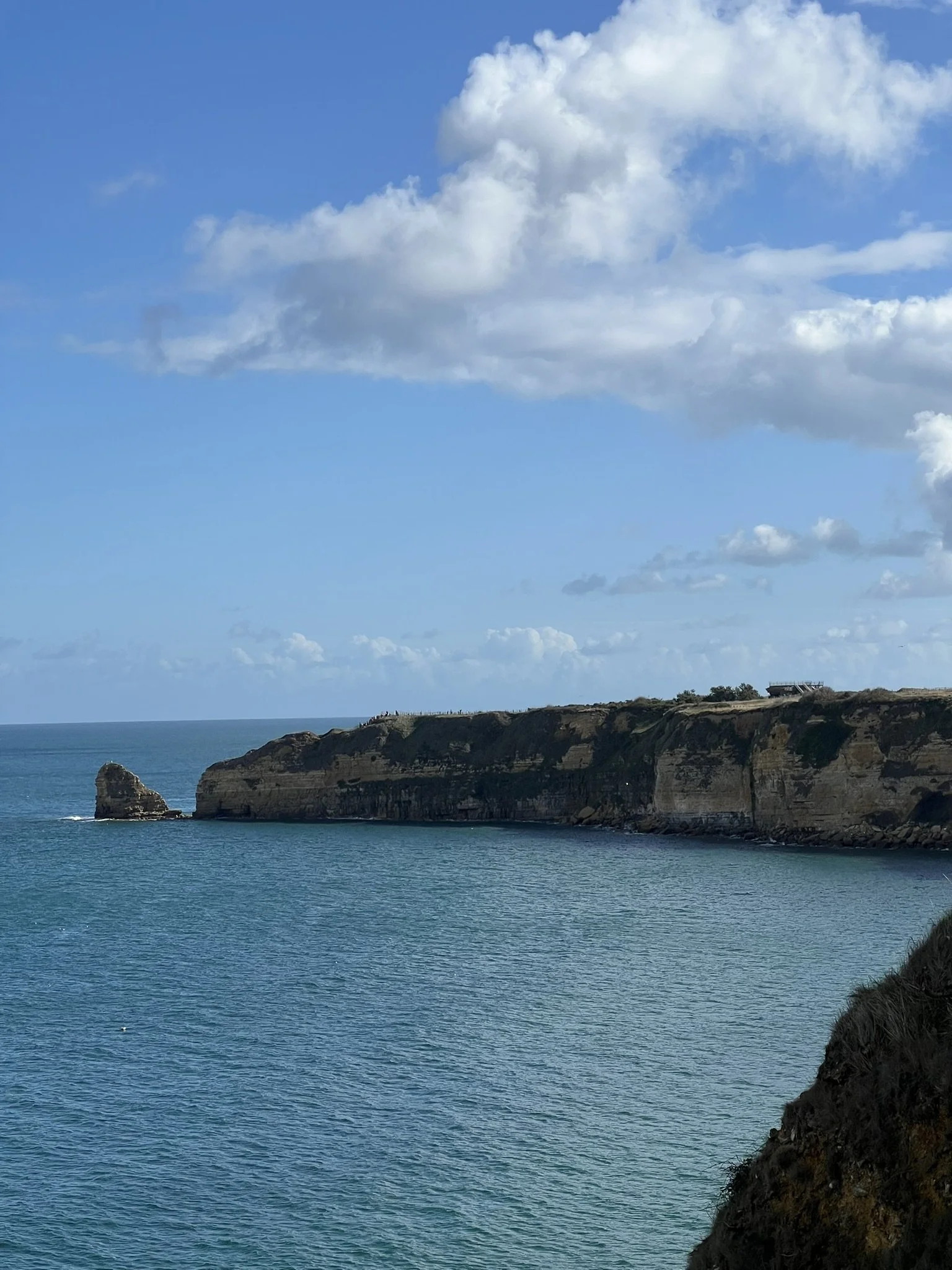
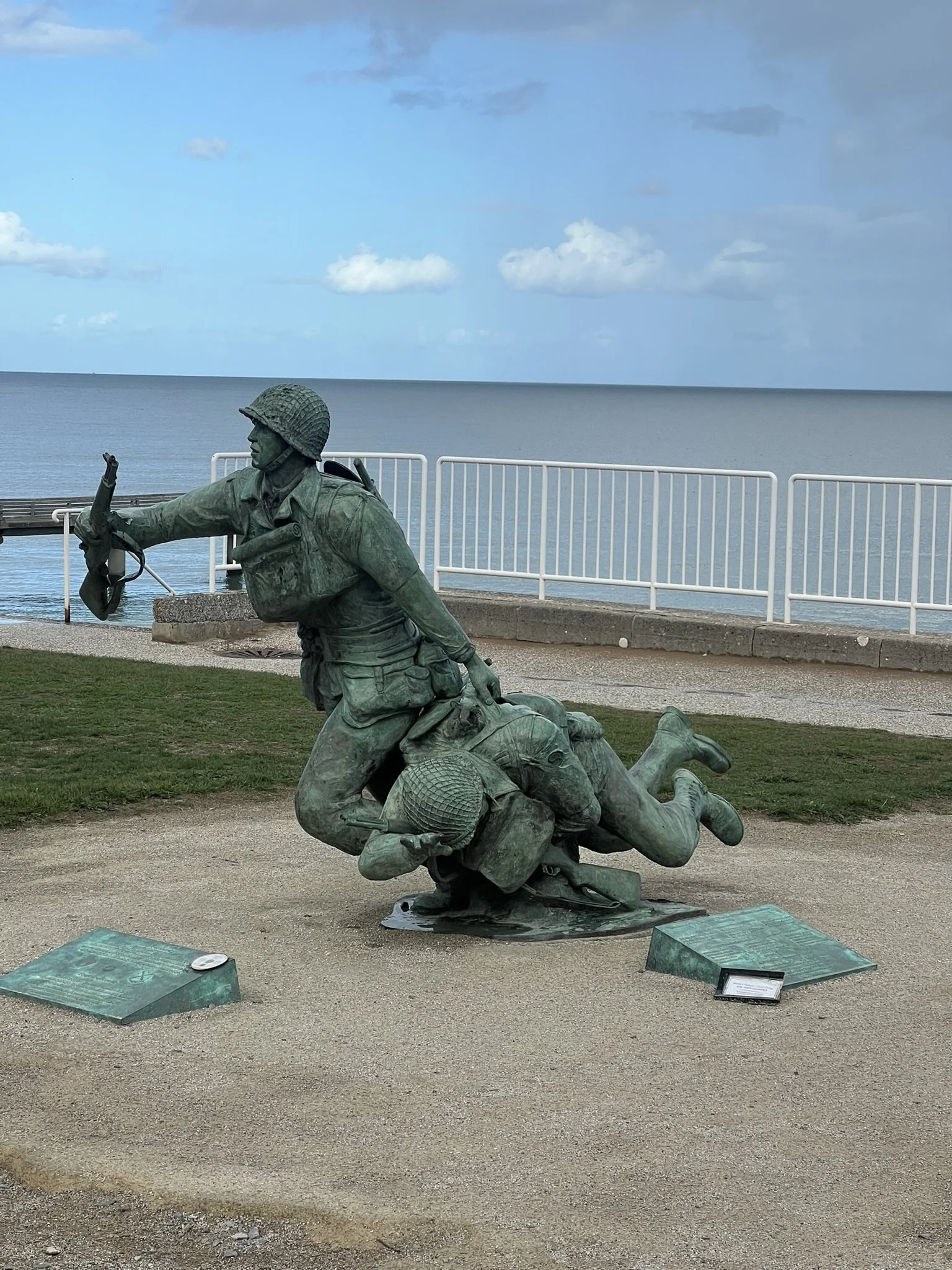
As we continued our journey along the coast towards Normandy, we found ourselves sailing through waters with an incredible amount of history. As you probably know, Normandy played a crucial role during the Second World War, particularly during the Allied invasion of German-occupied France in June 1944.
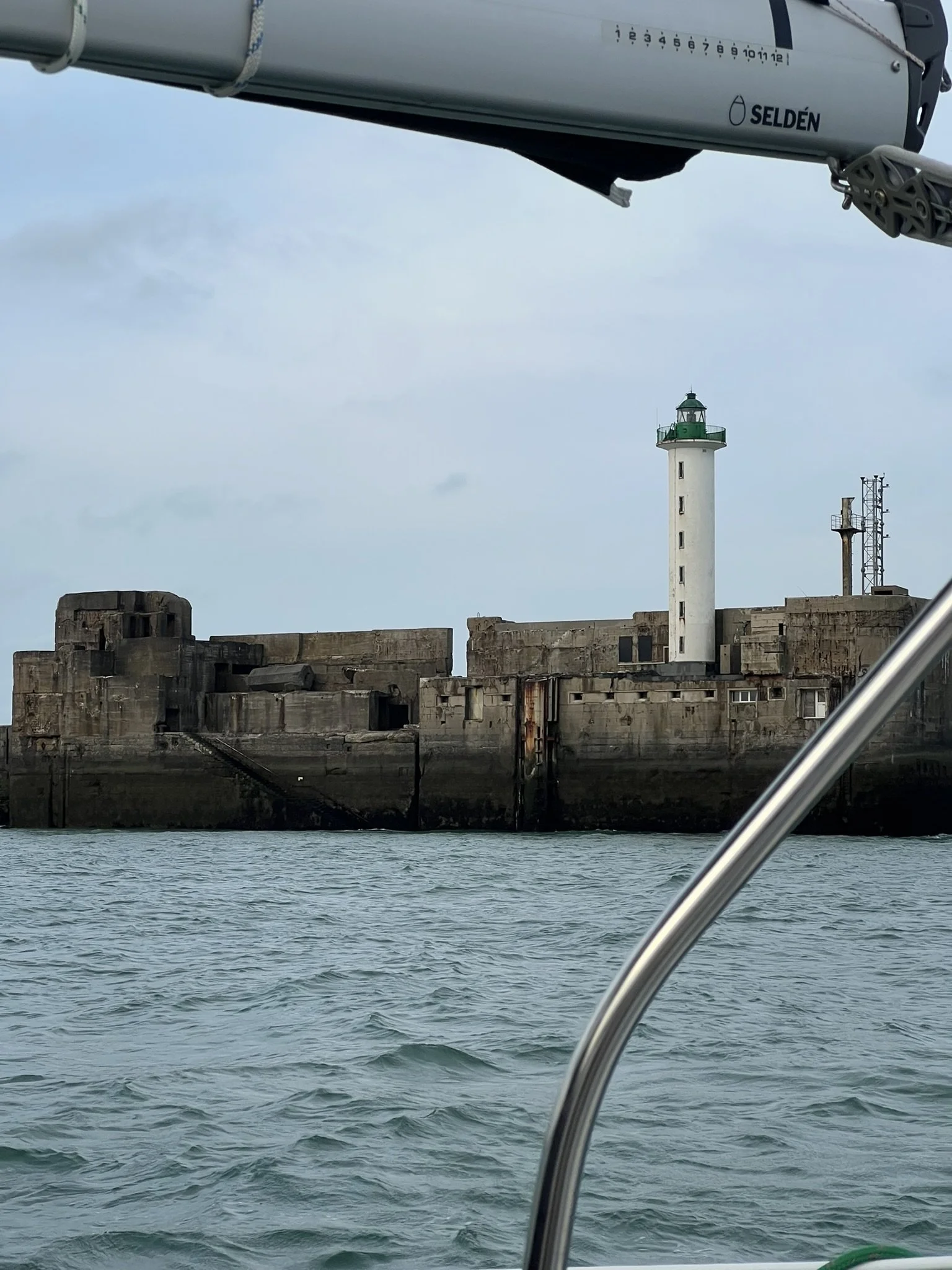
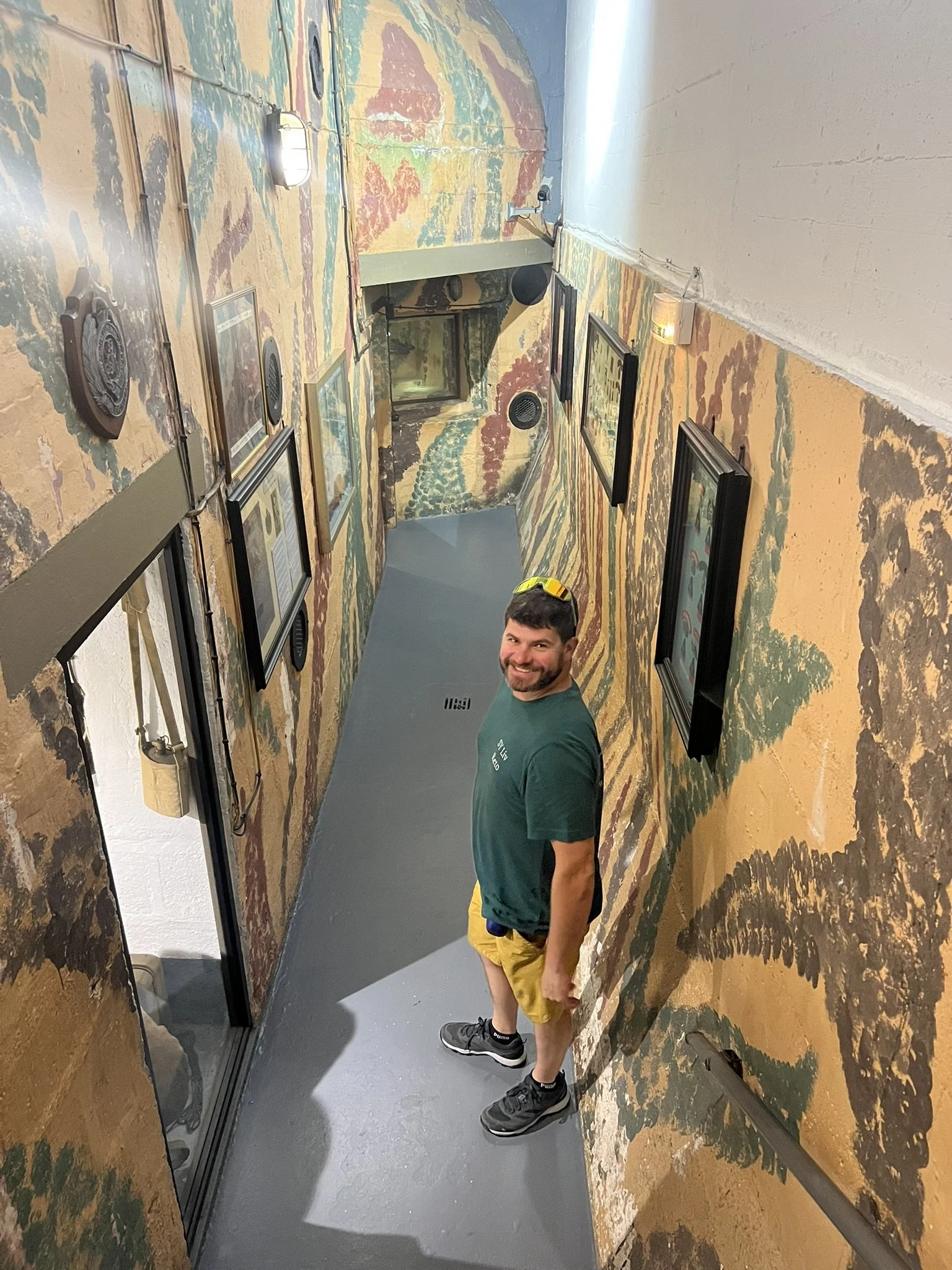
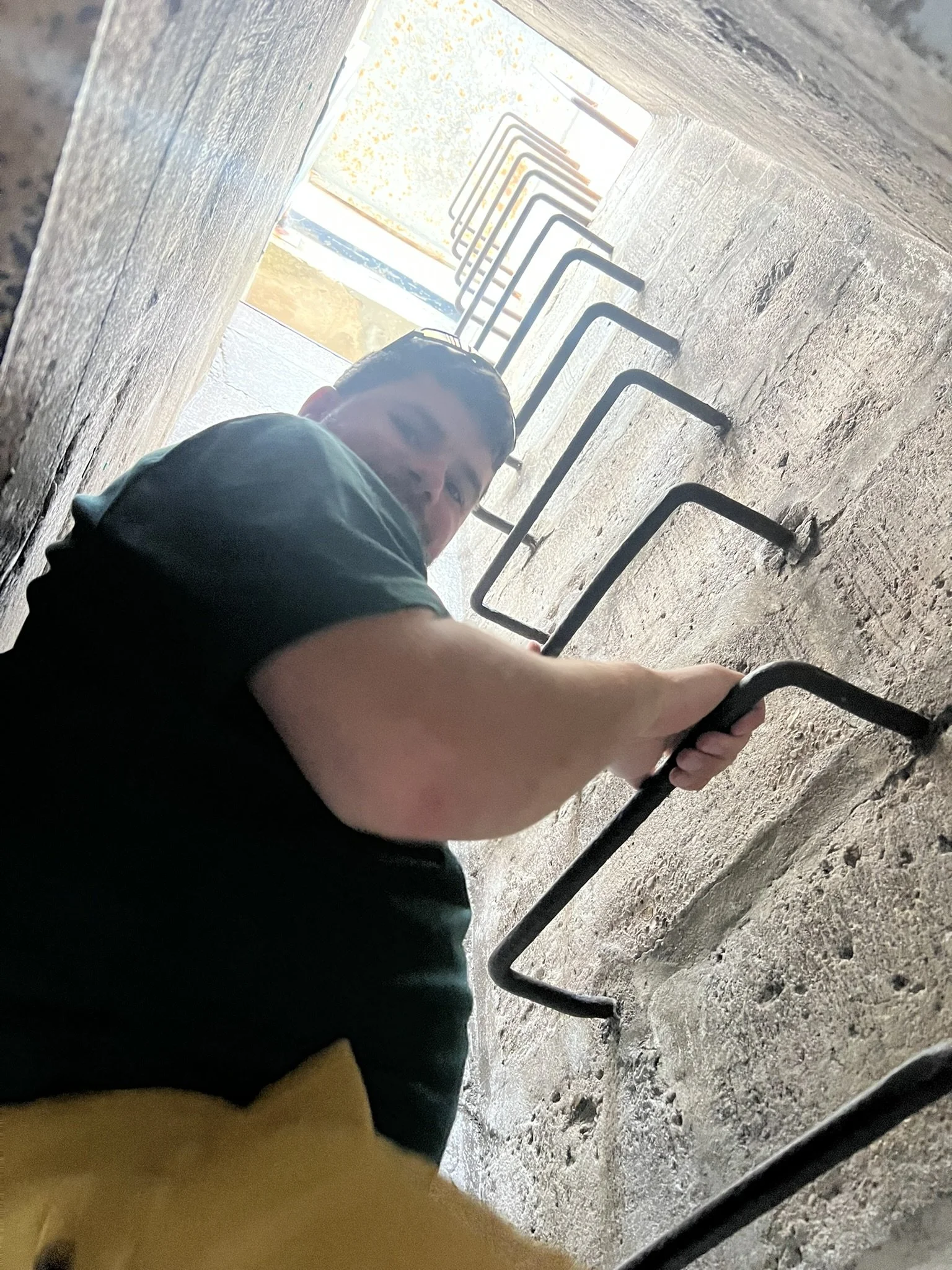
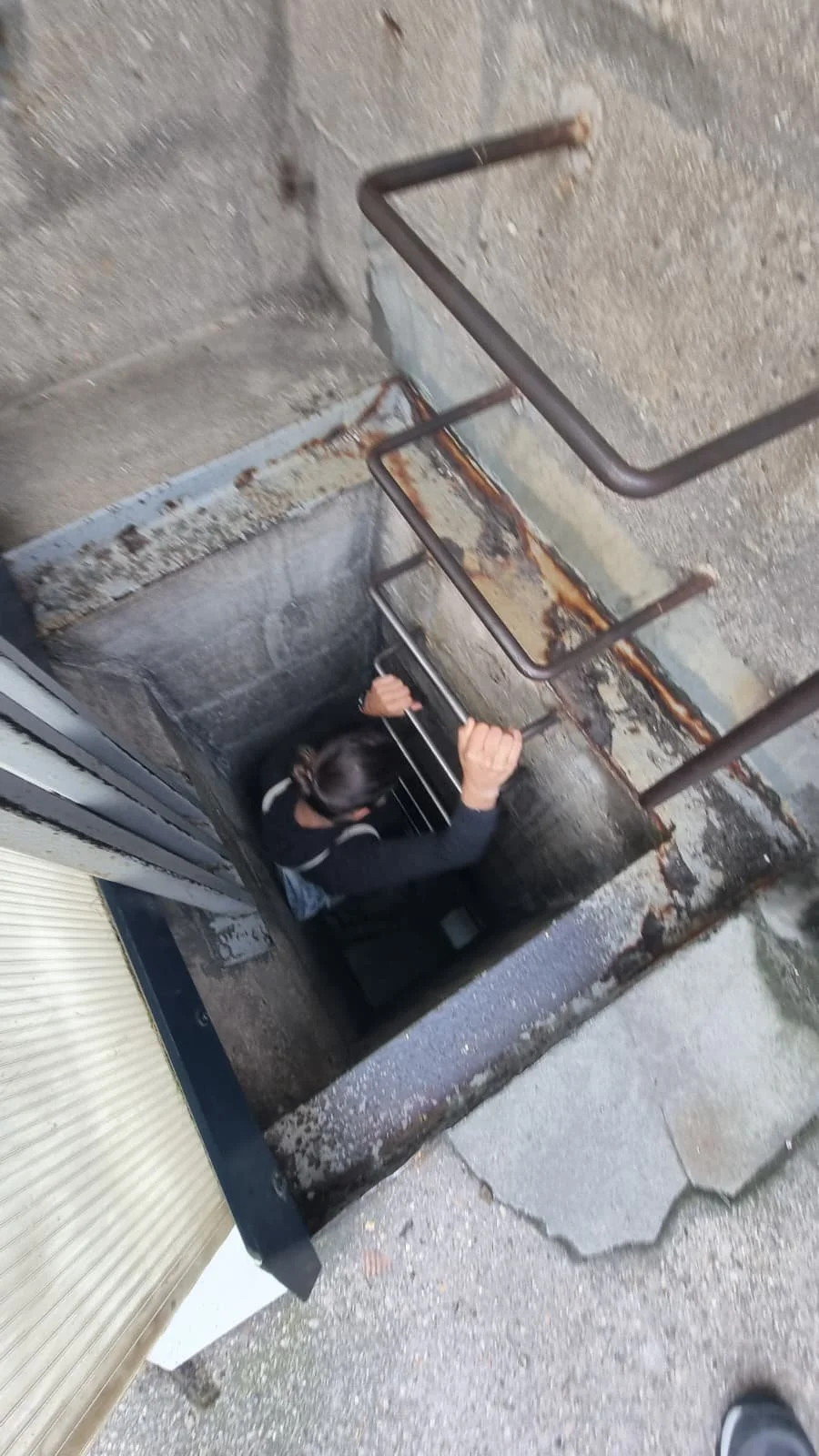
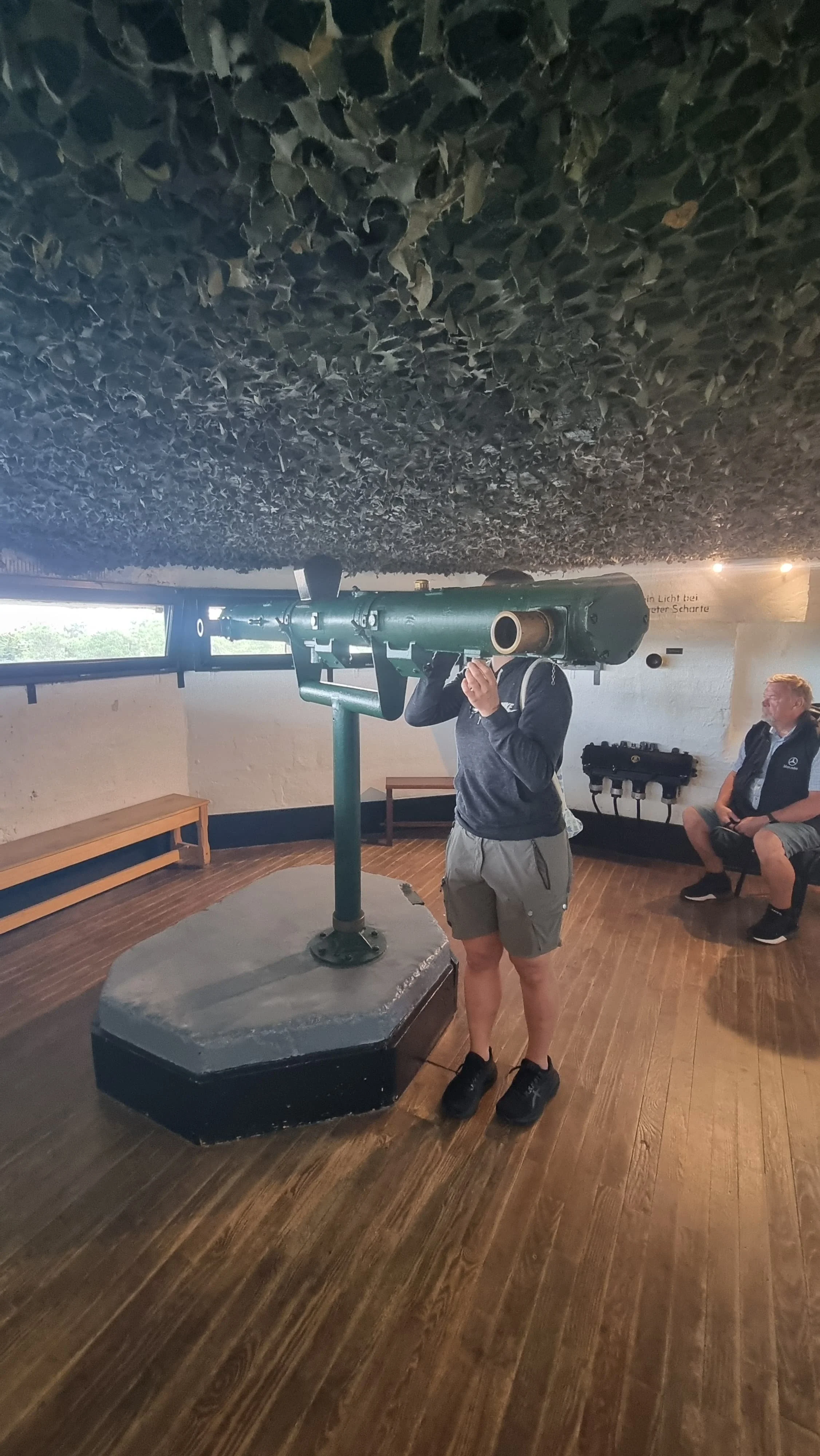
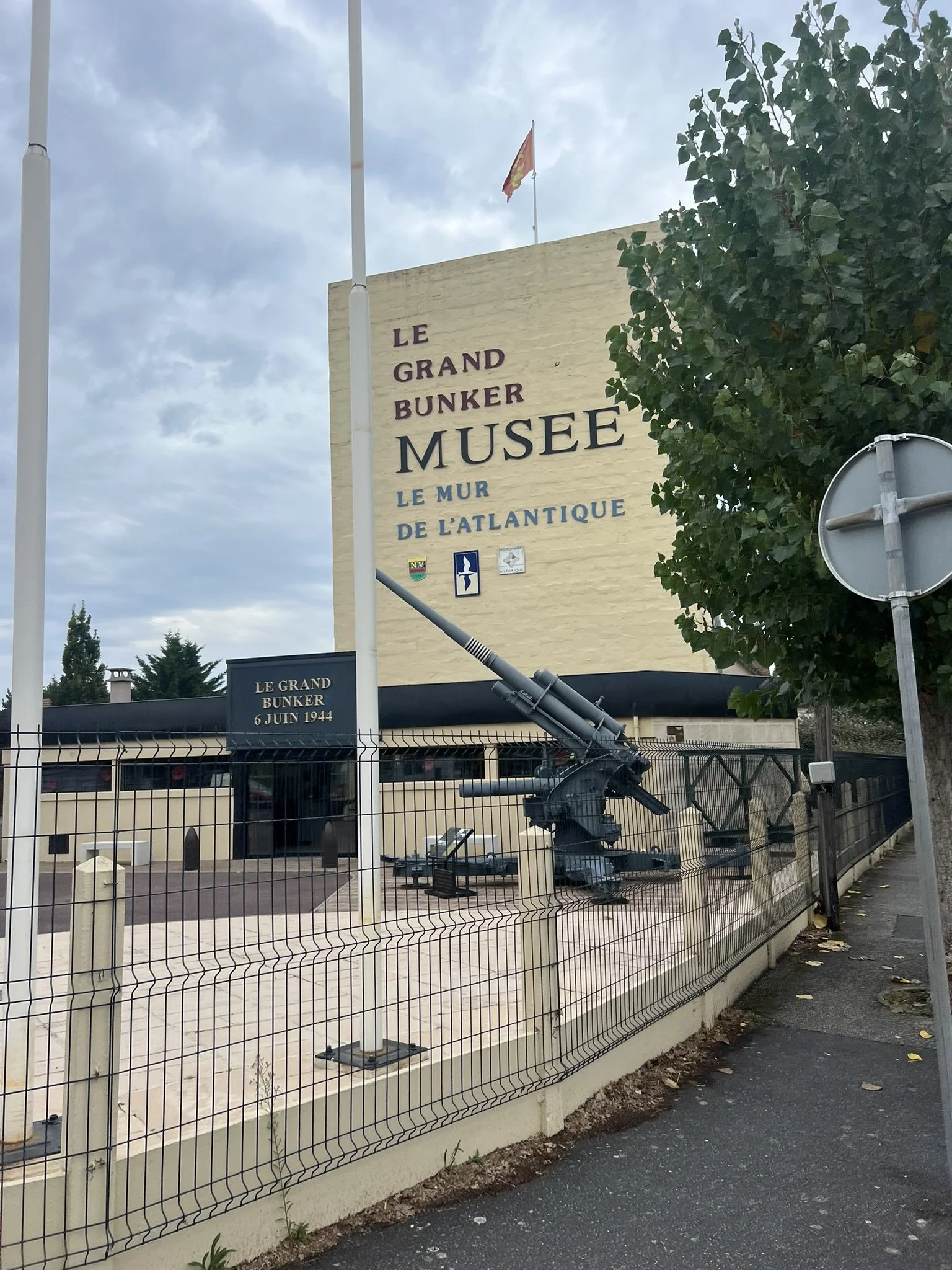
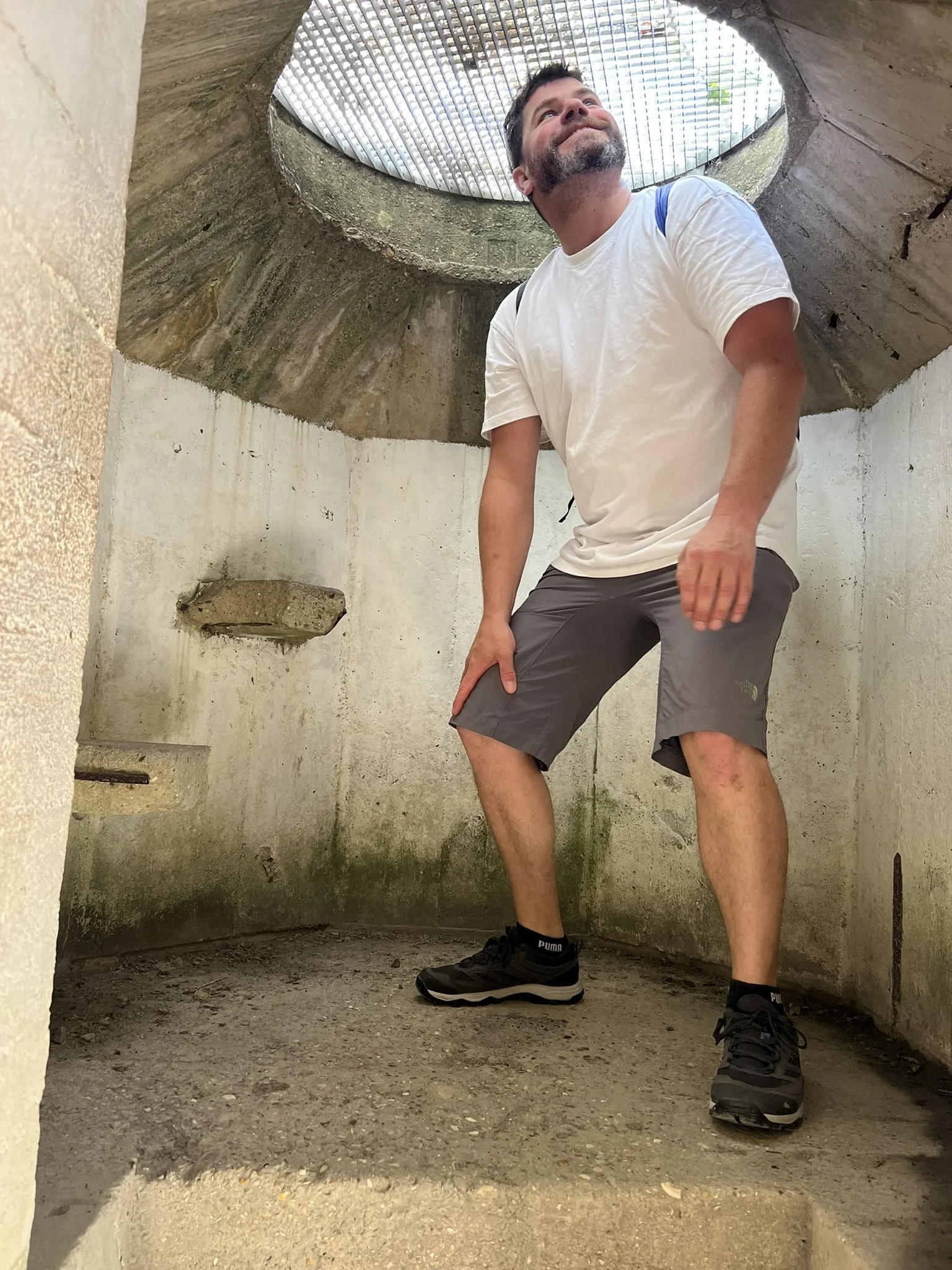
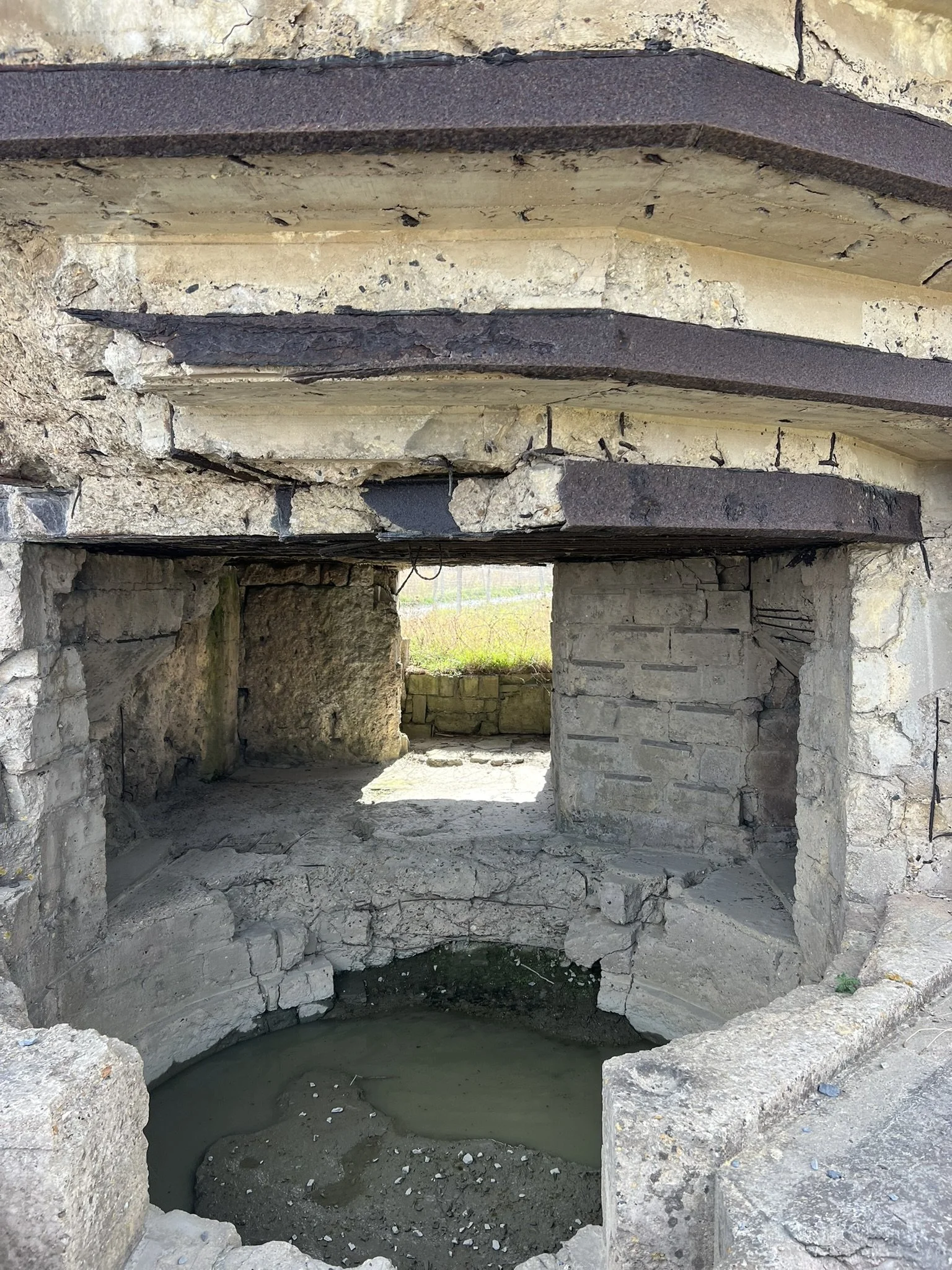
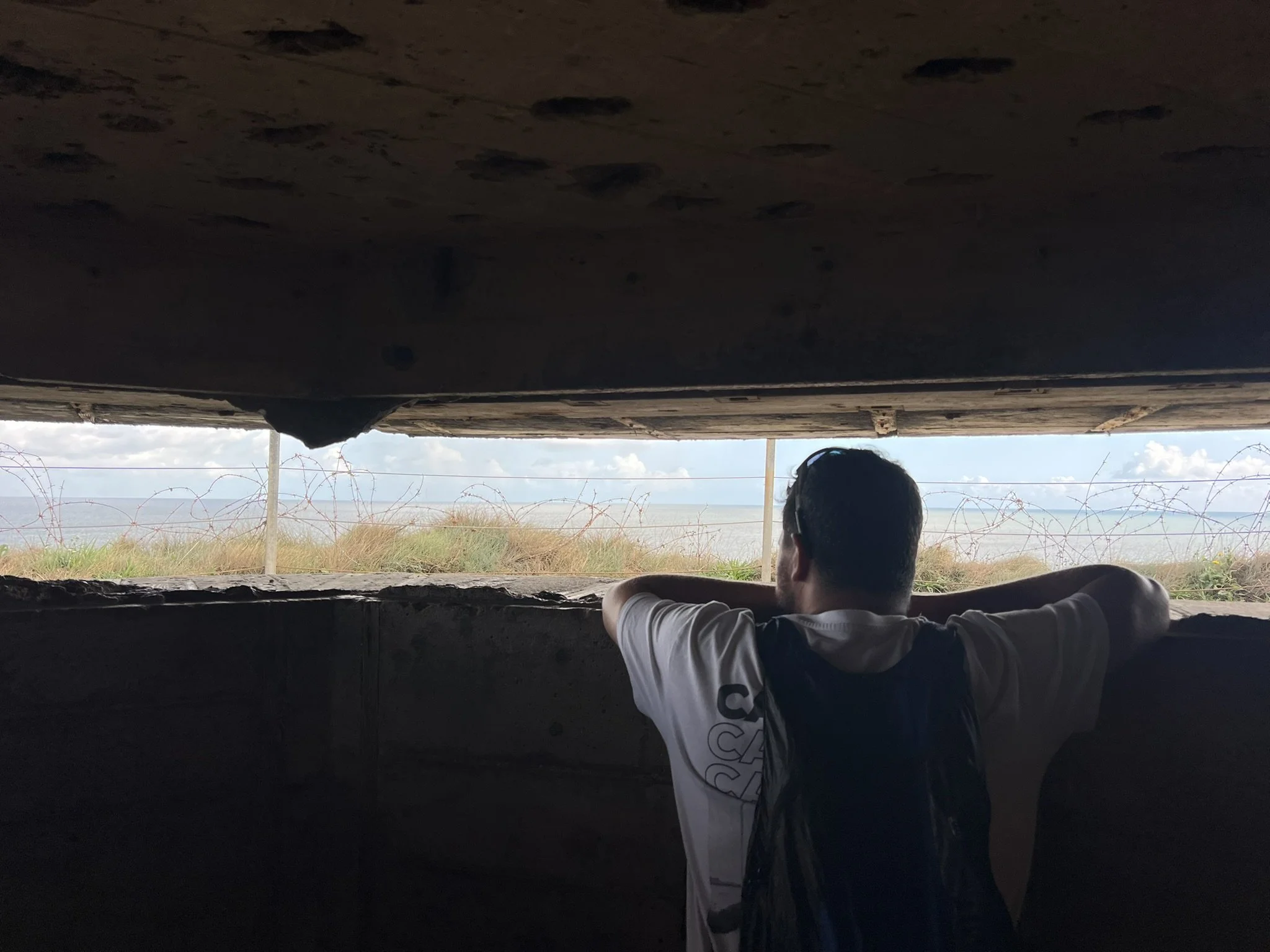
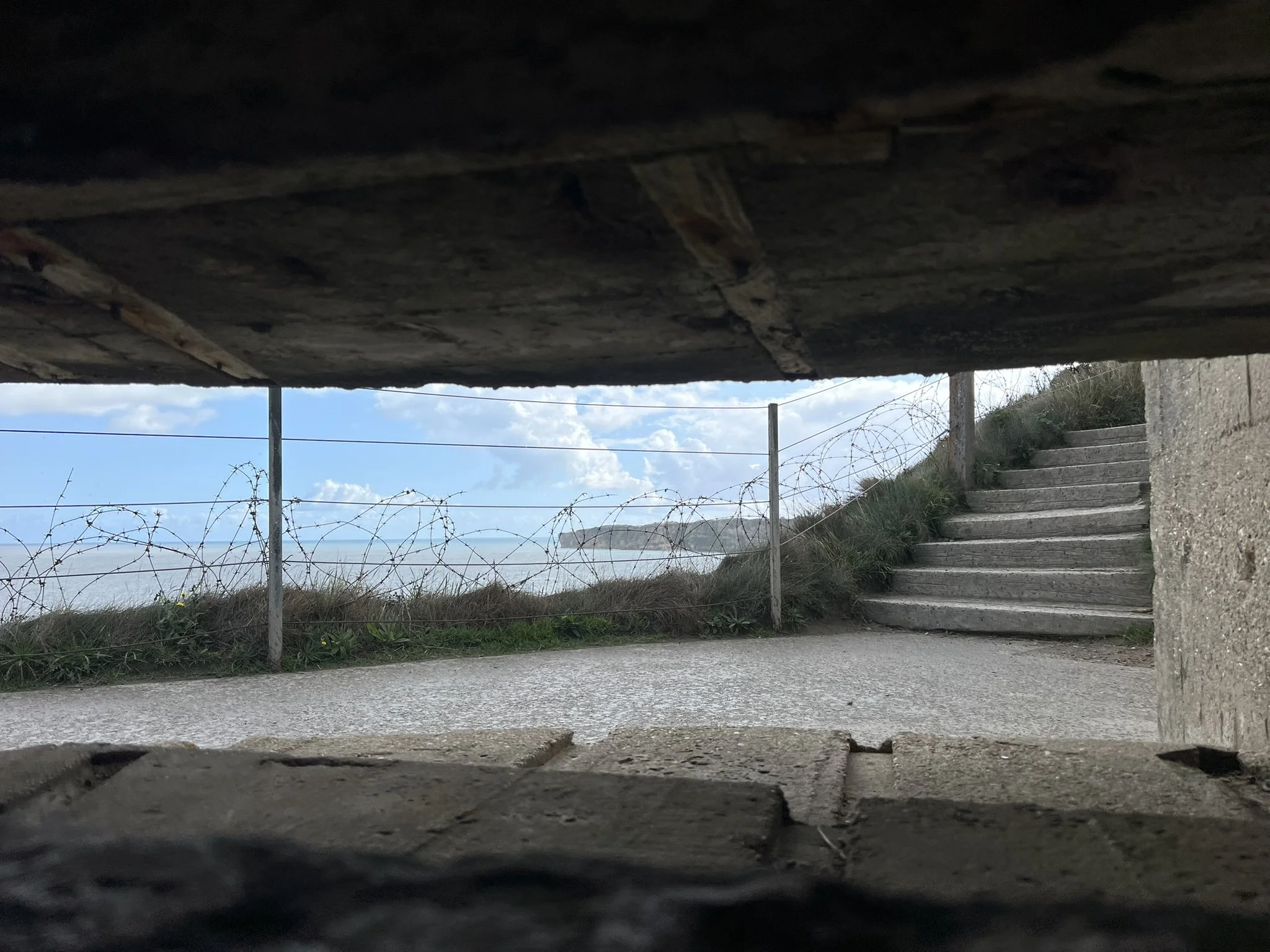
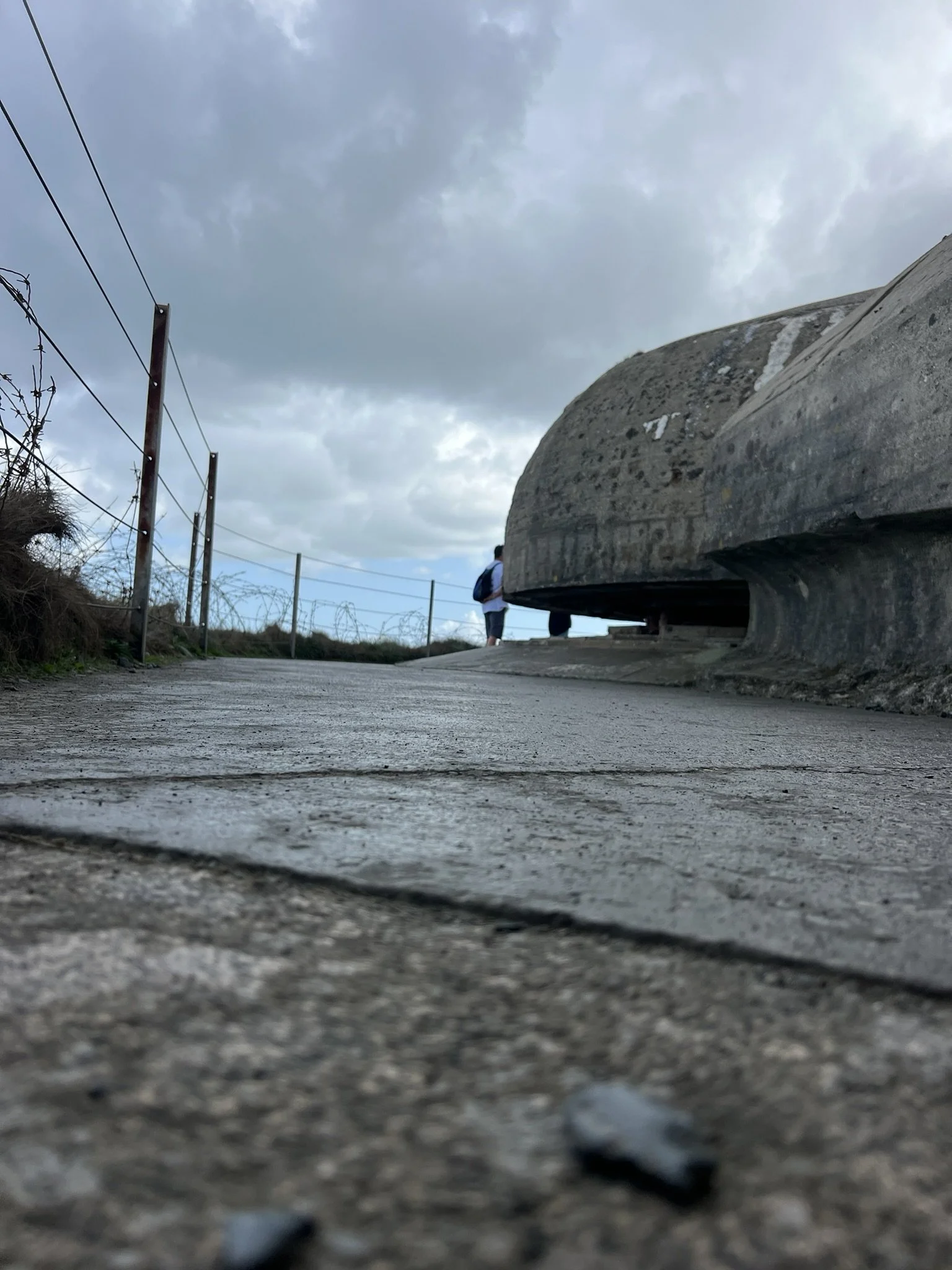
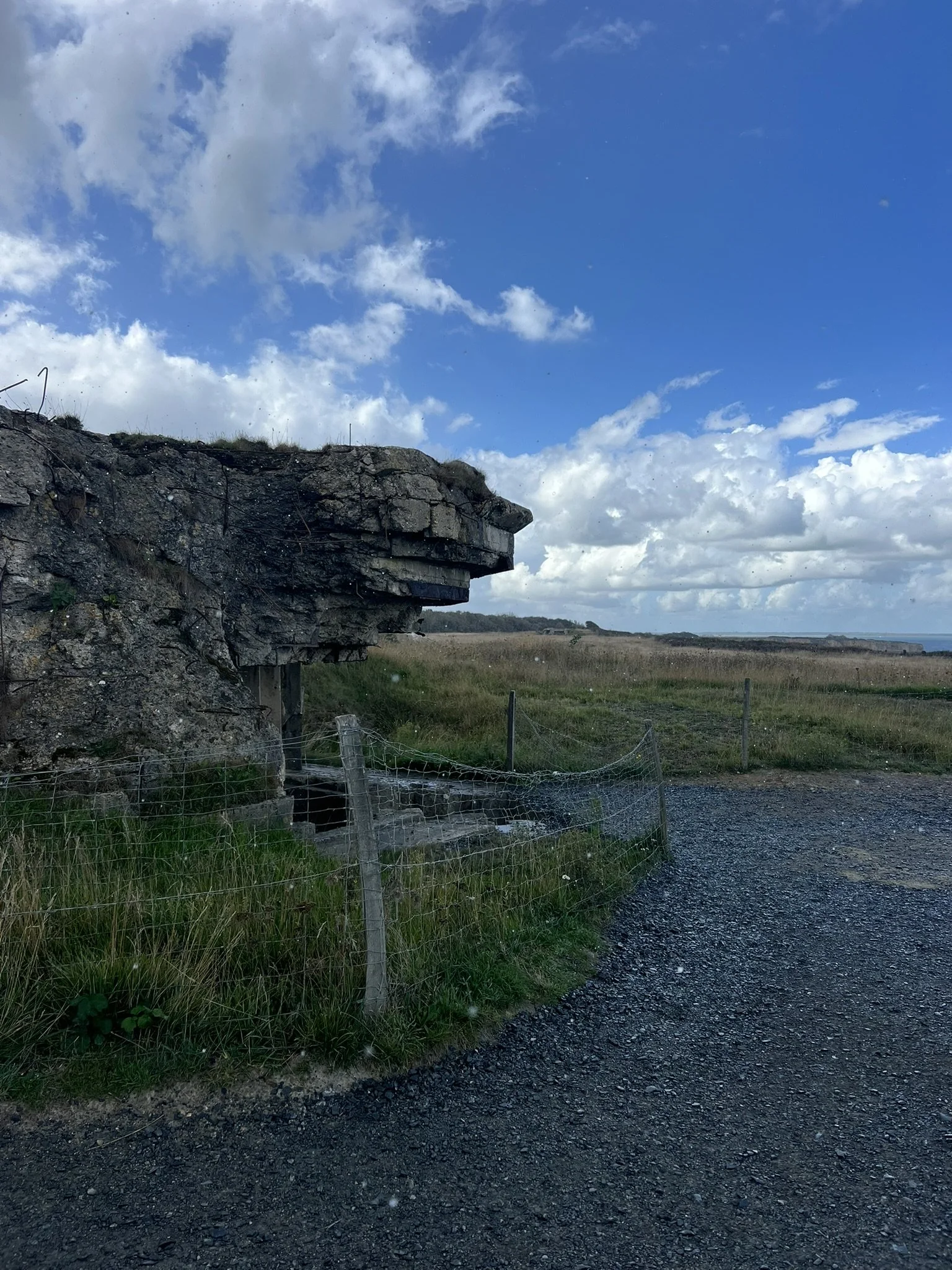
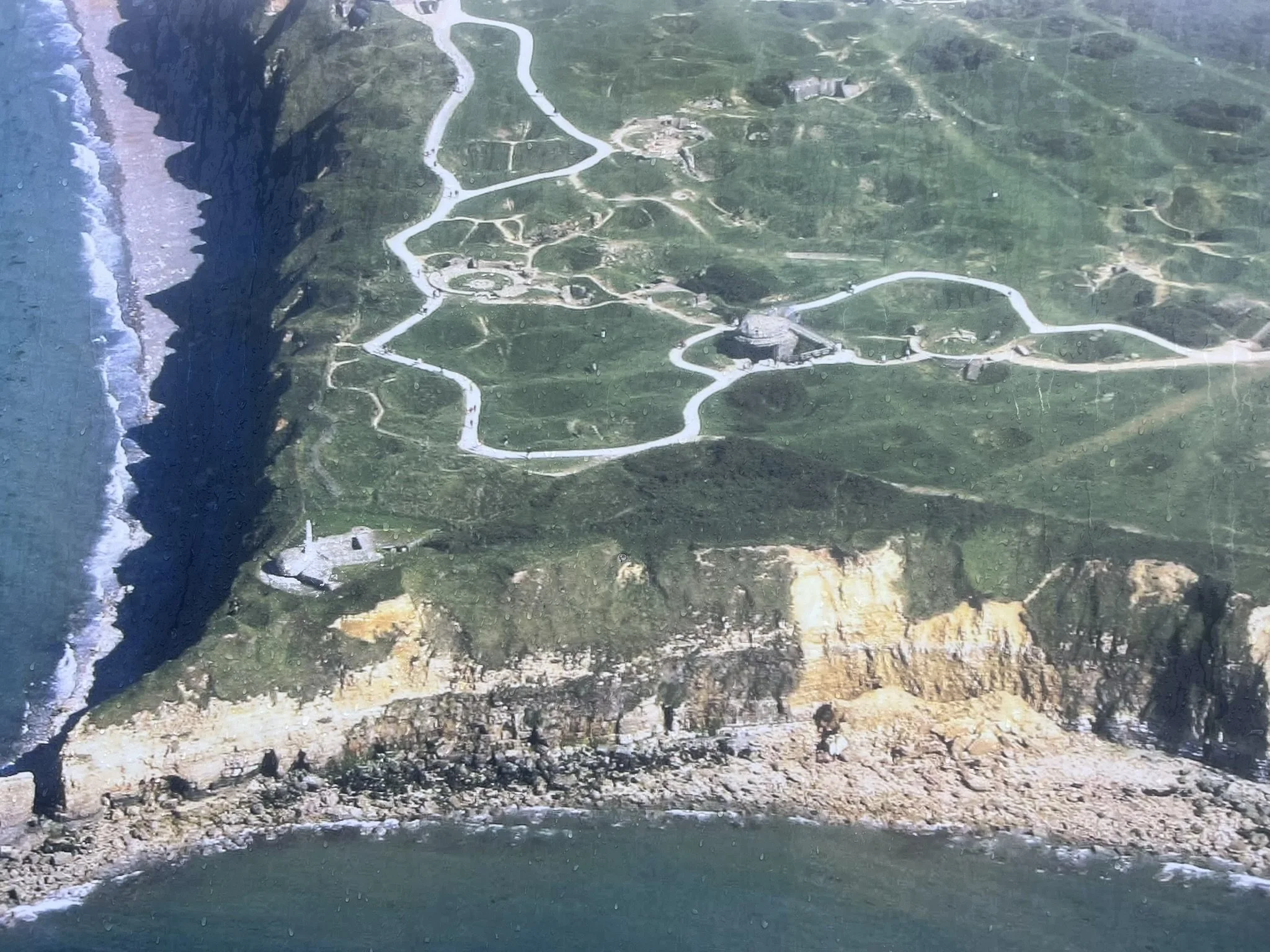
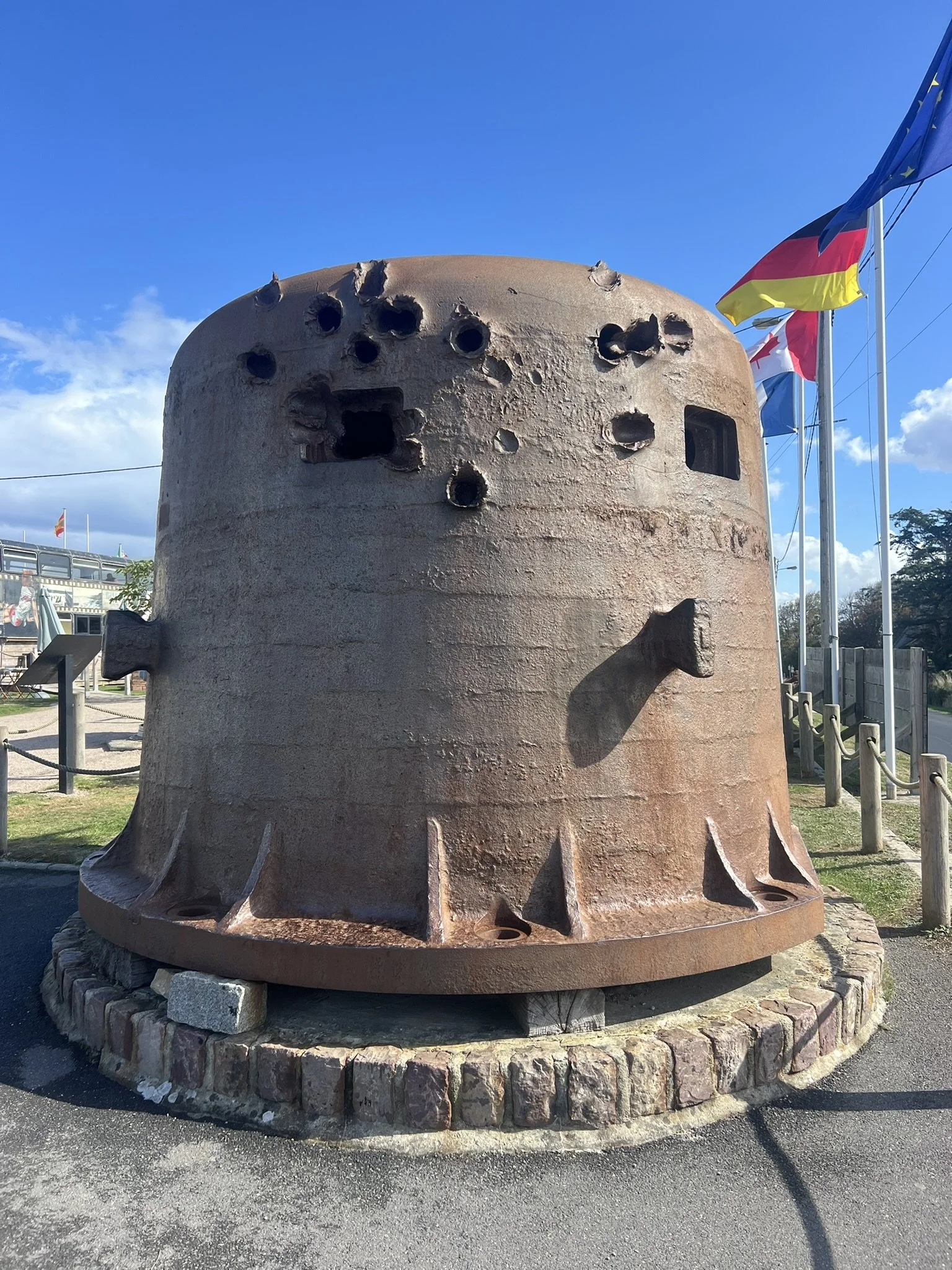
The coastline was strategically important to both sides. For the Germans, defending it was essential to prevent an Allied invasion and protect their occupation of Western Europe. They had built an extensive system of coastal fortifications known as the Atlantic Wall, consisting of bunkers, gun positions, minefields and other obstacles. For the Allies, this coastline represented the opportunity to establish a foothold in Western Europe, bring in troops and equipment, and begin the liberation of occupied France.
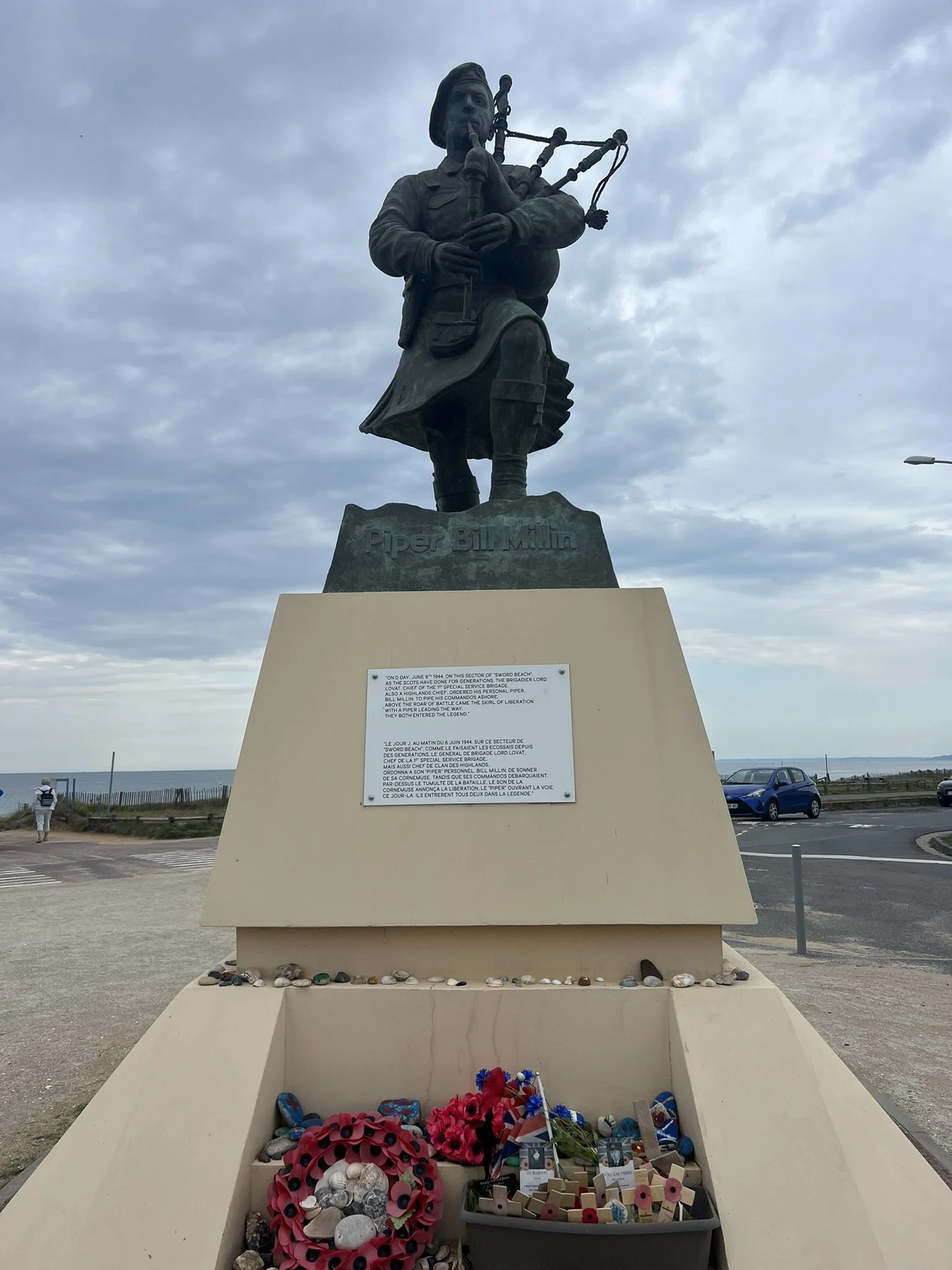
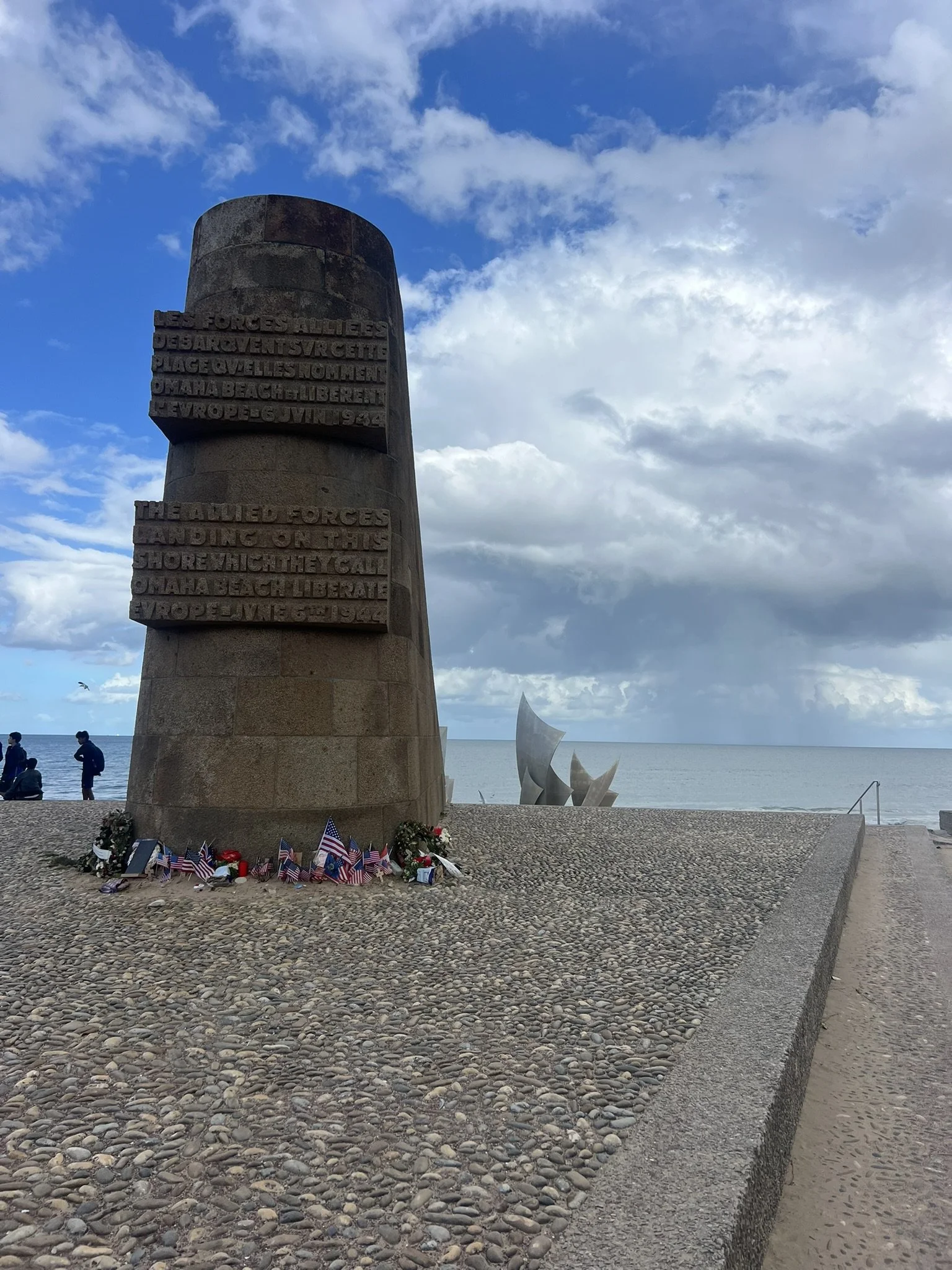
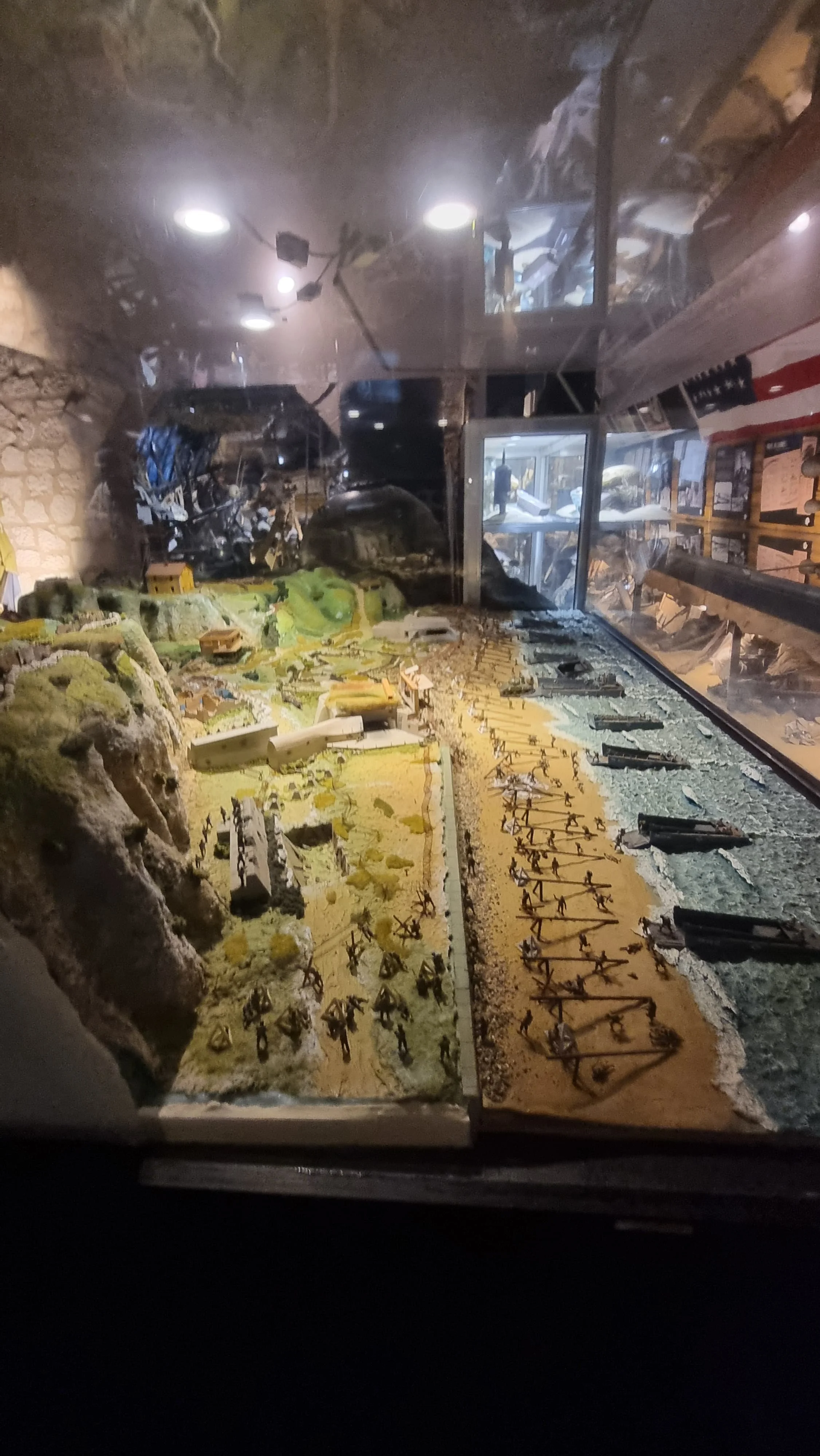
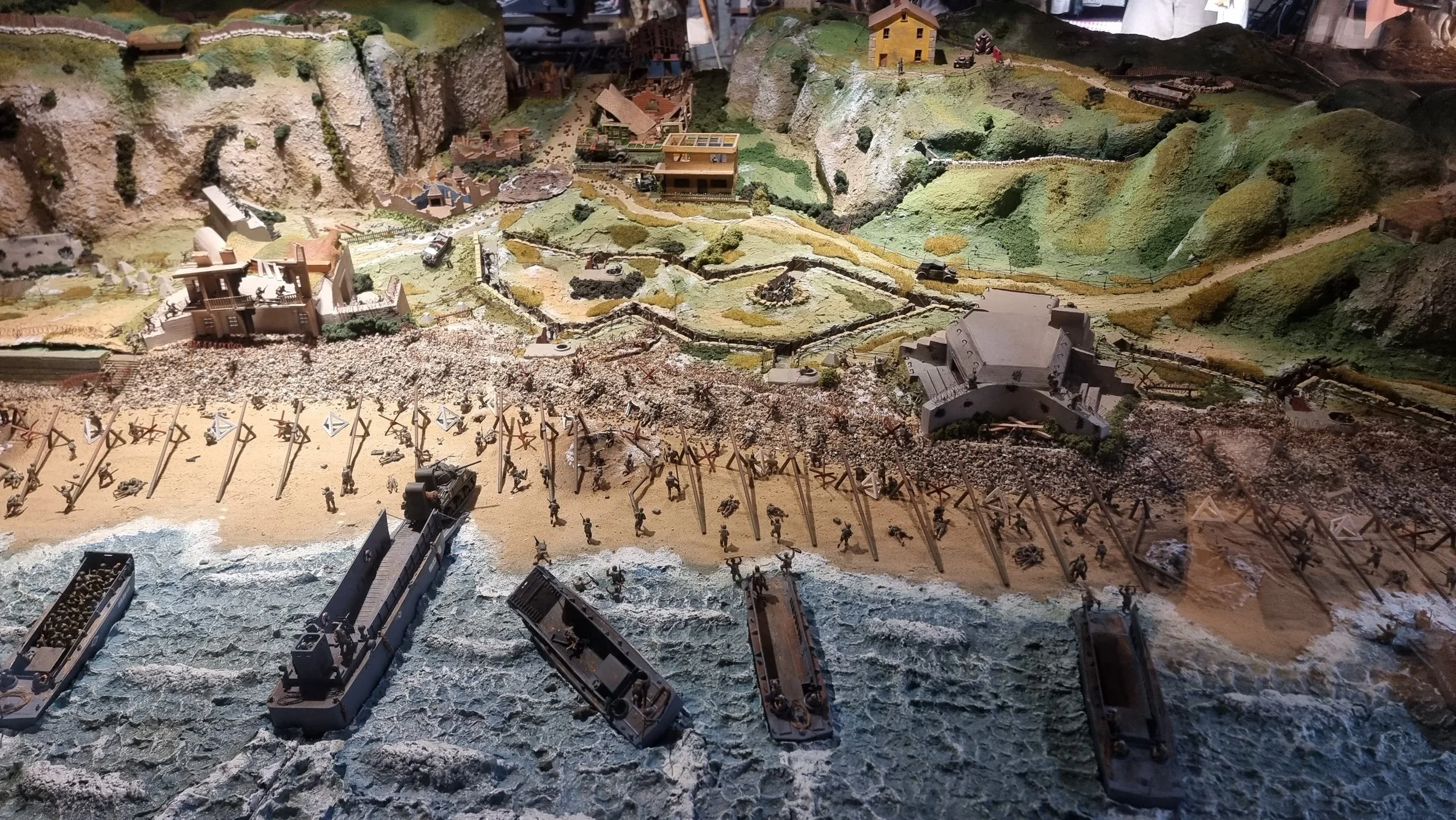
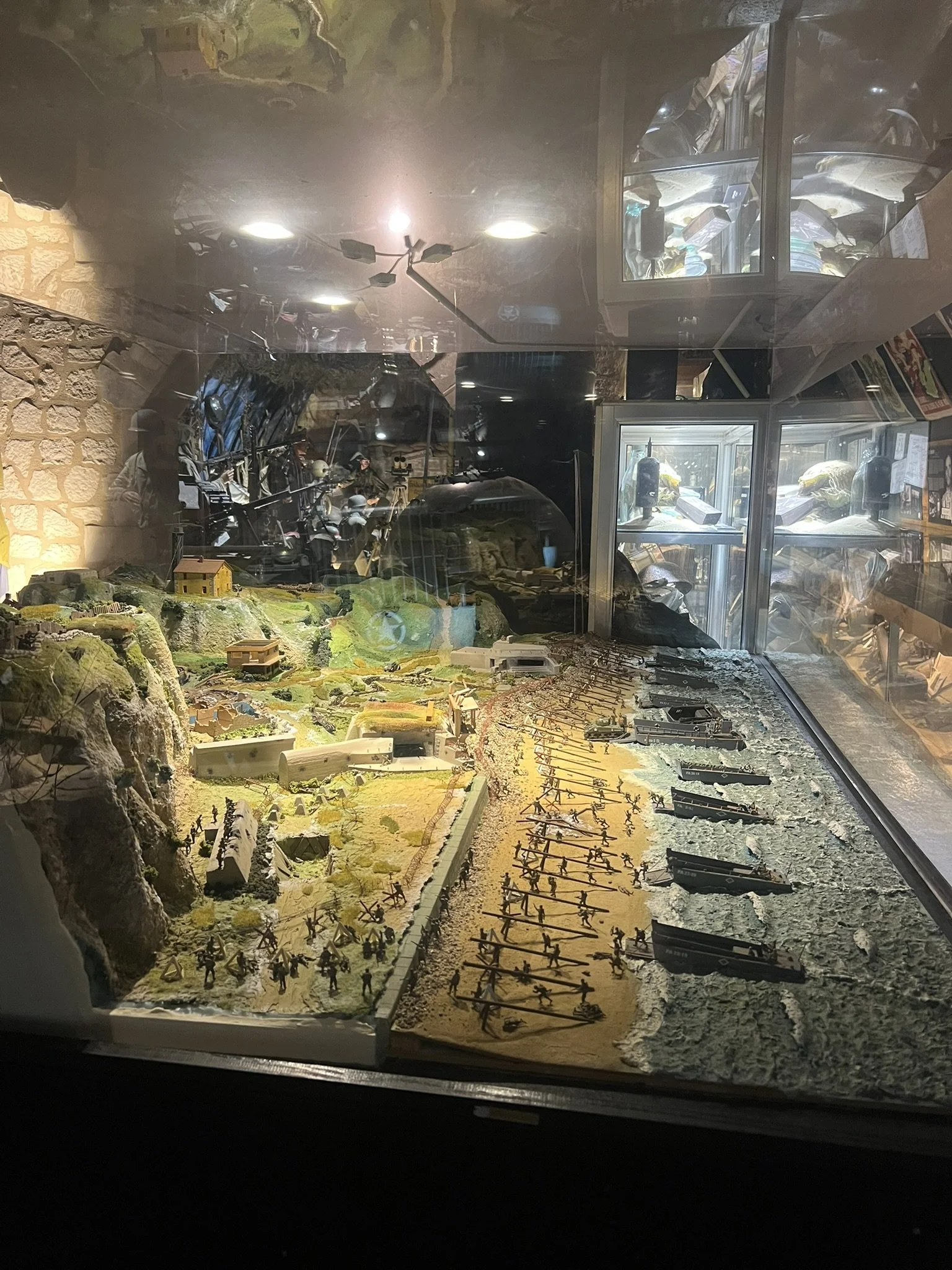
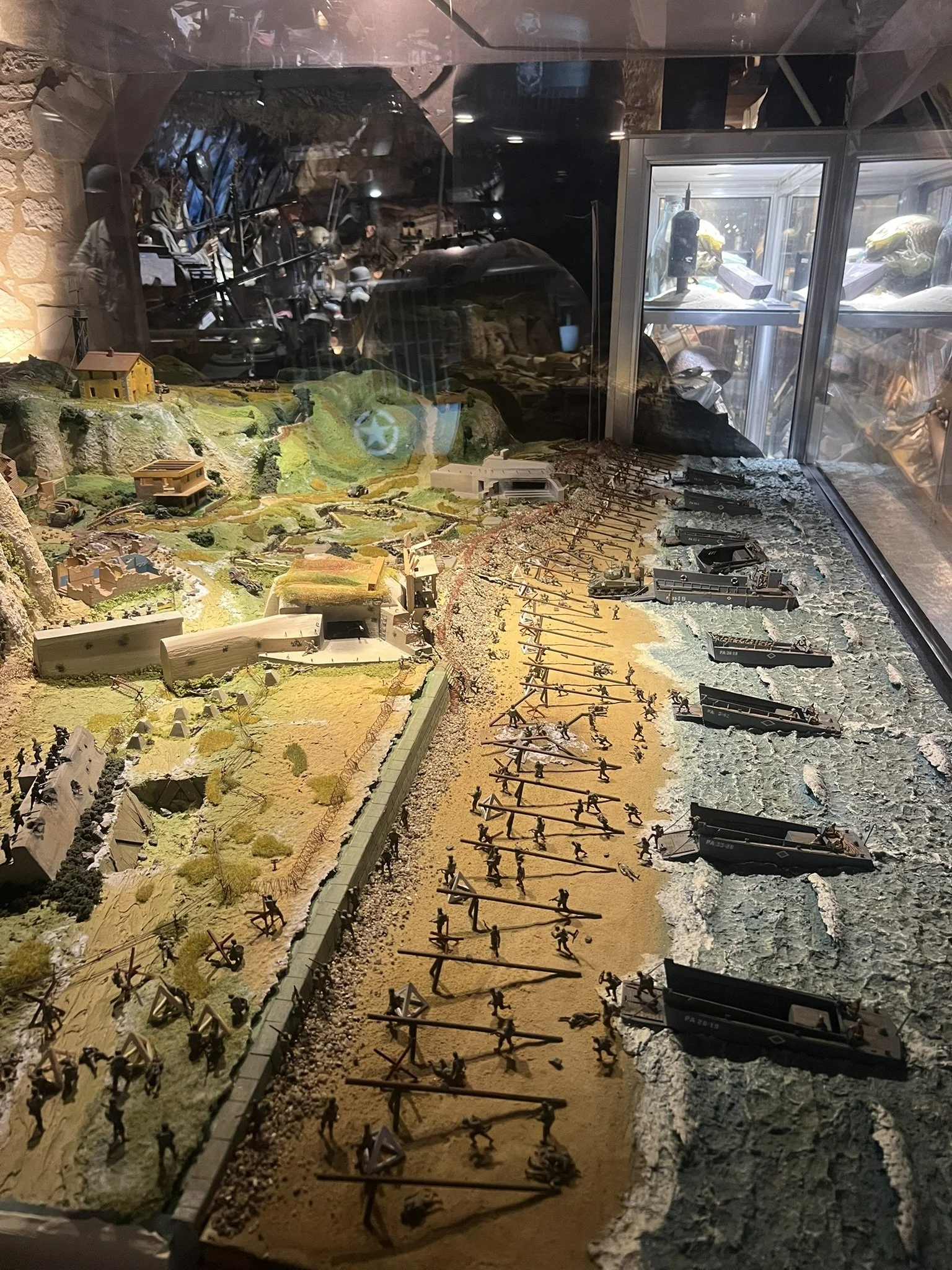
On 6 June 1944, the Allies launched Operation Overlord, better known as D-Day. It was, to this day, the largest amphibious military operation in history. American, British, Canadian and other Allied forces crossed the English Channel and landed on five beaches: Utah, Omaha, Gold, Juno and Sword. At the same time, airborne troops were dropped behind enemy lines to secure important routes and positions.
By the end of that first day, around 156,000 Allied soldiers had landed in Normandy. But the invasion was far from over. The Allies had managed to establish a foothold, yet they still had to fight their way inland against fierce German resistance. What followed was weeks of brutal fighting, with enormous losses on both sides and among French civilians. The Battle of Normandy continued until the end of August, when the German forces had been pushed back and much of northern France had been liberated.
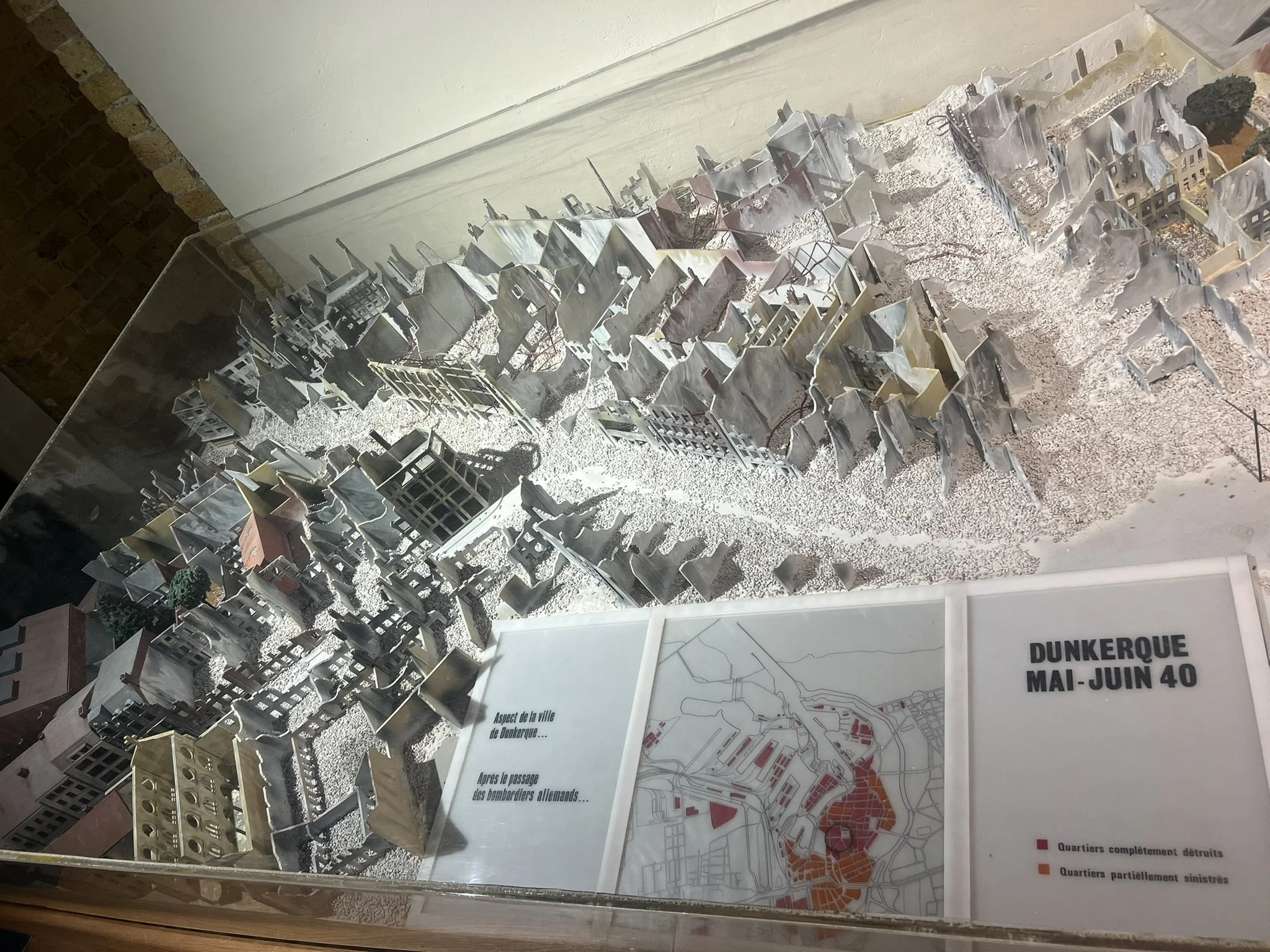
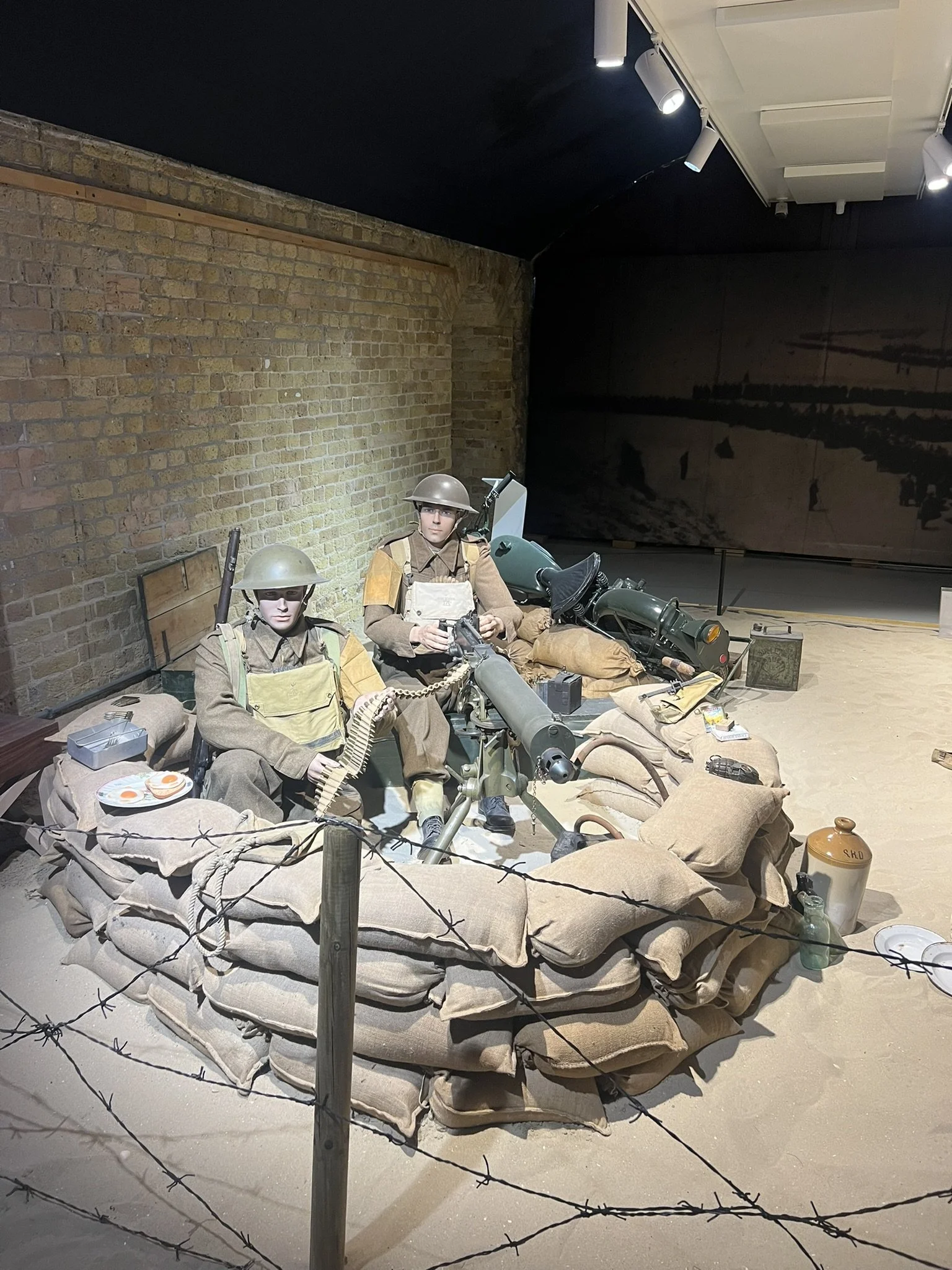
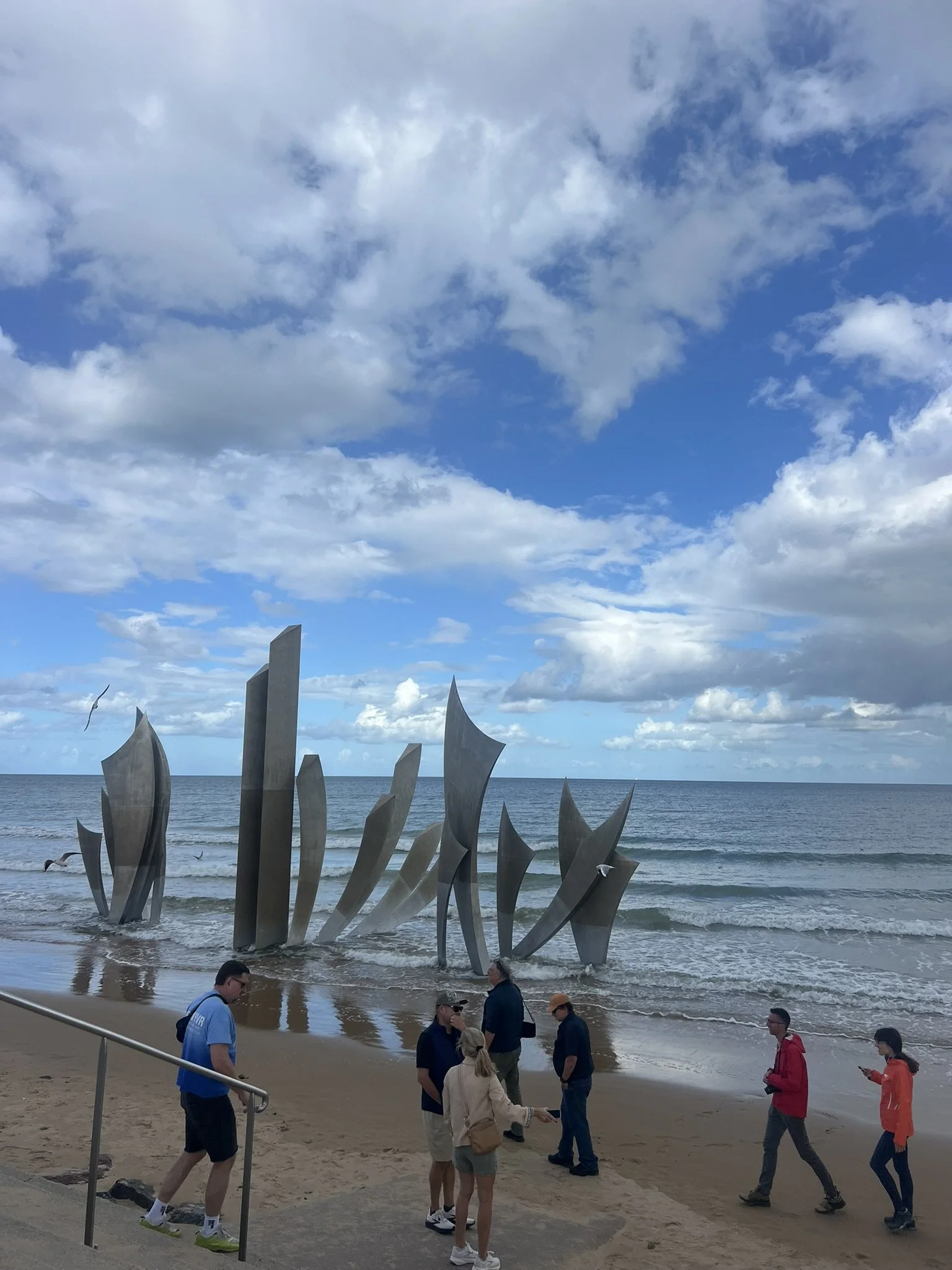
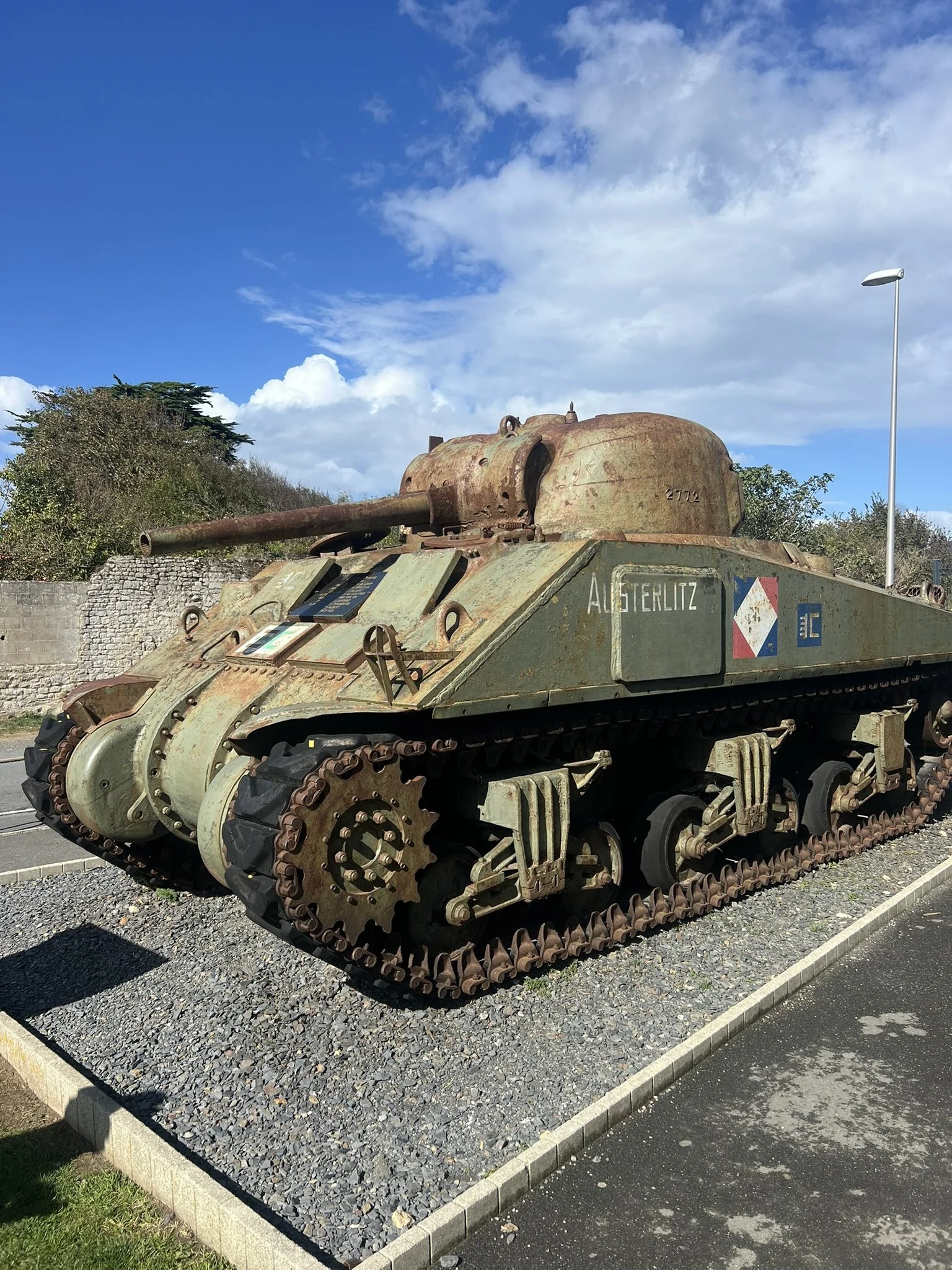
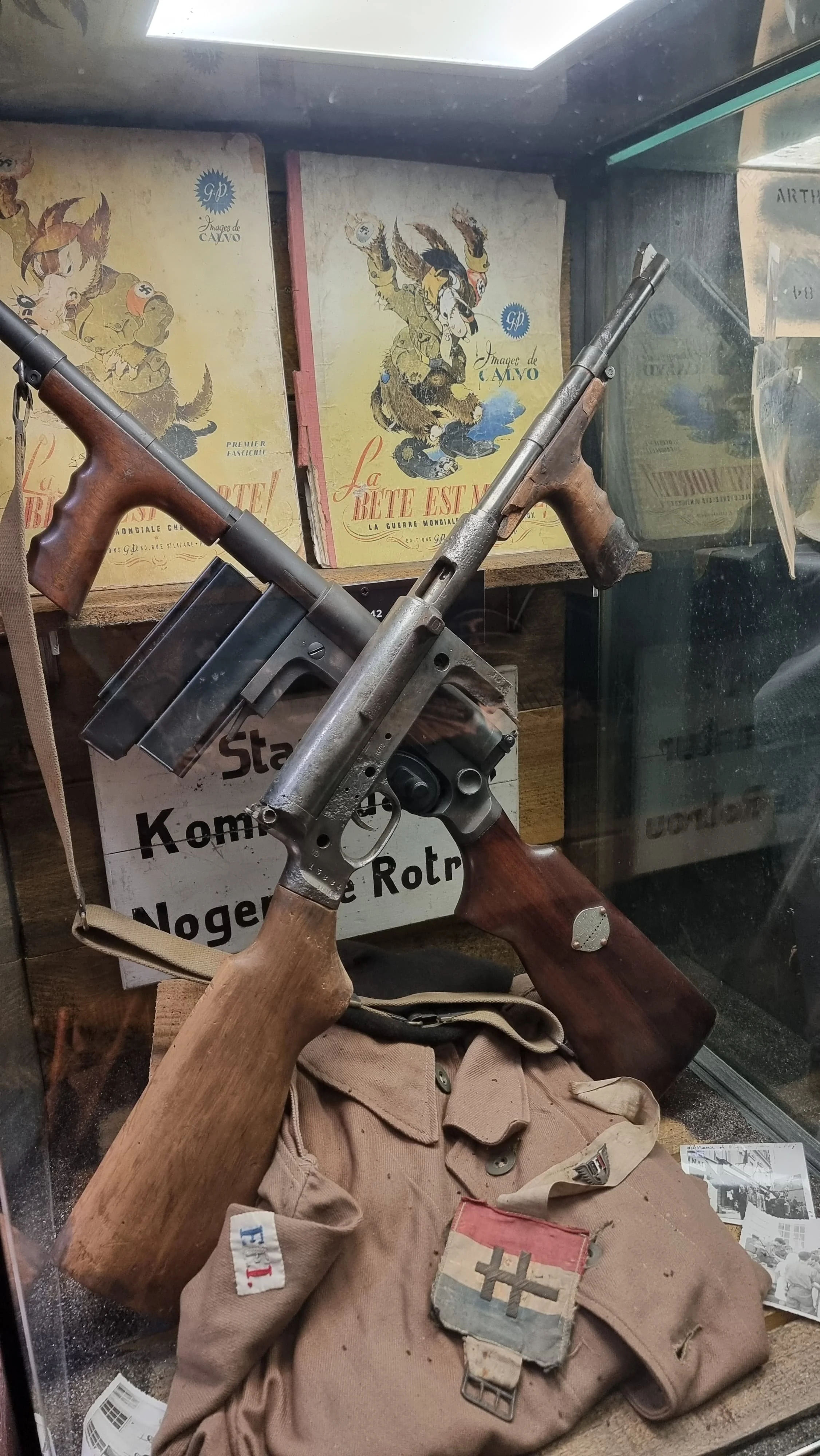
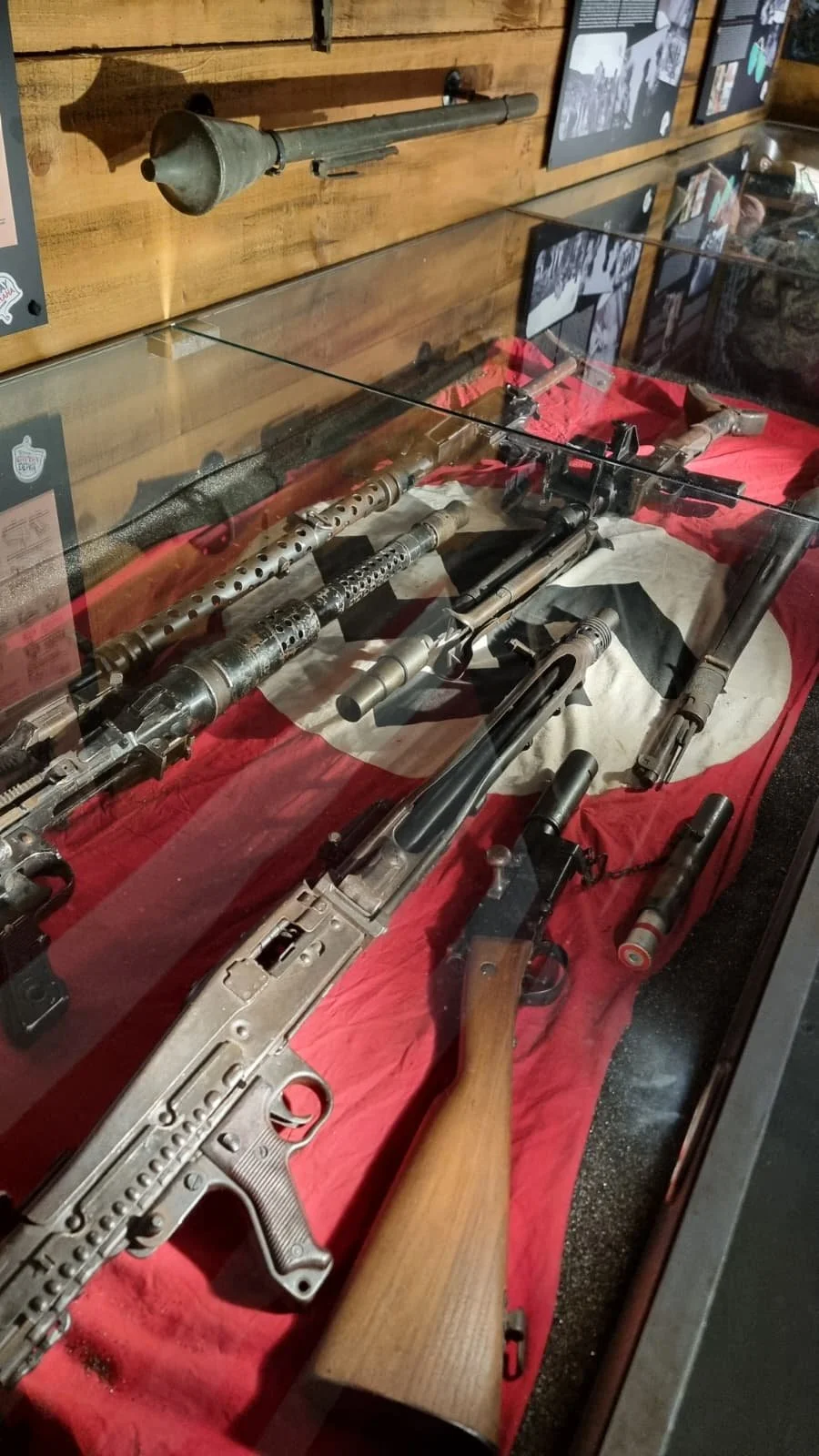
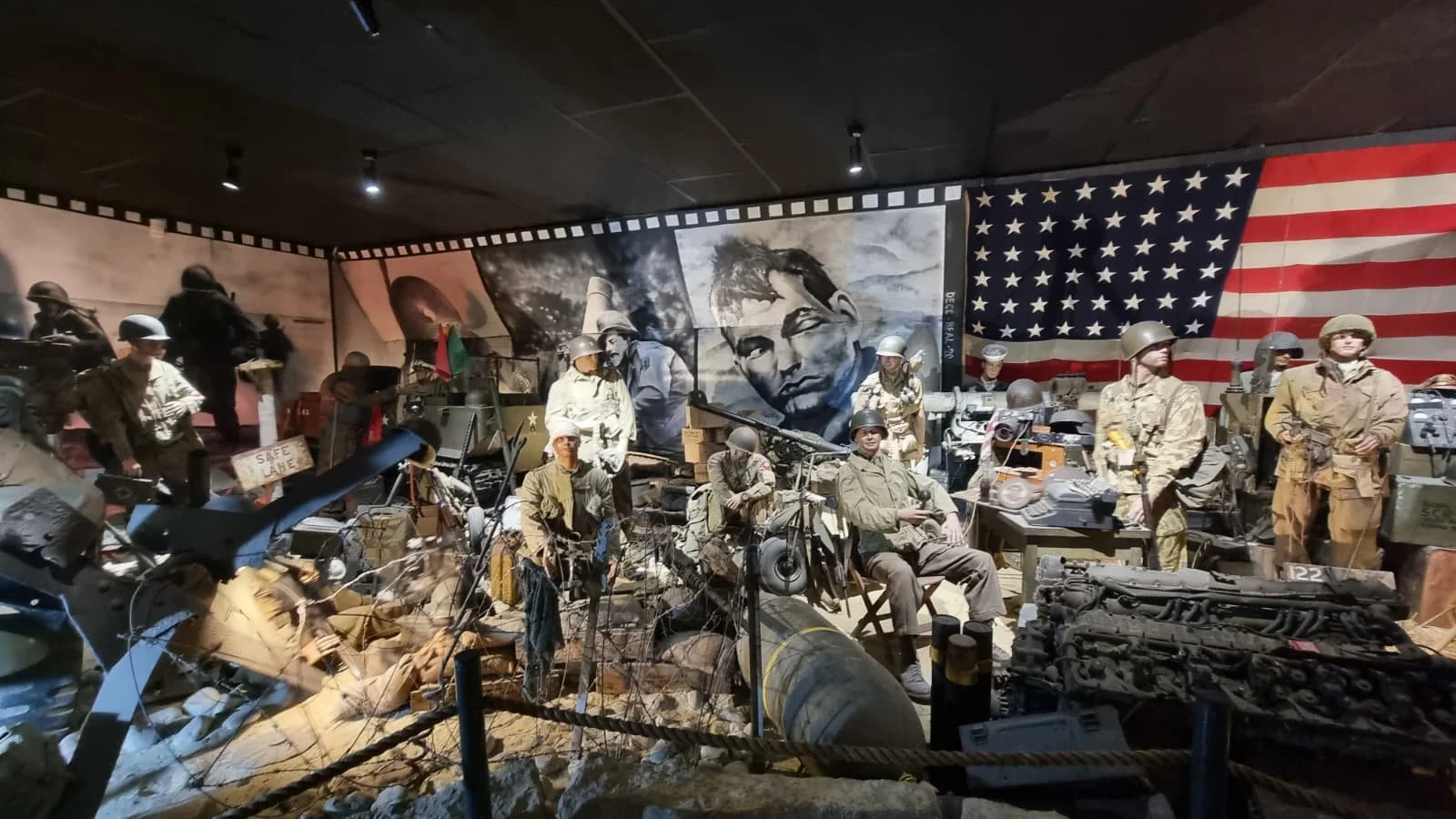
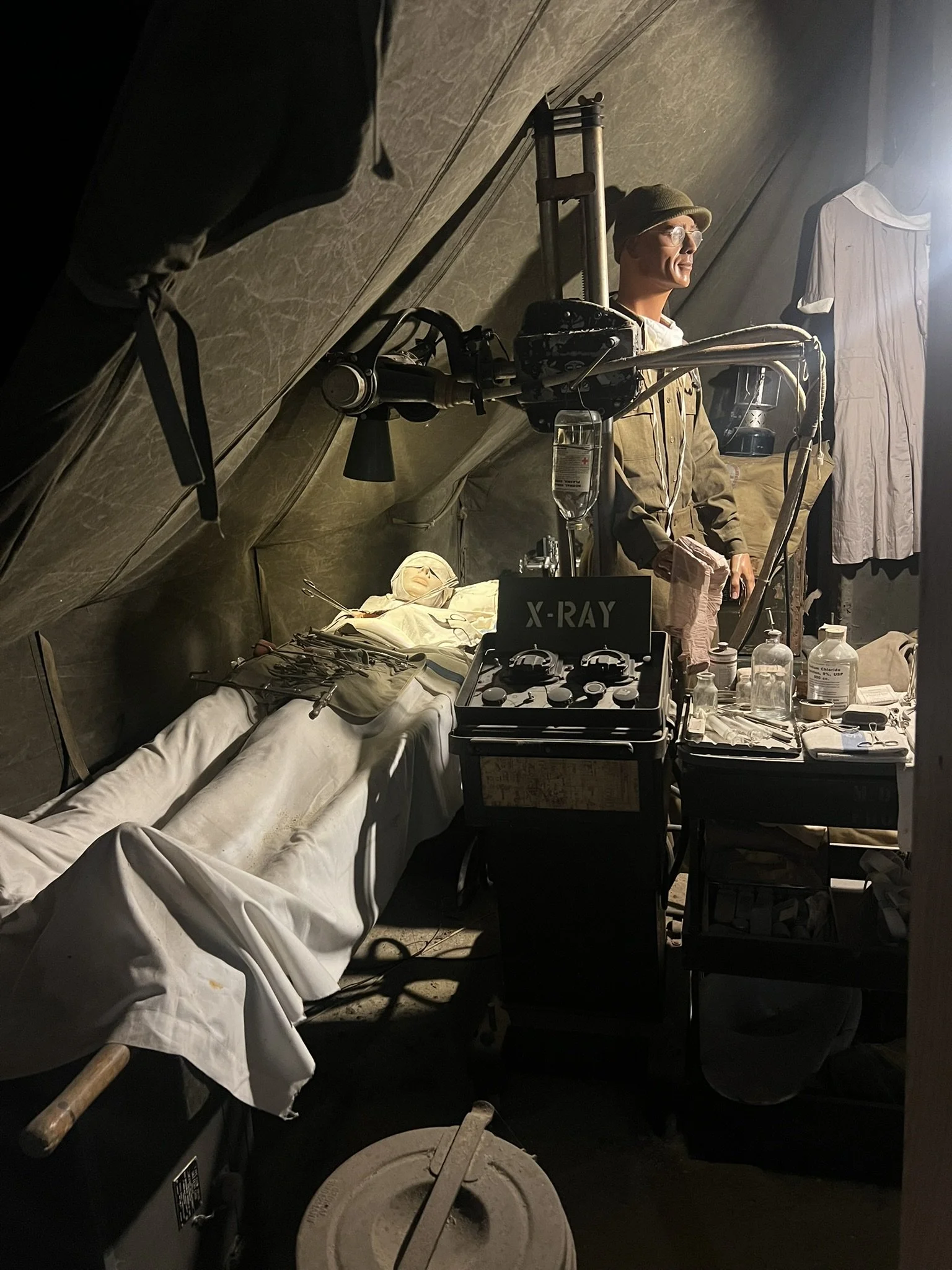
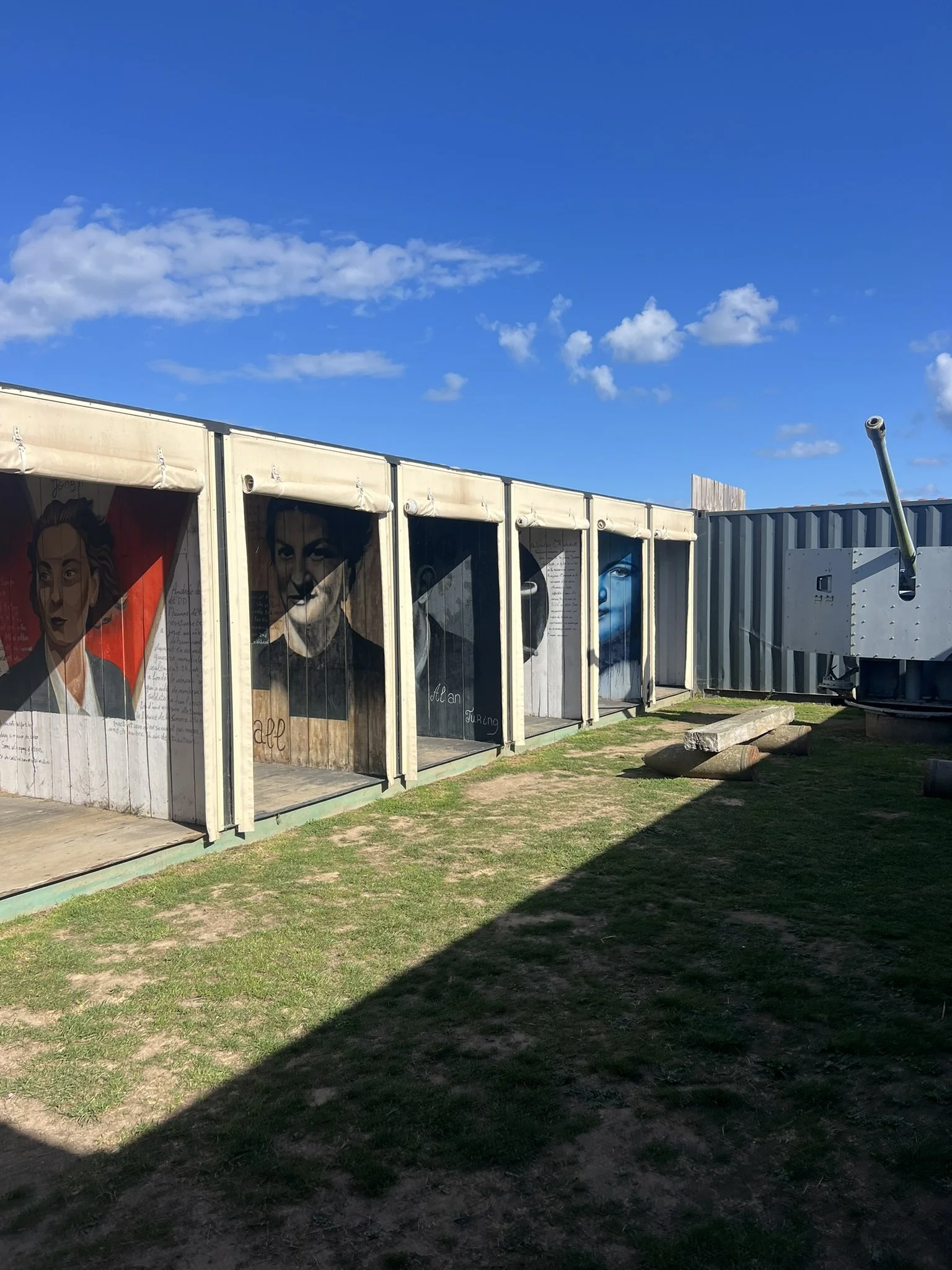
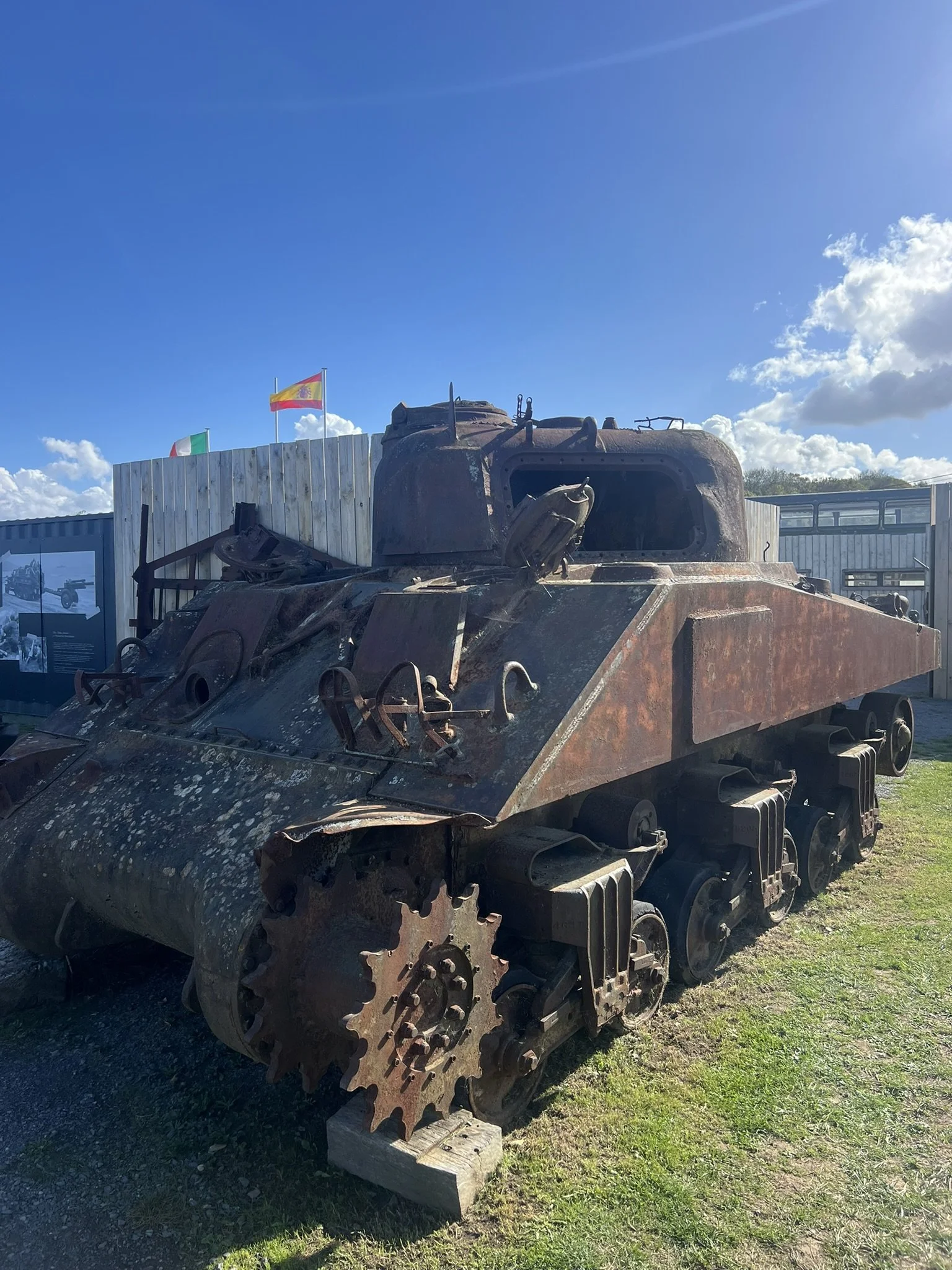
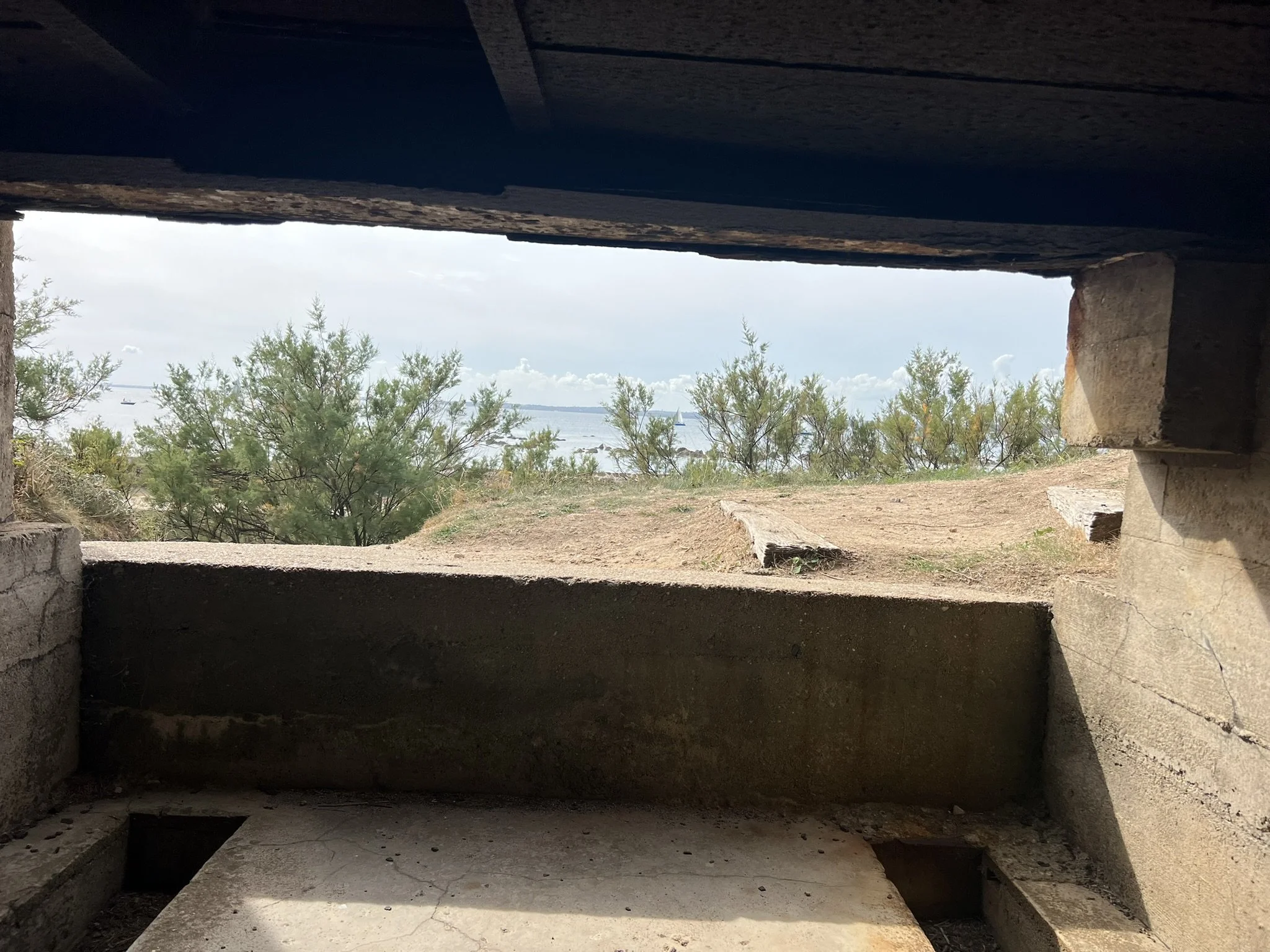
Since Reto is particularly interested in history, we decided to visit several museums, battlefields and bunkers to learn more about this tragic period. It was a very special feeling to sail through these waters, knowing how much suffering had taken place there and how profoundly these events had shaped the world.
One thing that really stayed with me was a virtual reality film we watched at the D-Day Omaha Museum, right by Omaha Beach. It placed us right in the middle of the D-Day landings, allowing us to experience what it might have felt like to be there on that terrible morning. It was incredibly immersive and gave both of us goosebumps. Standing there afterwards, knowing that the events we had just experienced virtually had actually happened to thousands of young men, made it all the more moving.
After visiting so many battlefields and learning about the hardships people endured, we were once again reminded of how fortunate we are not to have to live through a war or fear losing our loved ones to one. We are incredibly grateful that we can travel the world on our sailboat, explore new places and learn so much about their history.
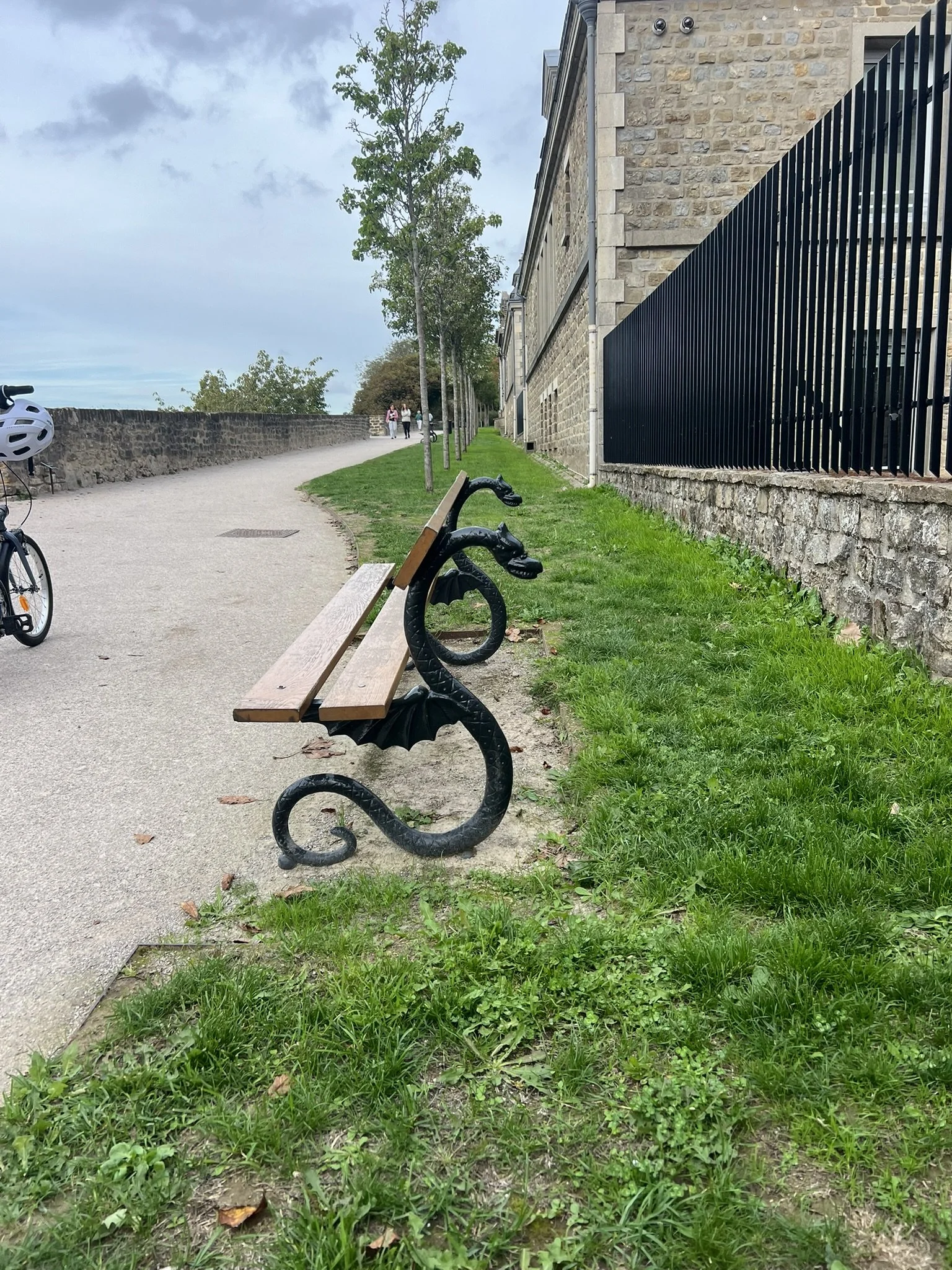
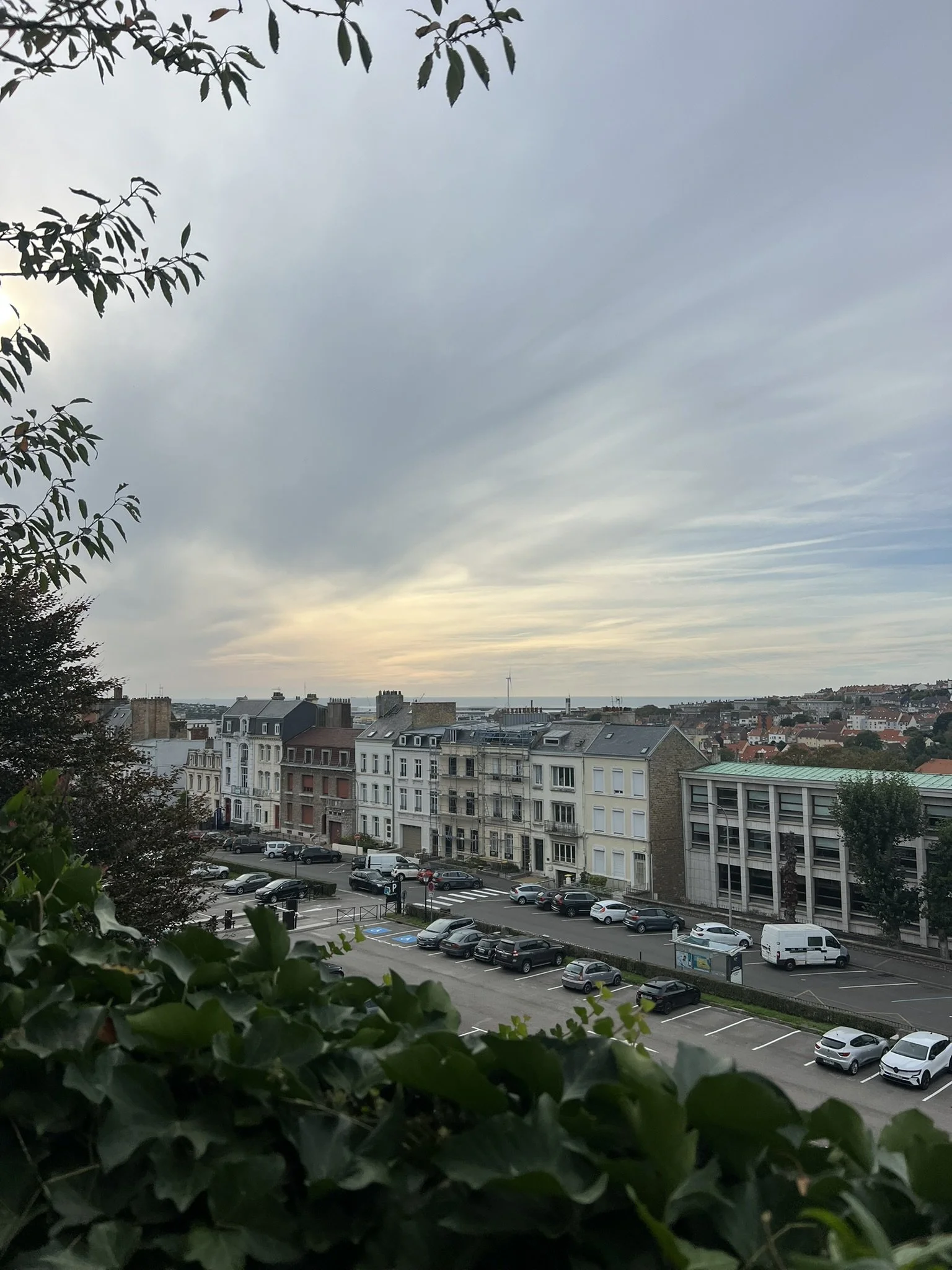
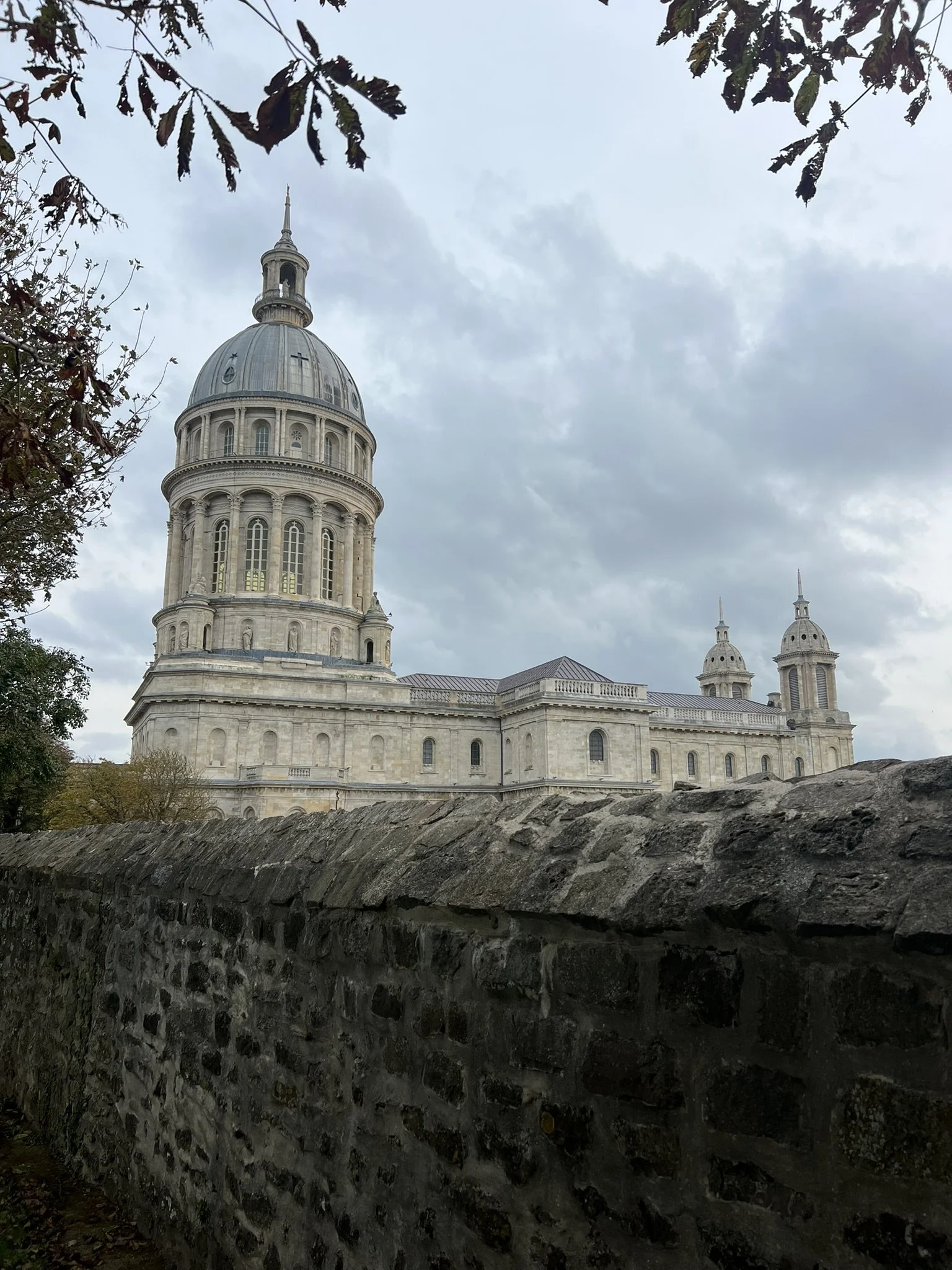
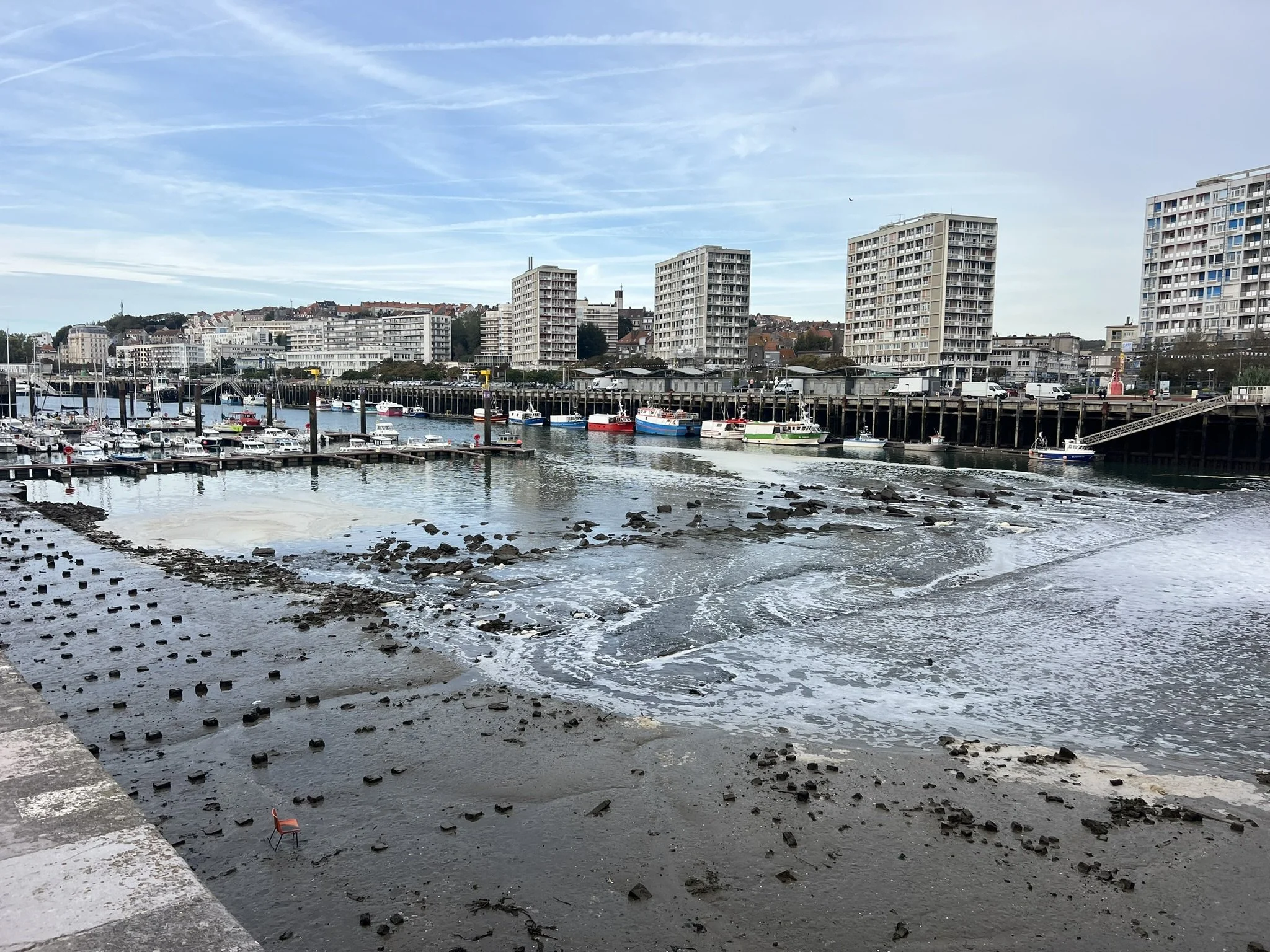
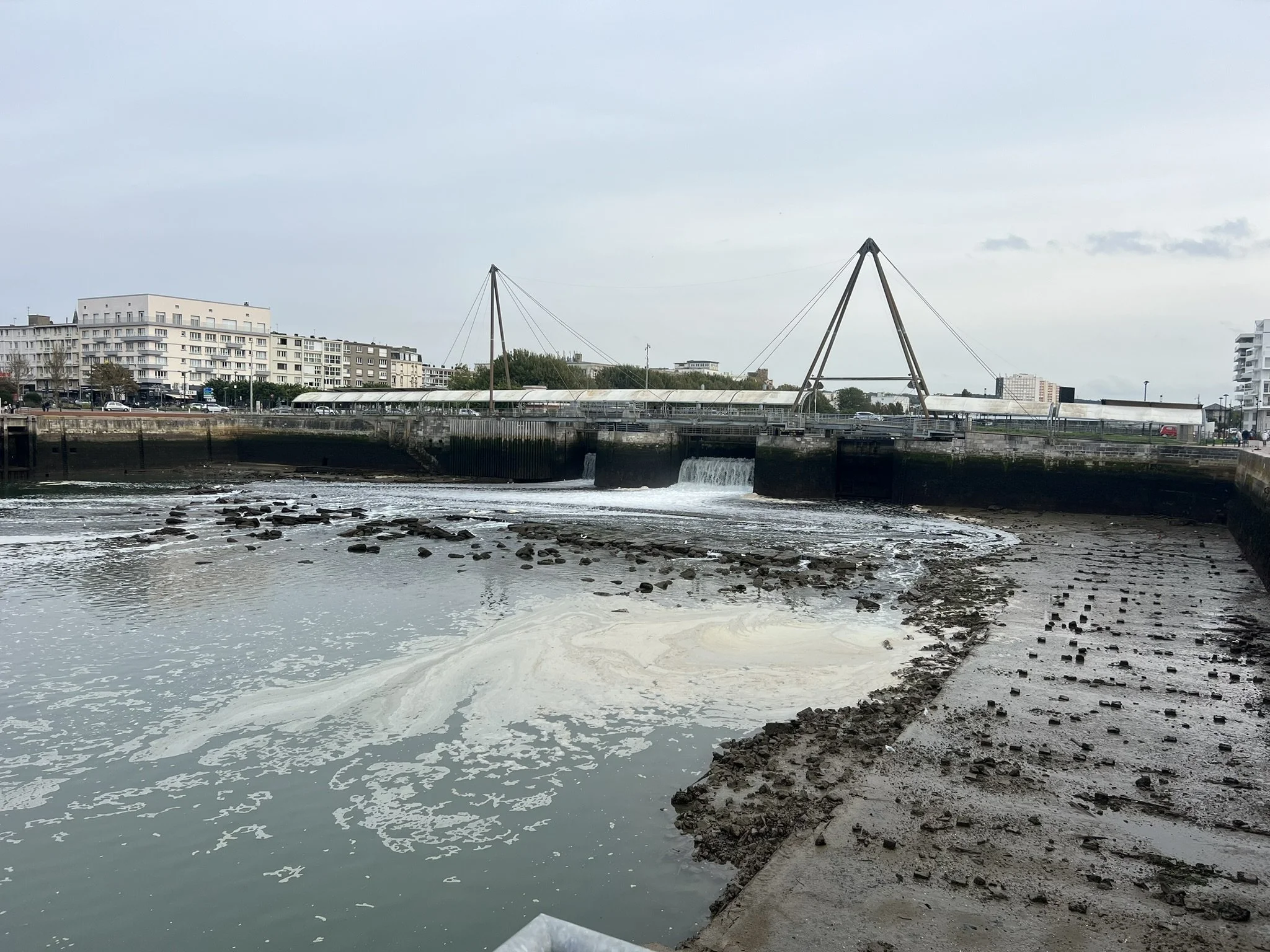
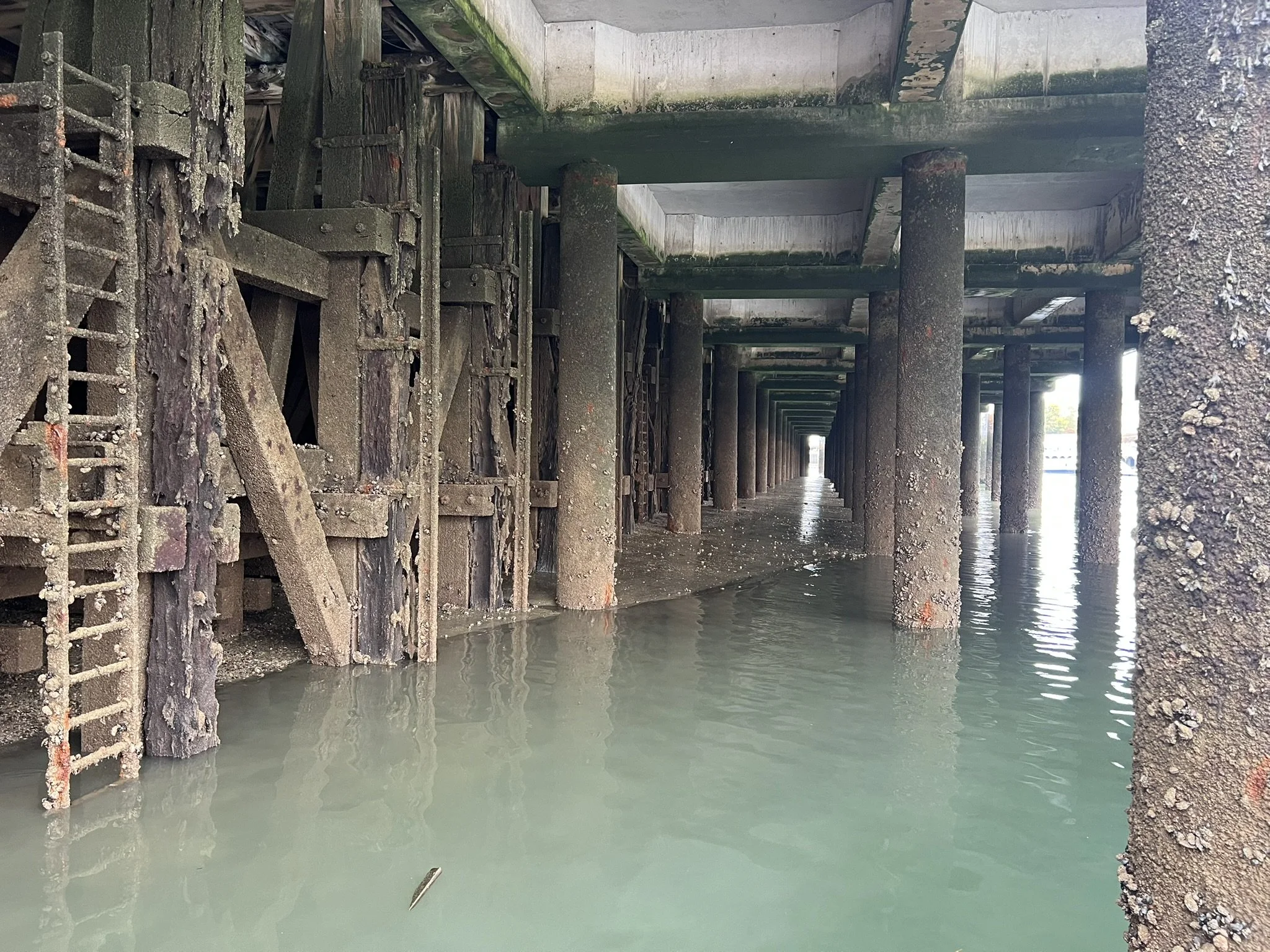
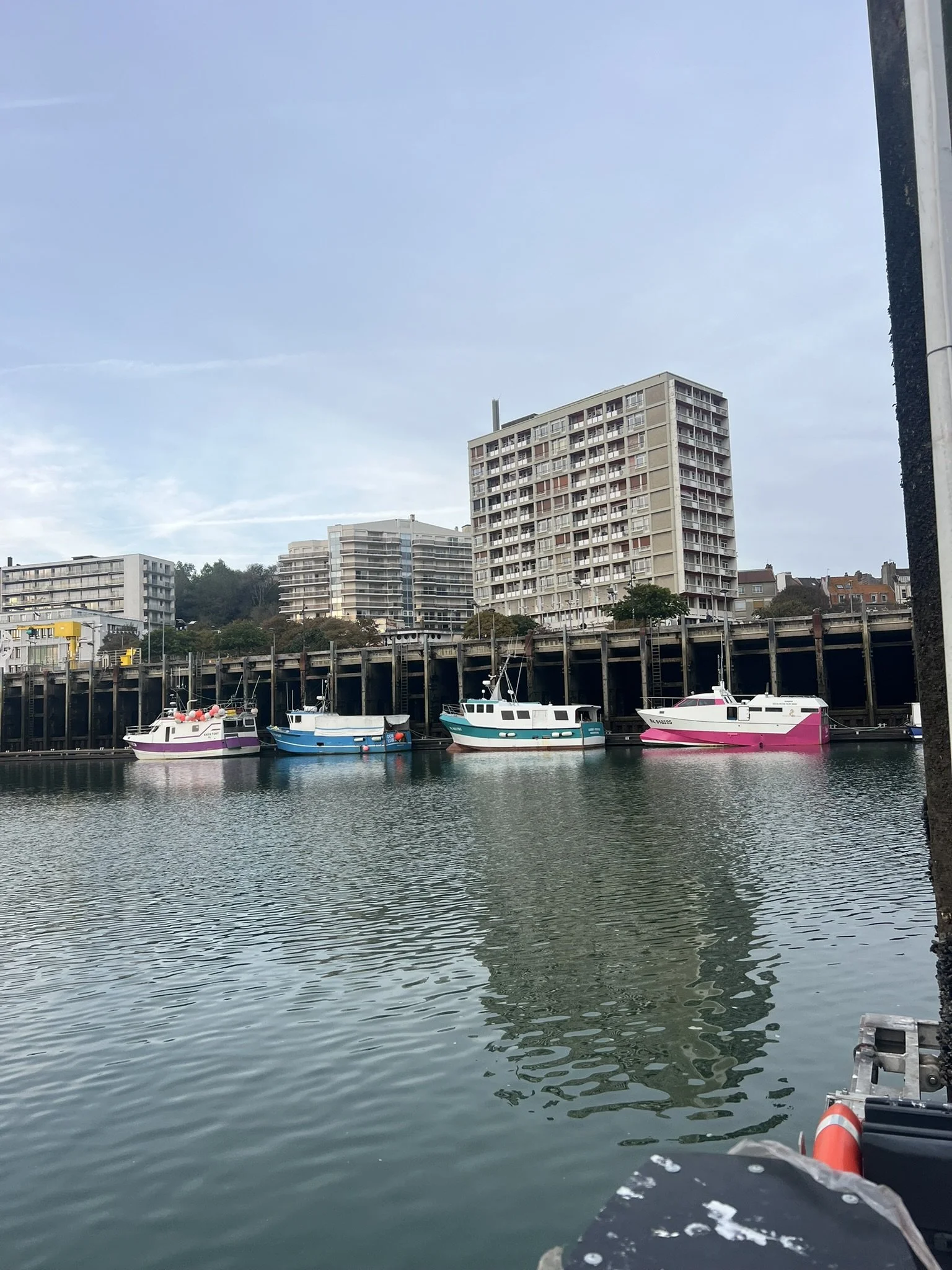
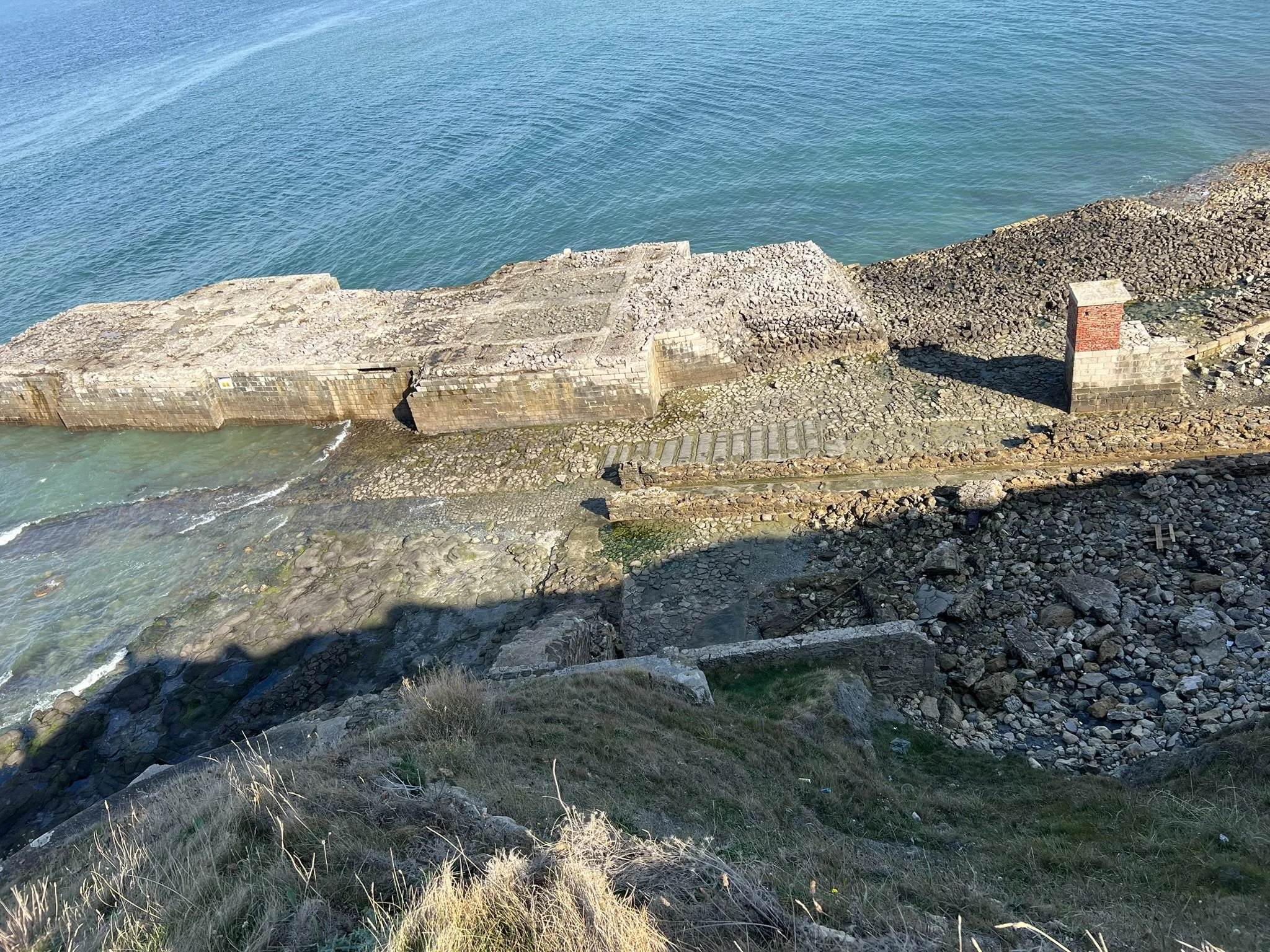
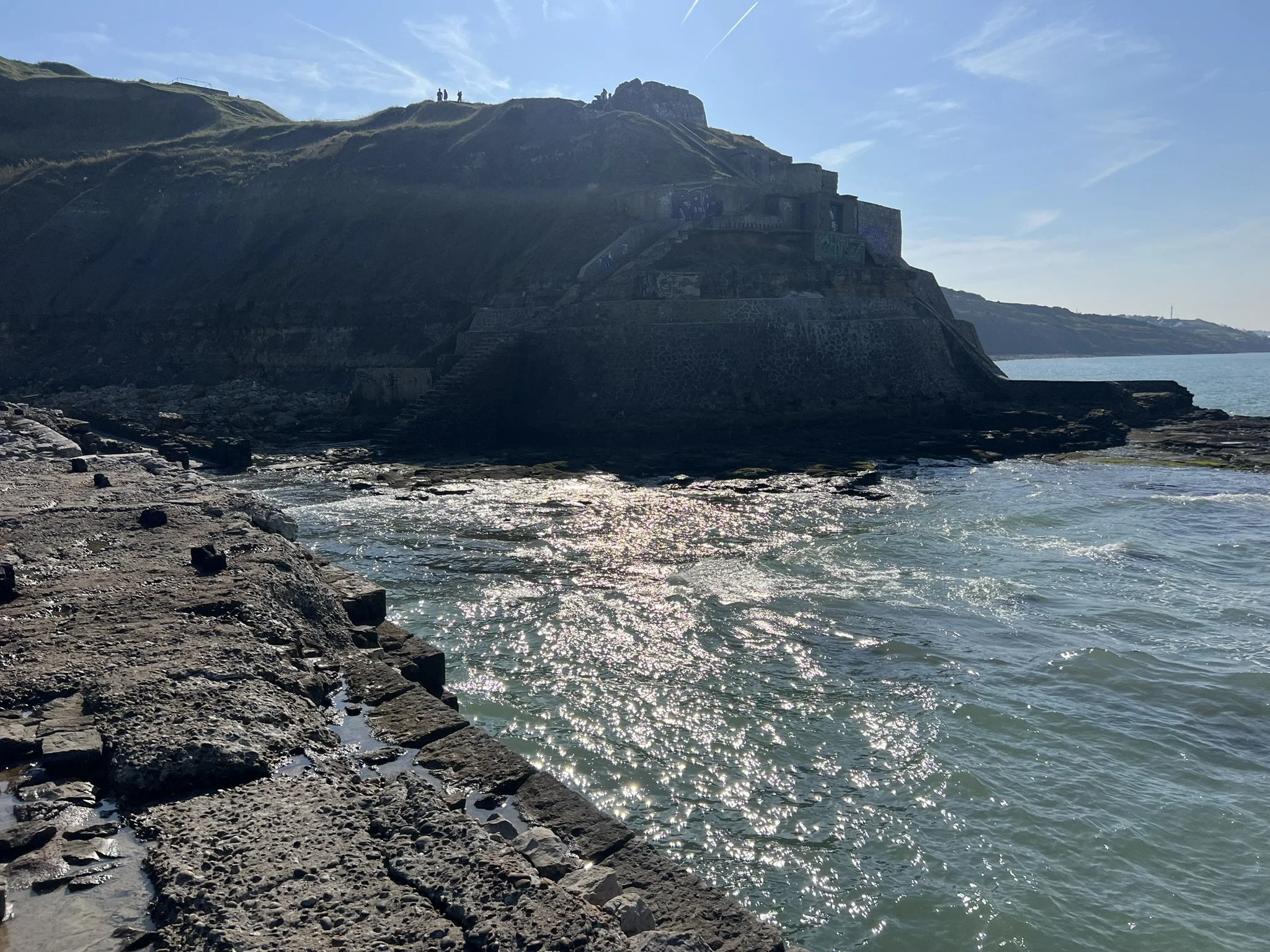
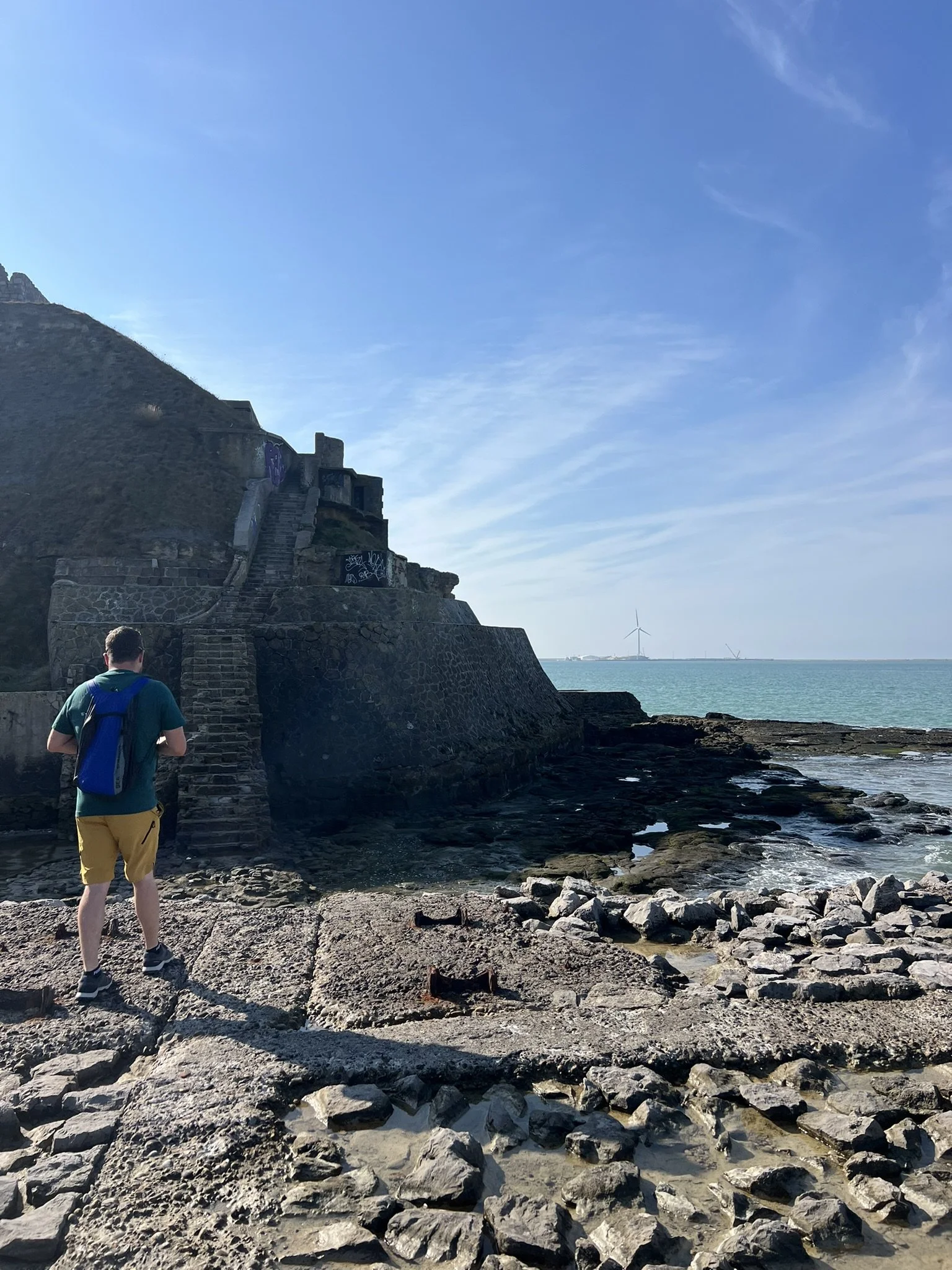
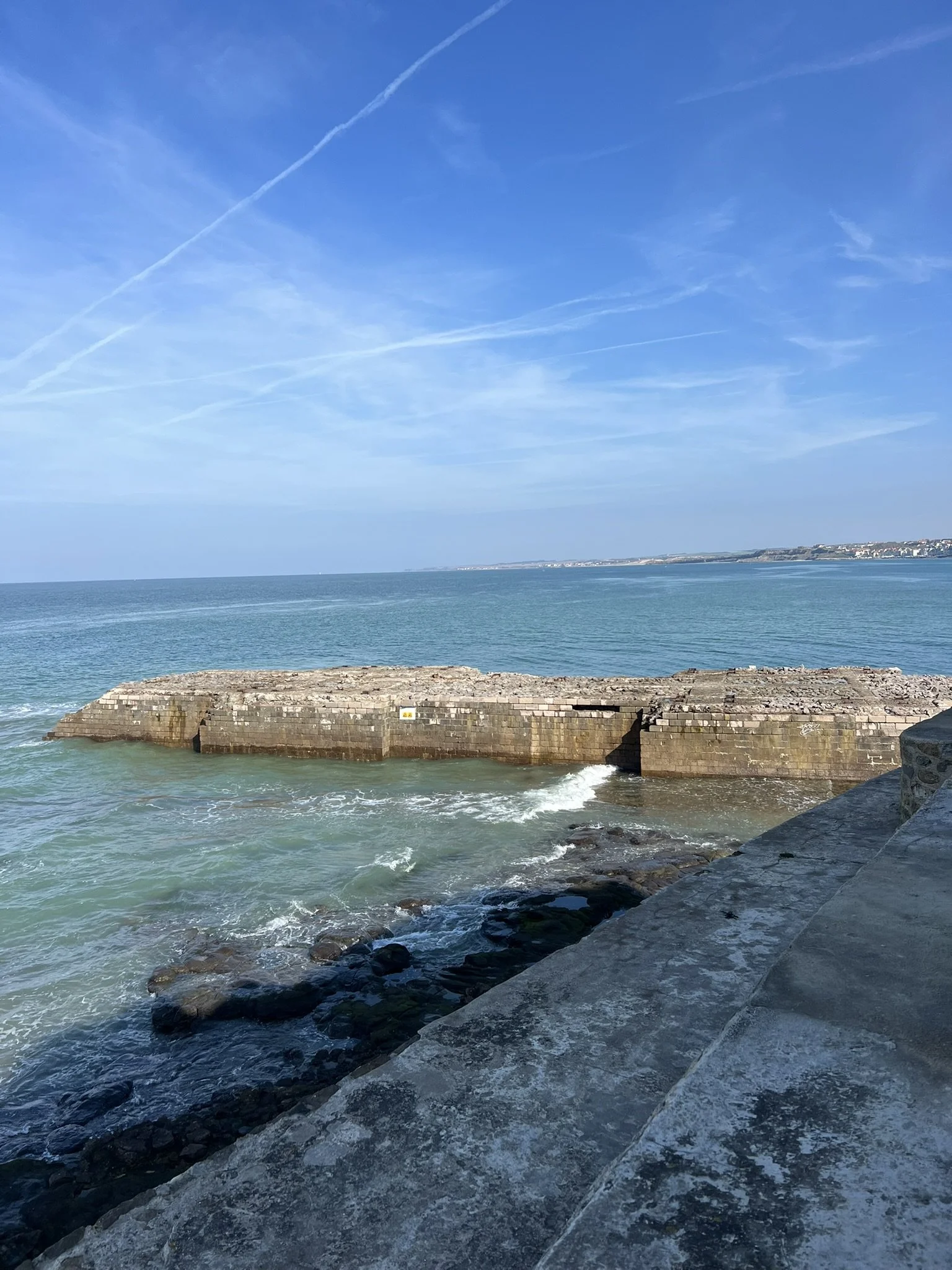
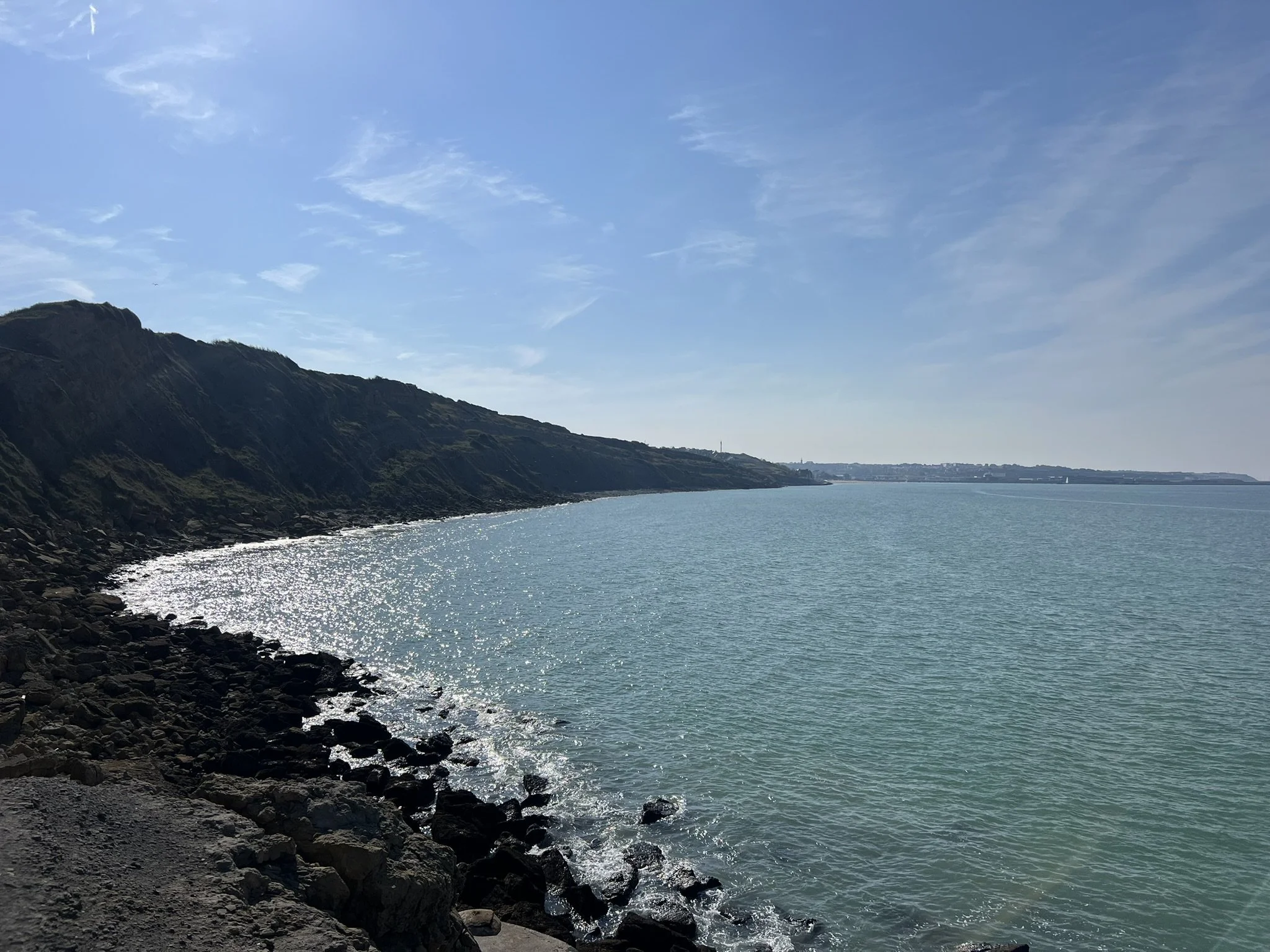
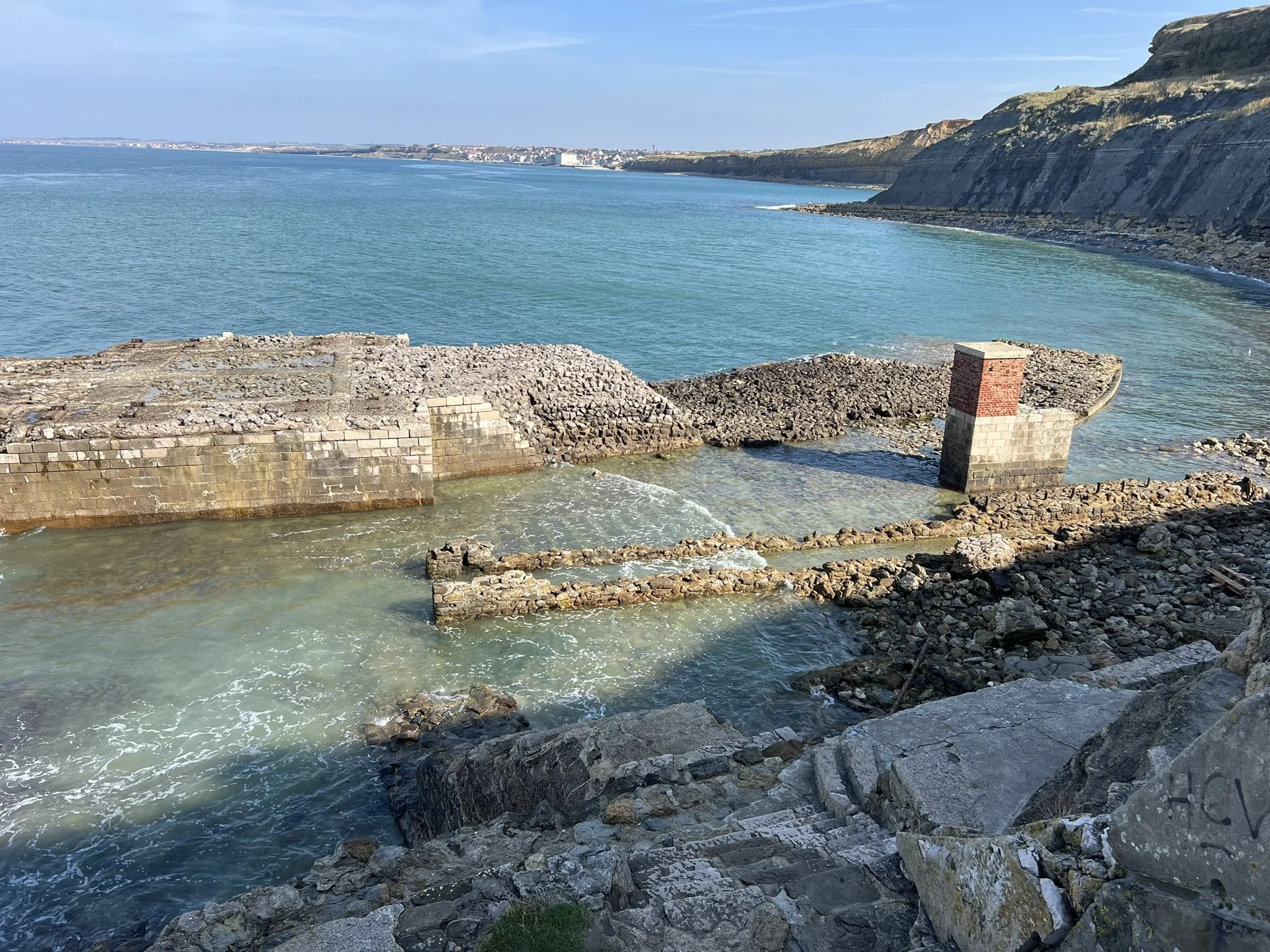
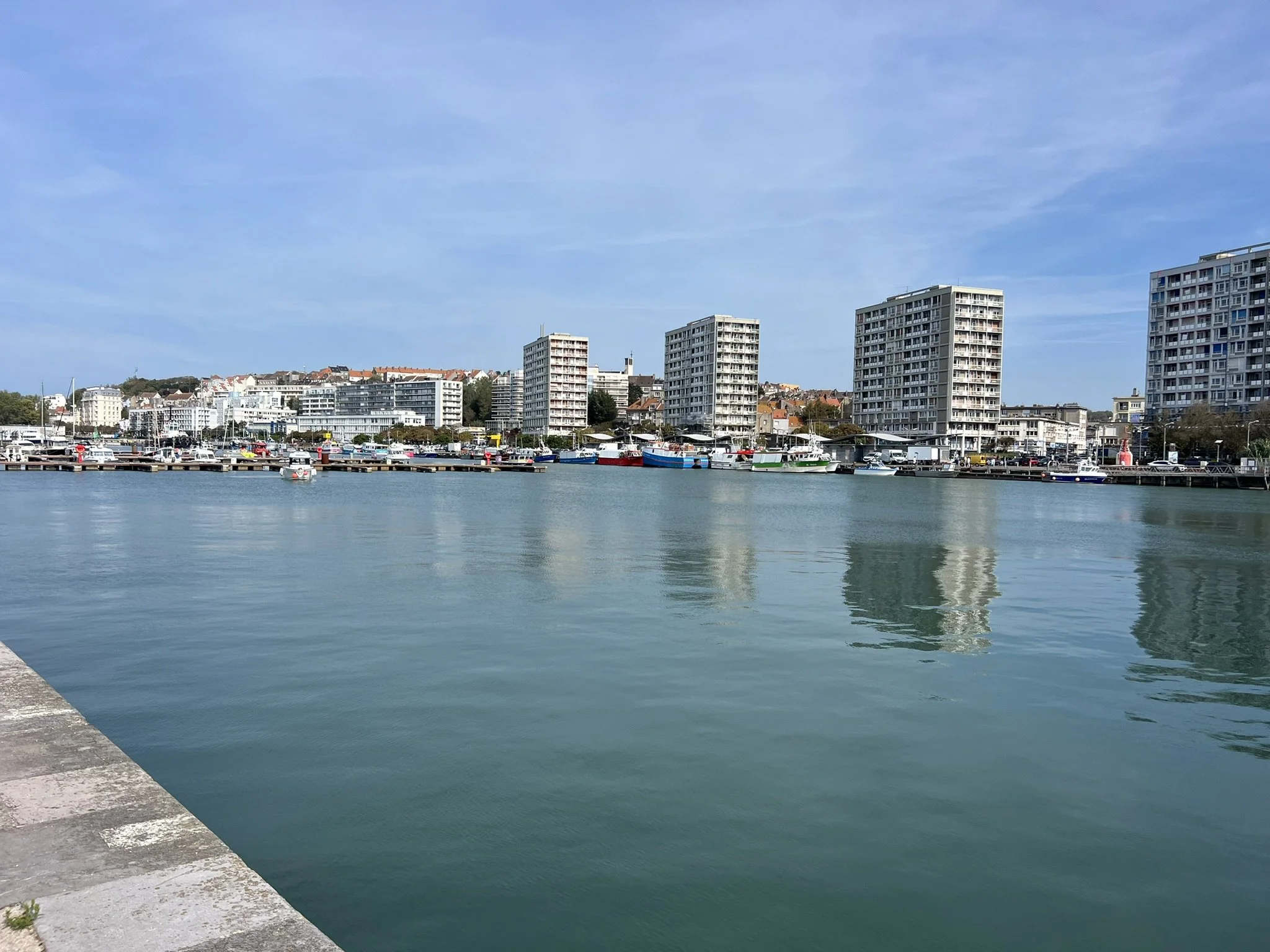
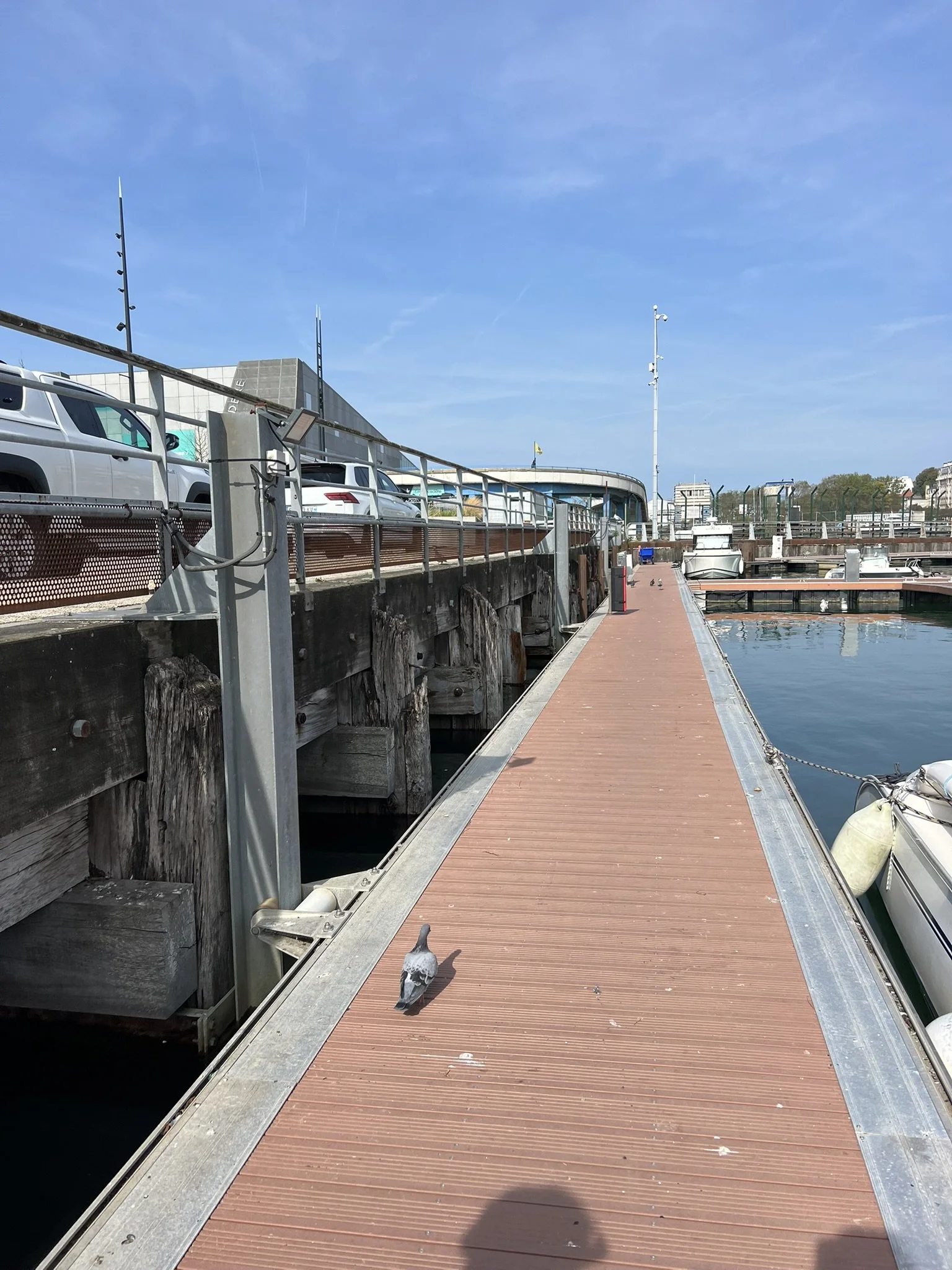
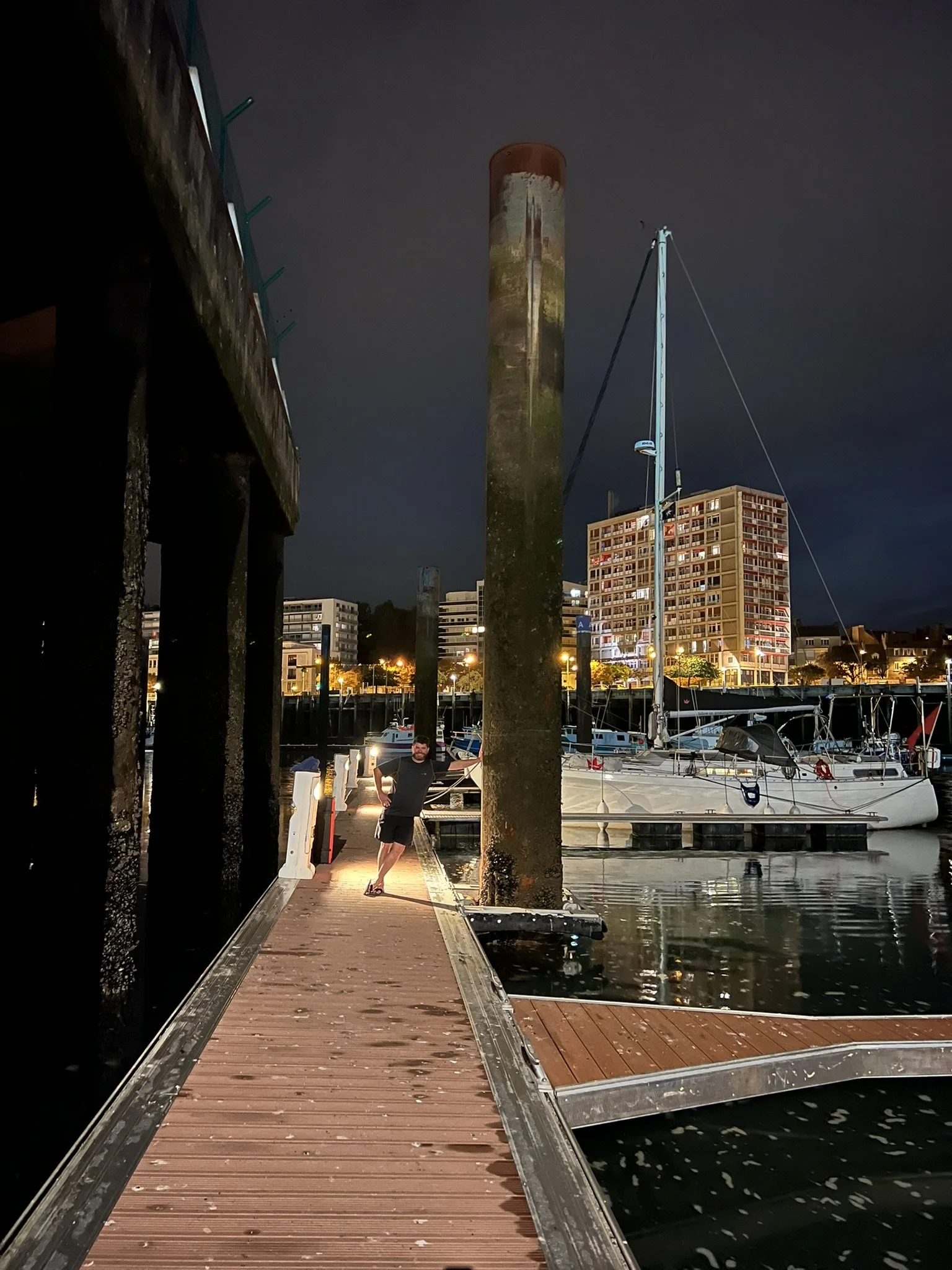
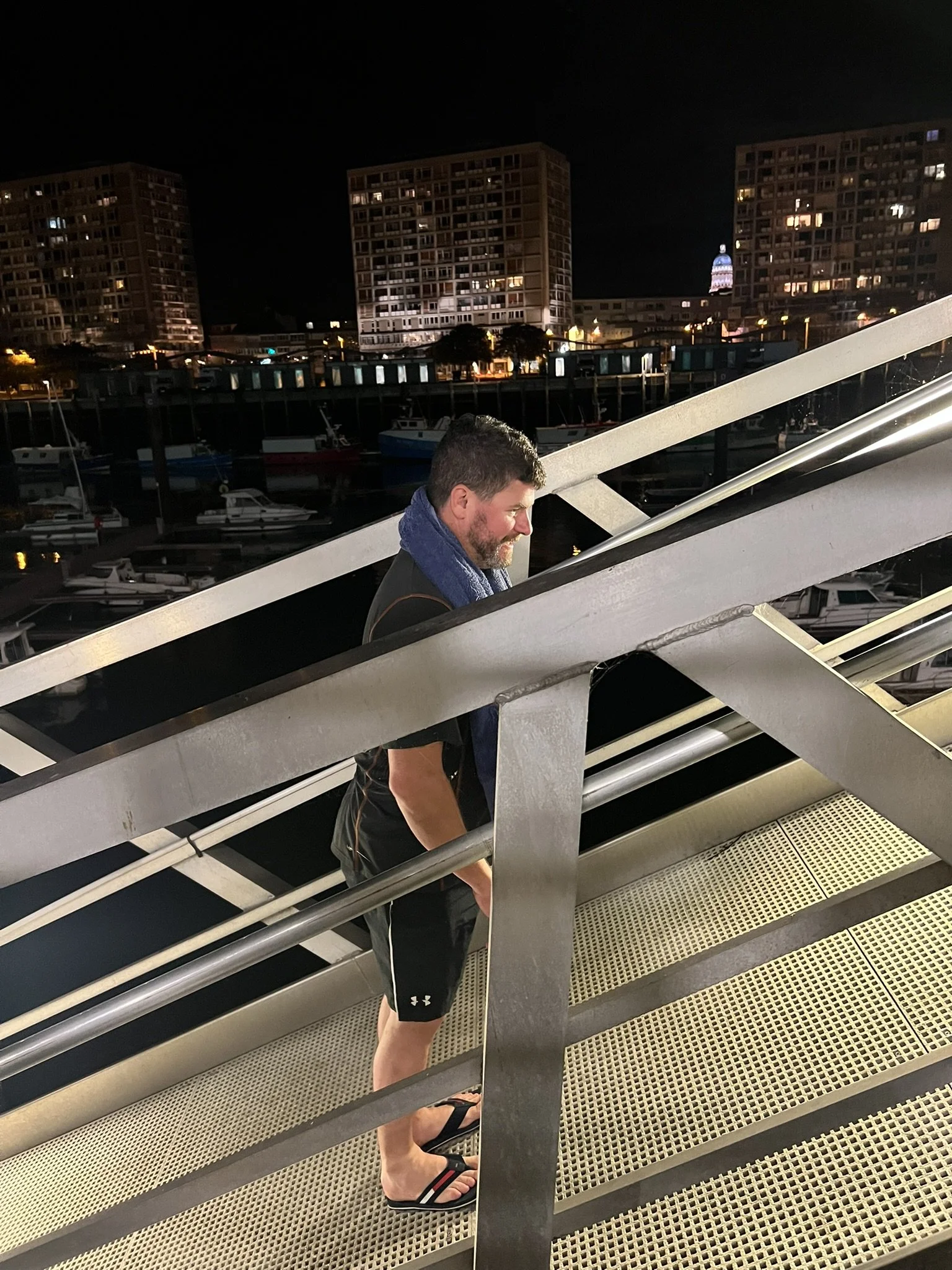
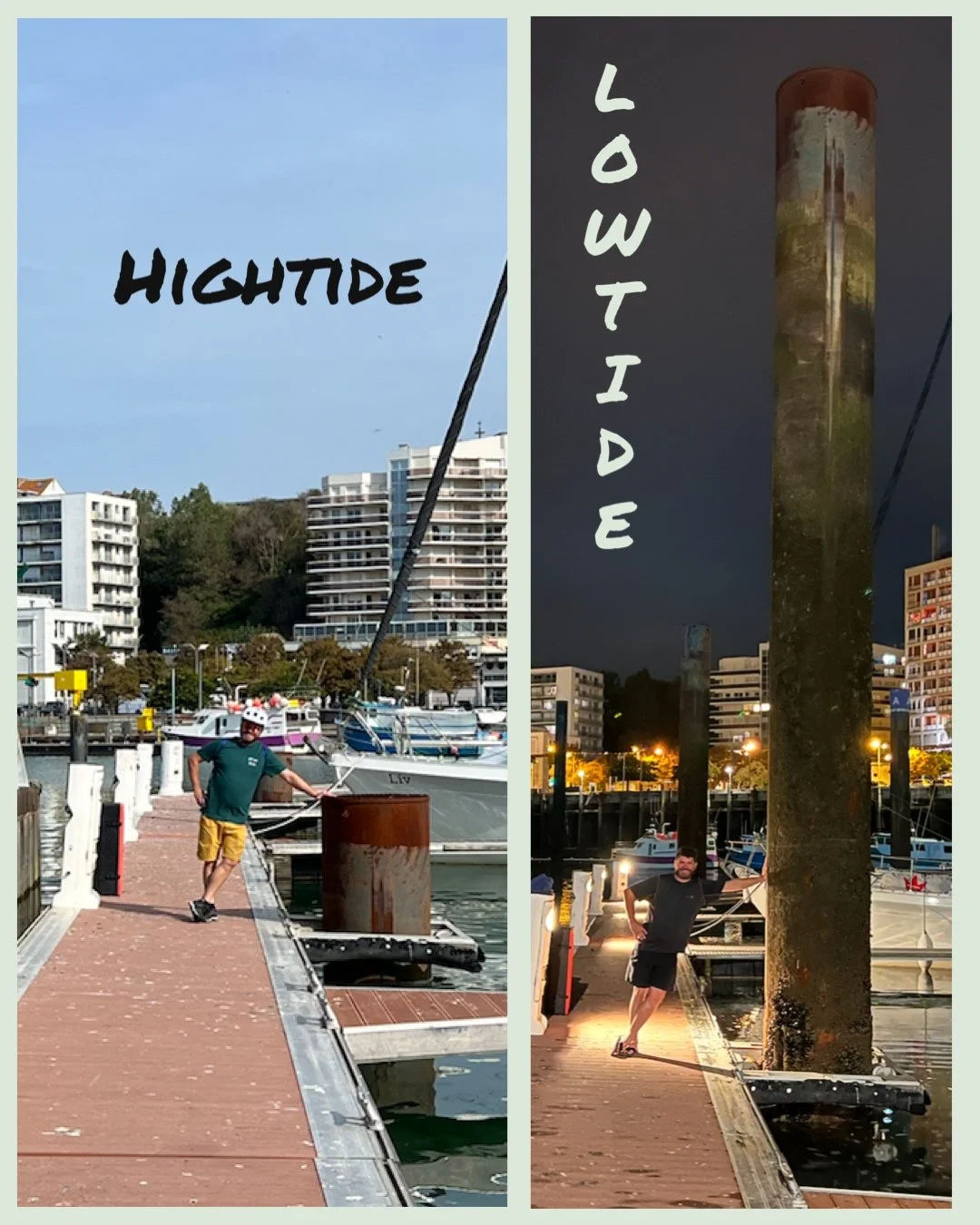
Another thing that really impressed us along this stretch of coastline was the enormous difference between high and low tide. In Boulogne-sur-Mer, the tidal range was particularly striking. At low tide, getting from the floating pontoon up to the mainland felt almost like climbing a mountain! It is quite something to see just how much the landscape changes within a few hours.
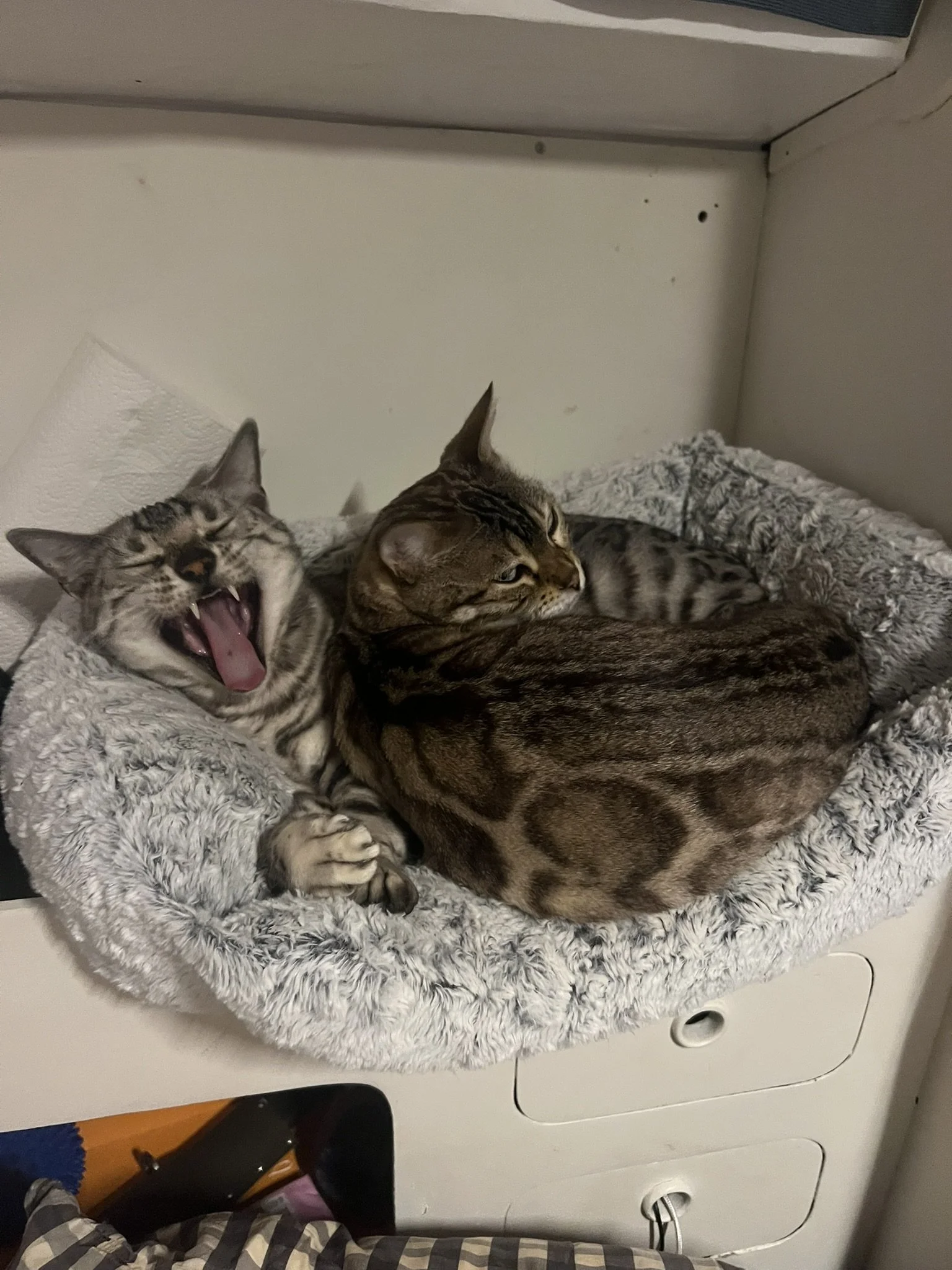
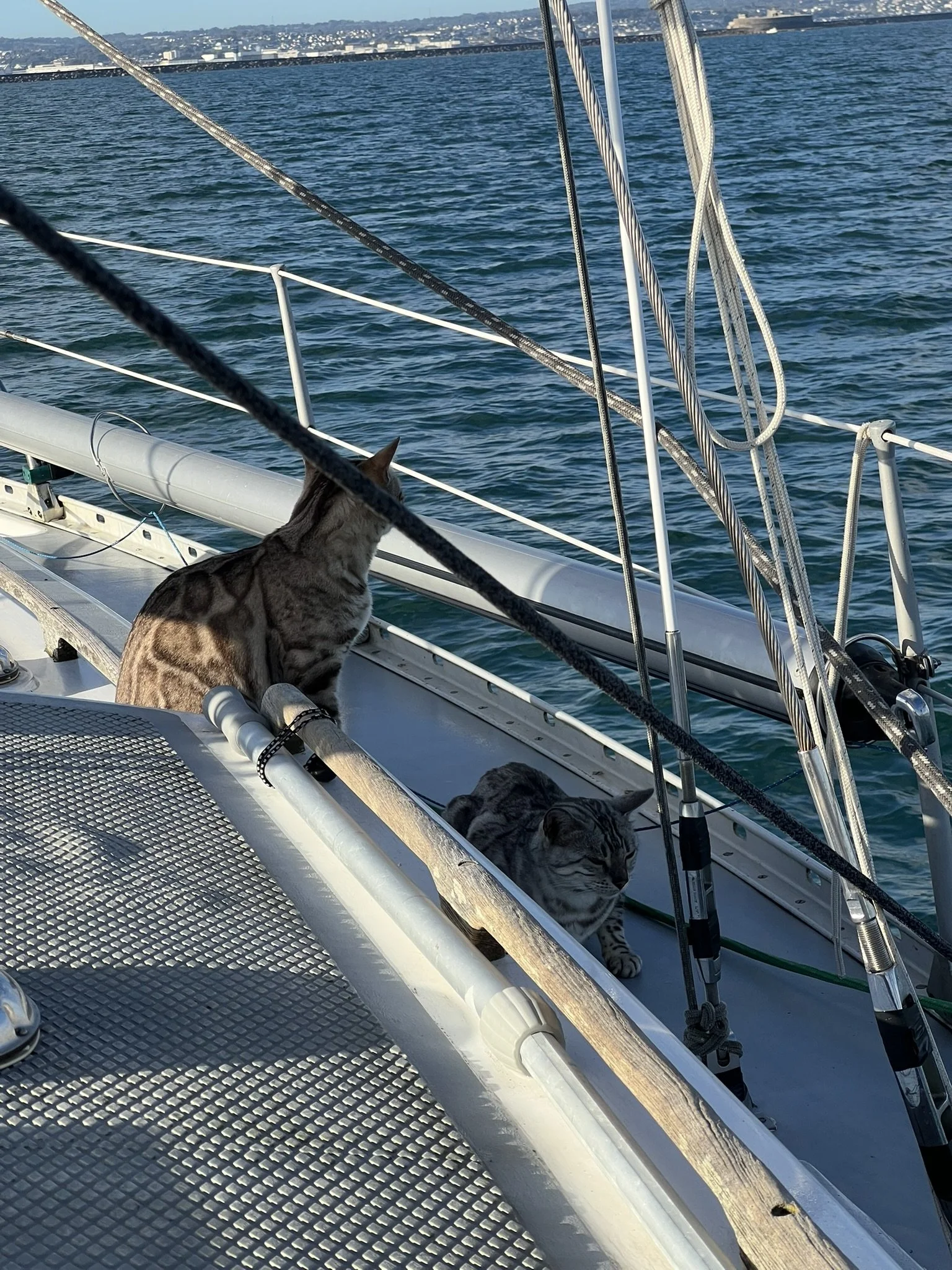
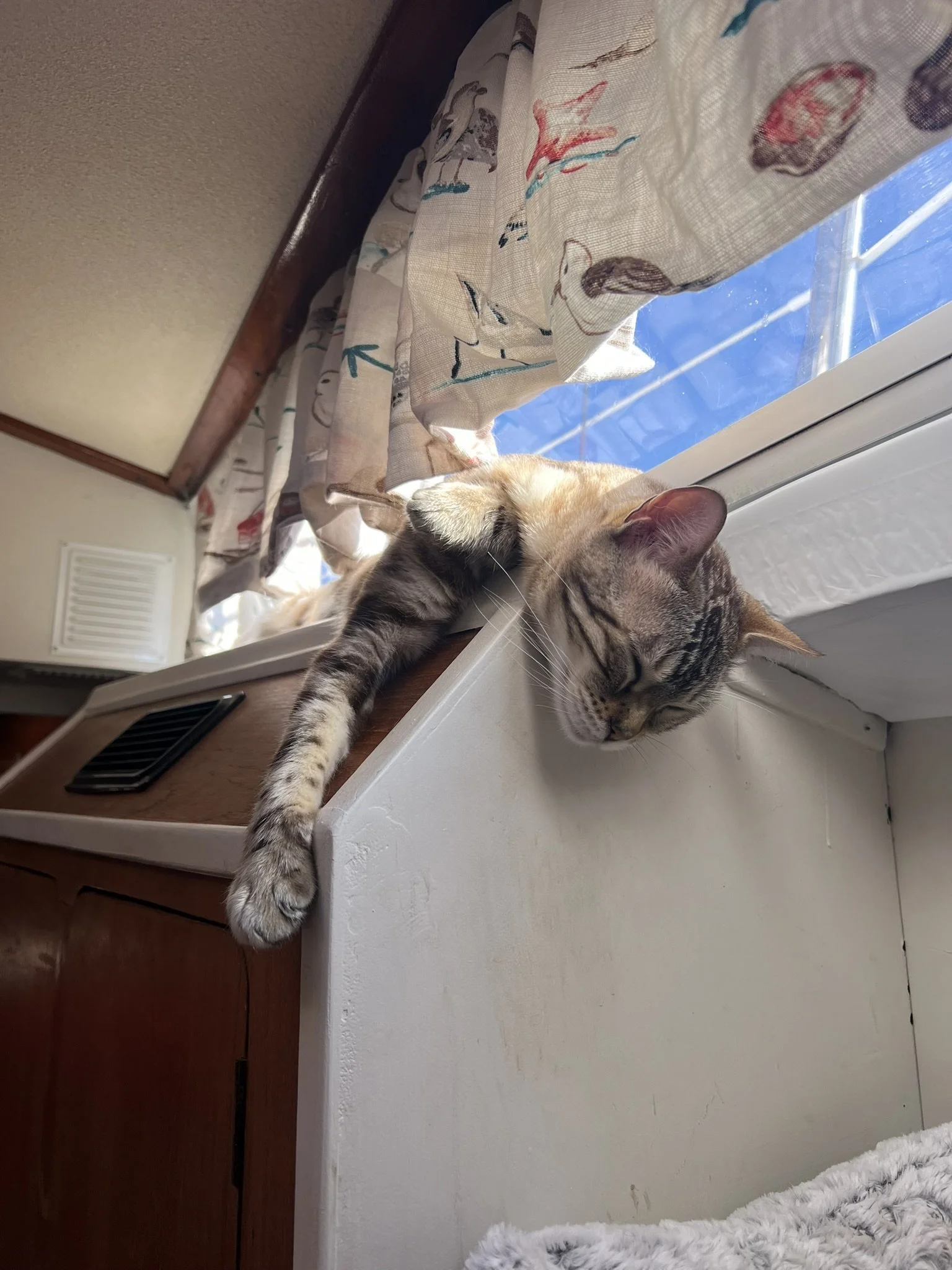
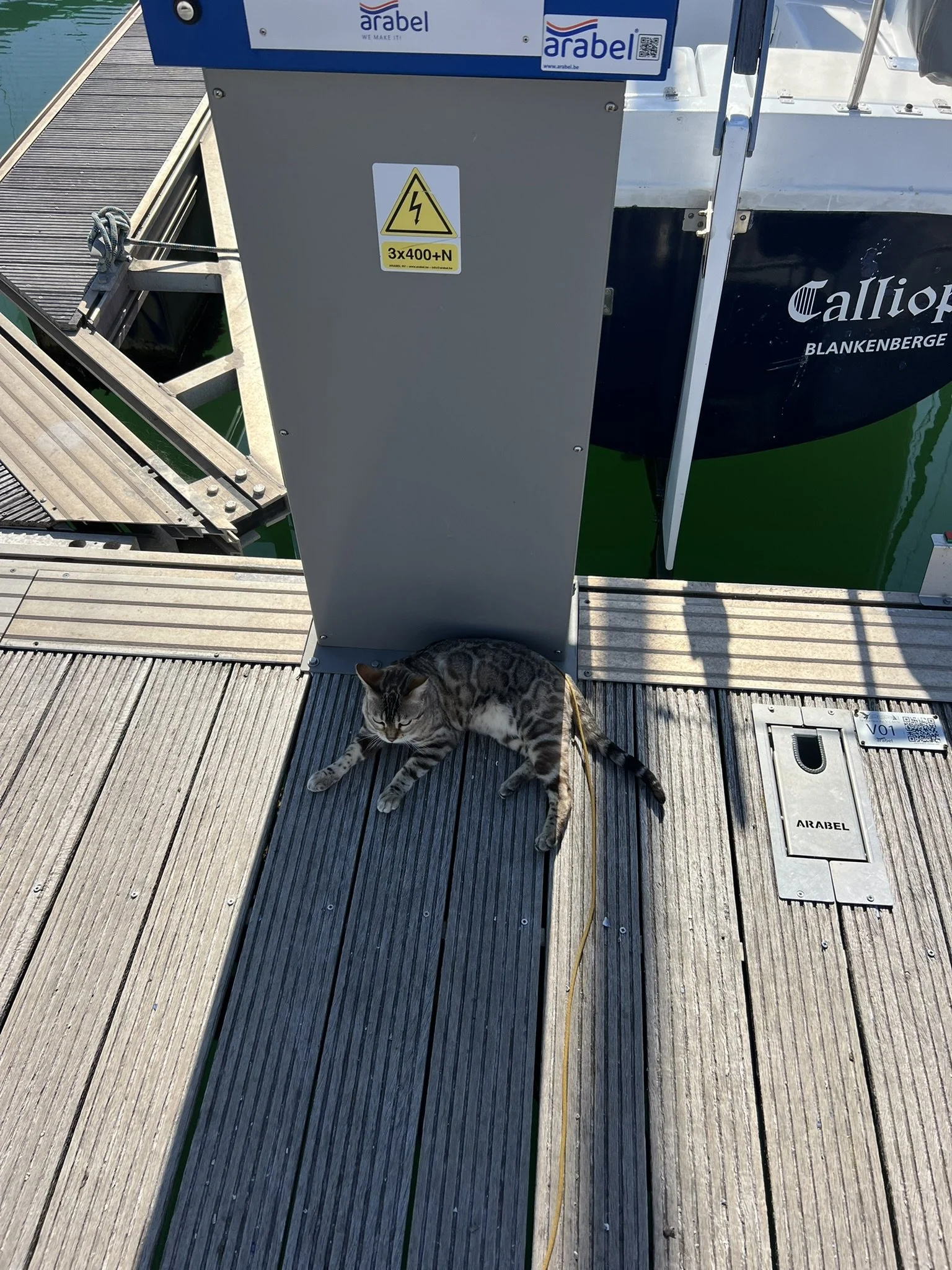
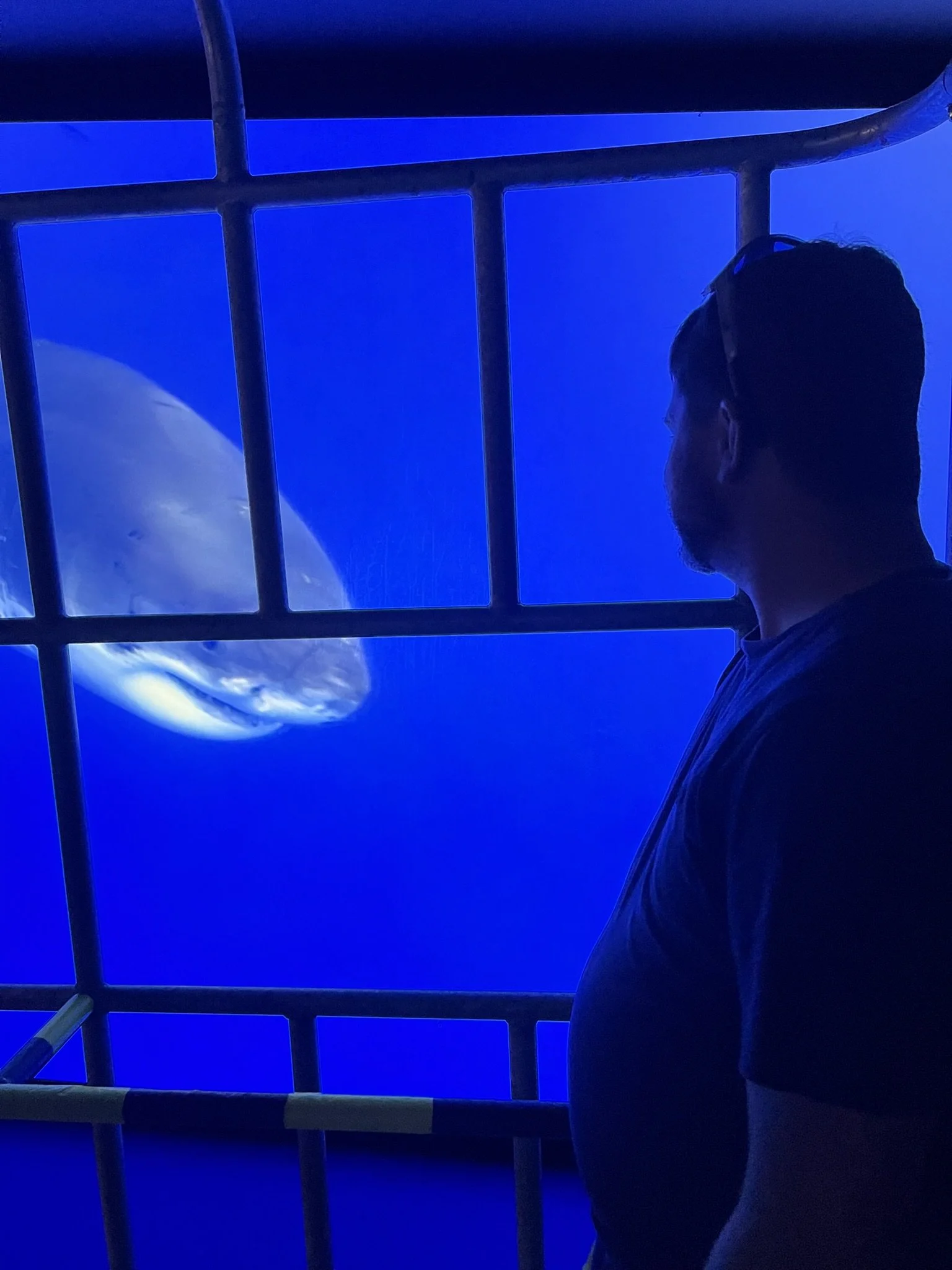
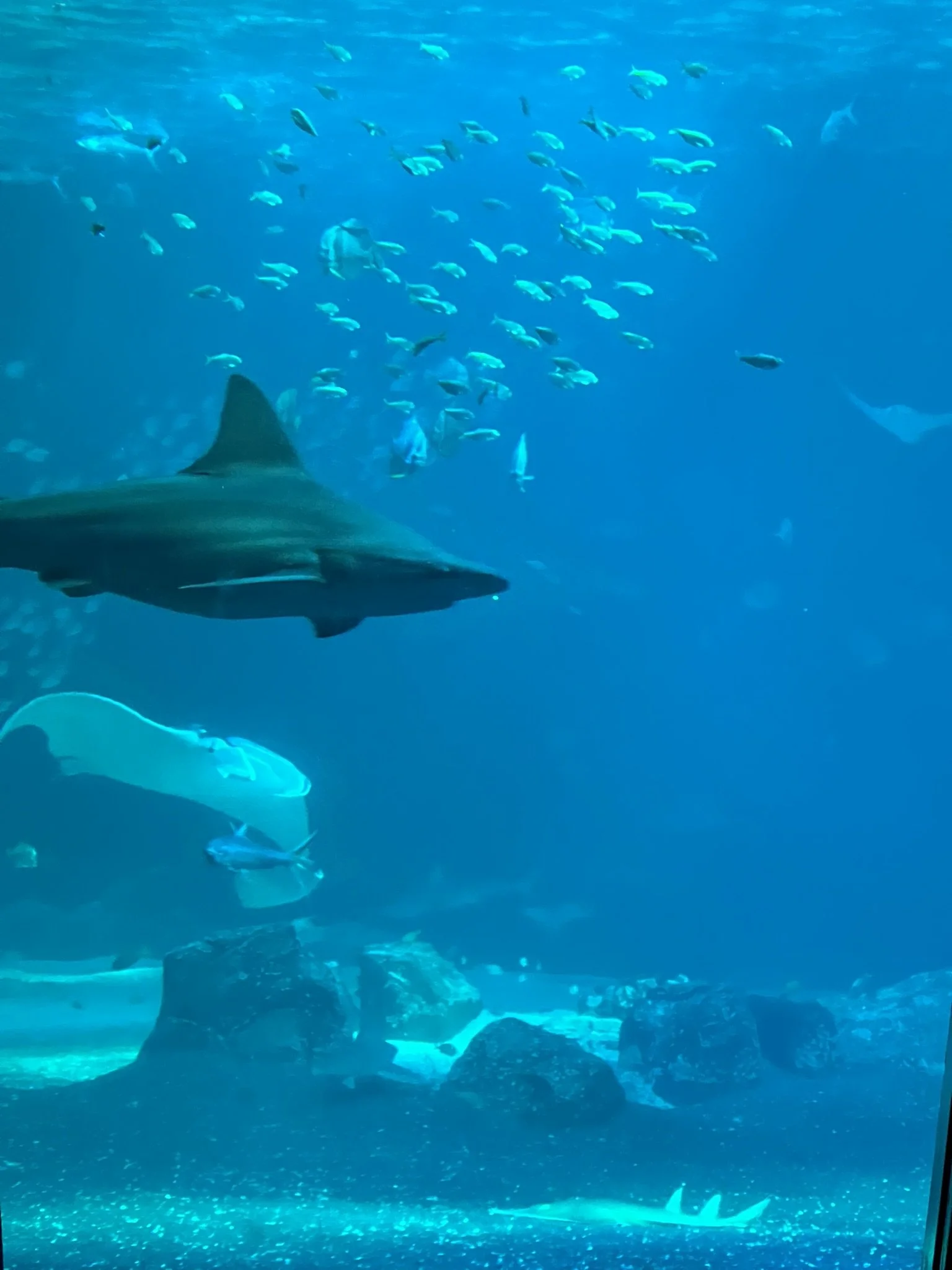
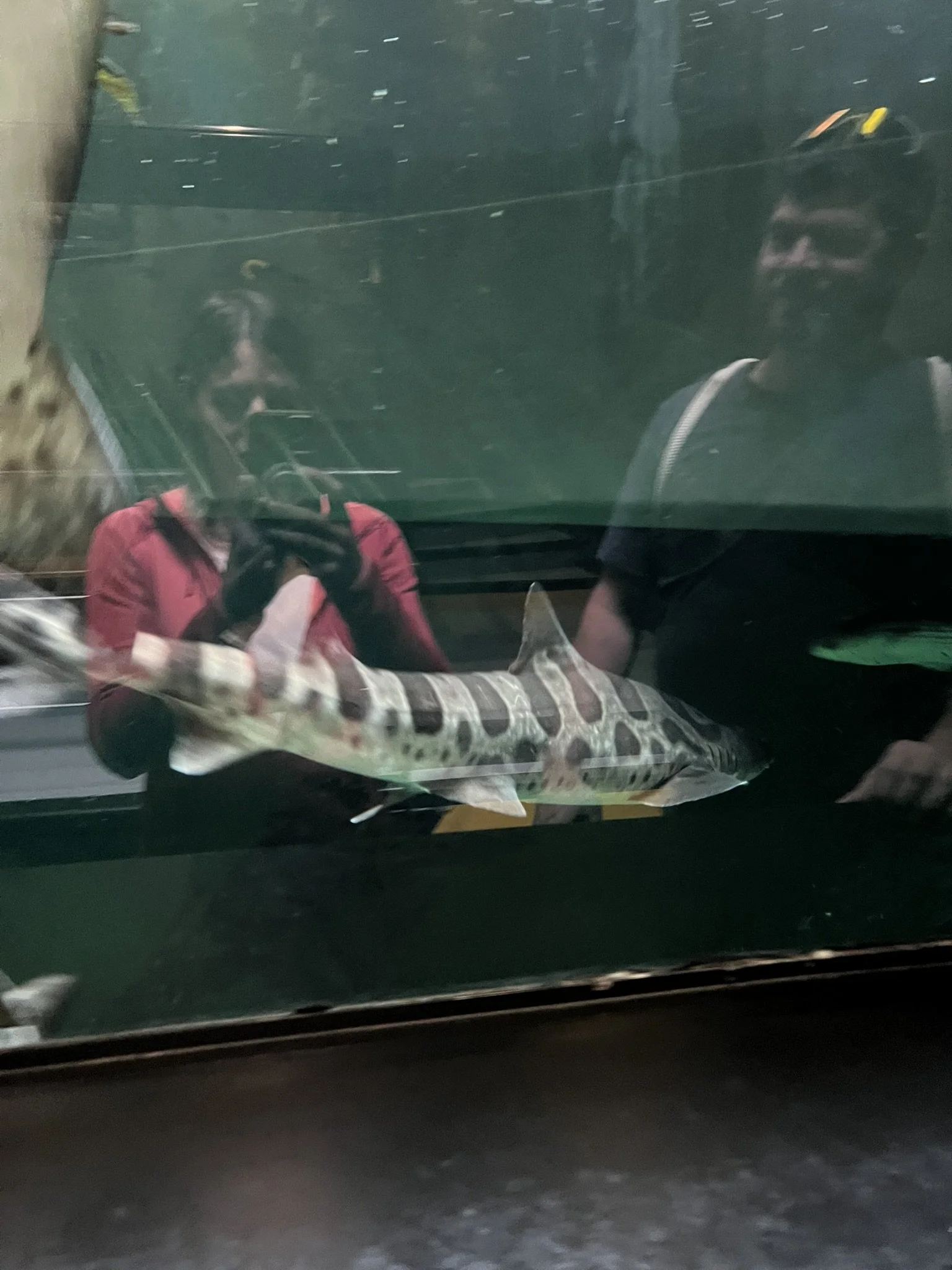
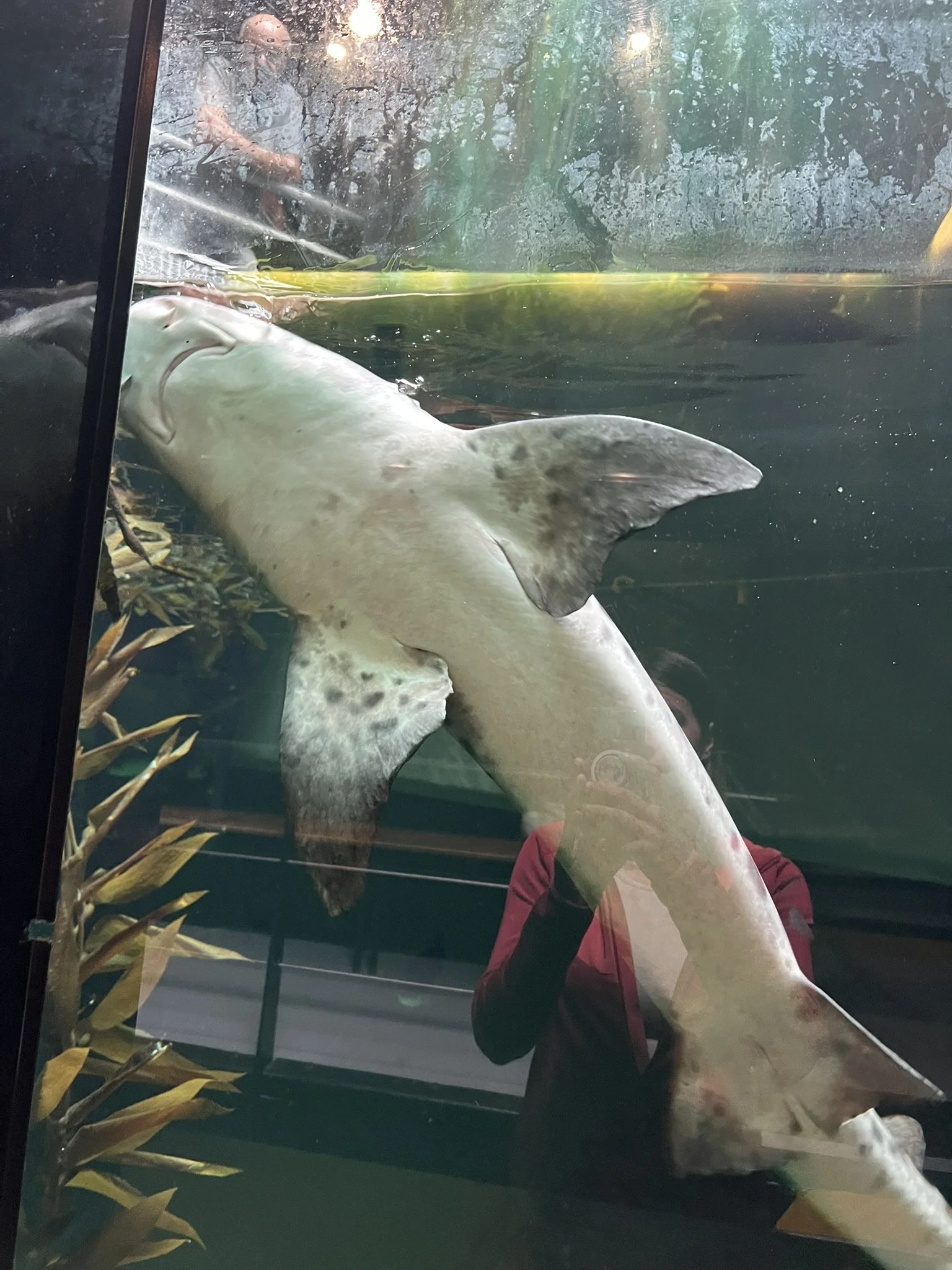
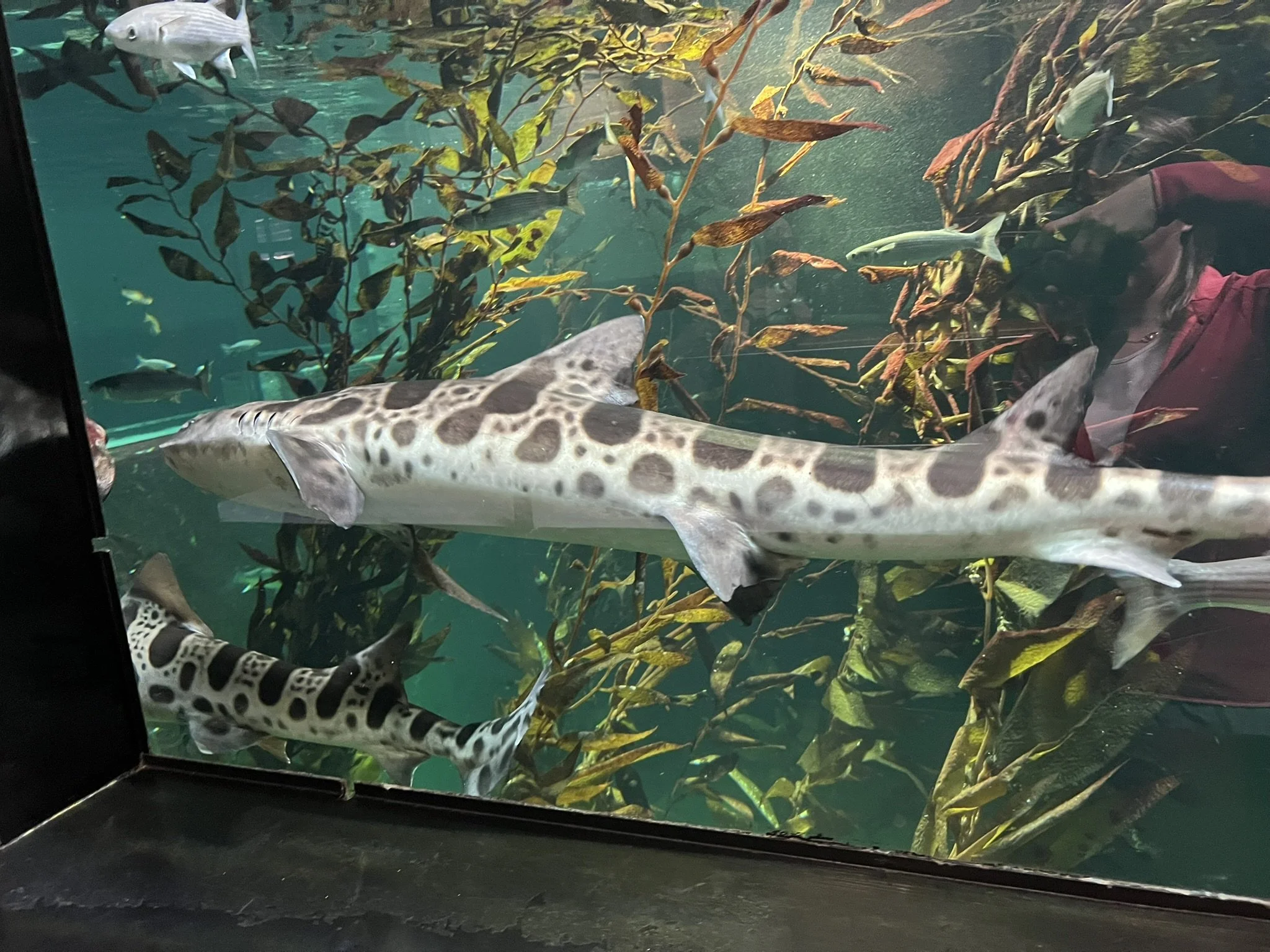
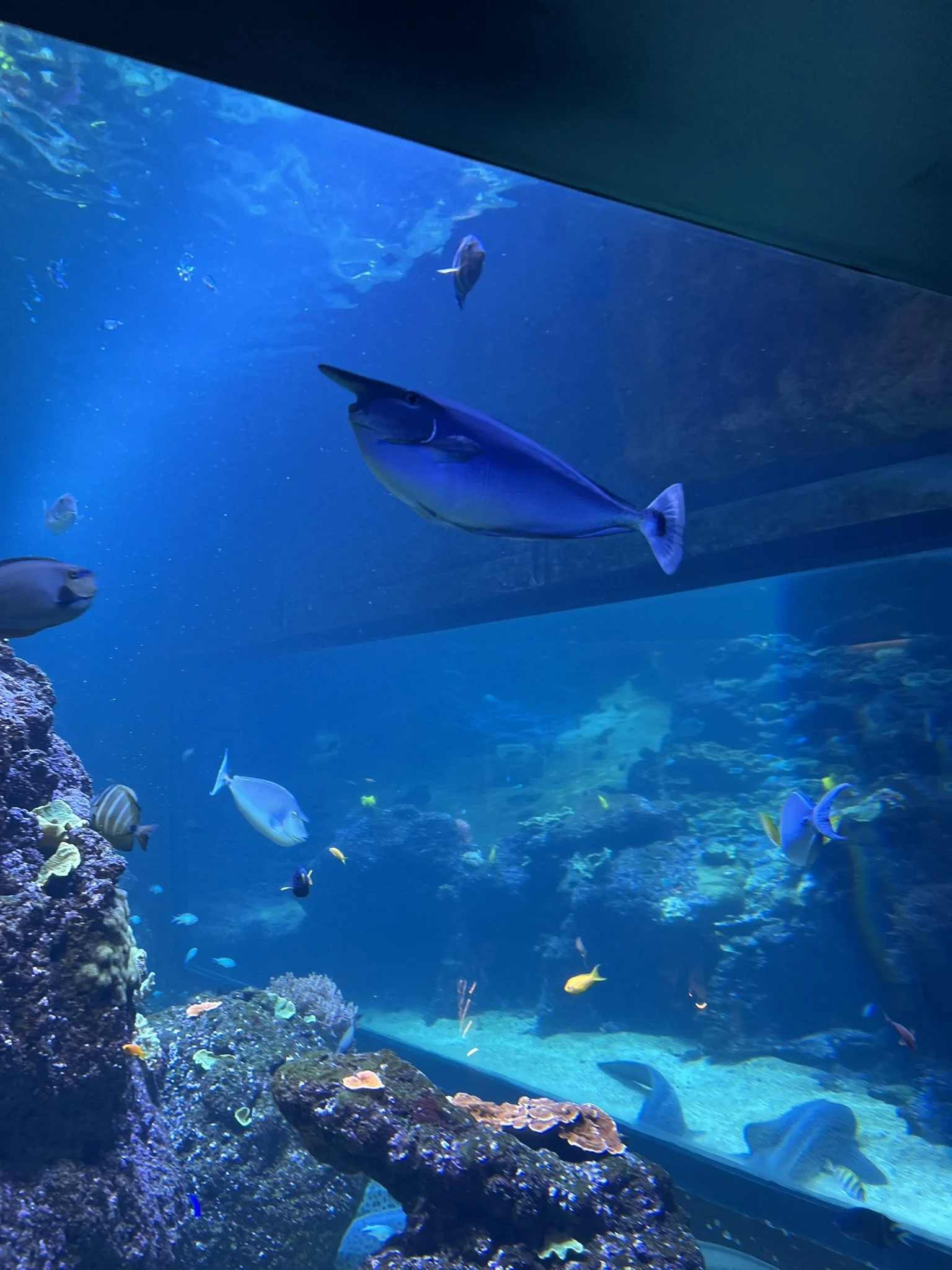
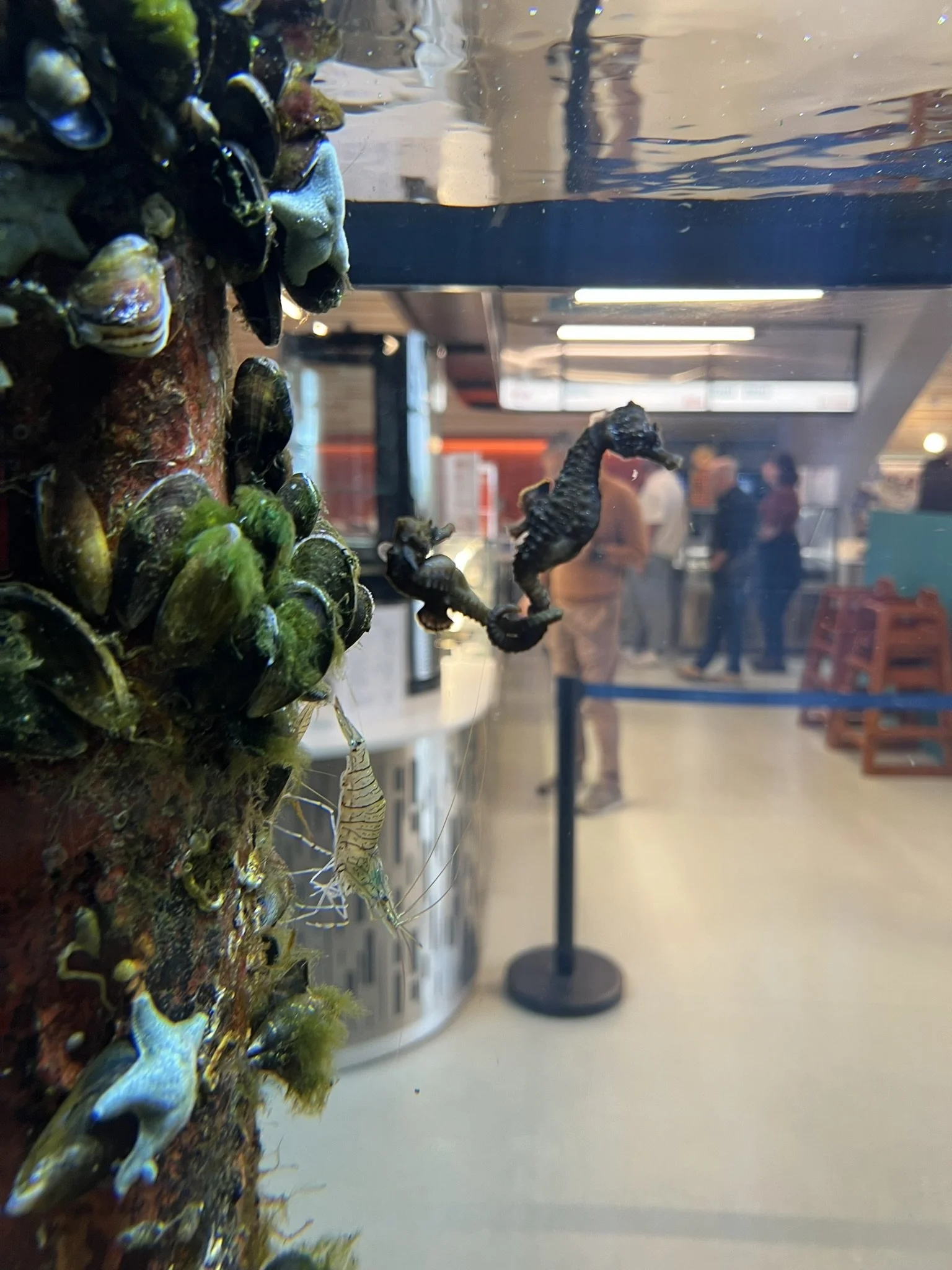
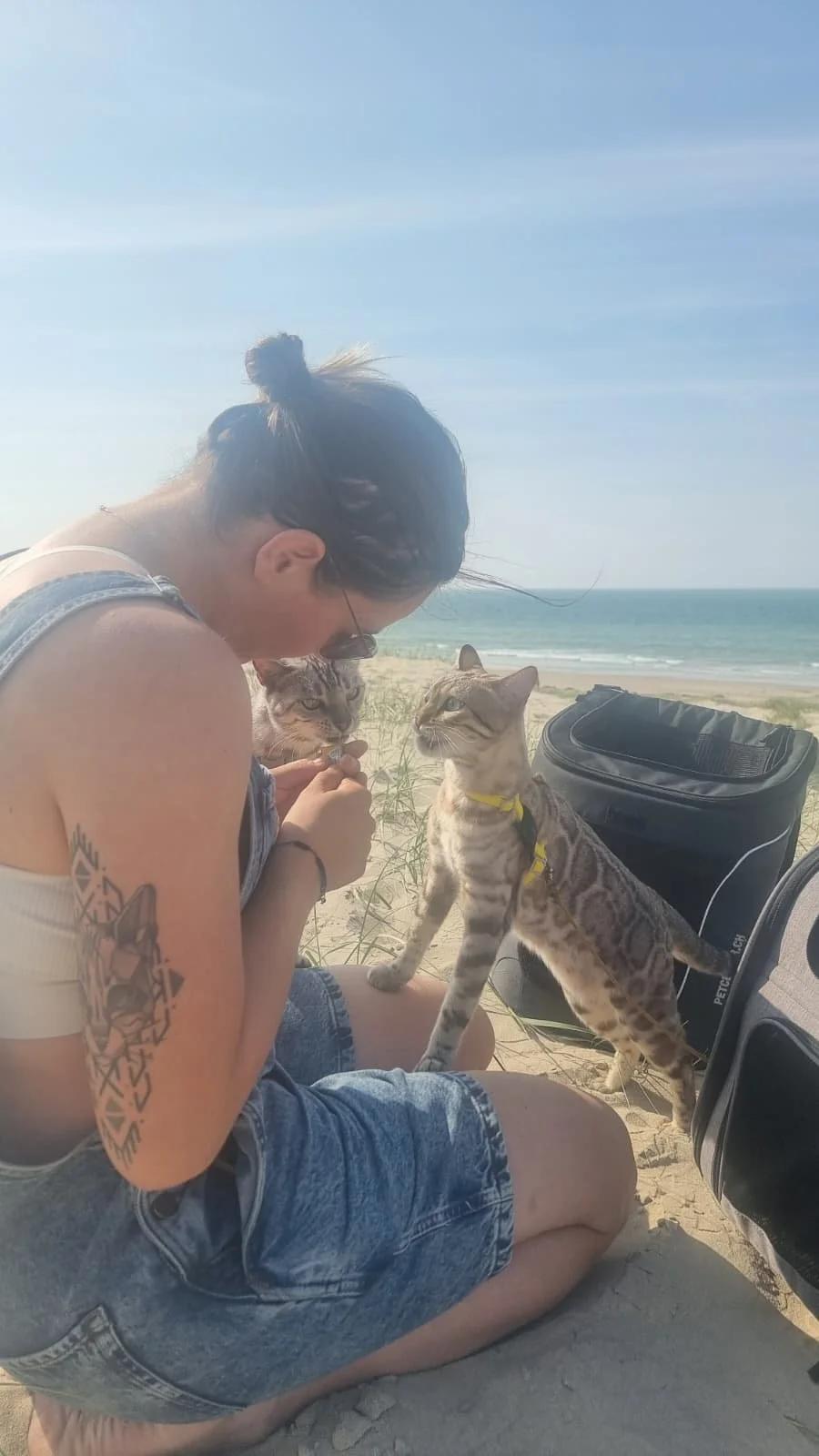
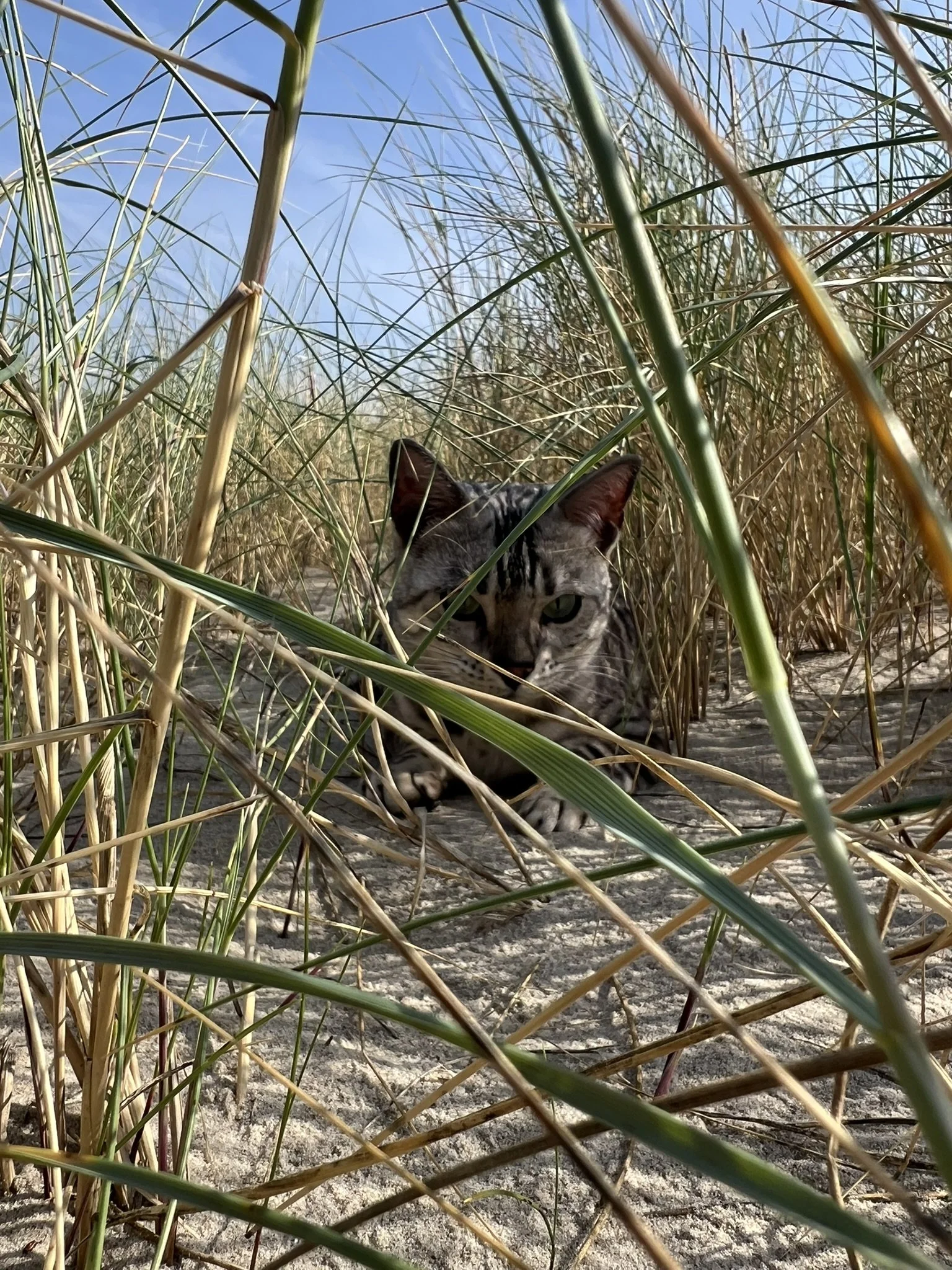
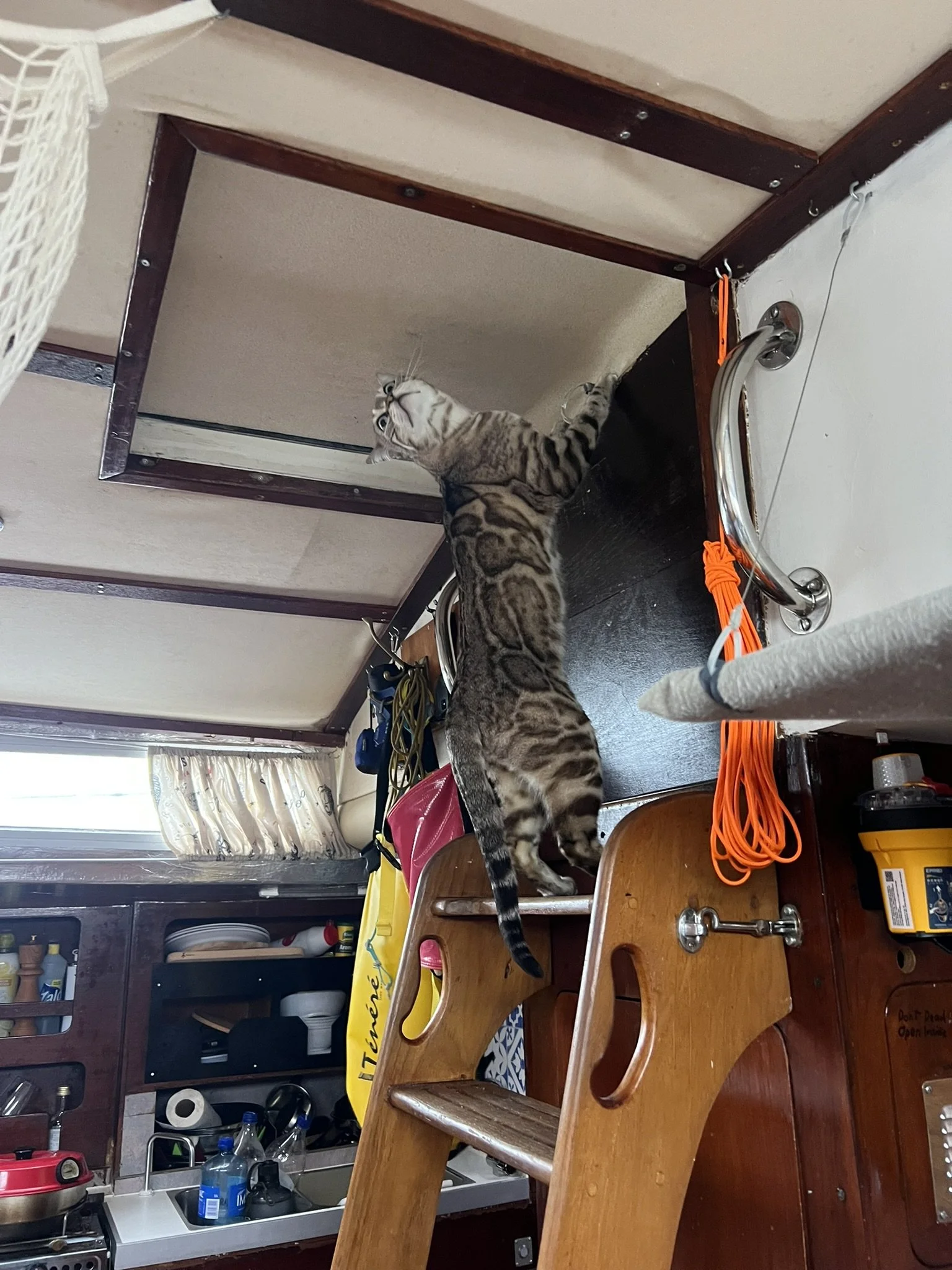
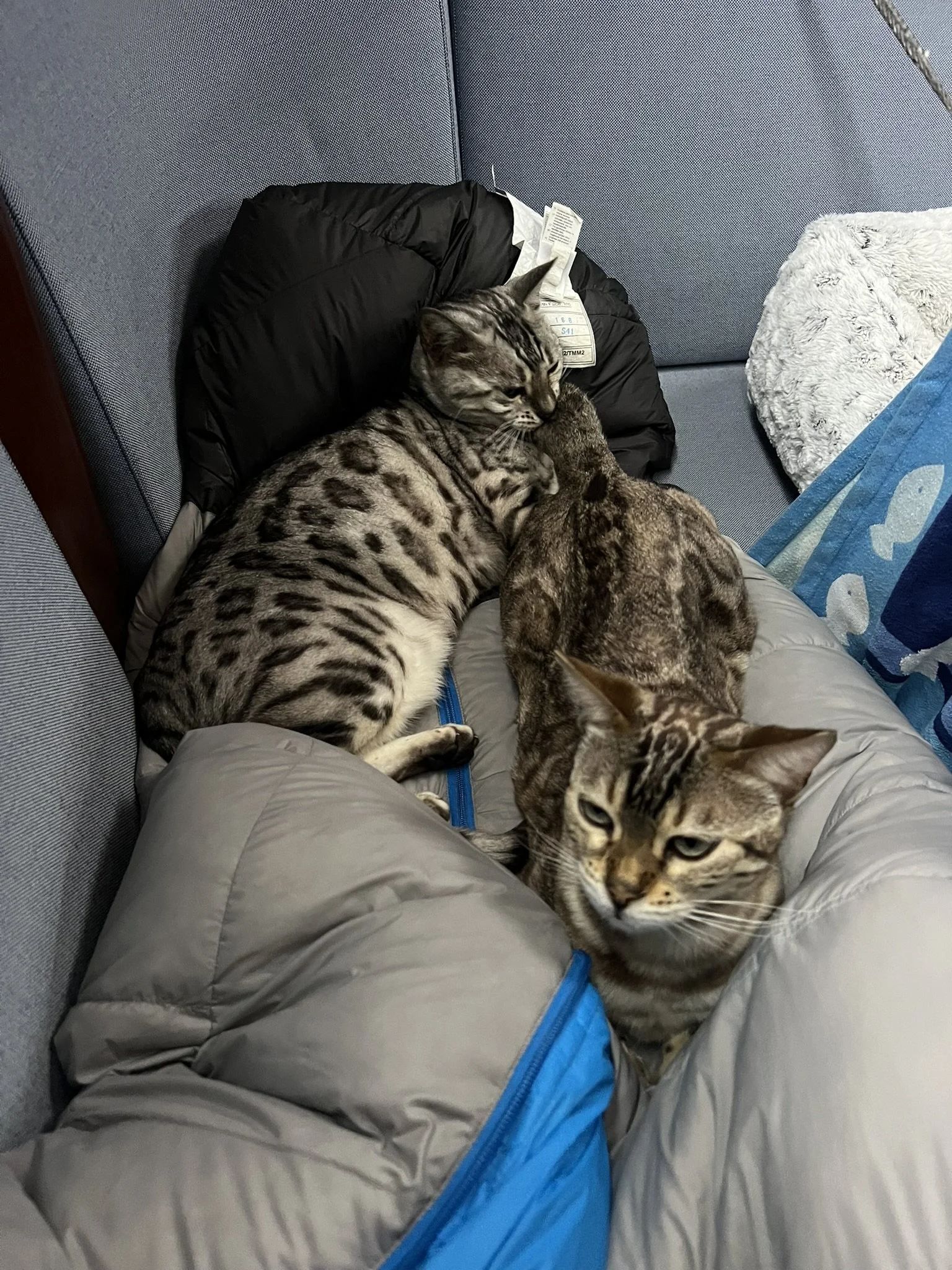
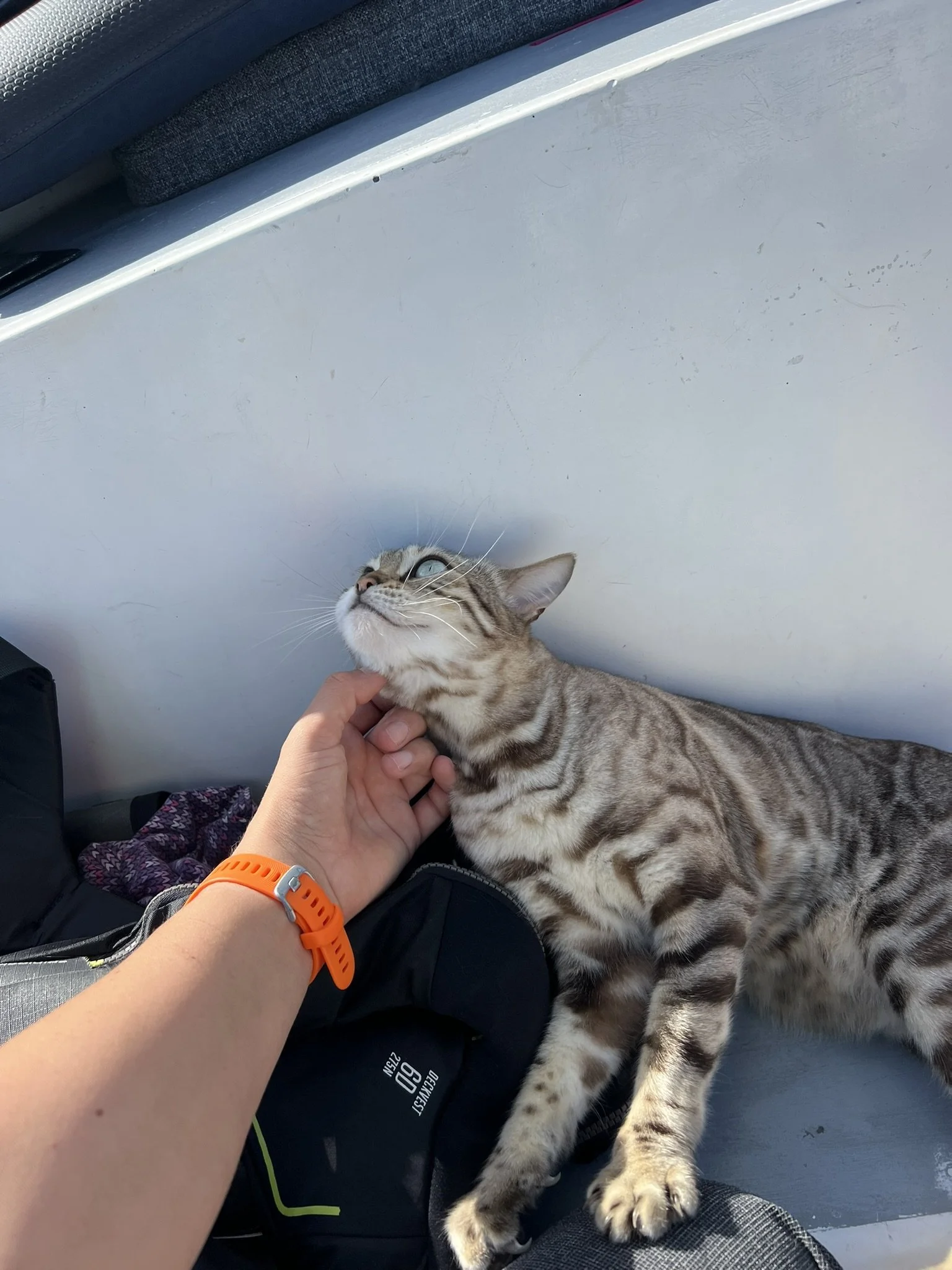
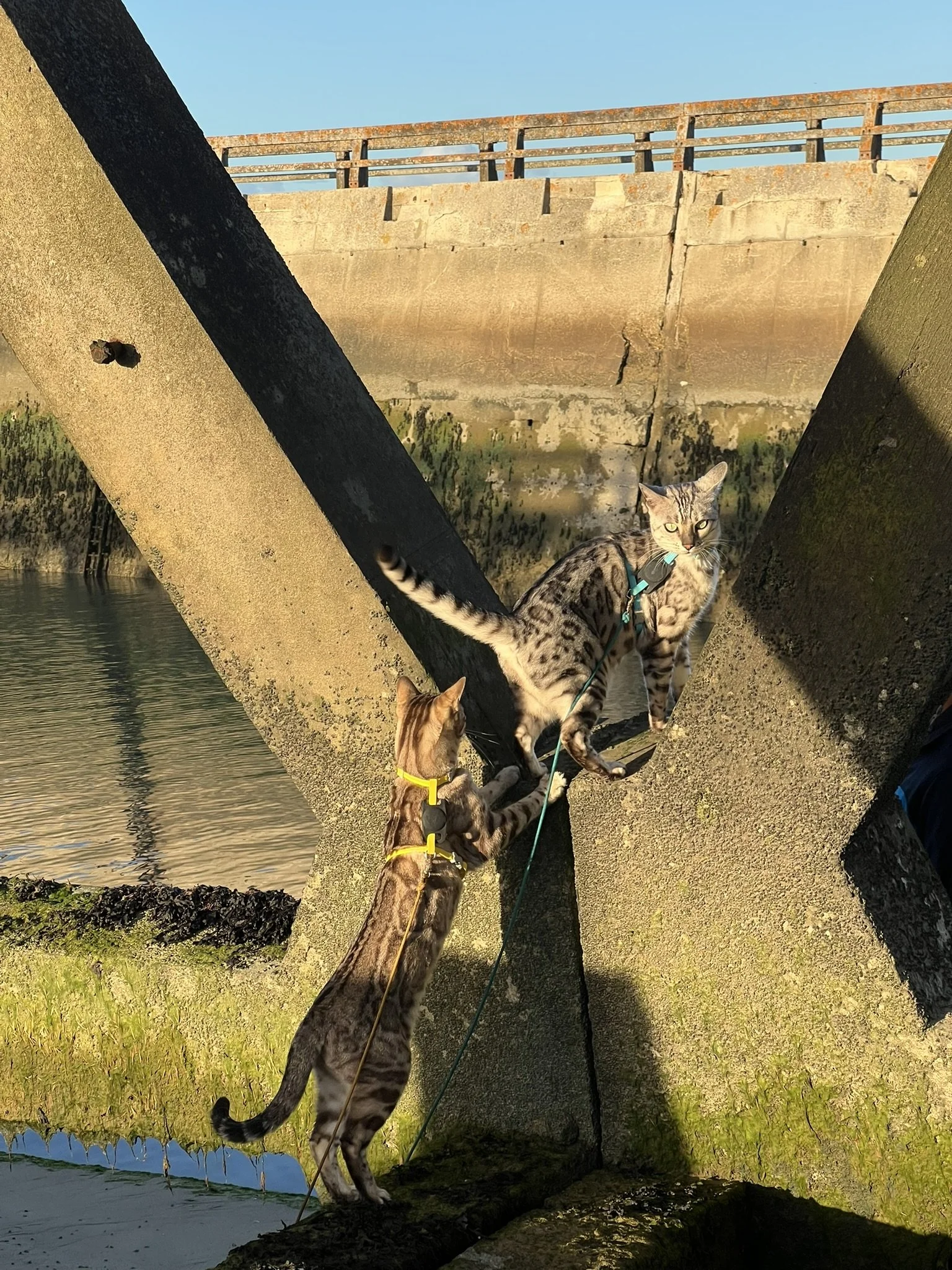
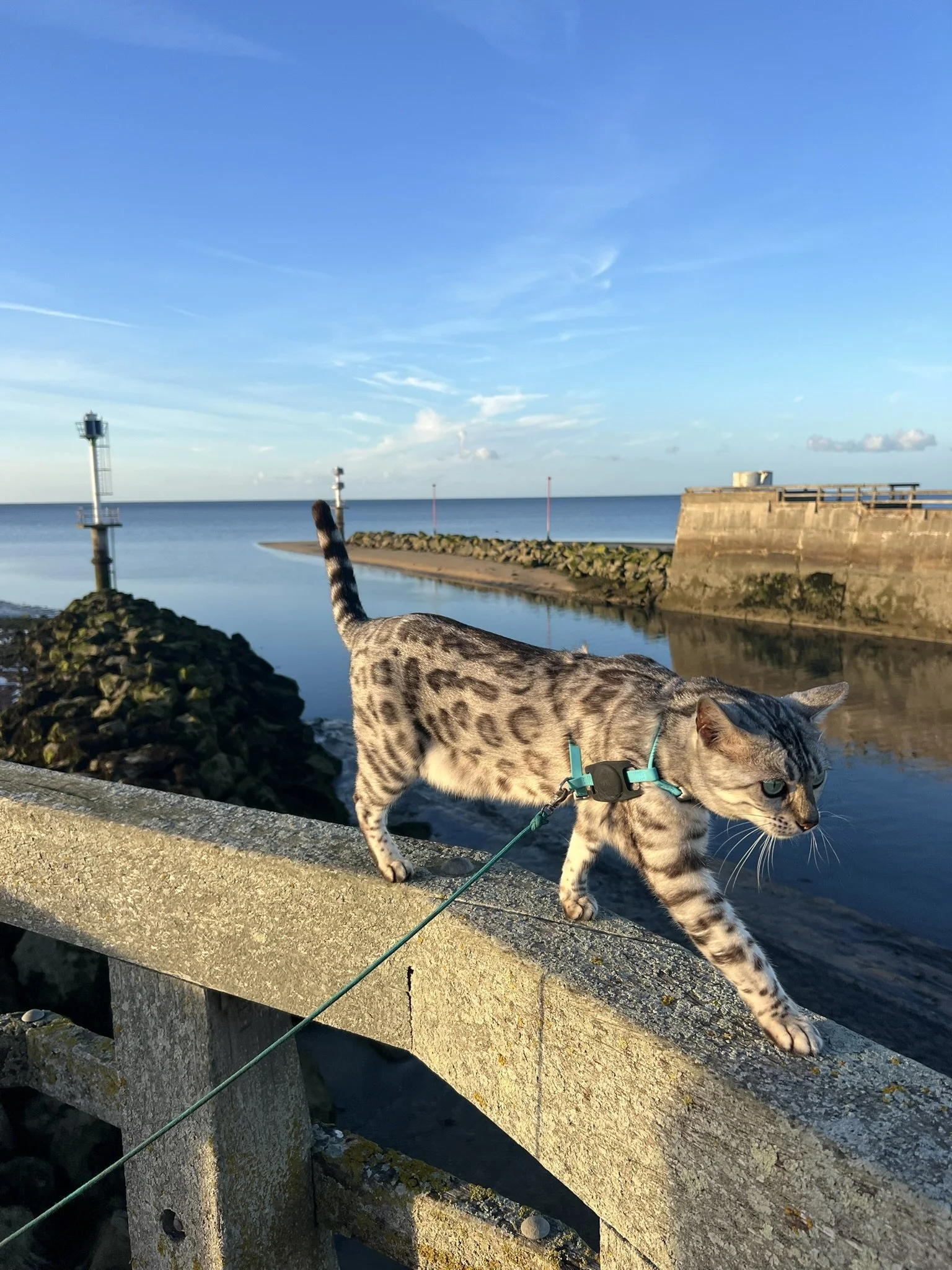
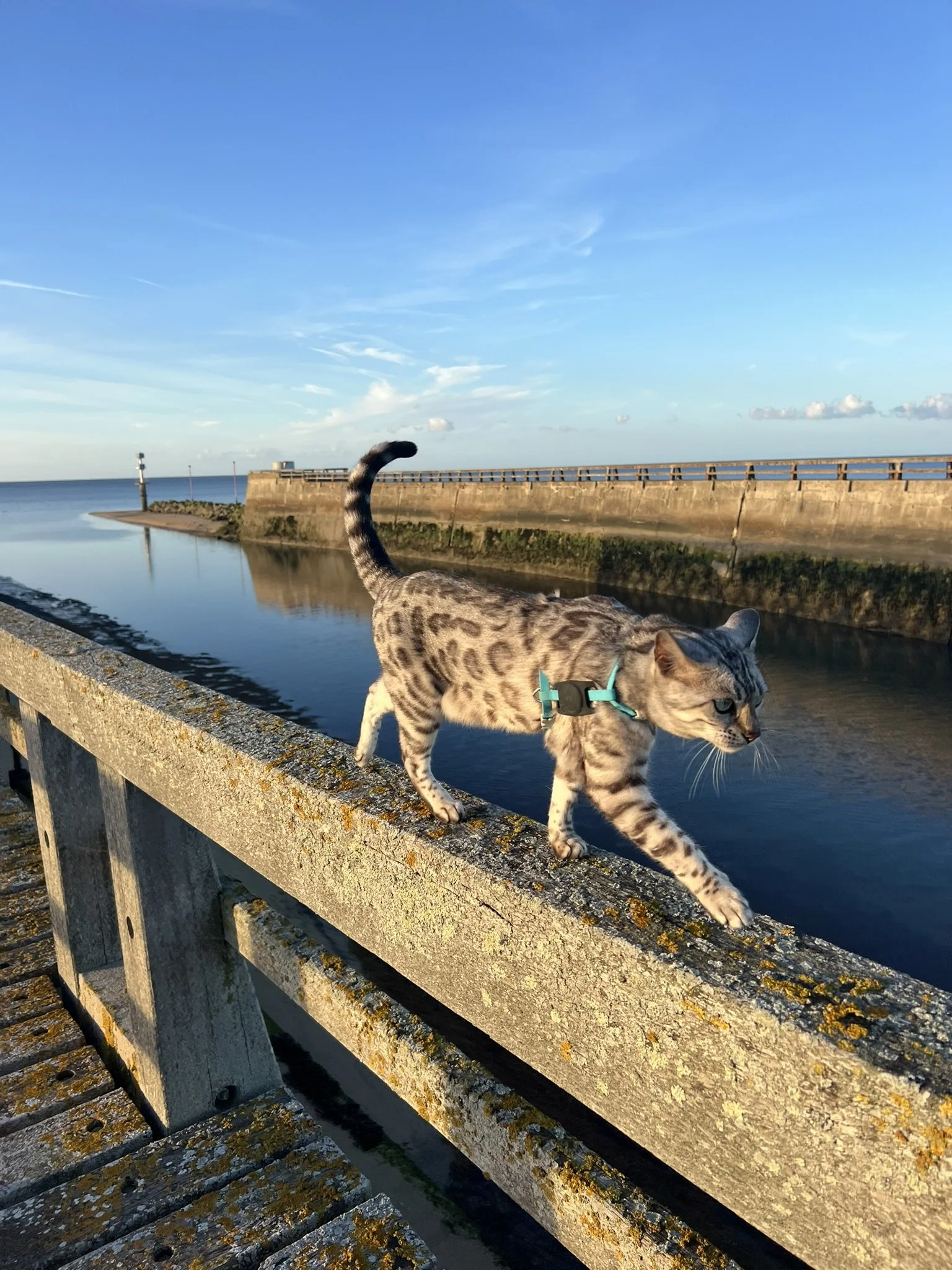
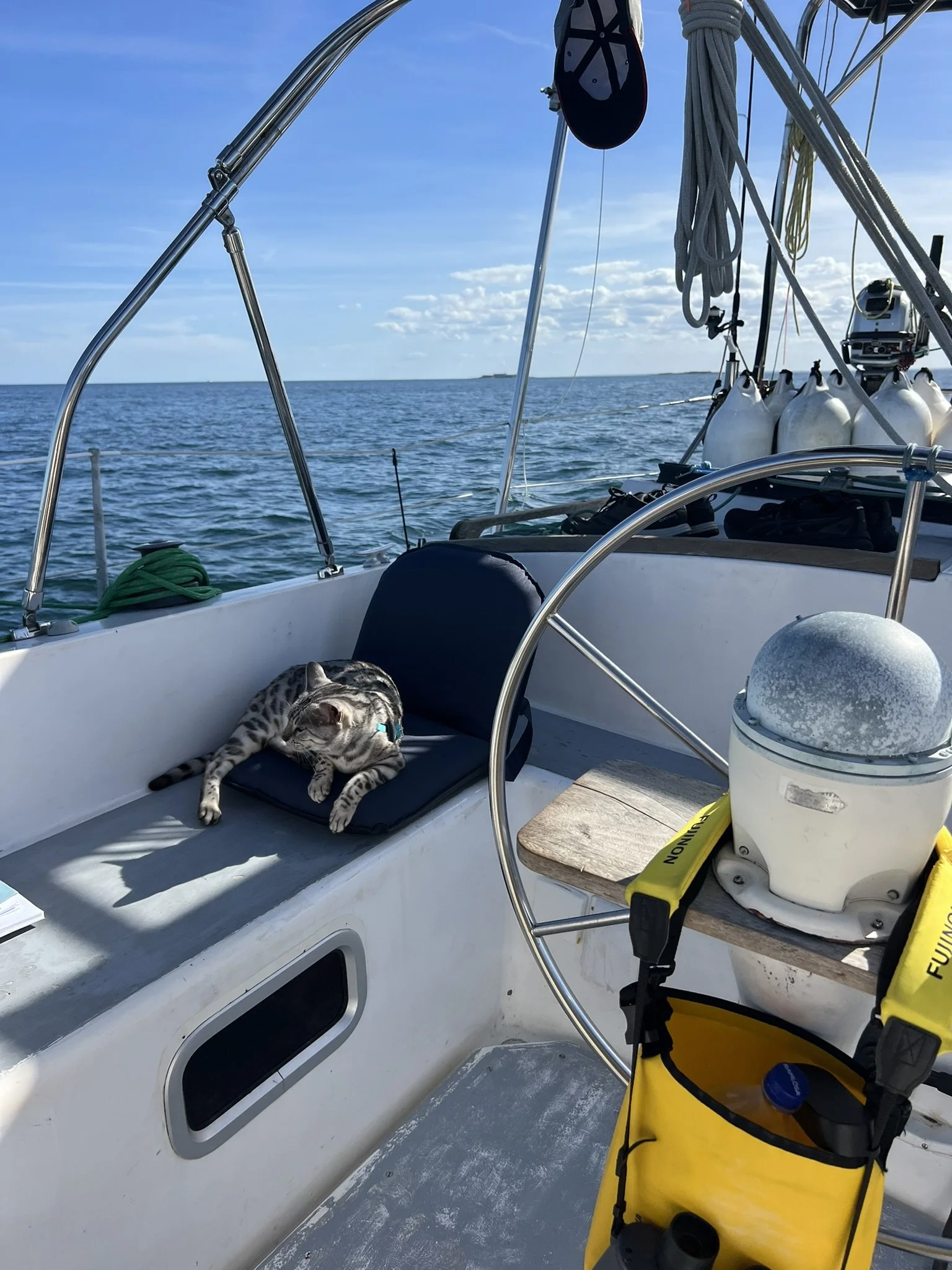
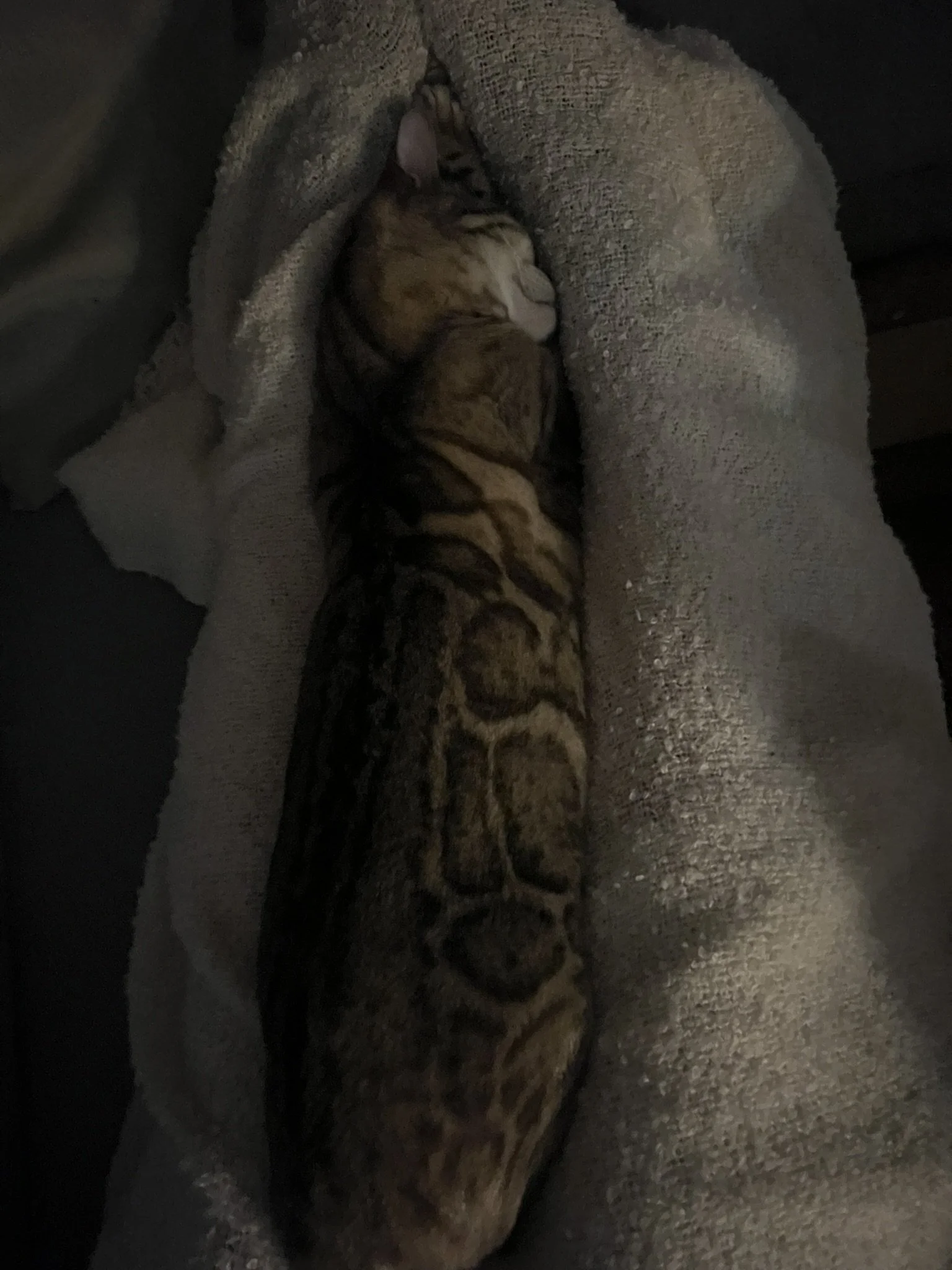
While in Boulogne-sur-Mer, we also visited Nausicaá, the largest aquarium in Europe. We saw all kinds of marine life and learned a lot about the different species. My personal highlight was the leopard shark, which looked just like Fortuna!
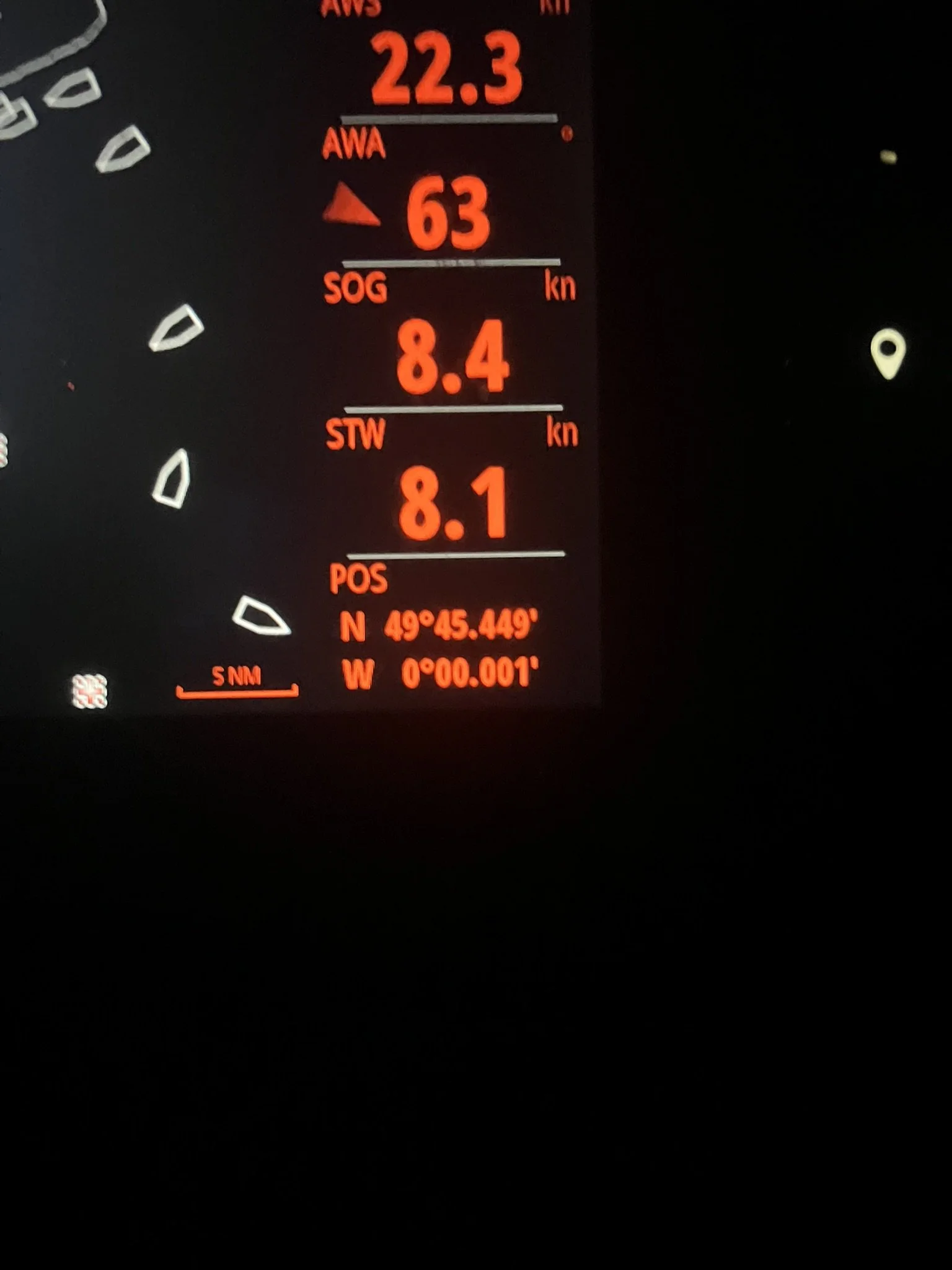
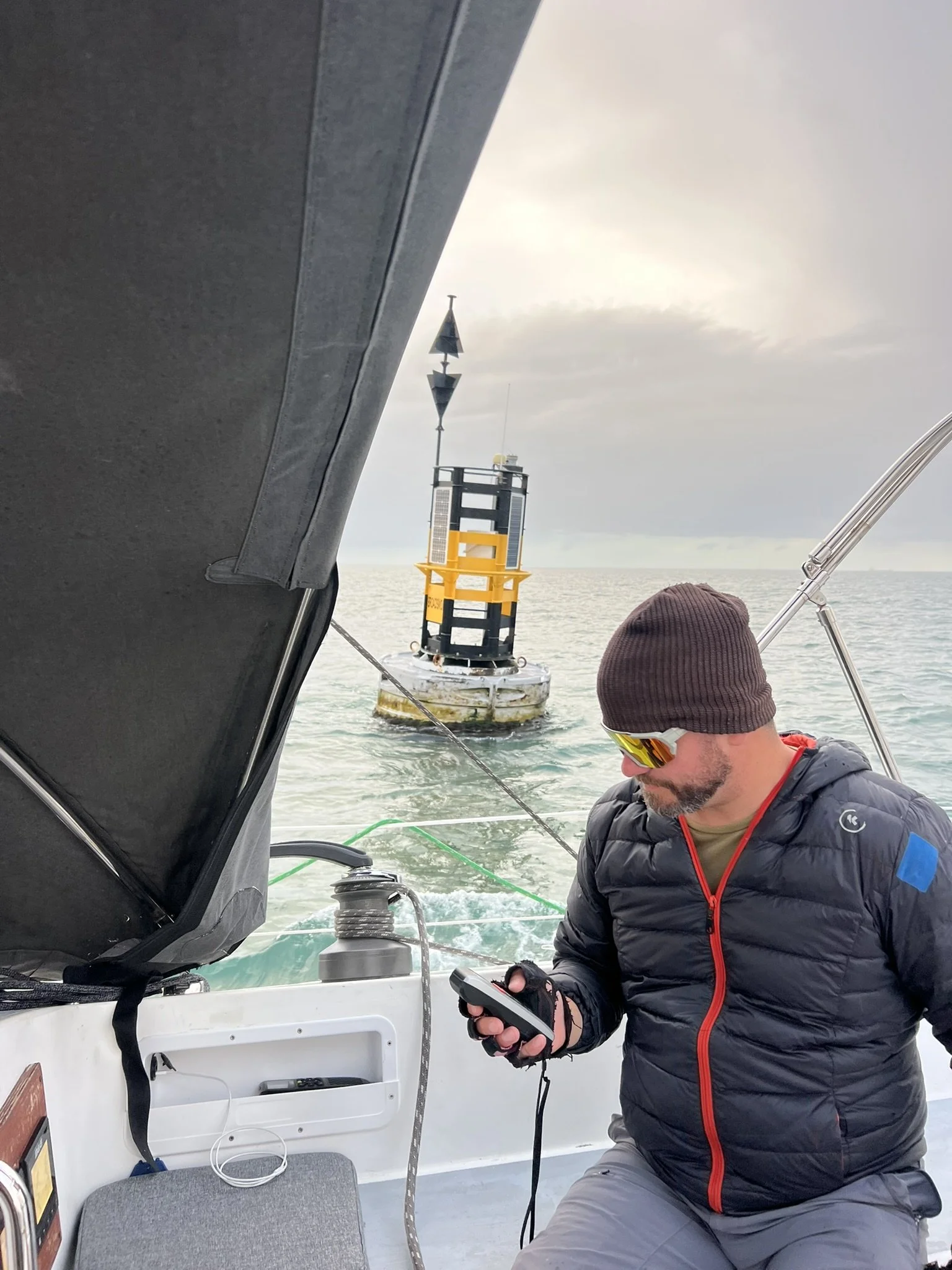
On our passage from Boulogne-sur-Mer to Ouistreham, we also crossed the Greenwich Meridian, also known as the Prime Meridian. This is the imaginary line at 0° longitude, running from the North Pole to the South Pole through the Royal Observatory in Greenwich, London. It serves as the reference point for measuring longitude around the world, dividing the Earth into the Eastern and Western Hemispheres. It also played an important role in establishing a common reference for world timekeeping, with Greenwich Mean Time (GMT) historically used as the basis for time zones.
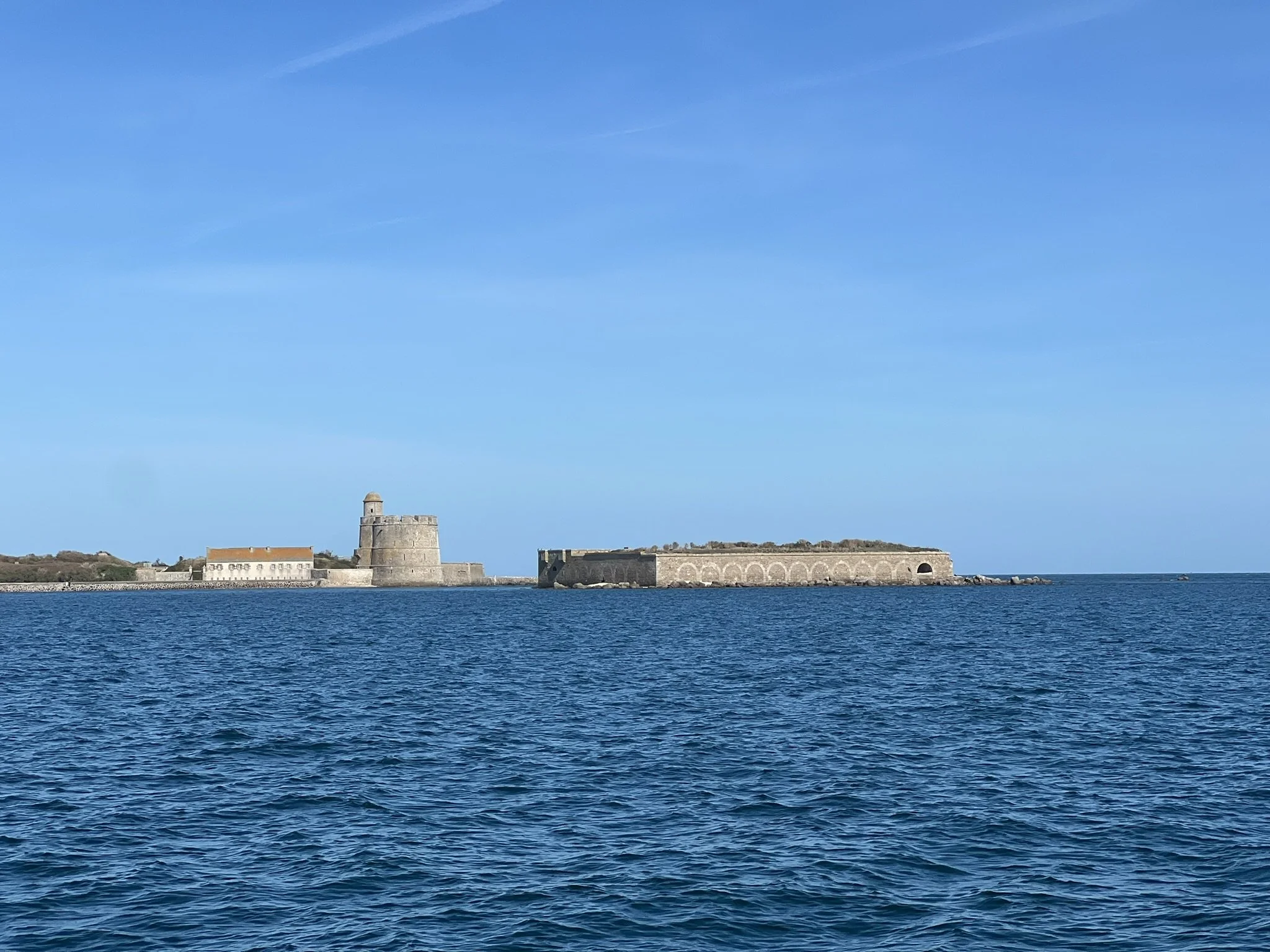
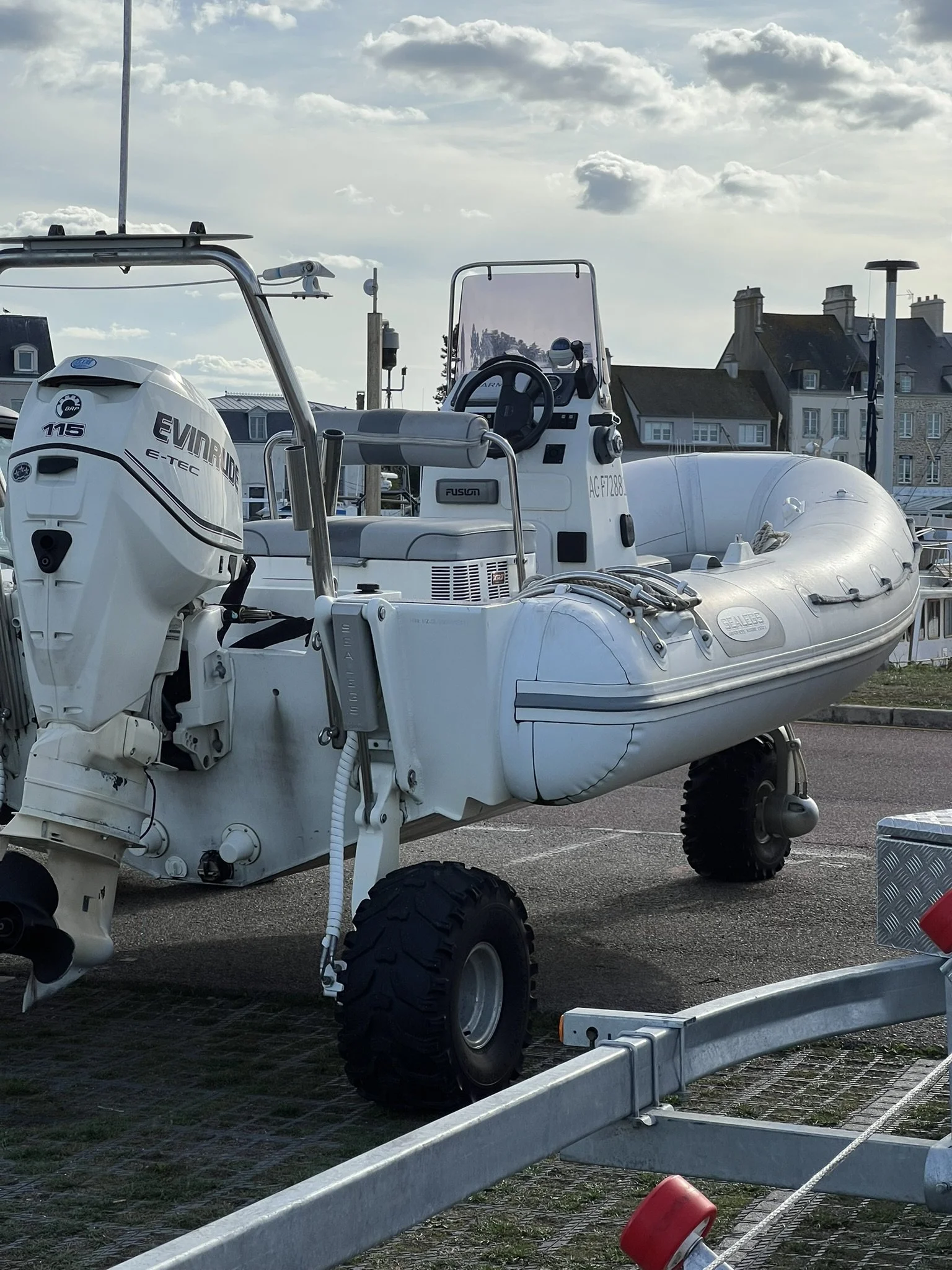
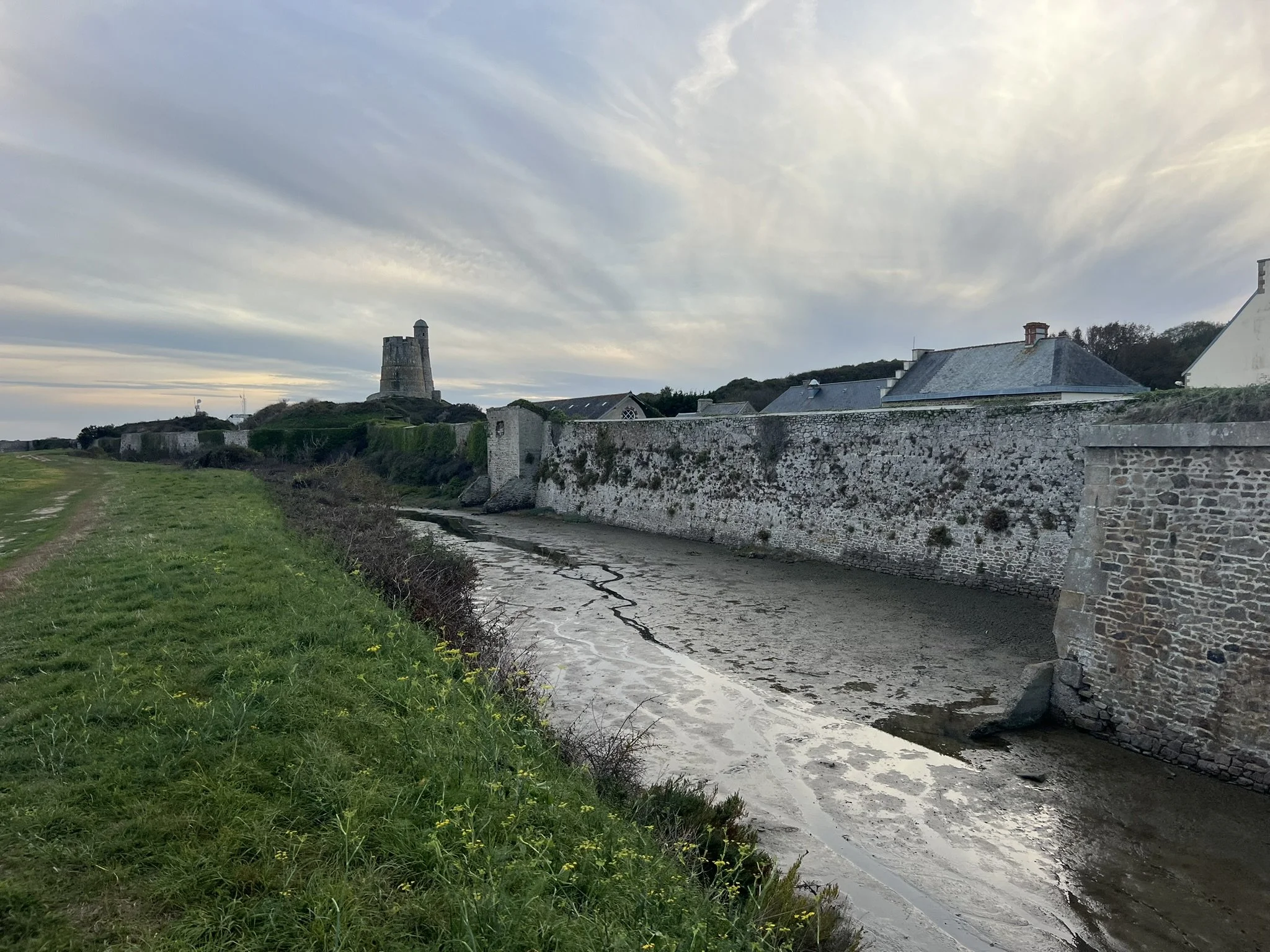
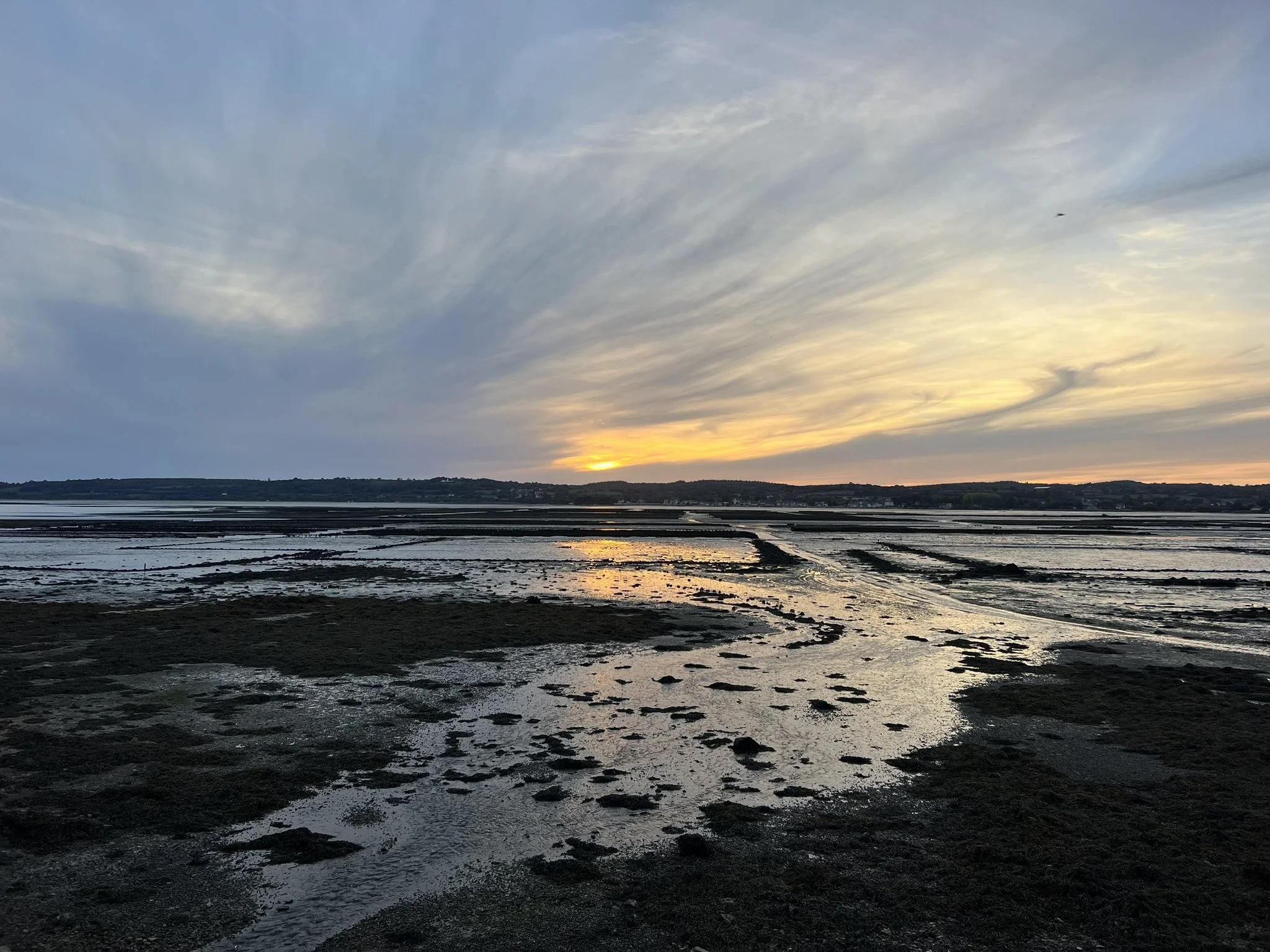
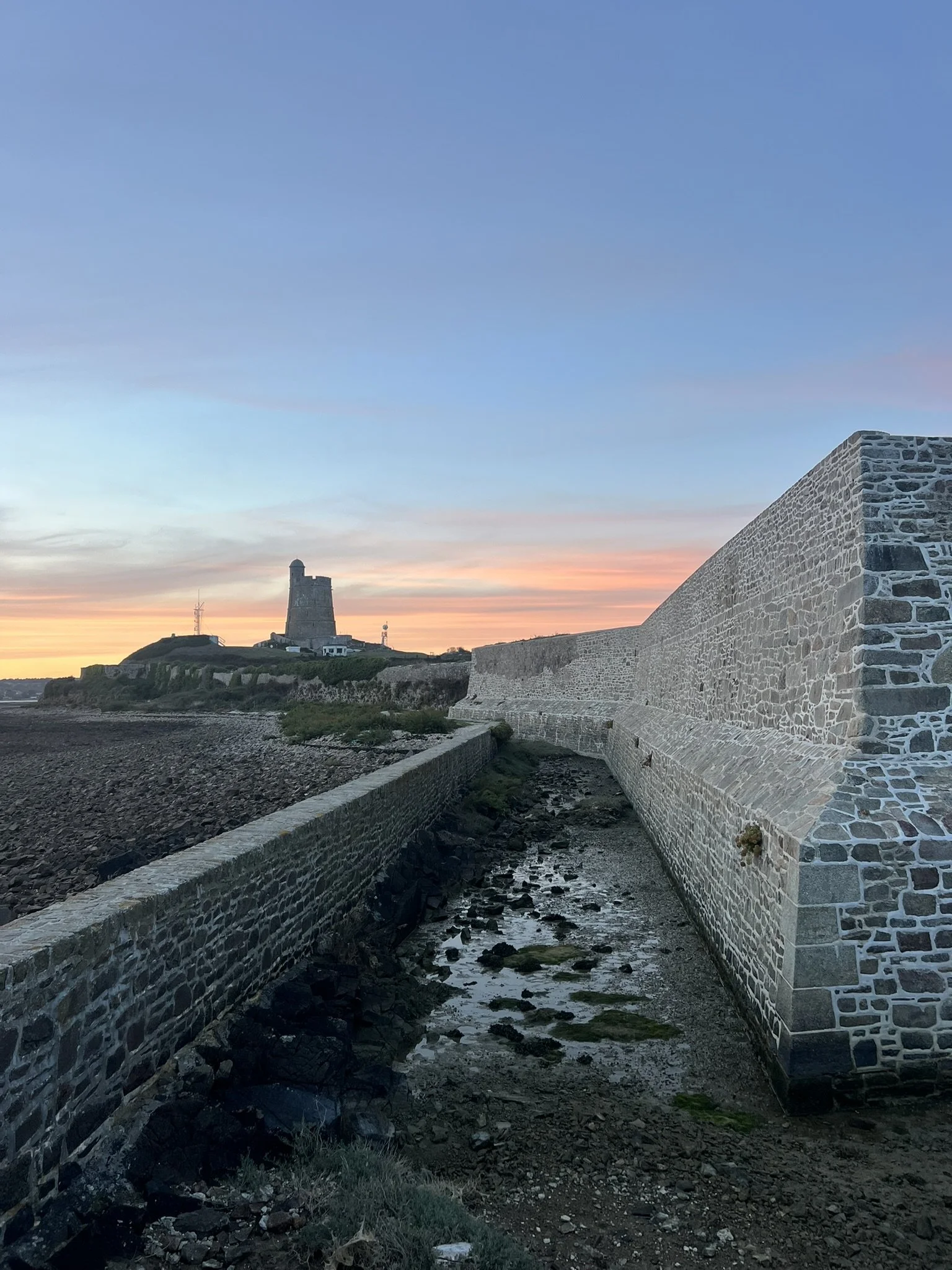
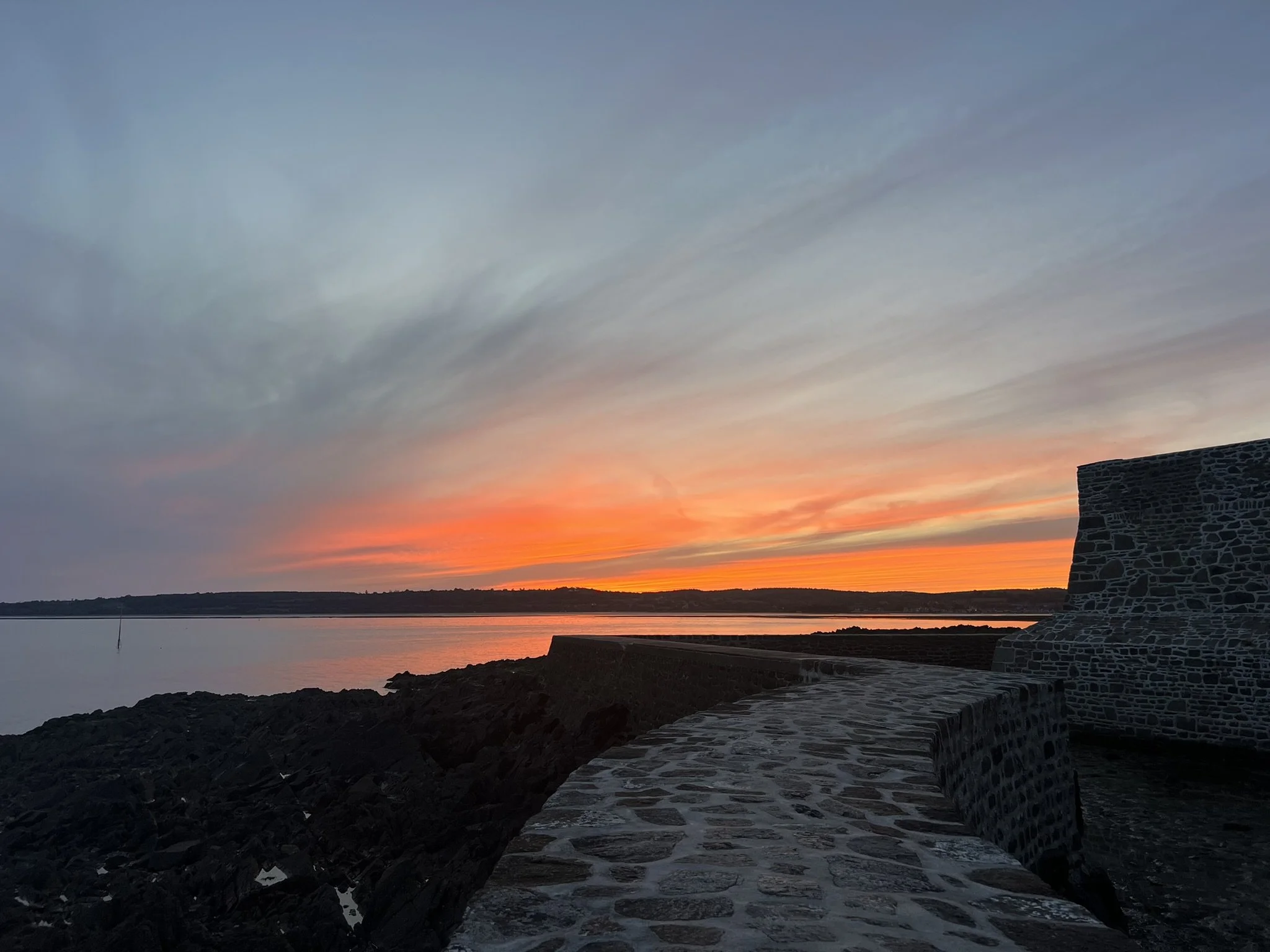
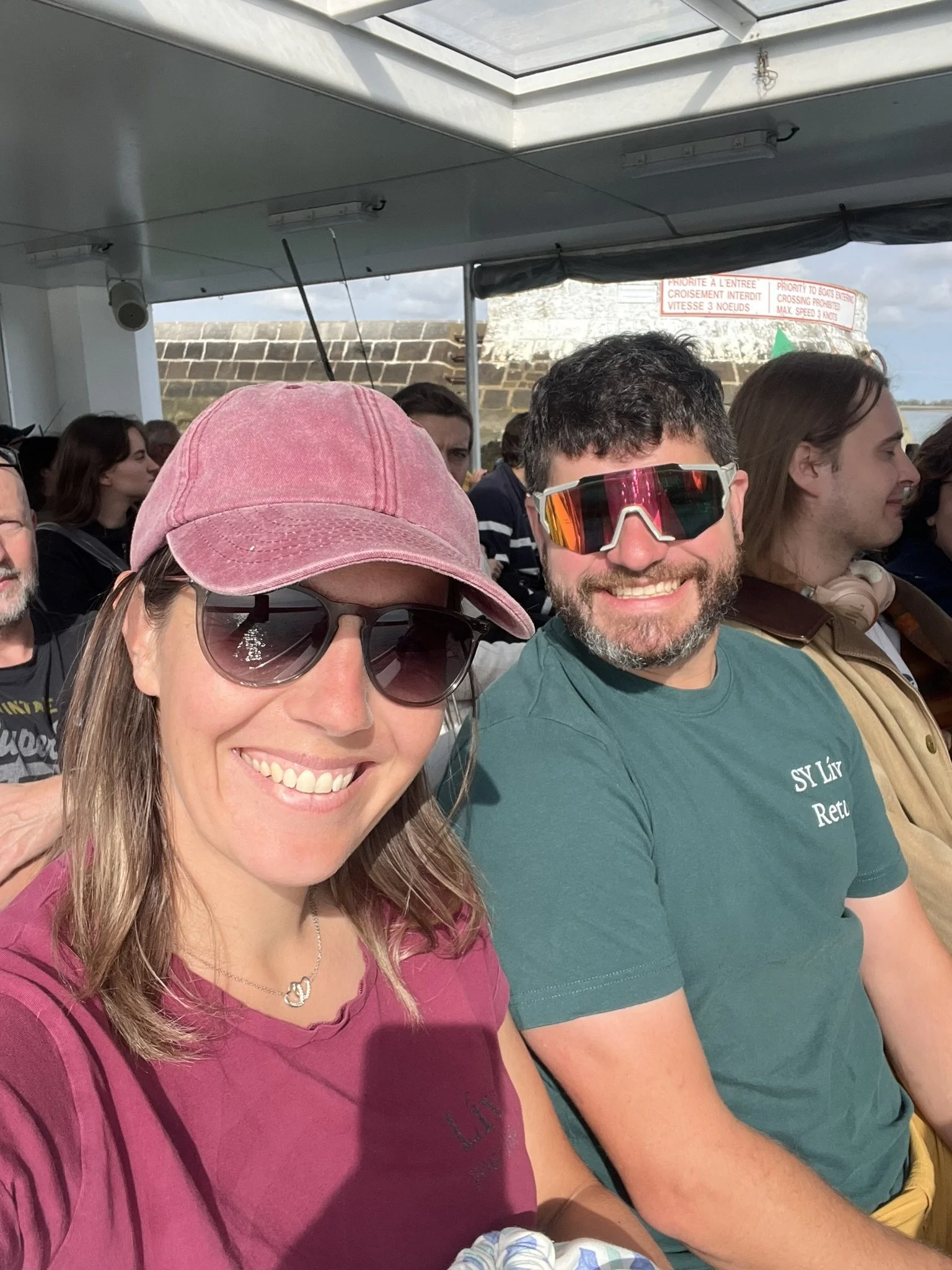
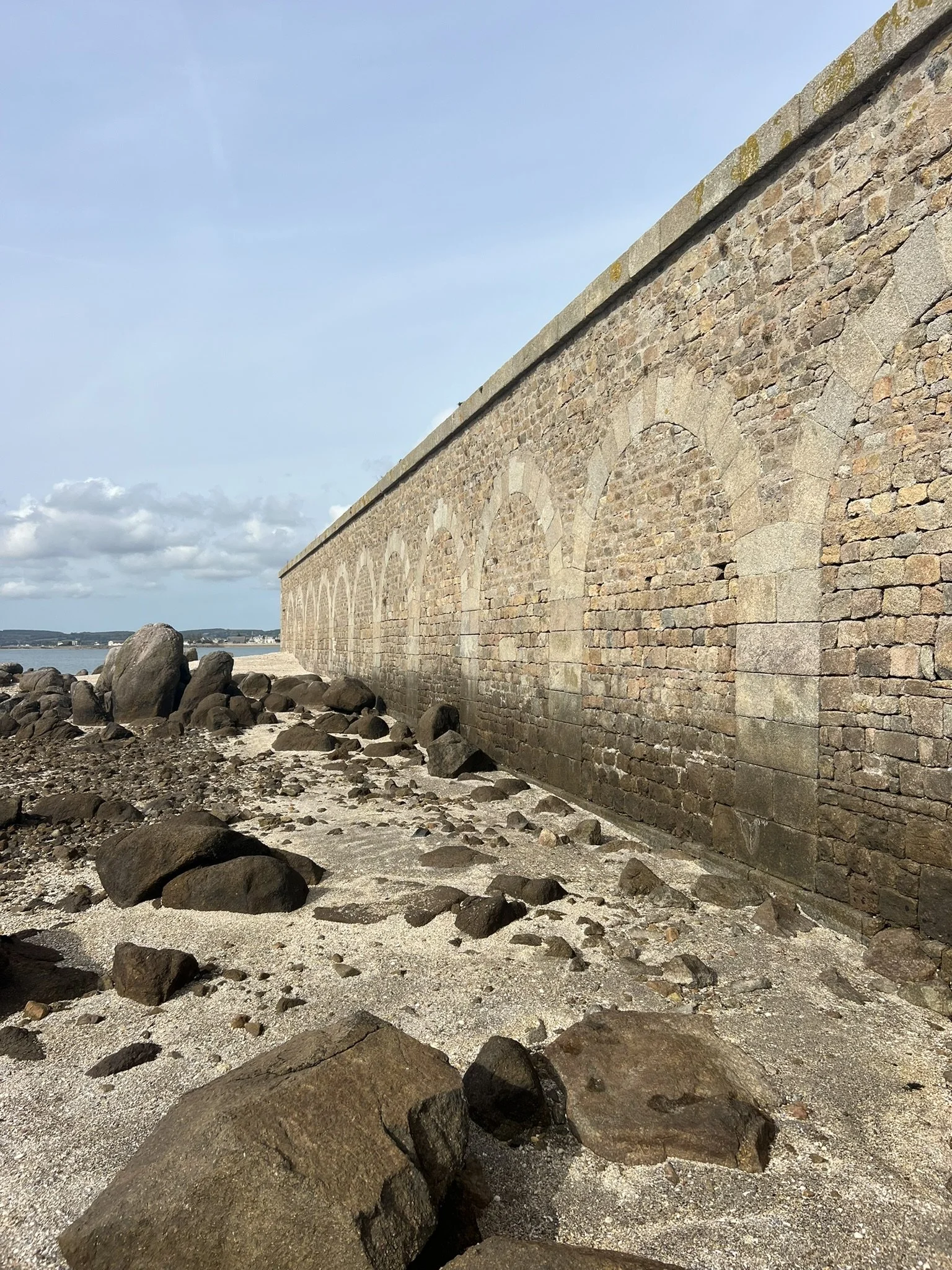
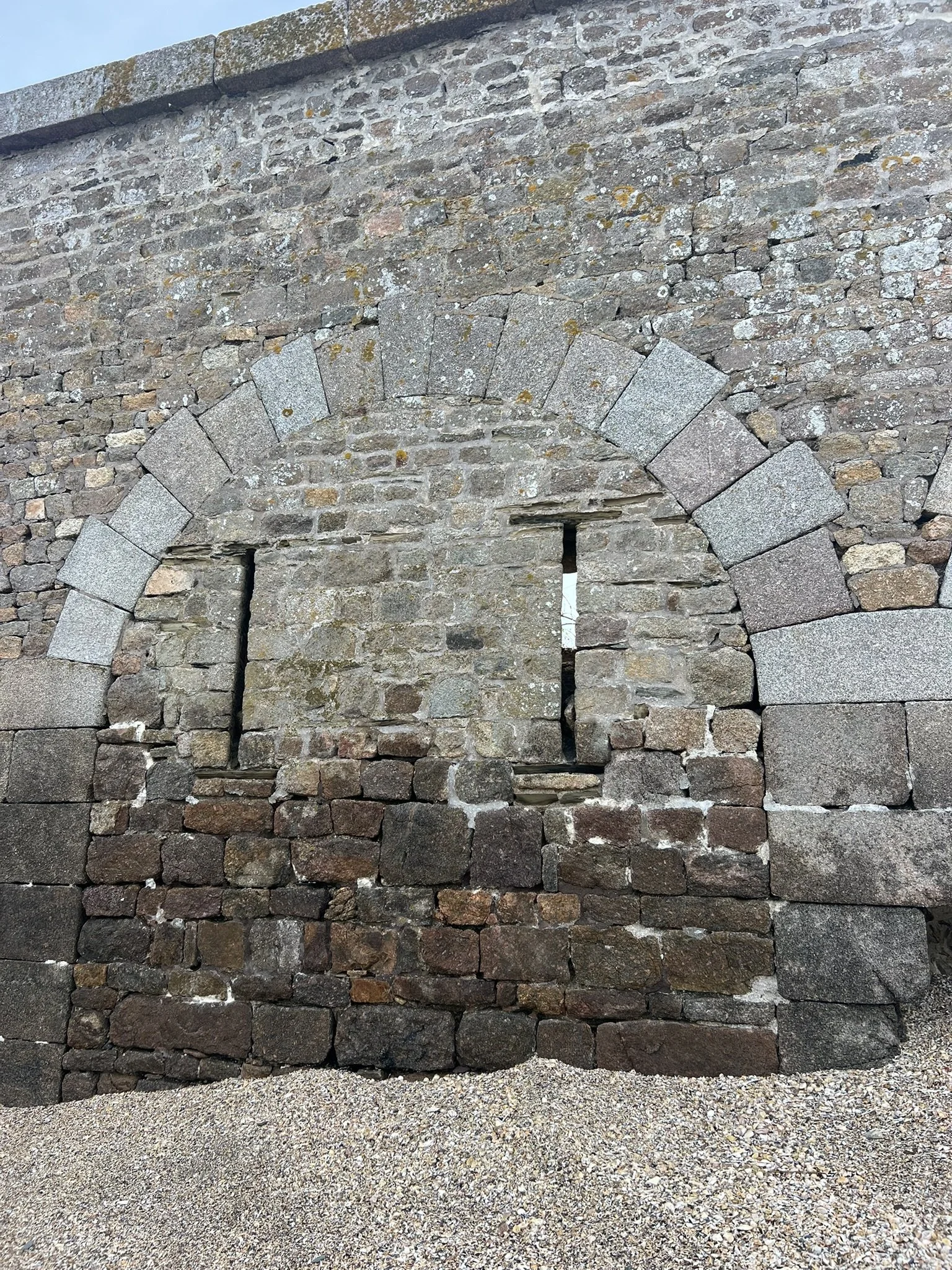
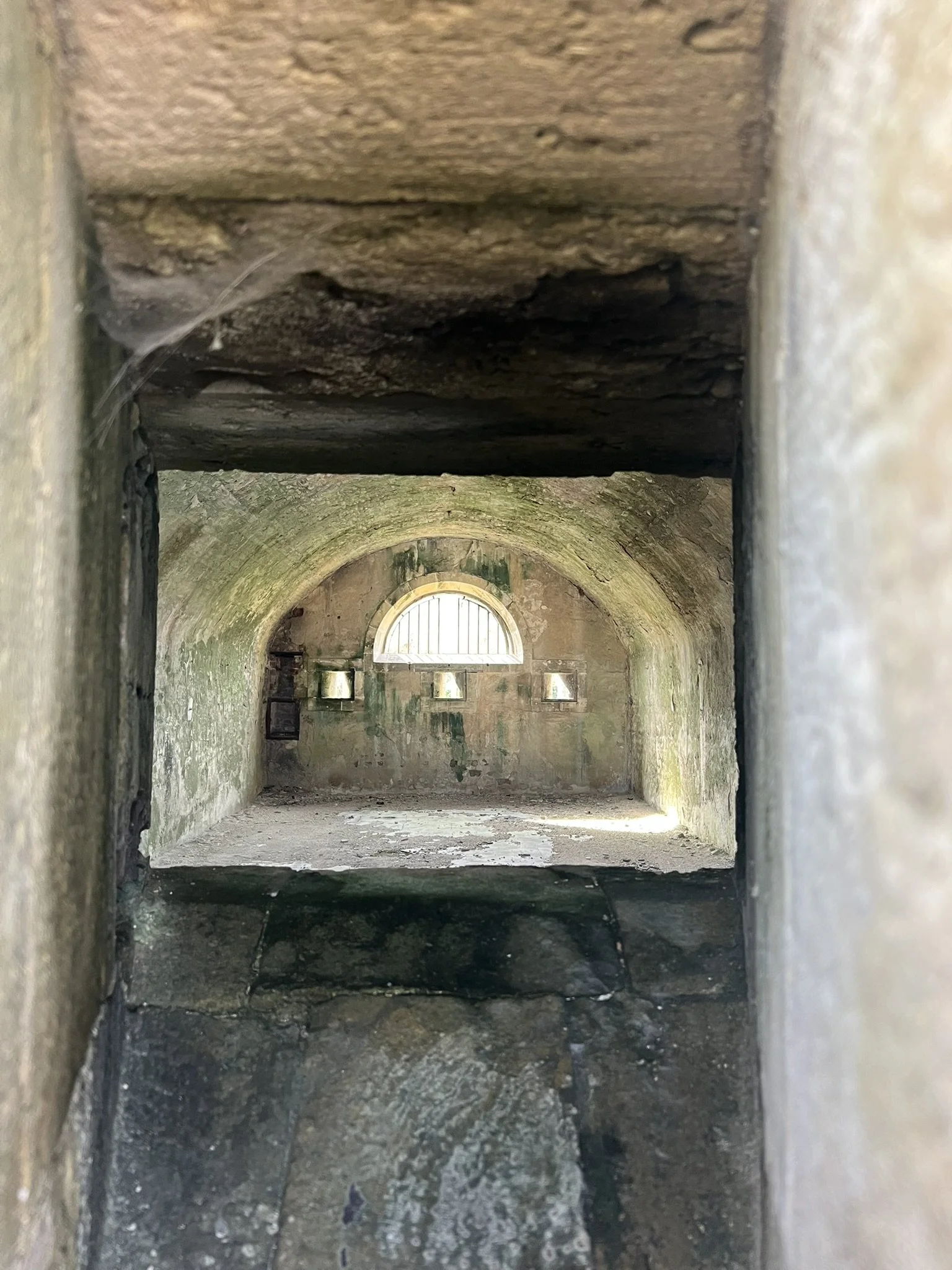
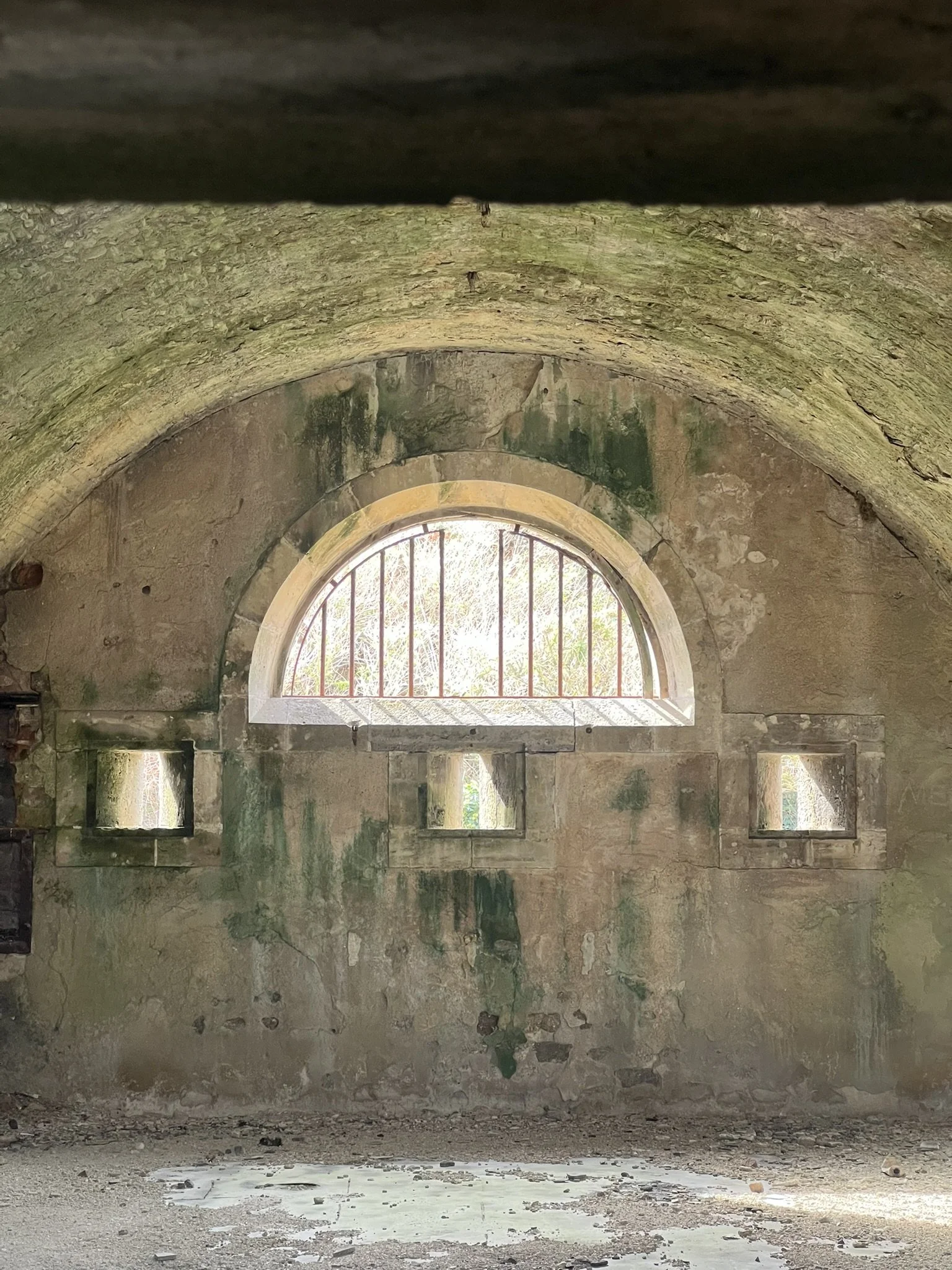
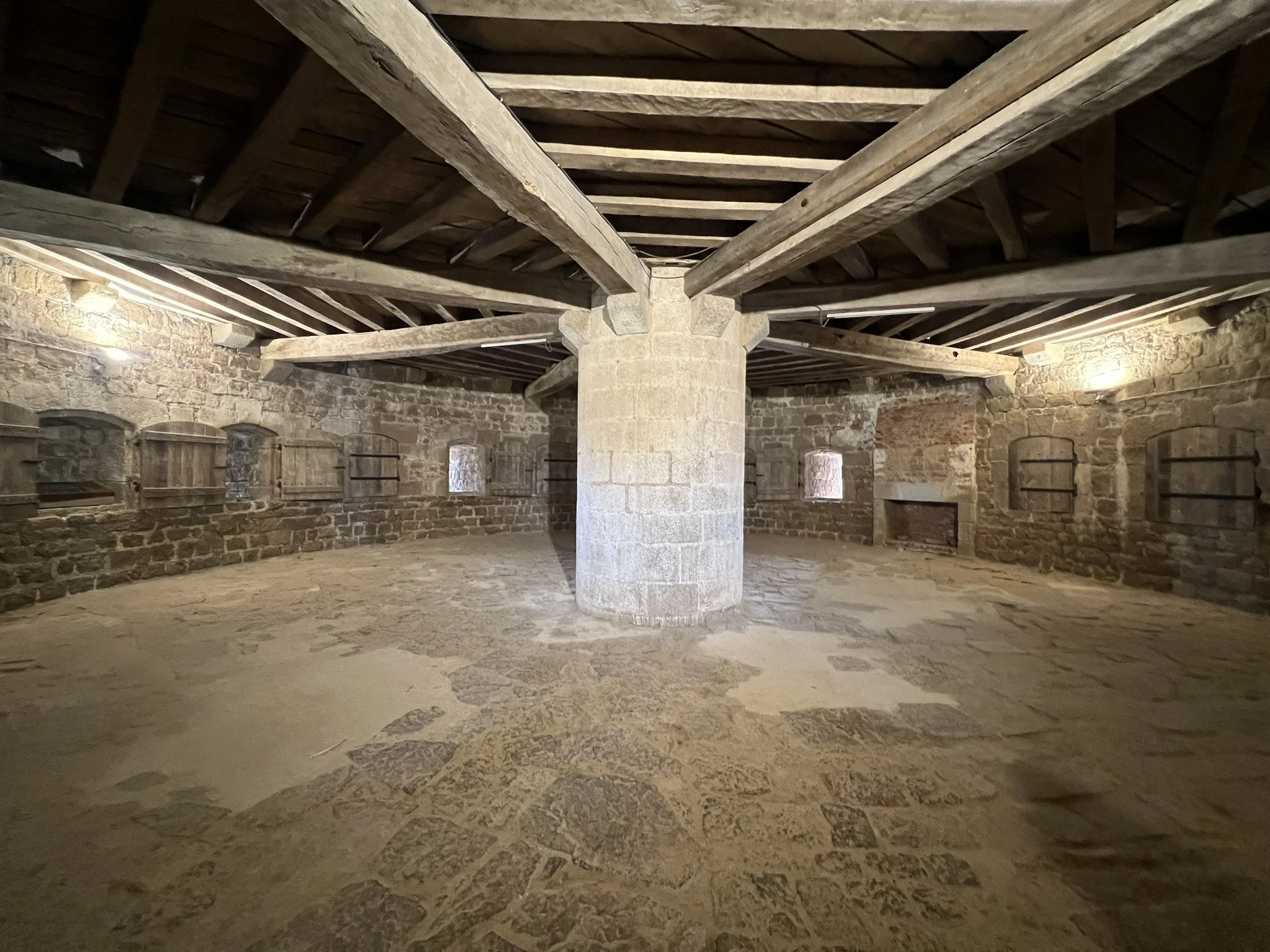
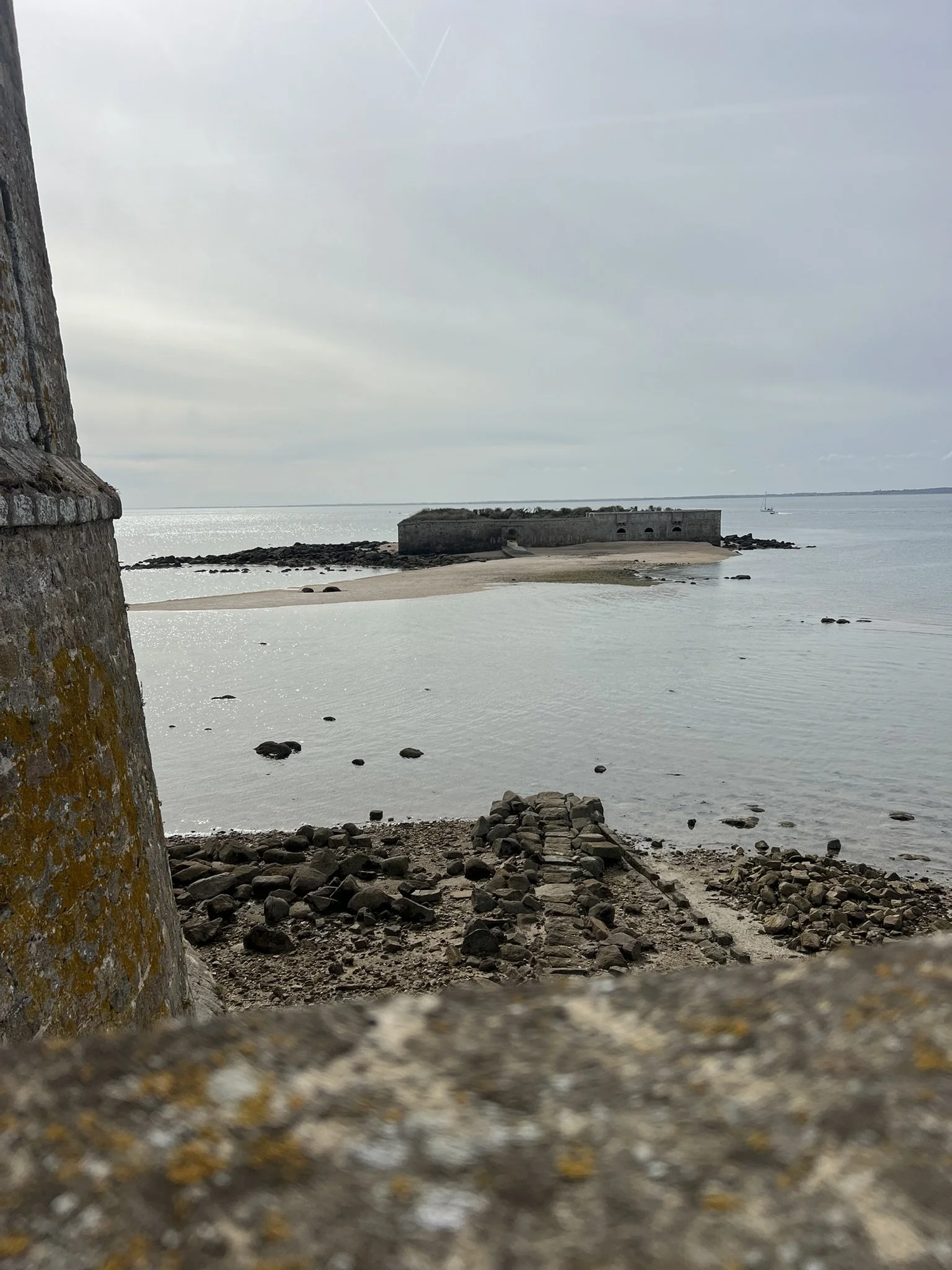
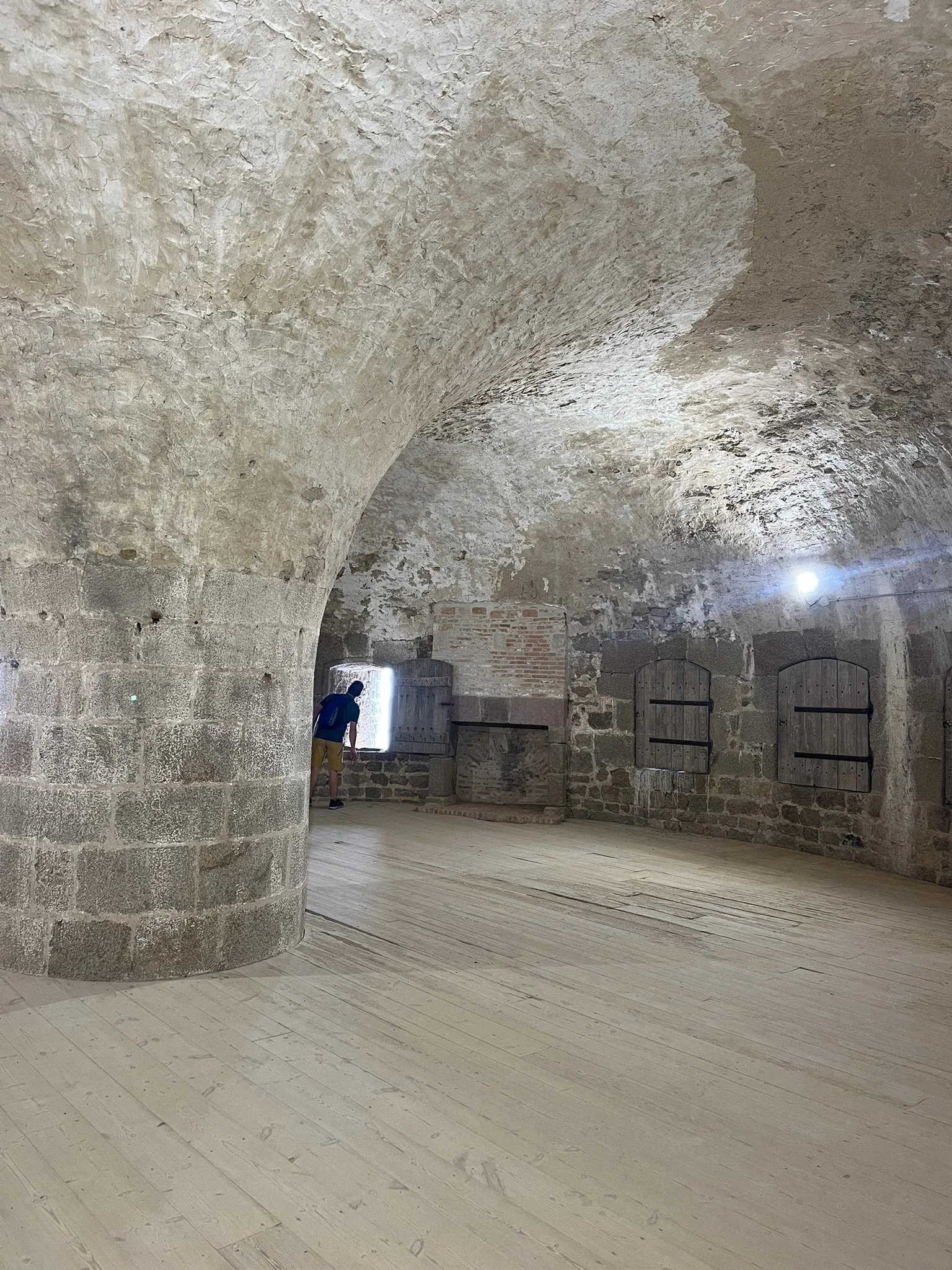
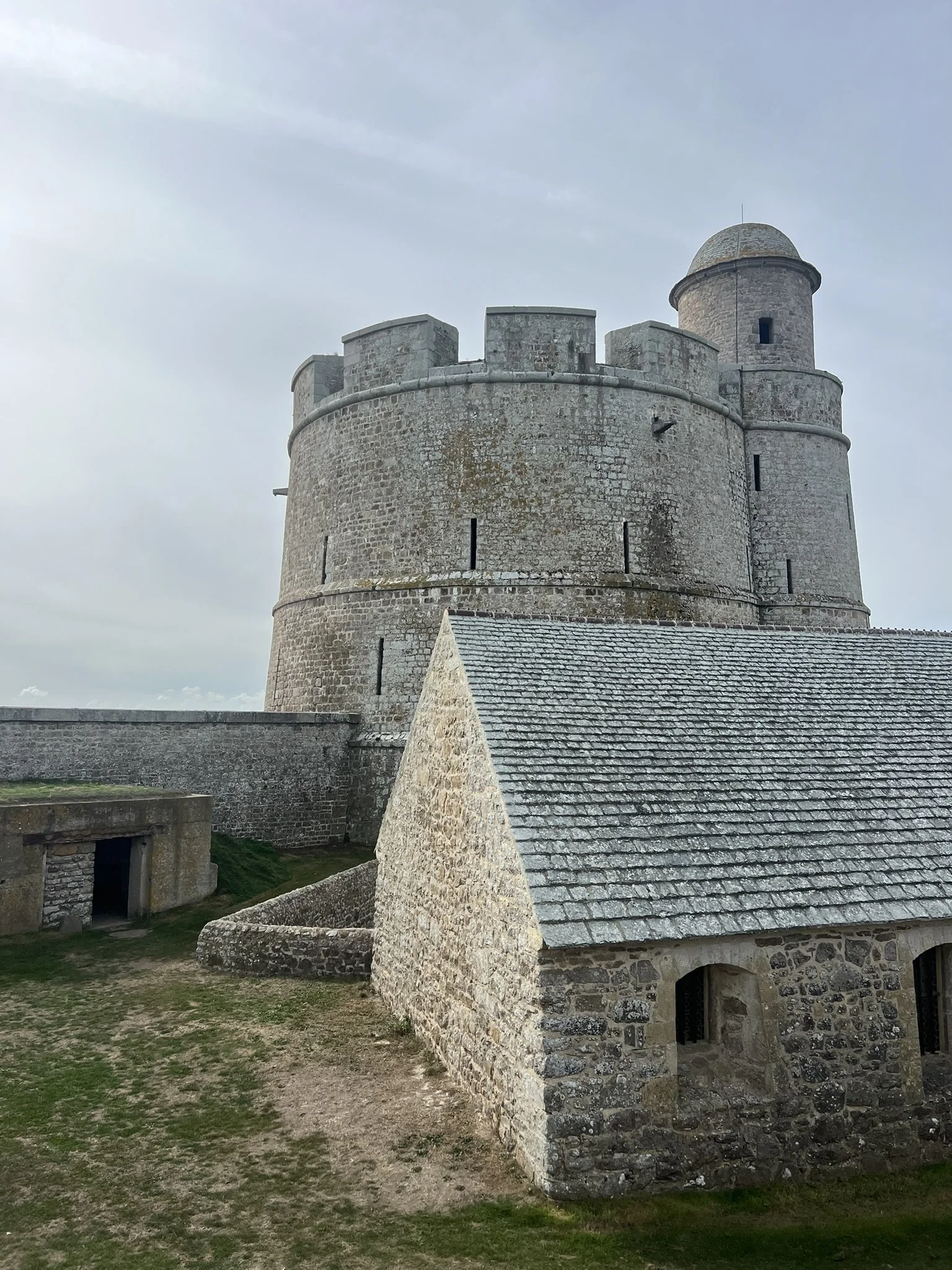
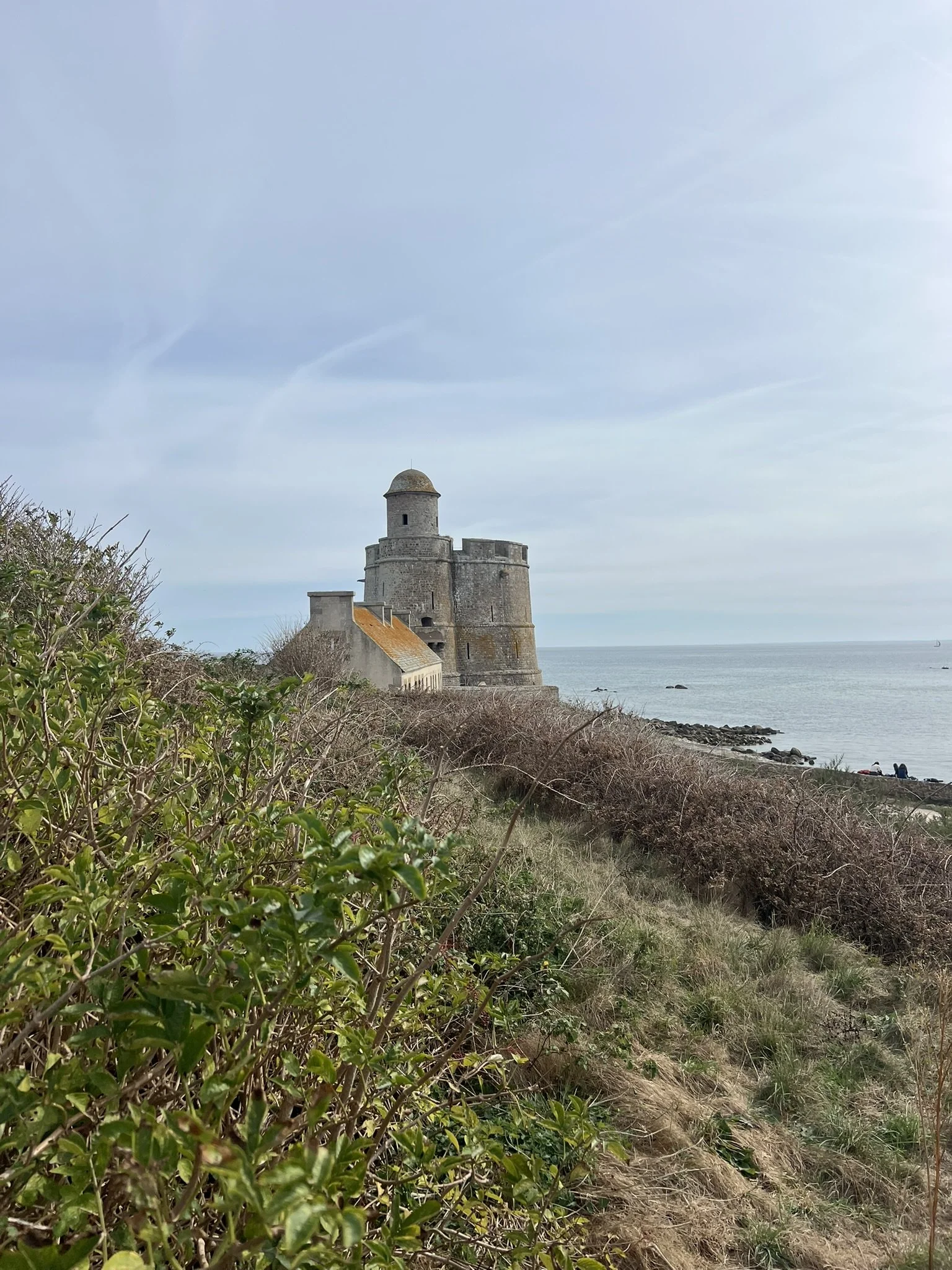
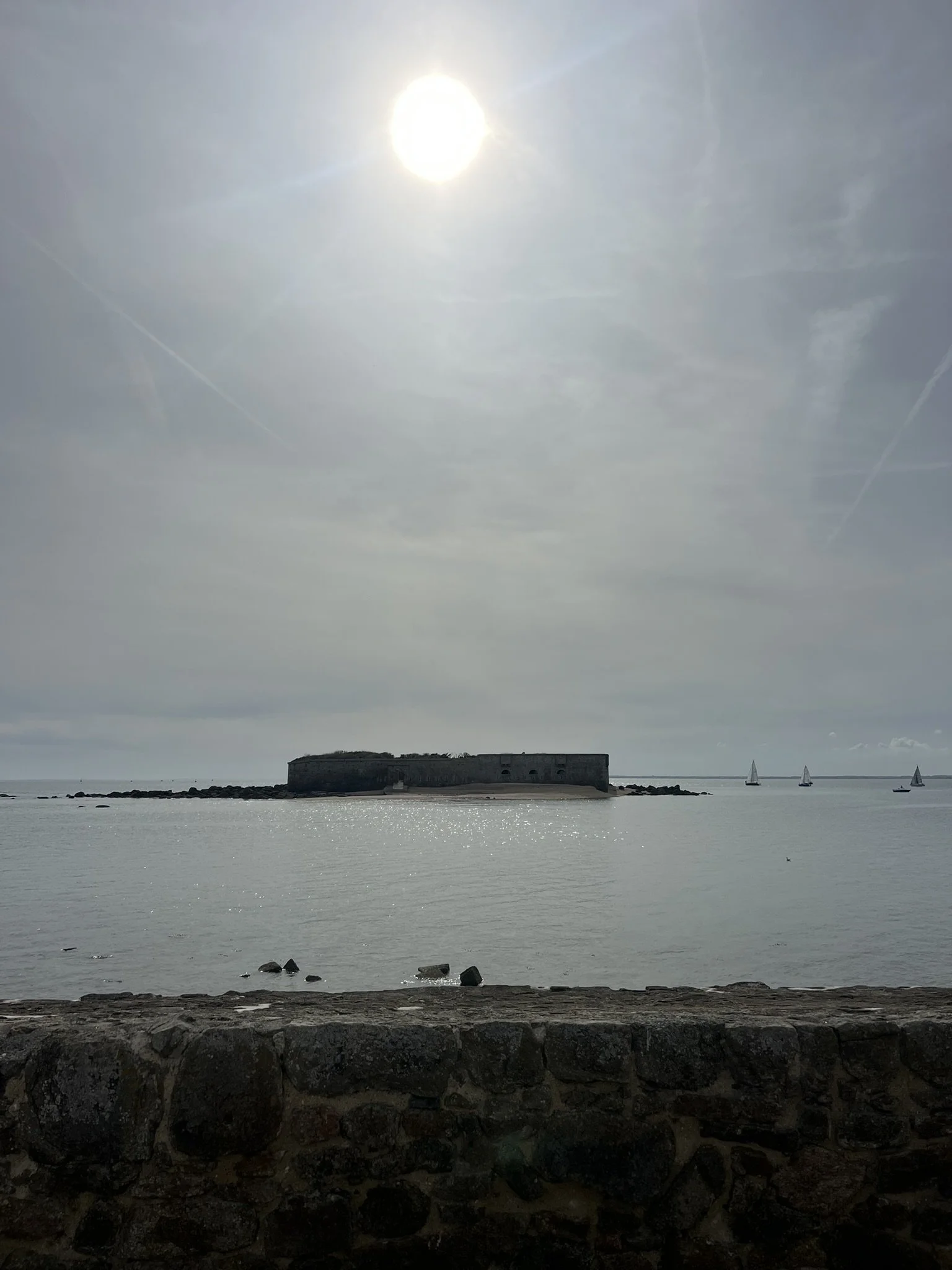
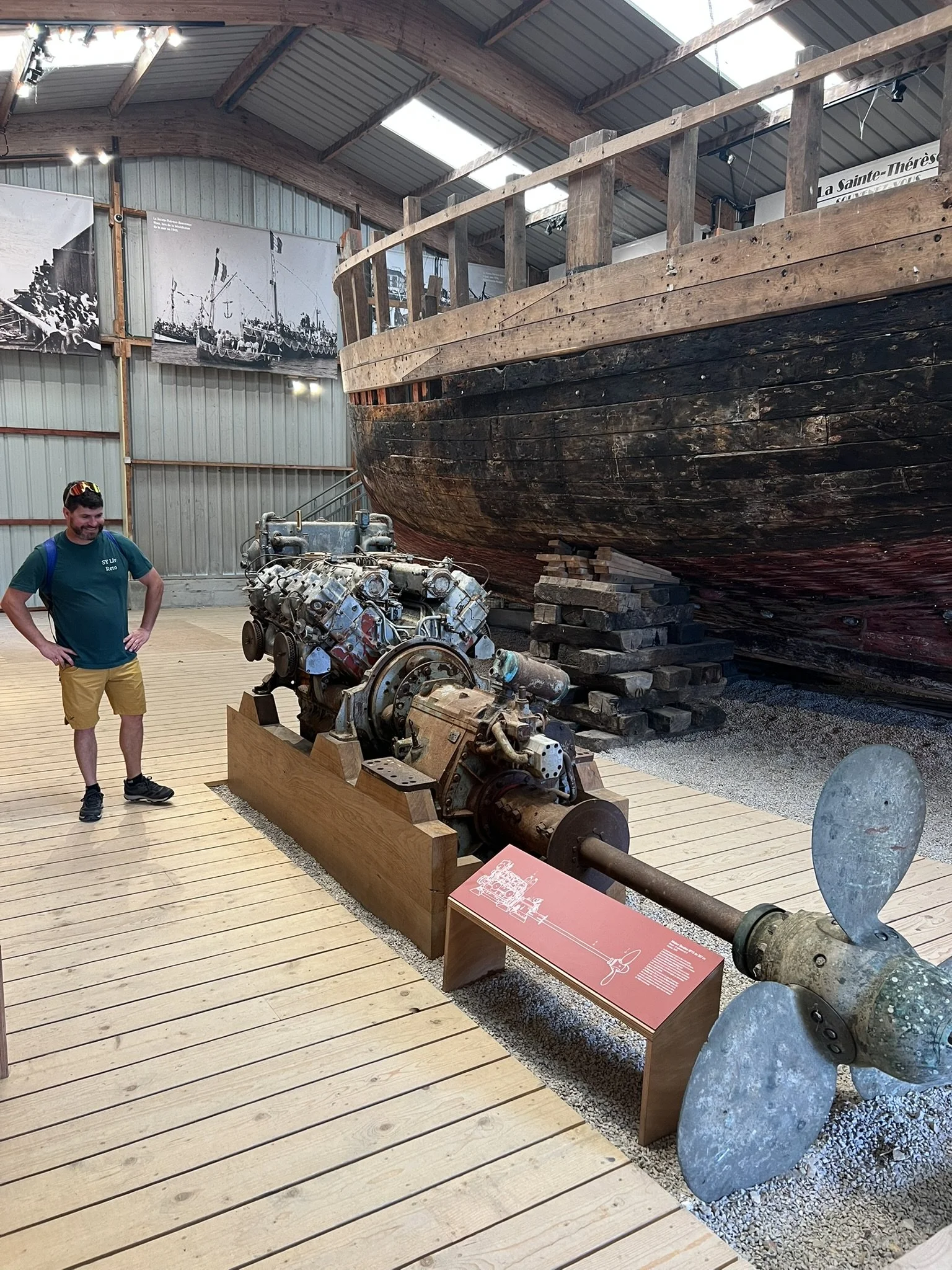
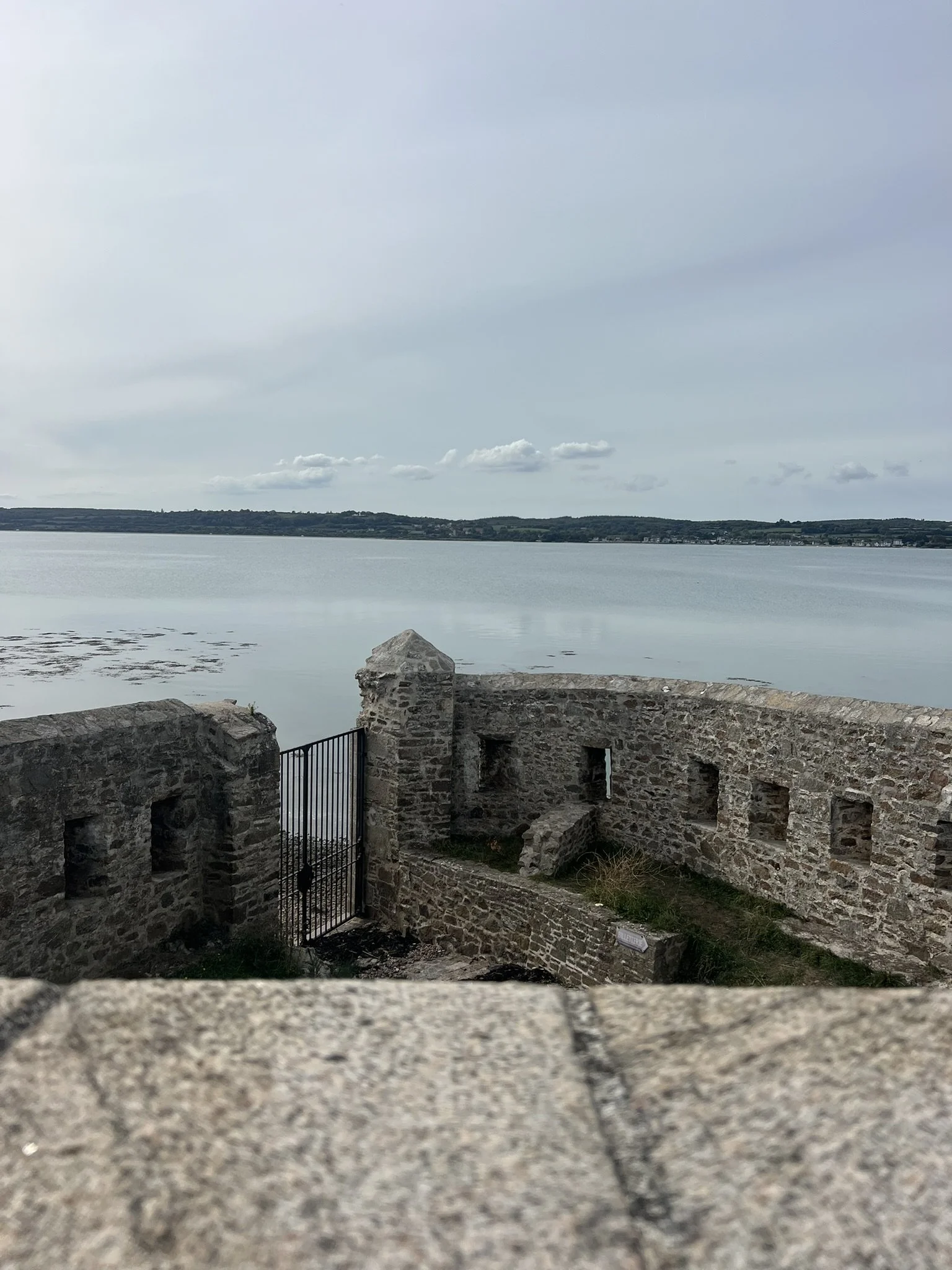
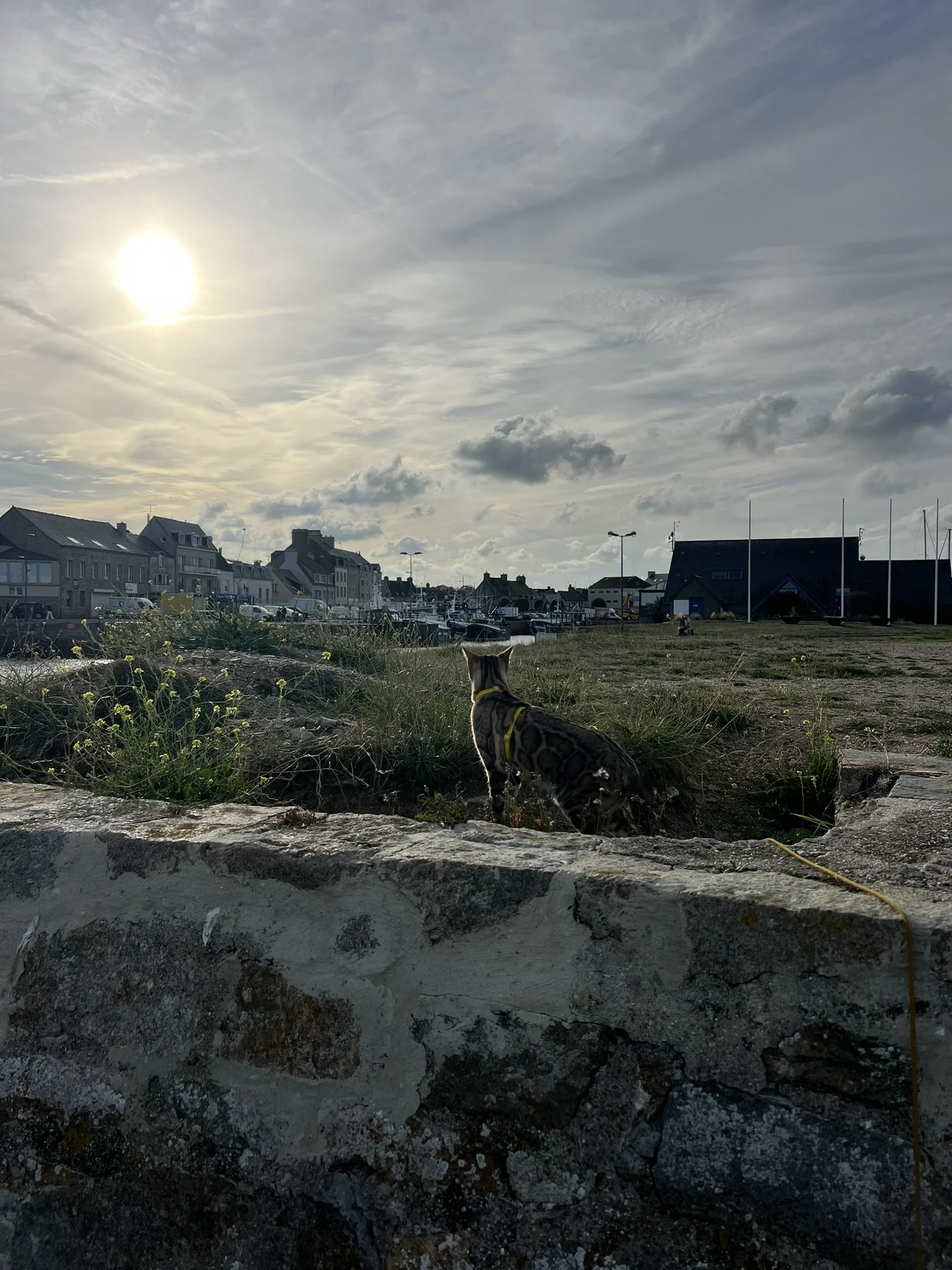
Before picking up our new guests in Cherbourg, we enjoyed a few peaceful days in Saint-Vaast-la-Hougue. While there, we took the rather unusual amphibious boat to the nearby island of Tatihou. Depending on the tide, this little boat either drives across the exposed seabed on its wheels or sails across the water. Quite a fun way to visit an island!
In our next blog we’ll have Karin’s parents back to sail in the Bretagne.
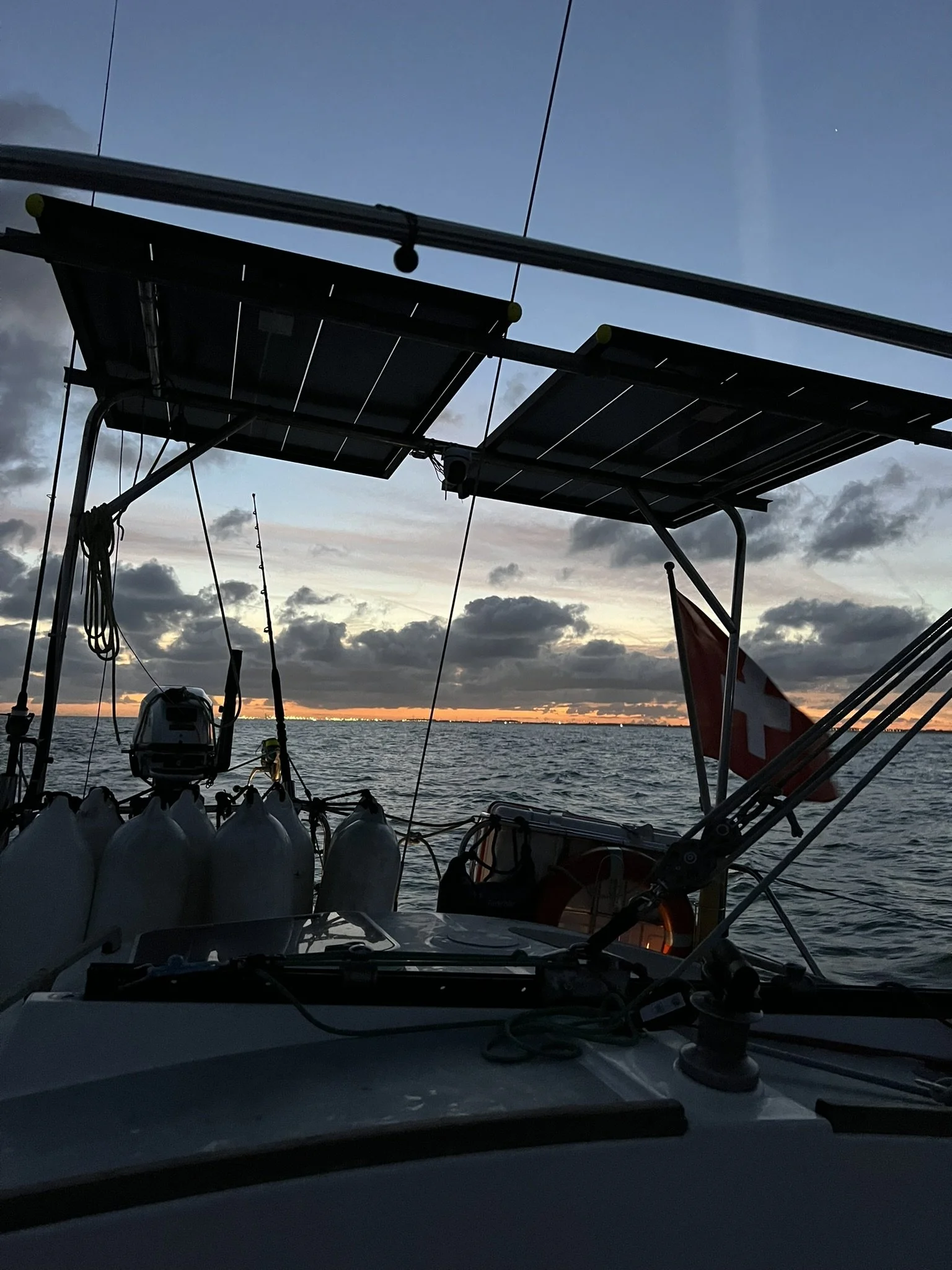
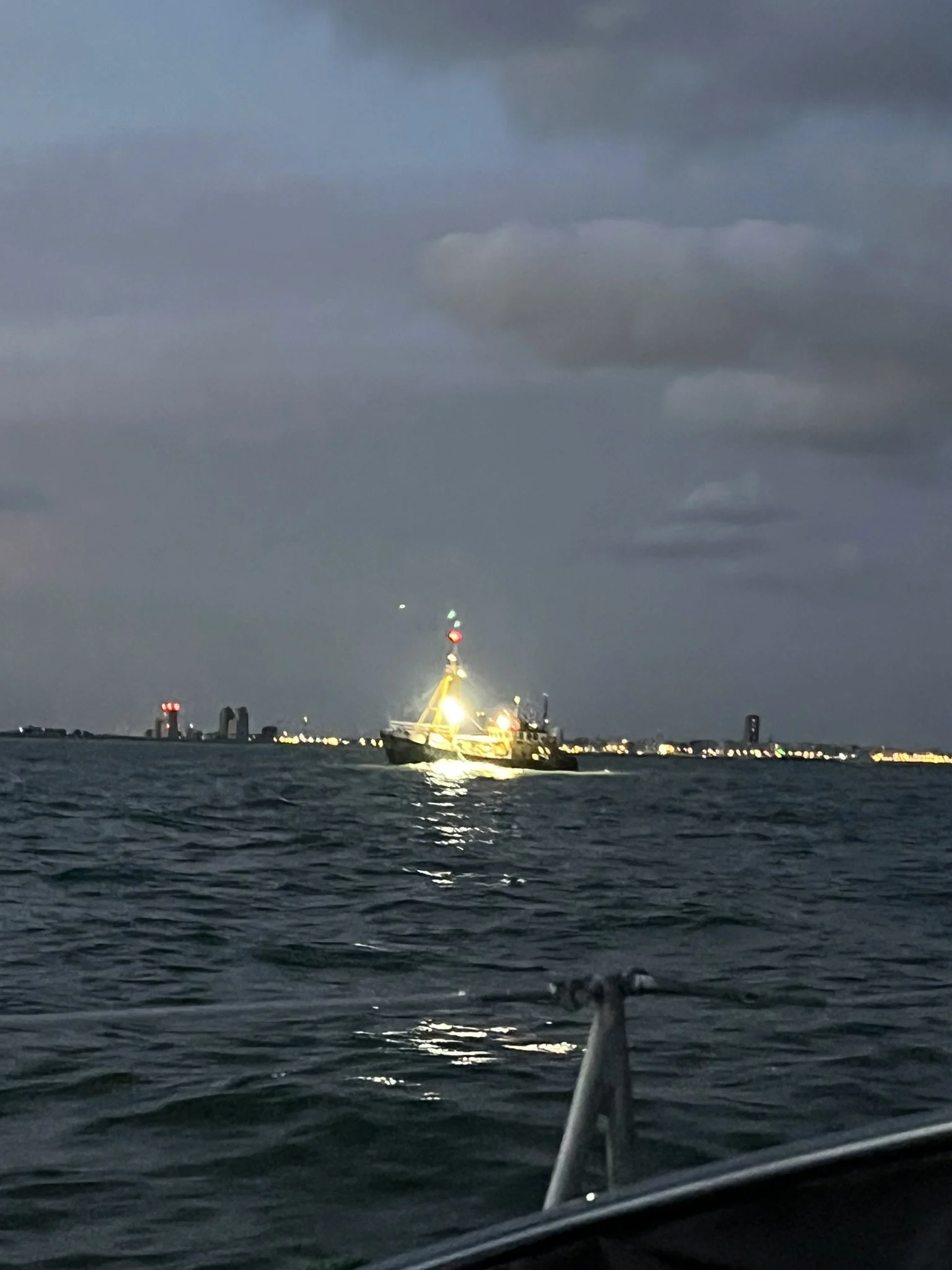
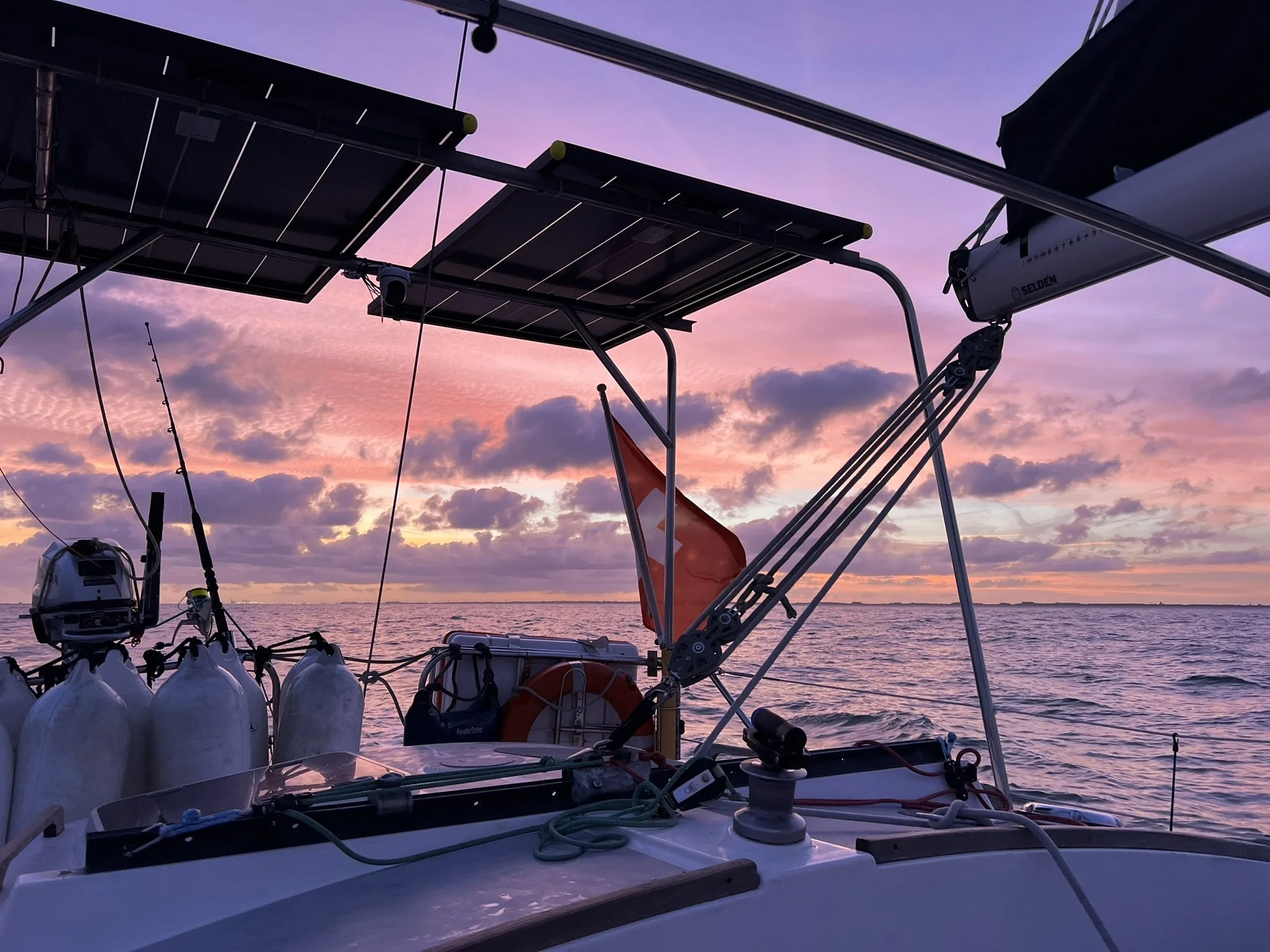
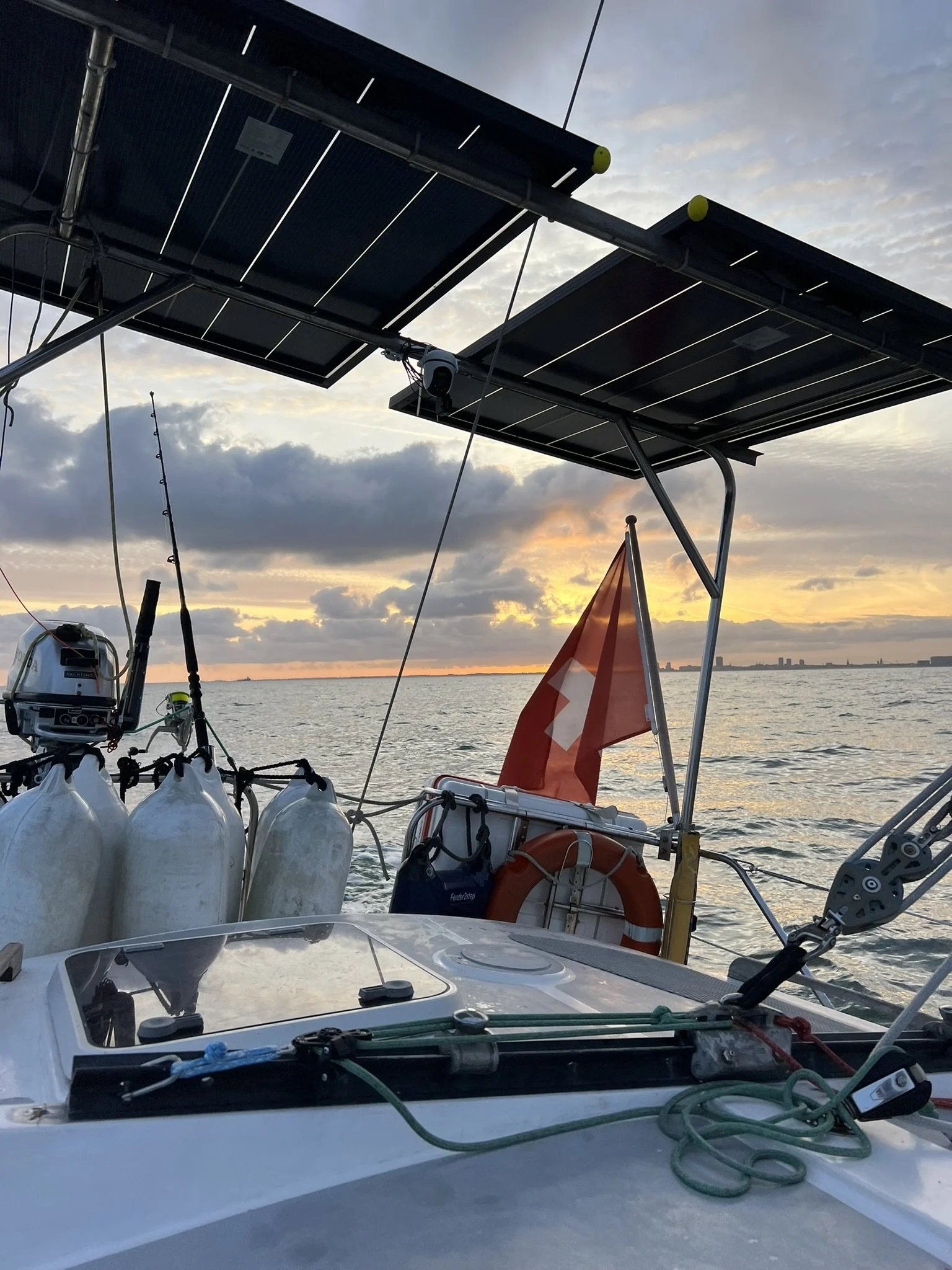
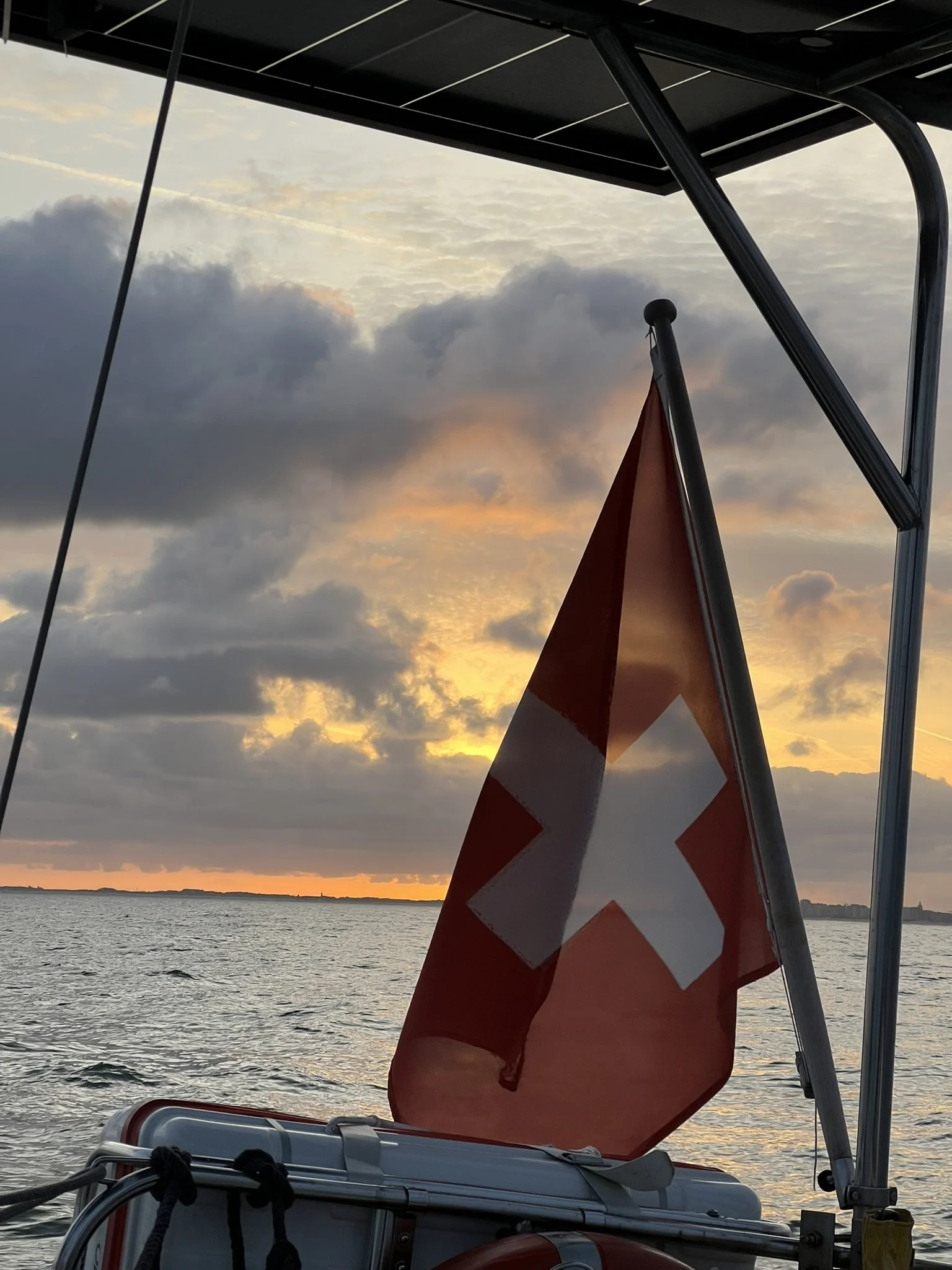
Day 160: Breskens NL - Dunkirk FR
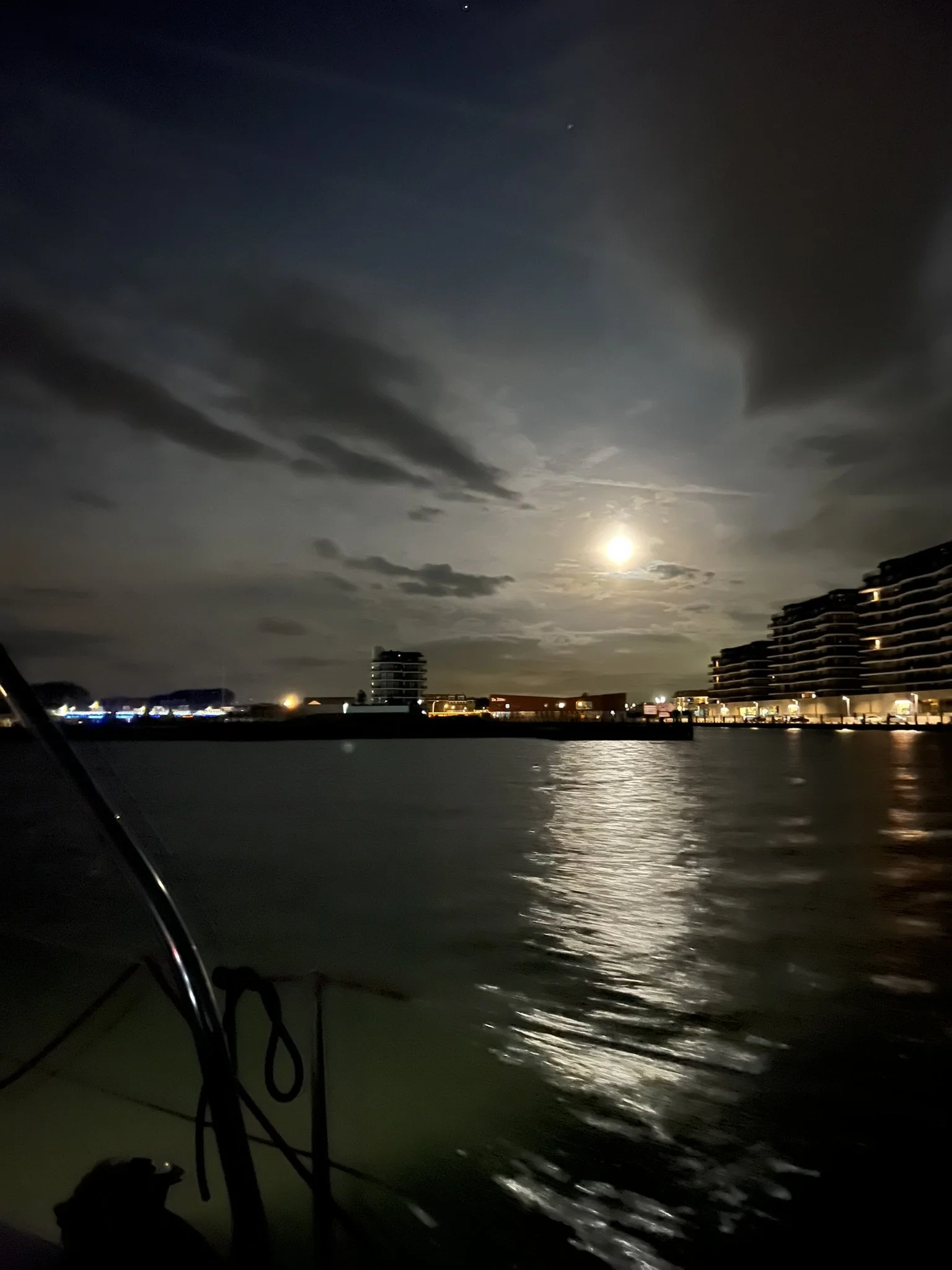
Day 161: Dunkirk FR
Day 162: Dunkirk FR - Boulogne-sur-Mer FR
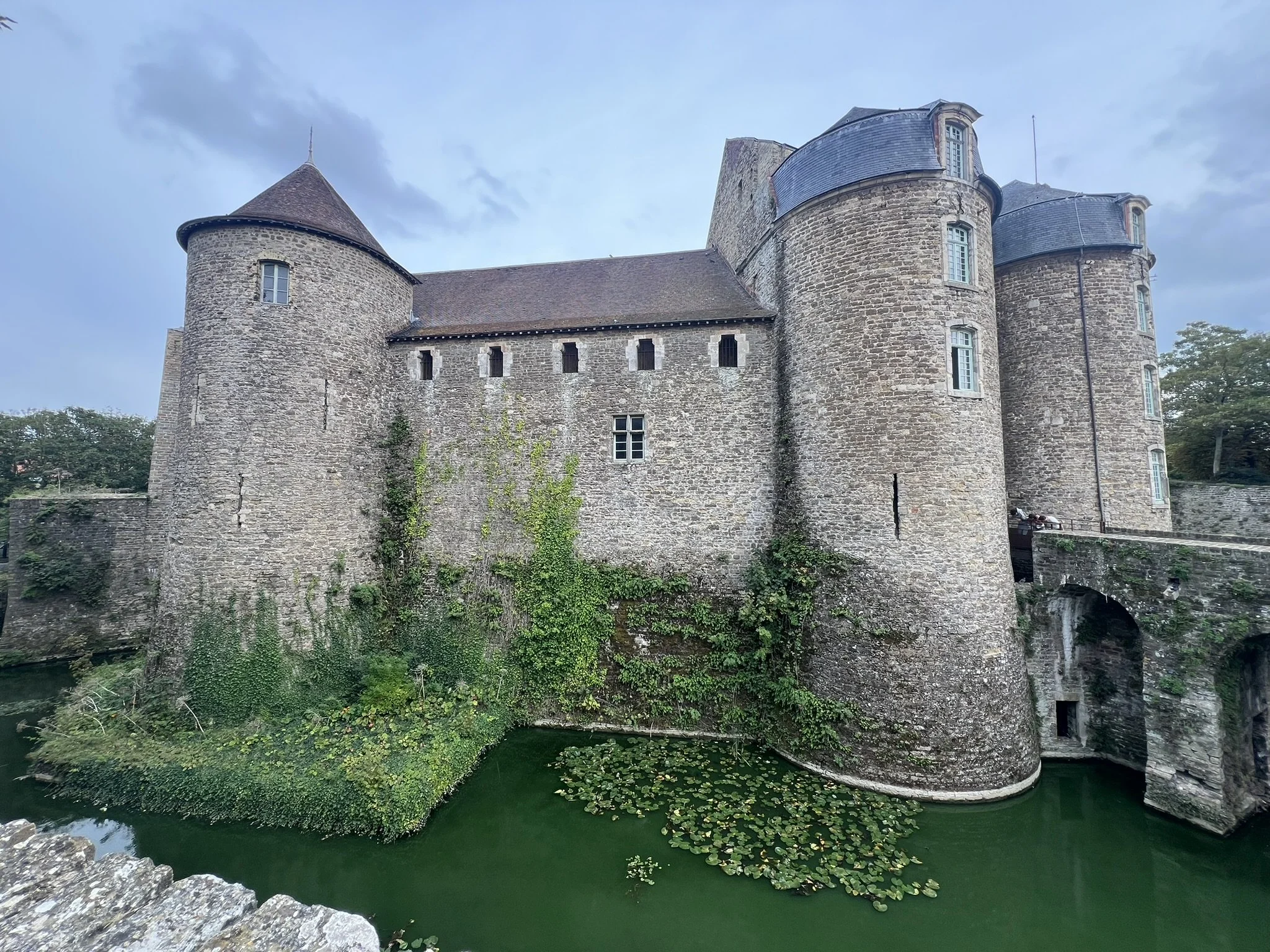
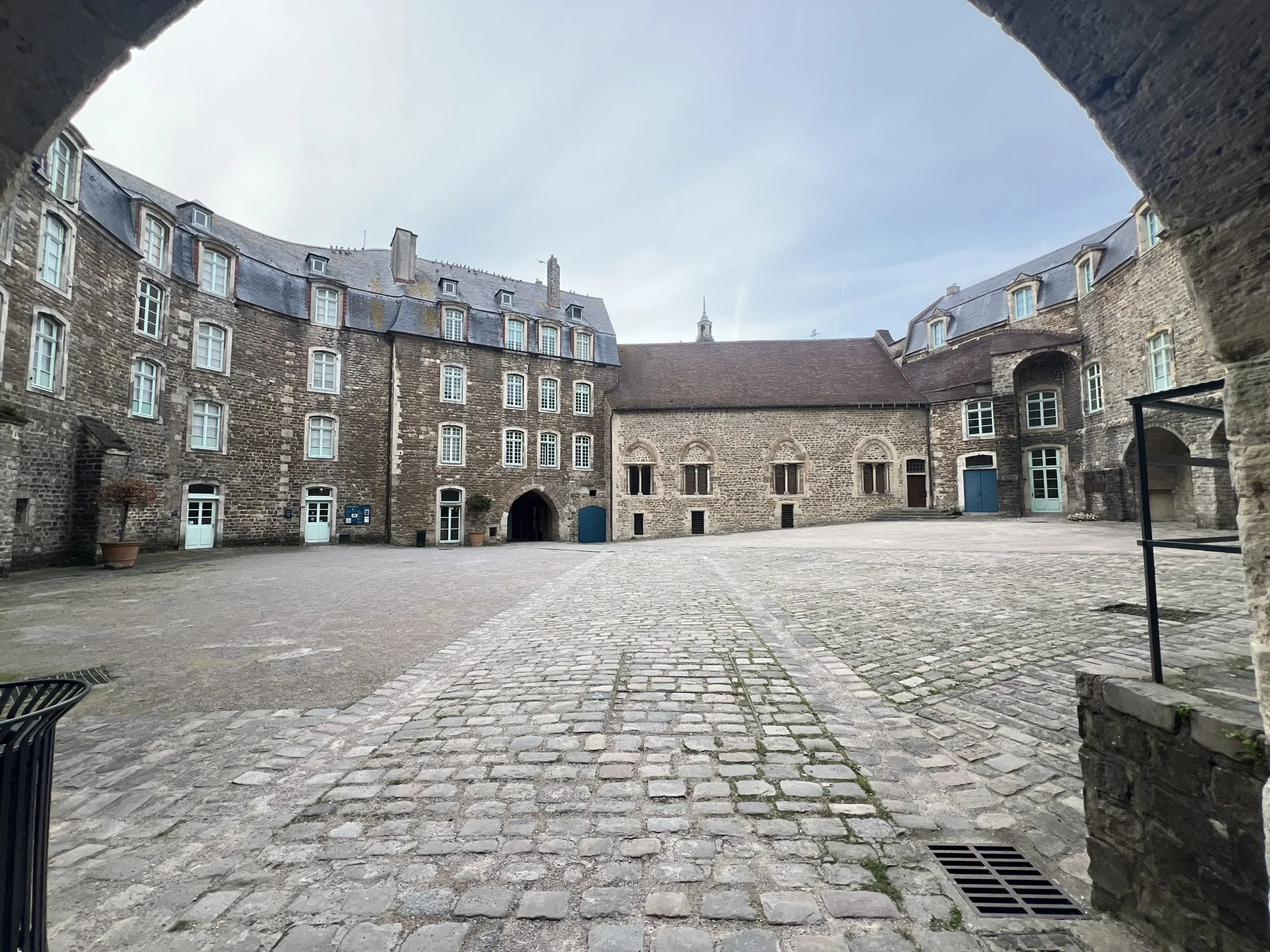
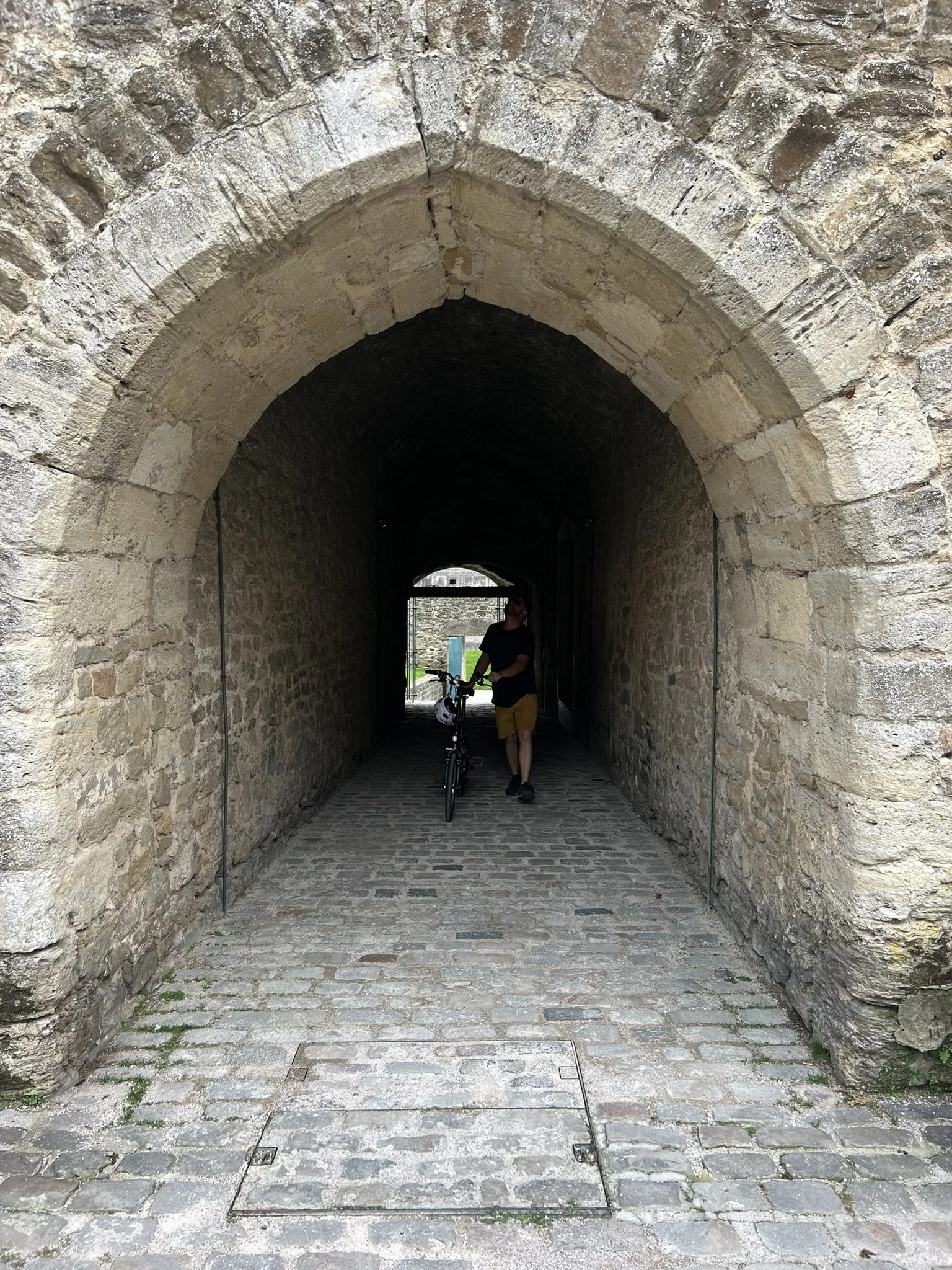
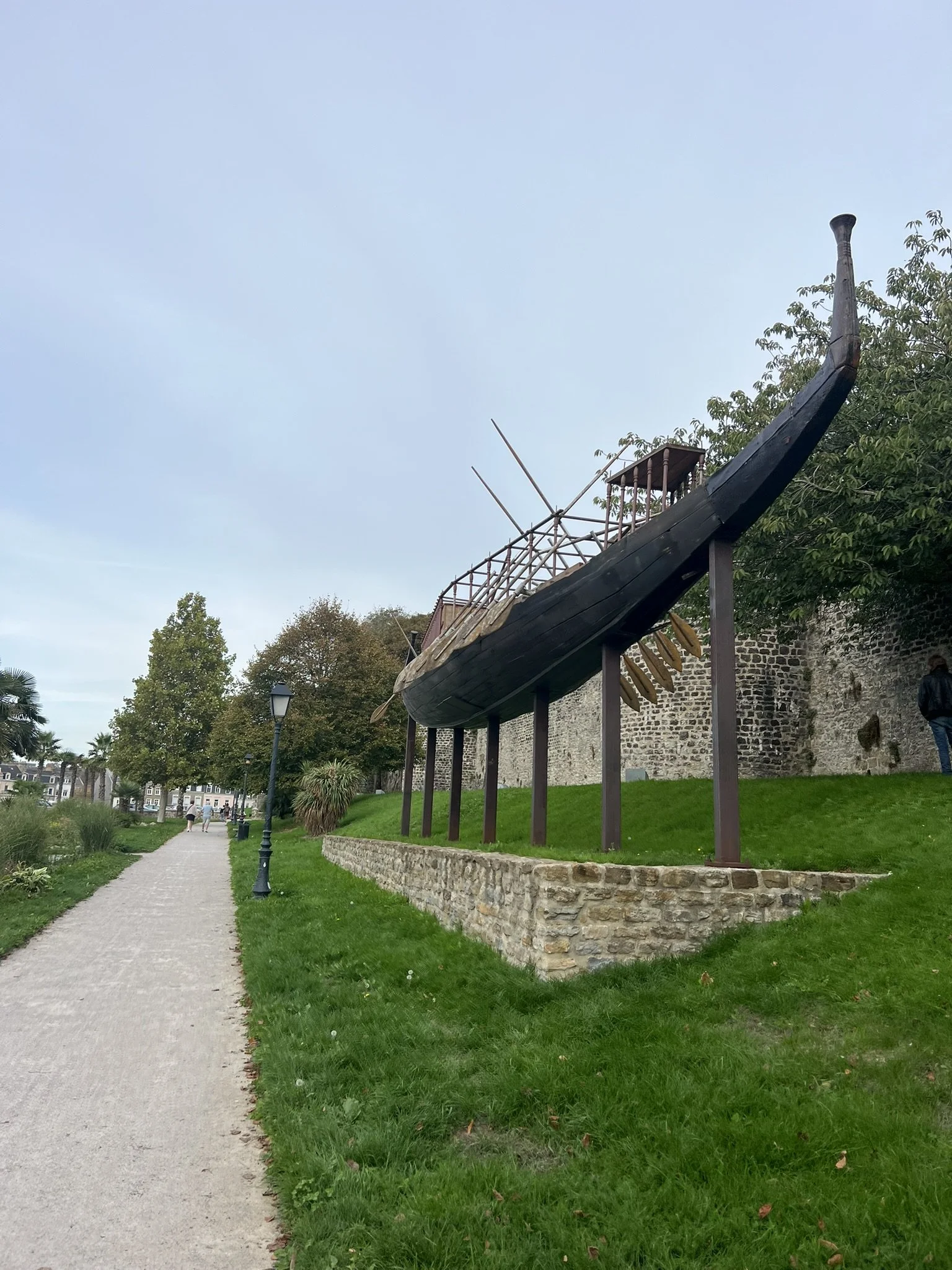
Day 163: Boulogne-sur-Mer FR
Day 164-165: Boulogne-sur-Mer FR - Ouistreham FR
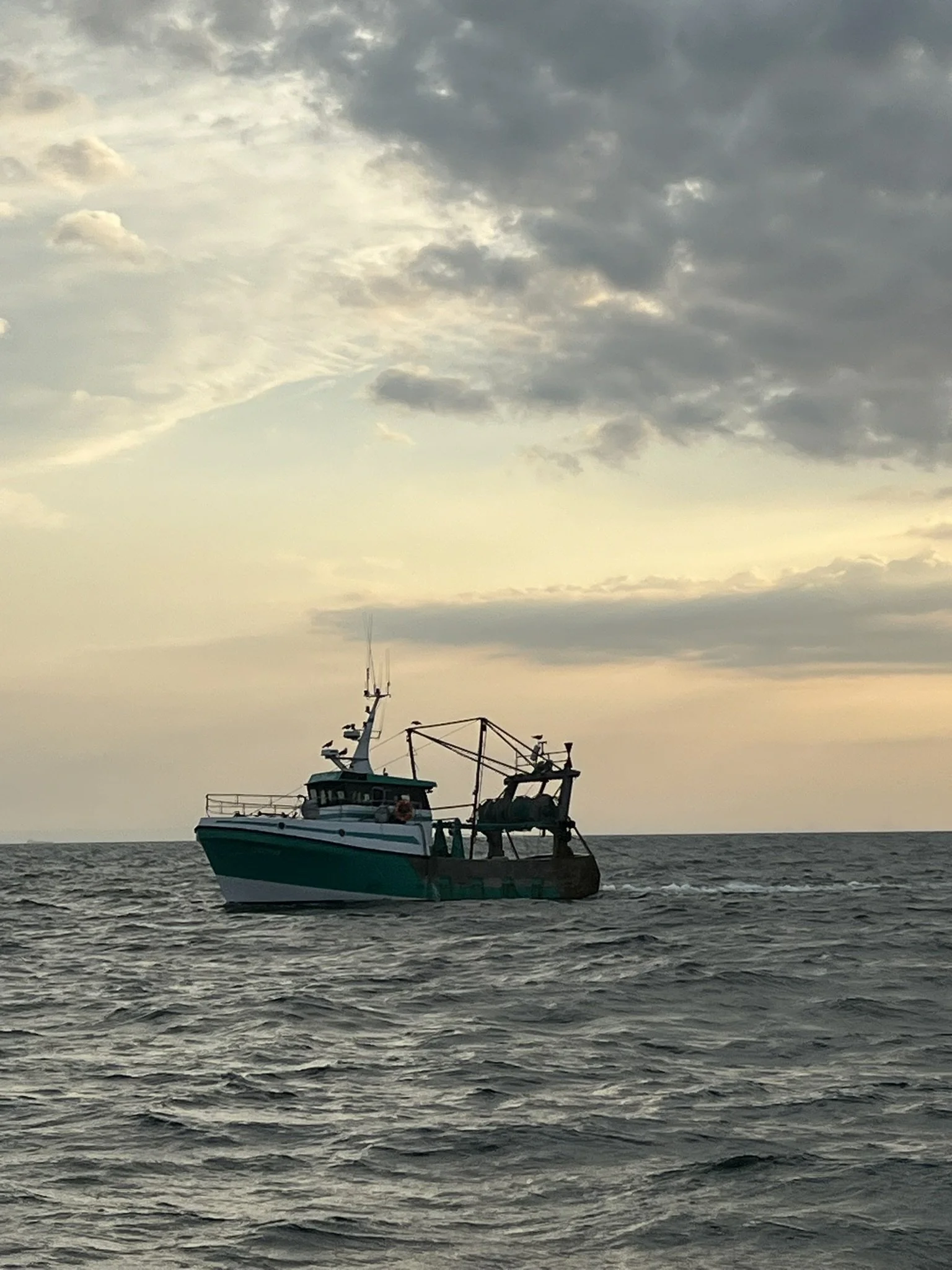
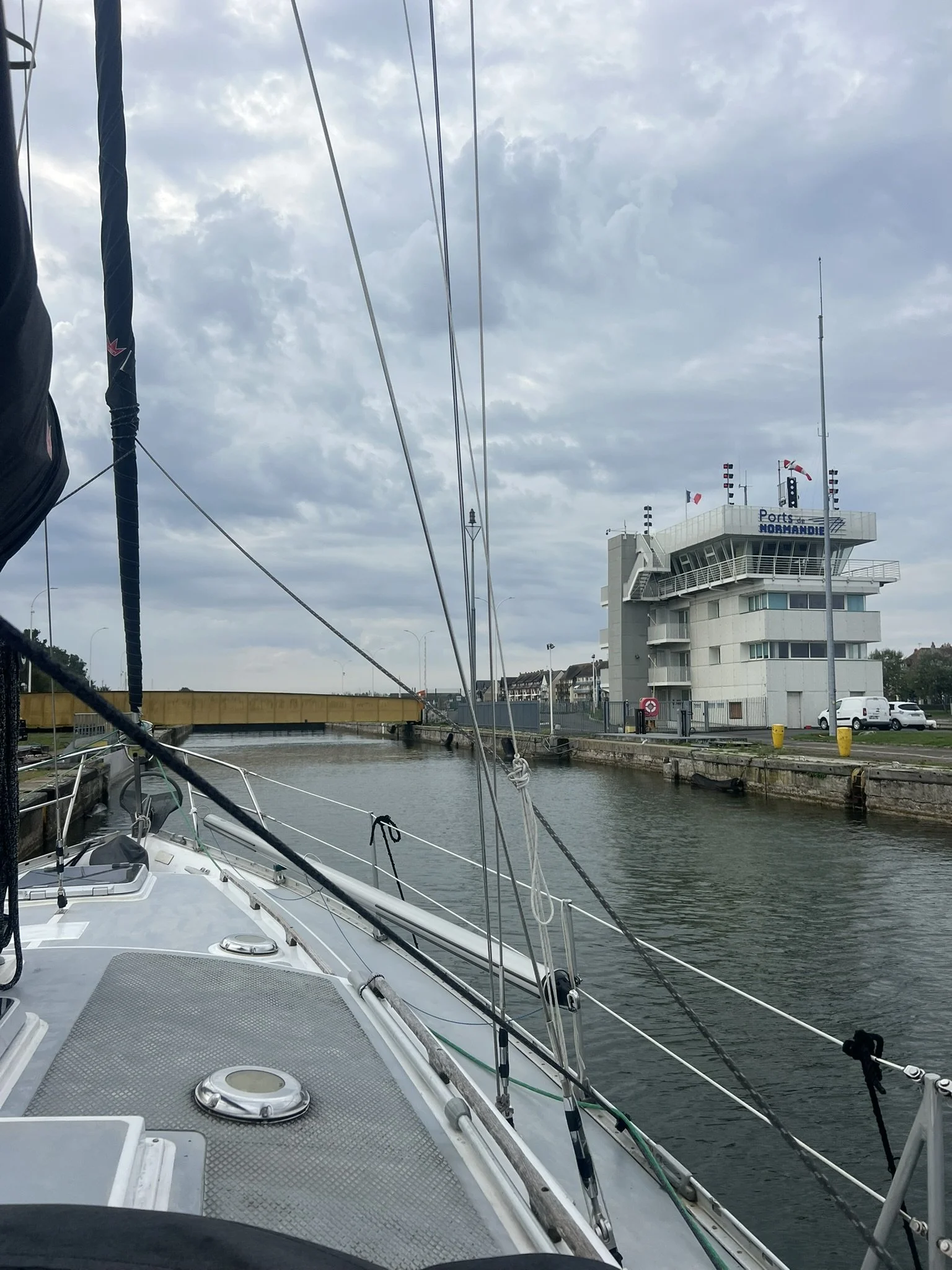
Day 166: Ouistreham FR - Grandcamp-Maisy FR
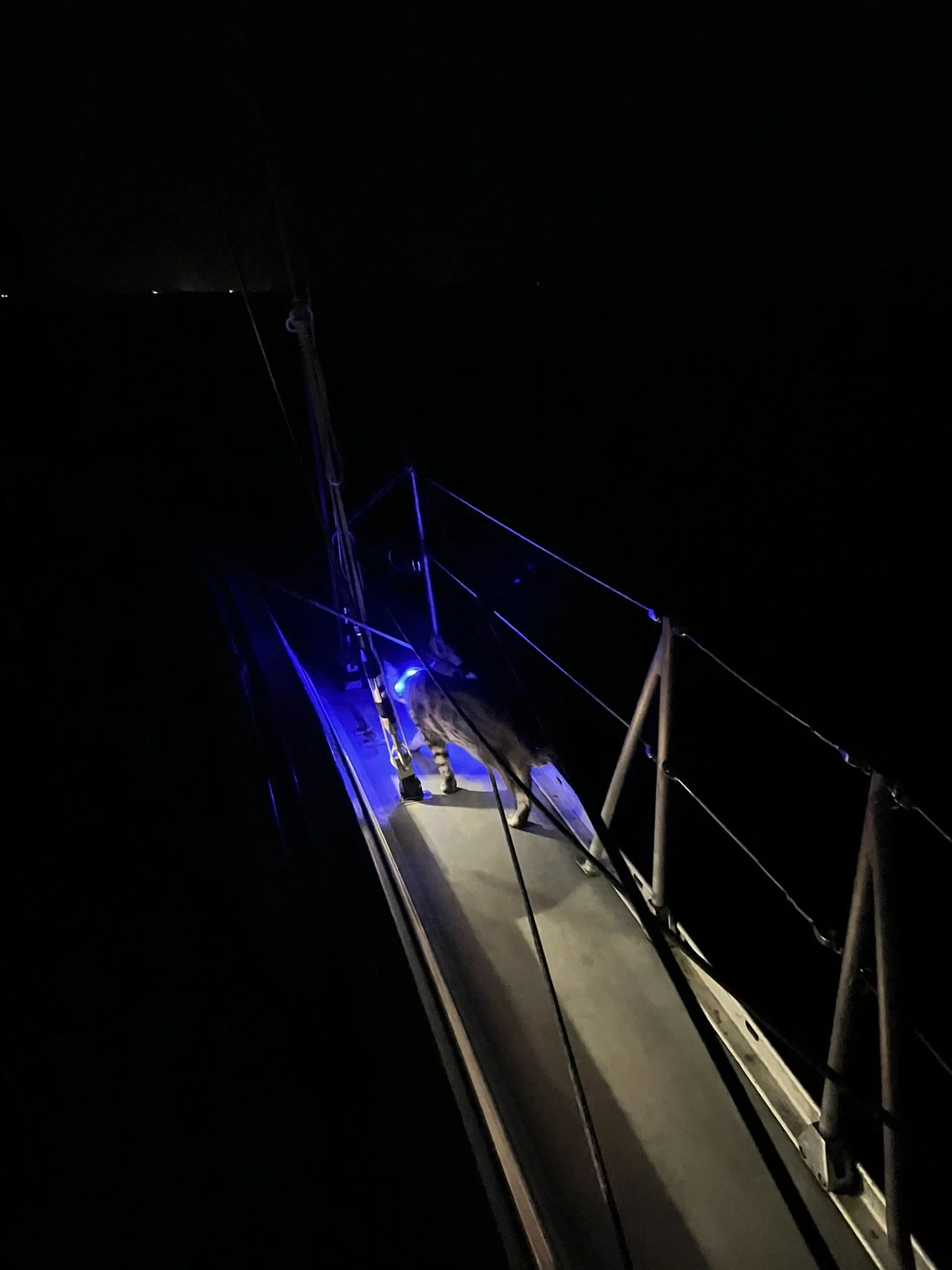
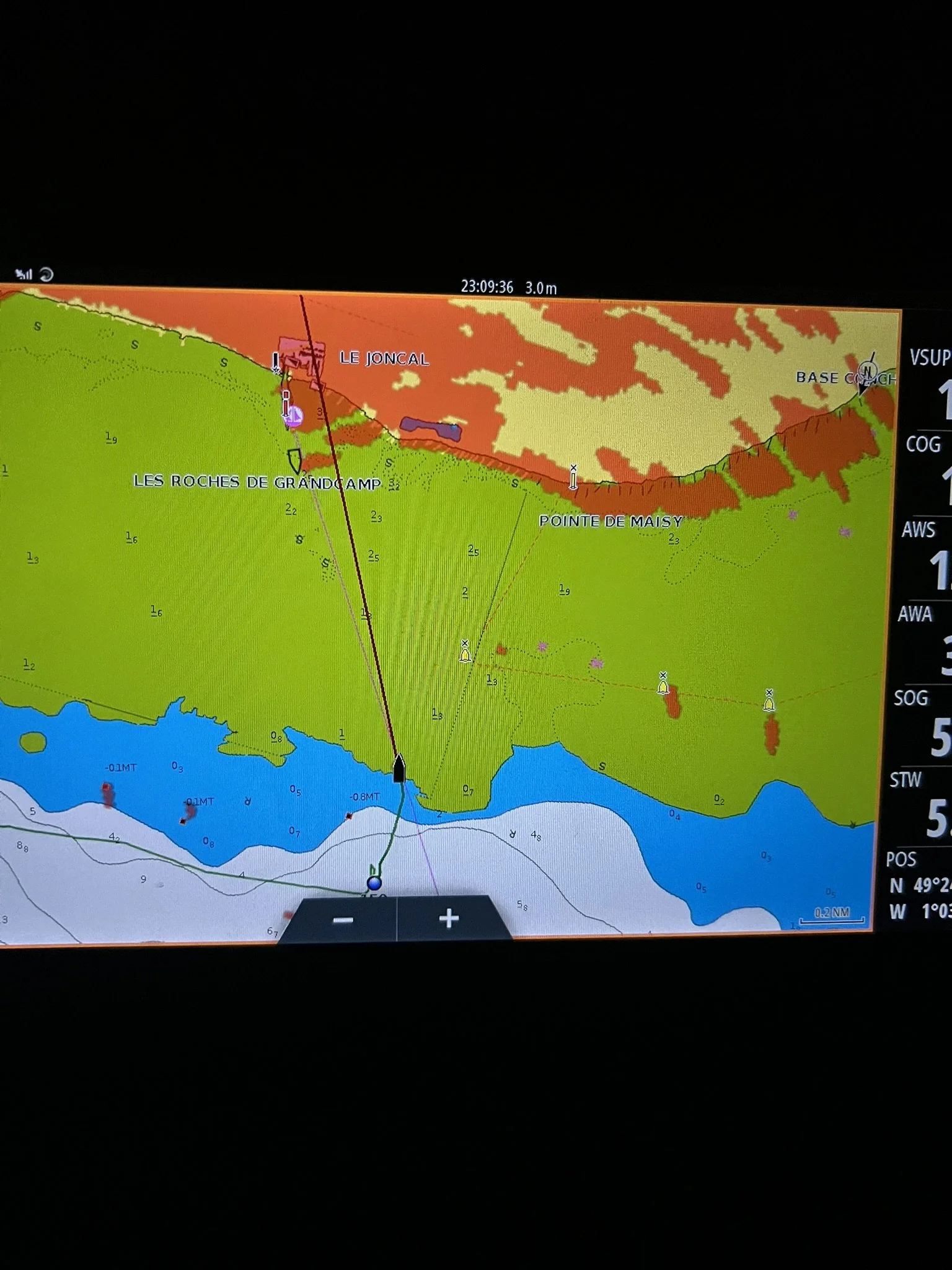
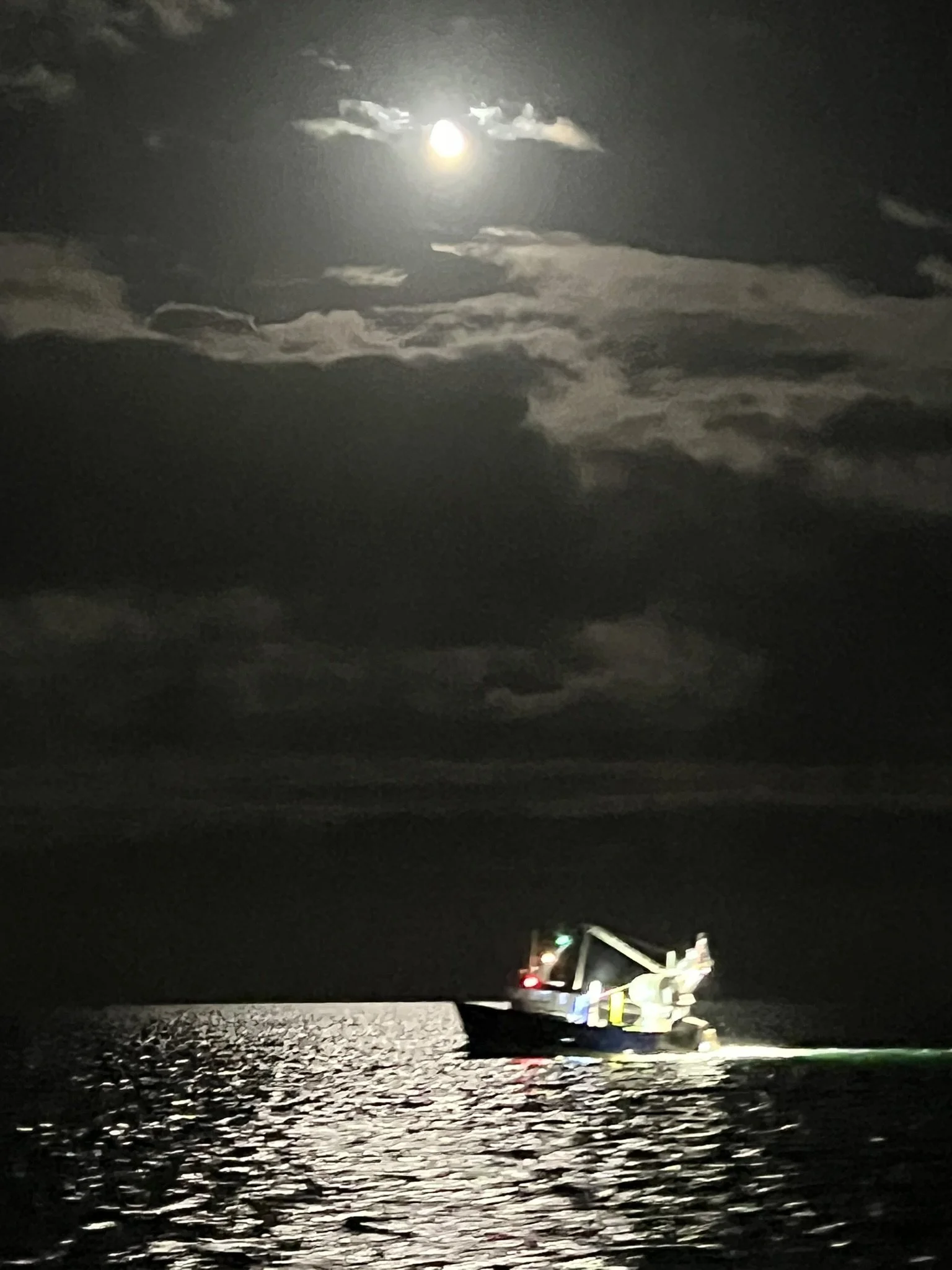
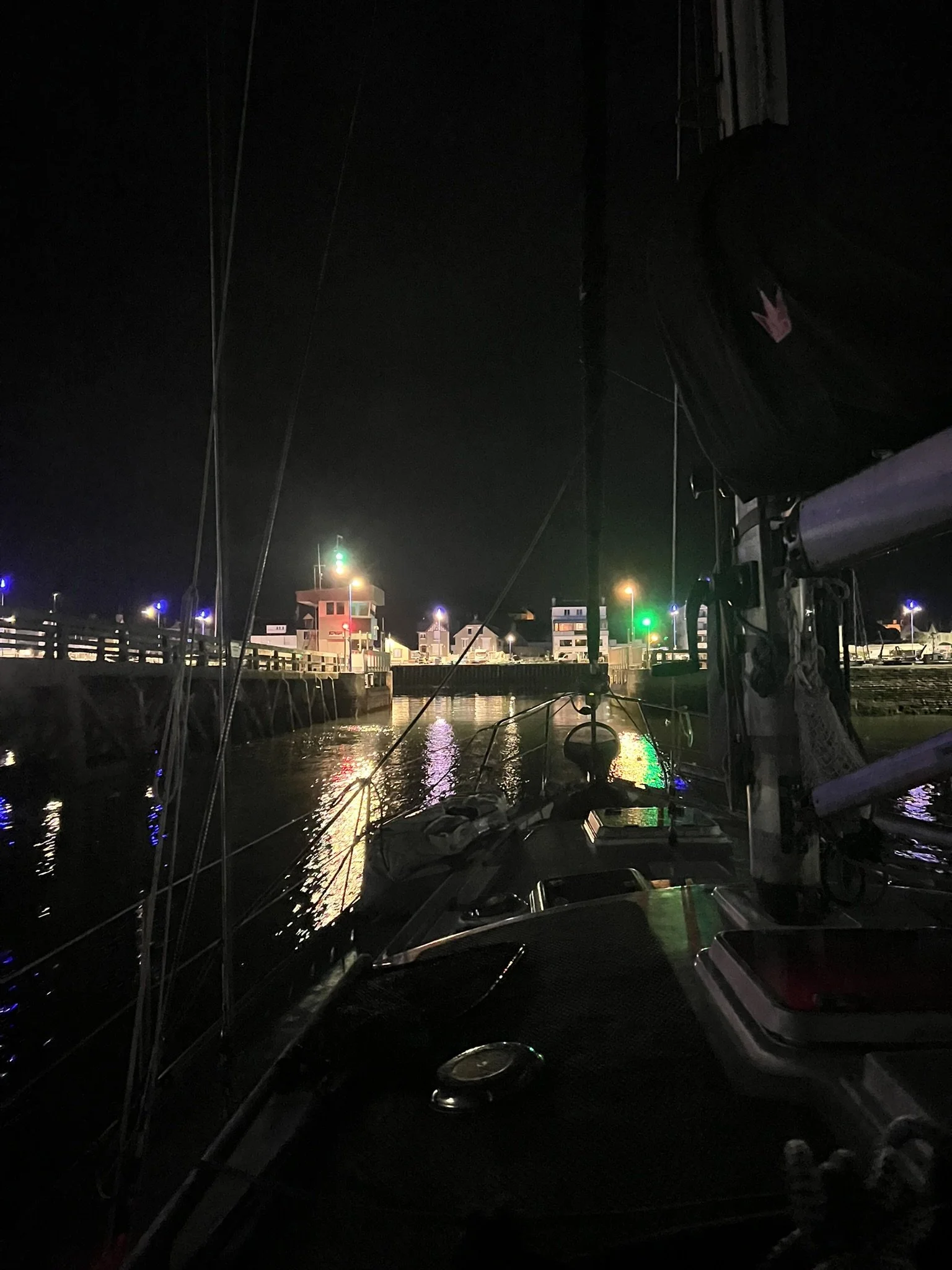
Day 167: Grandcamp-Maisy FR
Day 168: Grandcamp-Maisy FR - Saint-Vaast-la-Hougue FR
Day 169: Saint-Vaast-la-Hougue FR
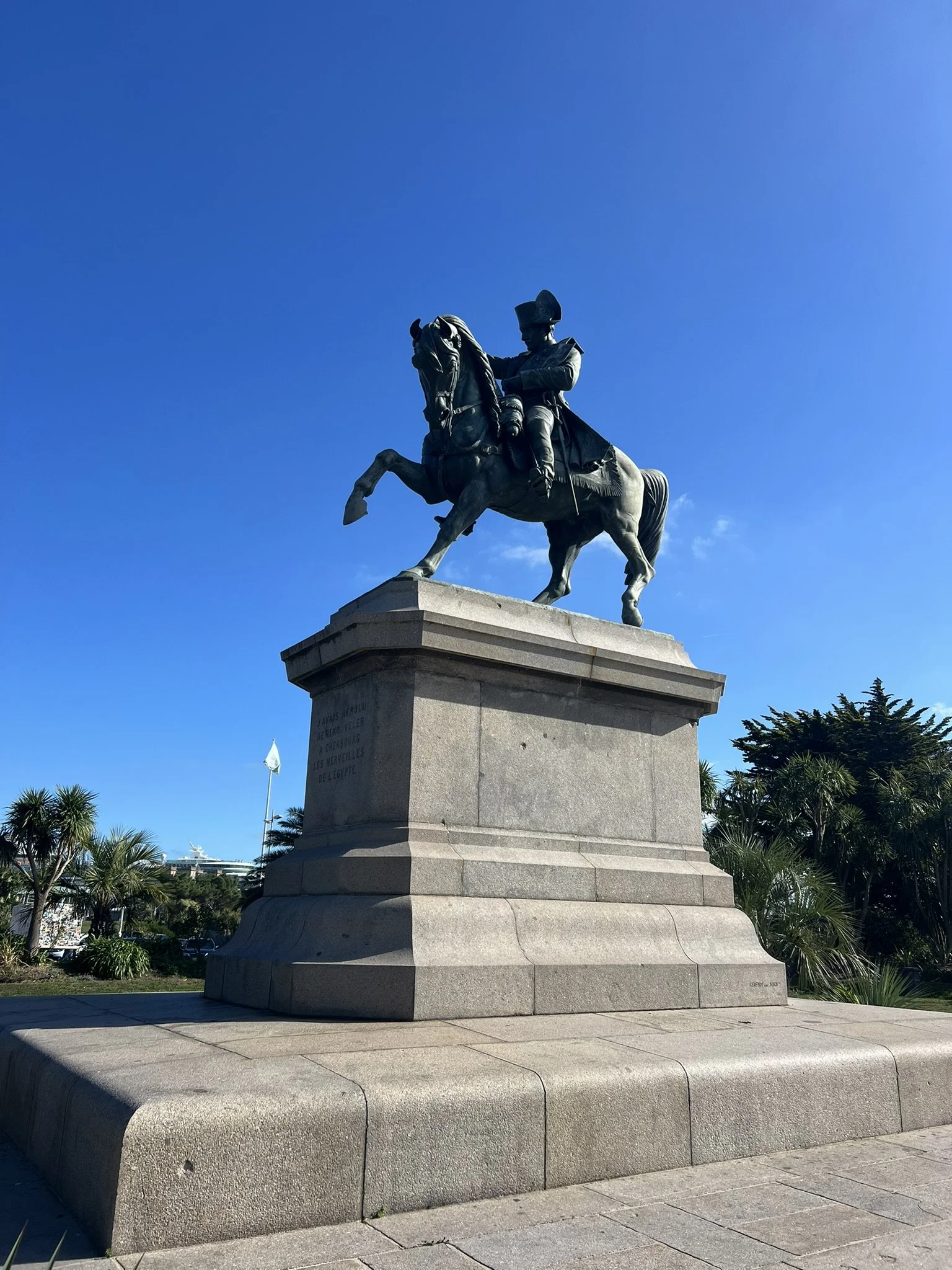
Day 170: Saint-Vaast-la-Hougue FR - Cherbourg FR