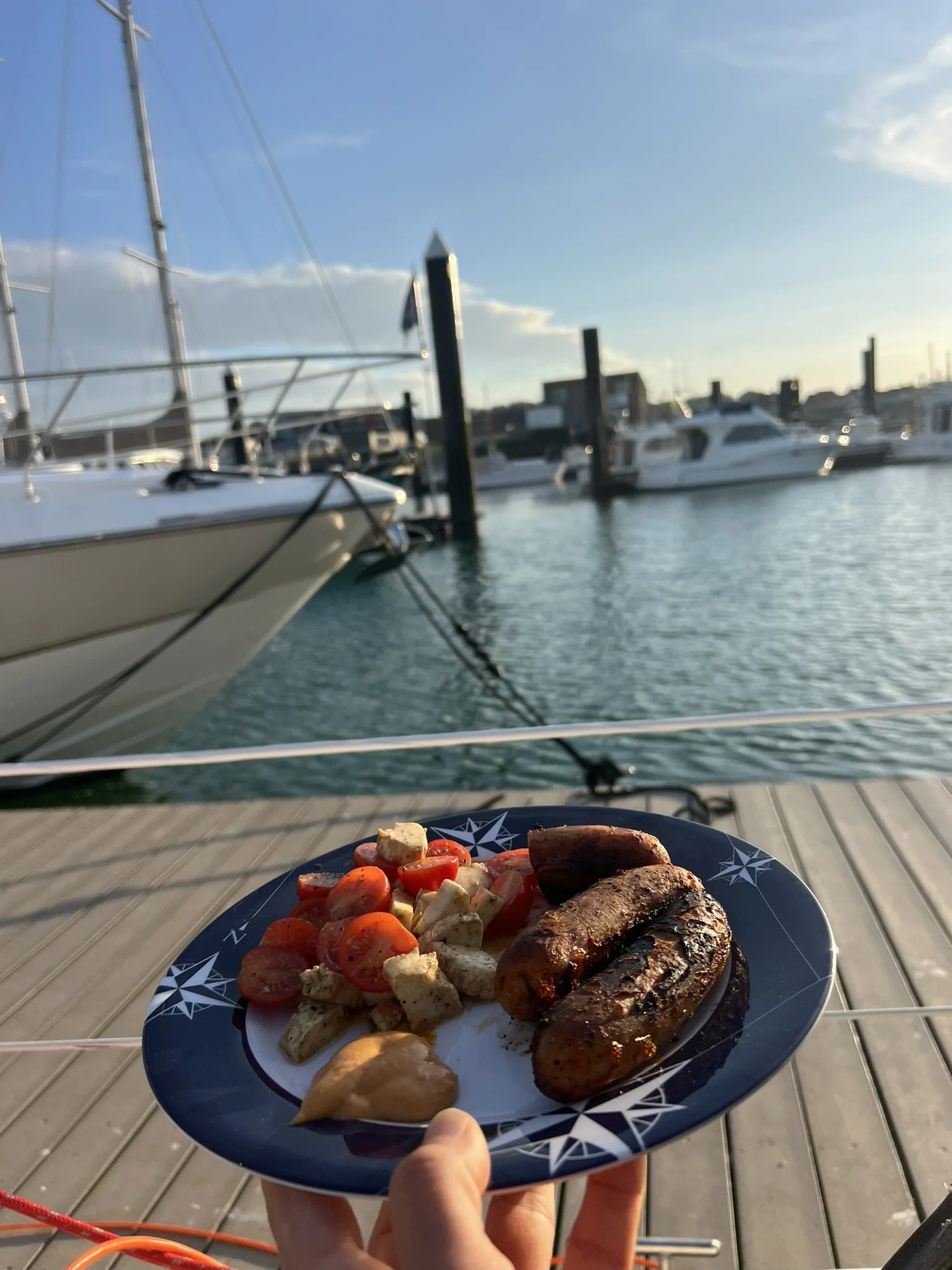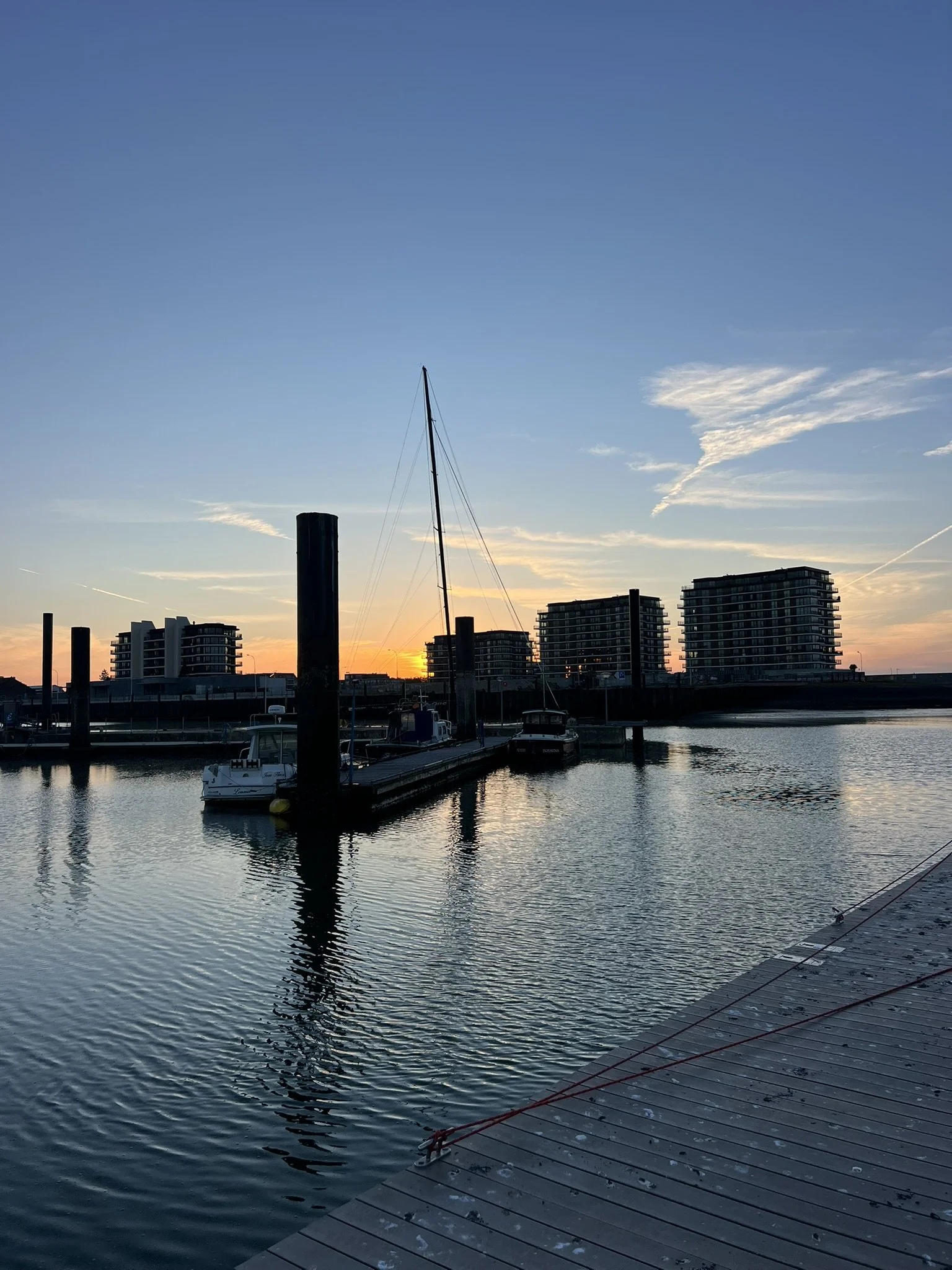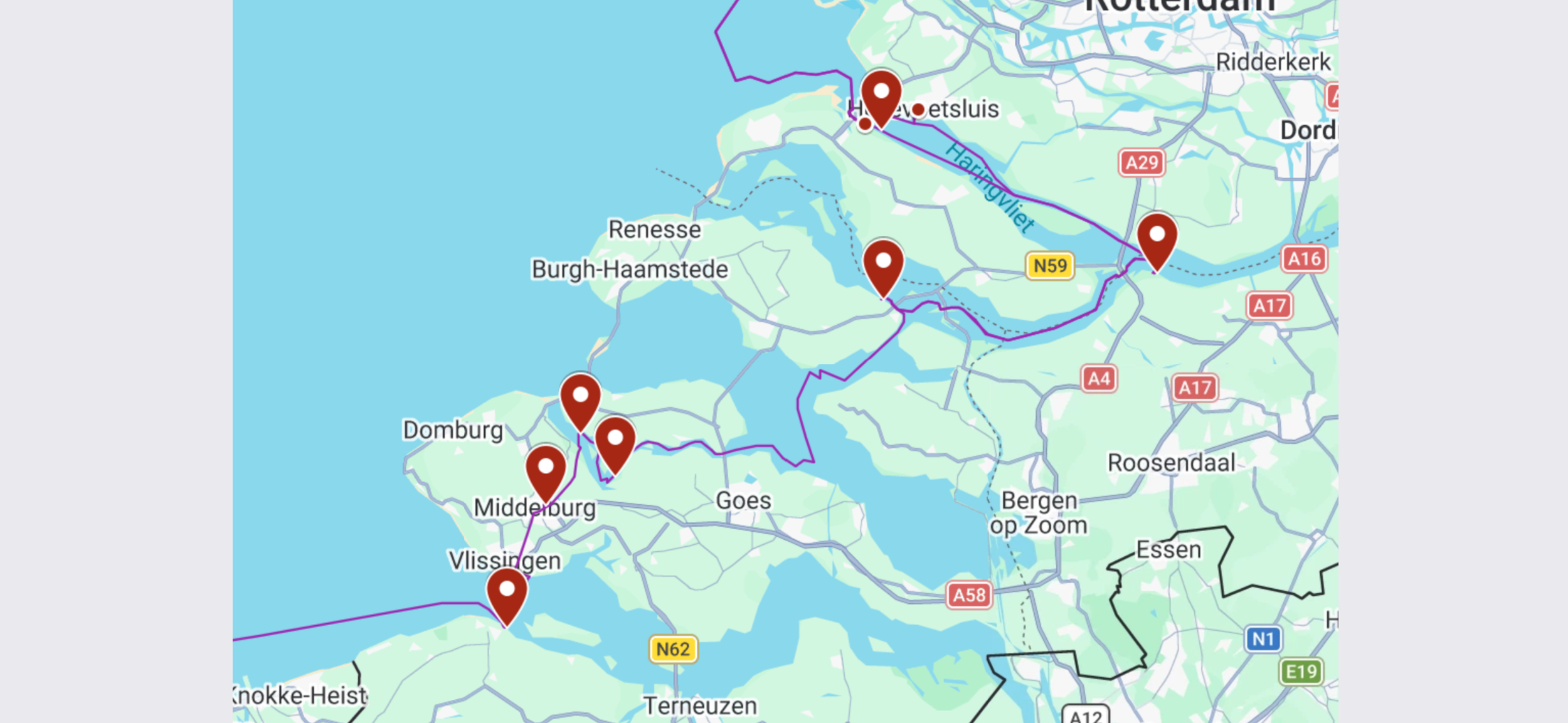
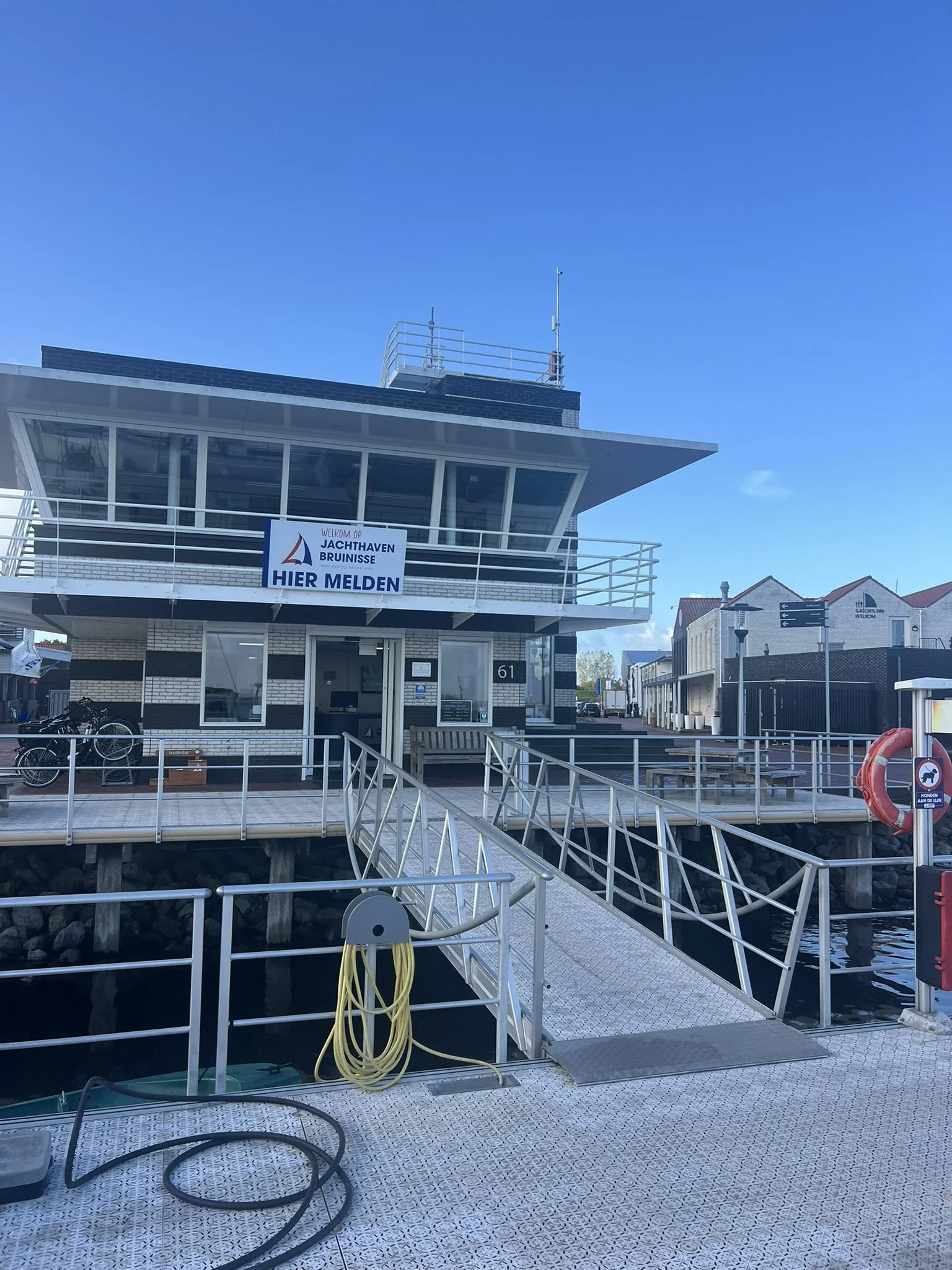
As we are about to head back to Bruinisse, where we left almost exactly five months ago, we are feeling rather nostalgic.
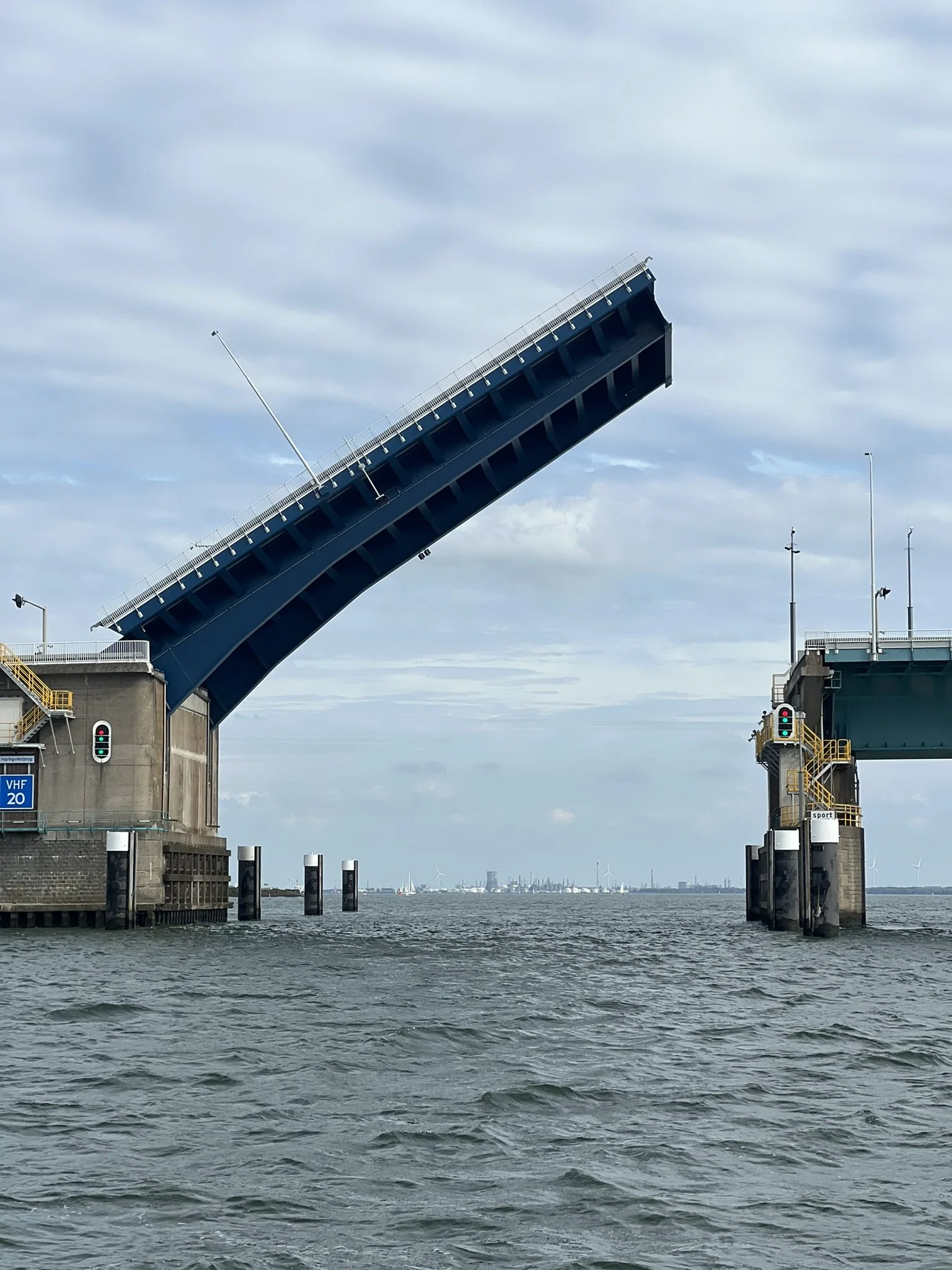
But before sailing into our old ‘home port’, we have one more stop to make: Willemstad. This was the very first stop on our journey, so it felt fitting to visit it once more before returning to where it all began.
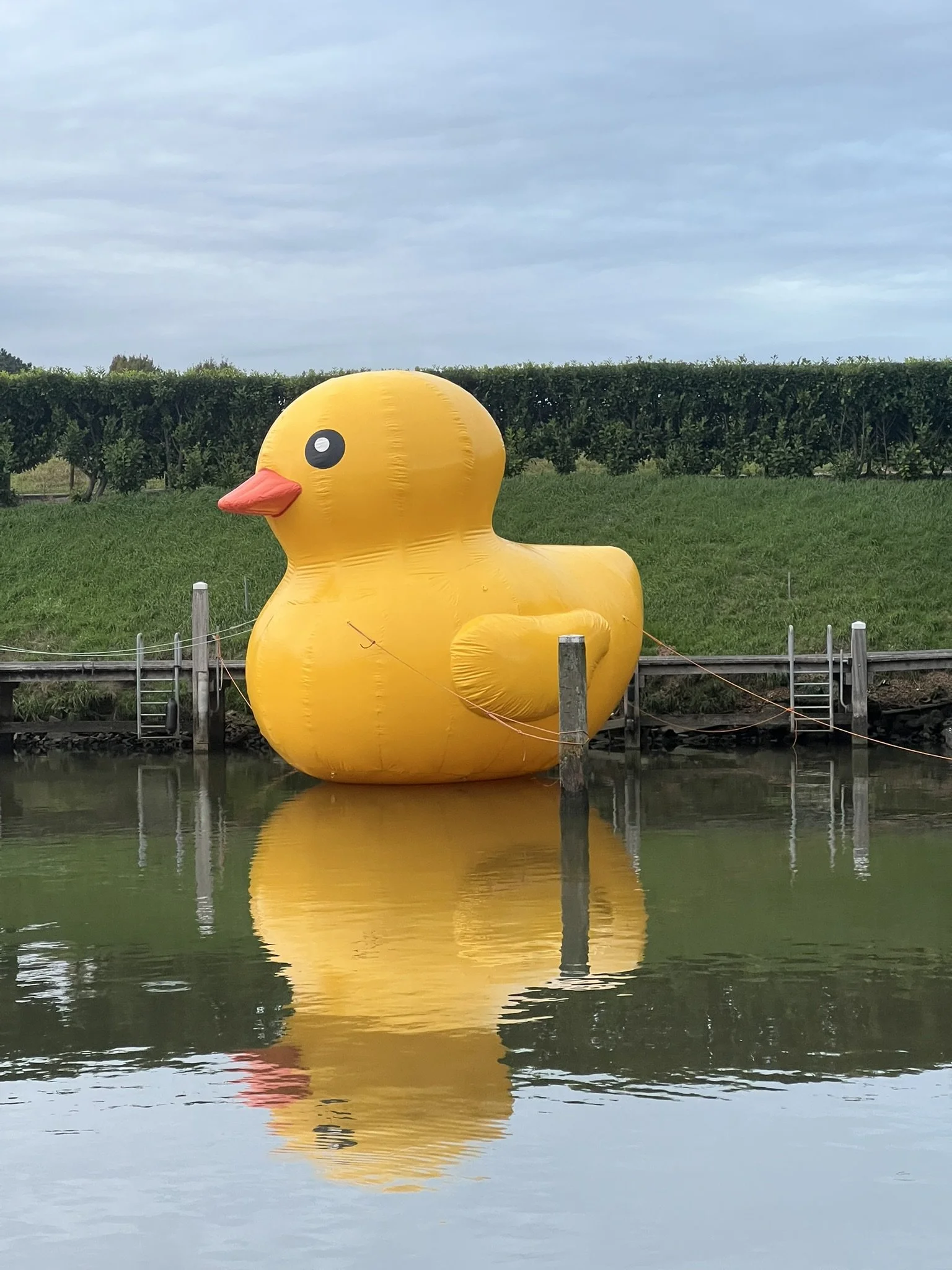
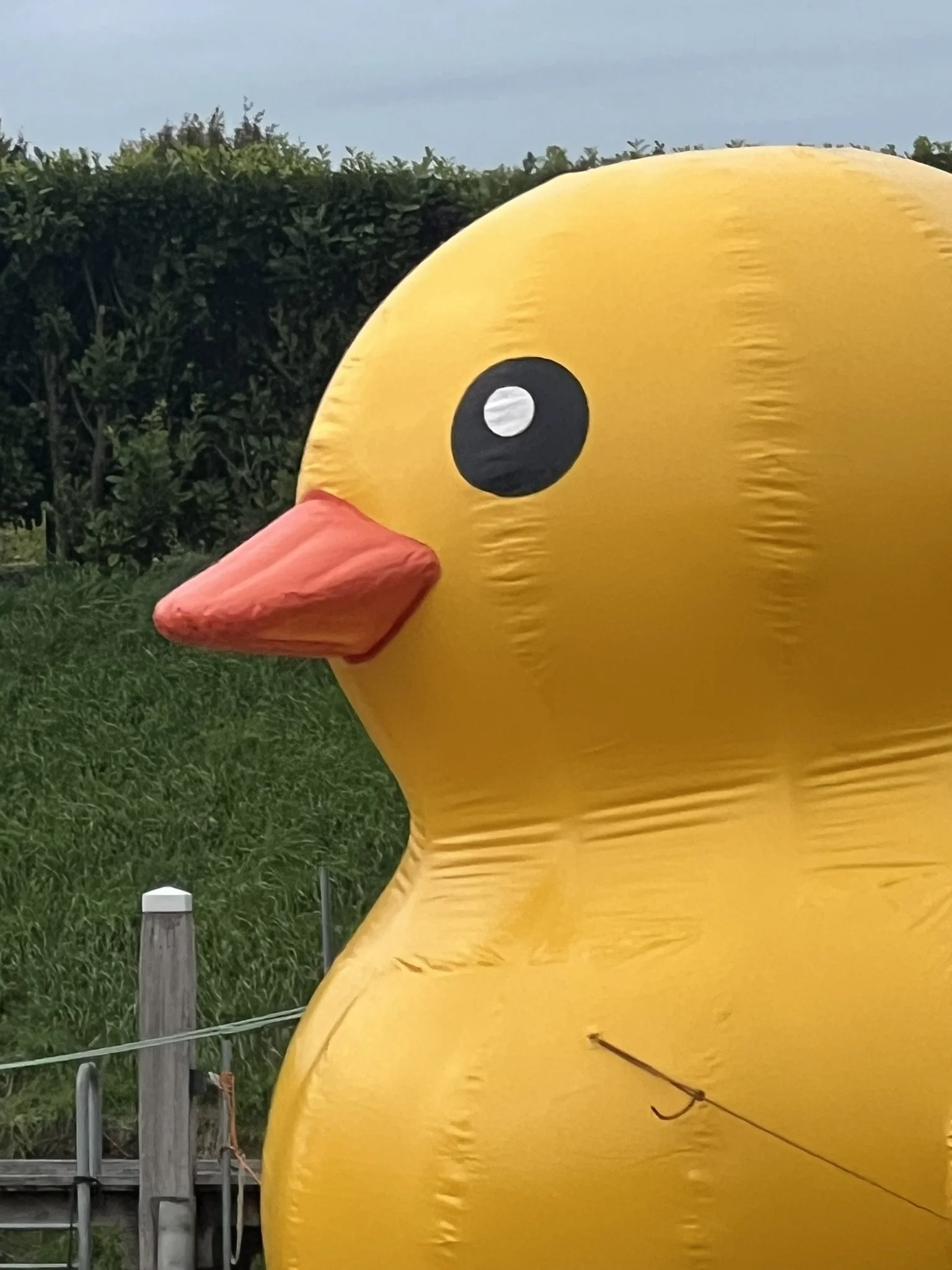
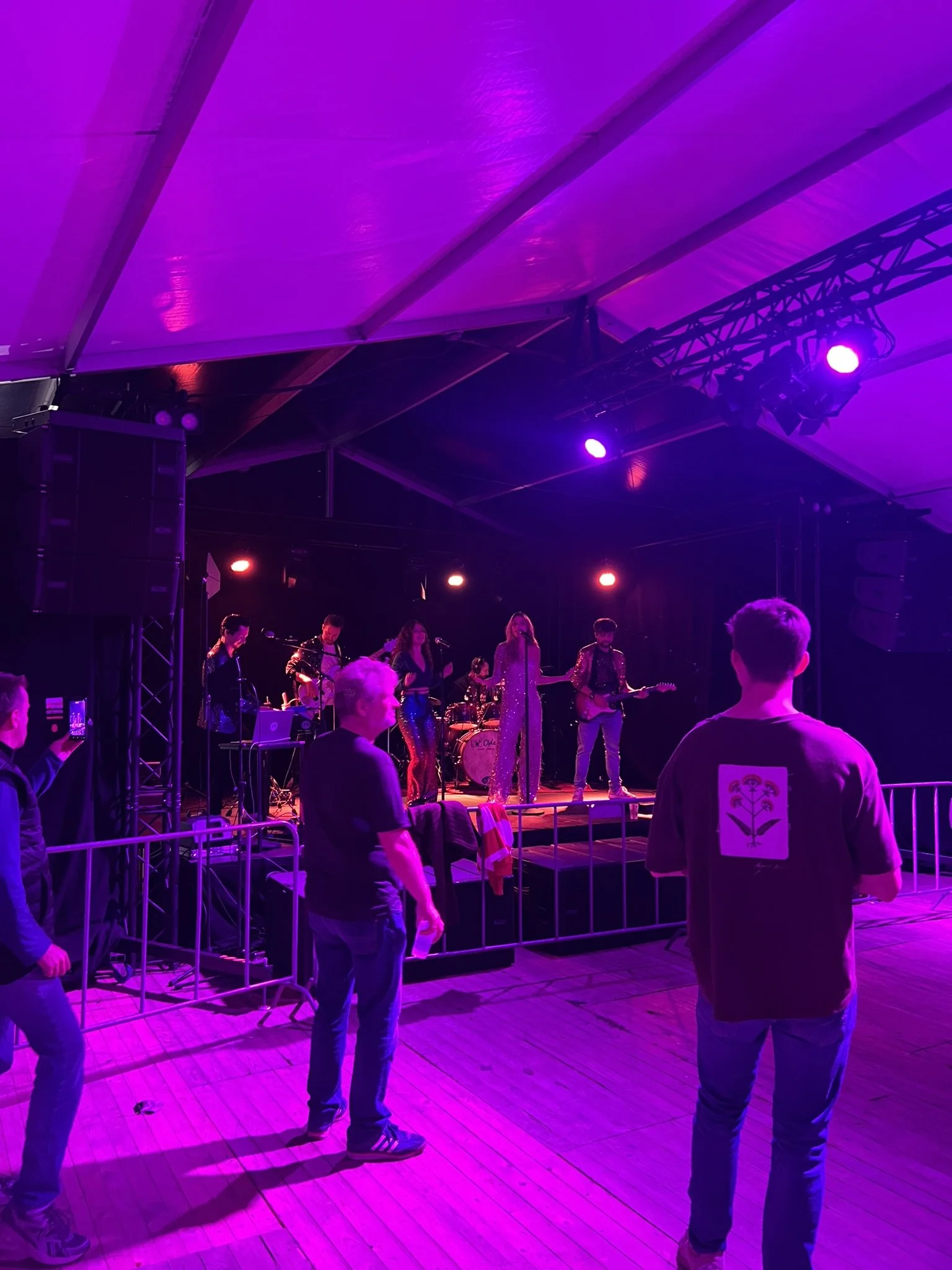
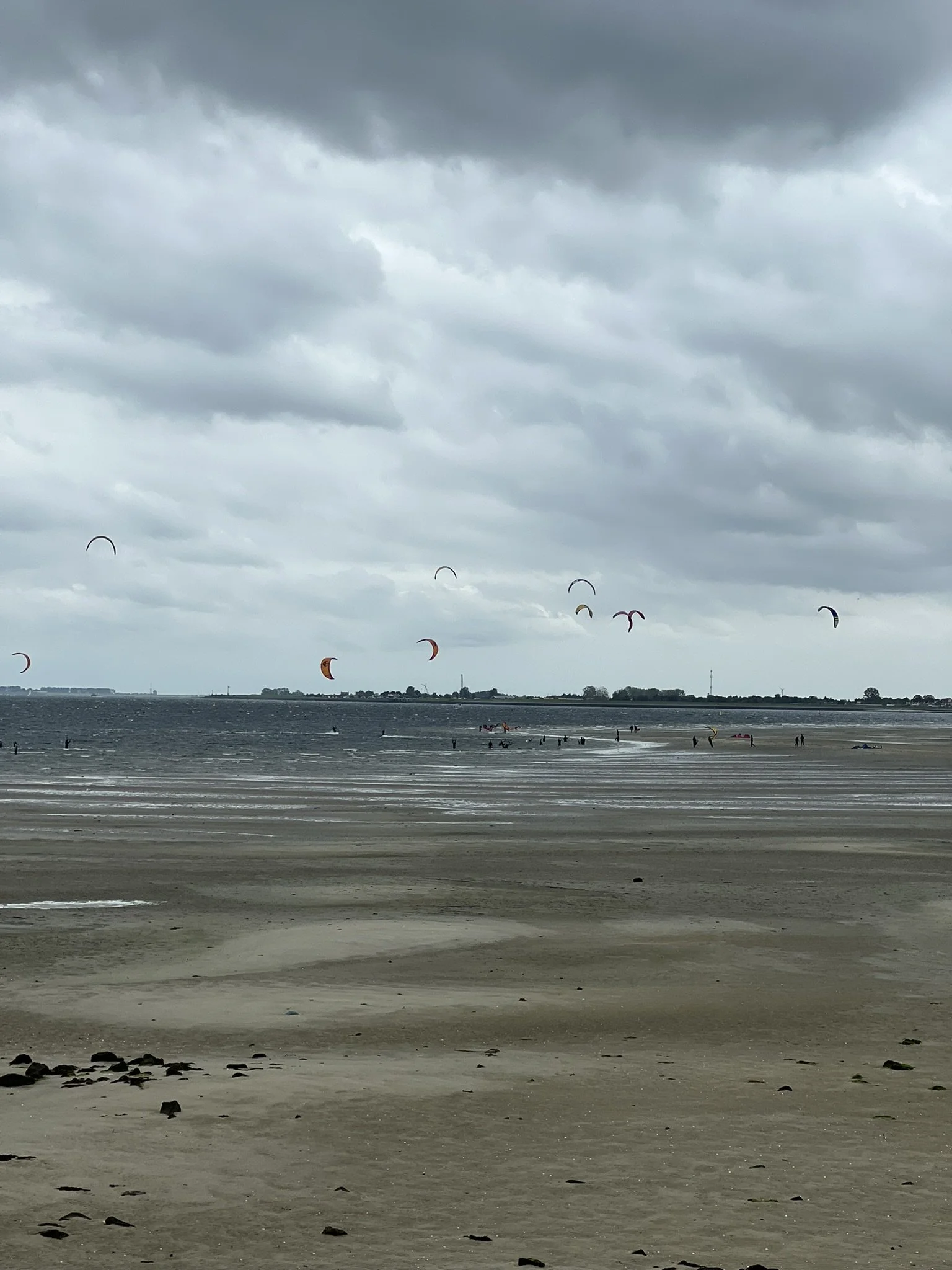
When we arrived, we found out that the town was hosting a ‘water sports weekend’, so we decided to join in on the fun. As with many other events we stumbled upon during our travels, it turned out to be a little smaller than we had expected. There were people out and about enjoying themselves, but the party tent wasn't particularly full, and people started heading home earlier than we thought they would. That said, they had really gone all out with the decorations and infrastructure!
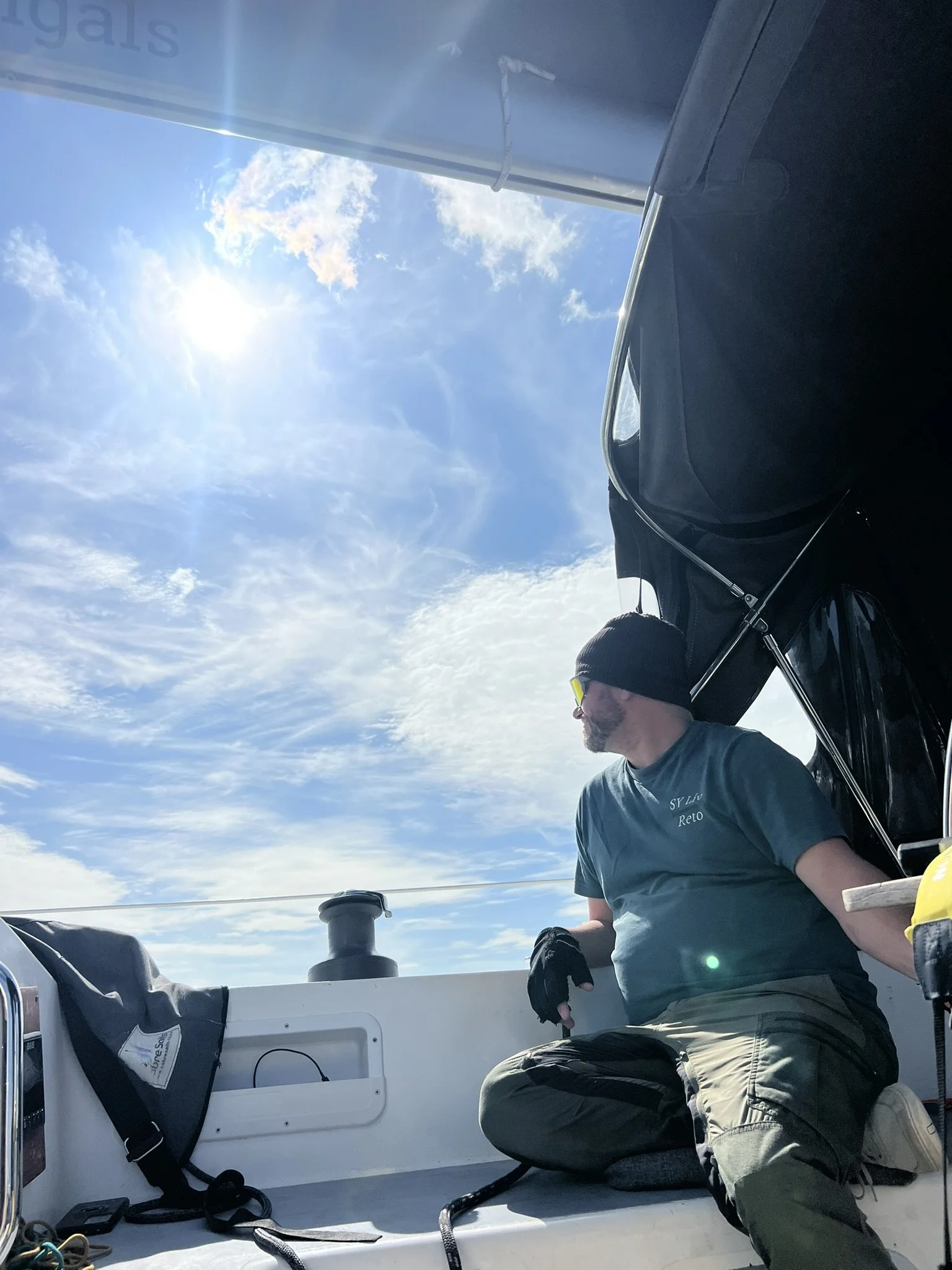
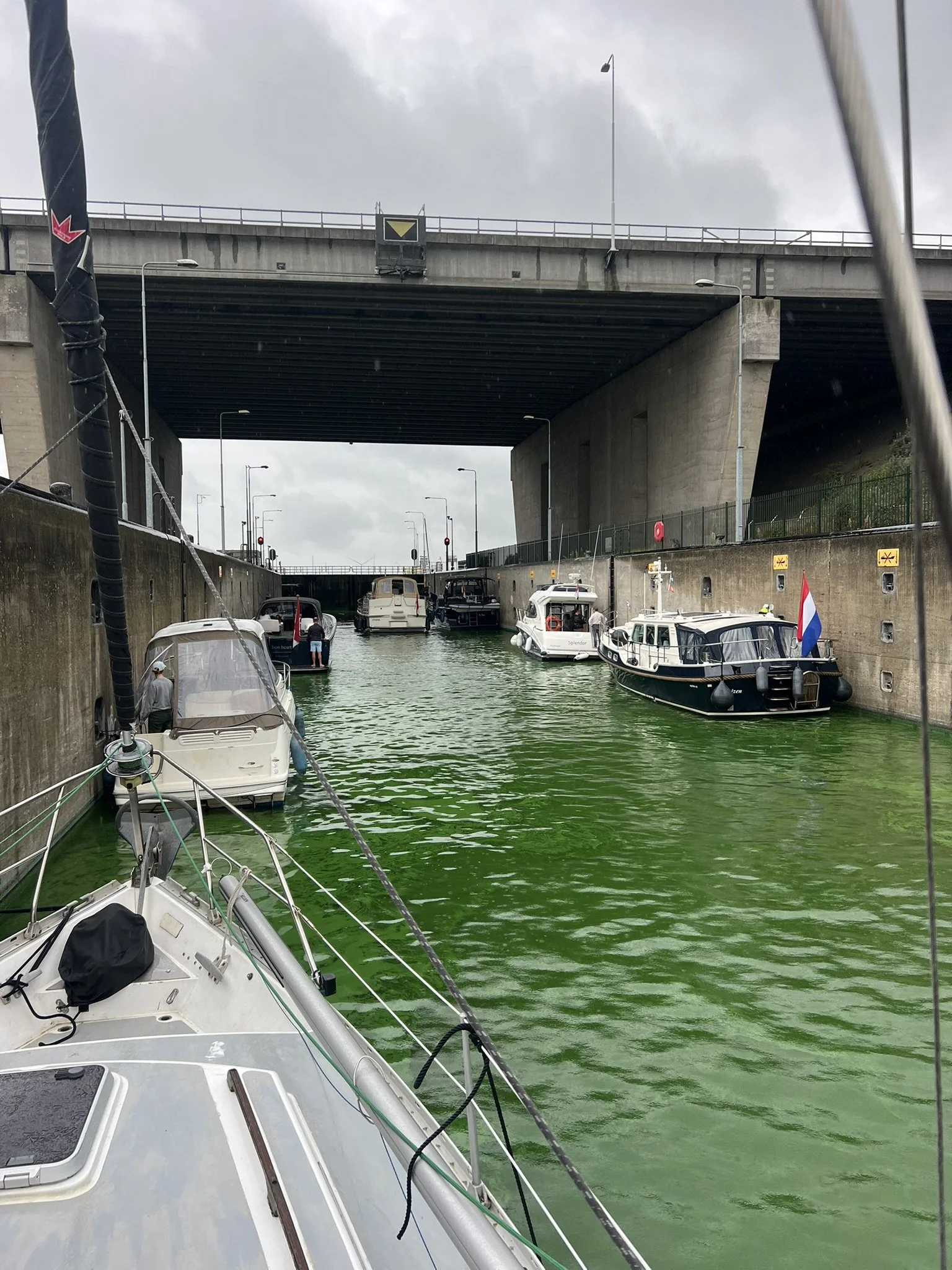
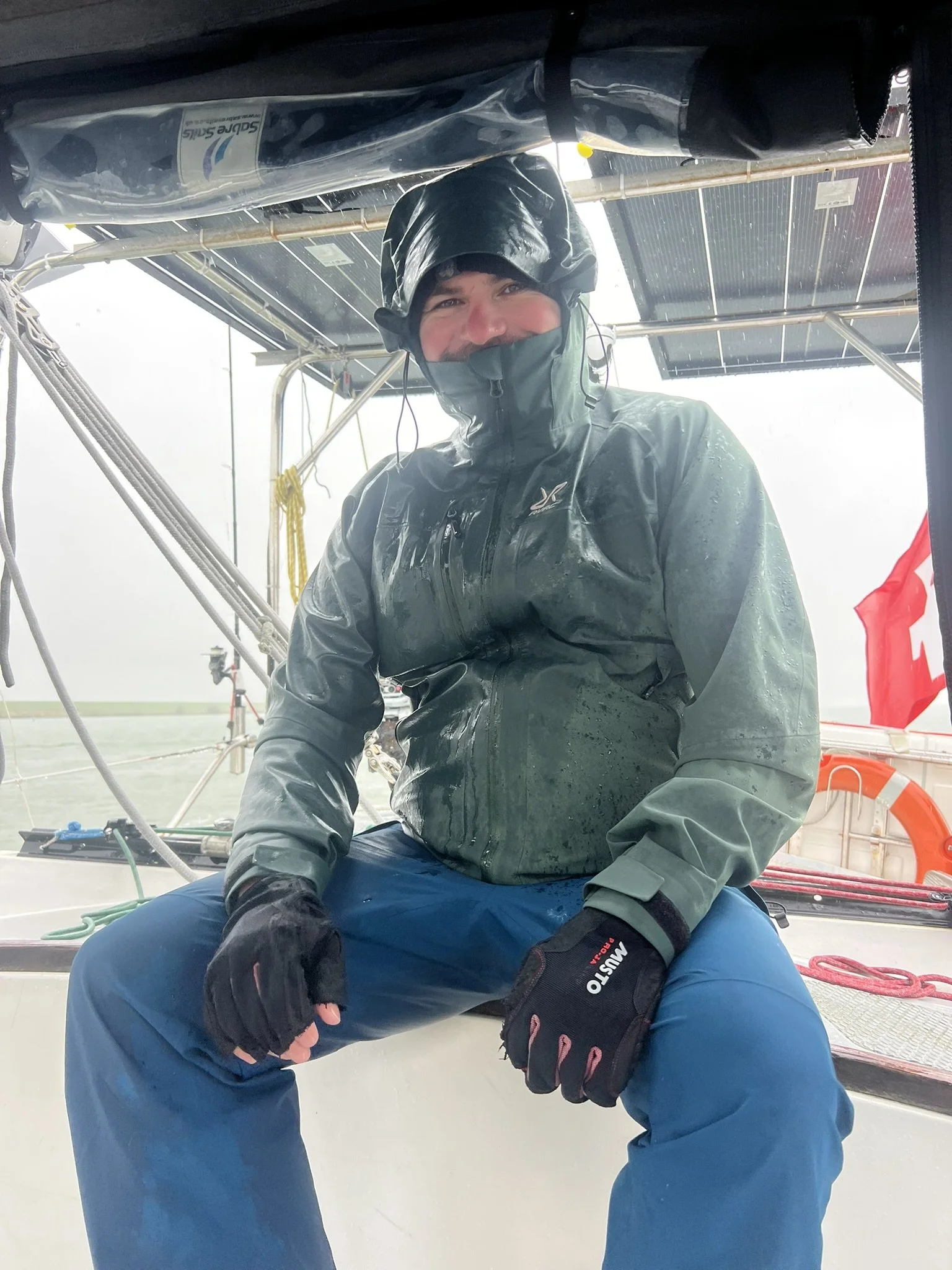
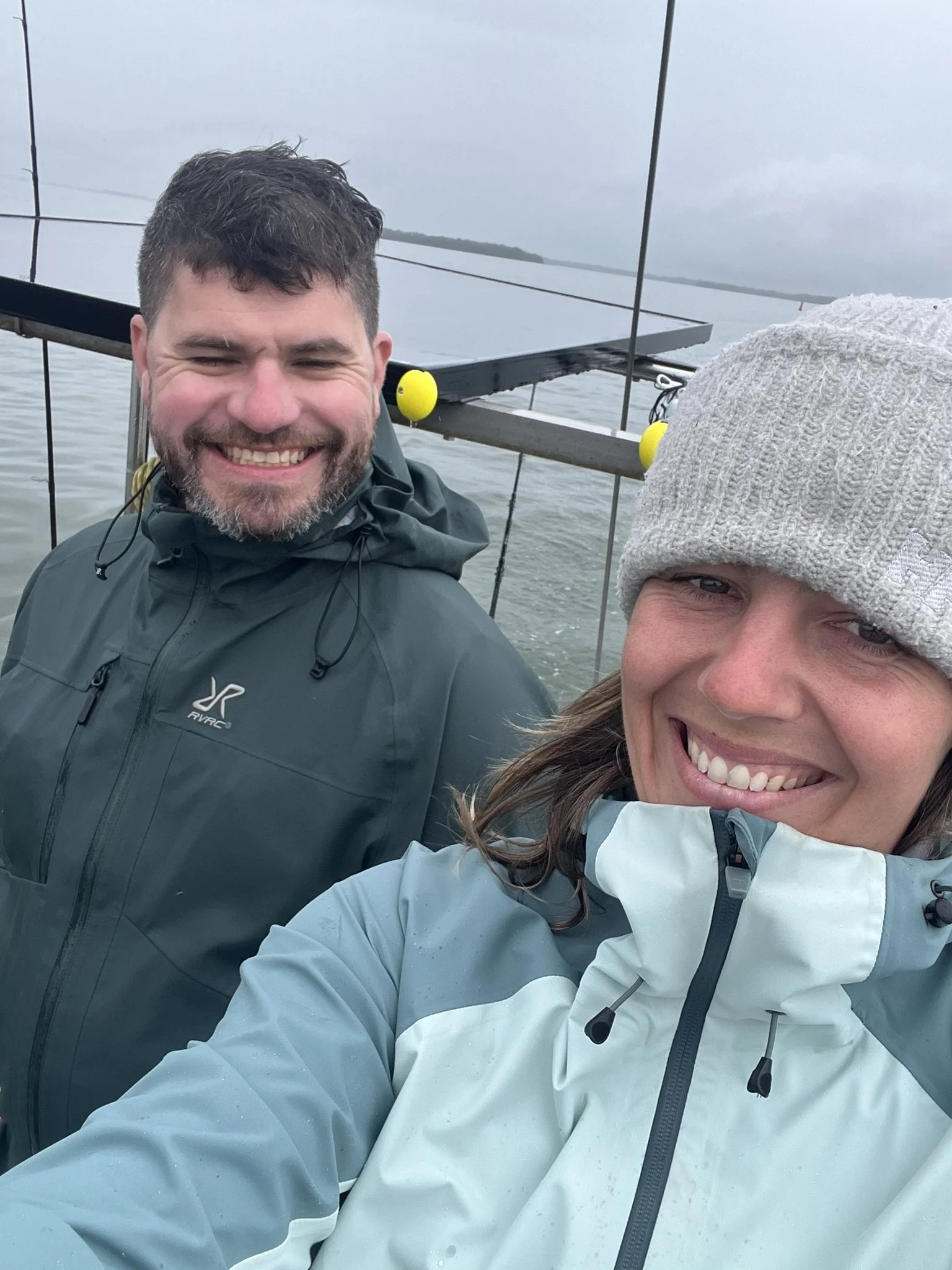
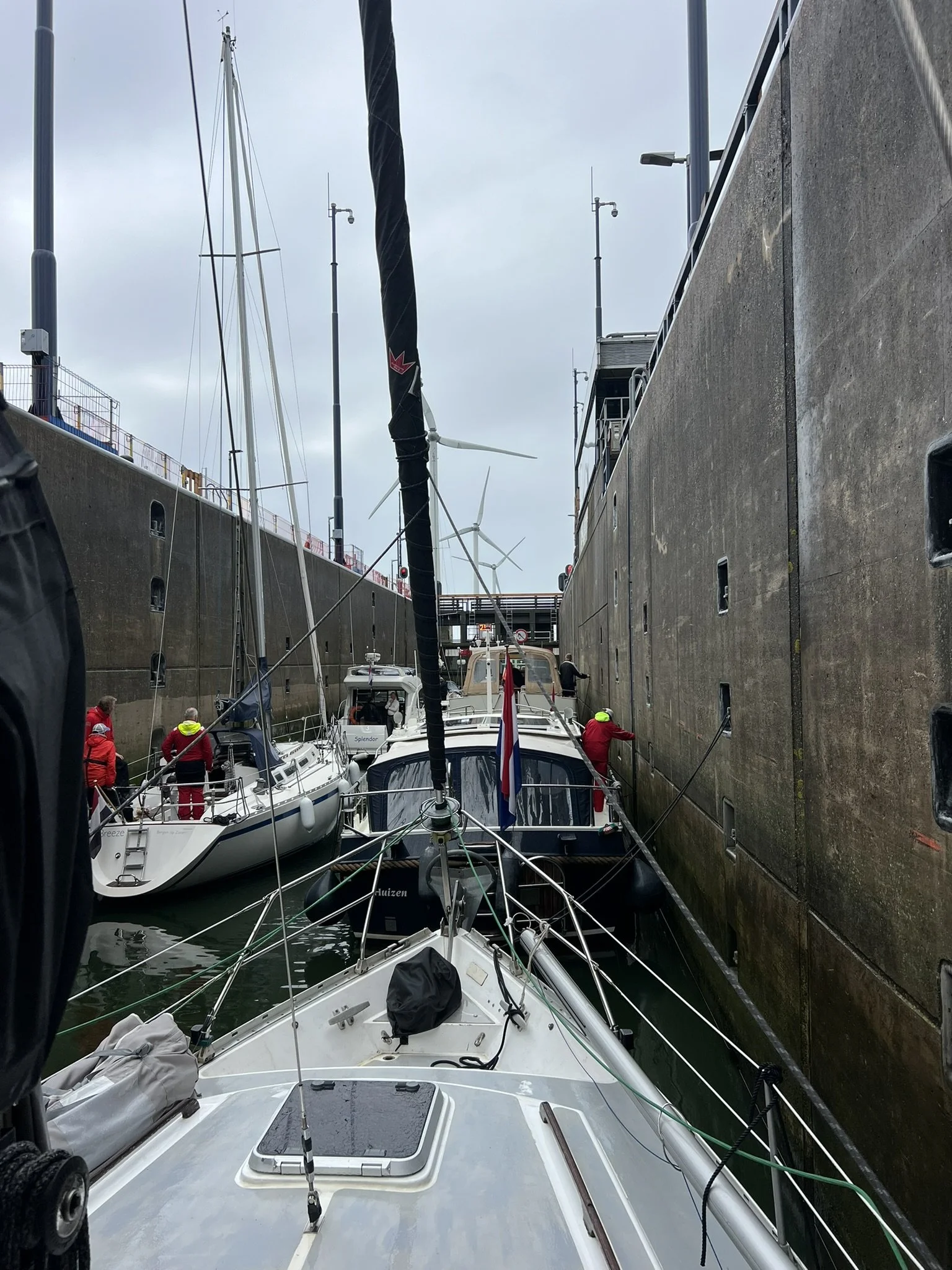
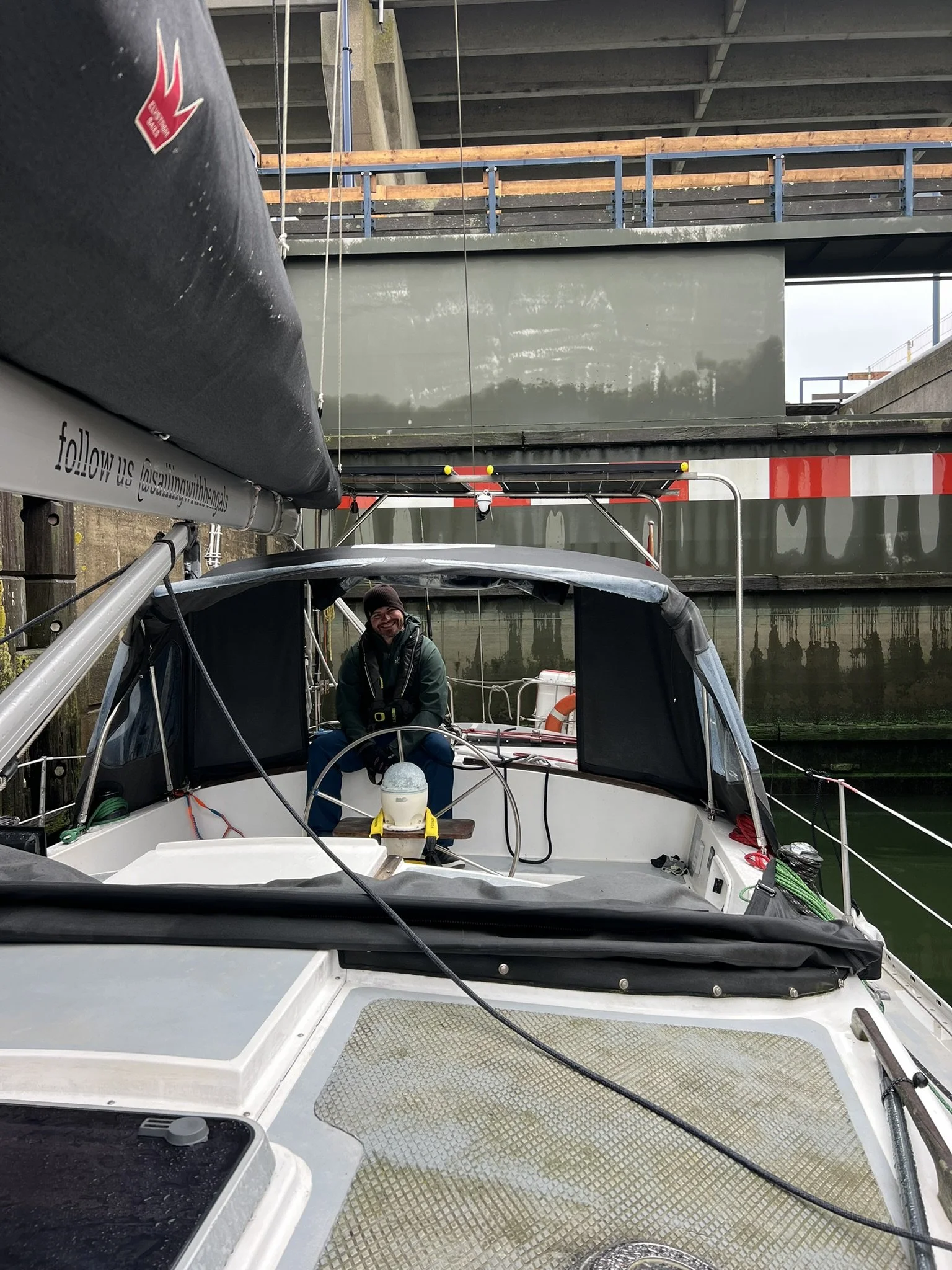
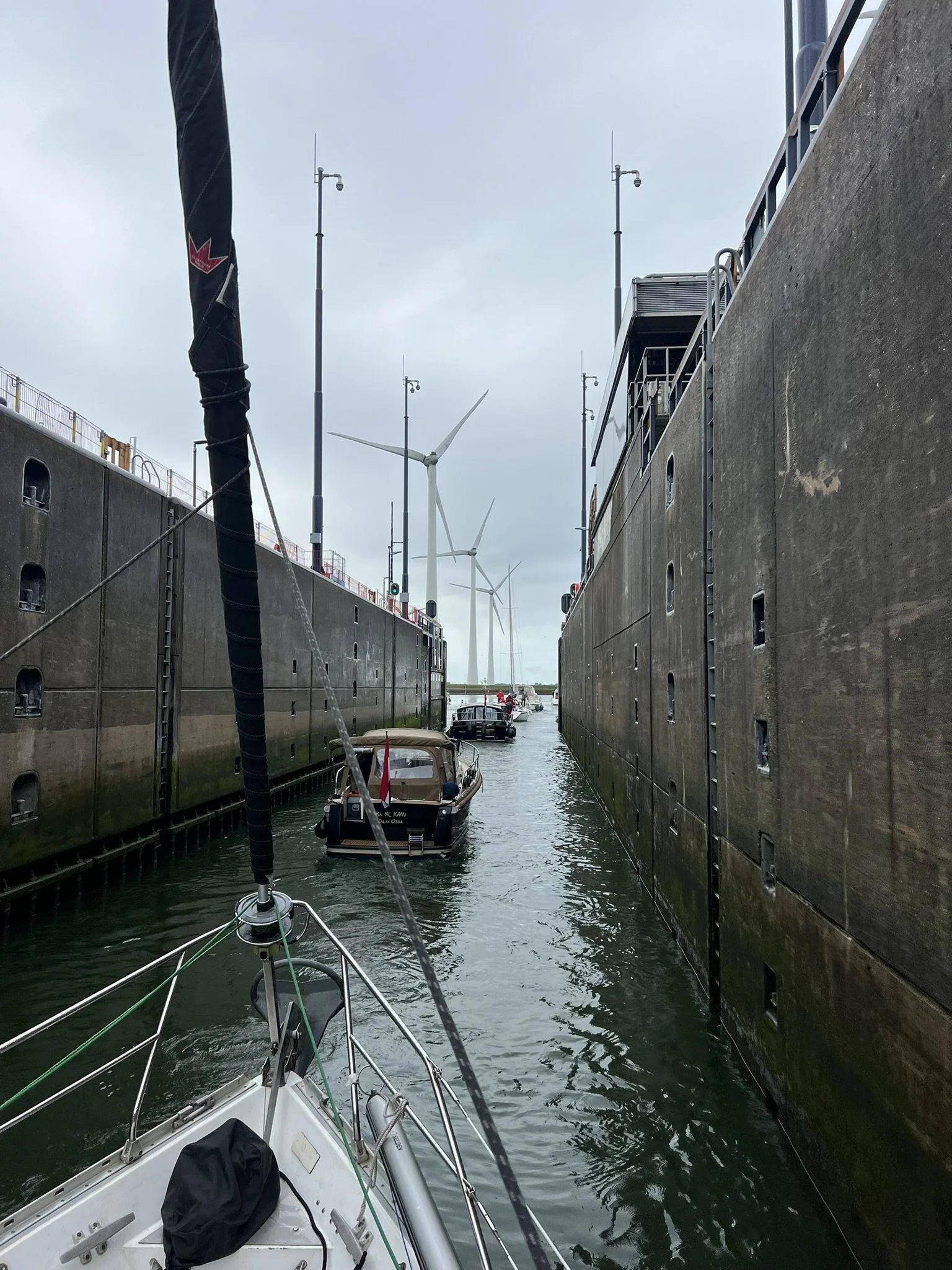
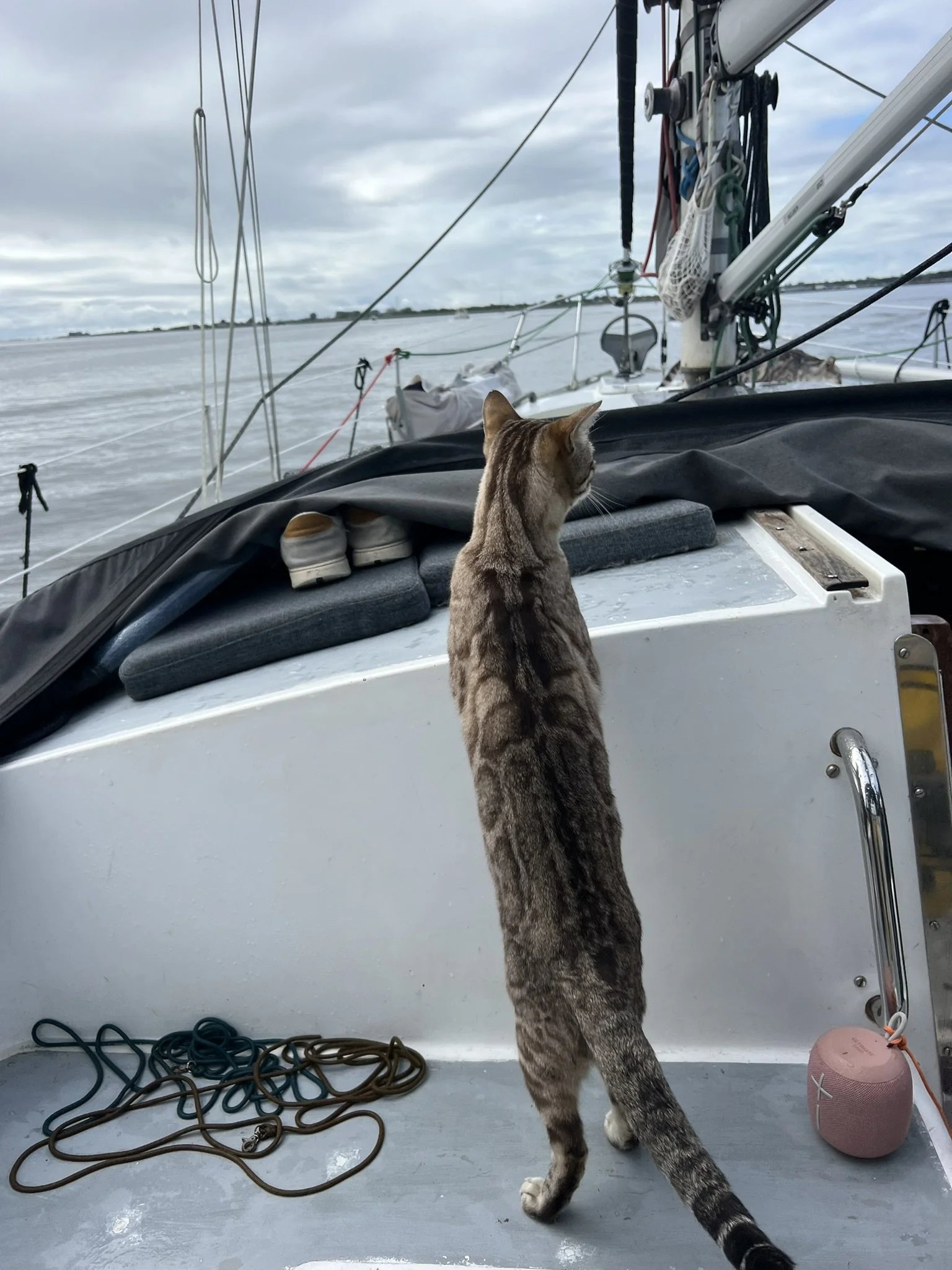
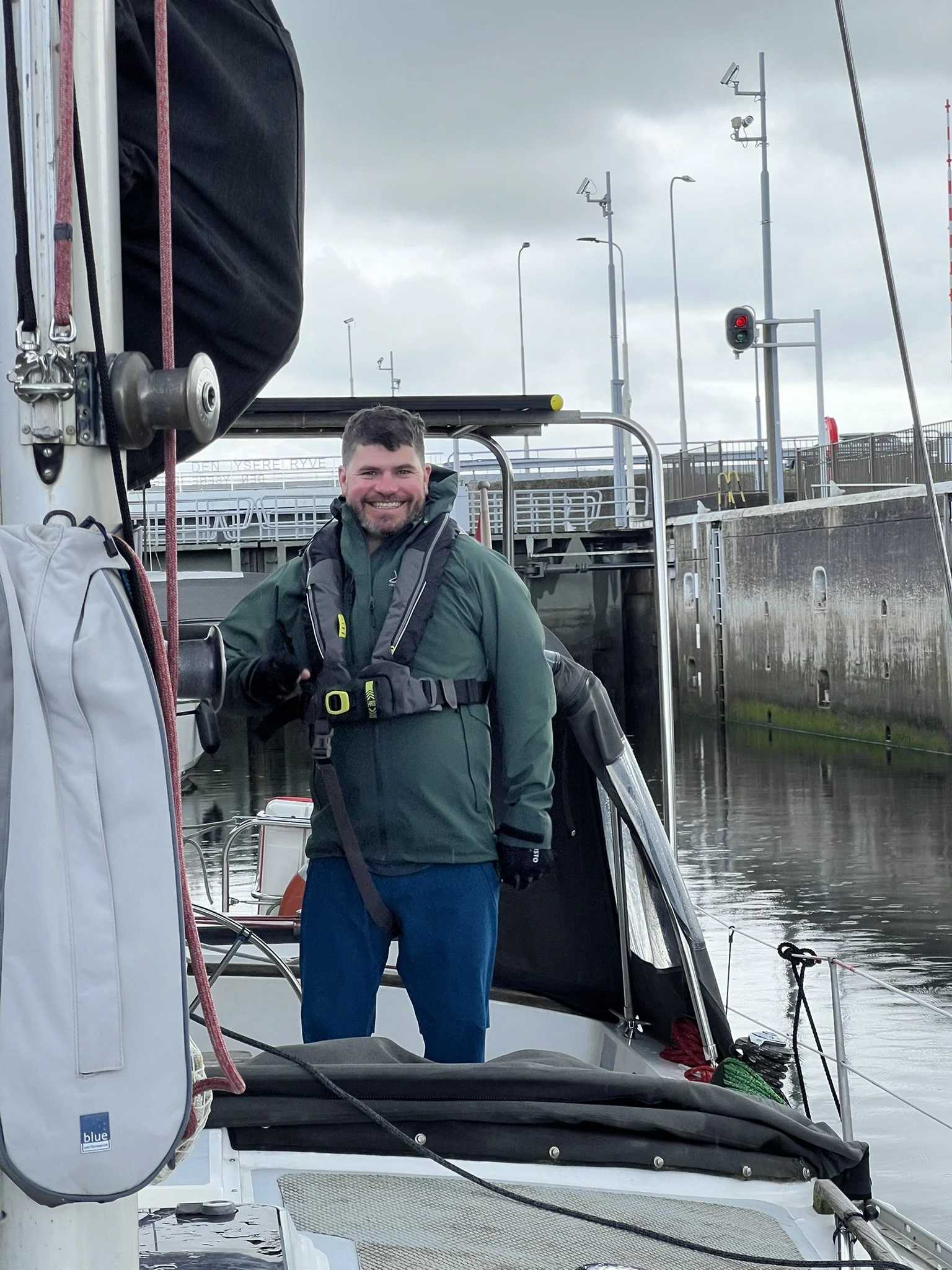
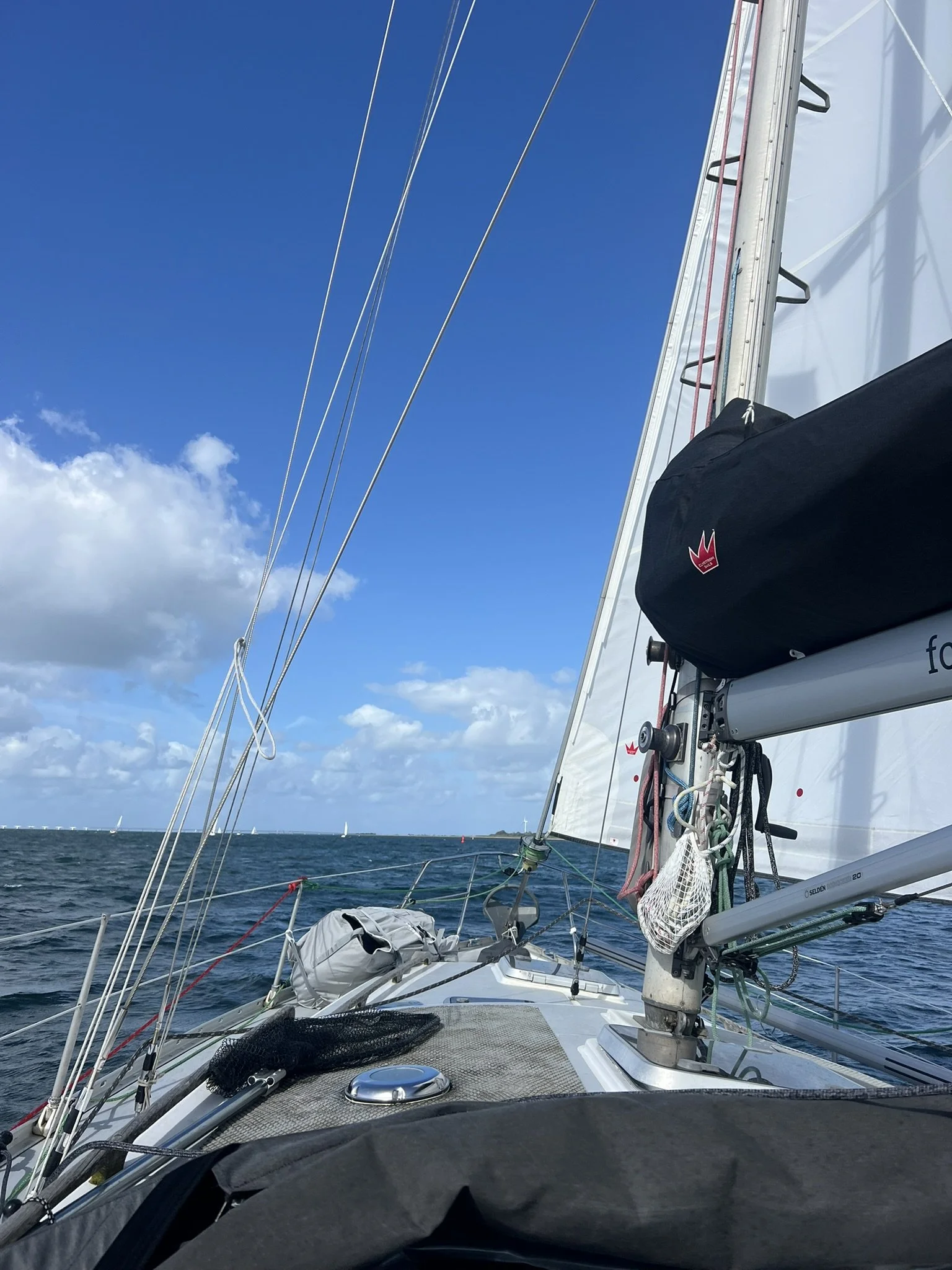
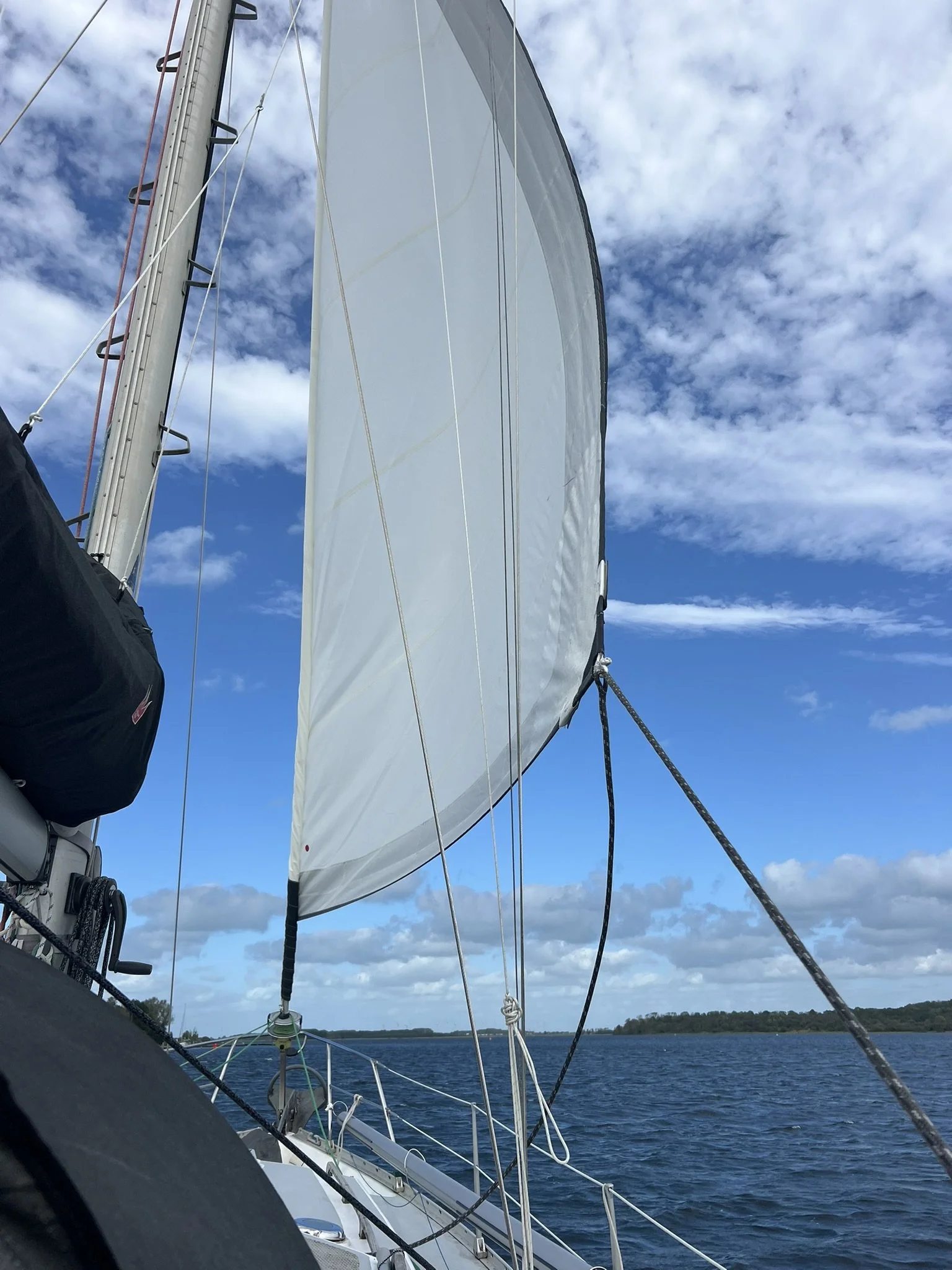
The next day, we finally pointed the bow towards Bruinisse, and we had a lot of fun on the way there. We spent quite some time talking about how nervous we had been when we first set off, and how much we have grown and learned since then. It was quite something to think about how far we had come, both in terms of distance and experience.
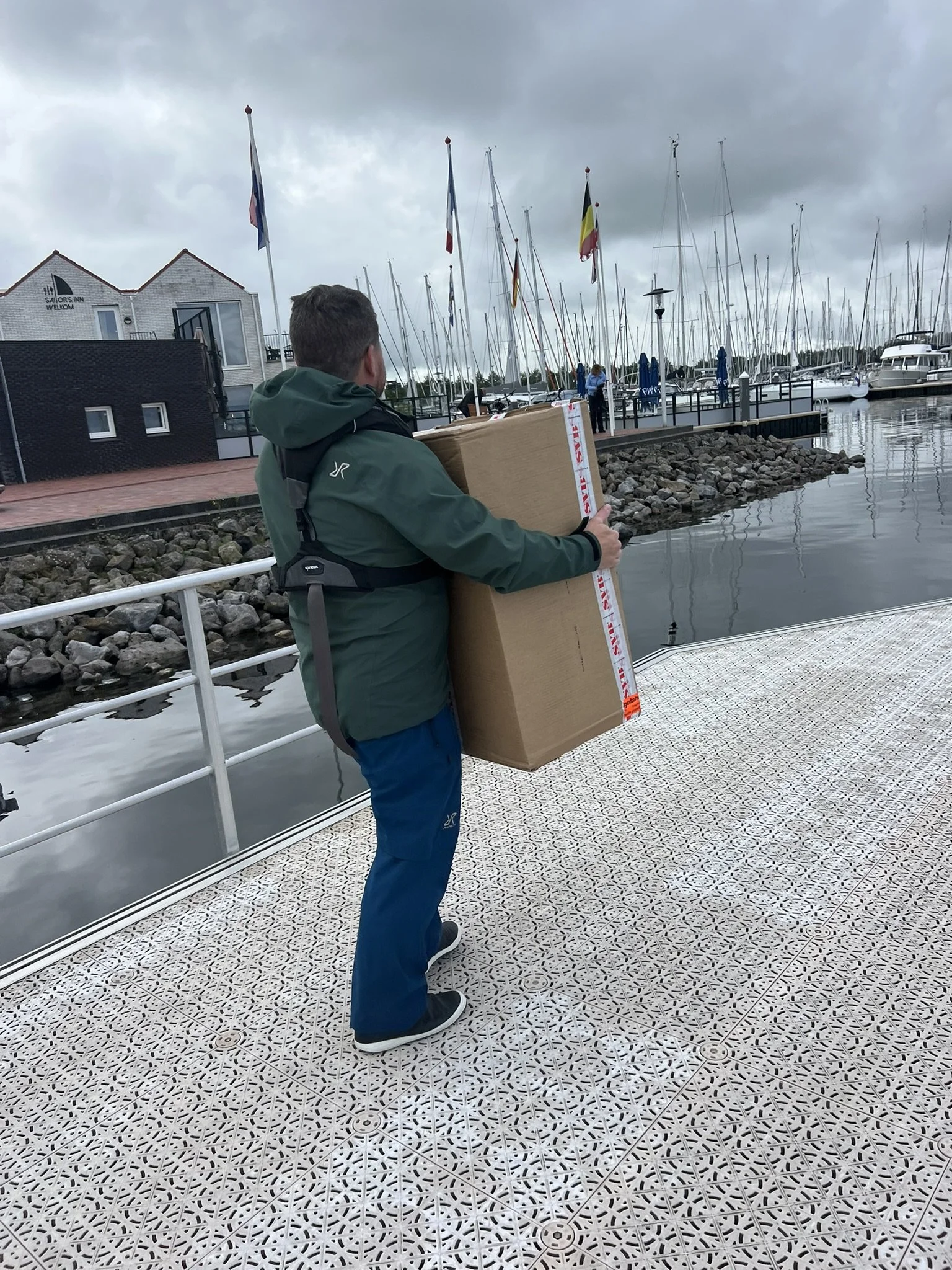
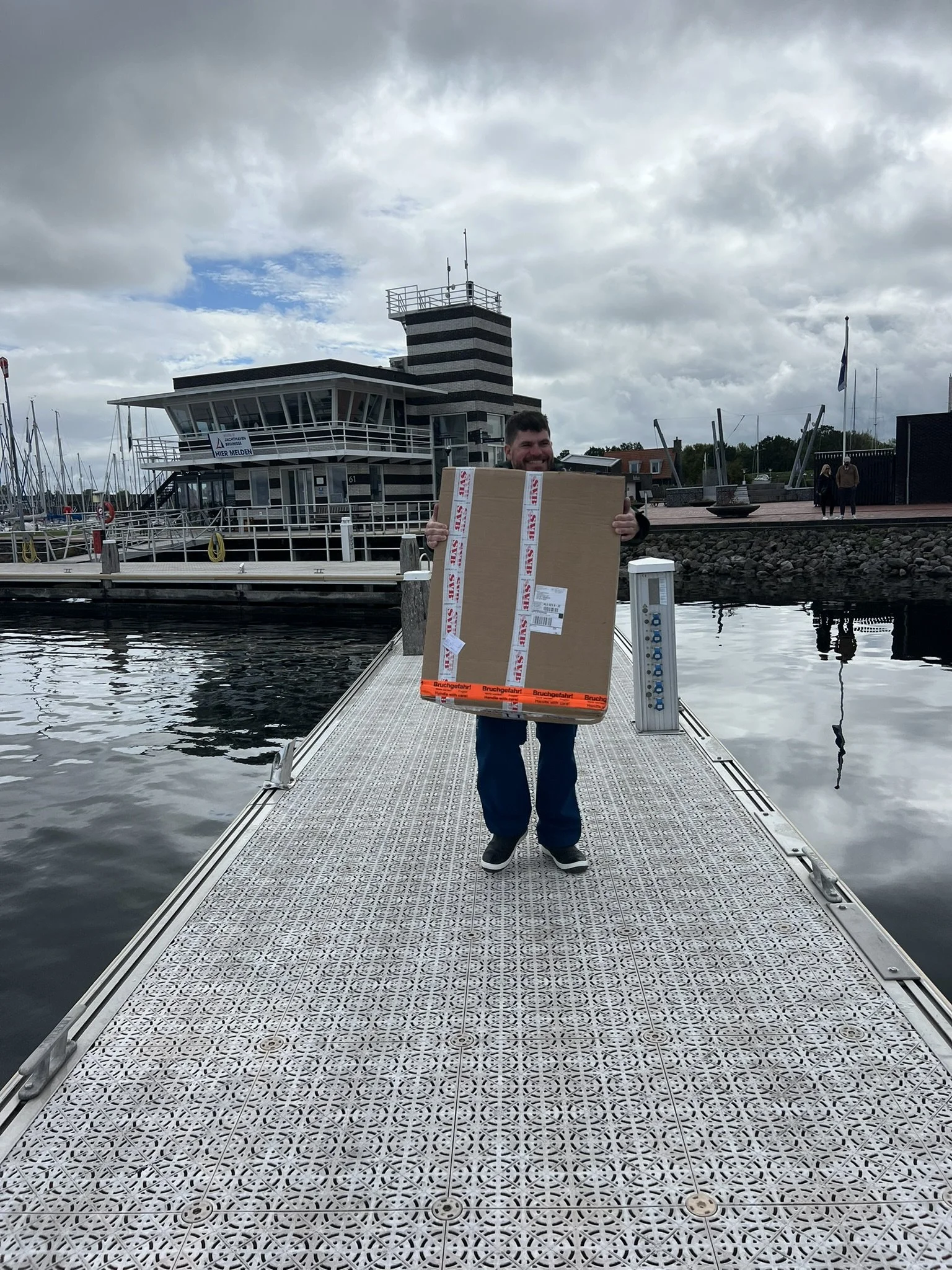
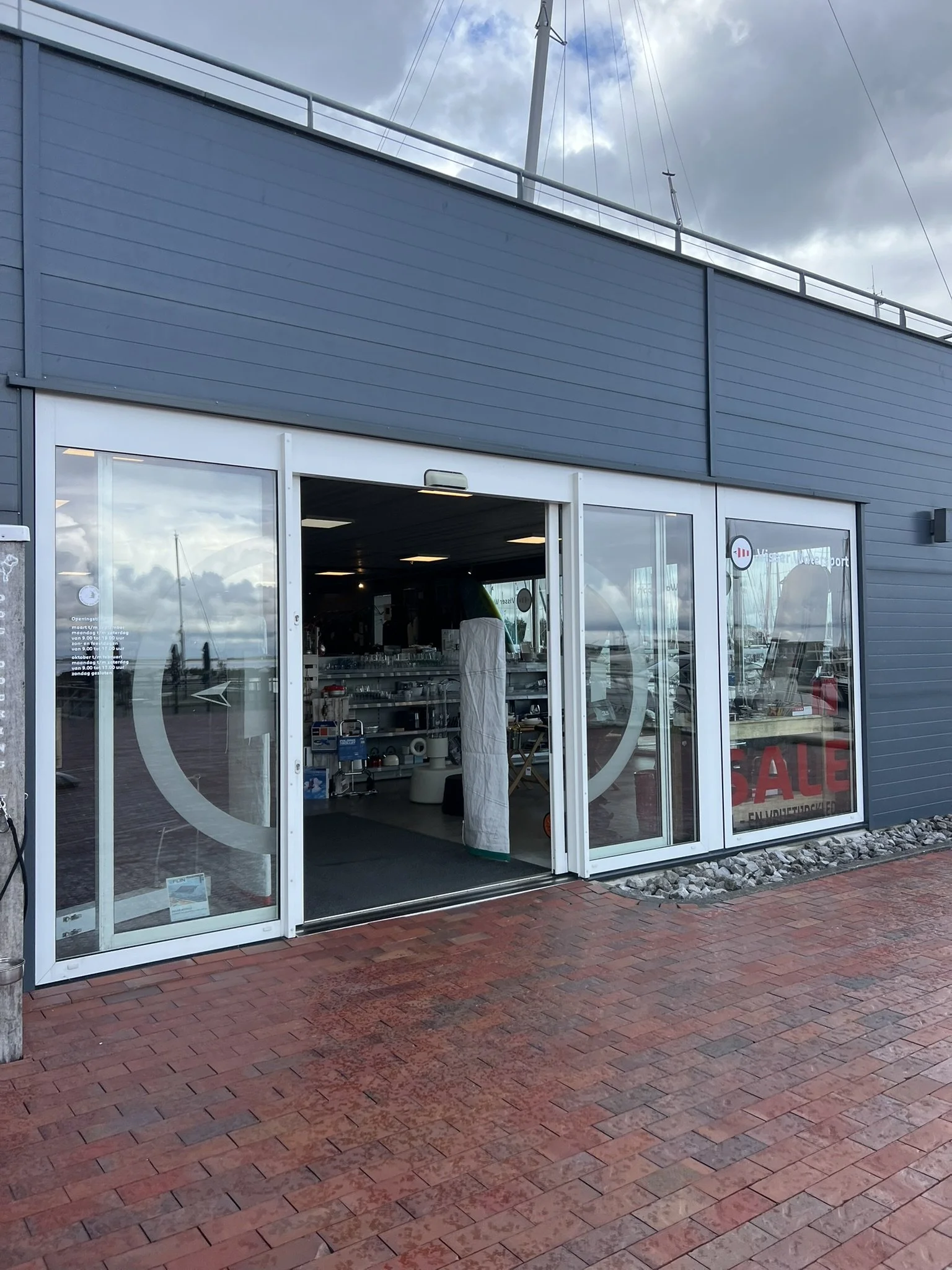
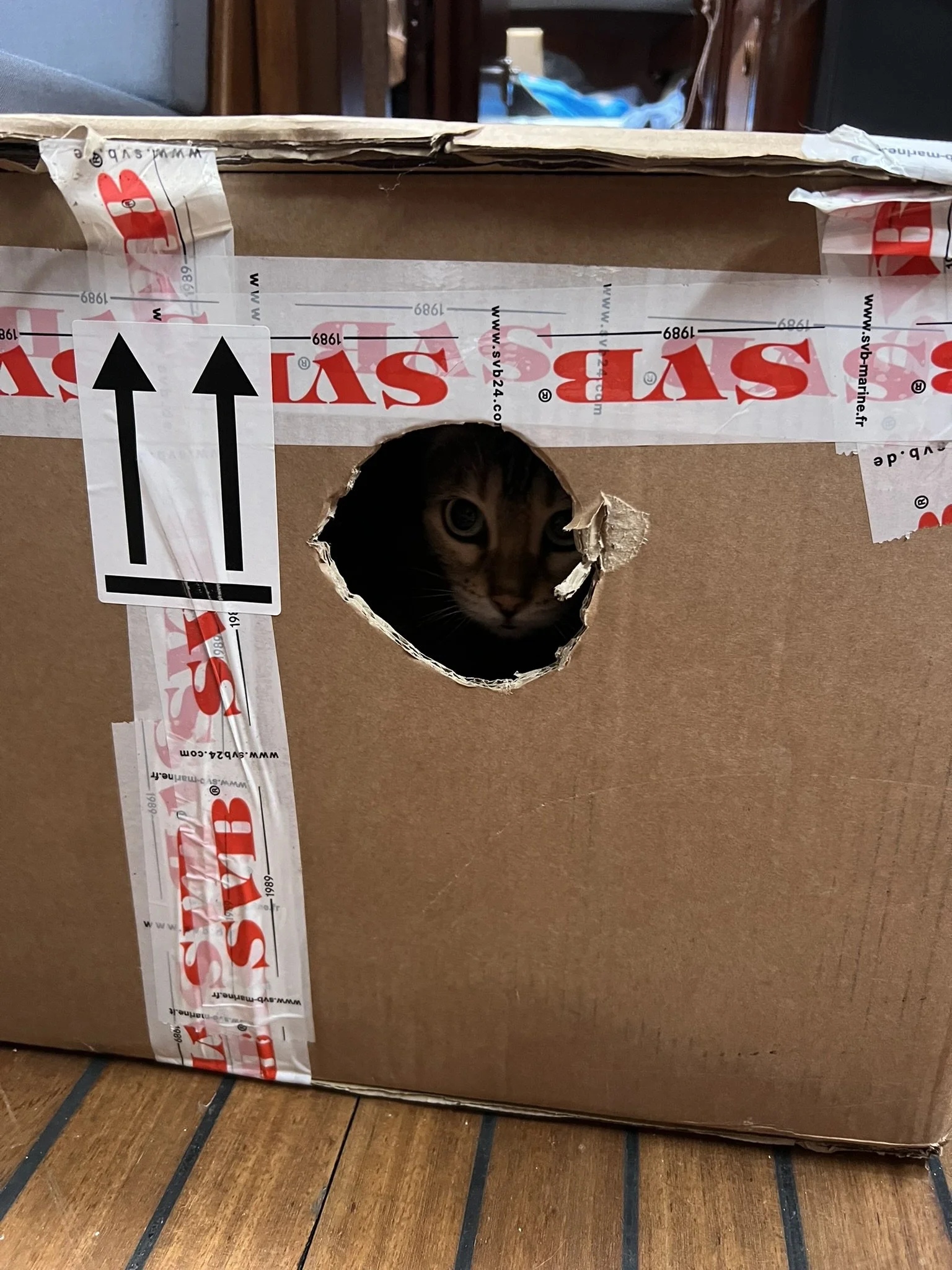
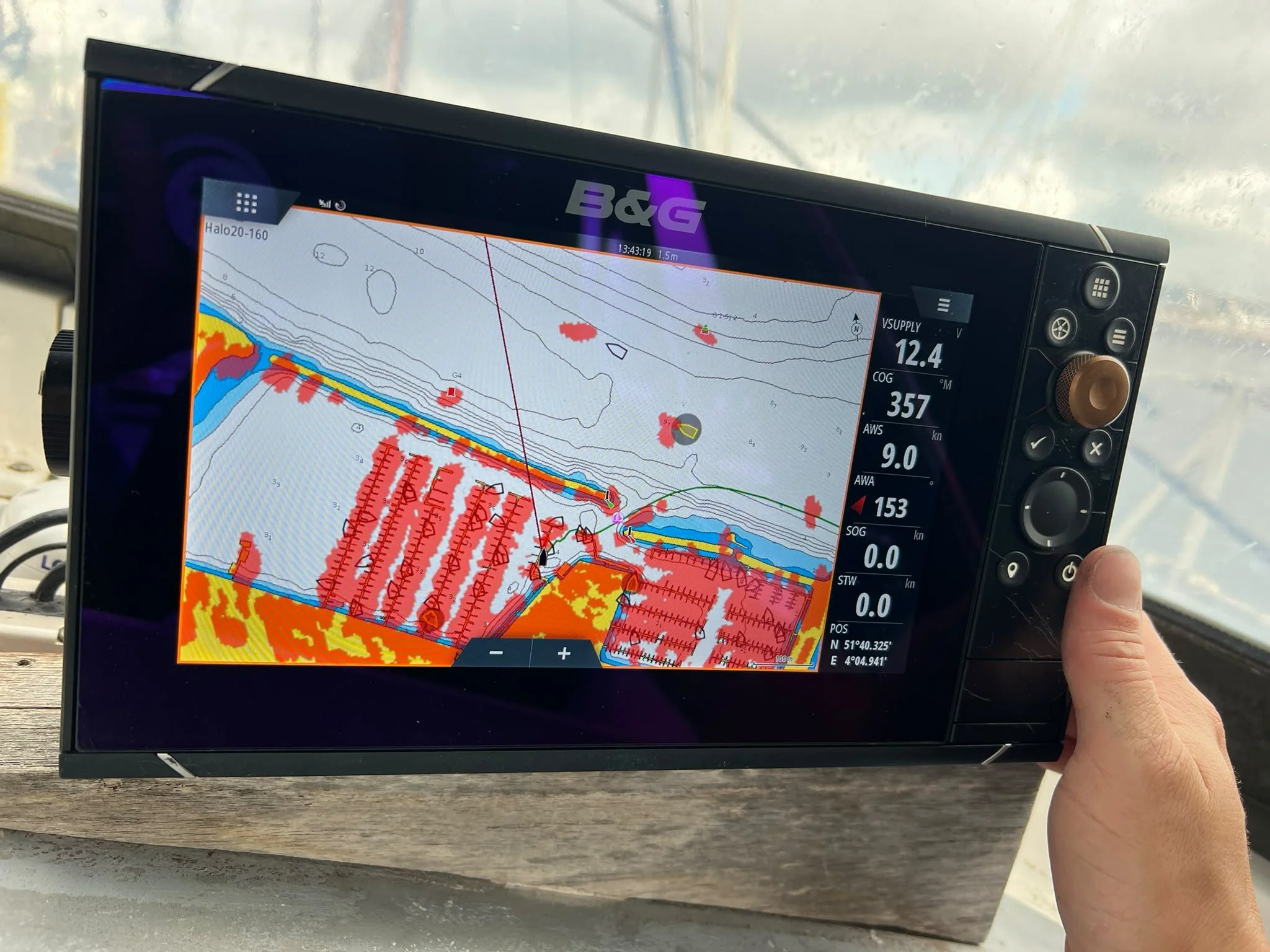
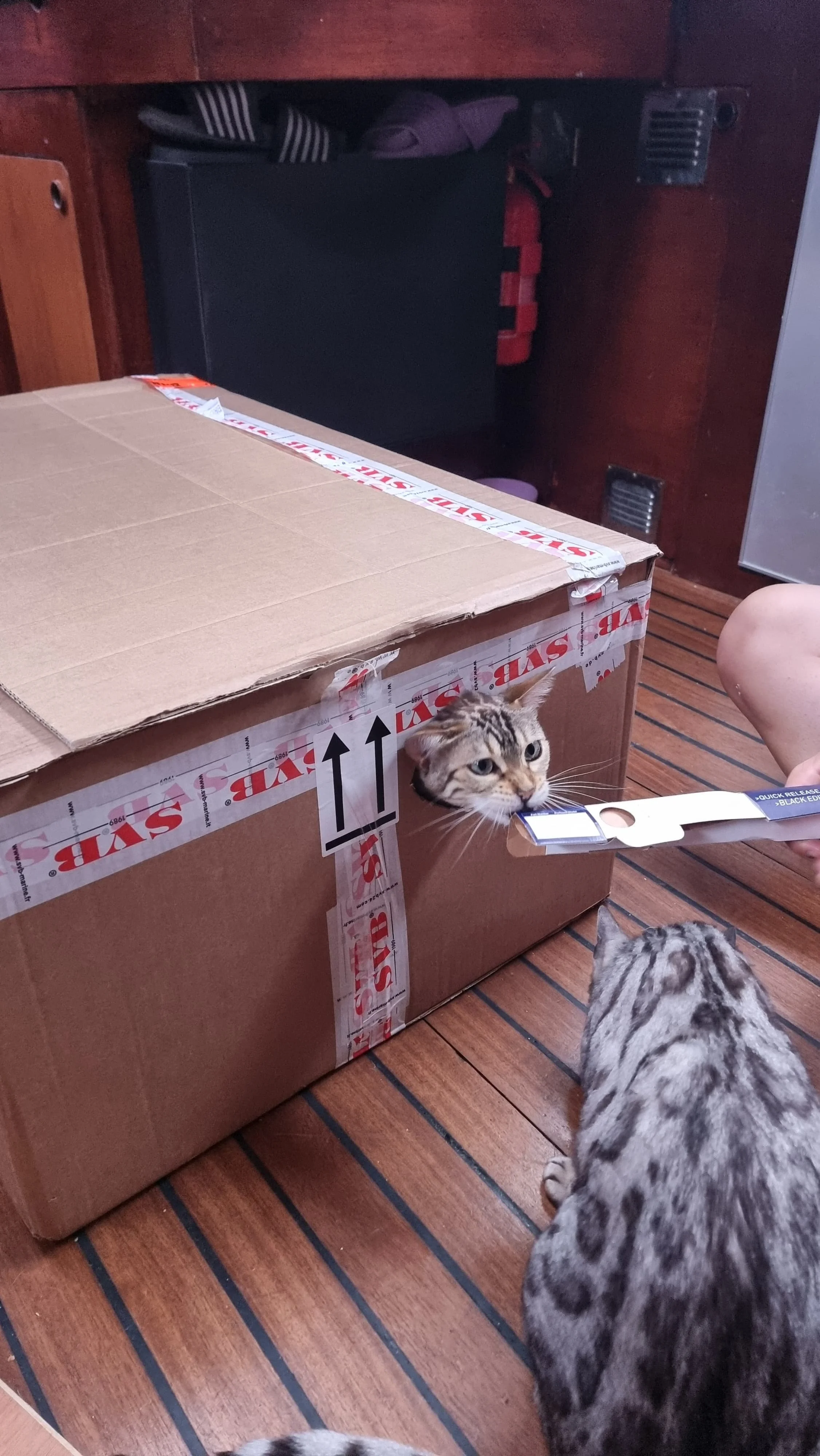
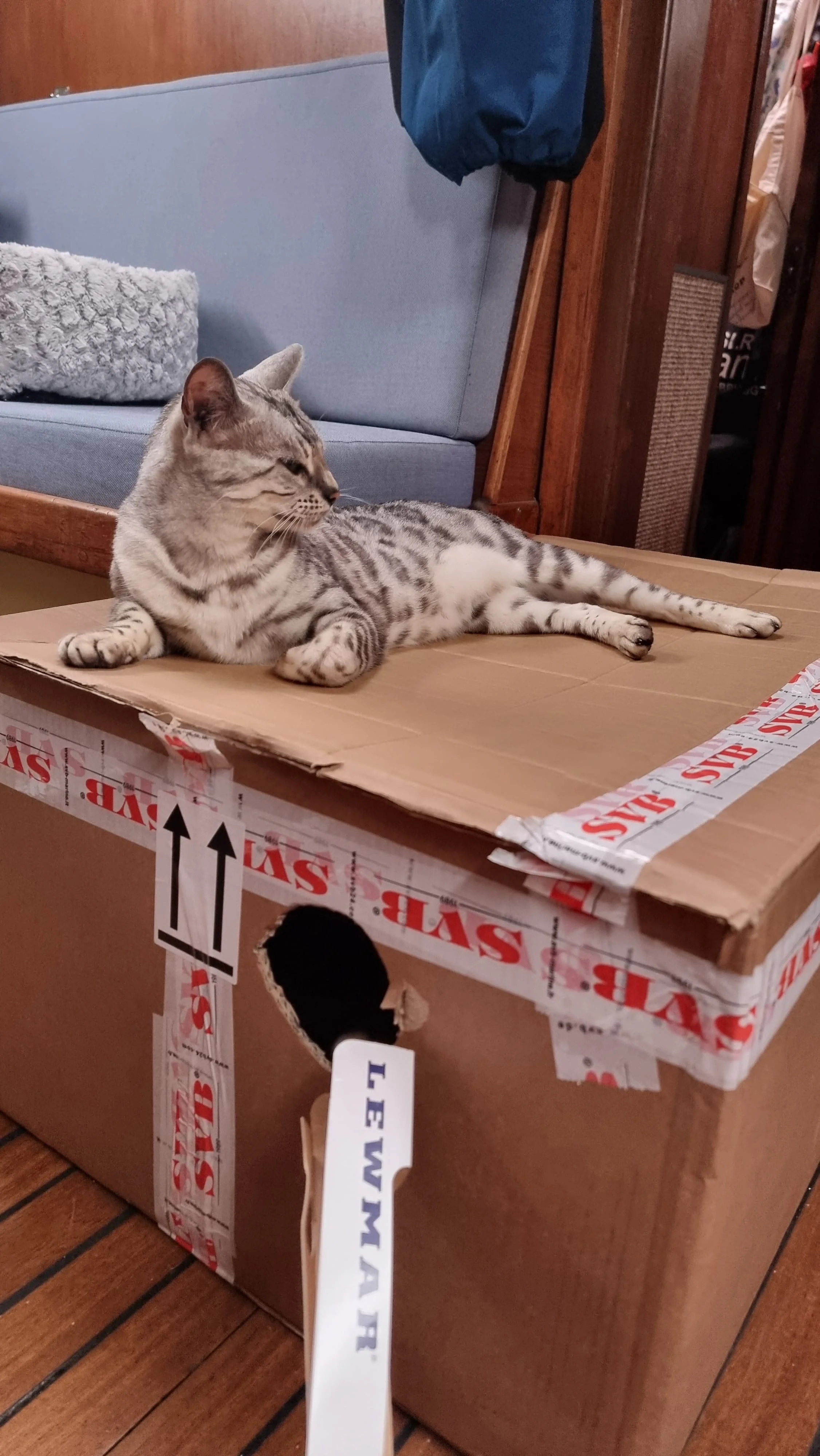
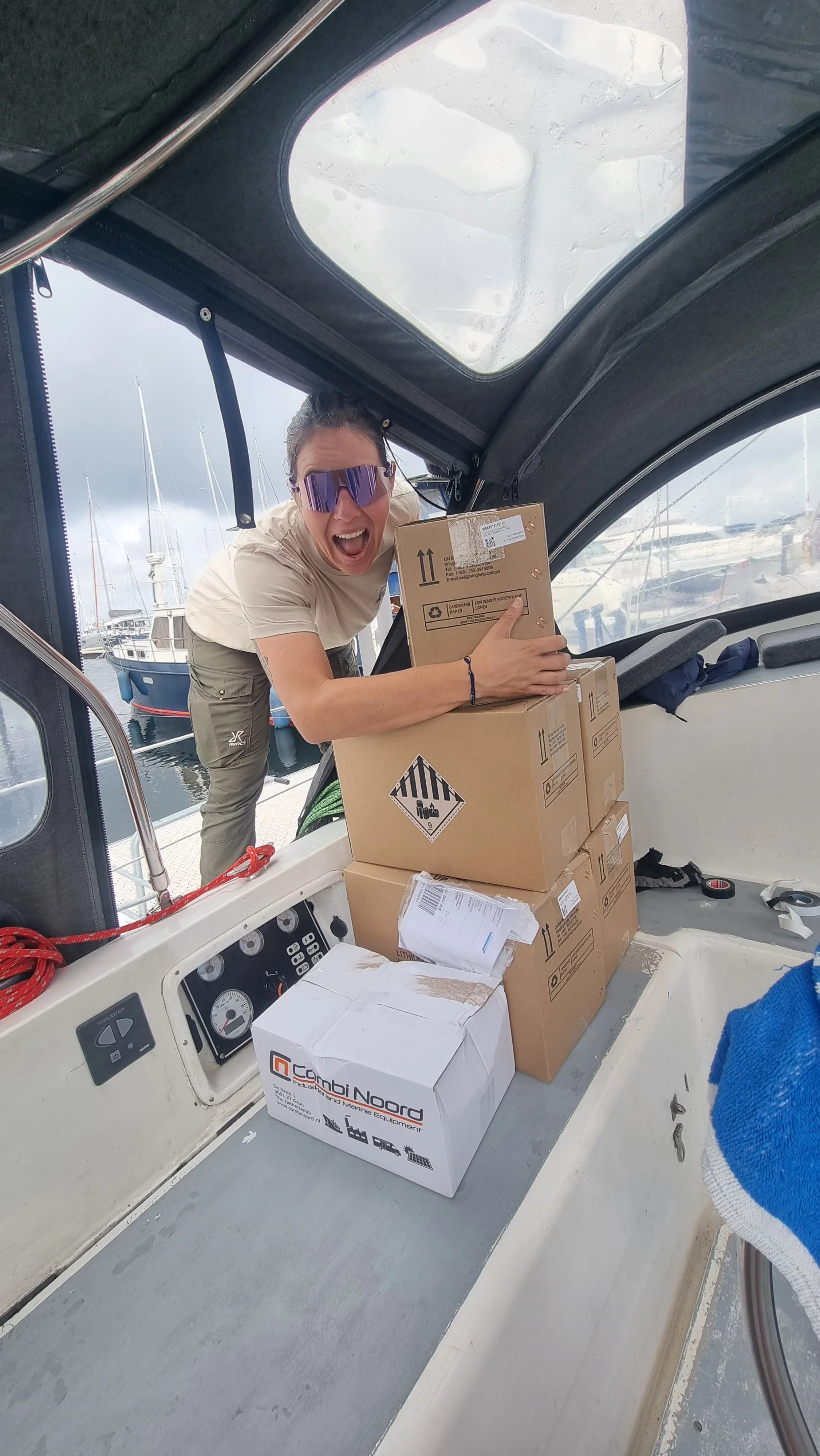
When we arrived at ‘our’ marina, we already had a package waiting for us. We had ordered it while we were still in Amsterdam, and it contained our new radar as well as a few other bits and pieces. But before even unpacking everything, we headed straight to our favourite boat shop, Visser Watersport.
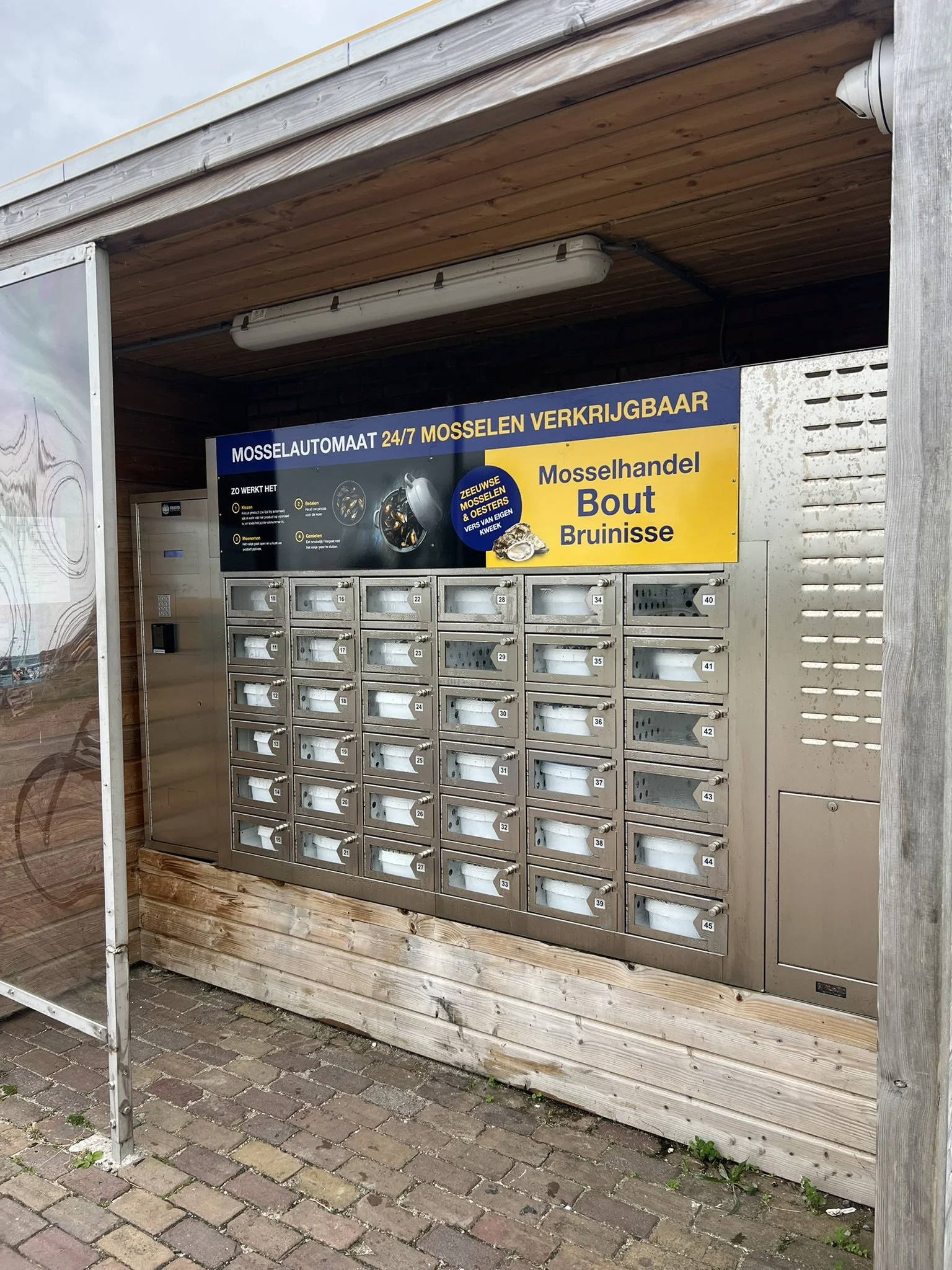
The employees all remembered us and were excited to hear about our adventures. Since we had a few bigger projects planned, and knew that Bruinisse had a well-equipped chandlery, we had already decided to stay for a few days. And we really enjoyed being back ‘home’. We love the community there, and it felt so good to walk into the shops again and see so many familiar faces.
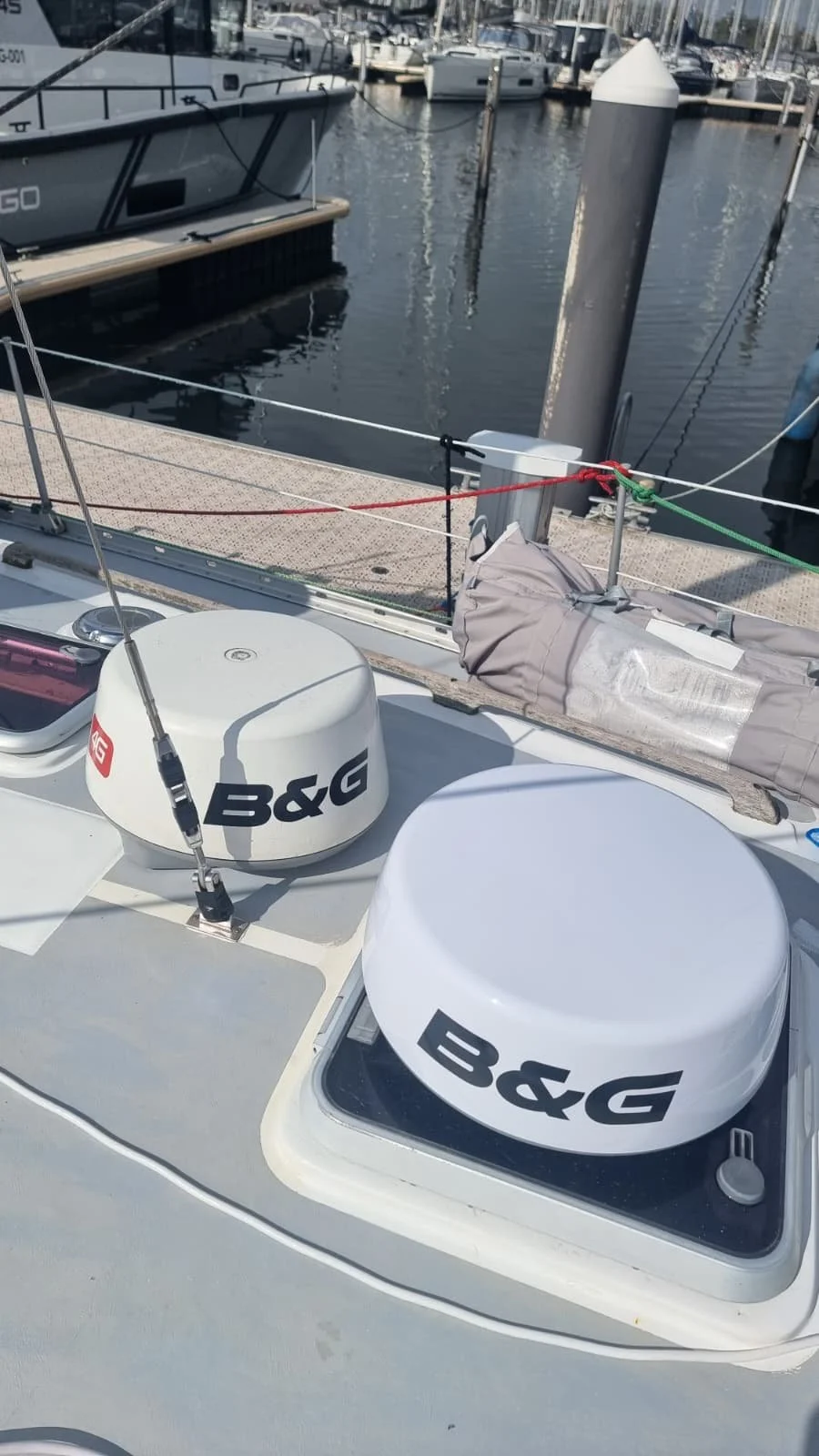
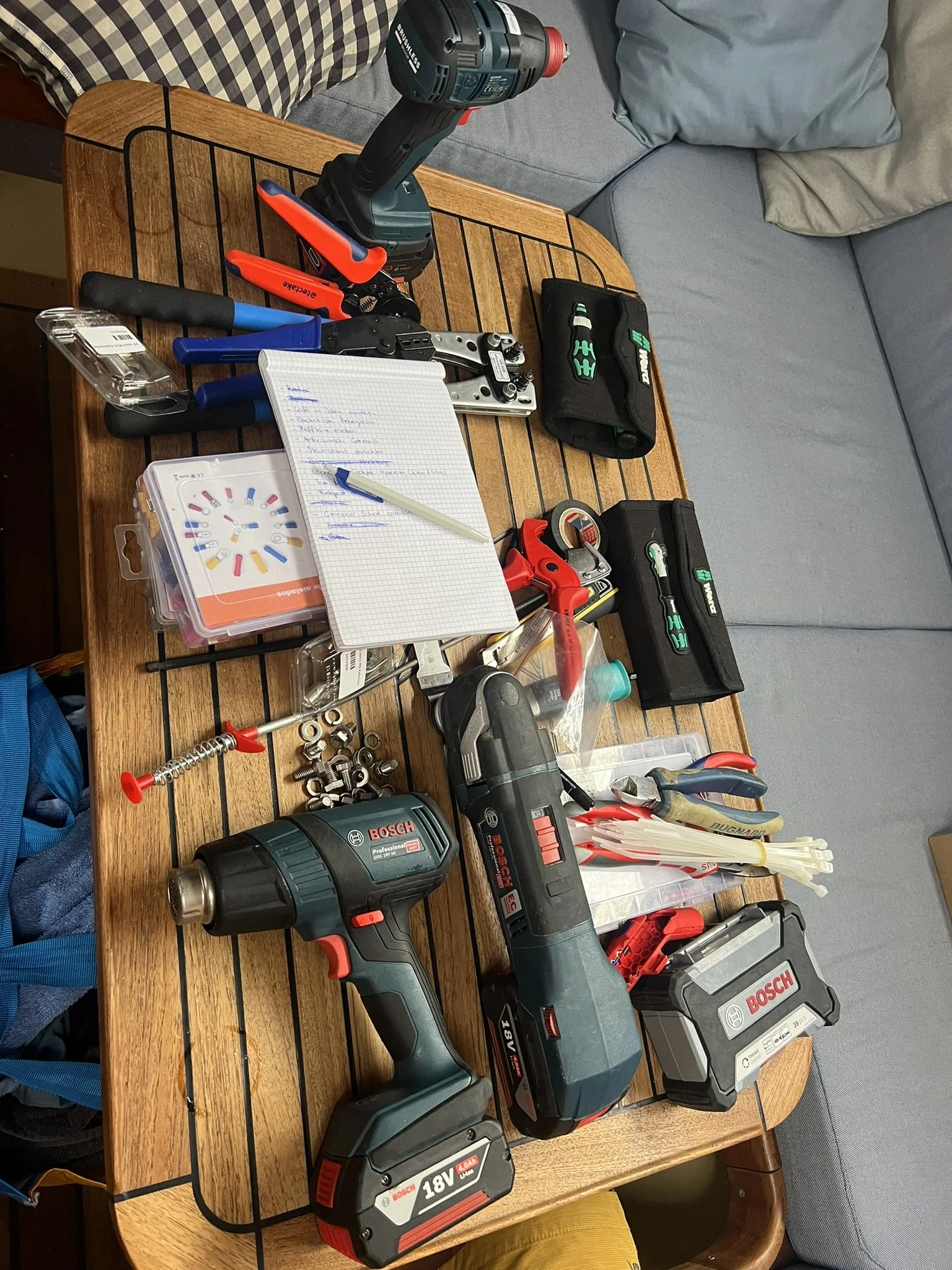
Our two biggest projects were replacing our broken radar and upgrading our battery system.
Replacing the radar was pretty straightforward: take the old one down and put the new one up. The batteries, on the other hand, required a bit more thinking and planning from Reto.
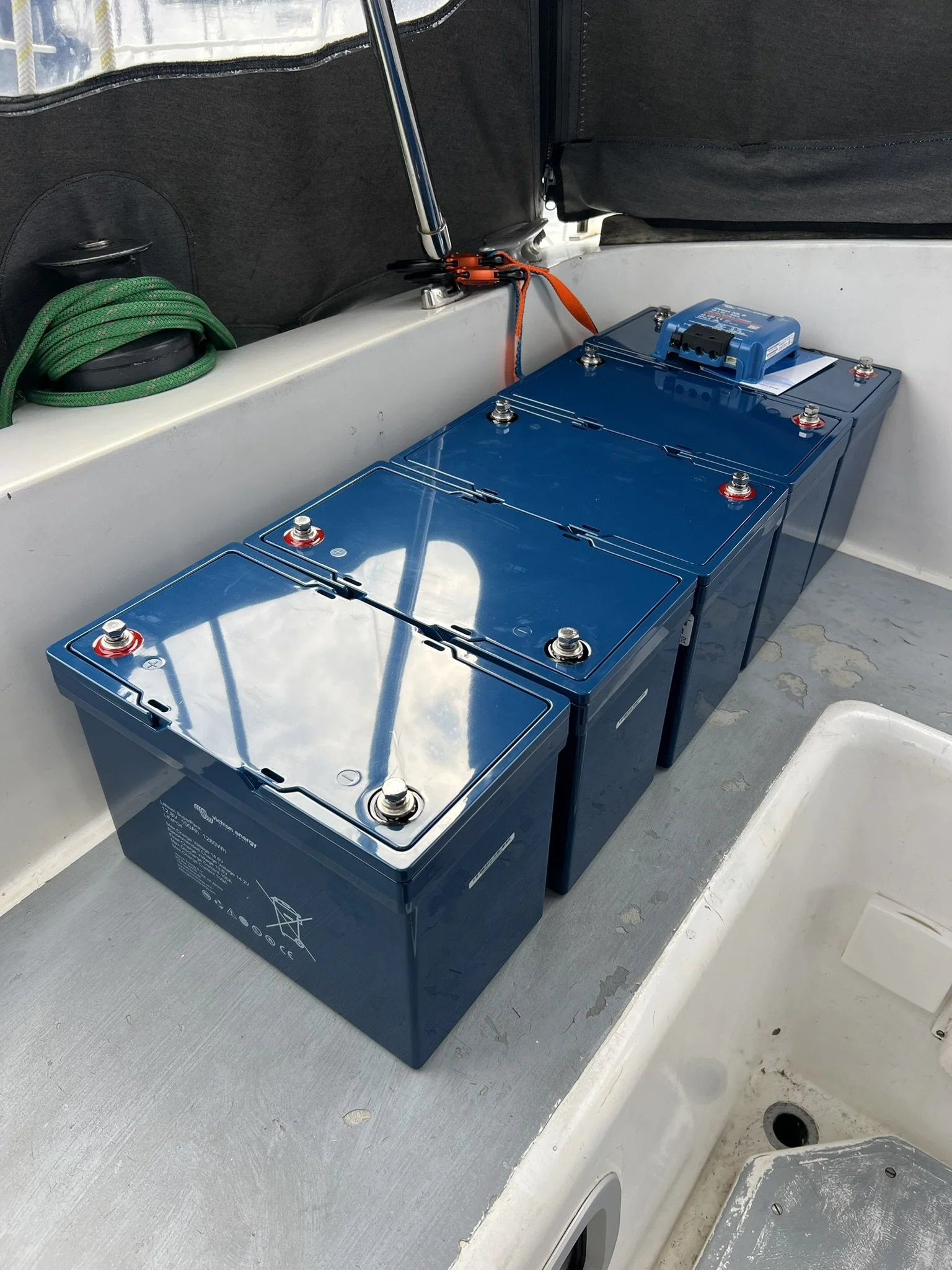
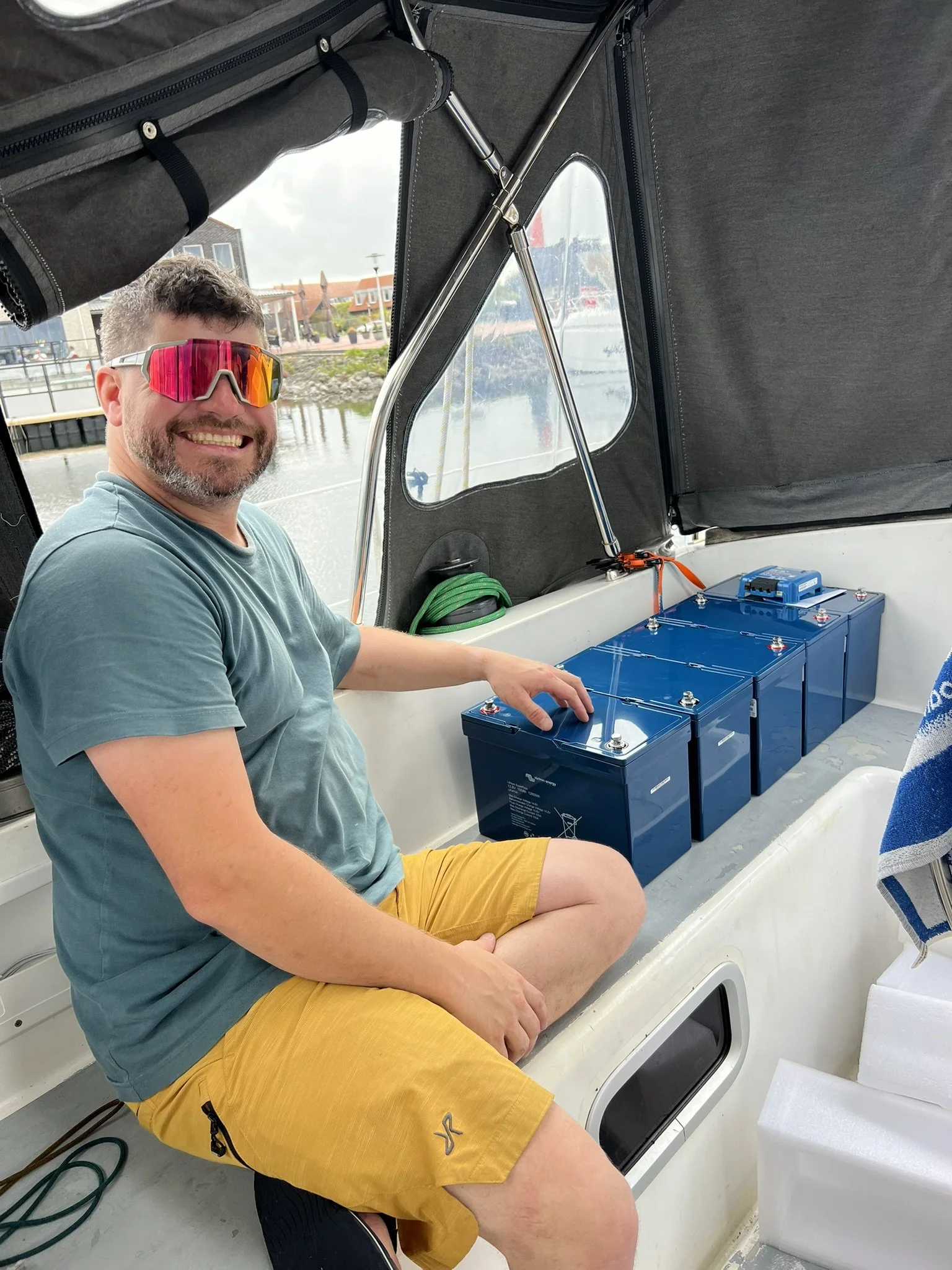
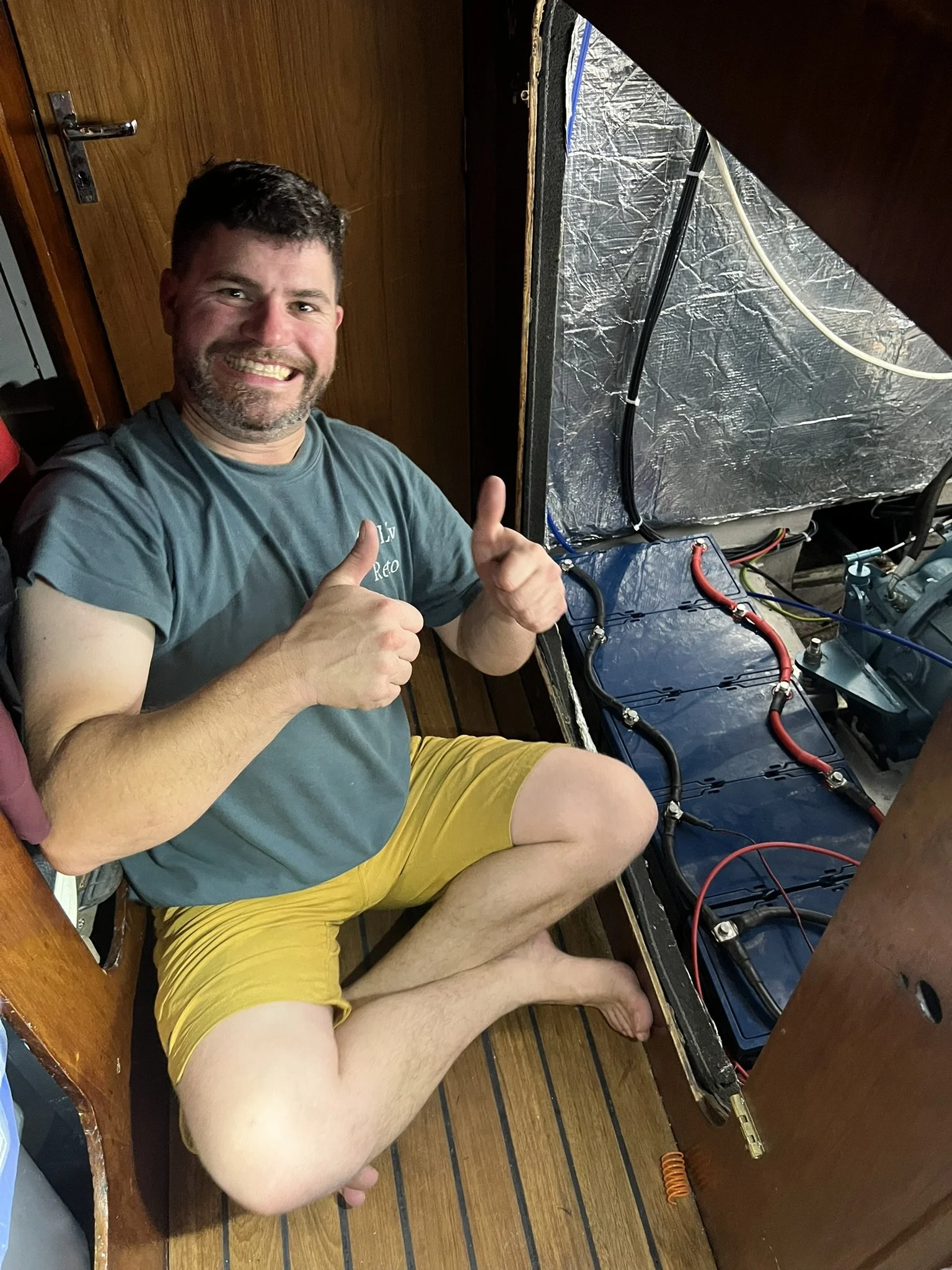
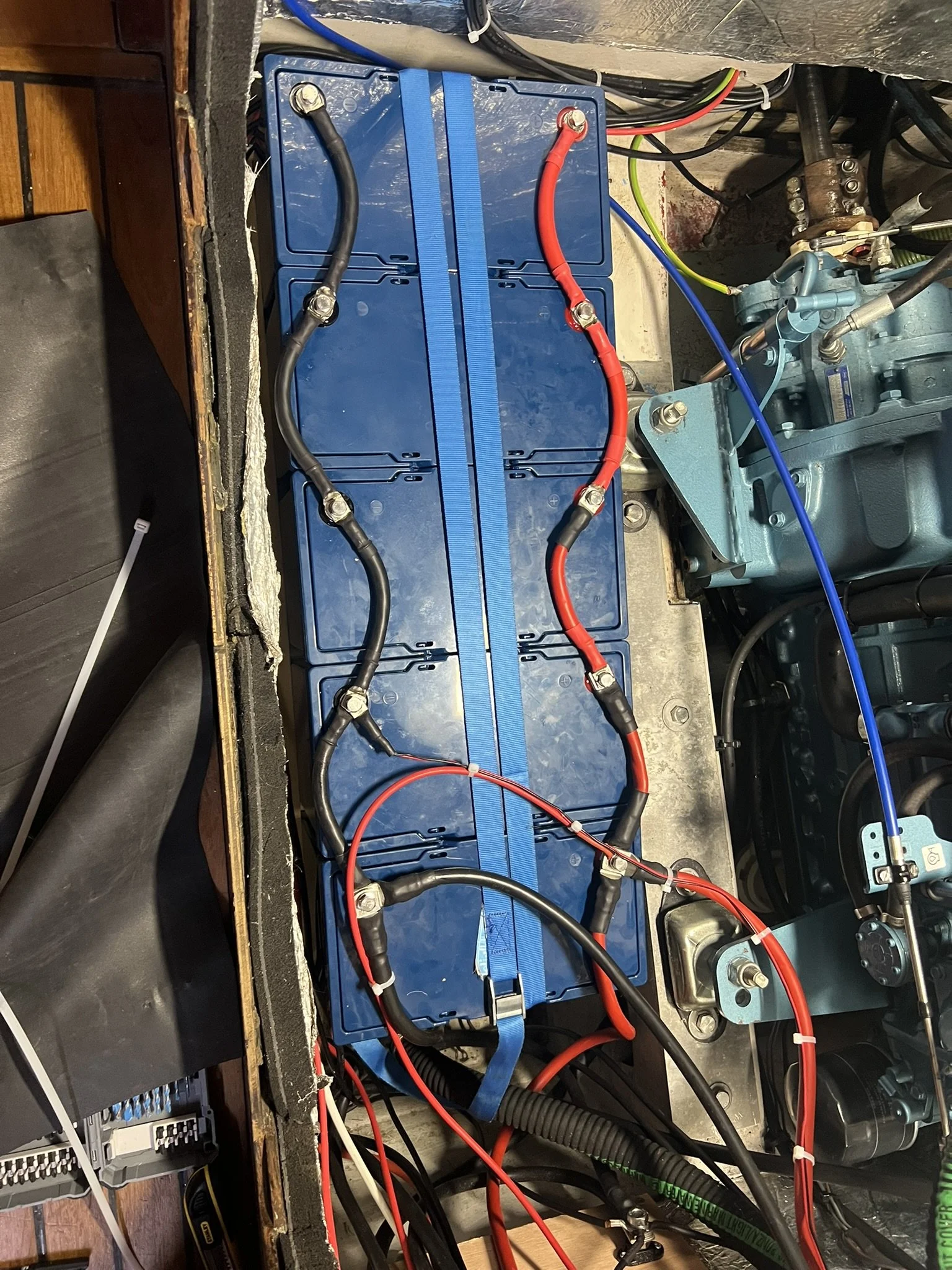
In the end, we settled on five 100 Ah LiFePO4 batteries, each with an integrated BMS (Battery Management System), giving us a total nominal capacity of 500 Ah. However, finding the right ones wasn't quite as easy as it might sound. It took several attempts, comparisons and a fair bit of research before we found batteries that met all our requirements.
There were two main factors behind our decision.
First, we wanted to upgrade our system rather than simply replace the old lead-acid batteries. So switching to lithium seemed like the perfect solution.
Second, we couldn't find another suitable place for the batteries, meaning they had to fit into the same space as the old ones. This made the search a little more challenging, as we needed lithium batteries with the same dimensions as the lead-acid ones to make efficient use of the available space.
Once all our projects were completed and we had enjoyed a few slower days, we were ready to move on once again.
It was a little sad to say goodbye to everyone all over again. But who knows, maybe one day we'll be back!
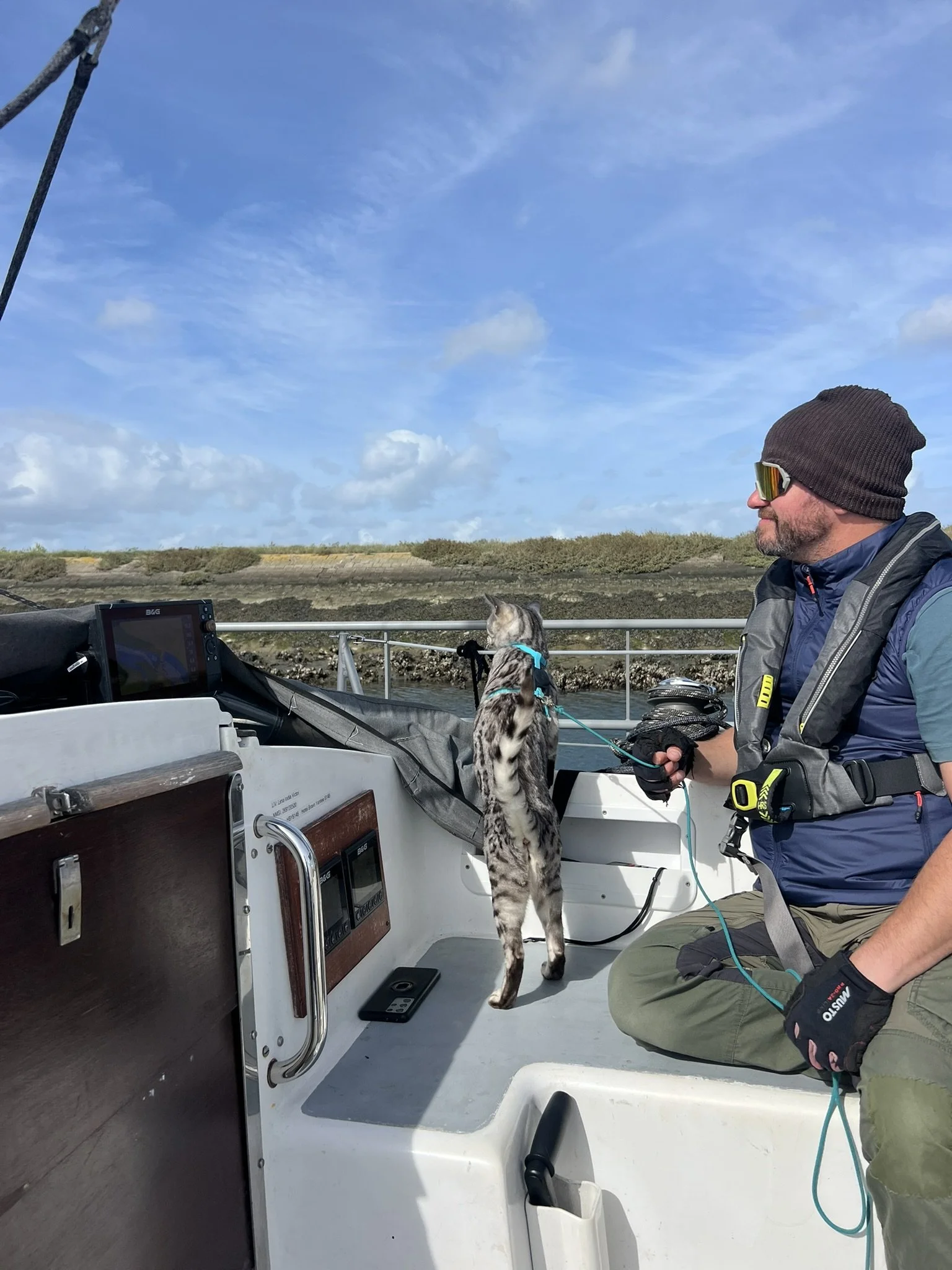
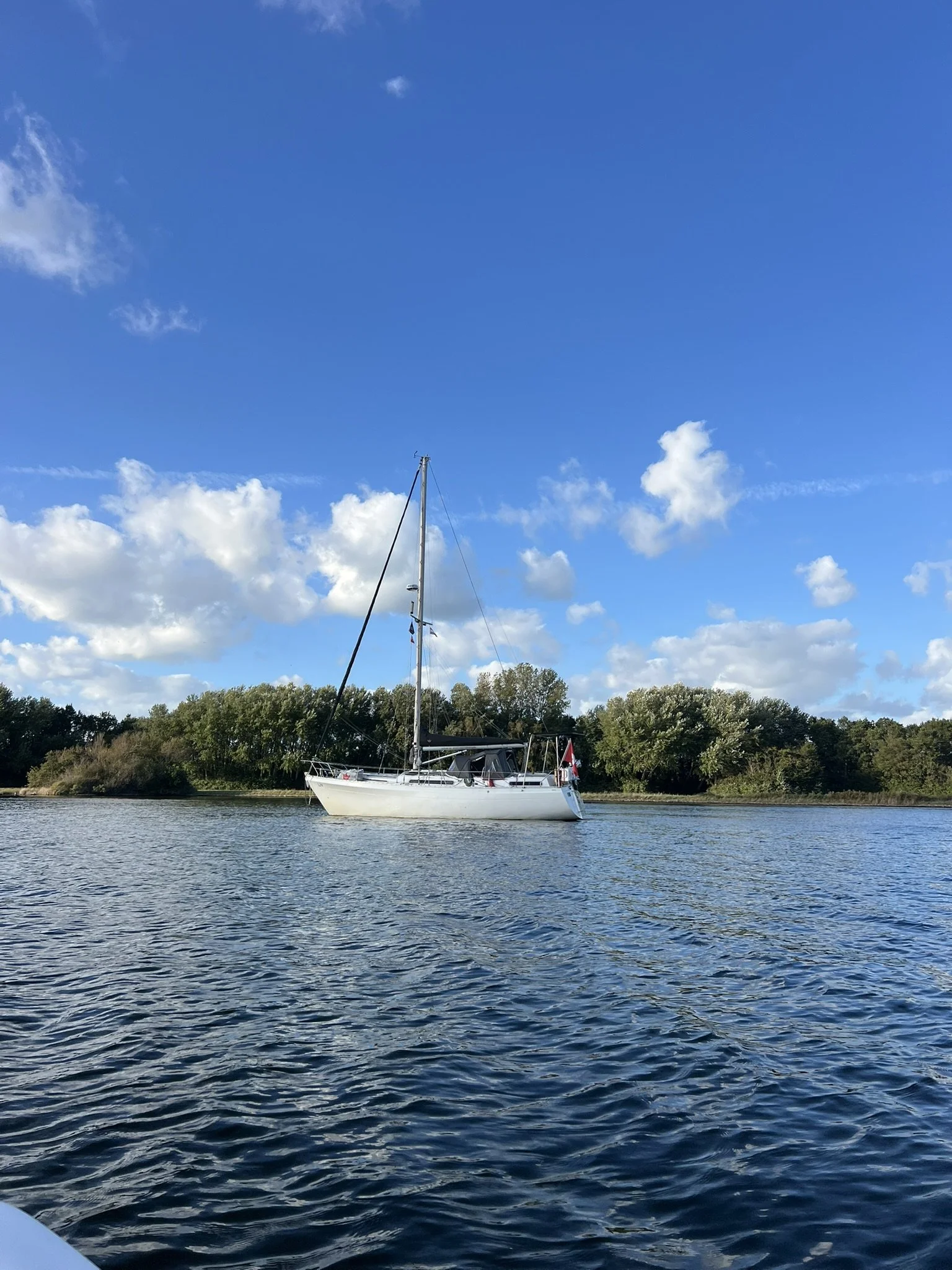
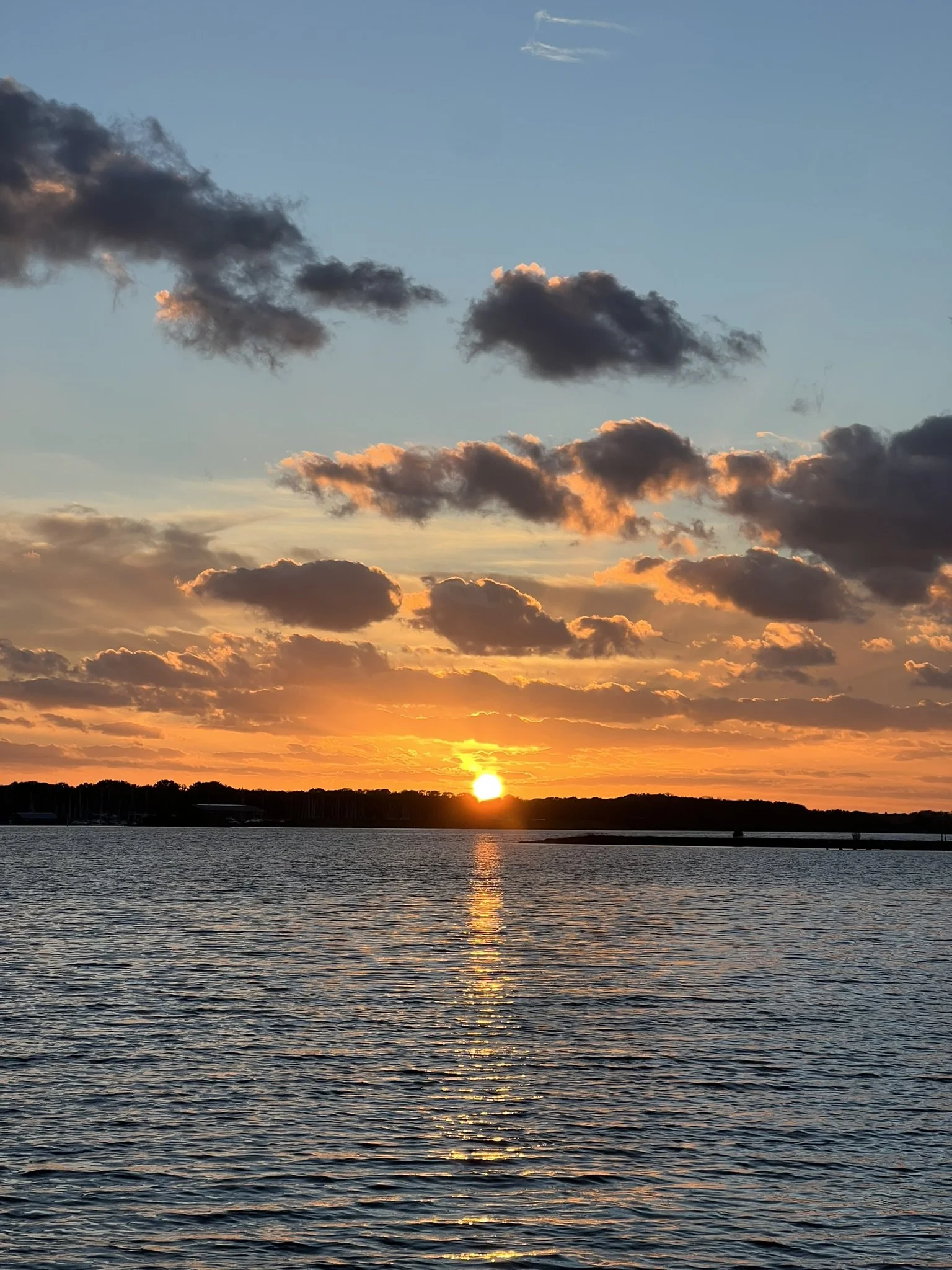
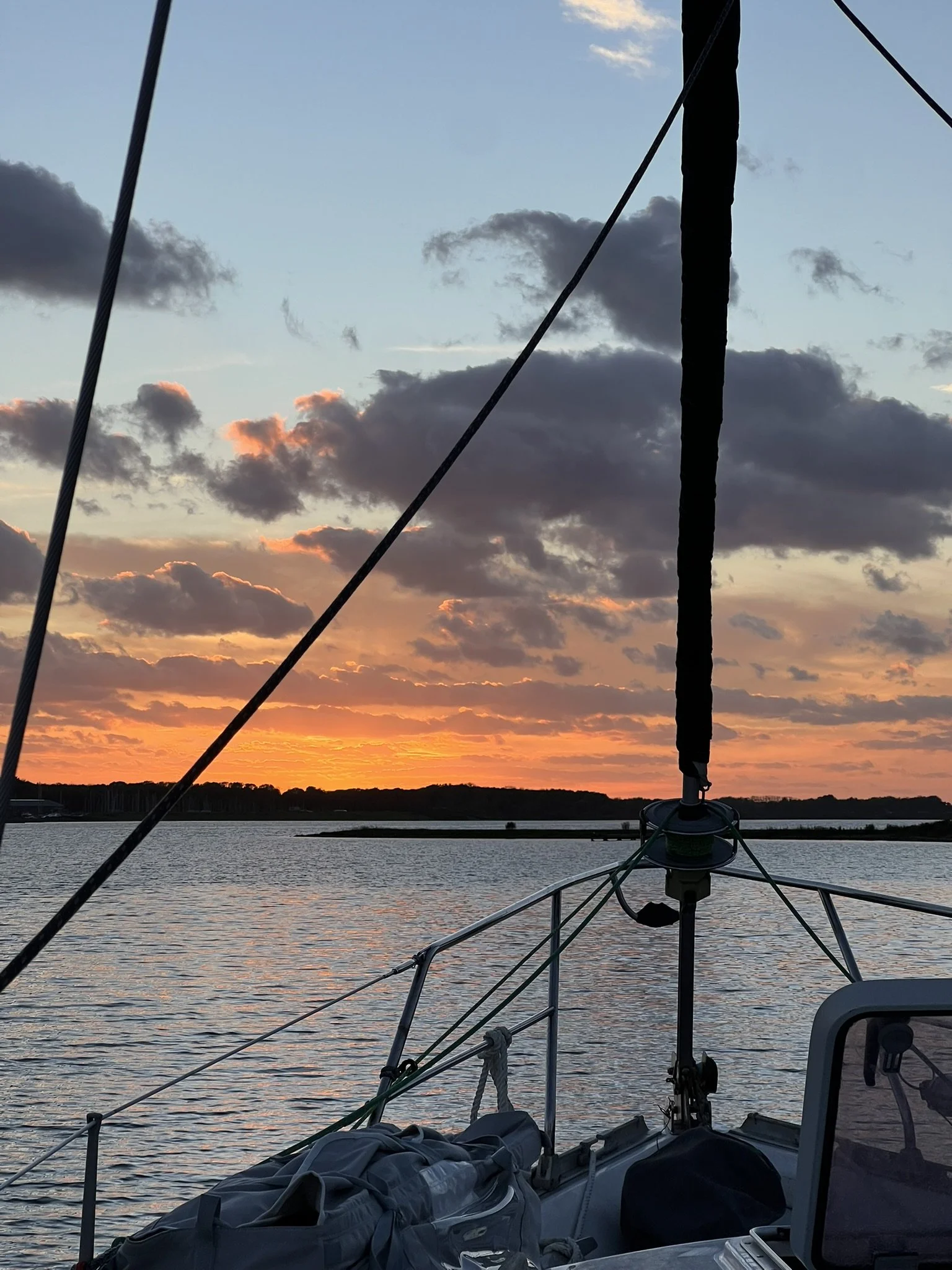
With a good weather window, we made it all the way to the Veerse Meer, where we found a very cosy and well-protected anchorage. When we bought our boat two years ago, we had sailed through these very waters without really knowing what we were doing. It is impressive how differently the exact same route can feel when you experience it with a little more knowledge and confidence.
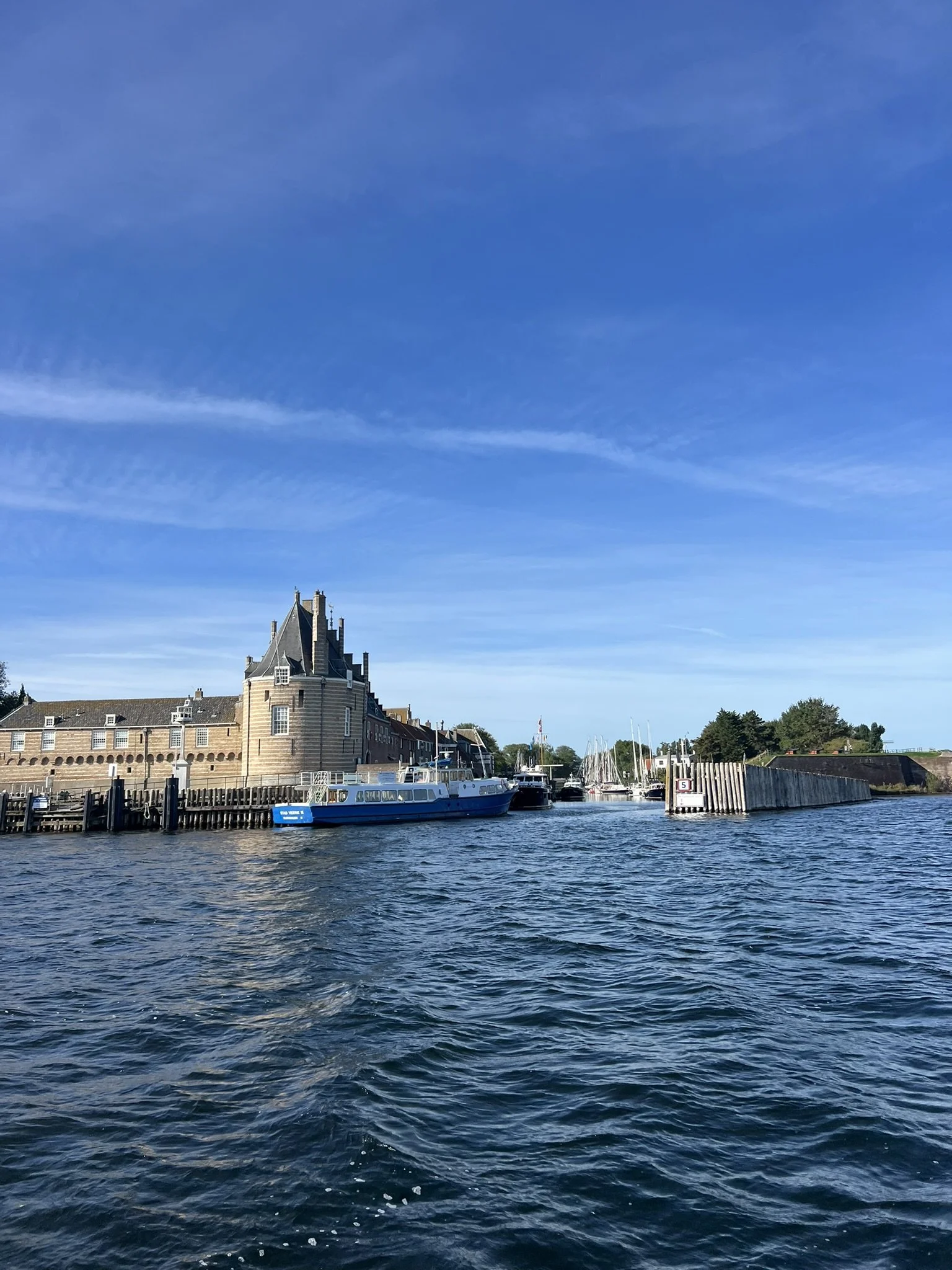
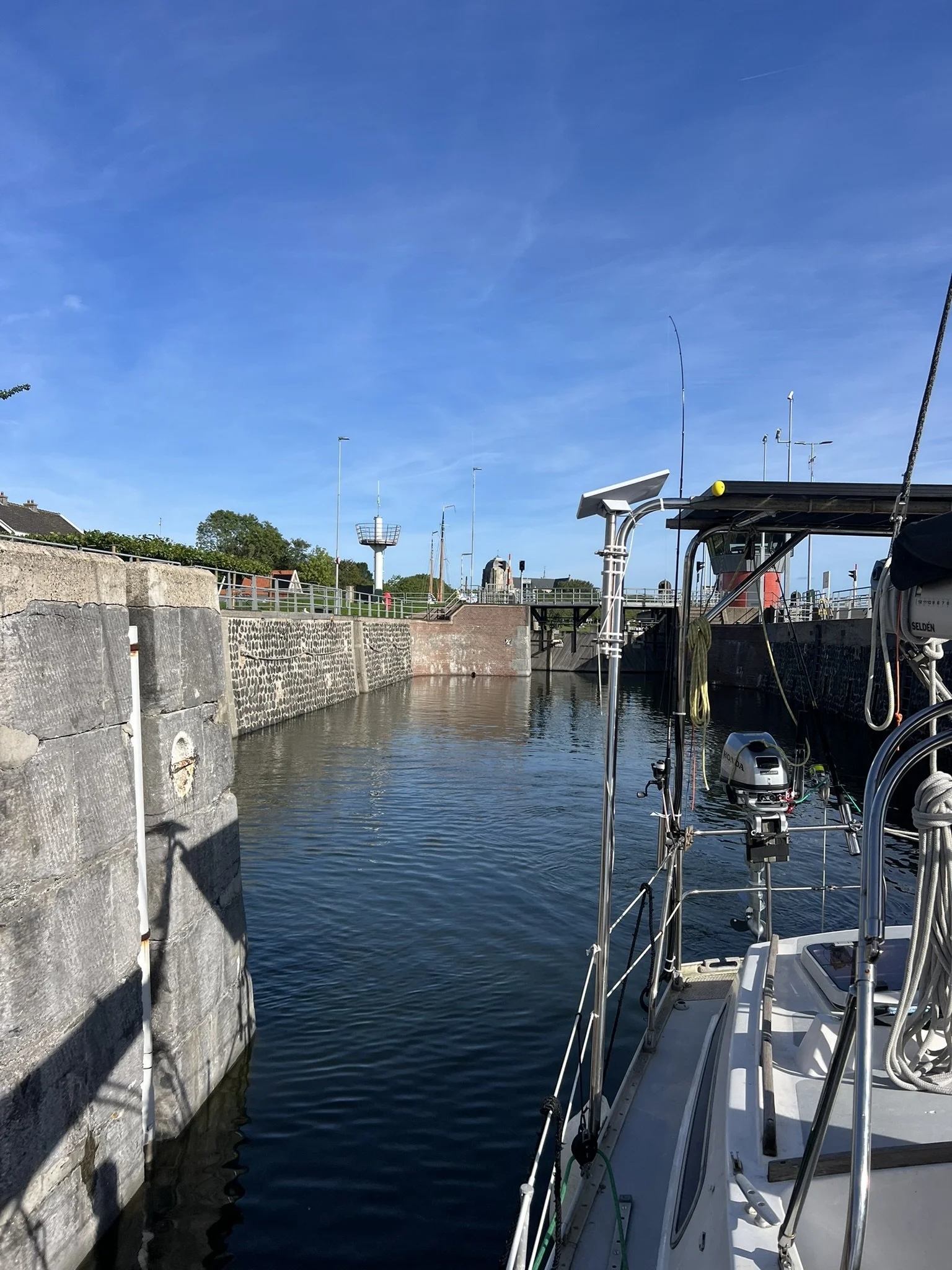
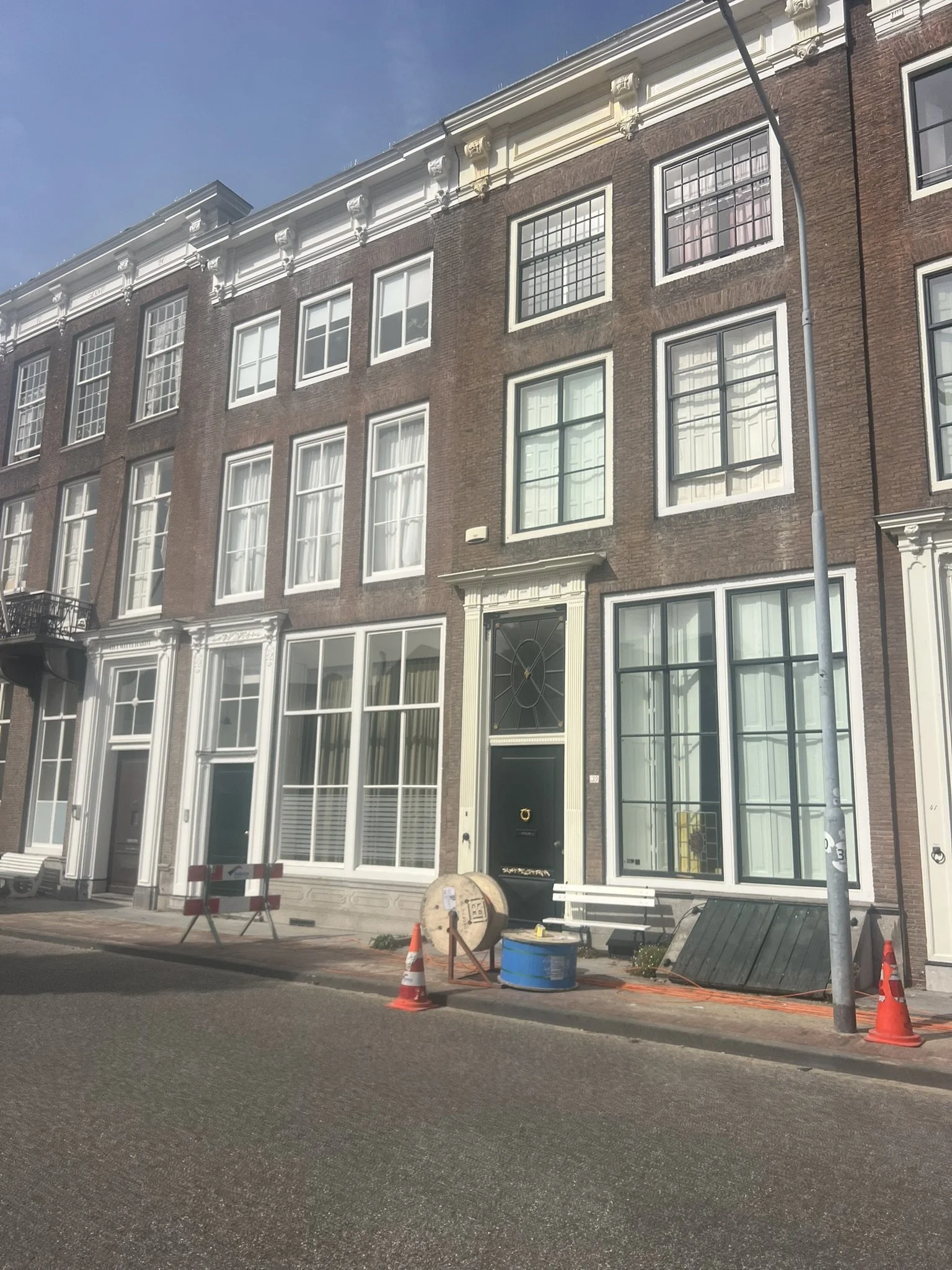
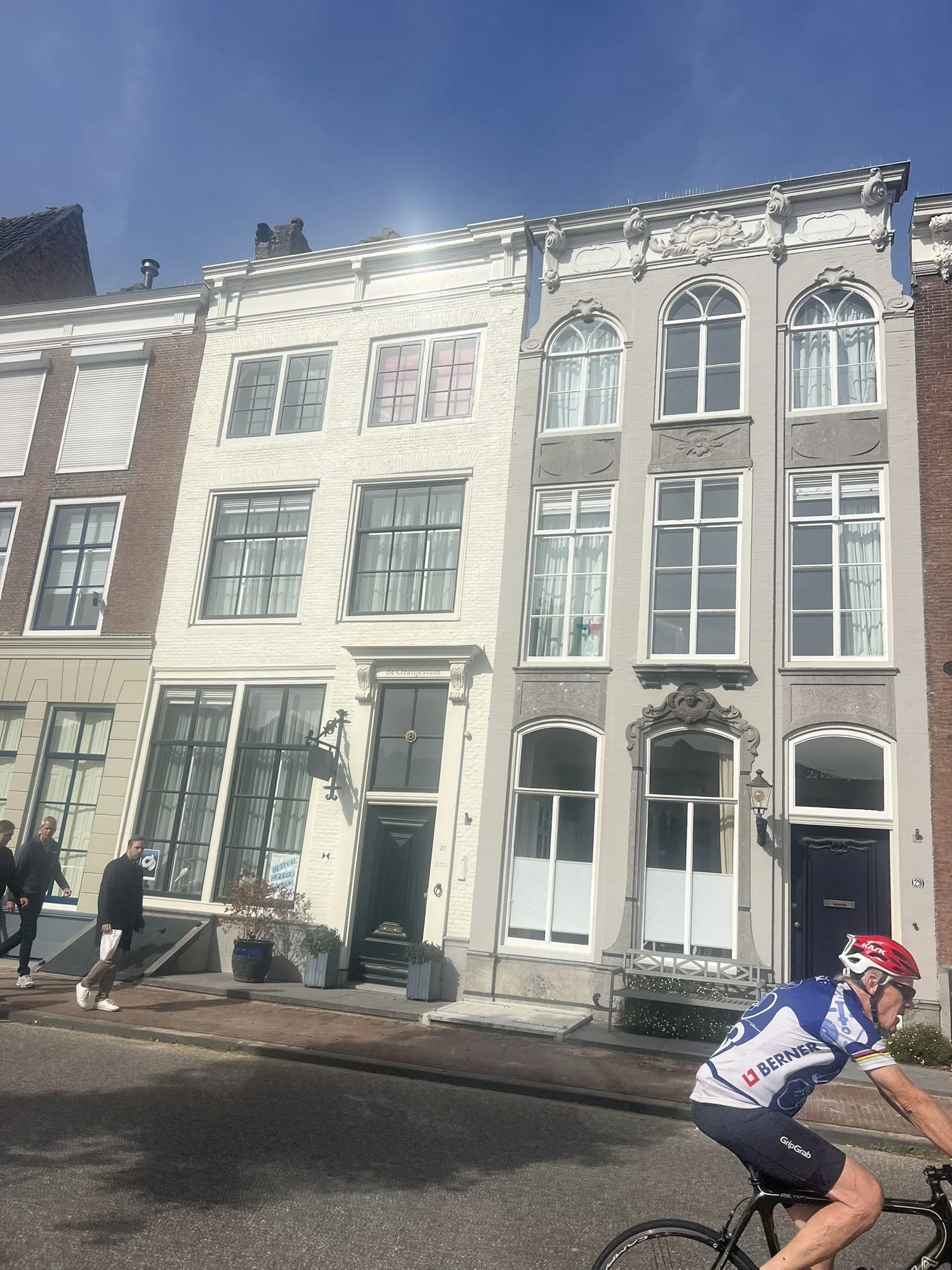
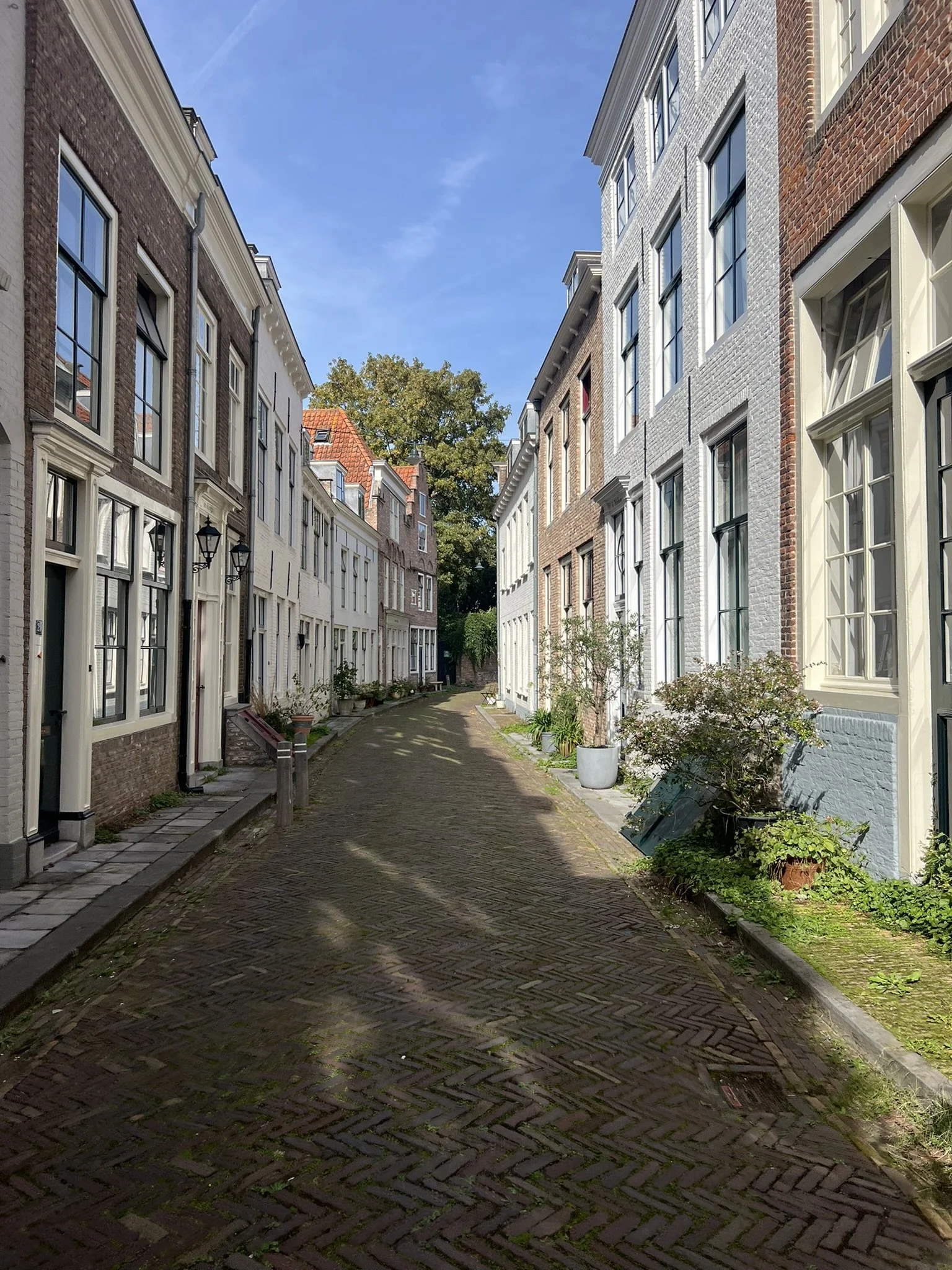
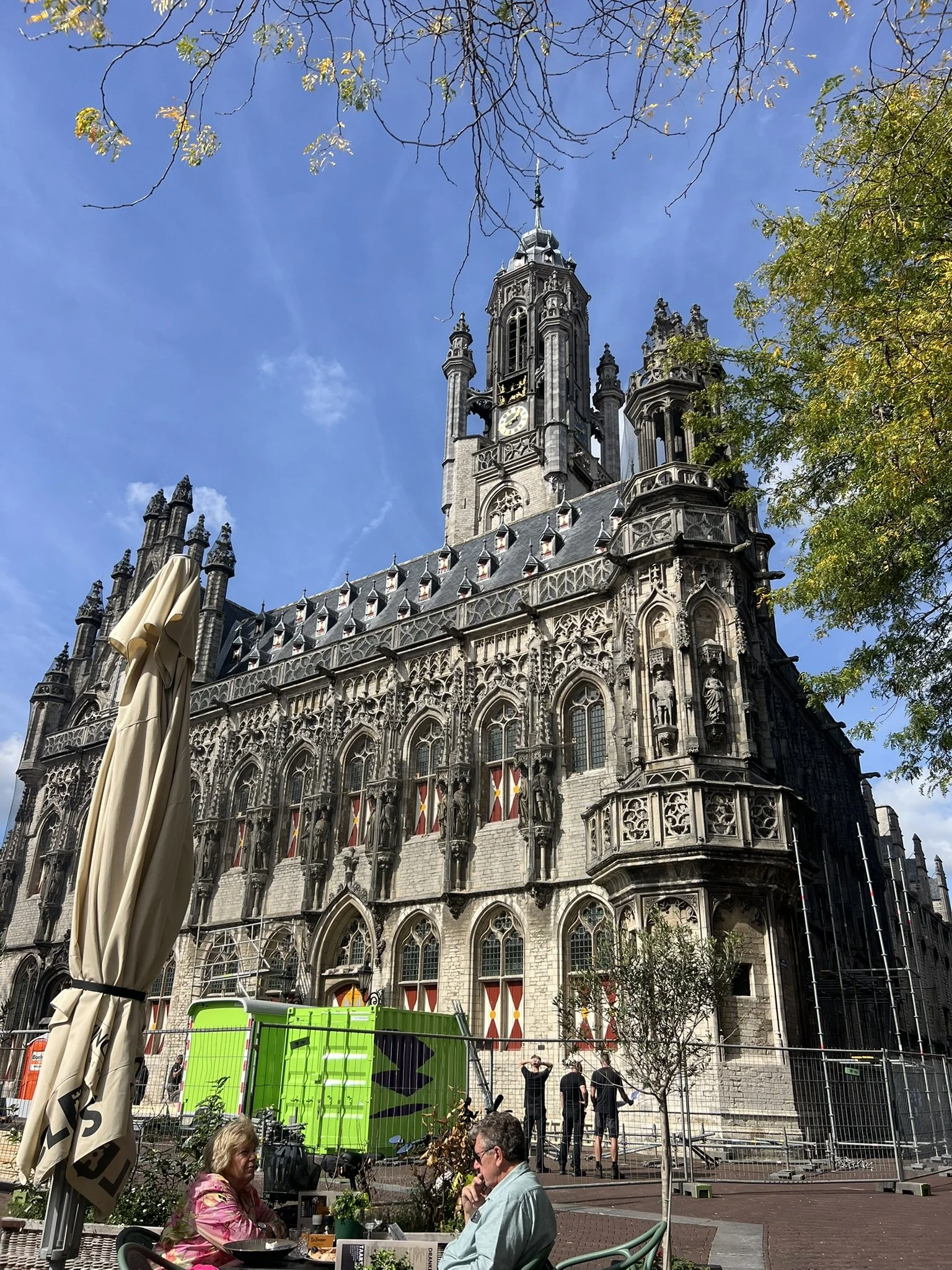
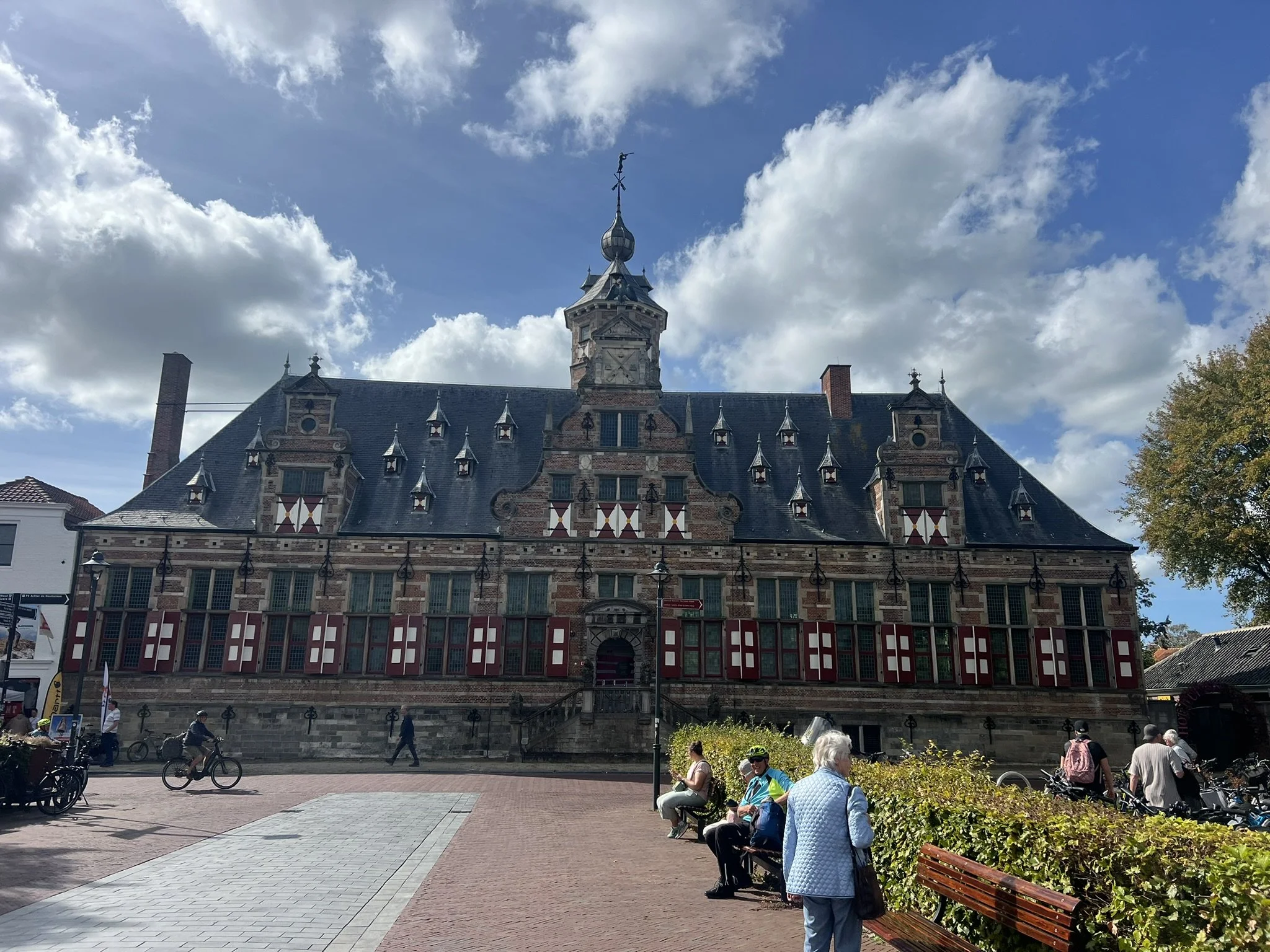
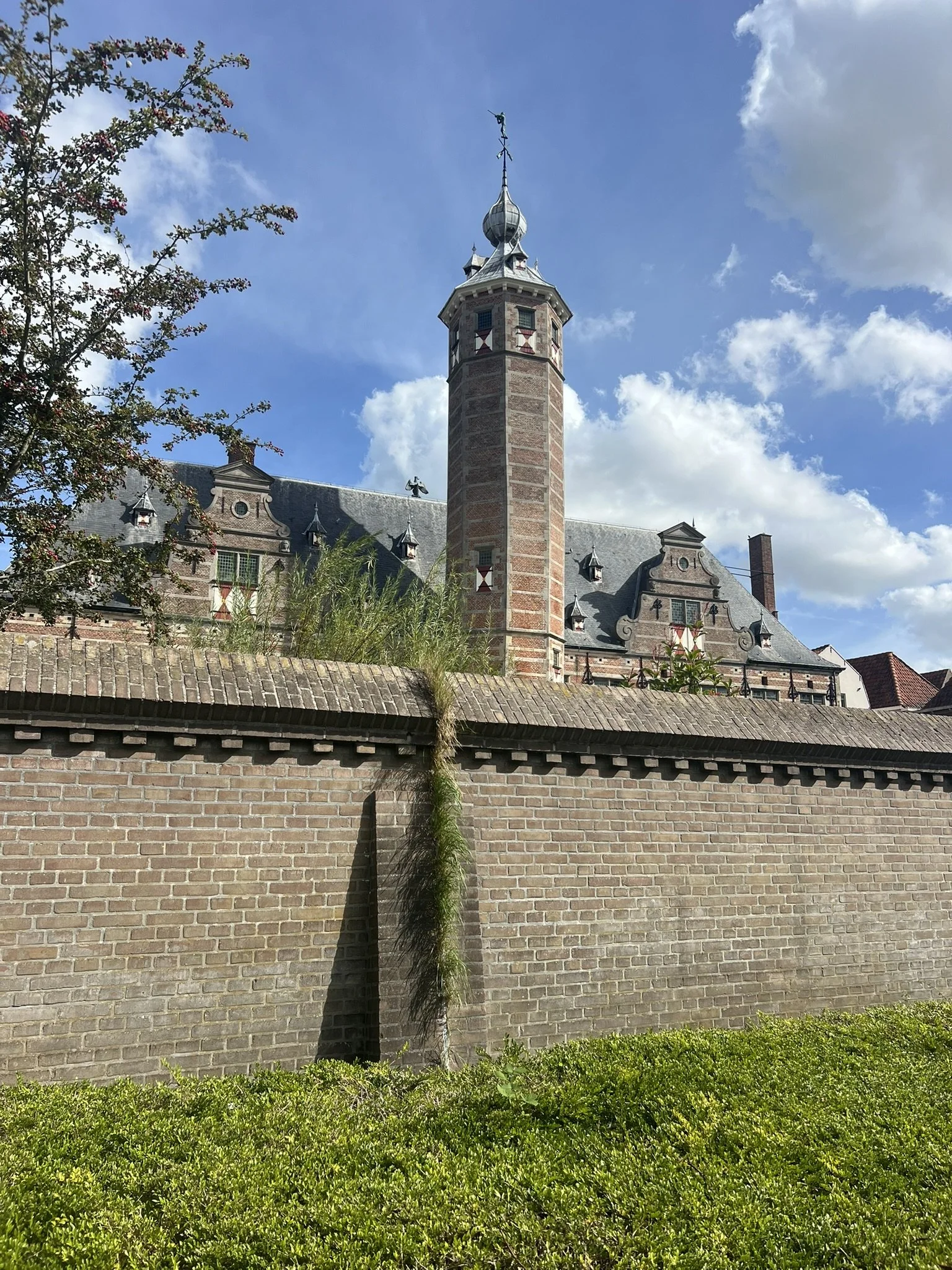
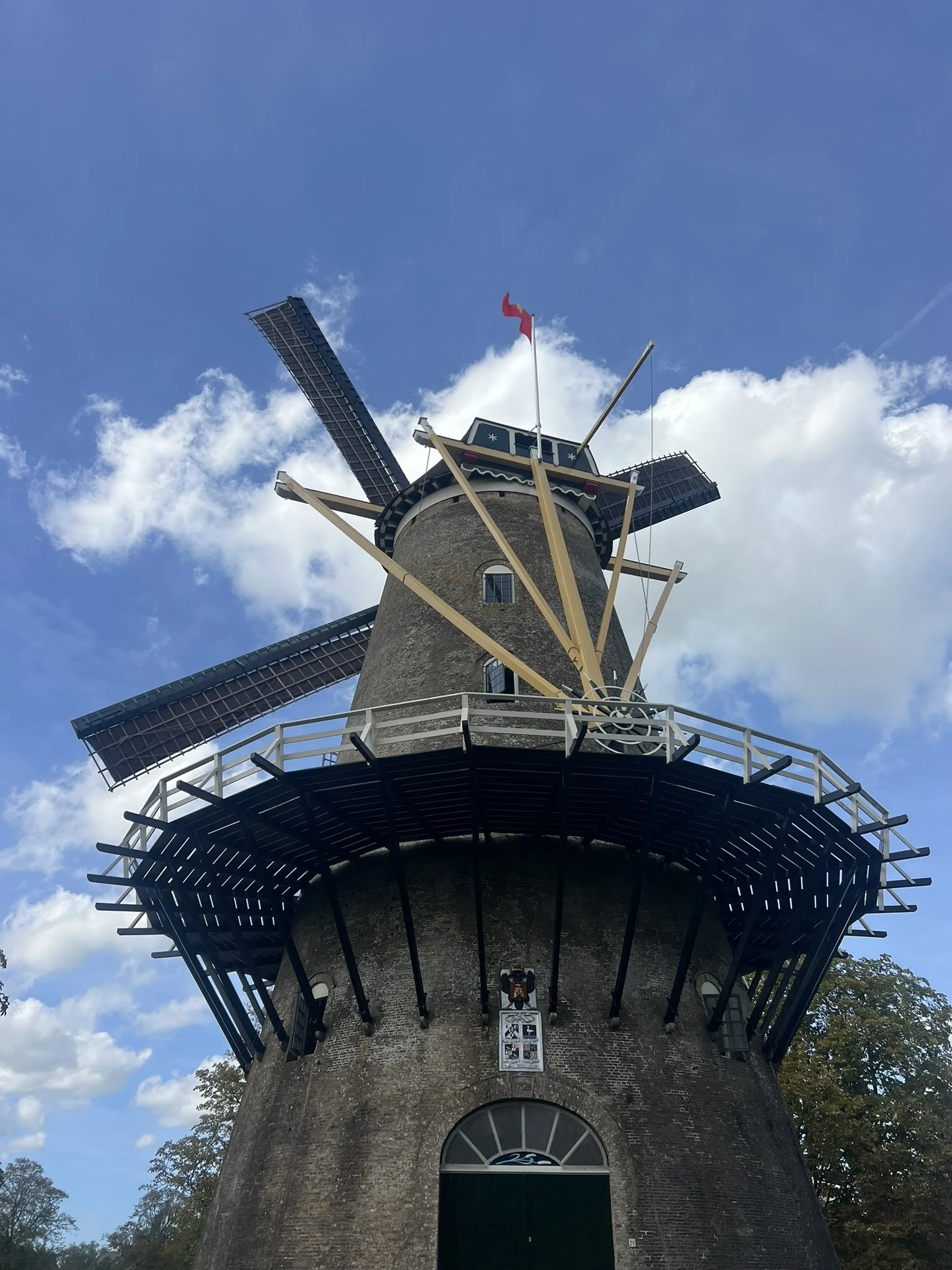
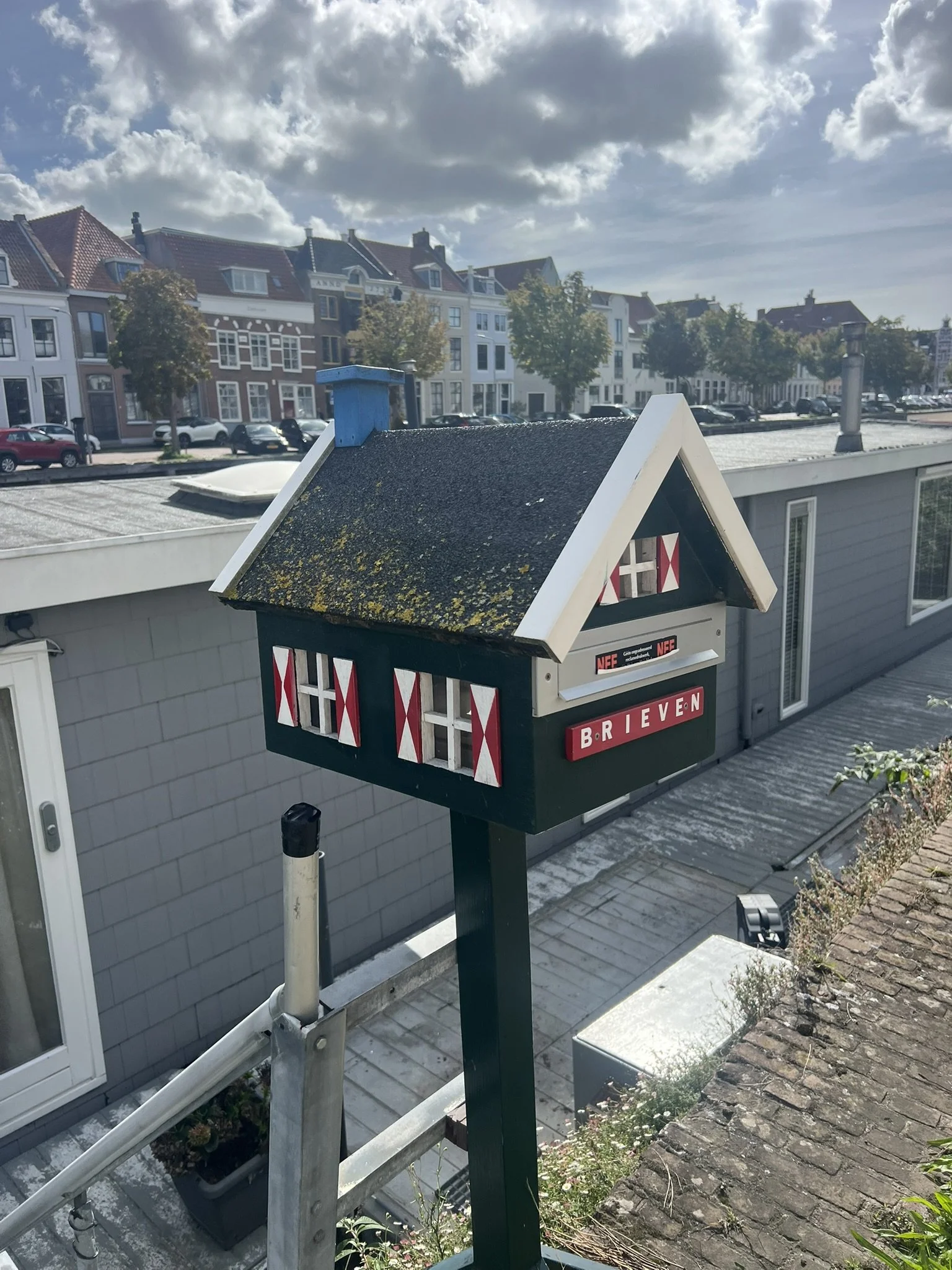
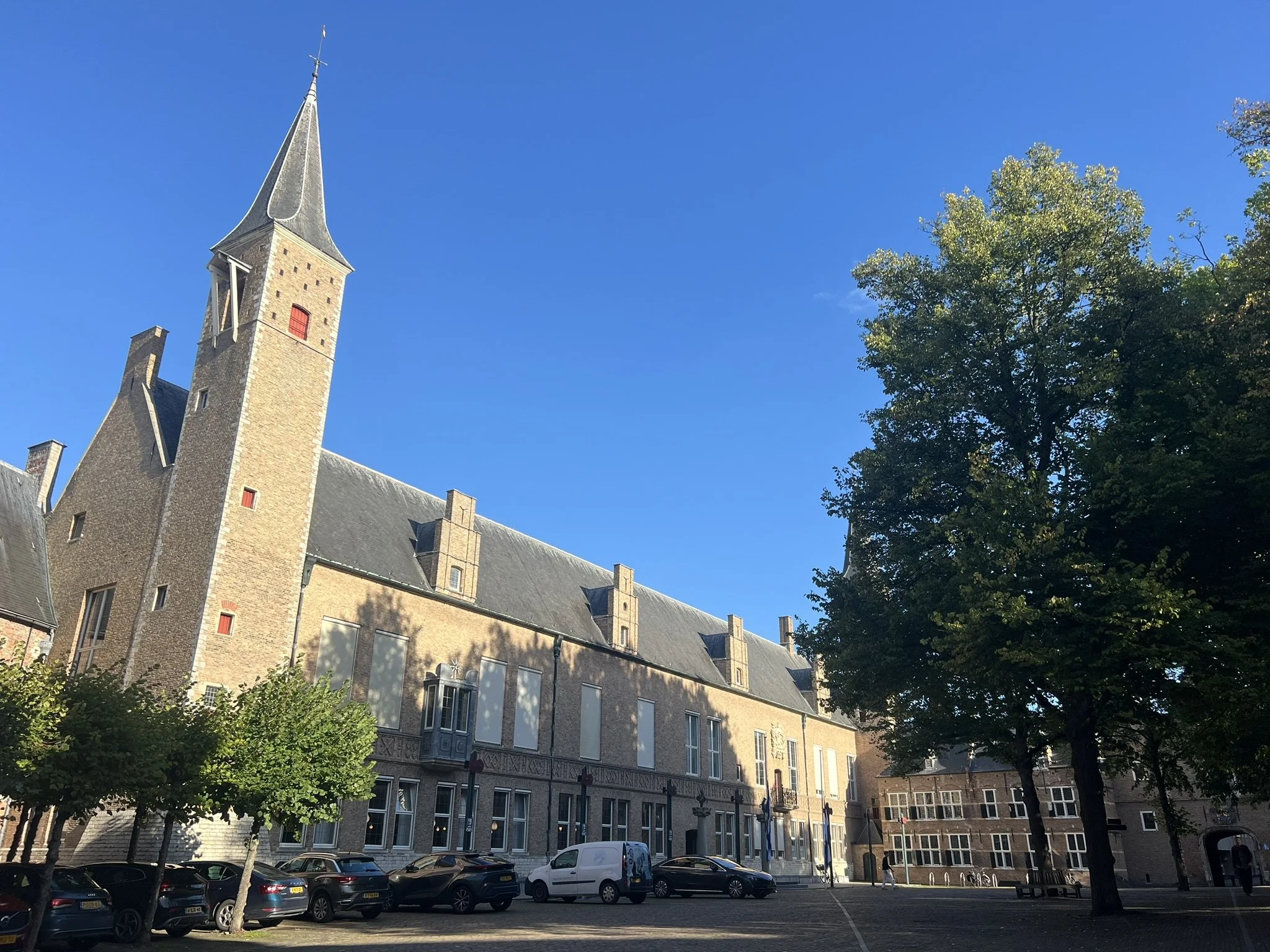
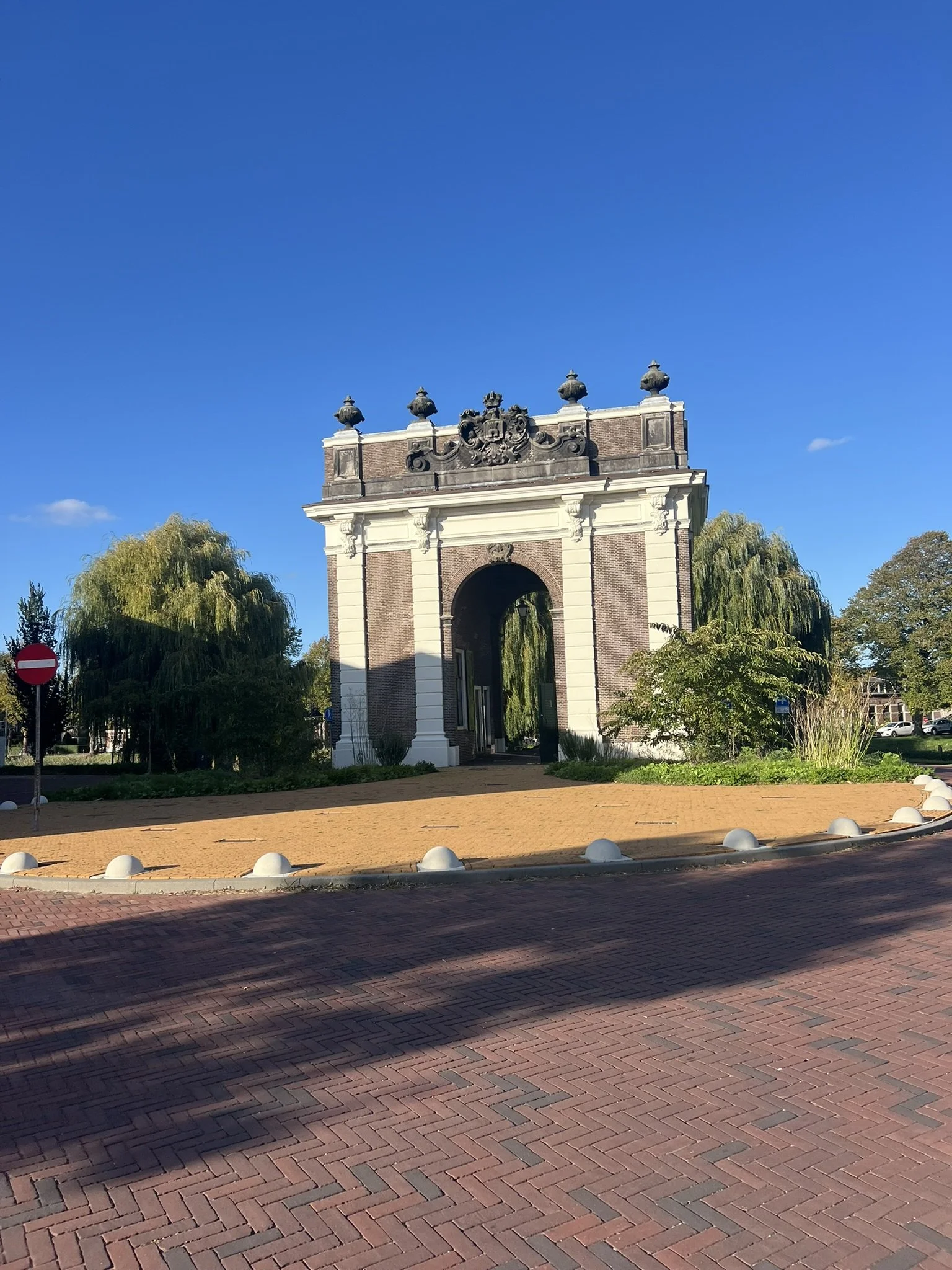
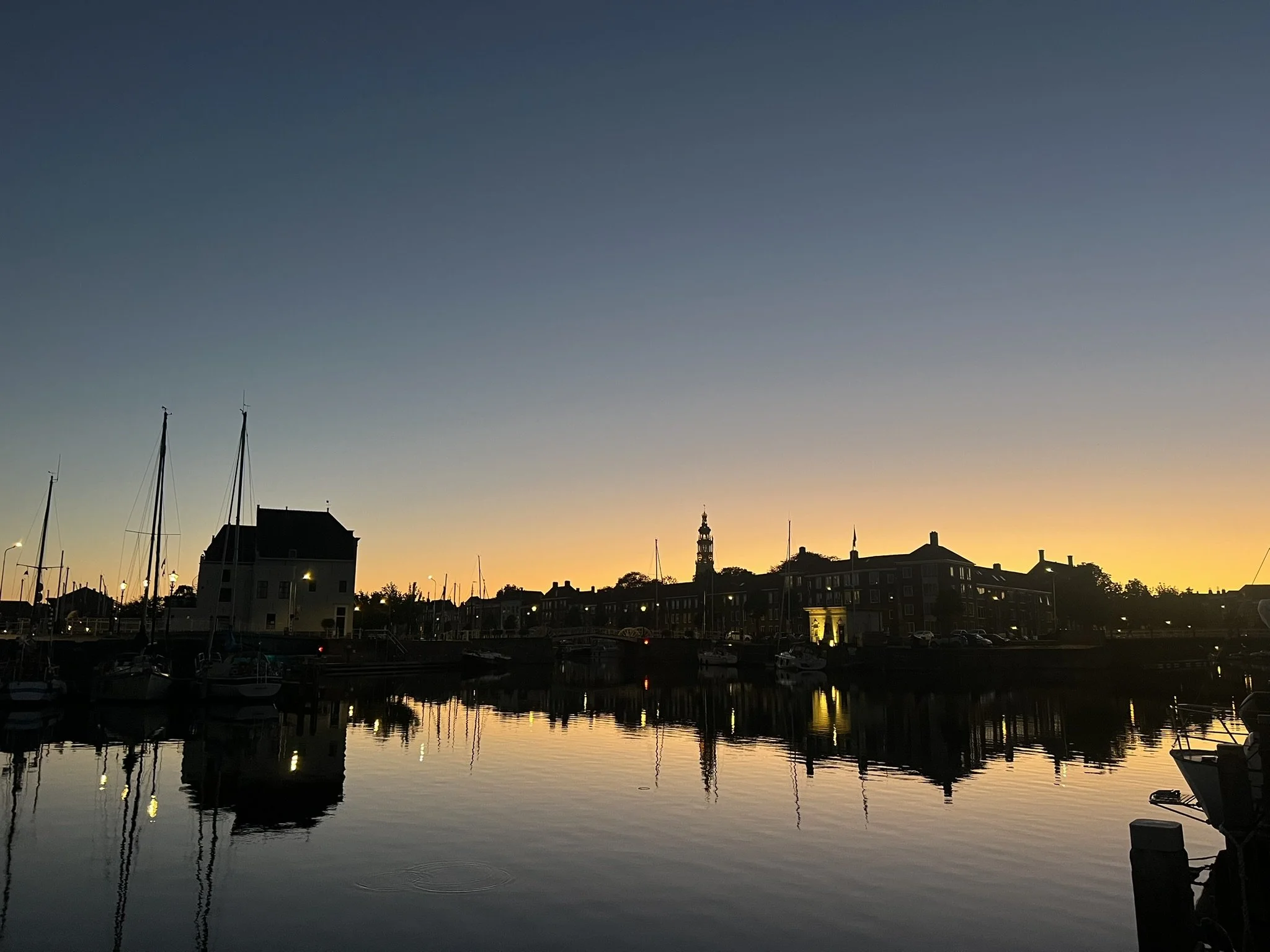
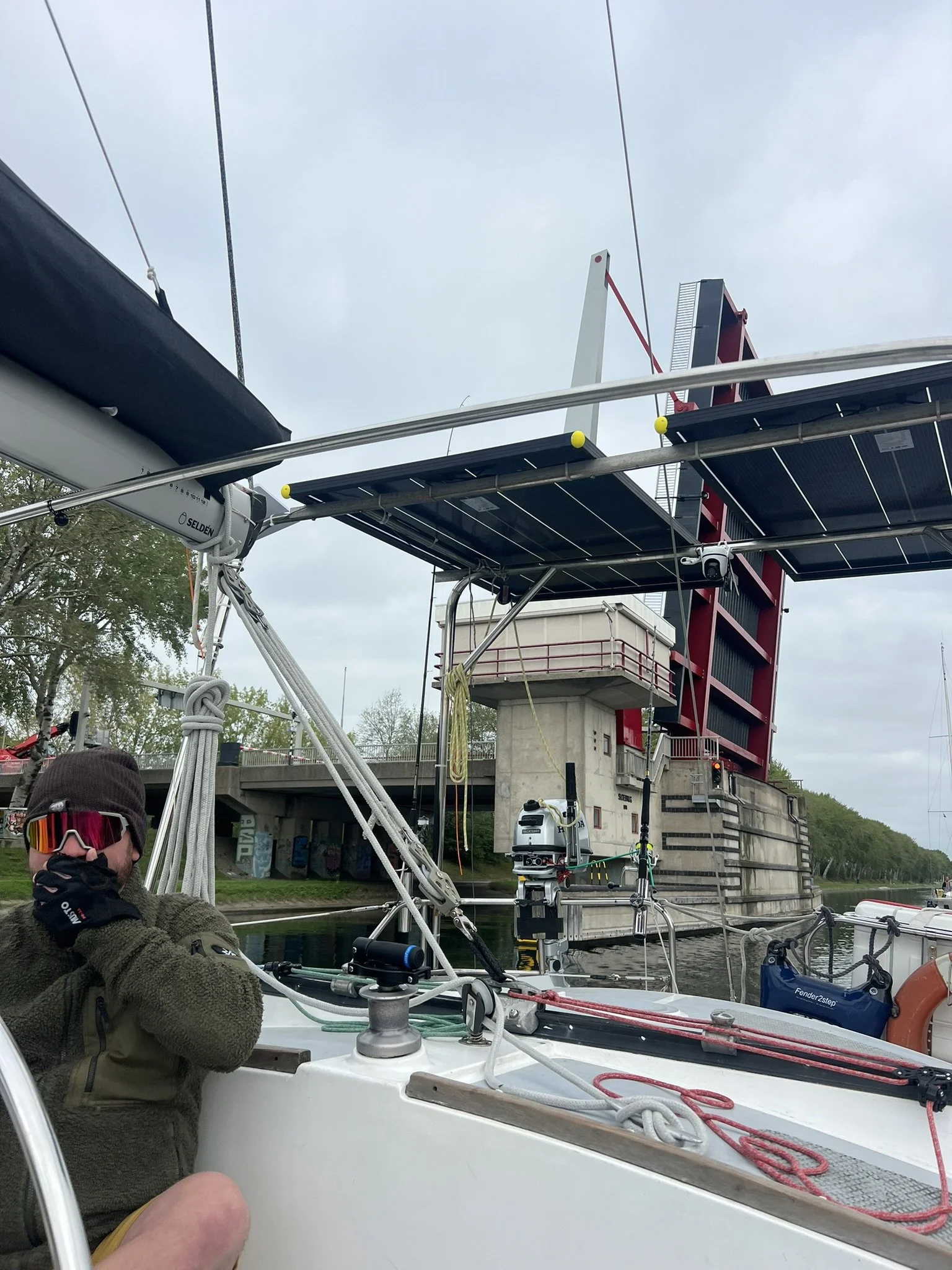
After spending a few days sheltering from the strong winds, we made our way through the ‘Canal through Walcheren’ to Middelburg. It is a lovely old town with plenty of charm. While wandering around, we noticed something rather unusual compared to most of the other Dutch towns we had visited: the houses here seemed to be perfectly straight, rather than crooked!
We learned that this was apparently because many other Dutch towns were built on artificial islands, created by reclaiming land from the water. Over time, the ground in these areas could shift, causing buildings to tilt. The buildings then had to be stabilised to prevent them from collapsing. Middelburg, on the other hand, is built on the ‘original’ land, where the ground is more stable and the buildings have therefore remained upright.
Eventually, it was time to head back out into the North Sea and leave the Netherlands behind. We were feeling both excited about what lay ahead and a little reluctant to leave a place that had become so familiar to us.
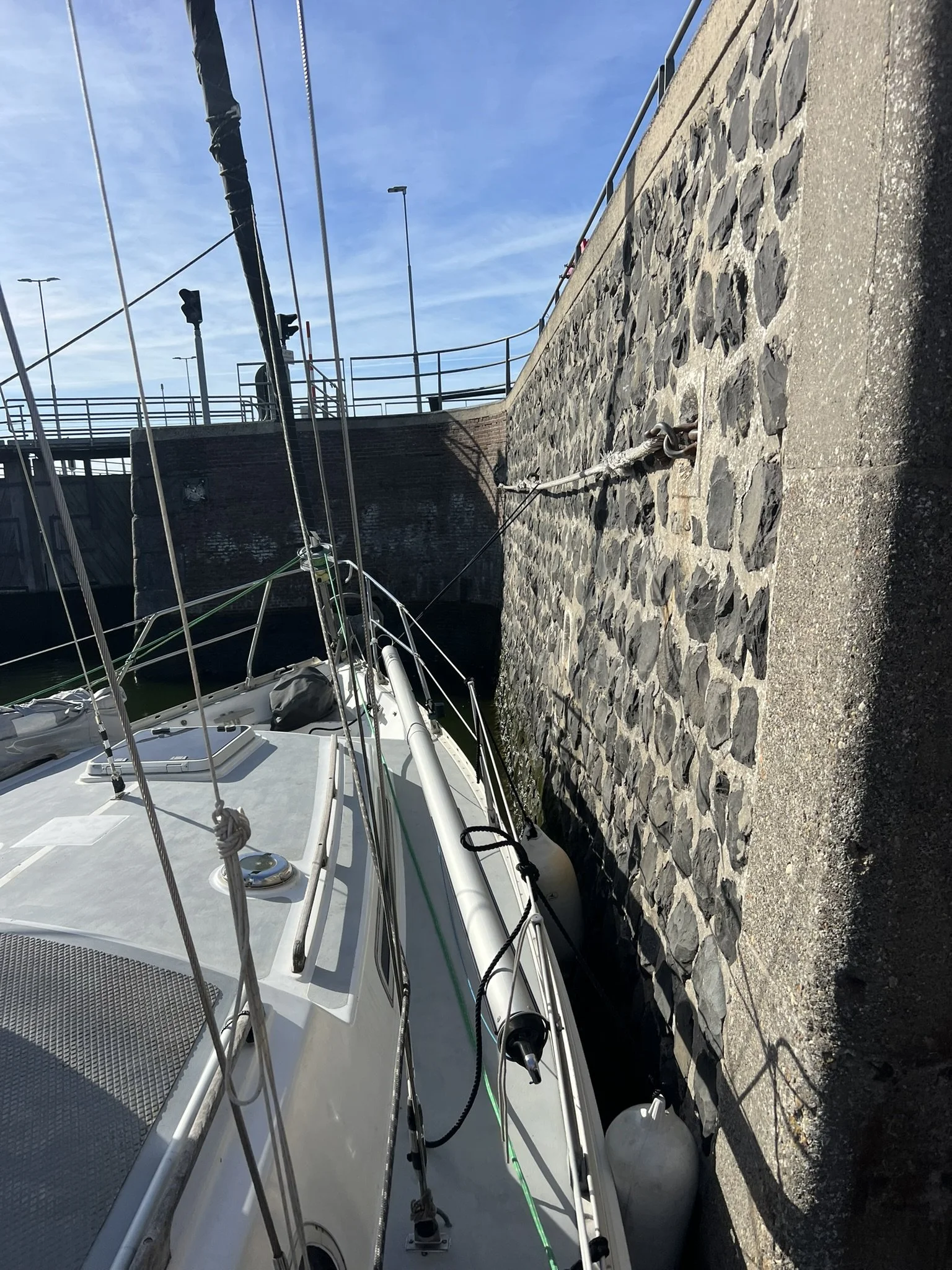
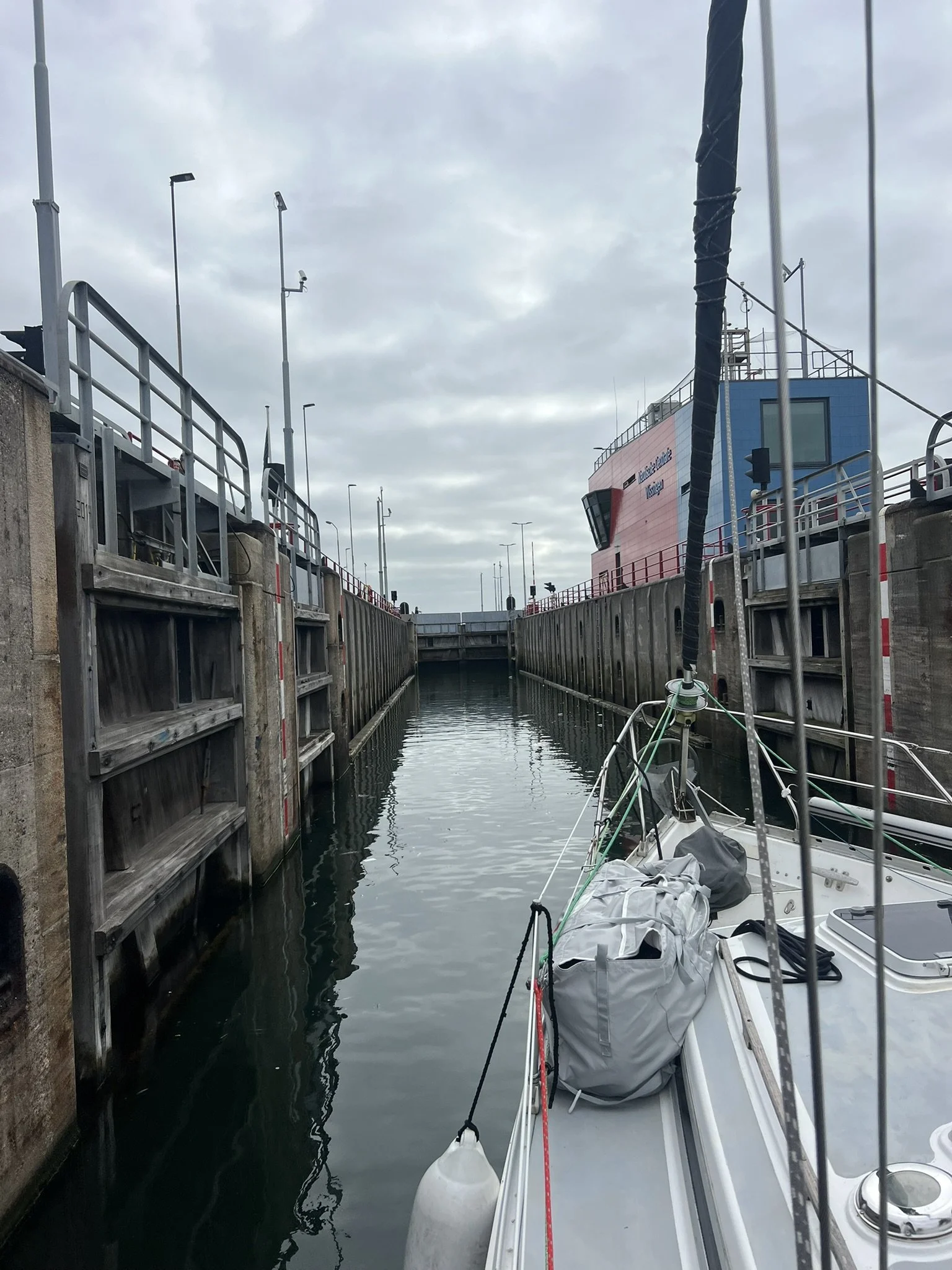
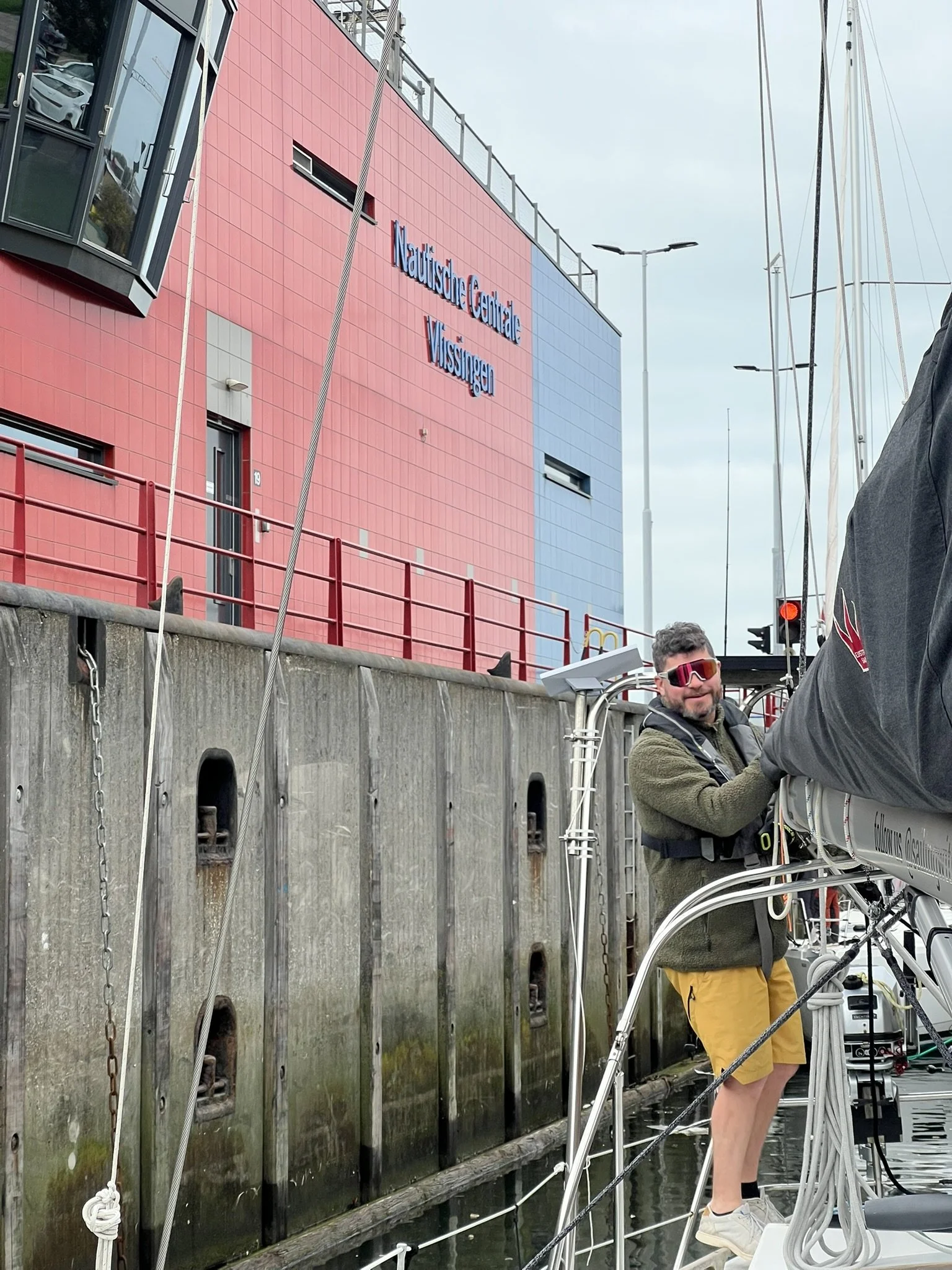
The weather wasn't quite in our favour yet, though, so we only made it across the Westerschelde to Breskens, where we waited another two days for the wind to turn around.
Don't miss the next blog post, where we take you on a journey through the rich history of Normandy!
Day 148: Stellendam NL - Willemstad NL
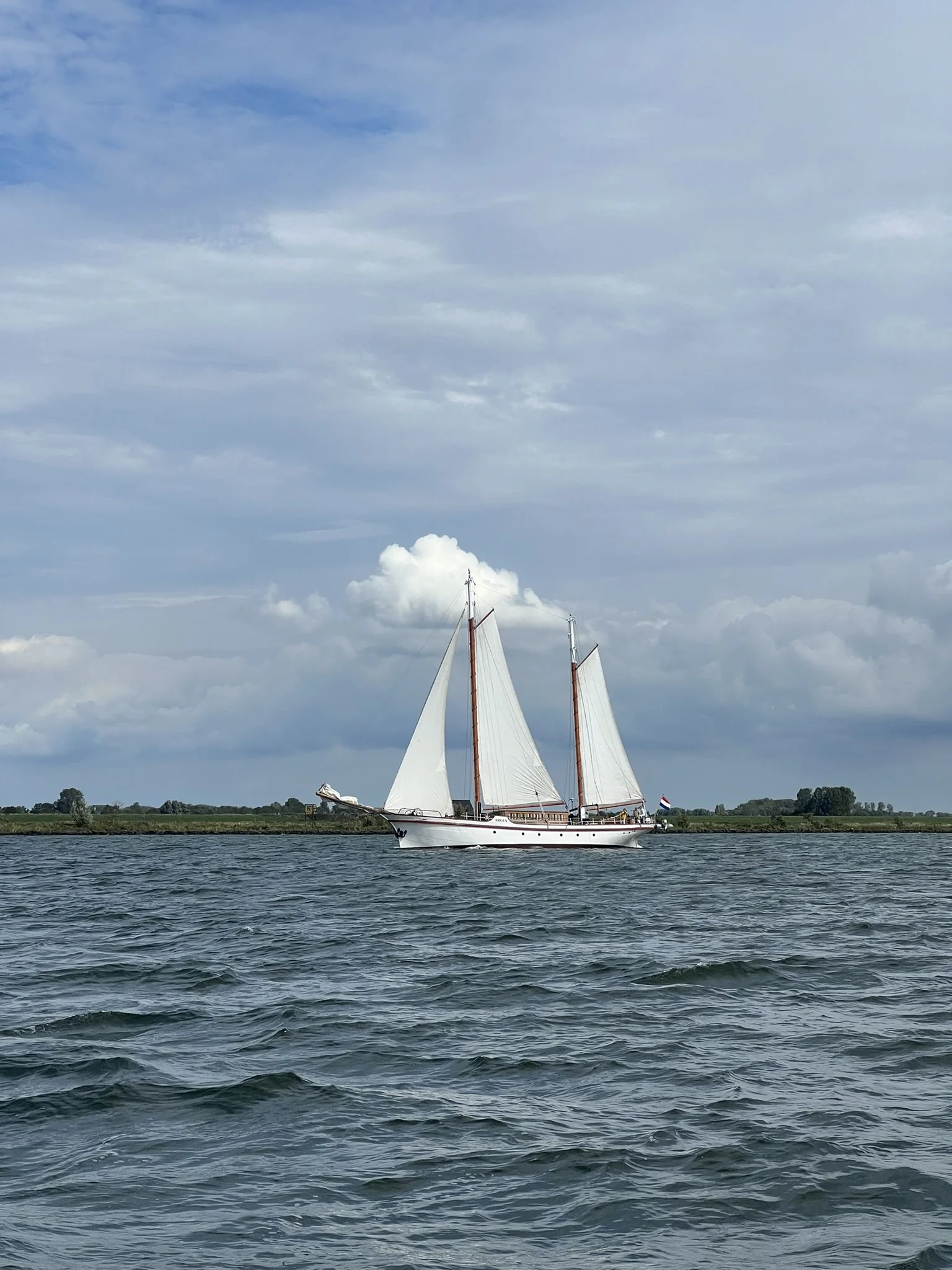
Day 149: Willemstad NL - Bruinisse NL
Day 150-153: Bruinisse NL
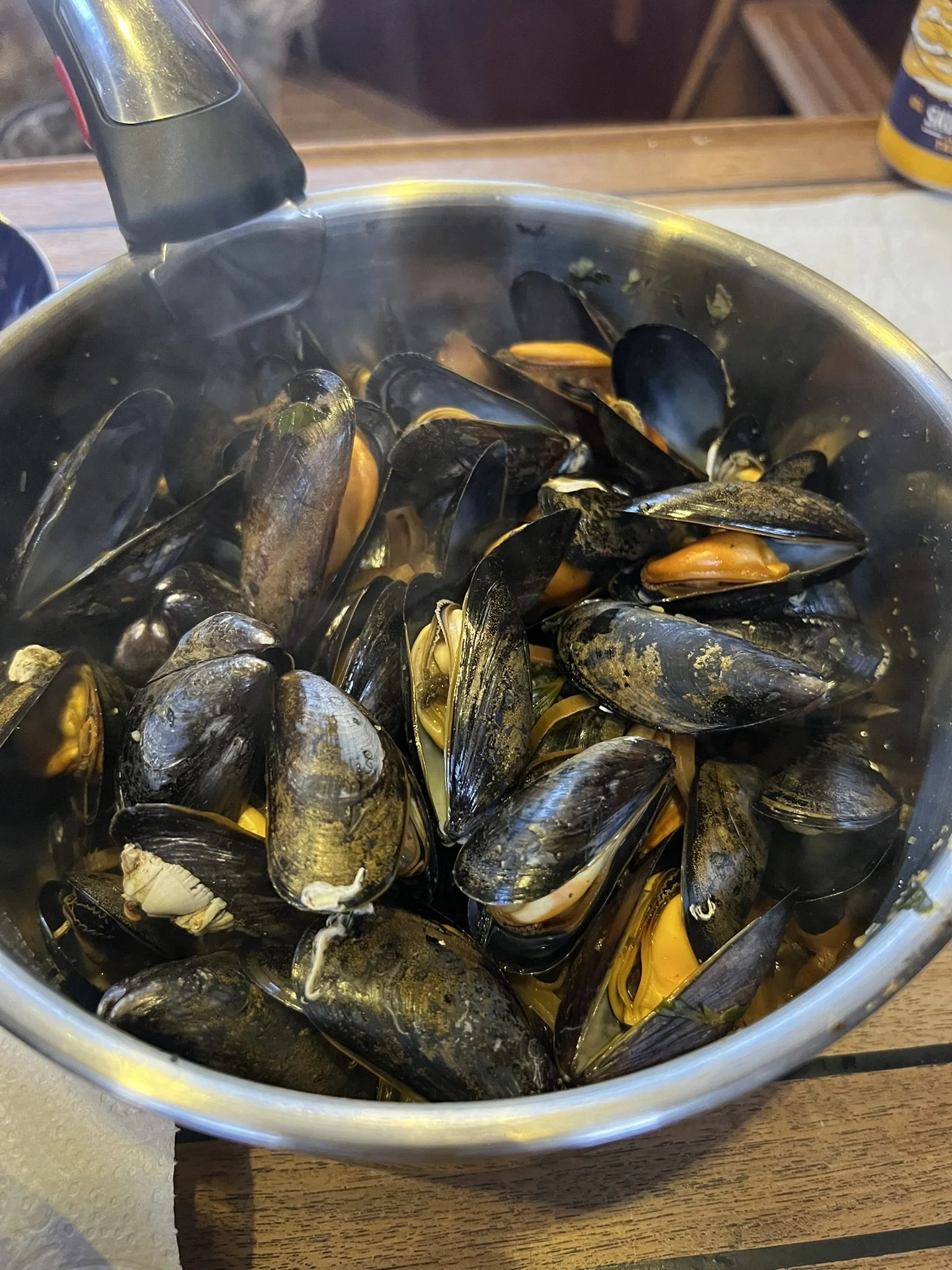
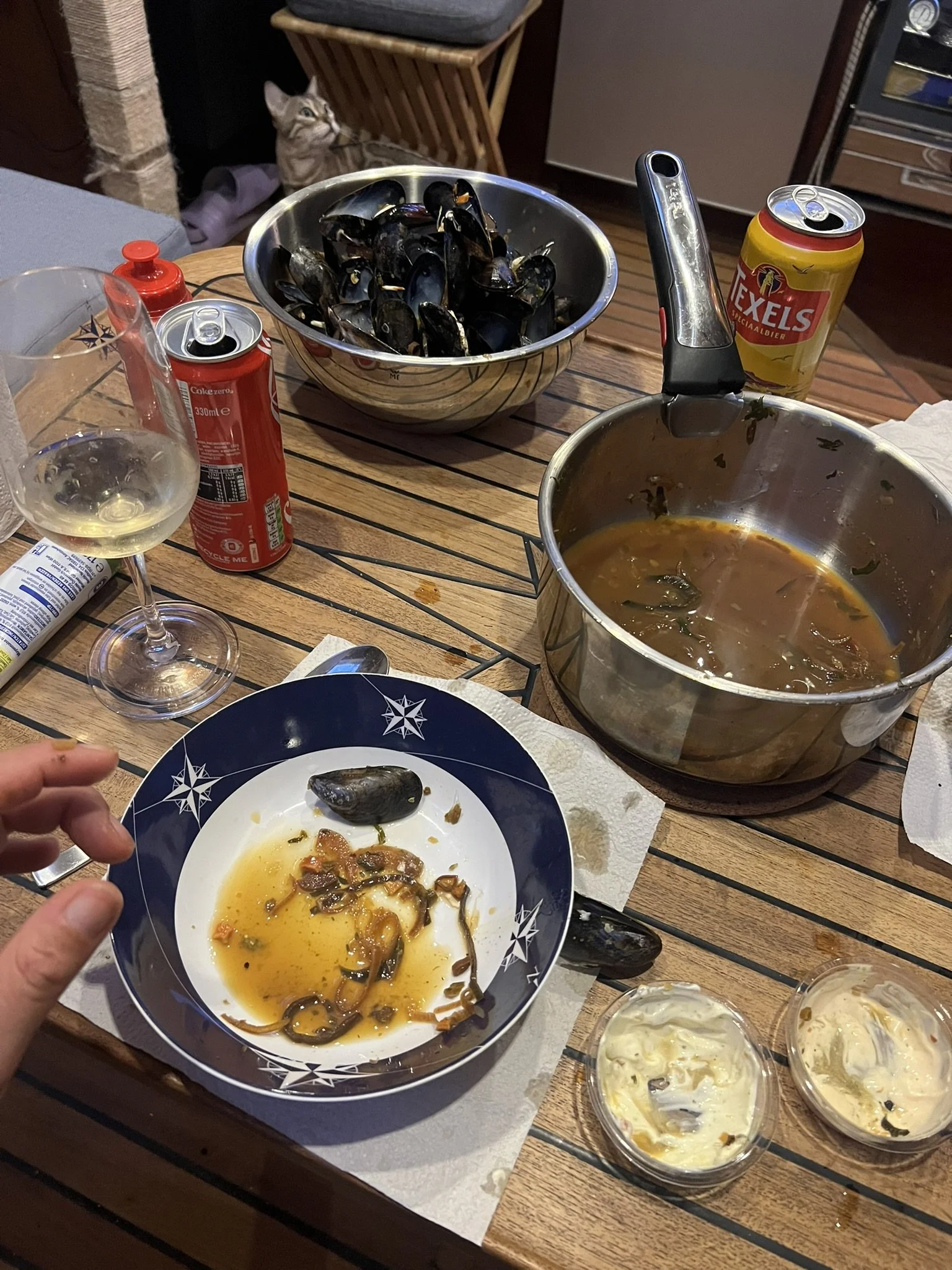
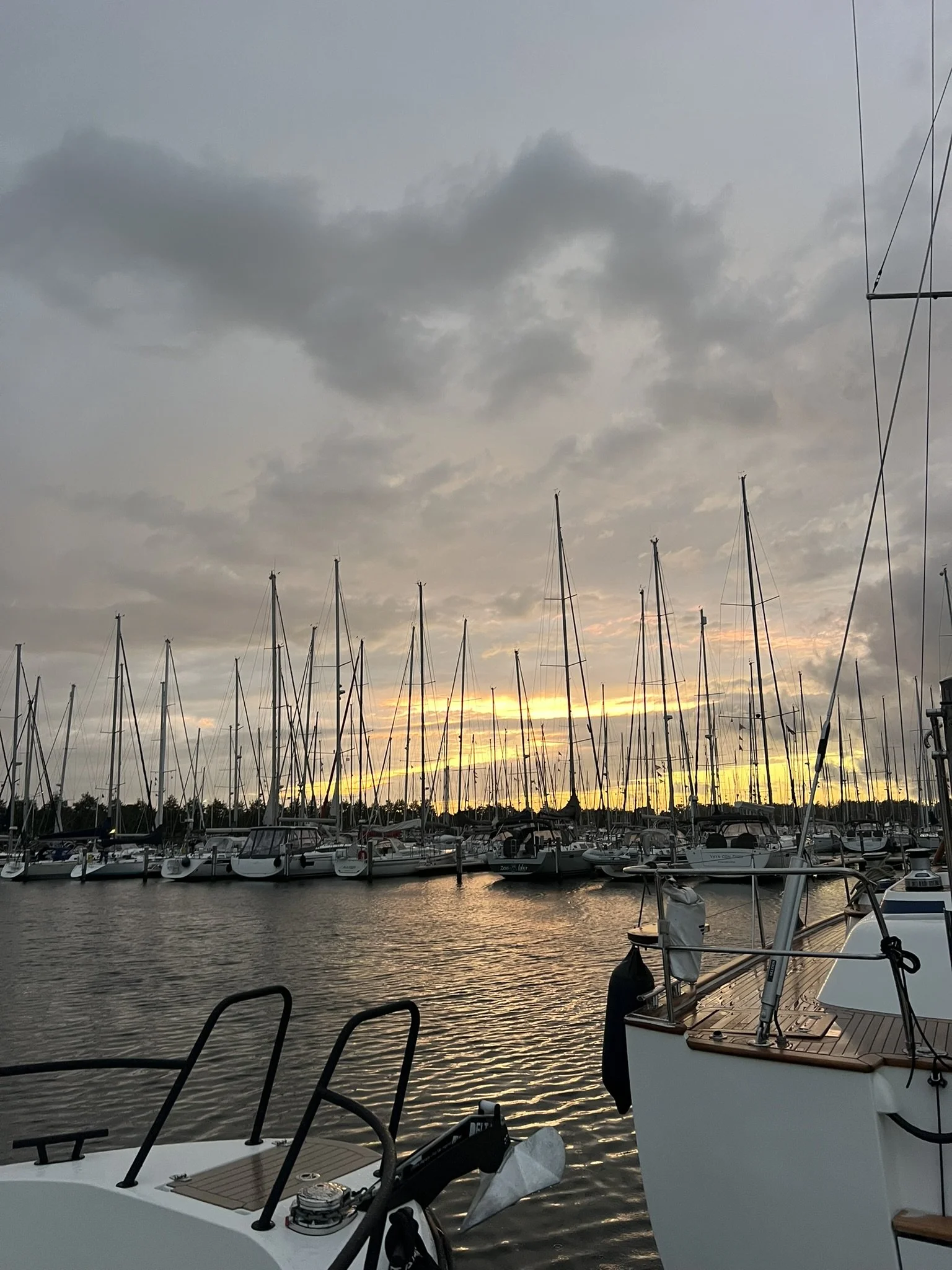
Day 154: Bruinisse NL - Spieringplaat NL
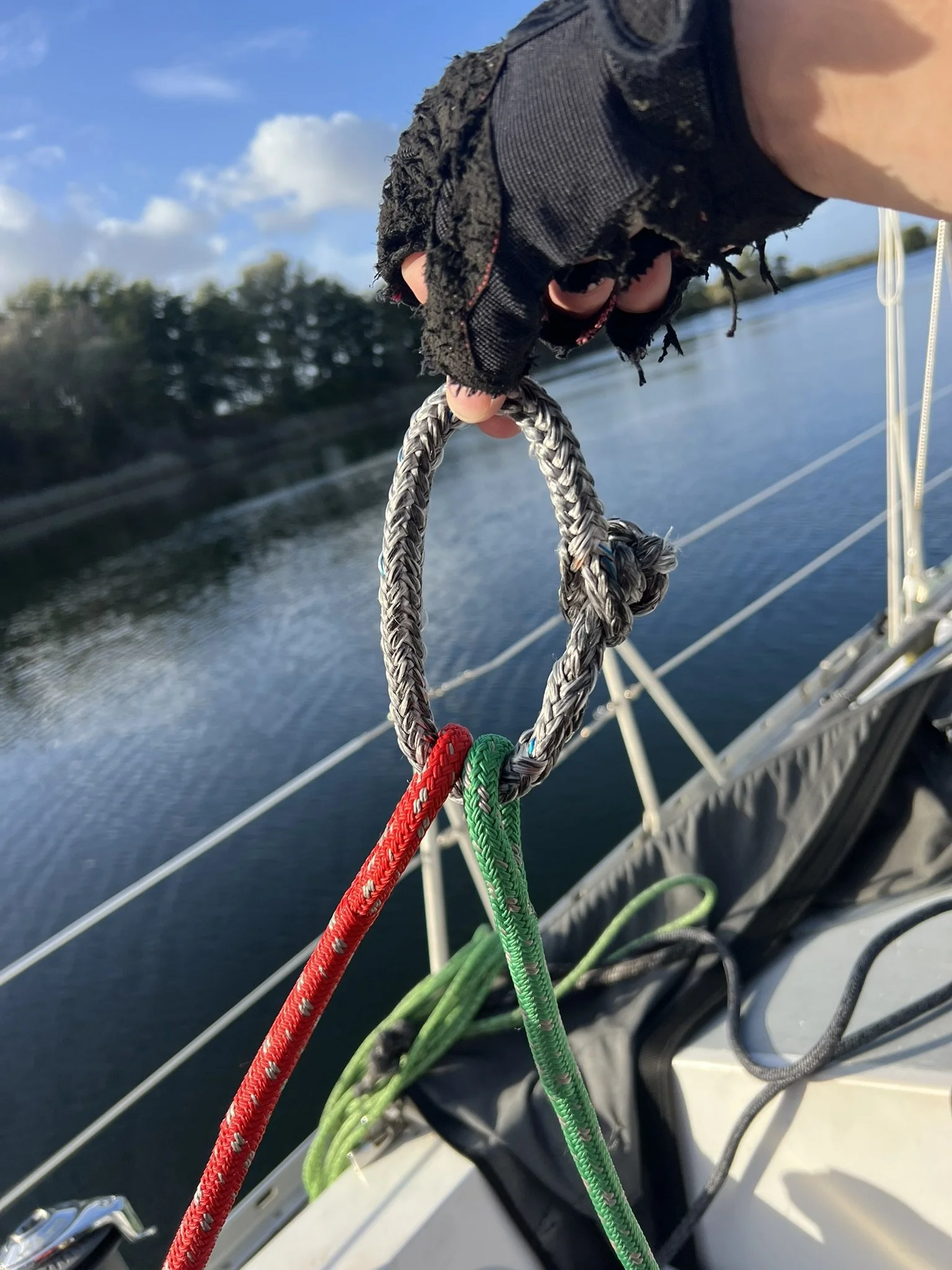
Day 155: Spieringplaat NL
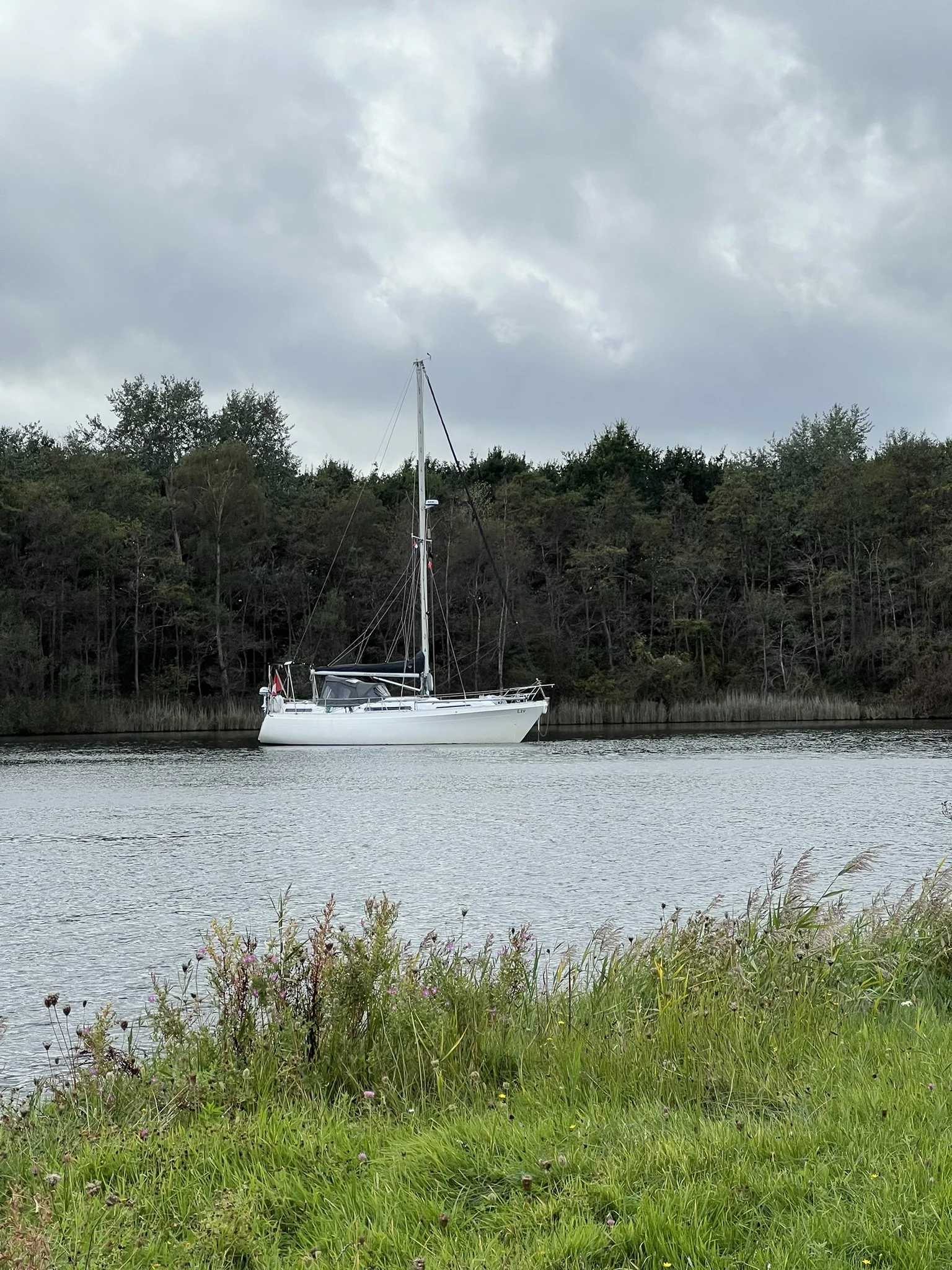
Day 156: Spieringplaat NL - Mosselplaat NL
Day 157: Mosselplaat NL - Middelburg NL
Day 158: Middelburg NL - Breskens NL
Day 159: Breskens NL