ship’s log 10: haul out
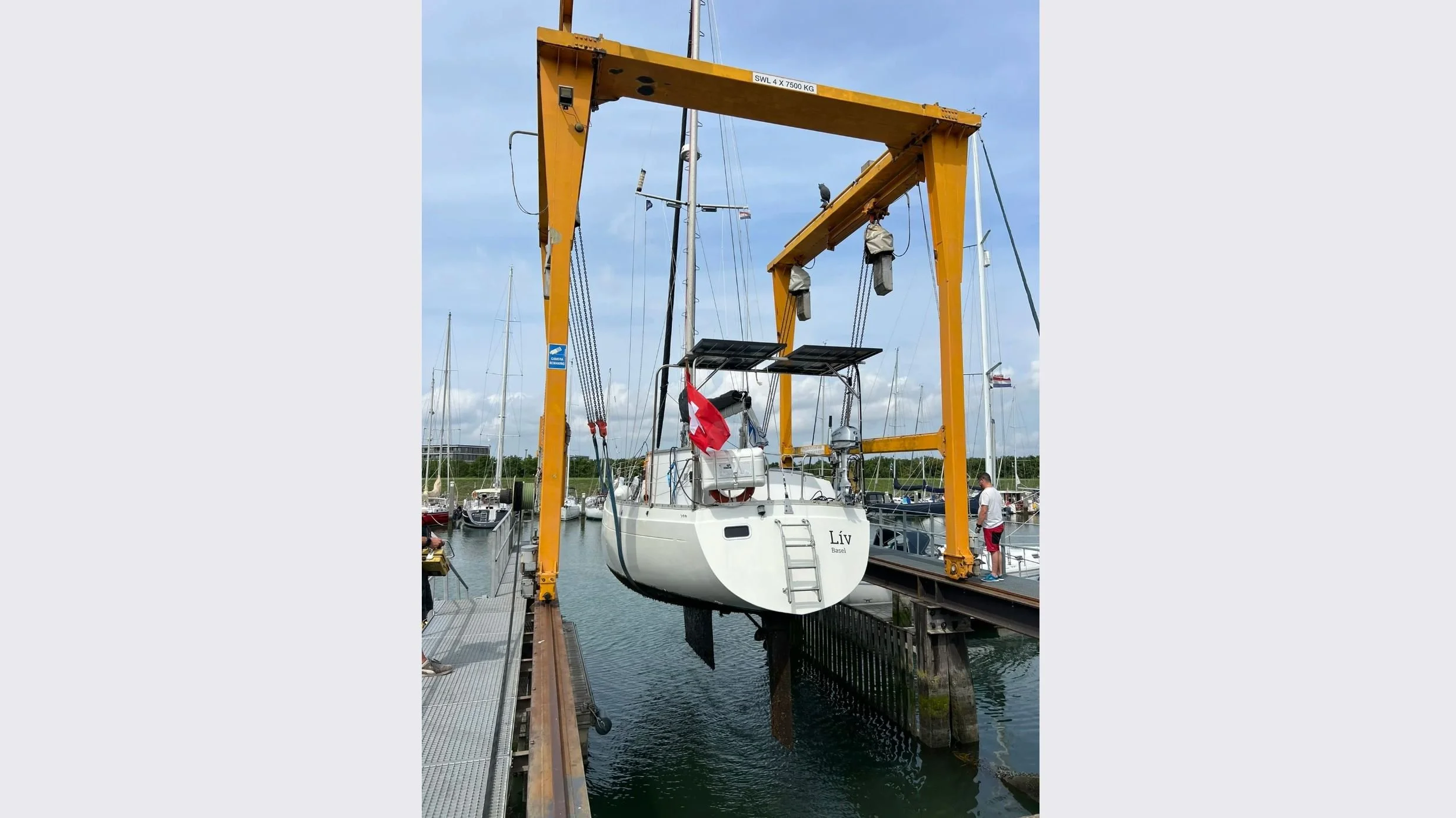
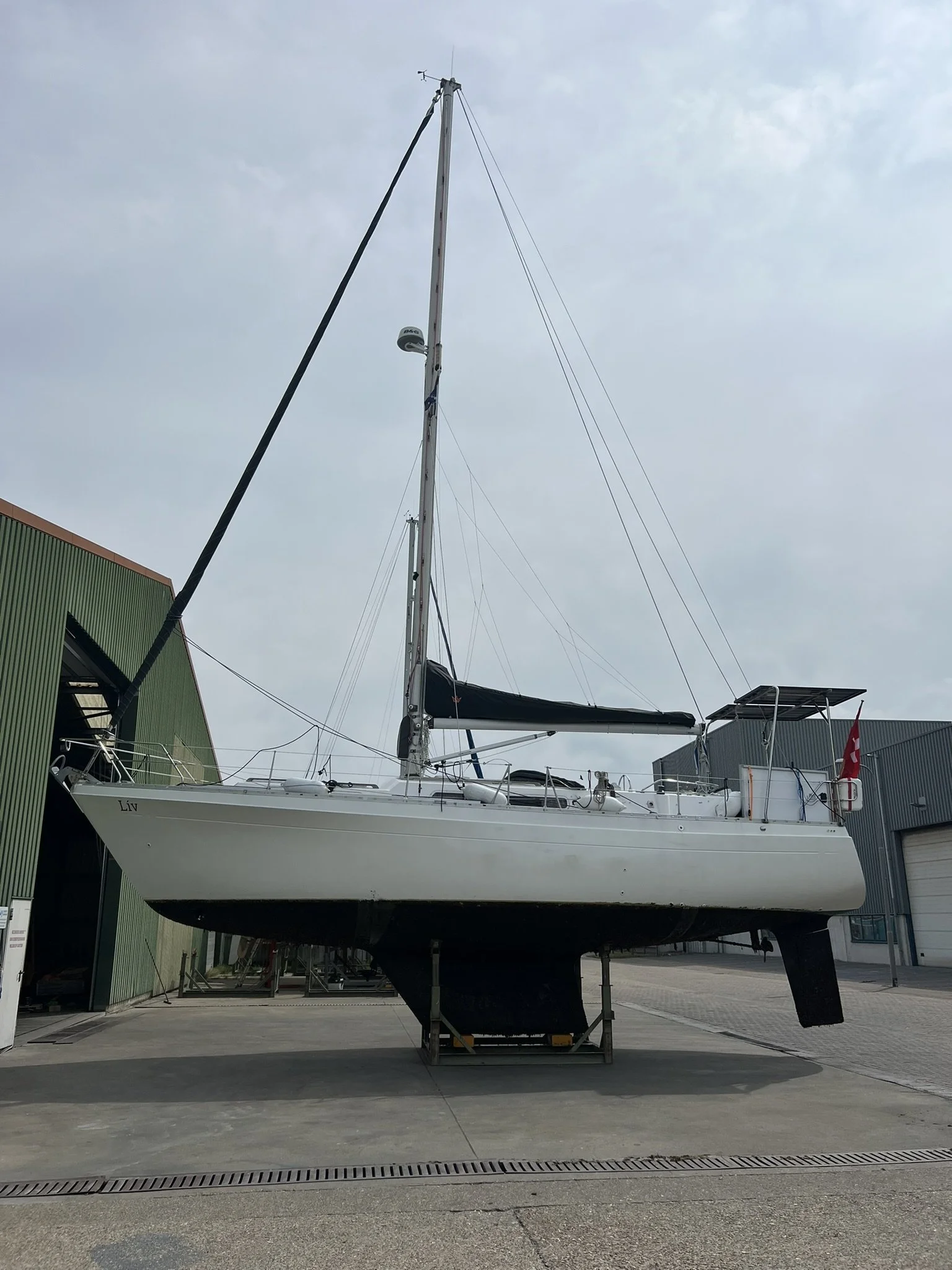
Now that we’ve explored (almost) every corner of the inside of the boat, it was time to turn our attention to the outside — especially the part you normally never see: the underside of Liv.
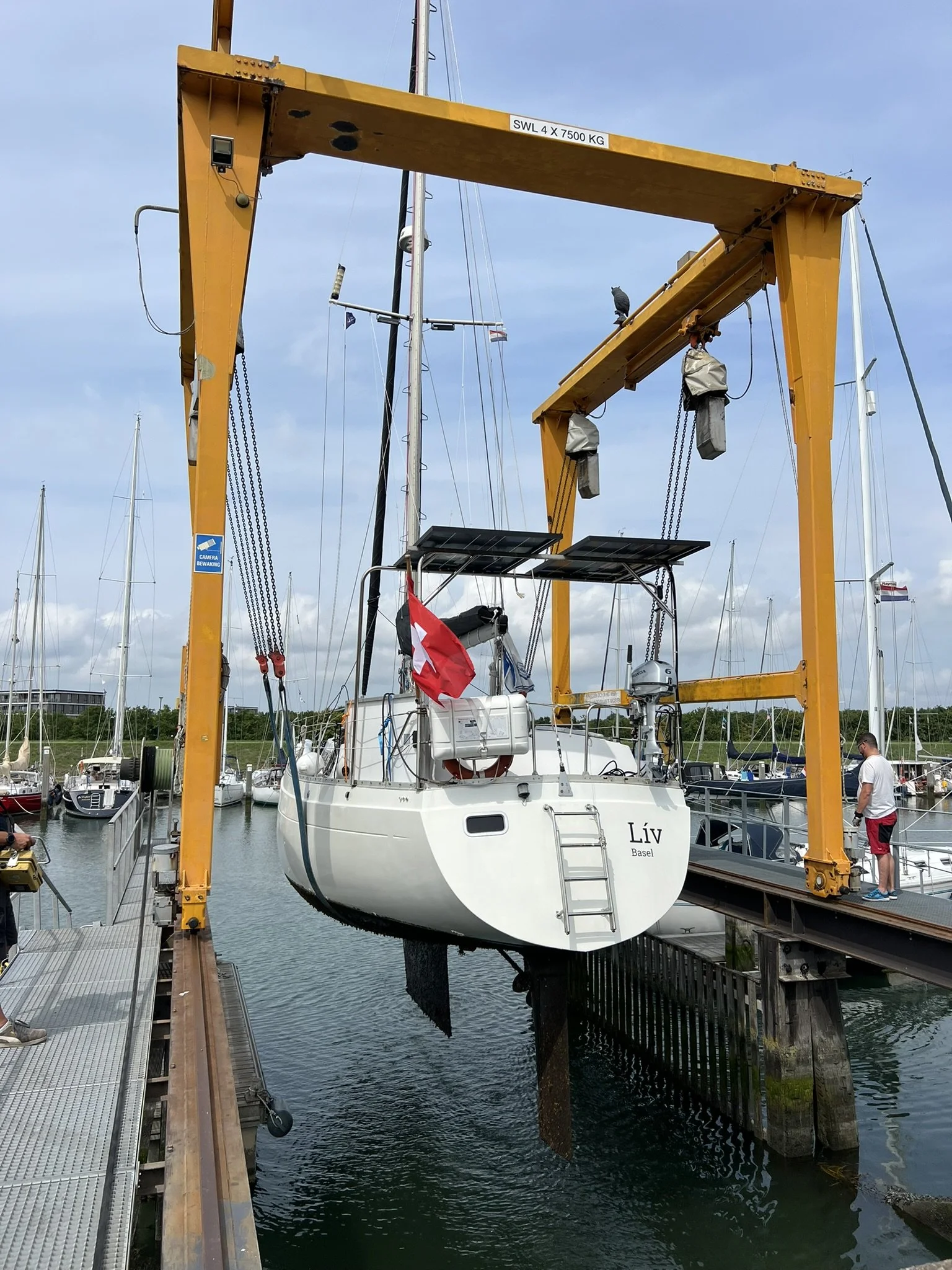
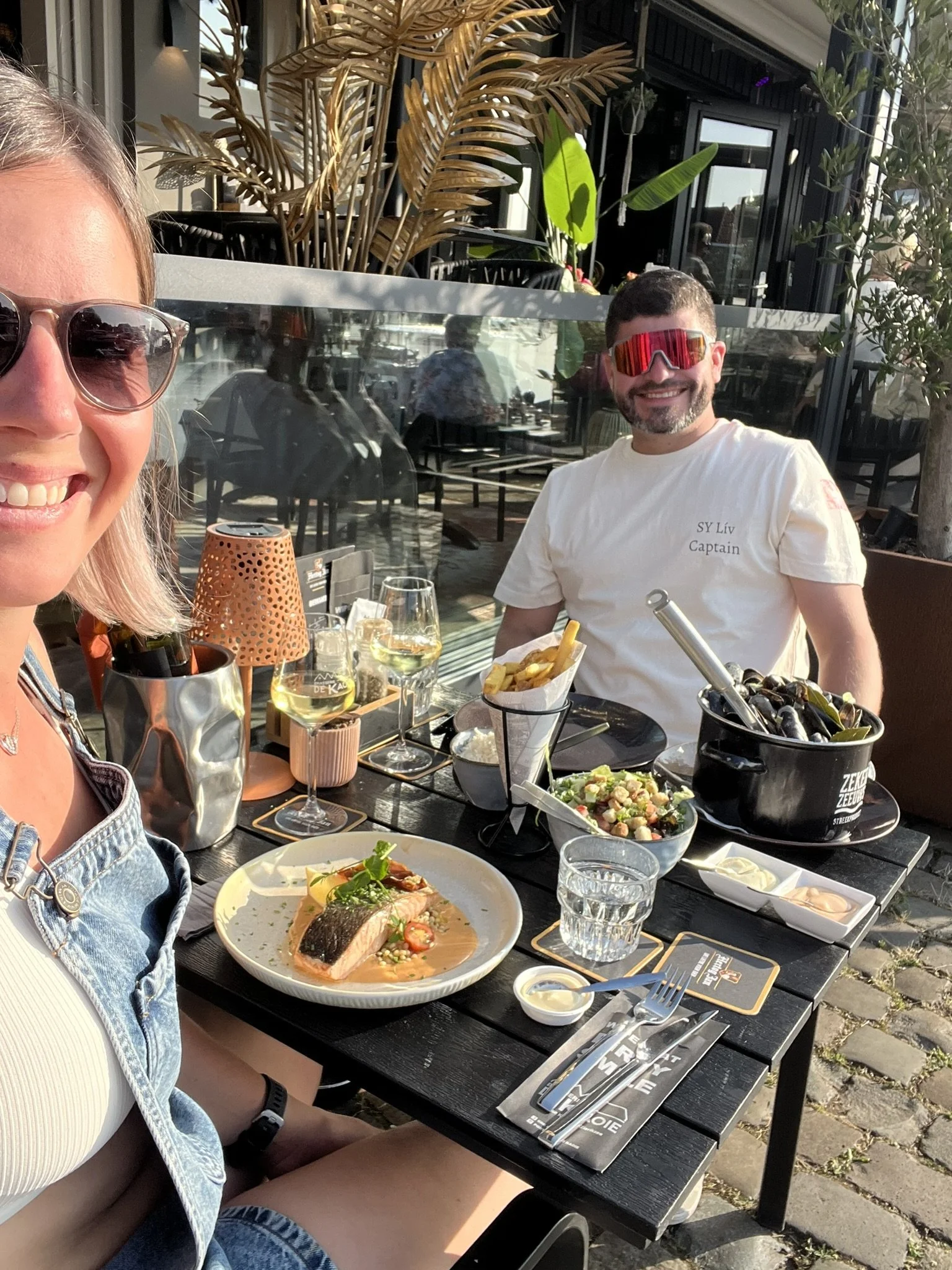
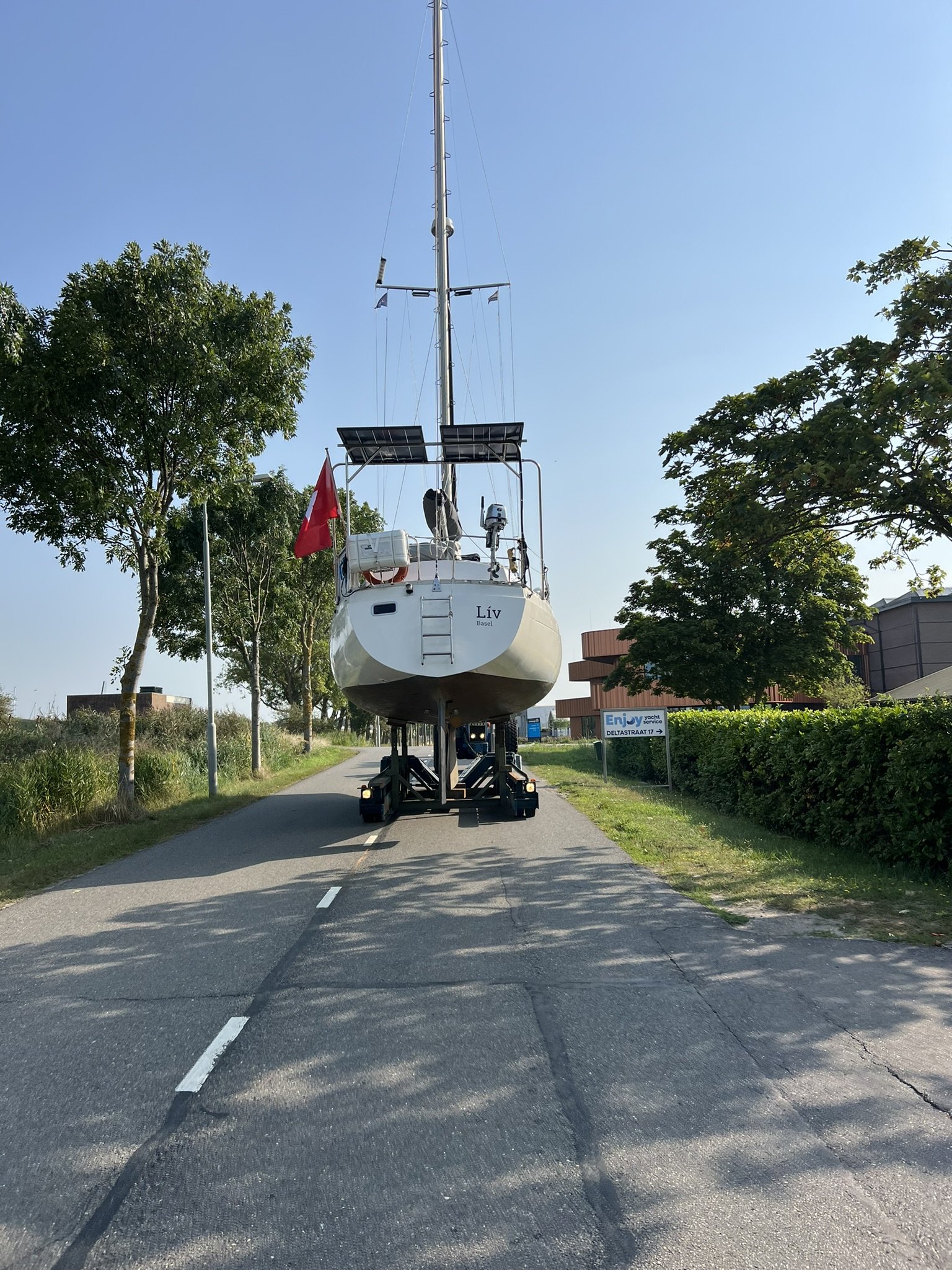
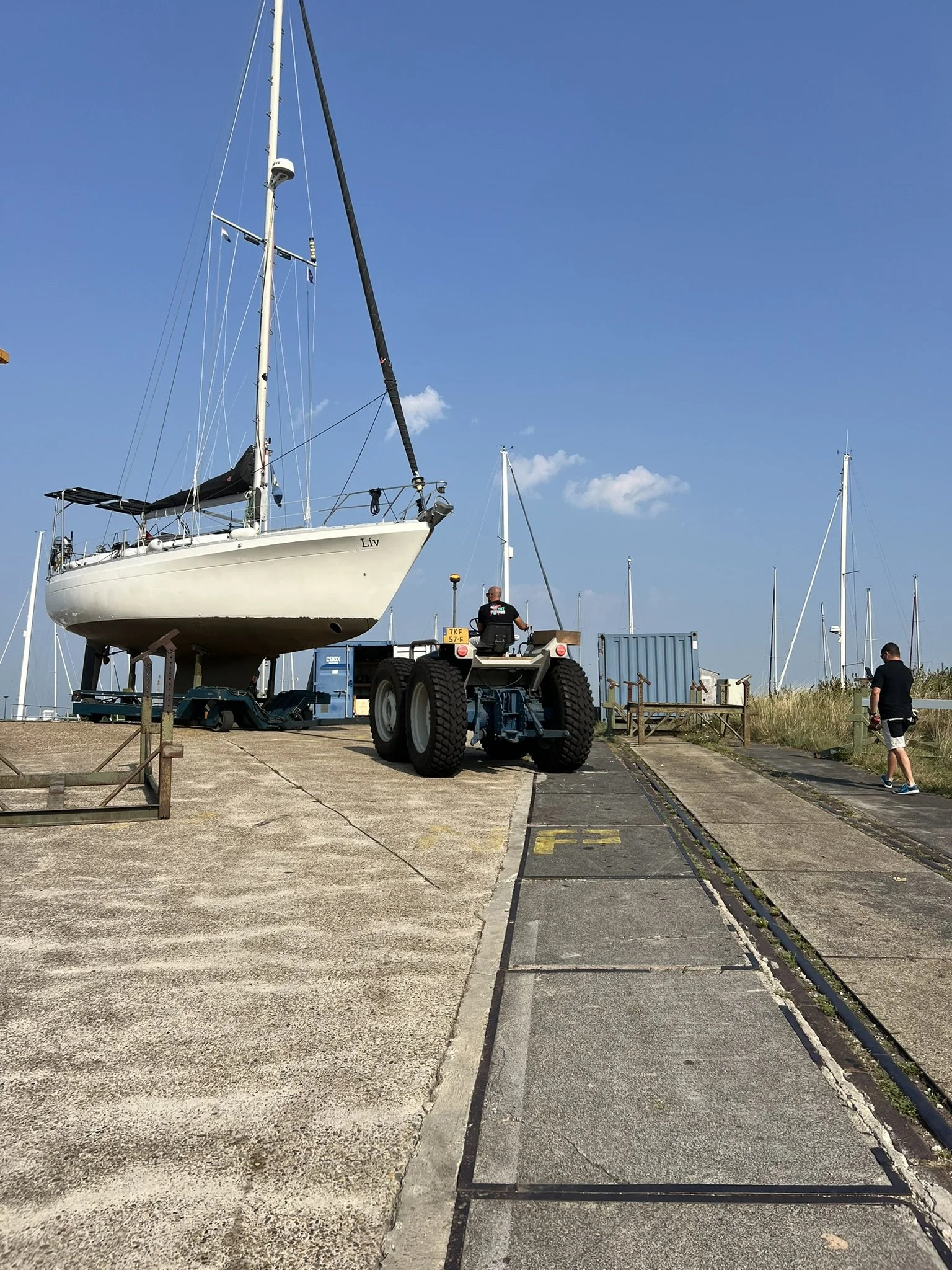
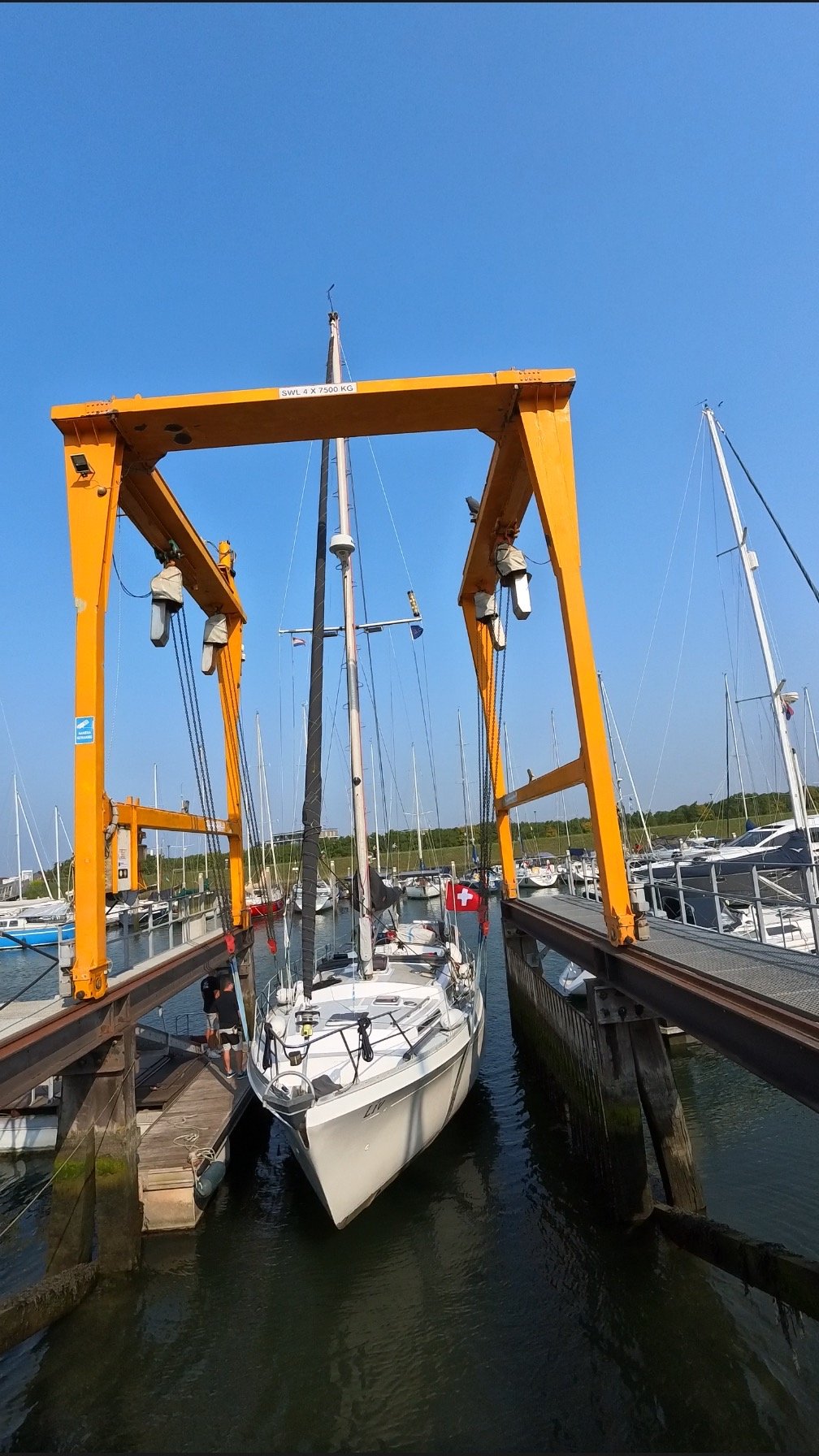
We scheduled a haul-out in Zierikzee at Enjoy Yachtservice, which was highly recommended by the local chandlery in Bruinisse — and they absolutely lived up to it. Watching your floating home being lifted out of its natural environment and suspended in mid-air is an intense experience. After all, we’re talking about nearly 10 tonnes hanging safely in lifting straps.
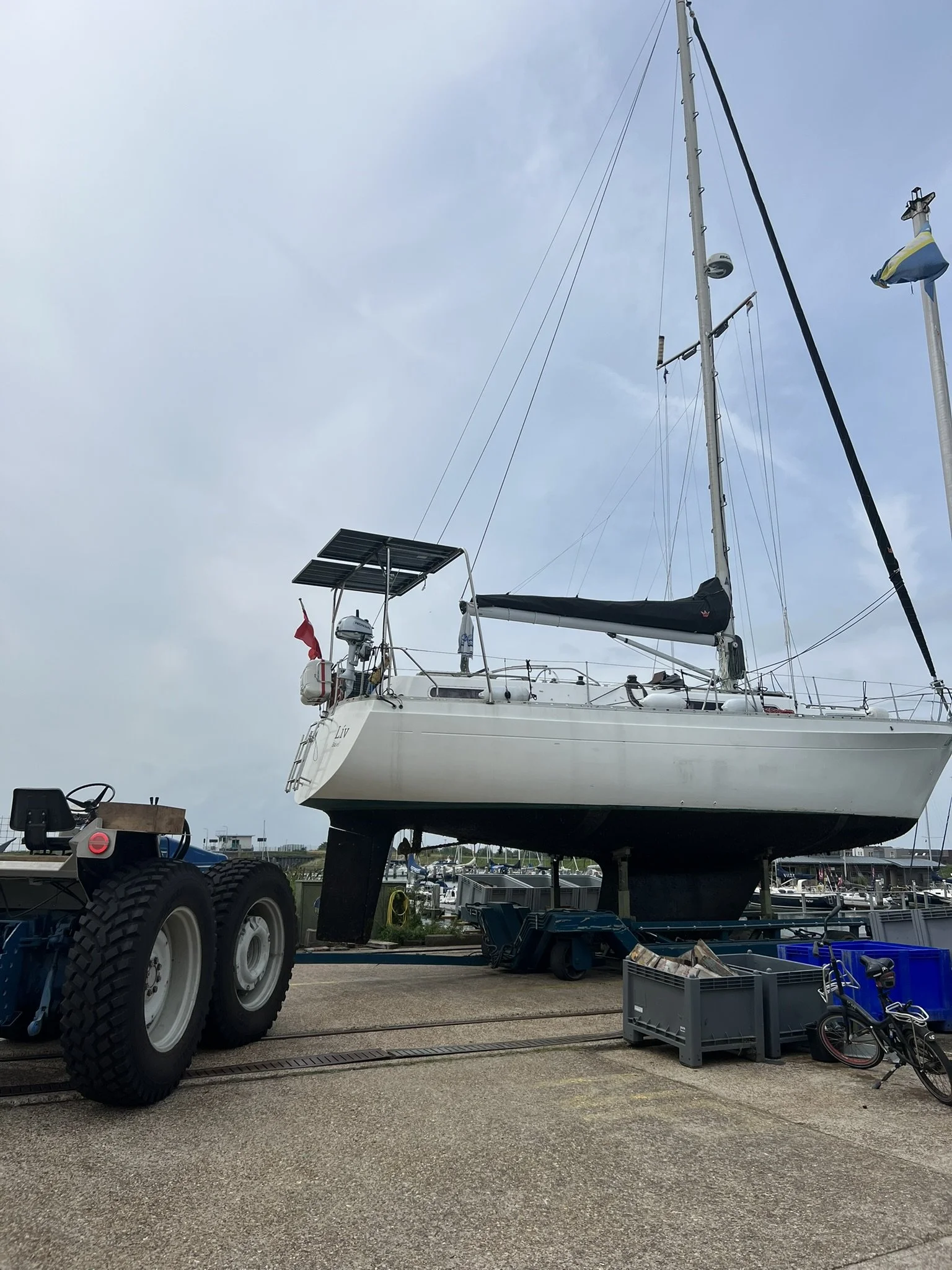
One of the most nerve-wracking moments was seeing Liv slowly moved down a steep slope toward the yard. But the calm confidence and professionalism of the shipyard crew quickly reassured us that she was in very good hands.
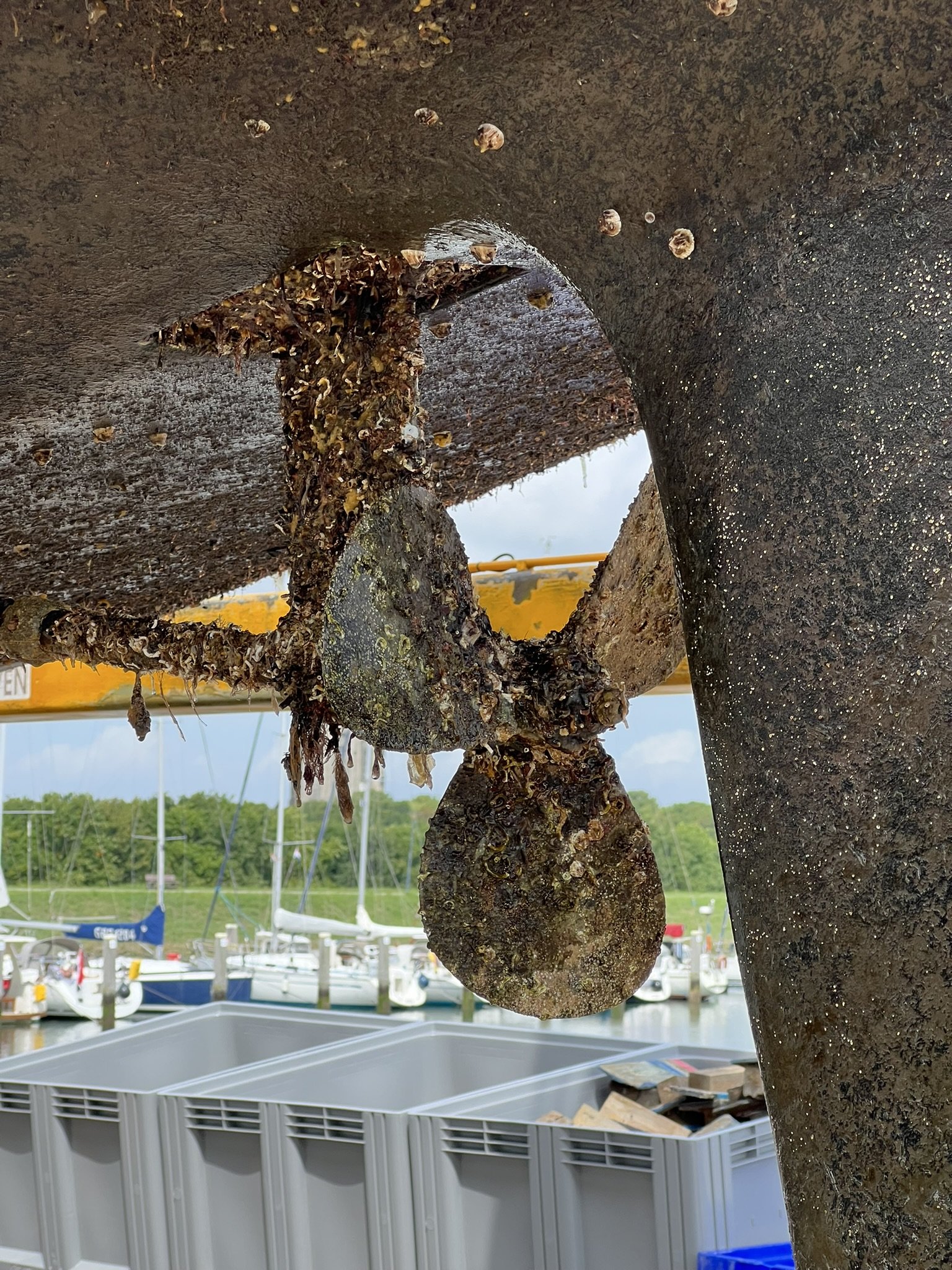
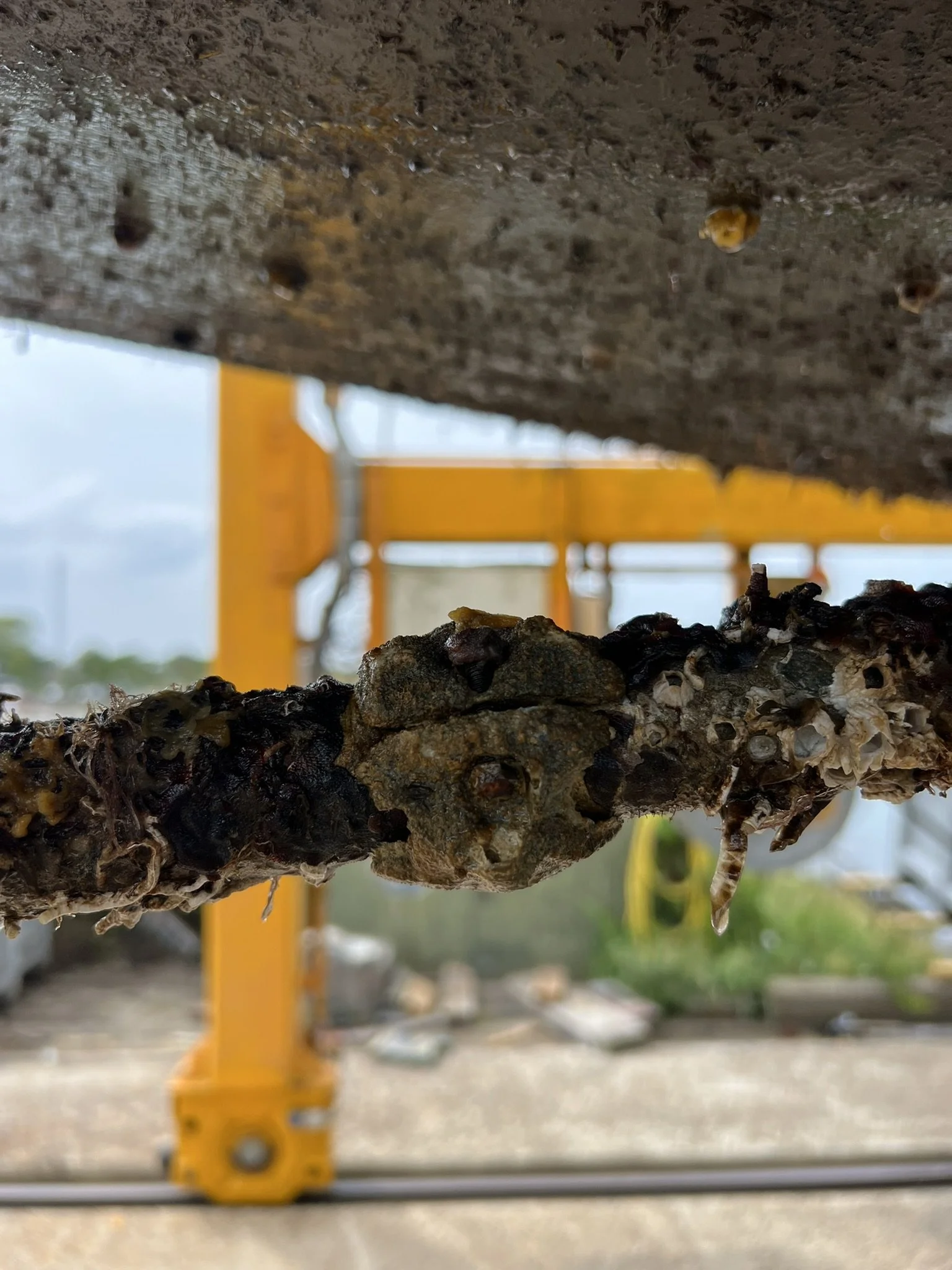
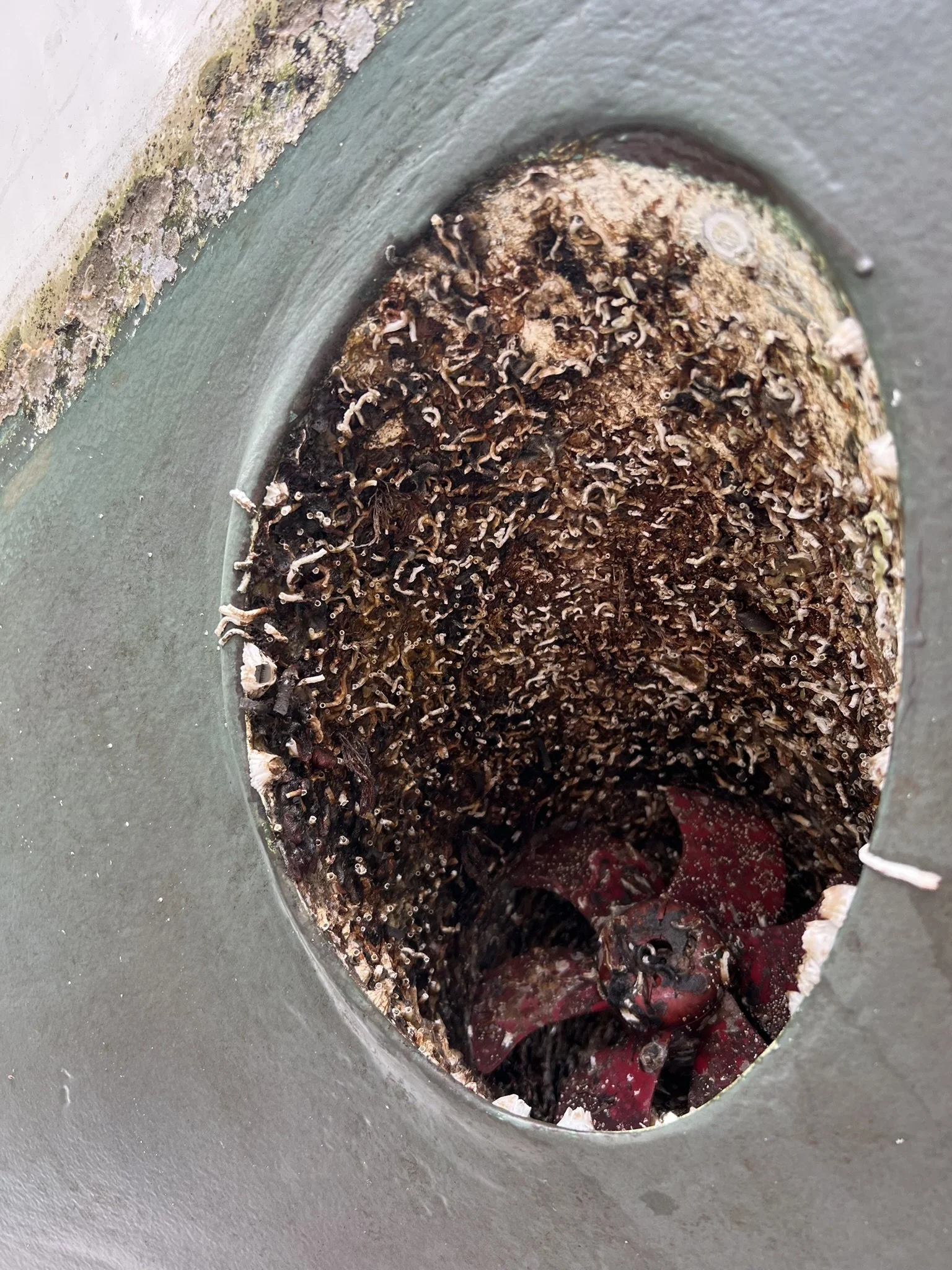
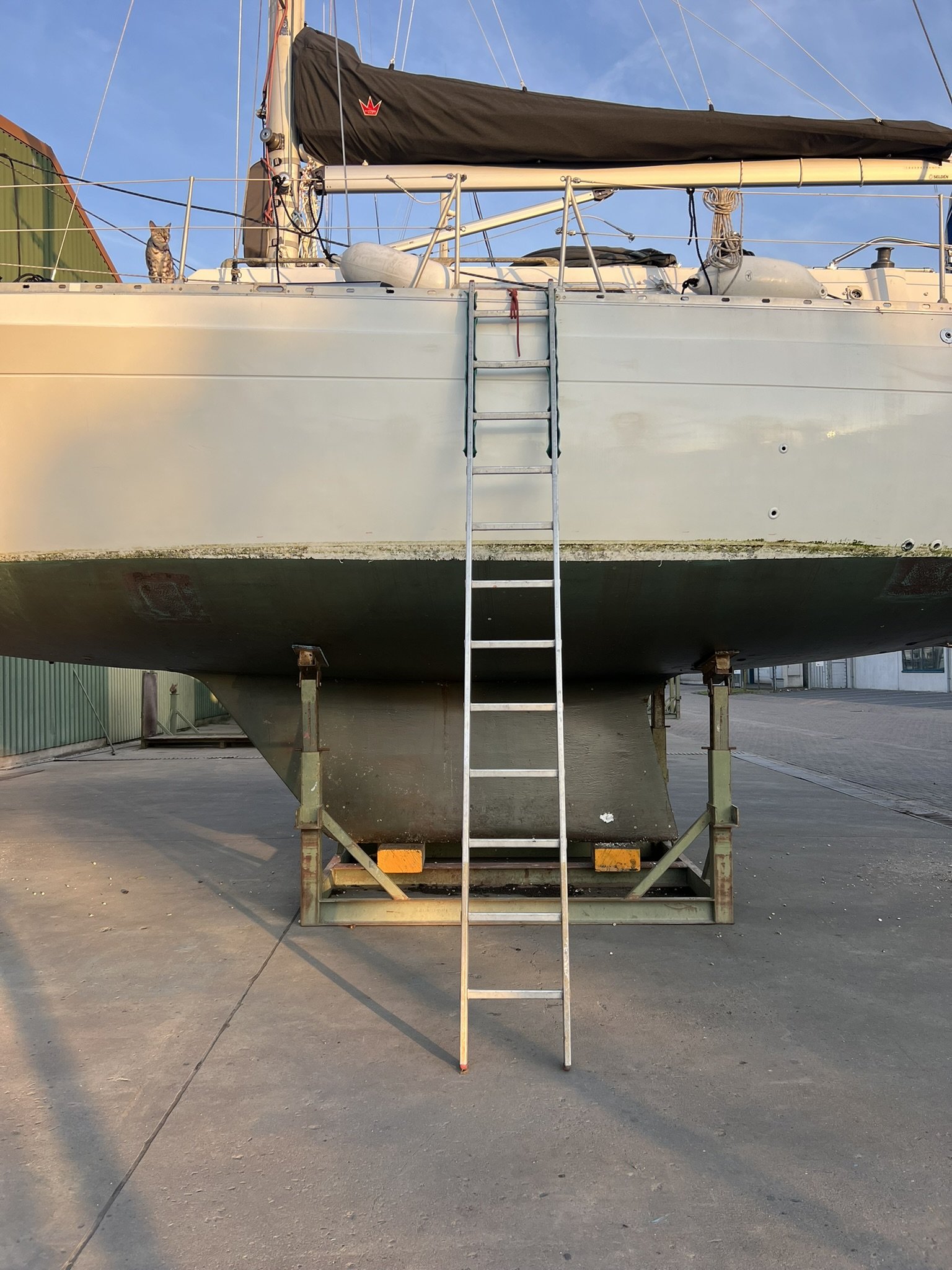
As you can imagine, anything that lives in the water will eventually collect marine growth — algae, slime, barnacles, and even mussels — and boats are no exception. To reduce this so-called “growth,” boats are protected with special paints known as antifouling. Even then, some buildup is unavoidable.
Our boat hadn’t been out of the water since the survey shortly before we bought her in March 2024, and back then she was only pressure-washed. So it wasn’t a big surprise to see a significant amount of marine life once she came out of the water.
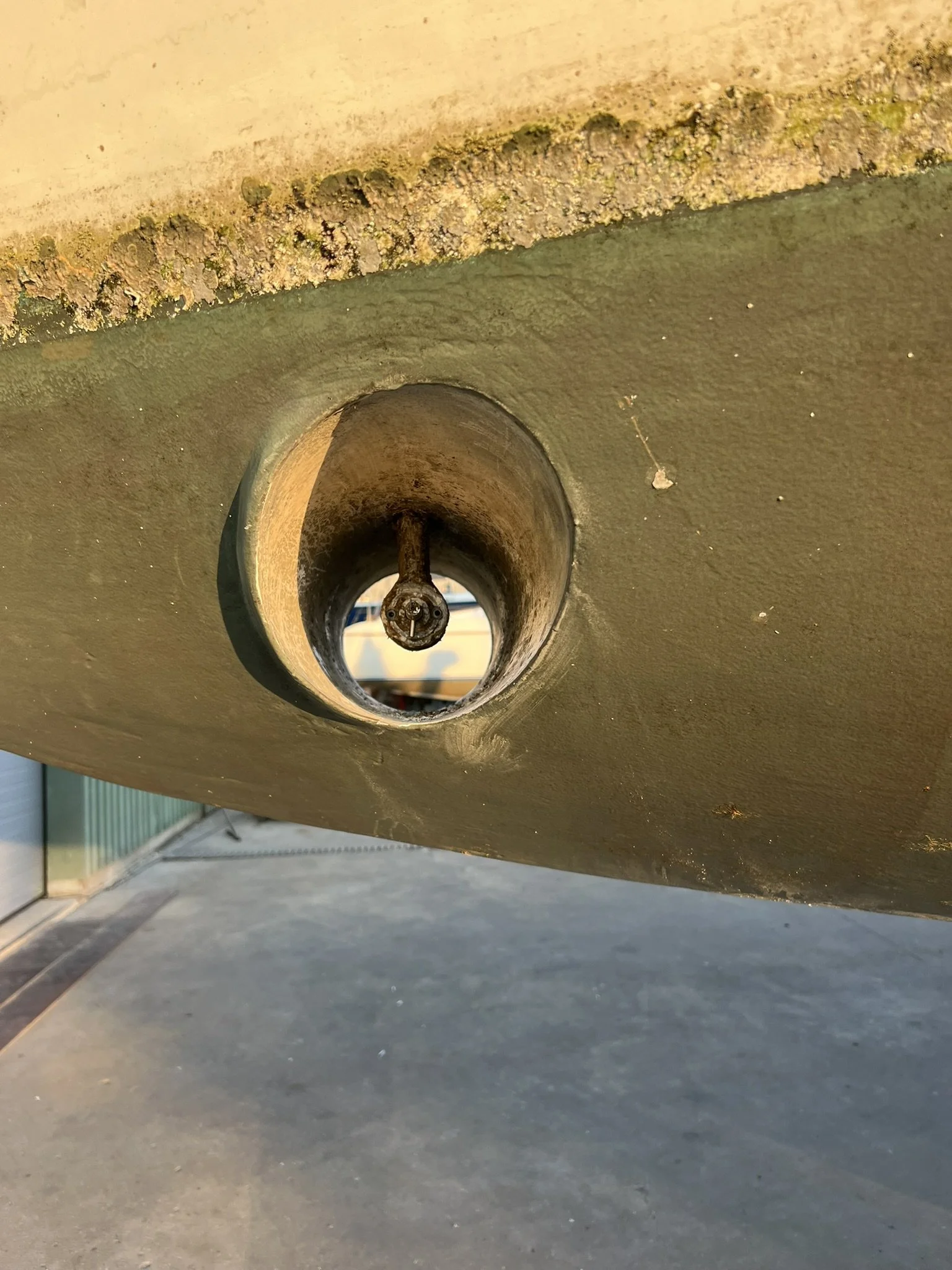
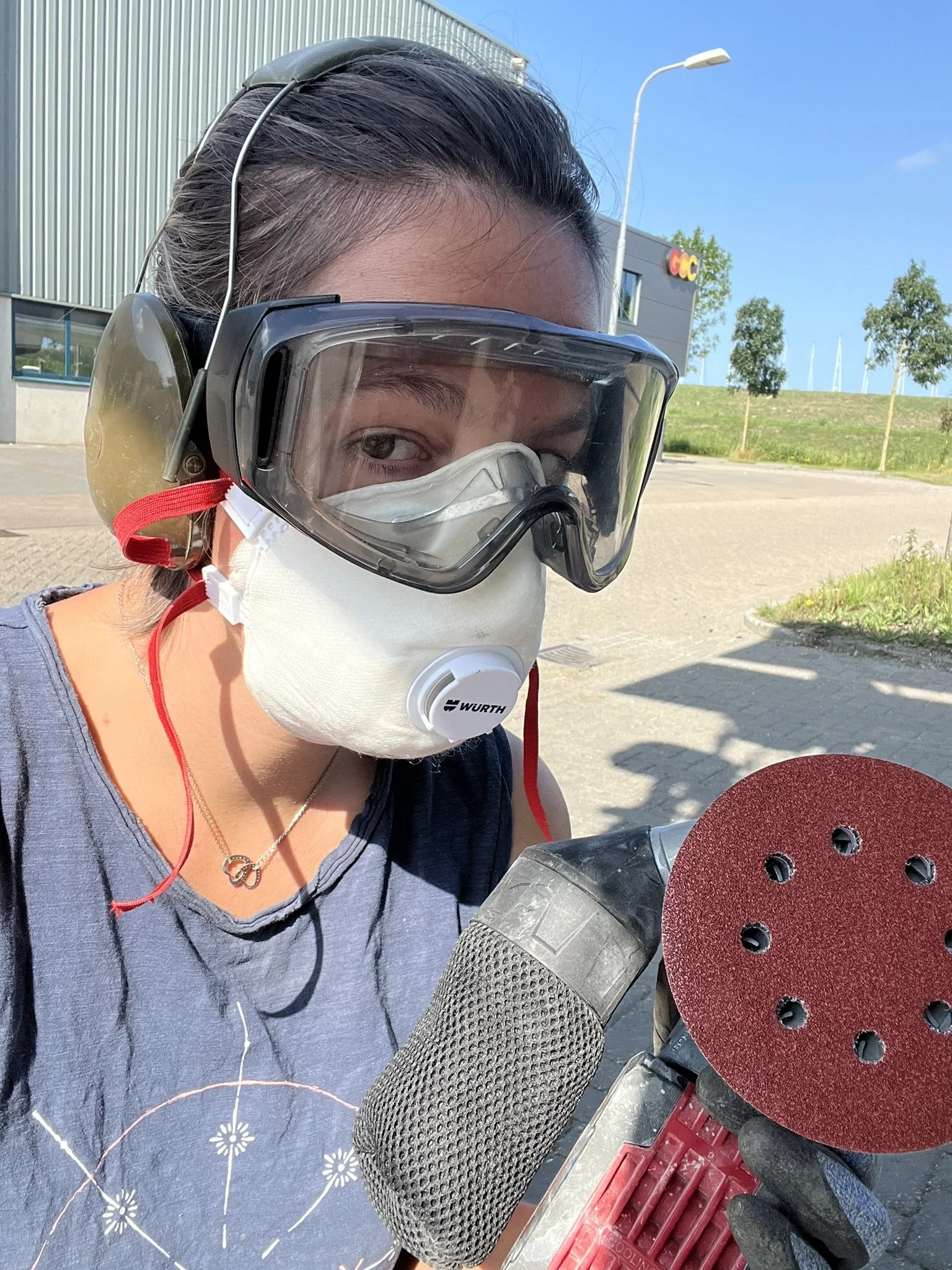
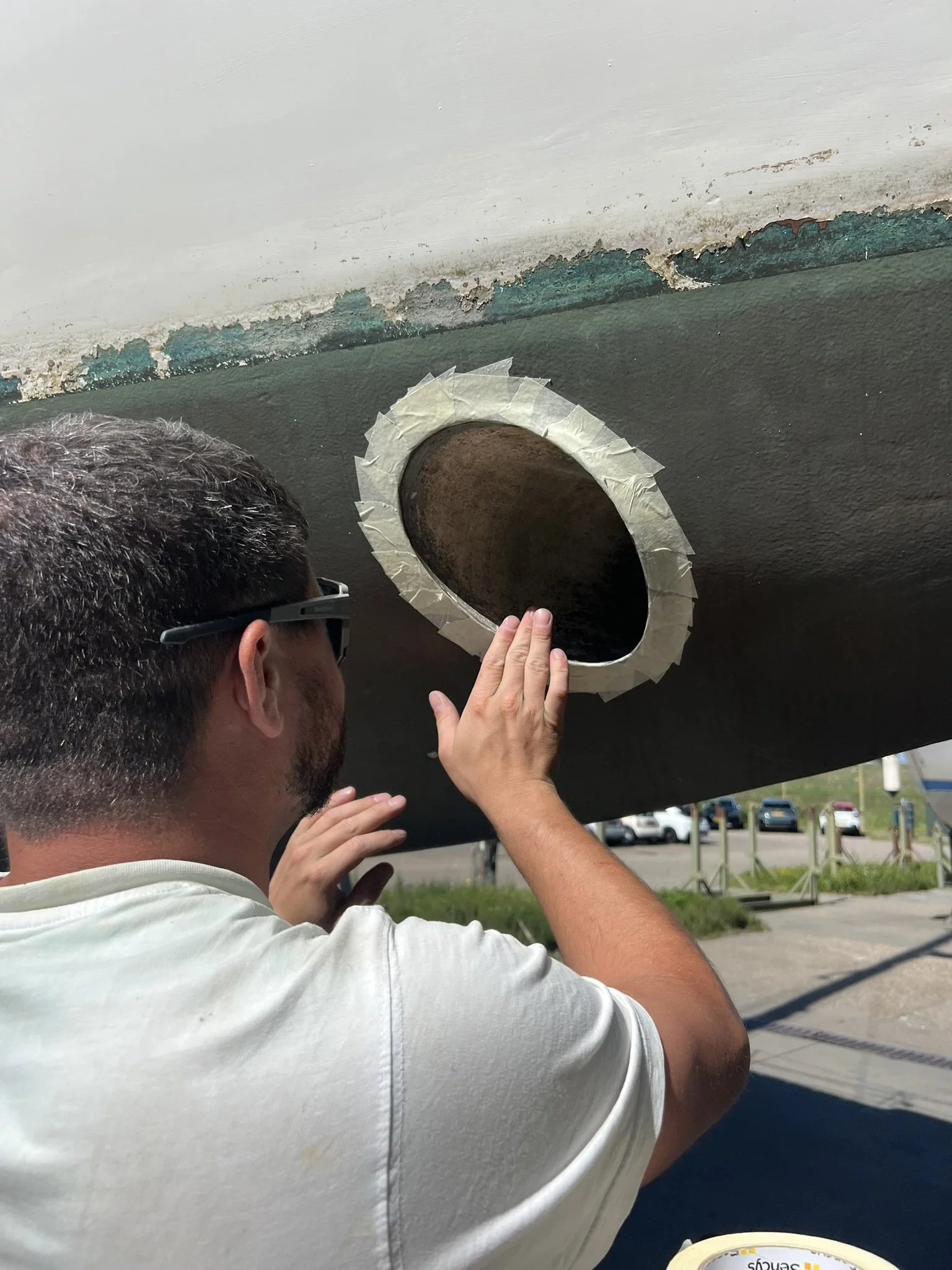
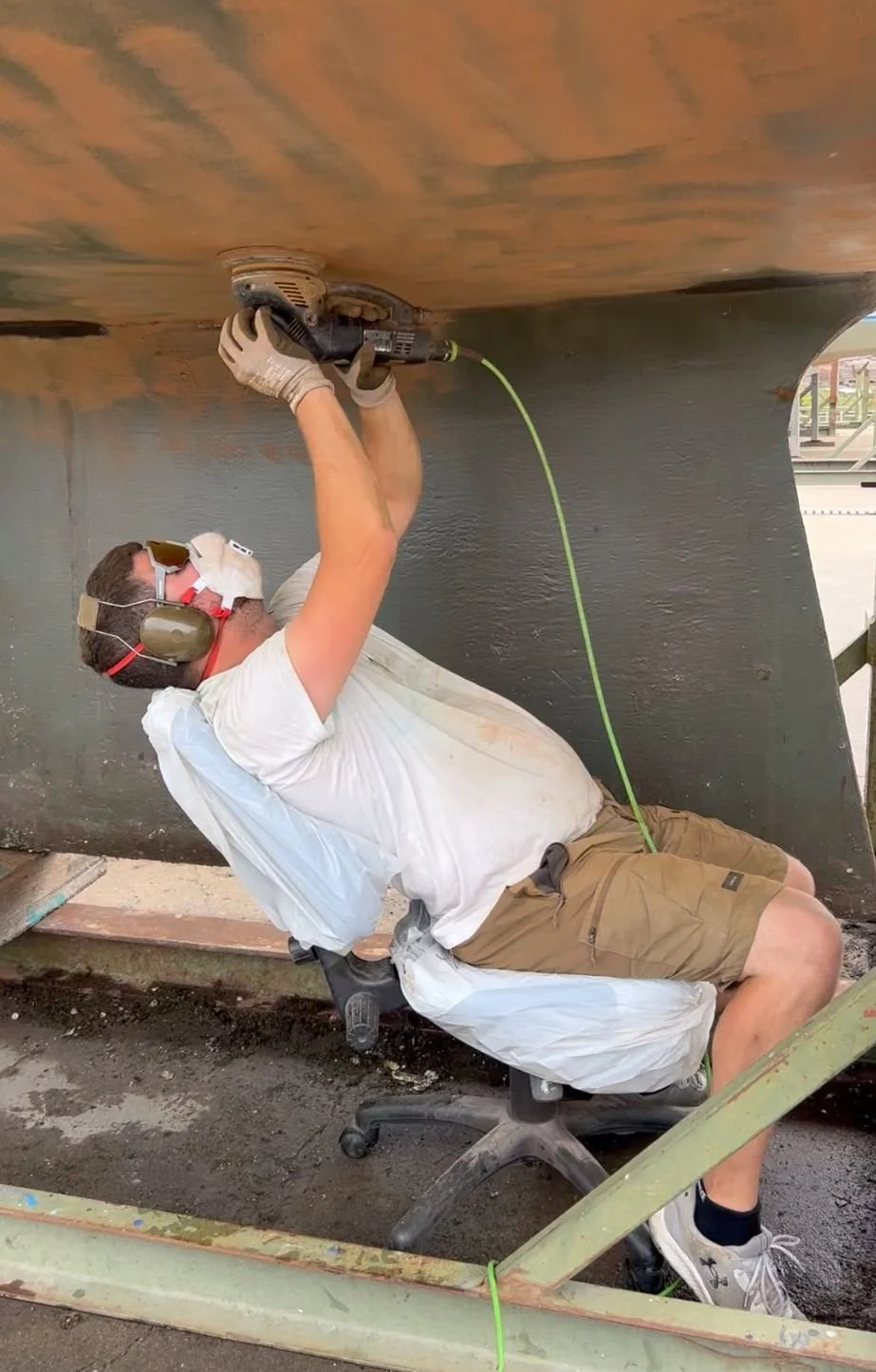
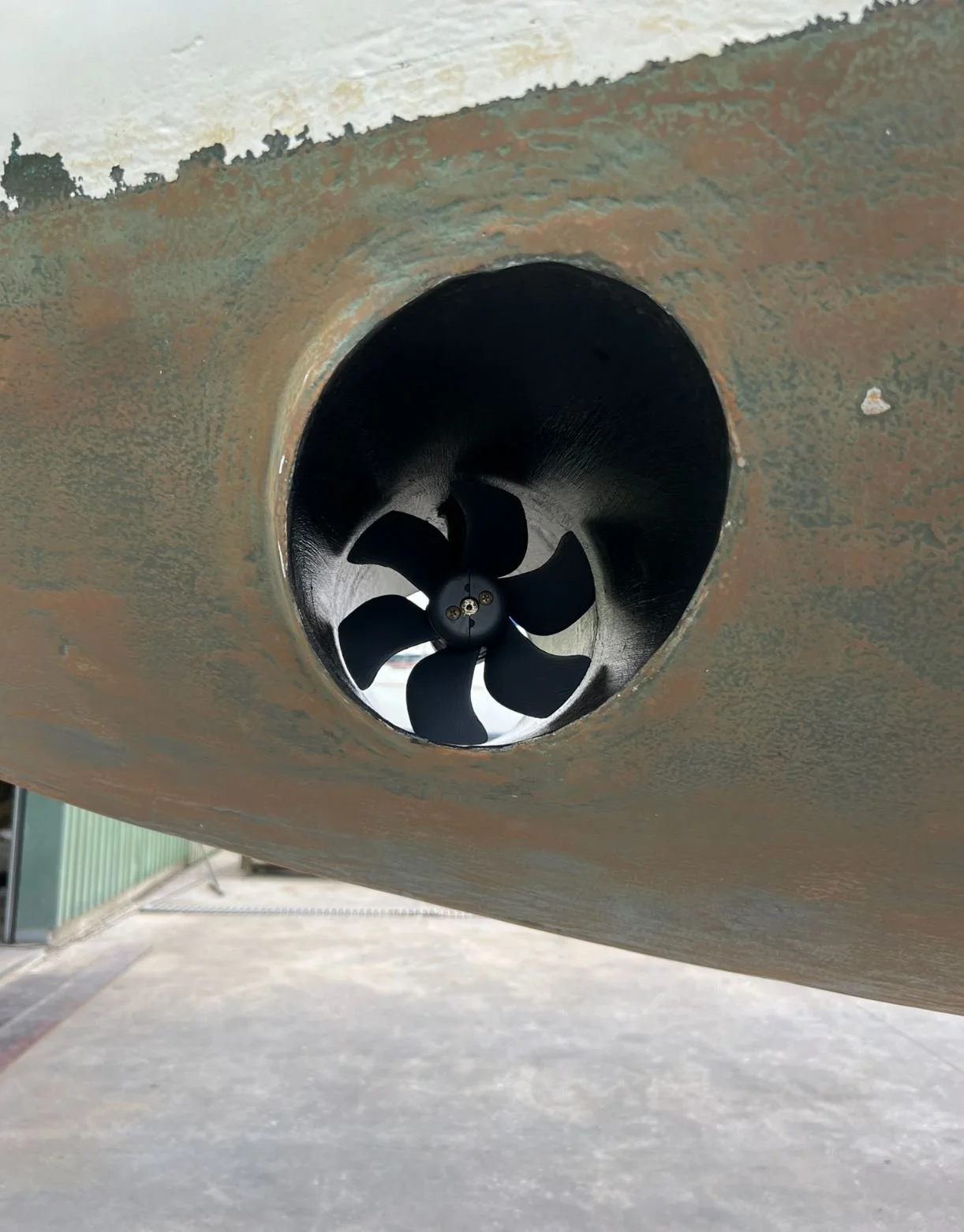
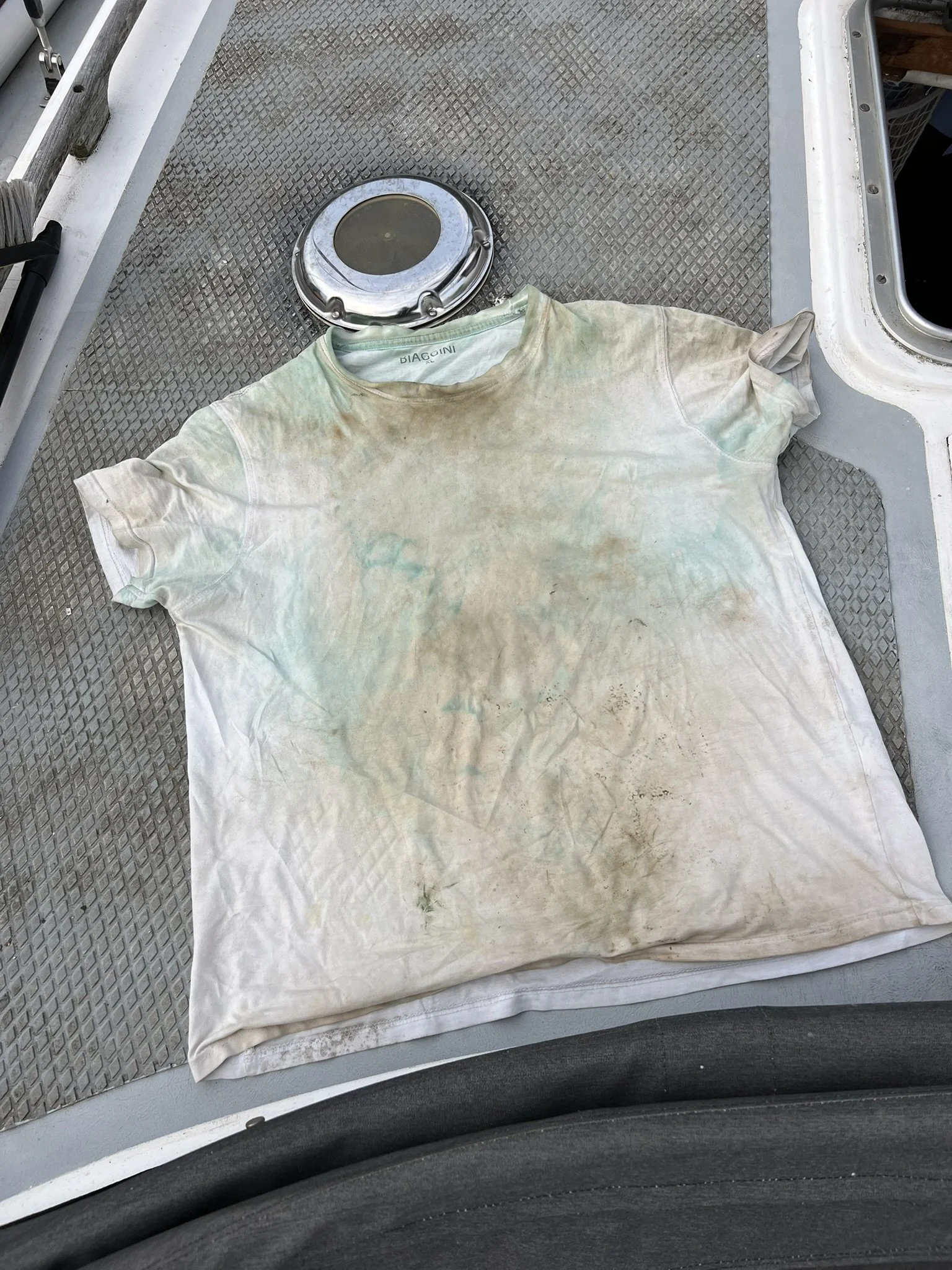
One of our main jobs during the haul-out was cleaning the hull and lightly sanding the entire underwater surface to reactivate the antifouling. We also completely disassembled the bow thruster, cleaned it thoroughly, and applied new antifouling paint — something that clearly hadn’t been done properly before.
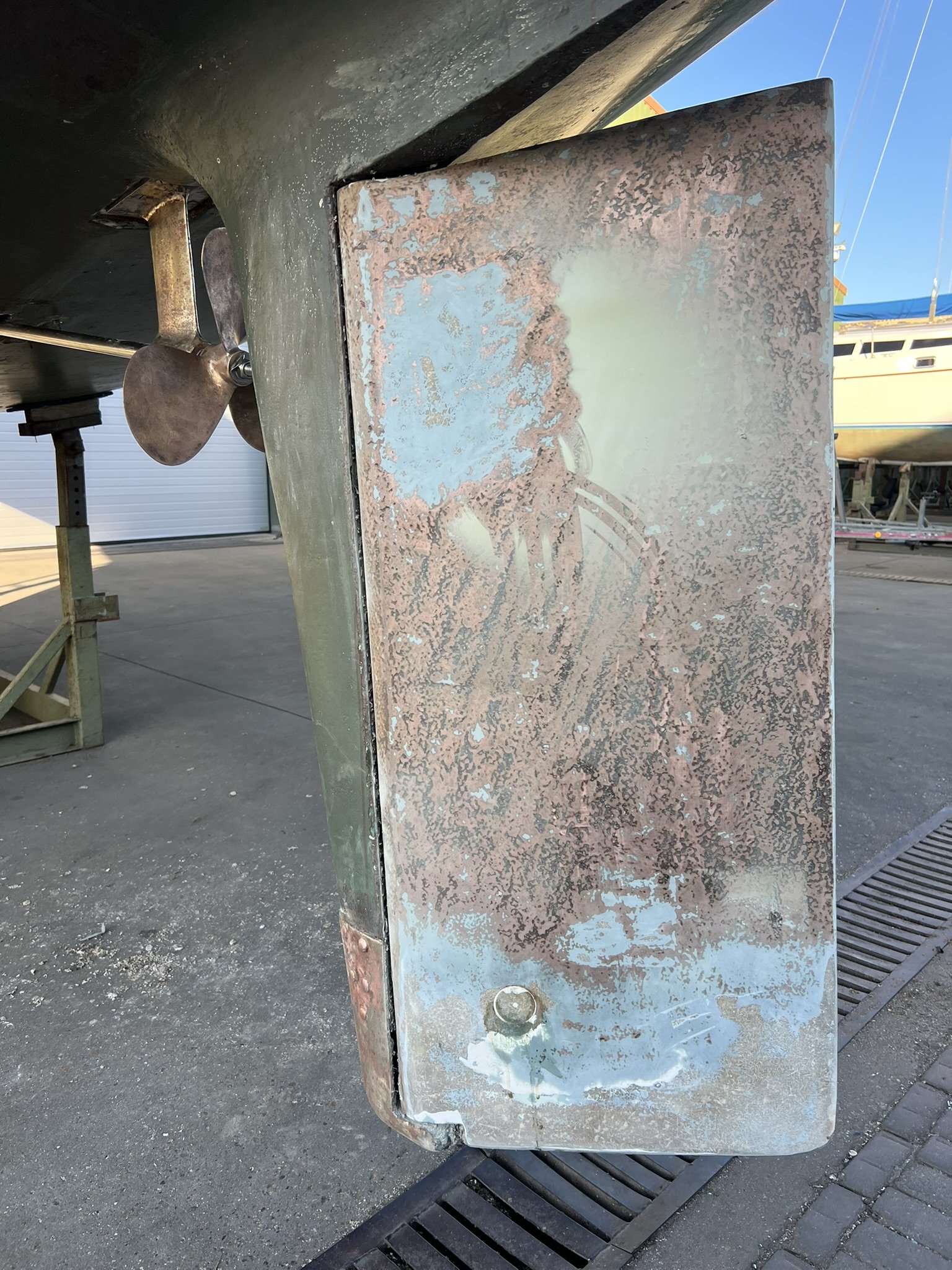
During the survey, we were also advised to sand down the rudder and reapply antifouling due to some suspicious irregularities. This turned out to be the biggest job of the entire haul-out. Beneath the surface, we discovered many uneven layers of old paint that had built up over the years and needed to be carefully removed.
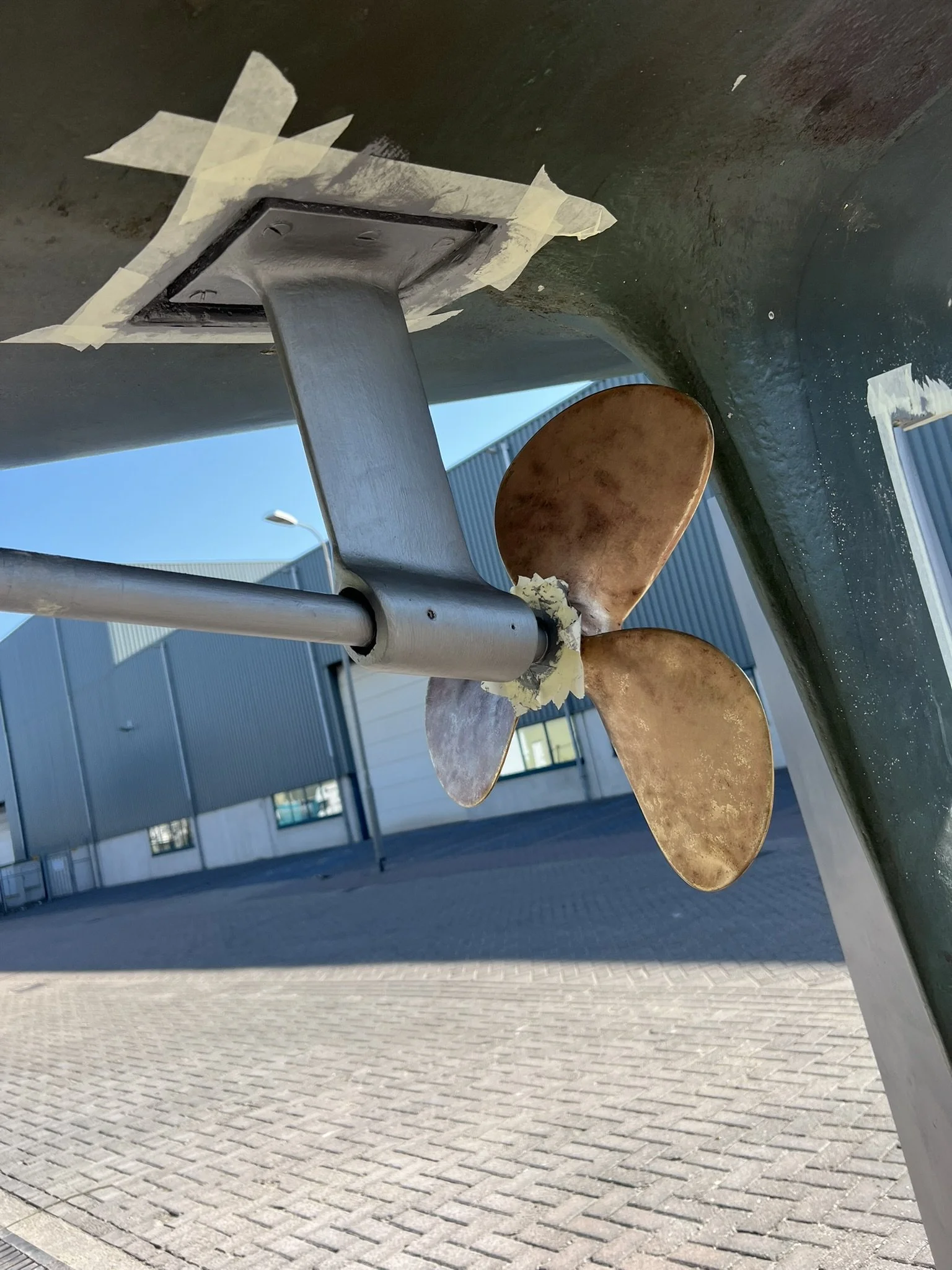
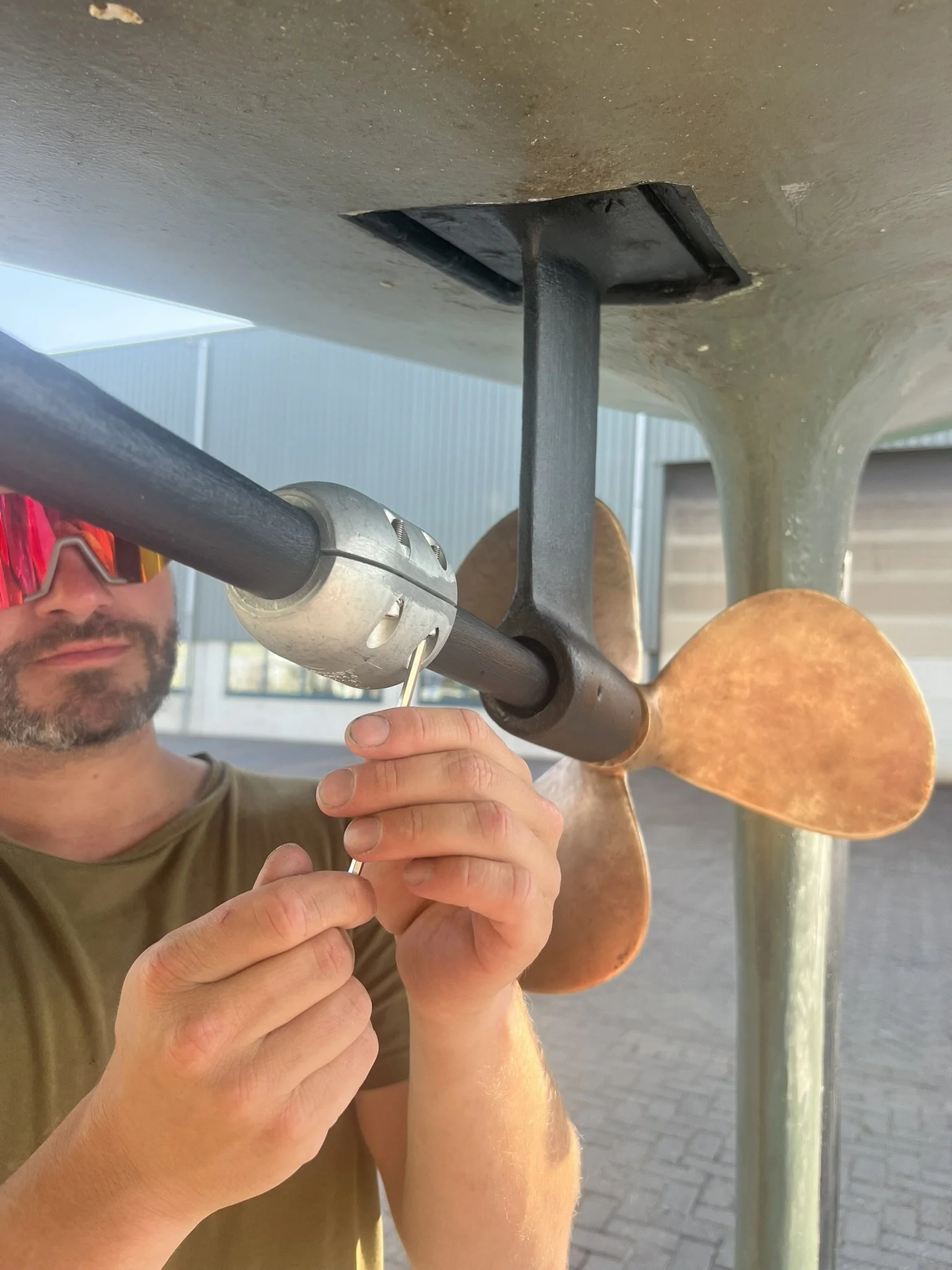
On top of that, we replaced all the boat’s anodes — sacrificial blocks made of more reactive metals such as zinc, aluminum, or magnesium. These protect the boat’s underwater metal parts from corrosion caused by constant contact with water.
After six long days of intense work, Liv was finally ready to go back into the water.
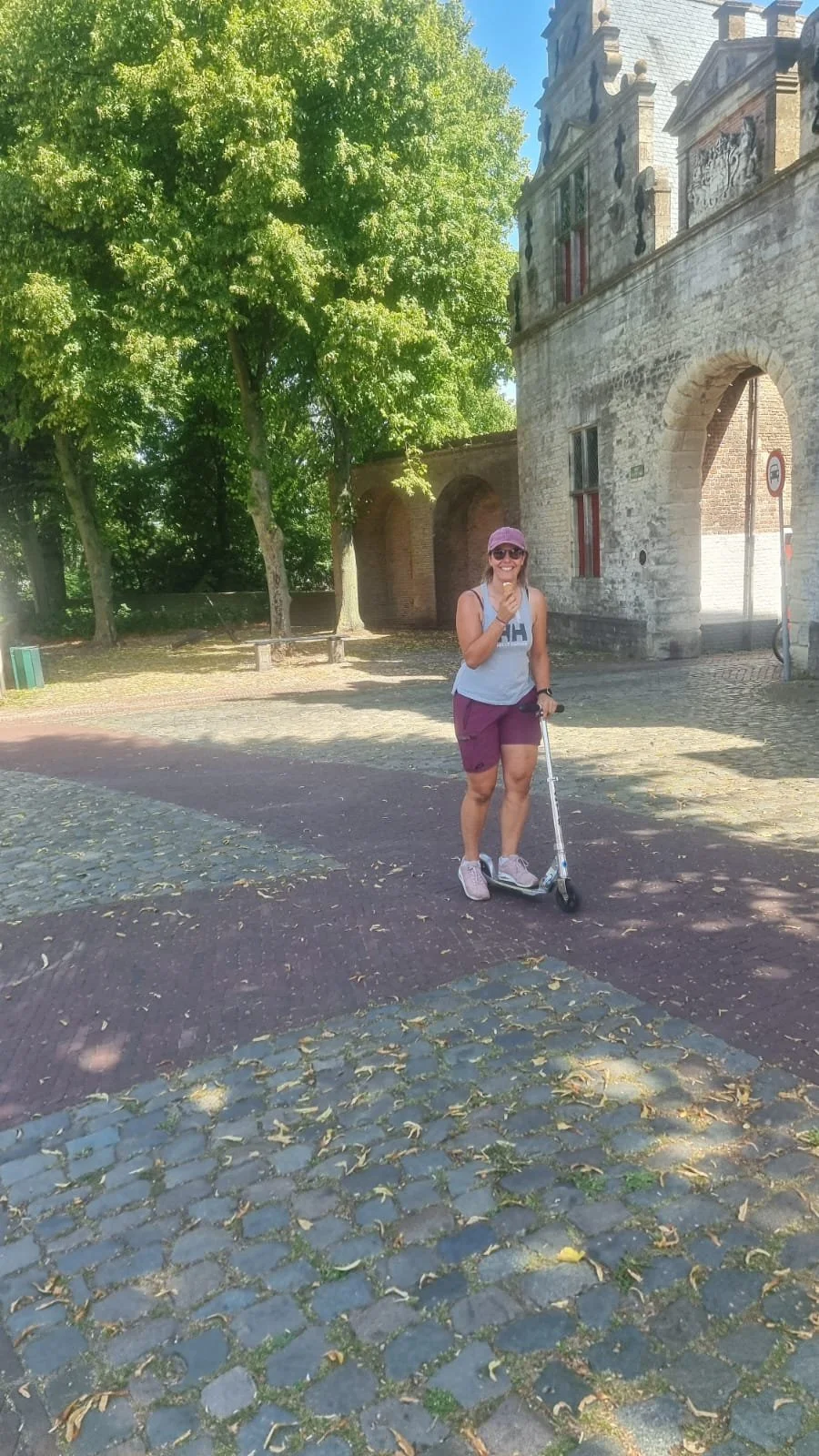
Living on a boat that’s out of the water is a very different experience, but our time in Zierikzee will always bring a smile to our faces. It was hard work — but also another unforgettable step on our journey.